



Sam Caulder
-
Posts
46 -
Joined
-
Last visited
Sam Caulder's Achievements




-
Image courtesy of Denis Poroy-Imagn Images While Tuesday night’s Game 3 loss is far from the end of Milwaukee’s season, it highlighted something that has plagued this team for multiple years now. The Brewers have had plenty of opportunities to score throughout this NLDS. The problem is that they haven’t been able to consistently turn those opportunities into runs, and that can be a fatal problem in October. Over the course of the regular season, there was no better team in baseball with runners in scoring position than the Brew Crew. Their .797 OPS in those situations led the league, and they consistently found ways to capitalize when they had an opportunity to put runs on the board. But the postseason has been a different story. Through three games against the Padres in the NLDS, Milwaukee is just 6-for-23 with runners in scoring position. A .261 batting average in those situations (by itself) isn’t all that bad, especially over such a small sample size. Too few runs are resulting from those hits, though. The Brewers have left 27 runners on base through the first three games of this series. They’ve obviously been able to win two of those three, but they’ve also scored no more than four runs in any of them. All three games have been decided by one run, which makes every missed opportunity that much more significant. The epitome of it all came Tuesday night, when William Contreras managed a hit with a runner on second—but the Padres kept it on the infield and the run didn't come home. In last year’s NLDS, Milwaukee took the first two games against the Cubs and looked like a team that would be extremely difficult to knock out. They came through in clutch situations and looked like a force to be reckoned with. Then came Games 3 and 4. The Brewers went a combined 2-for-13 with runners in scoring position in those two contests, and the Cubs forced a decisive Game 5. Milwaukee went 0-for-3 with runners in scoring position in that game, but still managed to get the job done and advance to the NLCS. That’s where their inability to consistently convert those opportunities finally caught up with them. Against the Dodgers, the Brewers went just 1-for-16 with runners in scoring position across the four-game series. They were swept, bringing a disappointing end to what had been a great season. Milwaukee was the National League’s No. 1 seed that year, just like it is this season, but by the time the NLCS rolled around, it certainly didn’t feel like it. Every postseason is different, and this Brewers team has already shown that it can win games without consistently piling up runs. But if Milwaukee wants this year to be different, it’s going to have to start converting scoring chances. The margin for error in the postseason is incredibly slim. That’s been apparent throughout these first three games against San Diego. Milwaukee’s pitching staff has done an excellent job of keeping the team in these games, while Jackson Chourio provided some fireworks in Game 2. Those things have helped the Brewers take a 2-1 series lead, despite leaving a significant number of runners on base. It’s worth pointing out that San Diego hasn’t exactly been great in those situations, either. The Padres are just 4-for-21 with runners in scoring position through the first three games, which has kept Milwaukee from paying a much bigger price for its own struggles. But Milwaukee can’t count on that continuing. If the Brewers are going to advance to the NLCS (and hopefully make an even deeper run from there), they’re going to need more than dominant pitching and the occasional big swing. At some point, the offense is going to have to start making the most of the opportunities it creates. That was one of the biggest strengths of this team during the regular season. It’s also been one of its biggest weaknesses in recent postseason history. The Brewers are still in a very good position, and Tuesday’s loss certainly doesn’t mean their season is in danger of falling apart. But the longer they continue to leave runners stranded, the more difficult they’re making things for themselves. View full article
-
The Brewers’ Biggest Postseason Problem is Starting to Look Familiar
Sam Caulder posted an article in Brewers
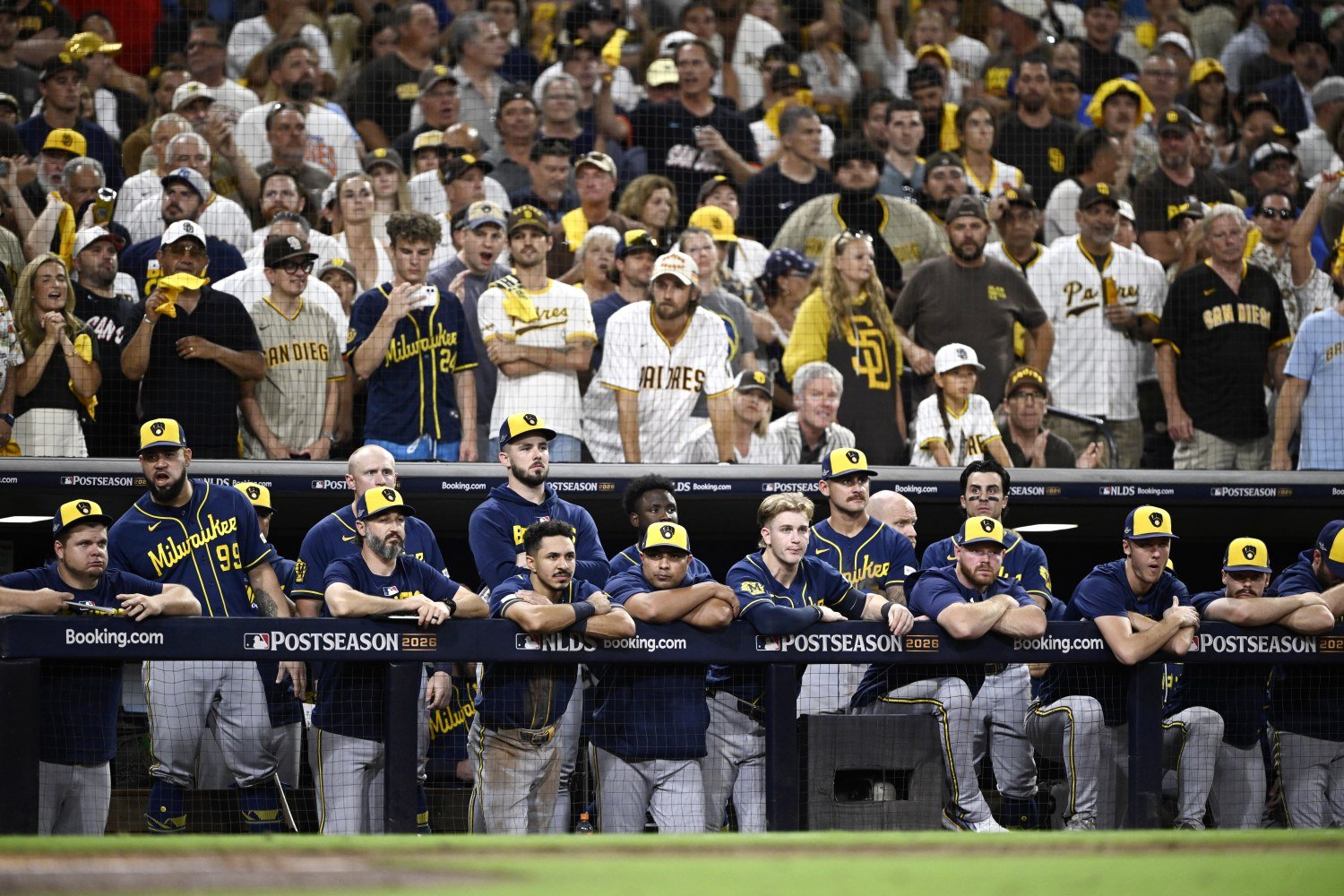 While Tuesday night’s Game 3 loss is far from the end of Milwaukee’s season, it highlighted something that has plagued this team for multiple years now. The Brewers have had plenty of opportunities to score throughout this NLDS. The problem is that they haven’t been able to consistently turn those opportunities into runs, and that can be a fatal problem in October. Over the course of the regular season, there was no better team in baseball with runners in scoring position than the Brew Crew. Their .797 OPS in those situations led the league, and they consistently found ways to capitalize when they had an opportunity to put runs on the board. But the postseason has been a different story. Through three games against the Padres in the NLDS, Milwaukee is just 6-for-23 with runners in scoring position. A .261 batting average in those situations (by itself) isn’t all that bad, especially over such a small sample size. Too few runs are resulting from those hits, though. The Brewers have left 27 runners on base through the first three games of this series. They’ve obviously been able to win two of those three, but they’ve also scored no more than four runs in any of them. All three games have been decided by one run, which makes every missed opportunity that much more significant. The epitome of it all came Tuesday night, when William Contreras managed a hit with a runner on second—but the Padres kept it on the infield and the run didn't come home. In last year’s NLDS, Milwaukee took the first two games against the Cubs and looked like a team that would be extremely difficult to knock out. They came through in clutch situations and looked like a force to be reckoned with. Then came Games 3 and 4. The Brewers went a combined 2-for-13 with runners in scoring position in those two contests, and the Cubs forced a decisive Game 5. Milwaukee went 0-for-3 with runners in scoring position in that game, but still managed to get the job done and advance to the NLCS. That’s where their inability to consistently convert those opportunities finally caught up with them. Against the Dodgers, the Brewers went just 1-for-16 with runners in scoring position across the four-game series. They were swept, bringing a disappointing end to what had been a great season. Milwaukee was the National League’s No. 1 seed that year, just like it is this season, but by the time the NLCS rolled around, it certainly didn’t feel like it. Every postseason is different, and this Brewers team has already shown that it can win games without consistently piling up runs. But if Milwaukee wants this year to be different, it’s going to have to start converting scoring chances. The margin for error in the postseason is incredibly slim. That’s been apparent throughout these first three games against San Diego. Milwaukee’s pitching staff has done an excellent job of keeping the team in these games, while Jackson Chourio provided some fireworks in Game 2. Those things have helped the Brewers take a 2-1 series lead, despite leaving a significant number of runners on base. It’s worth pointing out that San Diego hasn’t exactly been great in those situations, either. The Padres are just 4-for-21 with runners in scoring position through the first three games, which has kept Milwaukee from paying a much bigger price for its own struggles. But Milwaukee can’t count on that continuing. If the Brewers are going to advance to the NLCS (and hopefully make an even deeper run from there), they’re going to need more than dominant pitching and the occasional big swing. At some point, the offense is going to have to start making the most of the opportunities it creates. That was one of the biggest strengths of this team during the regular season. It’s also been one of its biggest weaknesses in recent postseason history. The Brewers are still in a very good position, and Tuesday’s loss certainly doesn’t mean their season is in danger of falling apart. But the longer they continue to leave runners stranded, the more difficult they’re making things for themselves.
 -
Image courtesy of David Frerker-Imagn Images Today is a new day. Tuesday night’s loss is in the past, and the Milwaukee Brewers have another chance to secure their spot in the NLCS tonight. In order for that to happen, though, certain players are going to have to play an important role. Whether it’s getting the offense going, shutting down the Padres late, or simply making the routine plays, the Brewers need some of their key players to step up. Here are four who need to do exactly that in Game 4 if Milwaukee wants to end the series tonight. Brice Turang After struggling mightily during the 2025 postseason, Turang finds himself in a similar spot once again through the first three games of this NLDS. He started the series with an 0-for-10 at the plate, with just one walk to his name. However, Turang’s final two plate appearances last night might have been exactly what he needed to get himself going. In the seventh inning, he reached on a bloop single into the outfield, which is about as classic a slump-buster as you can find. Then, in the ninth, he worked a six-pitch walk against Michael King. Neither plate appearance was spectacular, but getting on base twice late in the game could be enough to help Turang turn things around. San Diego will start right-hander Walker Buehler in Game 4, and while the sample size is extremely small, Turang has had some success against him. In five career plate appearances, he’s 1-for-4 with a triple and a walk. Tonight feels like the night Turang finally comes through for this Brewers offense. Garrett Mitchell Through the first three games of the series, Mitchell has gone 2-for-11 at the plate. That’s not horrible, in such a small sample size. But there’s one number that stands out: six of his nine outs have come via the strikeout. That’s not going to cut it for a player who’s been hitting right behind the heart of Milwaukee’s lineup against right-handed pitching. If anything, too, the numbers undersell his struggles. He's looked overmatched in several key at-bats. With Buehler getting the start for San Diego tonight, there’s a good chance Pat Murphy will once again slot Mitchell into that same spot in the order. If the Brewers’ best hitters can get on base, Mitchell is going to have opportunities to drive them in. It’s time for him to take advantage of them. Like Turang, Mitchell has also had some success against Buehler in a very small sample. He’s gone 1-for-3 against the right-hander, while also drawing a pair of walks. Buehler won't work all that deep, though. Mitchell needs to cash in against the San Diego bullpen if the chance comes. He's unlikely to see Yuki Matsui for a third time in this series, but he could see Mason Miller, Adrian Morejon, or Jason Adam for a second time—or even Bradgley Rodriguez for a third. He's gotten his looks. It's time to get his licks. Name Matsui Morejon Ray Adam King Miller Morgan Musgrove Pivetta Rodriguez Vasquez Buehler Peralta Contreras XX X XX X XXX X XX X Sanchez X Vaughn X X Bauers XX X XX X XXX X XX X Turang XXX X XX XXX X XX X Pratt X X X XXX XX XX Ortiz X X XX XX Hamilton XXX X Chourio X XX X XXX X XX XXX Mitchell XX X X XX X XX XX Lara X X X Frelick XX XXX X XX Yelich XXX XX XXX X XX X Trevor Megill The Brewers’ closer hasn’t pitched since Game 2 on Sunday, and with an off day coming before a potential Game 5 on Friday, the odds are pretty good that Pat Murphy is going to get him into this game at some point. Megill pitched extremely well in the first two games of the series. He earned the save in Game 1 before picking up the win in Game 2, throwing 2 1/3 combined scoreless innings along the way. Both of those appearances came in the ninth inning, but Milwaukee could be a little more creative with how they use him tonight. If the Brewers have a tight game in the seventh or eighth inning with the top of San Diego’s order coming up, don’t be surprised if Megill trots out of the bullpen a little earlier than usual. This is the postseason. There’s no reason to save your best reliever for a save situation if the highest-leverage spot is setting up the guy throwing the ninth. Besides, Abner Uribe did work in Game 3, so he might be down in Game 4. Megill might be asked for six outs, or at least to provide a bridge to a closeout by Logan Henderson (who's on his throw day and might be available in relief). Cooper Pratt The 22-year-old shortstop has been fine at the plate through the first three games of the NLDS, going 3-for-11 with three singles. He hasn't exactly been a difference-maker offensively, but he also hasn't been a problem. Defensively, however, it’s been a different story. Pratt played some strong defense at shortstop during the regular season, but he’s already committed a pair of throwing errors in this series. Unfortunately, the second one came at a particularly costly time last night, allowing the game-winning insurance run to score. Pratt's a young player playing in his first postseason, and one costly throw doesn’t erase everything he did during the regular season. Nor was all the fault on that play his; Jake Bauers could (and probably should) have picked it. But Milwaukee needs more from their shortstop defensively tonight. The Brewers are one win away from the NLCS. If they want to get there tonight, they’re going to need contributions from plenty of different players. Turang and Mitchell need to find a way to get the offense going. Megill needs to be ready whenever his number is called, and Pratt needs to make the routine plays at short. Do those things, and Milwaukee has a very good chance to put this series away tonight. View full article
-
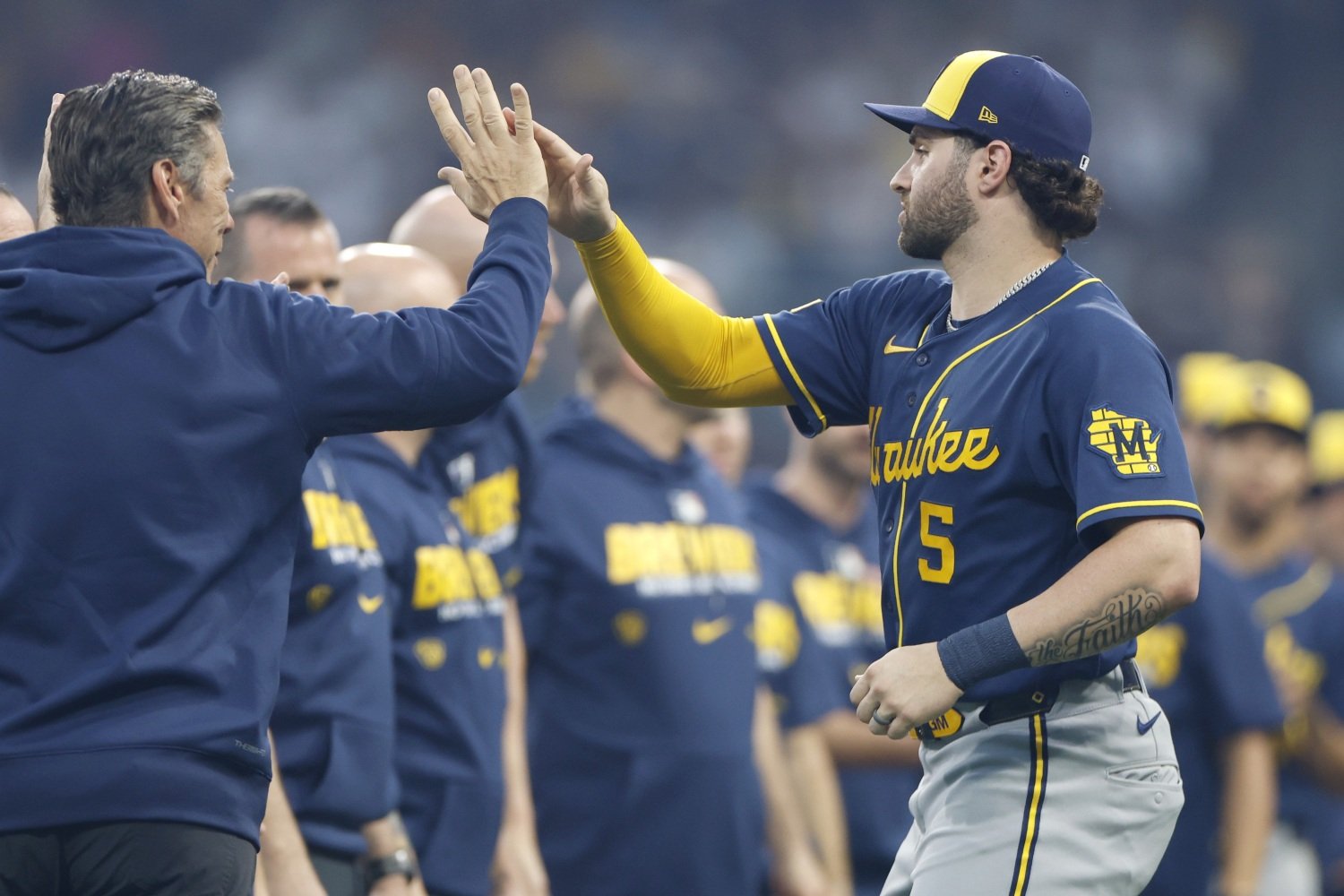 Today is a new day. Tuesday night’s loss is in the past, and the Milwaukee Brewers have another chance to secure their spot in the NLCS tonight. In order for that to happen, though, certain players are going to have to play an important role. Whether it’s getting the offense going, shutting down the Padres late, or simply making the routine plays, the Brewers need some of their key players to step up. Here are four who need to do exactly that in Game 4 if Milwaukee wants to end the series tonight. Brice Turang After struggling mightily during the 2025 postseason, Turang finds himself in a similar spot once again through the first three games of this NLDS. He started the series with an 0-for-10 at the plate, with just one walk to his name. However, Turang’s final two plate appearances last night might have been exactly what he needed to get himself going. In the seventh inning, he reached on a bloop single into the outfield, which is about as classic a slump-buster as you can find. Then, in the ninth, he worked a six-pitch walk against Michael King. Neither plate appearance was spectacular, but getting on base twice late in the game could be enough to help Turang turn things around. San Diego will start right-hander Walker Buehler in Game 4, and while the sample size is extremely small, Turang has had some success against him. In five career plate appearances, he’s 1-for-4 with a triple and a walk. Tonight feels like the night Turang finally comes through for this Brewers offense. Garrett Mitchell Through the first three games of the series, Mitchell has gone 2-for-11 at the plate. That’s not horrible, in such a small sample size. But there’s one number that stands out: six of his nine outs have come via the strikeout. That’s not going to cut it for a player who’s been hitting right behind the heart of Milwaukee’s lineup against right-handed pitching. If anything, too, the numbers undersell his struggles. He's looked overmatched in several key at-bats. With Buehler getting the start for San Diego tonight, there’s a good chance Pat Murphy will once again slot Mitchell into that same spot in the order. If the Brewers’ best hitters can get on base, Mitchell is going to have opportunities to drive them in. It’s time for him to take advantage of them. Like Turang, Mitchell has also had some success against Buehler in a very small sample. He’s gone 1-for-3 against the right-hander, while also drawing a pair of walks. Buehler won't work all that deep, though. Mitchell needs to cash in against the San Diego bullpen if the chance comes. He's unlikely to see Yuki Matsui for a third time in this series, but he could see Mason Miller, Adrian Morejon, or Jason Adam for a second time—or even Bradgley Rodriguez for a third. He's gotten his looks. It's time to get his licks. Name Matsui Morejon Ray Adam King Miller Morgan Musgrove Pivetta Rodriguez Vasquez Buehler Peralta Contreras XX X XX X XXX X XX X Sanchez X Vaughn X X Bauers XX X XX X XXX X XX X Turang XXX X XX XXX X XX X Pratt X X X XXX XX XX Ortiz X X XX XX Hamilton XXX X Chourio X XX X XXX X XX XXX Mitchell XX X X XX X XX XX Lara X X X Frelick XX XXX X XX Yelich XXX XX XXX X XX X Trevor Megill The Brewers’ closer hasn’t pitched since Game 2 on Sunday, and with an off day coming before a potential Game 5 on Friday, the odds are pretty good that Pat Murphy is going to get him into this game at some point. Megill pitched extremely well in the first two games of the series. He earned the save in Game 1 before picking up the win in Game 2, throwing 2 1/3 combined scoreless innings along the way. Both of those appearances came in the ninth inning, but Milwaukee could be a little more creative with how they use him tonight. If the Brewers have a tight game in the seventh or eighth inning with the top of San Diego’s order coming up, don’t be surprised if Megill trots out of the bullpen a little earlier than usual. This is the postseason. There’s no reason to save your best reliever for a save situation if the highest-leverage spot is setting up the guy throwing the ninth. Besides, Abner Uribe did work in Game 3, so he might be down in Game 4. Megill might be asked for six outs, or at least to provide a bridge to a closeout by Logan Henderson (who's on his throw day and might be available in relief). Cooper Pratt The 22-year-old shortstop has been fine at the plate through the first three games of the NLDS, going 3-for-11 with three singles. He hasn't exactly been a difference-maker offensively, but he also hasn't been a problem. Defensively, however, it’s been a different story. Pratt played some strong defense at shortstop during the regular season, but he’s already committed a pair of throwing errors in this series. Unfortunately, the second one came at a particularly costly time last night, allowing the game-winning insurance run to score. Pratt's a young player playing in his first postseason, and one costly throw doesn’t erase everything he did during the regular season. Nor was all the fault on that play his; Jake Bauers could (and probably should) have picked it. But Milwaukee needs more from their shortstop defensively tonight. The Brewers are one win away from the NLCS. If they want to get there tonight, they’re going to need contributions from plenty of different players. Turang and Mitchell need to find a way to get the offense going. Megill needs to be ready whenever his number is called, and Pratt needs to make the routine plays at short. Do those things, and Milwaukee has a very good chance to put this series away tonight.
 -
Image courtesy of Benny Sieu-Imagn Images After a couple of stressful but exciting NLDS games over the weekend, the Milwaukee Brewers sit just one game away from winning the series against the San Diego Padres. With Jacob Misiorowski and Logan Henderson taking the hill for Milwaukee in the first two games, the team had a crystal-clear plan for those contests, but there was some uncertainty about who would get the ball for Tuesday night’s matchup. As it turns out, it’ll be right-hander Dustin May. It’s an interesting decision, considering May owns a 5.65 ERA over 10 starts since being acquired from St. Louis at the trade deadline. But clearly, Pat Murphy has a plan in place. So, how should the Brewers utilize their pitching staff in Game 3, as they try to secure a spot in the NLCS? Dustin May Sets the Tone Although May worked deep into the game in each of his two regular-season starts against the Padres, he's likely to be on a short leash for this one. The key will be for Murphy to get him out of the game without allowing damage, while giving himself a path from the first pitching change to the final out. That means striking a delicate balance. The way the first two games played out suggests that Murphy is comfortable leaning heavily on his bullpen. Misiorowski threw just four innings in Game 1, while Henderson made it through five in Game 2 on just 72 pitches. That means Milwaukee has gotten plenty of work from its bullpen already, but it also means its top arms have not been completely overextended. If May can give the Brewers four solid innings, that should be enough to get the game into the hands of the pitchers Murphy trusts most. If the offense provides an early margin for error and May is pitching well, letting him go through the order twice is fine. Otherwise, getting him out after 13 batters faced or so—after the first half of the second turn, where the Padres lineup suddenly turns from leaning toward right-handed bats to left-handed ones—would be wiser. Where Do the Lefties Fit? Let’s say May gets through three innings. What happens then? We could see Robert Gasser, Shane Drohan, or Kyle Harrison make their first appearance of the series. I initially thought Gasser would be the Game 3 starter, and I’m guessing the team's optimal plan now hands him the ball in Game 4 (if needed). But if Tuesday’s game is tight and there's a lead to protect, he could be the bridge through the middle innings. If the opportunity to seal the series is less clear (or if the matchups just fall right and the skipper prefers to keep Gasser ready for a start on Wednesday), Drohan or Harrison could also give Milwaukee two or three innings before the Brewers turn things over to their late-inning arms. Aaron Ashby, Abner Uribe and Trevor Megill each appeared in each of the first two games, so ideally, Murphy would get through Game 3 without going to all three again. At the very least, they'll be limited to one "up" in this one. You won't see Ashby come in to finish one inning and then pitch the next, as well. If May can get through three and one of the swingman lefties can give Milwaukee three innings, the Brewers would be in a strong position to finish the game without completely draining the bullpen. Who Gets the Ball Late? Let’s say everything goes according to plan and the Brewers get 6+ innings from May and another pitcher. Whom does Murphy go to, if he wants to avoid (say) Uribe for one game? Antonio Senzatela deserved better than he got in Game 1, and the Brewers are right to like the way he matches up against some of the righty bats at the top of the San Diego lineup. If there's any slack in the rope, though, Game 3 could be Chad Patrick's time to shine. He's been a bit erratic and he's not an ideal fit against any of the Padres' key bats, but Patrick is an important cog in the team's pitching machine. He's capable of giving them length, just as the lefties we expect to see in the middle of the game are. The Padres are running a deep position-player roster and have been aggressive about pinch-hitting to gain the platoon advantage. If they swing from their lefty supporting cast to their right-handed one when some southpaw takes over in the middle innings, Patrick could be Murphy's countermove, against batters locked into their places. Who Finishes the Game? If Trevor Megill is available in the ninth, that’s the guy. It’s entirely possible Megill doesn’t pitch in Game 3. It’s also possible he’s used earlier in the game, depending on how things play out. But he's Milwaukee’s closer for a reason. The one thing to keep in mind is that he's seen the top half of the San Diego lineup already in the series. Ideally, Murphy would find a way to work him in against the portions of the Padres corps who haven't seen him since August, or even before that. Realistically, though DL Hall has earned the skipper's trust, Megill, Uribe and Ashby are the candidates to close out a win. In a perfect world, you keep your powder dry for the balance of the series—but if there's a chance to end the series with three more outs, Murphy won't entrust it to a lesser light. The Brewers have a chance to sweep the Padres tonight and advance to the NLCS. If they’re going to get it done, the pitching staff is going to have to pull its weight. With the way Murphy has managed his pitching staff throughout this series, there are plenty of different ways he can make that happen. View full article
-
How Should the Brewers Deploy Their Pitching Staff in Game 3?
Sam Caulder posted an article in Brewers
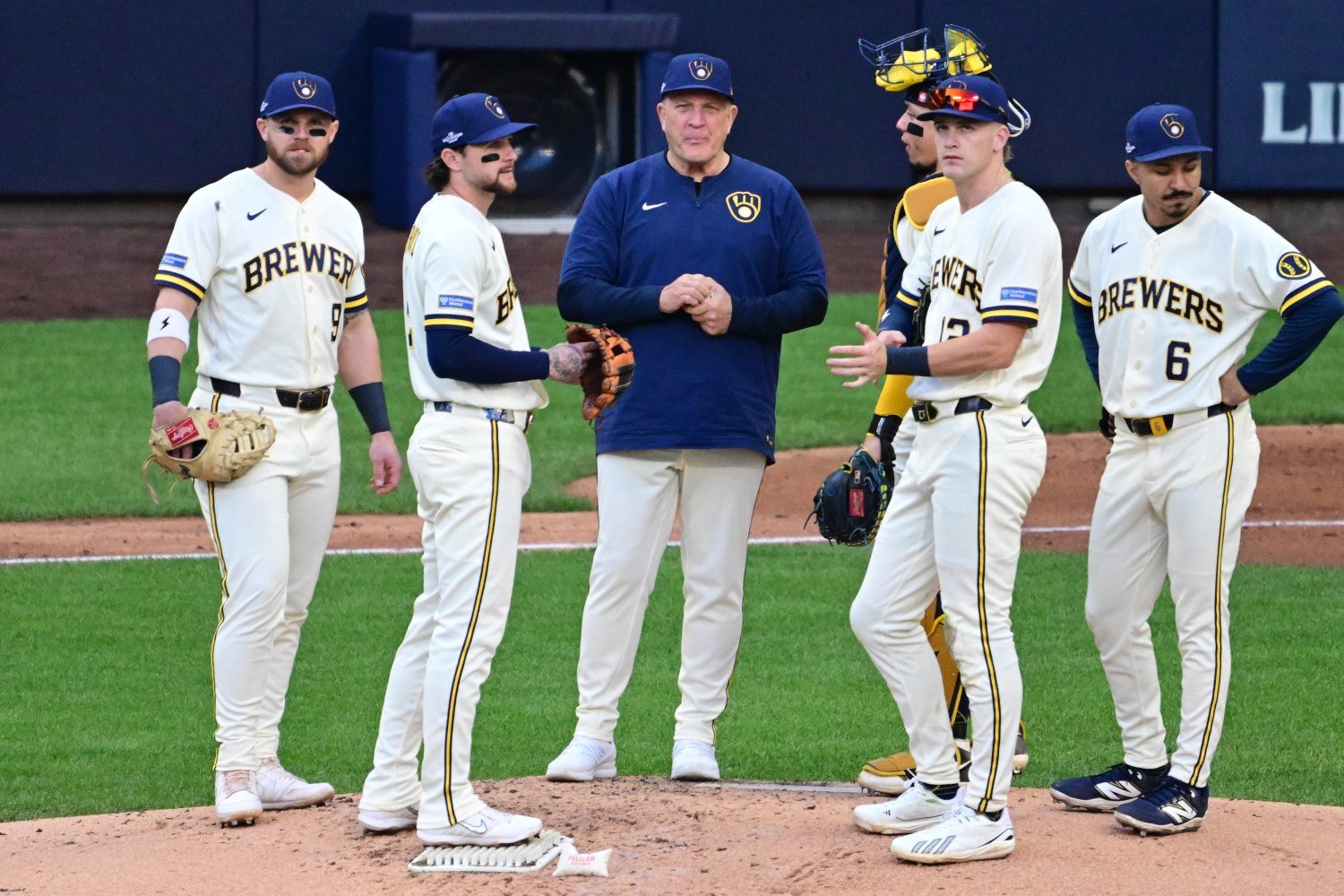 After a couple of stressful but exciting NLDS games over the weekend, the Milwaukee Brewers sit just one game away from winning the series against the San Diego Padres. With Jacob Misiorowski and Logan Henderson taking the hill for Milwaukee in the first two games, the team had a crystal-clear plan for those contests, but there was some uncertainty about who would get the ball for Tuesday night’s matchup. As it turns out, it’ll be right-hander Dustin May. It’s an interesting decision, considering May owns a 5.65 ERA over 10 starts since being acquired from St. Louis at the trade deadline. But clearly, Pat Murphy has a plan in place. So, how should the Brewers utilize their pitching staff in Game 3, as they try to secure a spot in the NLCS? Dustin May Sets the Tone Although May worked deep into the game in each of his two regular-season starts against the Padres, he's likely to be on a short leash for this one. The key will be for Murphy to get him out of the game without allowing damage, while giving himself a path from the first pitching change to the final out. That means striking a delicate balance. The way the first two games played out suggests that Murphy is comfortable leaning heavily on his bullpen. Misiorowski threw just four innings in Game 1, while Henderson made it through five in Game 2 on just 72 pitches. That means Milwaukee has gotten plenty of work from its bullpen already, but it also means its top arms have not been completely overextended. If May can give the Brewers four solid innings, that should be enough to get the game into the hands of the pitchers Murphy trusts most. If the offense provides an early margin for error and May is pitching well, letting him go through the order twice is fine. Otherwise, getting him out after 13 batters faced or so—after the first half of the second turn, where the Padres lineup suddenly turns from leaning toward right-handed bats to left-handed ones—would be wiser. Where Do the Lefties Fit? Let’s say May gets through three innings. What happens then? We could see Robert Gasser, Shane Drohan, or Kyle Harrison make their first appearance of the series. I initially thought Gasser would be the Game 3 starter, and I’m guessing the team's optimal plan now hands him the ball in Game 4 (if needed). But if Tuesday’s game is tight and there's a lead to protect, he could be the bridge through the middle innings. If the opportunity to seal the series is less clear (or if the matchups just fall right and the skipper prefers to keep Gasser ready for a start on Wednesday), Drohan or Harrison could also give Milwaukee two or three innings before the Brewers turn things over to their late-inning arms. Aaron Ashby, Abner Uribe and Trevor Megill each appeared in each of the first two games, so ideally, Murphy would get through Game 3 without going to all three again. At the very least, they'll be limited to one "up" in this one. You won't see Ashby come in to finish one inning and then pitch the next, as well. If May can get through three and one of the swingman lefties can give Milwaukee three innings, the Brewers would be in a strong position to finish the game without completely draining the bullpen. Who Gets the Ball Late? Let’s say everything goes according to plan and the Brewers get 6+ innings from May and another pitcher. Whom does Murphy go to, if he wants to avoid (say) Uribe for one game? Antonio Senzatela deserved better than he got in Game 1, and the Brewers are right to like the way he matches up against some of the righty bats at the top of the San Diego lineup. If there's any slack in the rope, though, Game 3 could be Chad Patrick's time to shine. He's been a bit erratic and he's not an ideal fit against any of the Padres' key bats, but Patrick is an important cog in the team's pitching machine. He's capable of giving them length, just as the lefties we expect to see in the middle of the game are. The Padres are running a deep position-player roster and have been aggressive about pinch-hitting to gain the platoon advantage. If they swing from their lefty supporting cast to their right-handed one when some southpaw takes over in the middle innings, Patrick could be Murphy's countermove, against batters locked into their places. Who Finishes the Game? If Trevor Megill is available in the ninth, that’s the guy. It’s entirely possible Megill doesn’t pitch in Game 3. It’s also possible he’s used earlier in the game, depending on how things play out. But he's Milwaukee’s closer for a reason. The one thing to keep in mind is that he's seen the top half of the San Diego lineup already in the series. Ideally, Murphy would find a way to work him in against the portions of the Padres corps who haven't seen him since August, or even before that. Realistically, though DL Hall has earned the skipper's trust, Megill, Uribe and Ashby are the candidates to close out a win. In a perfect world, you keep your powder dry for the balance of the series—but if there's a chance to end the series with three more outs, Murphy won't entrust it to a lesser light. The Brewers have a chance to sweep the Padres tonight and advance to the NLCS. If they’re going to get it done, the pitching staff is going to have to pull its weight. With the way Murphy has managed his pitching staff throughout this series, there are plenty of different ways he can make that happen.
- 1 comment
-
- 1
-

-
- dustin may
- pat murphy
- (and 6 more)
-
Image courtesy of USA TODAY Network via Reuters Connect We’ve officially made it. Game 1 of the National League Division Series between the Milwaukee Brewers and San Diego Padres is right around the corner, and the importance of getting off to a strong start can’t be overstated. Whichever team comes out on top will capture some early momentum in the series, while the losing team will immediately find itself playing from behind. Neither club wants to put itself in that position. It can be nigh impossible to recover from an early deficit in a short playoff series. The Padres are coming off a dominant Wild Card performance and played excellent baseball down the stretch. Meanwhile, the Brewers are well-rested after earning a bye through the first round and will be looking to take advantage of that extra time off. If Milwaukee is going to get the job done in Game 1, this is how it might go.. 1. Let Jacob Misiorowski Do His Thing Obviously, it starts with Jacob Misiorowski. The soon-to-be NL Cy Young winner gives Milwaukee a huge advantage on the mound, and if he pitches anything like he did during his previous matchup against San Diego, the Brewers will have a great chance to take Game 1. Misiorowski made one start against the Padres during the regular season, taking the mound against them on May 13. He threw seven scoreless innings while striking out 10 batters, completely shutting down San Diego’s lineup. Of course, replicating that kind of performance against the same team in the postseason is easier said than done. The Padres have plenty of talented hitters, and they'll have another opportunity to make adjustments after seeing Misiorowski earlier in the year. Still, if there’s any pitcher capable of putting together another dominant performance, it’s him. His last start came on Sunday, meaning the extra time off during the Wild Card round shouldn't disrupt his normal routine. He should be well-positioned to take the ball and give Milwaukee a strong start, and presumably, there will be fewer constraints on him in terms of in-game workload now that the stakes have risen. The Brewers don't need Misiorowski to throw a complete game, but getting six or seven strong innings out of their ace would put them in position to win. If he can keep the Padres' offense quiet early, Milwaukee can focus on finding a few timely runs and letting its pitching staff do the rest. 2. Manufacture Some Runs, the Good Ol' Fashioned Way Because Misiorowski is on the mound, I think Milwaukee's offensive approach could look a little different in Game 1. In theory, this shouldn't be a game where the Brewers need to score a ton of runs to win. Obviously, that depends on how he performs, but if he's able to deliver the kind of outing we're expecting, a few runs could be enough to get the job done. Because of that, I wouldn't be surprised to see Milwaukee lean into a small-ball approach and look for ways to manufacture offense, rather than relying on extra-base hits. That could mean moving runners over with sacrifice bunts, being aggressive on the basepaths, or even breaking out a hit-and-run or squeeze play in the right situation. These aren't always the most exciting ways to score runs, but they can be extremely effective when every baserunner matters. Crucially, the Brewers have the personnel to make that approach work. Milwaukee laid down 37 sacrifice bunts during the regular season and stole 162 bases. Both marks ranked fifth in Major League Baseball, highlighting just how much this team can do to put pressure on opposing defenses. The Brewers have built an identity around being aggressive, creating opportunities, and forcing opponents to make plays. In a postseason game where one mistake can change everything, that style of baseball can be especially valuable. I'm not suggesting Milwaukee should abandon its usual offensive approach or start bunting every time somebody reaches base. However, if the Brewers have an opportunity to move a runner into scoring position or take an extra base, they need to be willing to make it happen. Pat Murphy should have plenty of confidence in his team's ability to manufacture runs, and Game 1 could be the perfect opportunity to lean into that strength. 3. Don't Be Afraid to Turn to the Bullpen The final piece of the puzzle is riding the hot hand on the mound. It's entirely possible Misiorowski shoves for seven or eight innings, giving Milwaukee exactly the kind of start it needs. It's also possible Murphy wants to be a little more cautious with his ace, keeping his workload in mind with the possibility of another start in Game 5 and the hoped-for eventuality of a start in the next round. Either way, the bullpen will play an important role in determining the outcome of this game. Fortunately for Milwaukee, its relievers should be well-rested after the bye in the Wild Card round. That gives Murphy some flexibility when it comes to navigating the later innings, especially if the Brewers have a lead to protect. Trevor Megill and Abner Uribe are obviously the biggest names to watch in high-leverage situations, but neither has been asked to work much more than an inning at a time during the regular season. That's understandable over the course of a 162-game schedule, but the postseason is a different animal. If Milwaukee needs six outs from one of their top relievers to secure a win, Murphy shouldn't hesitate to make that move. We saw the Philadelphia Phillies attempt a nine-out save with Jhoan Duran in Game 1 of their Wild Card series against the Atlanta Braves. That plan didn't work out, and I'm certainly not suggesting the Brewers need to push one of their relievers that far. However, there's a difference between overworking a bullpen arm and recognizing the importance of a particular game. While Game 1 isn't a must-win, it's absolutely a set-the-tone game, and Milwaukee should manage its pitching staff accordingly. If that means getting multiple innings from Megill, Uribe, or someone like Aaron Ashby, so be it. Murphy should be willing to ride whoever has the hot hand and give his team the best possible chance to close things out. The Brewers have the advantage of entering the series with a rested bullpen, and they should use that to their benefit. If the game is there for the taking in the late innings, Milwaukee can't afford to hold anything back simply because a reliever isn't accustomed to working more than three outs. This should be an extremely entertaining series between two red-hot teams, and it all starts with Game 1. The Padres are playing some excellent baseball, and Milwaukee will have their hands full trying to slow them down. However, the Brewers have the starting pitching, offensive versatility, and bullpen depth to make things difficult for San Diego. If Misiorowski can deliver a strong outing, Milwaukee can manufacture a few runs with its aggressive approach at the plate and on the basepaths, and Murphy can get the most out of his bullpen in the later innings, I like the Brewers' chances of coming out on top. It's not going to be easy, but that's the recipe for success in Game 1. View full article
-
The Brewers' Recipe for Success in Game 1 Against the Padres
Sam Caulder posted an article in Brewers
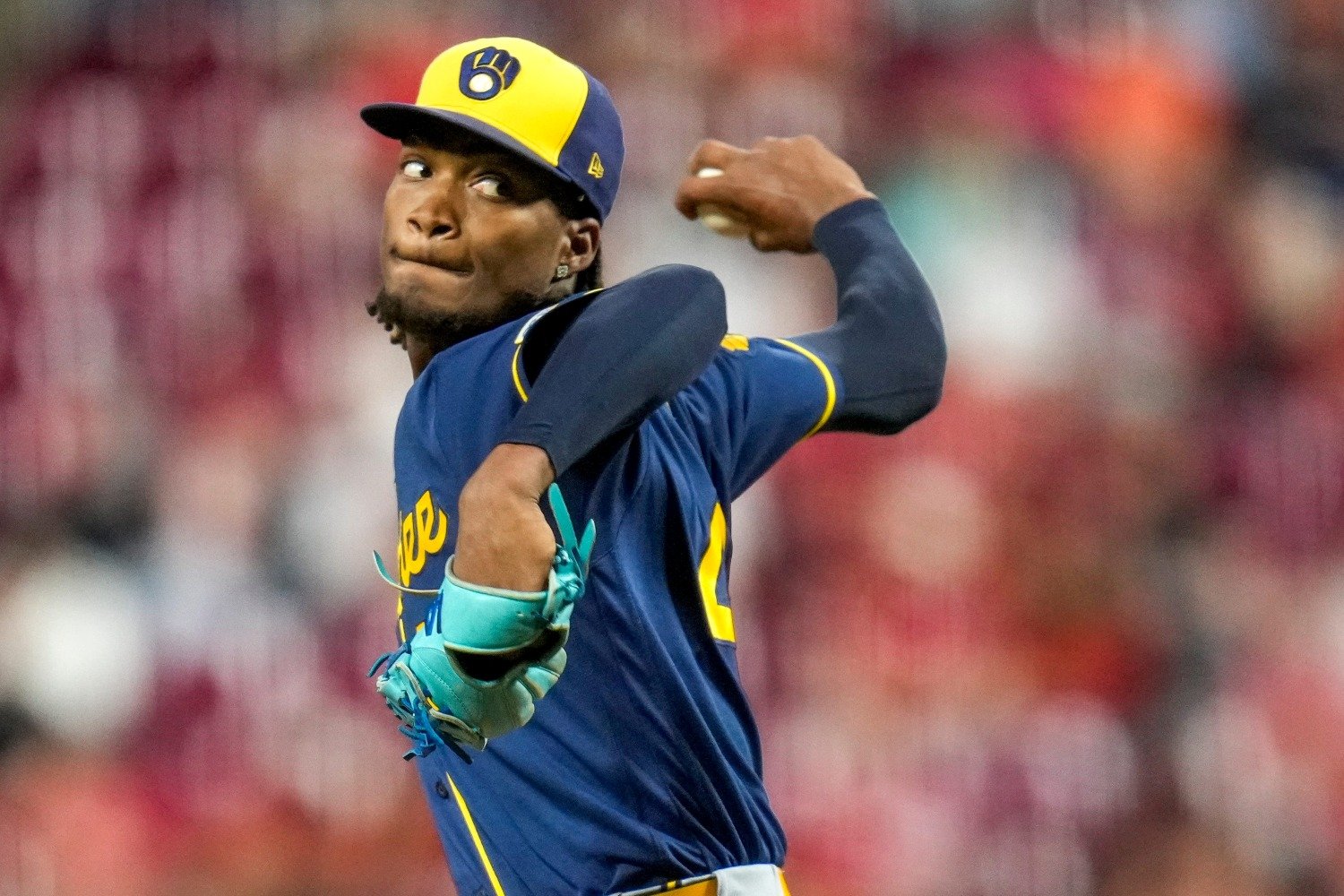 We’ve officially made it. Game 1 of the National League Division Series between the Milwaukee Brewers and San Diego Padres is right around the corner, and the importance of getting off to a strong start can’t be overstated. Whichever team comes out on top will capture some early momentum in the series, while the losing team will immediately find itself playing from behind. Neither club wants to put itself in that position. It can be nigh impossible to recover from an early deficit in a short playoff series. The Padres are coming off a dominant Wild Card performance and played excellent baseball down the stretch. Meanwhile, the Brewers are well-rested after earning a bye through the first round and will be looking to take advantage of that extra time off. If Milwaukee is going to get the job done in Game 1, this is how it might go.. 1. Let Jacob Misiorowski Do His Thing Obviously, it starts with Jacob Misiorowski. The soon-to-be NL Cy Young winner gives Milwaukee a huge advantage on the mound, and if he pitches anything like he did during his previous matchup against San Diego, the Brewers will have a great chance to take Game 1. Misiorowski made one start against the Padres during the regular season, taking the mound against them on May 13. He threw seven scoreless innings while striking out 10 batters, completely shutting down San Diego’s lineup. Of course, replicating that kind of performance against the same team in the postseason is easier said than done. The Padres have plenty of talented hitters, and they'll have another opportunity to make adjustments after seeing Misiorowski earlier in the year. Still, if there’s any pitcher capable of putting together another dominant performance, it’s him. His last start came on Sunday, meaning the extra time off during the Wild Card round shouldn't disrupt his normal routine. He should be well-positioned to take the ball and give Milwaukee a strong start, and presumably, there will be fewer constraints on him in terms of in-game workload now that the stakes have risen. The Brewers don't need Misiorowski to throw a complete game, but getting six or seven strong innings out of their ace would put them in position to win. If he can keep the Padres' offense quiet early, Milwaukee can focus on finding a few timely runs and letting its pitching staff do the rest. 2. Manufacture Some Runs, the Good Ol' Fashioned Way Because Misiorowski is on the mound, I think Milwaukee's offensive approach could look a little different in Game 1. In theory, this shouldn't be a game where the Brewers need to score a ton of runs to win. Obviously, that depends on how he performs, but if he's able to deliver the kind of outing we're expecting, a few runs could be enough to get the job done. Because of that, I wouldn't be surprised to see Milwaukee lean into a small-ball approach and look for ways to manufacture offense, rather than relying on extra-base hits. That could mean moving runners over with sacrifice bunts, being aggressive on the basepaths, or even breaking out a hit-and-run or squeeze play in the right situation. These aren't always the most exciting ways to score runs, but they can be extremely effective when every baserunner matters. Crucially, the Brewers have the personnel to make that approach work. Milwaukee laid down 37 sacrifice bunts during the regular season and stole 162 bases. Both marks ranked fifth in Major League Baseball, highlighting just how much this team can do to put pressure on opposing defenses. The Brewers have built an identity around being aggressive, creating opportunities, and forcing opponents to make plays. In a postseason game where one mistake can change everything, that style of baseball can be especially valuable. I'm not suggesting Milwaukee should abandon its usual offensive approach or start bunting every time somebody reaches base. However, if the Brewers have an opportunity to move a runner into scoring position or take an extra base, they need to be willing to make it happen. Pat Murphy should have plenty of confidence in his team's ability to manufacture runs, and Game 1 could be the perfect opportunity to lean into that strength. 3. Don't Be Afraid to Turn to the Bullpen The final piece of the puzzle is riding the hot hand on the mound. It's entirely possible Misiorowski shoves for seven or eight innings, giving Milwaukee exactly the kind of start it needs. It's also possible Murphy wants to be a little more cautious with his ace, keeping his workload in mind with the possibility of another start in Game 5 and the hoped-for eventuality of a start in the next round. Either way, the bullpen will play an important role in determining the outcome of this game. Fortunately for Milwaukee, its relievers should be well-rested after the bye in the Wild Card round. That gives Murphy some flexibility when it comes to navigating the later innings, especially if the Brewers have a lead to protect. Trevor Megill and Abner Uribe are obviously the biggest names to watch in high-leverage situations, but neither has been asked to work much more than an inning at a time during the regular season. That's understandable over the course of a 162-game schedule, but the postseason is a different animal. If Milwaukee needs six outs from one of their top relievers to secure a win, Murphy shouldn't hesitate to make that move. We saw the Philadelphia Phillies attempt a nine-out save with Jhoan Duran in Game 1 of their Wild Card series against the Atlanta Braves. That plan didn't work out, and I'm certainly not suggesting the Brewers need to push one of their relievers that far. However, there's a difference between overworking a bullpen arm and recognizing the importance of a particular game. While Game 1 isn't a must-win, it's absolutely a set-the-tone game, and Milwaukee should manage its pitching staff accordingly. If that means getting multiple innings from Megill, Uribe, or someone like Aaron Ashby, so be it. Murphy should be willing to ride whoever has the hot hand and give his team the best possible chance to close things out. The Brewers have the advantage of entering the series with a rested bullpen, and they should use that to their benefit. If the game is there for the taking in the late innings, Milwaukee can't afford to hold anything back simply because a reliever isn't accustomed to working more than three outs. This should be an extremely entertaining series between two red-hot teams, and it all starts with Game 1. The Padres are playing some excellent baseball, and Milwaukee will have their hands full trying to slow them down. However, the Brewers have the starting pitching, offensive versatility, and bullpen depth to make things difficult for San Diego. If Misiorowski can deliver a strong outing, Milwaukee can manufacture a few runs with its aggressive approach at the plate and on the basepaths, and Murphy can get the most out of his bullpen in the later innings, I like the Brewers' chances of coming out on top. It's not going to be easy, but that's the recipe for success in Game 1.
 -
The Brewers and Padres are coming off very different regular seasons, but both are playing some of their best baseball at the perfect time. Here’s what to expect in the NLDS.
-
The Brewers and Padres are coming off very different regular seasons, but both are playing some of their best baseball at the perfect time. Here’s what to expect in the NLDS. View full video
-
- 1
-
-
Image courtesy of USA TODAY Network via Reuters Connect The Wild Card round of the playoffs is officially in the books. Now, the real fun begins. The Milwaukee Brewers earned a first-round bye, but their reprieve is all but over. They’ll be taking on the San Diego Padres in the NLDS beginning Saturday, and as rocky as the Padres' regular season was, they’re playing some awfully good baseball right now. San Diego went 20-6 in September, going from a team that may not even sneak into the postseason to hosting a Wild Card series. They dominated the Chicago Cubs this week, sweeping their way into the NLDS. This series is what postseason baseball is all about: a Brewers team that was the best in baseball during the regular season going up against a red-hot Padres team that has been, arguably, the best team in the league over the last month. So what should we expect in a best-of-five series between these two squads, and what does Milwaukee need to do to advance to the NLCS? Let’s start with the first part of that question. I think this has the potential to be a very low-scoring series. A lot of playoff series are low-scoring. Pitching tends to take over once the postseason begins and teams prune their decision trees to remove cancerous limbs (i.e., 5.50 ERAs), and both teams are going to be throwing their best arms out there. The Brewers’ pitching staff allowed the fourth-fewest runs in the league during the regular season. Jacob Misiorowski and Logan Henderson have been a truly elite 1-2 punch at the top of the rotation, while the bullpen posted a collective 3.40 ERA, the third-lowest mark of any team. In theory, that should give Milwaukee a huge advantage in this series. It's not that simple, though. San Diego’s bullpen is arguably the best in baseball, with Mason Miller and Adrián Morejón headlining a group that boasts underrated depth. As a team, they held the Cubs to one run over two games. Chicago's offense wasn't firing on all cylinders, but still, that's not easy to do. Neither team is going to have an easy time stringing together hits against these pitching staffs, which means every baserunner and every scoring opportunity will matter. We may see two very different offensive approaches throughout the series. Milwaukee drew the second-most walks in baseball during the regular season, with 668. This is a patient offense that wants to make opposing pitchers work, get into hitter-friendly counts, and eventually capitalize on mistakes. Famously, they swing less often than any other lineup does. Meanwhile, San Diego had more home runs than walks drawn during the Wild Card round. The Padres will certainly make Milwaukee’s pitching staff work, but they’re also ready to jump on a pitch over the plate. That was a big part of what made them so dangerous against the Cubs, and it’s something the Brewers are going to have to account for. The Crew likes to attack with fastballs; they have to execute properly to avoid having the Padres ambush them. So what do the Brewers need to do to advance? For starters, they need to win Games 1 and 2. Now, you may be thinking, “Duh.” But with Misiorowski and Henderson lined up to start those games (and with big questions about the rest of the rotation), Milwaukee needs to make good on its home-field advantage. If the Brewers can win both games at home, they’ll put San Diego in a difficult position heading into the rest of the series. If they go into the cauldron of yellow towels and noise that is Petco Park with the series level (or if the Padres lead it), the Brewers will no longer be the favorites. In any short series, much depends on how well a team converts chances into actual runs. That was a big part of why the Padres were so successful in the Wild Card round. They went 5-for-11 with runners in scoring position against the Cubs, taking advantage of the opportunities they had. They created runs in short sequences, via the homer and extra-base hits, as well as taking extra bases with their speed. The Brewers will have to match that execution and that capacity for pressing down when their foot is on the opponent's neck. They showed exactly that killer instinct in the games at American Family Field against the Cubs last fall, and they need to do it again. Pass information quickly. Take the extra base. Get bunts down, steal bases, and flip the script on a San Diego team that has felt comfortable and in-controil for weeks now. This should be a very entertaining series between teams playing extremely good baseball right now. It's going to be high-intensity, high-volatility baseball. The Brewers have to be the ones creating and managing the chaos. It's as hard as it sounds; that's October in a nutshell. View full article
-
 The Wild Card round of the playoffs is officially in the books. Now, the real fun begins. The Milwaukee Brewers earned a first-round bye, but their reprieve is all but over. They’ll be taking on the San Diego Padres in the NLDS beginning Saturday, and as rocky as the Padres' regular season was, they’re playing some awfully good baseball right now. San Diego went 20-6 in September, going from a team that may not even sneak into the postseason to hosting a Wild Card series. They dominated the Chicago Cubs this week, sweeping their way into the NLDS. This series is what postseason baseball is all about: a Brewers team that was the best in baseball during the regular season going up against a red-hot Padres team that has been, arguably, the best team in the league over the last month. So what should we expect in a best-of-five series between these two squads, and what does Milwaukee need to do to advance to the NLCS? Let’s start with the first part of that question. I think this has the potential to be a very low-scoring series. A lot of playoff series are low-scoring. Pitching tends to take over once the postseason begins and teams prune their decision trees to remove cancerous limbs (i.e., 5.50 ERAs), and both teams are going to be throwing their best arms out there. The Brewers’ pitching staff allowed the fourth-fewest runs in the league during the regular season. Jacob Misiorowski and Logan Henderson have been a truly elite 1-2 punch at the top of the rotation, while the bullpen posted a collective 3.40 ERA, the third-lowest mark of any team. In theory, that should give Milwaukee a huge advantage in this series. It's not that simple, though. San Diego’s bullpen is arguably the best in baseball, with Mason Miller and Adrián Morejón headlining a group that boasts underrated depth. As a team, they held the Cubs to one run over two games. Chicago's offense wasn't firing on all cylinders, but still, that's not easy to do. Neither team is going to have an easy time stringing together hits against these pitching staffs, which means every baserunner and every scoring opportunity will matter. We may see two very different offensive approaches throughout the series. Milwaukee drew the second-most walks in baseball during the regular season, with 668. This is a patient offense that wants to make opposing pitchers work, get into hitter-friendly counts, and eventually capitalize on mistakes. Famously, they swing less often than any other lineup does. Meanwhile, San Diego had more home runs than walks drawn during the Wild Card round. The Padres will certainly make Milwaukee’s pitching staff work, but they’re also ready to jump on a pitch over the plate. That was a big part of what made them so dangerous against the Cubs, and it’s something the Brewers are going to have to account for. The Crew likes to attack with fastballs; they have to execute properly to avoid having the Padres ambush them. So what do the Brewers need to do to advance? For starters, they need to win Games 1 and 2. Now, you may be thinking, “Duh.” But with Misiorowski and Henderson lined up to start those games (and with big questions about the rest of the rotation), Milwaukee needs to make good on its home-field advantage. If the Brewers can win both games at home, they’ll put San Diego in a difficult position heading into the rest of the series. If they go into the cauldron of yellow towels and noise that is Petco Park with the series level (or if the Padres lead it), the Brewers will no longer be the favorites. In any short series, much depends on how well a team converts chances into actual runs. That was a big part of why the Padres were so successful in the Wild Card round. They went 5-for-11 with runners in scoring position against the Cubs, taking advantage of the opportunities they had. They created runs in short sequences, via the homer and extra-base hits, as well as taking extra bases with their speed. The Brewers will have to match that execution and that capacity for pressing down when their foot is on the opponent's neck. They showed exactly that killer instinct in the games at American Family Field against the Cubs last fall, and they need to do it again. Pass information quickly. Take the extra base. Get bunts down, steal bases, and flip the script on a San Diego team that has felt comfortable and in-controil for weeks now. This should be a very entertaining series between teams playing extremely good baseball right now. It's going to be high-intensity, high-volatility baseball. The Brewers have to be the ones creating and managing the chaos. It's as hard as it sounds; that's October in a nutshell.
 -
Robert Gasser doesn’t have the eye-popping stuff of Jacob Misiorowski or Logan Henderson, but he has a pitch for just about every situation. Could that make him an important piece of Milwaukee’s playoff plans? View full video
-
Robert Gasser doesn’t have the eye-popping stuff of Jacob Misiorowski or Logan Henderson, but he has a pitch for just about every situation. Could that make him an important piece of Milwaukee’s playoff plans?
-
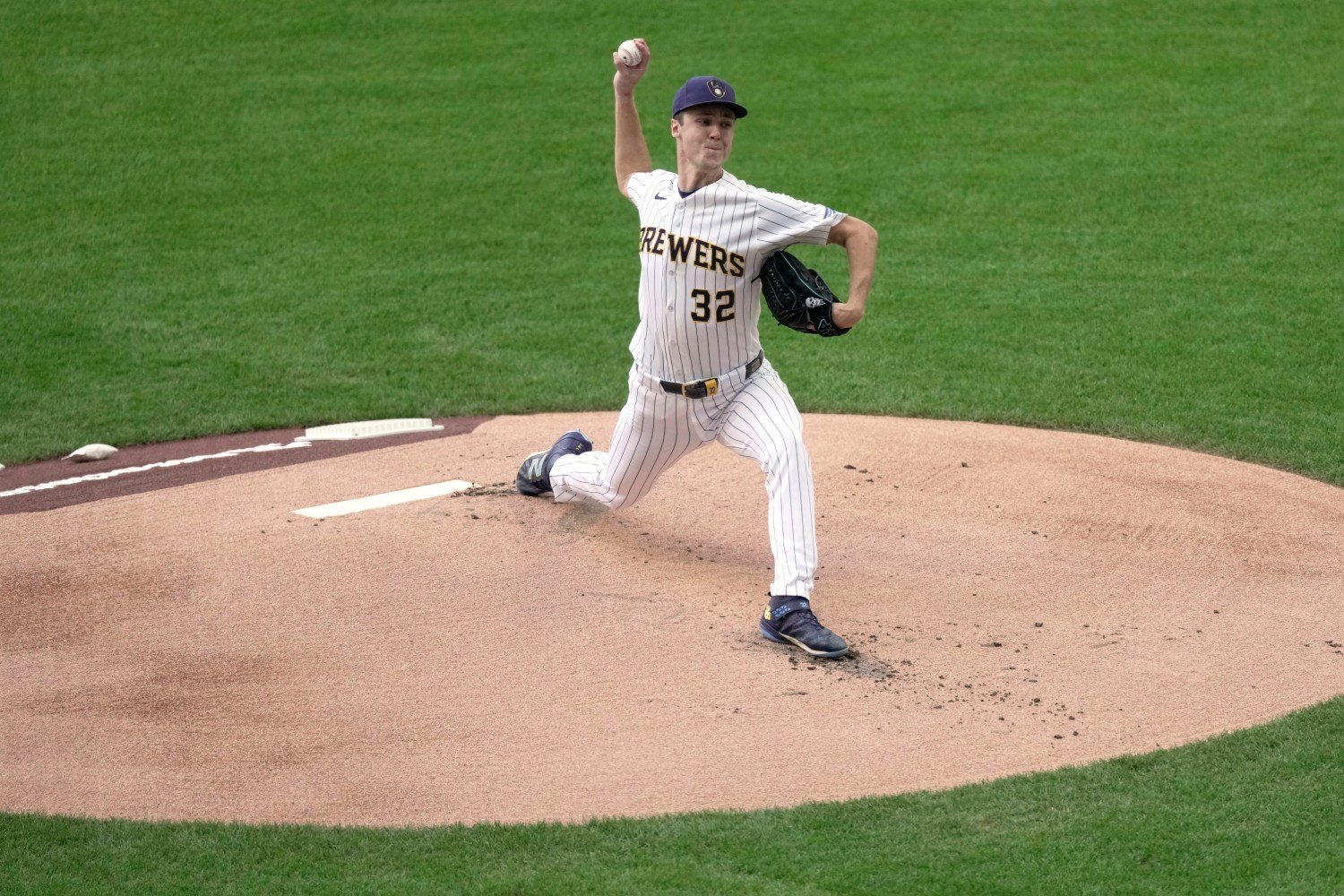
Image courtesy of Benny Sieu-Imagn Images The Brewers' pitching pipeline continued to produce some intriguing arms in 2026, with several pitchers taking important steps forward across the organization. From young starters making their way through the lower levels to more advanced arms reaching Triple-A, there were plenty of candidates worth considering for this year's award. Before getting into this year's top vote-getters, let's take a look at a couple of names whonarrowly missed the cut for the top three. Honorable Mentions SP/RP Wande Torres: 4.41 ERA, 1.39 WHIP, 24.4% K, 10.6% BB, 4.63 FIP, 122 1/3 IP (26 G, 18 GS) SP Jaron DeBerry: 4.69 ERA, 1.37 WHIP, 24.8% K, 11.5% BB, 5.31 FIP, 128 2/3 IP (26 G, 26 GS) 3. SP Manuel Rodriguez 2026 Stats: 4.74 ERA, 1.19 WHIP, 20.9% K, 5.6% BB, 5.62 FIP, 133 IP (27 G, 26 GS) Rodriguez had an interesting season, especially considering he was just 20 years old for the majority of the year. While he didn't put up the kind of strikeout numbers that immediately jump off the page, there was plenty to like about his ability to control the baseball and work deep into games. The biggest positive was his command. Rodriguez walked just 5.6% of the hitters he faced, which is an impressive number for any minor league pitcher, let alone one that young. He also worked into the sixth inning or later in eight of his 26 starts, another encouraging sign for a pitcher who could ultimately stick as a starter. The biggest thing Rodriguez will need to clean up is the long ball. He allowed 31 home runs this season, which works out to 2.1 homers per nine innings and helps explain why his FIP was considerably higher than his ERA. If he can find a way to limit that damage over the next couple of seasons, there's a lot to like about his profile. As far as his performance itself, Rodriguez probably falls more into the honorable mention category. But age does factor into these votes, and his numbers were close enough to Torres and DeBerry that he gets the edge for the No. 3 spot. 2. SP Tyson Hardin 2026 Stats: 5.34 ERA, 1.37 WHIP, 26.9% K, 7.2% BB, 3.33 FIP, 119 2/3 IP (26 G, 25 GS) Hardin's numbers on the surface don't necessarily stand out compared to either of the honorable mentions, but some context is needed. Of his 119 2/3 innings this season, 90 came with Triple-A Nashville, and his performance there was significantly better than what he showed during his brief stint with Double-A Biloxi. His ERA was more than three full runs lower in Nashville, while he allowed far fewer baserunners and still struck out more than a batter per inning. That feels much more representative of who Hardin is than his Double-A numbers, and his 3.33 season-long FIP suggests his results should have been even better. His quality of contact numbers were outstanding in Nashville as well. Hardin allowed just an 86.9 MPH average exit velocity and a 30.7% hard-hit rate, showing that he wasn't simply relying on strikeouts to get through opposing lineups. Hardin is currently Brewer Fanatic's No. 8 prospect, and after the success he had at Triple-A this season, he has a chance to make an impact in the majors at some point in 2027. The numbers don't tell the entire story with Hardin, but his performance in Nashville gives plenty of reason for optimism. Brewers' Minor League Pitcher of the Year: SP Coleman Crow 2026 Stats: 3.59 ERA, 1.26 WHIP, 23.3% K, 8% BB, 3.89 FIP, 105 1/3 IP (20 G, 19 GS) It wasn't necessarily a flashy season for Crow, but he consistently got the job done. He made his major league debut in May, but between injuries and performance, he spent the vast majority of the season with Triple-A Nashville, where he continued to show why he's one of the more intriguing pitching options in the Brewers' system. Crow's strikeout numbers took a step backward after he returned from the injured list with a flexor strain, but he continued to pound the zone and work deep into games. At the end of the day, that's what you're looking for out of a starting pitcher, especially one who could be competing for a larger role at the major league level. He also showed impressive command while limiting hard contact. Crow's average exit velocity in Nashville was just 87 MPH, which is more than good enough, and he allowed only 10 home runs across his 105 1/3 innings. Crow isn't going to jump off the page because of his strikeout numbers or velocity, but he doesn't need to. He'll give you length, attack the zone and keep hitters from consistently making hard contact, which gives him a chance to be a useful starting pitcher at the major league level. After making his debut in 2026, Crow could have a much more prominent role with the Brewers in 2027, health permitting. Several Brewers pitchers had strong seasons across the minor leagues, but Crow's combination of performance, durability and ability to pitch deep into games made him stand out from the rest.His season wasn't perfect, but there was more than enough there to make Coleman Crow the Brewers' 2026 Minor League Pitcher of the Year. This group represents just a small piece of the pitching talent continuing to develop throughout the Brewers' system. There are plenty of other arms to keep an eye on as well, making the organization's pitching depth one of the more interesting storylines heading into 2027. View full article
