



James Zumstein
-
Posts
229 -
Joined
-
Last visited
-
Days Won
1
Content Type
Profiles
Forums
Blogs
Events
News
2026 Milwaukee Brewers Top Prospects Ranking
Milwaukee Brewers Videos
2022 Milwaukee Brewers Draft Picks
Milwaukee Brewers Free Agent & Trade Rumors, Notes, & Tidbits
Guides & Resources
2023 Milwaukee Brewers Draft Picks
2024 Milwaukee Brewers Draft Picks
The Milwaukee Brewers Players Project
2025 Milwaukee Brewers Draft Pick Tracker
2026 Milwaukee Brewers Draft Pick Tracker
Store
Downloads
Gallery
Everything posted by James Zumstein
-
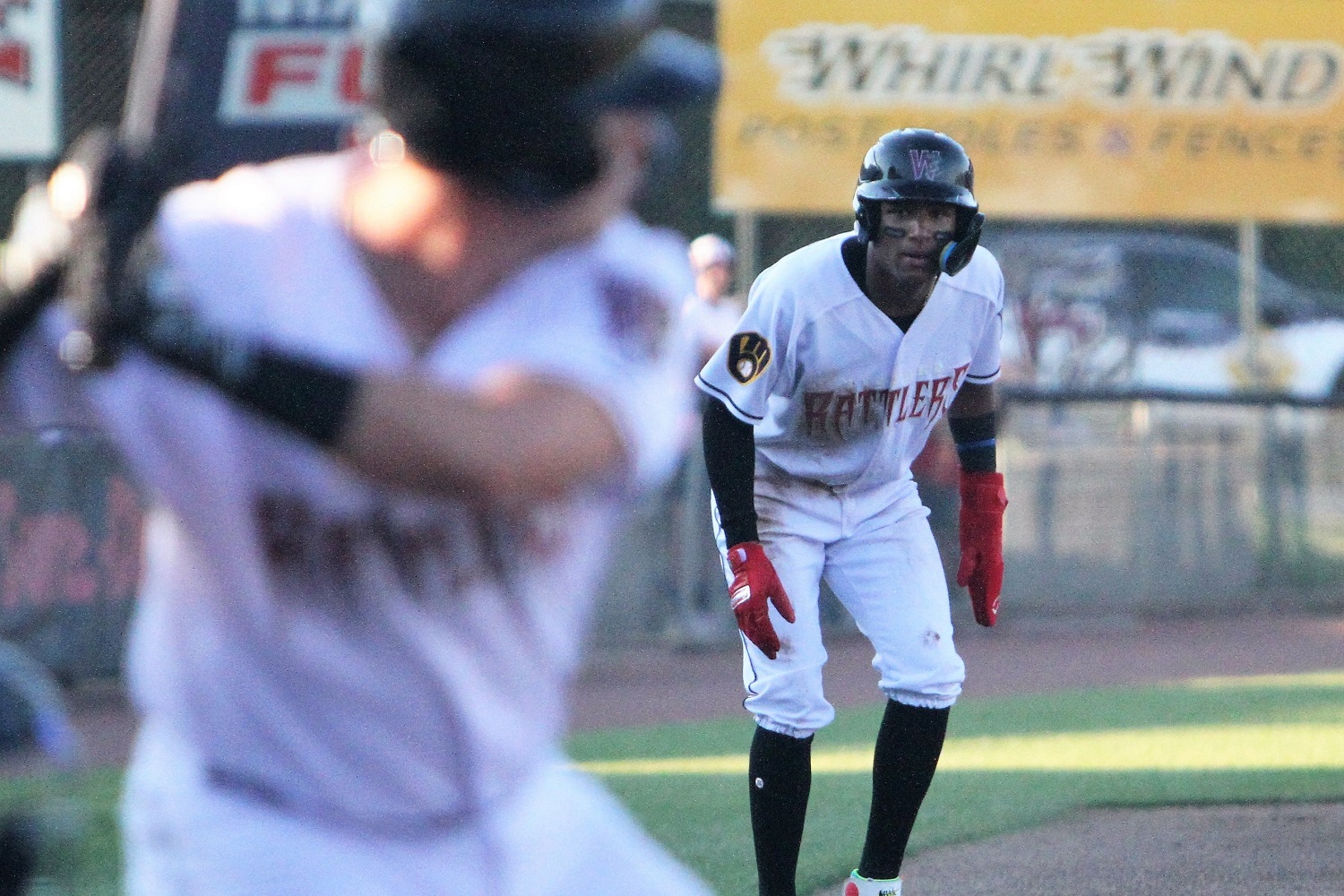 Overall, the Brewers jumped from number 25 in the 2022 preseason poll all the way up to number 19 in their midseason rankings. This is a fairly significant leap, with a large chunk of that jump due to the emergence of OF Jackson Chourio (Brewers #1/MLB.com #11) and his meteoric rise in the individual rankings. However, the continued stellar play of OF Sal Frelick (#2/#49), OF Joey Weimer (#3/#89), SS Brice Turang (#4), OF Garrett Michell (#5), and others have also contributed to the climb. As for newcomers to the Crew, spots eight through 11 in the Top 30 are all recent additions to the system. At #8, OF Esteury Ruiz is yet another speedy outfielder on the verge of contributing at the major league level after coming over from San Diego as part of the Josh Hader trade. RHP Jacob Misiorowski (#9), drafted in the second round this year, is now our top pitching prospect, followed closely by #11 LHP Robert Gasser, who also came over from the Padres in the Hader deal. Sandwiched between these two hurlers at #10 is our first round pick this year, SS Eric Brown, Jr. While the immense talent currently present on the AAA Nashville roster is well-known, I believe that another reason that the Brewers climbed up six spots in the rankings is the promising amount of talent at the lower levels. Eighteen of the Top 30 have yet to make it to AA, with five of those still being in Rookie ball. Plus, if you read the incredible work done daily by Jim Goulart, Joseph Zarr, and Daniel Mueller (tip of the cap, my good sirs) on the Minor League Report, you know that there are multiple players at the lower levels not on MLB.com’s current Top 30 that easily could be, and likely will be soon. Several of those at the lower levels have been international signings, which the current Brewers front office has made a top priority in their efforts to help rebuild the farm system over the past few years. These efforts are shown by the fact that 11 of the Top 30 were signed by the Brewers during the players’ international signing periods. One potential “problem” (though it’s a good problem to have) is that, in recent drafts and international signings, the Brewers have focused on accumulating speed and athleticism, an increased emphasis on strong up-the-middle defense, as well as prioritizing bat-to-ball skills over power. Watch for my follow-up to this article with my thoughts on how that may play out in the future. While following the Brewers Major League team this year has definitely had its ups (the first 50 games) and downs (pretty much everything since then), it has been extremely gratifying watching the progression of the Minor Leaguers this year and dreaming of how they will be able to contribute to the Brewers in both the near- and long-term future. It is also exciting to see a minor league system objectively trending in the right direction, even as they continue to compete for a postseason spot in the majors. Want to keep up to date on all Brewers prospects? Check out the Brewer Fanatic Top 20 prospect list with stats and splits updated nightly and up-to-date scouting reports!
 -
The start of the 2001 season was one that many Brewers fans had been looking forward to for a long time. Well, actually, the 2000 season was supposed to be the one they had been waiting for, but due to the infamous crane accident lifting part of the roof of new Miller Park into place, we were made to wait one more year to finally settle into our new home. To coincide with our shiny new toy, we also had something else that we had been waiting for (or should I say someone else). Top-10 draft pick two years prior and 2000 Olympic gold medal game hero Ben Sheets also made the team out of spring training, and fans were already dreaming of All-Star games, Cy Young awards, and beyond for the young righty. Before any of that could happen though, he would still need to get career victory number one, which he hoped to do on a Saturday afternoon at Miller Park against the Expos. While this game featured two teams that would end up with identical 68-94 records on the 2001 season, each team had legitimate big-league hitters up and down their respective lineups. The Expos starting nine had HOF’s at each corner outfield spot in Tim Raines and Vladimir Guerrero, along with Orlando Cabrera, Jose Vidro, Fernando Tatis Sr., and Milton Bradley. The Crew countered with a slew of players that were All-Stars at some point in their careers, with the likes of Ronnie Belliard, Richie Sexson, Jeromy Burnitz, Tony Fernandez, Jeffrey Hammonds, and Jose Hernandez. However, this day came down to the herculean efforts of one Brewer bat in particular, and that was leftfielder Geoff Jenkins. Batting in his familiar three-hole, Jenkins announced to the crowd of 40,877 that he came to play right away that day. In the bottom of the first, following Belliard’s one-out walk, Jenkins hit a two-run blast to right, his fifth of the year, to tie the game at two. Both lineups went silent over the next couple frames, until Jenkins led off the fourth with a solo shot to give the Brewers a 3-2 lead. It only stayed that way for one inning before the Brewers put up a four-spot in the fifth. It all started with a two out, bases empty rally ignited by the expert batting eye of none other than…Sheets? That’s right, a walk by Sheets, two wild pitches, a hit batter, and a single brought in one and left two on for the man with two dingers on the day already. He couldn’t make it three-for-three, could he? And how! Jenkins crushed a 1-2 pitch to the opposite field, off the facing of the second deck in left-center for a three-run shot to give the Brewers a 7-2 lead. That gave Jenkins six RBI on the afternoon, and it was only the fifth inning. The other key component of the home team that day continued to do his part as well. Through six innings, Sheets had given up two unearned runs on only four hits, facing the minimum in innings two through five. He ended up going 6 1/3, giving up four runs (two earned), walking one and striking out five in his 105 pitches. With the Brewers holding a 7-4 lead going into the bottom of the seventh, the victory had not been secured yet, so the Crew looked to add on some more insurance runs. In this game, that meant get Geoff Jenkins to the plate. Not only did they do just that, but they did it in a manner that gave Jenkins the potential to do something that had never been done in MLB history. With a solo shot, a two-run blast, and a three-run homer already in his pocket for the afternoon, Jenkins came up to bat in the bottom of the seventh with the bases loaded. A four-homer game was not unprecedented, but hitting for the “home run cycle,” one each of a one, two, three, and four-run homer, was. Alas, it was not to be, as Jenkins struck out looking. That had to be some serious pressure to hit a home run in that at-bat, and if it was nerves that caused him to not get the bat off his shoulder, who could blame him? Regardless, it was one of the most impressive single-game performances in Brewer’s history. However, Jenkins wasn’t done with the Expos (even if they were more than done with him). He came back the next day and went four-for-six, with a single, a double, and two more home runs, and another six RBI. That tied an MLB record of five homers in a two-game span, and gave him back-to-back six RBI games. Following up an almost-home run cycle game with an almost cycle game is unthinkable, but that’s exactly what Geoff Jenkins did the final weekend of April 2001. Over the final two games of the homestand, he had seven hits in ten AB’s, with five homers, twelve RBI, and 23 total bases. Unfortunately for Jenkins and the Crew, he injured his thumb diving for a ball in left field in the first game of the road trip in Atlanta, and it lingered for much of the season, thus preventing him from building on his incredible start to the year. He hit nine home runs in April alone, but ended the year with only 20. A fully healthy Jenkins would have likely led to a few more victories, and many more positive memories for Brewers fans that season. Being in Miller Park for the Brewer’s 8-4 win that afternoon was extremely special for me. I got to see our new gem of a stadium, witness the first career victory for the pitcher that many felt had perhaps the most talent of any young pitcher in franchise history, as well as the first of a two-game stretch that should be considered to be among the greatest in MLB history. Not a bad way to spend a Saturday afternoon. View full article
-
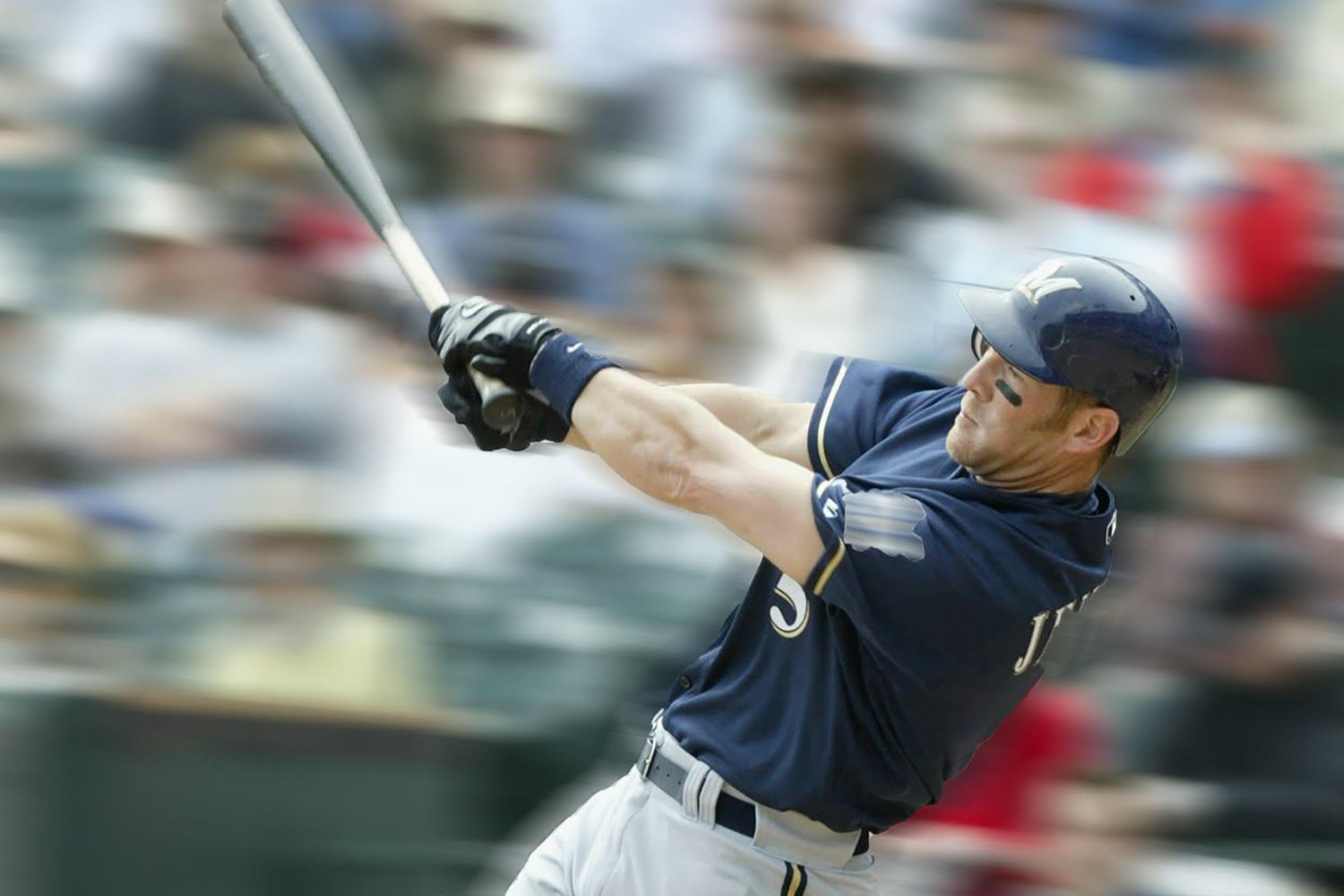 To coincide with our shiny new toy, we also had something else that we had been waiting for (or should I say someone else). Top-10 draft pick two years prior and 2000 Olympic gold medal game hero Ben Sheets also made the team out of spring training, and fans were already dreaming of All-Star games, Cy Young awards, and beyond for the young righty. Before any of that could happen though, he would still need to get career victory number one, which he hoped to do on a Saturday afternoon at Miller Park against the Expos. While this game featured two teams that would end up with identical 68-94 records on the 2001 season, each team had legitimate big-league hitters up and down their respective lineups. The Expos starting nine had HOF’s at each corner outfield spot in Tim Raines and Vladimir Guerrero, along with Orlando Cabrera, Jose Vidro, Fernando Tatis Sr., and Milton Bradley. The Crew countered with a slew of players that were All-Stars at some point in their careers, with the likes of Ronnie Belliard, Richie Sexson, Jeromy Burnitz, Tony Fernandez, Jeffrey Hammonds, and Jose Hernandez. However, this day came down to the herculean efforts of one Brewer bat in particular, and that was leftfielder Geoff Jenkins. Batting in his familiar three-hole, Jenkins announced to the crowd of 40,877 that he came to play right away that day. In the bottom of the first, following Belliard’s one-out walk, Jenkins hit a two-run blast to right, his fifth of the year, to tie the game at two. Both lineups went silent over the next couple frames, until Jenkins led off the fourth with a solo shot to give the Brewers a 3-2 lead. It only stayed that way for one inning before the Brewers put up a four-spot in the fifth. It all started with a two out, bases empty rally ignited by the expert batting eye of none other than…Sheets? That’s right, a walk by Sheets, two wild pitches, a hit batter, and a single brought in one and left two on for the man with two dingers on the day already. He couldn’t make it three-for-three, could he? And how! Jenkins crushed a 1-2 pitch to the opposite field, off the facing of the second deck in left-center for a three-run shot to give the Brewers a 7-2 lead. That gave Jenkins six RBI on the afternoon, and it was only the fifth inning. The other key component of the home team that day continued to do his part as well. Through six innings, Sheets had given up two unearned runs on only four hits, facing the minimum in innings two through five. He ended up going 6 1/3, giving up four runs (two earned), walking one and striking out five in his 105 pitches. With the Brewers holding a 7-4 lead going into the bottom of the seventh, the victory had not been secured yet, so the Crew looked to add on some more insurance runs. In this game, that meant get Geoff Jenkins to the plate. Not only did they do just that, but they did it in a manner that gave Jenkins the potential to do something that had never been done in MLB history. With a solo shot, a two-run blast, and a three-run homer already in his pocket for the afternoon, Jenkins came up to bat in the bottom of the seventh with the bases loaded. A four-homer game was not unprecedented, but hitting for the “home run cycle,” one each of a one, two, three, and four-run homer, was. Alas, it was not to be, as Jenkins struck out looking. That had to be some serious pressure to hit a home run in that at-bat, and if it was nerves that caused him to not get the bat off his shoulder, who could blame him? Regardless, it was one of the most impressive single-game performances in Brewer’s history. However, Jenkins wasn’t done with the Expos (even if they were more than done with him). He came back the next day and went four-for-six, with a single, a double, and two more home runs, and another six RBI. That tied an MLB record of five homers in a two-game span, and gave him back-to-back six RBI games. Following up an almost-home run cycle game with an almost cycle game is unthinkable, but that’s exactly what Geoff Jenkins did the final weekend of April 2001. Over the final two games of the homestand, he had seven hits in ten AB’s, with five homers, twelve RBI, and 23 total bases. Unfortunately for Jenkins and the Crew, he injured his thumb diving for a ball in left field in the first game of the road trip in Atlanta, and it lingered for much of the season, thus preventing him from building on his incredible start to the year. He hit nine home runs in April alone, but ended the year with only 20. A fully healthy Jenkins would have likely led to a few more victories, and many more positive memories for Brewers fans that season. Being in Miller Park for the Brewer’s 8-4 win that afternoon was extremely special for me. I got to see our new gem of a stadium, witness the first career victory for the pitcher that many felt had perhaps the most talent of any young pitcher in franchise history, as well as the first of a two-game stretch that should be considered to be among the greatest in MLB history. Not a bad way to spend a Saturday afternoon.
 -
Josh Hader is chasing a workhorse, but also a prodigy. We as Brewer fans have not often had the ability to boast about having the best player in the game at his position. Fortunately, we currently do have the player widely regarded as the best closer in the game in Josh Hader. Hopefully we all are not too humble to boast about this fact. In fact, Hader is likely on his way to becoming the Brewers all-time saves leader in franchise history before season’s end. With career save number 120 against the Rays on Wednesday afternoon, Hader moves to within thirteen saves of tying the man who has been the leader in saves as a Brewer since 1989, Dan Plesac. With his 33-year reign as the franchise record holder for saves potentially coming to an end soon, this is a great time to look back on Plesac’s career. Plesac was born and raised in Gary, Indiana, where he was a terrific all-around athlete. In fact, he was originally recruited to play basketball at North Carolina State, where his older brother Joe Plesac was a pitcher on the baseball team. Joe was a two-time first team All-ACC selection, and was drafted in the second round by the San Diego Padres in 1982. While Joe never made it past Double A, his son Zack Plesac has pitched for the Cleveland Guardians since 2019. During Dan’s senior season, his high school team had a lack of pitching, so his coach asked him to come in from the outfield and give pitching a shot. Despite having no prior formal coaching on pitching, Plesac was absolutely dominating hitters, including one game totaling 15 punchouts. Before anyone knew what was happening, Plesac was the 41st player selected in the 1980 draft by the St. Louis Cardinals. Instead of signing, Plesac decided to attend N.C. State, but now on a baseball scholarship instead of basketball. Here, he could focus on learning how to pitch, which he did, leading him the be taken in the first round (26th overall) by the Brewers in 1983. Working mostly as a starter in the minors, Plesac made the big league team out of spring training in 1986 as a reliever. In 51 appearances out of the bullpen that year, he went 10-7 with a 2.97 ERA, had 14 saves, a 147 ERA+, and a 3.2 bWAR in 91.0 innings. It is still one of the best seasons by a reliever in franchise history, and it was a harbinger of things to come for the rookie. Plesac made the AL All-Star team each of the next three seasons, while tallying 86 combined saves during that stretch. He also had an ERA+ between 165 and 176 each season, and struck out exactly one batter per inning during those years. His 33 saves in 1989 broke Ken Sanders ’ single-season franchise record of 31, set in 1971. On September 16, 1989, teammate Robin Yount ’s 34th birthday, Plesac recorded his 31st save of the season. This not only tied him with Sanders for the single-season Brewers save record, but he surpassed Rollie Fingers’ career record of 97 saves in a Brewer uniform in the 5-3 win over the Texas Rangers at County Stadium. He continued to pitch for the Brewers through the ’92 season, but was never as effective as he was in his first four seasons. He lost his closer’s role in 1990, and was given minimal save opportunities after that. All told, he pitched seven seasons in a Brewer uniform, going 29-37 with a 3.21 ERA (which is the franchise record), an ERA+ of 128, and the distinction of being the first Brewer pitcher to make three consecutive All-Star teams. After his tenure with the Crew, Plesac continued to be a reliable lefty out of major league bullpens for another 11 seasons, many of those years being used primarily as a left-handed specialist. In 2002, while pitching for the Philadelphia Phillies, Plesac became the seventh pitcher in MLB history to pitch in 1,000 career games. Plesac retired after the 2003 season. He finished his 18-year career with a record of 65-71, a 3.64 ERA, 158 saves, pitched in 1,064 games, sported an ERA+ of 117, and struck out 8.7 batters per nine innings of work. Despite his delayed introduction to pitching and the voluminous workload in his career, he never spent a single day on the injured list in his career. Not too bad for a basketball player. View full article
-
- 1
-

-
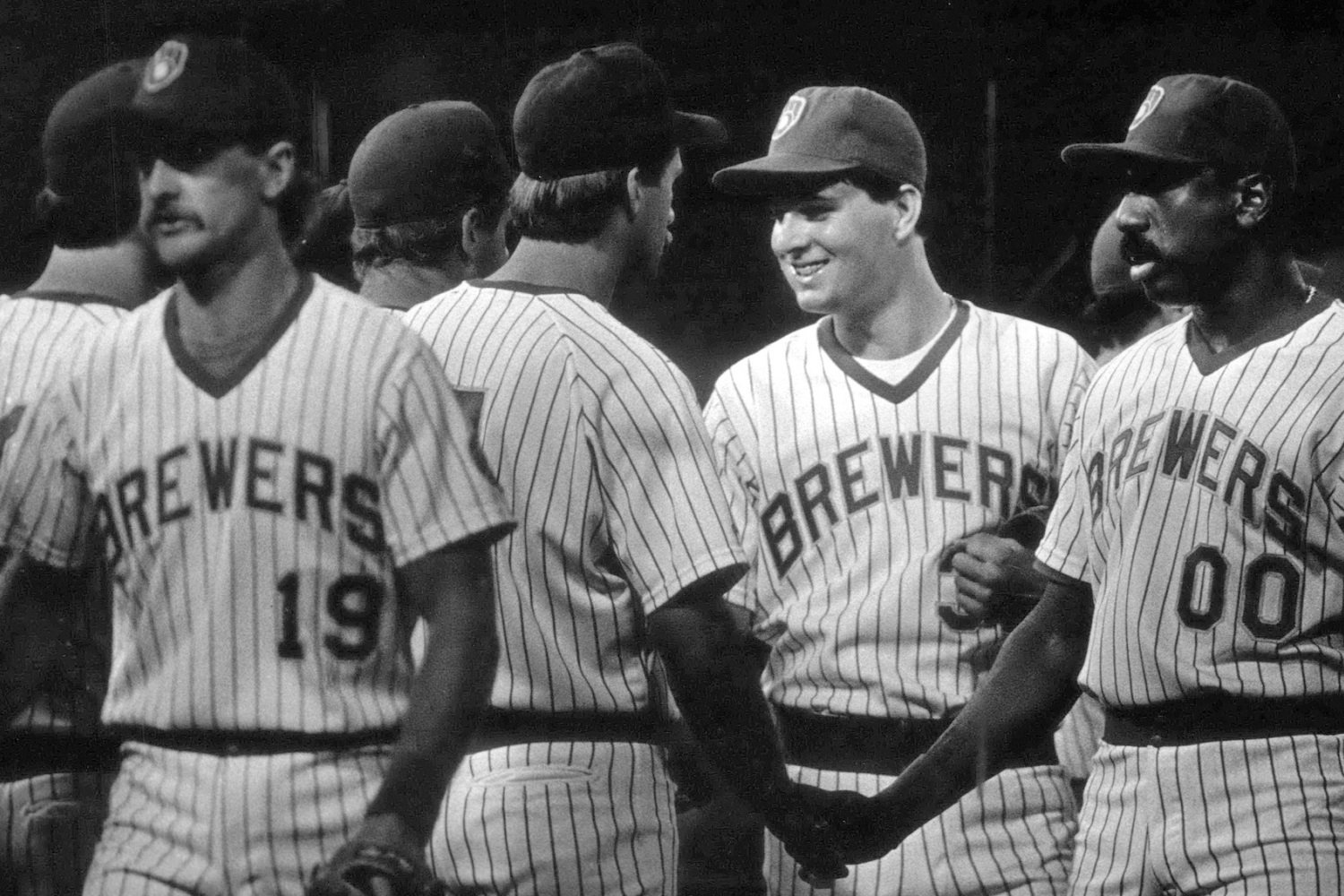 We as Brewer fans have not often had the ability to boast about having the best player in the game at his position. Fortunately, we currently do have the player widely regarded as the best closer in the game in Josh Hader. Hopefully we all are not too humble to boast about this fact. In fact, Hader is likely on his way to becoming the Brewers all-time saves leader in franchise history before season’s end. With career save number 120 against the Rays on Wednesday afternoon, Hader moves to within thirteen saves of tying the man who has been the leader in saves as a Brewer since 1989, Dan Plesac. With his 33-year reign as the franchise record holder for saves potentially coming to an end soon, this is a great time to look back on Plesac’s career. Plesac was born and raised in Gary, Indiana, where he was a terrific all-around athlete. In fact, he was originally recruited to play basketball at North Carolina State, where his older brother Joe Plesac was a pitcher on the baseball team. Joe was a two-time first team All-ACC selection, and was drafted in the second round by the San Diego Padres in 1982. While Joe never made it past Double A, his son Zack Plesac has pitched for the Cleveland Guardians since 2019. During Dan’s senior season, his high school team had a lack of pitching, so his coach asked him to come in from the outfield and give pitching a shot. Despite having no prior formal coaching on pitching, Plesac was absolutely dominating hitters, including one game totaling 15 punchouts. Before anyone knew what was happening, Plesac was the 41st player selected in the 1980 draft by the St. Louis Cardinals. Instead of signing, Plesac decided to attend N.C. State, but now on a baseball scholarship instead of basketball. Here, he could focus on learning how to pitch, which he did, leading him the be taken in the first round (26th overall) by the Brewers in 1983. Working mostly as a starter in the minors, Plesac made the big league team out of spring training in 1986 as a reliever. In 51 appearances out of the bullpen that year, he went 10-7 with a 2.97 ERA, had 14 saves, a 147 ERA+, and a 3.2 bWAR in 91.0 innings. It is still one of the best seasons by a reliever in franchise history, and it was a harbinger of things to come for the rookie. Plesac made the AL All-Star team each of the next three seasons, while tallying 86 combined saves during that stretch. He also had an ERA+ between 165 and 176 each season, and struck out exactly one batter per inning during those years. His 33 saves in 1989 broke Ken Sanders ’ single-season franchise record of 31, set in 1971. On September 16, 1989, teammate Robin Yount ’s 34th birthday, Plesac recorded his 31st save of the season. This not only tied him with Sanders for the single-season Brewers save record, but he surpassed Rollie Fingers’ career record of 97 saves in a Brewer uniform in the 5-3 win over the Texas Rangers at County Stadium. He continued to pitch for the Brewers through the ’92 season, but was never as effective as he was in his first four seasons. He lost his closer’s role in 1990, and was given minimal save opportunities after that. All told, he pitched seven seasons in a Brewer uniform, going 29-37 with a 3.21 ERA (which is the franchise record), an ERA+ of 128, and the distinction of being the first Brewer pitcher to make three consecutive All-Star teams. After his tenure with the Crew, Plesac continued to be a reliable lefty out of major league bullpens for another 11 seasons, many of those years being used primarily as a left-handed specialist. In 2002, while pitching for the Philadelphia Phillies, Plesac became the seventh pitcher in MLB history to pitch in 1,000 career games. Plesac retired after the 2003 season. He finished his 18-year career with a record of 65-71, a 3.64 ERA, 158 saves, pitched in 1,064 games, sported an ERA+ of 117, and struck out 8.7 batters per nine innings of work. Despite his delayed introduction to pitching and the voluminous workload in his career, he never spent a single day on the injured list in his career. Not too bad for a basketball player.
 -
Like many Brewers fans of a certain age, the ’82 season cemented my childhood love of baseball in general, and the Brewers in particular. I had been a fan of the game for as far back as I can remember, but there was just something special about that team. Perhaps it was that we had been watching them grow together through the past few seasons, and all of the names were like old familiar friends. Molitor. Yount. Coop. Oglivie. Stormin’ Gorman. Simba. Caldwell. Rollie. After making the playoffs for the first time in franchise history the prior season, expectations were high going into the ’82 season. However, things did not start the way many had hoped. Maybe the pressure to excel had gotten to them, or maybe it was something else, but they were sub-.500 on June 1st when Manager Buck Rodgers was let go. He was replaced with Milwaukee native Harvey Kuenn. It seemed to be just what the team needed, and they responded to the tune of 72 wins after the change, and won the American League East title on the last day of the season. There was one game in particular that season that I will always remember, and that was July 3rd against the Red Sox at County Stadium. This was the game that our family chose to go to for our one-game-a-year tradition in our family, as we didn’t live all that close to Milwaukee. This game was perhaps the greatest confluence of events in Brewers promotional history: a Saturday night, a holiday weekend, a team with high expectations that has come alive and is playing amazing baseball, and…it was Mountain Dew replica bat night! That’s right, an actual, full-size (if you were seven, like I was), usable bat. I vividly remember seeing the ad for this game on TV, and immediately went running and telling my parents that we NEED to go to this game! The Brewers marketing department sure knew how to take advantage of the beneficial calendar, as the paid attendance of 55,716, the second highest in County Stadium history at the time, proved. To go along with an amazing promotional item on a holiday weekend, the Brewers also were playing a Red Sox team that had three future Hall of Famers (Jim Rice, Carl Yastrzemski, and a young Wade Boggs) on it, matching our own three future HOF’s in Paul Molitor, Robin Yount, and Ted Simmons. Add to that the fact that the Crew had a soon-to-be Cy Young award winner in Pete Vuckovich as the starting pitcher that night, and it’s no wonder that every seat in the house was filled with cheering fans. Fortunately for all of us fans in attendance, the pressure of playing in front of a packed house didn’t get to the Crew, as they dominated from the word “Go”, and won easily 7-0. Molitor led the game of with a home run, and Cecil Cooper hit the first of his two on the night two batters later. Coop also hit an RBI double, giving him 10 total bases and three ribbies on the night. If you were ever at County Stadium whenever he came up to bat, you know how loud the chants of “COOOOOOP” could be. Needless to say, more than fifty-five thousand yelling it after that performance was almost deafening. Not to be outdone, Yount also got in on the action with a three-run shot in the fourth. It was performances like that that led Yount to winning the first of his two AL MVP awards after that season. The icing on the cake (or mud in the eye, if you were the Red Sox) was that Vuckovich pitched perhaps the best game of the season for the Brewers, a complete game three-hit shutout. Hindsight being what it is, Vuck probably shouldn’t have won the Cy Young award that year, but for that night, he definitely looked the part. As we near the 40-year anniversary of that game, as well as (sigh) of the Brewers only trip to the World Series, it has made me think a lot about that team, and the July 3rd game that was the most special to me of my entire childhood. I will always remember not only the action on the field, but just the overall feeling inside the stadium that night. I may have only been seven years old, and I think it was probably only my fourth or fifth baseball game I had ever been to in person, but even I could sense there was something different happening. That team, and that game, were both special, and both would only become even more special over time. For most of my life, I have always kept the ticket stub of any baseball game I went to as a souvenir. Unfortunately, I didn’t keep the stub to that game. I do, however, still have the bat. View full article
-
An '82 Game To Remember: HOF's Everywhere, and a Bat to Boot!
James Zumstein posted an article in Brewer Fanatic
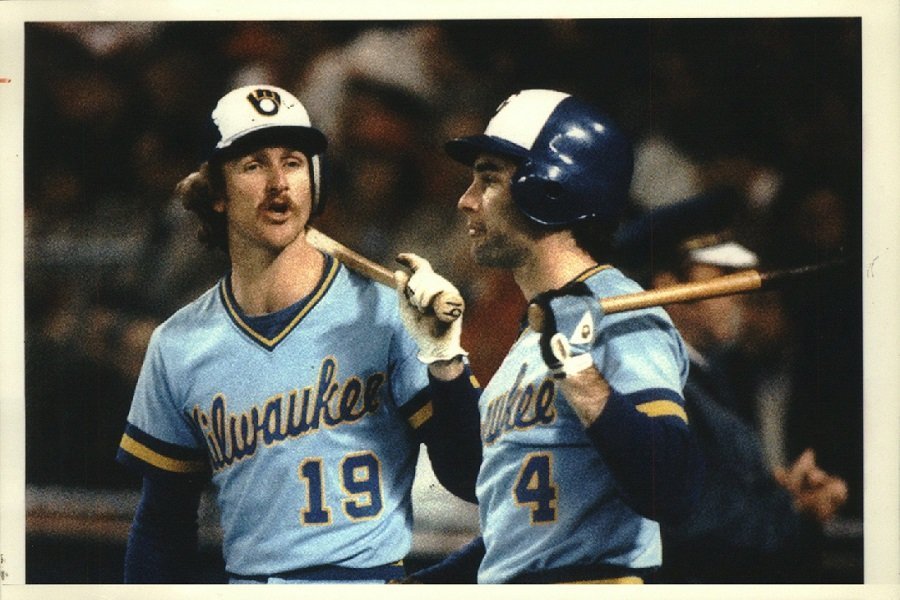 After making the playoffs for the first time in franchise history the prior season, expectations were high going into the ’82 season. However, things did not start the way many had hoped. Maybe the pressure to excel had gotten to them, or maybe it was something else, but they were sub-.500 on June 1st when Manager Buck Rodgers was let go. He was replaced with Milwaukee native Harvey Kuenn. It seemed to be just what the team needed, and they responded to the tune of 72 wins after the change, and won the American League East title on the last day of the season. There was one game in particular that season that I will always remember, and that was July 3rd against the Red Sox at County Stadium. This was the game that our family chose to go to for our one-game-a-year tradition in our family, as we didn’t live all that close to Milwaukee. This game was perhaps the greatest confluence of events in Brewers promotional history: a Saturday night, a holiday weekend, a team with high expectations that has come alive and is playing amazing baseball, and…it was Mountain Dew replica bat night! That’s right, an actual, full-size (if you were seven, like I was), usable bat. I vividly remember seeing the ad for this game on TV, and immediately went running and telling my parents that we NEED to go to this game! The Brewers marketing department sure knew how to take advantage of the beneficial calendar, as the paid attendance of 55,716, the second highest in County Stadium history at the time, proved. To go along with an amazing promotional item on a holiday weekend, the Brewers also were playing a Red Sox team that had three future Hall of Famers (Jim Rice, Carl Yastrzemski, and a young Wade Boggs) on it, matching our own three future HOF’s in Paul Molitor, Robin Yount, and Ted Simmons. Add to that the fact that the Crew had a soon-to-be Cy Young award winner in Pete Vuckovich as the starting pitcher that night, and it’s no wonder that every seat in the house was filled with cheering fans. Fortunately for all of us fans in attendance, the pressure of playing in front of a packed house didn’t get to the Crew, as they dominated from the word “Go”, and won easily 7-0. Molitor led the game of with a home run, and Cecil Cooper hit the first of his two on the night two batters later. Coop also hit an RBI double, giving him 10 total bases and three ribbies on the night. If you were ever at County Stadium whenever he came up to bat, you know how loud the chants of “COOOOOOP” could be. Needless to say, more than fifty-five thousand yelling it after that performance was almost deafening. Not to be outdone, Yount also got in on the action with a three-run shot in the fourth. It was performances like that that led Yount to winning the first of his two AL MVP awards after that season. The icing on the cake (or mud in the eye, if you were the Red Sox) was that Vuckovich pitched perhaps the best game of the season for the Brewers, a complete game three-hit shutout. Hindsight being what it is, Vuck probably shouldn’t have won the Cy Young award that year, but for that night, he definitely looked the part. As we near the 40-year anniversary of that game, as well as (sigh) of the Brewers only trip to the World Series, it has made me think a lot about that team, and the July 3rd game that was the most special to me of my entire childhood. I will always remember not only the action on the field, but just the overall feeling inside the stadium that night. I may have only been seven years old, and I think it was probably only my fourth or fifth baseball game I had ever been to in person, but even I could sense there was something different happening. That team, and that game, were both special, and both would only become even more special over time. For most of my life, I have always kept the ticket stub of any baseball game I went to as a souvenir. Unfortunately, I didn’t keep the stub to that game. I do, however, still have the bat.
- 3 comments
-
- 4
-
-
- robin yount
- paul molitor
- (and 2 more)
