Cole McCormack
-
Posts
27 -
Joined
-
Last visited
Content Type
Profiles
Forums
Blogs
Events
News
2026 Milwaukee Brewers Top Prospects Ranking
Milwaukee Brewers Videos
2022 Milwaukee Brewers Draft Picks
Milwaukee Brewers Free Agent & Trade Rumors, Notes, & Tidbits
Guides & Resources
2023 Milwaukee Brewers Draft Picks
2024 Milwaukee Brewers Draft Picks
The Milwaukee Brewers Players Project
2025 Milwaukee Brewers Draft Pick Tracker
2026 Milwaukee Brewers Draft Tracker: Picks & Bonuses
Store
Downloads
Gallery
Everything posted by Cole McCormack
-
Chris Carter is a name that many may not remember. The former Major League Baseball player played for several teams throughout his career but always managed to make an impact wherever he played. Selected by the Chicago White Sox in the 15th round in the 2005 draft, Carter was a highly-touted prospect in the minor leagues. Two years later, he was traded to the Arizona Diamondbacks for Carlos Quentin, only to be traded again to the Oakland A’s eleven days later in a massive trade package. The Diamondbacks sent Carter, Brett Anderson, Aaron Cunningham, Dana Eveland, Carlos González and Greg Smith to Oakland for Dan Haren and Connor Robertson. Carter made his major league debut with Oakland in 2010, and his debut season was rough. He slashed .186/.256/.329 in 78 plate appearances, with 3 home runs and 7 RBIs. He would go on to spend two more seasons in Oakland. During this time, he established himself as a strong power hitter, hitting 16 home runs in 2012. On February 4, 2013, he was traded to the Houston Astros with Brad Peacock and Max Stassi for Jed Lowrie and Fernando Rodriguez Jr. In Houston, Carter became an everyday player, and his power numbers skyrocketed. He hit 29 home runs in his first full season with the team, and followed that up with 37 home runs in 2014. However, he struck out…a lot. In 2013, Chris Carter led MLB in strikeouts with 212. During his time with the Astros, Carter maintained a strikeout percentage of 33.7%. His inconsistency at the plate led to him being released by the Astros after the 2015 season. He would eventually sign as a free agent with the Milwaukee Brewers on a one-year deal, where he was a force to be reckoned with at the plate. With the Brewers, Carter continued to be a power threat, hitting a league-leading 41 home runs. He slashed .222/.321/.499 in 644 plate appearances and a league-leading 160 games. Carter also led the league that year in strikeouts, with 206. The following offseason, the New York Yankees signed Carter to a one-year deal worth $3.5 million. Unfortunately, Carter struggled at the plate, slashing .201/.284/.370 in 208 plate appearances with only 8 home runs and 26 RBIs. He struck out 76 times. New York released Carter before the All-Star break. He would spend time playing minor-league ball with the A’s, Los Angeles Angels, and Minnesota Twins, before retiring at the age of 32 in 2018. A powerful and feared hitter in his prime, Carter also had a career was marked by inconsistency. Despite his struggles, he put up impressive numbers throughout his career, hitting 158 home runs and 400 runs batted in. He may not be remembered as one of the best of all time, but it's safe to say that his time in Milwaukee was a memorable one. View full article
-
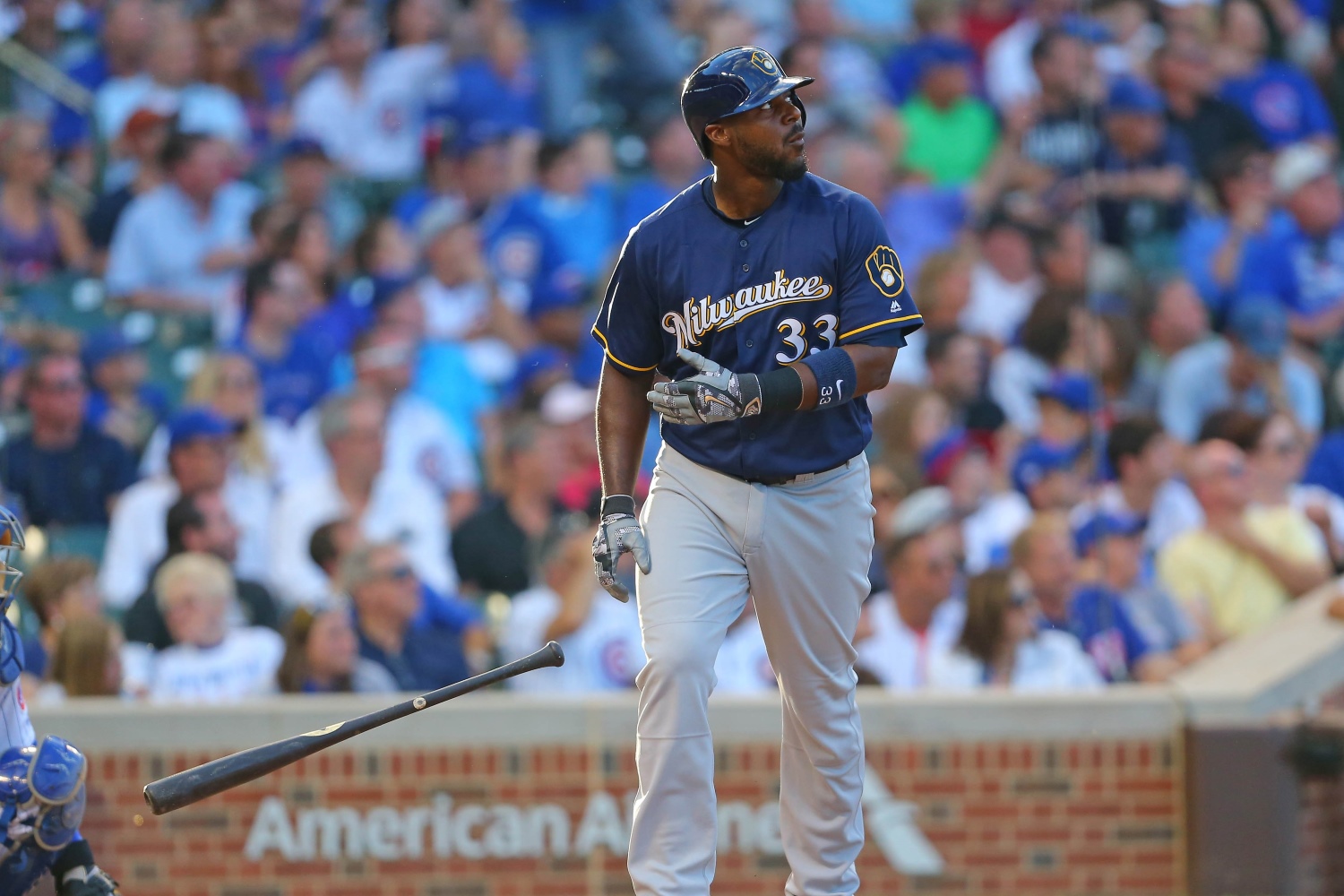 Selected by the Chicago White Sox in the 15th round in the 2005 draft, Carter was a highly-touted prospect in the minor leagues. Two years later, he was traded to the Arizona Diamondbacks for Carlos Quentin, only to be traded again to the Oakland A’s eleven days later in a massive trade package. The Diamondbacks sent Carter, Brett Anderson, Aaron Cunningham, Dana Eveland, Carlos González and Greg Smith to Oakland for Dan Haren and Connor Robertson. Carter made his major league debut with Oakland in 2010, and his debut season was rough. He slashed .186/.256/.329 in 78 plate appearances, with 3 home runs and 7 RBIs. He would go on to spend two more seasons in Oakland. During this time, he established himself as a strong power hitter, hitting 16 home runs in 2012. On February 4, 2013, he was traded to the Houston Astros with Brad Peacock and Max Stassi for Jed Lowrie and Fernando Rodriguez Jr. In Houston, Carter became an everyday player, and his power numbers skyrocketed. He hit 29 home runs in his first full season with the team, and followed that up with 37 home runs in 2014. However, he struck out…a lot. In 2013, Chris Carter led MLB in strikeouts with 212. During his time with the Astros, Carter maintained a strikeout percentage of 33.7%. His inconsistency at the plate led to him being released by the Astros after the 2015 season. He would eventually sign as a free agent with the Milwaukee Brewers on a one-year deal, where he was a force to be reckoned with at the plate. With the Brewers, Carter continued to be a power threat, hitting a league-leading 41 home runs. He slashed .222/.321/.499 in 644 plate appearances and a league-leading 160 games. Carter also led the league that year in strikeouts, with 206. The following offseason, the New York Yankees signed Carter to a one-year deal worth $3.5 million. Unfortunately, Carter struggled at the plate, slashing .201/.284/.370 in 208 plate appearances with only 8 home runs and 26 RBIs. He struck out 76 times. New York released Carter before the All-Star break. He would spend time playing minor-league ball with the A’s, Los Angeles Angels, and Minnesota Twins, before retiring at the age of 32 in 2018. A powerful and feared hitter in his prime, Carter also had a career was marked by inconsistency. Despite his struggles, he put up impressive numbers throughout his career, hitting 158 home runs and 400 runs batted in. He may not be remembered as one of the best of all time, but it's safe to say that his time in Milwaukee was a memorable one.
 -
It’s official, Monte Harrison has signed a minor league deal with the Milwaukee Brewers. Monte Harrison is returning to where it all started. Initially drafted in the second round of the 2014 MLB draft by the Milwaukee Brewers, Harrison showed a lot of promise as an outfield prospect with a knack for getting on base. While assigned to the Arizona League Brewers at age 18, Harrison put up an OBP of .402 in 224 plate appearances. His most impressive season at the minor league level was in 2017 while playing for the Wisconsin Timber Rattlers, where he slashed .272/.350/.481 with 21 home runs and 67 RBIs. During the 2018 offseason, Harrison was traded to the Miami Marlins alongside Jordan Yamamoto, Isan Diaz, and Lewis Brinson for Christian Yelich. A trade that, by today’s standards, is unanimously viewed as a win for the Brewers. MLB Pipeline ranked Monte Harrison as the Marlins’ #2 overall prospect in 2018. He would perform well in Double-A, stealing 28 bases while slashing .240/.316/.399 with 19 home runs and 48 RBIs. Harrison was added to the Marlins’ 40-Man roster in 2019 but wouldn’t play at the major league level until the pandemic-shortened 2020 season. He played 32 games with 51 plate appearances, slashing .170/.235/.255 with one home run and 3 RBIs. Harrison played only nine games the following season with 11 plate appearances, slashing .200/.200/.300 with two hits and a double. The Marlins designated Harrison for assignment early in the 2022 season, and the organization released him. He would sign a minor league deal with the Los Angeles Angels, where he played nine games with 14 plate appearances, slashing .182/.357/.455 with one home run and three RBIs. The Angels designated Harrison for assignment before the All-Star break and he elected free agency in October 2022. On January 30, 2023, it was announced that the outfielder signed a minor league contract with the team that drafted him nearly a decade prior. In more ways than one can count, this is a solid move by the front office that helps the team maintain consistent outfield depth. Not to mention, he is a talented baserunner that could be a reliable asset to Brewers manager Craig Counsell should he need a pinch runner. Harrison is also only 27 years old, which is the average age of an MLB player. A breakout year could be possible if he is called to the majors. However, in all likelihood, Harrison will very likely spend his 2023 season in Nashville. If you want to keep an eye on Monte Harrison, he will be present at Spring Training as a non-roster invitee. View full article
-
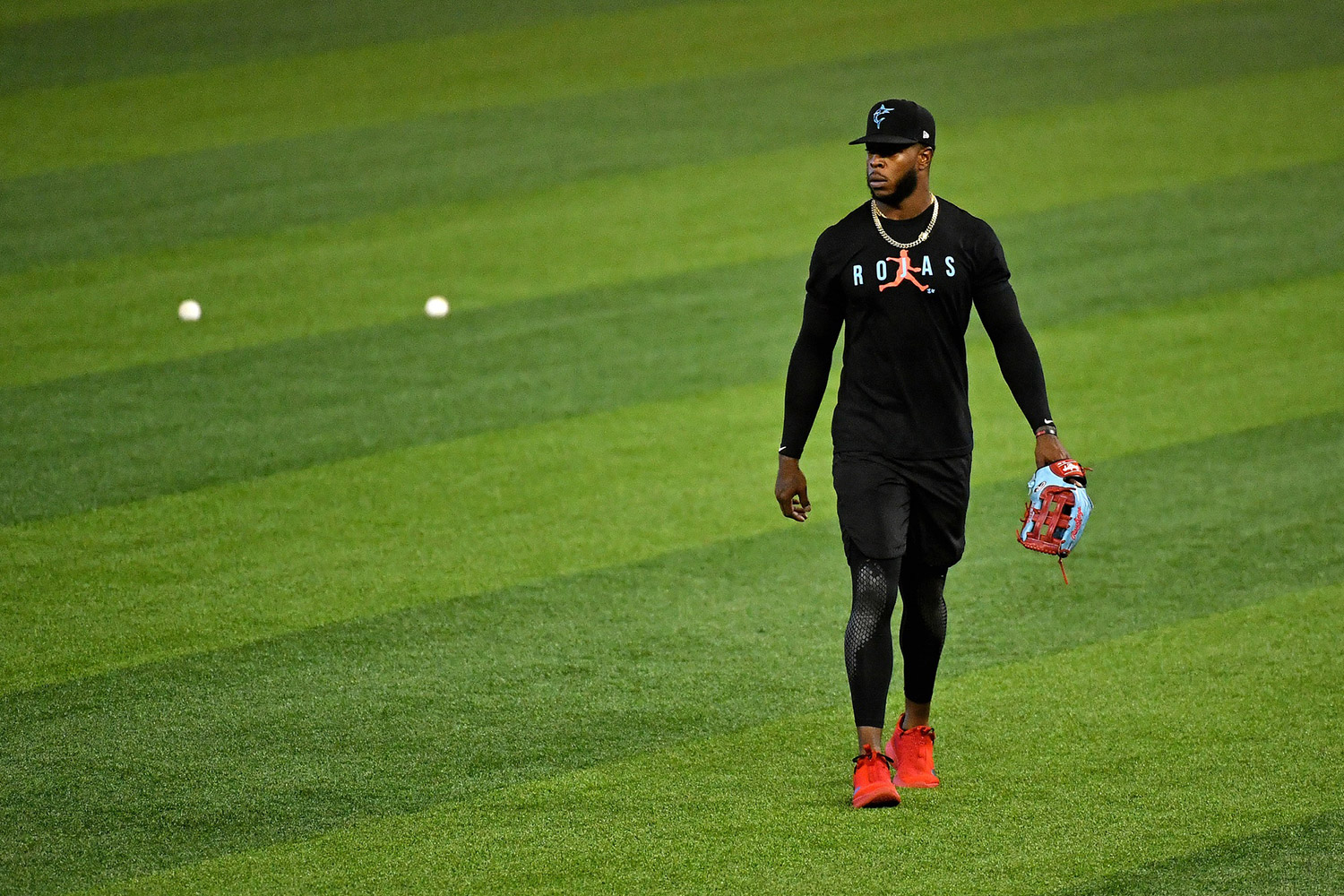 Monte Harrison is returning to where it all started. Initially drafted in the second round of the 2014 MLB draft by the Milwaukee Brewers, Harrison showed a lot of promise as an outfield prospect with a knack for getting on base. While assigned to the Arizona League Brewers at age 18, Harrison put up an OBP of .402 in 224 plate appearances. His most impressive season at the minor league level was in 2017 while playing for the Wisconsin Timber Rattlers, where he slashed .272/.350/.481 with 21 home runs and 67 RBIs. During the 2018 offseason, Harrison was traded to the Miami Marlins alongside Jordan Yamamoto, Isan Diaz, and Lewis Brinson for Christian Yelich. A trade that, by today’s standards, is unanimously viewed as a win for the Brewers. MLB Pipeline ranked Monte Harrison as the Marlins’ #2 overall prospect in 2018. He would perform well in Double-A, stealing 28 bases while slashing .240/.316/.399 with 19 home runs and 48 RBIs. Harrison was added to the Marlins’ 40-Man roster in 2019 but wouldn’t play at the major league level until the pandemic-shortened 2020 season. He played 32 games with 51 plate appearances, slashing .170/.235/.255 with one home run and 3 RBIs. Harrison played only nine games the following season with 11 plate appearances, slashing .200/.200/.300 with two hits and a double. The Marlins designated Harrison for assignment early in the 2022 season, and the organization released him. He would sign a minor league deal with the Los Angeles Angels, where he played nine games with 14 plate appearances, slashing .182/.357/.455 with one home run and three RBIs. The Angels designated Harrison for assignment before the All-Star break and he elected free agency in October 2022. On January 30, 2023, it was announced that the outfielder signed a minor league contract with the team that drafted him nearly a decade prior. In more ways than one can count, this is a solid move by the front office that helps the team maintain consistent outfield depth. Not to mention, he is a talented baserunner that could be a reliable asset to Brewers manager Craig Counsell should he need a pinch runner. Harrison is also only 27 years old, which is the average age of an MLB player. A breakout year could be possible if he is called to the majors. However, in all likelihood, Harrison will very likely spend his 2023 season in Nashville. If you want to keep an eye on Monte Harrison, he will be present at Spring Training as a non-roster invitee.
 -
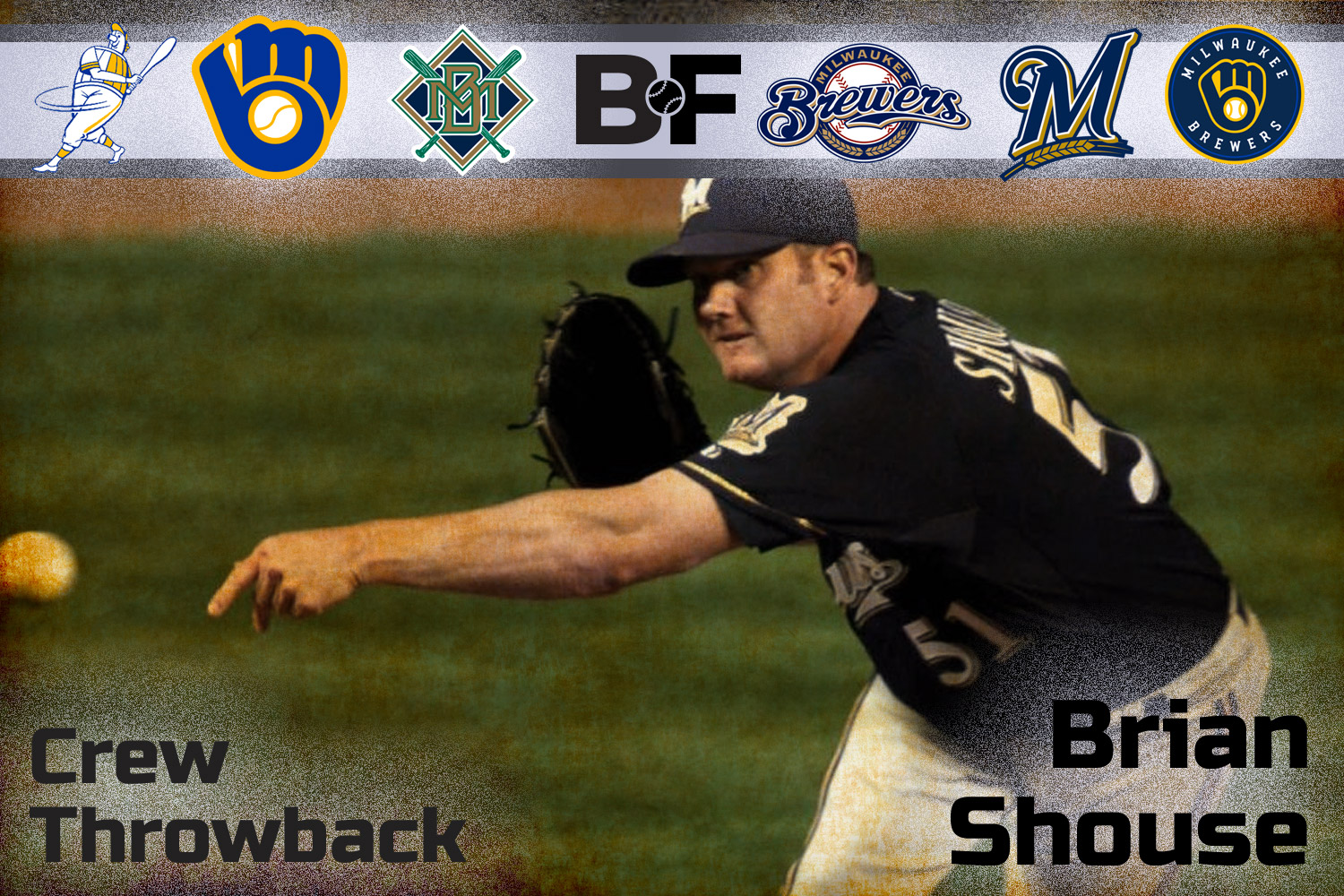 Initially drafted by the Pittsburgh Pirates in the 13th round during the 1990 MLB draft, Brian Shouse worked his way through the minors and made his debut in 1993 at age 24. He pitched four innings in six games, racking up an ugly 9.00 ERA and a 2.25 WHIP. After spending several years in the minor leagues of the Baltimore Orioles and Pittsburgh Pirates, he would only play in the major leagues once more after Boston Red Sox signed him in 1998. He pitched eight innings in seven games with a slightly improved 5.63 ERA and 1.63 WHIP. After 1998, Shouse would again endure a protracted absence from the major leagues, moving between the minor league systems of the Arizona Diamondbacks, Baltimore Orioles, New York Mets, and Houston Astros. In 2002, Shouse would play in another MLB game for the Kansas City Royals, and he was here to stay this time. The Texas Rangers signed Shouse as a free agent in 2003, and they would prove to be a good signing. During his four-year stint in Texas, Shouse pitched 163 innings and struck out 112 batters while carrying a 3.59 ERA and 1.29 WHIP. He also earned 34 holds and one save. Shouse’s performance on the mound caught the eye of the Milwaukee Brewers, who traded minor league infield prospect Enrique Cruz and cash for Shouse on May 13, 2006. Now, the late 2000s were an awkward time for the Milwaukee Brewers. Sure, they had some rising stars like Prince Fielder and Ryan Braun, but the big league club struggled to win games. Pitching was a big question mark at this time, both in the starting rotation and the bullpen. In 2006, when Milwaukee acquired Shouse, the team pitching staff held a 4.82 ERA. The offense drove in 730 runs, but the pitching staff gave up 833 runs. Shouse proved himself to be effective in the Brewers bullpen as a left-handed specialist. He maintained a 1.50 WHIP in 34 innings pitched in 2006. In 2007, at the age of 38, Shouse was even better. He put up a WHIP of 1.26 in 47.2 innings pitched. It seemed that despite his age, he was reliable and unstoppable. Rick Ankiel, infamously a pitcher-turned-outfielder for the St. Louis Cardinals, would later claim that Brian Shouse was the hardest pitcher he had ever faced in his career. 2008 would turn out to be Shouse’s best year with Milwaukee. He struck out 33 batters, earning a WHIP of 1.17 and a 2.81 ERA. His command on the mound helped Milwaukee clinch their first appearance in the playoffs since 1982. Shouse would end his career with the Tampa Bay Rays in 2009 at 40. In recent years, Shouse spent time as a pitching coach for the Texas Rangers organization. In 2019, he was the pitching coach for the Nashville Sounds. However, he would be let go after one season in Nashville. While not the flashiest player, Shouse deserves to be remembered as a reliable arm in a lackluster bullpen during an important time in Brewers' history. His arm brought badly-needed stability to an often unstable pitching staff.
 -
Brian Shouse is a name that may ring some bells for Brewers fans. While he was never an all-star or a Cy Young winner, Shouse was still an effective relief pitcher that got the job done. Initially drafted by the Pittsburgh Pirates in the 13th round during the 1990 MLB draft, Brian Shouse worked his way through the minors and made his debut in 1993 at age 24. He pitched four innings in six games, racking up an ugly 9.00 ERA and a 2.25 WHIP. After spending several years in the minor leagues of the Baltimore Orioles and Pittsburgh Pirates, he would only play in the major leagues once more after Boston Red Sox signed him in 1998. He pitched eight innings in seven games with a slightly improved 5.63 ERA and 1.63 WHIP. After 1998, Shouse would again endure a protracted absence from the major leagues, moving between the minor league systems of the Arizona Diamondbacks, Baltimore Orioles, New York Mets, and Houston Astros. In 2002, Shouse would play in another MLB game for the Kansas City Royals, and he was here to stay this time. The Texas Rangers signed Shouse as a free agent in 2003, and they would prove to be a good signing. During his four-year stint in Texas, Shouse pitched 163 innings and struck out 112 batters while carrying a 3.59 ERA and 1.29 WHIP. He also earned 34 holds and one save. Shouse’s performance on the mound caught the eye of the Milwaukee Brewers, who traded minor league infield prospect Enrique Cruz and cash for Shouse on May 13, 2006. Now, the late 2000s were an awkward time for the Milwaukee Brewers. Sure, they had some rising stars like Prince Fielder and Ryan Braun, but the big league club struggled to win games. Pitching was a big question mark at this time, both in the starting rotation and the bullpen. In 2006, when Milwaukee acquired Shouse, the team pitching staff held a 4.82 ERA. The offense drove in 730 runs, but the pitching staff gave up 833 runs. Shouse proved himself to be effective in the Brewers bullpen as a left-handed specialist. He maintained a 1.50 WHIP in 34 innings pitched in 2006. In 2007, at the age of 38, Shouse was even better. He put up a WHIP of 1.26 in 47.2 innings pitched. It seemed that despite his age, he was reliable and unstoppable. Rick Ankiel, infamously a pitcher-turned-outfielder for the St. Louis Cardinals, would later claim that Brian Shouse was the hardest pitcher he had ever faced in his career. 2008 would turn out to be Shouse’s best year with Milwaukee. He struck out 33 batters, earning a WHIP of 1.17 and a 2.81 ERA. His command on the mound helped Milwaukee clinch their first appearance in the playoffs since 1982. Shouse would end his career with the Tampa Bay Rays in 2009 at 40. In recent years, Shouse spent time as a pitching coach for the Texas Rangers organization. In 2019, he was the pitching coach for the Nashville Sounds. However, he would be let go after one season in Nashville. While not the flashiest player, Shouse deserves to be remembered as a reliable arm in a lackluster bullpen during an important time in Brewers' history. His arm brought badly-needed stability to an often unstable pitching staff. View full article
-
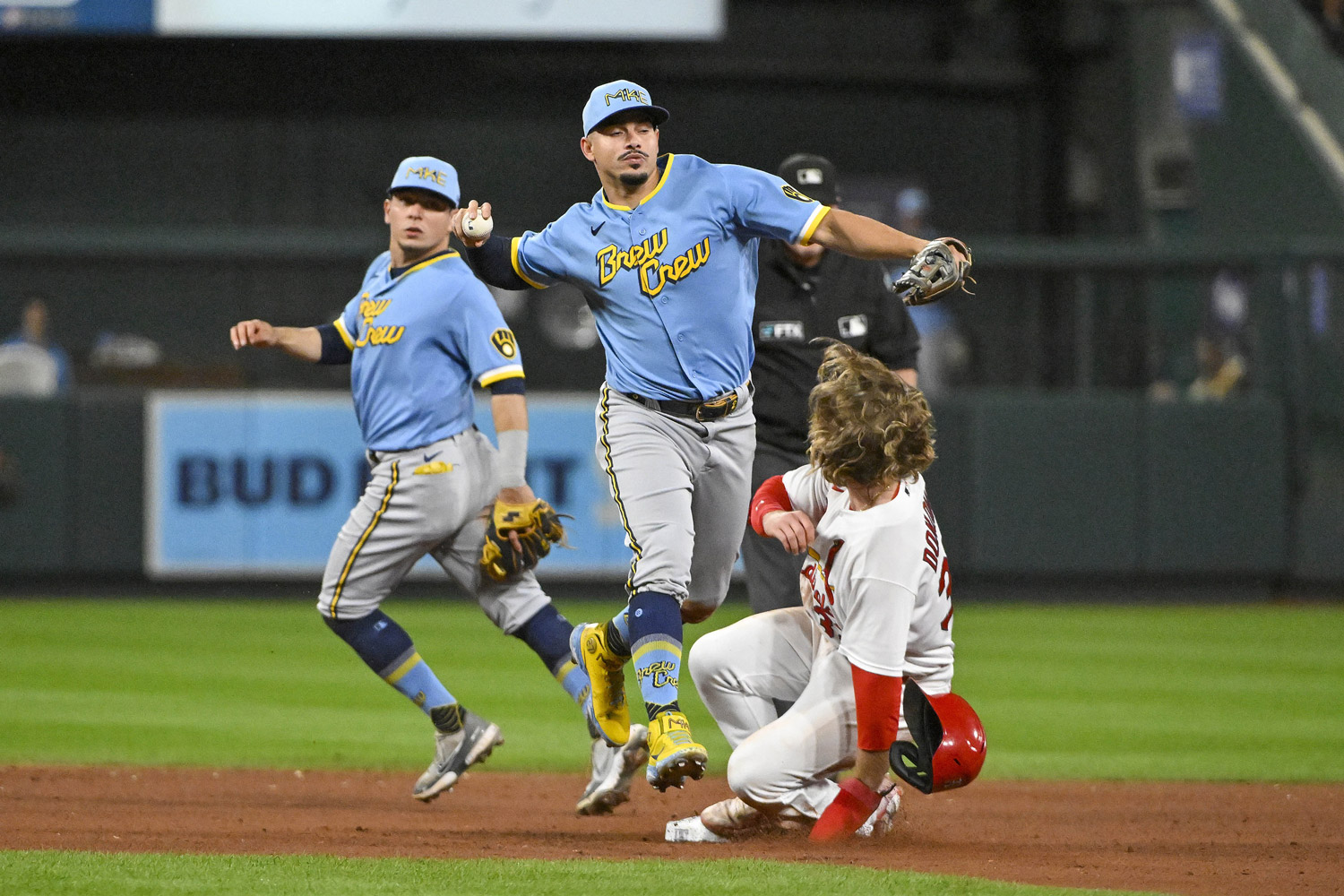 Willy Adames, Milwaukee’s star shortstop, is the most obvious extension possibility for the Milwaukee Brewers this offseason. Adames has been a fan favorite for many since being traded to the Brewers from Tampa Bay back in May of 2021. What kind of extension would be required if the Brewers wanted to keep Willy wearing a Milwaukee jersey? Willy Adames is 27 years old as of the writing of this article, and he is coming off of his best overall season yet, according to both Baseball-Reference and FanGraphs. In 2022, Adames had a 4.4 rWAR season with a career-high 31 home runs and 98 RBIs. However, there is more to extending Adames than just his stats. Upon being traded from the Rays to the Brewers on May 21, 2021, Adames was told to be himself. As a result, the city of Milwaukee fell in love with the sweet-swinging shortstop. His upbeat personality created a palpable energy among fans and even members of the clubhouse. After the questionable Josh Hader trade, David Stearns stepping down as President of Baseball Operations, and the team missing the playoffs in 2022, morale among fans is quite low. Extending Willy Adames would demonstrate that this organization is set on winning both in the short-term and the long term. Two significant free-agent signings recently reset the shortstop market's peak price. On December 8, 2022, Trea Turner signed a massive eleven-year, $300 million contract with the Philadelphia Phillies. One day later, former Boston Red Sox infielder Xander Bogaerts signed an eleven-year, $280 million contract with the San Diego Padres. It’s clear the market has changed, and small market teams like the Brewers are being left in the dust. Adames is younger than both Turner and Bogaerts. Additionally, the Brewers have two more seasons of team control. At age 29, if no extension is agreed upon, he will become a free agent. An extension this offseason could be unlikely, but if he plays well in 2023, his market value can rise even higher than it is now. Willy Adames is a free agent after the 2024 season, but he has made it clear that he wants to remain a Brewer. When comparing the recent signings of Turner and Bogaerts, it is doubtful that the Brewers will hand out a massive eleven-year contract extension to Adames. But Milwaukee could pay him around $25 - $27M per season, which might be enticing to Adames given that he's still 22 months away from free agency. Looking at the potential 2023 payroll, the Brewers have freed up a lot of space, with Lorenzo Cain, Andrew McCutchen, and Josh Hader being out of the picture. Spotrac estimates Milwaukee’s current payroll is at an estimated $112.5 million. Last season was an estimated $131 million. If owner Mark Attanasio is willing to shell out some money to keep a fan favorite on the roster, it is possible that Willy could be a Milwaukee Brewer for the rest of his career.
 -
Willy Adames is a fan favorite. The question is, can the Brewers afford to extend him? Willy Adames, Milwaukee’s star shortstop, is the most obvious extension possibility for the Milwaukee Brewers this offseason. Adames has been a fan favorite for many since being traded to the Brewers from Tampa Bay back in May of 2021. What kind of extension would be required if the Brewers wanted to keep Willy wearing a Milwaukee jersey? Willy Adames is 27 years old as of the writing of this article, and he is coming off of his best overall season yet, according to both Baseball-Reference and FanGraphs. In 2022, Adames had a 4.4 rWAR season with a career-high 31 home runs and 98 RBIs. However, there is more to extending Adames than just his stats. Upon being traded from the Rays to the Brewers on May 21, 2021, Adames was told to be himself. As a result, the city of Milwaukee fell in love with the sweet-swinging shortstop. His upbeat personality created a palpable energy among fans and even members of the clubhouse. After the questionable Josh Hader trade, David Stearns stepping down as President of Baseball Operations, and the team missing the playoffs in 2022, morale among fans is quite low. Extending Willy Adames would demonstrate that this organization is set on winning both in the short-term and the long term. Two significant free-agent signings recently reset the shortstop market's peak price. On December 8, 2022, Trea Turner signed a massive eleven-year, $300 million contract with the Philadelphia Phillies. One day later, former Boston Red Sox infielder Xander Bogaerts signed an eleven-year, $280 million contract with the San Diego Padres. It’s clear the market has changed, and small market teams like the Brewers are being left in the dust. Adames is younger than both Turner and Bogaerts. Additionally, the Brewers have two more seasons of team control. At age 29, if no extension is agreed upon, he will become a free agent. An extension this offseason could be unlikely, but if he plays well in 2023, his market value can rise even higher than it is now. Willy Adames is a free agent after the 2024 season, but he has made it clear that he wants to remain a Brewer. When comparing the recent signings of Turner and Bogaerts, it is doubtful that the Brewers will hand out a massive eleven-year contract extension to Adames. But Milwaukee could pay him around $25 - $27M per season, which might be enticing to Adames given that he's still 22 months away from free agency. Looking at the potential 2023 payroll, the Brewers have freed up a lot of space, with Lorenzo Cain, Andrew McCutchen, and Josh Hader being out of the picture. Spotrac estimates Milwaukee’s current payroll is at an estimated $112.5 million. Last season was an estimated $131 million. If owner Mark Attanasio is willing to shell out some money to keep a fan favorite on the roster, it is possible that Willy could be a Milwaukee Brewer for the rest of his career. View full article
-
In all likelihood, Milwaukee will not trade for big name players like Juan Soto or Shohei Ohtani. As the August 2nd trade deadline looms, let’s take a look at a couple of players that the Brewers could realistically acquire without draining the farm system. How fast is the trade market starting to move? Fast enough that this list was three players long when it was written yesterday, before Andrew Benintendi was traded to the Yankees by the Royals. Still, there are a couple more names that could help push the Brewers into a deep run in the postseason and then we'll play with Baseball Trade Values trade simulator to ballpark what fair compensation might look like. Josh Bell - Washington Nationals The Nationals are yet again sellers this year. Juan Soto appears to be the most prolific piece to be moved this season, after rejecting a historic $440M / 15-year contract extension. However, a much more low key piece that could significantly impact the Brewers 2022 season is first baseman Josh Bell . This season, Bell has slashed .305/.385/.494 with an .879 OPS, 13 home runs, and 50 RBIs. Much like Benintendi, this addition would really boost Milwaukee’s lackluster offense and it would not drain the team’s farm system. Like Benintendi, Bell would be a rental, as he enters free agency after the 2022 season. A viable trade might look like this: the Nationals send Bell while the Brewers send Keston Hiura and two pitching prospects, Abner Uribe and TJ Shook. Hiura is a fan favorite for many in Milwaukee. However, it would be best for both Hiura and the Brewers if they traded him to a rebuilding team. He could really use a change in scenery and it would likely benefit his career. It is difficult to find a place on the lineup card where Hiura could be an everyday player. Shook has been a competent starter for Double-A Bilox. With 14 starts in the 2022 season, he has notched 91 strikeouts and has maintained a 3.94 ERA and a 1.36 WHIP. Uribe is ranked #19 in the Brewers farm system, though he has fallen out of Brewer Fanatic's Top 20 prospects. He is currently playing for Double-A Biloxi. He has only played 2 games in the 2022 season but has zero earned runs in three innings pitched. At the age of 22, he shows a lot of potential and is expected to play in the majors by the 2023 season. Trey Mancini - Baltimore Orioles Trey Mancini has been a fan favorite trade target since the 2021 season. His numbers in the 2022 season are on par with Christian Yelich, hitting 8 home runs and slashing .268/.345/.404. Not my favorite trade target but he could do some damage and could be a solid everyday outfielder, first baseman, or designated hitter for the remainder of the year with the crew. Because he is likely a free agent at the end of this year (he and the team have a mutual option, which rarely works out), acquiring Mancini would not cost much, really only one infield prospect named Eduardo Garcia. So far in Single-A Carolina, Garcia (ranked the #12 prospect by BF) has done well offensively. He is slashing .275/.321/.422 with a .743 OPS. He’s hit 9 home runs and 45 RBIs. The shortstop is only 20 years old and is estimated to appear in the MLB by 2024. However, an everyday position with Milwaukee at short is unlikely due to Willy Adames being under team control through 2024. Not to mention, the team has several infield prospects that would likely find more rapid success in the role by then, making this trade extremely beneficial for the team. In all likelihood, the Brewers won't need to break the (prospect) bank to pick up a helpful bat at the deadline. Let us know which bats listed above you like, or other ones that you're targeting. View full article
-
Two Bats the Brewers Can Target and How Much They'll Cost
Cole McCormack posted an article in Brewers
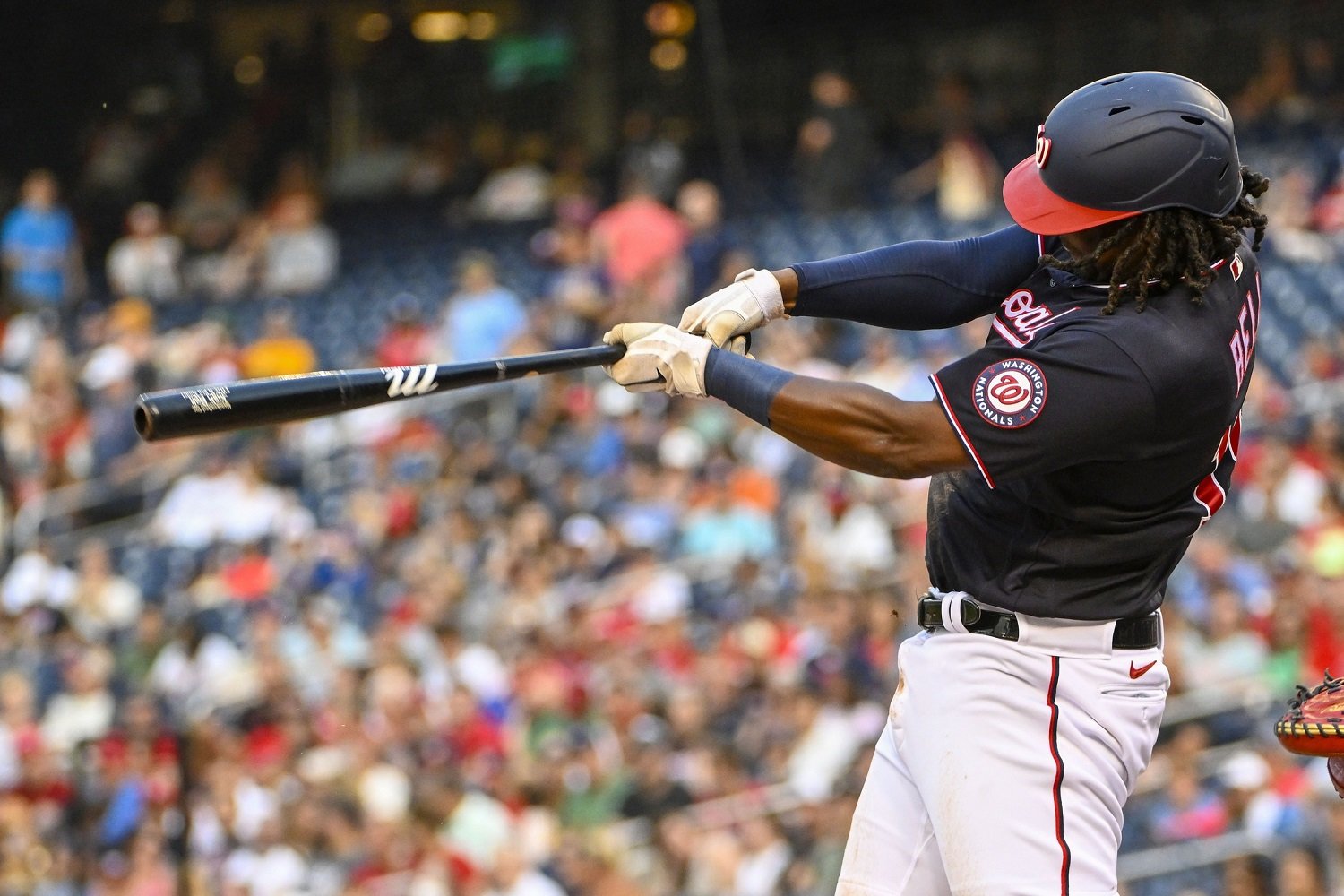 How fast is the trade market starting to move? Fast enough that this list was three players long when it was written yesterday, before Andrew Benintendi was traded to the Yankees by the Royals. Still, there are a couple more names that could help push the Brewers into a deep run in the postseason and then we'll play with Baseball Trade Values trade simulator to ballpark what fair compensation might look like. Josh Bell - Washington Nationals The Nationals are yet again sellers this year. Juan Soto appears to be the most prolific piece to be moved this season, after rejecting a historic $440M / 15-year contract extension. However, a much more low key piece that could significantly impact the Brewers 2022 season is first baseman Josh Bell . This season, Bell has slashed .305/.385/.494 with an .879 OPS, 13 home runs, and 50 RBIs. Much like Benintendi, this addition would really boost Milwaukee’s lackluster offense and it would not drain the team’s farm system. Like Benintendi, Bell would be a rental, as he enters free agency after the 2022 season. A viable trade might look like this: the Nationals send Bell while the Brewers send Keston Hiura and two pitching prospects, Abner Uribe and TJ Shook. Hiura is a fan favorite for many in Milwaukee. However, it would be best for both Hiura and the Brewers if they traded him to a rebuilding team. He could really use a change in scenery and it would likely benefit his career. It is difficult to find a place on the lineup card where Hiura could be an everyday player. Shook has been a competent starter for Double-A Bilox. With 14 starts in the 2022 season, he has notched 91 strikeouts and has maintained a 3.94 ERA and a 1.36 WHIP. Uribe is ranked #19 in the Brewers farm system, though he has fallen out of Brewer Fanatic's Top 20 prospects. He is currently playing for Double-A Biloxi. He has only played 2 games in the 2022 season but has zero earned runs in three innings pitched. At the age of 22, he shows a lot of potential and is expected to play in the majors by the 2023 season. Trey Mancini - Baltimore Orioles Trey Mancini has been a fan favorite trade target since the 2021 season. His numbers in the 2022 season are on par with Christian Yelich, hitting 8 home runs and slashing .268/.345/.404. Not my favorite trade target but he could do some damage and could be a solid everyday outfielder, first baseman, or designated hitter for the remainder of the year with the crew. Because he is likely a free agent at the end of this year (he and the team have a mutual option, which rarely works out), acquiring Mancini would not cost much, really only one infield prospect named Eduardo Garcia. So far in Single-A Carolina, Garcia (ranked the #12 prospect by BF) has done well offensively. He is slashing .275/.321/.422 with a .743 OPS. He’s hit 9 home runs and 45 RBIs. The shortstop is only 20 years old and is estimated to appear in the MLB by 2024. However, an everyday position with Milwaukee at short is unlikely due to Willy Adames being under team control through 2024. Not to mention, the team has several infield prospects that would likely find more rapid success in the role by then, making this trade extremely beneficial for the team. In all likelihood, the Brewers won't need to break the (prospect) bank to pick up a helpful bat at the deadline. Let us know which bats listed above you like, or other ones that you're targeting.
 -
What does Milwaukee need to get to the World Series? Some relief might help, and the trade deadline is a prime time to pick up a few more reliable bullpen arms, fueling a deeper run into the postseason. Let's look at three players that could easily provide a boost to bullpen, and then using the fun Baseball Trade Values trade simulator, let's get some ballpark idea what they might cost. Joe Jiménez - Detroit Tigers Jiménez has proved himself to be an effective relief pitcher. His 3.22 ERA is nothing to scoff at, but his 2.15 FIP is extremely impressive. So far in 2022, he has pitched 36.1 innings. His control of the ball is also extraordinary, having struck out 49 batters and only walking 8 this season. If acquired, Jiménez would be under team control until 2024. It likely wouldn’t take much for the Brewers to acquire Jiménez, perhaps a fringe prospect in AA. The simulator accepted Jiménez for Milaukee 24-year-old RHP prospect Taylor Floyd. Floyd is not doing too hot in Double-A Biloxi, currently pitching with an 8.57 ERA in 21 innings pitched. However, like most prospects, he shows a lot of potential. Floyd is a sidearm pitcher, but his odd windup makes it appear as if he has a submarine delivery. His fastball has a lot of break to it and it could be interesting to see how he develops as a pitcher. John Schreiber - Boston Red Sox The Red Sox could be sellers this season and it is possible they would be willing to give up right-handed reliever John Schreiber. He would likely not come cheap as Schreiber is not a free agent until the 2027 season. You can see as much in how the trade simulator values him. That being said, he is still a worthy investment. His 2022 season has been very impressive with a 1.56 ERA and a FIP of 2.37, one can only imagine how great Schreiber could be with the assistance of Milwaukee’s pitching staff. This trade simulated accepted an admitted reach of a deal, but replace these particular players with comparable names and it would be fun to see how it would play out. The Red Sox sent Schreiber and the Brewers sent infield prospect Tyler Black and pitching prospect Russell Smith, plus additional cash considerations to complete the deal. Black is currently playing in High-A Wisconsin and is slashing .281/.406/.424 with an .830 OPS. He has hit 4 home runs and 35 RBIs. His most impressive factor is his plate discipline. So far in 2022, he has walked 44 times and struck out 45 times. He is Brewer Fanatic's #7 prospect as of July 1st. Smith is also playing in High-A Wisconsin and in 13 starting appearances, has put up an ERA of 4.63. It is clear that he has a lot of development to go before making it to the major league level. He is also ranked at #16 in the Brewers farm system, but did not make our top 20. Jorge López - Baltimore Orioles López is actually a former Brewer, having been drafted by the team all the way back in the second round of the 2011 MLB June Amateur Draft. He was eventually traded to the Royals with Brett Phillips in 2018 for Mike Moustakas. In 2022, López is an all-star reliever. He has put together 18 saves, a 1.59 ERA, and a FIP of 2.94. The Brewers need better bullpen arms and it seems that López could help in that department significantly, working as depth in case either Hader or Williams suffers an injury before the postseason. He would also be under team control until 2025. López is an effective closer and so it's odd that the trade simulator thinks that acquiring him would not take much. An ideal trade would look like this. Brewers receive Jorge López and the Orioles receive infield prospect Felix Valerio (#9 on Brewer Fanatic's Top 20) and cash considerations. Valerio is an offensive powerhouse. There’s no beating around the bush there. At the age of 17, he had a 6.9 strikeout rate and a .319 batting average in the Dominican Summer League. Currently in Double-A Biloxi, he is slashing .246/.327/.416 with a .743 OPS. The simulator is by no means perfect, but gets to the truth of acquiring prospects at the deadline: it doesn't take premier prospects to nab impactful arms. Let us know which arms listed above you like, or other ones that you're targeting. We'll be back later this week to do the same for some hitters. View full article
-
Three Relievers the Brewers Can Get and What They'll Cost
Cole McCormack posted an article in Brewers
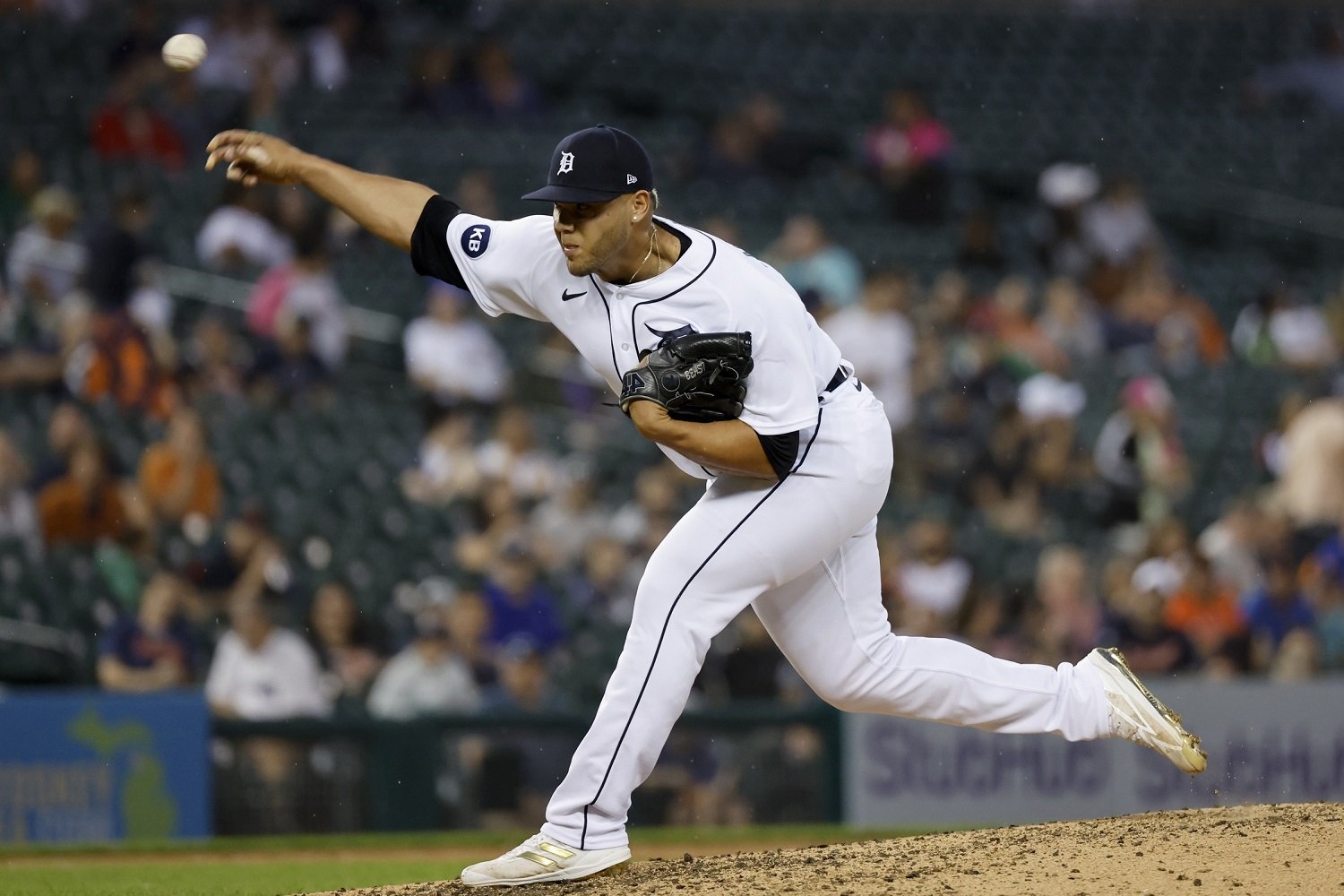 Let's look at three players that could easily provide a boost to bullpen, and then using the fun Baseball Trade Values trade simulator, let's get some ballpark idea what they might cost. Joe Jiménez - Detroit Tigers Jiménez has proved himself to be an effective relief pitcher. His 3.22 ERA is nothing to scoff at, but his 2.15 FIP is extremely impressive. So far in 2022, he has pitched 36.1 innings. His control of the ball is also extraordinary, having struck out 49 batters and only walking 8 this season. If acquired, Jiménez would be under team control until 2024. It likely wouldn’t take much for the Brewers to acquire Jiménez, perhaps a fringe prospect in AA. The simulator accepted Jiménez for Milaukee 24-year-old RHP prospect Taylor Floyd. Floyd is not doing too hot in Double-A Biloxi, currently pitching with an 8.57 ERA in 21 innings pitched. However, like most prospects, he shows a lot of potential. Floyd is a sidearm pitcher, but his odd windup makes it appear as if he has a submarine delivery. His fastball has a lot of break to it and it could be interesting to see how he develops as a pitcher. John Schreiber - Boston Red Sox The Red Sox could be sellers this season and it is possible they would be willing to give up right-handed reliever John Schreiber. He would likely not come cheap as Schreiber is not a free agent until the 2027 season. You can see as much in how the trade simulator values him. That being said, he is still a worthy investment. His 2022 season has been very impressive with a 1.56 ERA and a FIP of 2.37, one can only imagine how great Schreiber could be with the assistance of Milwaukee’s pitching staff. This trade simulated accepted an admitted reach of a deal, but replace these particular players with comparable names and it would be fun to see how it would play out. The Red Sox sent Schreiber and the Brewers sent infield prospect Tyler Black and pitching prospect Russell Smith, plus additional cash considerations to complete the deal. Black is currently playing in High-A Wisconsin and is slashing .281/.406/.424 with an .830 OPS. He has hit 4 home runs and 35 RBIs. His most impressive factor is his plate discipline. So far in 2022, he has walked 44 times and struck out 45 times. He is Brewer Fanatic's #7 prospect as of July 1st. Smith is also playing in High-A Wisconsin and in 13 starting appearances, has put up an ERA of 4.63. It is clear that he has a lot of development to go before making it to the major league level. He is also ranked at #16 in the Brewers farm system, but did not make our top 20. Jorge López - Baltimore Orioles López is actually a former Brewer, having been drafted by the team all the way back in the second round of the 2011 MLB June Amateur Draft. He was eventually traded to the Royals with Brett Phillips in 2018 for Mike Moustakas. In 2022, López is an all-star reliever. He has put together 18 saves, a 1.59 ERA, and a FIP of 2.94. The Brewers need better bullpen arms and it seems that López could help in that department significantly, working as depth in case either Hader or Williams suffers an injury before the postseason. He would also be under team control until 2025. López is an effective closer and so it's odd that the trade simulator thinks that acquiring him would not take much. An ideal trade would look like this. Brewers receive Jorge López and the Orioles receive infield prospect Felix Valerio (#9 on Brewer Fanatic's Top 20) and cash considerations. Valerio is an offensive powerhouse. There’s no beating around the bush there. At the age of 17, he had a 6.9 strikeout rate and a .319 batting average in the Dominican Summer League. Currently in Double-A Biloxi, he is slashing .246/.327/.416 with a .743 OPS. The simulator is by no means perfect, but gets to the truth of acquiring prospects at the deadline: it doesn't take premier prospects to nab impactful arms. Let us know which arms listed above you like, or other ones that you're targeting. We'll be back later this week to do the same for some hitters.
 -
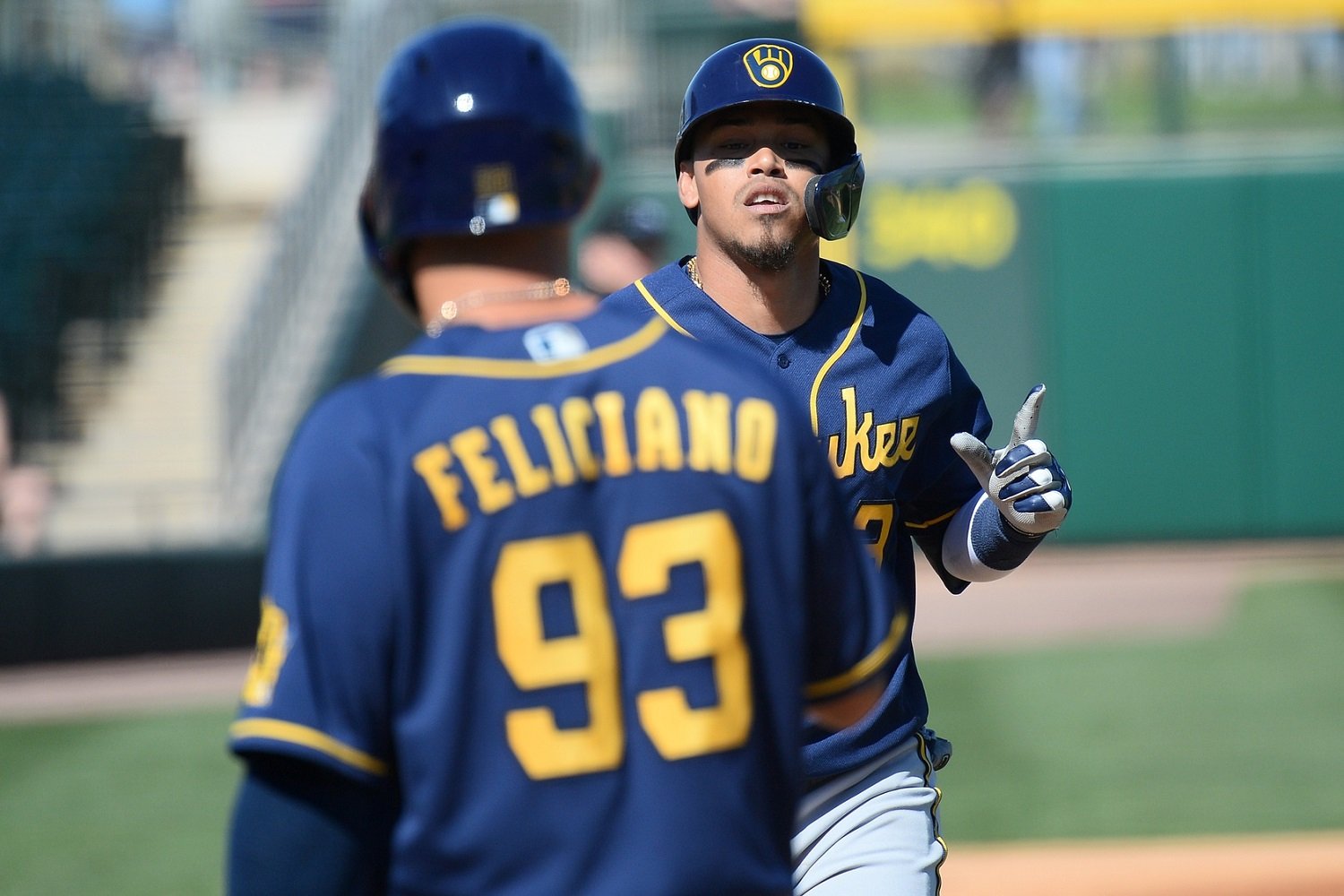 Alright. I get it. The Milwaukee Brewers already have way too many catchers on their major league roster with Omar Narvaez, Victor Caratini, and Pedro Severino . These catchers have been extremely effective at the plate and behind the plate. That being said, Mario Feliciano deserves more at-bats at the major league level. Feliciano was drafted in 2016 by Milwaukee in the second round. Originally hailing from Puerto Rico, he had attended the Carlos Beltran Baseball Academy prior to the draft. He had a breakout year in 2019 where he won Carolina League MVP as a result of his stellar offense. Bashing 19 home runs and slashing .270/.323/.473 that season in High-A, he proved himself as more than capable with a bat in his hands; especially at the age of 21. It should be mentioned that in the 2018 offseason, Feliciano required arthroscopic surgery and missed two months of the 2021 season as a result of a shoulder injury. Despite being so young, it led many to wonder if this trend of injuries will continue with the backstop prospect. Feliciano was called up to the majors, played one game late in the 2021 season where he drew a walk, and was immediately sent back down to the minors. A real “cup of coffee in the majors” type of situation. So far in 2022, he has spent the season in Triple-A Nashville and his numbers definitely make a substantial argument for a major league promotion. Feliciano is slashing .303/.355/.389 with a .744 OPS, 51 games into the 2022 season. He has an 18% strikeout rate and a 6% walk rate. His defensive numbers are solid with a .992 fielding percentage and 3 errors. At the age of 23, Feliciano is the youngest player on the Brewers’ 40-man roster. The sample size for Feliciano is admittedly small in terms of time in the majors. He played one game in 2021 but he has played 31 games in Spring Training. His 2021 performance was really impressive. He played 14 games and slashed .429/.467/.857 with a 1.324 OPS. Granted a lot of players tend to put up great numbers in Spring Training, only to fall apart in the regular season. He has shown that he is very quick on his feet and he has an above average arm. However, Feliciano’s power has diminished over the years, mostly due to the injuries as previously mentioned. So far this season, he has only hit two home runs in Nashville. The Brewers need bats. Their offense is performing below average. A player with a high batting average and good on-base percentage is an especially good fit. What the Brewers don’t need is another catcher. While this is a bit of a reach, Feliciano has played 7 of his 51 games as a designated hitter this season. He obviously would not be a permanent solution to the team’s problem on offense but he does deserve more time at the major league level, especially with the strides in offense he has made this season in Nashville. He shows a lot of potential and could eventually work his way up to being the next everyday catcher in a season or two. After all, Omar Narvaez will be a free agent after the 2022 season and it seems unlikely he will return next season due to the abundance of catchers that the team already has. There is a lot of promise and intrigue with Feliciano as a prospect and while he may not be well known to every MLB fan, his performance over speaks for itself. He deserves a shot during the 2022 season to really prove himself as a viable option behind the plate.
 -
Currently ranked as the 13th best prospect in the Brewers’ organization by Brewer's Fanatic, it is safe to say that Mario Feliciano deserves a real shot at playing in the big leagues. Finding how is the problem. Alright. I get it. The Milwaukee Brewers already have way too many catchers on their major league roster with Omar Narvaez, Victor Caratini, and Pedro Severino . These catchers have been extremely effective at the plate and behind the plate. That being said, Mario Feliciano deserves more at-bats at the major league level. Feliciano was drafted in 2016 by Milwaukee in the second round. Originally hailing from Puerto Rico, he had attended the Carlos Beltran Baseball Academy prior to the draft. He had a breakout year in 2019 where he won Carolina League MVP as a result of his stellar offense. Bashing 19 home runs and slashing .270/.323/.473 that season in High-A, he proved himself as more than capable with a bat in his hands; especially at the age of 21. It should be mentioned that in the 2018 offseason, Feliciano required arthroscopic surgery and missed two months of the 2021 season as a result of a shoulder injury. Despite being so young, it led many to wonder if this trend of injuries will continue with the backstop prospect. Feliciano was called up to the majors, played one game late in the 2021 season where he drew a walk, and was immediately sent back down to the minors. A real “cup of coffee in the majors” type of situation. So far in 2022, he has spent the season in Triple-A Nashville and his numbers definitely make a substantial argument for a major league promotion. Feliciano is slashing .303/.355/.389 with a .744 OPS, 51 games into the 2022 season. He has an 18% strikeout rate and a 6% walk rate. His defensive numbers are solid with a .992 fielding percentage and 3 errors. At the age of 23, Feliciano is the youngest player on the Brewers’ 40-man roster. The sample size for Feliciano is admittedly small in terms of time in the majors. He played one game in 2021 but he has played 31 games in Spring Training. His 2021 performance was really impressive. He played 14 games and slashed .429/.467/.857 with a 1.324 OPS. Granted a lot of players tend to put up great numbers in Spring Training, only to fall apart in the regular season. He has shown that he is very quick on his feet and he has an above average arm. However, Feliciano’s power has diminished over the years, mostly due to the injuries as previously mentioned. So far this season, he has only hit two home runs in Nashville. The Brewers need bats. Their offense is performing below average. A player with a high batting average and good on-base percentage is an especially good fit. What the Brewers don’t need is another catcher. While this is a bit of a reach, Feliciano has played 7 of his 51 games as a designated hitter this season. He obviously would not be a permanent solution to the team’s problem on offense but he does deserve more time at the major league level, especially with the strides in offense he has made this season in Nashville. He shows a lot of potential and could eventually work his way up to being the next everyday catcher in a season or two. After all, Omar Narvaez will be a free agent after the 2022 season and it seems unlikely he will return next season due to the abundance of catchers that the team already has. There is a lot of promise and intrigue with Feliciano as a prospect and while he may not be well known to every MLB fan, his performance over speaks for itself. He deserves a shot during the 2022 season to really prove himself as a viable option behind the plate. View full article
-
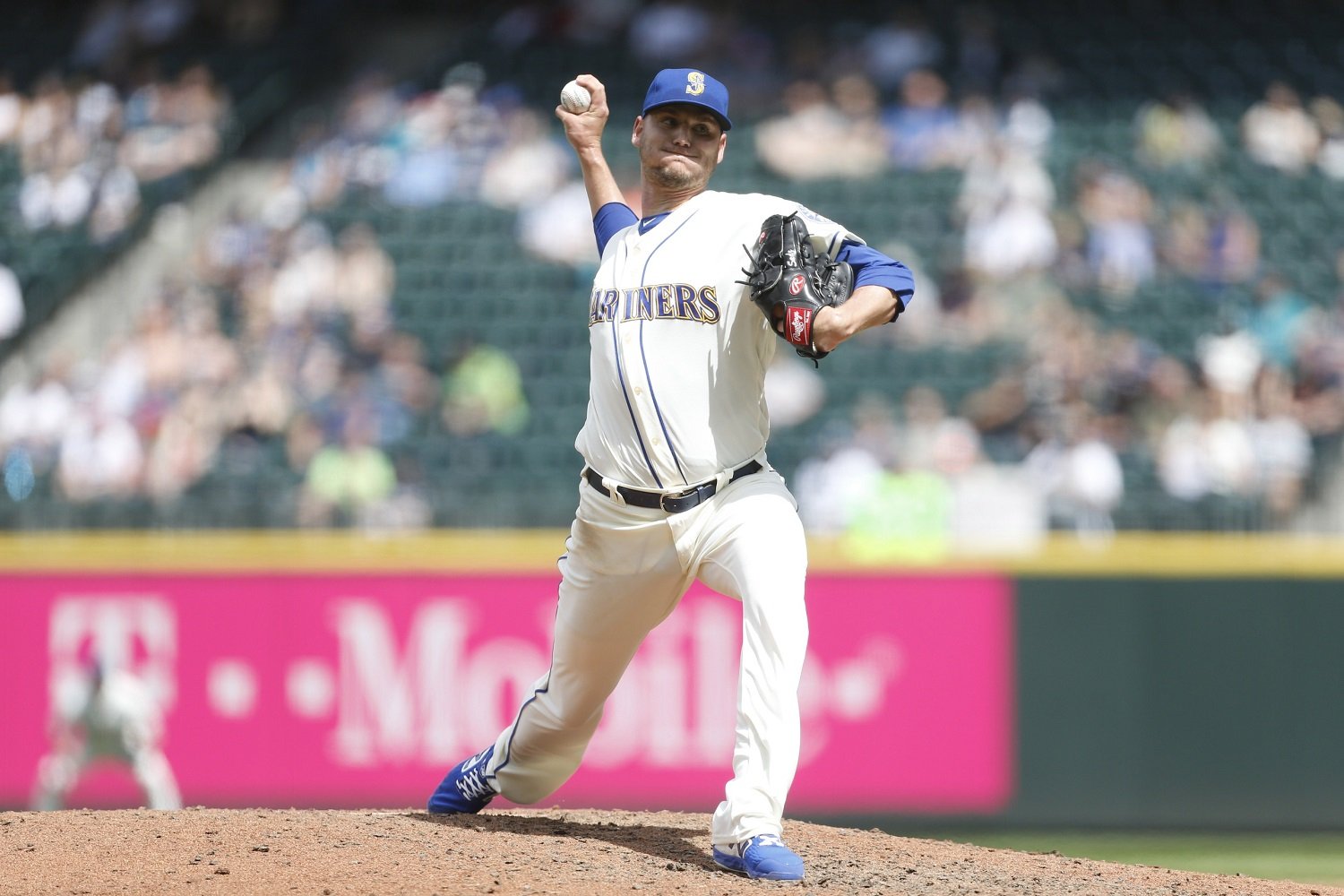 In a strange move, the Brewers sent Keston Hiura down to AAA and called up RHP Connor Sadzeck. This is odd, considering that Hiura has been putting up solid offensive numbers as of late, even making a fantastic defensive catch in left field back on July 6th. Meanwhile, Sadzeck hasn’t made an MLB appearance since the 2019 season, leading some to wonder, what can we expect from Milwaukee’s new pitcher? Originally drafted in 2010 by the Pittsburgh Pirates in the 45th round, he chose not to sign with the organization and instead attended Howard College. He eventually was drafted the following year by the Texas Rangers in the 11th round. Throughout his early minor league career, Sadzeck was plagued with injuries. He required a Tommy John surgery early on, and in 2019, he dealt with a flexor mass issue. Sadzeck made his MLB debut 7 years after being drafted in the 2018 season. Of the 13 games played that year, he started 2 of them. He pitched 9.1 innings, striking out 7 batters but walking 11. His ERA for that season was a very low 0.96, though his FIP was at a very rough 5.52. He was designated for assignment, ultimately being traded to the Seattle Mariners for right-handed relief pitcher Grant Anderson. Sadzeck’s time in Seattle was an improvement over the previous season, notching 27 strikeouts while only walking 15 batters. He played a total of 20 games and pitched 23.2 innings. His ERA increased to 2.66, but his FIP decreased to 4.74. He was eventually outrighted at the end of the season. In 2020, Sadzeck signed a minor league deal with the White Sox but after a poor performance in Triple-A during the 2021 season, he was released. While in Triple-A, Sadzeck played only 23 games and pitched 27.2 innings but finished the season with an ERA of 5.86. Prior to the 2022 season, Milwaukee signed Sadzeck on a minor league deal and so far his performance in Nashville has shown a lot of promise. When comparing his 2022 season to his 2021 season, the biggest difference is his ERA. While playing for the Sounds, his ERA is at a very strong 0.96. He has played 24 games and has pitched 28 innings. He has struck out 35 batters, 7 more than last season. He is walking less batters and has also lowered his WHIP from 1.78 to 0.55. Despite making huge strides in improving his pitching ability, it seems unlikely that Sadzeck will be a go-to bullpen arm like Brad Boxberger or Devin Williams. The reason for his promotion is due to the fact that Milwaukee needs bigger and better bullpen arms, a need that will likely be addressed by the August trade deadline. While it hurts to see Hiura get sent down to the minors again, Sadzeck could make a wonderful comeback for his career. His numbers in Triple-A this season certainly suggest that he has the potential to do so. However, can he stay healthy enough?
 -
In a shocking turn of events, Keston Hiura has been sent down to Triple-A Nashville and Milwaukee has called up 30-year-old pitcher, Connor Sadzeck. In a strange move, the Brewers sent Keston Hiura down to AAA and called up RHP Connor Sadzeck. This is odd, considering that Hiura has been putting up solid offensive numbers as of late, even making a fantastic defensive catch in left field back on July 6th. Meanwhile, Sadzeck hasn’t made an MLB appearance since the 2019 season, leading some to wonder, what can we expect from Milwaukee’s new pitcher? Originally drafted in 2010 by the Pittsburgh Pirates in the 45th round, he chose not to sign with the organization and instead attended Howard College. He eventually was drafted the following year by the Texas Rangers in the 11th round. Throughout his early minor league career, Sadzeck was plagued with injuries. He required a Tommy John surgery early on, and in 2019, he dealt with a flexor mass issue. Sadzeck made his MLB debut 7 years after being drafted in the 2018 season. Of the 13 games played that year, he started 2 of them. He pitched 9.1 innings, striking out 7 batters but walking 11. His ERA for that season was a very low 0.96, though his FIP was at a very rough 5.52. He was designated for assignment, ultimately being traded to the Seattle Mariners for right-handed relief pitcher Grant Anderson. Sadzeck’s time in Seattle was an improvement over the previous season, notching 27 strikeouts while only walking 15 batters. He played a total of 20 games and pitched 23.2 innings. His ERA increased to 2.66, but his FIP decreased to 4.74. He was eventually outrighted at the end of the season. In 2020, Sadzeck signed a minor league deal with the White Sox but after a poor performance in Triple-A during the 2021 season, he was released. While in Triple-A, Sadzeck played only 23 games and pitched 27.2 innings but finished the season with an ERA of 5.86. Prior to the 2022 season, Milwaukee signed Sadzeck on a minor league deal and so far his performance in Nashville has shown a lot of promise. When comparing his 2022 season to his 2021 season, the biggest difference is his ERA. While playing for the Sounds, his ERA is at a very strong 0.96. He has played 24 games and has pitched 28 innings. He has struck out 35 batters, 7 more than last season. He is walking less batters and has also lowered his WHIP from 1.78 to 0.55. Despite making huge strides in improving his pitching ability, it seems unlikely that Sadzeck will be a go-to bullpen arm like Brad Boxberger or Devin Williams. The reason for his promotion is due to the fact that Milwaukee needs bigger and better bullpen arms, a need that will likely be addressed by the August trade deadline. While it hurts to see Hiura get sent down to the minors again, Sadzeck could make a wonderful comeback for his career. His numbers in Triple-A this season certainly suggest that he has the potential to do so. However, can he stay healthy enough? View full article
-
Lyle Overbay Impacted the Brewers Directly and Indirectly
Cole McCormack posted an article in Brewers
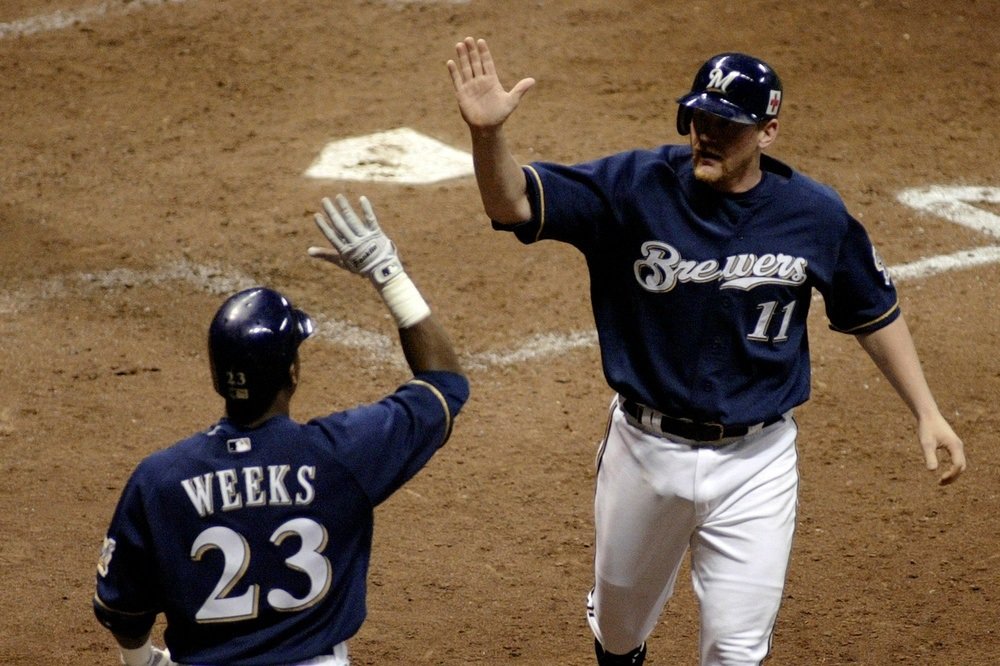 Lyle Overbay was never an All-Star. He was never a silver slugger nor a gold glove player and he is far from being a Hall of Fame level player. Overbay was a journeyman first baseman, having played for a total of six teams over the course of 14 seasons. However, in his two stints with the Milwaukee Brewers, he was a menace both in the batter’s box and defensively at first. And the transactions in which he was involved impacted the team for years. Overbay was drafted by the Arizona Diamondbacks in the 18th round of the 1999 MLB June Amateur Draft. He made his MLB debut in 2001 at the age of 24, where he played only two games with only one hit in two at-bats. He was part of the Diamondbacks postseason roster that eventually won the 2001 World Series over the New York Yankees. 2003 would be an important year for Overbay, as he was slotted as Arizona’s everyday first baseman. That season he slashed .276/.365/.402 with an OPS of .767. His defensive numbers were very impressive, maintaining a strong fielding percentage of 97.7% and committing only two errors over the course of the entire season. During the offseason, Arizona made a blockbuster trade receiving two-time all-star Richie Sexson and pitching prospect Shane Nance, while Milwaukee received a total of six players from the Diamondbacks; Junior Spivey, Chris Capuano, Chad Moeller, Jorge De La Rosa, Craig Counsell, and Lyle Overbay. In Milwaukee, Overbay had some big shoes to fill functioning as the de facto replacement for Sexson at first base. It is safe to say that he delivered. 2004 was a phenomenal year for Milwaukee’s new first baseman. He led the league in doubles with a total of 53, a career record for Overbay. He slashed .301/.385/.478, bashing 16 home runs and 87 RBIs. He also improved significantly from the previous season, lowering his strikeout percentage from 22.9% to 19.2%. However, defensively, Overbay performed quite poorly. He committed 11 errors, the third most for a first baseman that season. The following season was still strong for Overbay. Miller Park even hosted a bobblehead night that commemorated his 2004 Single Season Doubles Record. Regardless, 2005 was still a slight decline in production for the Brewers’ first baseman. He hit 19 less doubles than he did the previous season, slashing .276/.367/.449 with a .816 OPS. The 2005 season was a turning point for Milwaukee and Overbay. Prince Fielder made his MLB debut. He only played a total of 39 games, maintaining a batting average of .288 in that time frame. Fielder ultimately proved himself as the Brewers’ next everyday first baseman. In order to make way for Fielder, Overbay needed to go. On December 7, 2005, Milwaukee dealt pitching prospect Ty Taubenheim and their everyday first baseman Lyle Overbay to Toronto. They received pitchers Dave Bush and Zach Jackson, as well as outfielder Gabe Gross. Overbay continued to have a great career with the Blue Jays, with 2006 being a highlight season. He slashed .312/.372/.508 and hit a career high 22 home runs and 92 RBIs. Meanwhile, Fielder was absolutely dominating the league, hitting 28 home runs and placing seventh in rookie of the year voting. Both Fielder and Overbay would have entertaining careers with their respective teams. Overbay eventually spent time as a Pirate, a Brave, a Red Sox, and a Yankee before rejoining the Brewers in 2014 for his final season in Major League Baseball. Manager Ron Roenicke cited Overbay’s fielding skills and his seniority and ability to mentor younger players as a reason for his spot on the roster as the everyday first baseman. He played 121 games and slashed .233/.328/.333 with a .661 OPS. While not as impressive as his first stint in Milwaukee, it still proved that at the age of 37 he still had it in him to deliver. He also made his pitching debut that season on May 19th in a game against Atlanta during the 8th inning. He managed to get the final out of the inning and finished his pitching career with a 0.00 ERA. He retired by the end of the 2014 season. Looking back on Overbay’s impact on the Brewers as an organization, it becomes clear that he was crucial to the team’s success after his first stint. Milwaukee absolutely won the 2003 offseason trade that brought the team Overbay. Richie Sexson ultimately proved to be a dud for the Diamondbacks after dislocating his shoulder twice during the 2004 season. He only played 23 games for Arizona before signing a 4-year / $50M contract with the Seattle Mariners during the next offseason. The total package of players the Brewers received generated a combined 15.5 WAR as opposed to Sexson’s 0.3 WAR for the 2004 season. It is safe to say that without Overbay, Milwaukee could have never gotten C.C. Sabathia from Cleveland in 2008. Pitcher Zach Jackson was a piece of the trade that got the pitcher at the deadline. Had the Brewers not traded Overbay, they would have been unable to add Jackson to the deal. Granted, this is all speculation to a degree. What is not speculation is the clear impact Overbay had on younger players throughout his career. During his second stint with Arizona, he spent time mentoring Paul Goldschmidt. Lyle Overbay was definitely one of the most impactful Brewer players, you just may not have been aware of it.
 -
Before Prince Fielder, there was Lyle Overbay: a first baseman that would help shape the Brewers organization for years to come. Lyle Overbay was never an All-Star. He was never a silver slugger nor a gold glove player and he is far from being a Hall of Fame level player. Overbay was a journeyman first baseman, having played for a total of six teams over the course of 14 seasons. However, in his two stints with the Milwaukee Brewers, he was a menace both in the batter’s box and defensively at first. And the transactions in which he was involved impacted the team for years. Overbay was drafted by the Arizona Diamondbacks in the 18th round of the 1999 MLB June Amateur Draft. He made his MLB debut in 2001 at the age of 24, where he played only two games with only one hit in two at-bats. He was part of the Diamondbacks postseason roster that eventually won the 2001 World Series over the New York Yankees. 2003 would be an important year for Overbay, as he was slotted as Arizona’s everyday first baseman. That season he slashed .276/.365/.402 with an OPS of .767. His defensive numbers were very impressive, maintaining a strong fielding percentage of 97.7% and committing only two errors over the course of the entire season. During the offseason, Arizona made a blockbuster trade receiving two-time all-star Richie Sexson and pitching prospect Shane Nance, while Milwaukee received a total of six players from the Diamondbacks; Junior Spivey, Chris Capuano, Chad Moeller, Jorge De La Rosa, Craig Counsell, and Lyle Overbay. In Milwaukee, Overbay had some big shoes to fill functioning as the de facto replacement for Sexson at first base. It is safe to say that he delivered. 2004 was a phenomenal year for Milwaukee’s new first baseman. He led the league in doubles with a total of 53, a career record for Overbay. He slashed .301/.385/.478, bashing 16 home runs and 87 RBIs. He also improved significantly from the previous season, lowering his strikeout percentage from 22.9% to 19.2%. However, defensively, Overbay performed quite poorly. He committed 11 errors, the third most for a first baseman that season. The following season was still strong for Overbay. Miller Park even hosted a bobblehead night that commemorated his 2004 Single Season Doubles Record. Regardless, 2005 was still a slight decline in production for the Brewers’ first baseman. He hit 19 less doubles than he did the previous season, slashing .276/.367/.449 with a .816 OPS. The 2005 season was a turning point for Milwaukee and Overbay. Prince Fielder made his MLB debut. He only played a total of 39 games, maintaining a batting average of .288 in that time frame. Fielder ultimately proved himself as the Brewers’ next everyday first baseman. In order to make way for Fielder, Overbay needed to go. On December 7, 2005, Milwaukee dealt pitching prospect Ty Taubenheim and their everyday first baseman Lyle Overbay to Toronto. They received pitchers Dave Bush and Zach Jackson, as well as outfielder Gabe Gross. Overbay continued to have a great career with the Blue Jays, with 2006 being a highlight season. He slashed .312/.372/.508 and hit a career high 22 home runs and 92 RBIs. Meanwhile, Fielder was absolutely dominating the league, hitting 28 home runs and placing seventh in rookie of the year voting. Both Fielder and Overbay would have entertaining careers with their respective teams. Overbay eventually spent time as a Pirate, a Brave, a Red Sox, and a Yankee before rejoining the Brewers in 2014 for his final season in Major League Baseball. Manager Ron Roenicke cited Overbay’s fielding skills and his seniority and ability to mentor younger players as a reason for his spot on the roster as the everyday first baseman. He played 121 games and slashed .233/.328/.333 with a .661 OPS. While not as impressive as his first stint in Milwaukee, it still proved that at the age of 37 he still had it in him to deliver. He also made his pitching debut that season on May 19th in a game against Atlanta during the 8th inning. He managed to get the final out of the inning and finished his pitching career with a 0.00 ERA. He retired by the end of the 2014 season. Looking back on Overbay’s impact on the Brewers as an organization, it becomes clear that he was crucial to the team’s success after his first stint. Milwaukee absolutely won the 2003 offseason trade that brought the team Overbay. Richie Sexson ultimately proved to be a dud for the Diamondbacks after dislocating his shoulder twice during the 2004 season. He only played 23 games for Arizona before signing a 4-year / $50M contract with the Seattle Mariners during the next offseason. The total package of players the Brewers received generated a combined 15.5 WAR as opposed to Sexson’s 0.3 WAR for the 2004 season. It is safe to say that without Overbay, Milwaukee could have never gotten C.C. Sabathia from Cleveland in 2008. Pitcher Zach Jackson was a piece of the trade that got the pitcher at the deadline. Had the Brewers not traded Overbay, they would have been unable to add Jackson to the deal. Granted, this is all speculation to a degree. What is not speculation is the clear impact Overbay had on younger players throughout his career. During his second stint with Arizona, he spent time mentoring Paul Goldschmidt. Lyle Overbay was definitely one of the most impactful Brewer players, you just may not have been aware of it. View full article
-
After a disappointing 2021 season, Keston Hiura is trying to get back to his 2019 self but it would seem that his biggest obstacle is the Brewers coaching staff and manager Craig Counsell. Keston Hiura is an anomaly and the Milwaukee Brewers are failing him. Coming off a very poor performance during the 2021 season, there has been a lot of uncertainty regarding his role within the organization. So far, he has been a designated hitter, a first baseman, a second baseman, and even a left fielder. Regardless, he is far from being a utility player among the likes of Jace Peterson and Pablo Reyes. Hiura’s fielding numbers are quite poor. In only nine games at second base, Hiura has committed two errors with 11 putouts and 9 assists. Hiura’s hitting numbers aren’t much better, currently slashing .207/.324/.413 with 6 home runs and 14 RBIs. The question isn’t, what should Milwaukee do with Keston Hiura, but rather, how can Milwaukee play towards Hiura’s strengths rather than his weaknesses? To understand why Hiura has such a reputation with the Brewers among both the front office and the fanbase, it is essential to take a look back at his fantastic 2019 rookie season. At the age of 22, Hiura hit 19 home runs, 49 RBIs and slashed .303/.368/.570 with an OPS of .938. His average exit velocity in that season was 91.4 mph, the 30th best in all of Major League Baseball. Hiura’s fielding numbers were still atrocious during his rookie season, committing 16 errors at second base. Regardless, he made up for it at the plate. This season proved that Hiura is a player with a lot of potential, as long as the coaching staff understood his strengths at the plate and weaknesses while fielding. He also performed fairly well during the pandemic shortened season in 2020. He played 59 games and slashed .212/.297/.410 with 13 home runs and 32 RBIs. But there were some causes for concern. Hiura ended the season with 85 strikeouts, the most out of any batter in the National League that year. He also led the league in errors by a second baseman. His batting average, OBP, and slugging had a noticeable decline from his rookie season but many looked past this as a result of the uncertainty as to whether there would even be a 2020 season. During the offseason, the Brewers signed 2x Gold Glove winner Kolten Wong as the everyday second baseman. After news of this signing broke, many were wondering where Hiura would play. After all, he was the everyday second baseman for two seasons prior to 2021. He ended up spending a fair amount of time at first base, sharing the position with the likes of Travis Shaw, Daniel Vogelbach, Rowdy Tellez, and Eduardo Escobar. His defensive numbers were even worse at first base and Hiura had his worst season yet. He slashed .168/.256/.301 and hit 4 home runs in 61 games. Striking out 39.1% of the time, he was extremely unreliable. As a result, he ended up spending most of the 2021 season in Nashville. There was a lot of optimism coming into the 2022 season. He had a standout performance in Spring Training where he slashed .393/.485/.929, hitting 4 home runs in only 12 games. However, he was sent down to Nashville on May 6 after a rather poor performance at the plate. While in Triple-A, Hiura played only five games during the 2022 season and during that time, he bashed 3 home runs and slashed .421/.522/.895 with 10 RBIs. So what gives? Why is it that Hiura is able to excel in Triple-A and spring training but falters at the plate when the Brewers need him most? The most clear-cut answer is that the pitchers Hiura faced during spring training and in Nashville were minor league pitchers. They are not as skilled as a major league pitcher. That’s obvious. However, Hiura has proved himself to be more than capable against major league pitchers, look no further than his rookie season. A major aspect of Hiura’s struggles at the plate has to do with a few factors that can easily be fixed by manager Craig Counsell and the Brewers coaching staff. Looking back at his five-game stint in Nashville this season, Hiura performed exceptionally well at the plate. When looking at his splits between righties and lefties, the reason for his standout performance becomes clear. All three of his home runs during that stint were against right-handed pitchers. He had 11 at-bats against righties and maintained a .545 batting average. His numbers against left-handed pitchers, however, are night and day. He struck out four times in only 8 at-bats with a .250 batting average when facing southpaws. Now this was only Triple-A. Let's take a look at how Keston Hiura performs at the major league level against right-handed pitchers. As of June 22, Keston Hiura has a total of 48 at-bats against left-handed pitchers and 45 at-bats against right-handed pitchers. He’s also slashing a very impressive .289/.439/.644 with an insane 1.083 OPS against righties. It should also be mentioned that five of Hiura’s six home runs have been hit off of right-handed pitchers. When facing a left-handed pitcher, the right-handed hitting Hiura's numbers are quite poor. He slashes .146/.241/.208 and a .449 OPS. He strikes out more frequently against southpaws and is nearly half as efficient at the plate. Strikeouts and plate discipline are still an issue regardless of the pitcher’s handedness. Regardless, this has always been Hiura’s MO at the plate. In 2019, Hiura only hit 1 out of his 19 home runs off a leftie. It seems that Counsell and the Brewers coaching staff were well aware of this back then, as Hiura has 164 more at-bats against righties than lefties. So what changed? Why are the Brewers now playing Hiura against lefties more than righties? The answer is unknown. It seems the Brewers don’t even know the answer as they continue to put him in the lineup against lefties. There is some uncertainty as to what position h should even play. So far, Hiura has played fourteen games at first base, filling in for slugger Rowdy Tellez when needed. He has played only ten games at second base and has already committed two errors this season. Interestingly, Hiura has played eight games as the designated hitter, a probable answer to his poor fielding. However, Andrew McCutchen has been spending the majority of the season as the de facto designated hitter with Christian Yelich occasionally spending time in the role. I propose a simple solution to this matter: Hiura becomes the everyday designated hitter against right-handed pitchers, while Andrew McCutchen continues playing as a DH against lefties. Hiura is an extremely valuable asset offensively when facing righties. His defense is extremely poor and is a liability that the Brewers cannot afford right now as they make a push for the playoffs. Fans have been clamoring for the team to acquire a big bat in order to help their struggling offense, but it seems that Hiura may be an unlikely solution to this problem if the organization handles him correctly. View full article
-
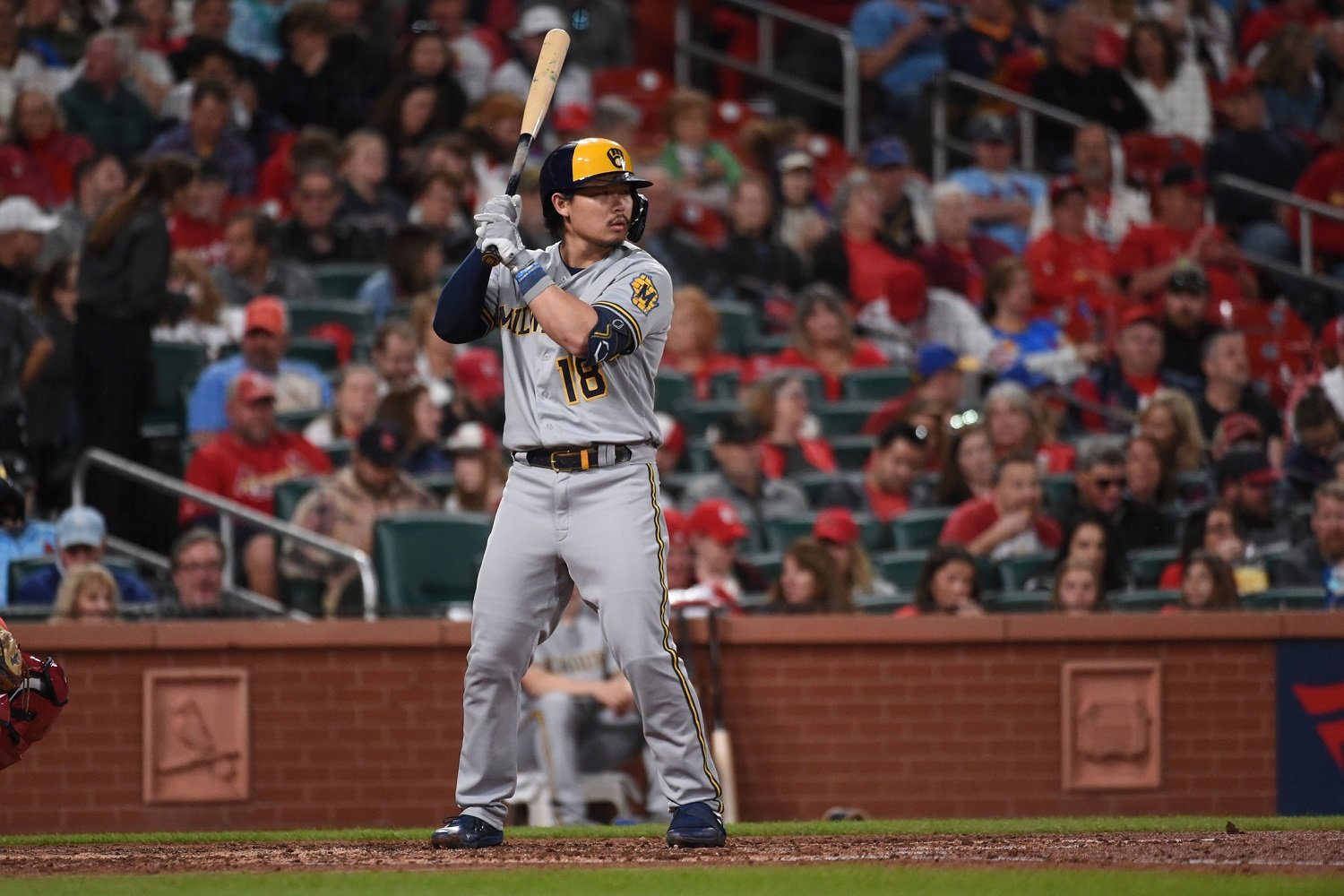 Keston Hiura is an anomaly and the Milwaukee Brewers are failing him. Coming off a very poor performance during the 2021 season, there has been a lot of uncertainty regarding his role within the organization. So far, he has been a designated hitter, a first baseman, a second baseman, and even a left fielder. Regardless, he is far from being a utility player among the likes of Jace Peterson and Pablo Reyes. Hiura’s fielding numbers are quite poor. In only nine games at second base, Hiura has committed two errors with 11 putouts and 9 assists. Hiura’s hitting numbers aren’t much better, currently slashing .207/.324/.413 with 6 home runs and 14 RBIs. The question isn’t, what should Milwaukee do with Keston Hiura, but rather, how can Milwaukee play towards Hiura’s strengths rather than his weaknesses? To understand why Hiura has such a reputation with the Brewers among both the front office and the fanbase, it is essential to take a look back at his fantastic 2019 rookie season. At the age of 22, Hiura hit 19 home runs, 49 RBIs and slashed .303/.368/.570 with an OPS of .938. His average exit velocity in that season was 91.4 mph, the 30th best in all of Major League Baseball. Hiura’s fielding numbers were still atrocious during his rookie season, committing 16 errors at second base. Regardless, he made up for it at the plate. This season proved that Hiura is a player with a lot of potential, as long as the coaching staff understood his strengths at the plate and weaknesses while fielding. He also performed fairly well during the pandemic shortened season in 2020. He played 59 games and slashed .212/.297/.410 with 13 home runs and 32 RBIs. But there were some causes for concern. Hiura ended the season with 85 strikeouts, the most out of any batter in the National League that year. He also led the league in errors by a second baseman. His batting average, OBP, and slugging had a noticeable decline from his rookie season but many looked past this as a result of the uncertainty as to whether there would even be a 2020 season. During the offseason, the Brewers signed 2x Gold Glove winner Kolten Wong as the everyday second baseman. After news of this signing broke, many were wondering where Hiura would play. After all, he was the everyday second baseman for two seasons prior to 2021. He ended up spending a fair amount of time at first base, sharing the position with the likes of Travis Shaw, Daniel Vogelbach, Rowdy Tellez, and Eduardo Escobar. His defensive numbers were even worse at first base and Hiura had his worst season yet. He slashed .168/.256/.301 and hit 4 home runs in 61 games. Striking out 39.1% of the time, he was extremely unreliable. As a result, he ended up spending most of the 2021 season in Nashville. There was a lot of optimism coming into the 2022 season. He had a standout performance in Spring Training where he slashed .393/.485/.929, hitting 4 home runs in only 12 games. However, he was sent down to Nashville on May 6 after a rather poor performance at the plate. While in Triple-A, Hiura played only five games during the 2022 season and during that time, he bashed 3 home runs and slashed .421/.522/.895 with 10 RBIs. So what gives? Why is it that Hiura is able to excel in Triple-A and spring training but falters at the plate when the Brewers need him most? The most clear-cut answer is that the pitchers Hiura faced during spring training and in Nashville were minor league pitchers. They are not as skilled as a major league pitcher. That’s obvious. However, Hiura has proved himself to be more than capable against major league pitchers, look no further than his rookie season. A major aspect of Hiura’s struggles at the plate has to do with a few factors that can easily be fixed by manager Craig Counsell and the Brewers coaching staff. Looking back at his five-game stint in Nashville this season, Hiura performed exceptionally well at the plate. When looking at his splits between righties and lefties, the reason for his standout performance becomes clear. All three of his home runs during that stint were against right-handed pitchers. He had 11 at-bats against righties and maintained a .545 batting average. His numbers against left-handed pitchers, however, are night and day. He struck out four times in only 8 at-bats with a .250 batting average when facing southpaws. Now this was only Triple-A. Let's take a look at how Keston Hiura performs at the major league level against right-handed pitchers. As of June 22, Keston Hiura has a total of 48 at-bats against left-handed pitchers and 45 at-bats against right-handed pitchers. He’s also slashing a very impressive .289/.439/.644 with an insane 1.083 OPS against righties. It should also be mentioned that five of Hiura’s six home runs have been hit off of right-handed pitchers. When facing a left-handed pitcher, the right-handed hitting Hiura's numbers are quite poor. He slashes .146/.241/.208 and a .449 OPS. He strikes out more frequently against southpaws and is nearly half as efficient at the plate. Strikeouts and plate discipline are still an issue regardless of the pitcher’s handedness. Regardless, this has always been Hiura’s MO at the plate. In 2019, Hiura only hit 1 out of his 19 home runs off a leftie. It seems that Counsell and the Brewers coaching staff were well aware of this back then, as Hiura has 164 more at-bats against righties than lefties. So what changed? Why are the Brewers now playing Hiura against lefties more than righties? The answer is unknown. It seems the Brewers don’t even know the answer as they continue to put him in the lineup against lefties. There is some uncertainty as to what position h should even play. So far, Hiura has played fourteen games at first base, filling in for slugger Rowdy Tellez when needed. He has played only ten games at second base and has already committed two errors this season. Interestingly, Hiura has played eight games as the designated hitter, a probable answer to his poor fielding. However, Andrew McCutchen has been spending the majority of the season as the de facto designated hitter with Christian Yelich occasionally spending time in the role. I propose a simple solution to this matter: Hiura becomes the everyday designated hitter against right-handed pitchers, while Andrew McCutchen continues playing as a DH against lefties. Hiura is an extremely valuable asset offensively when facing righties. His defense is extremely poor and is a liability that the Brewers cannot afford right now as they make a push for the playoffs. Fans have been clamoring for the team to acquire a big bat in order to help their struggling offense, but it seems that Hiura may be an unlikely solution to this problem if the organization handles him correctly.
 -
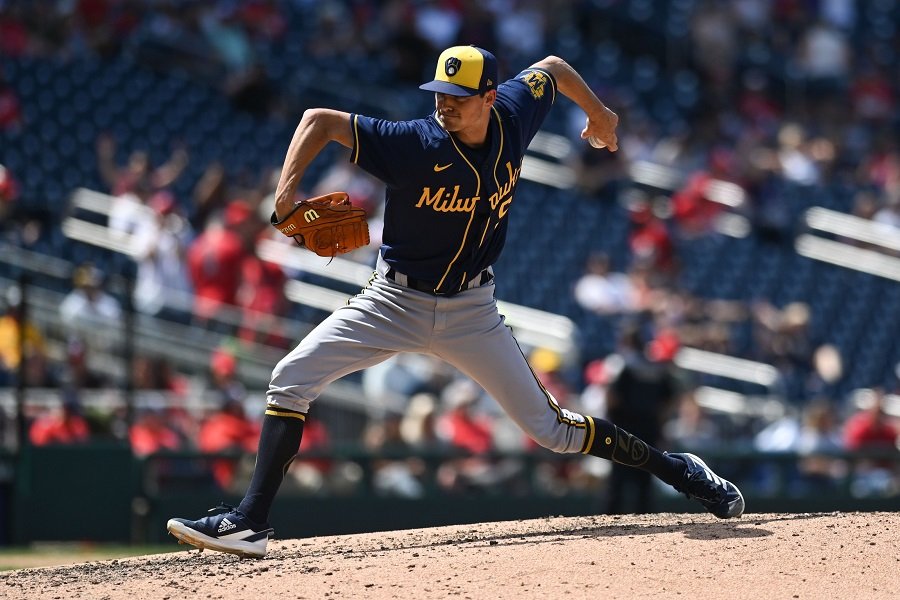 On April 12, 2022, a streak was broken and a new MLB record was set by a Milwaukee Brewer. Going a total of six seasons without either a win or a loss, Hoby Milner received his first career win after 96 pitching appearances. The previous record holder was former Minnesota Twin Michael Tonkin with 62 consecutive no decision plate appearances. Hoby Milner has been playing in the majors since 2017, making his debut with the Philadelphia Phillies. That season, the side-arm pitcher maintained a very respectable 2.01 ERA. He struck out 22 batters and walked 16. He was eventually traded to Tampa Bay for cash considerations in 2018. Milner put up a dreadful ERA of 7.36 in both 2018 and 2019. Before the 2020 season, he was outrighted by the Rays and elected free agency where he signed a minor league deal with the Angels. In 2020, Milner had an even worse season with a 8.10 ERA with 13 strikeouts in only 19 appearances. Milner again became a free agent in 2021 and eventually signed a minor league deal with the Milwaukee Brewers where he has flourished. As of June 15, 2022, Hoby Milner has a 2.45 ERA with 19 strikeouts in 27 appearances. His WHIP is also at an impressive 1.13. So what changed? Why is Hoby Milner so effective in Milwaukee? Part of the reason for this huge improvement is the fact that the Brewers are giving Milner a substantial amount of innings to prove himself. Milner only pitched 6.1 innings with Tampa Bay, spending most of his time in 2018 and 2019 in the minors. It’s no secret that the Brewers front office excels in developing their pitchers from performing below league average into all-star caliber players. Corbin Burnes went from having a 8.81 ERA in 2019 to a Cy Young winner two years later. Eric Lauer improved drastically, going from an abysmal 13.09 ERA in 2020 to a 3.19 ERA the following season. Chris Hook and the Brewers’ pitching development staff have a history of helping pitchers completely reinvent themselves and it seems that Hoby Milner is the latest pitcher to show drastic statistical improvements. But let’s look deeper than ERA, strikeouts, and walks… In 2017, Milner heavily relied on his 4-seam fastball as his strikeout pitch. This was effective for the most part with a whiff rate of 23.1% and a strikeout rate of 18.2%. Batters eventually caught on to this as Milner threw a fastball 47% of the time, the most out of any other pitch in his arsenal that season. His sinker was only utilized 19.4% of the time. Jumping forward to the 2022 season in Milwaukee, Milner now primarily uses his sinker, having used it at a rate of 47.5%. He now rarely uses his four seamer, only using it at a rate of 7%. Hoby Milner’s sinker and four seamer have a nearly identical velocity of roughly 89 MPH with there being a slight deviation in spin rate. It seems that the Brewers want Milner to utilize his sinker more than his fastball and this is part of the reason as to why Hoby Milner has been so effective. But those aren't the only pitchers Milner has. His curveball has been extremely effective with a strikeout rate of 44.8%. In terms of getting batters to swing and miss, his changeup is his most effective pitch with a whiff rate of 37.9%. Hoby Milner’s 85.2 exit velocity is extremely impressive, putting him in the top 5% in all of MLB. In terms of WAR, Milner is currently at 0.5. 2017 was the only other season where Milner had a WAR above zero. Milner is having the best season of his career and is definitely flying under the radar at the moment, which isn’t necessarily hard to do when sharing the bullpen with all-star players like Josh Hader and Devin Williams. Regardless, he is a very fun player to watch and is one of my favorite Brewers pitchers at the moment.
 -
Hoby Milner is on a tear. The 31-year-old relief pitcher has been turning heads as one of the most reliable arms in the Brewers’ bullpen this season. Will it continue? On April 12, 2022, a streak was broken and a new MLB record was set by a Milwaukee Brewer. Going a total of six seasons without either a win or a loss, Hoby Milner received his first career win after 96 pitching appearances. The previous record holder was former Minnesota Twin Michael Tonkin with 62 consecutive no decision plate appearances. Hoby Milner has been playing in the majors since 2017, making his debut with the Philadelphia Phillies. That season, the side-arm pitcher maintained a very respectable 2.01 ERA. He struck out 22 batters and walked 16. He was eventually traded to Tampa Bay for cash considerations in 2018. Milner put up a dreadful ERA of 7.36 in both 2018 and 2019. Before the 2020 season, he was outrighted by the Rays and elected free agency where he signed a minor league deal with the Angels. In 2020, Milner had an even worse season with a 8.10 ERA with 13 strikeouts in only 19 appearances. Milner again became a free agent in 2021 and eventually signed a minor league deal with the Milwaukee Brewers where he has flourished. As of June 15, 2022, Hoby Milner has a 2.45 ERA with 19 strikeouts in 27 appearances. His WHIP is also at an impressive 1.13. So what changed? Why is Hoby Milner so effective in Milwaukee? Part of the reason for this huge improvement is the fact that the Brewers are giving Milner a substantial amount of innings to prove himself. Milner only pitched 6.1 innings with Tampa Bay, spending most of his time in 2018 and 2019 in the minors. It’s no secret that the Brewers front office excels in developing their pitchers from performing below league average into all-star caliber players. Corbin Burnes went from having a 8.81 ERA in 2019 to a Cy Young winner two years later. Eric Lauer improved drastically, going from an abysmal 13.09 ERA in 2020 to a 3.19 ERA the following season. Chris Hook and the Brewers’ pitching development staff have a history of helping pitchers completely reinvent themselves and it seems that Hoby Milner is the latest pitcher to show drastic statistical improvements. But let’s look deeper than ERA, strikeouts, and walks… In 2017, Milner heavily relied on his 4-seam fastball as his strikeout pitch. This was effective for the most part with a whiff rate of 23.1% and a strikeout rate of 18.2%. Batters eventually caught on to this as Milner threw a fastball 47% of the time, the most out of any other pitch in his arsenal that season. His sinker was only utilized 19.4% of the time. Jumping forward to the 2022 season in Milwaukee, Milner now primarily uses his sinker, having used it at a rate of 47.5%. He now rarely uses his four seamer, only using it at a rate of 7%. Hoby Milner’s sinker and four seamer have a nearly identical velocity of roughly 89 MPH with there being a slight deviation in spin rate. It seems that the Brewers want Milner to utilize his sinker more than his fastball and this is part of the reason as to why Hoby Milner has been so effective. But those aren't the only pitchers Milner has. His curveball has been extremely effective with a strikeout rate of 44.8%. In terms of getting batters to swing and miss, his changeup is his most effective pitch with a whiff rate of 37.9%. Hoby Milner’s 85.2 exit velocity is extremely impressive, putting him in the top 5% in all of MLB. In terms of WAR, Milner is currently at 0.5. 2017 was the only other season where Milner had a WAR above zero. Milner is having the best season of his career and is definitely flying under the radar at the moment, which isn’t necessarily hard to do when sharing the bullpen with all-star players like Josh Hader and Devin Williams. Regardless, he is a very fun player to watch and is one of my favorite Brewers pitchers at the moment. View full article
-
Joey Wiemer: The Future of the Brewers’ Outfield?
Cole McCormack posted a blog entry in My MKE Brewers Blog
Joey Wiemer has been making his presence known throughout the minor leagues. Currently ranked as the second highest prospect in the Brewers organization, the right fielder has been an absolute menace in the batter’s box. This young prospect is an essential part of what will become an unstoppable Brewers outfield with Christian Yelich in left field, Sal Frelick in center field, and Joey Wiemer in right field. The future looks bright for this young outfielder. Originally hailing from Ohio, Wiemer slashed .264/.379/.408 with 12 home runs and 62 RBIs while attending University of Cincinnati. Scouts noted his absolute cannon of an arm and speed in the outfield. Wiemer was selected 121st overall in the fourth round of the 2020 June amateur draft by the Milwaukee Brewers. It is clear the organization intends on developing Wiemer into a future all-star. While playing for the Carolina Mudcats in 2021, Wiemer slashed .276/.391/.478 and was named the Milwaukee Brewers 2021 Robin Yount Minor League Player of the Year. He played 75 games with Carolina and hit 13 home runs, 44 RBIs, and stole 22 bases. Now in Double-A ball with the Biloxi Shuckers, Joey Wiemer continues to stay dominant at the plate. So far in 2022, he has slashed a respectable .284/.357/.574 with a .931 OPS. Wiemer continues to have a lot of power at the plate and puts up very strong defensive numbers. It is clear that Wiemer absolutely rakes against right-handed pitchers, slashing .295/.359/.612 with an OPS of .971 and 11 home runs this season with the Biloxi Shuckers. With a 29.6% strikeout rate, there are concerns about his discipline at the plate. Joey Wiemer shows a lot of promise. Currently ranked at #80 on MLB Pipeline’s top prospect ranking, it seems that many scouts would agree with that assessment. However, he is perhaps not yet ready to make his MLB debut just yet. MLB Pipeline predicts that he will be MLB ready by next season. With Hunter Renfroe hitting the free agent market after the 2023 season, it seems likely that Wiemer could be an adequate replacement if he stays healthy. With the Brewers currently on a playoff run, it is likely they make the decision to trade Wiemer to another organization with other prospects for a big bat at the trade deadline. Regardless, this is one prospect you have to keep your eye on.