



Caleb Miller
-
Posts
14 -
Joined
-
Last visited
Caleb Miller's Achievements






-
The Milwaukee Brewers' offense was better than its raw numbers might have indicated last season, but they could be endlessly frustrating. The culprit, and the thing the team most needs to shift going into 2023, might be an insufficient ability in an increasingly neglected column of the stat sheet. Image courtesy of © MARK HOFFMAN/MILWAUKEE JOURNAL SENTINEL / USA TODAY NETWORK Batting average has become a forgotten statistic in modern baseball and is no longer the main focus in evaluating a player. Since the concept of Moneyball came around, teams have focused on more robust statistics, such as weighted on-base average (wOBA) or weighted runs created plus (wRC+), rather than the good, old-fashioned batting average when putting a dollar sign on the metaphorical muscle. The Brewers are one of these teams. During the 2022 season, the Brewers held a team batting average of .235, ranking 22nd in MLB. Despite this, they ranked 10th in runs, due to their impressive home run production. They ranked third in MLB in long balls. From an outside perspective, it seemed the Brewers’ strategy was to get on base and swing for the fences during every at bat. They appear to have disregarded batting average, and focused more on players’ slugging percentage and home run rates to increase scoring. While this offensive strategy worked to an extent, it created some problems. Diving into situational statistics, with fewer than two outs and a runner on third base, the Brewers scored only 48.9% of the time, ranking them 25th in MLB. Considering that all one would need to score in this situation is a sacrifice fly or a base hit, it is a little ridiculous that their scoring percentage is so low. It’s so easy to remember the moments in 2022 where the bases were loaded for Milwaukee with no outs, and nobody scored. A higher batting average is what the Brewers needed, but how much of an impact would it have had? With runners in scoring position, the Brewers had 295 hits with 464 runs batted in, according to Baseball Reference. This resulted in around 1.57 runs per hit with runners in scoring position. If the Brewers were to increase their batting average to .260 with runners in scoring position, they would produce around 313 hits. If we factor in the 1.57 runs per hit, the Brewers would acquire about 27 extra runs. The Brewers had an expected winning percentage of .526 for the 2022 season. An added 27 runs would have given the Milwaukee Brewers an expected winning percentage of .544, and an actual winning percentage that good would have gotten them into the playoffs. The Brewers had a decent offense for 2022, but it was clear that they struggled. Although it isn’t the end-all be-all, finding some way to increase the team batting average would certainly help this Brewers offense going into the 2023 season. Earlier this week, right here at Brewer Fanatic, Tim Muma and Matthew Trueblood each wrote articles about how the team might achieve that goal. Tim's was about Rowdy Tellez; Matthew's focused on Luis Urías. It would come at the cost of some of the pitches they see and the walks they draw, but it would also likely cut down their strikeout rate, which was the ninth-highest in MLB. Only three teams put the ball in play less often than did Milwaukee last year. Their offense will be more dynamic if they edge closer to the middle of the pack in 2023. View full article
-
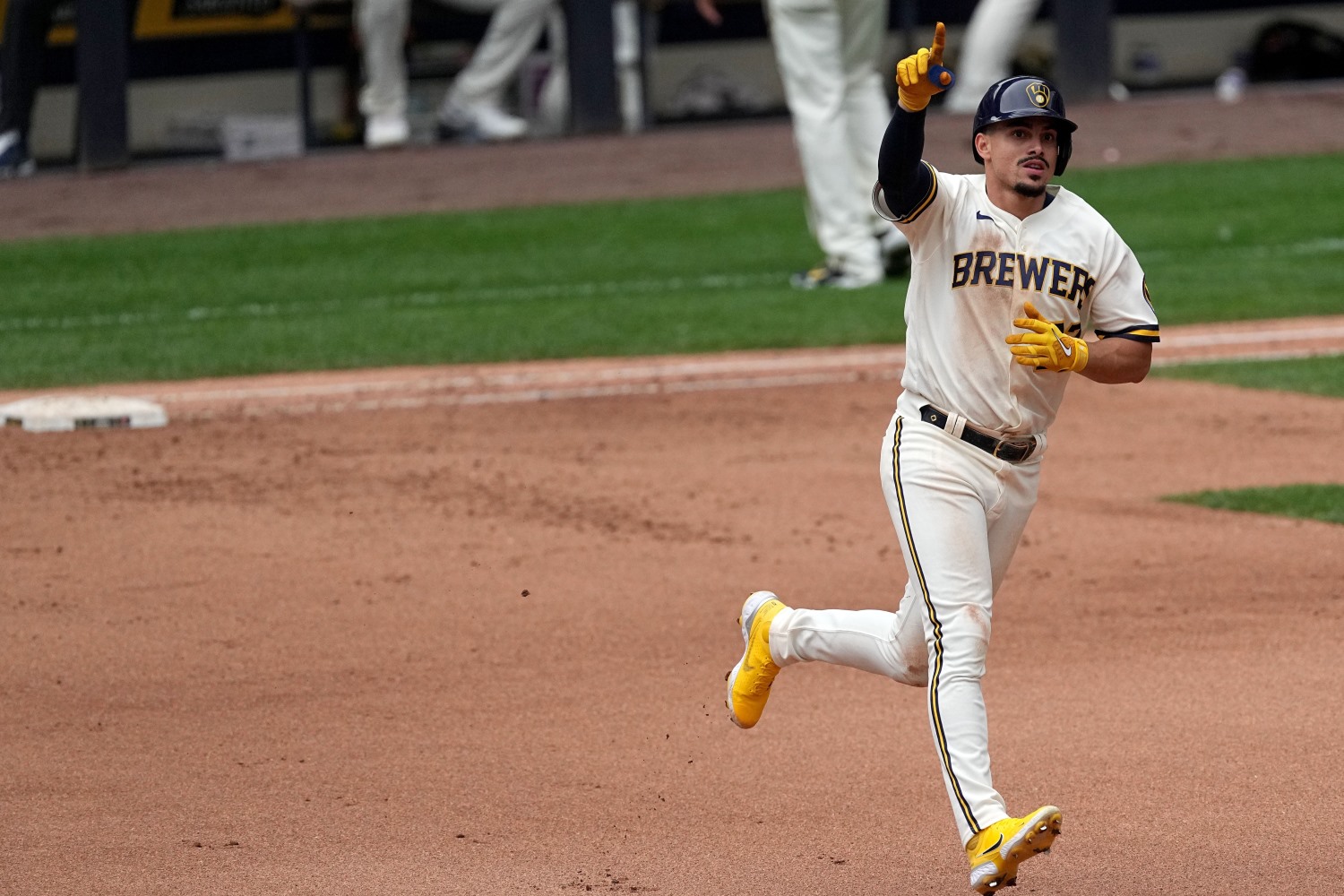 Batting average has become a forgotten statistic in modern baseball and is no longer the main focus in evaluating a player. Since the concept of Moneyball came around, teams have focused on more robust statistics, such as weighted on-base average (wOBA) or weighted runs created plus (wRC+), rather than the good, old-fashioned batting average when putting a dollar sign on the metaphorical muscle. The Brewers are one of these teams. During the 2022 season, the Brewers held a team batting average of .235, ranking 22nd in MLB. Despite this, they ranked 10th in runs, due to their impressive home run production. They ranked third in MLB in long balls. From an outside perspective, it seemed the Brewers’ strategy was to get on base and swing for the fences during every at bat. They appear to have disregarded batting average, and focused more on players’ slugging percentage and home run rates to increase scoring. While this offensive strategy worked to an extent, it created some problems. Diving into situational statistics, with fewer than two outs and a runner on third base, the Brewers scored only 48.9% of the time, ranking them 25th in MLB. Considering that all one would need to score in this situation is a sacrifice fly or a base hit, it is a little ridiculous that their scoring percentage is so low. It’s so easy to remember the moments in 2022 where the bases were loaded for Milwaukee with no outs, and nobody scored. A higher batting average is what the Brewers needed, but how much of an impact would it have had? With runners in scoring position, the Brewers had 295 hits with 464 runs batted in, according to Baseball Reference. This resulted in around 1.57 runs per hit with runners in scoring position. If the Brewers were to increase their batting average to .260 with runners in scoring position, they would produce around 313 hits. If we factor in the 1.57 runs per hit, the Brewers would acquire about 27 extra runs. The Brewers had an expected winning percentage of .526 for the 2022 season. An added 27 runs would have given the Milwaukee Brewers an expected winning percentage of .544, and an actual winning percentage that good would have gotten them into the playoffs. The Brewers had a decent offense for 2022, but it was clear that they struggled. Although it isn’t the end-all be-all, finding some way to increase the team batting average would certainly help this Brewers offense going into the 2023 season. Earlier this week, right here at Brewer Fanatic, Tim Muma and Matthew Trueblood each wrote articles about how the team might achieve that goal. Tim's was about Rowdy Tellez; Matthew's focused on Luis Urías. It would come at the cost of some of the pitches they see and the walks they draw, but it would also likely cut down their strikeout rate, which was the ninth-highest in MLB. Only three teams put the ball in play less often than did Milwaukee last year. Their offense will be more dynamic if they edge closer to the middle of the pack in 2023.
 -
How Should Christian Yelich's Speed Affect Our Perceptions of His Power?
Caleb Miller posted an article in Brewers
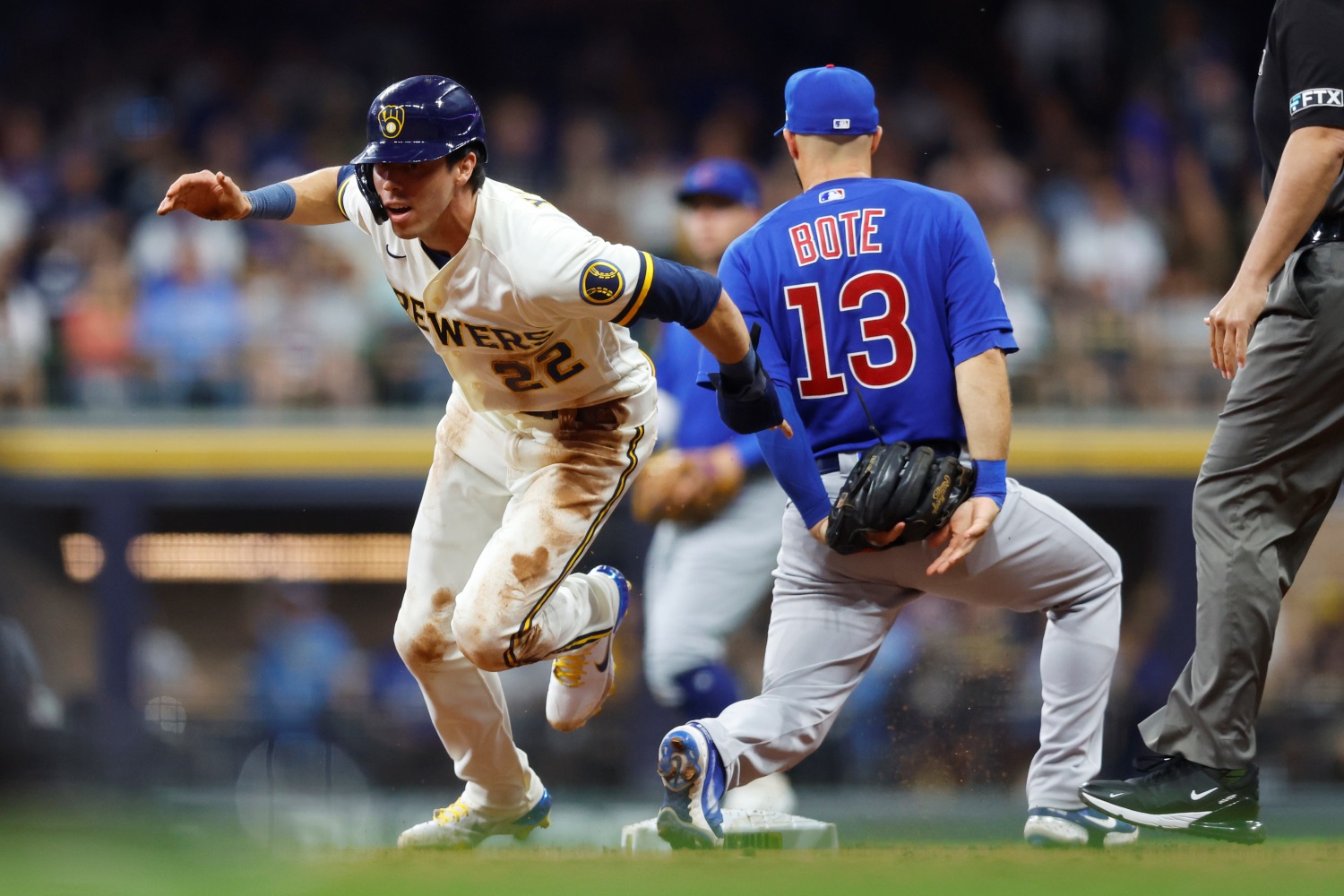 Since fracturing his kneecap on a foul ball in late 2019, Yelich has fallen short of the high standard of performance he set over the two seasons leading up to that injury. He might well have won back-to-back MVP awards, if not for that misfortune, but his last three years have been much more pedestrian. The stakes of that situation rose for the Milwaukee Brewers after Yelich signed a nine-year, $215-million deal, which is taking up significant space in their budget. With the Brewers’ success so dependent on the performance of Yelich, it might seem like he has become a below-average player. What some fans might not realize is just how good Christian Yelich was, and how difficult it will be for him to ever regain that form. It’s obvious that Yelich was an MVP in 2018, with a slash line of .326/.402/.598, and he was MVP-worthy in 2019, with a slash line of .329/.429/.671. While these statistics do give a little bit of insight as to the power Yelich held, they don’t completely capture the magnificence of those two years. Baseball is filled with statistics that go unnoticed, such as stolen bases, caught stealing, sacrifice flies, and double plays grounded into. This can also play a part in determining the performance of a player. One statistic that was developed to determine how a player contributes to the team is Speed-Adjusted Slugging Percentage (SaSLG). The idea of this statistic is that a single then a stolen base has the same impact as a double during a game, and the number of times you ground into a double play can show how often you have a negative impact. The formula for determining SaSLG is: (TB + SB + (-2)*(CS) + (-1)*(GIDP)) / At Bats This result is then able to be compared to the speed-adjusted slugging percentage of a player who has never stolen a base. The table below shows how SaSLG can be utilized to compare two players with separate talents. When looking at the slash lines of Jon Berti and C.J. Cron, we often immediately come to the conclusion that Cron is the better player, holding an OPS of .805 while Berti has an OPS of .685. However, when you start to compare them through speed-adjusted slugging percentage, their quality in offensive performance isn’t as drastic as it might appear, with Berti having a SaSLG of .423 and Cron having a SaSLG of .458. With this information on SaSLG, we can compare the performance of Yelich over his career with the table below. Yelich had a very good year in 2018 when looking at his SaSLG, but was phenomenal in 2019, performing 69.4% better than the league average (.418). However, since the start of 2020, he is performing slightly below the league average. This statistic can also be misleading in determining a player's overall performance. This doesn’t take into account walks or times hit by pitch, where a walk and a stolen base would equal the same number of bases as a double. To counter this, we can play with this statistic by including the total amount of bases acquired and lost divided by the total amount of chances given to a batter. This statistic would be changed to, (Total bases + Stolen Bases + Base on Balls + Hit by Pitch + (-2)*Caught Stealing + (-1)* Double Plays Ground Into) / Plate Appearances). Using this statistic, we can see that Yelich’s Adjusted SaSLG in 2021-2022 has been producing similar numbers prior to his MVP season in 2018-2019. So why does it feel like he has still fallen short these past two seasons? The difference is that he's been relying on getting walked more often, which in turn has lowered his RBI totals, making him look closer to his 2014-2015 self. To put that into perspective, Yelich had 179 RBIs between the 2016 and 2017 seasons, while he only had 108 RBIs between the 2021 and 2022 seasons. By looking at the data, Yelich isn’t a bad player, but he wasn’t worth $26 million in 2022. The good news is, his career isn’t over, and he still has the potential to return to MVP form sometime during the remaining six years of his contract. Yelich might not be the all-star he was in 2018-2019, but he hasn’t fallen too far from where he used to be.
 -
Christian Yelich hasn't produced eye-popping raw offensive numbers over the last three seasons. Using a statistic that adjusts his production for the impact of his stolen base skills, though, it's possible that we'll find he's closer to that level than it might appear. Image courtesy of © Jeff Hanisch-USA TODAY Sports Since fracturing his kneecap on a foul ball in late 2019, Yelich has fallen short of the high standard of performance he set over the two seasons leading up to that injury. He might well have won back-to-back MVP awards, if not for that misfortune, but his last three years have been much more pedestrian. The stakes of that situation rose for the Milwaukee Brewers after Yelich signed a nine-year, $215-million deal, which is taking up significant space in their budget. With the Brewers’ success so dependent on the performance of Yelich, it might seem like he has become a below-average player. What some fans might not realize is just how good Christian Yelich was, and how difficult it will be for him to ever regain that form. It’s obvious that Yelich was an MVP in 2018, with a slash line of .326/.402/.598, and he was MVP-worthy in 2019, with a slash line of .329/.429/.671. While these statistics do give a little bit of insight as to the power Yelich held, they don’t completely capture the magnificence of those two years. Baseball is filled with statistics that go unnoticed, such as stolen bases, caught stealing, sacrifice flies, and double plays grounded into. This can also play a part in determining the performance of a player. One statistic that was developed to determine how a player contributes to the team is Speed-Adjusted Slugging Percentage (SaSLG). The idea of this statistic is that a single then a stolen base has the same impact as a double during a game, and the number of times you ground into a double play can show how often you have a negative impact. The formula for determining SaSLG is: (TB + SB + (-2)*(CS) + (-1)*(GIDP)) / At Bats This result is then able to be compared to the speed-adjusted slugging percentage of a player who has never stolen a base. The table below shows how SaSLG can be utilized to compare two players with separate talents. When looking at the slash lines of Jon Berti and C.J. Cron, we often immediately come to the conclusion that Cron is the better player, holding an OPS of .805 while Berti has an OPS of .685. However, when you start to compare them through speed-adjusted slugging percentage, their quality in offensive performance isn’t as drastic as it might appear, with Berti having a SaSLG of .423 and Cron having a SaSLG of .458. With this information on SaSLG, we can compare the performance of Yelich over his career with the table below. Yelich had a very good year in 2018 when looking at his SaSLG, but was phenomenal in 2019, performing 69.4% better than the league average (.418). However, since the start of 2020, he is performing slightly below the league average. This statistic can also be misleading in determining a player's overall performance. This doesn’t take into account walks or times hit by pitch, where a walk and a stolen base would equal the same number of bases as a double. To counter this, we can play with this statistic by including the total amount of bases acquired and lost divided by the total amount of chances given to a batter. This statistic would be changed to, (Total bases + Stolen Bases + Base on Balls + Hit by Pitch + (-2)*Caught Stealing + (-1)* Double Plays Ground Into) / Plate Appearances). Using this statistic, we can see that Yelich’s Adjusted SaSLG in 2021-2022 has been producing similar numbers prior to his MVP season in 2018-2019. So why does it feel like he has still fallen short these past two seasons? The difference is that he's been relying on getting walked more often, which in turn has lowered his RBI totals, making him look closer to his 2014-2015 self. To put that into perspective, Yelich had 179 RBIs between the 2016 and 2017 seasons, while he only had 108 RBIs between the 2021 and 2022 seasons. By looking at the data, Yelich isn’t a bad player, but he wasn’t worth $26 million in 2022. The good news is, his career isn’t over, and he still has the potential to return to MVP form sometime during the remaining six years of his contract. Yelich might not be the all-star he was in 2018-2019, but he hasn’t fallen too far from where he used to be. View full article
-
During the offseason, evaluating MLB front offices can feel as speculative and as volatile as playing the stock market. After missing the playoffs for the first time since 2017, the Milwaukee Brewers entered this winter looking for a rally. There’s no sure way to determine their success in effecting one until the season’s end, but we can estimate it now. Image courtesy of © Steven Bisig-USA TODAY Sports In the context of a $12-billion industry, the Brewers aren’t a very wealthy team. With an estimated 2023 payroll of $120 million, they need to be precise in whom they trade for and whom they sign. The two most notable trades of the offseason were those for Jesse Winker and William Contreras. Winker had a rough year in Seattle, but based on his history batting against the Brewers at American Family Field, there is a high probability that he could make a comeback to the player he was in 2021. Contreras is a young catcher from Atlanta who has a very good slugging percentage and a lot of potential for growth. The best part of this deal is that the Brewers acquired him by trading Esteury Ruiz, whom they acquired in the Josh Hader trade. In the Winker trade, the team also landed infielder Abraham Toro. The Ruiz-Contreras deal, part of a larger three-team transaction, netted them not only Contreras, but right-handed reliever Joel Payamps and a minor-league arm. Beyond those two deals, the Brewers have signed third baseman Brian Anderson and left-handed pitcher Wade Miley as free agents; traded for first baseman Owen Miller; and purchased the rights to right-handed hurler Bryse Wilson, along with signing a few minor-league contracts. Each of these players still has the potential to grow, with the oldest players being Anderson (turning 30 this year) and Payamps (turning 29). While some players, like Toro, show signs of progress in OPS, there isn’t anything spectacular about their statistics. There are those on social media who think that the Brewers haven’t made enough big trades, and should invest in more elite players in order to contend for a playoff spot this year. As the Brewers’ top three All-Stars (Willy Adames, Corbin Burnes, and Brandon Woodruff) draw closer to free agency with no long-term contracts made, this patient approach seems risky. It’s actually the opposite. It appears the Brewers are spreading out their player investments, rather than focusing on a few star players. The second long-term deal the team signed with Ryan Braun, agreed to in 2011 but extending his deal from 2016-20, failed to deliver excess value. Their nine-year commitment to Christian Yelich, on the heels of his huge breakout years, looks likely to have a similarly uninspiring return on investment. As with stocks, acquiring great ballplayers is as much about timing as about pure talent identification. The Brewers, being a small-market team, don’t have the money to be wasteful or to miss on big financial bets. By signing a bunch of young players and good prospects for cheap, they don’t have to bank on the performance of a single player and can increase their likelihood of developing a future All-Star at a more affordable price. In summary, the Brewers didn’t lose many of their key players, and still acquired two notable new ones. While it’s disappointing that the Brewers aren’t as loud this offseason as other teams, sometimes we forget that it’s not just about who the Brewers sign, but also who they don’t sign. My final thought hearkens to the movie, Miracle. During a meeting to make out the roster for Team USA, assistant coach Craig Patrick (played by Noah Emmerich) says to coach Herb Brooks (Kurt Russell), “You’re missing some of the best players.” Brooks replies, “I’m not looking for the best players, Craig. I’m looking for the right ones.” Have the Brewers found the right players? We’ll find out, starting on March 30. View full article
-
 In the context of a $12-billion industry, the Brewers aren’t a very wealthy team. With an estimated 2023 payroll of $120 million, they need to be precise in whom they trade for and whom they sign. The two most notable trades of the offseason were those for Jesse Winker and William Contreras. Winker had a rough year in Seattle, but based on his history batting against the Brewers at American Family Field, there is a high probability that he could make a comeback to the player he was in 2021. Contreras is a young catcher from Atlanta who has a very good slugging percentage and a lot of potential for growth. The best part of this deal is that the Brewers acquired him by trading Esteury Ruiz, whom they acquired in the Josh Hader trade. In the Winker trade, the team also landed infielder Abraham Toro. The Ruiz-Contreras deal, part of a larger three-team transaction, netted them not only Contreras, but right-handed reliever Joel Payamps and a minor-league arm. Beyond those two deals, the Brewers have signed third baseman Brian Anderson and left-handed pitcher Wade Miley as free agents; traded for first baseman Owen Miller; and purchased the rights to right-handed hurler Bryse Wilson, along with signing a few minor-league contracts. Each of these players still has the potential to grow, with the oldest players being Anderson (turning 30 this year) and Payamps (turning 29). While some players, like Toro, show signs of progress in OPS, there isn’t anything spectacular about their statistics. There are those on social media who think that the Brewers haven’t made enough big trades, and should invest in more elite players in order to contend for a playoff spot this year. As the Brewers’ top three All-Stars (Willy Adames, Corbin Burnes, and Brandon Woodruff) draw closer to free agency with no long-term contracts made, this patient approach seems risky. It’s actually the opposite. It appears the Brewers are spreading out their player investments, rather than focusing on a few star players. The second long-term deal the team signed with Ryan Braun, agreed to in 2011 but extending his deal from 2016-20, failed to deliver excess value. Their nine-year commitment to Christian Yelich, on the heels of his huge breakout years, looks likely to have a similarly uninspiring return on investment. As with stocks, acquiring great ballplayers is as much about timing as about pure talent identification. The Brewers, being a small-market team, don’t have the money to be wasteful or to miss on big financial bets. By signing a bunch of young players and good prospects for cheap, they don’t have to bank on the performance of a single player and can increase their likelihood of developing a future All-Star at a more affordable price. In summary, the Brewers didn’t lose many of their key players, and still acquired two notable new ones. While it’s disappointing that the Brewers aren’t as loud this offseason as other teams, sometimes we forget that it’s not just about who the Brewers sign, but also who they don’t sign. My final thought hearkens to the movie, Miracle. During a meeting to make out the roster for Team USA, assistant coach Craig Patrick (played by Noah Emmerich) says to coach Herb Brooks (Kurt Russell), “You’re missing some of the best players.” Brooks replies, “I’m not looking for the best players, Craig. I’m looking for the right ones.” Have the Brewers found the right players? We’ll find out, starting on March 30.
 -
The season isn’t over yet, but is it about time to ask what changes the Brewers will make in order to improve for next year? Milwaukee has made adjustments each offseason to counter obvious flaws from previous seasons. For example, the 2021 post-season was embarrassing when Milwaukee struggled to score only six runs, while finishing 20th in OPS during the regular season. The pitching, however, was incredible during the regular season, being ranked third in ERA, allowing Milwaukee to finish with a .586 winning percentage. So, Milwaukee made a couple of moves during the 2022 season in hopes of fixing this flaw, trading for Hunter Renfroe and signing Andrew McCutcheon to bolster the lineup. This worked to a degree, leaving them ranked 9th in OPS. Alternately, we can expect Milwaukee to return with a more pitch-dominant mindset this offseason, and here is why… Pitching struggled during the second third of the 2022 season, likely due to Freddy Peralta and Brandon Woodruff being injured for a majority of it. With Peralta and Woodruff gone, there wasn’t a lot of other pitching options to choose from, and it caused a lot of chaos. The Brewers were forced to turn to minor league prospects, putting lots of pressure on these pitchers' MLB debut. Plus, those debuts have used up a lot of the organizations minor league bullets; there is only one pitcher in the team’s top 10 list of prospects. Offensively, while there is still room for improvement, the lineup is young and shows future promise. 26-year-old Willy Adames and 27-year-old Rowdy Tellez are both fixtures at the top of the lineup. 25-year-old Keston Huira is has been slugging the ball well with an OPS of .822 ever since he fixed his toe tap. 25-year-old Luis Urias has racked up 425 plate appearances while playing all over the infield and getting on base at a .329 clip. And there are seemingly more coming. The AAA-Nashville Sounds’ lineup features three of the Brewers’ top six prospects. Two more are at AA-Biloxi, including our #1 prospect Jackson Chourio. With a .294 level batting average and a .900 OPS, Chourio would be a wonderful addition to the Brewers' lineup once the time is right. Maybe most importantly, Christian Yelich has taken a step forward this year batting in the leadoff spot with a 114 OPS+. After the 2019 season, the Milwaukee Brewers put most of their faith (and money) into Yelich by signing him for 7 years. His performance dropped after his injury, but if he continues to look better, it gives the team a little more freedom to invest in a variety of pitchers. We are currently living in an era of baseball where pitching is dominant. After a year in which both the rotation and the overall staff ranked 14th in ERA, Milwaukee needs to focus on building up their current pitchers and adding more to their arsenal. In fact, they may have already started. Most of the players acquired at the deadline were pitchers. Regardless of how the season ends, expect Milwaukee to continue to focus on building their arsenal. View full article
-
 Milwaukee has made adjustments each offseason to counter obvious flaws from previous seasons. For example, the 2021 post-season was embarrassing when Milwaukee struggled to score only six runs, while finishing 20th in OPS during the regular season. The pitching, however, was incredible during the regular season, being ranked third in ERA, allowing Milwaukee to finish with a .586 winning percentage. So, Milwaukee made a couple of moves during the 2022 season in hopes of fixing this flaw, trading for Hunter Renfroe and signing Andrew McCutcheon to bolster the lineup. This worked to a degree, leaving them ranked 9th in OPS. Alternately, we can expect Milwaukee to return with a more pitch-dominant mindset this offseason, and here is why… Pitching struggled during the second third of the 2022 season, likely due to Freddy Peralta and Brandon Woodruff being injured for a majority of it. With Peralta and Woodruff gone, there wasn’t a lot of other pitching options to choose from, and it caused a lot of chaos. The Brewers were forced to turn to minor league prospects, putting lots of pressure on these pitchers' MLB debut. Plus, those debuts have used up a lot of the organizations minor league bullets; there is only one pitcher in the team’s top 10 list of prospects. Offensively, while there is still room for improvement, the lineup is young and shows future promise. 26-year-old Willy Adames and 27-year-old Rowdy Tellez are both fixtures at the top of the lineup. 25-year-old Keston Huira is has been slugging the ball well with an OPS of .822 ever since he fixed his toe tap. 25-year-old Luis Urias has racked up 425 plate appearances while playing all over the infield and getting on base at a .329 clip. And there are seemingly more coming. The AAA-Nashville Sounds’ lineup features three of the Brewers’ top six prospects. Two more are at AA-Biloxi, including our #1 prospect Jackson Chourio. With a .294 level batting average and a .900 OPS, Chourio would be a wonderful addition to the Brewers' lineup once the time is right. Maybe most importantly, Christian Yelich has taken a step forward this year batting in the leadoff spot with a 114 OPS+. After the 2019 season, the Milwaukee Brewers put most of their faith (and money) into Yelich by signing him for 7 years. His performance dropped after his injury, but if he continues to look better, it gives the team a little more freedom to invest in a variety of pitchers. We are currently living in an era of baseball where pitching is dominant. After a year in which both the rotation and the overall staff ranked 14th in ERA, Milwaukee needs to focus on building up their current pitchers and adding more to their arsenal. In fact, they may have already started. Most of the players acquired at the deadline were pitchers. Regardless of how the season ends, expect Milwaukee to continue to focus on building their arsenal.
 -
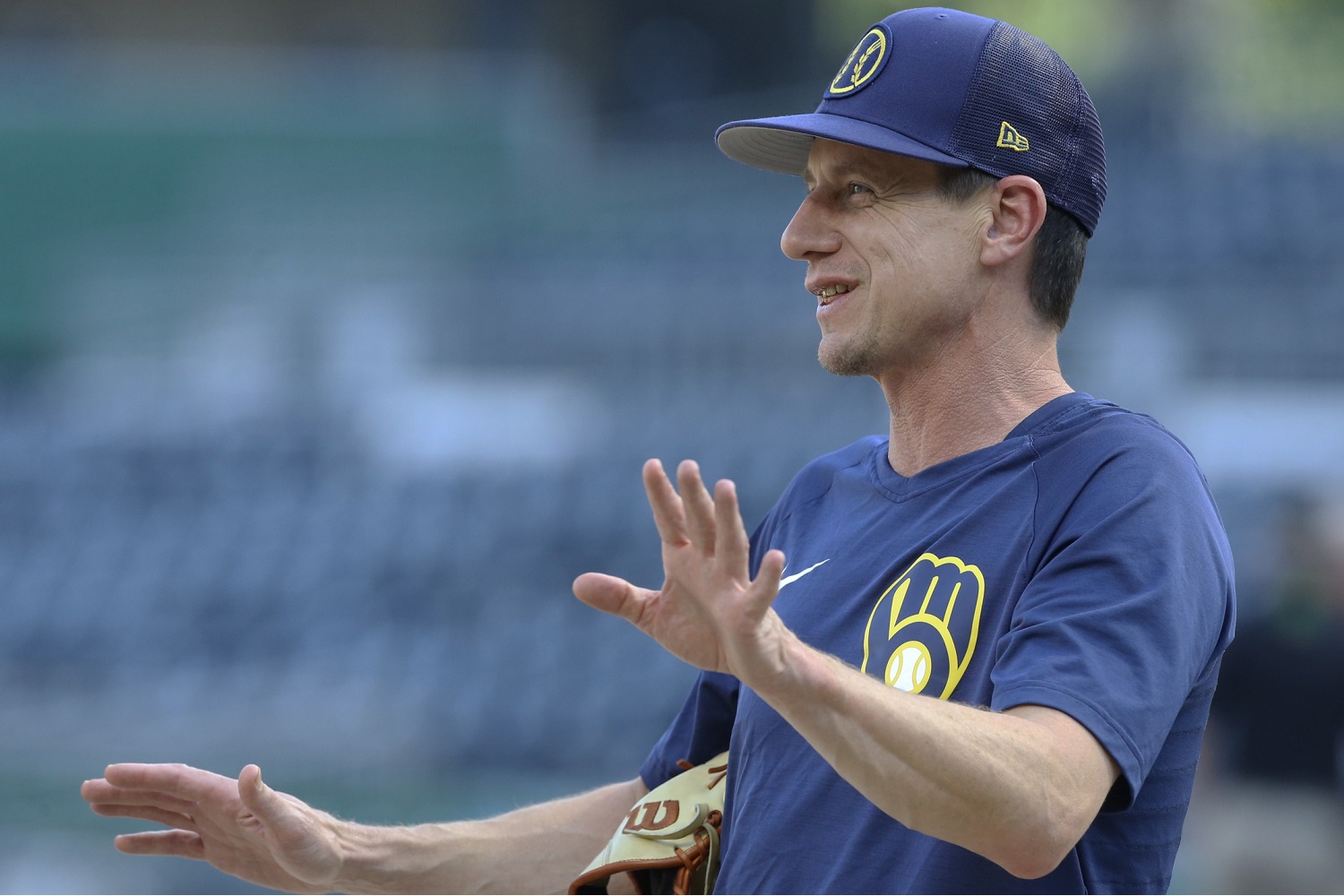
Managers are a big part of a team's success. Since the Brewers would miss the postseason if it ended today, it is fair to question whether the Brewers Manager Craig Counsell has fallen short during the 2022 season. One old-school sabermetric stat suggests that, overall, he continues to squeeze extra wins out of his teams. The charts below show Craig Counsell's winning percentage and expected winning percentage throughout his years as manager. As you can see, his actual winning percentage is consistently higher than the expected winning percentage. The expected winning percentage is another term for Pythagorean Winning Percentage. The Pythagorean Winning Percentage was made by Bill James, author of The Bill James Historical Baseball Abstract, and is used to determine the expected winning percentage based on the amount of runs scored and the amount of runs allowed. This metric is determined independent of the manager, but managerial moves can be one factor that accounts for underperformance or over performance of the expected result. Craig Counsell has consistently had a higher winning percentage than what was expected, with only his first and second years as a manager being the two outliers. During that time, he has also become the “winningest” manager for the Milwaukee Brewers, winning 579 games and passing Phil Garner's 563 wins. Furthermore, Garner, after a 7-year career, finished with a win percent of .477 while Counsell finished his first seven years with a win percent of .527. Comparing expected wins and actual wins is not the be-all and end-all of evaluating a manager. However, a manager's job is to win games, and this data shows that Craig Counsell has been doing that. View full article
-
 The charts below show Craig Counsell's winning percentage and expected winning percentage throughout his years as manager. As you can see, his actual winning percentage is consistently higher than the expected winning percentage. The expected winning percentage is another term for Pythagorean Winning Percentage. The Pythagorean Winning Percentage was made by Bill James, author of The Bill James Historical Baseball Abstract, and is used to determine the expected winning percentage based on the amount of runs scored and the amount of runs allowed. This metric is determined independent of the manager, but managerial moves can be one factor that accounts for underperformance or over performance of the expected result. Craig Counsell has consistently had a higher winning percentage than what was expected, with only his first and second years as a manager being the two outliers. During that time, he has also become the “winningest” manager for the Milwaukee Brewers, winning 579 games and passing Phil Garner's 563 wins. Furthermore, Garner, after a 7-year career, finished with a win percent of .477 while Counsell finished his first seven years with a win percent of .527. Comparing expected wins and actual wins is not the be-all and end-all of evaluating a manager. However, a manager's job is to win games, and this data shows that Craig Counsell has been doing that.
 -
We love the Milwaukee Brewers, so we should treat them the way you would in any relationship with someone you love. Support them through the good times and bad times, and try to understand the problems at hand. Brewers fans, it currently feels like one of the bad times. The trade with Josh Hader didn’t go the way most of us would have hoped, and the Brewers have fallen behind to the Cardinals who have taken the lead in the NL Central. It seems that if they continue to play the way they have been, there is no hope to regain playoff potential. So the question has to be asked, what are the Brewers doing wrong? Where is the problem? If you look on social media, a majority of fans would say, “This offense is a joke,” or, “The offense is too inconsistent! What was Stearns thinking?” Is the offense a joke, or is there more going on than meets the eye? I made a spreadsheet to look at the runs scored by the brewers, the runs allowed, and the difference in how many runs they win by, (meaning losses will be represented in negative numbers.) By graphing the data, we can determine the trends in run production and run prevention. Here are the results: The straight blue line that is going through the middle of the graph is the trend line. Looking at the Brewer's trend line for the Run Difference(B-C), we see it is slightly decreasing. This statistic is justly representing the current increase in losses that we have been experiencing. The reason the team continues to have a winning record is that they have scored on average 4.52 runs per game while allowing on average allowing 4.25 runs per game. As long as the runs scored is greater than the runs allowed, the Brewers should have a winning percentage. The closer these two averages get, the closer they get to having a losing record. The Brewers trend line for runs scored is on a slight incline, but not by much. For the first third of the season, the Brewers scored five or more runs 46.3% of the time. During the second third of the season, the times the Brewers' scored five or more runs increased to 50%. So in total, the Brewers currently score 5 or more runs 46.5% of the time. People say this offense has been inconsistent, but based on their trends, it seems to be the opposite, or at least it was over the last 100 games. The only issue that the Milwaukee Brewers currently have is that for the first ten games of the final third of the 2022 season, the Brewers only scored five runs or more four times. Hopefully, this trend won’t continue, and it is likely it won’t due to how consistent the offense has been the majority of the season. Pitching, however, is a different story. The trend for runs allowed is on a steep incline. In the first third of the 2022 season, the Brewers allowed four runs or less 70.3% of the time. For the second third of the season, the Brewers allowed four runs or less in just 33.3% of their games. In the total amount of games played, this puts the Brewers' current probability of allowing less than or equal to 4 runs at 64.9%. This trend is not a very good sign, although, there is some hope. The final third of the season will be the real test to see if the pitching will improve. Although there have only been ten games to start the final third of the 2022 season, the Brewers allowed less than four runs in eight of the ten games. So, as it turns out, it was the defense and pitching that faded, while the offense continued to remain consistent. Why? The Milwaukee Brewers lost two starting pitchers and a couple of good defenders, which caused them to allow more runs during the second third of the season. The offense needed to pick up the slack, but it wasn’t enough to keep the team on a winning trajectory. Finally, during the final third of the season, the players who the team lost are back and finally warmed up enough to play good baseball. If this theory is correct, I expect them to continue to hit consistently at around the same rate as projected and begin to pitch at an all-star level. If the Brewers can manage to accomplish this, hope that they once again can become a world series contender. View full article
-
The Brewers have a Problem, but it’s Not (Just) the Offense
Caleb Miller posted an article in Brewers
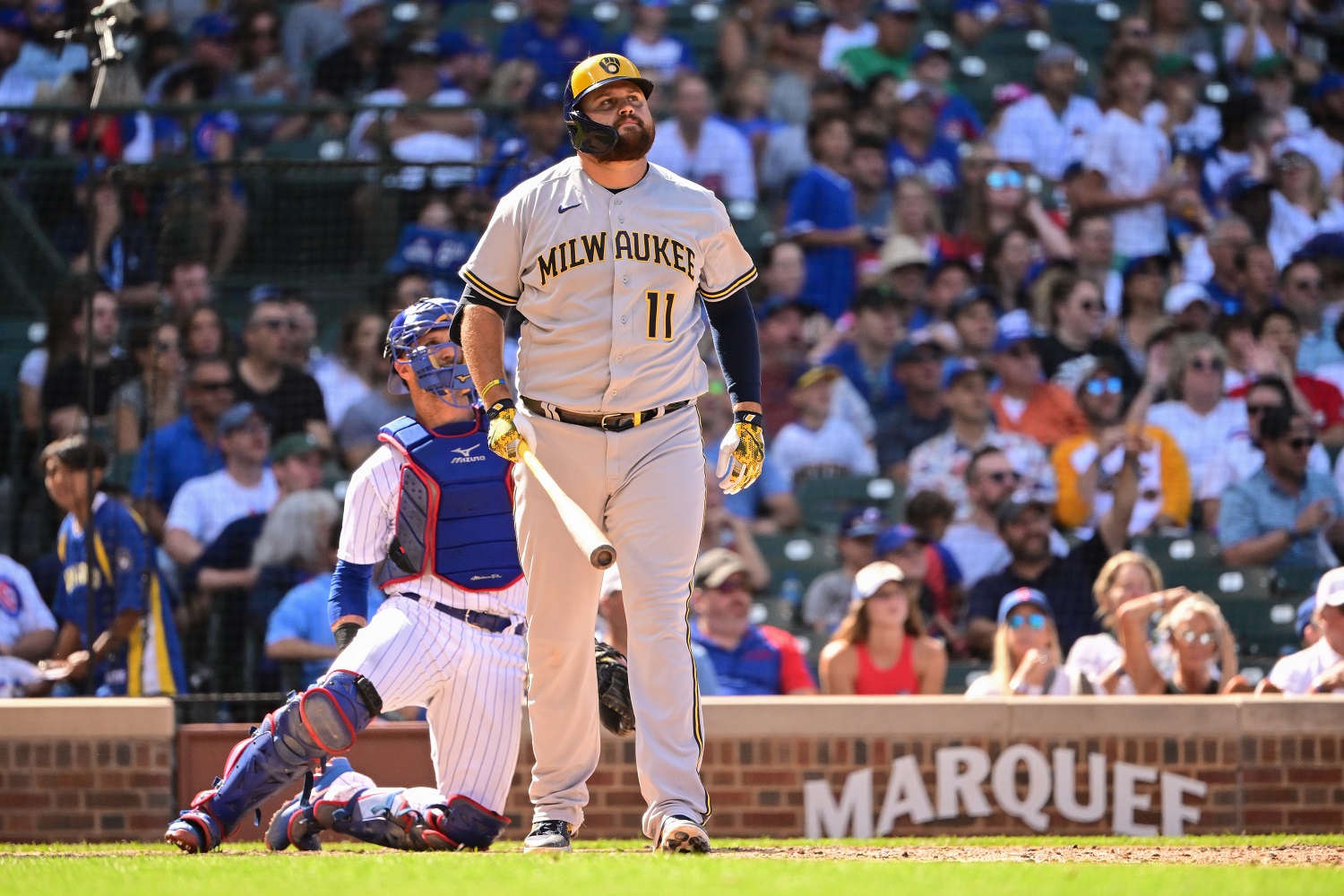 The trade with Josh Hader didn’t go the way most of us would have hoped, and the Brewers have fallen behind to the Cardinals who have taken the lead in the NL Central. It seems that if they continue to play the way they have been, there is no hope to regain playoff potential. So the question has to be asked, what are the Brewers doing wrong? Where is the problem? If you look on social media, a majority of fans would say, “This offense is a joke,” or, “The offense is too inconsistent! What was Stearns thinking?” Is the offense a joke, or is there more going on than meets the eye? I made a spreadsheet to look at the runs scored by the brewers, the runs allowed, and the difference in how many runs they win by, (meaning losses will be represented in negative numbers.) By graphing the data, we can determine the trends in run production and run prevention. Here are the results: The straight blue line that is going through the middle of the graph is the trend line. Looking at the Brewer's trend line for the Run Difference(B-C), we see it is slightly decreasing. This statistic is justly representing the current increase in losses that we have been experiencing. The reason the team continues to have a winning record is that they have scored on average 4.52 runs per game while allowing on average allowing 4.25 runs per game. As long as the runs scored is greater than the runs allowed, the Brewers should have a winning percentage. The closer these two averages get, the closer they get to having a losing record. The Brewers trend line for runs scored is on a slight incline, but not by much. For the first third of the season, the Brewers scored five or more runs 46.3% of the time. During the second third of the season, the times the Brewers' scored five or more runs increased to 50%. So in total, the Brewers currently score 5 or more runs 46.5% of the time. People say this offense has been inconsistent, but based on their trends, it seems to be the opposite, or at least it was over the last 100 games. The only issue that the Milwaukee Brewers currently have is that for the first ten games of the final third of the 2022 season, the Brewers only scored five runs or more four times. Hopefully, this trend won’t continue, and it is likely it won’t due to how consistent the offense has been the majority of the season. Pitching, however, is a different story. The trend for runs allowed is on a steep incline. In the first third of the 2022 season, the Brewers allowed four runs or less 70.3% of the time. For the second third of the season, the Brewers allowed four runs or less in just 33.3% of their games. In the total amount of games played, this puts the Brewers' current probability of allowing less than or equal to 4 runs at 64.9%. This trend is not a very good sign, although, there is some hope. The final third of the season will be the real test to see if the pitching will improve. Although there have only been ten games to start the final third of the 2022 season, the Brewers allowed less than four runs in eight of the ten games. So, as it turns out, it was the defense and pitching that faded, while the offense continued to remain consistent. Why? The Milwaukee Brewers lost two starting pitchers and a couple of good defenders, which caused them to allow more runs during the second third of the season. The offense needed to pick up the slack, but it wasn’t enough to keep the team on a winning trajectory. Finally, during the final third of the season, the players who the team lost are back and finally warmed up enough to play good baseball. If this theory is correct, I expect them to continue to hit consistently at around the same rate as projected and begin to pitch at an all-star level. If the Brewers can manage to accomplish this, hope that they once again can become a world series contender.
 -
David Stearns,‘ Bite out of the Apple’ Philosophy Makes Sense
Caleb Miller posted a blog entry in Caleb's Brewer Blog
It has officially been a week since MLB All-Star closer Josh Hader has been traded to the San Diego Padres. Since then the Milwaukee Brewers have taken a hit. Sunday's game against the Cincinnati Reds marked their 5th loss since the trade, showing much frustration among Brewers fans. Luckily the Brew Crew pulled through tonight with a win over the Rays, but many fans and experts are asking the question, “Are the Milwaukee Brewers a World Series contender?” If you were to take a look on social media, the quick answer would be a resounding, ‘no.’ Fans are still frustrated with David Stearns and the Josh Hader trade. In David Stearn's explanation, he says, “This mix of present Major League talent and high-level prospects furthers our aim to get as many bites out of the apple as possible, and ultimately, bring a World Series to Milwaukee.” Now although many fans on social media claim they want a ‘World Series Win NOW!’ and think it would be best to risk it all like the Padres, David Stearns ‘bite of the apple’ philosophy might ensure Milwaukee to win a World Series sooner. The debate is still up in the air about if the Milwaukee Brewers made the correct choice in whom they acquired for Josh Hader. Ultimately, they received two high-level prospects, LHP Robert Gasser and LF Esteury Ruiz, and two former experienced pitchers Taylor Rogers(2021 AL All-Star), and Dinelson Lemet(sadly he has rejected his assignment to the Brewers which was within his right and has been claimed by the Rockies due to waivers). Their plan in this trade was to trade Josh Hader now, when his value is highest, and acquire players that will, in the words of David Stearns, “...ensure that the future of the Milwaukee Brewers remains bright while not compromising our desire and expectation to win today.” Although it’s frustrating the trade didn’t work out entirely the way we would have hoped, it was meant to provide a way for the Brewers to make the playoffs every year. So the question arises, how is this philosophy better than the Padres' “all in” philosophy? To answer that, we will have to look at some basic statistics. PECOTA, the most accurate baseball player performance forecasting system in the world, gives the Milwaukee Brewers a current 3.9% chance at winning the World Series. The San Diego Padres as of now, currently have a 3.7% chance. (To put this into perspective, the Dodgers have an 18% chance at winning the World Series). Although both teams are in a bit of a slump right now, let's say theoretically the Padres raise their chances to 6.5% and the Brewers raise to 4.5% before the end of the regular season. The Padres would be risking all of their money for only a 6.5% chance at winning a World Series, and then next year have to worry about rebuilding over the next few years to build back up to a playoff spot. The Milwaukee Brewers' hope is that if you continue to maintain that 4.5%-6% chance year after year, the chance of winning a World Series will continue to add up. If the Brewers continue to provide themselves with a 4.5%-6% chance every year, they raise their chance to 22.5%-30% in 5 years, 45%-60% in 10 years, and 67.5%-90% in 15 years. This is the reasoning behind David Stearns' “bites out of the apple” philosophy, and with how hard it is to win a World Series, the Brewers need every chance they can get.

