_Rob_G_
-
Posts
8 -
Joined
-
Last visited
Content Type
Profiles
Forums
Blogs
Events
News
2026 Milwaukee Brewers Top Prospects Ranking
Milwaukee Brewers Videos
2022 Milwaukee Brewers Draft Picks
Milwaukee Brewers Free Agent & Trade Rumors, Notes, & Tidbits
Guides & Resources
2023 Milwaukee Brewers Draft Picks
2024 Milwaukee Brewers Draft Picks
The Milwaukee Brewers Players Project
2025 Milwaukee Brewers Draft Pick Tracker
2026 Milwaukee Brewers Draft Tracker: Picks & Bonuses
Store
Downloads
Gallery
Everything posted by _Rob_G_
-
 The young catcher is one of the Brewers' best prospects, and he was likely to make his debut last season—before a shoulder injury on Opening Day took him out for the whole campaign. Image courtesy of © Mark J. Rebilas-USA TODAY Sports He is still in line to take some of the catching duties from William Contreras, but does this injury delay that at all? After working back from a torn labrum in his throwing shoulder, when can Brewers fans expect to see Jeferson Quero make his MLB debut? Quero is no stranger to working his way back from a torn labrum. In 2021, he required surgery to his left shoulder to repair a torn labrum. He was able to work his way back from that setback very successfully, seemingly, not missing a step in his development; he was just 21 last year when he started in Nashville. Before getting to Nashville, he cruised through Low-A and High-A the season after his surgery, even playing in the Arizona Fall League in the offseason. Then, at Double-A Biloxi, he played a full season and took home a Minor League Gold Glove. Starting 2024 in Nashville, he was set to be 5.3 years younger than the average age in Triple-A. Even after losing an entire season to injury, Quero will be on track to be a young big-leaguer when he eventually gets the call-up—but how quickly could we expect to see the Brewers best catching prospect in Milwaukee? Using other hitters who have come back from labrum surgery and shoulder subluxation could be helpful to set expectations for Quero and his 2025 season. One thing that is mentioned by many when coming back from labrum surgery is getting back to a complete range of motion. In terms of hitting, looking at whiff percentage to see if it affects the hitter's ability to hit pitches in all areas of the zone will be helpful. Looking at exit velocities and barrel percentage could give a deeper understanding of how well the strength and control in the shoulder returns to prior capabilities. Garrett Mitchell has also recently worked back from a torn labrum. Mitchell’s torn labrum, however, was not in his throwing shoulder. Throughout his career, he has been fairly injury-prone, but he has contributed on both sides of the ball while healthy. That trend continued after his return from labrum surgery. Mitchell injured his shoulder in the 2023 season and came back in 2024, playing 69 games in a season where he faced more injury problems but was able to tally 2.0 WAR. He's a good player to compare Quero’s return to, as Mitchell is also a younger player. Mitchell was 25 in the 2024 season and was called up in 2022. He showed no signs of drops in exit velocities or whiff percentages. While he is not elite in either of those categories, it is important to see he was able to return to previous levels. One thing to keep an eye on going into next season for Mitchell would be his launch angle, which dropped concerningly last season. However, Mitchell has been a very inconsistent hitter in his first couple years in MLB and only has a total of 322 at-bats there, so he may still be establishing his “normal”. On defense, Mitchell didn't seem to miss a step, either. Logan O’Hoppe is another catcher who has torn his labrum recently. Again, though, his tear happened to his left shoulder. He tore it in late April 2023, and he was able to return for about 35 games at the end of the season. Curiously, O’Hoppe was able to return in the same season as his injury, whereas Quero was out for the year. Obviously, there are fewer games in the minor-league season, but there did not seem to be any reports that Quero was close to returning. The difference, and the major quirk here, is that this happened to Quero's right arm. Surely, working a throwing shoulder back to a game-ready level will take longer than a non-throwing shoulder. The Brewers taking their time, making sure Quero is fully healthy before he returns to game action, is the correct path, especially with such a young and talented prospect. When O’Hoppe returned from his injury, there was no notable dropoff in exit velocities or strikeout percentage. Barrel percentage was up in the small sample of those 35 games after he came back, and his launch angle was right on par with what he had done prior to the injury. Comparing Quero to O’Hoppe is not an apples-to-apples comparison, but O’Hoppe is also a well-rounded catcher who is young. Another player who has suffered shoulder subluxation, multiple times, is former Brewer Brian Anderson. He missed time twice in 2021 with the Marlins with a left shoulder subluxation. First, in May, Anderson landed on the 60-day injured list. Then, in September, he opted for surgery that would end his season. He never fully healed from the first subluxation and aggravated the injury diving for a ball in the infield. In the time between his first IL stint and his season-ending surgery, he had his worst barrel percentage since his early years in MLB, and that rate would pop back up the next year and stay at a higher rate the following years. Anderson’s exit velocities were comparable, as was his whiff rate, but that barrel percentage from late May to early September was 5.5%, while for the 2020 and 2022 seasons it was up around 9.5%. He continued to play some solid defense, but he was clearly struggling to square the ball up with any consistency. Quero has recovered from labrum surgery before, so he knows the kind of work that goes into it. By all accounts, he is a mature young player who will be able to keep his eyes on the prize while rehabbing. Looking for comparisons for Quero’s injury really is tough, though, because position players do not tear their labrum in their throwing shoulder all that often. Thinking about how the injury occurs most often, sliding or diving with an arm extended, that either happens in the field (where players would not extend their throwing arm to try to make a diving catch), or sliding into a base (where, when advancing a base, players slide to the outside corner of the bag, extending their left arm for the corner of the base). Quero’s injury occurred sliding back into first where he extended his right arm to get to the far corner of the base. Pitchers do sometimes require labrum surgery on their throwing arm, but Quero is obviously not a pitcher, so it's not quite comparable. Using a wait-and-see approach for Quero defensively may be the way to go, especially because he had such a good arm before the injury. Ensuring he has time to work his arm back to its best (even if its best is less than it was before) will help keep him on the field when he gets called up to the big leagues. The Brewers will most likely be relatively cautious with Quero this year, even if one of their catchers gets injured early in the year. Quero has, so far, only had one at-bat higher than the Double-A level, and because throwing is important at his defensive position, they will want time to evaluate the viability of his recovered shoulder. With the recent signing of Jorge Alfaro to a minor-league deal, the Brewers put themselves in a position where, even if there is an injury, they would not need to rush Quero to Milwaukee. Making sure Quero is able to be a great defender again before bringing him to Milwaukee will be a nice luxury for the Brewers to have. Let us know in the comments when you think we will see Jeferson Quero in Milwaukee. View full article
 -
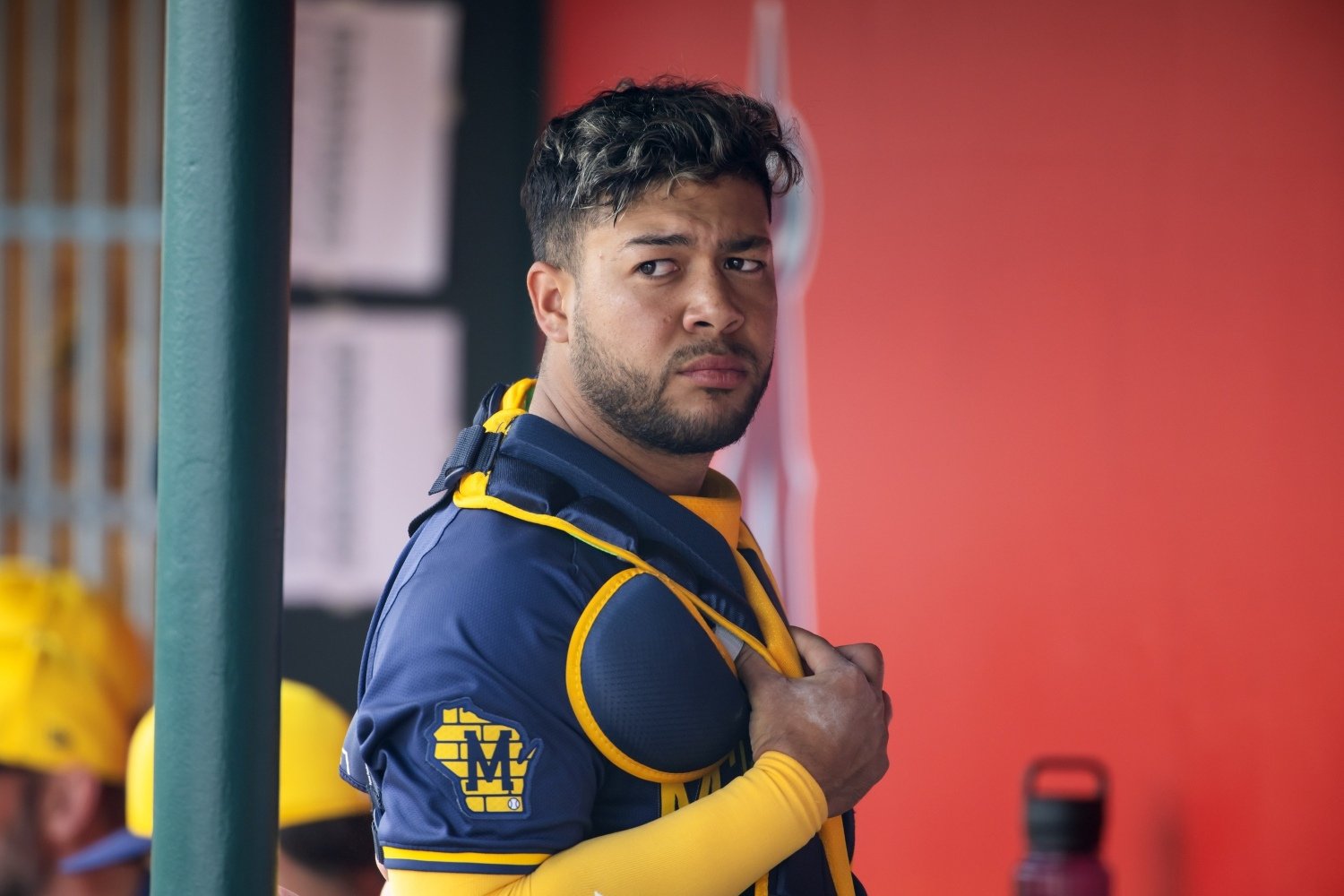 He is still in line to take some of the catching duties from William Contreras, but does this injury delay that at all? After working back from a torn labrum in his throwing shoulder, when can Brewers fans expect to see Jeferson Quero make his MLB debut? Quero is no stranger to working his way back from a torn labrum. In 2021, he required surgery to his left shoulder to repair a torn labrum. He was able to work his way back from that setback very successfully, seemingly, not missing a step in his development; he was just 21 last year when he started in Nashville. Before getting to Nashville, he cruised through Low-A and High-A the season after his surgery, even playing in the Arizona Fall League in the offseason. Then, at Double-A Biloxi, he played a full season and took home a Minor League Gold Glove. Starting 2024 in Nashville, he was set to be 5.3 years younger than the average age in Triple-A. Even after losing an entire season to injury, Quero will be on track to be a young big-leaguer when he eventually gets the call-up—but how quickly could we expect to see the Brewers best catching prospect in Milwaukee? Using other hitters who have come back from labrum surgery and shoulder subluxation could be helpful to set expectations for Quero and his 2025 season. One thing that is mentioned by many when coming back from labrum surgery is getting back to a complete range of motion. In terms of hitting, looking at whiff percentage to see if it affects the hitter's ability to hit pitches in all areas of the zone will be helpful. Looking at exit velocities and barrel percentage could give a deeper understanding of how well the strength and control in the shoulder returns to prior capabilities. Garrett Mitchell has also recently worked back from a torn labrum. Mitchell’s torn labrum, however, was not in his throwing shoulder. Throughout his career, he has been fairly injury-prone, but he has contributed on both sides of the ball while healthy. That trend continued after his return from labrum surgery. Mitchell injured his shoulder in the 2023 season and came back in 2024, playing 69 games in a season where he faced more injury problems but was able to tally 2.0 WAR. He's a good player to compare Quero’s return to, as Mitchell is also a younger player. Mitchell was 25 in the 2024 season and was called up in 2022. He showed no signs of drops in exit velocities or whiff percentages. While he is not elite in either of those categories, it is important to see he was able to return to previous levels. One thing to keep an eye on going into next season for Mitchell would be his launch angle, which dropped concerningly last season. However, Mitchell has been a very inconsistent hitter in his first couple years in MLB and only has a total of 322 at-bats there, so he may still be establishing his “normal”. On defense, Mitchell didn't seem to miss a step, either. Logan O’Hoppe is another catcher who has torn his labrum recently. Again, though, his tear happened to his left shoulder. He tore it in late April 2023, and he was able to return for about 35 games at the end of the season. Curiously, O’Hoppe was able to return in the same season as his injury, whereas Quero was out for the year. Obviously, there are fewer games in the minor-league season, but there did not seem to be any reports that Quero was close to returning. The difference, and the major quirk here, is that this happened to Quero's right arm. Surely, working a throwing shoulder back to a game-ready level will take longer than a non-throwing shoulder. The Brewers taking their time, making sure Quero is fully healthy before he returns to game action, is the correct path, especially with such a young and talented prospect. When O’Hoppe returned from his injury, there was no notable dropoff in exit velocities or strikeout percentage. Barrel percentage was up in the small sample of those 35 games after he came back, and his launch angle was right on par with what he had done prior to the injury. Comparing Quero to O’Hoppe is not an apples-to-apples comparison, but O’Hoppe is also a well-rounded catcher who is young. Another player who has suffered shoulder subluxation, multiple times, is former Brewer Brian Anderson. He missed time twice in 2021 with the Marlins with a left shoulder subluxation. First, in May, Anderson landed on the 60-day injured list. Then, in September, he opted for surgery that would end his season. He never fully healed from the first subluxation and aggravated the injury diving for a ball in the infield. In the time between his first IL stint and his season-ending surgery, he had his worst barrel percentage since his early years in MLB, and that rate would pop back up the next year and stay at a higher rate the following years. Anderson’s exit velocities were comparable, as was his whiff rate, but that barrel percentage from late May to early September was 5.5%, while for the 2020 and 2022 seasons it was up around 9.5%. He continued to play some solid defense, but he was clearly struggling to square the ball up with any consistency. Quero has recovered from labrum surgery before, so he knows the kind of work that goes into it. By all accounts, he is a mature young player who will be able to keep his eyes on the prize while rehabbing. Looking for comparisons for Quero’s injury really is tough, though, because position players do not tear their labrum in their throwing shoulder all that often. Thinking about how the injury occurs most often, sliding or diving with an arm extended, that either happens in the field (where players would not extend their throwing arm to try to make a diving catch), or sliding into a base (where, when advancing a base, players slide to the outside corner of the bag, extending their left arm for the corner of the base). Quero’s injury occurred sliding back into first where he extended his right arm to get to the far corner of the base. Pitchers do sometimes require labrum surgery on their throwing arm, but Quero is obviously not a pitcher, so it's not quite comparable. Using a wait-and-see approach for Quero defensively may be the way to go, especially because he had such a good arm before the injury. Ensuring he has time to work his arm back to its best (even if its best is less than it was before) will help keep him on the field when he gets called up to the big leagues. The Brewers will most likely be relatively cautious with Quero this year, even if one of their catchers gets injured early in the year. Quero has, so far, only had one at-bat higher than the Double-A level, and because throwing is important at his defensive position, they will want time to evaluate the viability of his recovered shoulder. With the recent signing of Jorge Alfaro to a minor-league deal, the Brewers put themselves in a position where, even if there is an injury, they would not need to rush Quero to Milwaukee. Making sure Quero is able to be a great defender again before bringing him to Milwaukee will be a nice luxury for the Brewers to have. Let us know in the comments when you think we will see Jeferson Quero in Milwaukee.
 -
I agree that it won’t be a huge bounce back but his OPS+ his first year in MLB was 73. He has been at 105 and 107 since. If he can lower his launch angle slightly, while maintaining his exit velo, I could see that OPS+ getting back to just under 110.
-
While there are not many quality infield free agents this year, Ha-Seong Kim could be someone who doesn't get as much money as he expects. His offensive production dipped in 2024 and ended the year on the IR. Coming to the Brewers to prove himself worthy of a longer, more expensive contract could work out well for both sides. Image courtesy of © Tommy Gilligan-Imagn Images The Brewers are never going to pay anyone close to what Juan Soto is making with the New York Mets. They won't pay for any of the other premier free agents this year, either. But what if the market for some of them isn't what they expect? If players are looking to take a short deal with the goal of rebuilding their value for a second foray into free agency, the Brewers would be a good place for them to consider. Though it didn't work perfectly for him, those are the circumstances under which Rhys Hoskins came to Milwaukee last winter. This offseason, Ha-Seong Kim is someone who fits a mold the Brewers like: he's a good, versatile defender, and could be in line for a bounce-back year offensively, depending on his health. Kim is a shortstop whose deal should end up looking more like that of Tommy Edman than like the megadeal Willy Adames signed. Edman recently inked a 5-year, $74-million contract with the Dodgers. Adames, as you all know, got $182 million over 7 years from the Giants. The potential for a cheaper deal comes following a slight down year from Kim; he also missed the end of the San Diego Padres' season as he underwent labrum surgery. Over 121 games, he hit .233, the lowest since his first MLB season in 2021, and he had an OPS+ of 96. Even though (from a results-oriented perspective) he had a down year, his hard-hit percentage and his barrel rate were up. His average launch angle did rise slightly, from 13.6 degrees to 15.1 degrees, but he kept his ground ball and flyball percentages relatively similar to what they have been throughout his career. One contributing factor to Kim’s lower averages were his BABIP being down more than 40 points from 2023. At first glance, it seems as though that came from his slight increase in fly balls. Interestingly, his 2024 season was the first time since joining the Padres that Kim hit more fly balls than grounders. With his speed, that could be an adjustment any team that signs him could look to make. Kim is not a particularly powerful hitter, so it would benefit him to drop that launch angle back down to that 13.6 degree mark he has posted twice since joining the Padres. We live in the era of the fly-ball hitter, but Kim was never guilty of Christian Yelich levels of grounder trouble, anyway, so a slight retreat to his old tendencies would be fine. For his career, Kim prefers to hit against lefties, holding an OPS of .786 against southpaws but only .671 against righties. One point that will be interesting to follow, depending on where he signs, is that he had ample protection in the Padres lineup. In the 2024 season, Kim most commonly hit out of the 8-hole. Presumably, he saw a lot of good pitches to hit when the top of the Padres order contained some mixture of Luis Arraez, Fernando Tatis, Manny Machado, Xander Bogaerts, Jackson Merrill, and Jake Cronenworth. Were he to sign with the Brewers, they would hit him higher, and he would need to produce without as much protection (meaning, in this case, fewer runners on, and thus less positional pressure on pitchers and fielders). He has shown in the past that he can produce in other lineup spots. For his career, Kim has mostly batted leadoff or 6th (or even lower) in the order. Setting him up in a batting order platoon with Brice Turang—with the new guy leading off against lefties while Turang bats eighth or ninth, but Turang leading off against righties—might be a very productive gambit. Could the team possibly justify a big expenditure and then bat Kim eighth or ninth more than half the time, though? Well, in fairness, they often batted Hoskins seventh in 2024, and Hoskins was really only signed for his bat. With Yelich, Jackson Chourio, and William Contreras at the top of the order, Kim might be too stylistically similar, at least against righties. At the Brewers budgetary levels, you can't replace the Adames pop with one hitter, but they'd still need to find power for the middle of the order. Maybe they can get more out of Hoskins and Garrett Mitchell in 2025, and Kim could punish teams who pitch around those guys by providing key singles and walks from the bottom third of the order. This was the first year Kim played strictly shortstop for the Padres. Throughout his career, he has been a valuable defender all over the infield, even winning a Gold Glove as a utility player in 2023. He perfectly fits the classic Brewers’ profile in that way. There was no significant drop-off for Kim lining up at shortstop every day, so there should be no worries were he to come to Milwaukee. He graded out as an above-average defender according to both Outs Above Average and Defensive Runs Saved. Per FanGraphs, he has an average arm, but with the speed and fluidity he has, it plays up. Speaking of speed, Kim is also someone who steals bases. In 2023, he recorded 38 steals, and in 2024, he stole 22. It's possible, were he to sign with the Brewers, that he could see a jump back to those 2023 numbers, as the Brewers place a large emphasis on taking that extra base. The Padres, with the abundant power in their lineup, didn't lean on that lever as heavily. If Ha-Seong Kim has a robust market this offseason, he won’t end up in Milwaukee. If (on the other hand) his market stalls due to some injury concerns, he could be looking to sign a short deal to maximize his money-making potential. Could he be a stopgap in the infield until the Brewers can call up one of their prospects, or find a longer-term solution somewhere else? View full article
-
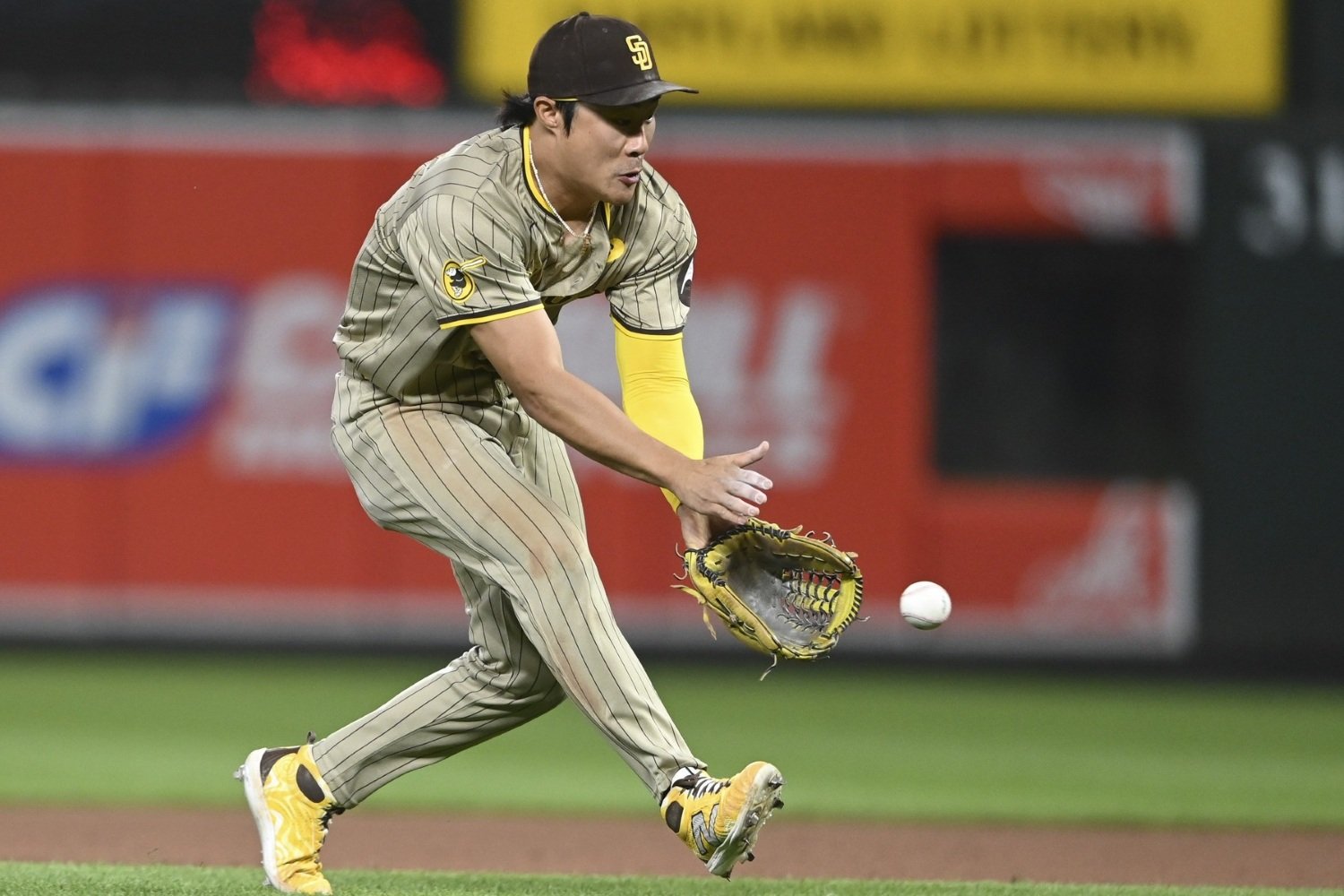 The Brewers are never going to pay anyone close to what Juan Soto is making with the New York Mets. They won't pay for any of the other premier free agents this year, either. But what if the market for some of them isn't what they expect? If players are looking to take a short deal with the goal of rebuilding their value for a second foray into free agency, the Brewers would be a good place for them to consider. Though it didn't work perfectly for him, those are the circumstances under which Rhys Hoskins came to Milwaukee last winter. This offseason, Ha-Seong Kim is someone who fits a mold the Brewers like: he's a good, versatile defender, and could be in line for a bounce-back year offensively, depending on his health. Kim is a shortstop whose deal should end up looking more like that of Tommy Edman than like the megadeal Willy Adames signed. Edman recently inked a 5-year, $74-million contract with the Dodgers. Adames, as you all know, got $182 million over 7 years from the Giants. The potential for a cheaper deal comes following a slight down year from Kim; he also missed the end of the San Diego Padres' season as he underwent labrum surgery. Over 121 games, he hit .233, the lowest since his first MLB season in 2021, and he had an OPS+ of 96. Even though (from a results-oriented perspective) he had a down year, his hard-hit percentage and his barrel rate were up. His average launch angle did rise slightly, from 13.6 degrees to 15.1 degrees, but he kept his ground ball and flyball percentages relatively similar to what they have been throughout his career. One contributing factor to Kim’s lower averages were his BABIP being down more than 40 points from 2023. At first glance, it seems as though that came from his slight increase in fly balls. Interestingly, his 2024 season was the first time since joining the Padres that Kim hit more fly balls than grounders. With his speed, that could be an adjustment any team that signs him could look to make. Kim is not a particularly powerful hitter, so it would benefit him to drop that launch angle back down to that 13.6 degree mark he has posted twice since joining the Padres. We live in the era of the fly-ball hitter, but Kim was never guilty of Christian Yelich levels of grounder trouble, anyway, so a slight retreat to his old tendencies would be fine. For his career, Kim prefers to hit against lefties, holding an OPS of .786 against southpaws but only .671 against righties. One point that will be interesting to follow, depending on where he signs, is that he had ample protection in the Padres lineup. In the 2024 season, Kim most commonly hit out of the 8-hole. Presumably, he saw a lot of good pitches to hit when the top of the Padres order contained some mixture of Luis Arraez, Fernando Tatis, Manny Machado, Xander Bogaerts, Jackson Merrill, and Jake Cronenworth. Were he to sign with the Brewers, they would hit him higher, and he would need to produce without as much protection (meaning, in this case, fewer runners on, and thus less positional pressure on pitchers and fielders). He has shown in the past that he can produce in other lineup spots. For his career, Kim has mostly batted leadoff or 6th (or even lower) in the order. Setting him up in a batting order platoon with Brice Turang—with the new guy leading off against lefties while Turang bats eighth or ninth, but Turang leading off against righties—might be a very productive gambit. Could the team possibly justify a big expenditure and then bat Kim eighth or ninth more than half the time, though? Well, in fairness, they often batted Hoskins seventh in 2024, and Hoskins was really only signed for his bat. With Yelich, Jackson Chourio, and William Contreras at the top of the order, Kim might be too stylistically similar, at least against righties. At the Brewers budgetary levels, you can't replace the Adames pop with one hitter, but they'd still need to find power for the middle of the order. Maybe they can get more out of Hoskins and Garrett Mitchell in 2025, and Kim could punish teams who pitch around those guys by providing key singles and walks from the bottom third of the order. This was the first year Kim played strictly shortstop for the Padres. Throughout his career, he has been a valuable defender all over the infield, even winning a Gold Glove as a utility player in 2023. He perfectly fits the classic Brewers’ profile in that way. There was no significant drop-off for Kim lining up at shortstop every day, so there should be no worries were he to come to Milwaukee. He graded out as an above-average defender according to both Outs Above Average and Defensive Runs Saved. Per FanGraphs, he has an average arm, but with the speed and fluidity he has, it plays up. Speaking of speed, Kim is also someone who steals bases. In 2023, he recorded 38 steals, and in 2024, he stole 22. It's possible, were he to sign with the Brewers, that he could see a jump back to those 2023 numbers, as the Brewers place a large emphasis on taking that extra base. The Padres, with the abundant power in their lineup, didn't lean on that lever as heavily. If Ha-Seong Kim has a robust market this offseason, he won’t end up in Milwaukee. If (on the other hand) his market stalls due to some injury concerns, he could be looking to sign a short deal to maximize his money-making potential. Could he be a stopgap in the infield until the Brewers can call up one of their prospects, or find a longer-term solution somewhere else?
 -
Does Julio Urias turning into a legit top of the rotation SP after his surgery give you any hope? Or do you just chalk that all up to his youth aiding his recovery?
-
When Brandon Woodruff had a press conference to announce that he would not be able to make his next start in the 2023 postseason, nearly all Brewers fans thought they had seen the last of Woody in a Brewers uniform. Now, there is hope that he can come back rejuvenated and contribute to a team in need of some consistent starting pitching. Image courtesy of © Mike De Sisti / Milwaukee Journal Sentinel / USA TODAY NETWORK via Imagn Images Can Brandon Woodruff be the same pitcher he was before rehabbing for over a year, or will he struggle to regain his top-of-the-rotation type stuff? Let's look at how some other starting pitchers have fared following surgery to repair an anterior capsule injury in their shoulder. Someone who was in a similar spot in their career when they had the same shoulder injury and surgery is Johan Santana. That may cause alarm bells to go off in some fan’s heads, but Santana needed the surgery twice, the second occurring only a year after the first procedure. The first time Santana required the surgery was at the tail end of the 2010 season; he had a productive year in his third season as a New York Met, tallying 199.0 innings pitched while holding a 2.98 ERA. However, a season-ending injury was not something Santana was unfamiliar with, previously missing time with a meniscus tear in his knee and bone chips in his elbow in 2008 and 2009, respectively. When he returned from his anterior capsule surgery in 2012, he was not the same pitcher he had been before. While his health was still a question throughout the season, he had two separate 15-day IL stints; his stuff was not as sharp as it once had been. He did put it all together one day to throw a no-hitter, the first in Mets’ history, but other than some impressive outliers, he struggled. Santana’s walks, hits, and home runs per nine jumped to rates he had seldom seen since his first couple years in the league. There is not much pitch data from 2012, but per FanGraphs and Statcast, his fastball’s runs above average dropped from 19.5 in 2010 to -4.1 when he returned from shoulder surgery. It went from a truly elite pitch to a well below-average pitch. For reference, Devin William’s changeup peaked at 14.9 runs above average in 2023. Santana lost around one mile per hour per pitch but no pitch struggled to bounce back like his fastball. A starting pitcher struggling to throw strikes with a below-average fastball does not bode well for his season. Santana’s year-end stat line was 117.0 innings with a 4.85 ERA. The Mets would buy out his option for the next year, making him a free agent. Then he bounced around, never making it back to MLB. While his age range is similar to where Brandon Woodruff is currently, Santana had many more innings thrown at a higher level than Woody (1908.2 to 680.1). Now, let's take a look at a pitcher who was able to come back well from his anterior capsule surgery. The most recent MLB-level starting pitcher to come back from the same surgery was Julio Urias of the Los Angeles Dodgers. In 2017, Urias made a couple of starts where he struggled with command for the Dodgers after an abbreviated spring training. They sent him down to Triple-A to figure things out, but he quickly found himself on the IL. He had surgery on June 26th, 2017, and made his return to the Dodgers on September 15th, 2018. He appeared three times in the regular season for the Dodgers to enough success to see himself land on the Dodgers NLCS roster, where he appeared against the Brewers, giving up one run in 3 ⅓ innings. Urias also made the Dodgers’ World Series roster and appeared once against the Boston Red Sox, giving up one run in three innings of work. In 2019, he returned to appear 37 times but was put on administrative leave due to a domestic battery investigation (which ended in a 20-game suspension). Then, in 2020, he thrived as a full-time starter for the Dodgers. From the start of the 2020 season to the end of the 2022 season, he was one of the best pitchers in the league. Urias started 73 games and had a 2.66 ERA over those three years. He was all the way back from his shoulder surgery in 2017. While analyzing his comeback, it is important to remember that he was a much younger pitcher than Brandon Woodruff. Urias never struggled to regain his velocity or pitch quality like Santana did. His walk and hard contact rates were a little high, but he was a young pitcher trying to find his way in the majors. Even in recent years, his runs have been above average on all pitches and have been fairly volatile. For example, per Statcast, his changeup has gone from being an 8.2 runs above average pitch in 2021 to a -8.8 runs above average pitch in 2023. Was his comeback from the surgery because of his youth and relatively few innings on his arm, or was it because teams have improved their ability to guide pitchers back from brutal shoulder injuries? In general, pitchers have struggled to return from long-term shoulder injuries. Clayton Kershaw is another recent example. He struggled less with throwing strikes but more with regaining the same zip on his fastball. We see a similar story in Statcast to Santana, where the fastball loses about one mile per hour of velocity and takes a bigger dip in wins above average. Kershaw again drops into the negatives on his fastball in 2024. Kodai Senga is another high-level starting pitcher who has struggled through shoulder injuries recently. He has also seen his wins above average drop after returning. While Senga’s four-seam fastball did not drop similarly to other pitchers, his cut fastball took a big dip after returning, dropping from 16.3 wins above average to -0.5. If there were one thing to keep an eye out for while watching Brandon Woodruff make his way back, it would be how well he is throwing his fastball—both from a command perspective and a stuff perspective. Woody has bounced back well from injury in the past. Even in 2023, he spent some time on the IL, nearly 3 months, with a sub-scapular strain also in his shoulder. When Woodruff returned to the rotation, he was lights out, making nine starts between August and September, including a complete game shutout on September 11th against the Marlins. Woodruff probably winds up somewhere in the middle of how Santana and Urias returned. However, I can't help but feel optimistic while factoring in the advantage he and the Brewers, as an organization, have of knowing what he is dealing with heading into spring training. They can use the now-famous Brewers' pitching lab to slowly work Woody back where they want him to be. Considering the severity of the surgery, One must assume the organization moves cautiously with how many innings he throws this year. That said, he is in line to have a normal spring training schedule as long as everything goes smoothly. If he can take advantage of a “regular” schedule leading up to the season, why can't he get back to being a reliable starting pitcher for a Brewers team that will be looking for just that anywhere it comes from? What do you expect from Brandon Woodruff in 2025? Let us know in the comments! View full article
-
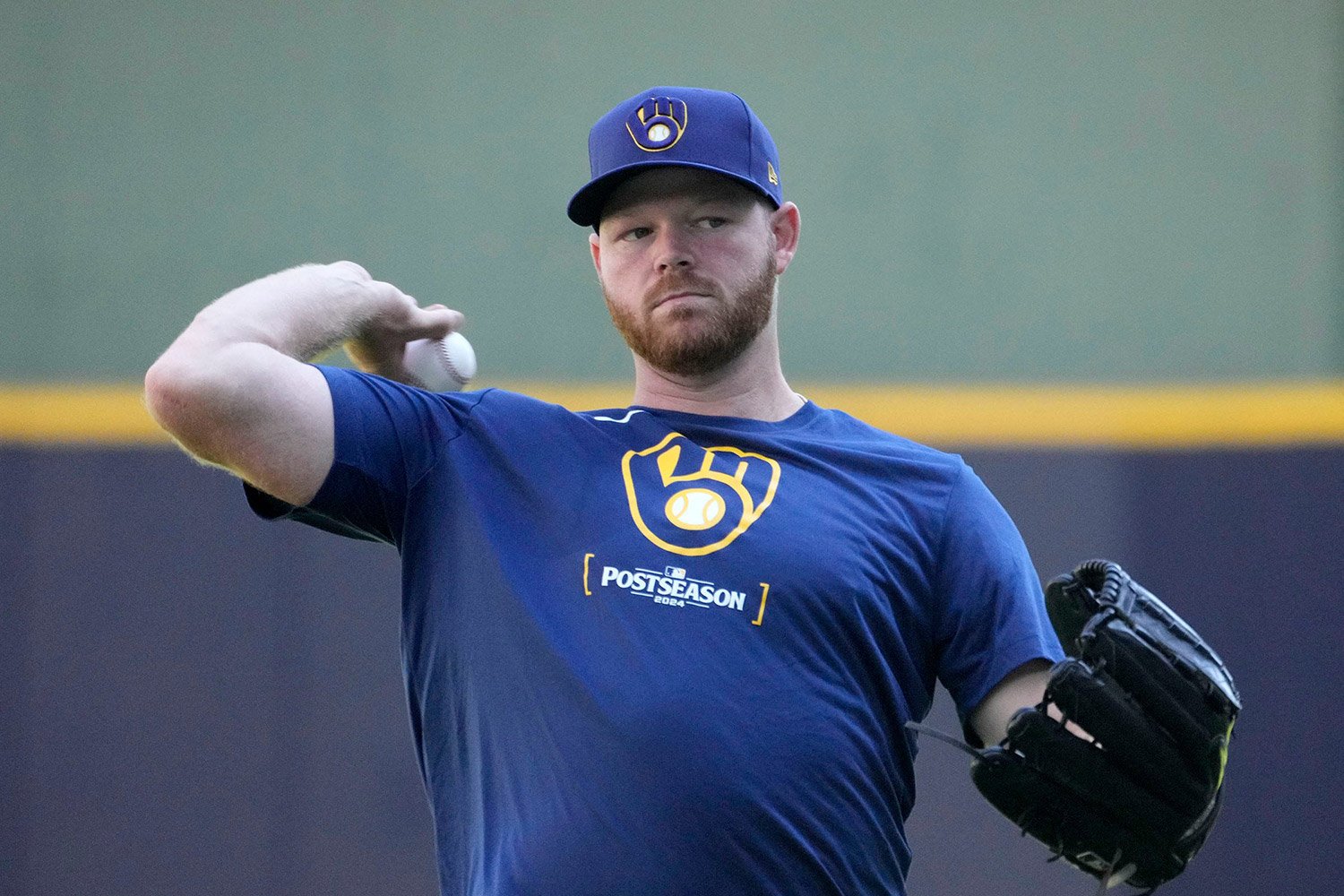 Can Brandon Woodruff be the same pitcher he was before rehabbing for over a year, or will he struggle to regain his top-of-the-rotation type stuff? Let's look at how some other starting pitchers have fared following surgery to repair an anterior capsule injury in their shoulder. Someone who was in a similar spot in their career when they had the same shoulder injury and surgery is Johan Santana. That may cause alarm bells to go off in some fan’s heads, but Santana needed the surgery twice, the second occurring only a year after the first procedure. The first time Santana required the surgery was at the tail end of the 2010 season; he had a productive year in his third season as a New York Met, tallying 199.0 innings pitched while holding a 2.98 ERA. However, a season-ending injury was not something Santana was unfamiliar with, previously missing time with a meniscus tear in his knee and bone chips in his elbow in 2008 and 2009, respectively. When he returned from his anterior capsule surgery in 2012, he was not the same pitcher he had been before. While his health was still a question throughout the season, he had two separate 15-day IL stints; his stuff was not as sharp as it once had been. He did put it all together one day to throw a no-hitter, the first in Mets’ history, but other than some impressive outliers, he struggled. Santana’s walks, hits, and home runs per nine jumped to rates he had seldom seen since his first couple years in the league. There is not much pitch data from 2012, but per FanGraphs and Statcast, his fastball’s runs above average dropped from 19.5 in 2010 to -4.1 when he returned from shoulder surgery. It went from a truly elite pitch to a well below-average pitch. For reference, Devin William’s changeup peaked at 14.9 runs above average in 2023. Santana lost around one mile per hour per pitch but no pitch struggled to bounce back like his fastball. A starting pitcher struggling to throw strikes with a below-average fastball does not bode well for his season. Santana’s year-end stat line was 117.0 innings with a 4.85 ERA. The Mets would buy out his option for the next year, making him a free agent. Then he bounced around, never making it back to MLB. While his age range is similar to where Brandon Woodruff is currently, Santana had many more innings thrown at a higher level than Woody (1908.2 to 680.1). Now, let's take a look at a pitcher who was able to come back well from his anterior capsule surgery. The most recent MLB-level starting pitcher to come back from the same surgery was Julio Urias of the Los Angeles Dodgers. In 2017, Urias made a couple of starts where he struggled with command for the Dodgers after an abbreviated spring training. They sent him down to Triple-A to figure things out, but he quickly found himself on the IL. He had surgery on June 26th, 2017, and made his return to the Dodgers on September 15th, 2018. He appeared three times in the regular season for the Dodgers to enough success to see himself land on the Dodgers NLCS roster, where he appeared against the Brewers, giving up one run in 3 ⅓ innings. Urias also made the Dodgers’ World Series roster and appeared once against the Boston Red Sox, giving up one run in three innings of work. In 2019, he returned to appear 37 times but was put on administrative leave due to a domestic battery investigation (which ended in a 20-game suspension). Then, in 2020, he thrived as a full-time starter for the Dodgers. From the start of the 2020 season to the end of the 2022 season, he was one of the best pitchers in the league. Urias started 73 games and had a 2.66 ERA over those three years. He was all the way back from his shoulder surgery in 2017. While analyzing his comeback, it is important to remember that he was a much younger pitcher than Brandon Woodruff. Urias never struggled to regain his velocity or pitch quality like Santana did. His walk and hard contact rates were a little high, but he was a young pitcher trying to find his way in the majors. Even in recent years, his runs have been above average on all pitches and have been fairly volatile. For example, per Statcast, his changeup has gone from being an 8.2 runs above average pitch in 2021 to a -8.8 runs above average pitch in 2023. Was his comeback from the surgery because of his youth and relatively few innings on his arm, or was it because teams have improved their ability to guide pitchers back from brutal shoulder injuries? In general, pitchers have struggled to return from long-term shoulder injuries. Clayton Kershaw is another recent example. He struggled less with throwing strikes but more with regaining the same zip on his fastball. We see a similar story in Statcast to Santana, where the fastball loses about one mile per hour of velocity and takes a bigger dip in wins above average. Kershaw again drops into the negatives on his fastball in 2024. Kodai Senga is another high-level starting pitcher who has struggled through shoulder injuries recently. He has also seen his wins above average drop after returning. While Senga’s four-seam fastball did not drop similarly to other pitchers, his cut fastball took a big dip after returning, dropping from 16.3 wins above average to -0.5. If there were one thing to keep an eye out for while watching Brandon Woodruff make his way back, it would be how well he is throwing his fastball—both from a command perspective and a stuff perspective. Woody has bounced back well from injury in the past. Even in 2023, he spent some time on the IL, nearly 3 months, with a sub-scapular strain also in his shoulder. When Woodruff returned to the rotation, he was lights out, making nine starts between August and September, including a complete game shutout on September 11th against the Marlins. Woodruff probably winds up somewhere in the middle of how Santana and Urias returned. However, I can't help but feel optimistic while factoring in the advantage he and the Brewers, as an organization, have of knowing what he is dealing with heading into spring training. They can use the now-famous Brewers' pitching lab to slowly work Woody back where they want him to be. Considering the severity of the surgery, One must assume the organization moves cautiously with how many innings he throws this year. That said, he is in line to have a normal spring training schedule as long as everything goes smoothly. If he can take advantage of a “regular” schedule leading up to the season, why can't he get back to being a reliable starting pitcher for a Brewers team that will be looking for just that anywhere it comes from? What do you expect from Brandon Woodruff in 2025? Let us know in the comments!