


Brewers Video
While there are many great arms still left on the market, do the Brewers really need another one for their starting rotation?
We are just a few short weeks away from opening day, and the 26-man roster is becoming more apparent by the day. Yet we’ve learned the Brewers are monitoring the starting pitcher market.
The other day, we looked at a few players that fit the bill Robert Murray suggested on his Baseball Insider Monday livestream. But is it necessary for the Crew to sign any of these guys?
The team looks a lot different after the Corbin Burnes move to Baltimore. But even the greatest diehard Burnes fans knew there was a high chance the Brewers would trade him. The organization was probably preparing for his departure. They had all winter to make a move, so why try to add players now?
Today, we will examine why the Brewers shouldn’t grab another arm for the rotation. Here are a few reasons why the team should stand pat.
The Rotational Depth
The Brewers have been quite active this offseason already, with a ton of those moves being additional arms to the rotation and the bullpen. Before the Burnes trade, the following was a projected rotation for the Brewers in 2024.
1. Corbin Burnes
2. Wade Miley
3. Freddy Peralta
4. Joe Ross
5. Colin Rea/Aaron Ashby
They have since swapped out Burnes for DL Hall and added Jakob Junis on a one-year deal. If you add the potential debuts of Carlos F Rodriguez and Robert Gasser to the mix, ten players are fighting for spots in the starting rotation. That doesn’t include Brandon Woodruff, who may be ready at the end of the season, nor Bryse Wilson, who has experience as a starter.
In 2023, the Brewers used ten different pitchers to start a game. This list includes spot starts by Trevor MeGill, Julio Teheran, who signed mid-season, one start from Janson Junk towards the end of the season, and Rea, who was on a minor league contract entering the season.
While the 2024 lineup isn’t an incredible improvement, it still has more depth for the starting rotation than at the start of the year. If Miley isn’t ready by the start of the season or if anybody goes down with an injury, the team can slot in one of the other arms in the organization.
If one of the reasons for scouting the remaining free agents is for organizational depth, they shouldn’t worry about it now.
Too Many Pitchers
The Brewers currently have 20 pitchers on their 40-man roster. While it may not sound like a lot, teams can only have 13 pitchers on the 26-man roster.
Once again, not a bad thing to have too many pitchers. However, not everyone can be sent down. Players can be sent down to the Triple A up to five times without any repercussions so long as they have minor league options. According to FanGraphs, here is a list of pitchers who don’t have any options.
- Jakob Junis
- Wade Miley
- Joel Payamps
- Freddy Peralta
- Colin Rea
- Joe Ross
- Thyago Viera
- Bryse Wilson
If players aren’t performing up to par, the team must remove them from the 40-man roster and put them on revocable waivers. If they clear waivers, the team can release them or send them to Triple A. However, all these players have more control over their destiny.
According to MLB.com, any player with more than three years of service time or who has cleared revocable waivers in the past can reject the outright to the minors and elect free agency. The only player on the list above with less than three full years is Viera, and he’s been designated for assignment before.
While the number of players with options outweighs the ones without, some big names deserve to make the roster. Hoby Miner is coming off the best season of his career. The same can be said for Elvis Peguero and Trevor Megill. Even some of the non-roster invitees are having an excellent spring, giving them a shot at making the 26-man.
It’s fair to say the organization will have a tough decision ahead of it. Adding another pitcher, starter, or reliever can further complicate things.
“Mid-Tier” Isn’t Enough
One of the first comments on the mid-tier story is that the Brewers arguably have these types of pitchers on the roster. In that defense, there may be a point to that, although the word that could also be described is “unproven.”
Look at last season’s Cy Young Award winners. Blake Snell has a career of 3.20 ERA, 1.24 WHIP, and 3.44 FIP. Gerrit Cole has a career 3.17 ERA, 1.09 WHIP, and 3.14 FIP. Because these guys are the best of the best, anything around these numbers can be proven veteran starting pitchers.
Peralta, who will step up as the team’s ace, has a career 3.83 ERA, a 1.13 WHIP, and a 3.52 FIP. While these numbers are still pretty good in their own right and are somewhat even with the award winners, the next closest pitcher on the roster is Miley, and he has a 4.03 ERA, a 1.36 WHIP, a 4.14 FIP, and a 104 ERA+. There isn’t a problem with these numbers, but these guys are their first two in the rotation.
While we are excited to see Hall perform, Robert Gasser is on the brink of making his debut, and Ashby is back to full health; they haven’t had enough of a track record in the big leagues. Based on their current statistics and the unpredictability of the young player's development, there is an argument the team already has a bunch of pitchers of the same caliber as the available free agents.
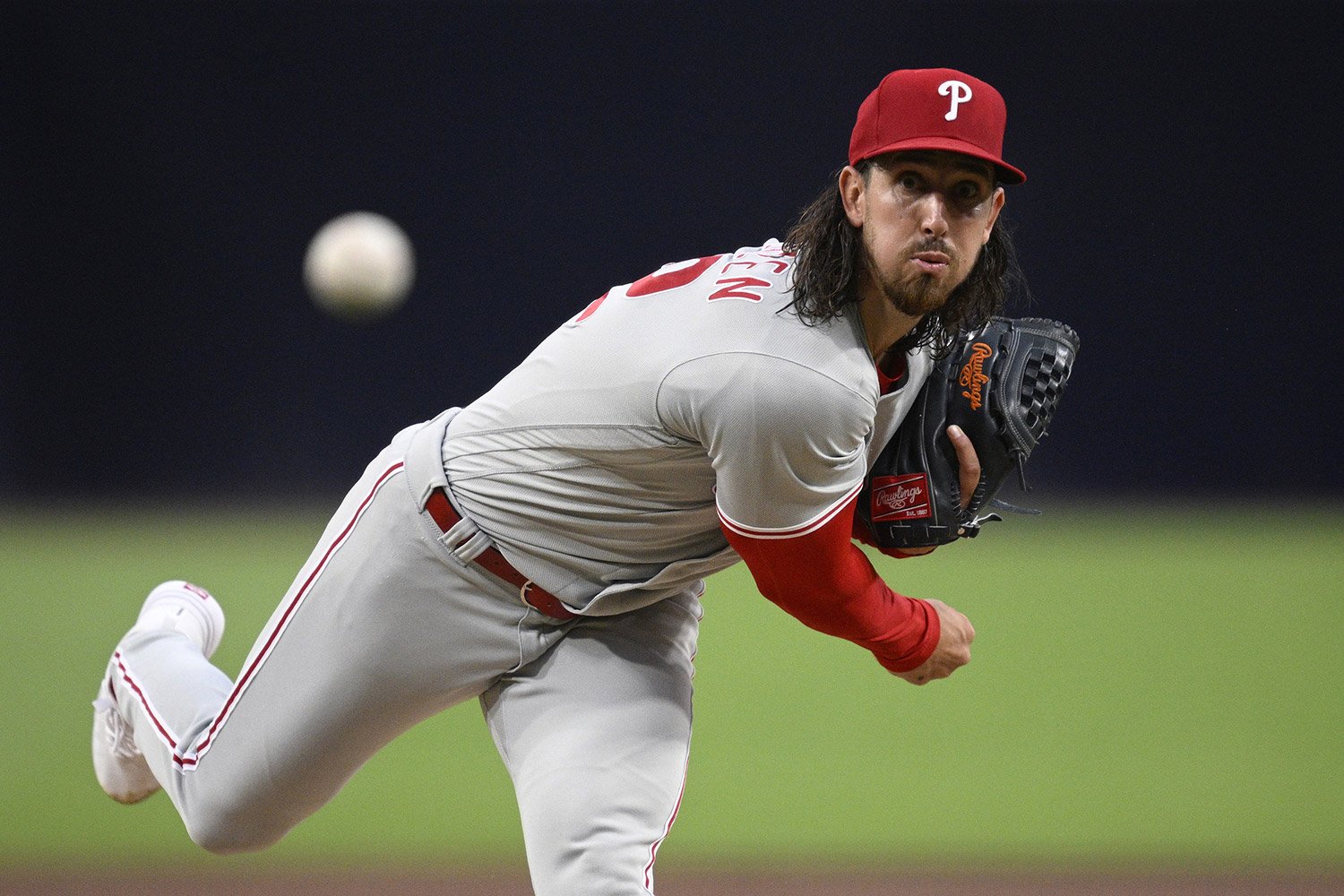
If the Brewers want a pitcher, why not add a more effective player? Adding another pitcher in the same breath as Michael Lorenzen or Mike Clevinger initially sounds excellent. But then, if you look at this team’s roster now, Jakob Junis is in that category.
As we are reminded repeatedly every offseason, the Brewers are a small market team. The organization can spend less than teams like the Yankees or the Dodgers with big media deals. However, in recent history, the Brewers have made a high-paying deal so long as it makes the team better and is within their budget.
The Brewers' current payroll stands at around $110 million. While that does seem like a lot of money, the team's payroll was around $125 million at the end of last season. That doesn’t necessarily mean the team will spend the same amount.
Somehow, Snell and Jordan Montgomery are still free agents and could “move the needle” for this Brewers team. This is where I remind you that Snell declined a $20 million qualifying offer and will cost whatever team a draft pick should he sign elsewhere. It will be an expensive penny, but it just might be worth it if they want to improve their rotation.
If they can’t reach that price tag, maybe staying pat is the way to go. Adding another player means the loss of another person’s job on the roster. Speaking of lost opportunities:
The Kids Need to Play
The Brewers are in an awkward situation right now. They do plan to compete this year but are also planning for the future. Hall, Gasser, Ashby, and eventually Jacob Misiorowski are all in their pre-arbitration years or have yet to make their debut. They need to have time in the bigs to get a good assessment of the players they hope to hold down the fort for the next few seasons.
Hall and Ashby have already started their career but haven’t had time to make an impact. Adding another pitcher might result in the pitcher being sent down or becoming a bullpen arm. The opportunities can open up a season, especially if Miley chooses to retire, Rea and Junis elect free agency, and Williams gets traded to another team. But why wait around when they are ready to play in the majors?
We hear time and time again that prospects can be considered lottery tickets. For me, however, the progression of a prospect is like cooking a turkey. Taking it out too early doesn’t taste right, and you throw it back into the oven. Taking it out too late results in it being burnt, which may be ruined. It works the same for players.
If you call them up too early, they look bad, and you might want to send them back down to work on their problems. Calling them up too late doesn’t give them the time to learn and grow, and it might be too late to bring out their full potential. However, if you test them now, you can see how effective they are. Remember, meat still cooks after you take it out of the oven.
It’s time to give these guys a stage to perform on. If you don’t know what you have now, you won’t know what you need to work on to stay competitive. Let’s not bring in another player as a stopgap for these ready players.
There are still great pitchers out there, but will signing a mid-tier pitcher make this team much better? Is it better for the team to let the others play now in the long run? Or do the potential uncertainties in the rotation and bullpen show signs of concern? Come back for part three of the miniseries, as we will talk about the benefits of signing a mid-level player.
Are there other reasons why the Brewers shouldn’t sign another arm? What side of the debate are you on? Let us know in the comments.





Recommended Comments
Create an account or sign in to comment
You need to be a member in order to leave a comment
Create an account
Sign up for a new account in our community. It's easy!
Register a new accountSign in
Already have an account? Sign in here.
Sign In Now