



Cory Sparks
-
Posts
171 -
Joined
-
Last visited
Content Type
Profiles
Forums
Blogs
Events
News
2026 Milwaukee Brewers Top Prospects Ranking
Milwaukee Brewers Videos
2022 Milwaukee Brewers Draft Picks
Milwaukee Brewers Free Agent & Trade Rumors, Notes, & Tidbits
Guides & Resources
2023 Milwaukee Brewers Draft Picks
2024 Milwaukee Brewers Draft Picks
The Milwaukee Brewers Players Project
2025 Milwaukee Brewers Draft Pick Tracker
2026 Milwaukee Brewers Draft Tracker: Picks & Bonuses
Store
Downloads
Gallery
Everything posted by Cory Sparks
-
Image courtesy of IMAGN IMAGES via Reuters Connect Outside of Jacob Misiorowski in the rotation, the Brewers don’t have a full-fledged superstar on their team. They have a few players who are just below that line, though, and that fraternity has a new member this year. The Crew took Games 1 and 2 of the NLCS over the Dodgers and are on the doorstep of their first National League pennant. The linchpin of the lineup that might finally get that monkey off their back is Jake Bauers. Game 1's Recipe for Success Was Not Sustainable Milwaukee edged out Los Angeles 2-1 in the NLCS opener. While a Brice Turang equalizer of a solo homer, a Luis Lara go-ahead base hit and a lockdown bullpen can clearly lead to a win, it’s not feasible to expect the Dodgers to score just one run a game throughout the series. The Brewers’ offense was second in MLB with 5.1 runs per game, but the Dodgers weren’t far behind, at 4.9 (fourth-best). Playoff games have a reputation for being more pitcher-friendly, as there are more breaks built in for arms to stay fresh, but Los Angeles still managed to score 14 runs (3.5 per game) in a 3-1 series win over the Atlanta Braves to get here. They scored four times in Game 2, too. The Brewers needed to hit well to win that game, and they'll need to do so again to get to the World Series. Bauers’s Career Year That Bauers drew a crucial walk (on 12 pitches, against the great Yoshinobu Yamamoto) is one of the most improbable pages in the storybook of this playoff run to date—unless you've been paying close attention to his breakout 2026 campaign. He was on five teams over the course of six years, but has since found some stability in Milwaukee. Entering the 2026 season, Bauers had 58 home runs over 613 career games; last season brought the first real evidence that he could hit enough to hold onto a full-time role. This year, though, the 31-year-old slugger has hit a new gear. His 28 round-trippers and 86 runs batted in set career highs by wide margins, as Bauers went from a fringe-starter to an everyday contributor with 144 games played. He posted a .389 on-base percentage, playing the Brewers’ brand of baseball to perfection and serving as a true reinforcer in the middle of the lineup. Every championship aspirant needs a thumper. Bauers, who paced the team in homers and had 50 extra-base hits, is just that. Numbers Don’t Lie So where did this power surge come for Bauers, and how is he doing it? For one, he’s working with the same major-league coaching staff for the third consecutive year. Before this stint in the Cream City, he hasn’t had that luxury of continuity. Take a look under the hood, and he isn’t doing this by accident. According to Baseball Savant, Bauers is hitting the baseball on the screws. He ranked in the top 10 percent of major-league hitters in hard-hit percentage, average exit velocity, barrel percentage, sweet-spot percentage and bat speed. The last of those cruised up to a career-best 76.5 miles per hour this year, but one of the real keys is that his launch angle is down to 12.1 degrees. Two years ago, it was at 22.6°. What were popouts or deep flyouts last year more often got out of the ballpark this season, as Bauers found the right trajectory more often. The Knockout Blow What makes Bauers so important to the Brewers’ success? Look no further than last year’s NLCS showdown, a 4-0 sweep for the Dodgers. Shohei Ohtani went 3-for-3 with three homers and a walk in Game 4. Milwaukee can be pesky, and Bauers can be part of that. He kept the line moving in Game 2, and it was Christian Yelich who delivered the scoreboard-flipping hit. Sooner or later, though, there’s going to come a point where they have to put up a crooked number and swing momentum to put the Dodgers away with authority. The most efficient way to do that is through one big swing, and Bauers is the most likely candidate to get that job done. View full article
-
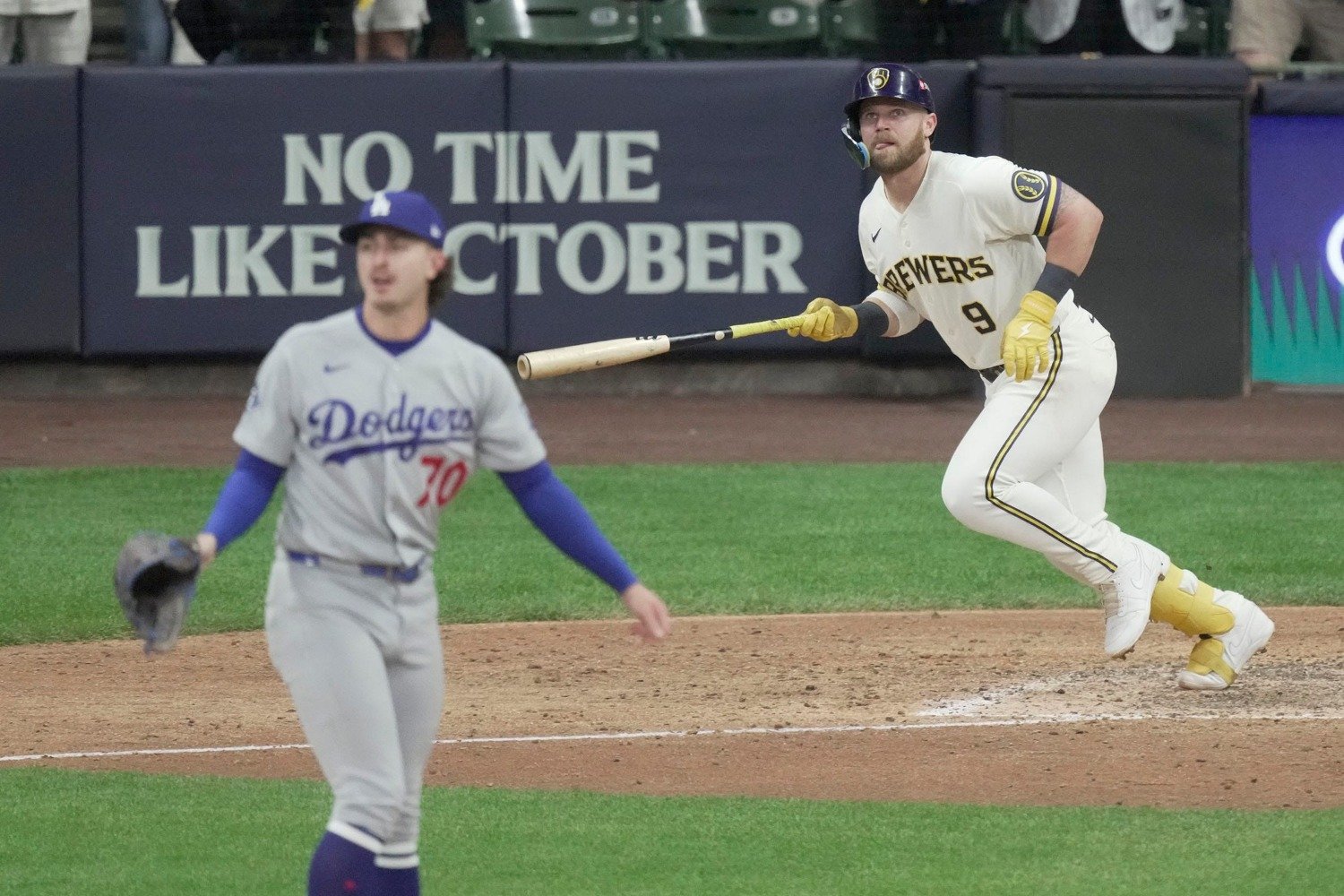 Outside of Jacob Misiorowski in the rotation, the Brewers don’t have a full-fledged superstar on their team. They have a few players who are just below that line, though, and that fraternity has a new member this year. The Crew took Games 1 and 2 of the NLCS over the Dodgers and are on the doorstep of their first National League pennant. The linchpin of the lineup that might finally get that monkey off their back is Jake Bauers. Game 1's Recipe for Success Was Not Sustainable Milwaukee edged out Los Angeles 2-1 in the NLCS opener. While a Brice Turang equalizer of a solo homer, a Luis Lara go-ahead base hit and a lockdown bullpen can clearly lead to a win, it’s not feasible to expect the Dodgers to score just one run a game throughout the series. The Brewers’ offense was second in MLB with 5.1 runs per game, but the Dodgers weren’t far behind, at 4.9 (fourth-best). Playoff games have a reputation for being more pitcher-friendly, as there are more breaks built in for arms to stay fresh, but Los Angeles still managed to score 14 runs (3.5 per game) in a 3-1 series win over the Atlanta Braves to get here. They scored four times in Game 2, too. The Brewers needed to hit well to win that game, and they'll need to do so again to get to the World Series. Bauers’s Career Year That Bauers drew a crucial walk (on 12 pitches, against the great Yoshinobu Yamamoto) is one of the most improbable pages in the storybook of this playoff run to date—unless you've been paying close attention to his breakout 2026 campaign. He was on five teams over the course of six years, but has since found some stability in Milwaukee. Entering the 2026 season, Bauers had 58 home runs over 613 career games; last season brought the first real evidence that he could hit enough to hold onto a full-time role. This year, though, the 31-year-old slugger has hit a new gear. His 28 round-trippers and 86 runs batted in set career highs by wide margins, as Bauers went from a fringe-starter to an everyday contributor with 144 games played. He posted a .389 on-base percentage, playing the Brewers’ brand of baseball to perfection and serving as a true reinforcer in the middle of the lineup. Every championship aspirant needs a thumper. Bauers, who paced the team in homers and had 50 extra-base hits, is just that. Numbers Don’t Lie So where did this power surge come for Bauers, and how is he doing it? For one, he’s working with the same major-league coaching staff for the third consecutive year. Before this stint in the Cream City, he hasn’t had that luxury of continuity. Take a look under the hood, and he isn’t doing this by accident. According to Baseball Savant, Bauers is hitting the baseball on the screws. He ranked in the top 10 percent of major-league hitters in hard-hit percentage, average exit velocity, barrel percentage, sweet-spot percentage and bat speed. The last of those cruised up to a career-best 76.5 miles per hour this year, but one of the real keys is that his launch angle is down to 12.1 degrees. Two years ago, it was at 22.6°. What were popouts or deep flyouts last year more often got out of the ballpark this season, as Bauers found the right trajectory more often. The Knockout Blow What makes Bauers so important to the Brewers’ success? Look no further than last year’s NLCS showdown, a 4-0 sweep for the Dodgers. Shohei Ohtani went 3-for-3 with three homers and a walk in Game 4. Milwaukee can be pesky, and Bauers can be part of that. He kept the line moving in Game 2, and it was Christian Yelich who delivered the scoreboard-flipping hit. Sooner or later, though, there’s going to come a point where they have to put up a crooked number and swing momentum to put the Dodgers away with authority. The most efficient way to do that is through one big swing, and Bauers is the most likely candidate to get that job done.
 -
Jake Bauers was once on five different teams over a six-season span. He has made Milwaukee his home for the last three years, and in 2026, he's enjoyed a career-best campaign. The 31-year-old first baseman has thrashed 28 homers and 50 extra-base hits, and the Brewers will need his potent power if they want to advance to their first World Series of the century. View full video
-
Jake Bauers was once on five different teams over a six-season span. He has made Milwaukee his home for the last three years, and in 2026, he's enjoyed a career-best campaign. The 31-year-old first baseman has thrashed 28 homers and 50 extra-base hits, and the Brewers will need his potent power if they want to advance to their first World Series of the century.
-
Job one, done!
-
Image courtesy of Wm. Glasheen USA TODAY NETWORK-Wisconsin While the big-league Brewers are dancing in the postseason, some of their top-end prospects have extended their seasons into the Arizona Fall League (AFL). The AFL is a showcase opportunity for some of baseball’s brightest young stars to get more reps, and nine of the team’s farmhands are in it this year, per MLB.com. Let’s dive into some of the standout performers so far and how their first few games of action relate to trends they set into motion this summer. Braylon Payne (MIL’s #4 prospect) Braylon Payne’s prospect pedigree is the highest of anybody on this list. Ranked as Milwaukee’s No. 4 prospect here at Brewer Fanatic, the outfielder enjoyed a breakout 2026 campaign, which he divided between the High-A Wisconsin Timber Rattlers and Double-A Biloxi Shuckers. The 2024 first-round pick saw a power surge this season. At just 20 years old, he slugged 28 home runs while slashing .277/.358/.552 over 102 games. His AFL sample size is small, but the power has followed the outfielder into the month of October. Payne has gone 4-for-15 (.267) with two doubles, three RBIs and a stolen base through four games. The one aspect he needs to work on is critical, though: swing decisions. While Payne had a 20.0% pull-air percentage (65th percentile, per Prospect Savant), his 28.2% strikeout rate (30th percentile) and 41.3% chase rate (5th percentile) suggest there’s plenty of room to grow. The future Brewer has stayed aggressive in the AFL, striking out six times over 18 plate appearances. Matthew Wood While Matthew Wood isn’t a ranked prospect in the Brewers’ pipeline, he still enjoyed a productive season in Double-A and is parlaying that into a promising start with the Scottsdale Scorpions. The 25-year-old backstop throttled 18 homers, compiled 67 RBIs, and walked (71) more times than he struck out (52) with the Shuckers this year. In fact, that caliber of strike-zone control is something the 2022 fourth-round pick has done throughout his pro career, drawing 241 free passes while going down on strikes just 223 times. That plate discipline has carried over nicely in Arizona. Wood is 3-for-7 with four runs scored, a stolen base and a whopping six walks in just 13 plate appearances. The catcher has proven his worth as a cerebral up-and-coming option for the Crew, and seeing him in the top 10 percent of minor leaguers in strikeout rate, walk rate, chase rate, whiff rate, zone-contact percentage and more is an encouraging sign. Peyton Niksch Peyton Niksch is one of five pitching prospects representing Milwaukee in Scottsdale this year, and he’s been the most impressive so far. Niksch climbed the team’s minor-league ladder this year, playing at three different levels. He dazzled for Low-A Wilson, logging a 3-1 record with a 2.70 ERA (26 2/3 innings) with the Warbirds. Upon getting a promotion to Wisconsin, he looked even better, going 1-0 with a 1.13 ERA in 16 frames. He ran into some trouble in Biloxi, allowing an 8.63 ERA with a WHIP that ballooned to 2.13 over 24 innings of work. In the AFL, Niksch has served well as a pure strike-thrower. The 22-year-old right-handed pitcher has made two appearances (one start), allowing just one run on two hits over 4 2/3 innings of work. He has four strikeouts and no walks in 16 batters faced. He doesn’t blow people away, as shown by his 8.4 SO/9 rate, but generating weak contact can be an equally effective way to find outs—especially for a hurler with plus control. View full article
-
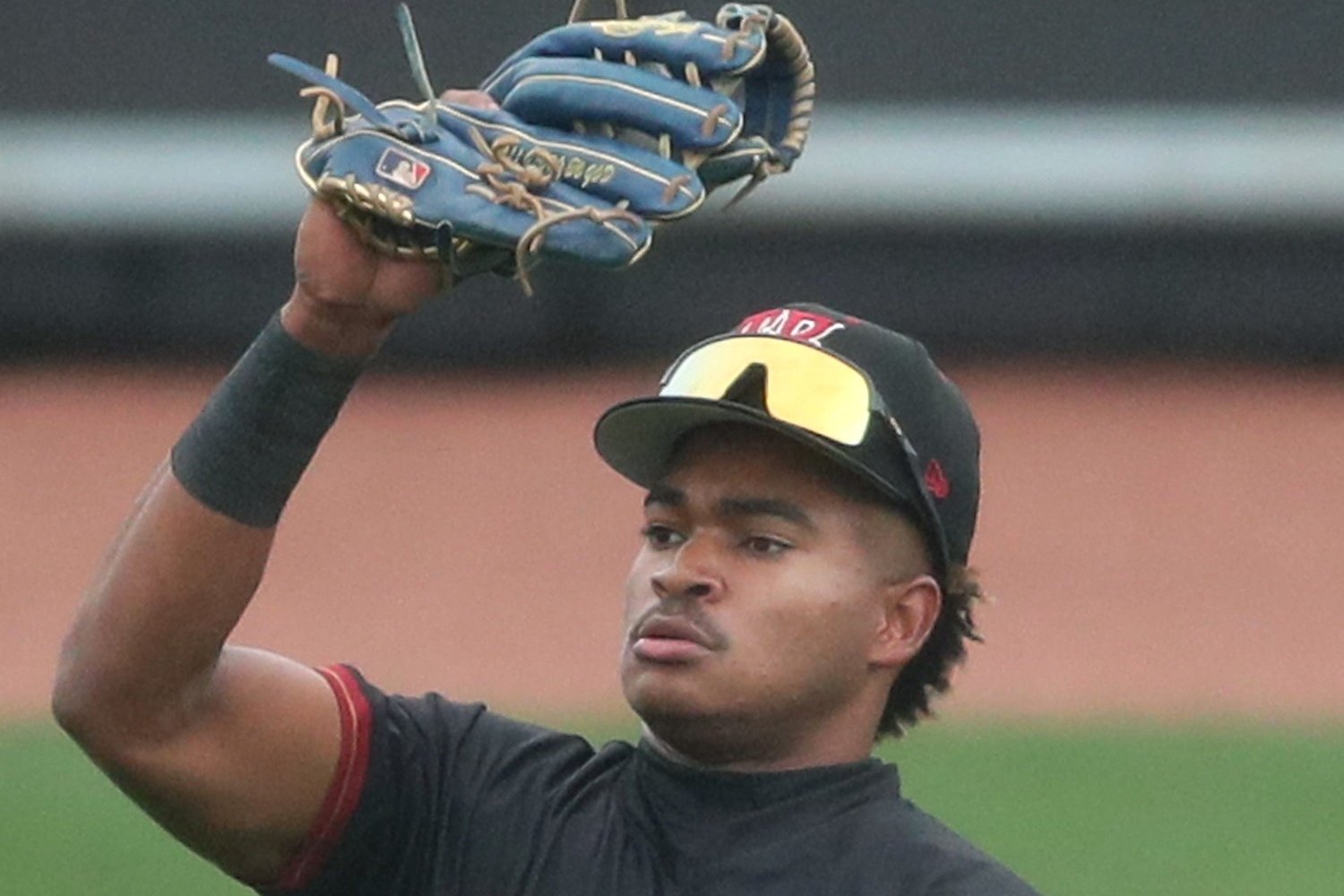 While the big-league Brewers are dancing in the postseason, some of their top-end prospects have extended their seasons into the Arizona Fall League (AFL). The AFL is a showcase opportunity for some of baseball’s brightest young stars to get more reps, and nine of the team’s farmhands are in it this year, per MLB.com. Let’s dive into some of the standout performers so far and how their first few games of action relate to trends they set into motion this summer. Braylon Payne (MIL’s #4 prospect) Braylon Payne’s prospect pedigree is the highest of anybody on this list. Ranked as Milwaukee’s No. 4 prospect here at Brewer Fanatic, the outfielder enjoyed a breakout 2026 campaign, which he divided between the High-A Wisconsin Timber Rattlers and Double-A Biloxi Shuckers. The 2024 first-round pick saw a power surge this season. At just 20 years old, he slugged 28 home runs while slashing .277/.358/.552 over 102 games. His AFL sample size is small, but the power has followed the outfielder into the month of October. Payne has gone 4-for-15 (.267) with two doubles, three RBIs and a stolen base through four games. The one aspect he needs to work on is critical, though: swing decisions. While Payne had a 20.0% pull-air percentage (65th percentile, per Prospect Savant), his 28.2% strikeout rate (30th percentile) and 41.3% chase rate (5th percentile) suggest there’s plenty of room to grow. The future Brewer has stayed aggressive in the AFL, striking out six times over 18 plate appearances. Matthew Wood While Matthew Wood isn’t a ranked prospect in the Brewers’ pipeline, he still enjoyed a productive season in Double-A and is parlaying that into a promising start with the Scottsdale Scorpions. The 25-year-old backstop throttled 18 homers, compiled 67 RBIs, and walked (71) more times than he struck out (52) with the Shuckers this year. In fact, that caliber of strike-zone control is something the 2022 fourth-round pick has done throughout his pro career, drawing 241 free passes while going down on strikes just 223 times. That plate discipline has carried over nicely in Arizona. Wood is 3-for-7 with four runs scored, a stolen base and a whopping six walks in just 13 plate appearances. The catcher has proven his worth as a cerebral up-and-coming option for the Crew, and seeing him in the top 10 percent of minor leaguers in strikeout rate, walk rate, chase rate, whiff rate, zone-contact percentage and more is an encouraging sign. Peyton Niksch Peyton Niksch is one of five pitching prospects representing Milwaukee in Scottsdale this year, and he’s been the most impressive so far. Niksch climbed the team’s minor-league ladder this year, playing at three different levels. He dazzled for Low-A Wilson, logging a 3-1 record with a 2.70 ERA (26 2/3 innings) with the Warbirds. Upon getting a promotion to Wisconsin, he looked even better, going 1-0 with a 1.13 ERA in 16 frames. He ran into some trouble in Biloxi, allowing an 8.63 ERA with a WHIP that ballooned to 2.13 over 24 innings of work. In the AFL, Niksch has served well as a pure strike-thrower. The 22-year-old right-handed pitcher has made two appearances (one start), allowing just one run on two hits over 4 2/3 innings of work. He has four strikeouts and no walks in 16 batters faced. He doesn’t blow people away, as shown by his 8.4 SO/9 rate, but generating weak contact can be an equally effective way to find outs—especially for a hurler with plus control.
-
- 1
-

-
- braylon payne
- matthew wood
- (and 1 more)
-
The Milwaukee Brewers take a 2-0 lead into game three of the NLDS, and in order to complete the sweep, they'll have to hone in on these three aspects.
-
The Milwaukee Brewers take a 2-0 lead into game three of the NLDS, and in order to complete the sweep, they'll have to hone in on these three aspects. View full video
-
Image courtesy of USA TODAY Network via Reuters Connect The first two games of the Milwaukee Brewers’ playoff journey have been must-see television, but the job isn’t done. After a raise-the-roof 3-2 victory in Game 1 and a Jackson Chourio walk-off single for a 4-3 triumph in Game 2, the Crew needs one more win to advance to the League Championship Series for the fourth time since they switched to the National League. Here's what Pat Murphy’s squad must accomplish to get there. Keep Stealing Bases to Put Pressure on the Defense The Brewers have won the NL Central four seasons in a row, stamping their ticket to the postseason and earning some playoff home games to go with it. How did they get there without an offense known for its power? Partially, it was by being aggressive on the base paths. While the strong crowds at American Family Field certainly helped with putting pressure on a streaking San Diego Padres team, stealing an extra 90 feet has been their brand for the last few seasons. The Brewers stole 162 bases in the regular season this year, good enough for fifth in baseball. The Padres stole 164, slotting in slightly ahead of the Crew. So far in this series, though, the Crew is 3-for-3 in that department (one each from Bryce Turang, Garrett Mitchell and Christian Yelich). Yelich’s stolen base came on a 1-0 count against a Mason Miller fastball, a scenario wherein most baserunners wouldn’t try their luck. He forced the issue, anyway. San Diego, on the other hand, is 0-for-1, after Dustin Harris was caught stealing in the fifth inning of Game 2. The Padres already have their backs against the wall. They're playing to extend their season for the rest of this series. The Brewers can make their lives that much harder by staying aggressive. Dustin May Needs to Provide Some Length Both bullpens have recorded exactly 27 outs, though it hasn't quite felt like they've absorbed equally heavy loads. Jacob Misiorowski went just four innings in the series opener (Antonio Senzatela, Aaron Ashby, Abner Uribe, DL Hall and Trevor Megill followed), and Logan Henderson provided five innings on Sunday night (JoJo Romero, Uribe, Ashby and Megill followed). While the team gets an off day, that’s still three high-leverage arms (Ashby, Uribe and Megill) who have gone in back-to-back contests. In his last eight starts of the regular season, Brewers starter Dustin May went five or more innings just once. There’s a scenario where the Padres take Game 3 at home and extend this series. If that were to happen, the war of attrition really kicks in for these relievers. May going four innings (if not five) will be critical for the Brewers’ success, because it will give them a chance to turn to Robert Gasser or Kyle Harrison for some length, too, and not to need all of the traditional high-leverage options. Keep the Clutch Hitting Rolling The Brewers are only 4-for-16 with runners in scoring position over the first two games, with their fourth base knock being Chourio’s two-run single to send the 41,683 fans in attendance into a roaring frenzy. But the hits and at-bats don't document the walks that set the stage for Chourio's heroics. Nor is hitting with runners in scoring position the only way to be clutch William Contreras’s solo home run in Game 1 was a clutch hit. Milwaukee’s backstop stepped up in a 2-2 ball game and provided the go-ahead run. The Padres are just 3-for-18 with runners in scoring position. It’s a thin margin, but that’s been the difference between a 1-1 split and the 2-0 advantage the Crew has as they make the trek out west. Game 3 of the NLDS is on Tuesday at 8:30 PM CT. If Milwaukee can steal bases, get significant innings out of May and continue to come through in the clutch, they’ll be dancing to the NLCS yet again. View full article
-
3 Keys to Brewers Sweeping the Padres, Advancing to the NLCS
Cory Sparks posted an article in Brewers
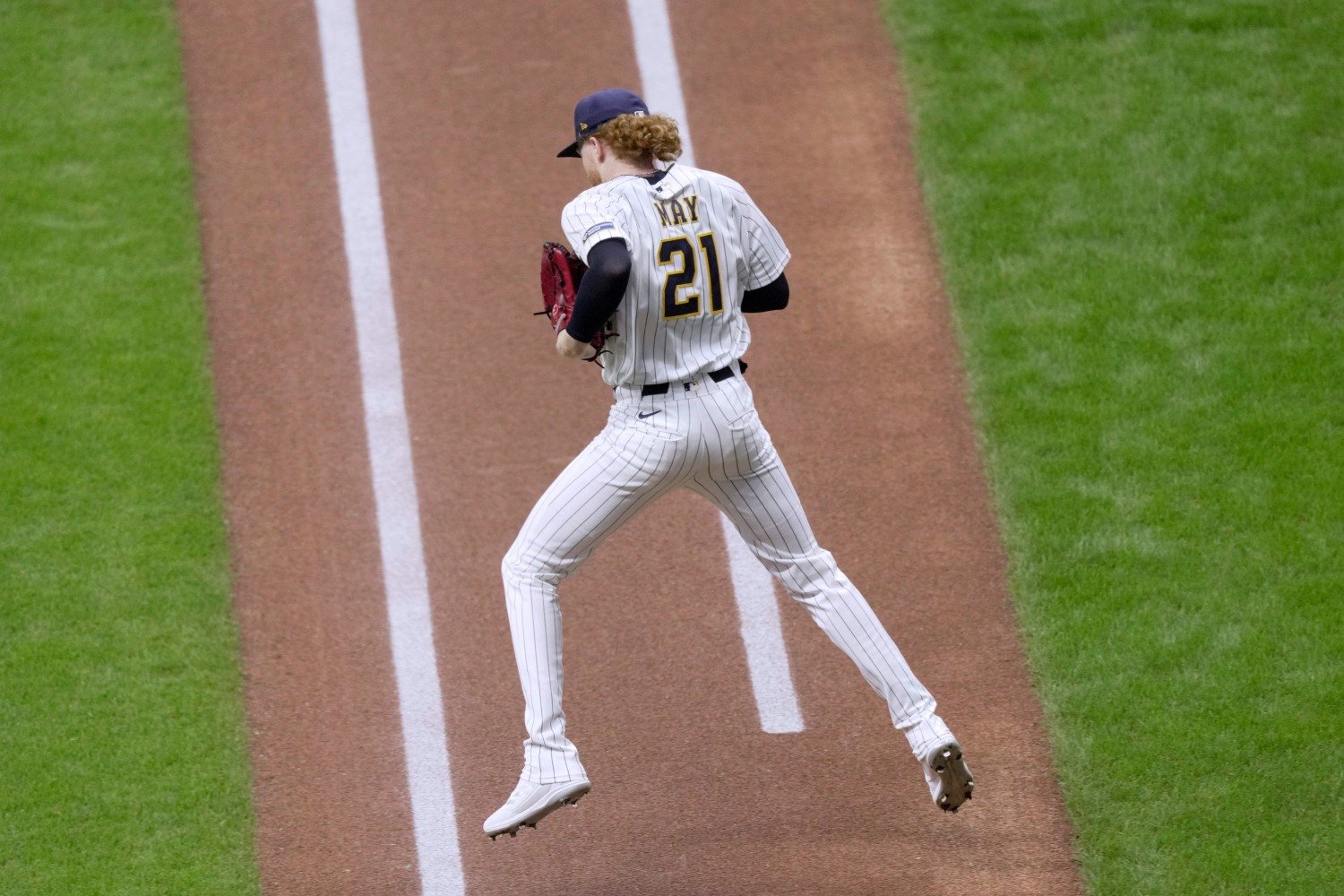 The first two games of the Milwaukee Brewers’ playoff journey have been must-see television, but the job isn’t done. After a raise-the-roof 3-2 victory in Game 1 and a Jackson Chourio walk-off single for a 4-3 triumph in Game 2, the Crew needs one more win to advance to the League Championship Series for the fourth time since they switched to the National League. Here's what Pat Murphy’s squad must accomplish to get there. Keep Stealing Bases to Put Pressure on the Defense The Brewers have won the NL Central four seasons in a row, stamping their ticket to the postseason and earning some playoff home games to go with it. How did they get there without an offense known for its power? Partially, it was by being aggressive on the base paths. While the strong crowds at American Family Field certainly helped with putting pressure on a streaking San Diego Padres team, stealing an extra 90 feet has been their brand for the last few seasons. The Brewers stole 162 bases in the regular season this year, good enough for fifth in baseball. The Padres stole 164, slotting in slightly ahead of the Crew. So far in this series, though, the Crew is 3-for-3 in that department (one each from Bryce Turang, Garrett Mitchell and Christian Yelich). Yelich’s stolen base came on a 1-0 count against a Mason Miller fastball, a scenario wherein most baserunners wouldn’t try their luck. He forced the issue, anyway. San Diego, on the other hand, is 0-for-1, after Dustin Harris was caught stealing in the fifth inning of Game 2. The Padres already have their backs against the wall. They're playing to extend their season for the rest of this series. The Brewers can make their lives that much harder by staying aggressive. Dustin May Needs to Provide Some Length Both bullpens have recorded exactly 27 outs, though it hasn't quite felt like they've absorbed equally heavy loads. Jacob Misiorowski went just four innings in the series opener (Antonio Senzatela, Aaron Ashby, Abner Uribe, DL Hall and Trevor Megill followed), and Logan Henderson provided five innings on Sunday night (JoJo Romero, Uribe, Ashby and Megill followed). While the team gets an off day, that’s still three high-leverage arms (Ashby, Uribe and Megill) who have gone in back-to-back contests. In his last eight starts of the regular season, Brewers starter Dustin May went five or more innings just once. There’s a scenario where the Padres take Game 3 at home and extend this series. If that were to happen, the war of attrition really kicks in for these relievers. May going four innings (if not five) will be critical for the Brewers’ success, because it will give them a chance to turn to Robert Gasser or Kyle Harrison for some length, too, and not to need all of the traditional high-leverage options. Keep the Clutch Hitting Rolling The Brewers are only 4-for-16 with runners in scoring position over the first two games, with their fourth base knock being Chourio’s two-run single to send the 41,683 fans in attendance into a roaring frenzy. But the hits and at-bats don't document the walks that set the stage for Chourio's heroics. Nor is hitting with runners in scoring position the only way to be clutch William Contreras’s solo home run in Game 1 was a clutch hit. Milwaukee’s backstop stepped up in a 2-2 ball game and provided the go-ahead run. The Padres are just 3-for-18 with runners in scoring position. It’s a thin margin, but that’s been the difference between a 1-1 split and the 2-0 advantage the Crew has as they make the trek out west. Game 3 of the NLDS is on Tuesday at 8:30 PM CT. If Milwaukee can steal bases, get significant innings out of May and continue to come through in the clutch, they’ll be dancing to the NLCS yet again.
- 2 comments
-
- 1
-
-
- dustin may
- 2026 postseason
- (and 1 more)
-
Image courtesy of Vincent Carchietta-Imagn Images Freddy Peralta is in the final year of his contract, and it may be tempting for many to want him to don the blue and yellow yet again. This would not work, and it could prove catastrophic for the future of Milwaukee’s rotation if they tried a move like this. Let’s break down Peralta’s 2026 season, and the three different reasons bringing him back would be a poor decision. This is a two-part article: read the counterpoint here. Building A Strong Reputation Before diving into the reasons Peralta shouldn’t be back with the Crew, it’s important to highlight the portfolio he’s built for himself. For years, he has been one of the best pitchers in all of baseball. This is someone who has a career record of 75-51, a 3.79 earned run average, and over 1,200 strikeouts in just north of 1,000 innings. Peralta is a two-time All-Star, and the 30-year-old even surpassed 200 strikeouts in three straight seasons from 2023-2025. A Season To Forget Milwaukee traded Peralta to the New York Mets ahead of this season, losing their ace along with a depth arm in Tobias Myers. In exchange, the Crew got utility Jett Williams and right-handed pitcher Brandon Sproat. Since that deal, Peralta has had one of the worst seasons of his big league career. This year, the now Tampa Bay Rays starter is 5-9 with a 5.37 earned run average, striking out 116 hitters over 117 1/3 innings in 23 starts. Peralta’s 1.52 WHIP is 44 points higher than the value he produced last year in his final campaign with the Brewers. The fastball-heavy hurler has been getting hit hard, allowing 19 homers while allowing a batting average of .260 or better on four of his six pitches. No Guarantee He's "Back" Peralta’s walks are up at 9.2 percent (38th percentile), and his below-average strikeout rate of 21.8 percent (43rd percentile) hasn’t been encouraging either. This is somebody who has lost a tick on his fastball velocity, as his primary offering is gliding in at just an average of 94.2 miles per hour, his lowest mark since 2022. There’s no guarantee he returns to his form with the Brewers; The Cubs tried this with Jake Arrieta, who won a Cy Young with the team in 2016 before having some subpar seasons with the Phillies. When he re-joined the northsiders five years later, his earned run average ballooned up to 7.39, almost three full runs higher than a 4.64 mark a pair of years prior. While it’s fun to imagine Peralta magically returning to form as soon as he dawns his old threads, this is someone on the other side of 30 years old who relies on power and is struggling mightily. Innings Inefficiency Even when Peralta was at his best, the former Brewers’ ace has always had a tough time finishing off hitters. The 30-year-old throws a lower-than-average percentage of pitches inside the zone, leading to a pitches per plate appearance rate north of 4.1. This results in those taxing, 100-pitch starts that sometimes just get Peralta through five innings. That’s how bullpens get taxed, even on some of his better days. Holding Down Controllable Talent As it stands, Milwaukee has one of the better rotations in baseball while still developing more up-and-coming arms. Jacob Misiorowski is competing for an NL Cy Young award, Kyle Harrison has been a remarkable secondary option, and other names like Coleman Crow, Logan Henderson, and more could be controllable, affordable arms that should fill out the rotation. Peralta, even after a down year, will demand more revenue per year than most, if not all, of those players right now. With the salary cap looming, combining production with affordability is of the utmost importance. Unfortunately, Peralta doesn’t provide that combination. View full article
-
Going Oppo: Why Bringing Back Freddy Peralta Is A Bad Baseball Decision
Cory Sparks posted an article in Brewers
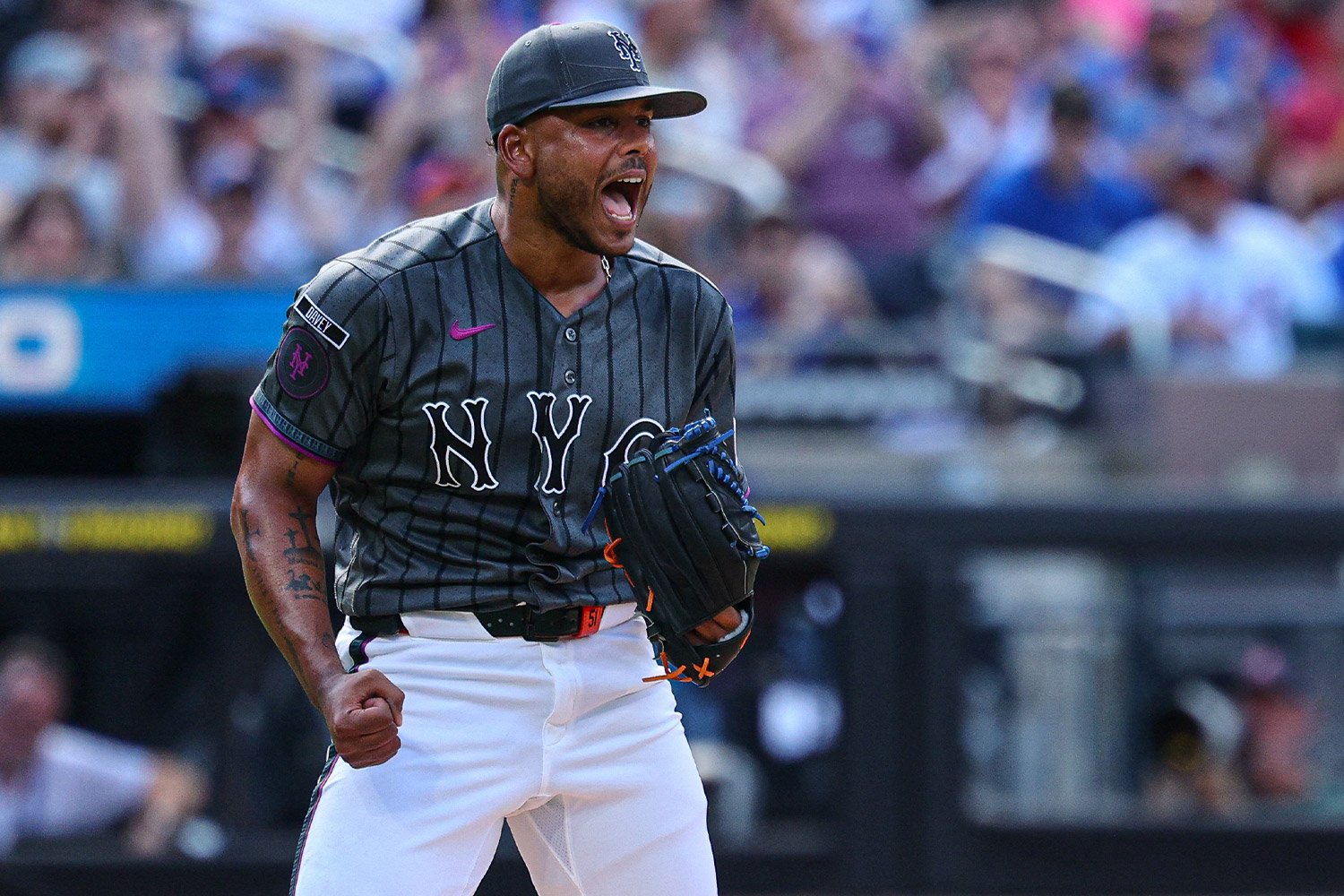 Freddy Peralta is in the final year of his contract, and it may be tempting for many to want him to don the blue and yellow yet again. This would not work, and it could prove catastrophic for the future of Milwaukee’s rotation if they tried a move like this. Let’s break down Peralta’s 2026 season, and the three different reasons bringing him back would be a poor decision. This is a two-part article: read the counterpoint here. Building A Strong Reputation Before diving into the reasons Peralta shouldn’t be back with the Crew, it’s important to highlight the portfolio he’s built for himself. For years, he has been one of the best pitchers in all of baseball. This is someone who has a career record of 75-51, a 3.79 earned run average, and over 1,200 strikeouts in just north of 1,000 innings. Peralta is a two-time All-Star, and the 30-year-old even surpassed 200 strikeouts in three straight seasons from 2023-2025. A Season To Forget Milwaukee traded Peralta to the New York Mets ahead of this season, losing their ace along with a depth arm in Tobias Myers. In exchange, the Crew got utility Jett Williams and right-handed pitcher Brandon Sproat. Since that deal, Peralta has had one of the worst seasons of his big league career. This year, the now Tampa Bay Rays starter is 5-9 with a 5.37 earned run average, striking out 116 hitters over 117 1/3 innings in 23 starts. Peralta’s 1.52 WHIP is 44 points higher than the value he produced last year in his final campaign with the Brewers. The fastball-heavy hurler has been getting hit hard, allowing 19 homers while allowing a batting average of .260 or better on four of his six pitches. No Guarantee He's "Back" Peralta’s walks are up at 9.2 percent (38th percentile), and his below-average strikeout rate of 21.8 percent (43rd percentile) hasn’t been encouraging either. This is somebody who has lost a tick on his fastball velocity, as his primary offering is gliding in at just an average of 94.2 miles per hour, his lowest mark since 2022. There’s no guarantee he returns to his form with the Brewers; The Cubs tried this with Jake Arrieta, who won a Cy Young with the team in 2016 before having some subpar seasons with the Phillies. When he re-joined the northsiders five years later, his earned run average ballooned up to 7.39, almost three full runs higher than a 4.64 mark a pair of years prior. While it’s fun to imagine Peralta magically returning to form as soon as he dawns his old threads, this is someone on the other side of 30 years old who relies on power and is struggling mightily. Innings Inefficiency Even when Peralta was at his best, the former Brewers’ ace has always had a tough time finishing off hitters. The 30-year-old throws a lower-than-average percentage of pitches inside the zone, leading to a pitches per plate appearance rate north of 4.1. This results in those taxing, 100-pitch starts that sometimes just get Peralta through five innings. That’s how bullpens get taxed, even on some of his better days. Holding Down Controllable Talent As it stands, Milwaukee has one of the better rotations in baseball while still developing more up-and-coming arms. Jacob Misiorowski is competing for an NL Cy Young award, Kyle Harrison has been a remarkable secondary option, and other names like Coleman Crow, Logan Henderson, and more could be controllable, affordable arms that should fill out the rotation. Peralta, even after a down year, will demand more revenue per year than most, if not all, of those players right now. With the salary cap looming, combining production with affordability is of the utmost importance. Unfortunately, Peralta doesn’t provide that combination.
 -
While it may be tempting to bring back two-time All-Star Freddy Peralta, the Milwaukee Brewers should not make the decision. Peralta is in the midst of the worst year of his big-league career, and in this video, we'll go over the three reasons that making him a member of the Crew again would be a poor decision. View full video
-
While it may be tempting to bring back two-time All-Star Freddy Peralta, the Milwaukee Brewers should not make the decision. Peralta is in the midst of the worst year of his big-league career, and in this video, we'll go over the three reasons that making him a member of the Crew again would be a poor decision.
-
This is true. The depth is insane. What's the NLCS official prediction?
-
Agreed!
-
Glasnow is just working back too. I don't hate the matchup in general! Love the "young and dumb" take too- get guys who just ambush the moment and see what happens
-
The Milwaukee Brewers squared off with the Los Angeles Dodgers in the NLCS last year, but the Dodgers got the best of the Crew in the form of a sweep. This year, Jacob Misiorowski's status as a starter is no longer in question, as he's the NL Cy Young frontrunner. Kyle Harrison has emerged as a front-of-the-rotation threat. How does the Brewers' pitching staff compare to Tarik Skubal and the Dodgers' starters? We dove in headfirst to find out. View full video
-
The Milwaukee Brewers squared off with the Los Angeles Dodgers in the NLCS last year, but the Dodgers got the best of the Crew in the form of a sweep. This year, Jacob Misiorowski's status as a starter is no longer in question, as he's the NL Cy Young frontrunner. Kyle Harrison has emerged as a front-of-the-rotation threat. How does the Brewers' pitching staff compare to Tarik Skubal and the Dodgers' starters? We dove in headfirst to find out.
-
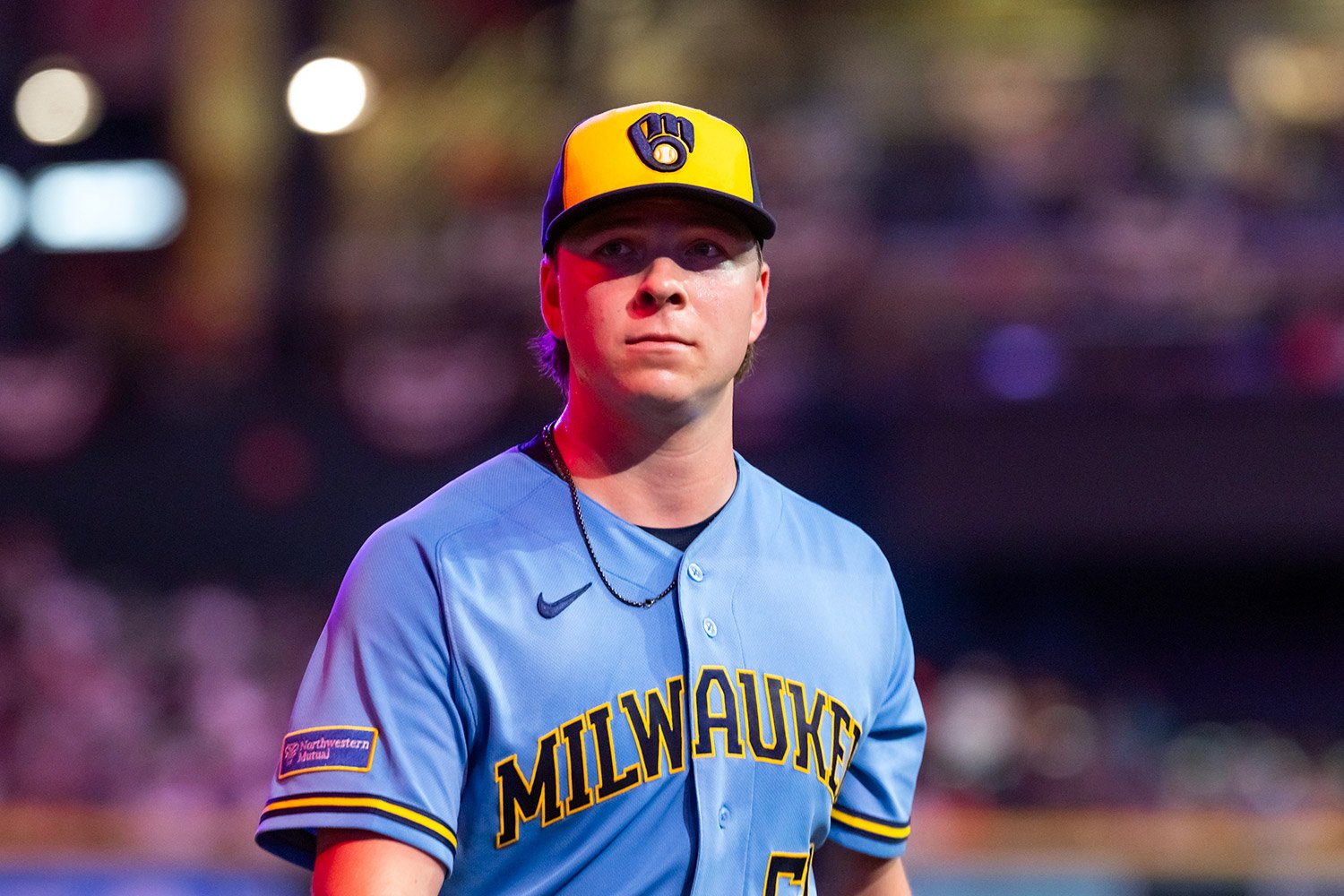
Image courtesy of IMAGN IMAGES via Reuters Connect The Milwaukee Brewers and Los Angeles Dodgers may yet again be on the David vs. Goliath course that we saw the conclusion of in the NLCS last year. Milwaukee has consistently been in the bottom half of the league’s payroll rankings, while the Dodgers live amongst the cream of the crop when it comes to top-end spending. Despite the financial disparity, there may not be a starting pitcher more electric than Jacob Misiorowski and Tarik Skubal. Kyle Harrison and Yoshinobu Yamamoto are both secondary options, so we’ll compare those two as well. Jacob Misiorowski Breakdown Misiorowski has quickly stolen headlines for having the most electric fastball in the sport. The Brewers’ flamethrower has fired a ball as fast as 105.5 miles per hour, and he’s improved leaps and bounds with his command since debuting in the major leagues last year. The 24-year-old former second-round pick is 11-5 this year with a 1.63 earned run average and has 195 strikeouts in 127 innings of work. He’s striking out 40.6 percent of hitters (100th percentile) and is walking hitters just 6.0 percent of the time (87th percentile). The Brewers’ ace has a five-pitch mix, but he heavily relies on the fastball that holds a rising effect out of his 30-degree arm angle upon release. His 0.73 WHIP tops all starters by 0.15, and he’s holding opposing hitters below the Mendoza line against every one of his pitches. Tarik Skubal Breakdown Skubal was the big-ticket acquisition at this year’s MLB trade deadline, and for good reason. The two-time Cy Young winner has the accolades on his side, and he currently profiles as one of the hardest-throwing lefties in baseball. The newest member of the Dodgers’ rotation holds a 7-6 record this year with a 2.81 earned run average. He has 122 strikeouts in 102.2 innings pitched, operating with a 0.92 WHIP on the season. Skubal is a master of deception, and he’s one of the more cerebral pitchers in baseball, using his sinker 32% more often against fellow southpaws than he does against right-handed hitters. The 29-year-old lands in the top 10 percent for chase rate (36.1), whiff rate (32.5), strikeout rate (30.7) and walk rate (4.0), and he has postseason experience under his belt from his time in Detroit. Kyle Harrison’s Tale of the Tape Harrison was the Brewers’ big offseason acquisition, as Milwaukee got him from the Boston Red Sox in a package deal. Harrison has one of the best slurves in baseball, garnering just a .150 opposing batting average against his low-80s, gloveside biting pitch. The first-year member of the Crew is 9-2 this season with a 2.84 earned run average, and he’s struck out 111 hitters in 88.2 innings. He’s been an absolute master at creating swing-and-miss and limiting quality contact. The 24-year-old southpaw has an elite 33.4 percent chase rate (79th percentile) accompanied by a 29.4 percent whiff rate (80th percentile). He’s also allowing a ball to get barrelled up just 6.3 percent of the time. His 6.6-foot extension (67th percentile) allows what’s already a mid-90s fastball to appear even quicker. The most important aspect for Harrison is staying healthy, as his most recent injury scare was related to cramping in both calves. Yoshinobu Yamamoto’s Makeup Yoshinobu Yamamoto rounds out matchups, and if he’s the Game 2 opponent in this hypothetical series between LA and Milwaukee, runs may be at a premium. The 27-year-old righty has an 11-7 record this year, earning a 2.76 earned run average and a miniscule 0.88 WHIP on the season. Yamamoto has an elite ground ball rate, forcing a hitter to roll over 47.5 percent of the time (75th percentile). The Japanese-born pitcher put up a Madison Bumgarner-like performance in the World Series last year, tossing 17.2 innings while allowing just two runs and striking out 15 across three different appearances. The Dodgers’ pitchers have the postseason experience, but overall, give me Miz as a guaranteed two wins if his stuff is on in a playoff atmosphere. Yamamoto gets the slight edge over Harrison since he’s been performing at a higher level for a little longer, but overall, Milwaukee’s starters have impressed me more in the 2026 regular season and have the edge. View full article
-
Can The Brewers Rotation Compete With Tarik Skubal And The Dodgers?
Cory Sparks posted an article in Brewers
 The Milwaukee Brewers and Los Angeles Dodgers may yet again be on the David vs. Goliath course that we saw the conclusion of in the NLCS last year. Milwaukee has consistently been in the bottom half of the league’s payroll rankings, while the Dodgers live amongst the cream of the crop when it comes to top-end spending. Despite the financial disparity, there may not be a starting pitcher more electric than Jacob Misiorowski and Tarik Skubal. Kyle Harrison and Yoshinobu Yamamoto are both secondary options, so we’ll compare those two as well. Jacob Misiorowski Breakdown Misiorowski has quickly stolen headlines for having the most electric fastball in the sport. The Brewers’ flamethrower has fired a ball as fast as 105.5 miles per hour, and he’s improved leaps and bounds with his command since debuting in the major leagues last year. The 24-year-old former second-round pick is 11-5 this year with a 1.63 earned run average and has 195 strikeouts in 127 innings of work. He’s striking out 40.6 percent of hitters (100th percentile) and is walking hitters just 6.0 percent of the time (87th percentile). The Brewers’ ace has a five-pitch mix, but he heavily relies on the fastball that holds a rising effect out of his 30-degree arm angle upon release. His 0.73 WHIP tops all starters by 0.15, and he’s holding opposing hitters below the Mendoza line against every one of his pitches. Tarik Skubal Breakdown Skubal was the big-ticket acquisition at this year’s MLB trade deadline, and for good reason. The two-time Cy Young winner has the accolades on his side, and he currently profiles as one of the hardest-throwing lefties in baseball. The newest member of the Dodgers’ rotation holds a 7-6 record this year with a 2.81 earned run average. He has 122 strikeouts in 102.2 innings pitched, operating with a 0.92 WHIP on the season. Skubal is a master of deception, and he’s one of the more cerebral pitchers in baseball, using his sinker 32% more often against fellow southpaws than he does against right-handed hitters. The 29-year-old lands in the top 10 percent for chase rate (36.1), whiff rate (32.5), strikeout rate (30.7) and walk rate (4.0), and he has postseason experience under his belt from his time in Detroit. Kyle Harrison’s Tale of the Tape Harrison was the Brewers’ big offseason acquisition, as Milwaukee got him from the Boston Red Sox in a package deal. Harrison has one of the best slurves in baseball, garnering just a .150 opposing batting average against his low-80s, gloveside biting pitch. The first-year member of the Crew is 9-2 this season with a 2.84 earned run average, and he’s struck out 111 hitters in 88.2 innings. He’s been an absolute master at creating swing-and-miss and limiting quality contact. The 24-year-old southpaw has an elite 33.4 percent chase rate (79th percentile) accompanied by a 29.4 percent whiff rate (80th percentile). He’s also allowing a ball to get barrelled up just 6.3 percent of the time. His 6.6-foot extension (67th percentile) allows what’s already a mid-90s fastball to appear even quicker. The most important aspect for Harrison is staying healthy, as his most recent injury scare was related to cramping in both calves. Yoshinobu Yamamoto’s Makeup Yoshinobu Yamamoto rounds out matchups, and if he’s the Game 2 opponent in this hypothetical series between LA and Milwaukee, runs may be at a premium. The 27-year-old righty has an 11-7 record this year, earning a 2.76 earned run average and a miniscule 0.88 WHIP on the season. Yamamoto has an elite ground ball rate, forcing a hitter to roll over 47.5 percent of the time (75th percentile). The Japanese-born pitcher put up a Madison Bumgarner-like performance in the World Series last year, tossing 17.2 innings while allowing just two runs and striking out 15 across three different appearances. The Dodgers’ pitchers have the postseason experience, but overall, give me Miz as a guaranteed two wins if his stuff is on in a playoff atmosphere. Yamamoto gets the slight edge over Harrison since he’s been performing at a higher level for a little longer, but overall, Milwaukee’s starters have impressed me more in the 2026 regular season and have the edge.
- 8 comments
-
- 2
-
-
- kyle harrison
- jacob misiorowski
- (and 1 more)
-
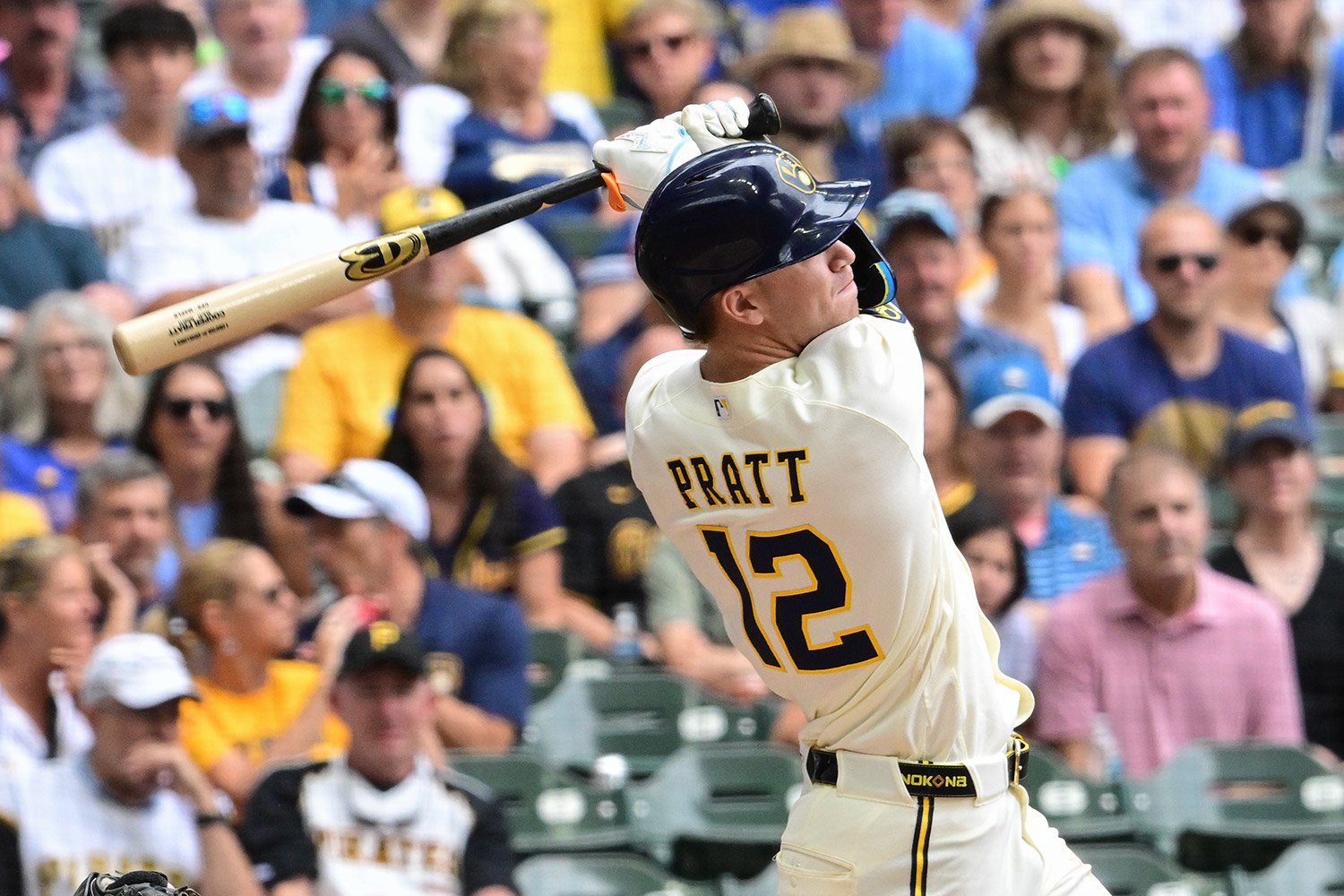
Image courtesy of IMAGN IMAGES via Reuters Connect Cooper Pratt has had quite the year. The Milwaukee Brewers’ fourth-ranked prospect (per Brewer Fanatic) has inked a long-term extension, made his MLB debut, and now he’s quickly turning into the most dangerous type of hitter there is: someone who excels at everything. Let’s break down how Pratt is already adjusting to the big leagues in a way that could make him a key piece when postseason baseball rolls around. Cooper Pratt’s Background Pratt is a 21-year-old infielder for the Brewers, and he’s done nothing but impress since the team selected him in the sixth round of the 2023 MLB Draft. Pratt holds a hefty frame, standing at 6-foot-4 and weighing 210 pounds despite profiling as a shortstop, a position that demands the fleet of foot. The former sixth-round pick has overcome that, swiping 58 bases between the 2024 and 2025 minor league seasons. His glove (60) and fielding (60) have profiled as the infielder’s best tools, as he’s managed to work his way all the way up to a major league debut this season. This isn’t an easy feat considering the fierce competition from Jesus Made and Luis Pena, fellow infield prospects who are climbing the ladder with Pratt. Pratt Locked Down Matt Arnold has proven himself as someone who knows talent analysis, and he’s nailed the hires to build the best farm system in baseball. With that being said, when the Crew signs someone to an eight-year, $50.75 million contract, it’s for good reason. The budding shortstop is locked down until at least 2033 before a club option can kick in over the next couple of years. This is similar to what the Brewers have done with Luis Lara, an outfielder who also debuted this year and inked a seven-year, $31 million deal taking him through 2032 ahead of a club option. The Surface Level Numbers Are Promising So far, Pratt has passed the eye test, and he’s come a long way from someone who slashed just .238/.343/.348 with the Double-A Biloxi Shuckers a season ago. One of Milwaukee’s greenest infielders is currently slashing .289/.371/.391 with a .762 OPS over 42 games with the group. Pratt has slugged two home runs, driven in 17 baserunners, and has 18 walks to 29 strikeouts with 10 stolen bases already. Taking A Deeper Dive Take a more granular look at Pratt’s early performance, and you’ll be even more impressed. The Magnolia Heights H.S. alum has a 137 wRC+ since the start of July, implying that he’s been a far better all-around hitter than the average major leaguer (with 100 being the mean value). Like most players on the Brewers, he takes his walks, earning a free pass 12.2 percent of the time. That mark, along with his 19.6 percent strikeout rate, is both well above league average. Pratt has had success against fastballs, even getting a bit unlucky with a .258 batting average that’s eight points below his expected value. The real difference has been his success against breaking balls, a pitch type that he’s gone 17-for-38 (.447 AVG) against with five extra-base hits, including a home run. Pratt, even at his young age, is already identifying which breaking balls aren’t worth offering at and which to attack. What’s His Long-Term Role? What will Pratt do long term, and can he keep this productivity up? Unlike batting average on balls in play, metrics like low chase rates, high walk rates, and a prominent indication that he can identify pitches well are all sustainable traits. This isn’t someone who is hitting into luck. In fact, he’s done all of this despite having a below-average bat speed of 70.3 miles per hour. Pratt is still very young, and he could easily fill out more of his frame as the years go by. He may need to be flexible, though, as baseball’s top prospect in Made could be up in the big leagues as soon as this year. We’ve seen Pratt play around the infield, so it shouldn’t be much of an issue. Wherever he plays on defense, this is someone who has the right habits at the plate and could be a difference-maker for years to come. View full article
-
Cooper Pratt Is An Above-Average MLB Hitter After Only Two Months
Cory Sparks posted an article in Brewers
 Cooper Pratt has had quite the year. The Milwaukee Brewers’ fourth-ranked prospect (per Brewer Fanatic) has inked a long-term extension, made his MLB debut, and now he’s quickly turning into the most dangerous type of hitter there is: someone who excels at everything. Let’s break down how Pratt is already adjusting to the big leagues in a way that could make him a key piece when postseason baseball rolls around. Cooper Pratt’s Background Pratt is a 21-year-old infielder for the Brewers, and he’s done nothing but impress since the team selected him in the sixth round of the 2023 MLB Draft. Pratt holds a hefty frame, standing at 6-foot-4 and weighing 210 pounds despite profiling as a shortstop, a position that demands the fleet of foot. The former sixth-round pick has overcome that, swiping 58 bases between the 2024 and 2025 minor league seasons. His glove (60) and fielding (60) have profiled as the infielder’s best tools, as he’s managed to work his way all the way up to a major league debut this season. This isn’t an easy feat considering the fierce competition from Jesus Made and Luis Pena, fellow infield prospects who are climbing the ladder with Pratt. Pratt Locked Down Matt Arnold has proven himself as someone who knows talent analysis, and he’s nailed the hires to build the best farm system in baseball. With that being said, when the Crew signs someone to an eight-year, $50.75 million contract, it’s for good reason. The budding shortstop is locked down until at least 2033 before a club option can kick in over the next couple of years. This is similar to what the Brewers have done with Luis Lara, an outfielder who also debuted this year and inked a seven-year, $31 million deal taking him through 2032 ahead of a club option. The Surface Level Numbers Are Promising So far, Pratt has passed the eye test, and he’s come a long way from someone who slashed just .238/.343/.348 with the Double-A Biloxi Shuckers a season ago. One of Milwaukee’s greenest infielders is currently slashing .289/.371/.391 with a .762 OPS over 42 games with the group. Pratt has slugged two home runs, driven in 17 baserunners, and has 18 walks to 29 strikeouts with 10 stolen bases already. Taking A Deeper Dive Take a more granular look at Pratt’s early performance, and you’ll be even more impressed. The Magnolia Heights H.S. alum has a 137 wRC+ since the start of July, implying that he’s been a far better all-around hitter than the average major leaguer (with 100 being the mean value). Like most players on the Brewers, he takes his walks, earning a free pass 12.2 percent of the time. That mark, along with his 19.6 percent strikeout rate, is both well above league average. Pratt has had success against fastballs, even getting a bit unlucky with a .258 batting average that’s eight points below his expected value. The real difference has been his success against breaking balls, a pitch type that he’s gone 17-for-38 (.447 AVG) against with five extra-base hits, including a home run. Pratt, even at his young age, is already identifying which breaking balls aren’t worth offering at and which to attack. What’s His Long-Term Role? What will Pratt do long term, and can he keep this productivity up? Unlike batting average on balls in play, metrics like low chase rates, high walk rates, and a prominent indication that he can identify pitches well are all sustainable traits. This isn’t someone who is hitting into luck. In fact, he’s done all of this despite having a below-average bat speed of 70.3 miles per hour. Pratt is still very young, and he could easily fill out more of his frame as the years go by. He may need to be flexible, though, as baseball’s top prospect in Made could be up in the big leagues as soon as this year. We’ve seen Pratt play around the infield, so it shouldn’t be much of an issue. Wherever he plays on defense, this is someone who has the right habits at the plate and could be a difference-maker for years to come.
 -
Cooper Pratt is quickly making Matt Arnold look like a genius, as the now-extended infielder is hitting just south of .300 and looks like one of the most complete hitters in the organization. The 21-year-old is flexing a 137 wRC+, and in this video, we'll dive into everything from his high walk rate, ability to pound breaking balls, and even contextualize his future amongst a remarkable group of Milwaukee farmhands. View full video
