



Ray Stuedemann
-
Posts
54 -
Joined
-
Last visited
Content Type
Profiles
Forums
Blogs
Events
News
2026 Milwaukee Brewers Top Prospects Ranking
Milwaukee Brewers Videos
2022 Milwaukee Brewers Draft Picks
Milwaukee Brewers Free Agent & Trade Rumors, Notes, & Tidbits
Guides & Resources
2023 Milwaukee Brewers Draft Picks
2024 Milwaukee Brewers Draft Picks
The Milwaukee Brewers Players Project
2025 Milwaukee Brewers Draft Pick Tracker
2026 Milwaukee Brewers Draft Tracker: Picks & Bonuses
Store
Downloads
Gallery
Everything posted by Ray Stuedemann
-
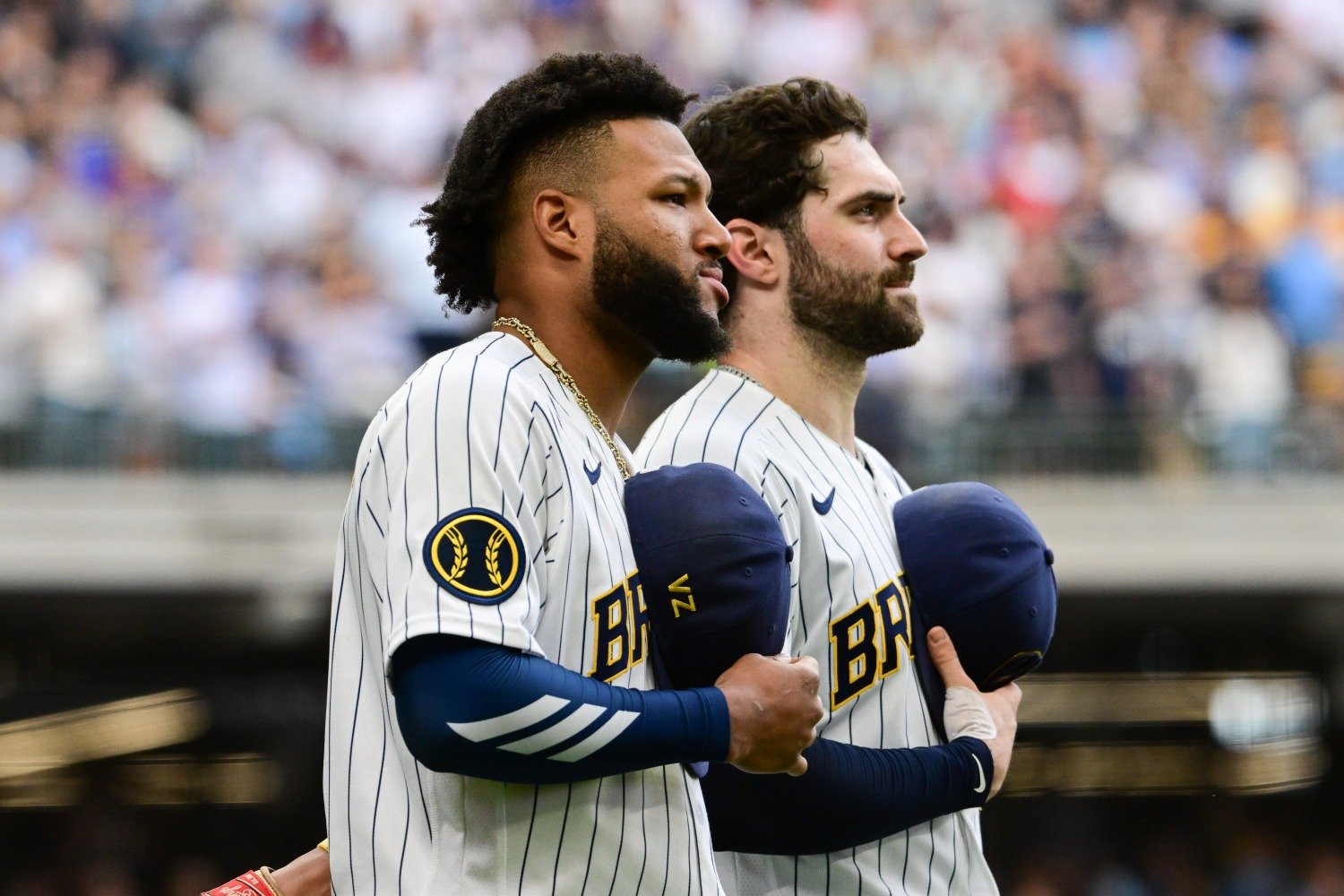 The Milwaukee Brewers saw many different faces take the field throughout the 2026 season, with 24 position players recording at least one plate appearance. From young players beginning to make their mark in the majors to veterans who have been important parts of the organization, each brought something unique to the Brewers’ lineup. As the season unfolded, some players established themselves as key contributors at the top of the order, while others saw their roles change, for better or for worse. With the full season now behind us, it's a good time to look back at what each player brought to the NL Central division champs. Here's a look at all 24 Brewers position players who stepped into the batter’s box this season, with each player receiving a grade based on their 2026 performance. The players are listed here by total plate appearances. Brice Turang (680 PA): A Led Brewers position players in fWAR, RBIs, doubles, hits, and runs. He continues to be one of the best development stories for the Brewers and one heck of a defensive second baseman. Hopefully, his playoff performance backs up the show he put on in the regular season. William Contreras (640 PA): B Played well this season, slashing .270/.341/.417 with 18 home runs. The slugging percentage has fallen off since the 2024 season, and that may never come back, but that doesn’t mean he's a bad offensive player. His long-term future with the Brewers may be in question, but he's been a great player overall and had a solid season. You just wanted a little more out of the two-time Silver Slugger award winner. Jake Bauers (578 PA): A+ Had the highest OPS on the team this year. A free agent at season’s end, Bauers hit 26 homers, which led the Brewers. His on-base prowess set him apart, as well: his .389 OBP was the third highest in baseball. Bauers has performed in the playoffs before. Now, it's time for him to do it again, with the altered setup that triggered this breakout. Jackson Chourio (573 PA): A+ Missed time with injury but didn’t miss a beat. He delivered arguably the biggest swing of the year against the Cubs, hitting a game-tying dinger in the 9th inning when the Brewers were down to their last out. His OPS is the highest it's ever been (.837), even with a horrid month of July wherein he slashed .229/.283/.305. Chourio bounced back thereafter, posting an OPS over .900 in August and September, and those numbers should carry into the NLDS. Garrett Mitchell (531 PA): B+ Finally healthy and performed great, slashing .262/.354/.416 with 30 doubles and 11 bombs. Appearing in 145 games was the biggest win for Mitchell and the Brewers, and that level of health has been part of the success story for the team this year. Christian Yelich (500 PA): D Wasn’t up to the standards the Yelich we all know and love has set. He had his moments, but his OPS+ was below average for the first time in his career. The new captain of the Brewers has embodied everything Milwaukee has wanted throughout his time here, and hopefully, the playoffs erase the bad taste of the former MVP’s regular season. Joey Ortiz (415 PA): B- Outperformed expectations once he slid over to third base. Had a .207/.299/.262 line before Cooper Pratt was called up, but a .310/.348/.491 after. His defense didn’t miss a beat, and it was good to see a season that started so negatively end on a strong note for a player who had struggled offensively since the 2024 season. David Hamilton (387 PA): C- An elite baserunner with 95th-percentile sprint speed, but a below-average offensive and defensive player. Hamilton garnered a lot of hype before the season, but the reality is that he is an ok bench bat, and his speed will be useful in the postseason. Sal Frelick (384 PA): D Regressed heavily this season, posting a 70 OPS+ just a year removed from an above-average season. Suffered a right shoulder strain which revealed an underlying torn labrum, which could have led to the decline in production. Hopefully, a healthy Frelick is a positive offensive force, though his production was worse when he came back. Andrew Vaughn (331 PA): A- Did what he was supposed to do and more against lefties (.938 OPS) and was surprisingly above-average against righties, as well (.764 OPS). Could find himself in an expanded role next season, with Bauers heading for free agency. Only 6 homers from him is slightly disappointing, though the opportunities were too sporadic to judge that harshly. Gary Sánchez (275 PA): B- Was a great offseason signing to be the backup catcher. A three-true-outcome approach, Sánchez demonstrated a level of patience not seen before in his career. Though he struggled with ABS, both offensively and defensively, he was a great player for the limited role he played. Cooper Pratt (266 PA): B Had a better-than-expected offensive season. There weren’t concerns about his stellar defense, and a line of .281/.350/.368 is nothing to scoff at for a rookie. He stole 19 bases, as well, showcasing his 88th-percentile sprint speed. Luis Lara (212 PA): B- Did not show the offensive upside he demonstrated in Nashville when he was called up, but his stellar defensive plays made up for it. Lara is seemingly always crashing into the outfield wall to rob a homer. Here’s to many more of those in the future from the promising rookie. Luis Rengifo (209 PA): F Was extremely disappointing as one of the only offseason acquisitions Milwaukee made to the offense, but the team moved on at the right time. Pratt and Ortiz were significantly better than Rengifo was this season. He slashed .205/.280/.254 without a homer. Good for him for bouncing back with the Padres, though. He suffered a late-August knee injury that ensured no one emerges from the season feeling good. Brandon Lockridge (113 PA): C- Was hyped up before the season as a breakout candidate and performed decently in the time he did spend with the Brewers, slashing .277/.348/.327. A severe right knee injury in May knocked him out until August. Lockridge wasn’t in Milwaukee long before being optioned to Nashville. His speed is his defining trait and could be useful for the Brewers in the future, even though it wasn’t for much of the 2026 season. Blake Perkins (101 PA): D- Posted career-worst numbers for the Brewers and was eventually traded to the Guardians at the deadline. His .701 OPS against lefties was still alright, but the team was running out of room in the outfield. Tyler Black (28 PA): C+ Had a great stint for Milwaukee, slashing .333/.357/.481 with 4 doubles, but there's a reason why that stint didn't last long. He still needs to find a defensive position, and time may be running out on him to contribute to the Brewers on a regular basis. Greg Jones (24 PA): F -0.5 fWAR and a .174 OPS in this small of a sample is not very good. He also signed with the rival Cubs after he was granted free agency—maybe as a double-agent. Luis Matos (21 PA): D- Was not a big contributor this season; just a warm body for the outfield early in the campaign. Still in the organization, though, and is only 24, though it is unlikely that he ever contributes meaningfully for the Brewers given his career major-league line of .230/.279/.363. Maybe the Brewers work some of their magic. Jonathan Ornelas (9 PA): C- Another small sample for a fill-in player, a .444 OPS isn’t good, and that's on par with his career OPS of .483—although that's in only 80 career plate appearances. Bo Naylor (9 PA): C Could be a part of the future for the Brewers. He was acquired from the Guardians at the deadline, tore it up at Nashville to the tune of a .283/.353/.550 line (albeit in a small sample of 68 plate appearances), and eventually was called up in September. Naylor didn’t play much as the Brewers chased home-field advantage, but he has the potential to be the biggest riser from this list come next season. Braden Shewmake (8 PA): C An add off waivers by the Brewers in July, Shewmake didn’t have a lot of time to establish himself, but did slash .286/.250/.429 in this small sample. Jihwan Bae (4 PA): C Made a little bit of an impact by getting a hit, stealing a base, and scoring a run in this small sample. It isn’t enough to give him a higher grade, though. Jeferson Quero (2 PA): C Did not have enough plate appearances to give a higher grade. Hopefully, he forces the issue to earn more playing time at the big-league level next season. There's plenty to be excited about heading into October. Turang, Bauers, and Chourio are leading the way, with players like Mitchell, Contreras, and Yelich (who could take over games over the course of multiple at-bats) in support. The hard part starts now. The journey to the World Series isn’t easy, and the Brewers will need every guy on this list (who will be on the playoff roster) to contribute the best they can in the role they're entrusted with by Pat Murphy. If Milwaukee does that, they should have nothing to worry about with this group and an elite pitching staff to go along with it.
- 2 comments
-
- 3
-

-
- jackson chourio
- brice turang
- (and 8 more)
-
Image courtesy of Benny Sieu-Imagn Images The Milwaukee Brewers saw many different faces take the field throughout the 2026 season, with 24 position players recording at least one plate appearance. From young players beginning to make their mark in the majors to veterans who have been important parts of the organization, each brought something unique to the Brewers’ lineup. As the season unfolded, some players established themselves as key contributors at the top of the order, while others saw their roles change, for better or for worse. With the full season now behind us, it's a good time to look back at what each player brought to the NL Central division champs. Here's a look at all 24 Brewers position players who stepped into the batter’s box this season, with each player receiving a grade based on their 2026 performance. The players are listed here by total plate appearances. Brice Turang (680 PA): A Led Brewers position players in fWAR, RBIs, doubles, hits, and runs. He continues to be one of the best development stories for the Brewers and one heck of a defensive second baseman. Hopefully, his playoff performance backs up the show he put on in the regular season. William Contreras (640 PA): B Played well this season, slashing .270/.341/.417 with 18 home runs. The slugging percentage has fallen off since the 2024 season, and that may never come back, but that doesn’t mean he's a bad offensive player. His long-term future with the Brewers may be in question, but he's been a great player overall and had a solid season. You just wanted a little more out of the two-time Silver Slugger award winner. Jake Bauers (578 PA): A+ Had the highest OPS on the team this year. A free agent at season’s end, Bauers hit 26 homers, which led the Brewers. His on-base prowess set him apart, as well: his .389 OBP was the third highest in baseball. Bauers has performed in the playoffs before. Now, it's time for him to do it again, with the altered setup that triggered this breakout. Jackson Chourio (573 PA): A+ Missed time with injury but didn’t miss a beat. He delivered arguably the biggest swing of the year against the Cubs, hitting a game-tying dinger in the 9th inning when the Brewers were down to their last out. His OPS is the highest it's ever been (.837), even with a horrid month of July wherein he slashed .229/.283/.305. Chourio bounced back thereafter, posting an OPS over .900 in August and September, and those numbers should carry into the NLDS. Garrett Mitchell (531 PA): B+ Finally healthy and performed great, slashing .262/.354/.416 with 30 doubles and 11 bombs. Appearing in 145 games was the biggest win for Mitchell and the Brewers, and that level of health has been part of the success story for the team this year. Christian Yelich (500 PA): D Wasn’t up to the standards the Yelich we all know and love has set. He had his moments, but his OPS+ was below average for the first time in his career. The new captain of the Brewers has embodied everything Milwaukee has wanted throughout his time here, and hopefully, the playoffs erase the bad taste of the former MVP’s regular season. Joey Ortiz (415 PA): B- Outperformed expectations once he slid over to third base. Had a .207/.299/.262 line before Cooper Pratt was called up, but a .310/.348/.491 after. His defense didn’t miss a beat, and it was good to see a season that started so negatively end on a strong note for a player who had struggled offensively since the 2024 season. David Hamilton (387 PA): C- An elite baserunner with 95th-percentile sprint speed, but a below-average offensive and defensive player. Hamilton garnered a lot of hype before the season, but the reality is that he is an ok bench bat, and his speed will be useful in the postseason. Sal Frelick (384 PA): D Regressed heavily this season, posting a 70 OPS+ just a year removed from an above-average season. Suffered a right shoulder strain which revealed an underlying torn labrum, which could have led to the decline in production. Hopefully, a healthy Frelick is a positive offensive force, though his production was worse when he came back. Andrew Vaughn (331 PA): A- Did what he was supposed to do and more against lefties (.938 OPS) and was surprisingly above-average against righties, as well (.764 OPS). Could find himself in an expanded role next season, with Bauers heading for free agency. Only 6 homers from him is slightly disappointing, though the opportunities were too sporadic to judge that harshly. Gary Sánchez (275 PA): B- Was a great offseason signing to be the backup catcher. A three-true-outcome approach, Sánchez demonstrated a level of patience not seen before in his career. Though he struggled with ABS, both offensively and defensively, he was a great player for the limited role he played. Cooper Pratt (266 PA): B Had a better-than-expected offensive season. There weren’t concerns about his stellar defense, and a line of .281/.350/.368 is nothing to scoff at for a rookie. He stole 19 bases, as well, showcasing his 88th-percentile sprint speed. Luis Lara (212 PA): B- Did not show the offensive upside he demonstrated in Nashville when he was called up, but his stellar defensive plays made up for it. Lara is seemingly always crashing into the outfield wall to rob a homer. Here’s to many more of those in the future from the promising rookie. Luis Rengifo (209 PA): F Was extremely disappointing as one of the only offseason acquisitions Milwaukee made to the offense, but the team moved on at the right time. Pratt and Ortiz were significantly better than Rengifo was this season. He slashed .205/.280/.254 without a homer. Good for him for bouncing back with the Padres, though. He suffered a late-August knee injury that ensured no one emerges from the season feeling good. Brandon Lockridge (113 PA): C- Was hyped up before the season as a breakout candidate and performed decently in the time he did spend with the Brewers, slashing .277/.348/.327. A severe right knee injury in May knocked him out until August. Lockridge wasn’t in Milwaukee long before being optioned to Nashville. His speed is his defining trait and could be useful for the Brewers in the future, even though it wasn’t for much of the 2026 season. Blake Perkins (101 PA): D- Posted career-worst numbers for the Brewers and was eventually traded to the Guardians at the deadline. His .701 OPS against lefties was still alright, but the team was running out of room in the outfield. Tyler Black (28 PA): C+ Had a great stint for Milwaukee, slashing .333/.357/.481 with 4 doubles, but there's a reason why that stint didn't last long. He still needs to find a defensive position, and time may be running out on him to contribute to the Brewers on a regular basis. Greg Jones (24 PA): F -0.5 fWAR and a .174 OPS in this small of a sample is not very good. He also signed with the rival Cubs after he was granted free agency—maybe as a double-agent. Luis Matos (21 PA): D- Was not a big contributor this season; just a warm body for the outfield early in the campaign. Still in the organization, though, and is only 24, though it is unlikely that he ever contributes meaningfully for the Brewers given his career major-league line of .230/.279/.363. Maybe the Brewers work some of their magic. Jonathan Ornelas (9 PA): C- Another small sample for a fill-in player, a .444 OPS isn’t good, and that's on par with his career OPS of .483—although that's in only 80 career plate appearances. Bo Naylor (9 PA): C Could be a part of the future for the Brewers. He was acquired from the Guardians at the deadline, tore it up at Nashville to the tune of a .283/.353/.550 line (albeit in a small sample of 68 plate appearances), and eventually was called up in September. Naylor didn’t play much as the Brewers chased home-field advantage, but he has the potential to be the biggest riser from this list come next season. Braden Shewmake (8 PA): C An add off waivers by the Brewers in July, Shewmake didn’t have a lot of time to establish himself, but did slash .286/.250/.429 in this small sample. Jihwan Bae (4 PA): C Made a little bit of an impact by getting a hit, stealing a base, and scoring a run in this small sample. It isn’t enough to give him a higher grade, though. Jeferson Quero (2 PA): C Did not have enough plate appearances to give a higher grade. Hopefully, he forces the issue to earn more playing time at the big-league level next season. There's plenty to be excited about heading into October. Turang, Bauers, and Chourio are leading the way, with players like Mitchell, Contreras, and Yelich (who could take over games over the course of multiple at-bats) in support. The hard part starts now. The journey to the World Series isn’t easy, and the Brewers will need every guy on this list (who will be on the playoff roster) to contribute the best they can in the role they're entrusted with by Pat Murphy. If Milwaukee does that, they should have nothing to worry about with this group and an elite pitching staff to go along with it. View full article
-
Image courtesy of USA TODAY Network via Reuters Connect The Milwaukee Brewers' farm system continued to produce plenty of intriguing offensive talent throughout the 2026 season. Several young hitters took significant steps forward and established themselves as pieces of the organization's future. There were breakout performances throughout the system, anywhere from Triple-A Nashville to Single-A Wilson, and now that the minor-league seasons have wrapped up, it's time to see who had the best season among the Brewers’ future stars. So, which hitters stood out the most in 2026? Here are the top five candidates for the Milwaukee Brewers Minor League Hitter of the Year, along with some honorable mentions. HONORABLE MENTIONS Jesus Made – 122 G, .271./.344/.430 (.774), 24 2B, 6 3B, 14 HR, 103 wRC+, 10.2 BB%, 14.3 K%, 37 SB Brady Ebel – 115 G, .252/.413/.406 (.819), 26 2B, 4 3B, 10 HR, 124 wRC+, 19.5 BB%, 21.1 K%, 40 SB Daniel Dickinson – 120 G, .283/.428/.438 (.866), 26 2B, 2 3B, 11 HR, 131 wRC+, 17.4 BB%, 20.1 K%, 61 SB Eric Bitonti – 117 G, .262/.378/.507 (.885), 27 2B, 1 3B, 25 HR, 122 wRC+, 15.9 BB%, 33.3 K%, 24 SB Pay special attention to Made's line. He had a terrific season, for a teenager taking on Double-A. He's the No. 1 prospect in baseball. It's extremely telling that, in this organization, that doesn't even get you automatic admittance to the top five. 5. OF Luis Lara – Nashville Sounds, Milwaukee Brewers 78 G, .321/.432/.470 (.902), 10 2B, 3 3B, 9 HR, 144 wRC+, 15.6 BB%, 13.9 K%, 24 SB Made was considered for this spot, but Luis Lara deserved to get his flowers. Lara’s unexpected power surge was one of the big stories of the early season, and it eventually led to a long-term extension with the club. The 21-year-old may not have showcased that kind of power at the big-league level so far, but his speed, on-base skills, and defense have been valuable for the Brewers ever since he was called up. Had he played more in the minors this season, he’d be higher on the list, but Lara is one of the primary success stories for the Brewers' farm system this year and a key part of the future of the outfield. 4. 1B Blake Burke – Biloxi Shuckers, Nashville Sounds 127 G, .263/.350/.538 (.889), 28 2B, 3 3B, 34 HR, 127 wRC+, 10.2 BB%, 25.7 K%, 29 SB Burke, a first-round pick by the Brewers in 2024, reached Biloxi in his first full minor-league season in 2025 and built on that success this year, slugging over .600 at Double-A before earning a promotion to Nashville for the end of the season. While Burke struggled to a slash line of .193/.299/.336 in 137 plate appearances with the Sounds, the 23-year-old should be able to build on this season and start knocking on the big-league door in 2027. 3. CF Braylon Payne – Wisconsin Timber Rattlers, Biloxi Shuckers 102 G, .277/.358/.552 (.910), 21 2B, 4 3B, 28 HR, 127 wRC+, 10.5 BB%, 29.1 K%, 25 SB Payne is currently the Brewers’ 6th-ranked prospect according to MLB.com, and he's 4th according to Brewer Fanatic’s rankings. Another first-round pick from 2024, the 20-year-old showcased a great power-speed combination for the Timber Rattlers, hitting 23 homers and stealing 22 bases before earning a promotion to Biloxi. Payne more then held his own as a very young player at Double-A, slashing .277/.321/.525 in 110 plate appearances with the Shuckers. Payne unlocked something this season, upgrading from his 2025 OPS of .736 and his wRC+ of 114, and he’ll look to continue climbing the system in 2027,—probably starting back in Biloxi with the Shuckers. 2. LF Josh Adamczewski – Wisconsin Timber Rattlers, Biloxi Shuckers 116 G, .300/.417/.509 (.926), 27 2B, 2 3B, 18 HR, 142 wRC+, 15.8 BB%, 19.2 K%, 18 SB A 15th-round pick in 2023, Adamczewski has rocketed up to become the 3rd-ranked prospect in the Brewers system. Adamczewski showcased a strong, balanced offensive profile in 2025, finishing with a .320/.420/.490 line while splitting time between rookie ball, Single-A, and High-A. The 21-year-old built on that success in 2026, posting a 1.037 OPS through 211 plate appearances before earning the call-up to Biloxi. His numbers weren’t as amazing there, but they were still very good, slashing .278/.382/.465 in 283 plate appearances with the Shuckers. Adamczewski would’ve been the clear choice for the No. 1 spot on this list in a regular year, but make no mistake: he's an offensive threat moving forward, and hopefully a more permanent defensive home can be found for him in 2027. Brewers Minor League Hitter of the Year: 3B/1B Andrew Fischer – Wisconsin Timber Rattlers, Biloxi Shuckers 126 G, .273/.413/.654 (1.066), 17 2B, 3 3B, 48 HR, 162 wRC+,18.2 BB%, 33.0 K%, 9 SB There truly was no other choice but Fischer. The 22-year-old showcased his elite power throughout the season, starting with a strong performance in the World Baseball Classic with Team Italy, helping them reach the semifinals of the tournament before losing to the eventual champions, Team Venezuela. Since then, Fischer hit 50 total home runs: 48 in the regular season and 2 more in the playoffs with the Shuckers. He now has the most dingers in a single minor-league season this century, surpassing Ryan Howard’s season in 2004. The high strikeout and whiff rates will always be issues, but if he hits this many bombs, it certainly makes up for that. This is a type of player the Brewers usually aren’t accustomed to with their style of play, and if Fischer continues this production to the big-league level, he could be one of the best power bats in the league—and a jolt of electricity for an already high-voltage lineup. View full article
- 3 replies
-
- 1
-
-
- andrew fischer
- luis lara
- (and 4 more)
-
Brewer Fanatic's 2026 Brewers Minor League Hitter of the Year
Ray Stuedemann posted an article in Minor Leagues
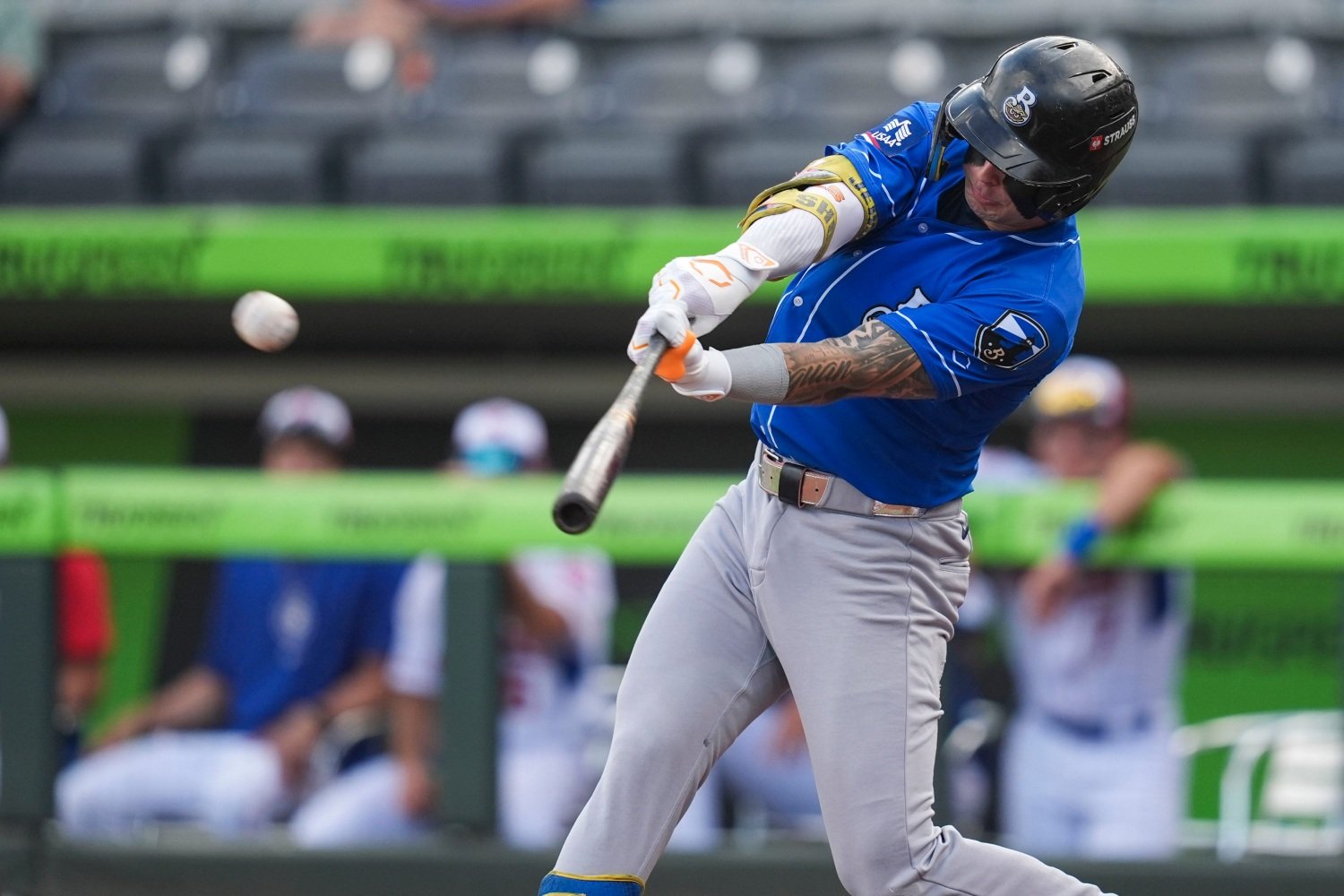 The Milwaukee Brewers' farm system continued to produce plenty of intriguing offensive talent throughout the 2026 season. Several young hitters took significant steps forward and established themselves as pieces of the organization's future. There were breakout performances throughout the system, anywhere from Triple-A Nashville to Single-A Wilson, and now that the minor-league seasons have wrapped up, it's time to see who had the best season among the Brewers’ future stars. So, which hitters stood out the most in 2026? Here are the top five candidates for the Milwaukee Brewers Minor League Hitter of the Year, along with some honorable mentions. HONORABLE MENTIONS Jesus Made – 122 G, .271./.344/.430 (.774), 24 2B, 6 3B, 14 HR, 103 wRC+, 10.2 BB%, 14.3 K%, 37 SB Brady Ebel – 115 G, .252/.413/.406 (.819), 26 2B, 4 3B, 10 HR, 124 wRC+, 19.5 BB%, 21.1 K%, 40 SB Daniel Dickinson – 120 G, .283/.428/.438 (.866), 26 2B, 2 3B, 11 HR, 131 wRC+, 17.4 BB%, 20.1 K%, 61 SB Eric Bitonti – 117 G, .262/.378/.507 (.885), 27 2B, 1 3B, 25 HR, 122 wRC+, 15.9 BB%, 33.3 K%, 24 SB Pay special attention to Made's line. He had a terrific season, for a teenager taking on Double-A. He's the No. 1 prospect in baseball. It's extremely telling that, in this organization, that doesn't even get you automatic admittance to the top five. 5. OF Luis Lara – Nashville Sounds, Milwaukee Brewers 78 G, .321/.432/.470 (.902), 10 2B, 3 3B, 9 HR, 144 wRC+, 15.6 BB%, 13.9 K%, 24 SB Made was considered for this spot, but Luis Lara deserved to get his flowers. Lara’s unexpected power surge was one of the big stories of the early season, and it eventually led to a long-term extension with the club. The 21-year-old may not have showcased that kind of power at the big-league level so far, but his speed, on-base skills, and defense have been valuable for the Brewers ever since he was called up. Had he played more in the minors this season, he’d be higher on the list, but Lara is one of the primary success stories for the Brewers' farm system this year and a key part of the future of the outfield. 4. 1B Blake Burke – Biloxi Shuckers, Nashville Sounds 127 G, .263/.350/.538 (.889), 28 2B, 3 3B, 34 HR, 127 wRC+, 10.2 BB%, 25.7 K%, 29 SB Burke, a first-round pick by the Brewers in 2024, reached Biloxi in his first full minor-league season in 2025 and built on that success this year, slugging over .600 at Double-A before earning a promotion to Nashville for the end of the season. While Burke struggled to a slash line of .193/.299/.336 in 137 plate appearances with the Sounds, the 23-year-old should be able to build on this season and start knocking on the big-league door in 2027. 3. CF Braylon Payne – Wisconsin Timber Rattlers, Biloxi Shuckers 102 G, .277/.358/.552 (.910), 21 2B, 4 3B, 28 HR, 127 wRC+, 10.5 BB%, 29.1 K%, 25 SB Payne is currently the Brewers’ 6th-ranked prospect according to MLB.com, and he's 4th according to Brewer Fanatic’s rankings. Another first-round pick from 2024, the 20-year-old showcased a great power-speed combination for the Timber Rattlers, hitting 23 homers and stealing 22 bases before earning a promotion to Biloxi. Payne more then held his own as a very young player at Double-A, slashing .277/.321/.525 in 110 plate appearances with the Shuckers. Payne unlocked something this season, upgrading from his 2025 OPS of .736 and his wRC+ of 114, and he’ll look to continue climbing the system in 2027,—probably starting back in Biloxi with the Shuckers. 2. LF Josh Adamczewski – Wisconsin Timber Rattlers, Biloxi Shuckers 116 G, .300/.417/.509 (.926), 27 2B, 2 3B, 18 HR, 142 wRC+, 15.8 BB%, 19.2 K%, 18 SB A 15th-round pick in 2023, Adamczewski has rocketed up to become the 3rd-ranked prospect in the Brewers system. Adamczewski showcased a strong, balanced offensive profile in 2025, finishing with a .320/.420/.490 line while splitting time between rookie ball, Single-A, and High-A. The 21-year-old built on that success in 2026, posting a 1.037 OPS through 211 plate appearances before earning the call-up to Biloxi. His numbers weren’t as amazing there, but they were still very good, slashing .278/.382/.465 in 283 plate appearances with the Shuckers. Adamczewski would’ve been the clear choice for the No. 1 spot on this list in a regular year, but make no mistake: he's an offensive threat moving forward, and hopefully a more permanent defensive home can be found for him in 2027. Brewers Minor League Hitter of the Year: 3B/1B Andrew Fischer – Wisconsin Timber Rattlers, Biloxi Shuckers 126 G, .273/.413/.654 (1.066), 17 2B, 3 3B, 48 HR, 162 wRC+,18.2 BB%, 33.0 K%, 9 SB There truly was no other choice but Fischer. The 22-year-old showcased his elite power throughout the season, starting with a strong performance in the World Baseball Classic with Team Italy, helping them reach the semifinals of the tournament before losing to the eventual champions, Team Venezuela. Since then, Fischer hit 50 total home runs: 48 in the regular season and 2 more in the playoffs with the Shuckers. He now has the most dingers in a single minor-league season this century, surpassing Ryan Howard’s season in 2004. The high strikeout and whiff rates will always be issues, but if he hits this many bombs, it certainly makes up for that. This is a type of player the Brewers usually aren’t accustomed to with their style of play, and if Fischer continues this production to the big-league level, he could be one of the best power bats in the league—and a jolt of electricity for an already high-voltage lineup.
- 3 comments
-
- 2
-
-
- andrew fischer
- luis lara
- (and 4 more)
-
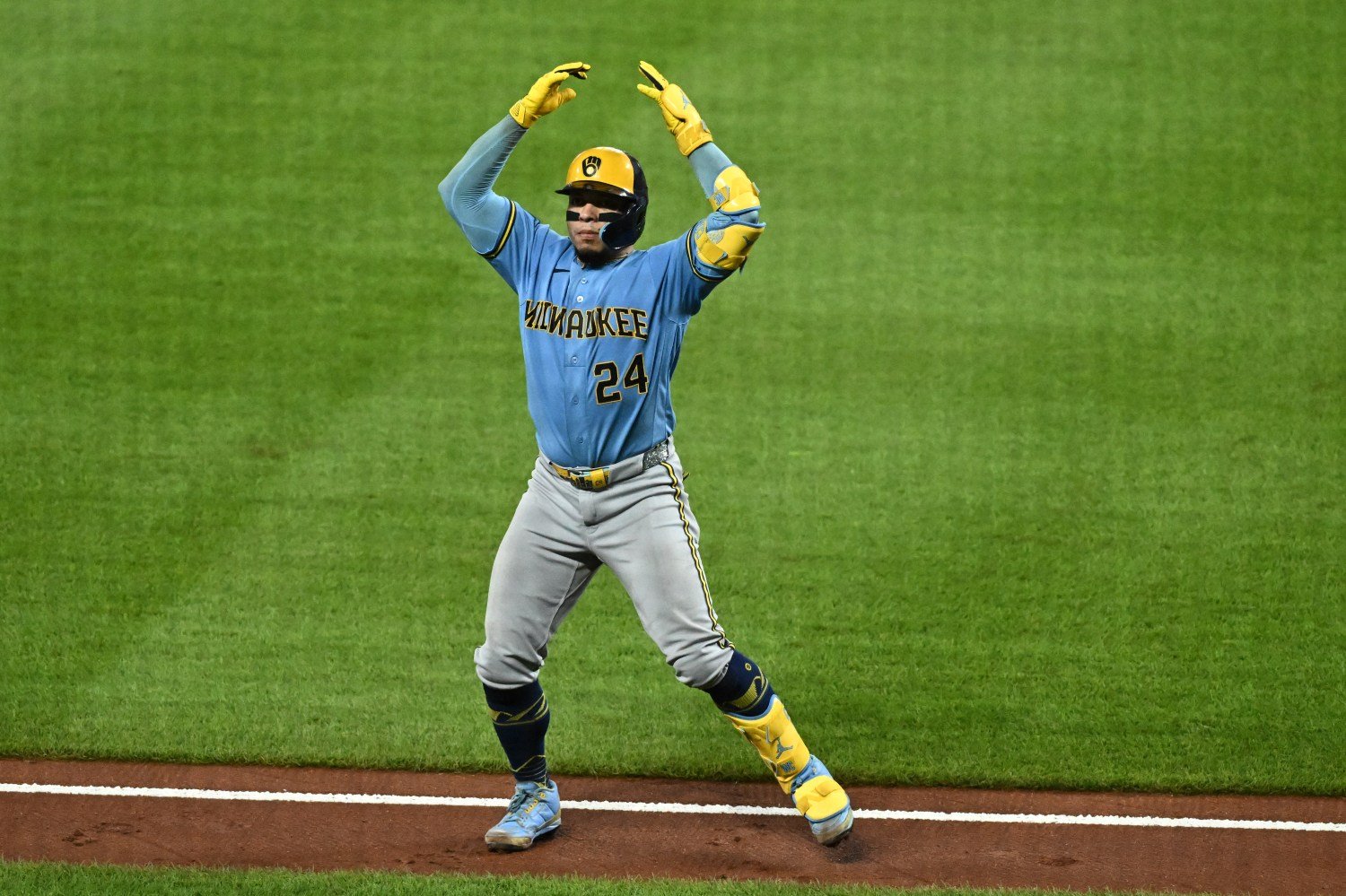 Since his arrival, William Contreras has been a staple in Milwaukee’s lineup, making the possibility of his departure a significant potential problem. The organization has shown a pattern of trading away star players when they reach their final year of team control, particularly when the front office determines that moving a player can provide greater long-term value than keeping him. With Contreras approaching that point in his Brewers tenure, his future in Milwaukee will be one of the organization’s biggest offseason decisions. First, to be clear: the Brewers still have control of the situation. Contreras signed a one-year, $9.4-million deal with the Brewers this past offseason with a club option worth $15.5 million for 2027. However, declining that option would not make Contreras a free agent. Instead, he would remain under team control and go through the arbitration process for the 2027 season. Milwaukee has used this type of contract structure before, including with Contreras last offseason and Devin Williams. Rather than go to arbitration with a player with whom they could not settle immediately, the Brewers can agree to a deal that is worth a little more than they would like to pay in the short term, while securing a team option for the following year. This gives the organization additional flexibility in the next arbitration cycle and puts a ceiling on what the player can earn through arbitration in that follow-on campaign. If Contreras were having an MVP-caliber season right now, the Brewers would likely pick up the $15.5-million option. Since his performance has been up-and-down this season, however, it's an interesting question whether Milwaukee believes he is worth that amount, or whether the team could get him for less by sending him back to arbitration via declining the option. After his 18th home run of the season Sunday night in Baltimore, Contreras enters the final week of the regular season batting .271/.342/.423. He’s pulling the ball in the air more, up to 16.2% of the time in 2026 (11.1% in 2025), and is striking out considerably less than his career average (14.5% this year, 20.3% overall). He’s been a consistent bat (and player, overall) for the Brewers throughout his tenure, worth at least 3.0 fWAR and with a wRC+ of at least 110 in each of his four seasons with the team. The 28-year-old is a three-time All-Star (two with Milwaukee) and has won two Silver Slugger Awards at catcher. It would be hard to move on from Contreras, but fans said the same thing in the past, including with Freddy Peralta and Corbin Burnes. The team has a history of doing this kind of transaction, and if they do it again, they do have some internal options to take the place of Contreras. The current backup catcher, Gary Sánchez, signed a one-year contract late last offseason with a mutual option for 2027. That option is unlikely to be picked up; it's just a way to roll a small part of his salary into next season via a buyout. Still, a reunion is hardly out of the question, given that this is already Sánchez's second stint with the team. He's slashed .209/.352/.419 in 264 plate appearances this year. Moving forward with him as the starter isn’t a viable option, but he’d be welcomed back as a backup catcher and occasional designated hitter. Bo Naylor is the other option currently on the major-league roster. Naylor was acquired from the Guardians on August 1 and called up to be a third catcher when the rosters expanded at the start of September. He hasn’t played much since then, amassing two hits in only eight plate appearances so far. He’s struggled offensively throughout his career, slashing .200/.280/.374 in over 1,000 plate appearances, but there are reasons to hope the Brewers could turn his offensive profile into something productive. He will enter his first year of arbitration in 2027, so he'll probably be around the organization. Jeferson Quero and Marco Dinges are solid prospects in Triple-A and Double-A, respectively, but both have spent more time at designated hitter than behind the plate this year. Neither can start the 2027 season as the full-time starter in the majors. As for options outside of the organization, top free-agent catchers this winter include Ryan Jeffers, Carson Kelly and Tyler Stephenson. It would make little sense to sign any of them in the stead of Contreras, though; they'd cost almost as much and require a multi-year commitment. If the team does trade Contreras, his replacement would probably have to be found in either that deal or a separate one, such as one that sends Trevor Megill elsewhere. Ultimately, the Brewers have several options available. The decision will come down to how Milwaukee evaluates Contreras’s production, his projected arbitration salary, and his importance to the team in ways that go beyond the numbers—as a leader, as a handler of the pitching staff, and as an exemplar of the toughness, work ethic and high standards of the club. This feels more like a Willy Adames situation than a Peralta, Burnes, or Williams case—but if the right offer presents itself, that could change. What are your thoughts? Will William Contreras be on the Brewers roster in 2027? If not, who will take his place as the primary catcher?
 -
Image courtesy of James A. Pittman-Imagn Images Since his arrival, William Contreras has been a staple in Milwaukee’s lineup, making the possibility of his departure a significant potential problem. The organization has shown a pattern of trading away star players when they reach their final year of team control, particularly when the front office determines that moving a player can provide greater long-term value than keeping him. With Contreras approaching that point in his Brewers tenure, his future in Milwaukee will be one of the organization’s biggest offseason decisions. First, to be clear: the Brewers still have control of the situation. Contreras signed a one-year, $9.4-million deal with the Brewers this past offseason with a club option worth $15.5 million for 2027. However, declining that option would not make Contreras a free agent. Instead, he would remain under team control and go through the arbitration process for the 2027 season. Milwaukee has used this type of contract structure before, including with Contreras last offseason and Devin Williams. Rather than go to arbitration with a player with whom they could not settle immediately, the Brewers can agree to a deal that is worth a little more than they would like to pay in the short term, while securing a team option for the following year. This gives the organization additional flexibility in the next arbitration cycle and puts a ceiling on what the player can earn through arbitration in that follow-on campaign. If Contreras were having an MVP-caliber season right now, the Brewers would likely pick up the $15.5-million option. Since his performance has been up-and-down this season, however, it's an interesting question whether Milwaukee believes he is worth that amount, or whether the team could get him for less by sending him back to arbitration via declining the option. After his 18th home run of the season Sunday night in Baltimore, Contreras enters the final week of the regular season batting .271/.342/.423. He’s pulling the ball in the air more, up to 16.2% of the time in 2026 (11.1% in 2025), and is striking out considerably less than his career average (14.5% this year, 20.3% overall). He’s been a consistent bat (and player, overall) for the Brewers throughout his tenure, worth at least 3.0 fWAR and with a wRC+ of at least 110 in each of his four seasons with the team. The 28-year-old is a three-time All-Star (two with Milwaukee) and has won two Silver Slugger Awards at catcher. It would be hard to move on from Contreras, but fans said the same thing in the past, including with Freddy Peralta and Corbin Burnes. The team has a history of doing this kind of transaction, and if they do it again, they do have some internal options to take the place of Contreras. The current backup catcher, Gary Sánchez, signed a one-year contract late last offseason with a mutual option for 2027. That option is unlikely to be picked up; it's just a way to roll a small part of his salary into next season via a buyout. Still, a reunion is hardly out of the question, given that this is already Sánchez's second stint with the team. He's slashed .209/.352/.419 in 264 plate appearances this year. Moving forward with him as the starter isn’t a viable option, but he’d be welcomed back as a backup catcher and occasional designated hitter. Bo Naylor is the other option currently on the major-league roster. Naylor was acquired from the Guardians on August 1 and called up to be a third catcher when the rosters expanded at the start of September. He hasn’t played much since then, amassing two hits in only eight plate appearances so far. He’s struggled offensively throughout his career, slashing .200/.280/.374 in over 1,000 plate appearances, but there are reasons to hope the Brewers could turn his offensive profile into something productive. He will enter his first year of arbitration in 2027, so he'll probably be around the organization. Jeferson Quero and Marco Dinges are solid prospects in Triple-A and Double-A, respectively, but both have spent more time at designated hitter than behind the plate this year. Neither can start the 2027 season as the full-time starter in the majors. As for options outside of the organization, top free-agent catchers this winter include Ryan Jeffers, Carson Kelly and Tyler Stephenson. It would make little sense to sign any of them in the stead of Contreras, though; they'd cost almost as much and require a multi-year commitment. If the team does trade Contreras, his replacement would probably have to be found in either that deal or a separate one, such as one that sends Trevor Megill elsewhere. Ultimately, the Brewers have several options available. The decision will come down to how Milwaukee evaluates Contreras’s production, his projected arbitration salary, and his importance to the team in ways that go beyond the numbers—as a leader, as a handler of the pitching staff, and as an exemplar of the toughness, work ethic and high standards of the club. This feels more like a Willy Adames situation than a Peralta, Burnes, or Williams case—but if the right offer presents itself, that could change. What are your thoughts? Will William Contreras be on the Brewers roster in 2027? If not, who will take his place as the primary catcher? View full article
-
Image courtesy of Charles LeClaire-Imagn Images Jake Bauers has spent much of his career searching for a consistent home and for consistency at the plate. In 2026, he appears to have finally found it. The Milwaukee Brewers first baseman has emerged as the team’s most dangerous power bat, putting together a career-best season that makes him an important piece—if not the most important piece—of Milwaukee’s postseason hopes. His production is particularly valuable for a Brewers lineup looking for another reliable source of offense. With the postseason approaching, Bauers may be the key to the Brewers finally getting over the hump to reach the World Series and ultimately win it. After a strong finish to 2025, Bauers has statistically been one of the best hitters in baseball this season. The 30-year-old is currently 7th in MLB in OPS and 6th in wRC+, putting him among the league’s most productive offensive players. He's easily the best hitter on the Brewers, ranking first in OPS, wRC+, wOBA and isolated power while ranking second in walk rate. His underlying metrics back up this breakout: he ranks in the 93rd percentile or higher in bat speed, hard-hit percentage, and xwOBA. These numbers suggest that Bauers’s success is not simply the result of favorable outcomes or a hot streak, but rather a reflection of the quality of contact he has consistently produced—and of much-improved control of the strike zone. The question now becomes whether Bauers can carry this production into October. The regular season has given him plenty of opportunities to establish himself as a legitimate offensive threat, but the postseason presents a completely different obstacle. He has been a good playoff bat so far in his career, slashing .316/.350/.684. While that sample size is far too small to draw any definitive conclusions, it does provide an encouraging starting point. Bauers has shown that the moment isn't too big for him, which gives the Brewers reason to believe that he can handle the increased pressure of October baseball. Great bat speed also positions a player well to punish the mistakes that pitchers sometimes make under their own playoff pressure. More importantly, the version of Bauers we have seen this season is a much different hitter than the player who made those previous playoff appearances. He’s smarter, chasing less while punishing pitchers by pulling the ball in the air more frequently than he did last season, increasing his pull-air rate from 16.0% in 2025 to 19.2% in 2026. That change has unlocked more of Bauers’s natural power and allowed him to turn more of his hard contact into extra-base hits and home runs. Of course, expecting Bauers to replicate his amazing regular season in October would be unrealistic. Even the best hitters in baseball can struggle against postseason pitching, and opposing teams will crack down on his output by studying Bauers’s weaknesses and forcing the worst possible matchups. He's never before been the guy teams design pitching plans around; that's about to change. Still, Bauers could take over the game with one swing or over the course of multiple plate appearances, and he doesn’t need to match his regular season numbers to make an impact. His combination of patience and power is extremely strong, which will make the free agent-to-be an intriguing option during the upcoming offseason. Between now and then, though, he and the Brewers could change one another's lives forever, with a deep run in the playoffs powered by the most unlikely superstar slugger in the game. What are your thoughts on Bauers’s season so far? Will he be the Brewers’ best bat in October? View full article
-
Jake Bauers May Be the Key to Getting Over the Hump in October
Ray Stuedemann posted an article in Brewers
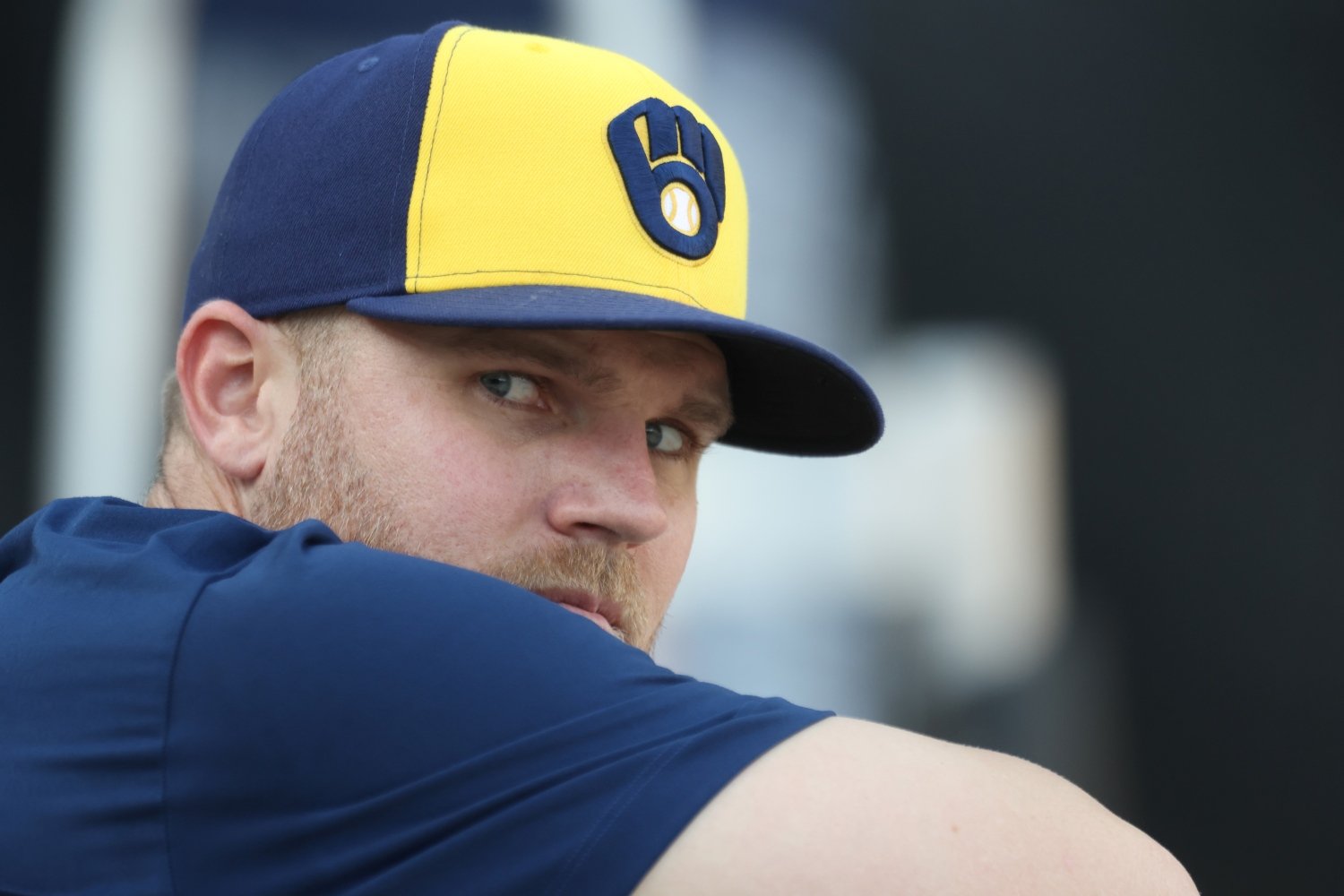 Jake Bauers has spent much of his career searching for a consistent home and for consistency at the plate. In 2026, he appears to have finally found it. The Milwaukee Brewers first baseman has emerged as the team’s most dangerous power bat, putting together a career-best season that makes him an important piece—if not the most important piece—of Milwaukee’s postseason hopes. His production is particularly valuable for a Brewers lineup looking for another reliable source of offense. With the postseason approaching, Bauers may be the key to the Brewers finally getting over the hump to reach the World Series and ultimately win it. After a strong finish to 2025, Bauers has statistically been one of the best hitters in baseball this season. The 30-year-old is currently 7th in MLB in OPS and 6th in wRC+, putting him among the league’s most productive offensive players. He's easily the best hitter on the Brewers, ranking first in OPS, wRC+, wOBA and isolated power while ranking second in walk rate. His underlying metrics back up this breakout: he ranks in the 93rd percentile or higher in bat speed, hard-hit percentage, and xwOBA. These numbers suggest that Bauers’s success is not simply the result of favorable outcomes or a hot streak, but rather a reflection of the quality of contact he has consistently produced—and of much-improved control of the strike zone. The question now becomes whether Bauers can carry this production into October. The regular season has given him plenty of opportunities to establish himself as a legitimate offensive threat, but the postseason presents a completely different obstacle. He has been a good playoff bat so far in his career, slashing .316/.350/.684. While that sample size is far too small to draw any definitive conclusions, it does provide an encouraging starting point. Bauers has shown that the moment isn't too big for him, which gives the Brewers reason to believe that he can handle the increased pressure of October baseball. Great bat speed also positions a player well to punish the mistakes that pitchers sometimes make under their own playoff pressure. More importantly, the version of Bauers we have seen this season is a much different hitter than the player who made those previous playoff appearances. He’s smarter, chasing less while punishing pitchers by pulling the ball in the air more frequently than he did last season, increasing his pull-air rate from 16.0% in 2025 to 19.2% in 2026. That change has unlocked more of Bauers’s natural power and allowed him to turn more of his hard contact into extra-base hits and home runs. Of course, expecting Bauers to replicate his amazing regular season in October would be unrealistic. Even the best hitters in baseball can struggle against postseason pitching, and opposing teams will crack down on his output by studying Bauers’s weaknesses and forcing the worst possible matchups. He's never before been the guy teams design pitching plans around; that's about to change. Still, Bauers could take over the game with one swing or over the course of multiple plate appearances, and he doesn’t need to match his regular season numbers to make an impact. His combination of patience and power is extremely strong, which will make the free agent-to-be an intriguing option during the upcoming offseason. Between now and then, though, he and the Brewers could change one another's lives forever, with a deep run in the playoffs powered by the most unlikely superstar slugger in the game. What are your thoughts on Bauers’s season so far? Will he be the Brewers’ best bat in October?
 -
Image courtesy of Jon Endow-Imagn Images The turn of the calendar to September is the last such flip in the major-league regular season. September contains the last chances at pushing to the playoffs for many teams (looking at you, American League Wild Card race), but for everyone, the rosters expanding allows teams to add two new players to their roster for the stretch run. The Brewers, sitting 6.5 games ahead of the Cubs for first place in the N.L. Central, have a few options they could add to the big-league club once September hits. Here’s a quick look at a couple of them. Pitchers Coleman Crow Crow debuted with the Brewers earlier this season, appearing in 5 games to the tune of a 5.30 ERA (4.53 FIP) in 18 2/3 innings. He's appeared in 15 games for Nashville this season (starting 14 of them), earning an ERA of 3.13 with 79 strikeouts in 77 2/3 innings. Crow could provide some length for the Brewers, whether out of the bullpen or by giving the frontline starters an extra day of rest here and there. Colton Gordon Acquired in a trade with the Astros in July, Gordon has struggled in big-league action the past two seasons in Houston, pitching to a career 5.95 ERA (5.86 FIP) through 95 1/3 innings. After joining the Sounds, he's made 7 starts, pitching to a 4.82 ERA in 37 1/3 frames. Gordon is similar to Crow in what his role would be if called up, but he would give the Brewers another left-handed option, Jared Koenig Koenig is the most veteran Brewer on this list, pitching in each of the last three seasons for Milwaukee. He was very solid in 2025, earning a 2.86 ERA (3.35 FIP) in 66 innings. This season, his results have been worse due to a UCL injury in his left arm, pitching to a 9.00 ERA (6.37 FIP) in just 7 innings. While it doesn’t seem likely he would be called up, the Brewers could pick and choose their spots to utilize Koenig in September in hopes of getting him back on track. Other pitching options include Brandon Sproat, Garrett Stallings, and JoJo Romero. Acquired from the Cardinals at the deadline along with Dustin May, Romero has been sidelined since before the trade due to an emergency appendectomy. He began a rehab assignment with the Timber Rattlers on Tuesday, so a return could be imminent, especially when the rosters expand. Hitters Bo Naylor Naylor was acquired by the Brewers on August 1 from the Guardians, in a trade that sent Blake Perkins and Craig Yoho to Cleveland. Since then, Naylor has slashed .289/.365/.511 for Nashville in just 53 plate appearances. Naylor would be an interesting bench option, but realistically, he wouldn’t fit into the lineup often due to the solid play of both William Contreras and Gary Sánchez this season. Brandon Lockridge Lockridge was optioned to Nashville August 19, as the corresponding move for Cooper Pratt coming off the injured list. He’s appeared in 38 games this season, slashing .273/.345/.313 in 111 plate appearances. He wouldn’t provide a ton of power off the bench, with only 4 extra-base hits this year. However, he’s a good baserunner and a solid defender, making him a quality candidate for a bench outfield role in September. Akil Baddoo Baddoo signed a deal with the Brewers in December and has been in Nashville the whole year. He missed time earlier in the year with a left quad strain and has only appeared in 45 games, slashing .234/.337/.461 with 9 homers in 183 plate appearances. He’s another outfield option for Milwaukee, though he's probably behind Lockridge in the pecking order. Other potential options worth noting: prospects Jeferson Quero, Luke Adams and Blake Burke, though with the depth of the current Brewers lineup it would most likely be a veteran position player called up who doesn’t need every day at-bats. With September right around the corner, the Brewers have several intriguing options to add depth for the final month of the regular season. While there are arguments for each player, I’d like to see Lockridge and Romero. Lockridge is a solid contact bat with good speed and defense, while Romero could be a late-inning option in September—though he could be added to the roster before it expands. September should be a time for the Brewers to keep the roster fresh while preparing for the postseason, and all these guys could find a way to contribute to wins down the stretch. What are your thoughts? Who would you like to see when the rosters expand? View full article
-
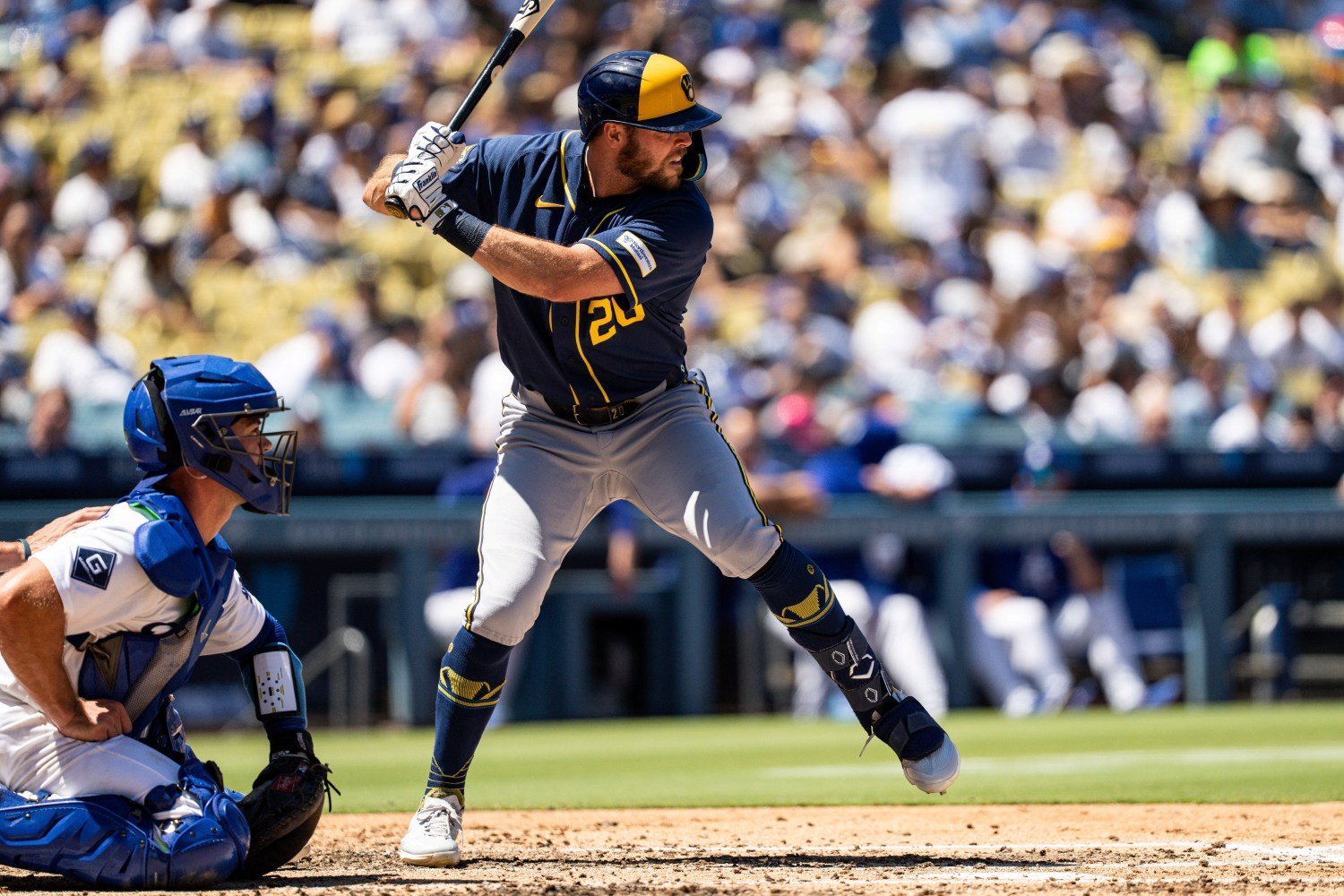 The turn of the calendar to September is the last such flip in the major-league regular season. September contains the last chances at pushing to the playoffs for many teams (looking at you, American League Wild Card race), but for everyone, the rosters expanding allows teams to add two new players to their roster for the stretch run. The Brewers, sitting 6.5 games ahead of the Cubs for first place in the N.L. Central, have a few options they could add to the big-league club once September hits. Here’s a quick look at a couple of them. Pitchers Coleman Crow Crow debuted with the Brewers earlier this season, appearing in 5 games to the tune of a 5.30 ERA (4.53 FIP) in 18 2/3 innings. He's appeared in 15 games for Nashville this season (starting 14 of them), earning an ERA of 3.13 with 79 strikeouts in 77 2/3 innings. Crow could provide some length for the Brewers, whether out of the bullpen or by giving the frontline starters an extra day of rest here and there. Colton Gordon Acquired in a trade with the Astros in July, Gordon has struggled in big-league action the past two seasons in Houston, pitching to a career 5.95 ERA (5.86 FIP) through 95 1/3 innings. After joining the Sounds, he's made 7 starts, pitching to a 4.82 ERA in 37 1/3 frames. Gordon is similar to Crow in what his role would be if called up, but he would give the Brewers another left-handed option, Jared Koenig Koenig is the most veteran Brewer on this list, pitching in each of the last three seasons for Milwaukee. He was very solid in 2025, earning a 2.86 ERA (3.35 FIP) in 66 innings. This season, his results have been worse due to a UCL injury in his left arm, pitching to a 9.00 ERA (6.37 FIP) in just 7 innings. While it doesn’t seem likely he would be called up, the Brewers could pick and choose their spots to utilize Koenig in September in hopes of getting him back on track. Other pitching options include Brandon Sproat, Garrett Stallings, and JoJo Romero. Acquired from the Cardinals at the deadline along with Dustin May, Romero has been sidelined since before the trade due to an emergency appendectomy. He began a rehab assignment with the Timber Rattlers on Tuesday, so a return could be imminent, especially when the rosters expand. Hitters Bo Naylor Naylor was acquired by the Brewers on August 1 from the Guardians, in a trade that sent Blake Perkins and Craig Yoho to Cleveland. Since then, Naylor has slashed .289/.365/.511 for Nashville in just 53 plate appearances. Naylor would be an interesting bench option, but realistically, he wouldn’t fit into the lineup often due to the solid play of both William Contreras and Gary Sánchez this season. Brandon Lockridge Lockridge was optioned to Nashville August 19, as the corresponding move for Cooper Pratt coming off the injured list. He’s appeared in 38 games this season, slashing .273/.345/.313 in 111 plate appearances. He wouldn’t provide a ton of power off the bench, with only 4 extra-base hits this year. However, he’s a good baserunner and a solid defender, making him a quality candidate for a bench outfield role in September. Akil Baddoo Baddoo signed a deal with the Brewers in December and has been in Nashville the whole year. He missed time earlier in the year with a left quad strain and has only appeared in 45 games, slashing .234/.337/.461 with 9 homers in 183 plate appearances. He’s another outfield option for Milwaukee, though he's probably behind Lockridge in the pecking order. Other potential options worth noting: prospects Jeferson Quero, Luke Adams and Blake Burke, though with the depth of the current Brewers lineup it would most likely be a veteran position player called up who doesn’t need every day at-bats. With September right around the corner, the Brewers have several intriguing options to add depth for the final month of the regular season. While there are arguments for each player, I’d like to see Lockridge and Romero. Lockridge is a solid contact bat with good speed and defense, while Romero could be a late-inning option in September—though he could be added to the roster before it expands. September should be a time for the Brewers to keep the roster fresh while preparing for the postseason, and all these guys could find a way to contribute to wins down the stretch. What are your thoughts? Who would you like to see when the rosters expand?
- 29 comments
-
- 1
-
-
- brandon lockridge
- akil baddoo
- (and 4 more)
-
Image courtesy of Benny Sieu-Imagn Images The Milwaukee Brewers have spent much of the season making it look easy, but with August nearly in the rearview mirror, the real work is about to begin. Milwaukee hasn’t punched its ticket to October just yet, but it has built enough separation to turn the final weeks of the regular season into a race for position, rather than a fight for survival. With September approaching, the Brewers are looking to make sure the road to the World Series runs through Milwaukee. Here’s a quick look at what’s left for the Brewers, schedule-wise. Remaining Brewers Schedule, at a Glance Games Remaining: 31 Home / Road: 12 / 19 Games vs .500+ Teams: 16 Remaining Strength of Schedule: 11th-hardest Key Storylines in the Final 5 Weeks Lots of NL Central Action The Brewers face all four of their divisional foes in at least one series before the end of the season. They play five straight series against NL Central teams, starting on August 31 against the Cubs and ending September 17 in Pittsburgh, against the Pirates. Chicago is the rival they face twice, with four of those games coming at Wrigley Field. Milwaukee has fared well against the division so far this year, going 22-11. Hopefully, the good times keep rolling en route to yet another NL Central title for the Brew Crew. Two Interleague Series Remaining The American League hasn’t been as great as the National League this year, and the Brewers have shown that, going 27-15 against the junior circuit so far. Two series remain: one against the Rangers in Milwaukee during the last weekend in August, and one in Baltimore. The Rangers are currently atop the AL West and are competing for a playoff spot, so that series should be competitive. As for the Orioles, they sold at the deadline but are only 2.5 games out of the last Wild Card spot. By the time that series rolls around, who knows where the O’s will be in the standings? But they still have some good bats, headlined by Pete Alonso. Those two series should give Milwaukee one last chance to test itself against the American League before the postseason arrives. If the Brewers can continue their success against AL opponents, they could head into October with plenty of confidence. A Race for the 1st Seed The Dodgers, Braves, and Rays all trail the Brewers by fewer than five games in the race for home-field advantage throughout the postseason, keeping the pressure on Milwaukee down the stretch. The Dodgers have the easiest remaining strength of schedule among the four teams, while the Rays and Braves face tougher schedules than the Brewers based on opponents’ winning percentages. That gives Milwaukee a favorable path over the final weeks, but with three teams still within striking distance, there isn’t much room for the Brewers to let up. The Brewers have put themselves in a great position heading into the final five weeks, but there’s still plenty left to play for. Between the NL Central race, a challenging group of remaining opponents, and the fight for the No. 1 seed, every game down the stretch will matter. If Milwaukee can keep doing what it has done all season, the Brewers should have a great chance to enter October as one of the favorites in the National League. What are your thoughts on the rest of the schedule? Do any games/series stick out to you? View full article
-
Brewers Schedule Analysis, as Team Heads into Home Stretch
Ray Stuedemann posted an article in Brewers
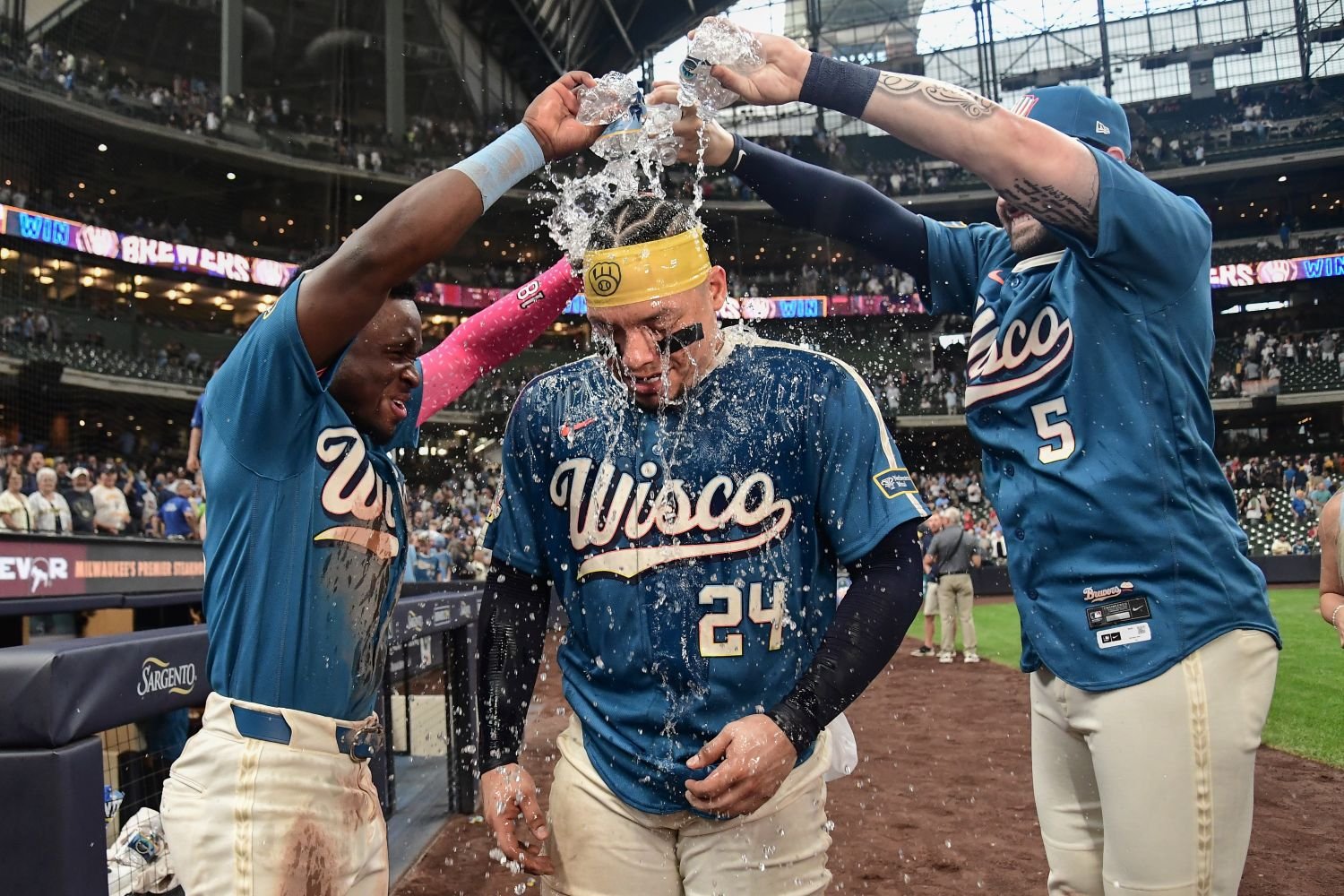 The Milwaukee Brewers have spent much of the season making it look easy, but with August nearly in the rearview mirror, the real work is about to begin. Milwaukee hasn’t punched its ticket to October just yet, but it has built enough separation to turn the final weeks of the regular season into a race for position, rather than a fight for survival. With September approaching, the Brewers are looking to make sure the road to the World Series runs through Milwaukee. Here’s a quick look at what’s left for the Brewers, schedule-wise. Remaining Brewers Schedule, at a Glance Games Remaining: 31 Home / Road: 12 / 19 Games vs .500+ Teams: 16 Remaining Strength of Schedule: 11th-hardest Key Storylines in the Final 5 Weeks Lots of NL Central Action The Brewers face all four of their divisional foes in at least one series before the end of the season. They play five straight series against NL Central teams, starting on August 31 against the Cubs and ending September 17 in Pittsburgh, against the Pirates. Chicago is the rival they face twice, with four of those games coming at Wrigley Field. Milwaukee has fared well against the division so far this year, going 22-11. Hopefully, the good times keep rolling en route to yet another NL Central title for the Brew Crew. Two Interleague Series Remaining The American League hasn’t been as great as the National League this year, and the Brewers have shown that, going 27-15 against the junior circuit so far. Two series remain: one against the Rangers in Milwaukee during the last weekend in August, and one in Baltimore. The Rangers are currently atop the AL West and are competing for a playoff spot, so that series should be competitive. As for the Orioles, they sold at the deadline but are only 2.5 games out of the last Wild Card spot. By the time that series rolls around, who knows where the O’s will be in the standings? But they still have some good bats, headlined by Pete Alonso. Those two series should give Milwaukee one last chance to test itself against the American League before the postseason arrives. If the Brewers can continue their success against AL opponents, they could head into October with plenty of confidence. A Race for the 1st Seed The Dodgers, Braves, and Rays all trail the Brewers by fewer than five games in the race for home-field advantage throughout the postseason, keeping the pressure on Milwaukee down the stretch. The Dodgers have the easiest remaining strength of schedule among the four teams, while the Rays and Braves face tougher schedules than the Brewers based on opponents’ winning percentages. That gives Milwaukee a favorable path over the final weeks, but with three teams still within striking distance, there isn’t much room for the Brewers to let up. The Brewers have put themselves in a great position heading into the final five weeks, but there’s still plenty left to play for. Between the NL Central race, a challenging group of remaining opponents, and the fight for the No. 1 seed, every game down the stretch will matter. If Milwaukee can keep doing what it has done all season, the Brewers should have a great chance to enter October as one of the favorites in the National League. What are your thoughts on the rest of the schedule? Do any games/series stick out to you?
 -
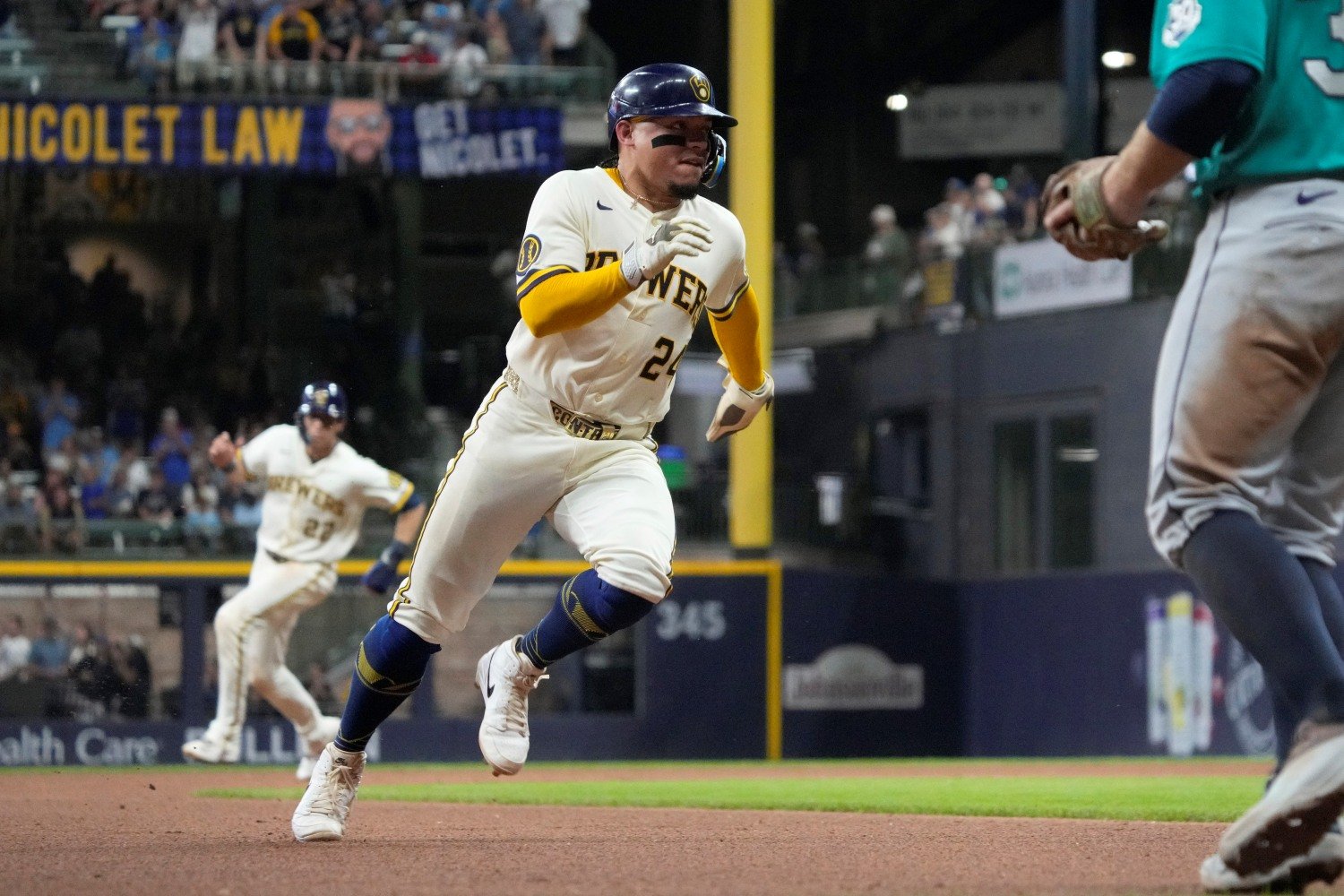 October baseball has a way of exposing teams' weaknesses. For the Brewers, one of the biggest questions (as they steam toward the postseason) is what happens if Christian Yelich and William Contreras remain below-average hitters. Both players were expected to be major offensive contributors heading into the season, but if they can’t provide that production when the games matter most, the Brewers will have to find other ways to score enough runs to win. That puts significant pressure on the rest of the lineup to perform, especially the younger guys and the players farther down the batting order. Even in the absence of offensive production from the two highest-paid position players, the lineup looks good at the top. Jackson Chourio, Brice Turang, and Jake Bauers are all having excellent seasons. Andrew Vaughn is, too, but would probably only appear high in the order against a lefty. Still, he could find crucial at-bats coming his way against right-handed pitching in October if Yelich and Contreras continue to struggle. So, the top of the order isn’t the main problem. It's the depth of the lineup that must be questioned, if the postseason started today. Rookies Luis Lara and Cooper Pratt have performed admirably to this point, each having their own highlight moments—while struggling, too, as rookies do. They shouldn’t be heavily relied on in the postseason, because this will be their first taste of the playoffs. Yelich and Contreras, by contrast, have been there before and won games. Obviously, any production from the rookies is welcome and will be needed, but that doesn’t answer the question of whether the team can win without their top bats making noise. If Yelich and Contreras remain poor at the plate, the Crew will need a step up from two hitters, in particular: Joey Ortiz and Sal Frelick. Ortiz struggled mightily last season, finishing with a slash line of .230/.276/.317. Those same struggles showed themselves again this season, as he possessed a .561 OPS through his first 170 plate appearances. June 16 is when things changed. Pratt was called up to play shortstop, and Ortiz shifted over to third base to replace Luis Rengifo, who was jettisoned. Since then, Ortiz boasts the second-highest OPS on the team, among players with at least 100 plate appearances during that stretch. It should be noted that his best stretch of play in the big leagues came in 2024, where he played third base primarily. Ortiz could be a key bat at the end of the order come October. Frelick is a little harder to feel good about, in the short term. After putting up a good 2025 season (finishing with a .756 OPS), Frelick regressed this year. He's slashing .236/.301/.330, with only 4 home runs, and has spent a long stint on the injured list with a shoulder injury. How much Frelick will play down the stretch will be intriguing, with Chourio, Lara, and Garrett Mitchell slated in the outfield most days. However, Frelick has postseason experience under his belt, and (like Ortiz) he has the potential to provide good at-bats at the bottom of the order when current players are struggling. Despite all of this, it doesn’t seem likely that the Brewers will go far in the postseason without Yelich and Contreras performing up to expectations. They’ve performed very well so far this season without those two guys contributing regularly, but the offense has stuttered for stretches this year, and that can’t happen in October. The real question is what they can do about it. Contreras will be in the lineup no matter what, as the starting catcher. He’s still a solid defender, and while Gary Sánchez has had a good year, he won’t be in the starting lineup unless a lefty is pitching for the opponent. Yelich may be a different story. Could they relegate their highest-paid player to the bench in the playoffs? It doesn’t seem like that will happen, but eventually, something has to give. Yelich is a designated hitter at this point of his career, and anyone can fill that spot. If he continues to struggle, Vaughn, Sánchez, or one of the other bench bats may find themselves in that spot come playoff time. When Yelich and Contreras produce, the Brewers are a significantly better team. Will that happen by the end of the year? Who knows? But if it doesn’t, what do you think the Brewers should do about it?
 -
Image courtesy of Michael McLoone-Imagn Images October baseball has a way of exposing teams' weaknesses. For the Brewers, one of the biggest questions (as they steam toward the postseason) is what happens if Christian Yelich and William Contreras remain below-average hitters. Both players were expected to be major offensive contributors heading into the season, but if they can’t provide that production when the games matter most, the Brewers will have to find other ways to score enough runs to win. That puts significant pressure on the rest of the lineup to perform, especially the younger guys and the players farther down the batting order. Even in the absence of offensive production from the two highest-paid position players, the lineup looks good at the top. Jackson Chourio, Brice Turang, and Jake Bauers are all having excellent seasons. Andrew Vaughn is, too, but would probably only appear high in the order against a lefty. Still, he could find crucial at-bats coming his way against right-handed pitching in October if Yelich and Contreras continue to struggle. So, the top of the order isn’t the main problem. It's the depth of the lineup that must be questioned, if the postseason started today. Rookies Luis Lara and Cooper Pratt have performed admirably to this point, each having their own highlight moments—while struggling, too, as rookies do. They shouldn’t be heavily relied on in the postseason, because this will be their first taste of the playoffs. Yelich and Contreras, by contrast, have been there before and won games. Obviously, any production from the rookies is welcome and will be needed, but that doesn’t answer the question of whether the team can win without their top bats making noise. If Yelich and Contreras remain poor at the plate, the Crew will need a step up from two hitters, in particular: Joey Ortiz and Sal Frelick. Ortiz struggled mightily last season, finishing with a slash line of .230/.276/.317. Those same struggles showed themselves again this season, as he possessed a .561 OPS through his first 170 plate appearances. June 16 is when things changed. Pratt was called up to play shortstop, and Ortiz shifted over to third base to replace Luis Rengifo, who was jettisoned. Since then, Ortiz boasts the second-highest OPS on the team, among players with at least 100 plate appearances during that stretch. It should be noted that his best stretch of play in the big leagues came in 2024, where he played third base primarily. Ortiz could be a key bat at the end of the order come October. Frelick is a little harder to feel good about, in the short term. After putting up a good 2025 season (finishing with a .756 OPS), Frelick regressed this year. He's slashing .236/.301/.330, with only 4 home runs, and has spent a long stint on the injured list with a shoulder injury. How much Frelick will play down the stretch will be intriguing, with Chourio, Lara, and Garrett Mitchell slated in the outfield most days. However, Frelick has postseason experience under his belt, and (like Ortiz) he has the potential to provide good at-bats at the bottom of the order when current players are struggling. Despite all of this, it doesn’t seem likely that the Brewers will go far in the postseason without Yelich and Contreras performing up to expectations. They’ve performed very well so far this season without those two guys contributing regularly, but the offense has stuttered for stretches this year, and that can’t happen in October. The real question is what they can do about it. Contreras will be in the lineup no matter what, as the starting catcher. He’s still a solid defender, and while Gary Sánchez has had a good year, he won’t be in the starting lineup unless a lefty is pitching for the opponent. Yelich may be a different story. Could they relegate their highest-paid player to the bench in the playoffs? It doesn’t seem like that will happen, but eventually, something has to give. Yelich is a designated hitter at this point of his career, and anyone can fill that spot. If he continues to struggle, Vaughn, Sánchez, or one of the other bench bats may find themselves in that spot come playoff time. When Yelich and Contreras produce, the Brewers are a significantly better team. Will that happen by the end of the year? Who knows? But if it doesn’t, what do you think the Brewers should do about it? View full article
-
Image courtesy of Troy Taormina-Imagn Images Before the season began, the Brewers appeared to have an elite set of left-handed options out of the bullpen. While some of those players have performed well at times this year (such as Aaron Ashby and DL Hall), others (like Jared Koenig and Ángel Zerpa) have been unable to deliver, betrayed in one form or another by their arms. Pressed into extremely heavy duty, Ashby has started to waver, especially over the last two months. Left-handed relief help is a need as the trade deadline approaches and will be crucial for the Brewers down the stretch. Here are three options that shouldn’t cost too much, but could leave a big impact, leaning on our DiamondCentric Trade Candidates rankings. Steven Okert – Astros It’s Year Two of Okert being a dominant lefty setup man. The southpaw has become an expert at upsetting hitters’ timing, with a fastball-slider combination that makes him death on fellow lefties but also handles righties well enough to be a high-leverage arm. He’s a free agent at the end of the season. Okert has resurrected his career with the Astros after a rough 2024 in Minnesota. He’s pitched to a 2.66 ERA and 2.92 FIP in 125 innings in his two years in Houston. His slider, by far the best of his pitches, has been worth 10 runs, and opposing hitters are slugging .292 off it. Look for that slider to continue to be his most common pitch if he were to put on a Brewers uniform, but the Crew do love to help hurlers find a fastball they can lean on more. José Suarez – Athletics It's true that there are many relievers available this summer who have sexier arsenals. Suarez operates with a mix led by two fastballs that each sit in the low-to-mid-90s. He doesn’t offer a whole lot of funk in his delivery, and he’s never been considered a premium relief weapon. He’s already pitching for his third team this year. However, the A’s gave him a sweeper and told him to mothball his sinker, and the results have been dazzling. He can miss bats with his changeup to righties and with the sweeper and a tighter slider to lefties. He’s under team control for one more year after this. He might even be able to start for you next season. Suarez struggled for the Braves and Mariners earlier this season before picking it up with the Athletics, pitching to a 3.79 ERA (4.18 FIP) in 38 innings. Like Okert, Suarez’s best pitch is his slider with a run value of 3, and with another year of control, Suarez could be a middle-innings reliever the Brewers target not only for the remainder of this year, but for 2027, as well. Brent Suter – Angels Suter won’t miss bats. Yes, he must pitch in front of a good defense, and yes, you need to leave a little margin for error. As second lefties in a playoff bullpen go, though, you really can’t beat Suter. He’s so deceptive and so good at commanding his changeup-and-sinker-forward arsenal that almost no pitcher in the league limits hard contact as well. He fills up the zone; he gets ground balls; he works quickly. He’s a tremendous complementary piece in almost any relief corps, capable of coming into a dirty inning and defusing the bomb before it can go off. He just needs to pitch in medium leverage, rather than high leverage, because you never know when some mishit grounder will trickle through the infield and cause a problem. That shouldn’t be a huge problem for the Brewers, who are consistently one of the better defensive teams in the league. The former Brewer has pitched to a 4.26 ERA (3.56 FIP) in 61 1/3 innings so far for the Angels. Suter wouldn’t cost much, as he’s a rental (and 36 years old), but he could be a solid bullpen arm for the Brewers come October. These arms aren’t exactly needle-movers, but the Brewers need reliable, left-handed options in the postseason, Sure, they could make a bigger swing for a frontline starter or a higher-end reliever like Mason Miller, but arms like the ones listed above can provide immense value the rest of the year as well. Personally, Okert would be the top option out of these three, but any of the group could help. Given the Astros' newfound status as likely buyers, Suter might be the most realistic target. What are your thoughts? Should the Brewers acquire a left-handed relief arm, and if so, whom? View full article
-
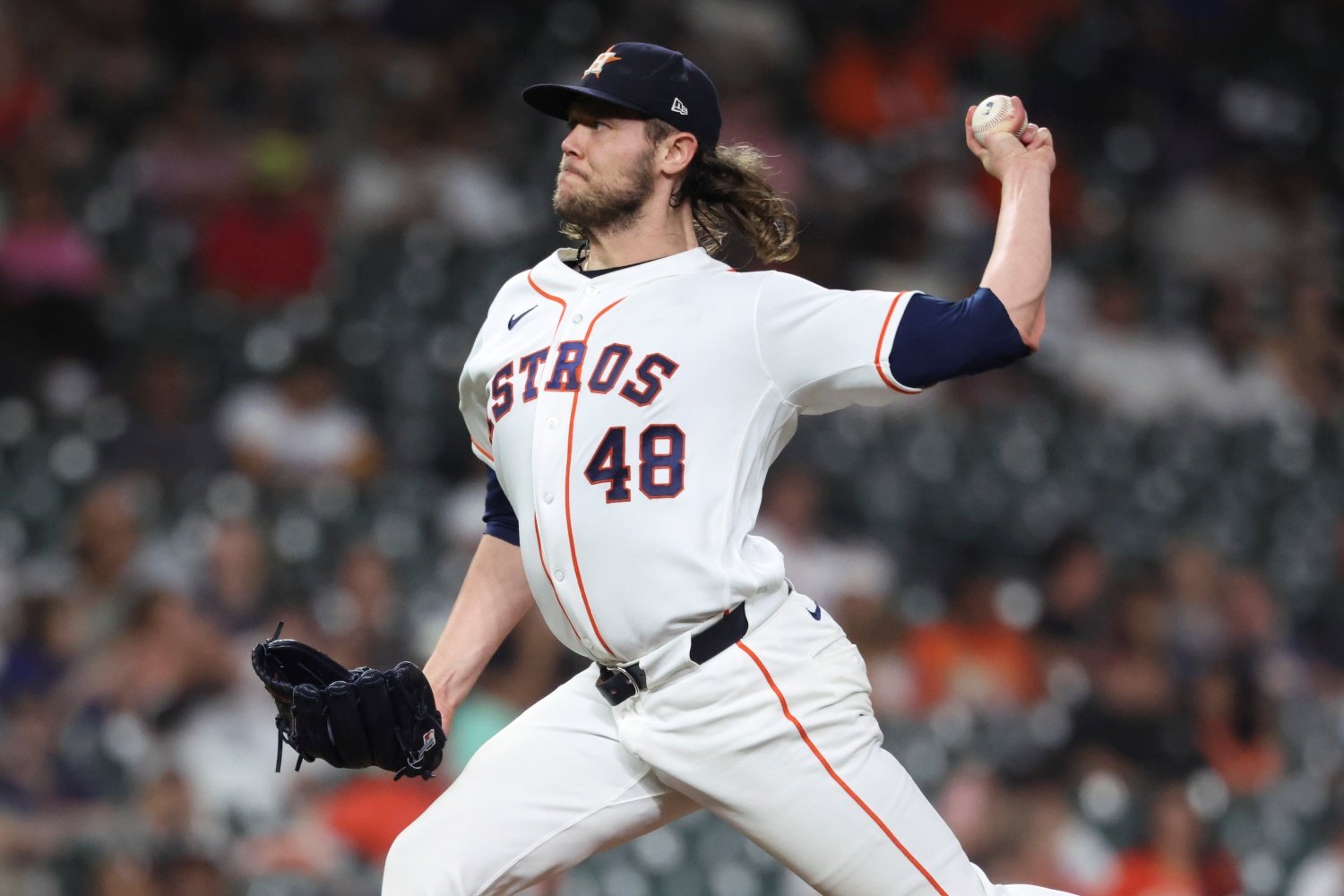 Before the season began, the Brewers appeared to have an elite set of left-handed options out of the bullpen. While some of those players have performed well at times this year (such as Aaron Ashby and DL Hall), others (like Jared Koenig and Ángel Zerpa) have been unable to deliver, betrayed in one form or another by their arms. Pressed into extremely heavy duty, Ashby has started to waver, especially over the last two months. Left-handed relief help is a need as the trade deadline approaches and will be crucial for the Brewers down the stretch. Here are three options that shouldn’t cost too much, but could leave a big impact, leaning on our DiamondCentric Trade Candidates rankings. Steven Okert – Astros It’s Year Two of Okert being a dominant lefty setup man. The southpaw has become an expert at upsetting hitters’ timing, with a fastball-slider combination that makes him death on fellow lefties but also handles righties well enough to be a high-leverage arm. He’s a free agent at the end of the season. Okert has resurrected his career with the Astros after a rough 2024 in Minnesota. He’s pitched to a 2.66 ERA and 2.92 FIP in 125 innings in his two years in Houston. His slider, by far the best of his pitches, has been worth 10 runs, and opposing hitters are slugging .292 off it. Look for that slider to continue to be his most common pitch if he were to put on a Brewers uniform, but the Crew do love to help hurlers find a fastball they can lean on more. José Suarez – Athletics It's true that there are many relievers available this summer who have sexier arsenals. Suarez operates with a mix led by two fastballs that each sit in the low-to-mid-90s. He doesn’t offer a whole lot of funk in his delivery, and he’s never been considered a premium relief weapon. He’s already pitching for his third team this year. However, the A’s gave him a sweeper and told him to mothball his sinker, and the results have been dazzling. He can miss bats with his changeup to righties and with the sweeper and a tighter slider to lefties. He’s under team control for one more year after this. He might even be able to start for you next season. Suarez struggled for the Braves and Mariners earlier this season before picking it up with the Athletics, pitching to a 3.79 ERA (4.18 FIP) in 38 innings. Like Okert, Suarez’s best pitch is his slider with a run value of 3, and with another year of control, Suarez could be a middle-innings reliever the Brewers target not only for the remainder of this year, but for 2027, as well. Brent Suter – Angels Suter won’t miss bats. Yes, he must pitch in front of a good defense, and yes, you need to leave a little margin for error. As second lefties in a playoff bullpen go, though, you really can’t beat Suter. He’s so deceptive and so good at commanding his changeup-and-sinker-forward arsenal that almost no pitcher in the league limits hard contact as well. He fills up the zone; he gets ground balls; he works quickly. He’s a tremendous complementary piece in almost any relief corps, capable of coming into a dirty inning and defusing the bomb before it can go off. He just needs to pitch in medium leverage, rather than high leverage, because you never know when some mishit grounder will trickle through the infield and cause a problem. That shouldn’t be a huge problem for the Brewers, who are consistently one of the better defensive teams in the league. The former Brewer has pitched to a 4.26 ERA (3.56 FIP) in 61 1/3 innings so far for the Angels. Suter wouldn’t cost much, as he’s a rental (and 36 years old), but he could be a solid bullpen arm for the Brewers come October. These arms aren’t exactly needle-movers, but the Brewers need reliable, left-handed options in the postseason, Sure, they could make a bigger swing for a frontline starter or a higher-end reliever like Mason Miller, but arms like the ones listed above can provide immense value the rest of the year as well. Personally, Okert would be the top option out of these three, but any of the group could help. Given the Astros' newfound status as likely buyers, Suter might be the most realistic target. What are your thoughts? Should the Brewers acquire a left-handed relief arm, and if so, whom?
 -
Image courtesy of © Mark J. Rebilas-Imagn Images Gary Sánchez has been a welcome surprise for the Brewers this season. Coming in with a penciled-in role as the backup catcher, Sánchez was thrust into increased playing time by early injuries and has performed admirably, slashing .218/.364/.451 (good for a 122 OPS+) in 165 plate appearances. However, Sánchez has one characteristic that sticks out in a bad way: his ABS challenges. While his bat has more than justified his increased role, Sánchez's decision-making when it comes to challenging ball and strike calls has been a surprising weakness. ABS is a new, developing part of the game, and it's crucial to look at Sánchez’s rates to think about a change for the rest of the season. Behind the plate, Sánchez has challenged 33 times, good for 42nd among catchers. He’s won 19 of them, a 58% clip, gaining four strikeouts and flipping two walks in the Brewers’ favor. On the surface, these results are solid. However, his volume stands out. Sánchez owns the 7th-highest challenge rate in baseball, at 3.6%; he is one of the most aggressive catchers when it comes to initiating reviews. That may not be an issue with Sánchez; it appears to be more of a Brewers philosophy. William Contreras is ninth in MLB in challenge rate, and the Brewers as a team have challenged the most so far this year. If Sánchez's aggressiveness behind the plate appears to be a product of team philosophy, the same can't be said for his approach in the batter's box. He leads the league in lost challenges with 14 in 24 attempts. His challenge rate is 7th-highest at 17.1%, despite an expected challenge rate of 4.8%, suggesting he is challenging pitches far more often than the quality of the calls warrants. That aggressiveness has had a noticeable impact on Milwaukee's overall challenge profile. The Brewers have issued just 60 hitter challenges all season, the fewest in baseball, and Sánchez alone accounts for 24 of them, 40% of the team's total. For a player who isn't in the lineup every day, that's a remarkable share of the club's challenges. Of course, the stakes of a missed challenge aren't enormous. Unlike an error or a strikeout, an unsuccessful review doesn't directly cost a run. But because each team has a limited number of challenges, using one on a pitch with little chance of being overturned can prevent a teammate from overturning a truly egregious missed call later in the game. That's where challenge discipline becomes just as important as challenge accuracy. The moral of the story isn't that Sánchez should stop challenging altogether. In fact, his work behind the plate shows he has a decent feel for challenging pitches as a catcher. Instead, the issue lies in the batter's box, where he's been far too willing to gamble on close calls. If Sánchez can become more selective at the plate, the Brewers can preserve more challenges for situations where they're likely to make a meaningful difference. Given their elite discipline as a team, available challenges late in ball games can be crucial to overturn bad calls that damage Milwaukee in clutch situations. It would be an adjustment for Sánchez, but one that could remove one of the few blemishes from an excellent season for Milwaukee’s veteran backup catcher. View full article
-
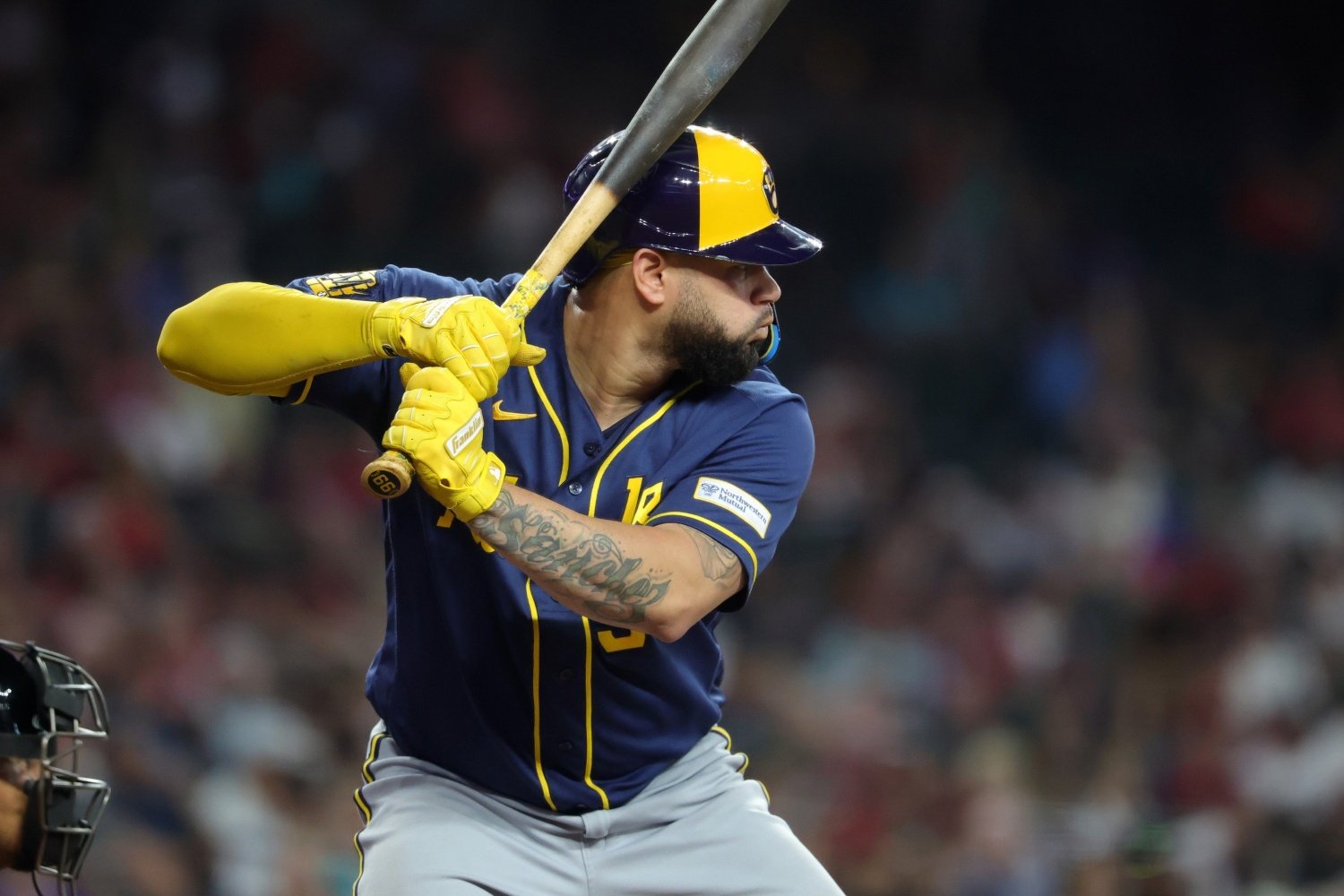 Gary Sánchez has been a welcome surprise for the Brewers this season. Coming in with a penciled-in role as the backup catcher, Sánchez was thrust into increased playing time by early injuries and has performed admirably, slashing .218/.364/.451 (good for a 122 OPS+) in 165 plate appearances. However, Sánchez has one characteristic that sticks out in a bad way: his ABS challenges. While his bat has more than justified his increased role, Sánchez's decision-making when it comes to challenging ball and strike calls has been a surprising weakness. ABS is a new, developing part of the game, and it's crucial to look at Sánchez’s rates to think about a change for the rest of the season. Behind the plate, Sánchez has challenged 33 times, good for 42nd among catchers. He’s won 19 of them, a 58% clip, gaining four strikeouts and flipping two walks in the Brewers’ favor. On the surface, these results are solid. However, his volume stands out. Sánchez owns the 7th-highest challenge rate in baseball, at 3.6%; he is one of the most aggressive catchers when it comes to initiating reviews. That may not be an issue with Sánchez; it appears to be more of a Brewers philosophy. William Contreras is ninth in MLB in challenge rate, and the Brewers as a team have challenged the most so far this year. If Sánchez's aggressiveness behind the plate appears to be a product of team philosophy, the same can't be said for his approach in the batter's box. He leads the league in lost challenges with 14 in 24 attempts. His challenge rate is 7th-highest at 17.1%, despite an expected challenge rate of 4.8%, suggesting he is challenging pitches far more often than the quality of the calls warrants. That aggressiveness has had a noticeable impact on Milwaukee's overall challenge profile. The Brewers have issued just 60 hitter challenges all season, the fewest in baseball, and Sánchez alone accounts for 24 of them, 40% of the team's total. For a player who isn't in the lineup every day, that's a remarkable share of the club's challenges. Of course, the stakes of a missed challenge aren't enormous. Unlike an error or a strikeout, an unsuccessful review doesn't directly cost a run. But because each team has a limited number of challenges, using one on a pitch with little chance of being overturned can prevent a teammate from overturning a truly egregious missed call later in the game. That's where challenge discipline becomes just as important as challenge accuracy. The moral of the story isn't that Sánchez should stop challenging altogether. In fact, his work behind the plate shows he has a decent feel for challenging pitches as a catcher. Instead, the issue lies in the batter's box, where he's been far too willing to gamble on close calls. If Sánchez can become more selective at the plate, the Brewers can preserve more challenges for situations where they're likely to make a meaningful difference. Given their elite discipline as a team, available challenges late in ball games can be crucial to overturn bad calls that damage Milwaukee in clutch situations. It would be an adjustment for Sánchez, but one that could remove one of the few blemishes from an excellent season for Milwaukee’s veteran backup catcher.
 -
Image courtesy of © Ron Chenoy-Imagn Images For most pitchers, reaching 10 wins is a milestone that reflects months of taking the ball every fifth day. Aaron Ashby has taken a far different path. The Brewers’ versatile left-hander became the first pitcher in Major League Baseball to reach double-digit victories in 2026, despite working out of the bullpen, turning timely appearances and shutdown innings into one of the season’s most unlikely storylines. While wins are hardly the definitive measure of pitching success, Ashby’s perfect 10-0 record has become a fascinating subplot in Milwaukee’s season and provides the perfect excuse to revisit 10 memorable moments, fun facts, and questions from the Brewers' campaign so far. No. 1 – Opening Day Excellence The Brewers pitching staff started off the season with a bang. Jacob Misorowski, Ashby, Grant Anderson, DL Hall, and Jake Woodford combined for 20 strikeouts, tied for the major-league record in a standard nine inning game, while the offense amassed 14 runs on 12 hits. It was a tone-setter for the year and a sign of great things to come for Milwaukee. No. 2 – Brewers Reach 40 Wins in Only 63 Games The Brewers have set a lot of records so far this year, but the most impressive may be that no other Brewers team has ever reached 40 wins in their first 63 games. It is a testament to all the players and coaches that have contributed to this season so far, and if this keeps going, they'll top the franchise high for regular-season wins set by the team last year, at 97. Time will tell if this squad can keep it up, but all signs point to that with an offense third in runs scored, a young rotation with the lowest FIP in the league, and a great manager at the helm in Pat Murphy. No. 3 – Starting Rotation First in FIP, Less Career Starts Than MLB Notables Milwaukee’s young rotation has been dominant throughout the first part of the season, with Misiorowski and Kyle Harrison leading the charge. Just how young is this rotation, though? Well, combining the 5 current starters (Misiorowski, Harrison, Robert Gasser, Brandon Sproat, and Shane Drohan) gives you 110 career starts. Add in the veteran of the staff, Brandon Woodruff, who should be back with the big-league club soon, and you get 243 career MLB starts. That's still far fewer than these high-profile arms all by themselves: Justin Verlander (556), Max Scherzer (480), former Brewer Jose Quintana (366) and Gerrit Cole (322). This hopefully shows just how good a position the Brewers’ rotation is in, now and for the future. No. 4 - Miz’s Maddux Misiorowski struck out 15 in a 95-pitch complete-game shutout against the Phillies last Friday. It was the most strikeouts in a Maddux ever, topping Tarik Skubal and Clayton Kershaw, who had 13 each. He threw the fastest pitch ever recorded by a starting pitcher (104.5 MPH) to Kyle Schwarber in the first inning, and in the end, he only surrendered only one hit to Schwarber in the top of the fourth. It was one of the greatest pitching performances in baseball history. Games like this are proof that the Miz is one of the best pitchers in baseball, if not the best. No. 5 – First Base Platoon Is Working The Brewers are currently 8th in the league in fWAR at first base. Much of this is due to Jake Bauers, who carried the load while Andrew Vaughn was out with an injury. Both are playing at very high levels, with Bauers slashing .270/.372/.507 in 250 plate appearances and Vaughn hitting .354/.429/.535 in 112 plate appearances. Both guys have been great so far and will be needed as middle-of-the-order bats down the stretch for the Brewers. No. 6 – 182 That’s the number of pitches it takes an individual to scroll on the pitch velocity by a starter leaderboard until you find a player (Jared Jones of the Pittsburgh Pirates) who isn’t Misiorowski. His five hardest-thrown balls came in his last start against the Phillies. He may have been a little fired up due to their comments about his All-Star appearance last season. Overall, this is just another example of how elite Misiorowski is; expect this number to grow further as the season goes along. Get your Blink-182 jokes in this morning. No. 7 – Youth Impact Here and Growing? Cooper Pratt recorded his first MLB hit, run scored, RBI, and stolen base Wednesday night against the Guardians. Called up as the corresponding move for the DFA’d Luis Rengifo, Pratt may signal a movement of calling up young prospects to replace struggling veterans. Players such as Jett Williams or the recently extended Luis Lara could contribute down the stretch for the Brewers if struggling veterans like Sal Frelick keep their performance up from this year. Even without having yet leaned into that possibility, though, Milwaukee is the fifth-youngest team in baseball, proving that their ability now may not be the ceiling for this team. No. 8 – Turang’s Continued Development A two-homer day on April 12 against the Nationals signified a new, more powerful version of Brice Turang. He’s slashing .266/.381/.472 with 11 home runs and has been worth 2.8 fWAR, most in baseball for a second baseman. He is firmly in contention to start the All-Star game for the National League at second base, despite struggling in May (.231/.355/.363). He deserves it for providing a steadying presence while the Brewers dealt with injuries to Christian Yelich, Jackson Chourio, and Vaughn. Turang has turned himself into one of the more exciting players in baseball to watch, while still being a consistent offensive presence for a team that desperately needed it to start the year. No. 9 – Milwaukee Struck Gold Again The trade of Caleb Durbin to the Red Sox before the season was surprising to many, but it has continued to pay dividends for the Brewers this year. Kyle Harrison was the main piece of the package for Durbin, and he has been electric, pitching to a 2.47 ERA (3.05 FIP) in 65 2/3 innings. Harrison surpassed CC Sabathia (1.59) for the lowest ERA through 10 starts with the Brewers, before having his numbers rudely inflated by a visit to Las Vegas. Shane Drohan, the other pitcher acquired from Boston, has been solid as well, pitching in 14 games (4 starts) with a 3.59 ERA (2.72 FIP) in 42 2/3 innings. The lone position player acquired, David Hamilton, hasn’t been great at the plate this year (76 OPS+), but he does currently lead the team in stolen bases with 15. No. 10 – Can Ashby Catch Roy Face? Who is Roy Face, you ask? Well, he holds the record for most wins in a single season by a reliever, with 18 back in 1959 for the Pirates. Can Ashby top that? The conservative, realistic answer is no, but hey, wouldn’t that just fit who the Brewers are as a team? Ashby has the most appearances so far this season, so why not him? Who knows if it’ll happen, but it would be cool. He's on pace to sail past Face, so for a while, at least, we're all allowed to keep dreaming on this. Whether Ashby finishes with 10 wins or somehow chases down Face’s seemingly untouchable record, his season has already become one of the most unique stories in baseball. More importantly, it reflects what has made the 2026 Brewers so much fun to watch: unexpected contributors, a fearless young pitching staff, savvy roster moves, and stars emerging everywhere. From Misiorowski’s historic dominance to Jake Bauer’s breakout and Kyle Harrison’s immediate impact, this team has produced a ton of memorable moments. Ashby’s perfect record may have inspired this list, but it’s the collective effort of a talented and exciting roster that has Milwaukee positioned for what could be a truly special season. View full article
-
- 1
-

-
- aaron ashby
- jacob misiorowski
- (and 3 more)
-
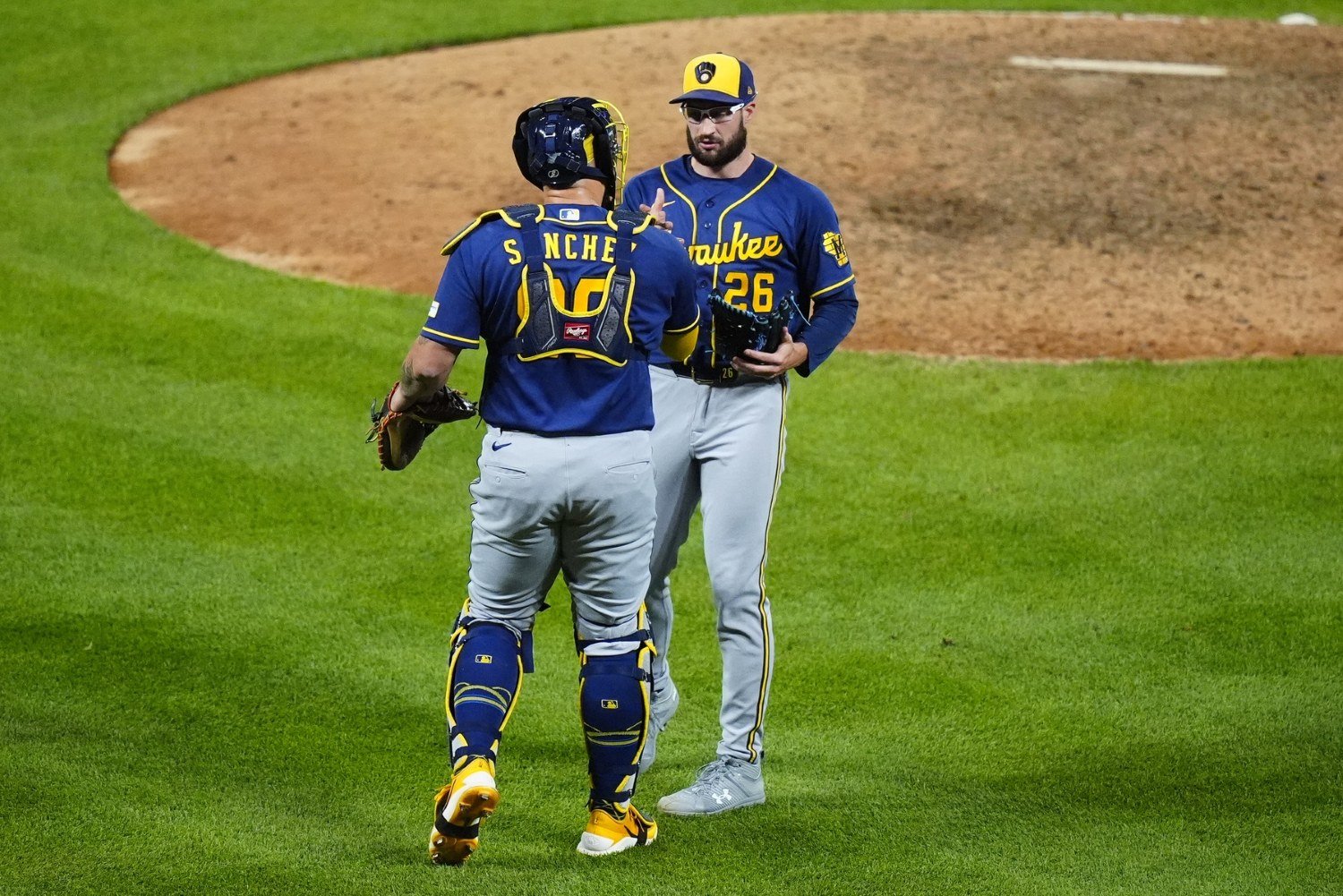 For most pitchers, reaching 10 wins is a milestone that reflects months of taking the ball every fifth day. Aaron Ashby has taken a far different path. The Brewers’ versatile left-hander became the first pitcher in Major League Baseball to reach double-digit victories in 2026, despite working out of the bullpen, turning timely appearances and shutdown innings into one of the season’s most unlikely storylines. While wins are hardly the definitive measure of pitching success, Ashby’s perfect 10-0 record has become a fascinating subplot in Milwaukee’s season and provides the perfect excuse to revisit 10 memorable moments, fun facts, and questions from the Brewers' campaign so far. No. 1 – Opening Day Excellence The Brewers pitching staff started off the season with a bang. Jacob Misorowski, Ashby, Grant Anderson, DL Hall, and Jake Woodford combined for 20 strikeouts, tied for the major-league record in a standard nine inning game, while the offense amassed 14 runs on 12 hits. It was a tone-setter for the year and a sign of great things to come for Milwaukee. No. 2 – Brewers Reach 40 Wins in Only 63 Games The Brewers have set a lot of records so far this year, but the most impressive may be that no other Brewers team has ever reached 40 wins in their first 63 games. It is a testament to all the players and coaches that have contributed to this season so far, and if this keeps going, they'll top the franchise high for regular-season wins set by the team last year, at 97. Time will tell if this squad can keep it up, but all signs point to that with an offense third in runs scored, a young rotation with the lowest FIP in the league, and a great manager at the helm in Pat Murphy. No. 3 – Starting Rotation First in FIP, Less Career Starts Than MLB Notables Milwaukee’s young rotation has been dominant throughout the first part of the season, with Misiorowski and Kyle Harrison leading the charge. Just how young is this rotation, though? Well, combining the 5 current starters (Misiorowski, Harrison, Robert Gasser, Brandon Sproat, and Shane Drohan) gives you 110 career starts. Add in the veteran of the staff, Brandon Woodruff, who should be back with the big-league club soon, and you get 243 career MLB starts. That's still far fewer than these high-profile arms all by themselves: Justin Verlander (556), Max Scherzer (480), former Brewer Jose Quintana (366) and Gerrit Cole (322). This hopefully shows just how good a position the Brewers’ rotation is in, now and for the future. No. 4 - Miz’s Maddux Misiorowski struck out 15 in a 95-pitch complete-game shutout against the Phillies last Friday. It was the most strikeouts in a Maddux ever, topping Tarik Skubal and Clayton Kershaw, who had 13 each. He threw the fastest pitch ever recorded by a starting pitcher (104.5 MPH) to Kyle Schwarber in the first inning, and in the end, he only surrendered only one hit to Schwarber in the top of the fourth. It was one of the greatest pitching performances in baseball history. Games like this are proof that the Miz is one of the best pitchers in baseball, if not the best. No. 5 – First Base Platoon Is Working The Brewers are currently 8th in the league in fWAR at first base. Much of this is due to Jake Bauers, who carried the load while Andrew Vaughn was out with an injury. Both are playing at very high levels, with Bauers slashing .270/.372/.507 in 250 plate appearances and Vaughn hitting .354/.429/.535 in 112 plate appearances. Both guys have been great so far and will be needed as middle-of-the-order bats down the stretch for the Brewers. No. 6 – 182 That’s the number of pitches it takes an individual to scroll on the pitch velocity by a starter leaderboard until you find a player (Jared Jones of the Pittsburgh Pirates) who isn’t Misiorowski. His five hardest-thrown balls came in his last start against the Phillies. He may have been a little fired up due to their comments about his All-Star appearance last season. Overall, this is just another example of how elite Misiorowski is; expect this number to grow further as the season goes along. Get your Blink-182 jokes in this morning. No. 7 – Youth Impact Here and Growing? Cooper Pratt recorded his first MLB hit, run scored, RBI, and stolen base Wednesday night against the Guardians. Called up as the corresponding move for the DFA’d Luis Rengifo, Pratt may signal a movement of calling up young prospects to replace struggling veterans. Players such as Jett Williams or the recently extended Luis Lara could contribute down the stretch for the Brewers if struggling veterans like Sal Frelick keep their performance up from this year. Even without having yet leaned into that possibility, though, Milwaukee is the fifth-youngest team in baseball, proving that their ability now may not be the ceiling for this team. No. 8 – Turang’s Continued Development A two-homer day on April 12 against the Nationals signified a new, more powerful version of Brice Turang. He’s slashing .266/.381/.472 with 11 home runs and has been worth 2.8 fWAR, most in baseball for a second baseman. He is firmly in contention to start the All-Star game for the National League at second base, despite struggling in May (.231/.355/.363). He deserves it for providing a steadying presence while the Brewers dealt with injuries to Christian Yelich, Jackson Chourio, and Vaughn. Turang has turned himself into one of the more exciting players in baseball to watch, while still being a consistent offensive presence for a team that desperately needed it to start the year. No. 9 – Milwaukee Struck Gold Again The trade of Caleb Durbin to the Red Sox before the season was surprising to many, but it has continued to pay dividends for the Brewers this year. Kyle Harrison was the main piece of the package for Durbin, and he has been electric, pitching to a 2.47 ERA (3.05 FIP) in 65 2/3 innings. Harrison surpassed CC Sabathia (1.59) for the lowest ERA through 10 starts with the Brewers, before having his numbers rudely inflated by a visit to Las Vegas. Shane Drohan, the other pitcher acquired from Boston, has been solid as well, pitching in 14 games (4 starts) with a 3.59 ERA (2.72 FIP) in 42 2/3 innings. The lone position player acquired, David Hamilton, hasn’t been great at the plate this year (76 OPS+), but he does currently lead the team in stolen bases with 15. No. 10 – Can Ashby Catch Roy Face? Who is Roy Face, you ask? Well, he holds the record for most wins in a single season by a reliever, with 18 back in 1959 for the Pirates. Can Ashby top that? The conservative, realistic answer is no, but hey, wouldn’t that just fit who the Brewers are as a team? Ashby has the most appearances so far this season, so why not him? Who knows if it’ll happen, but it would be cool. He's on pace to sail past Face, so for a while, at least, we're all allowed to keep dreaming on this. Whether Ashby finishes with 10 wins or somehow chases down Face’s seemingly untouchable record, his season has already become one of the most unique stories in baseball. More importantly, it reflects what has made the 2026 Brewers so much fun to watch: unexpected contributors, a fearless young pitching staff, savvy roster moves, and stars emerging everywhere. From Misiorowski’s historic dominance to Jake Bauer’s breakout and Kyle Harrison’s immediate impact, this team has produced a ton of memorable moments. Ashby’s perfect record may have inspired this list, but it’s the collective effort of a talented and exciting roster that has Milwaukee positioned for what could be a truly special season.
-
- 2
-
-
- aaron ashby
- jacob misiorowski
- (and 3 more)
-
Image courtesy of © Rick Scuteri-Imagn Images Despite an extremely competitive National League Central and a wave of injuries that threatened to derail the season before it ever gained momentum, the Milwaukee Brewers have once again climbed to the top of the division standings. Now sitting with the fourth-best record in baseball, Milwaukee has leaned on its trademark pitching development, timely hitting, and organizational depth to weather the storm. But with the trade deadline approaching and the postseason picture beginning to take shape, the Brewers still have clear areas where they can improve. Whether it’s reinforcing the bullpen internally or giving a top prospect such as Jett Williams or Cooper Pratt an opportunity to spark the lineup, Milwaukee is in a position not only to hold first place but to become an even more dangerous contender down the stretch. The Brewers Bullpen Even with the Brewers now atop the division, the bullpen remains one of the biggest areas to monitor as the season progresses. Inconsistent performances from former All-Star Trevor Megill and an injury to Angel Zerpa, acquired over the offseason in the Isaac Collins trade, have left a group led in appearances by Aaron Ashby, Abner Uribe, and Grant Anderson. While that trio has managed to stabilize things for stretches, Milwaukee still lacks the consistency and proven late-inning depth that championship contenders typically rely on entering October. The Brewers could choose to address those concerns externally at the deadline, but they may also look internally toward younger arms capable of stepping into higher-leverage roles as the season unfolds. There are multiple arms on the 40-man roster who could play into the configuration of the bullpen later in the year, such as Brian Fitzpatrick, Easton McGee, Carlos Rodriguez, and Craig Yoho, the Brewers’ no. 27 prospect according to MLB.com. All those arms besides Yoho have made appearances with the Brewers already this season, and the hope is that one, if not more, can provide quality innings for the Brewers as the summer unfolds. Injuries are a part of baseball, and given that the Brewers will need to have arms ready to go from Nashville. Yoho is the most intriguing of that option with his 70-grade changeup, and so far for the Sounds, he’s had good results with a 1.38 ERA in 13 innings pitched, though that comes with an ungainly 4.60 FIP. He's striking out a little over 32% of the batters he's facing. Yoho started the season on the injured list with a right calf strain, so some more appearances would be nice before seeing some MLB action, especially given his struggles in the big leagues last year. Craig Yoho, per Prospect Savant If even one or two of those internal options emerge as reliable contributors, the Brewers could avoid overpaying for bullpen help at the deadline while continuing to lean on the organizational pitching depth that has defined their success in recent years. Furthermore, if one breaks out in a big way, there could be an opportunity for late-inning work later in the year. Third Base & Shortstop Early struggles from the left side of the infield could cause top prospects such as Williams or Pratt to move up. Both are heating up as of late: Williams is slashing .321/.473/.589 in May, while the recently extended Pratt is hitting .226/.333/.468. Luis Rengifo (47 wRC+), Joey Ortiz, (59 wRC+), and David Hamilton (88 wRC+) have all struggled offensively this year. Rengifo would likely be the first man out, given Hamilton’s speed and Ortiz’s defense, and it should be a move the Brewers consider if all these players continue their hardships at the plate. Williams would require a 40-man roster move and would likely slot in at third base, while Pratt is on the 40-man and would be a shortstop at the major league level. Neither prospect is guaranteed to immediately solve Milwaukee’s offensive inconsistencies, but both would inject upside and energy into a lineup that has leaned heavily on its pitching staff for much of the season. If the Brewers remain in first place as the trade deadline approaches, promoting one of their young infielders could be viewed as an aggressive but necessary step toward raising the ceiling of the roster for the second half. Jett Williams, per Prospect Savant Cooper Pratt, per Prospect Savant As the summer pushes toward the trade deadline at the beginning of August, the Brewers find themselves in a delicate position: leading a competitive division while still carrying clear areas for improvement. Their success to this point has been built on pitching depth, organizational flexibility, and timely contributions from unexpected sources, but sustaining that formula into October and pushing past where they’ve been in the past will require continued evolution. Whether Milwaukee chooses to lean on its internal pipeline of arms and infield talent or supplement the roster externally, the path forward is centered on maximizing the roster’s upside without disrupting the identity that has carried them this far. If the Brewers can successfully thread that needle, they could evolve into one of the most complete and dangerous teams in the National League. Not to say that they aren’t already, but next steps need to be taken to reach the ultimate goal. View full article
-
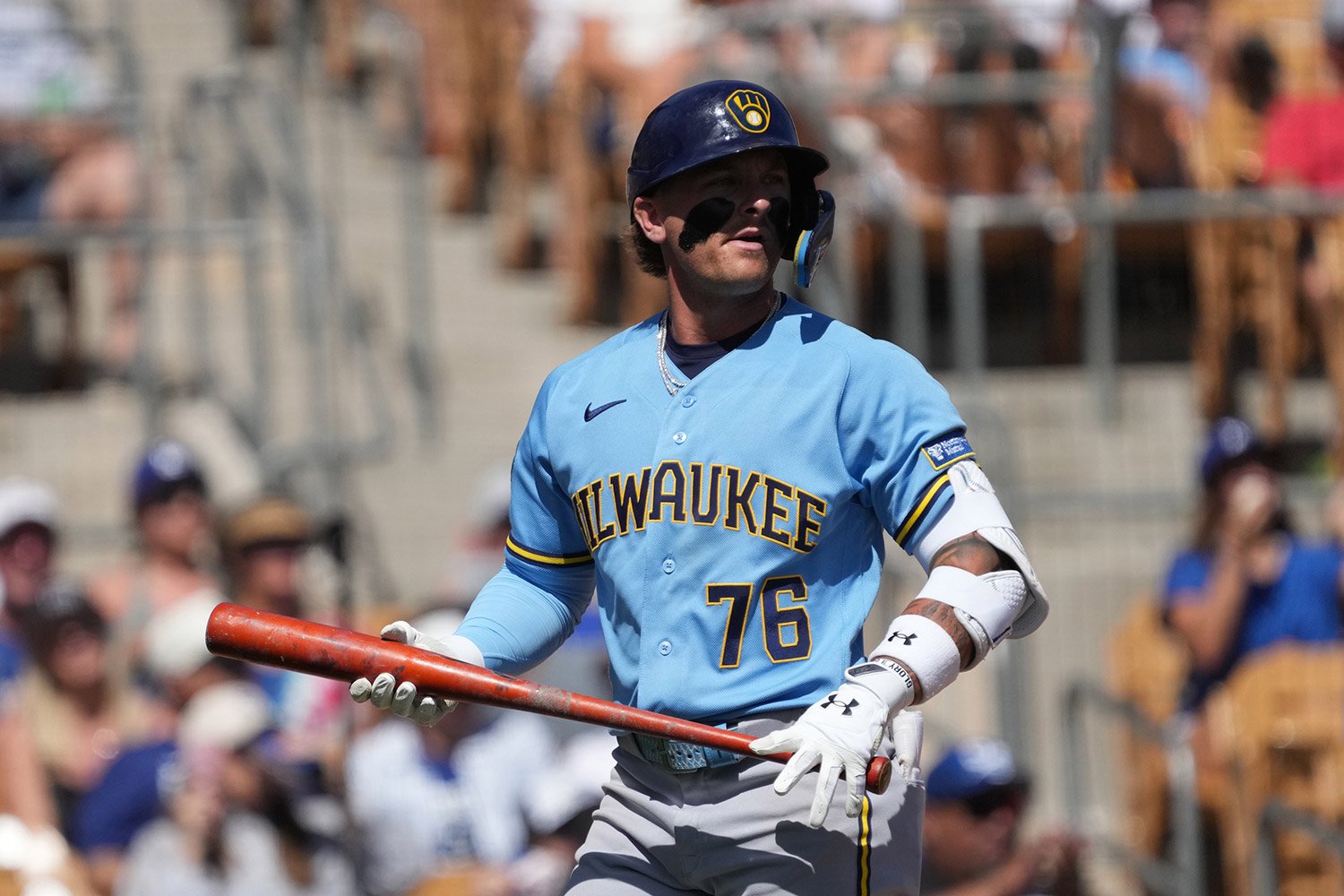 Despite an extremely competitive National League Central and a wave of injuries that threatened to derail the season before it ever gained momentum, the Milwaukee Brewers have once again climbed to the top of the division standings. Now sitting with the fourth-best record in baseball, Milwaukee has leaned on its trademark pitching development, timely hitting, and organizational depth to weather the storm. But with the trade deadline approaching and the postseason picture beginning to take shape, the Brewers still have clear areas where they can improve. Whether it’s reinforcing the bullpen internally or giving a top prospect such as Jett Williams or Cooper Pratt an opportunity to spark the lineup, Milwaukee is in a position not only to hold first place but to become an even more dangerous contender down the stretch. The Brewers Bullpen Even with the Brewers now atop the division, the bullpen remains one of the biggest areas to monitor as the season progresses. Inconsistent performances from former All-Star Trevor Megill and an injury to Angel Zerpa, acquired over the offseason in the Isaac Collins trade, have left a group led in appearances by Aaron Ashby, Abner Uribe, and Grant Anderson. While that trio has managed to stabilize things for stretches, Milwaukee still lacks the consistency and proven late-inning depth that championship contenders typically rely on entering October. The Brewers could choose to address those concerns externally at the deadline, but they may also look internally toward younger arms capable of stepping into higher-leverage roles as the season unfolds. There are multiple arms on the 40-man roster who could play into the configuration of the bullpen later in the year, such as Brian Fitzpatrick, Easton McGee, Carlos Rodriguez, and Craig Yoho, the Brewers’ no. 27 prospect according to MLB.com. All those arms besides Yoho have made appearances with the Brewers already this season, and the hope is that one, if not more, can provide quality innings for the Brewers as the summer unfolds. Injuries are a part of baseball, and given that the Brewers will need to have arms ready to go from Nashville. Yoho is the most intriguing of that option with his 70-grade changeup, and so far for the Sounds, he’s had good results with a 1.38 ERA in 13 innings pitched, though that comes with an ungainly 4.60 FIP. He's striking out a little over 32% of the batters he's facing. Yoho started the season on the injured list with a right calf strain, so some more appearances would be nice before seeing some MLB action, especially given his struggles in the big leagues last year. Craig Yoho, per Prospect Savant If even one or two of those internal options emerge as reliable contributors, the Brewers could avoid overpaying for bullpen help at the deadline while continuing to lean on the organizational pitching depth that has defined their success in recent years. Furthermore, if one breaks out in a big way, there could be an opportunity for late-inning work later in the year. Third Base & Shortstop Early struggles from the left side of the infield could cause top prospects such as Williams or Pratt to move up. Both are heating up as of late: Williams is slashing .321/.473/.589 in May, while the recently extended Pratt is hitting .226/.333/.468. Luis Rengifo (47 wRC+), Joey Ortiz, (59 wRC+), and David Hamilton (88 wRC+) have all struggled offensively this year. Rengifo would likely be the first man out, given Hamilton’s speed and Ortiz’s defense, and it should be a move the Brewers consider if all these players continue their hardships at the plate. Williams would require a 40-man roster move and would likely slot in at third base, while Pratt is on the 40-man and would be a shortstop at the major league level. Neither prospect is guaranteed to immediately solve Milwaukee’s offensive inconsistencies, but both would inject upside and energy into a lineup that has leaned heavily on its pitching staff for much of the season. If the Brewers remain in first place as the trade deadline approaches, promoting one of their young infielders could be viewed as an aggressive but necessary step toward raising the ceiling of the roster for the second half. Jett Williams, per Prospect Savant Cooper Pratt, per Prospect Savant As the summer pushes toward the trade deadline at the beginning of August, the Brewers find themselves in a delicate position: leading a competitive division while still carrying clear areas for improvement. Their success to this point has been built on pitching depth, organizational flexibility, and timely contributions from unexpected sources, but sustaining that formula into October and pushing past where they’ve been in the past will require continued evolution. Whether Milwaukee chooses to lean on its internal pipeline of arms and infield talent or supplement the roster externally, the path forward is centered on maximizing the roster’s upside without disrupting the identity that has carried them this far. If the Brewers can successfully thread that needle, they could evolve into one of the most complete and dangerous teams in the National League. Not to say that they aren’t already, but next steps need to be taken to reach the ultimate goal.
- 7 comments
-
- 2
-
-
- jett williams
- cooper pratt
- (and 1 more)
-
Image courtesy of © Wm. Glasheen/USA TODAY NETWORK-Wisconsin / USA TODAY NETWORK via Imagn Images The future refuses to go dim for the Brewers. While the big-league club navigates the injuries and grind of the 2026 season, a wave of top prospects in the Milwaukee farm system is forcing its way into the conversation with scorching starts across the minors. This next core isn’t just developing; it’s producing. And if these early returns are any indication, the Brewers may not have to wait long for their next impact contributors to arrive at American Family Field. Let’s look at Brewer Fanatic’s top 20 prospect list and dive into who’s performing well. No. 1 – Jesus Made (MLB.com No. 3) Made is proving once again why he's one of the top prospects in the sport. He reached Double-A Biloxi last year and played in only five games, slashing .261/.292/.348 in 24 plate appearances. He has fully arrived for the Shuckers now, though, slashing .295/.398/.489 in 103 plate appearances with the club so far in 2026. Made has showcased his speed as well, stealing 11 bases while being caught once. He's walked more times (15) than he's struck out (14). There isn’t a ton to say here; Made is an exciting prospect who is performing exceptionally well for a 19-year-old in Double-A. He's a big factor in the Brewers' future, and fans should be excited about what Made can bring to the big-league club within the next few years—especially given the shortstop situation in Milwaukee right now. No. 2 – Luis Peña (MLB.com No. 21) It wouldn’t be that crazy to (essentially) copy and paste the paragraph about Made here, as Peña is slashing .372/.462/.512 in 52 plate appearances so far with the Timber Rattlers. He's stolen 6 bases while getting caught twice, and his strikeout-to-walk ratio is good, as well (10:8). A notable change for Peña is his swing rate. He is swinging the least he has in his professional career, only 44.4% of the time, down almost 5.0 percentage points from last year. This is likely correlated with his walk rate, and if he is more patient at the plate, his overall offensive outlook will improve in the long term. If that discipline holds, Peña’s blend of contact, speed, and on-base ability could quickly turn him from a top prospect into a household name. No. 6 – Logan Henderson (MLB.com No. 99) Henderson performed well for the Brewers last year in 5 starts, pitching to a 1.78 ERA (3.02 FIP) in 25 1/3 innings, striking out 33 batters. He didn’t fare as well in his lone appearance with the Brewers this year, surrendering two earned runs in two innings against the Royals, but Henderson has pitched extremely well in Nashville to start the year. The 24-year-old has thrown 17 2/3 innings so far with a 1.02 ERA. His whiff rate is in the 78th percentile, and his zone contact percentage is in the 98th percentile, demonstrating his pitches can get the batter to swing and miss even if they are in the zone. Look for Henderson, if he limits the walks, to be up with the Brewers again soon. No. 8 – Andrew Fischer (MLB.com No. 89) Fischer was one of many Brewers who participated in the WBC this year, and the Team Italy third baseman slashed .357/.438/.714 in 16 plate appearances there. Transferring that production into the minor-league season has been an easy task for Fischer, who is raking with the Timber Rattlers. Fischer is slashing .258/.358/.515 with 4 home runs already this season, and a main issue to watch would be strikeouts. He struck out around 25% of the time in a limited 2025 sample and has fanned 30 times in 81 plate appearances this year. As he climbs the ladder, he'll have to show a better feel for consistent contact. If Fischer continues to make developments at the plate, as well as improving his range at third base, he could move through the system quickly. The power will always be his calling card, though, so if the strikeouts go along with that, it’ll be interesting to see how the Brewers feel about that approach at the plate. No. 10 – Marco Dinges A former fourth-round pick in 2024 out of Florida State, Marco Dinges hit well in his first sustained minor-league action in 2025. Now, Dinges is once again mashing, hitting .340/.492/.660 with 4 homers in 65 plate appearances. Dinges has a great strikeout-to-walk ratio (14 to 13), to boot. He'll look to continue producing, as either he or Jefferson Quero pushes to be the future of the position if William Contreras doesn’t sign a long-term deal. Another couple of weeks like this could compel the Brewers to promote Dinges to Biloxi. No. 11 – Luis Lara I wrote about Lara’s hot start last week, and he has kept it up. He's now hitting .347/.439/.561, with 5 home runs, 12 stolen bases, 15 walks and 15 strikeouts. From a power perspective, expect Lara to regress, but that's not his game, anyway. Good bat-to-ball skills, a disciplined approach, great speed and defense—these are his strengths. While the offensive numbers may decline as the season progresses, remember that Lara isn’t built to be a big contributor offensively. He's always been a glove-first prospect, and with his current approach at the plate, the 21-year-old should be a productive Brewer when the time comes. No. 12 - Josh Adamczewski Adamczewski was a 15th-round pick in 2023, and without a defined defensive position, the bat needs to be valuable for Adamczewski to carve out a big-league job. Thankfully, it has been superb so far. Adamczewski struggled in a limited sample at High-A in 2025, but he's dominating the Midwest League in 2026, slashing .362/.516/.723, with as many homers as he had all last season combined. Adamczewski will look to continue growing into a defensive position, which will probably be left field, and as he cuts his groundball rate (down 5 percentage points from ’24 to ’25, down another 5 from ’25 to ’26), he should merit a promotion soon. No. 14 – Blake Burke Burke was one of the Brewers’ first-round picks in 2024, and the former Tennessee Volunteer hit well in 2025 while splitting time between High-A and Double-A. Burke is off to a scorching-hot start from a slugging perspective, hitting 7 homers in 100 plate appearances so far. He's batting .256/.360/.605. He has 22 hits on the year, 15 of which have gone for extra bases. Burke has also swiped 9 bases while being caught once. His power surge from the end of 2025 has most definitely continued, so the next question is: How far can it go? His bat is passing the Double-A test with flying colors; he should get a bump to Nashville fairly soon. No. 17 – Braylon Payne Another first-rounder from 2024, Payne boasts excellent speed, with 41 stolen bases through 96 career games in the minors. Last year was a tough introduction to the rigors of a full professional season, as Payne hit .240/.354/.382 with 8 homers in 342 plate appearances. Payne has appeared to turn over a new leaf in 2026 with the Timber Rattlers, totaling 6 homeruns in only 61 plate appearances while slashing .367/.492/.796. He won't turn 20 until August, and the Brewers will probably be happy to let him spend the whole season in Appleton, but yes, if he keeps hitting quite this ferociously, he might need to be promoted, too, to find a truer test of his talent. It’s still early, and the minor-league season has a way of humbling even the hottest starts, but the underlying theme here is hard to ignore: this wave of talent looks both deep and dynamic. From polished approaches at the plate to emerging power combined with speed, the Brewers’ system is showing signs of producing impact players in bunches. If even a handful of these prospects sustain their growth, the Brewers will be able to keep up their cost-efficient ways by calling up the next Brewers of the future as capable contributors early in their careers. View full article
- 30 replies
-
- 3
-
-
- jesus made
- luis pena
- (and 7 more)
-
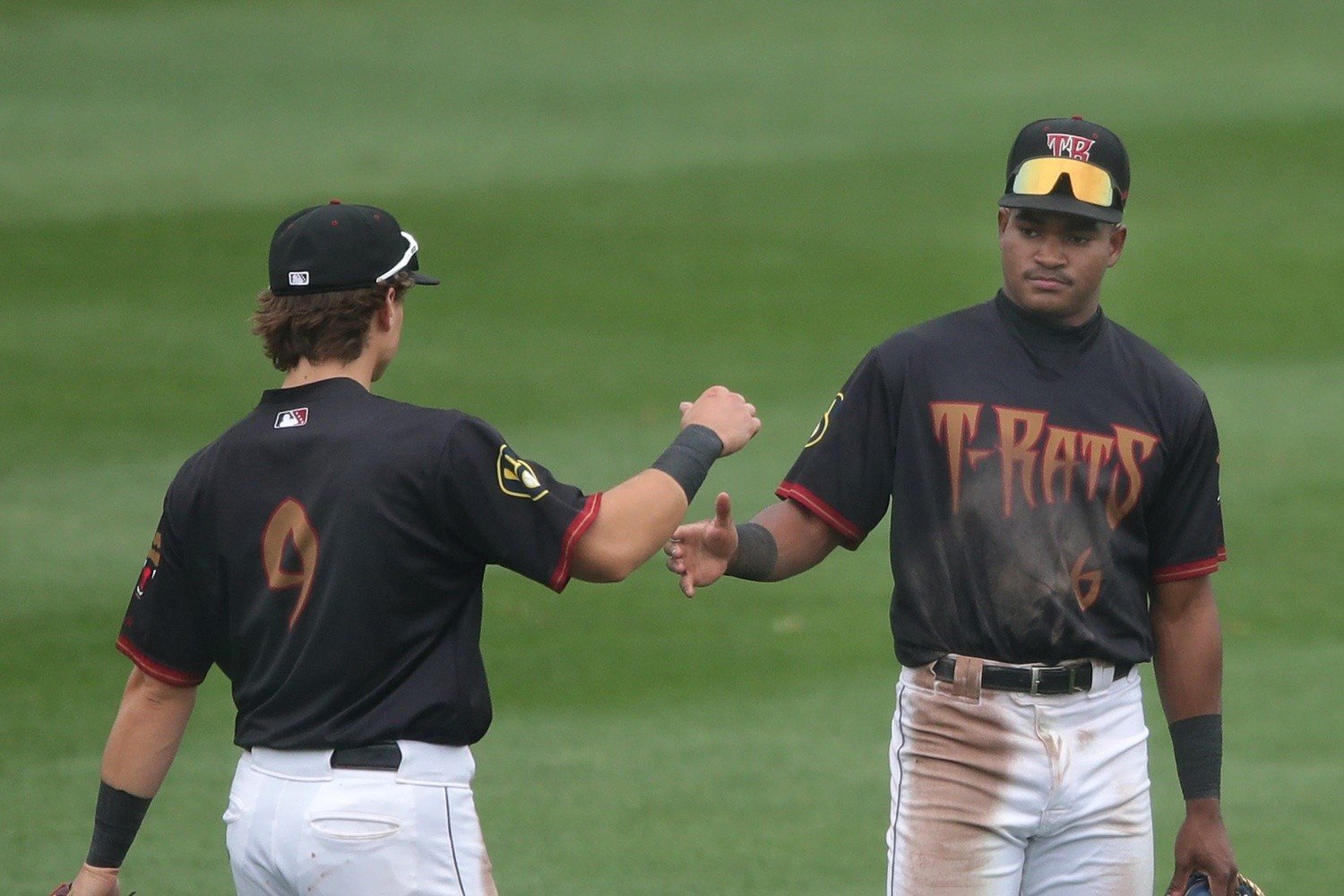 The future refuses to go dim for the Brewers. While the big-league club navigates the injuries and grind of the 2026 season, a wave of top prospects in the Milwaukee farm system is forcing its way into the conversation with scorching starts across the minors. This next core isn’t just developing; it’s producing. And if these early returns are any indication, the Brewers may not have to wait long for their next impact contributors to arrive at American Family Field. Let’s look at Brewer Fanatic’s top 20 prospect list and dive into who’s performing well. No. 1 – Jesus Made (MLB.com No. 3) Made is proving once again why he's one of the top prospects in the sport. He reached Double-A Biloxi last year and played in only five games, slashing .261/.292/.348 in 24 plate appearances. He has fully arrived for the Shuckers now, though, slashing .295/.398/.489 in 103 plate appearances with the club so far in 2026. Made has showcased his speed as well, stealing 11 bases while being caught once. He's walked more times (15) than he's struck out (14). There isn’t a ton to say here; Made is an exciting prospect who is performing exceptionally well for a 19-year-old in Double-A. He's a big factor in the Brewers' future, and fans should be excited about what Made can bring to the big-league club within the next few years—especially given the shortstop situation in Milwaukee right now. No. 2 – Luis Peña (MLB.com No. 21) It wouldn’t be that crazy to (essentially) copy and paste the paragraph about Made here, as Peña is slashing .372/.462/.512 in 52 plate appearances so far with the Timber Rattlers. He's stolen 6 bases while getting caught twice, and his strikeout-to-walk ratio is good, as well (10:8). A notable change for Peña is his swing rate. He is swinging the least he has in his professional career, only 44.4% of the time, down almost 5.0 percentage points from last year. This is likely correlated with his walk rate, and if he is more patient at the plate, his overall offensive outlook will improve in the long term. If that discipline holds, Peña’s blend of contact, speed, and on-base ability could quickly turn him from a top prospect into a household name. No. 6 – Logan Henderson (MLB.com No. 99) Henderson performed well for the Brewers last year in 5 starts, pitching to a 1.78 ERA (3.02 FIP) in 25 1/3 innings, striking out 33 batters. He didn’t fare as well in his lone appearance with the Brewers this year, surrendering two earned runs in two innings against the Royals, but Henderson has pitched extremely well in Nashville to start the year. The 24-year-old has thrown 17 2/3 innings so far with a 1.02 ERA. His whiff rate is in the 78th percentile, and his zone contact percentage is in the 98th percentile, demonstrating his pitches can get the batter to swing and miss even if they are in the zone. Look for Henderson, if he limits the walks, to be up with the Brewers again soon. No. 8 – Andrew Fischer (MLB.com No. 89) Fischer was one of many Brewers who participated in the WBC this year, and the Team Italy third baseman slashed .357/.438/.714 in 16 plate appearances there. Transferring that production into the minor-league season has been an easy task for Fischer, who is raking with the Timber Rattlers. Fischer is slashing .258/.358/.515 with 4 home runs already this season, and a main issue to watch would be strikeouts. He struck out around 25% of the time in a limited 2025 sample and has fanned 30 times in 81 plate appearances this year. As he climbs the ladder, he'll have to show a better feel for consistent contact. If Fischer continues to make developments at the plate, as well as improving his range at third base, he could move through the system quickly. The power will always be his calling card, though, so if the strikeouts go along with that, it’ll be interesting to see how the Brewers feel about that approach at the plate. No. 10 – Marco Dinges A former fourth-round pick in 2024 out of Florida State, Marco Dinges hit well in his first sustained minor-league action in 2025. Now, Dinges is once again mashing, hitting .340/.492/.660 with 4 homers in 65 plate appearances. Dinges has a great strikeout-to-walk ratio (14 to 13), to boot. He'll look to continue producing, as either he or Jefferson Quero pushes to be the future of the position if William Contreras doesn’t sign a long-term deal. Another couple of weeks like this could compel the Brewers to promote Dinges to Biloxi. No. 11 – Luis Lara I wrote about Lara’s hot start last week, and he has kept it up. He's now hitting .347/.439/.561, with 5 home runs, 12 stolen bases, 15 walks and 15 strikeouts. From a power perspective, expect Lara to regress, but that's not his game, anyway. Good bat-to-ball skills, a disciplined approach, great speed and defense—these are his strengths. While the offensive numbers may decline as the season progresses, remember that Lara isn’t built to be a big contributor offensively. He's always been a glove-first prospect, and with his current approach at the plate, the 21-year-old should be a productive Brewer when the time comes. No. 12 - Josh Adamczewski Adamczewski was a 15th-round pick in 2023, and without a defined defensive position, the bat needs to be valuable for Adamczewski to carve out a big-league job. Thankfully, it has been superb so far. Adamczewski struggled in a limited sample at High-A in 2025, but he's dominating the Midwest League in 2026, slashing .362/.516/.723, with as many homers as he had all last season combined. Adamczewski will look to continue growing into a defensive position, which will probably be left field, and as he cuts his groundball rate (down 5 percentage points from ’24 to ’25, down another 5 from ’25 to ’26), he should merit a promotion soon. No. 14 – Blake Burke Burke was one of the Brewers’ first-round picks in 2024, and the former Tennessee Volunteer hit well in 2025 while splitting time between High-A and Double-A. Burke is off to a scorching-hot start from a slugging perspective, hitting 7 homers in 100 plate appearances so far. He's batting .256/.360/.605. He has 22 hits on the year, 15 of which have gone for extra bases. Burke has also swiped 9 bases while being caught once. His power surge from the end of 2025 has most definitely continued, so the next question is: How far can it go? His bat is passing the Double-A test with flying colors; he should get a bump to Nashville fairly soon. No. 17 – Braylon Payne Another first-rounder from 2024, Payne boasts excellent speed, with 41 stolen bases through 96 career games in the minors. Last year was a tough introduction to the rigors of a full professional season, as Payne hit .240/.354/.382 with 8 homers in 342 plate appearances. Payne has appeared to turn over a new leaf in 2026 with the Timber Rattlers, totaling 6 homeruns in only 61 plate appearances while slashing .367/.492/.796. He won't turn 20 until August, and the Brewers will probably be happy to let him spend the whole season in Appleton, but yes, if he keeps hitting quite this ferociously, he might need to be promoted, too, to find a truer test of his talent. It’s still early, and the minor-league season has a way of humbling even the hottest starts, but the underlying theme here is hard to ignore: this wave of talent looks both deep and dynamic. From polished approaches at the plate to emerging power combined with speed, the Brewers’ system is showing signs of producing impact players in bunches. If even a handful of these prospects sustain their growth, the Brewers will be able to keep up their cost-efficient ways by calling up the next Brewers of the future as capable contributors early in their careers.
- 30 comments
-
- 6
-
-
-
- jesus made
- luis pena
- (and 7 more)
-
Gary Sánchez's Swing Decisions Are Getting Better With Age
Ray Stuedemann posted an article in Brewers
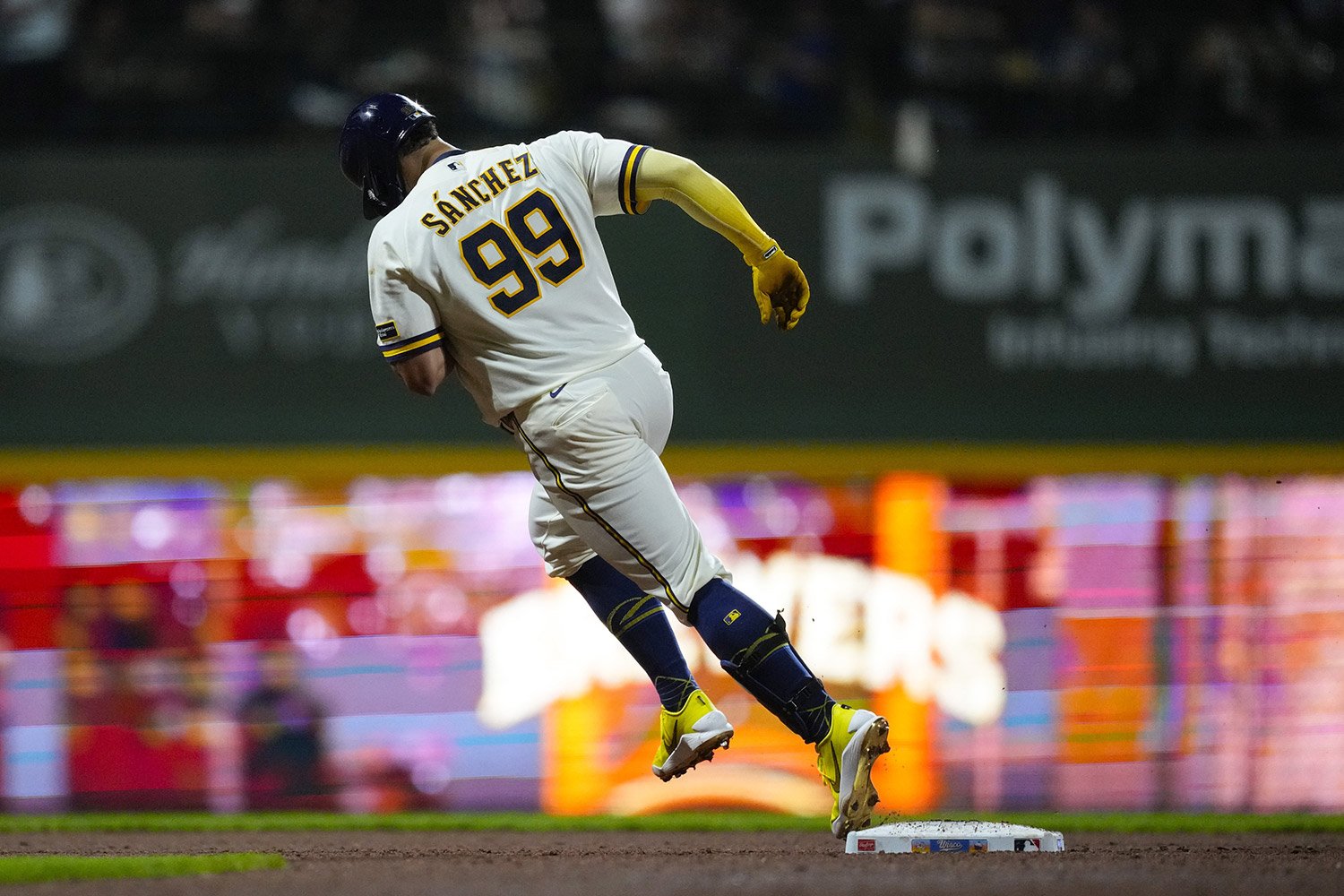 For much of his career, Gary Sánchez has lived on the edge of controlled chaos at the plate, pairing elite raw power with a tendency to chase pitches pitchers were more than happy to offer. This year, though, that balance looks noticeably different. Sánchez is swinging hard, and he’s swinging smarter, trimming his chase rate and showing a more disciplined approach that forces pitchers back into the zone. That shift matters even more for a Milwaukee Brewers lineup currently missing key bats like Christian Yelich, Jackson Chourio, and Andrew Vaughn. With less margin for error in the lineup, his improved swing decisions are helping stabilize an offense that needs production wherever it can find it. Sánchez was reunited with the Brew Crew in the middle of February, and the 33-year-old has been a much-needed bat during this early part of the season. Sánchez is hitting .236/.391/.582 with five homeruns entering Friday’s action, which is good for a batting run value of +7, in the 91st percentile of all MLB, and 25th overall. His slugging prowess at the plate is Sánchez’s calling card, but the unique surprise so far this year has been his patience. His chase percentage is in the 92nd percentile at 19.7%, while walking 20% of the time puts him in the 98th percentile for walk rate. That walk rate is currently the 8th-best in the league, with teammates Garrett Mitchell and Brice Turang joining him inside the top ten. This change in approach demonstrates extremely uncommon levels of discipline for Sánchez, even when going back all the way to his days with the Yankees. His two best seasons in the pinstripes saw him hit 33 home runs in 2017 and 34 home runs in 2019, earning an All-Star nod each year. However, in 2017, his chase percentage was in the 17th percentile, while his walk rate was in the 39th percentile. 2019 saw similar results, but with both slightly better; his chase percentage was in the 24th percentile, while his walk rate crept above league average into the 55th percentile. This may be a change he’s made in the latter half of his career, as Sánchez’s chase rate has gotten better each season since 2024, but then again, he only played 29 games last season with the Orioles and 89 the year prior in Milwaukee. Neither of those years was a great offensive year for Sánchez (94 OPS+ in 2024 and 100 OPS+ in 2025), so Milwaukee will gladly take the level he is producing at right now. Strikeouts will always be a factor in Sánchez’s game, and those too have been down. He is currently striking out 23.1% of the time, still not great, but below his 26.7% career average. Will that number tick back up? The answer is probably; Sánchez has still been whiffing around his career average. Still, it is easier to deal with a version of Gary Sánchez that strikes out while also walking as much as he currently does. His barrel percentage is something to keep an eye on as well. It is currently way higher (19.4%) than his career mark (14.3%), and even higher than his barrel percentage in both of his all-star seasons. Expect this to go down, at least slightly, but if his quality of contact remains this good, it will be close to a career year in terms of Sánchez’s advanced metrics. It will be intriguing to see if the man Yankees general manager Brian Cashman dubbed “The Kraken” is able to keep this up. Obviously, it isn’t likely, but then again, the Brewers have often worked their magic to get the best out of players, much to the dismay of Cubs fans. Regardless, Sánchez is providing good at-bats for a team that desperately needs them right now, with three of their best bats out for the foreseeable future. Once Yelich, Chourio, and Vaughn return, Sánchez will likely return to his backup catcher role, where he is still more suited in the long run. Even though his role will shift with the team’s health, fans should enjoy these current plate appearances from Sánchez. His “three true outcomes” approach may not be the most preferred, but it is entertaining to watch, and the Brewers need all the entertainment they can get from the lineups they are rolling out on a day-to-day basis.

