



Sam Caulder
-
Posts
46 -
Joined
-
Last visited
Content Type
Profiles
Forums
Blogs
Events
News
2026 Milwaukee Brewers Top Prospects Ranking
Milwaukee Brewers Videos
2022 Milwaukee Brewers Draft Picks
Milwaukee Brewers Free Agent & Trade Rumors, Notes, & Tidbits
Guides & Resources
2023 Milwaukee Brewers Draft Picks
2024 Milwaukee Brewers Draft Picks
The Milwaukee Brewers Players Project
2025 Milwaukee Brewers Draft Pick Tracker
2026 Milwaukee Brewers Draft Tracker: Picks & Bonuses
Store
Downloads
Gallery
Everything posted by Sam Caulder
-
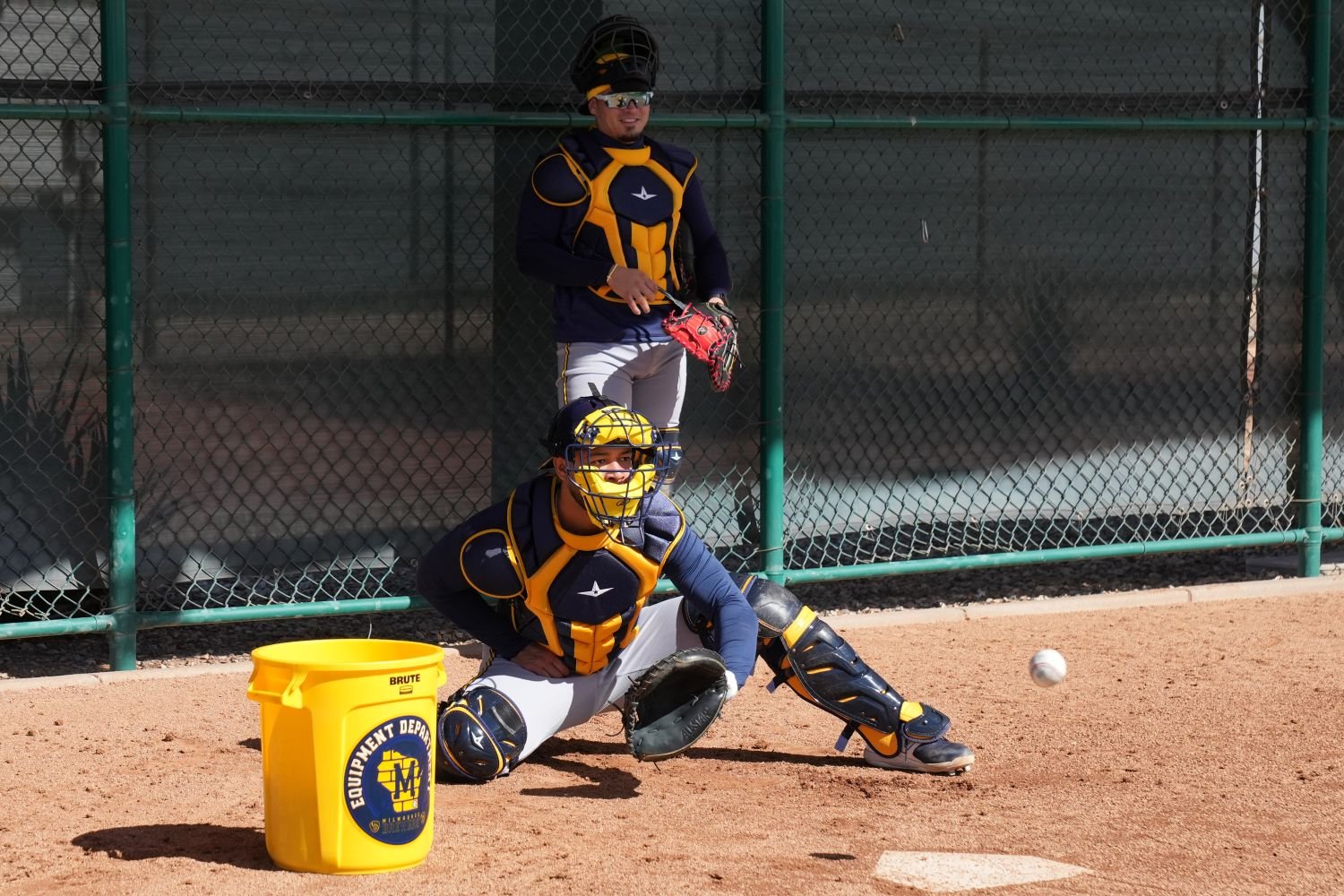 Not long ago, Milwaukee Brewers catching prospect Jeferson Quero was one of the most highly regarded young players in the organization. He was widely considered a top-50 prospect in baseball in both 2024 and 2025, and it looked like he could eventually become one of the premier catchers in the game. Unfortunately, things don’t always go according to plan. Quero has battled multiple injuries over the last few years, most notably a torn labrum in his throwing shoulder in 2024 that limited him to just one plate appearance all season. Since then, even when he has been healthy enough to take the field, his offensive numbers haven’t exactly jumped off the page. So, with all of that in mind, is there still hope for Quero to turn into the player many expected him to become? Alas: no, not really. That’s not to say I think Quero is destined to fail at the major-league level. He can still become a viable big-league catcher. However, the upside he once possessed has faded, and his recent performance makes it difficult to envision him becoming the star many once expected. The biggest concern is his offensive production at Triple-A this season. Quero posted just a .712 OPS across 490 plate appearances, which is actually a slight step backward from the .748 OPS he posted a year ago. More concerning than the overall number, though, are some of the trends underneath it. His strikeout rate climbed from 14% to 21%, while his walk rate dropped slightly. The bat-to-ball skills have also regressed significantly compared to last season. That’s a pretty concerning development for a player whose offensive profile was built, in part, around his ability to consistently make contact. However, it’s not as though everything has gone wrong for Quero at the plate. There are some encouraging signs when looking at the quality of contact he produced this season. His average exit velocity jumped from 86.8 miles per hour in 2025 to 88.8 MPH this season, while his barrel rate also increased. His hard-hit rate took an even bigger step forward. When Quero does make contact, the results have been much better than they were a year ago. The problem is that he just isn’t making contact consistently enough. That creates a pretty interesting offensive profile for Quero moving forward. There are clearly still some tools to work with, and the improvement in his quality of contact suggests there could be more offensive production hiding underneath the surface. But until he starts putting the ball in play more consistently, it’s difficult to project him as anything more than a below-average offensive catcher. That's a huge problem, because it's no longer clear that Quero is even a catcher. He only appeared at that position three times after June 27 this year; he mostly served as a DH or pinch-hitter. It's clear that his bat won't carry him to the big leagues in that role. He has to get back behind the plate to be a major-leaguer of any note. We got a brief glimpse of that possibility earlier this season. Quero made his debut in late March, after Andrew Vaughn fractured his hand on Opening Day. It was only a one-game stint, so obviously, there isn’t much to take away from his performance. The fact that Milwaukee was willing to call up Quero over another player from their loaded farm system was noteworthy. The organization clearly still sees something in him, even if his prospect stock has fallen from where it was a few years ago. On the other hand, they're also making plans that look right past him. That brings us to another interesting part of Quero’s long-term outlook: the Brewers’ situation behind the plate. William Contreras's tenure with the team might be nearing its end; he'll be expensive next season. The Brewers usually trade high-end players with big trade value when they reach this point in their progress toward free agency. But Contreras feels more like Willy Adames and Brandon Woodruff (in terms of what he means to the organization and what role he plays in the clubhouse) than like Josh Hader, Corbin Burnes, Devin Williams or even Freddy Peralta. They might retain him for one last season; they might even elect to extend him. Failing that, the team added a prospect-turned-project at the trade deadline, when they acquired ex-Guardians backstop Bo Naylor. Even if they move on from Contreras this winter, it's likely that they'll acquire another backstop under long-term team control and/or promote Naylor, rather than that they turn the position over to Quero. He still has the defensive ability to stick in the majors, and the improvements in his quality of contact show that there may be more offensive potential there than his overall numbers suggest. He may not become the star many once envisioned, but there’s still a path for Quero to become a solid major-league catcher. Until we see him behind the plate again, though—and pending the team's decisions over the upcoming offseason—he should slide quietly down the depth chart and the prospect list in your mind.
- 6 comments
-
- 2
-

-

-
- jeferson quero
- bo naylor
- (and 1 more)
-
Kyle Harrison looked like one of the Brewers’ next frontline starters for much of the season, but a brutal stretch since August has changed the equation. With October quickly approaching, Milwaukee may need to find a different way to deploy the left-hander. View full video
-
Kyle Harrison looked like one of the Brewers’ next frontline starters for much of the season, but a brutal stretch since August has changed the equation. With October quickly approaching, Milwaukee may need to find a different way to deploy the left-hander.
-
Image courtesy of Benny Sieu-Imagn Images The Milwaukee Brewers’ pitching staff has been lights-out all season long. Only the Boston Red Sox and Los Angeles Dodgers have allowed fewer runs than Milwaukee this year, and there’s arguably no better team in baseball at getting the most out of its pitching staff. Jacob Misiorowski has developed into the best arm in the league and will win the NL Cy Young Award. Logan Henderson has also broken out as a rookie, looking like another potential frontline starter for the Brew Crew. But after those two, things get a little more interesting. It’s no secret that pitching wins games in the postseason, and with a 98-58 record, Milwaukee is in prime position to avoid the Wild Card round that begins next week. Whoever the Brewers face in the NLDS, Misiorowski will start Game 1, and Henderson will very likely take the ball in Game 2. The big question is what Milwaukee should do for Game 3. For most of the regular season, left-hander Kyle Harrison seemed like the easy choice. Harrison looked like a difference-maker during the first half of the season, posting a 3.01 ERA while striking out more than five batters for every walk. Even when he hit the injured list in July, the hope was that it would be a routine maintenance issue and that he'd return to the top half of the rotation. Unfortunately, things have gone in the opposite direction. His ERA has ballooned to 7.85 in the second half, and his struggles have his playoff role very much up in the air. A pitcher who looked like an obvious Game 3 candidate a couple of months ago now has a lot to prove before Milwaukee can feel comfortable even putting him on the playoff roster. Then there’s Dustin May. The Brewers acquired May from the Cardinals at the trade deadline alongside JoJo Romero, hoping he could provide some additional stability to their rotation. But there just hasn’t been a whole lot of consistency since he arrived in Milwaukee. He's made three quality starts since being acquired, which shows that there is still plenty of potential there. At the same time, he’s also had a handful of ugly outings that don’t leave you feeling overly confident about giving him the ball in a playoff game. That leaves Robert Gasser. Gasser and Harrison are both left-handed, which could give either one a slight advantage, considering Misiorowski and Henderson are both righties. Unlike Harrison and May, Gasser is also closing September strongly. The left-hander has allowed two or fewer earned runs in each of his last five starts, giving him the best recent stretch of the three candidates. That doesn’t mean Gasser has suddenly become a flawless option, though. Only one of those five starts lasted longer than 5 1/3 innings, and he's also issued a fair number of walks during that stretch. Those are both things Milwaukee will have to consider when deciding how much it can realistically expect from him in October. Still, of the three candidates, Gasser is the hot hand. If it were up to me, the Brewers’ Game 3 starter would be Gasser. Harrison simply hasn’t earned that opportunity. If Pat Murphy wants to use a left-handed starter in Game 3, Gasser feels like the safer option at this point. May would get my vote for Game 4, although it’s also possible Murphy uses him more as a bulk reliever than a traditional starter once October arrives. With May’s inconsistency and Gasser’s recent success, there are plenty of ways Milwaukee could structure its pitching staff beyond the first two games of the series. That flexibility could end up being one of the Brewers’ biggest advantages. Regardless of who winds up taking the ball in Game 3 of the NLDS, odds are good that the leash will be pretty short. Milwaukee has too many quality bullpen options to sit back and let a starter work through trouble simply because he was announced as the starter. After Misiorowski and Henderson set the tone at the top of the rotation, Murphy can lean heavily on that bullpen to navigate the later innings and shorten the game. But before the relievers take over, someone still has to take the ball in Game 3. That someone, barring a late change of some unforeseen kind, should be Gasser. View full article
-
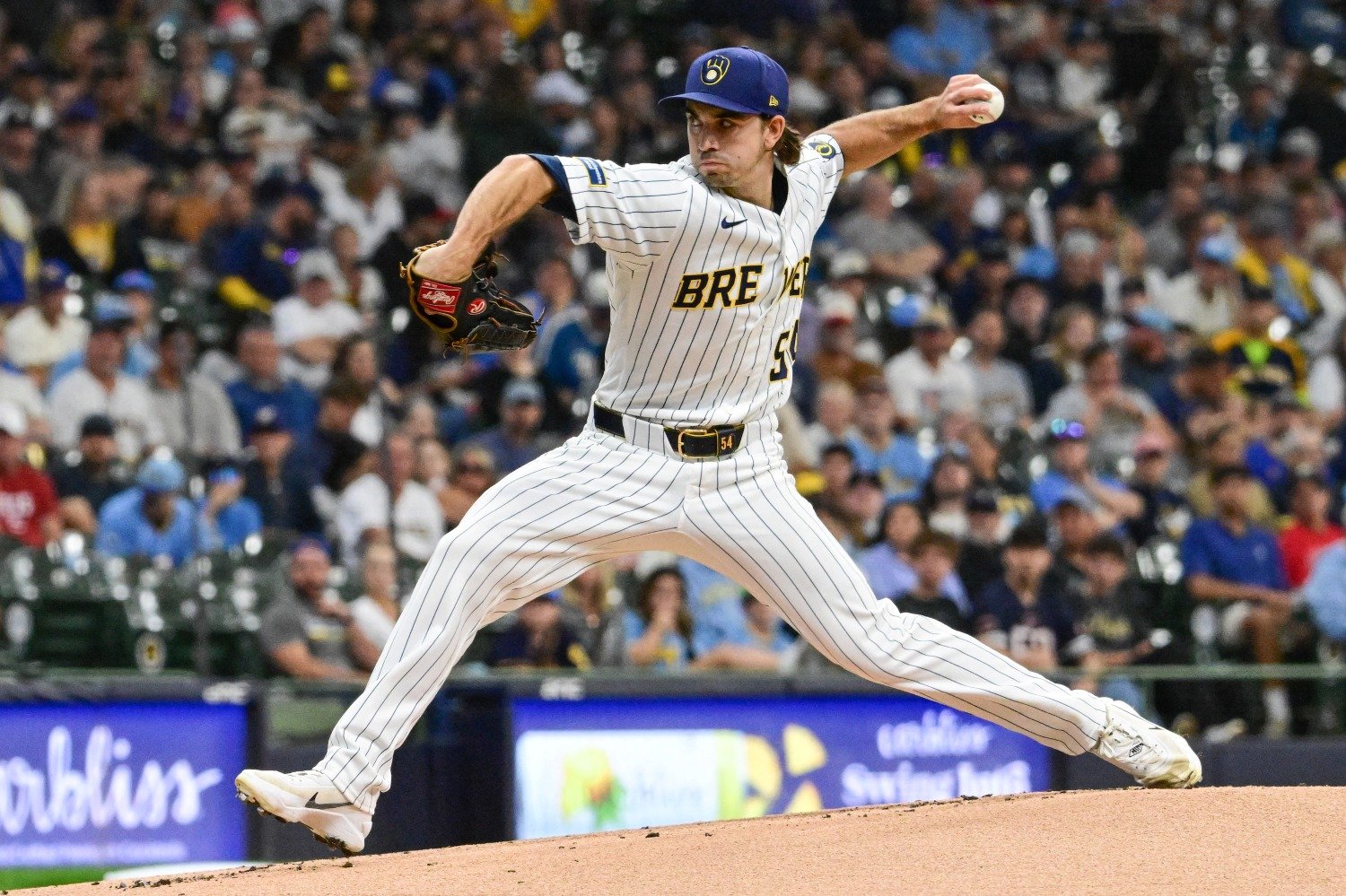 The Milwaukee Brewers’ pitching staff has been lights-out all season long. Only the Boston Red Sox and Los Angeles Dodgers have allowed fewer runs than Milwaukee this year, and there’s arguably no better team in baseball at getting the most out of its pitching staff. Jacob Misiorowski has developed into the best arm in the league and will win the NL Cy Young Award. Logan Henderson has also broken out as a rookie, looking like another potential frontline starter for the Brew Crew. But after those two, things get a little more interesting. It’s no secret that pitching wins games in the postseason, and with a 98-58 record, Milwaukee is in prime position to avoid the Wild Card round that begins next week. Whoever the Brewers face in the NLDS, Misiorowski will start Game 1, and Henderson will very likely take the ball in Game 2. The big question is what Milwaukee should do for Game 3. For most of the regular season, left-hander Kyle Harrison seemed like the easy choice. Harrison looked like a difference-maker during the first half of the season, posting a 3.01 ERA while striking out more than five batters for every walk. Even when he hit the injured list in July, the hope was that it would be a routine maintenance issue and that he'd return to the top half of the rotation. Unfortunately, things have gone in the opposite direction. His ERA has ballooned to 7.85 in the second half, and his struggles have his playoff role very much up in the air. A pitcher who looked like an obvious Game 3 candidate a couple of months ago now has a lot to prove before Milwaukee can feel comfortable even putting him on the playoff roster. Then there’s Dustin May. The Brewers acquired May from the Cardinals at the trade deadline alongside JoJo Romero, hoping he could provide some additional stability to their rotation. But there just hasn’t been a whole lot of consistency since he arrived in Milwaukee. He's made three quality starts since being acquired, which shows that there is still plenty of potential there. At the same time, he’s also had a handful of ugly outings that don’t leave you feeling overly confident about giving him the ball in a playoff game. That leaves Robert Gasser. Gasser and Harrison are both left-handed, which could give either one a slight advantage, considering Misiorowski and Henderson are both righties. Unlike Harrison and May, Gasser is also closing September strongly. The left-hander has allowed two or fewer earned runs in each of his last five starts, giving him the best recent stretch of the three candidates. That doesn’t mean Gasser has suddenly become a flawless option, though. Only one of those five starts lasted longer than 5 1/3 innings, and he's also issued a fair number of walks during that stretch. Those are both things Milwaukee will have to consider when deciding how much it can realistically expect from him in October. Still, of the three candidates, Gasser is the hot hand. If it were up to me, the Brewers’ Game 3 starter would be Gasser. Harrison simply hasn’t earned that opportunity. If Pat Murphy wants to use a left-handed starter in Game 3, Gasser feels like the safer option at this point. May would get my vote for Game 4, although it’s also possible Murphy uses him more as a bulk reliever than a traditional starter once October arrives. With May’s inconsistency and Gasser’s recent success, there are plenty of ways Milwaukee could structure its pitching staff beyond the first two games of the series. That flexibility could end up being one of the Brewers’ biggest advantages. Regardless of who winds up taking the ball in Game 3 of the NLDS, odds are good that the leash will be pretty short. Milwaukee has too many quality bullpen options to sit back and let a starter work through trouble simply because he was announced as the starter. After Misiorowski and Henderson set the tone at the top of the rotation, Murphy can lean heavily on that bullpen to navigate the later innings and shorten the game. But before the relievers take over, someone still has to take the ball in Game 3. That someone, barring a late change of some unforeseen kind, should be Gasser.
- 4 comments
-
- 2
-
-
- robert gasser
- dustin may
- (and 1 more)
-
The Brewers’ offense came up painfully short in last year’s NLCS against the Dodgers, with Brice Turang, Christian Yelich, and Sal Frelick among those who struggled at the plate. With another postseason run approaching, can this group make sure history doesn’t repeat itself? View full video
-
The Brewers’ offense came up painfully short in last year’s NLCS against the Dodgers, with Brice Turang, Christian Yelich, and Sal Frelick among those who struggled at the plate. With another postseason run approaching, can this group make sure history doesn’t repeat itself?
-
Image courtesy of Charles LeClaire-Imagn Images The MLB regular season is winding down, with the first round of the playoffs set to begin in less than a fortnight. At this point, the Milwaukee Brewers hold the best record in the National League and are in a very good position to earn a bye through the Wild Card round. It’s a spot this team is pretty familiar with: They entered last year’s postseason as the top seed in the NL, too. While the team took down the Chicago Cubs in the NLDS last year, though, the season came to an abrupt end in the NLCS when the Dodgers swept them in four games. The biggest reason for that? The offense couldn't solve Los Angeles's excellent starting pitchers. Milwaukee scored just one run in each game of the set. Their pitching staff actually did a pretty good job of keeping the Dodgers’ lineup in check for most of the games, but it didn’t matter, because the bats couldn’t give them anything to work with. That naturally raises the question heading into this postseason: Can the Brewers’ offense step up this time around? On paper: yes. Milwaukee has scored the second-most runs in baseball this season with 788, trailing only the Cubs. The offense has been especially productive lately, with the Brewers scoring at least eight runs in half of their games in September. There are plenty of reasons to believe the bats are getting hot at exactly the right time. But there’s also a little bit of déjà vu here. The Brewers had the second-most runs scored in baseball last season, too. They were the top seed in the National League and had been one of the best teams in baseball from start to finish. For much of the year, it felt like there wasn’t much that could get in their way. Then they got to the NLCS and went 14-for-119 at the plate across four games. That’s obviously a small sample size, but it was a disastrous one. Milwaukee couldn’t string together hits, couldn’t capitalize on opportunities, and ultimately gave itself no chance against the Dodgers. So why should this year be any different? Firstly, if you never step in the same river twice, you never take the same lineup to the playoffs twice, either. Guys like Brice Turang, Christian Yelich and Sal Frelick struggled mightily in that series. Turang went 1-for-15, while Yelich and Frelick combined to go 1-for-14. Those players now have another postseason run in front of them, and they have an opportunity to make sure the same thing doesn’t happen again. Experience obviously doesn’t guarantee better results, but in terms of both knowledge and emotion, each experience like losing a playoff series changes you—and opens up a new menu of adjustments and opportunities. The other reason I’m more confident in this Brewers offense is the way they’ve performed in high-leverage situations throughout the season. Milwaukee has the highest team batting average and on-base percentage in baseball in high-leverage spots. Their .781 OPS in those situations is just three points behind the Astros for the league lead. That’s a pretty significant development compared to last season. The Brewers weren’t nearly as successful in those moments a year ago, and eventually, that lack of production caught up with them in the postseason. This year’s team has shown a much greater ability to come through when the pressure is on. When you get into a playoff series where one or two hits with runners in scoring position can completely change a game, that can make a massive difference. If they've approached it correctly, this whole season can serve as a staging period and preparation for October. Every clutch hit next month is worth two or three of them in the regular campaign. The pitching staff can only do so much. Even if the Brewers get another strong postseason from their arms, they’ll need the offense to support them. After what happened at the end of last season, this feels like a group with something to prove. Milwaukee has already established themselves as one of the best teams in baseball over the course of the regular season. Now, they have another opportunity to prove that this team is capable of finishing the job. The offense will have a lot to do with whether they can. View full article
-
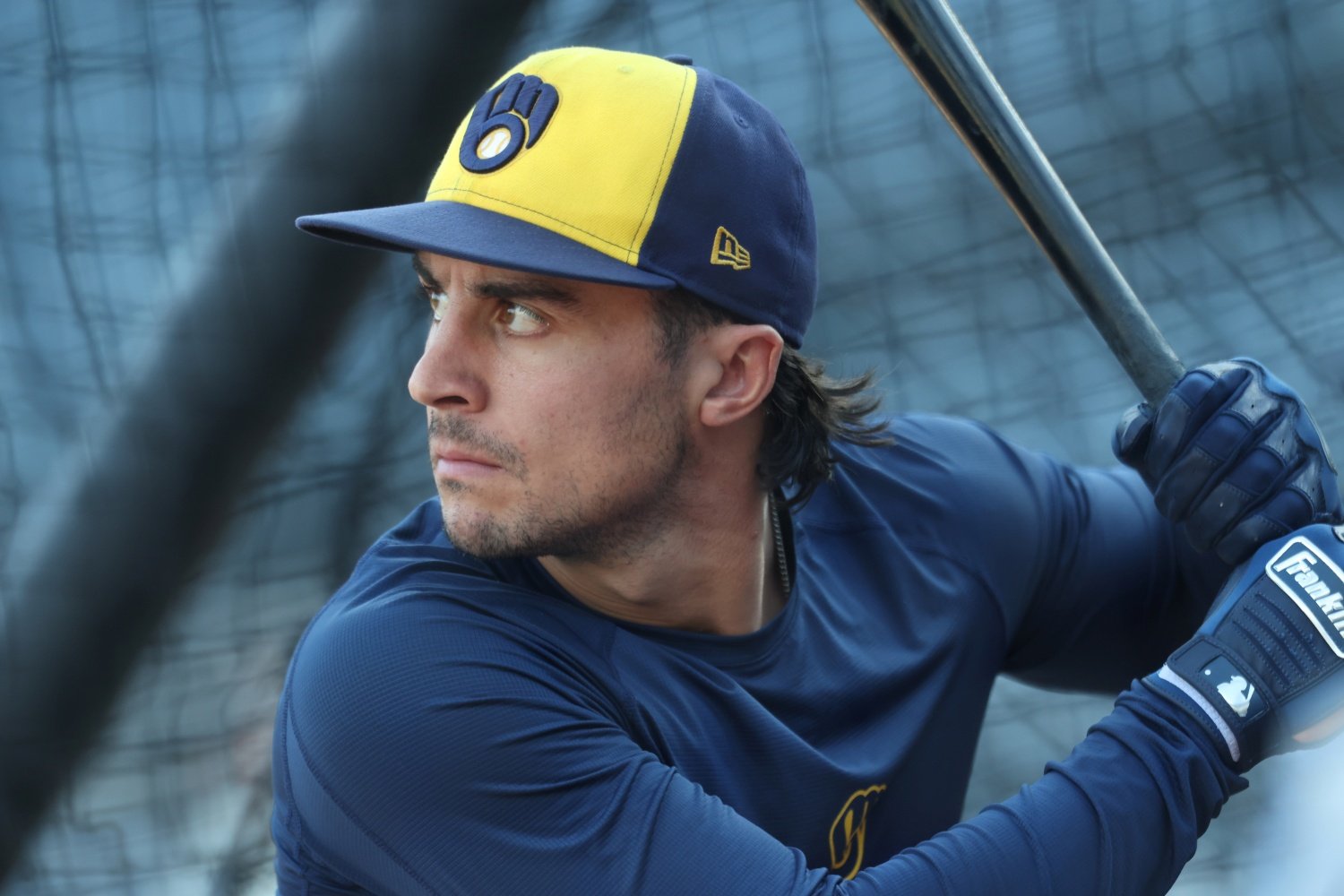 The MLB regular season is winding down, with the first round of the playoffs set to begin in less than a fortnight. At this point, the Milwaukee Brewers hold the best record in the National League and are in a very good position to earn a bye through the Wild Card round. It’s a spot this team is pretty familiar with: They entered last year’s postseason as the top seed in the NL, too. While the team took down the Chicago Cubs in the NLDS last year, though, the season came to an abrupt end in the NLCS when the Dodgers swept them in four games. The biggest reason for that? The offense couldn't solve Los Angeles's excellent starting pitchers. Milwaukee scored just one run in each game of the set. Their pitching staff actually did a pretty good job of keeping the Dodgers’ lineup in check for most of the games, but it didn’t matter, because the bats couldn’t give them anything to work with. That naturally raises the question heading into this postseason: Can the Brewers’ offense step up this time around? On paper: yes. Milwaukee has scored the second-most runs in baseball this season with 788, trailing only the Cubs. The offense has been especially productive lately, with the Brewers scoring at least eight runs in half of their games in September. There are plenty of reasons to believe the bats are getting hot at exactly the right time. But there’s also a little bit of déjà vu here. The Brewers had the second-most runs scored in baseball last season, too. They were the top seed in the National League and had been one of the best teams in baseball from start to finish. For much of the year, it felt like there wasn’t much that could get in their way. Then they got to the NLCS and went 14-for-119 at the plate across four games. That’s obviously a small sample size, but it was a disastrous one. Milwaukee couldn’t string together hits, couldn’t capitalize on opportunities, and ultimately gave itself no chance against the Dodgers. So why should this year be any different? Firstly, if you never step in the same river twice, you never take the same lineup to the playoffs twice, either. Guys like Brice Turang, Christian Yelich and Sal Frelick struggled mightily in that series. Turang went 1-for-15, while Yelich and Frelick combined to go 1-for-14. Those players now have another postseason run in front of them, and they have an opportunity to make sure the same thing doesn’t happen again. Experience obviously doesn’t guarantee better results, but in terms of both knowledge and emotion, each experience like losing a playoff series changes you—and opens up a new menu of adjustments and opportunities. The other reason I’m more confident in this Brewers offense is the way they’ve performed in high-leverage situations throughout the season. Milwaukee has the highest team batting average and on-base percentage in baseball in high-leverage spots. Their .781 OPS in those situations is just three points behind the Astros for the league lead. That’s a pretty significant development compared to last season. The Brewers weren’t nearly as successful in those moments a year ago, and eventually, that lack of production caught up with them in the postseason. This year’s team has shown a much greater ability to come through when the pressure is on. When you get into a playoff series where one or two hits with runners in scoring position can completely change a game, that can make a massive difference. If they've approached it correctly, this whole season can serve as a staging period and preparation for October. Every clutch hit next month is worth two or three of them in the regular campaign. The pitching staff can only do so much. Even if the Brewers get another strong postseason from their arms, they’ll need the offense to support them. After what happened at the end of last season, this feels like a group with something to prove. Milwaukee has already established themselves as one of the best teams in baseball over the course of the regular season. Now, they have another opportunity to prove that this team is capable of finishing the job. The offense will have a lot to do with whether they can.
 -
There’s a lot more to the Brewers than simply having the best record in baseball. With Jacob Misiorowski anchoring a deep pitching staff and Jackson Chourio leading a dangerous lineup, Milwaukee has all the ingredients of a championship team. View full video
-
There’s a lot more to the Brewers than simply having the best record in baseball. With Jacob Misiorowski anchoring a deep pitching staff and Jackson Chourio leading a dangerous lineup, Milwaukee has all the ingredients of a championship team.
-
Image courtesy of Michael McLoone-Imagn Images Despite playing in the smallest market in baseball, the Milwaukee Brewers have assembled a championship-caliber roster. That was evident earlier this week when they hosted the Chicago Cubs for a three-game series. Not only did Milwaukee sweep its division rivals (who are also looking to make a deep postseason run), but the Brewers never wavered when things got tight. Two of the three games were decided in the eighth inning or later, including an extra-inning win. Those are the types of games where the best teams in baseball find a way to get it done, and Milwaukee did exactly that. At this point, it’s difficult to argue that the Brewers aren’t one of those teams. The team has done their best to obliterate any lingering doubts, too, with a two-day barrage at the expense of the Reds since the Cubs left town. Milwaukee currently owns the best record in baseball. Of course, having the best record in baseball doesn’t automatically mean a team is built for October. Plenty of regular-season juggernauts have fallen short once the postseason began. But when looking at this Brewers roster from top to bottom, it’s hard not to see a team that has everything it needs to go out and win a World Series. The Misiorowski (and Co.) Factor Even in last year’s NLCS, when the Brewers were swept by the Dodgers, Milwaukee allowed just 15 combined runs over four games against the best offense in baseball. The problem was that the Brewers were held to just four total runs themselves. That was last year, though, and I’d argue Milwaukee’s pitching staff has done nothing but improve since then. Obviously, Jacob Misiorowski can shut down any lineup on any given night. He’s the heavy favorite for the NL Cy Young Award, and rightfully so. The right-hander has allowed more than three earned runs in a game just once all season. That’s an absurd level of consistency from a pitcher who has quickly established himself as arguably the most dominant arm in the league. And it doesn’t stop there. Logan Henderson has broken out as a rookie, giving the Brewers another potential frontline starter heading into October. If Kyle Harrison can get back on track, the trio of Misiorowski, Henderson and Harrison could give Pat Murphy a filthy rotation to work with when the postseason arrives. From there, Murphy has options. Shane Drohan, Dustin May and Robert Gasser can all be deployed depending on the matchup, the series situation and how the rotation lines up. Having that kind of depth gives Milwaukee something that becomes incredibly valuable in October: flexibility. Meanwhile, the bullpen keeps humming along. Trevor Megill, Abner Uribe, Aaron Ashby, Chad Patrick and JoJo Romero give Murphy a collection of arms he can use in different situations and against different portions of opposing lineups. He doesn’t need one guy to dominate every time a game gets to the late innings. He can play the matchups. Overall, this pitching staff has been lights out all season, and until we see otherwise, there’s no reason to believe October will be any different. A Different Kind of Lineup Danger Of course, pitching alone isn’t going to win Milwaukee a championship. The Brewers also have the lineup necessary to give their pitchers leads to work with; that was on full display against the Cubs earlier this week. Jackson Chourio was a nightmare for Chicago throughout the series, and that's carried right into the weekend. Brice Turang has rediscovered his form, as he recovers from a knee injury he played through for a while. William Contreras and Garrett Mitchell are the wild cards of this lineup, and they're getting hot at the right time. Jake Bauers has become a left-handed slugger so reliable it's easy to take him for granted. Last year, however, the Brewers found out the hard way that the regular season and postseason are two very different animals. They were held to just one run in each of their four NLCS games against the Dodgers, and that ultimately ended what had been a tremendous season. If Milwaukee is going to get over the hump this time around, it’s going to be the bats that have to step up and get it done. The pitching staff has already shown it can keep a championship-caliber offense in check. Now, the lineup needs to prove it can produce when the margin for error gets as small as it does in October. That’s the biggest question hanging over this team. There’s a reason the Brewers have the best record in baseball. They’ve been one of the most complete teams in the league all season; they have enough pitching to survive a postseason series and a lineup capable of putting crooked numbers on the board when things start clicking. More importantly, this is a team that already knows what it feels like to come up short. After getting swept in the NLCS last October, Milwaukee has spent the entire 2026 season putting themselves in position to have another shot. Now, with the best record in baseball and a roster that looks even more complete than it did a year ago, the Brewers are running out of excuses. They're running out of ways to lose playoff series. It's time to win some and make this the year. View full article
-
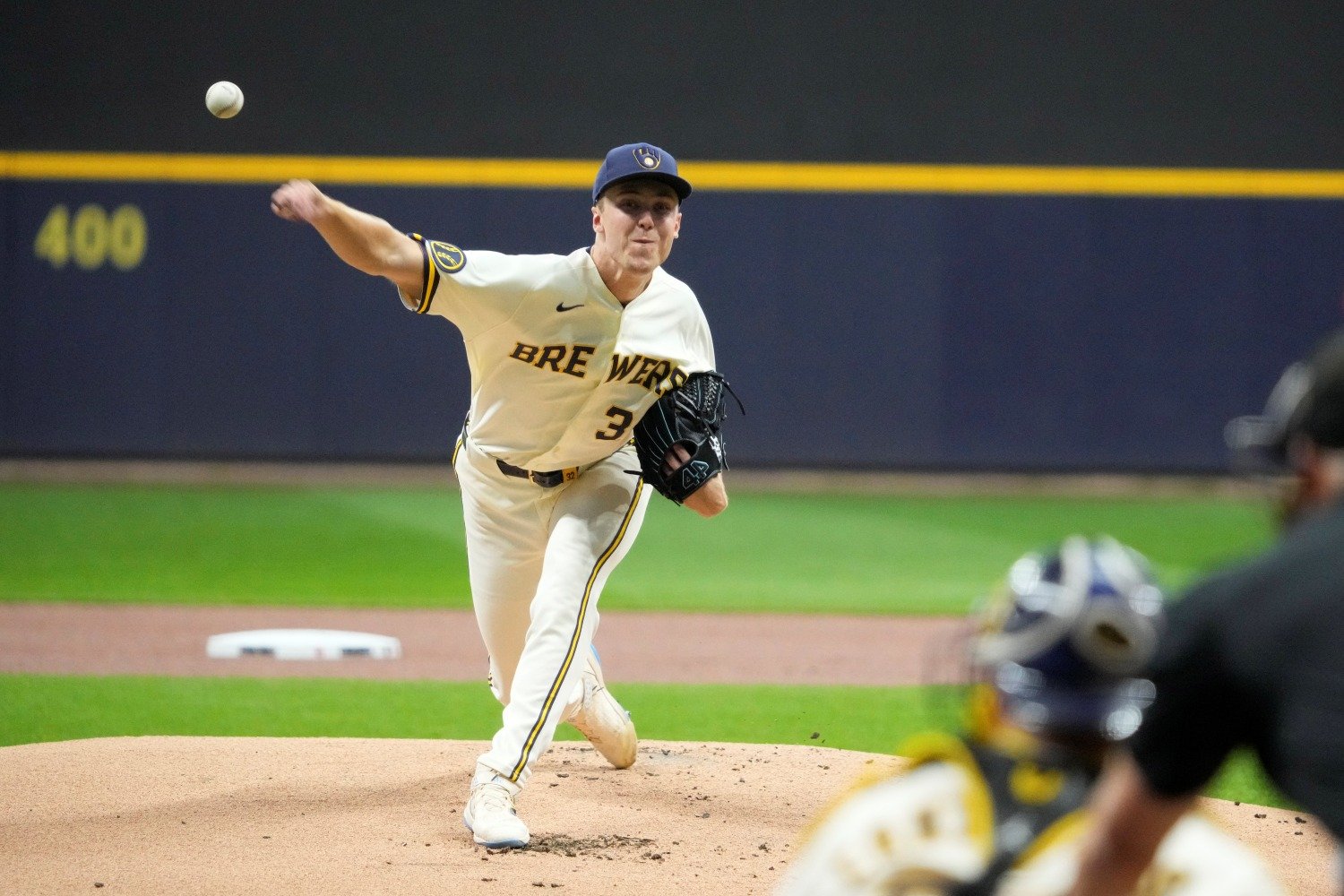 Despite playing in the smallest market in baseball, the Milwaukee Brewers have assembled a championship-caliber roster. That was evident earlier this week when they hosted the Chicago Cubs for a three-game series. Not only did Milwaukee sweep its division rivals (who are also looking to make a deep postseason run), but the Brewers never wavered when things got tight. Two of the three games were decided in the eighth inning or later, including an extra-inning win. Those are the types of games where the best teams in baseball find a way to get it done, and Milwaukee did exactly that. At this point, it’s difficult to argue that the Brewers aren’t one of those teams. The team has done their best to obliterate any lingering doubts, too, with a two-day barrage at the expense of the Reds since the Cubs left town. Milwaukee currently owns the best record in baseball. Of course, having the best record in baseball doesn’t automatically mean a team is built for October. Plenty of regular-season juggernauts have fallen short once the postseason began. But when looking at this Brewers roster from top to bottom, it’s hard not to see a team that has everything it needs to go out and win a World Series. The Misiorowski (and Co.) Factor Even in last year’s NLCS, when the Brewers were swept by the Dodgers, Milwaukee allowed just 15 combined runs over four games against the best offense in baseball. The problem was that the Brewers were held to just four total runs themselves. That was last year, though, and I’d argue Milwaukee’s pitching staff has done nothing but improve since then. Obviously, Jacob Misiorowski can shut down any lineup on any given night. He’s the heavy favorite for the NL Cy Young Award, and rightfully so. The right-hander has allowed more than three earned runs in a game just once all season. That’s an absurd level of consistency from a pitcher who has quickly established himself as arguably the most dominant arm in the league. And it doesn’t stop there. Logan Henderson has broken out as a rookie, giving the Brewers another potential frontline starter heading into October. If Kyle Harrison can get back on track, the trio of Misiorowski, Henderson and Harrison could give Pat Murphy a filthy rotation to work with when the postseason arrives. From there, Murphy has options. Shane Drohan, Dustin May and Robert Gasser can all be deployed depending on the matchup, the series situation and how the rotation lines up. Having that kind of depth gives Milwaukee something that becomes incredibly valuable in October: flexibility. Meanwhile, the bullpen keeps humming along. Trevor Megill, Abner Uribe, Aaron Ashby, Chad Patrick and JoJo Romero give Murphy a collection of arms he can use in different situations and against different portions of opposing lineups. He doesn’t need one guy to dominate every time a game gets to the late innings. He can play the matchups. Overall, this pitching staff has been lights out all season, and until we see otherwise, there’s no reason to believe October will be any different. A Different Kind of Lineup Danger Of course, pitching alone isn’t going to win Milwaukee a championship. The Brewers also have the lineup necessary to give their pitchers leads to work with; that was on full display against the Cubs earlier this week. Jackson Chourio was a nightmare for Chicago throughout the series, and that's carried right into the weekend. Brice Turang has rediscovered his form, as he recovers from a knee injury he played through for a while. William Contreras and Garrett Mitchell are the wild cards of this lineup, and they're getting hot at the right time. Jake Bauers has become a left-handed slugger so reliable it's easy to take him for granted. Last year, however, the Brewers found out the hard way that the regular season and postseason are two very different animals. They were held to just one run in each of their four NLCS games against the Dodgers, and that ultimately ended what had been a tremendous season. If Milwaukee is going to get over the hump this time around, it’s going to be the bats that have to step up and get it done. The pitching staff has already shown it can keep a championship-caliber offense in check. Now, the lineup needs to prove it can produce when the margin for error gets as small as it does in October. That’s the biggest question hanging over this team. There’s a reason the Brewers have the best record in baseball. They’ve been one of the most complete teams in the league all season; they have enough pitching to survive a postseason series and a lineup capable of putting crooked numbers on the board when things start clicking. More importantly, this is a team that already knows what it feels like to come up short. After getting swept in the NLCS last October, Milwaukee has spent the entire 2026 season putting themselves in position to have another shot. Now, with the best record in baseball and a roster that looks even more complete than it did a year ago, the Brewers are running out of excuses. They're running out of ways to lose playoff series. It's time to win some and make this the year.
- 2 comments
-
- 1
-
-
- jacob misiorowski
- jackson chourio
- (and 1 more)
-
The Brewers have yet another incredibly talented young outfielder rising through their farm system. Braylon Payne’s combination of power and speed gives him one of the highest ceilings in Milwaukee's farm system. View full video
-
The Brewers have yet another incredibly talented young outfielder rising through their farm system. Braylon Payne’s combination of power and speed gives him one of the highest ceilings in Milwaukee's farm system.
-
Image courtesy of USA TODAY Network via Reuters Connect Over the last decade or so, the Milwaukee Brewers have done a sensational job of identifying young talent and developing legitimate big-league contributors. Jackson Chourio and Brice Turang are two of the best recent examples, with both homegrown prospects turning into key pieces of Milwaukee’s roster. There are plenty of other young players who could soon follow that path. Jesús Made, Luis Lara and Cooper Pratt are all highly-regarded young talents within the organization, but there’s another name with legitimate superstar potential beginning to shine through: outfielder Braylon Payne. Payne was Milwaukee’s first-round pick in the 2024 MLB Draft and currently ranks as the No. 4 prospect in the organization, according to the Brewer Fanatic community. Considering he was just 17 years old when he made his professional debut, it’s pretty remarkable how quickly he has moved through the minor leagues. You certainly wouldn’t have known Payne was that young based on how he's played. He posted a .910 OPS at High-A Wisconsin, before earning a promotion to Double-A on his 20th birthday. It’s uncommon for a player that young to even reach Double-A, let alone immediately find success against significantly more advanced pitching—but that’s exactly what Payne has done. He’s currently slashing .289/.337/.482 with an .812 OPS at Double-A. Those numbers are a step down from what he produced at High-A, which is completely understandable given the added difficulty of the competition, but there are actually some areas where Payne has improved since making the jump. Most notably, he’s striking out less often. That's one of the more important things to watch with Payne moving forward. Bat-to-ball ability has been one of the big concerns surrounding him as a professional. He struck out in roughly 30% of his plate appearances at High-A, which is a fairly concerning number even when accounting for his age. That number has dropped to 28% at Double-A. That’s obviously not some massive decrease, and there’s still plenty of room for Payne to improve in that area. However, some context is important. The jump from High-A to Double-A is widely regarded as the toughest jump in the minor leagues, as hitters are facing better stuff, more advanced pitchers and fewer mistakes to take advantage of. For Payne to actually make more contact against that level of competition is a really encouraging sign, and it’s especially important because he’s the type of player you really don’t want getting himself out. There aren’t many players in the minor leagues who possess the raw tools that Payne has. In his 98 games between the two levels this season, he has hit 25 home runs and stolen 25 bases. Payne has always been an elite runner. He entered the 2024 Draft as one of the fastest players in the class, and that speed gives him an obvious weapon that can impact the game in multiple ways. He can take extra bases, steal bags and could provide above-average defense in center field. But the power development is what has taken his profile to another level. Payne hit just eight home runs in 78 games during the 2025 season. He was always capable of driving the ball into the gaps, but there were questions about whether he would develop enough power to become a consistent home run threat. This year has gone a long way toward answering that question. If Payne’s power breakout is legitimate, we’re talking about a player who could realistically have a 30-30 ceiling at the major-league level while providing at least average defense in the outfield. That’s not just a good player; that’s a potential superstar. Of course, it’s far too early to say with any certainty that Payne will become that type of player. He’s still just 20 years old, has plenty of development ahead of him and must prove that he can consistently make enough contact to maximize those impressive tools. The strikeout rate remains the biggest thing standing between Payne and that incredibly high ceiling. But man, it’s hard not to be excited about his future. If he can continue to bring that number down while maintaining the power and speed he's shown this season, his overall offensive profile could become extremely dangerous. There are plenty of prospects who can do one or two things really well. There aren’t nearly as many who combine elite speed with legitimate power potential at such a young age. Payne has already shown flashes of being able to do both, and now he’s starting to show signs that the biggest weakness in his game may be improving as well. The Brewers have already turned Chourio and Turang into stars, and they have plenty of other young talent coming through the organization. Payne has a chance to be the next big name in that group. If he can get the swing-and-miss just a little more under control, I don’t think it’s crazy to say that Payne has the potential to become a superstar. View full article
-
Braylon Payne is Starting to Look Like a Superstar in the Making
Sam Caulder posted an article in Minor Leagues
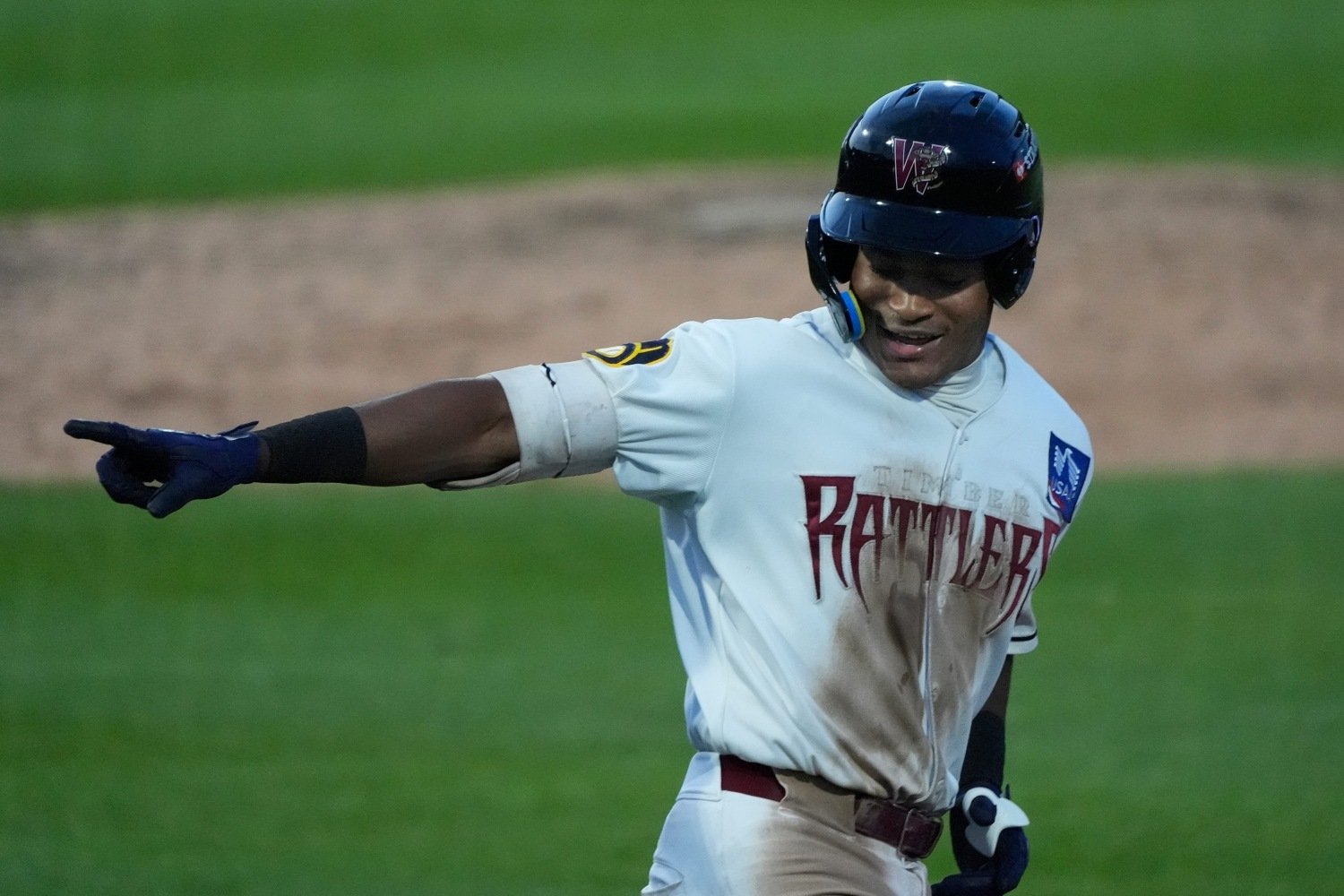 Over the last decade or so, the Milwaukee Brewers have done a sensational job of identifying young talent and developing legitimate big-league contributors. Jackson Chourio and Brice Turang are two of the best recent examples, with both homegrown prospects turning into key pieces of Milwaukee’s roster. There are plenty of other young players who could soon follow that path. Jesús Made, Luis Lara and Cooper Pratt are all highly-regarded young talents within the organization, but there’s another name with legitimate superstar potential beginning to shine through: outfielder Braylon Payne. Payne was Milwaukee’s first-round pick in the 2024 MLB Draft and currently ranks as the No. 4 prospect in the organization, according to the Brewer Fanatic community. Considering he was just 17 years old when he made his professional debut, it’s pretty remarkable how quickly he has moved through the minor leagues. You certainly wouldn’t have known Payne was that young based on how he's played. He posted a .910 OPS at High-A Wisconsin, before earning a promotion to Double-A on his 20th birthday. It’s uncommon for a player that young to even reach Double-A, let alone immediately find success against significantly more advanced pitching—but that’s exactly what Payne has done. He’s currently slashing .289/.337/.482 with an .812 OPS at Double-A. Those numbers are a step down from what he produced at High-A, which is completely understandable given the added difficulty of the competition, but there are actually some areas where Payne has improved since making the jump. Most notably, he’s striking out less often. That's one of the more important things to watch with Payne moving forward. Bat-to-ball ability has been one of the big concerns surrounding him as a professional. He struck out in roughly 30% of his plate appearances at High-A, which is a fairly concerning number even when accounting for his age. That number has dropped to 28% at Double-A. That’s obviously not some massive decrease, and there’s still plenty of room for Payne to improve in that area. However, some context is important. The jump from High-A to Double-A is widely regarded as the toughest jump in the minor leagues, as hitters are facing better stuff, more advanced pitchers and fewer mistakes to take advantage of. For Payne to actually make more contact against that level of competition is a really encouraging sign, and it’s especially important because he’s the type of player you really don’t want getting himself out. There aren’t many players in the minor leagues who possess the raw tools that Payne has. In his 98 games between the two levels this season, he has hit 25 home runs and stolen 25 bases. Payne has always been an elite runner. He entered the 2024 Draft as one of the fastest players in the class, and that speed gives him an obvious weapon that can impact the game in multiple ways. He can take extra bases, steal bags and could provide above-average defense in center field. But the power development is what has taken his profile to another level. Payne hit just eight home runs in 78 games during the 2025 season. He was always capable of driving the ball into the gaps, but there were questions about whether he would develop enough power to become a consistent home run threat. This year has gone a long way toward answering that question. If Payne’s power breakout is legitimate, we’re talking about a player who could realistically have a 30-30 ceiling at the major-league level while providing at least average defense in the outfield. That’s not just a good player; that’s a potential superstar. Of course, it’s far too early to say with any certainty that Payne will become that type of player. He’s still just 20 years old, has plenty of development ahead of him and must prove that he can consistently make enough contact to maximize those impressive tools. The strikeout rate remains the biggest thing standing between Payne and that incredibly high ceiling. But man, it’s hard not to be excited about his future. If he can continue to bring that number down while maintaining the power and speed he's shown this season, his overall offensive profile could become extremely dangerous. There are plenty of prospects who can do one or two things really well. There aren’t nearly as many who combine elite speed with legitimate power potential at such a young age. Payne has already shown flashes of being able to do both, and now he’s starting to show signs that the biggest weakness in his game may be improving as well. The Brewers have already turned Chourio and Turang into stars, and they have plenty of other young talent coming through the organization. Payne has a chance to be the next big name in that group. If he can get the swing-and-miss just a little more under control, I don’t think it’s crazy to say that Payne has the potential to become a superstar.
 -
The Brewers didn't land Tarik Skubal, but they still addressed their pitching staff with two high-upside additions. Here's what Dustin May and JoJo Romero bring to Milwaukee, and why trading Josiah Ragsdale and Alexander Frias could pay off in October. View full video
-
The Brewers didn't land Tarik Skubal, but they still addressed their pitching staff with two high-upside additions. Here's what Dustin May and JoJo Romero bring to Milwaukee, and why trading Josiah Ragsdale and Alexander Frias could pay off in October.
-
Bo Naylor brings long-term upside behind the plate, while Codi Heuer gives Milwaukee another reclamation project on the mound. Here's what Brewers fans should expect from the club's newest additions. View full video
-
Bo Naylor brings long-term upside behind the plate, while Codi Heuer gives Milwaukee another reclamation project on the mound. Here's what Brewers fans should expect from the club's newest additions.
