


Brewers Video
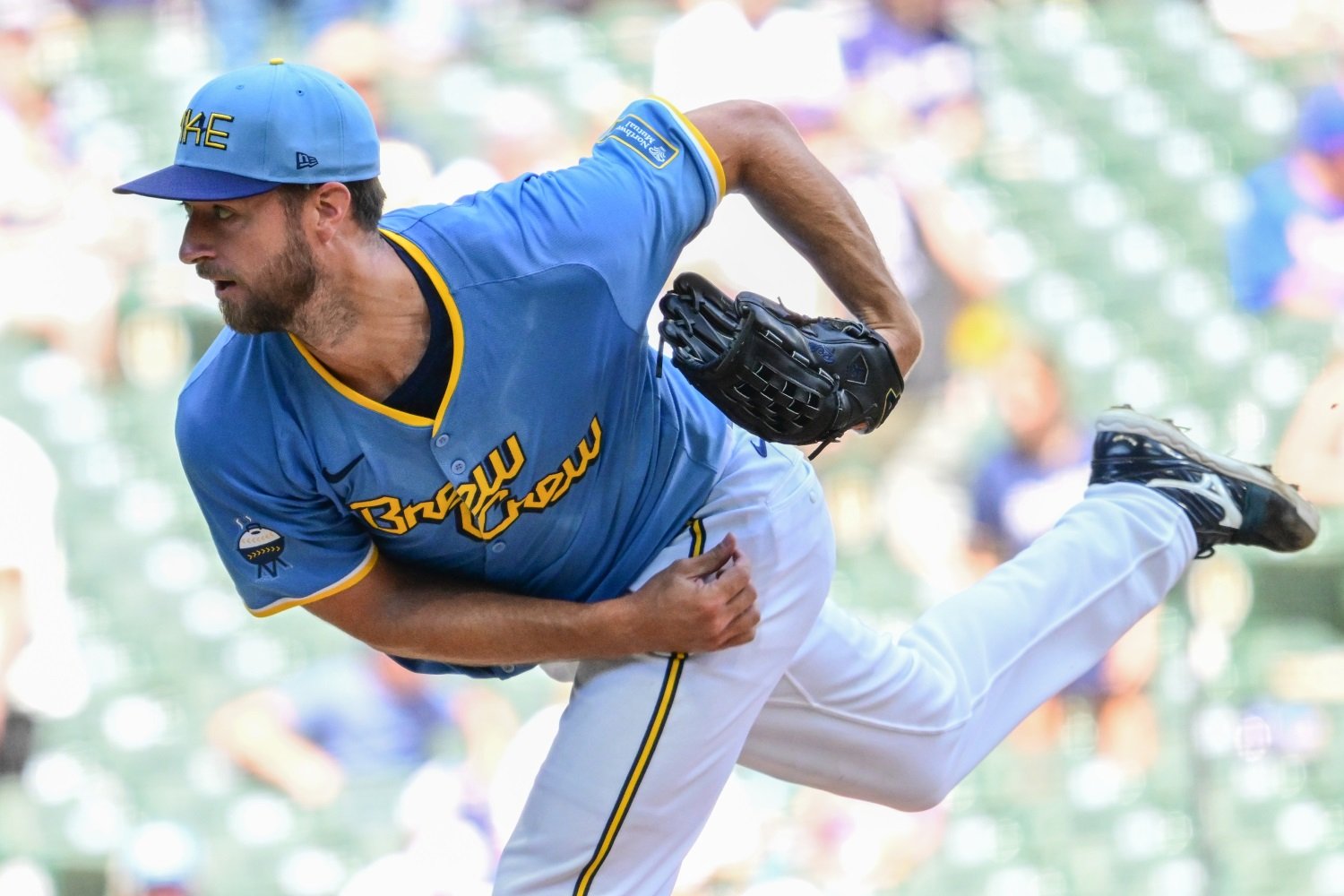
It's not like Colin Rea was striking batters out at some elite, obviously unsustainable rate in the past. Last season, when he had a respectable but pedestrian 4.55 ERA, he got there with a strikeout rate right around the league average for starters; good control; and a lot of defensive support. This year, though, he's posting a 3.59 ERA--even though he's made virtually no change in his walk rate and is striking out fewer hitters than before. He's pitching much the same way, and is arguably less effective in a raw, pitch-to-pitch sense, but his surface-level numbers have only gotten better. How?
Firstly, you have to remember how Rea got into trouble in 2023, when he did so. It tended to be left-handed hitters creating a whole lot of power. As a group, they batted .251/.314/.502 against him, with 6.1% of the plate appearances in which he faced a lefty ending in home runs. It neutered his efforts to strand runners who reached base, and although he survived, he couldn't thrive that way.
This season, Rea's strikeout and walk rates against lefties have gotten marginally worse. He's throwing them more splitters and more sweepers, and in a modern, whiff-focused way of looking at things, that's a recipe for disaster for a pitcher like Rea. In truth, though, he's getting much better results from the approach. Lefties are hitting .235/.300/.423 against Rea this year, and only 3.9% of their trips to the plate against him have ended in home runs. Last year, in 247 plate appearances, lefties hit 61 ground balls against Rea. This year, in 257 of them, that number has jumped to 84.
The splitter has been an especially good weapon in this way. Rea has turned to it several times when he was in trouble, or when a good hitter has seen him a time or two already in a game. He got Rafael Devers with it during a very good outing in Boston in late May:
And somewhat more dramatically, in a summer showdown in Philadelphia with Bryce Harper and with the game in the balance, he used it again:
Often, commentators talk about the one mistake that got a pitcher killed in a given game. The reality, though, is that even good hitters don't punish mistakes perfectly or evenly. If you lost a game based on a mistake pitch, it probably wasn't anywhere close to your only one. You got a little bit lucky. But maybe you also contributed to your own good fortune. For instance, Rea throws a six-pitch mix. That forces a hitter like Harper to cover the whole zone, think about multiple possible speeds, and still get off a fateful swing. It's hard to do, and for that reason, sometimes, a pitcher gets away with a hanging splitter in a spot like this one.
Does that mean Rea is just due for lots of regression, and soon? Not by a long shot. That home run prevention is real, and Harper illustrates the point nicely. Rea not only has a deep arsenal, but is increasingly comfortable using it all. That's helped his ground-ball rate against lefty batters to spike from 36.0% to over 46%. He's still reliant on the superb defenders behind him, and you'd still rather see him increase his strikeout and per-swing whiff rates, instead of decreasing them, but Rea can succeed this way, if he can keep finding ways to create off-balance contact.
When we talk about the variability of pitcher performance, too often, we treat the concept as indistinguishable from luck. We deride pitchers who appear to have gotten lucky--who, like Rea has, run opponent BABIPs in the .250s in consecutive seasons, or who don't pay for hanging a pitch like that to Harper. Often, though, it's very real. The thing is, it can still change almost instantly, because it requires a bit of luck and a lot of consistent, connected movements and thoughts. If Rea wanted to max out his whiff rate, he could lean harder into one or two pitch types, hone them for that capacity, and notch more strikeouts. Instead, he's accepting the diminution of his strikeout rate, and keeps hunting harmless contact.
Rea and his catchers have to stay ahead of hitters mentally, and he has to have exceptionally good command. Without those two elements, his ability to throw many different pitches wouldn't be especially valuable, and Rea would get hit hard. He doesn't have the stuff to miss a lot of bats, especially now that the league roughly understands his scouting report. By providing enough of a moving target, though, he can avoid taking the brunt of that weakness. He forces hitters to think about him as carefully as they do harder throwers with nastier breaking balls. He sidesteps danger and keeps piling up outs, for a team who needs him desperately.
Do you approve of the job Pat Murphy is doing as Brewers manager?

Follow Brewer Fanatic For Milwaukee Brewers News & Analysis



-
 1
1


Recommended Comments
There are no comments to display.
Create an account or sign in to comment
You need to be a member in order to leave a comment
Create an account
Sign up for a new account in our community. It's easy!
Register a new accountSign in
Already have an account? Sign in here.
Sign In Now