


Brewers Video
Because all that matters, in the end, is the end, it's best not to dwell in details and minutiae. Effectively, the Brewers executed a single, multi-phase maneuver Monday, acquiring right-handed pitcher Quinn Priester and outfielder Daz Cameron for reliever Grant Wolfram, outfield prospect Yophery Rodriguez, and the 33rd pick in July's MLB Draft. They'll give up a player to be named later, but they also get cash in the deal.
Taken together this way, the two trades Milwaukee made point in a coherent direction. Without overbalancing and hurting themselves for the long term, they want to win in 2025, and they're closer to that goal now than when they woke up this morning. Priester, as we've already discussed (and will discuss further), will slot into the team's starting rotation, at least while they await reinforcement from Jose Quintana and some of their injured veterans. He still has minor-league options, making him no less versatile a fit for their roster than Wolfram was, but he's a much better fit for their current needs. Wolfram, a lefty with intriguing stuff, was nonetheless no higher than fourth on the team's lefty reliever totem pole, and doesn't offer the ability to start, as Priester does.
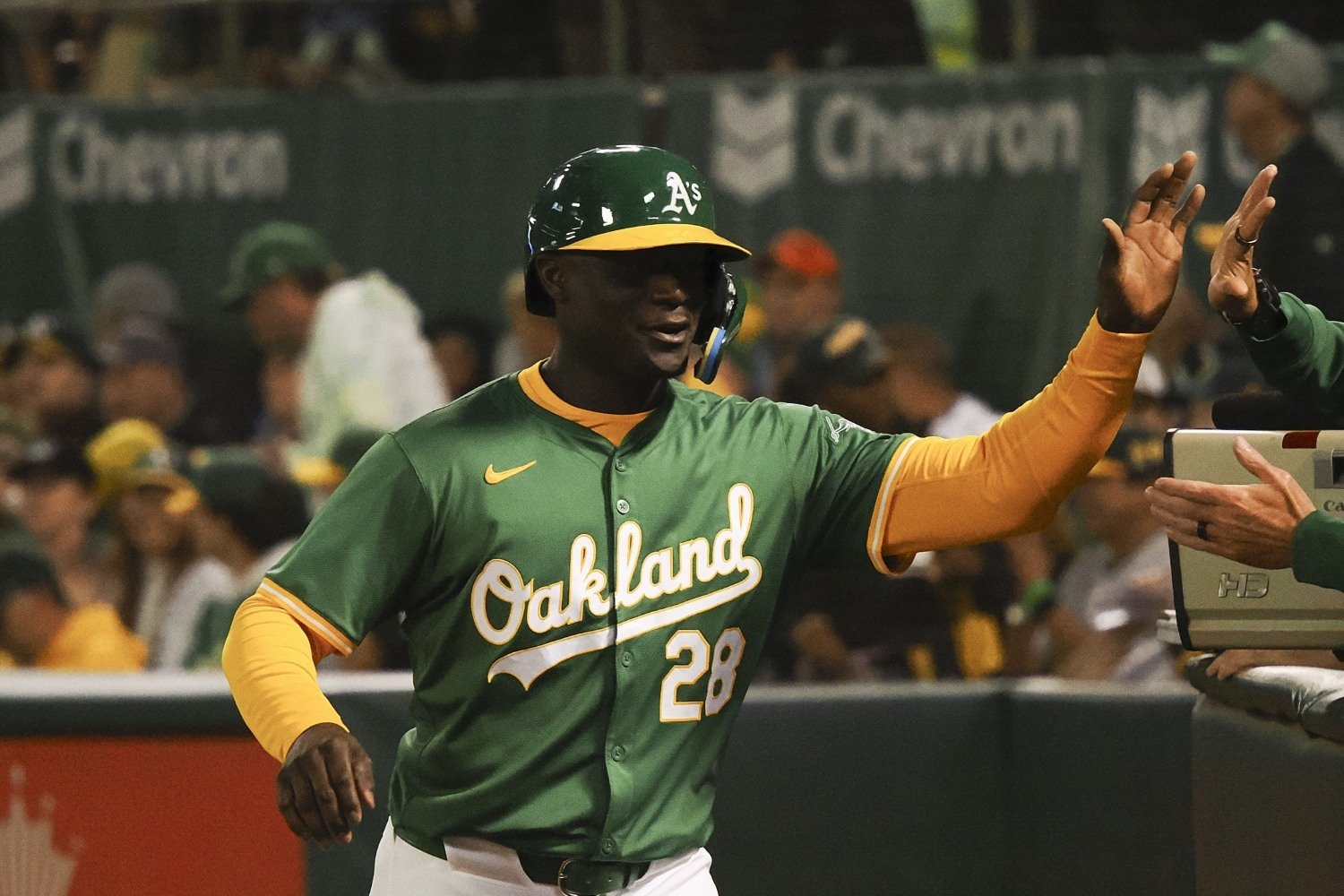
Cameron, the newest addition to the organization, is the son of former Brewers outfielder Mike Cameron. Now 28, he's long past his prospect sell-by date, and his career batting line—.201/.263/.330—tells you exactly why he not only didn't stick on the Orioles' 40-man roster through spring training, but cleared waivers and was outrighted to the minors. On the other hand, Cameron is a fast, solid defensive outfielder, and while his topline results with the A's last year were hideous, the under-the-hood numbers were much better.
With above-average swing decisions and a sweet-spot exit velocity in the 66th percentile, Cameron was a roughly average hitter by process in 2024, afflicted with very bad luck. He hit very well in spring training, too, but was the victim of a numbers game, after he'd been traded to the loaded Baltimore Orioles in the offseason. He doesn't have disastrous swing-and-miss issues, either. Cameron won't even take up a 40-man spot, for now, but he's an upgrade on non-roster outfield depth options like Jimmy Herron. If injury strikes the Brewers outfield before Blake Perkins is ready to return to the lineup, Cameron could be a strong stopgap.
The price the Brewers paid to get better at (say) the 16th and 37th spots on their organizational depth chart today feels somewhat steep, but it's merely the cost of an organization dedicating itself to both competing in the present and staying focused on the future. Cameron is out of options, but that doesn't matter unless or until he's promoted to the majors. Priester could be under team control for up to six years. The Brewers needed better depth, and they got it. As fans have often hoped they would, they're sliding some of their expected value forward, from the tail end of this decade to 2025. There's a transaction cost involved, but this was how the team elected to solve the problems posed by their rash of injuries throughout the roster. If nothing else, it's a higher-upside way of doing so than waiting for players to hit the waiver wire at just the right time and picking up only the players 20 or more other teams don't want.
Do you approve of the job the Brewers' front office is doing?

Follow Brewer Fanatic For Milwaukee Brewers News & Analysis



-
 1
1


Recommended Comments
Create an account or sign in to comment
You need to be a member in order to leave a comment
Create an account
Sign up for a new account in our community. It's easy!
Register a new accountSign in
Already have an account? Sign in here.
Sign In Now