


Brewers Video
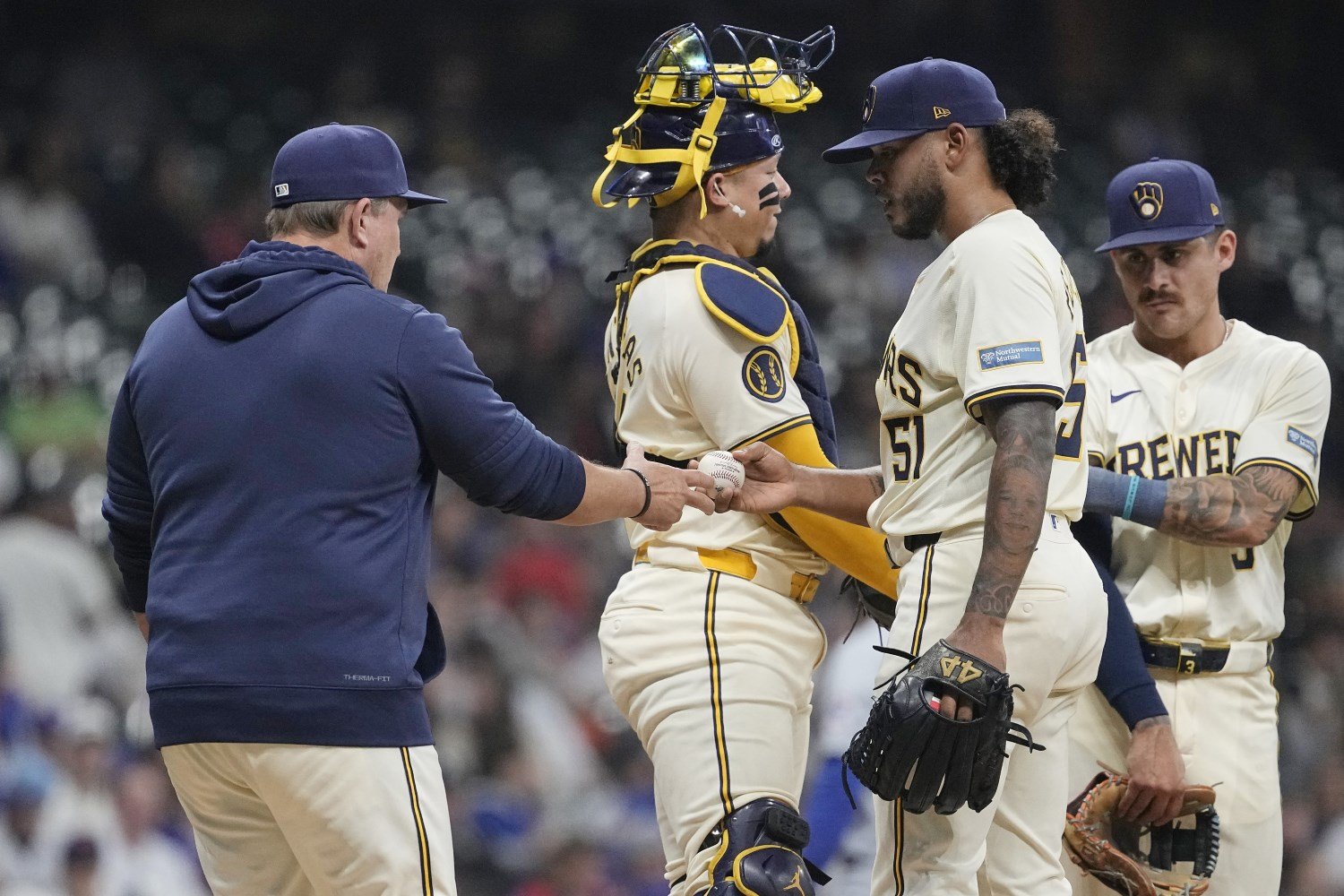
This is one aspect of managing within games at which, by general acclaim, Craig Counsell always excelled. Thus, especially with two of the team's three long-time co-aces absent along with Counsell, we might reasonably have worried that the Brewers would struggle to juggle the difficult, different weights of reliever and starter workloads and matchup questions in 2024. Pat Murphy is a respected baseball man, but he's never been a full-time MLB manager before, and we had no good way of knowing whether he stood in support of each of Counsell's decisions while he was making them over the years, or whether he silently thought there was a better way.
Early in the season, there were ample questions raised about Murphy's usage of the pitching staff, especially with respect to the workloads of key relief pitchers. Two months in, though, he's beginning to allay those fears and frustrations, because he turns out to be just as good at threading this needle as his predecessor was.
The simplest way to measure and display this is to think about runs allowed per game as a function of innings pitched per game, by both starters and relievers. Naturally, a team's innings totals from starters and relievers will move perfectly against one another, because all innings have to fall into one of those two bins. How many runs each group gives up for a team is a function of their quality, of course, but also of the number of outs the team asks them to get.
To start at the end, consider this chart, showing reliever innings per game plotted against runs allowed per game by relievers.

In all likelihood, this doesn't surprise you much, but it's revealing. The more relievers are asked to pitch, the more runs they usually allow. The Brewers (with a starting rotation that was piecemeal even before injuries ravaged it and with a couple of recent short starts (injury-related and opener-related) showing an effect) have thrown more reliever innings per game than anyone else in baseball, and you'd expect that to cause a strain that would show up in more runs allowed. That's what's happened to the Giants, Marlins, and Rays, for instance.
We know that the Brewers have an exceptionally deep bullpen, and lo: that depth has allowed them to allow fewer runs per game than most bullpens, despite extremely heavy usage. It's a feather in the cap of Murphy, but also of Matt Arnold and the rest of the front office, who have been doing this consistently for years.
Ok, let's look at the same chart for starting pitching.

Aha! Here we have something more interesting happening. All else equal, in any given set of data, you'd expect more innings pitched to equate to more runs. Starting pitcher innings per game isn't an arbitrarily selected sample, however, and even in the era of careful workload management and wariness of the third trip through the batting order, the most common impetus for removing a starter continues to the simplest: getting hit and giving up runs. The fewer runs you give up, the longer the skipper will generally let you go, hoping to preserve his pen a bit.
The Brewers don't. Neither do the Giants. In San Francisco's case, that hasn't quite paid off; see their runs per game from the bullpen. For the Crew, though, things are panning out as well as their mix of available arms will permit. The starter gets in some jabs, bobs, weaves, and floats away from the haymakers of opposing lineups, and then Murphy turns things over to a bullpen that delivers some thunder of its own.
Whether that formula can work over a full 162 games remains to be seen. We know for sure that it won't be easy. So far, though, Murphy has done a tremendous job of lifting his starters before real trouble comes, and his bullpen has been as good as it is possible to be when pitching so much. Robert Gasser and Freddy Peralta each left their starts to open this week's Cubs series under some fire, but with very little actual damage done, and then the bullpen did marvelous work in each case. The early returns suggest that the departed manager wasn't integral to their recipe for success.
Do you approve of the job Pat Murphy is doing as Brewers manager?

Follow Brewer Fanatic For Milwaukee Brewers News & Analysis



-
 2
2


Recommended Comments
There are no comments to display.
Create an account or sign in to comment
You need to be a member in order to leave a comment
Create an account
Sign up for a new account in our community. It's easy!
Register a new accountSign in
Already have an account? Sign in here.
Sign In Now