



Harold Hutchison
-
Posts
6,913 -
Joined
-
Last visited
1 Follower

Harold Hutchison's Achievements


-
Image courtesy of Denis Poroy-Imagn Images The 2023 draft has already led to some big wins for Milwaukee in the 2026 season. The team found its shortstop for the next decade, and they were able to flip two young relievers whom they took that year for help for this year's pennant run. Here’s what should have the competition frightened: The Brewers could have a whole lot more contributions from this draft still to come. After all, it’s only been three years. This draft could end up as one of the more productive ones ever, despite a couple of picks that may or may not have been maximized. Let’s review the results so far: The Big Hit: SS Cooper Pratt Pratt received an eight-year, $50 million contract after three games at Triple-A Nashville, despite the presence of Jesus Made and Luis Pena in the system. He'll be sticking around for a long time at shortstop. Pratt, a sixth-round pick who got big money to enter the Milwaukee organization, not only showed outstanding defense (with a solid set of contact skills, OBP skills, and baserunning ability), but looked very much like a clubhouse leader in the making. The only question is whether he'll develop more power. Could’ve Been (Pitcher): RHP Craig Yoho and LHP Mark Manfredi (tie) Yoho had a rough debut in 2025, but was looking to be a solid contributor for the Brewers in 2026. He never quite clicked, being a square peg despite his electric stuff. The Brewers dealt him and Blake Perkins for catcher Bo Naylor. It remains to be seen whether the return for Yoho will be substantially better than what he could have provided as a late-inning reliever for the Brewers. Manfredi’s what-if isn’t so much about whether the Brewers got quality—Antonio Senzatela has helped their bullpen remain potent and deep down the stretch and into October. It’s the fact that the Brewers will (probably) see Senzatela walk with no compensation, as opposed to having multiple years of Manfredi as a lefty option out of the pen. Could’ve Been (Hitter): 3B/1B Brock Wilken Wilken was looking like a nice find as the team’s first-round pick in the draft, but he’s struggled since returning from multiple facial fractures in 2024. While he draws tons of walks and crushes the ball when he makes contact, he’s also racked up huge strikeout totals. He’s arguably behind Luke Adams as a right-handed corner infield option at the moment—an outcome that would have been almost unthinkable two years ago. Rapid Riser (Hitter): OF/2B Josh Adamczewski Pratt may only be the first of many contributors to emerge from this draft, and he may not even be the biggest steal. Josh Adamczewski’s always been seen as a plus hitter, but he leveled up in 2026 with a move to the outfield. His biggest problem: There are many other outfield prospects in the pipeline, some of whom provide much better defense. It sure looks like his bat will be the highest-floor one in the bunch, though. Rapid Riser (Pitcher): RHP Josh Knoth Knoth reached Double-A Biloxi in 2026, and he’s looking like a contender to be the next great Brewers pitching prospect. Knoth missed 2025, but he more than made up for it with a rapid rise in 2026, and he could be knocking on the door the way Jacob Misiorowski did in 2025. (No, he won't be that level of hurler. But he still has a high ceiling.) Still Percolating (Hitters): UT Mike Boeve and 3B/1B Eric Bitonti The skill of Milwaukee’s scouting department and the success they’ve had in drafting players means that prospect status can be more volatile than a season of Project Runway: One year, a prospect may be in the Brewer Fanatic Top 20, but the next, they’re out, through no fault of their own. Both Boeve and Bitonti are solid prospects by any measure and would be productive assets for the Brewers. But can they push past Blake Burke and Andrew Fischer? It's a tall order. Still Percolating (Pitchers): A Bunch Bishop Letson, Tate Kuehner, Brett Wichrowski, Bjorn Johnson, Ryan Birchard, and Jason Woodward all have shown some serious flashes of talent. This is where the Brewers could become a very scary organization: The Brewers may move some of these pitchers to the bullpen, where they could become dominant factors. The 2023 draft wasn’t so long ago. The Brewers have a lot of good players in that pool who could still contribute to the team. The only question is how they'll do so. View full article
-
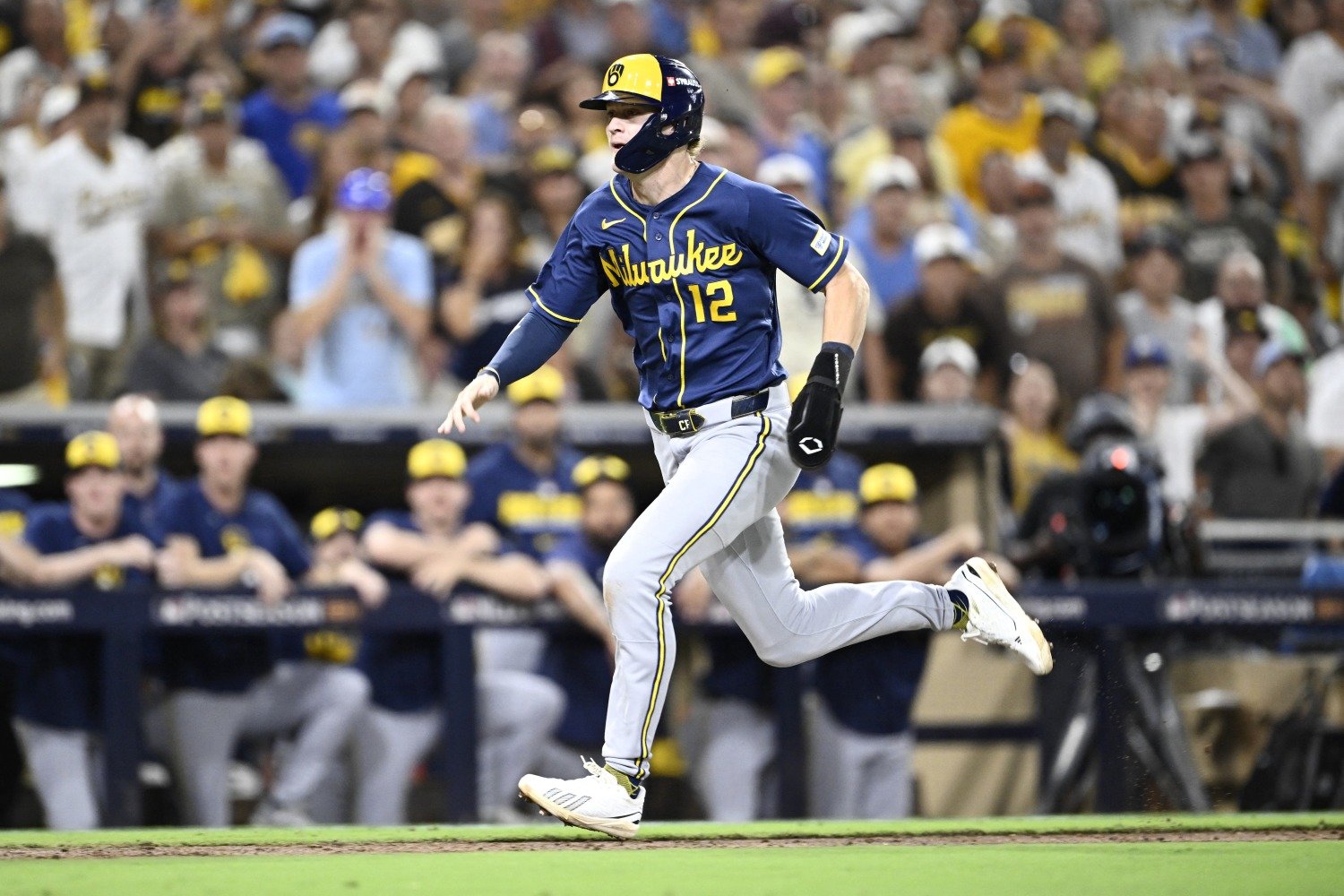 The 2023 draft has already led to some big wins for Milwaukee in the 2026 season. The team found its shortstop for the next decade, and they were able to flip two young relievers whom they took that year for help for this year's pennant run. Here’s what should have the competition frightened: The Brewers could have a whole lot more contributions from this draft still to come. After all, it’s only been three years. This draft could end up as one of the more productive ones ever, despite a couple of picks that may or may not have been maximized. Let’s review the results so far: The Big Hit: SS Cooper Pratt Pratt received an eight-year, $50 million contract after three games at Triple-A Nashville, despite the presence of Jesus Made and Luis Pena in the system. He'll be sticking around for a long time at shortstop. Pratt, a sixth-round pick who got big money to enter the Milwaukee organization, not only showed outstanding defense (with a solid set of contact skills, OBP skills, and baserunning ability), but looked very much like a clubhouse leader in the making. The only question is whether he'll develop more power. Could’ve Been (Pitcher): RHP Craig Yoho and LHP Mark Manfredi (tie) Yoho had a rough debut in 2025, but was looking to be a solid contributor for the Brewers in 2026. He never quite clicked, being a square peg despite his electric stuff. The Brewers dealt him and Blake Perkins for catcher Bo Naylor. It remains to be seen whether the return for Yoho will be substantially better than what he could have provided as a late-inning reliever for the Brewers. Manfredi’s what-if isn’t so much about whether the Brewers got quality—Antonio Senzatela has helped their bullpen remain potent and deep down the stretch and into October. It’s the fact that the Brewers will (probably) see Senzatela walk with no compensation, as opposed to having multiple years of Manfredi as a lefty option out of the pen. Could’ve Been (Hitter): 3B/1B Brock Wilken Wilken was looking like a nice find as the team’s first-round pick in the draft, but he’s struggled since returning from multiple facial fractures in 2024. While he draws tons of walks and crushes the ball when he makes contact, he’s also racked up huge strikeout totals. He’s arguably behind Luke Adams as a right-handed corner infield option at the moment—an outcome that would have been almost unthinkable two years ago. Rapid Riser (Hitter): OF/2B Josh Adamczewski Pratt may only be the first of many contributors to emerge from this draft, and he may not even be the biggest steal. Josh Adamczewski’s always been seen as a plus hitter, but he leveled up in 2026 with a move to the outfield. His biggest problem: There are many other outfield prospects in the pipeline, some of whom provide much better defense. It sure looks like his bat will be the highest-floor one in the bunch, though. Rapid Riser (Pitcher): RHP Josh Knoth Knoth reached Double-A Biloxi in 2026, and he’s looking like a contender to be the next great Brewers pitching prospect. Knoth missed 2025, but he more than made up for it with a rapid rise in 2026, and he could be knocking on the door the way Jacob Misiorowski did in 2025. (No, he won't be that level of hurler. But he still has a high ceiling.) Still Percolating (Hitters): UT Mike Boeve and 3B/1B Eric Bitonti The skill of Milwaukee’s scouting department and the success they’ve had in drafting players means that prospect status can be more volatile than a season of Project Runway: One year, a prospect may be in the Brewer Fanatic Top 20, but the next, they’re out, through no fault of their own. Both Boeve and Bitonti are solid prospects by any measure and would be productive assets for the Brewers. But can they push past Blake Burke and Andrew Fischer? It's a tall order. Still Percolating (Pitchers): A Bunch Bishop Letson, Tate Kuehner, Brett Wichrowski, Bjorn Johnson, Ryan Birchard, and Jason Woodward all have shown some serious flashes of talent. This is where the Brewers could become a very scary organization: The Brewers may move some of these pitchers to the bullpen, where they could become dominant factors. The 2023 draft wasn’t so long ago. The Brewers have a lot of good players in that pool who could still contribute to the team. The only question is how they'll do so.
- 9 comments
-
- 2
-

-
- cooper pratt
- josh adamczewski
- (and 5 more)
-
Image courtesy of USA TODAY Network via Reuters Connect Everyone seems to be buzzing about whether the Brewers stole a victory from the Padres in Game 1 of the National League Division Series, after Ty France hit a high fly ball that caromed off one of the structures supporting American Family Field’s roof, with the ball dropping into the glove of Jackson Chourio. Lots of Padres fans think it should have been a homer. Brewers fans are sighing with relief. But here’s what fans need to know up front about that flyout in the top of the ninth: The decision about how to handle a ball hitting the roof was made long before both teams even took the field Saturday night. One of the beautiful things about baseball is that, while there are certain parameters that must be held to, each stadium is unique. Each team can design a stadium to adjust for local conditions or to accommodate the thorny logistics of building structures so large. While we no longer have the very deep center field of the Polo Grounds or an extreme bandbox like Ebbets Field, stadiums are still permitted to be quirky. It’s all part of the charm of the national pastime. Want a roof? Go ahead, play under a dome or a retractable roof. You can use any type of natural or artificial turf (the Brewers should consider the latter, given how often they smoke ground balls, but that’s another discussion). There's no rule on how much (or how little) foul ground there should be. The outfield distance and the height of the fences? Up to the architects hired by the team to build the parks. This has all happened before; this will all happen again. It also means that there are circumstances that may show up in a given ballpark, which other ballparks might not deal with. Fortunately, Major League Baseball has a way to address that. Ground rules smooth out all the differences, so the game can be played (more or less) the same way in many different places. According to the MLB website, this year’s ground rules were decided on March 25 by the Office of the Commissioner. Most of the time, rules like the one that came into play Saturday night don't change much, but they have to be locked in anew before each season begins. The Brewers aren't the only ones with rules governing what happens if a ball hits the roof, either. One potential World Series opponent, the Tampa Bay Rays, has a similar rule in effect for Tropicana Field. For some of the catwalks and structures supporting the dome that is above the field of play, the rule is the same as it is for American Family Field: The ball is in play, and if caught, the batter is out. Of course, some ground rules are universal, and are applied in varying ways only because of slight differences in the shape or placement of standard structures. In no stadium can a player go into the dugout to catch a foul ball. Balls that get lodged in signage are dead, and umpires place runners based on the same criteria at each field. Chairs cannot be brought onto the playing field from the dugout or bullpen. There are some other unique ground rules for American Family Field people may want to keep in mind: The pads on the left-field foul pole are considered part of the foul pole. Hit them in flight,and it's a home run. A bouncing ball that hits the pad is a ground-rule double. The ground rules also determine what happens if a ball hits the top of the outfield wall at American Family Field (It’s a home run, even if it bounces back onto the field). When the series goes to San Diego, Petco Field will have its own ground rules. Petco Field is located right next to the Western Metal Supply Building, which almost looks like part of the left field wall. As most fans know, though, if a ball hits the stadium in fair territory on the fly, it’s a home run. If it his to the left of a yellow stripe on the building, it’s a foul ball. Hitting the top of the videoboard in right field of Petco on the fly is a home run, while if it hits the top after bouncing, it’s a ground-rule double. This will be the case even if the ball is in play. Before each game, the managers of the two teams will meet to discuss ground rules for that specific game. That eliminates real surprises in most cases—including this one. Sometimes, a given at-bat can be a learning experience for fans and outside media, though. This one created a storm of controversy, but it was an utterly needless one. The ball was in play. It was caught. The rules make clear how it was to be called, and it was called correctly. Onward. View full article
-
One Play Became a Tutorial for Baseball Fans About Ground Rules
Harold Hutchison posted an article in Brewers
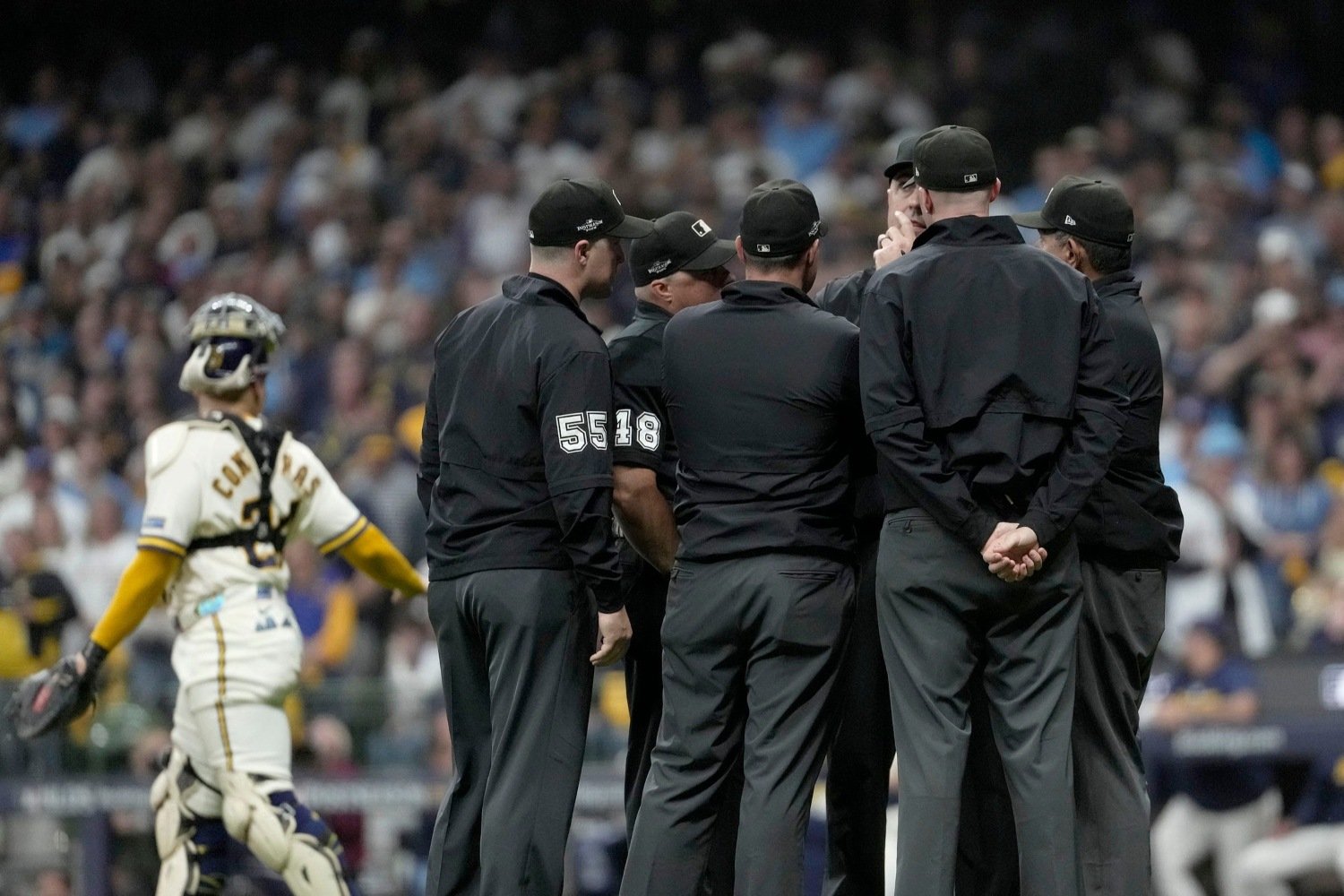 Everyone seems to be buzzing about whether the Brewers stole a victory from the Padres in Game 1 of the National League Division Series, after Ty France hit a high fly ball that caromed off one of the structures supporting American Family Field’s roof, with the ball dropping into the glove of Jackson Chourio. Lots of Padres fans think it should have been a homer. Brewers fans are sighing with relief. But here’s what fans need to know up front about that flyout in the top of the ninth: The decision about how to handle a ball hitting the roof was made long before both teams even took the field Saturday night. One of the beautiful things about baseball is that, while there are certain parameters that must be held to, each stadium is unique. Each team can design a stadium to adjust for local conditions or to accommodate the thorny logistics of building structures so large. While we no longer have the very deep center field of the Polo Grounds or an extreme bandbox like Ebbets Field, stadiums are still permitted to be quirky. It’s all part of the charm of the national pastime. Want a roof? Go ahead, play under a dome or a retractable roof. You can use any type of natural or artificial turf (the Brewers should consider the latter, given how often they smoke ground balls, but that’s another discussion). There's no rule on how much (or how little) foul ground there should be. The outfield distance and the height of the fences? Up to the architects hired by the team to build the parks. This has all happened before; this will all happen again. It also means that there are circumstances that may show up in a given ballpark, which other ballparks might not deal with. Fortunately, Major League Baseball has a way to address that. Ground rules smooth out all the differences, so the game can be played (more or less) the same way in many different places. According to the MLB website, this year’s ground rules were decided on March 25 by the Office of the Commissioner. Most of the time, rules like the one that came into play Saturday night don't change much, but they have to be locked in anew before each season begins. The Brewers aren't the only ones with rules governing what happens if a ball hits the roof, either. One potential World Series opponent, the Tampa Bay Rays, has a similar rule in effect for Tropicana Field. For some of the catwalks and structures supporting the dome that is above the field of play, the rule is the same as it is for American Family Field: The ball is in play, and if caught, the batter is out. Of course, some ground rules are universal, and are applied in varying ways only because of slight differences in the shape or placement of standard structures. In no stadium can a player go into the dugout to catch a foul ball. Balls that get lodged in signage are dead, and umpires place runners based on the same criteria at each field. Chairs cannot be brought onto the playing field from the dugout or bullpen. There are some other unique ground rules for American Family Field people may want to keep in mind: The pads on the left-field foul pole are considered part of the foul pole. Hit them in flight,and it's a home run. A bouncing ball that hits the pad is a ground-rule double. The ground rules also determine what happens if a ball hits the top of the outfield wall at American Family Field (It’s a home run, even if it bounces back onto the field). When the series goes to San Diego, Petco Field will have its own ground rules. Petco Field is located right next to the Western Metal Supply Building, which almost looks like part of the left field wall. As most fans know, though, if a ball hits the stadium in fair territory on the fly, it’s a home run. If it his to the left of a yellow stripe on the building, it’s a foul ball. Hitting the top of the videoboard in right field of Petco on the fly is a home run, while if it hits the top after bouncing, it’s a ground-rule double. This will be the case even if the ball is in play. Before each game, the managers of the two teams will meet to discuss ground rules for that specific game. That eliminates real surprises in most cases—including this one. Sometimes, a given at-bat can be a learning experience for fans and outside media, though. This one created a storm of controversy, but it was an utterly needless one. The ball was in play. It was caught. The rules make clear how it was to be called, and it was called correctly. Onward.
 -
He already is a semi-regular at third based on the 60-40 split we've observed in Nashville. Definitely worth a 40-man spot, and to be honest, he's eclipsed Brock Wilken by a fair margin. As for Vaughn, I'd never say never on a deal. Sometimes, the right deal comes along (say someone wants to rent a first baseman) and it'll make sense. The Brewers may also want to reload for a few prospects in the May-June timeframe just to have new options for the July trade deadline.
-
It's been a 60-40 split between first and third for Adams when he's on the field. Based on that, I'd venture to say he's not a terrible option defensively. Certainly no worse that Andrew Vaughn. who's not been too bad across 14 games (6 starts) for the Brewers at the hot corner. To me, the big question is whether to hold Vaughn for at least the first part of 2027 - my guess is a year removed from the hamate injury, his power will be back to normal, and if his approach remains the same... he could put together a monster first half, and the Brewers could flip him around June for a few prospects.
- 11 replies
-
- 2
-
-
- jacob misiorowski
- eric brown jr
- (and 3 more)
-
True, but for another $50K, the Brewers would have had Sal Stewart at the hot corner, and Stewart's looking pretty good at this point.
- 11 replies
-
- 1
-
-
- jacob misiorowski
- eric brown jr
- (and 3 more)
-
Image courtesy of Wendell Cruz-Imagn Images The 2022 MLB draft is a major success for the Milwaukee Brewers because of one player, but this draft could wind up being even more productive, despite the team missing on its first-round pick and a disastrous trade. How did this happen? Let’s take a look. The Spectacular Pick: RHP Jacob Misiorowski Without a doubt, the Brewers' second-round pick in 2022 is the jewel of their class—and perhaps of any class. At this point, WWE superstar and “Real World” alum Mike “The Miz” Mizanin probably should accept the fact that he’s destined for second billing under his own sobriquet. Misiorowski is an international sensation, and arguably the best pitcher in baseball. That the Brewers acquired and developed him without having to stumble into a first overall pick (the way the division-rival Pirates had to do to land Paul Skenes) makes the return on investment awesome. The Hidden Gem: 3B/1B Luke Adams It cost $282,500 for the Brewers to land 12th-round draft pick Luke Adams straight out of Hinsdale Central High School in Illinois. Right now, it looks like money well spent. Adams has shown a power bat and superb OBP skills all the way up the ladder, including being willing to be plunked for the team’s sake. He’s competent at both corner infield positions and could handle the corner outfield spots in a pinch. He's also a threat on the basepaths. Already In The Majors: LHP Brian Fitzpatrick Before he was sidelined until mid-2027 with Tommy John surgery, Brian Fitzpatrick was looking like a reliable multi-inning reliever. While he will miss time, he could make this draft look better when he does return to the mound for the Brewers, funky arm action and all. One They’d Like Back (Traded): IF Robert Moore Moore was looking like a solid utility infielder even before the Brewers dealt him and outfield prospect Hendry Mendez for infielder Oliver Dunn. Dunn was a disaster for the Brewers, while Mendez has developed into a decent corner outfield prospect. Moore would be a fine option for middle-infield depth. One Pick That Didn't Pan Out: UT Eric Brown Brown couldn’t stay healthy, and he’s struggled in the upper minors. The Brewers should have dealt him at the 2024 deadline, when it was clear Jesus Made and Luis Pena were special prospects. Worse, the Brewers could have picked either Daulton Rushing or Sal Stewart with this pick, giving them more pop in their lineup. Still Percolating (Part One): C Matthew Wood Jeferson Quero and Marco Dinges have drawn attention for their defense and power bat, respectively, but Wood has been a solid option while being under the radar; his breakout 2026 season may earn him a bit more attention. Still Percolating (Part Two): IF/OF Dylan O’Rae O’Rae’s speed has generated a lot of buzz, but his low-key OBP skills, solid bat-to-ball capability and defensive versatility could make him a bench asset for the Brewers. The question is whether he can develop power, as Luis Lara did. Still Percolating (Part Three): RHP Will Rudy Rudy started off looking like a solid pitching prospect, but has missed 2025 and 2026 with injuries. That said, he still has time to turn things around – other Brewers pitchers have done so before. Overall Grade: A- A draft that lands a generational talent is a major win, but other prospects who have flown under the radar could still turn this into a very productive draft overall. This isn’t a question of whether the draft is a success; it’s how huge of a success it can turn out to be. What do you think about the 2022 draft? Let us know in the comments below! View full article
-
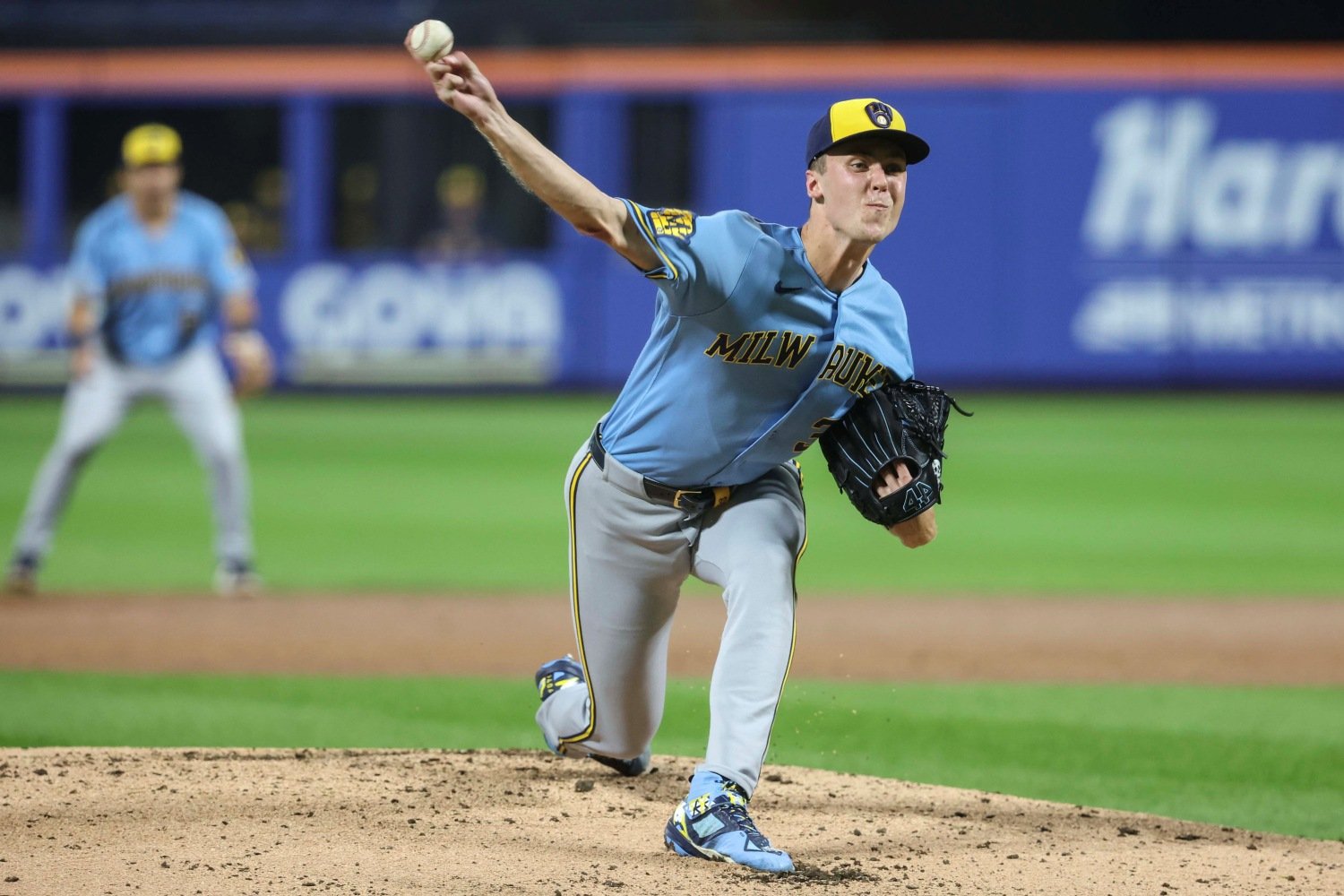 The 2022 MLB draft is a major success for the Milwaukee Brewers because of one player, but this draft could wind up being even more productive, despite the team missing on its first-round pick and a disastrous trade. How did this happen? Let’s take a look. The Spectacular Pick: RHP Jacob Misiorowski Without a doubt, the Brewers' second-round pick in 2022 is the jewel of their class—and perhaps of any class. At this point, WWE superstar and “Real World” alum Mike “The Miz” Mizanin probably should accept the fact that he’s destined for second billing under his own sobriquet. Misiorowski is an international sensation, and arguably the best pitcher in baseball. That the Brewers acquired and developed him without having to stumble into a first overall pick (the way the division-rival Pirates had to do to land Paul Skenes) makes the return on investment awesome. The Hidden Gem: 3B/1B Luke Adams It cost $282,500 for the Brewers to land 12th-round draft pick Luke Adams straight out of Hinsdale Central High School in Illinois. Right now, it looks like money well spent. Adams has shown a power bat and superb OBP skills all the way up the ladder, including being willing to be plunked for the team’s sake. He’s competent at both corner infield positions and could handle the corner outfield spots in a pinch. He's also a threat on the basepaths. Already In The Majors: LHP Brian Fitzpatrick Before he was sidelined until mid-2027 with Tommy John surgery, Brian Fitzpatrick was looking like a reliable multi-inning reliever. While he will miss time, he could make this draft look better when he does return to the mound for the Brewers, funky arm action and all. One They’d Like Back (Traded): IF Robert Moore Moore was looking like a solid utility infielder even before the Brewers dealt him and outfield prospect Hendry Mendez for infielder Oliver Dunn. Dunn was a disaster for the Brewers, while Mendez has developed into a decent corner outfield prospect. Moore would be a fine option for middle-infield depth. One Pick That Didn't Pan Out: UT Eric Brown Brown couldn’t stay healthy, and he’s struggled in the upper minors. The Brewers should have dealt him at the 2024 deadline, when it was clear Jesus Made and Luis Pena were special prospects. Worse, the Brewers could have picked either Daulton Rushing or Sal Stewart with this pick, giving them more pop in their lineup. Still Percolating (Part One): C Matthew Wood Jeferson Quero and Marco Dinges have drawn attention for their defense and power bat, respectively, but Wood has been a solid option while being under the radar; his breakout 2026 season may earn him a bit more attention. Still Percolating (Part Two): IF/OF Dylan O’Rae O’Rae’s speed has generated a lot of buzz, but his low-key OBP skills, solid bat-to-ball capability and defensive versatility could make him a bench asset for the Brewers. The question is whether he can develop power, as Luis Lara did. Still Percolating (Part Three): RHP Will Rudy Rudy started off looking like a solid pitching prospect, but has missed 2025 and 2026 with injuries. That said, he still has time to turn things around – other Brewers pitchers have done so before. Overall Grade: A- A draft that lands a generational talent is a major win, but other prospects who have flown under the radar could still turn this into a very productive draft overall. This isn’t a question of whether the draft is a success; it’s how huge of a success it can turn out to be. What do you think about the 2022 draft? Let us know in the comments below!
- 11 comments
-
- 2
-
-
- jacob misiorowski
- eric brown jr
- (and 3 more)
-
Not bad, but I'd flip Bauers and Chourio - put Bauers in left, Chourio in right.
-
But a lot of doubles this season, and he's hitting over .300 - that's nothing to sneeze at.
-
Frelick has a Gold Glove from 2024, though. Hardware like that doesn't exactly go to a scrub. The next year, he leads the NL in outfield assists. I'd put him in a near-elite category, hampered this year by the shoulder injury he tried to play through.
-
Every hitter comes with trade-offs. In the case of Sanchez, the power is a plus, especially given how Vaughn's hamate has been an issue - although I think it may make Vaughn far more dangerous in 2027.
-
Image courtesy of Michael McLoone-Imagn Images The Brewers have one of the best defenses in the major leagues. Their run-prevention unit has given them chances to win as consistently as that of any other team. But teams don’t win purely by stopping the other team from scoring; they need to score runs. Milwaukee’s offense tends to run hot and cold. The team banks on its elite defense and strong pitching to push through to win every night. What would a lineup that maximized Milwaukee’s offense look like? Let’s go position by position. Catcher: William Contreras Contreras struggled for a bit after the All-Star break, but he's since heated up and delivered big for the team. Even after his slump, he could still match his 2025 totals. In fact, his batting average this season is higher than it was when he was playing through a finger injury. Contreras is the team’s best choice on both the offensive and defensive sides of the ball. He has two Silver Slugger awards, two top-20 MVP finishes, and two All-Star Game appearances to prove it, but it's also a choice made easy by the lack of an appealing alternative. And in this particular exercise... First Base: Gary Sánchez What? No Jake Bauers or Andrew Vaughn? Well, this is about assembling the most potent offensive lineup, and the cold corner isn't the place where either of the team's regulars provide the most relative offensive punch, adjusted for the position. Sánchez therefore gets the call at first base, where he filled in when Vaughn and Jackson Chourio were both out with hand injuries earlier this season. He's perhaps the team’s most potent threat in terms of home runs per at-bat, and the Crew may need that sudden jolt against the Dodgers in the playoffs. Second Base: Brice Turang Turang, like Contreras, is the best choice for both offense and defense at his position. Like Contreras, he’s become a complete ballplayer, after initially being seen as simply a solid starter whose main tools were speed and defense. Since the start of the 2025 season, Turang has become arguably the team’s most well-rounded offensive threat. Shortstop: Cooper Pratt Pratt is much like Turang was when he came up. There are no doubts about his defense or speed. However, he always had a higher offensive floor. Indeed, in his rookie season, he’s delivered an 88 OPS+, compared to Turang’s 61 in his rookie campaign in 2023. He’s also got some serious power potential. Third Base: Andrew Vaughn Vaughn’s made some occasional appearances at third base this season, but also saw some action at the hot corner during his first few years with the Chicago White Sox. He’s not likely to win a Gold Glove there, but in 13 games and six starts, he’s been competent, and it gets a 134 OPS+ bat into the lineup. Left Field: Jake Bauers Bauers has arguably been the team’s MVP this season, leading the Crew in home runs, RBIs and extra-base hits. In this case, where he isn’t an offensive liability, we can account a little bit for his defense. Thus, he will be in left field. Center Field: Garrett Mitchell Mitchell has shown what he can do when he’s healthy, posting career highs in many offensive categories. He’s also quite good defensively, and no liability in center field. The power and speed will help Milwaukee extend lineups; he's the kind of presence that increases the frequency of both single tallies and crooked numbers. Right Field: Jackson Chourio Chourio is seen as the Brewers’ franchise player of the 2020s, and he’s actually improved in some key stats from his first two seasons (OBP in particular), even if the counting stats are down due to his fractured hand taking him to the injured list for the first portion of the 2026 season. Lately, he's been as indispensable as any bat other than Bauers. Designated Hitter: Christian Yelich Yes, he’s having arguably the worst year of his career, but Yelich is still arguably the team’s best option at DH. The big reason: He’s posting an .806 OPS with runners on base, and like Contreras, he’s turned things around a bit in recent games (.800 OPS from August 16-22). He remains the heart and soul of this Brewers team. Overview Some of these decisions might seem out of the box, but none of these starters are entirely incompetent defensively at these positions. In addition, if the team needs to boost their defense to protect a lead, the option is always there to bring Joey Ortiz, David Hamilton, Sal Frelick or Luis Lara in. Milwaukee can field a devastating offense if it wants to. It's unlikely we'd ever see this exact configuration, no matter what, because there are context questions that have to define what a "best offensive lineup" looks like. Against lefties, Vaughn and Sánchez have to be on the field to say the best lineup is present. Against righties, it's much easier to make a case for Ortiz over Vaughn, for instance. But the thought exercise reveals the blend of depth, impact and versatility Pat Murphy has celebrated so openly, ever since spring training. View full article
-
What is the Milwaukee Brewers' Best Offensive Lineup for October?
Harold Hutchison posted an article in Brewers
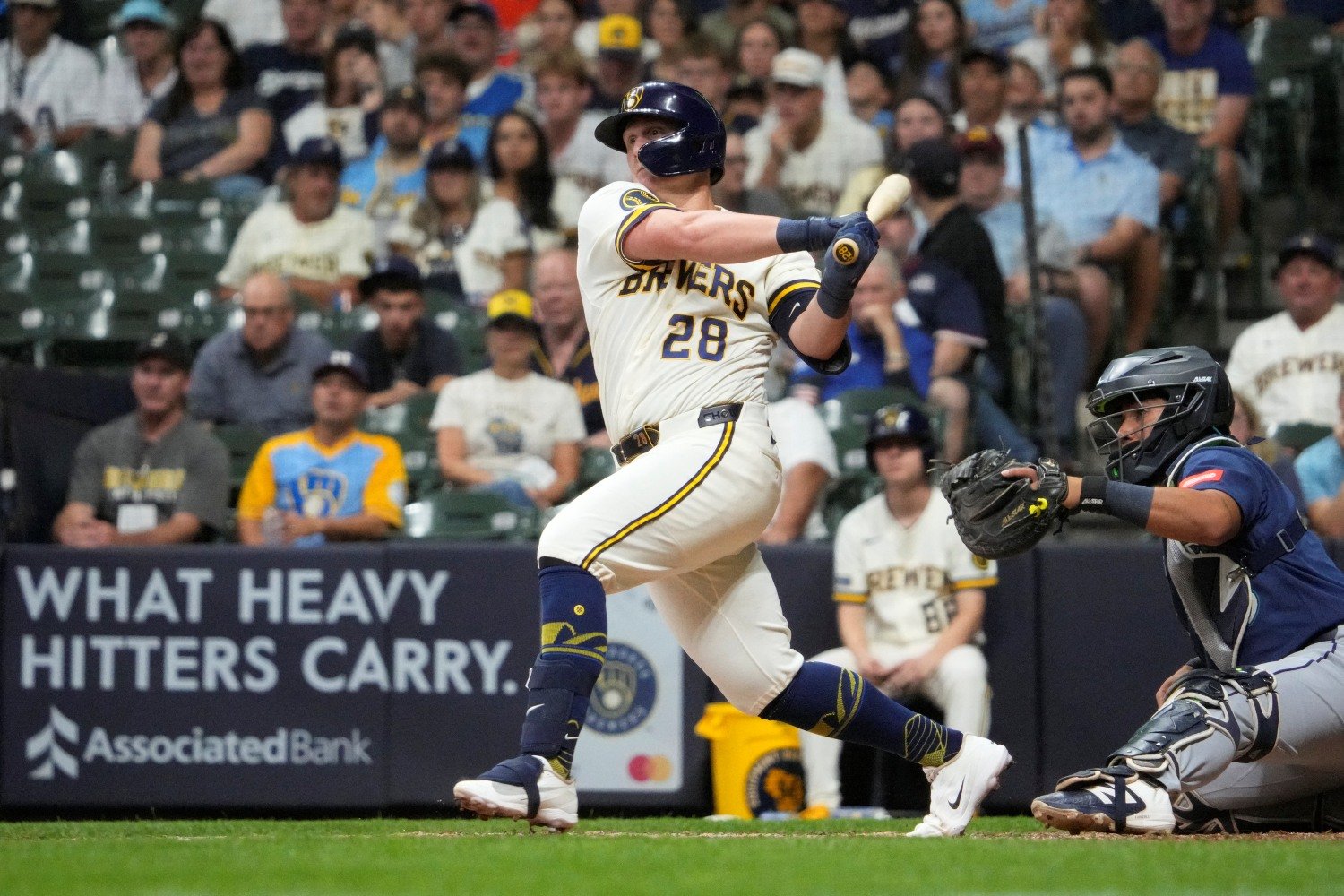 The Brewers have one of the best defenses in the major leagues. Their run-prevention unit has given them chances to win as consistently as that of any other team. But teams don’t win purely by stopping the other team from scoring; they need to score runs. Milwaukee’s offense tends to run hot and cold. The team banks on its elite defense and strong pitching to push through to win every night. What would a lineup that maximized Milwaukee’s offense look like? Let’s go position by position. Catcher: William Contreras Contreras struggled for a bit after the All-Star break, but he's since heated up and delivered big for the team. Even after his slump, he could still match his 2025 totals. In fact, his batting average this season is higher than it was when he was playing through a finger injury. Contreras is the team’s best choice on both the offensive and defensive sides of the ball. He has two Silver Slugger awards, two top-20 MVP finishes, and two All-Star Game appearances to prove it, but it's also a choice made easy by the lack of an appealing alternative. And in this particular exercise... First Base: Gary Sánchez What? No Jake Bauers or Andrew Vaughn? Well, this is about assembling the most potent offensive lineup, and the cold corner isn't the place where either of the team's regulars provide the most relative offensive punch, adjusted for the position. Sánchez therefore gets the call at first base, where he filled in when Vaughn and Jackson Chourio were both out with hand injuries earlier this season. He's perhaps the team’s most potent threat in terms of home runs per at-bat, and the Crew may need that sudden jolt against the Dodgers in the playoffs. Second Base: Brice Turang Turang, like Contreras, is the best choice for both offense and defense at his position. Like Contreras, he’s become a complete ballplayer, after initially being seen as simply a solid starter whose main tools were speed and defense. Since the start of the 2025 season, Turang has become arguably the team’s most well-rounded offensive threat. Shortstop: Cooper Pratt Pratt is much like Turang was when he came up. There are no doubts about his defense or speed. However, he always had a higher offensive floor. Indeed, in his rookie season, he’s delivered an 88 OPS+, compared to Turang’s 61 in his rookie campaign in 2023. He’s also got some serious power potential. Third Base: Andrew Vaughn Vaughn’s made some occasional appearances at third base this season, but also saw some action at the hot corner during his first few years with the Chicago White Sox. He’s not likely to win a Gold Glove there, but in 13 games and six starts, he’s been competent, and it gets a 134 OPS+ bat into the lineup. Left Field: Jake Bauers Bauers has arguably been the team’s MVP this season, leading the Crew in home runs, RBIs and extra-base hits. In this case, where he isn’t an offensive liability, we can account a little bit for his defense. Thus, he will be in left field. Center Field: Garrett Mitchell Mitchell has shown what he can do when he’s healthy, posting career highs in many offensive categories. He’s also quite good defensively, and no liability in center field. The power and speed will help Milwaukee extend lineups; he's the kind of presence that increases the frequency of both single tallies and crooked numbers. Right Field: Jackson Chourio Chourio is seen as the Brewers’ franchise player of the 2020s, and he’s actually improved in some key stats from his first two seasons (OBP in particular), even if the counting stats are down due to his fractured hand taking him to the injured list for the first portion of the 2026 season. Lately, he's been as indispensable as any bat other than Bauers. Designated Hitter: Christian Yelich Yes, he’s having arguably the worst year of his career, but Yelich is still arguably the team’s best option at DH. The big reason: He’s posting an .806 OPS with runners on base, and like Contreras, he’s turned things around a bit in recent games (.800 OPS from August 16-22). He remains the heart and soul of this Brewers team. Overview Some of these decisions might seem out of the box, but none of these starters are entirely incompetent defensively at these positions. In addition, if the team needs to boost their defense to protect a lead, the option is always there to bring Joey Ortiz, David Hamilton, Sal Frelick or Luis Lara in. Milwaukee can field a devastating offense if it wants to. It's unlikely we'd ever see this exact configuration, no matter what, because there are context questions that have to define what a "best offensive lineup" looks like. Against lefties, Vaughn and Sánchez have to be on the field to say the best lineup is present. Against righties, it's much easier to make a case for Ortiz over Vaughn, for instance. But the thought exercise reveals the blend of depth, impact and versatility Pat Murphy has celebrated so openly, ever since spring training.
