-
Posts
334 -
Joined
-
Last visited
Content Type
Profiles
Forums
Blogs
Events
News
2026 Milwaukee Brewers Top Prospects Ranking
Milwaukee Brewers Videos
2022 Milwaukee Brewers Draft Picks
Milwaukee Brewers Free Agent & Trade Rumors, Notes, & Tidbits
Guides & Resources
2023 Milwaukee Brewers Draft Picks
2024 Milwaukee Brewers Draft Picks
The Milwaukee Brewers Players Project
2025 Milwaukee Brewers Draft Pick Tracker
2026 Milwaukee Brewers Draft Tracker: Picks & Bonuses
Store
Downloads
Gallery
Everything posted by Steve Drumwright
-

Brewers Promoting Prospect Cooper Pratt To Make His MLB Debut
Steve Drumwright posted an article in Brewers
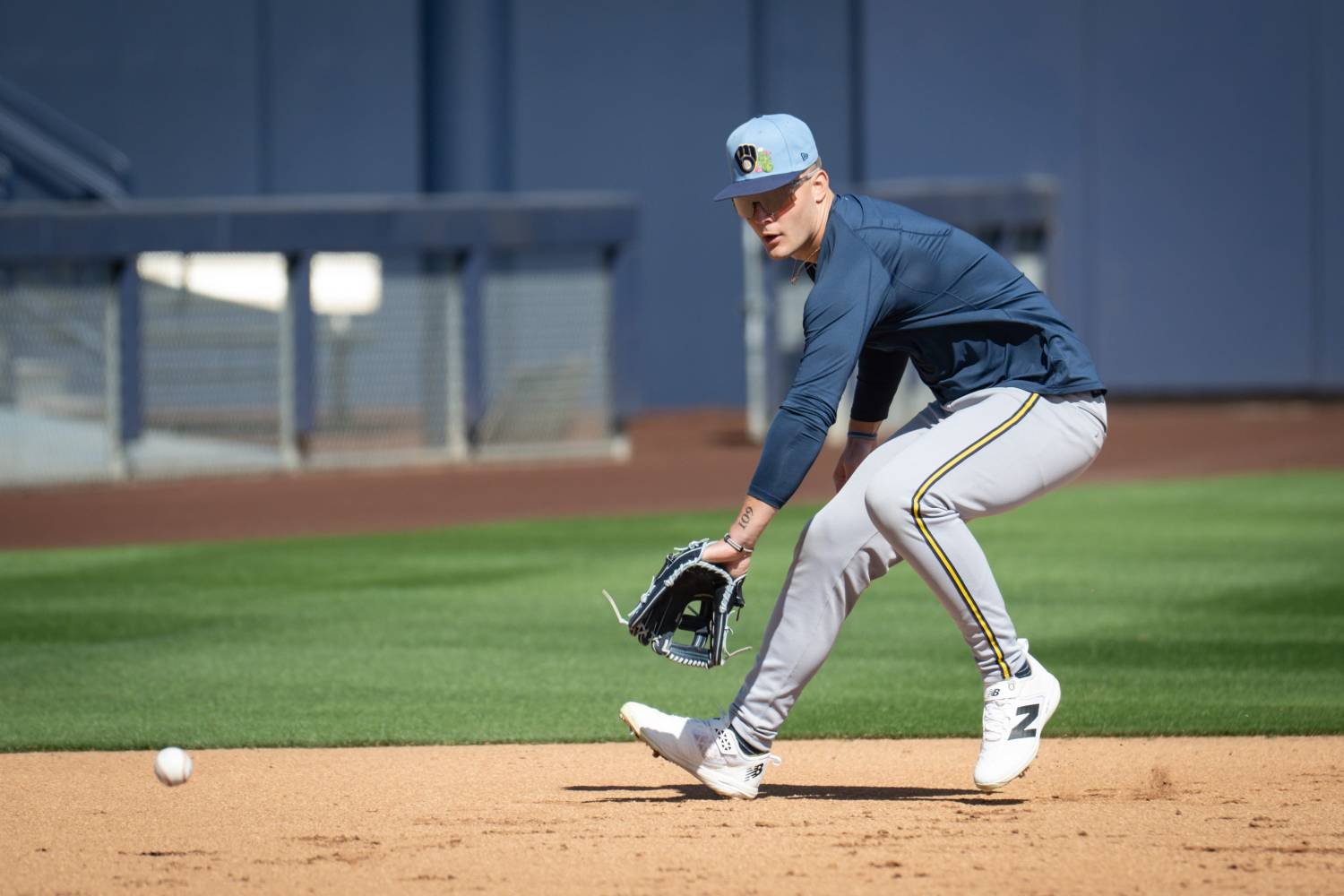 After a contract extension to begin the season, Cooper Pratt is set to make his MLB debut. Pratt, Brewer Fanatic's No. 4 prospect, will be called up from Triple-A Nashville before Tuesday's series opener against the Cleveland Guardians, according to Brewer Fanatic's Spencer Michaelis (via direct observation on MiLB.tv) and MLB.com's Adam McCalvy (via organizational sources). The 21-year-old Pratt, a shortstop, signed an eight-year, $50.75 million contract extension at the end of March. He is an excellent defender who has shown some signs of offensive progress. At Nashville this season, his first at the Triple-A level, Pratt has a slash line of .244/.353/.392 with six homers, 32 RBIs and 17 stolen bases. The six homers in less than half a season are two shy of his career high of eight, which he accomplished each of the last two seasons. Whom Pratt replaces on the Brewers' roster is another question. Third baseman Luis Rengifo appeared to sustain a mild shoulder injury in Sunday's 4-0 victory over the Philadelphia Phillies. Rengifo, who is also a candidate to be designated for assignment, did remain in the game. Another possibility would be optioning shortstop Joey Ortiz to Triple-A. There could be another possibility as well. Pratt is already on the 40-man roster by virtue of his contract extension. Pratt was a sixth-round draft choice in 2023 out of Magnolia Heights High School in Senatobia, Miss. He is one of two prospects the Brewers have locked up with contract extensions this season. Center fielder Luis Lara just signed a seven-year, $31 million deal. He is also 21.
 -
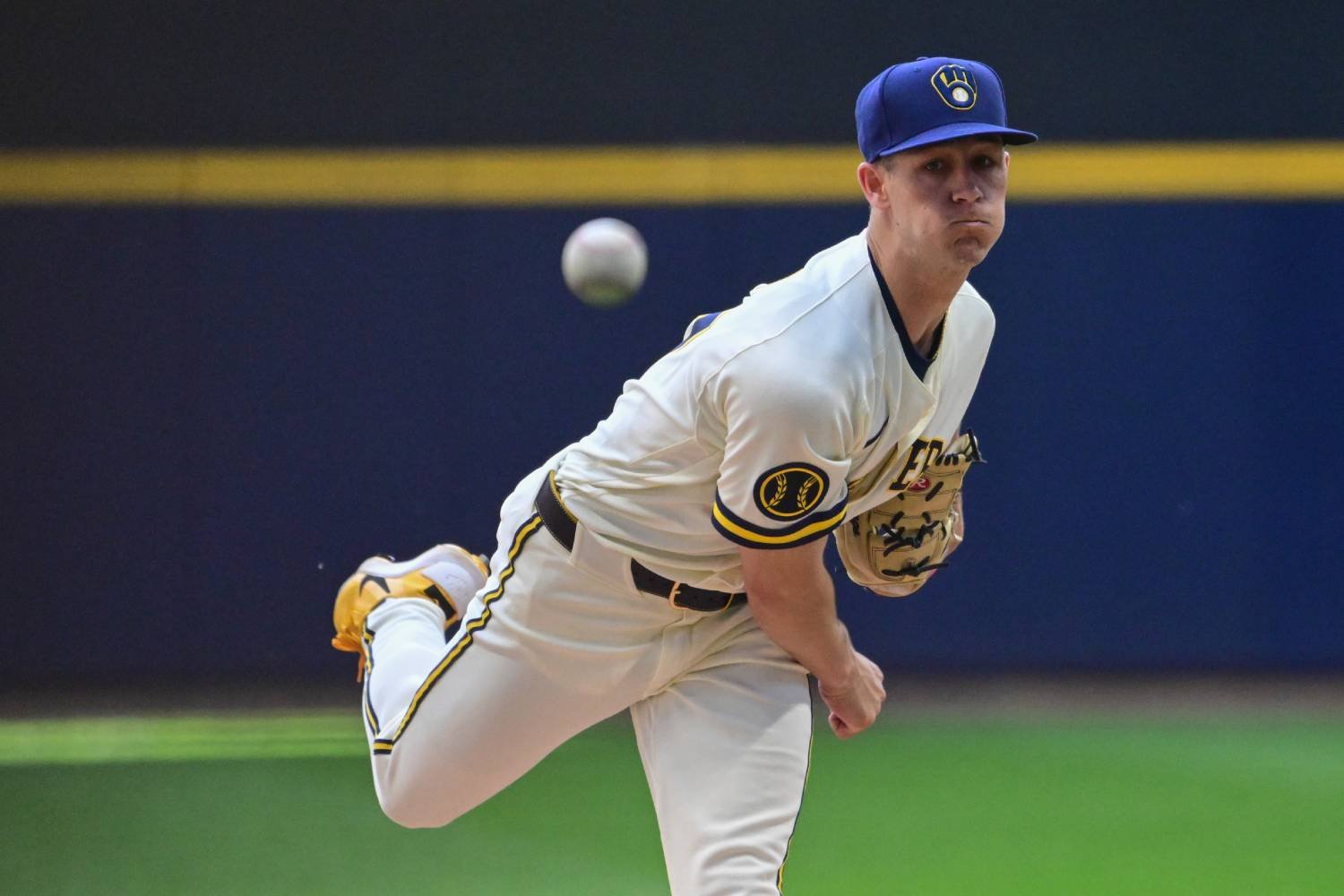 Yoho has been Yo-Yo'd. It comes at Coleman Crow's expense. The Milwaukee Brewers on Friday placed Crow, a right-handed starter, on the 15-day injured list with a strained right forearm flexor and recalled right-handed reliever Craig Yoho from Triple-A Nashville. Yoho had been optioned to Nashville on Monday to make room for recently acquired right-handed reliever Joel Kuhnel. But the bigger news is Crow. who made a two-inning relief appearance Tuesday in a 7-4 loss to the A's in Las Vegas. He allowed one hit and one walk in an otherwise clean performance after making a short start five days earlier against the San Francisco Giants. In that game, Crow lasted just 2⅓ innings, getting tagged for six runs on nine hits and two walks while fanning a pair. Crow has made five appearances this season (just the one in relief), including his MLB debut, posting a 4.55 FIP (5.30 ERA) with a 7.1% walk rate and 11.8% strikeout rate. Yoho was called up a week ago today for the road series against the Colorado Rockies and appeared in two games, giving up a solo homer and three walks while striking out five in three innings as he made his season debut with the Crew. The Brewers' rotation is set for this week, with veteran right-hander Brandon Woodruff expected to be activated off the 15-day IL for the Cleveland Guardians series.
 -
Yoho has been Yo-Yo'd. It comes at Coleman Crow's expense. The Milwaukee Brewers on Friday placed Crow, a right-handed starter, on the 15-day injured list with a strained right forearm flexor and recalled right-handed reliever Craig Yoho from Triple-A Nashville. Yoho had been optioned to Nashville on Monday to make room for recently acquired right-handed reliever Joel Kuhnel. But the bigger news is Crow. who made a two-inning relief appearance Tuesday in a 7-4 loss to the A's in Las Vegas. He allowed one hit and one walk in an otherwise clean performance after making a short start five days earlier against the San Francisco Giants. In that game, Crow lasted just 2⅓ innings, getting tagged for six runs on nine hits and two walks while fanning a pair. Crow has made five appearances this season (just the one in relief), including his MLB debut, posting a 4.55 FIP (5.30 ERA) with a 7.1% walk rate and 11.8% strikeout rate. Yoho was called up a week ago today for the road series against the Colorado Rockies and appeared in two games, giving up a solo homer and three walks while striking out five in three innings as he made his season debut with the Crew. The Brewers' rotation is set for this week, with veteran right-hander Brandon Woodruff expected to be activated off the 15-day IL for the Cleveland Guardians series. View full rumor
-
Lara is the second prospect to receive an extension since the beginning of the season. Shortstop Cooper Pratt, Brewer Fanatic's No. 4 prospect, also signed for eight years, but is receiving $50 million. Lara has taken a big step offensively this season. In his first season at Triple-A Nashville, Lara is slashing .338/.447/.500 with seven homers and 27 RBIs to go along with 18 steals in 22 attempts. Lara is also a standout defender in center field, even at 5-foot-7. His previous best season came in 2023, when he had a slash line of .286/.373/.359 between Low-A Carolina and High-A Wisconsin. His seven home runs this season are already a career high, beating the four he had in a full season at Wisconsin in 2024. View full article
-
BREAKING: Luis Lara, Brewers Agree to Multi-Year Contract Extension
Steve Drumwright posted an article in Brewers
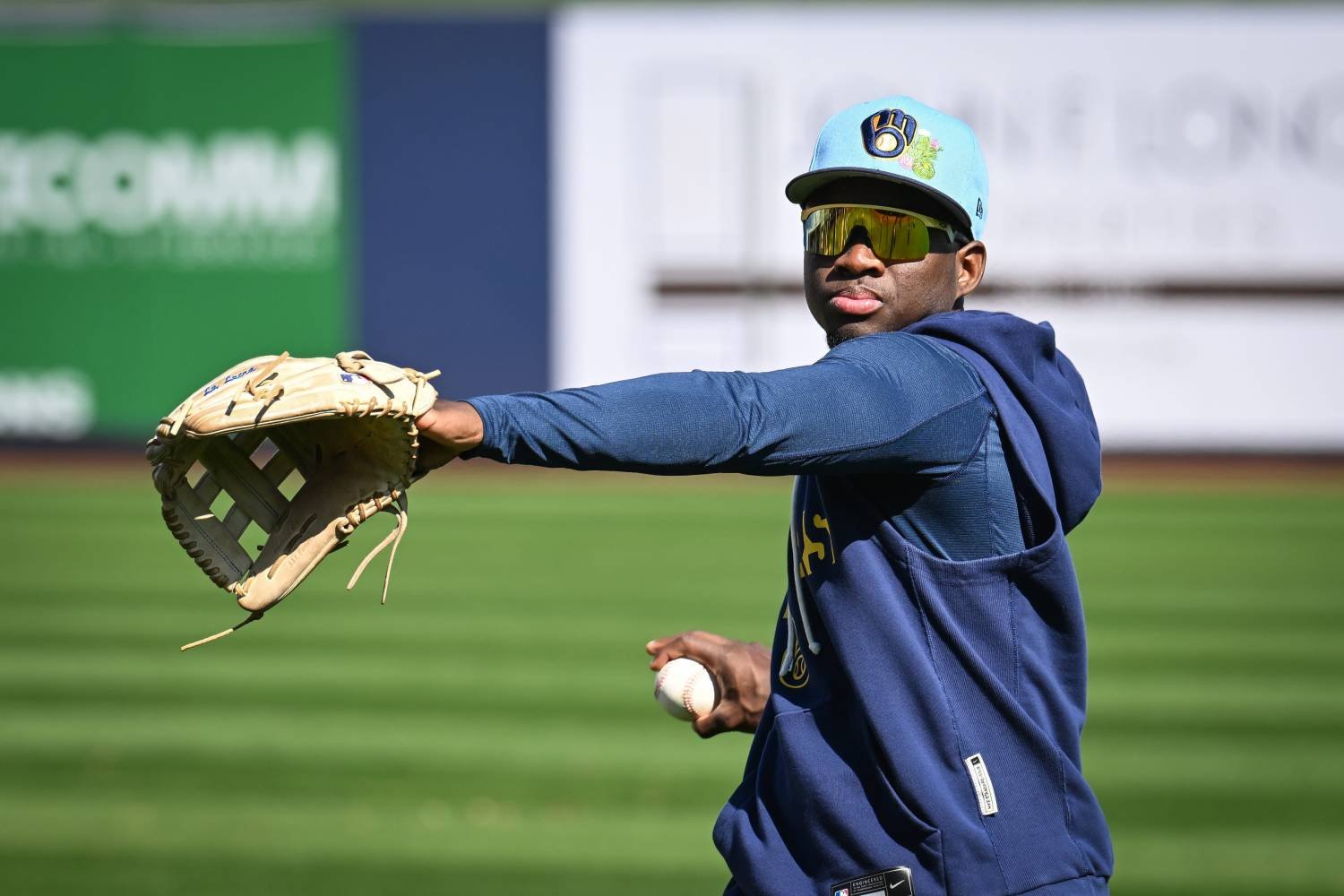 The Milwaukee Brewers have locked up another one of their top prospects. Center fielder Luis Lara, Brewer Fanatic's No. 5 prospect, has agreed to an eight-year, $30 million contract, according to Brewer Fanatic's Spencer Michaelis. The deal, which includes two team options as well as incentives, is not official. Once signed, the 21-year-old Lara must be added to the 40-man roster due to the deal being a major-league contract. This also does not mean Lara will be immediately promoted, although that could happen. Brewer Fanatic's own Spencer Michaelis was first to report the news. Lara is the second prospect to receive an extension since the beginning of the season. Shortstop Cooper Pratt, Brewer Fanatic's No. 4 prospect, also signed for eight years, but is receiving $50 million. Lara has taken a big step offensively this season. In his first season at Triple-A Nashville, Lara is slashing .338/.447/.500 with seven homers and 27 RBIs to go along with 18 steals in 22 attempts. Lara is also a standout defender in center field, even at 5-foot-7. His previous best season came in 2023, when he had a slash line of .286/.373/.359 between Low-A Carolina and High-A Wisconsin. His seven home runs this season are already a career high, beating the four he had in a full season at Wisconsin in 2024.
 -
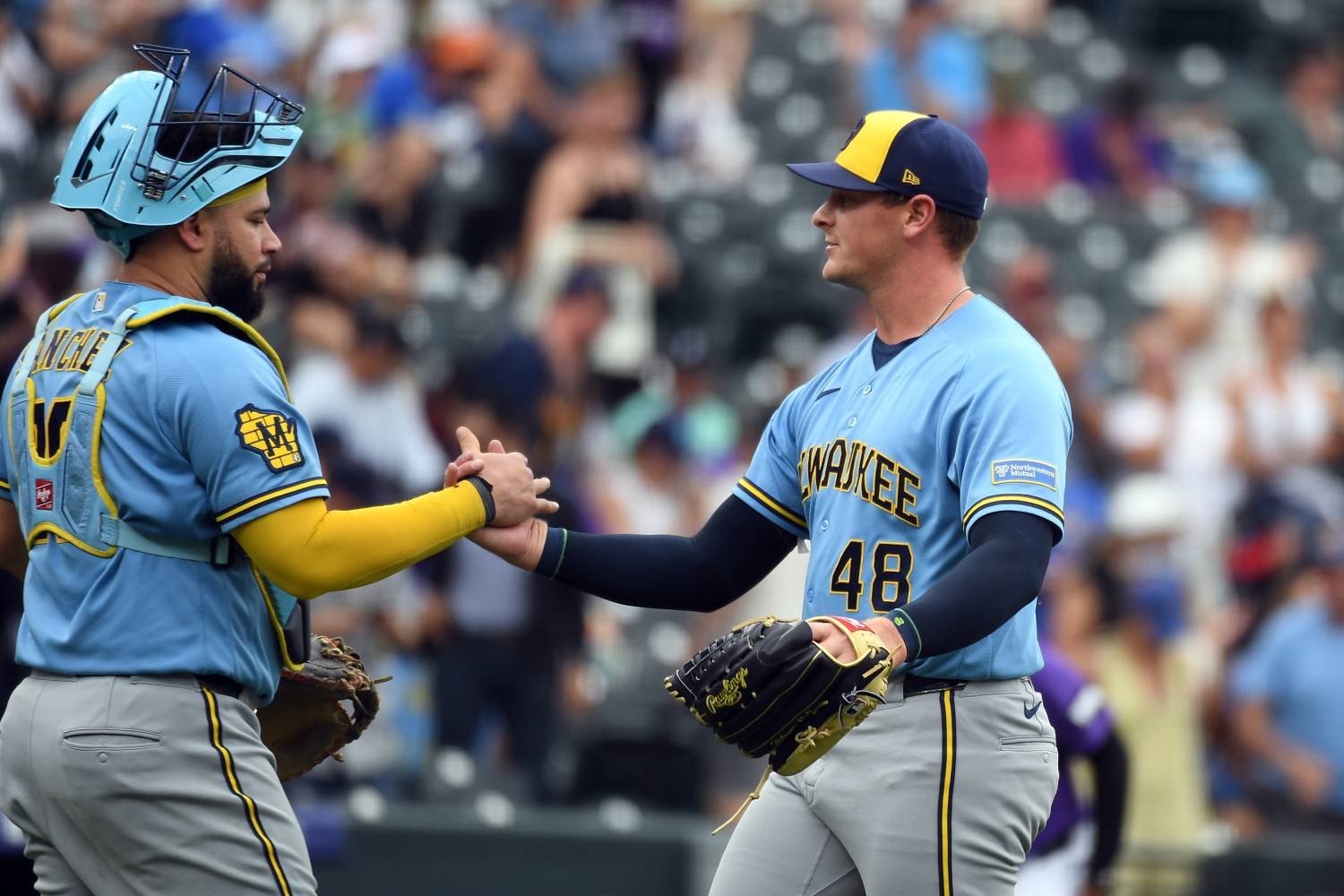 Needing a roster spot for the recently acquired Joel Kuhnel, the Milwaukee Brewers on Monday optioned right-handed reliever Craig Yoho to Triple-A Nashville. Kuhnel was acquired Saturday in a cash trade with the A's, who had designated him for assignment Friday. The Brewers open a three-game series against the A's in Las Vegas on Monday. Yoho was called up along with left-hander Brian Fitzpatrick on Friday as the Brewers placed left-hander DL Hall on the 15-day injured list and designated right-hander Jake Woodford for assignment. That night, Fitzpatrick sustained a sprained UCL and himself went on the 15-day IL, with left-hander Drew Rom being called up. Yoho appeared in games Friday and Sunday against the Colorado Rockies, going three innings, allowing a solo homer with two walks and five strikeouts. He was the choice to send down as the Brewers needed Rom, a lefty, in the bullpen.
 -
Needing a roster spot for the recently acquired Joel Kuhnel, the Milwaukee Brewers on Monday optioned right-handed reliever Craig Yoho to Triple-A Nashville. Kuhnel was acquired Saturday in a cash trade with the A's, who had designated him for assignment Friday. The Brewers open a three-game series against the A's in Las Vegas on Monday. Yoho was called up along with left-hander Brian Fitzpatrick on Friday as the Brewers placed left-hander DL Hall on the 15-day injured list and designated right-hander Jake Woodford for assignment. That night, Fitzpatrick sustained a sprained UCL and himself went on the 15-day IL, with left-hander Drew Rom being called up. Yoho appeared in games Friday and Sunday against the Colorado Rockies, going three innings, allowing a solo homer with two walks and five strikeouts. He was the choice to send down as the Brewers needed Rom, a lefty, in the bullpen. View full rumor
-
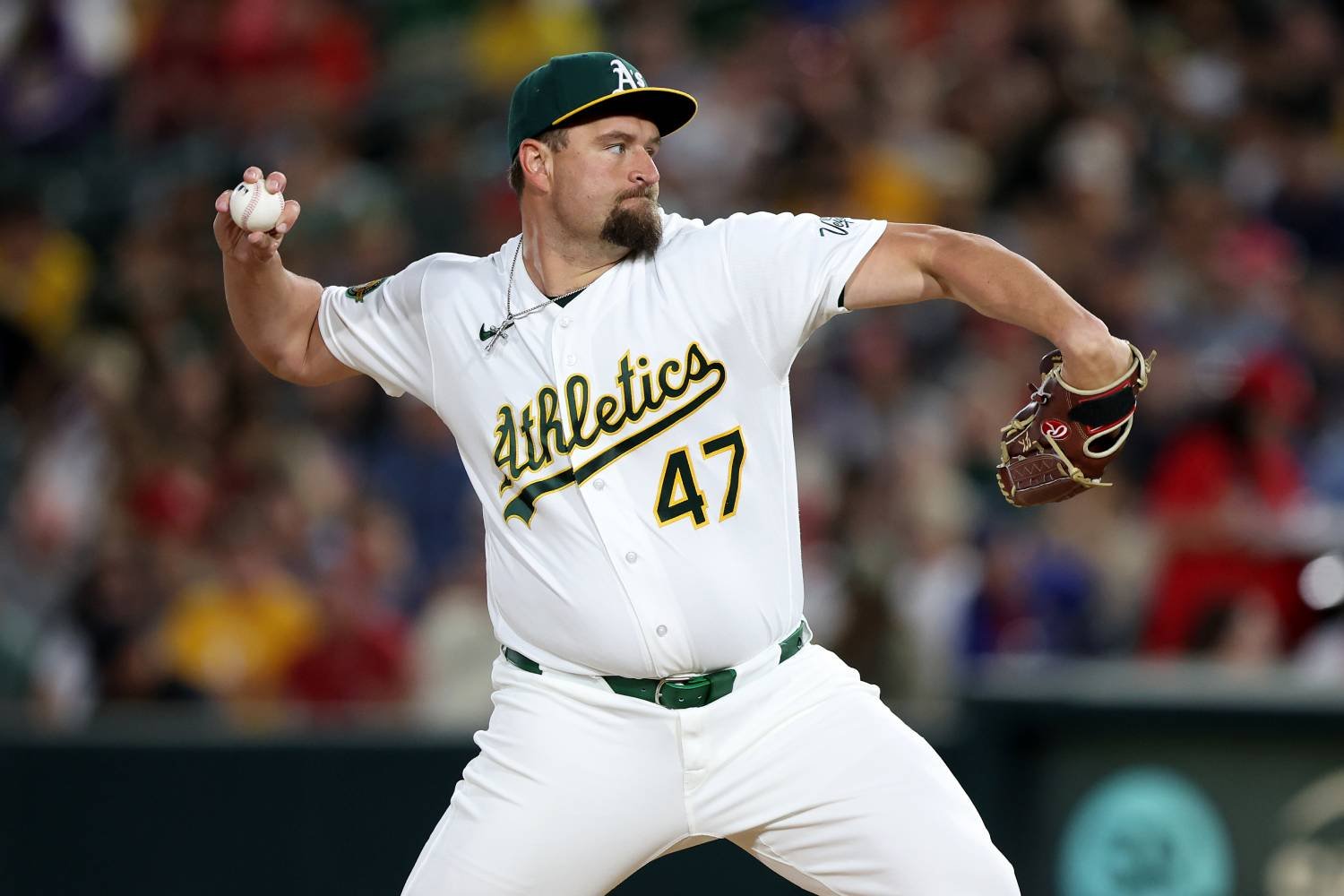 The Milwaukee Brewers picked up some bullpen depth Saturday by trading for Athletics right-hander Joel Kuhnel in exchange for cash. Kuhnel was with the Brewers twice in 2024, but did not appear in a game. To make room on the 40-man roster, right-handed starter Quinn Priester was transferred from the 15-day injured list to the 60-day IL. Priester, who has been on the IL since March 25, is currently on a rehab assignment in the Arizona Complex League. The 31-year-old Kuhnel was designated for assignment by the A's on Friday. The Brewers open a three-game series against the A's in Las Vegas on Monday. A move regarding the Brewers' 26-man roster will need to be made as Kuhnel is out of minor-league options. Kuhnel last pitched for the A's on Thursday, giving up four runs on five hits in two-thirds of an inning. For the season, Kuhnel has a 3.97 FIP (4.21 ERA) in 25 games and 25⅔ innings, with four saves and four holds. He has a terrific 5.6% walk rate but a below-average 13% strikeout rate. He had allowed seven runs in his last four outings. Kuhnel spent 2025 in the minors with the New York Yankees and Philadelphia Phillies. He was with four organizations, including the Brewers, in 2024.
 -
Brewers Acquire Joel Kuhnel From A's
Steve Drumwright replied to markedman5's topic in Milwaukee Brewers Talk
The Milwaukee Brewers picked up some bullpen depth Saturday by trading for Athletics right-hander Joel Kuhnel in exchange for cash. Kuhnel was with the Brewers twice in 2024, but did not appear in a game. To make room on the 40-man roster, right-handed starter Quinn Priester was transferred from the 15-day injured list to the 60-day IL. Priester, who has been on the IL since March 25, is currently on a rehab assignment in the Arizona Complex League. The 31-year-old Kuhnel was designated for assignment by the A's on Friday. The Brewers open a three-game series against the A's in Las Vegas on Monday. A move regarding the Brewers' 26-man roster will need to be made as Kuhnel is out of minor-league options. Kuhnel last pitched for the A's on Thursday, giving up four runs on five hits in two-thirds of an inning. For the season, Kuhnel has a 3.97 FIP (4.21 ERA) in 25 games and 25⅔ innings, with four saves and four holds. He has a terrific 5.6% walk rate but a below-average 13% strikeout rate. He had allowed seven runs in his last four outings. Kuhnel spent 2025 in the minors with the New York Yankees and Philadelphia Phillies. He was with four organizations, including the Brewers, in 2024. View full rumor -
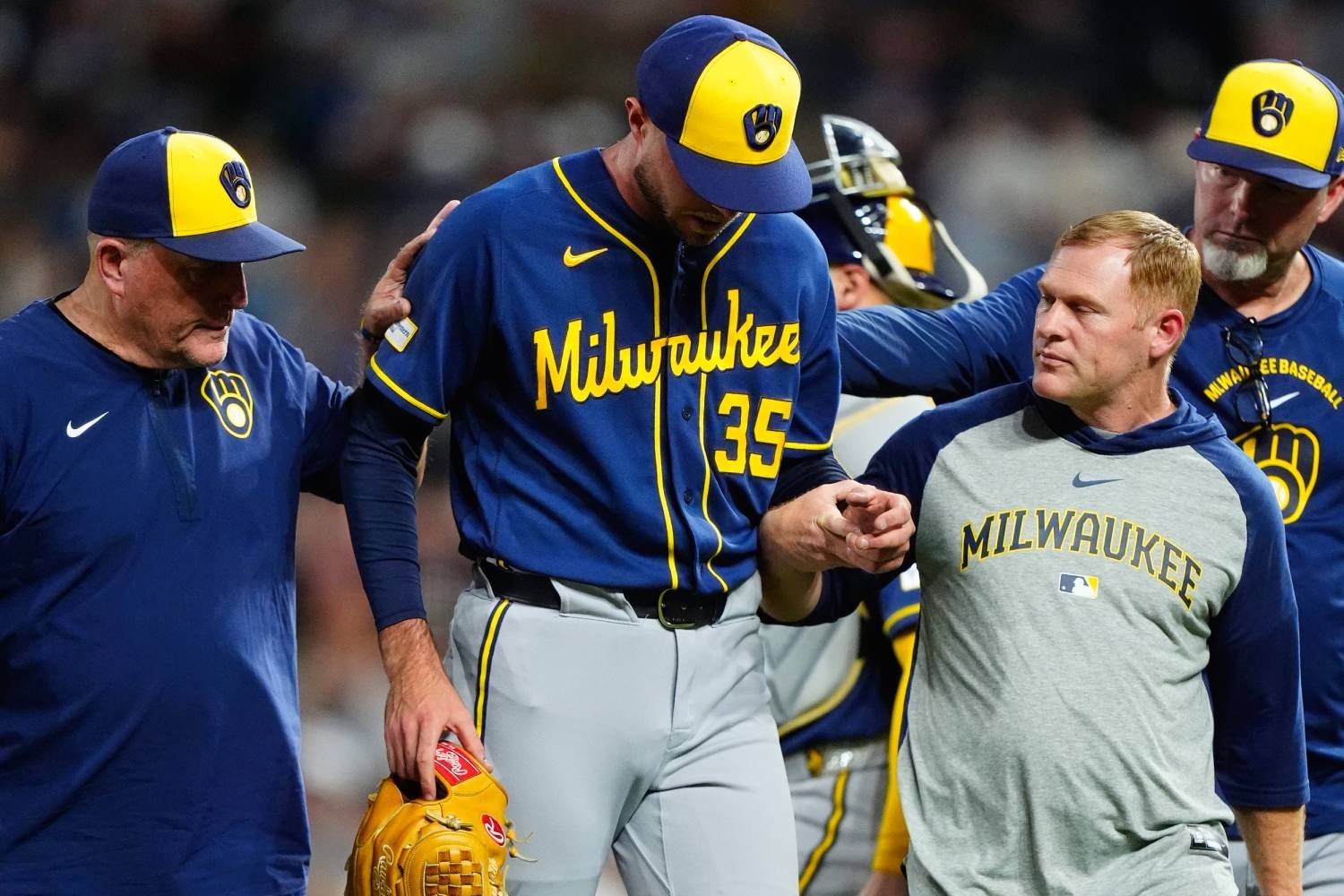 The return of Brian Fitzpatrick to the majors lasted just one day. The Milwaukee Brewers on Saturday placed the left-handed reliever on the 15-day injured list, only listing it as a left arm injury with no other detail on the official announcement. Left-handed reliever Drew Rom was called up from Triple-A Nashville to make his Brewers debut. Fitzpatrick was called up Friday when fellow left-hander DL Hall went on the IL with a pectoral strain. Fitzpatrick was injured while warming up for the seventh inning against the Colorado Rockies after he pitched a scoreless sixth. He immediately grabbed his elbow area and headed for the clubhouse. Friday was his fifth appearance for the Brewers, including his MLB debut. He has thrown 6⅔ innings, allowing two runs (one earned) on seven hits and three walks with five strikeouts. Rom last appeared in the majors with the St. Louis Cardinals in 2023, when he made eight starts and compiled an 8.02 ERA in 33⅔ innings. He signed a minor-league deal with the Brewers this offseason and has strictly been in a relief role after primarily being a starter in the Cardinals' organization. In 22 appearances over 26⅔ innings at Nashville, Rom had a 3.04 ERA with nine walks and 39 strikeouts.
 -
The return of Brian Fitzpatrick to the majors lasted just one day. The Milwaukee Brewers on Saturday placed the left-handed reliever on the 15-day injured list, only listing it as a left arm injury with no other detail on the official announcement. Left-handed reliever Drew Rom was called up from Triple-A Nashville to make his Brewers debut. Fitzpatrick was called up Friday when fellow left-hander DL Hall went on the IL with a pectoral strain. Fitzpatrick was injured while warming up for the seventh inning against the Colorado Rockies after he pitched a scoreless sixth. He immediately grabbed his elbow area and headed for the clubhouse. Friday was his fifth appearance for the Brewers, including his MLB debut. He has thrown 6⅔ innings, allowing two runs (one earned) on seven hits and three walks with five strikeouts. Rom last appeared in the majors with the St. Louis Cardinals in 2023, when he made eight starts and compiled an 8.02 ERA in 33⅔ innings. He signed a minor-league deal with the Brewers this offseason and has strictly been in a relief role after primarily being a starter in the Cardinals' organization. In 22 appearances over 26⅔ innings at Nashville, Rom had a 3.04 ERA with nine walks and 39 strikeouts. View full rumor
-
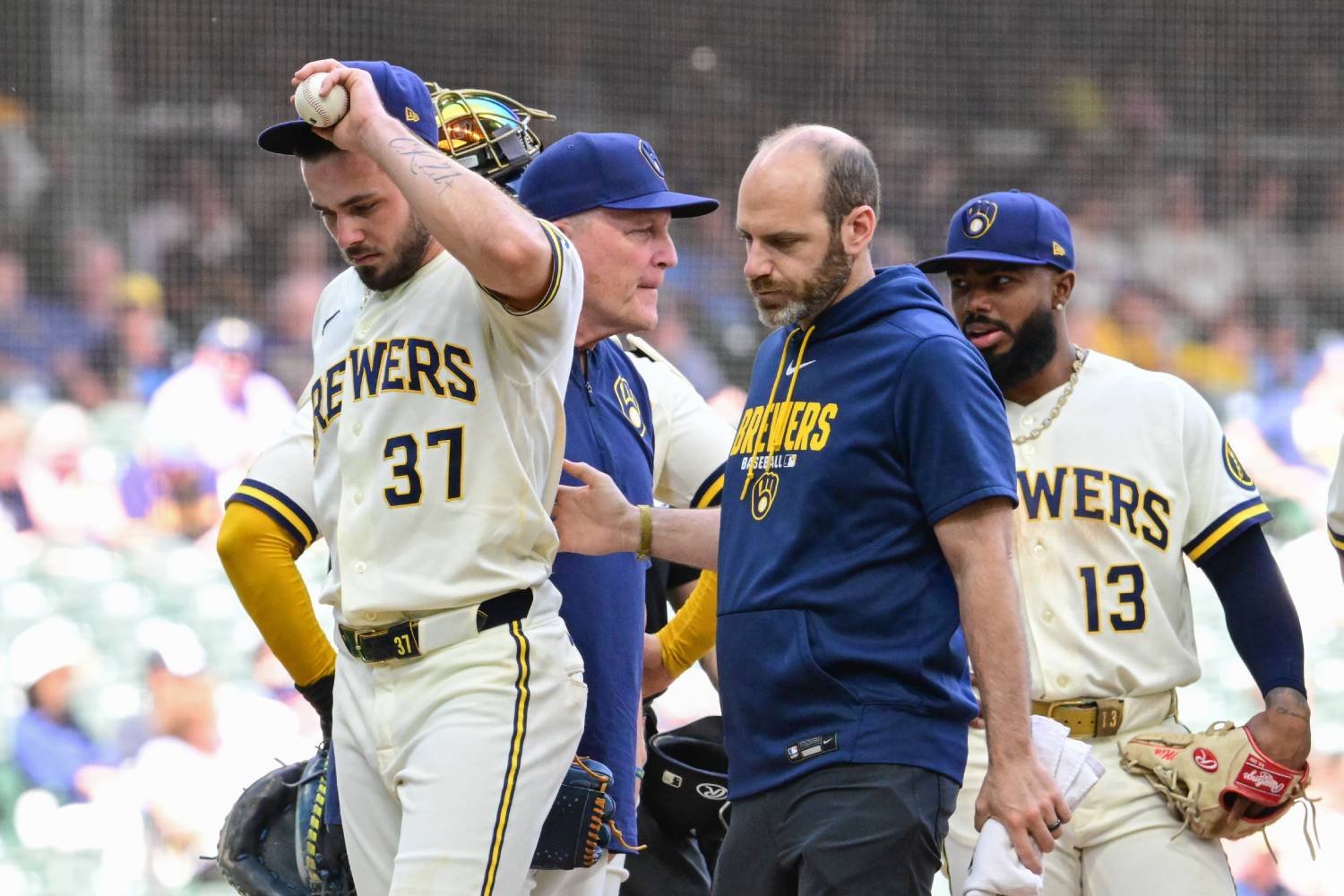 A couple of scary pitching injuries from Thursday's game resulted in one player going on the injured list. Left-handed reliever DL Hall was placed on the 15-day injured list by the Milwaukee Brewers on Friday with a left pectoral strain. Right-handed reliever Jake Woodford was designated for assignment. Coming up from Triple-A Nashville are right-handed reliever Craig Yoho and left-handed reliever Brian Fitzpatrick. The Brewers' 40-man roster now stands at 39. Apparently escaping anything serious was right-handed reliever Grant Anderson, who took a line drive off the bat of San Francisco Giants rookie slugger Bryce Eldridge off his right forearm that left seam marks on his skin. Hall left the game in the fifth inning after throwing a pitch. He had found a nice role in the bullpen as a multi-inning reliever, throwing 31 innings across 24 games with a 2.03 ERA. Hall has had issues with walks this season, sporting an unsightly 19% walk rate, while striking out 25.4%, his best mark since joining the Brewers before the 2024 season. Woodford was acquired by the Brewers from the Tampa Bay Rays the day before Opening Day. After signing a minor-league deal in the offseason, he had an upward mobility clause that would have forced the Rays to put him on their 40-man roster or be offered to other teams for the same purpose. The Brewers took a gamble on the veteran, who was mainly used in a mopup role over his 16 appearances, putting up a 6.94 ERA in 23⅓ innings. He had a 6.3% walk rate and 17.9% strikeout rate this year. Yoho is back in the majors after making his MLB debut last year with seven appearances. The changeup specialist had one blowup outing in his brief time up, covering four call-ups. That was allowing five runs in a game against the Chicago White Sox. In his other 7⅔ innings, he allowed two runs. Yoho had nine walks and seven strikeouts overall, with four walks coming against the White Sox. Fitzpatrick is up for the second time this season. He appeared in four games, including making his MLB debut April 29 vs. the Arizona Diamondbacks. Fitzpatrick pitched a total of 5⅔ innings and had a 1.59 ERA with three walks and four strikeouts.
 -
A couple of scary pitching injuries from Thursday's game resulted in one player going on the injured list. Left-handed reliever DL Hall was placed on the 15-day injured list by the Milwaukee Brewers on Friday with a left pectoral strain. Right-handed reliever Jake Woodford was designated for assignment. Coming up from Triple-A Nashville are right-handed reliever Craig Yoho and left-handed reliever Brian Fitzpatrick. The Brewers' 40-man roster now stands at 39. Apparently escaping anything serious was right-handed reliever Grant Anderson, who took a line drive off the bat of San Francisco Giants rookie slugger Bryce Eldridge off his right forearm that left seam marks on his skin. Hall left the game in the fifth inning after throwing a pitch. He had found a nice role in the bullpen as a multi-inning reliever, throwing 31 innings across 24 games with a 2.03 ERA. Hall has had issues with walks this season, sporting an unsightly 19% walk rate, while striking out 25.4%, his best mark since joining the Brewers before the 2024 season. Woodford was acquired by the Brewers from the Tampa Bay Rays the day before Opening Day. After signing a minor-league deal in the offseason, he had an upward mobility clause that would have forced the Rays to put him on their 40-man roster or be offered to other teams for the same purpose. The Brewers took a gamble on the veteran, who was mainly used in a mopup role over his 16 appearances, putting up a 6.94 ERA in 23⅓ innings. He had a 6.3% walk rate and 17.9% strikeout rate this year. Yoho is back in the majors after making his MLB debut last year with seven appearances. The changeup specialist had one blowup outing in his brief time up, covering four call-ups. That was allowing five runs in a game against the Chicago White Sox. In his other 7⅔ innings, he allowed two runs. Yoho had nine walks and seven strikeouts overall, with four walks coming against the White Sox. Fitzpatrick is up for the second time this season. He appeared in four games, including making his MLB debut April 29 vs. the Arizona Diamondbacks. Fitzpatrick pitched a total of 5⅔ innings and had a 1.59 ERA with three walks and four strikeouts. View full rumor
-
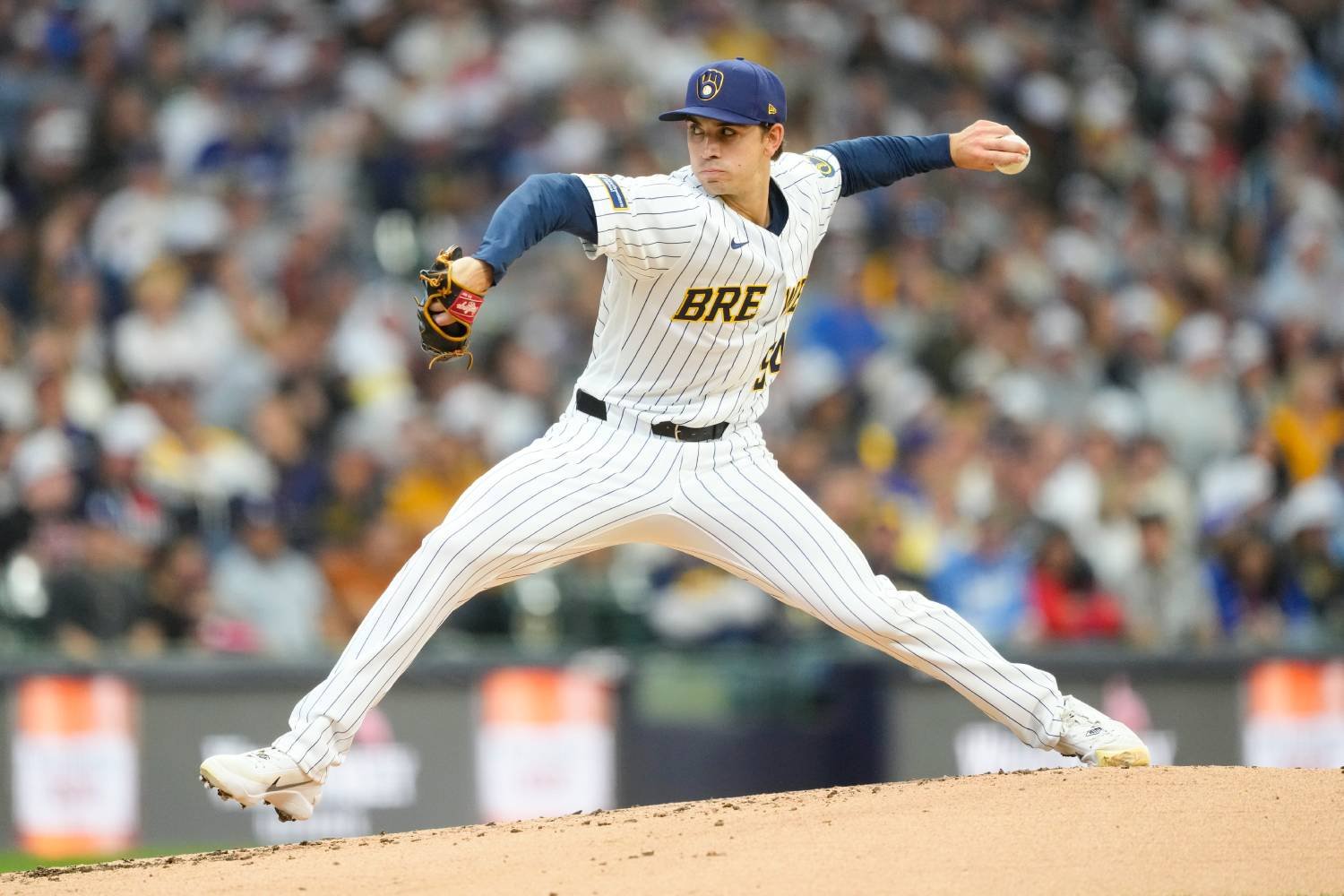 Despite a bout of wildness in his last MLB start, the Milwaukee Brewers are giving Robert Gasser another shot. The Brewers on Wednesday called up the left-hander from Triple-A Nashville to start Wednesday's game against the San Francisco Giants. To make room on the 26-man roster, the Brewers placed left-handed reliever Rob Zastryzny on the 15-day injured list with a strained left trapezius. Gasser has made two starts for the Brewers this season, the last one coming May 23 against the Los Angeles Dodgers. Gasser walked four and gave up four runs in 4⅓ innings in an 11-3 loss. He was sent down the next day. Gasser walked two in four innings of his May 17 start vs. the Minnesota Twins, a 5-4 loss. Zastryzny had just returned Sunday from the injured list, where he had been since spring training due to a strained left shoulder. While Zastryzny didn't appear in any of the three games he was on the roster for, he is now dealing with another shoulder-related injury. The Brewers also have announced that right-hander Coleman Crow will start Thursday's finale against the Giants.
 -
Despite a bout of wildness in his last MLB start, the Milwaukee Brewers are giving Robert Gasser another shot. The Brewers on Wednesday called up the left-hander from Triple-A Nashville to start Wednesday's game against the San Francisco Giants. To make room on the 26-man roster, the Brewers placed left-handed reliever Rob Zastryzny on the 15-day injured list with a strained left trapezius. Gasser has made two starts for the Brewers this season, the last one coming May 23 against the Los Angeles Dodgers. Gasser walked four and gave up four runs in 4⅓ innings in an 11-3 loss. He was sent down the next day. Gasser walked two in four innings of his May 17 start vs. the Minnesota Twins, a 5-4 loss. Zastryzny had just returned Sunday from the injured list, where he had been since spring training due to a strained left shoulder. While Zastryzny didn't appear in any of the three games he was on the roster for, he is now dealing with another shoulder-related injury. The Brewers also have announced that right-hander Coleman Crow will start Thursday's finale against the Giants. View full rumor
-
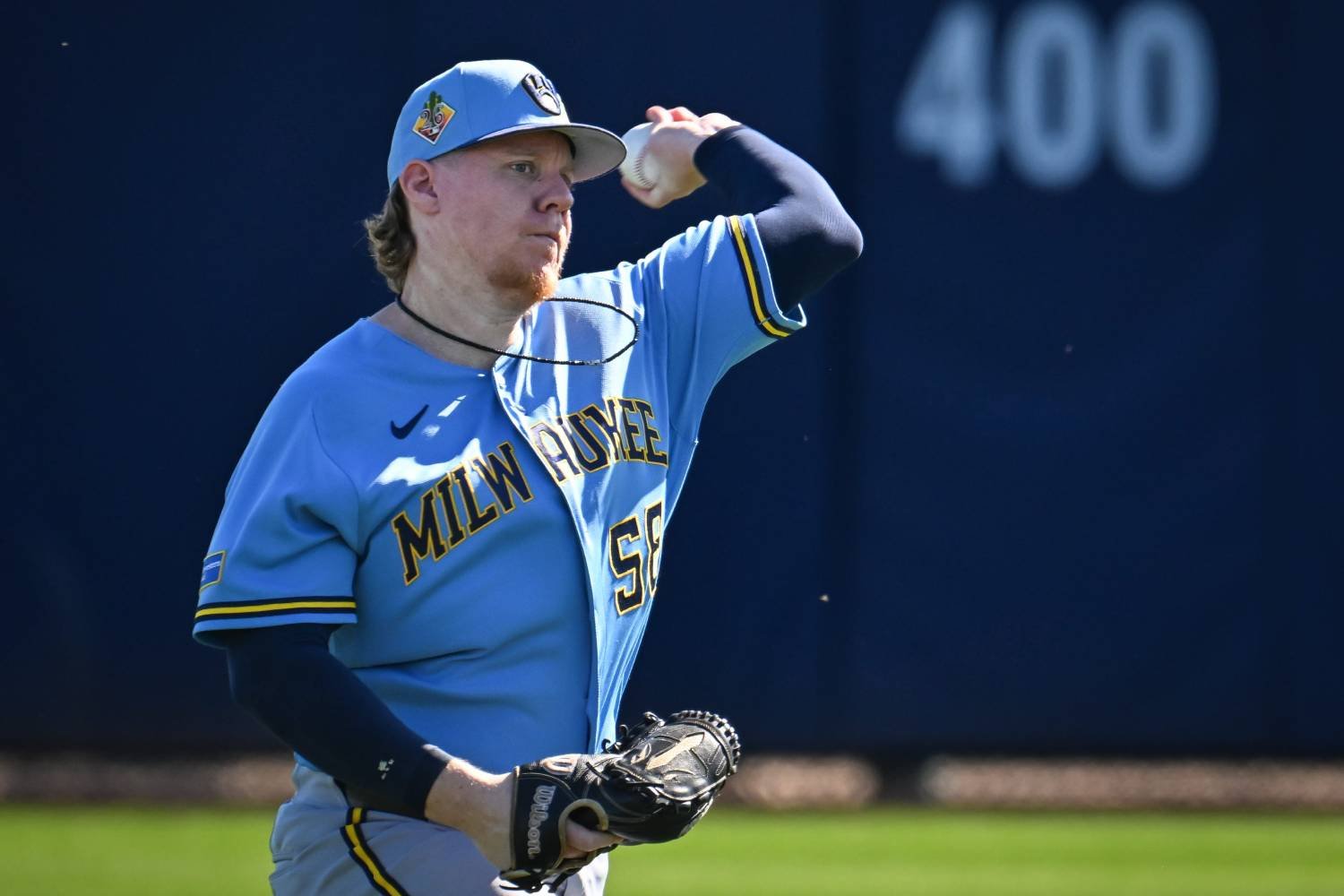 The reward for saving the rest of the bullpen Saturday? A one-way ticket to Nashville. The Milwaukee Brewers on Sunday optioned right-hander Carlos Rodriguez to Triple-A Nashville and activated left-handed reliever Rob Zastryzny from the 60-day injured list. Zastryzny has been on the IL since the end of spring training with a strained left shoulder. Left-handed reliever Angel Zerpa was transferred to the 60-day IL to make room for Zastryzny on the 40-man roster. Zerpa is out for the season after having Tommy John surgery a few weeks ago. Rodriguez pitched 3⅓ innings in Saturday's 9-2 loss to the Houston Astros, coming within an out of finishing the game. He did allow three runs. Rodriguez has been much better for the Brewers this season, with two of his previous three bullpen appearances being shutout efforts. Zastryzny gives the Brewers four left-handers in the bullpen, joining Aaron Ashby, DL Hall and Shane Drohan. Zastryzny is coming off a 2025 in which he posted a 2.45 ERA in 26 appearances over 22 innings. He walked 10 and struck out 20.
 -
The reward for saving the rest of the bullpen Saturday? A one-way ticket to Nashville. The Milwaukee Brewers on Sunday optioned right-hander Carlos Rodriguez to Triple-A Nashville and activated left-handed reliever Rob Zastryzny from the 60-day injured list. Zastryzny has been on the IL since the end of spring training with a strained left shoulder. Left-handed reliever Angel Zerpa was transferred to the 60-day IL to make room for Zastryzny on the 40-man roster. Zerpa is out for the season after having Tommy John surgery a few weeks ago. Rodriguez pitched 3⅓ innings in Saturday's 9-2 loss to the Houston Astros, coming within an out of finishing the game. He did allow three runs. Rodriguez has been much better for the Brewers this season, with two of his previous three bullpen appearances being shutout efforts. Zastryzny gives the Brewers four left-handers in the bullpen, joining Aaron Ashby, DL Hall and Shane Drohan. Zastryzny is coming off a 2025 in which he posted a 2.45 ERA in 26 appearances over 22 innings. He walked 10 and struck out 20. View full rumor
-
 Emotion has gotten the best of Milwaukee Brewers reliever Abner Uribe before. Now, he is paying a small price for a move he made following an inning-ending strikeout. Uribe was suspended by MLB for one game for his wrestling-style crotch-grabbing move toward the St. Louis Cardinals' dugout following Tuesday's 6-0 victory over the St. Louis Cardinals. Uribe made the gesture following his strikeout of Alec Burleson. Uribe is appealing the penalty, which allows him to play until it is heard by MLB. Following the game, Uribe, after a dugout scolding by Brewers manager Pat Murphy, apologized to the team, but leveled accusations at Cardinals manager Oli Marmol. Marmol and the Brewers addressed further issues the next day that apparently led to Uribe's action. Uribe has alternated with right-hander Trevor Megill as the Brewers' closer and eighth-inning guy. Uribe has appeared in 21 games, with a 4.19 ERA over 19⅓ innings, walking eight and striking out 21. He has converted five of seven save opportunities, while Megill has six saves in seven chances.
 -
Brewers' Abner Uribe Appealing One-Game Suspension
Steve Drumwright replied to markedman5's topic in Milwaukee Brewers Talk
Emotion has gotten the best of Milwaukee Brewers reliever Abner Uribe before. Now, he is paying a small price for a move he made following an inning-ending strikeout. Uribe was suspended by MLB for one game for his wrestling-style crotch-grabbing move toward the St. Louis Cardinals' dugout following Tuesday's 6-0 victory over the St. Louis Cardinals. Uribe made the gesture following his strikeout of Alec Burleson. Uribe is appealing the penalty, which allows him to play until it is heard by MLB. Following the game, Uribe, after a dugout scolding by Brewers manager Pat Murphy, apologized to the team, but leveled accusations at Cardinals manager Oli Marmol. Marmol and the Brewers addressed further issues the next day that apparently led to Uribe's action. Uribe has alternated with right-hander Trevor Megill as the Brewers' closer and eighth-inning guy. Uribe has appeared in 21 games, with a 4.19 ERA over 19⅓ innings, walking eight and striking out 21. He has converted five of seven save opportunities, while Megill has six saves in seven chances. View full rumor -
Coming off his best start of the season, it will be at least another two weeks before Logan Henderson takes the mound again. The Milwaukee Brewers on Tuesday placed Henderson, a right-handed starter, on the 15-day injured list with a strained lower back and called up right-handed starter Coleman Crow. Last week against the two-time defending World Series champion Los Angeles Dodgers, Henderson struck out seven over five shutout innings, allowing two hits and walking three. He has allowed two runs or less in all five of his starts, including just one in that start before facing the Dodgers. That was another five-inning, seven-strikeout performance. Henderson has a 6.7% walk rate and 33.3% strikeout rate in 23 innings this year. Crow won't start Wednesday's series finale vs. the St. Louis Cardinals, which remains vacant. Instead, the Brewers will wait to slot Crow into the rotation with Friday's series opener against the Houston Astros. Crow has done very well in his first two MLB starts this year, allowing a total of three hits over 10⅓ innings with one walk and seven strikeouts. With Henderson on the shelf, Crow could be up for multiple starts, although veteran right-hander Brandon Woodruff is inching closer to a return to the rotation. View full rumor
-
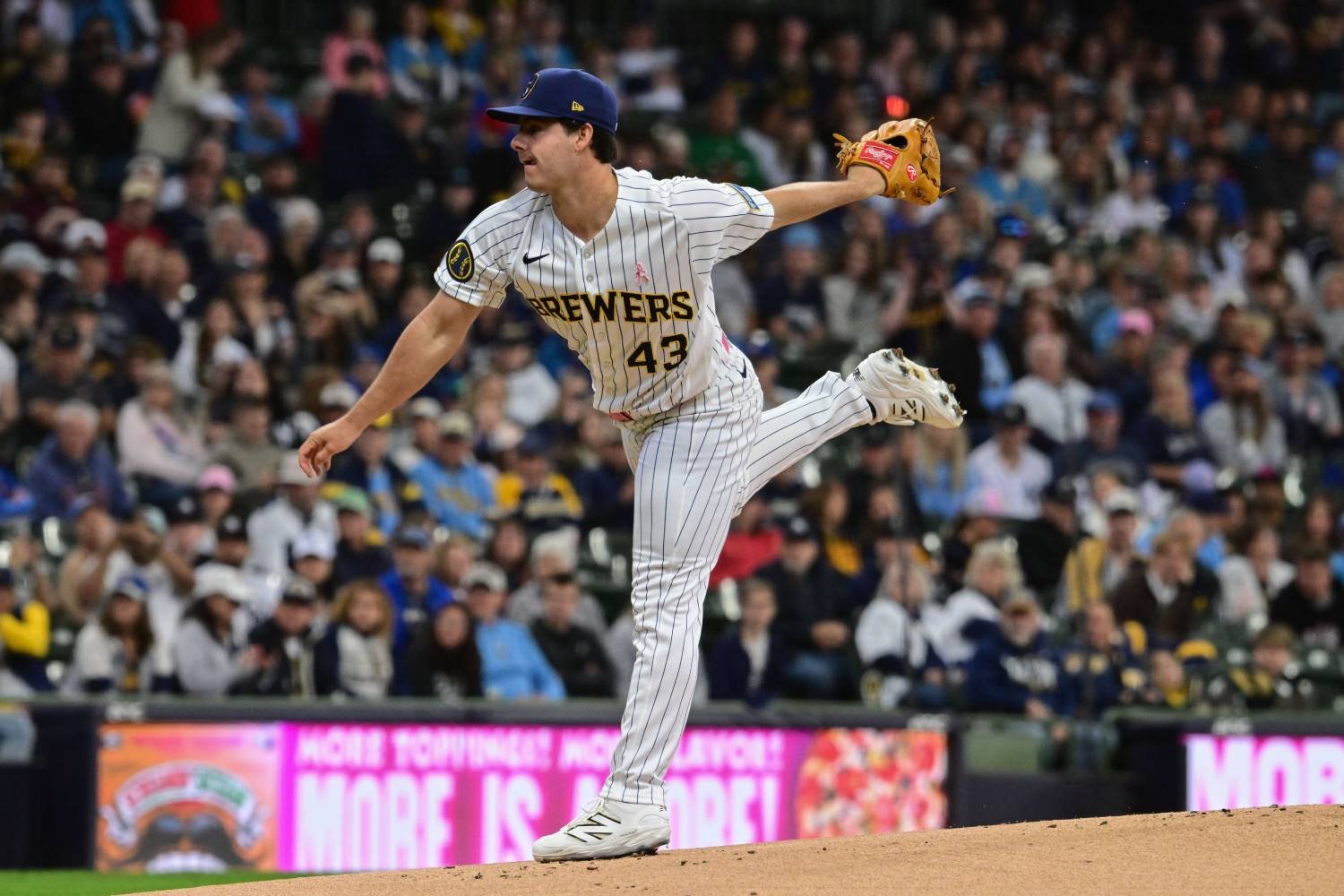 Coming off his best start of the season, it will be at least another two weeks before Logan Henderson takes the mound again. The Milwaukee Brewers on Tuesday placed Henderson, a right-handed starter, on the 15-day injured list with a strained lower back and called up right-handed starter Coleman Crow. Last week against the two-time defending World Series champion Los Angeles Dodgers, Henderson struck out seven over five shutout innings, allowing two hits and walking three. He has allowed two runs or less in all five of his starts, including just one in that start before facing the Dodgers. That was another five-inning, seven-strikeout performance. Henderson has a 6.7% walk rate and 33.3% strikeout rate in 23 innings this year. Crow won't start Wednesday's series finale vs. the St. Louis Cardinals, which remains vacant. Instead, the Brewers will wait to slot Crow into the rotation with Friday's series opener against the Houston Astros. Crow has done very well in his first two MLB starts this year, allowing a total of three hits over 10⅓ innings with one walk and seven strikeouts. With Henderson on the shelf, Crow could be up for multiple starts, although veteran right-hander Brandon Woodruff is inching closer to a return to the rotation.
 -
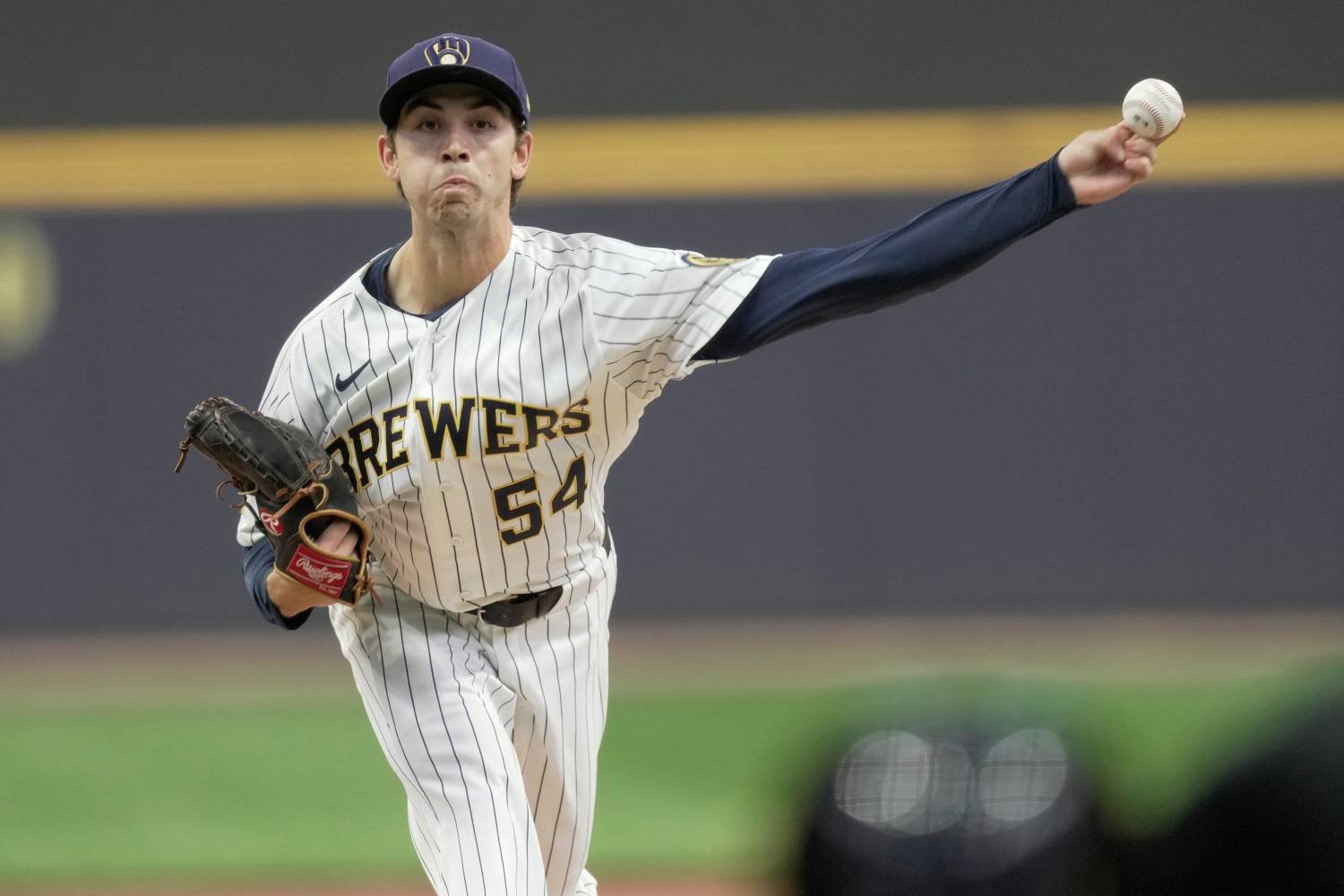 Walks will get you a ticket back to the minors. The Milwaukee Brewers on Sunday optioned left-handed starter Robert Gasser back to Triple-A Nashville and called up right-hander Carlos Rodriguez. Gasser walked four in 4⅓ innings in an 11-3 loss to the Los Angeles Dodgers on Saturday. In fact, Gasser's line was littered with fours: 4⅓ IP, 4 H, 4 R, 4 ER, 4 BB, 4 K. This was his second start since being called up May 17, when he started against the Minnesota Twins. In that game, Gasser went four innings, allowing three runs (two earned) on three hits, two walks and three hit batters while striking out three. Rodriguez is up for the second time. He made two relief appearances in April, allowing one run (a homer) in four innings on five hits with no walks and five strikeouts. With Gasser not in the rotation, the Brewers will need a starter, likely to come next weekend against the Houston Astros. Right-hander Coleman Crow is a likely choice.
 -
Walks will get you a ticket back to the minors. The Milwaukee Brewers on Sunday optioned left-handed starter Robert Gasser back to Triple-A Nashville and called up right-hander Carlos Rodriguez. Gasser walked four in 4⅓ innings in an 11-3 loss to the Los Angeles Dodgers on Saturday. In fact, Gasser's line was littered with fours: 4⅓ IP, 4 H, 4 R, 4 ER, 4 BB, 4 K. This was his second start since being called up May 17, when he started against the Minnesota Twins. In that game, Gasser went four innings, allowing three runs (two earned) on three hits, two walks and three hit batters while striking out three. Rodriguez is up for the second time. He made two relief appearances in April, allowing one run (a homer) in four innings on five hits with no walks and five strikeouts. With Gasser not in the rotation, the Brewers will need a starter, likely to come next weekend against the Houston Astros. Right-hander Coleman Crow is a likely choice. View full rumor
-
Take outfielder Jackson Chourio, for instance. Chourio played for the Brewers in the Dominican Summer League in 2021 as a 17-year-old. He made his U.S. debut as an 18-year-old in 2022, playing 62 games for the Low-A Carolina Mudcats, then being promoted to the High-A Wisconsin Timber Rattlers for 31 games. With time left in the season, Chourio got six games with the Double-A Biloxi Shuckers. His prospect stock skyrocketed as the season progressed, putting up a combined slash line of .288/.342/.538 with 20 homers, 75 RBIs and 18 stolen bases. Originally signed as a shortstop, Chourio blossomed when moved to the outfield in the DSL. Being able to play a premier position such as center field made him that much more valuable. He returned to Biloxi for much of the 2023 season, showing his dynamic potential with a .280/.336/.467 slash line. He hit 22 homers, drove in 89 and stole 43 bases. He played the final week with the Triple-A Nashville Sounds, going 7-for-21 (.333). That offseason, Chourio made history by signing a record eight-year, $82 million contract extension with team options for two more years. He didn't go to Nashville for the start of 2024, instead making the team out of spring training, making his MLB debut as a 20-year-old. All he has done since is put up nearly identical slash lines: 2024: .275/.327/.464, 21 HRs, 79 RBIs, 22 SBs 2025: .270/.308/.463, 21 HRs, 78 RBIs, 21 SBs That is roughly the plan the Brewers have for Made. Having turned 19 this month, Made began this season at Double-A Biloxi after playing at three levels as an 18-year-old. In 2025, he went from Low-A Carolina to High-A Wisconsin and then a cameo at Biloxi, putting out a combined slash line of .285/.379/.413 with six homers and 47 stolen bases. Entering the weekend, Made had a .257/.340/.400 slash line with three homers, 20 RBIs and 15 steals in 34 games. It wouldn't be surprising to see Made promoted to Triple-A Nashville before the end of June, which would give him three months at that level. It's very unlikely he'll force his way past the several players in front of him on the depth chart to debut this season. Cooper Pratt and Jett Williams, who are No. 4 and No. 5 on Brewer Fanatic's prospect rankings, would be the better call-up choices for this year, and of course, the team has two shortstops in the majors right now, in Joey Ortiz and David Hamilton. That could always change if Made goes on a tear and leaves the Brewers with no choice, of course. But considering Made plays the most important defensive position and still has a little work to do on that side of the ball, the more experience he gets, the better. He split time the past two years with Luis Pena, Brewer Fanatic's No. 2 prospect. Most of the analysts say Made has the ability to stick at shortstop, but third base or second base could be an option, too. A switch-hitter, Made differs from Chourio in that he doesn't currently present much in terms of power, but that is something that could come as his body matures. He does appear to be an advanced hitter. Made had a 20.6% strikeout rate last year and a 12.8% walk rate, which is really good when you consider his age and that the MLB averages are 22.4% and 8.4%. Through Saturday, Made was at 16.4% for his strikeout rate and 11.3% for his walk rate this year. Baseball America has put a 70 grade (on the 20-80 scouting scale) on Made's hit tool, which means it's plus-plus. He hits to all fields with authority, due to a compact swing from both sides of the plate. It would be easy to project Made batting leadoff with Chourio second once Made gets acclimated to the majors. Remember that Chourio struggled mightily and had a .207 batting average on June 1 of his rookie season before figuring things out. But Made will also have someone like Chourio to lean on whenever he does make his debut. Will his newfound status as baseball's No. 1 prospect affect how he performs on a daily basis? You wouldn't think so. The Brewers pursue players who typically have the sort of comportment that something like this wouldn't play mind games with the teenager. He will face more heckling when the Shuckers play on the road, but nothing he hasn't heard thus far as one of the game's elite prospects. Brewers fans will no doubt get impatient knowing Made is waiting in the wings, especially if Ortiz doesn't improve offensively, but the patience the Brewers are showing with their young shortstop is the same thing the fanbase needs to exercise. Made will be ready when he is ready and the Brewers will know when that time comes. View full article
-
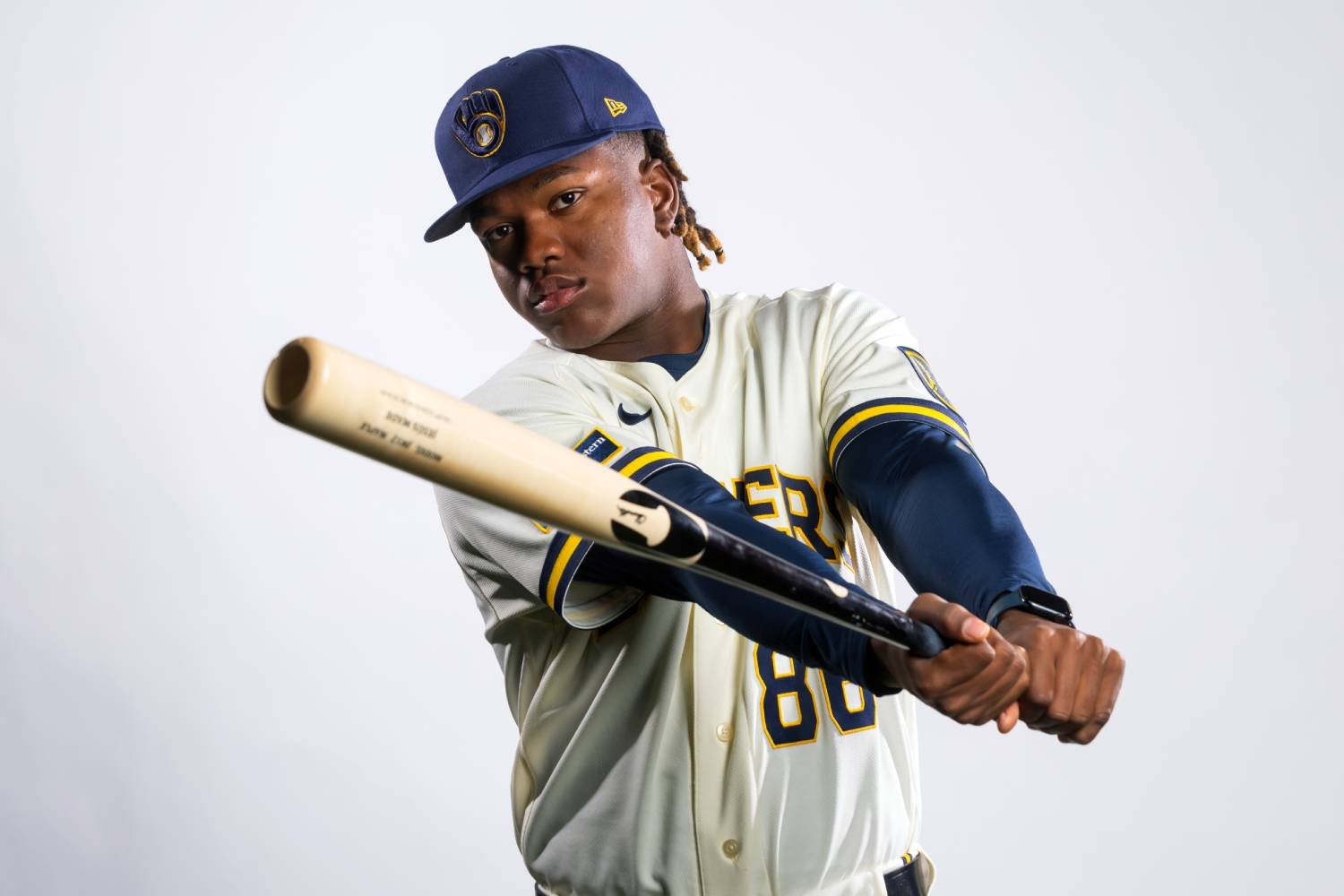 Barring something unexpected happening, Jesus Made will sit atop the MLB prospect lists from now until he makes his MLB debut for the Milwaukee Brewers, which could very well be Opening Day 2027. And with that, comes the pressure of living up to being No. 1. Made, a 19-year-old shortstop, ascended to that lofty perch Wednesday when Pittsburgh Pirates shortstop Konnor Griffin, who was the consensus No. 1 prospect in baseball when he was promoted to the majors April 3, accumulated enough at-bats (130) to lose that status. Made began the season at No. 3 on most lists and has watched as Griffin and Detroit Tigers shortstop Kevin McGonigle got their much-anticipated calls to the majors. That decision doesn't appear to be imminent for Made. The Brewers, while not afraid of promoting players from one level to the next during the season, don't like to rush their prospects. It is one reason they currently have the best farm system in MLB. Take outfielder Jackson Chourio, for instance. Chourio played for the Brewers in the Dominican Summer League in 2021 as a 17-year-old. He made his U.S. debut as an 18-year-old in 2022, playing 62 games for the Low-A Carolina Mudcats, then being promoted to the High-A Wisconsin Timber Rattlers for 31 games. With time left in the season, Chourio got six games with the Double-A Biloxi Shuckers. His prospect stock skyrocketed as the season progressed, putting up a combined slash line of .288/.342/.538 with 20 homers, 75 RBIs and 18 stolen bases. Originally signed as a shortstop, Chourio blossomed when moved to the outfield in the DSL. Being able to play a premier position such as center field made him that much more valuable. He returned to Biloxi for much of the 2023 season, showing his dynamic potential with a .280/.336/.467 slash line. He hit 22 homers, drove in 89 and stole 43 bases. He played the final week with the Triple-A Nashville Sounds, going 7-for-21 (.333). That offseason, Chourio made history by signing a record eight-year, $82 million contract extension with team options for two more years. He didn't go to Nashville for the start of 2024, instead making the team out of spring training, making his MLB debut as a 20-year-old. All he has done since is put up nearly identical slash lines: 2024: .275/.327/.464, 21 HRs, 79 RBIs, 22 SBs 2025: .270/.308/.463, 21 HRs, 78 RBIs, 21 SBs That is roughly the plan the Brewers have for Made. Having turned 19 this month, Made began this season at Double-A Biloxi after playing at three levels as an 18-year-old. In 2025, he went from Low-A Carolina to High-A Wisconsin and then a cameo at Biloxi, putting out a combined slash line of .285/.379/.413 with six homers and 47 stolen bases. Entering the weekend, Made had a .257/.340/.400 slash line with three homers, 20 RBIs and 15 steals in 34 games. It wouldn't be surprising to see Made promoted to Triple-A Nashville before the end of June, which would give him three months at that level. It's very unlikely he'll force his way past the several players in front of him on the depth chart to debut this season. Cooper Pratt and Jett Williams, who are No. 4 and No. 5 on Brewer Fanatic's prospect rankings, would be the better call-up choices for this year, and of course, the team has two shortstops in the majors right now, in Joey Ortiz and David Hamilton. That could always change if Made goes on a tear and leaves the Brewers with no choice, of course. But considering Made plays the most important defensive position and still has a little work to do on that side of the ball, the more experience he gets, the better. He split time the past two years with Luis Pena, Brewer Fanatic's No. 2 prospect. Most of the analysts say Made has the ability to stick at shortstop, but third base or second base could be an option, too. A switch-hitter, Made differs from Chourio in that he doesn't currently present much in terms of power, but that is something that could come as his body matures. He does appear to be an advanced hitter. Made had a 20.6% strikeout rate last year and a 12.8% walk rate, which is really good when you consider his age and that the MLB averages are 22.4% and 8.4%. Through Saturday, Made was at 16.4% for his strikeout rate and 11.3% for his walk rate this year. Baseball America has put a 70 grade (on the 20-80 scouting scale) on Made's hit tool, which means it's plus-plus. He hits to all fields with authority, due to a compact swing from both sides of the plate. It would be easy to project Made batting leadoff with Chourio second once Made gets acclimated to the majors. Remember that Chourio struggled mightily and had a .207 batting average on June 1 of his rookie season before figuring things out. But Made will also have someone like Chourio to lean on whenever he does make his debut. Will his newfound status as baseball's No. 1 prospect affect how he performs on a daily basis? You wouldn't think so. The Brewers pursue players who typically have the sort of comportment that something like this wouldn't play mind games with the teenager. He will face more heckling when the Shuckers play on the road, but nothing he hasn't heard thus far as one of the game's elite prospects. Brewers fans will no doubt get impatient knowing Made is waiting in the wings, especially if Ortiz doesn't improve offensively, but the patience the Brewers are showing with their young shortstop is the same thing the fanbase needs to exercise. Made will be ready when he is ready and the Brewers will know when that time comes.