



Seth Stohs
-
Posts
432 -
Joined
-
Last visited
Content Type
Profiles
Forums
Blogs
Events
News
2026 Milwaukee Brewers Top Prospects Ranking
Milwaukee Brewers Videos
2022 Milwaukee Brewers Draft Picks
Milwaukee Brewers Free Agent & Trade Rumors, Notes, & Tidbits
Guides & Resources
2023 Milwaukee Brewers Draft Picks
2024 Milwaukee Brewers Draft Picks
The Milwaukee Brewers Players Project
2025 Milwaukee Brewers Draft Pick Tracker
2026 Milwaukee Brewers Draft Tracker: Picks & Bonuses
Store
Downloads
Gallery
Everything posted by Seth Stohs
-
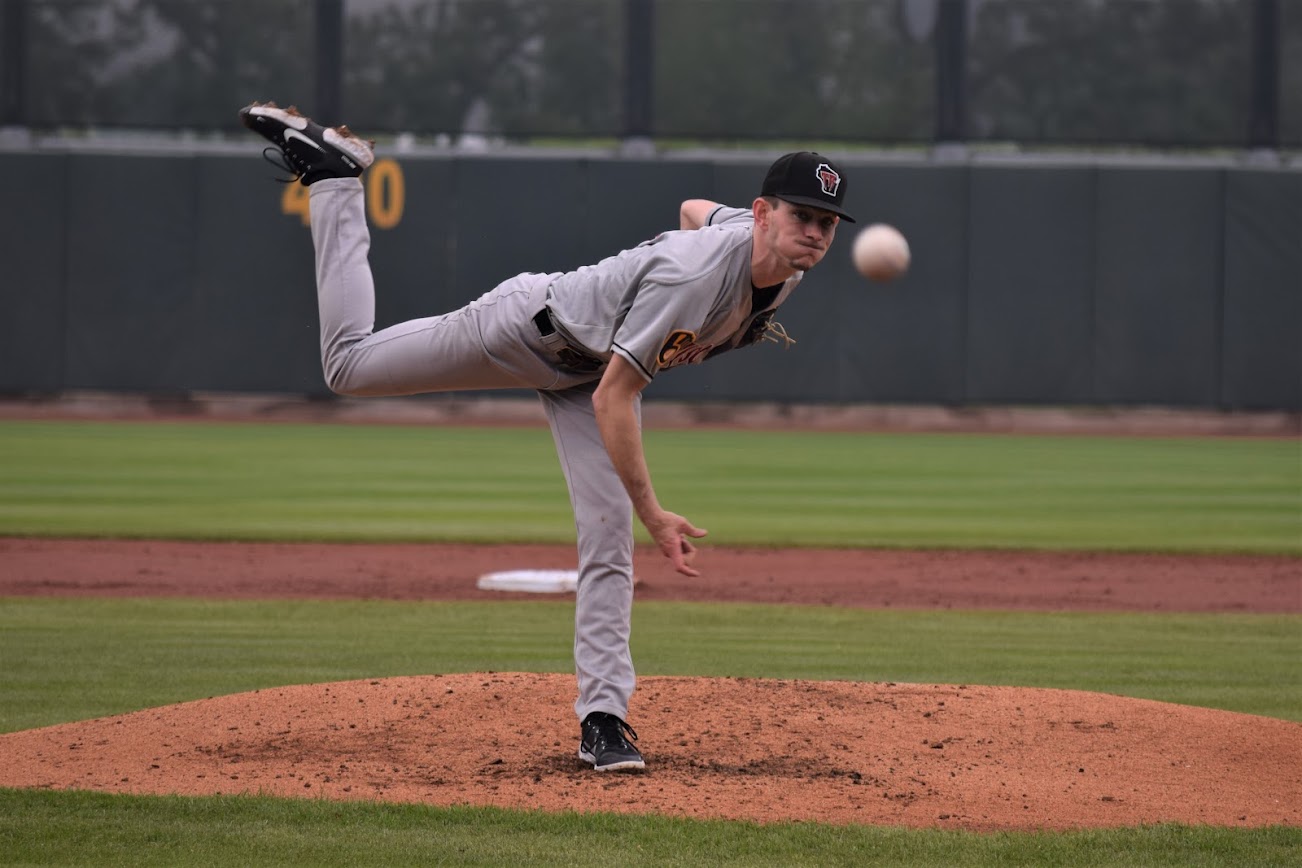 Growing up in North Carolina, Justin Jarvis made himself into a top prospect, the best right-handed prep pitcher in the state. As we learned in Part 1 of the interview, he had in-house visits from all 30 MLB teams. On Day 2 of the draft, Jarvis heard his name called in the fifth round by the Milwaukee Brewers. Be sure to watch Part 2 to find out much more about the person and the pitcher he has become since joining the Brewers organization. Before he could head to Arizona to sign his deal, he had to finish two more final exams and then graduate from high school. "I got picked on a Wednesday. I walked across the stage on a Saturday, and later that week, I was in Arizona. It all happened super quick." It was really his first time away from home, so he fought a little homesickness, but he adjusted relatively quickly, gaining new friends including his first roommate, Cam Robinson. He was helped by his first pitching coach, Hiram Burgos, that first year both on and off the field. That first season, he was coached by pitching coaches Chris Hook and Jim Henderson, guys who are now on the Brewers' big-league staff. He returned to Wisconsin to start the 2022 season. What clicked? "To me, everything stayed the same, but something else happened. Definitely different outcomes than the rest of my career. Definitely the best year I've had. Honestly, just throwing strikes and believing in myself." He and Cam Robinson both were likely a little disappointed in returning to the Midwest League, and they helped each other. One night playing video games in the garage, Jarvis said to his roommate, "I'm just going to go out there and pitch mad. To me, 'Pitching mad' is just like "Screw them!" I don't care who they are. Let's go. I think that's what clicked for me, a mindset, like I was saying, just the brain, pitching like I did in high school, like [audible growl... you'll want to see it!], like kind of angry out there." Jarvis has a solid four-pitch mix. He throws a four-seam fastball, a slider, curveball, a splitter. He stopped throwing his changeup in the middle of the season due to its inconsistency. "We went out to the bullpen to throw my regular bullpen. We were going to mess around with a cutter and a splitter. The splitter just stuck. I threw one splitter, and was like 'Oooh, that's a pretty good pitch.' and I was like, 'It feels good too.'" Last week, teams made their 40-man roster additions. The Brewers added Cam Robinson, but they did not add Jarvis. Could he be selected in next month's Rule 5 draft? Find out more including: How he was able to pitch in games during the summer of 2020, and how he was able to keep in touch with coaches and teammates. Why did he call the Arizona Fall League "the best experience I've had in my baseball life?" Working with the early-season TimberRattlers rotation that included Brandon Knarr, TJ Shook, Russell Smith, and Antoine Kelly. What was the jump from High-A to Double-A for him? ("It definitely got a lot hotter in Biloxi, I'll tell you that!) What are the things that he is going to work on heading into 2023? Find out what he enjoys doing in the offseason. The range of interests that he has is rather diverse and very interesting.
 -
Justin Jarvis was the Brewers fifth-round pick in 2018 out of high school in his home state of North Carolina. He's certainly had his ups and downs in his development, but after a slow start in Wisconsin, something clicked and he finished his season strong, including a promotion to Double-A. In part one, we discuss growing up and developing his baseball talent, being scouted and ultimately getting drafted. Check it out. Image courtesy of Steve Buhr, Twins Daily Justin Jarvis was the Brewers fifth-round pick in 2018 out of high school in his home state of North Carolina. He's certainly had his ups and downs in his development, but after a slow start in Wisconsin, something clicked and he finished his season strong, including a promotion to Double-A. In part one, we discuss growing up and developing his baseball talent, being scouted and ultimately getting drafted. Check it out. Justin Jarvis was born in Kannapolis, North Carolina, and in middle school, the family moved about 20 minutes to Mooresville. In high school, he attended Lake Norman High School. Lake Norman is a large lake north of Charlotte. It has tentacles moving in lots of directions which means it has over 500 miles of shoreline. It's also big enough that they have their own version of the Loch Ness Monster that locals call "Normie." But it often provides picturesque views, especially for sunsets. Jarvis focused on baseball. He played a little church league, but "I wasn't any good. I could play defense, but if I got the ball, it was pass, pass, pass." In his younger years, his dream was to become a switch-hitting catcher. Then he got taller, and he had a big arm on his wiry frame. It didn't take him long to realize that his future was on the mound. (You'll also want to hear all about his thoughts on his hitting prowess in the video.) He didn't make the varsity team until his sophomore season. Immediately he started pitching well and impressing the right people. He went to several Perfect Game events and was the #1 right-handed pitcher in North Carolina and the #13 ranked high school righty in the nation. He had committed to UNC-Wilmington, but he knew that he wanted to play pro ball. He was already hitting 92-93 mph and that definitely interested the scouts. In his senior season, he had in-home visits with all 30 teams. It certainly can be a bit overwhelming, but along with a very supportive family, he also got great information and advice from his high school baseball coach, 12-year MLB veteran Ty Wigginton. You may recall, Wigginton had a successful career and played for eight MLB teams over his dozen MLB seasons. "My senior year, my practice was running and playing catch and then I'd feed him balls for infield and outfield." Jarvis later added. "It was awesome. Off-the-field stuff. On-the-field stuff. Even like tax stuff. He's been there and done all that stuff. What you can write off. What you can't write off. My senior year, I didn't even really do the normal practice. He set me up for pro baseball and what it's going to be like." The Brewers had certainly shown strong interest. In fact, his principal excused him from school for a couple of days leading up to the draft because he was flown up to Milwaukee for a workout at American Family Stadium. As the draft approached, the assumption was that he would be selected on Day 2. In fact, his principal allowed him to reschedule a Civics test so that he could go to a Bar & Grill in town to watch the draft with his family, friends, teachers, and teammates. In the fifth round, he heard his name. "I high-fived my dad and then started crying and had to walk out of the room. It was pretty cool!" In Part 2 of our conversation with Justin Jarvis, we will focus on his professional career, his pitches, his development, and much more. Leave your thoughts, comments, questions, congratulations, and well wishes for Jarvis in the COMMENTS below. View full article
-
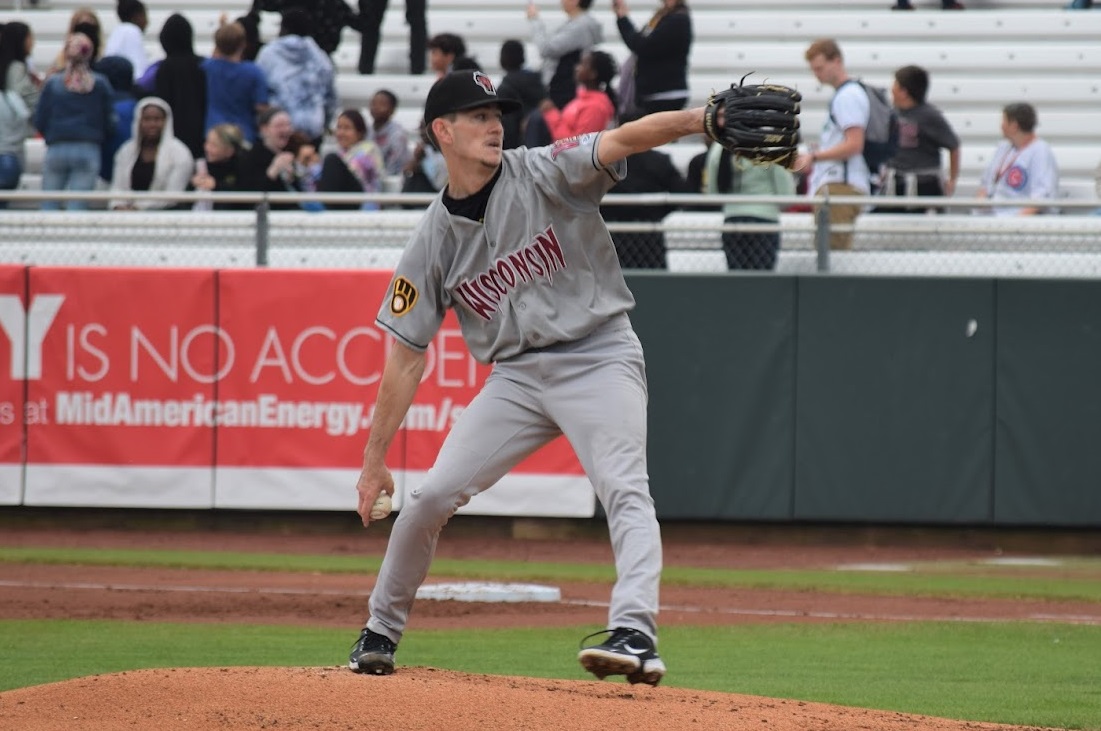 Justin Jarvis was born in Kannapolis, North Carolina, and in middle school, the family moved about 20 minutes to Mooresville. In high school, he attended Lake Norman High School. Lake Norman is a large lake north of Charlotte. It has tentacles moving in lots of directions which means it has over 500 miles of shoreline. It's also big enough that they have their own version of the Loch Ness Monster that locals call "Normie." But it often provides picturesque views, especially for sunsets. Jarvis focused on baseball. He played a little church league, but "I wasn't any good. I could play defense, but if I got the ball, it was pass, pass, pass." In his younger years, his dream was to become a switch-hitting catcher. Then he got taller, and he had a big arm on his wiry frame. It didn't take him long to realize that his future was on the mound. (You'll also want to hear all about his thoughts on his hitting prowess in the video.) He didn't make the varsity team until his sophomore season. Immediately he started pitching well and impressing the right people. He went to several Perfect Game events and was the #1 right-handed pitcher in North Carolina and the #13 ranked high school righty in the nation. He had committed to UNC-Wilmington, but he knew that he wanted to play pro ball. He was already hitting 92-93 mph and that definitely interested the scouts. In his senior season, he had in-home visits with all 30 teams. It certainly can be a bit overwhelming, but along with a very supportive family, he also got great information and advice from his high school baseball coach, 12-year MLB veteran Ty Wigginton. You may recall, Wigginton had a successful career and played for eight MLB teams over his dozen MLB seasons. "My senior year, my practice was running and playing catch and then I'd feed him balls for infield and outfield." Jarvis later added. "It was awesome. Off-the-field stuff. On-the-field stuff. Even like tax stuff. He's been there and done all that stuff. What you can write off. What you can't write off. My senior year, I didn't even really do the normal practice. He set me up for pro baseball and what it's going to be like." The Brewers had certainly shown strong interest. In fact, his principal excused him from school for a couple of days leading up to the draft because he was flown up to Milwaukee for a workout at American Family Stadium. As the draft approached, the assumption was that he would be selected on Day 2. In fact, his principal allowed him to reschedule a Civics test so that he could go to a Bar & Grill in town to watch the draft with his family, friends, teachers, and teammates. In the fifth round, he heard his name. "I high-fived my dad and then started crying and had to walk out of the room. It was pretty cool!" In Part 2 of our conversation with Justin Jarvis, we will focus on his professional career, his pitches, his development, and much more. Leave your thoughts, comments, questions, congratulations, and well wishes for Jarvis in the COMMENTS below.
 -
Seth Stohs sits down with Brewers prospect RHP Justin Jarvis, speaking with him about his upbringing, early love of the sport, and his high school years at Lake Norman High School before being drafted by the Brewers in the 2018 MLB Draft.
-
 Seth Stohs sits down with Brewers prospect RHP Justin Jarvis, speaking with him about his upbringing, early love of the sport, and his high school years at Lake Norman High School before being drafted by the Brewers in the 2018 MLB Draft. View full video
 -
VIDEO: Cam Robinson Interview: Part 1
Seth Stohs replied to Francisco Castro's topic in Brewers Minor League Talk
Also, @Francisco Castro ... Beloit in April, the temperature in the low-30s... and you thought a hoodie would be enough!? As Randy Moss would say, "C'mon, Man!" -
VIDEO: Cam Robinson Interview: Part 1
Seth Stohs replied to Francisco Castro's topic in Brewers Minor League Talk
I'm excited about this. I've watched 3-4 of Francisco's videos and think they're really well done. I'm really looking forward to more!! -
Brewers Add Four Players to 40-Man Roster
Seth Stohs replied to Seth Stohs's topic in Milwaukee Brewers Talk
It might. And I obviously don't know anything with any certainty. But if there is going to be an attempt to keep Corbin Burnes AND Brandon Woodruff around long-term, it's going to cost a lot of money. Right or wrong, that may mean needing to be creative elsewhere. I might be off, and we will likely know more on Friday after the arbitration decisions. -
Brewers Add Four Players to 40-Man Roster
Seth Stohs replied to Seth Stohs's topic in Milwaukee Brewers Talk
It might. And I obviously don't know anything with any certainty. But if there is going to be an attempt to keep Corbin Burnes AND Brandon Woodruff around long-term, it's going to cost a lot of money. Right or wrong, that may mean needing to be creative elsewhere. I might be off, and we will likely know more on Friday after the arbitration decisions. -
Brewers Add Four Players to 40-Man Roster
Seth Stohs replied to Seth Stohs's topic in Milwaukee Brewers Talk
There are other examples that kind of stand out. Atlanta added RH RP Michael Tonkin to their 40-man roster a couple of days ago. He turns later this week. The Twins let him go after the 2017 season, and he spent a year in Japan before toiling in the minor leagues since, including 2021 in independent leagues. He was great in AAA Gwinnett this year, but never got called up. Maybe it's the player saying, "I am getting MLB offers from other teams." -
Brewers Add Four Players to 40-Man Roster
Seth Stohs replied to Seth Stohs's topic in Milwaukee Brewers Talk
There are other examples that kind of stand out. Atlanta added RH RP Michael Tonkin to their 40-man roster a couple of days ago. He turns later this week. The Twins let him go after the 2017 season, and he spent a year in Japan before toiling in the minor leagues since, including 2021 in independent leagues. He was great in AAA Gwinnett this year, but never got called up. Maybe it's the player saying, "I am getting MLB offers from other teams." -
Brewers Add Four Players to 40-Man Roster
Seth Stohs replied to Seth Stohs's topic in Milwaukee Brewers Talk
Or you have Singleton DH, Tellez and 1B and Hiura playing against lefties in one of those spots. -
Brewers Add Four Players to 40-Man Roster
Seth Stohs replied to Seth Stohs's topic in Milwaukee Brewers Talk
Or you have Singleton DH, Tellez and 1B and Hiura playing against lefties in one of those spots. -
Brewers Add Four Players to 40-Man Roster
Seth Stohs replied to Seth Stohs's topic in Milwaukee Brewers Talk
I always wonder about this as well. Why are there so few hitters selected, and generally they are utility types. Aside from there's never enough pitching, I think that it can be a lot easier to evaluate hitters than pitchers. I mean, if you've got a slugging third baseman, you're going to protect him, so he's not going to get drafted. Brice Turang was an easy add. Had he been left unprotected, he might be the first pick of the Rule 5 draft. So I don't know if it's quite as simple as Sam makes it sound, but obviously pitching is key! -
Brewers Add Four Players to 40-Man Roster
Seth Stohs replied to Seth Stohs's topic in Milwaukee Brewers Talk
I always wonder about this as well. Why are there so few hitters selected, and generally they are utility types. Aside from there's never enough pitching, I think that it can be a lot easier to evaluate hitters than pitchers. I mean, if you've got a slugging third baseman, you're going to protect him, so he's not going to get drafted. Brice Turang was an easy add. Had he been left unprotected, he might be the first pick of the Rule 5 draft. So I don't know if it's quite as simple as Sam makes it sound, but obviously pitching is key! -
With the deadline about 90 minutes away, the Brewers announced that they have added infielder Brice Turang and bullpen arm Abner Uribe to their 40-man roster. Then ten minutes before the deadline, they also announced the additions of reliever Cam Robinson and first baseman Jon Singleton. Image courtesy of Mark J. Rebilas-USA TODAY Sports With the deadline about 90 minutes away, the Brewers announced that they have added infielder Brice Turang and bullpen arm Abner Uribe to their 40-man roster. Then ten minutes before the deadline, they also announced the additions of reliever Cam Robinson and first baseman Jon Singleton. Just before the 5:00 central time deadline, the Brewers announced that, in addition to adding RH RP Abner Uribe and infielder Brice Turang to their 40-man roster, they will also be adding relief Cam Robinson and first baseman Jon Singleton. Turang is the son of a former big leaguer and has consistently moved up the organizational ladder since the Brewers made him their first-round draft pick in 2018 out of high school in Corona, California. He spent the entire 2022 season at Triple-A Nashville. He will turn 23 years old this weekend. Uribe, on the other hand, made just two appearances for Double-A Biloxi in early April before his season came to an end. He did return and pitched for Glendale in the Arizona Fall League and pitched well enough, and proved himself healthy enough for the Brewers to feel comfortable adding him. Robinson was drafted in 2017 and had his struggles early, but he broke out in 2022. He pitched well at both Wisconsin and Biloxi before ending the season at Triple-A Nashville. He's got potentially dominant stuff that could work out of the bullpen. The surprise may be the addition of slugger Jon Singleton. He spent all of 2022 with Nashville and provided a lot of homers and a lot of strikeouts. At the end of the World Series, he became a free agent but quickly re-signed with the Brewers. Now today he has been added to the big-league roster. Considering his past in the game, this does sure have the makings a really special human interest story by March! There are several players that are now at risk of being selected in the Rule 5 draft including infields Felix Valerio and Eduardo Garcia, outfielder Carlos Rodriguez, pitchers Victor Castaneda, Justin Jarvis and others. What do you think about the Brewers additions? Which prospects are you most concerned that the team could lose? View full article
-
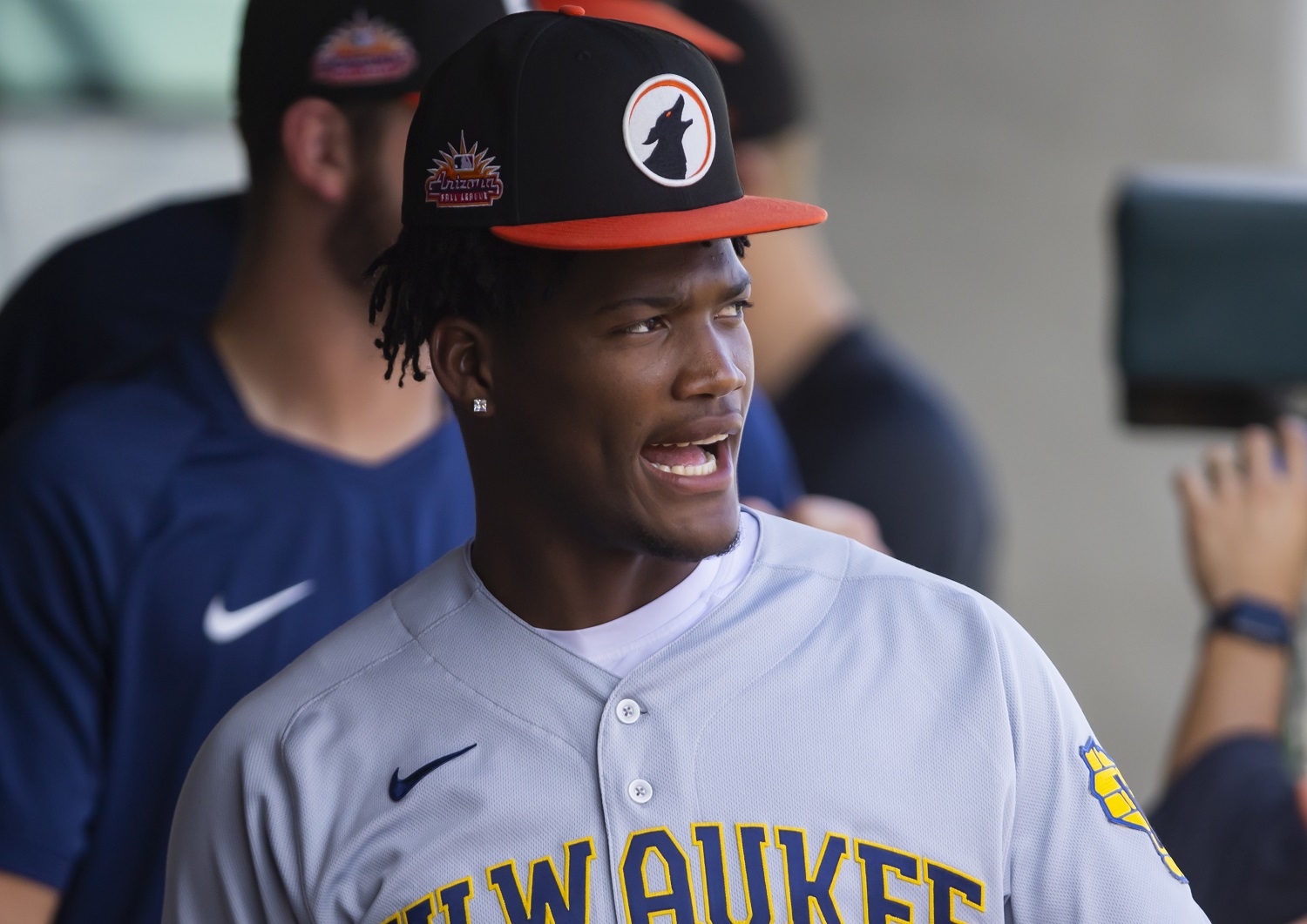 Just before the 5:00 central time deadline, the Brewers announced that, in addition to adding RH RP Abner Uribe and infielder Brice Turang to their 40-man roster, they will also be adding relief Cam Robinson and first baseman Jon Singleton. Turang is the son of a former big leaguer and has consistently moved up the organizational ladder since the Brewers made him their first-round draft pick in 2018 out of high school in Corona, California. He spent the entire 2022 season at Triple-A Nashville. He will turn 23 years old this weekend. Uribe, on the other hand, made just two appearances for Double-A Biloxi in early April before his season came to an end. He did return and pitched for Glendale in the Arizona Fall League and pitched well enough, and proved himself healthy enough for the Brewers to feel comfortable adding him. Robinson was drafted in 2017 and had his struggles early, but he broke out in 2022. He pitched well at both Wisconsin and Biloxi before ending the season at Triple-A Nashville. He's got potentially dominant stuff that could work out of the bullpen. The surprise may be the addition of slugger Jon Singleton. He spent all of 2022 with Nashville and provided a lot of homers and a lot of strikeouts. At the end of the World Series, he became a free agent but quickly re-signed with the Brewers. Now today he has been added to the big-league roster. Considering his past in the game, this does sure have the makings a really special human interest story by March! There are several players that are now at risk of being selected in the Rule 5 draft including infields Felix Valerio and Eduardo Garcia, outfielder Carlos Rodriguez, pitchers Victor Castaneda, Justin Jarvis and others. What do you think about the Brewers additions? Which prospects are you most concerned that the team could lose?
 -
In the final part of this three-part series, Seth chats with Brewers left-handed pitching prospect Brandon Knarr about his circuitous path to pro baseball, his development, and his fantastic 2022 season. He began the season with High-A Wisconsin before jumping to Double-A Biloxi. Combined, he went 11-8 with a 2.83 ERA. He had 152 strikeouts and 47 walks over an impressive 146 1/3 innings pitched. We will discuss his background in the game, signing with the Brewers, and his daily routines and preparation for each start.
-
In the final part of this three-part series, Seth chats with Brewers left-handed pitching prospect Brandon Knarr about his circuitous path to pro baseball, his development, and his fantastic 2022 season. He began the season with High-A Wisconsin before jumping to Double-A Biloxi. Combined, he went 11-8 with a 2.83 ERA. He had 152 strikeouts and 47 walks over an impressive 146 1/3 innings pitched. We will discuss his background in the game, signing with the Brewers, and his daily routines and preparation for each start. View full video
-
Brewers Spotlight: LHP Brandon Knarr (Part 3)
Seth Stohs posted a topic in Brewers Minor League Talk
In the third and final part of our Brewers Spotlight on left-handed pitching prospect Brandon Knarr, we discuss topics such as analytics, training techniques, and being part of a really exciting organization with a perennial playoff contender with some very exciting prospects waiting in the wings too. Image courtesy of Paige Bell, Biloxi Shuckers In the third and final part of our Brewers Spotlight on left-handed pitching prospect Brandon Knarr, we discuss topics such as analytics, training techniques, and being part of a really exciting organization with a perennial playoff contender with some very exciting prospects waiting in the wings too. In Part 1 of our conversation with Brewers pitching prospect Brandon Knarr, we discussed his youth, growing up in Pennsylvania and becoming a great high school player, going Division 1 and then heading to a top junior college. In Part 2, he joined another national powerhouse at the University of Tampa. Unfortunately, that talented squad saw their season cut short by a global pandemic. Speaking of 'cut short,' that 2020 draft was reduced to just five rounds. When he wasn't drafted, Knarr had several strong offers and discussed what made the Milwaukee Brewers the choice for him. In the third and final part of our conversation today, we simply tie up some loose ends to the conversation. Find out how Knarr feels about the plethora of analytics and technology at his fingertips in the Brewers system. Not only that, but how he is able to sift through it all and work with his coaches to find areas for improvement or consistency. "I just enjoy baseball. So when you have baseball, and then you have more information about baseball, and that information is also about yourself, if ends up being a lot of fun." Knarr continued, "Especially during the season, it's the constant of this is where we want this to be, this is where it performs best. You have to go out there and try it. You have to go out there and have the trust to try what you want to do. Maybe it's a usage on a pitch. Maybe it's a different grip. Maybe it's a different feel." Along that same vein, he has headed to the Florida Baseball ARMory where he received some tips and tricks that may look funny to some, but if it's helping, it's great! Knarr said, "It's only weird if it doesn't work. If it looks weird and it accomplishes what you want it to accomplish, then it doesn't matter." The Brewers had a very nice 2020 draft season. They took Garrett Mitchell in the first round, and he contributed to the big-league club down the stretch. Joey Wiemer was a fourth-round pick and he reached Triple-A. Freddy Zamora (2nd) and Zavier Warren both reached Double-A by season's end. Warren has had a solid showing in the Arizona Fall League. Hayden Cantrelle was their fifth round pick. He was traded to Atlanta in the Alex Jackson trade, and later dealt to the Giants for reliever Luke Williams. Along with Knarr, right-handed pitcher TJ Shook and infielder Noah Campbell were also signed following the draft. They also reached Double-A by the end of this 2022 season. "It's surreal to think where everybody is, and how far we've all come. It's a very tight-knit group among these guys because we've played together for at least parts of two seasons." Certainly hope that you have enjoyed this three-part series of interviews with lefty Brandon Knarr. Please feel free to leave feedback on the series, or be sure to congratulate Knarr or ask him some questions. If you have other Brewers prospects you would like to see put under The Spotlight, let us know. View full article -
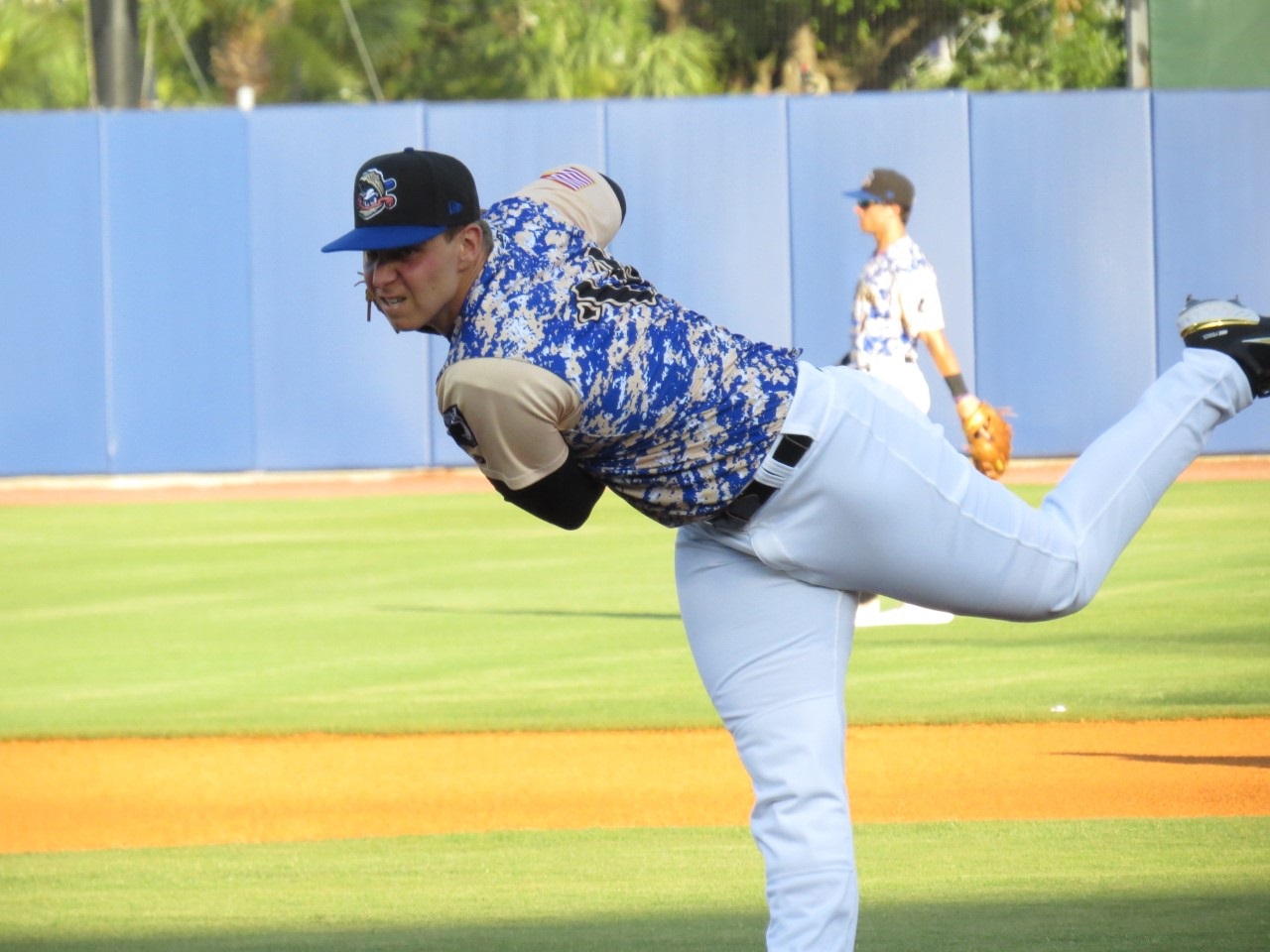 In Part 1 of our conversation with Brewers pitching prospect Brandon Knarr, we discussed his youth, growing up in Pennsylvania and becoming a great high school player, going Division 1 and then heading to a top junior college. In Part 2, he joined another national powerhouse at the University of Tampa. Unfortunately, that talented squad saw their season cut short by a global pandemic. Speaking of 'cut short,' that 2020 draft was reduced to just five rounds. When he wasn't drafted, Knarr had several strong offers and discussed what made the Milwaukee Brewers the choice for him. In the third and final part of our conversation today, we simply tie up some loose ends to the conversation. Find out how Knarr feels about the plethora of analytics and technology at his fingertips in the Brewers system. Not only that, but how he is able to sift through it all and work with his coaches to find areas for improvement or consistency. "I just enjoy baseball. So when you have baseball, and then you have more information about baseball, and that information is also about yourself, if ends up being a lot of fun." Knarr continued, "Especially during the season, it's the constant of this is where we want this to be, this is where it performs best. You have to go out there and try it. You have to go out there and have the trust to try what you want to do. Maybe it's a usage on a pitch. Maybe it's a different grip. Maybe it's a different feel." Along that same vein, he has headed to the Florida Baseball ARMory where he received some tips and tricks that may look funny to some, but if it's helping, it's great! Knarr said, "It's only weird if it doesn't work. If it looks weird and it accomplishes what you want it to accomplish, then it doesn't matter." The Brewers had a very nice 2020 draft season. They took Garrett Mitchell in the first round, and he contributed to the big-league club down the stretch. Joey Wiemer was a fourth-round pick and he reached Triple-A. Freddy Zamora (2nd) and Zavier Warren both reached Double-A by season's end. Warren has had a solid showing in the Arizona Fall League. Hayden Cantrelle was their fifth round pick. He was traded to Atlanta in the Alex Jackson trade, and later dealt to the Giants for reliever Luke Williams. Along with Knarr, right-handed pitcher TJ Shook and infielder Noah Campbell were also signed following the draft. They also reached Double-A by the end of this 2022 season. "It's surreal to think where everybody is, and how far we've all come. It's a very tight-knit group among these guys because we've played together for at least parts of two seasons." Certainly hope that you have enjoyed this three-part series of interviews with lefty Brandon Knarr. Please feel free to leave feedback on the series, or be sure to congratulate Knarr or ask him some questions. If you have other Brewers prospects you would like to see put under The Spotlight, let us know.
 -
Brewers Spotlight: LHP Brandon Knarr (Part 2)
Seth Stohs posted a topic in Brewers Minor League Talk
In Part 2 of this Brewers Spotlight interview with Brewers left-handed pitching prospect Brandon Knarr. In this installment, we discuss his brief time at the University of Tampa, his decision to sign with Milwaukee instead of some bigger-market teams, what he did during Covid, his 2022 season, and some discussion of his plan for the offseason. Image courtesy of Steve Buhr, Twins Daily In Part 2 of this Brewers Spotlight interview with Brewers left-handed pitching prospect Brandon Knarr. In this installment, we discuss his brief time at the University of Tampa, his decision to sign with Milwaukee instead of some bigger-market teams, what he did during Covid, his 2022 season, and some discussion of his plan for the offseason. In Part 1 of our chat with Brewers left-handed pitching prospect Brandon Knarr, we talked about his youth, growing up in baseball, his high school career, and his time at the College of Central Florida where he really developed. That's where we start Part 2 of our conversation. After his strong junior college season, he stayed in Florida and joined the University of Tampa. The team won the Division 2 National Championship the year he committed, and frankly, they may have had a better team in 2020. Knarr did make six starts before Covid shut down the season. He went 4-1 with a 2.55 ERA. In 35 1/3 innings, he had 64 strikeouts to go with just nine walks. Unfortunately, the season was cut short and so was the MLB Draft. It was just five rounds, and while Knarr heard from some teams, he did not hear his name called in the draft. However, after the draft, he listened to several offers, but you will definitely want to listen to his reasoning for choosing the Milwaukee Brewers over the Yankees and some other organizations. We discussed his first seasons as a pro pitcher. He began 2022 in Wisconsin and went 7-1 with a 1.57 ERA in 10 starts. In 16 starts at Double-A Biloxi, he went 4-6 with a 3.64 ERA. Combined, he threw 146 1/3 innings and struck out 152 batters. You will enjoy hearing about his impressive pitch-mix. Find out what he has done with his breaking ball to make it more effective. Part 2 with Brandon Knarr is really interesting. Knarr does a great job of articulating his career, but also what he tries to do on the mound, and what he tries to do before and between starts. In Part 3 later this week, we'll talk with Knarr about his upcoming offseason, analytics, and much more. Please feel free to leave some comments and ask some questions in the Comments below. View full article -
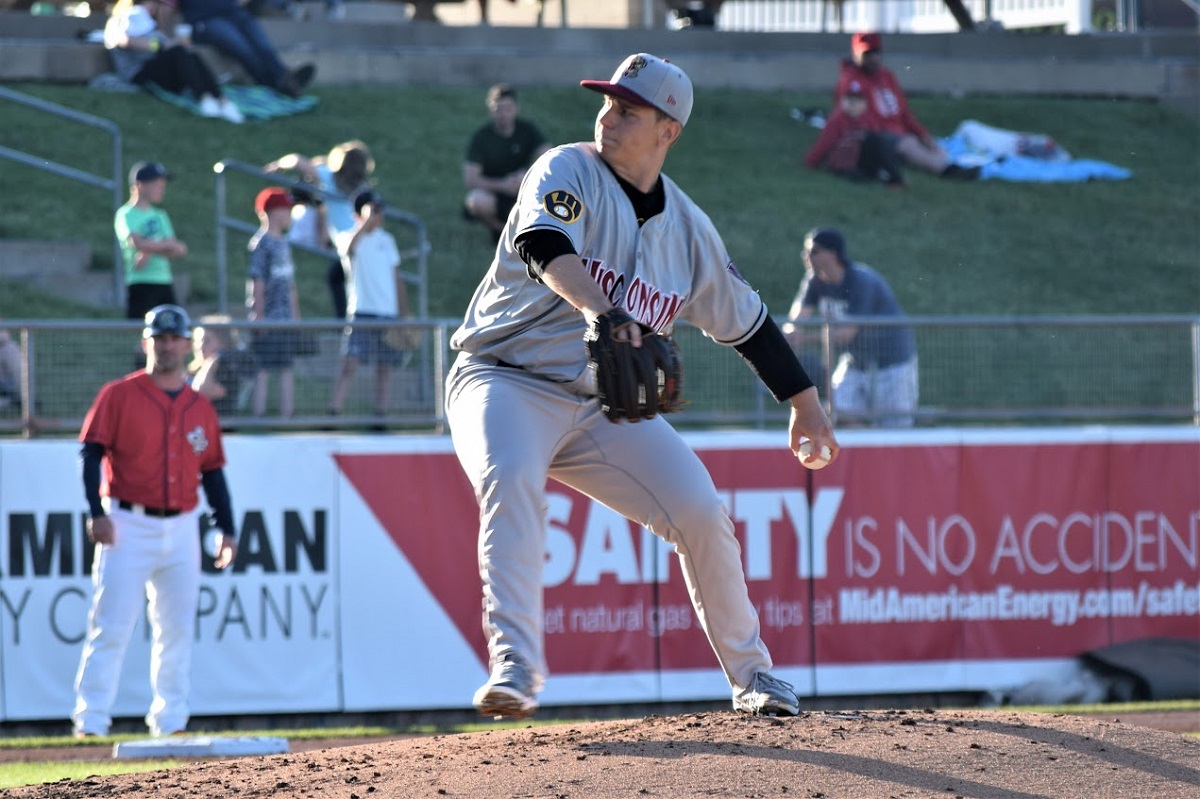 In Part 1 of our chat with Brewers left-handed pitching prospect Brandon Knarr, we talked about his youth, growing up in baseball, his high school career, and his time at the College of Central Florida where he really developed. That's where we start Part 2 of our conversation. After his strong junior college season, he stayed in Florida and joined the University of Tampa. The team won the Division 2 National Championship the year he committed, and frankly, they may have had a better team in 2020. Knarr did make six starts before Covid shut down the season. He went 4-1 with a 2.55 ERA. In 35 1/3 innings, he had 64 strikeouts to go with just nine walks. Unfortunately, the season was cut short and so was the MLB Draft. It was just five rounds, and while Knarr heard from some teams, he did not hear his name called in the draft. However, after the draft, he listened to several offers, but you will definitely want to listen to his reasoning for choosing the Milwaukee Brewers over the Yankees and some other organizations. We discussed his first seasons as a pro pitcher. He began 2022 in Wisconsin and went 7-1 with a 1.57 ERA in 10 starts. In 16 starts at Double-A Biloxi, he went 4-6 with a 3.64 ERA. Combined, he threw 146 1/3 innings and struck out 152 batters. You will enjoy hearing about his impressive pitch-mix. Find out what he has done with his breaking ball to make it more effective. Part 2 with Brandon Knarr is really interesting. Knarr does a great job of articulating his career, but also what he tries to do on the mound, and what he tries to do before and between starts. In Part 3 later this week, we'll talk with Knarr about his upcoming offseason, analytics, and much more. Please feel free to leave some comments and ask some questions in the Comments below.
 -
In the second part of this three-part series, Seth chats with Brewers left-handed pitching prospect Brandon Knarr about his circuitous path to pro baseball, his development, and his fantastic 2022 season. He began the season with High-A Wisconsin before jumping to Double-A Biloxi. Combined, he went 11-8 with a 2.83 ERA. He had 152 strikeouts and 47 walks over an impressive 146 1/3 innings pitched. We will discuss his background in the game, signing with the Brewers, and his daily routines and preparation for each start.
-
In the second part of this three-part series, Seth chats with Brewers left-handed pitching prospect Brandon Knarr about his circuitous path to pro baseball, his development, and his fantastic 2022 season. He began the season with High-A Wisconsin before jumping to Double-A Biloxi. Combined, he went 11-8 with a 2.83 ERA. He had 152 strikeouts and 47 walks over an impressive 146 1/3 innings pitched. We will discuss his background in the game, signing with the Brewers, and his daily routines and preparation for each start. View full video

