



Kyle Lobner
-
Posts
27 -
Joined
-
Last visited
-
Days Won
1
Content Type
Profiles
Forums
Blogs
Events
News
2026 Milwaukee Brewers Top Prospects Ranking
Milwaukee Brewers Videos
2022 Milwaukee Brewers Draft Picks
Milwaukee Brewers Free Agent & Trade Rumors, Notes, & Tidbits
Guides & Resources
2023 Milwaukee Brewers Draft Picks
2024 Milwaukee Brewers Draft Picks
The Milwaukee Brewers Players Project
2025 Milwaukee Brewers Draft Pick Tracker
2026 Milwaukee Brewers Draft Tracker: Picks & Bonuses
Store
Downloads
Gallery
Everything posted by Kyle Lobner
-
We're in the time of year where the Brewers have been known to throw every bullpen option against the wall and see if anything sticks. One candidate they could consider is an old friend. Image courtesy of Jordan Johnson-USA TODAY Sports We're in the time of year where the Brewers have been known to throw every bullpen option against the wall and see if anything sticks. One candidate they could consider is an old friend. A pitcher many longtime Brewers fans will be familiar with is having a rough week. On Wednesday Tyler Thornburg became the public face of a bad bullpen situation in Minnesota: With the Twins' relief corps depleted following a long game the night before, they asked Thornburg to cover two innings late in a close game against the Guardians, their primary competition in the AL Central. In the first of those two innings he allowed two runs to tie the game, and in the second he gave up a walkoff home run to Andres Gimenez. Two days later the Twins designated the veteran righty for assignment. Thornburg was the #96 overall pick in the 2010 draft but has pitched just one full healthy season in the majors, a 2016 season where he posted a 2.15 ERA across 67 appearances in Milwaukee, struck out more than 12 batters per nine innings, and recorded 13 saves. The Brewers sold high on him that winter, dealing him to Boston for a return including Travis Shaw, Mauricio Dubon, and two others. While Shaw and Dubon turned out to be valuable additions for the Brewers, Thornburg's career hit the skids: He missed all of the 2017 season and hasn't pitched more than 25 MLB innings in any year since. He's had stints with Boston, Cincinnati, and now Atlanta and Minnesota in 2022. Thornburg isn't a good bet to stay healthy at this point in his career. He's 33 years old and six years removed from his only full season. When he's able to pitch, however, Thornburg has typically been good enough to merit consideration for an MLB bullpen. Even considering his disastrous final outing in Minnesota Thornburg has a 3.32 ERA across 19 MLB innings this season and a 3.46 mark for his MLB career. He's struggled with command but his peripheral numbers suggest his arm is still strong: In 2016 Baseball Savant credited him with an average fastball velocity around 95, and in 2022 it's only down slightly at 94 and could go up if he gets back to working shorter outings. The spin rates on both his fastball and curveball remain better than average. The Brewers are in a good position to maximize Thornburg's value for a pair of reasons: First, this is an organization with a strong reputation for being able to identify and correct pitchers' weaknesses to maximize their effectiveness. There's almost certainly someone in the Brewers front office who either already has or could quickly develop a theory on a tweak here or an adjustment there that could get him on track. Second, the Brewers don't need to overextend him. With a bullpen that already includes Josh Hader, Devin Williams, Brad Boxberger, and Trevor Gott, they likely wouldn't need Thornburg to pitch multiple innings or back-to-back days. If limiting him to one inning every other day or every few days allows him to "air it out" without having to worry about injury or fatigue, the Brewers are in a position to do that. Since the start of the 2021 season, 53 different pitchers have made at least one relief appearance as a Brewer as the organization has shuffled through arms trying to find someone that can help them contend. They're almost certainly going to continue to look at more as the season goes along, and they might be well served to revisit a pitcher who has helped them in the past. View full article
-
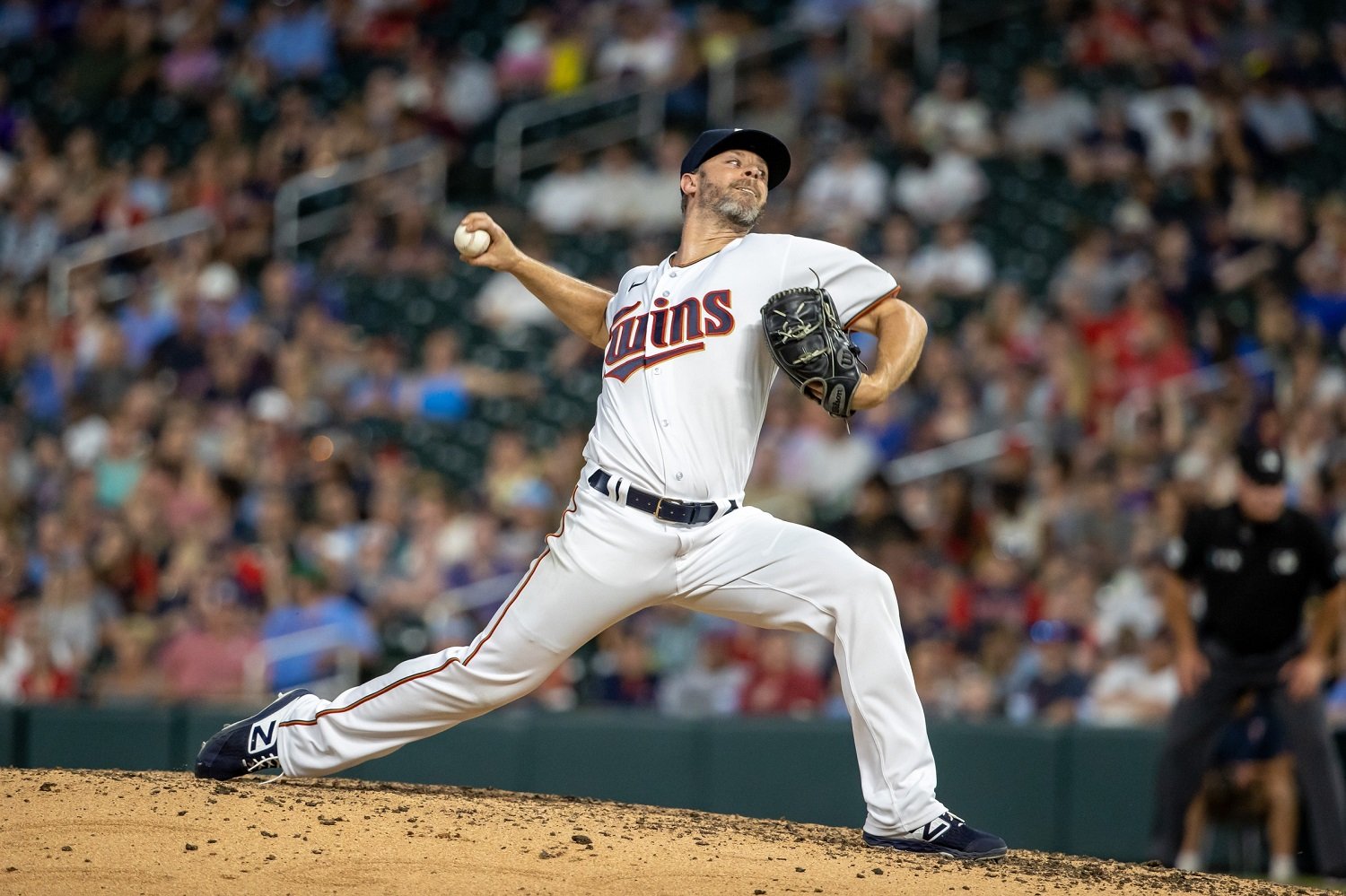 A pitcher many longtime Brewers fans will be familiar with is having a rough week. On Wednesday Tyler Thornburg became the public face of a bad bullpen situation in Minnesota: With the Twins' relief corps depleted following a long game the night before, they asked Thornburg to cover two innings late in a close game against the Guardians, their primary competition in the AL Central. In the first of those two innings he allowed two runs to tie the game, and in the second he gave up a walkoff home run to Andres Gimenez. Two days later the Twins designated the veteran righty for assignment. Thornburg was the #96 overall pick in the 2010 draft but has pitched just one full healthy season in the majors, a 2016 season where he posted a 2.15 ERA across 67 appearances in Milwaukee, struck out more than 12 batters per nine innings, and recorded 13 saves. The Brewers sold high on him that winter, dealing him to Boston for a return including Travis Shaw, Mauricio Dubon, and two others. While Shaw and Dubon turned out to be valuable additions for the Brewers, Thornburg's career hit the skids: He missed all of the 2017 season and hasn't pitched more than 25 MLB innings in any year since. He's had stints with Boston, Cincinnati, and now Atlanta and Minnesota in 2022. Thornburg isn't a good bet to stay healthy at this point in his career. He's 33 years old and six years removed from his only full season. When he's able to pitch, however, Thornburg has typically been good enough to merit consideration for an MLB bullpen. Even considering his disastrous final outing in Minnesota Thornburg has a 3.32 ERA across 19 MLB innings this season and a 3.46 mark for his MLB career. He's struggled with command but his peripheral numbers suggest his arm is still strong: In 2016 Baseball Savant credited him with an average fastball velocity around 95, and in 2022 it's only down slightly at 94 and could go up if he gets back to working shorter outings. The spin rates on both his fastball and curveball remain better than average. The Brewers are in a good position to maximize Thornburg's value for a pair of reasons: First, this is an organization with a strong reputation for being able to identify and correct pitchers' weaknesses to maximize their effectiveness. There's almost certainly someone in the Brewers front office who either already has or could quickly develop a theory on a tweak here or an adjustment there that could get him on track. Second, the Brewers don't need to overextend him. With a bullpen that already includes Josh Hader, Devin Williams, Brad Boxberger, and Trevor Gott, they likely wouldn't need Thornburg to pitch multiple innings or back-to-back days. If limiting him to one inning every other day or every few days allows him to "air it out" without having to worry about injury or fatigue, the Brewers are in a position to do that. Since the start of the 2021 season, 53 different pitchers have made at least one relief appearance as a Brewer as the organization has shuffled through arms trying to find someone that can help them contend. They're almost certainly going to continue to look at more as the season goes along, and they might be well served to revisit a pitcher who has helped them in the past.
 -
Less than two years removed from looking like he might be done as a major leaguer, Eric Lauer might be the best pitcher on one of the best pitching staffs in baseball. How did he do it, and how much better can he reasonably get? Image courtesy of Allan Henry-USA TODAY Sports Less than two years removed from looking like he might be done as a major leaguer, Eric Lauer might be the best pitcher on one of the best pitching staffs in baseball. How did he do it, and how much better can he reasonably get? A year and five days ago, the Brewers made a roster decision that seemed, at best, dubious. Even they couldn't have imagined it would go this well. On April 29, 2021, they summoned Eric Lauer from AAA Nashville to make a start against Trevor Bauer and the defending World Series champion Dodgers. At the time, Bauer was one of baseball's elite pitchers, and Lauer was, at best, a massive question mark. He suffered a shoulder injury in one of his first appearances as a Brewer in the 2020 Cactus League. He pitched in just four games that season, allowing 16 runs and 28 baserunners in eleven innings. While Trent Grisham and Zach Davies were thriving in San Diego, Lauer and Luis Urías did not bring much to the table and looked like a rare miss for the Brewers' front office. The narrative around that trade was about to shift. Lauer had made just one start in the minors, working five scoreless innings, when the Brewers recalled him to face one of the best lineups in the sport. He didn't appear to be positioned to succeed, but he did: He worked five scoreless innings, and the Brewers held on to win 2-1. Lauer's triumphant return to the majors was not without its challenges: He got roughed up in his next start against the Phillies and allowed ten home runs in 33 innings across eight appearances. He's been dominant ever since, though, and is now closing in on a full calendar year as one of the best pitchers in baseball. Over his final 15 appearances in 2021, Lauer posted a 2.23 ERA, pitching into the seventh inning in four starts and limiting opposing hitters to a .188 batting average, .261 on-base .285 slugging. After allowing ten home runs in 33 innings, he gave up just six in his final 80. Lauer, who opened the season in the minors six months earlier, started a postseason game for one of the best pitching staffs in baseball. His second act, however, has been even better. Across four starts this season, he has a 1.93 ERA. Two weeks ago, he stole the show against the Phillies on Sunday Night Baseball, setting a career-high with 13 strikeouts across six scoreless innings. He followed the first ten-K game of his career with another, logging eleven of them against the Cubs on Saturday. While it's far too early in the season to take WAR numbers as gospel, fWAR captures the story of Lauer's rise nicely: Through April, he has already accumulated 0.6 wins according to FanGraphs' measurement, which is more than significantly more-heralded pitchers like Brandon Woodruff and Freddy Peralta (both at 0.5). Corbin Burnes is the only Brewer leading Lauer in that metric, who is at 0.7 and has made one more start. Much has been made of the role terminology played in Lauer's emergence, with the team now referring to his pitches with names like "zoom ball," "riser," and "bullet." And while his pitches may have gotten better because of some mental advantage gained from this shift, there's also a more conventional explanation: Lauer throws a lot harder now than before. During his serviceable-but-unspectacular years with the Padres, Lauer's fastball sat routinely in the 90-92 range, somewhat slow by the current standards. Last season his average fastball approached 93, and, unsurprisingly, his performance followed that upward trajectory. This season it's up around 94, and he's striking out more batters than he ever has before by a wide margin. After being told for years that his velocity was holding him back, Lauer now throws harder than all but a few dozen lefties in baseball. Last spring Lauer told reporters a mechanical change had led to his increased velocity: He shortened his arm path in response to his shoulder troubles and found some extra speed in the process. Whether it's health, strength, or more efficient mechanics, his transformation is drawing notice: Mike Petriello of MLB.com recently highlighted him as one of six pitchers who have improved their repertoires this season. And while Lauer feels like he's already seen a career's worth of twists and turns, it's worth noting that he doesn't turn 26 until June. He's younger than Brandon Woodruff, Adrian Houser, and even Corbin Burnes. He's roughly the same age as Dallas Keuchel was, for example, when he rebounded from being a pitcher with a career ERA over 5 to a Cy Young Award winner with the 2015 Astros. It remains to be seen if Lauer can reach that height, but if he keeps up this level of production there's certainly time for him to become one of the game's best lefties. View full article
-
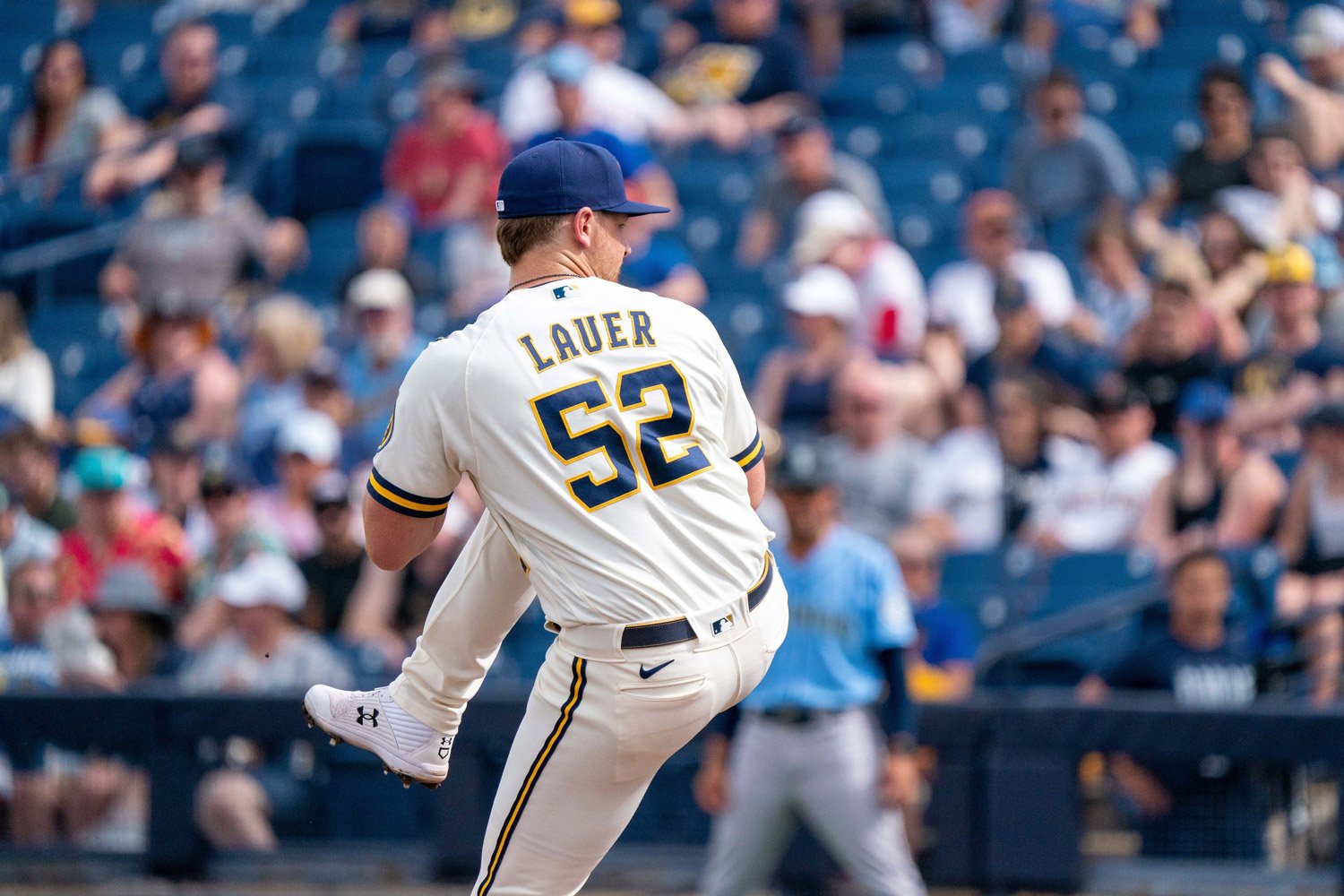 A year and five days ago, the Brewers made a roster decision that seemed, at best, dubious. Even they couldn't have imagined it would go this well. On April 29, 2021, they summoned Eric Lauer from AAA Nashville to make a start against Trevor Bauer and the defending World Series champion Dodgers. At the time, Bauer was one of baseball's elite pitchers, and Lauer was, at best, a massive question mark. He suffered a shoulder injury in one of his first appearances as a Brewer in the 2020 Cactus League. He pitched in just four games that season, allowing 16 runs and 28 baserunners in eleven innings. While Trent Grisham and Zach Davies were thriving in San Diego, Lauer and Luis Urías did not bring much to the table and looked like a rare miss for the Brewers' front office. The narrative around that trade was about to shift. Lauer had made just one start in the minors, working five scoreless innings, when the Brewers recalled him to face one of the best lineups in the sport. He didn't appear to be positioned to succeed, but he did: He worked five scoreless innings, and the Brewers held on to win 2-1. Lauer's triumphant return to the majors was not without its challenges: He got roughed up in his next start against the Phillies and allowed ten home runs in 33 innings across eight appearances. He's been dominant ever since, though, and is now closing in on a full calendar year as one of the best pitchers in baseball. Over his final 15 appearances in 2021, Lauer posted a 2.23 ERA, pitching into the seventh inning in four starts and limiting opposing hitters to a .188 batting average, .261 on-base .285 slugging. After allowing ten home runs in 33 innings, he gave up just six in his final 80. Lauer, who opened the season in the minors six months earlier, started a postseason game for one of the best pitching staffs in baseball. His second act, however, has been even better. Across four starts this season, he has a 1.93 ERA. Two weeks ago, he stole the show against the Phillies on Sunday Night Baseball, setting a career-high with 13 strikeouts across six scoreless innings. He followed the first ten-K game of his career with another, logging eleven of them against the Cubs on Saturday. While it's far too early in the season to take WAR numbers as gospel, fWAR captures the story of Lauer's rise nicely: Through April, he has already accumulated 0.6 wins according to FanGraphs' measurement, which is more than significantly more-heralded pitchers like Brandon Woodruff and Freddy Peralta (both at 0.5). Corbin Burnes is the only Brewer leading Lauer in that metric, who is at 0.7 and has made one more start. Much has been made of the role terminology played in Lauer's emergence, with the team now referring to his pitches with names like "zoom ball," "riser," and "bullet." And while his pitches may have gotten better because of some mental advantage gained from this shift, there's also a more conventional explanation: Lauer throws a lot harder now than before. During his serviceable-but-unspectacular years with the Padres, Lauer's fastball sat routinely in the 90-92 range, somewhat slow by the current standards. Last season his average fastball approached 93, and, unsurprisingly, his performance followed that upward trajectory. This season it's up around 94, and he's striking out more batters than he ever has before by a wide margin. After being told for years that his velocity was holding him back, Lauer now throws harder than all but a few dozen lefties in baseball. Last spring Lauer told reporters a mechanical change had led to his increased velocity: He shortened his arm path in response to his shoulder troubles and found some extra speed in the process. Whether it's health, strength, or more efficient mechanics, his transformation is drawing notice: Mike Petriello of MLB.com recently highlighted him as one of six pitchers who have improved their repertoires this season. And while Lauer feels like he's already seen a career's worth of twists and turns, it's worth noting that he doesn't turn 26 until June. He's younger than Brandon Woodruff, Adrian Houser, and even Corbin Burnes. He's roughly the same age as Dallas Keuchel was, for example, when he rebounded from being a pitcher with a career ERA over 5 to a Cy Young Award winner with the 2015 Astros. It remains to be seen if Lauer can reach that height, but if he keeps up this level of production there's certainly time for him to become one of the game's best lefties.
 -
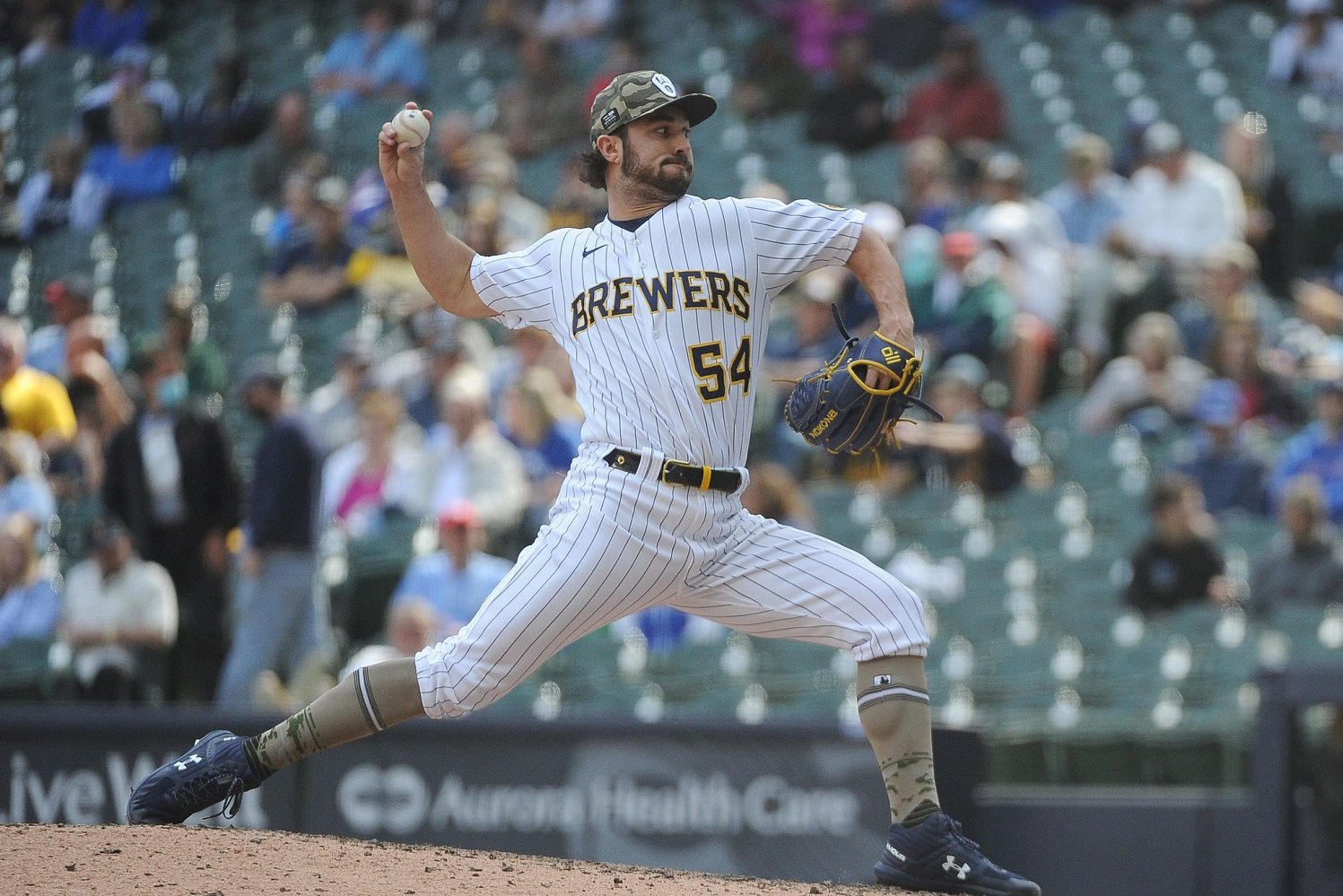 This morning's daily Cup of Coffee newsletter from Craig Calcaterra contained a fun fact about Monday's Brewers/Orioles game, even if it was a bit of a stretch: That's a lot of qualifiers, but still an interesting accomplishment. If the Orioles aren't going to be good, at least they're drawing some local interest by featuring one of the seven Maryland-born pitchers who appeared in an MLB game last season (Josh Hader is one of the others, of course). The Brewers, for their part, have used a Wisconsin-born starter on Opening Day just once in their franchise history: Jerry Augustine got the ball for the first start of the year in 1978, and the Kewaunee native logged eight strong innings in a game the Crew went on to win 12-3 (more on that contest here). Augustine pitched in 279 games across ten seasons as a Brewer, including 104 starts, but beyond him the Brewers' history with Wisconsin-born starting pitchers is relatively sparse. Madison native Gene Brabender made 50 starts for the franchise but 29 of them came for the expansion Seattle Pilots before their move to Milwaukee. The only Wisconsin-born pitcher to make a start for the Brewers in the last 39 years was Milwaukee native Paul Wagner, who made nine starts for the Crew in 1998. The last of those nine came on July 24 of that season, and Monday's game was the 3686th the Brewers have played since. In the intervening years the Brewers have only had a few candidates to step in and snap that streak: Green Bay native Bob Wickman pitched exclusively in relief during his Brewers tenure, which ended when he was traded in 2000, and after that it was nearly 20 years until River Falls native J.P. Feyereisen made his MLB debut as a Brewer in 2020. Auburndale native Jordan Zimmermann's 2021 comeback attempt was probably the closest the Brewers have come to using a Wisconsin-born starter since Wagner, but he opted to retire after two lackluster relief appearances. In recent years the Brewers also haven't had a deep field of candidates: No Wisconsin-born pitcher started a game for any MLB club in 2021, and the four that did so in 2020 (Zimmermann, Pete Fairbanks of the Rays, Kyle Cody of the Rangers and Jonathan Stiever of the White Sox) combined to make just eleven starts. It's possible the most successful pitcher in the group right now is Neenah native Drew Rucinski, who left for Korea following the 2018 season and has a 3.01 ERA across four seasons since as the ace for the KBO's NC Dinos. From 2019-21 Rucinski led all KBO pitchers in innings (539) and strikeouts (463), and in 2020 his Dinos won the Korean Series. The relative lack of standout Wisconsin-born pitchers is all the more striking when taken in context of the prep baseball landscape in the state. Scouts are quick to note that Wisconsin is producing more baseball talent recently: In 2018 now-Mariners outfielder Jarred Kelenic, a Waukesha native, became the highest-drafted player in Wisconsin baseball history when he was selected sixth overall by the Mets. Since 2016 the state has produced six players taken in the top 120 picks in the MLB draft, including four (Kelenic, Diamondbacks catcher Daulton Varsho, Dodgers infielder Gavin Lux and Yankees catcher Ben Rortvedt) that have already reached the majors. None of those six picks were pitchers, however, and only one Wisconsin-born pitcher has been selected in the draft's top 300 picks since 2010 (Oshkosh native Josh Uhen). So, while Wisconsin-born position player prospects continue to emerge around the sport, Brewers fans are likely to continue to wait for their next opportunity to cheer on a local product on the mound at American Family Field.
- 18 comments
-
- 3
-

-
- jp feyerheisen
- gavin lux
- (and 2 more)
-
On Monday the Orioles did something they hadn't done in 32 years. When is the last time the Brewers did it? Image courtesy of Michael McLoone, USA TODAY Sports On Monday the Orioles did something they hadn't done in 32 years. When is the last time the Brewers did it? This morning's daily Cup of Coffee newsletter from Craig Calcaterra contained a fun fact about Monday's Brewers/Orioles game, even if it was a bit of a stretch: That's a lot of qualifiers, but still an interesting accomplishment. If the Orioles aren't going to be good, at least they're drawing some local interest by featuring one of the seven Maryland-born pitchers who appeared in an MLB game last season (Josh Hader is one of the others, of course). The Brewers, for their part, have used a Wisconsin-born starter on Opening Day just once in their franchise history: Jerry Augustine got the ball for the first start of the year in 1978, and the Kewaunee native logged eight strong innings in a game the Crew went on to win 12-3 (more on that contest here). Augustine pitched in 279 games across ten seasons as a Brewer, including 104 starts, but beyond him the Brewers' history with Wisconsin-born starting pitchers is relatively sparse. Madison native Gene Brabender made 50 starts for the franchise but 29 of them came for the expansion Seattle Pilots before their move to Milwaukee. The only Wisconsin-born pitcher to make a start for the Brewers in the last 39 years was Milwaukee native Paul Wagner, who made nine starts for the Crew in 1998. The last of those nine came on July 24 of that season, and Monday's game was the 3686th the Brewers have played since. In the intervening years the Brewers have only had a few candidates to step in and snap that streak: Green Bay native Bob Wickman pitched exclusively in relief during his Brewers tenure, which ended when he was traded in 2000, and after that it was nearly 20 years until River Falls native J.P. Feyereisen made his MLB debut as a Brewer in 2020. Auburndale native Jordan Zimmermann's 2021 comeback attempt was probably the closest the Brewers have come to using a Wisconsin-born starter since Wagner, but he opted to retire after two lackluster relief appearances. In recent years the Brewers also haven't had a deep field of candidates: No Wisconsin-born pitcher started a game for any MLB club in 2021, and the four that did so in 2020 (Zimmermann, Pete Fairbanks of the Rays, Kyle Cody of the Rangers and Jonathan Stiever of the White Sox) combined to make just eleven starts. It's possible the most successful pitcher in the group right now is Neenah native Drew Rucinski, who left for Korea following the 2018 season and has a 3.01 ERA across four seasons since as the ace for the KBO's NC Dinos. From 2019-21 Rucinski led all KBO pitchers in innings (539) and strikeouts (463), and in 2020 his Dinos won the Korean Series. The relative lack of standout Wisconsin-born pitchers is all the more striking when taken in context of the prep baseball landscape in the state. Scouts are quick to note that Wisconsin is producing more baseball talent recently: In 2018 now-Mariners outfielder Jarred Kelenic, a Waukesha native, became the highest-drafted player in Wisconsin baseball history when he was selected sixth overall by the Mets. Since 2016 the state has produced six players taken in the top 120 picks in the MLB draft, including four (Kelenic, Diamondbacks catcher Daulton Varsho, Dodgers infielder Gavin Lux and Yankees catcher Ben Rortvedt) that have already reached the majors. None of those six picks were pitchers, however, and only one Wisconsin-born pitcher has been selected in the draft's top 300 picks since 2010 (Oshkosh native Josh Uhen). So, while Wisconsin-born position player prospects continue to emerge around the sport, Brewers fans are likely to continue to wait for their next opportunity to cheer on a local product on the mound at American Family Field. View full article
-
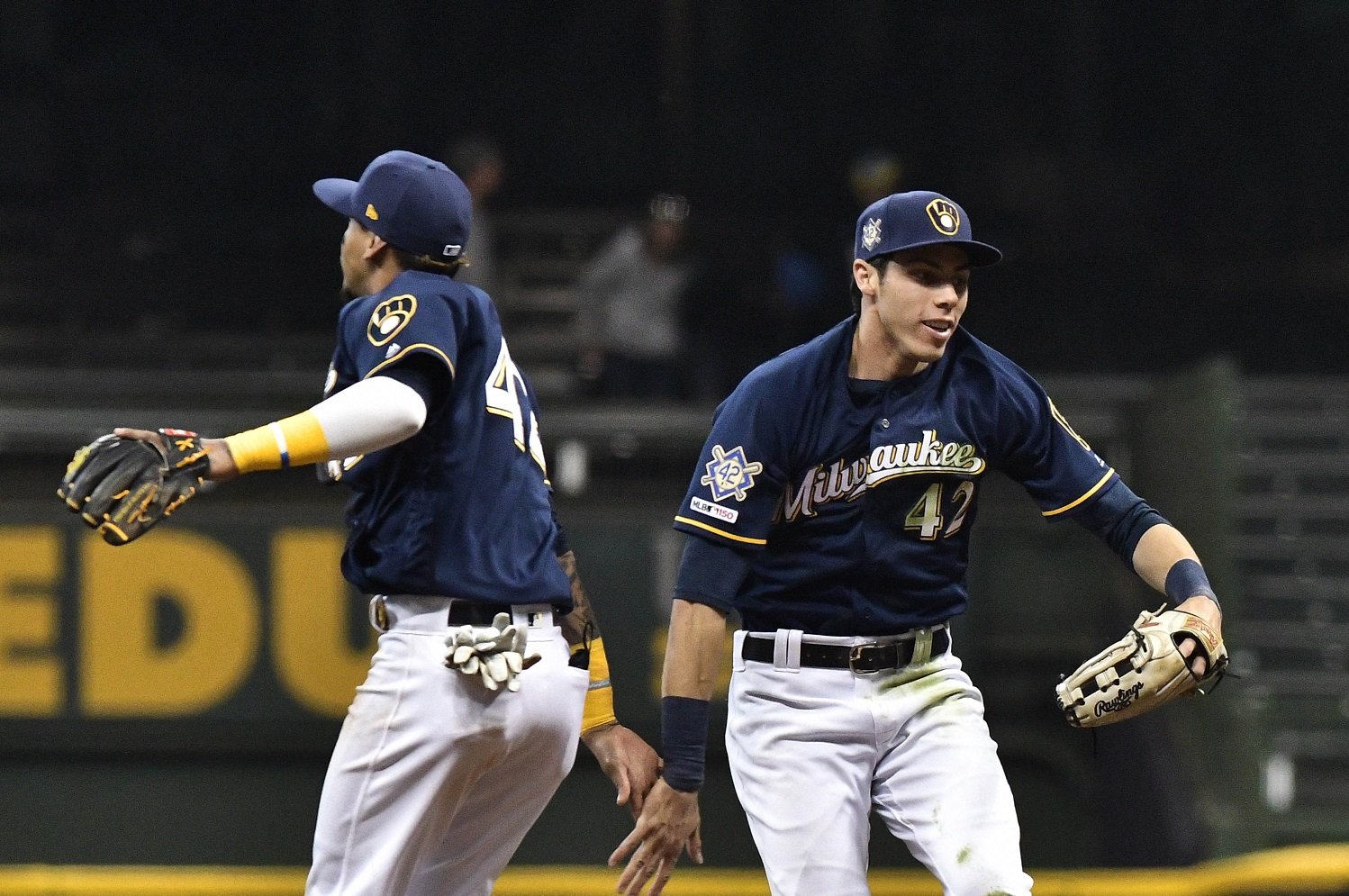 The Brewers' season did not get off to the start they hoped for on Thursday, as they dropped a 5-4 back-and-forth contest at Wrigley Field. Of course, it was just one game, 0.6% of the season. No one won or lost a World Series, a division or even a postseason berth on the season's first day. FanGraphs' projections gave the Brewers an 81.3% chance to reach the postseason before the contest, and that number won't change much when they re-run the odds on Friday. History tells us that some teams, however, had a moment in their first game that started a narrative that will follow them all year. Consider, for example, Opening Day of the 2021 season. The Brewers, down to their final out, came back with three in the bottom of the ninth to force extras and eventually walked off with a 6-5, ten inning win over the Twins. For the Brewers, this exhilarating comeback was the first of 95 wins on their way to an NL Central championship. The Twins, meanwhile, lost star third baseman Josh Donaldson to injury, suffered a demoralizing defeat and went 14-28 in their first 42 games, freefalling out of the postseason picture after back-to-back AL Central-winning seasons. What follows is a look back at three seasons where the Brewers' Opening Day performance gave us a clue about the direction things were headed, and three where the first game of the season provided a rare highlight or lowlight for a season that went in the other direction. 2018 The Brewers have played some classic Opening Day contests in recent years, but the first game of the 2018 season might be the best among them: Six Brewers pitchers combined to allow just one run on six hits but were matched by Clayton Richard and the Padres, who scored off Corey Knebel in the bottom of the ninth to tie the game at one and force extras. The two teams traded zeroes into the 12th, when the Brewers got a two-out RBI single from Orlando Arcia and held on for a 2-1 victory. That win was the first of a franchise record-tying 96 for the Crew, a magical season that took them to their second NL Central title in franchise history and left them within a single game of the World Series. 1978 For most of the first decade of their existence, the Seattle Pilots/Milwaukee Brewers were not a good team. They endured nine consecutive losing seasons from 1969-77 where they averaged just 68 wins and finished within 20 games of first place just one time. In 1978 the floodgates finally burst open, however, and it started on Opening Day. The Baltimore Orioles were in town, a team that won 97 games the season before, and they sent future Cy Young Award winner Mike Flanagan to the mound. The Brewers chased him early, however, scoring three in the bottom of the second and another in the third. They led 11-0 before the Orioles ever got to Opening Day starter Jerry Augustine, and went on to win the game 11-3. After never winning more than 75 games, the 1978 Brewers broke out for 93. Under the current playoff format, they would have been a scary team to face in the postseason. 1970 The pendulum also swings the other way, of course: Five years after losing the Braves to Atlanta, Milwaukee's first day back as an MLB city in 1970 did not go according to plan. At least some of the fans in attendance probably wondered if they could give the Seattle Pilots back to their former city as the California Angels routed the new Brewers 12-0 at County Stadium. Right fielder Steve Hovley went 3-for-3 and was on base four times, but the rest of his teammates combined to go just 1-for-28. That Brewers team lost their first three games and fell three games back of first place before the season's first weekend. They finished 65-97, just one game better than the expansion Pilots had been the year before. Meanwhile, here are three games where the Opening Day result was just a blip on a much larger radar screen: 2011 It's hard to imagine an Opening Day starting any better than what the Brewers experienced in 2011: The Brewers led the Reds 2-0 after just nine pitches in the top of the first inning in Cincinnati, with Rickie Weeks and Carlos Gomez starting off the season with back-to-back home runs off Edinson Volquez. The Reds got the last laugh that day, however, scoring four in the bottom of the ninth to steal a 7-6 walkoff victory. Then, adding insult to injury, they also swept the other two games in the series and sent the Brewers home with an 0-3 record for the season. The Brewers also lost their fourth game that year, but things turned around soon after. They went 96-62 after their 0-4 start, tying the franchise record for most wins in a season and winning their division for the first time in nearly 30 years. That team also won the Brewers' first postseason series since 1982. 2002 On Ben Sheets' first-ever Opening Day start the Brewers did something they didn't do often in his early MLB career: They got him some run support. Sheets pitched an Opening Day quality start, scattering nine hits and allowing just two runs over six innings. He outdueled Astros ace Wade Miller, who gave up three runs in the top of the first inning of a game the Brewers went on to win 9-3. Richie Sexson, Geoff Jenkins, and Alex Ochoa all homered in the contest, and center fielder Alex Sanchez scored three runs. The Brewers, however, won just three of their first 15 games that season before firing manager Davey Lopes, and their pace didn't improve much after that either. After winning on Opening Day they went just 55-106 the rest of the way, posting easily the worst record in franchise history. The Brewers bottomed out hard just two years after opening Miller Park, and fired general manager Dean Taylor following the season. 1969 The Brewers entered the 2022 season with a 4037-4315 record, but they haven't always been a sub-.500 team. Their franchise history got off to a good start in their debut appearance when the Seattle Pilots visited the Angels in the first game of their inaugural season. Mike Hegan homered to give Seattle a 2-0 lead and the Pilots sent ten batters to the plate in the first inning, chasing Angels starter Jim McGlothlin. They would hold on to win that game 4-3, with Marty Pattin and Jack Aker picking up the first win and save in franchise history. A few days later the Pilots also won their first two home games to improve to 3-1 on the season, tying them for first place in the American League West. They came back to reality later in the year, however, going 15-42 in July and August and finishing 64-98. It would be 33 years before the franchise lost 98 games in a season again.
-
- 2
-
-
- orlando arcia
- jerry augustine
- (and 3 more)
-
One baseball game is in the books, with 161 more to play. But does what happened today matter? Image courtesy of Michael McLoone-USA TODAY Sports One baseball game is in the books, with 161 more to play. But does what happened today matter? The Brewers' season did not get off to the start they hoped for on Thursday, as they dropped a 5-4 back-and-forth contest at Wrigley Field. Of course, it was just one game, 0.6% of the season. No one won or lost a World Series, a division or even a postseason berth on the season's first day. FanGraphs' projections gave the Brewers an 81.3% chance to reach the postseason before the contest, and that number won't change much when they re-run the odds on Friday. History tells us that some teams, however, had a moment in their first game that started a narrative that will follow them all year. Consider, for example, Opening Day of the 2021 season. The Brewers, down to their final out, came back with three in the bottom of the ninth to force extras and eventually walked off with a 6-5, ten inning win over the Twins. For the Brewers, this exhilarating comeback was the first of 95 wins on their way to an NL Central championship. The Twins, meanwhile, lost star third baseman Josh Donaldson to injury, suffered a demoralizing defeat and went 14-28 in their first 42 games, freefalling out of the postseason picture after back-to-back AL Central-winning seasons. What follows is a look back at three seasons where the Brewers' Opening Day performance gave us a clue about the direction things were headed, and three where the first game of the season provided a rare highlight or lowlight for a season that went in the other direction. 2018 The Brewers have played some classic Opening Day contests in recent years, but the first game of the 2018 season might be the best among them: Six Brewers pitchers combined to allow just one run on six hits but were matched by Clayton Richard and the Padres, who scored off Corey Knebel in the bottom of the ninth to tie the game at one and force extras. The two teams traded zeroes into the 12th, when the Brewers got a two-out RBI single from Orlando Arcia and held on for a 2-1 victory. That win was the first of a franchise record-tying 96 for the Crew, a magical season that took them to their second NL Central title in franchise history and left them within a single game of the World Series. 1978 For most of the first decade of their existence, the Seattle Pilots/Milwaukee Brewers were not a good team. They endured nine consecutive losing seasons from 1969-77 where they averaged just 68 wins and finished within 20 games of first place just one time. In 1978 the floodgates finally burst open, however, and it started on Opening Day. The Baltimore Orioles were in town, a team that won 97 games the season before, and they sent future Cy Young Award winner Mike Flanagan to the mound. The Brewers chased him early, however, scoring three in the bottom of the second and another in the third. They led 11-0 before the Orioles ever got to Opening Day starter Jerry Augustine, and went on to win the game 11-3. After never winning more than 75 games, the 1978 Brewers broke out for 93. Under the current playoff format, they would have been a scary team to face in the postseason. 1970 The pendulum also swings the other way, of course: Five years after losing the Braves to Atlanta, Milwaukee's first day back as an MLB city in 1970 did not go according to plan. At least some of the fans in attendance probably wondered if they could give the Seattle Pilots back to their former city as the California Angels routed the new Brewers 12-0 at County Stadium. Right fielder Steve Hovley went 3-for-3 and was on base four times, but the rest of his teammates combined to go just 1-for-28. That Brewers team lost their first three games and fell three games back of first place before the season's first weekend. They finished 65-97, just one game better than the expansion Pilots had been the year before. Meanwhile, here are three games where the Opening Day result was just a blip on a much larger radar screen: 2011 It's hard to imagine an Opening Day starting any better than what the Brewers experienced in 2011: The Brewers led the Reds 2-0 after just nine pitches in the top of the first inning in Cincinnati, with Rickie Weeks and Carlos Gomez starting off the season with back-to-back home runs off Edinson Volquez. The Reds got the last laugh that day, however, scoring four in the bottom of the ninth to steal a 7-6 walkoff victory. Then, adding insult to injury, they also swept the other two games in the series and sent the Brewers home with an 0-3 record for the season. The Brewers also lost their fourth game that year, but things turned around soon after. They went 96-62 after their 0-4 start, tying the franchise record for most wins in a season and winning their division for the first time in nearly 30 years. That team also won the Brewers' first postseason series since 1982. 2002 On Ben Sheets' first-ever Opening Day start the Brewers did something they didn't do often in his early MLB career: They got him some run support. Sheets pitched an Opening Day quality start, scattering nine hits and allowing just two runs over six innings. He outdueled Astros ace Wade Miller, who gave up three runs in the top of the first inning of a game the Brewers went on to win 9-3. Richie Sexson, Geoff Jenkins, and Alex Ochoa all homered in the contest, and center fielder Alex Sanchez scored three runs. The Brewers, however, won just three of their first 15 games that season before firing manager Davey Lopes, and their pace didn't improve much after that either. After winning on Opening Day they went just 55-106 the rest of the way, posting easily the worst record in franchise history. The Brewers bottomed out hard just two years after opening Miller Park, and fired general manager Dean Taylor following the season. 1969 The Brewers entered the 2022 season with a 4037-4315 record, but they haven't always been a sub-.500 team. Their franchise history got off to a good start in their debut appearance when the Seattle Pilots visited the Angels in the first game of their inaugural season. Mike Hegan homered to give Seattle a 2-0 lead and the Pilots sent ten batters to the plate in the first inning, chasing Angels starter Jim McGlothlin. They would hold on to win that game 4-3, with Marty Pattin and Jack Aker picking up the first win and save in franchise history. A few days later the Pilots also won their first two home games to improve to 3-1 on the season, tying them for first place in the American League West. They came back to reality later in the year, however, going 15-42 in July and August and finishing 64-98. It would be 33 years before the franchise lost 98 games in a season again. View full article
-
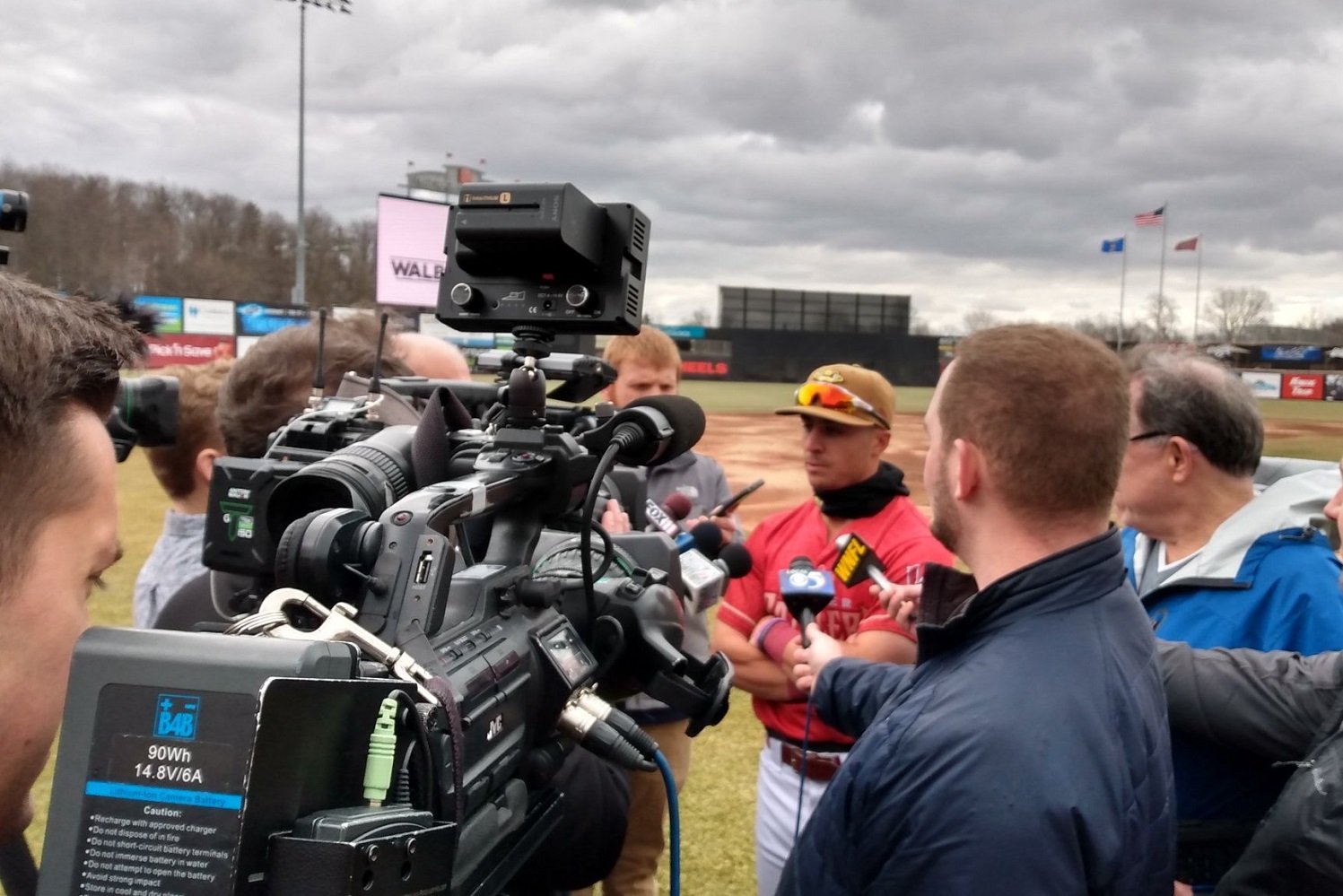 Joe Ayrault is one of the winningest and longest-tenured managers in the history of High-A minor league baseball, having previously managed the 2008-09 Sarasota Reds, the 2012-16 Brevard County Manatees and the 2017-19 Carolina Mudcats, where until recently he was the only manager ever to guide that team during the Brewers era (he also managed there in 2021, after their move to Low-A), This season he's back at that level in a new place, replacing local legend and new Brewers coach Matt Erickson. As he moves up a level, many familiar faces are following him to Appleton. On replacing Matt Erickson: On outfielder Sal Frelick, the #1 prospect in the Brewers organization: Speaking of Frelick, he returns to Wisconsin after playing 15 games there during his first professional season in 2021. The #15 overall pick in the 2021 draft, Frelick represented the Brewers on both MLB Pipeline (#70) and Baseball Prospectus's (#98) lists of the top prospects in all of baseball. He was asked about his status today: Frelick, a Boston native, took the field today in short sleeves on a day when temperatures were in the mid-40's with a light rain. Outfielder Joe Gray Jr. stole the show today, spending ten minutes with reporters that could have gone longer if not for time constraints. He spent the second half of the season with Wisconsin in 2021 and finished with 20 home runs and 23 steals across two minor league levels in his first full professional season. On his infectious smile and energy: Pitcher Justin Jarvis is the longest-tenured member of the Timber Rattlers, having pitched there all season when they were a low-A affiliate in 2019 and again when they were a High-A affiliate in 2021. He's scheduled to start on Opening Day on Friday, something he's never done as a professional: Reliever Tyler Gillies was also a Timber Rattler in 2019, but his life has followed a different path since then. Following the 2019 season Gillies was diagnosed with Hodgkin's lymphoma. He underwent surgery and recovered during the canceled 2020 minor league season, but in August of that year, tests revealed his cancer was back, and he had surgery again following a much scarier prognosis. Now fully recovered, however, Gillies is back with the Brewers this spring and his early bullpen sessions were his first off a mound in 17 months. Gillies pitched this spring with no restrictions and is ready to get back in a regular-season game for the first time since September of 2019. When asked how long it took him to get back to full strength, Gillies revealed that it's still an ongoing process. The Timber Rattlers open their season against Peoria on Wednesday night with the first of a three-game series. All fans in attendance will receive a vintage-themed bobble head.
 -
The Wisconsin Timber Rattlers and new manager Joe Ayrault met the local media for the first time on Wednesday. Here are some of the highlights from their comments as they prepare for Opening Day on Friday: Image courtesy of Chris Mehring of the Wisconsin Timber Rattlers. The Wisconsin Timber Rattlers and new manager Joe Ayrault met the local media for the first time on Wednesday. Here are some of the highlights from their comments as they prepare for Opening Day on Friday: Joe Ayrault is one of the winningest and longest-tenured managers in the history of High-A minor league baseball, having previously managed the 2008-09 Sarasota Reds, the 2012-16 Brevard County Manatees and the 2017-19 Carolina Mudcats, where until recently he was the only manager ever to guide that team during the Brewers era (he also managed there in 2021, after their move to Low-A), This season he's back at that level in a new place, replacing local legend and new Brewers coach Matt Erickson. As he moves up a level, many familiar faces are following him to Appleton. On replacing Matt Erickson: On outfielder Sal Frelick, the #1 prospect in the Brewers organization: Speaking of Frelick, he returns to Wisconsin after playing 15 games there during his first professional season in 2021. The #15 overall pick in the 2021 draft, Frelick represented the Brewers on both MLB Pipeline (#70) and Baseball Prospectus's (#98) lists of the top prospects in all of baseball. He was asked about his status today: Frelick, a Boston native, took the field today in short sleeves on a day when temperatures were in the mid-40's with a light rain. Outfielder Joe Gray Jr. stole the show today, spending ten minutes with reporters that could have gone longer if not for time constraints. He spent the second half of the season with Wisconsin in 2021 and finished with 20 home runs and 23 steals across two minor league levels in his first full professional season. On his infectious smile and energy: Pitcher Justin Jarvis is the longest-tenured member of the Timber Rattlers, having pitched there all season when they were a low-A affiliate in 2019 and again when they were a High-A affiliate in 2021. He's scheduled to start on Opening Day on Friday, something he's never done as a professional: Reliever Tyler Gillies was also a Timber Rattler in 2019, but his life has followed a different path since then. Following the 2019 season Gillies was diagnosed with Hodgkin's lymphoma. He underwent surgery and recovered during the canceled 2020 minor league season, but in August of that year, tests revealed his cancer was back, and he had surgery again following a much scarier prognosis. Now fully recovered, however, Gillies is back with the Brewers this spring and his early bullpen sessions were his first off a mound in 17 months. Gillies pitched this spring with no restrictions and is ready to get back in a regular-season game for the first time since September of 2019. When asked how long it took him to get back to full strength, Gillies revealed that it's still an ongoing process. The Timber Rattlers open their season against Peoria on Wednesday night with the first of a three-game series. All fans in attendance will receive a vintage-themed bobble head. View full article
-
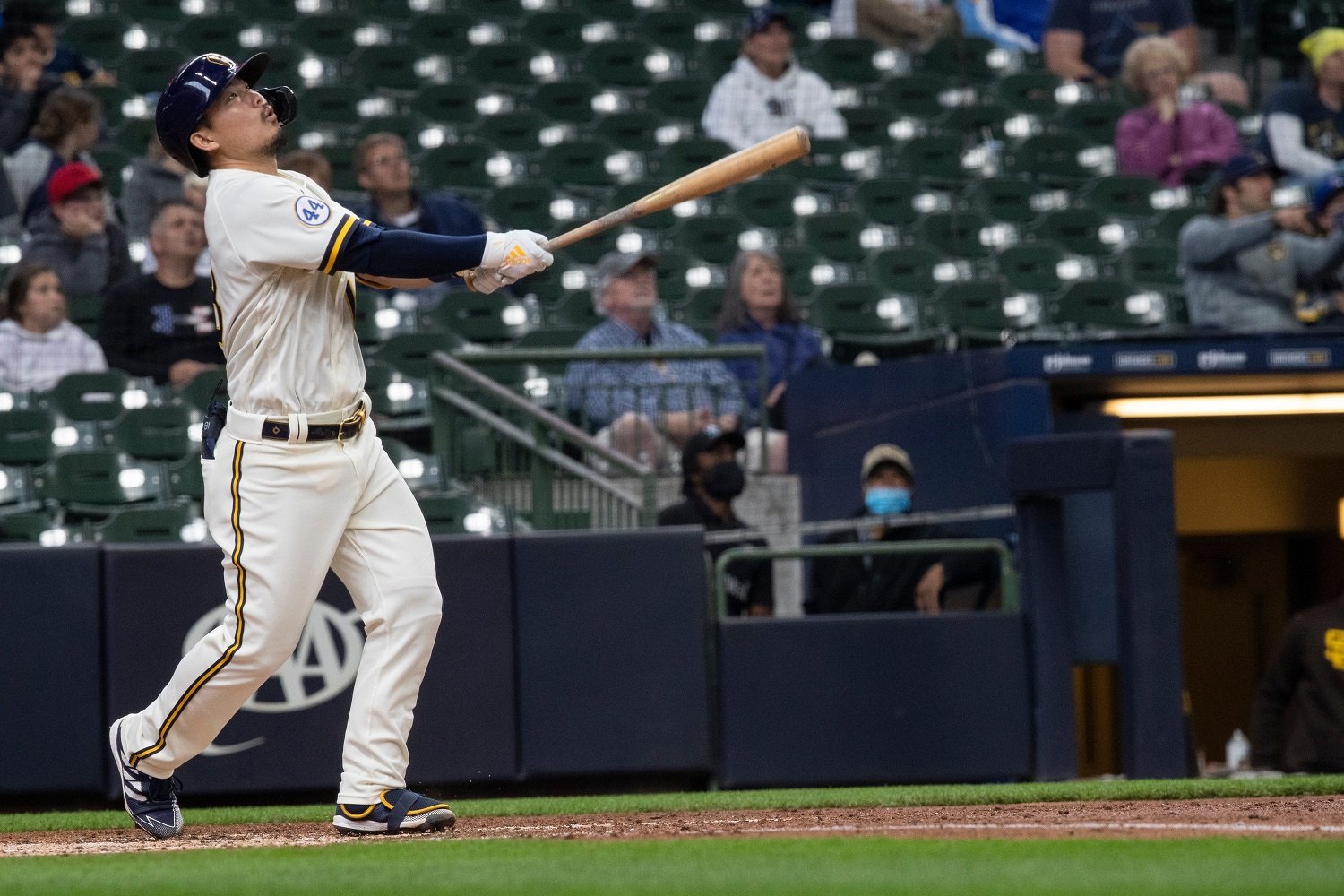 Keston Hiura, a former first-round pick, a top prospect, and a key contributor to the Brewers' 2019 team as a rookie, has been labeled as an advanced hitter at every level since college. Sometime between the end of the 2019 season and the start of 2020 something came undone, however, and he's batted just ,192 with a .279 on-base percentage over 120 games in the last two seasons. He led the National League with 85 strikeouts in the abbreviated 2020 season and was on an even worse pace in 2021 before being sent down to the minors on multiple occasions. His approach got so far out of whack that even opposing broadcasters were picking it apart. As Will Sammon of The Athletic noted, Hiura spent the winter working with a personal hitting coach to tone down his leg kick and improve his timing. He's one of the primary candidates to benefit from the Brewers' hitting coach regime change, with Connor Dawson, Ozzie Timmons, and Hiura's former minor league manager Matt Erickson taking over for departed coaches Andy Haines and Jacob Cruz. Through the first week of spring training games, he was immediately productive, connecting for three home runs and a double in his first 13 at-bats. Hiura's resurgent spring raises a pair of questions. The first is how the Brewers would use him if he is, in fact, back to his prior levels of productivity at the plate. The experiment of moving him to first base last season didn't go well for anyone, and Rowdy Tellez now figures to capture the lion's share of playing time there. Kolten Wong figures to play most days at second base, and taking his glove out of the lineup even temporarily to make room for Hiura would be a defensive step back. Plate appearances in the new DH role are also at least partially spoken for with the addition of Andrew McCutchen and the ongoing productivity of Tyrone Taylor creating a roster with significantly more outfielders than spots to play them. Even if the Brewers have room to play Hiura, however, the second question is how much value to apply to a hot spring. Every spring some hitters feast on Cactus League pitching for a variety of reasons, whether it's altitude, dry air and its impact on breaking balls, or an increased number of plate appearances against veteran pitchers who are "just working on stuff" and young pitchers who are just trying to throw strikes. Hiura himself is an example of this phenomenon: Before the shutdown in 2020 he was one of the Brewers' best Cactus League hitters, batting .393 with a .414 on-base and .893 slugging, but he did not carry that momentum into the regular season. What follows is a quick look back at some of the Brewers' top Cactus League batters from recent seasons, and those hitters' results in the seasons that followed: Top spring performers by on-base plus slugging (OPS): 2021: Christian Yelich (1.357) Kolten Wong (1.097) Omar Narvaez (1.051) The Brewers tied for the Cactus League lead in runs scored, were second in home runs and third in slugging percentage in 2021. So a fair number of folks had nice offensive springs on their way to a season where the team ranked in the bottom third of the NL in hits, batting average, slugging, and strikeouts. Narvaez is probably the best example of good news here: He was coming off an awful offensive season in 2020 but parlayed the momentum of a nice spring into a first half that earned him his first All-Star appearance. Christian Yelich, meanwhile, did not carry his hot bat north with him. 2019: Christian Yelich (1.292) Yasmani Grandal (1.001) Mike Moustakas (.997) This group stands out as the best-case scenario: All three of the Brewers' best hitters in the 2019 Cactus League went on to be All-Stars during the regular season and big parts of the Crew's success. None are really parallels for Hiura, however: Yelich was the reigning NL MVP at the time and Grandal and Moustakas were both major offensive producers the year before. 2018: Ji-Man Choi (1.245) Nick Franklin (1.122) Christian Bethancourt (1.055) While several of the Brewers' projected regulars endured slow springs in 2018, a group of less-likely contributors carried the offense. Choi's resuscitation of his MLB career was the real deal but most of the best of it didn't happen in Milwaukee. He played his way onto the Opening Day roster but appeared in just 12 games for the Crew before moving on to Tampa, where he's been a solid contributor for the last 3+ seasons. Franklin played one game for the Brewers that season and hasn't appeared in the majors since, and Bethancourt never made it into a game in a Brewers uniform at all. Previous seasons have other examples for both sides: The 2017 Brewers got big springs from pre-breakout Jesus Aguilar and Travis Shaw, but also from Ivan De Jesus Jr. 2016's top performers included Scooter Gennett (on his way to his best season to date) and Alex Presley, whose Brewers tenure was over after 47 games with a .564 OPS. If he continues to play well and the Brewers find room for him in the lineup, a fully-operational Keston Hiura would be a major internal upgrade for an offense that was desperately in need of one for much of last season. Recent history would suggest, however, that Cactus League results alone aren't enough to prove he's back. What do you think? Has Keston Hiura turned a corner, or does his fast spring start mean little? If he is back, how would you get him in the lineup? Leave a COMMENT below.
 -
Keston Hiura and the Cactus League MVPs
Kyle Lobner posted a topic in Brewer Fanatic Front Page News
It would be a major development for the Brewers if Keston Hiura could regain even a fraction of his prior form and, if early spring training results are any indication, it's not outside the realm of possibility. But what does his spring training success mean? Image courtesy of Julia Martins de Sa via Imagn Content Services, LLC It would be a major development for the Brewers if Keston Hiura could regain even a fraction of his prior form and, if early spring training results are any indication, it's not outside the realm of possibility. But what does his spring training success mean? Keston Hiura, a former first-round pick, a top prospect, and a key contributor to the Brewers' 2019 team as a rookie, has been labeled as an advanced hitter at every level since college. Sometime between the end of the 2019 season and the start of 2020 something came undone, however, and he's batted just ,192 with a .279 on-base percentage over 120 games in the last two seasons. He led the National League with 85 strikeouts in the abbreviated 2020 season and was on an even worse pace in 2021 before being sent down to the minors on multiple occasions. His approach got so far out of whack that even opposing broadcasters were picking it apart. As Will Sammon of The Athletic noted, Hiura spent the winter working with a personal hitting coach to tone down his leg kick and improve his timing. He's one of the primary candidates to benefit from the Brewers' hitting coach regime change, with Connor Dawson, Ozzie Timmons, and Hiura's former minor league manager Matt Erickson taking over for departed coaches Andy Haines and Jacob Cruz. Through the first week of spring training games, he was immediately productive, connecting for three home runs and a double in his first 13 at-bats. Hiura's resurgent spring raises a pair of questions. The first is how the Brewers would use him if he is, in fact, back to his prior levels of productivity at the plate. The experiment of moving him to first base last season didn't go well for anyone, and Rowdy Tellez now figures to capture the lion's share of playing time there. Kolten Wong figures to play most days at second base, and taking his glove out of the lineup even temporarily to make room for Hiura would be a defensive step back. Plate appearances in the new DH role are also at least partially spoken for with the addition of Andrew McCutchen and the ongoing productivity of Tyrone Taylor creating a roster with significantly more outfielders than spots to play them. Even if the Brewers have room to play Hiura, however, the second question is how much value to apply to a hot spring. Every spring some hitters feast on Cactus League pitching for a variety of reasons, whether it's altitude, dry air and its impact on breaking balls, or an increased number of plate appearances against veteran pitchers who are "just working on stuff" and young pitchers who are just trying to throw strikes. Hiura himself is an example of this phenomenon: Before the shutdown in 2020 he was one of the Brewers' best Cactus League hitters, batting .393 with a .414 on-base and .893 slugging, but he did not carry that momentum into the regular season. What follows is a quick look back at some of the Brewers' top Cactus League batters from recent seasons, and those hitters' results in the seasons that followed: Top spring performers by on-base plus slugging (OPS): 2021: Christian Yelich (1.357) Kolten Wong (1.097) Omar Narvaez (1.051) The Brewers tied for the Cactus League lead in runs scored, were second in home runs and third in slugging percentage in 2021. So a fair number of folks had nice offensive springs on their way to a season where the team ranked in the bottom third of the NL in hits, batting average, slugging, and strikeouts. Narvaez is probably the best example of good news here: He was coming off an awful offensive season in 2020 but parlayed the momentum of a nice spring into a first half that earned him his first All-Star appearance. Christian Yelich, meanwhile, did not carry his hot bat north with him. 2019: Christian Yelich (1.292) Yasmani Grandal (1.001) Mike Moustakas (.997) This group stands out as the best-case scenario: All three of the Brewers' best hitters in the 2019 Cactus League went on to be All-Stars during the regular season and big parts of the Crew's success. None are really parallels for Hiura, however: Yelich was the reigning NL MVP at the time and Grandal and Moustakas were both major offensive producers the year before. 2018: Ji-Man Choi (1.245) Nick Franklin (1.122) Christian Bethancourt (1.055) While several of the Brewers' projected regulars endured slow springs in 2018, a group of less-likely contributors carried the offense. Choi's resuscitation of his MLB career was the real deal but most of the best of it didn't happen in Milwaukee. He played his way onto the Opening Day roster but appeared in just 12 games for the Crew before moving on to Tampa, where he's been a solid contributor for the last 3+ seasons. Franklin played one game for the Brewers that season and hasn't appeared in the majors since, and Bethancourt never made it into a game in a Brewers uniform at all. Previous seasons have other examples for both sides: The 2017 Brewers got big springs from pre-breakout Jesus Aguilar and Travis Shaw, but also from Ivan De Jesus Jr. 2016's top performers included Scooter Gennett (on his way to his best season to date) and Alex Presley, whose Brewers tenure was over after 47 games with a .564 OPS. If he continues to play well and the Brewers find room for him in the lineup, a fully-operational Keston Hiura would be a major internal upgrade for an offense that was desperately in need of one for much of last season. Recent history would suggest, however, that Cactus League results alone aren't enough to prove he's back. What do you think? Has Keston Hiura turned a corner, or does his fast spring start mean little? If he is back, how would you get him in the lineup? Leave a COMMENT below. View full article
