



Jamie Cameron
-
Posts
203 -
Joined
-
Last visited
Content Type
Profiles
Forums
Blogs
Events
News
2026 Milwaukee Brewers Top Prospects Ranking
Milwaukee Brewers Videos
2022 Milwaukee Brewers Draft Picks
Milwaukee Brewers Free Agent & Trade Rumors, Notes, & Tidbits
Guides & Resources
2023 Milwaukee Brewers Draft Picks
2024 Milwaukee Brewers Draft Picks
The Milwaukee Brewers Players Project
2025 Milwaukee Brewers Draft Pick Tracker
2026 Milwaukee Brewers Draft Tracker: Picks & Bonuses
Store
Downloads
Gallery
Everything posted by Jamie Cameron
-
The Brewers have the highest-rated international prospect in baseball. Is it too early to make comparisons with another prospect? View full video
-
Draft tandem Jeremy Nygaard and JD Cameron team up for a podcast to discuss prospects on their way to the big leagues and the MLB draft, produced by Theo Tollefson. Image courtesy of Thieres Rabelo In episode 25 of Destination: The Show, Jeremy and JD break down dueling Top 20 prospect lists for the Brewers. They discuss similarities and differences in their lists from a loaded system. Who was higher on the 2023 draft class? Which of the Brewers third base prospects is most likely to make a big league impact? How do the Brewers keep recouping so much value from the international market? Who is flying under the radar in the system? 3:00 Impromptu Draft Talk 7:00 What do you want for draft content? 8:00 Brewers Top Prospects 9:30 Top 4 16:37 Number 5 23:59 Prospects 6-8 29:44 Prospects 9-12 35:30 Prospect 13 42:19 Prospects 14-18 46:08 Prospects 19-21 46:34 15-20 range guy to watch 50:41 Prospect most likely to be a Top 100 prospect You can support the show by downloading it from wherever you get your podcasts, including iTunes and Spotify. If you enjoy the content, consider leaving us a five-star rating and review in addition to sharing or retweeting DTS-related content. You can follow us on Twitter @DTS_POD1, @Jeremynygaard, @J_D_Cameron, and @TheodoreTollef1. You can also find full episodes and clips of our shows on our YouTube page @DestinationTheShow. View full article
-
- 1
-

-
Destination: The Show. Episode 25, Brewers Top 20 Prospects
Jamie Cameron posted an article in Brewers
 In episode 25 of Destination: The Show, Jeremy and JD break down dueling Top 20 prospect lists for the Brewers. They discuss similarities and differences in their lists from a loaded system. Who was higher on the 2023 draft class? Which of the Brewers third base prospects is most likely to make a big league impact? How do the Brewers keep recouping so much value from the international market? Who is flying under the radar in the system? 3:00 Impromptu Draft Talk 7:00 What do you want for draft content? 8:00 Brewers Top Prospects 9:30 Top 4 16:37 Number 5 23:59 Prospects 6-8 29:44 Prospects 9-12 35:30 Prospect 13 42:19 Prospects 14-18 46:08 Prospects 19-21 46:34 15-20 range guy to watch 50:41 Prospect most likely to be a Top 100 prospect You can support the show by downloading it from wherever you get your podcasts, including iTunes and Spotify. If you enjoy the content, consider leaving us a five-star rating and review in addition to sharing or retweeting DTS-related content. You can follow us on Twitter @DTS_POD1, @Jeremynygaard, @J_D_Cameron, and @TheodoreTollef1. You can also find full episodes and clips of our shows on our YouTube page @DestinationTheShow.
 -
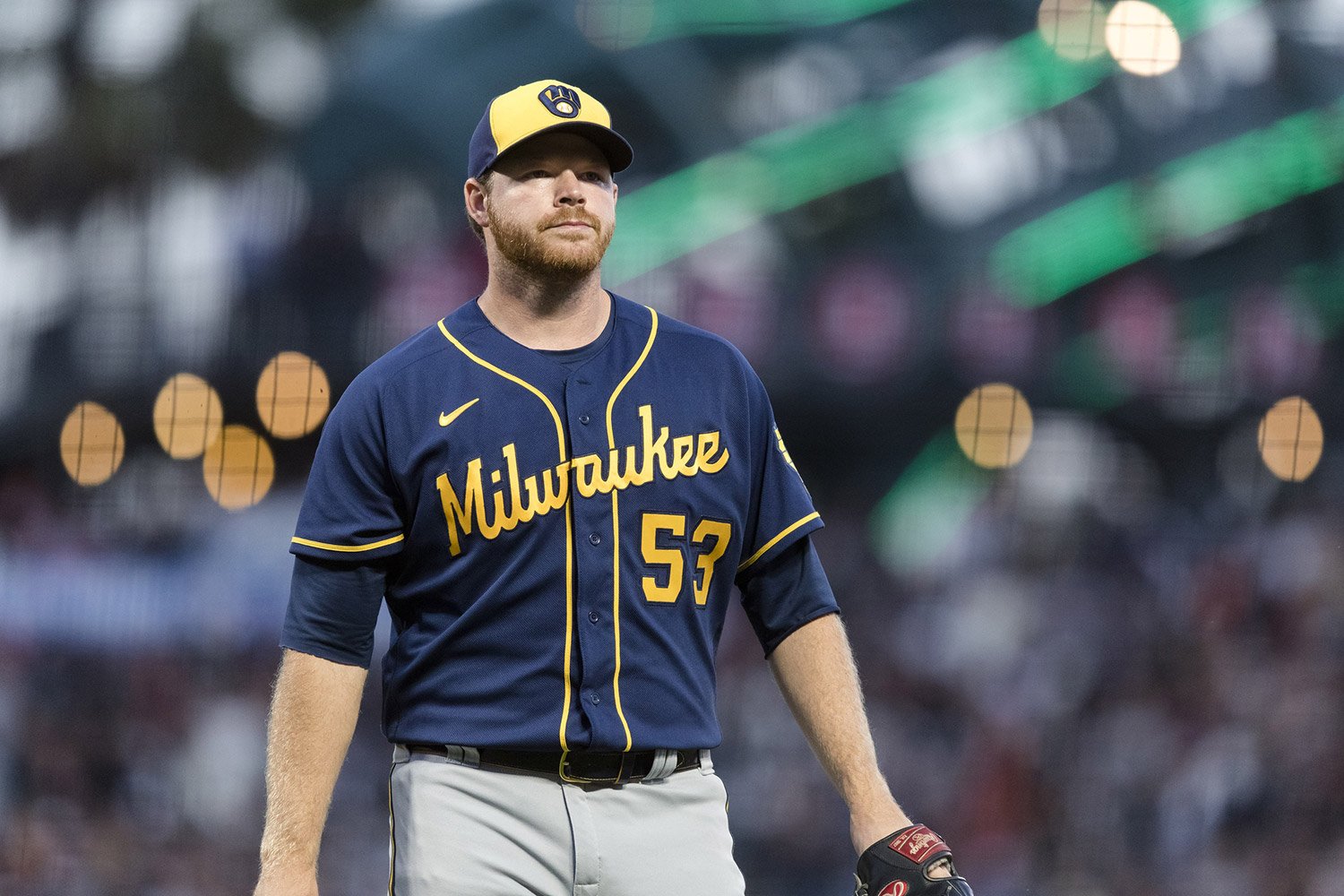 Brewers right-handed pitcher Brandon Woodruff has agreed to a two-year pact to return to the team. Jon Heyman was first to report the news. Woodruff is likely out for the 2024 season after undergoing surgery in October to repair the anterior capsule in his right shoulder. While we await the financial terms of the deal. The return of Woodruff offers the 2025 rotation a major boost, after Corbin Burnes was traded away to the Orioles in exchange for left-handed pitcher DL Hall and shortstop Joey Ortiz. Woodruff, who turned 31 in February struggled with injuries throughout the 2023 season. After making two April starts, he was placed on the injured list with shoulder inflammation, an ailment that sidelined him until August. He was effective when on the mound, accruing a 2.28 ERA and striking out 74 over 67 innings (11 starts). At the end of the regular season, Woodruff's velocity took a dip and he missed the Brewers' Wild Card series loss to the Diamondbacks. MLB Trade Rumors projected Woodruff to earn an $11.6 million salary in 2024 through arbitration. In light of his injury status, it seemed likely that the Brewers would either non-tended Woodruff, or agree an extension, The Crew making the tough decision in favor of the former on November 17th. In agreeing a two-year pact, the Brewers will be able to monitor and manage Woodruff's rehabilitation from surgery while buying out his first year of free agency. Assuming a return to full health, Woodruff will headline the Milwaukee rotation as a 33-year old in 2025. More to come.
 -
In a big move from the Brewers rotation with a view to 2025, the Crew have returned one of the best starting pitchers in the National League. Image courtesy of © John Hefti-USA TODAY Sports Brewers right-handed pitcher Brandon Woodruff has agreed to a two-year pact to return to the team. Jon Heyman was first to report the news. Woodruff is likely out for the 2024 season after undergoing surgery in October to repair the anterior capsule in his right shoulder. While we await the financial terms of the deal. The return of Woodruff offers the 2025 rotation a major boost, after Corbin Burnes was traded away to the Orioles in exchange for left-handed pitcher DL Hall and shortstop Joey Ortiz. Woodruff, who turned 31 in February struggled with injuries throughout the 2023 season. After making two April starts, he was placed on the injured list with shoulder inflammation, an ailment that sidelined him until August. He was effective when on the mound, accruing a 2.28 ERA and striking out 74 over 67 innings (11 starts). At the end of the regular season, Woodruff's velocity took a dip and he missed the Brewers' Wild Card series loss to the Diamondbacks. MLB Trade Rumors projected Woodruff to earn an $11.6 million salary in 2024 through arbitration. In light of his injury status, it seemed likely that the Brewers would either non-tended Woodruff, or agree an extension, The Crew making the tough decision in favor of the former on November 17th. In agreeing a two-year pact, the Brewers will be able to monitor and manage Woodruff's rehabilitation from surgery while buying out his first year of free agency. Assuming a return to full health, Woodruff will headline the Milwaukee rotation as a 33-year old in 2025. More to come. View full article
-
2024 Milwaukee Brewers Prospect Previews: Cooper Pratt
Jamie Cameron posted an article in Minor Leagues
 The Brewers selecting Cooper Pratt in the sixth round was arguably the coup of the 2023 MLB Draft. After selecting Eric Bitonti in the third round, not even the most ardent Milwaukee optimist could have expected Pratt in the sixth. Such was the level of surprise that the draft rumor mill even posited that Pratt was selected as a backup option in case the Brewers couldn’t reach an agreement with Bitonti. The Brewers, to their credit, made it happen, signing Pratt for $1.35 million, more than $1 million in excess of the slot allotment for the 182nd overall selection. At 6-foot-5 and 210 pounds, Pratt profiles as a physical, athletic shortstop in a class loaded with them. The former Ole Miss commit has a well-rounded offensive profile underpinned by a great combination of excellent bat-to-ball skills and good swing decisions. That’s a nice place to start. In his final prep year in Mississippi, Pratt chased at a minuscule 17% rate on pitches outside the zone, and had a proclivity for making good contact inside it. Pratt has a smooth right-handed swing, which he gets started with a moderate leg kick. There’s plenty of bat speed and rhythm to the whole operation. Pratt looks the part at the plate. Most of his power comes to the pull side currently, but with his frame and athleticism, it’s easy to envision him growing into at least average in-game power. Pratt runs well, especially for a prospect of his size, although he’s not a burner (he did go 4-for-4 in stolen bases in his brief pro debut). Defensively, he has strong actions and good lateral movement. His size may move him off shortstop eventually, but I’d bet the Brewers give him every chance to stick at the position. A plus arm will help there. Pratt passed the end of 2023 in the Arizona Complex League, and did not disappoint. In 12 games, he hit .356/.426/.444. Obviously that’s a tiny sample, but you want prospects to check every box they can, and Pratt is off to a promising start. Pratt is already a prospect trending upward, given his combination of pre-draft buzz and his excellent pro debut. If he’s able to unlock any more power, he’s going to be a serious problem. It’s tough to find anything to nitpick in a 19-year-old prospect with average or better tools across the board. Pratt ranked 15th in the Brewers farm system in Baseball America’s recently updated top 30 list. That says far more about the strength of the Brewers system than it does about Pratt. A strong 2024 will see Pratt leap into (or at least be on the fringes of) your favorite top-100 prospect list by the end of the season. This is exactly the kind of swing I’d want my favorite team to take in a draft with a historically excellent prep class. What were your thoughts on the Cooper Pratt pick? What are you hoping for from Pratt in 2024?
 -
The Brewers selected prep shortstop Cooper Pratt in the 6th round in 2023. Pratt ranked as the 58th-best prospect in the class on our Consensus Draft Board. What can Brewers fans expect from Pratt in 2024? Image courtesy of Thieres Rabelo The Brewers selecting Cooper Pratt in the sixth round was arguably the coup of the 2023 MLB Draft. After selecting Eric Bitonti in the third round, not even the most ardent Milwaukee optimist could have expected Pratt in the sixth. Such was the level of surprise that the draft rumor mill even posited that Pratt was selected as a backup option in case the Brewers couldn’t reach an agreement with Bitonti. The Brewers, to their credit, made it happen, signing Pratt for $1.35 million, more than $1 million in excess of the slot allotment for the 182nd overall selection. At 6-foot-5 and 210 pounds, Pratt profiles as a physical, athletic shortstop in a class loaded with them. The former Ole Miss commit has a well-rounded offensive profile underpinned by a great combination of excellent bat-to-ball skills and good swing decisions. That’s a nice place to start. In his final prep year in Mississippi, Pratt chased at a minuscule 17% rate on pitches outside the zone, and had a proclivity for making good contact inside it. Pratt has a smooth right-handed swing, which he gets started with a moderate leg kick. There’s plenty of bat speed and rhythm to the whole operation. Pratt looks the part at the plate. Most of his power comes to the pull side currently, but with his frame and athleticism, it’s easy to envision him growing into at least average in-game power. Pratt runs well, especially for a prospect of his size, although he’s not a burner (he did go 4-for-4 in stolen bases in his brief pro debut). Defensively, he has strong actions and good lateral movement. His size may move him off shortstop eventually, but I’d bet the Brewers give him every chance to stick at the position. A plus arm will help there. Pratt passed the end of 2023 in the Arizona Complex League, and did not disappoint. In 12 games, he hit .356/.426/.444. Obviously that’s a tiny sample, but you want prospects to check every box they can, and Pratt is off to a promising start. Pratt is already a prospect trending upward, given his combination of pre-draft buzz and his excellent pro debut. If he’s able to unlock any more power, he’s going to be a serious problem. It’s tough to find anything to nitpick in a 19-year-old prospect with average or better tools across the board. Pratt ranked 15th in the Brewers farm system in Baseball America’s recently updated top 30 list. That says far more about the strength of the Brewers system than it does about Pratt. A strong 2024 will see Pratt leap into (or at least be on the fringes of) your favorite top-100 prospect list by the end of the season. This is exactly the kind of swing I’d want my favorite team to take in a draft with a historically excellent prep class. What were your thoughts on the Cooper Pratt pick? What are you hoping for from Pratt in 2024? View full article
-
Draft tandem Jeremy Nygaard and JD Cameron team up for a podcast to discuss prospects on their way to the big leagues and the MLB draft, produced by Theo Tollefson Image courtesy of Thieres Rabelo In episode 23 of Destination: The Show, Jeremy and JD are joined by Ben Badler of Baseball America. Ben talks about his journey in the baseball industry and how he ended up covering the international signing period at BA. Ben details the joys and challenges of covering baseball on Latin America, in addition to breaking down the recent adds of the Brewers, Cubs, and Twins, and answering listener questions. 0:55 Ben Badler joins the show 5:52 International signing period 9:42 July signing period is now January 15:20 Scouting the draft prospects 20:45 Ben's thoughts on the recent Athletic article 27:00 International Big Board 35:58 How does this most recent international group compare to recent classes? 38:10 Teams and their "approach" to international free agency 43:44 Brewers Notables 50:30 Cubs Notables 54:41 Twins Notables 1:03:09 Final thoughts You can support the show by downloading it from wherever you get your podcasts, including I-Tunes and Spotify. If you enjoy the content, consider leaving us a five star rating and review in addition to sharing or retweeting DTS related content. You can follow us on Twitter @DTS_POD1, @Jeremynygaard, @J_D_Cameron, and @TheoforeTollef1. You can also find full episodes and clips of our shows on our YouTube page @DestinationTheShow. View full article
-
 In episode 23 of Destination: The Show, Jeremy and JD are joined by Ben Badler of Baseball America. Ben talks about his journey in the baseball industry and how he ended up covering the international signing period at BA. Ben details the joys and challenges of covering baseball on Latin America, in addition to breaking down the recent adds of the Brewers, Cubs, and Twins, and answering listener questions. 0:55 Ben Badler joins the show 5:52 International signing period 9:42 July signing period is now January 15:20 Scouting the draft prospects 20:45 Ben's thoughts on the recent Athletic article 27:00 International Big Board 35:58 How does this most recent international group compare to recent classes? 38:10 Teams and their "approach" to international free agency 43:44 Brewers Notables 50:30 Cubs Notables 54:41 Twins Notables 1:03:09 Final thoughts You can support the show by downloading it from wherever you get your podcasts, including I-Tunes and Spotify. If you enjoy the content, consider leaving us a five star rating and review in addition to sharing or retweeting DTS related content. You can follow us on Twitter @DTS_POD1, @Jeremynygaard, @J_D_Cameron, and @TheoforeTollef1. You can also find full episodes and clips of our shows on our YouTube page @DestinationTheShow.
 -
2024 Prospect Previews: Eric Bitonti
Jamie Cameron replied to Jamie Cameron's topic in Brewers Minor League Talk
With you, really excited to follow him this season, however that may turn out. -
 The Brewers drafted left-handed hitting prep shortstop Eric Bitonti with the 87th overall pick in the 2023 draft. Bitonti was the 54th-ranked player in the class, per the Consensus Board. What can Brewers fans expect from him in 2024? Let’s dig in. The Brewers followed up a number of underslot picks in the first few rounds of the draft (Brock Wilken, Josh Knoth, Mike Boeve) with one of the biggest bombshells outside Day One, when they selected Bitonti in the third round. The SoCal native and former Oregon commit stands out in a crowd. At 6-foot-5 and 230 pounds, he is an atypical size for an up-the-middle infielder. Like Twins draftee Brandon Winokur, Bitonti raised his stock prior to draft weekend with a standout Draft Combine. He had the second farthest hit batted ball of batting practice on day two (419 feet), hit three batting practice pitches north of 105 mph, and clocked an infield throw north of 92 mph. Tools-wise, it was a loud performance. Entering the draft, the scouting reports on Bitonti focused on outstanding tools, rather than uneven performances in his final year of prep baseball. Just 17 years old on draft day, Bitonti was one of the younger prospects in the class (along with Knoth), and possessed an unusual trio of traits in his raw power, athleticism, and sheer size. Bitonti already has easy plus raw power. It’s backed up by surprisingly fluid, athletic movements in the infield for someone so tall. Bitonti will likely make the move to third base, but a plus arm will ease that transition and he should find a comfortable home there. His overall offensive ceiling will be defined by his hit tool. As is typical for a player so tall, his swing can be long and susceptible to velocity, particularly at the top of the zone. Still, age and time are on his side as he works to close any holes in his swing. After the end of the second round, I was convinced Bitonti wasn’t going to sign. The Brewers, however, had other plans. They saved a cumulative $1,711,300 on the Wilken, Knoth, and Boeve picks, which they began to put to use on Bitonti, inking him to a $1,750,000 deal, almost $954,000 over the slot allotment. These are the kind of calculated risks you want your organization taking in the draft, particularly in one with a historically loaded prep class. Bitonti did get a taste of professional baseball in 2023, albeit a brief one. In 12 games, Bitonti managed a .179/.333/.410 line, with 2 home runs, 9 walks, and 15 strikeouts. There are no meaningful conclusions to draw from such a sample, but I do think it serves as a blueprint for what to expect in 2024. You’ll see big power, lots of strikeouts, and the continuation of improved plate discipline that could be a real offensive difference maker for Bitonti in his pro career. The version of Bitonti that puts it all together is an extremely scary prospect, and no great draft class should go without a prospect or two with whom the range of outcomes is similarly enormous. Bitonti will undoubtedly be a fun follow in 2024, so pay attention. What did you think of the Eric Bitonti pick for the Brewers? Were you a fan of how flexibly the team used their bonus pool? Weigh in with a comment below.
 -
Let's continue our Prospect Previews series for 2024, by digging into the Brewers' unexpectedly high-ceiling third-round draftee from 2023. Image courtesy of Thieres Rabelo The Brewers drafted left-handed hitting prep shortstop Eric Bitonti with the 87th overall pick in the 2023 draft. Bitonti was the 54th-ranked player in the class, per the Consensus Board. What can Brewers fans expect from him in 2024? Let’s dig in. The Brewers followed up a number of underslot picks in the first few rounds of the draft (Brock Wilken, Josh Knoth, Mike Boeve) with one of the biggest bombshells outside Day One, when they selected Bitonti in the third round. The SoCal native and former Oregon commit stands out in a crowd. At 6-foot-5 and 230 pounds, he is an atypical size for an up-the-middle infielder. Like Twins draftee Brandon Winokur, Bitonti raised his stock prior to draft weekend with a standout Draft Combine. He had the second farthest hit batted ball of batting practice on day two (419 feet), hit three batting practice pitches north of 105 mph, and clocked an infield throw north of 92 mph. Tools-wise, it was a loud performance. Entering the draft, the scouting reports on Bitonti focused on outstanding tools, rather than uneven performances in his final year of prep baseball. Just 17 years old on draft day, Bitonti was one of the younger prospects in the class (along with Knoth), and possessed an unusual trio of traits in his raw power, athleticism, and sheer size. Bitonti already has easy plus raw power. It’s backed up by surprisingly fluid, athletic movements in the infield for someone so tall. Bitonti will likely make the move to third base, but a plus arm will ease that transition and he should find a comfortable home there. His overall offensive ceiling will be defined by his hit tool. As is typical for a player so tall, his swing can be long and susceptible to velocity, particularly at the top of the zone. Still, age and time are on his side as he works to close any holes in his swing. After the end of the second round, I was convinced Bitonti wasn’t going to sign. The Brewers, however, had other plans. They saved a cumulative $1,711,300 on the Wilken, Knoth, and Boeve picks, which they began to put to use on Bitonti, inking him to a $1,750,000 deal, almost $954,000 over the slot allotment. These are the kind of calculated risks you want your organization taking in the draft, particularly in one with a historically loaded prep class. Bitonti did get a taste of professional baseball in 2023, albeit a brief one. In 12 games, Bitonti managed a .179/.333/.410 line, with 2 home runs, 9 walks, and 15 strikeouts. There are no meaningful conclusions to draw from such a sample, but I do think it serves as a blueprint for what to expect in 2024. You’ll see big power, lots of strikeouts, and the continuation of improved plate discipline that could be a real offensive difference maker for Bitonti in his pro career. The version of Bitonti that puts it all together is an extremely scary prospect, and no great draft class should go without a prospect or two with whom the range of outcomes is similarly enormous. Bitonti will undoubtedly be a fun follow in 2024, so pay attention. What did you think of the Eric Bitonti pick for the Brewers? Were you a fan of how flexibly the team used their bonus pool? Weigh in with a comment below. View full article
-
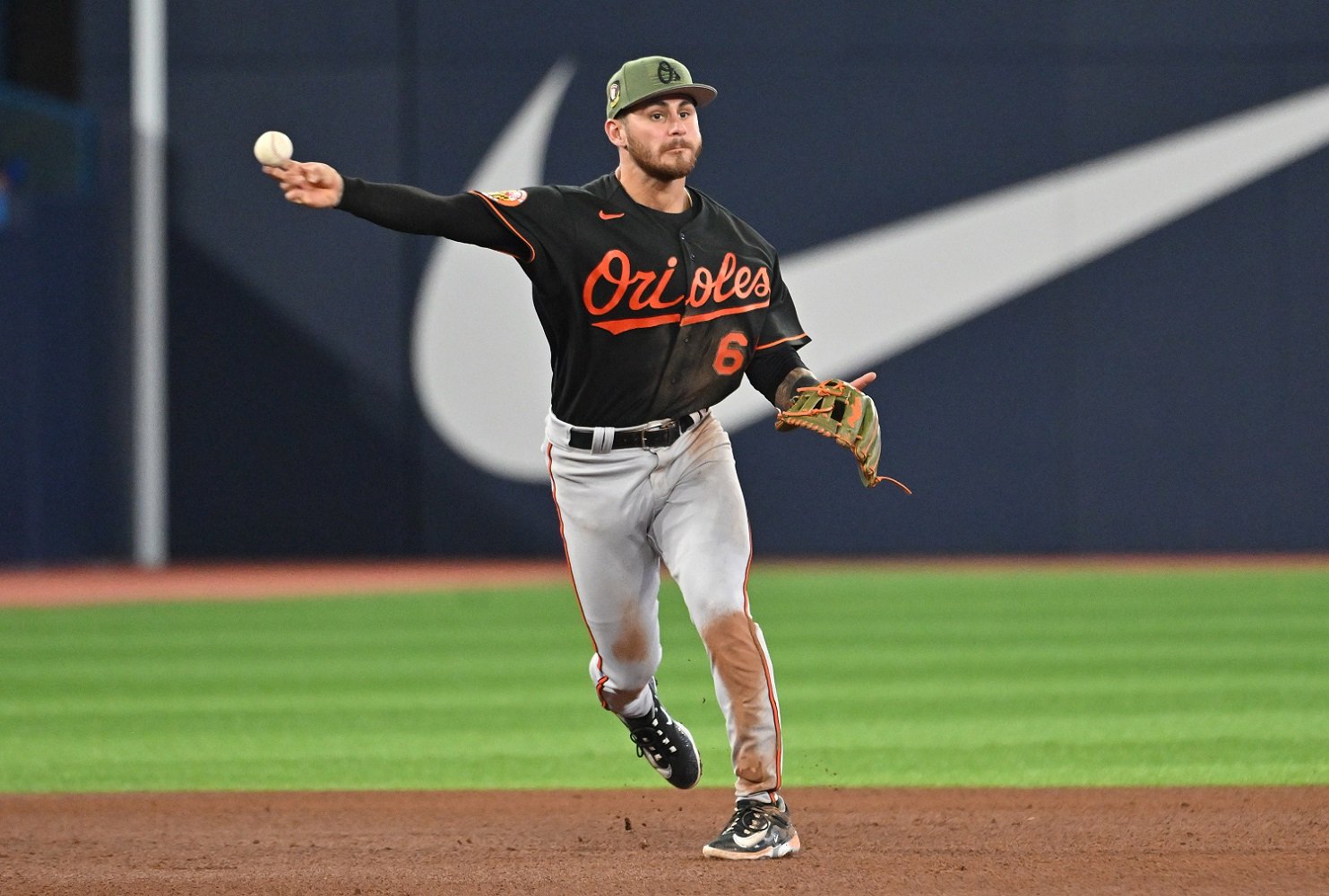 On Thursday night, the Brewers traded Corbin Burnes to the Orioles for a return that included two prospects and a Comp A pick in the 2024 draft. One-half of that prospect return was Joey Ortiz, an outstanding defensive infielder ranked 91st in Kiley McDaniel’s recently released top 100 prospects and 63rd in MLB Pipeline’s most recent publication. What does Ortiz offer the Brewers? Let’s dig in. Ortiz is a slight player. At 5’9", 190 pounds, his gaudy collegiate offensive output may have said more about New Mexico State's home field's friendly confines (for hitters) than his offensive tools. His inculcation into the Baltimore farm system was significantly disrupted. After being selected in the fourth round of the 2019 draft, a COVID-eliminated 2020 season was followed up by a torn labrum in 2021. He reached Triple A in 2023 and oscillated between Norfolk and Baltimore in 2023. For this analysis, we’ll focus on data from his time at Triple A last season. Ortiz got a cup of coffee in the majors in 2023. In 15 games, he hit .212/.206/.448 with nine strikeouts. This sample is nothing, so let’s set it aside for now. The scouting report coming out of college on Ortiz was "good bat-to-ball skills, little power, and excellent defense underpinned by good instincts, lateral quickness, and defensive actions." How does this hold up four years later? Ortiz was much too good for Triple A pitching in 2023. In 88 games, he hit .321/.378/.507 (.885), with a 17.7 K% and 8.2 BB%. Ortiz also hit nine home runs, 30 doubles, and four triples. While the power is probably fringe-average, he’s added strength and produced enough gap-to-gap power to have significant value, particularly if/when playing an up-the-middle defensive position. Ortiz’s bat-to-ball skills are the driver of his offensive profile, but analyzing his quality of contact, in conjunction with this, can help unearth and illustrate the impact added strength has brought to his game. In Triple A in 2023, he managed an 81.3 contact percentage. That’s 8.2% better than the Triple A average. Ortiz’s bat-to-ball skills are relatively immutable. They were consistent against left-handed and right-handed pitching (83% and 80.7%), consistent by month throughout the season, and relatively consistent across pitch types. There was a distinction in Ortiz’s contact between hard stuff (fast/si/ct) at 85.2% and breaking stuff (76.4%). His diminished numbers against curveballs and sliders were better than average for the level. But what about the quality of contact? Based on his offensive profile coming out of college, we might expect Ortiz’s contact to be middling in quality. Not so. The average exit velocity in Triple A in 2023 was 87.4 mph. Ortiz’s average was 90.1 mph. This is a top 40 number in Triple-A baseball for the 2023 season, just below Kyle Manzardo. Additionally, Ortiz’s Barrel Percentage was above average at 18.7% (Tru Media defines Barrel Percentage as batted balls with an exit velocity north of 95 mph hit between 10 and 35 degrees). It’s worth noting here that the ABS system undoubtedly bloated Triple A offensive environments in 2023. That’s a slight caveat when considering any hitters' adjustment from the minors to MLB. From Ortiz's spray chart bucketed by exit velocity, we can see that he uses the whole field well with his hardest-hit batted ball events. We know that Ortiz has excellent bat-to-ball skills and hits the ball hard, generating quality contact and a promising start, but what about his swing decisions? There is an orange flag here for me. Ortiz did carry a high Chase Percentage (32.6%) through his stint in Triple A in 2023. Ortiz’s propensity to chase is significantly increased in pitcher counts (39.9%). While it’s not surprising to see an increase when a pitcher has leverage, this helps connect the dots on how to attack Ortiz. His blind spot in plate coverage is down and away. I’d expect him to see a steady diet of breaking pitches away around the fringes of the strike zone, a plan of attack he’ll have to adjust to to find sustained success. We can’t talk about Ortiz without discussing his defense. Ortiz can play anywhere in the infield and offer at least plus, potentially double-plus defense with an above-average arm (where he plays in the Brewers infield is another question entirely). Strong defense provides great value, which we usually undervalue in trade assessments. Indeed, ZiPS projects Ortiz as a 1.8-win player in 2024. Ortiz has a solid value floor from his defense and versatility alone. Being a league-average hitter with fringe-average power would only add to that. I’ve seen some (read, many) surprised reactions to this trade for the Brewers. The return, in particular, has been labeled light. I think that’s a disservice to what the Brewers gained. They have five top 100 picks in the 2024 draft at their disposal, a lefty in DL Hall whose arm talent has thus far outstripped the consistency of his performances. In Ortiz, they have a stable, cost-controlled up-the-middle defender who has multiple avenues to accrue value for Milwaukee for the next half-decade.
 -
The Brewers acquired Joey Ortiz as part of the return for Corbin Burnes on Thursday night. What can Brewers fans expect from Ortiz in 2024? What's to like and what is left to work on? Let's dig in. The Brewers traded Corbin Burnes to the Orioles on Thursday night, for a return that included two prospects and a Comp A pick in the 2024 draft. One half of that prospect return was Joey Ortiz, an outstanding defensive infielder ranked 91st in Kiley McDaniel’s recently released top 100 prospects, and 63rd in MLB Pipeline’s most recent publication. What does Ortiz offer the Brewers? Let’s dig in. Ortiz is a slight player. At 5’9, 190 lbs, and his gaudy collegiate offensive output may have said more about the friendly confines (for hitters) of New Mexico State’s home field, than his offensive tools. His inculcation into the Baltimore farm system was significantly disrupted. After being selected in the fourth round of the 2019 draft, a COVID-eliminated 2020 season was followed up by a torn labrum in 2021. He reached AAA in 2023 and oscillated between Norfolk and Baltimore in 2023. For the purpose of this analysis, we’ll focus on data from his time at AAA last season. Ortiz did get a cup of coffee in the majors in 2023. In 15 games he hit .212/.206/.448 with 9 strikeouts. This is a nothing sample, so let’s set it aside for now. The scouting report coming out of college on Ortiz was ‘good bat to ball skills, little power, and excellent defense underpinned by good instincts, lateral quickness, and defensive actions’. How does this hold up four years later? Ortiz was much too good for AAA pitching in 2023. In 88 games he hit .321/.378/.507 (.885), with a 17.7 K% and 8.2 BB%. Ortiz also hit 9 home runs, 30 doubles, and 4 triples. While the power is probably fringe average, he’s added strength and produced enough gap to gap power to have significant value, particularly if/when playing an up the middle defensive position. Ortiz’ bat to ball skills are the driver of his offensive profile, but analyzing his quality of contact, in conjunction with this, can help unearth and illustrate the impact added strength has brought to his game. In AAA in 2023, he managed an 81.3 contact%. That’s 8.2% better than the AAA average. Ortiz’ bat to ball skills are relatively immutable. They were consistent against left-handed and right-handed pitching (83% and 80.7%), consistent by month throughout the season, and relatively consistent across pitch types. There was a distinction in Ortiz’ contact between hard stuff (fast/si/ct) at 85.2% and breaking stuff (76.4%). Even his diminished numbers against curveballs and sliders were better than average for the level. But what about the quality of contact? Based on his offensive profile coming out of college, we might expect Ortiz’ contact to be middling in quality. Not so. The average exit velocity in AAA in 2023 was 87.4 mph. Ortiz’ average was 90.1 mph. This is a top 40 number in AAA baseball for the 2023 season, just below Kyle Manzardo. Additionally, Ortiz’ Barrel% was above level average at 18.7% (Tru Media defines Barrel% as batted balls with an exit velocity north of 95 mph hit between 10 and 35 degrees). It’s worth noting here that the ABS system undoubtedly bloated AAA offensive environments in 2023. That’s worth considering as a small caveat when considering any hitters' adjustment from AAA to MLB. We can see from Ortiz' spray chart bucketed by exit velocity that he uses the whole field well with his hardest hit batted ball events. We know then, that Ortiz has excellent bat to ball skills and hits the ball hard, generating quality contact, a promising start, but what about his swing decisions? There is an orange flag here, for me. Ortiz did carry a high Chase% (32.6%) through his stint in AAA in 2023. Ortiz’ proclivity to chase is significantly increased in pitchers counts (39.9%). While it’s not surprising to see an increase when a pitcher has leverage, this definitely helps connect the dots on how to attack Ortiz. His blind spot in plate coverage is down and away. I’d expect to him to see a steady diet of breaking pitches away around the fringes of the strike zone, a plan of attack he’ll have to adjust to to find sustained success. We can’t talk about Ortiz without discussing his defense. Ortiz can play anywhere in the infield and offer at least plus, potentially double plus defense with an above average arm (where he plays in the Brewers infield is another question entirely). Strong defense provides great value, the kind we usually undervalue in trade assessments. Indeed, ZiPS projects Ortiz as a 1.8 win player in 2024. Ortiz has a solid value floor from his defense and versatility alone. Being a league average hitter with fringe average power would only add to that. I’ve seen some (read, many) surprised reactions to this trade for the Brewers. The return, in particular, has been labeled light. I think that’s a disservice to what the Brewers gained. They have five top 100 picks in the 2024 draft at their disposal, a lefty in DL Hall whose arm talent has thus far outstripped the consistency of his performances. In Ortiz, they have a stable, cost-controlled up the middle defender, who has multiple avenues to accrue value for Milwaukee for the next half decade. View full article
-
 With their second-round selection, the 54th overall pick in the 2023 MLB draft, the Milwaukee Brewers selected Mike Boeve, out of the University of Nebraska-Omaha. Boeve was the 64th-ranked player by consensus, and added to a diversity of early demographics that the Brewers targeted in the early rounds of the draft. What can Brewers fans expect from Boeve in 2024? Let’s dig in. Scouting and Signing Boeve balances a classic scouting tension, an outstanding performer who hasn’t yet been tested against elite competition. Boeve had an excellent 2023 college season, striking out just nine times in 47 games to go with a .401/.512/.563 line. While the Summit League isn’t highly-regarded competition, Boeve also ran an 83% contact rate during a stint in the Cape Cod League, in addition to excelling in the Northwoods league. Boeve has a compact swing from the left side of the plate, a strong ability to cover the strike zone and a discerning approach at the plate. Coming into the draft, Boeve’s stock was limited by the lack of standout tools beyond the outstanding hit tool. He hit 13 home runs in 572 at-bats in three college seasons. Despite a 6-foot-3, 200-pound frame, Boeve’s swing doesn’t generate great exit velocities and he tends to produce mostly line drive or ground ball contact. Defensively, Boeve has an average arm. Despite some improvement in his defensive actions, he’s unlikely to be more than an average third baseman, and may not last defensively at the position. Boeve signed for a $1.25-million bonus that saved around $250,000 against slot value. Along with other Brewers picks that saved money, Boeve allowed the Brewers to go close to $1 million over slot on Eric Bitonti in the third round, and Cooper Pratt in the sixth. 2023 Performance and 2024 Outlook As is to be expected from a huge step up in competition, Boeve had an uneven MiLB debut. After a scorching start at Rookie ball (1.000 OPS and 4 HR in his first 9 games), Boeve was transferred to High-A Wisconsin. In a limited sample, he managed a .250/.333/.333 line, with an 11.9% walk rate, and a 22.6% strikeout rate. Boeve maintained his excellent bat-to-ball skills, with a solid 76.1% contact rate at High A. That came with pretty extreme splits in a very limited sample. Boeve had a 90.9% contact rate versus left-handed pitching (with a 2.7% swinging-strike rate on a per-pitch basis), but struggled more versus righties (73.2% contact, 10.4% swinging strikes). That the adjustment to High A was challenging is unsurprising. Boeve faced significantly tougher pitching than he had to date. Time will tell if Boeve can adjust successfully in 2024, and even tap into more extension and power in his swing. I’d argue that Boeve isn’t a pick you can evaluate on his own. He had a hand in giving the Brewers access to Bitonti and Pratt, and will bring an intriguing hit-first profile to the Timber Rattlers in 2024. What do you think of the Mike Boeve pick? What are your expectations for 2024? Share your thoughts with a comment below.
 -
With the 54th overall pick in the 2023 draft, the Brewers selected Mike Boeve, a college third basemen out of the University of Nebraska Omaha with outstanding bat-to-ball skills. What can Brewers fans expect from Boeve in 2024? Let's dig in. Image courtesy of Thieres Rabelo Scouting and Signing Boeve balances a classic scouting tension, an outstanding performer who hasn’t yet been tested against elite competition. Boeve had an excellent 2023 college season, striking out just nine times in 47 games to go with a .401/.512/.563 line. While the Summit League isn’t highly-regarded competition, Boeve also ran an 83% contact rate during a stint in the Cape Cod League, in addition to excelling in the Northwoods league. Boeve has a compact swing from the left side of the plate, a strong ability to cover the strike zone and a discerning approach at the plate. Coming into the draft, Boeve’s stock was limited by the lack of standout tools beyond the outstanding hit tool. He hit 13 home runs in 572 at-bats in three college seasons. Despite a 6-foot-3, 200-pound frame, Boeve’s swing doesn’t generate great exit velocities and he tends to produce mostly line drive or ground ball contact. Defensively, Boeve has an average arm. Despite some improvement in his defensive actions, he’s unlikely to be more than an average third baseman, and may not last defensively at the position. Boeve signed for a $1.25-million bonus that saved around $250,000 against slot value. Along with other Brewers picks that saved money, Boeve allowed the Brewers to go close to $1 million over slot on Eric Bitonti in the third round, and Cooper Pratt in the sixth. 2023 Performance and 2024 Outlook As is to be expected from a huge step up in competition, Boeve had an uneven MiLB debut. After a scorching start at Rookie ball (1.000 OPS and 4 HR in his first 9 games), Boeve was transferred to High-A Wisconsin. In a limited sample, he managed a .250/.333/.333 line, with an 11.9% walk rate, and a 22.6% strikeout rate. Boeve maintained his excellent bat-to-ball skills, with a solid 76.1% contact rate at High A. That came with pretty extreme splits in a very limited sample. Boeve had a 90.9% contact rate versus left-handed pitching (with a 2.7% swinging-strike rate on a per-pitch basis), but struggled more versus righties (73.2% contact, 10.4% swinging strikes). That the adjustment to High A was challenging is unsurprising. Boeve faced significantly tougher pitching than he had to date. Time will tell if Boeve can adjust successfully in 2024, and even tap into more extension and power in his swing. I’d argue that Boeve isn’t a pick you can evaluate on his own. He had a hand in giving the Brewers access to Bitonti and Pratt, and will bring an intriguing hit-first profile to the Timber Rattlers in 2024. What do you think of the Mike Boeve pick? What are your expectations for 2024? Share your thoughts with a comment below. View full article
-
2024 Prospect Previews: Josh Knoth
Jamie Cameron replied to Jamie Cameron's topic in Brewers Minor League Talk
Exactly how I see it, too. -
With the 33rd selection in the 2023 draft, the Brewers selected Josh Knoth, an undersized, cold-weather prep arm with a real talent for spinning the baseball. What should Brewers fans expect in 2024? The Brewers had the 33rd pick in the 2023 draft, courtesy of the Collective Bargaining Agreement. They were awarded a Competitive Balance Round A pick, right at the end of the first round. They took Josh Knoth, a cold-weather prep pitcher with helium going into the draft, who was committed to Ole Miss. Knoth was ranked as the 45th-best prospect in the class by the consensus board, and signed significantly under slot, at $2 million. Scouting and Signing Knoth was second in a series of four Brewers picks that saved significant money against their slot value (Brock Wilken, Mike Boeve, and Jason Woodward being the others). The Brewers were thus able to draft and sign Eric Bitonti and Cooper Pratt for approximately $1 million apiece over the slot allotments for them. While this note is tangential to Knoth specifically, it illustrates the Brewers' creativity with their bonus pool. They operated with a level of flexibility that allowed them to hone in on high-upside prospects and select impact talents later in the draft, with Knoth a key cog in that machine. Knoth went to the same high school as Marcus Stroman. While both are undersized right-handed pitchers, that’s where the similarities end. Knoth was one of the youngest prospects in the draft, only turning 18 in August. On the mound, he’s a fluid athlete, with a compact, repeatable delivery. Knoth has a live arm that was on full display in his final prep season, in which he boasted a 19-strikeout perfect game. Knoth’s offerings are a fastball that underwent a velocity jump in his senior year. It sits 93-95 mph, but can grab a few ticks more, although it doesn’t have any outstanding attributes yet. Knoth’s calling card is a plus curveball, which was one of the best in the entire draft class. He regularly spins it north of 3,000 rpm and can throw it for strikes consistently. Knoth’s exceptional talent for spinning the baseball and small stature have earned him comps to Lance McCullers. Knoth also features an emerging, fringy changeup that will get better the more he throws it, and at least average control. 2023 Performance and 2024 Expectations Much like Charlee Soto with the Twins (among many prep arms taken), Knoth did not debut in 2023 and can be expected to make his professional debut in 2024. Many of the same principles can be applied across prep pitching prospects who are drafted in the early rounds. Expect them to be used conservatively and flexibly, with an emphasis on meeting developmental goals and milestones over competition and in-game outcomes. Knoth was one of two arms whose stock rocketed up the consensus board as the pre-draft process went on (along with Joe Whitman, who was the first collegiate southpaw taken). Quick risers inherently carry some risk, and orgs tend to get fewer in-person looks at cold-weather arms. The Brewers' track record of pitching development increases confidence in what Knoth will be able to do. He has all the ingredients to be a middle-of-the-rotation arm. How did you feel about the Josh Knoth pick? What are your expectations for Knoth in 2024? View full article
-
 The Brewers had the 33rd pick in the 2023 draft, courtesy of the Collective Bargaining Agreement. They were awarded a Competitive Balance Round A pick, right at the end of the first round. They took Josh Knoth, a cold-weather prep pitcher with helium going into the draft, who was committed to Ole Miss. Knoth was ranked as the 45th-best prospect in the class by the consensus board, and signed significantly under slot, at $2 million. Scouting and Signing Knoth was second in a series of four Brewers picks that saved significant money against their slot value (Brock Wilken, Mike Boeve, and Jason Woodward being the others). The Brewers were thus able to draft and sign Eric Bitonti and Cooper Pratt for approximately $1 million apiece over the slot allotments for them. While this note is tangential to Knoth specifically, it illustrates the Brewers' creativity with their bonus pool. They operated with a level of flexibility that allowed them to hone in on high-upside prospects and select impact talents later in the draft, with Knoth a key cog in that machine. Knoth went to the same high school as Marcus Stroman. While both are undersized right-handed pitchers, that’s where the similarities end. Knoth was one of the youngest prospects in the draft, only turning 18 in August. On the mound, he’s a fluid athlete, with a compact, repeatable delivery. Knoth has a live arm that was on full display in his final prep season, in which he boasted a 19-strikeout perfect game. Knoth’s offerings are a fastball that underwent a velocity jump in his senior year. It sits 93-95 mph, but can grab a few ticks more, although it doesn’t have any outstanding attributes yet. Knoth’s calling card is a plus curveball, which was one of the best in the entire draft class. He regularly spins it north of 3,000 rpm and can throw it for strikes consistently. Knoth’s exceptional talent for spinning the baseball and small stature have earned him comps to Lance McCullers. Knoth also features an emerging, fringy changeup that will get better the more he throws it, and at least average control. 2023 Performance and 2024 Expectations Much like Charlee Soto with the Twins (among many prep arms taken), Knoth did not debut in 2023 and can be expected to make his professional debut in 2024. Many of the same principles can be applied across prep pitching prospects who are drafted in the early rounds. Expect them to be used conservatively and flexibly, with an emphasis on meeting developmental goals and milestones over competition and in-game outcomes. Knoth was one of two arms whose stock rocketed up the consensus board as the pre-draft process went on (along with Joe Whitman, who was the first collegiate southpaw taken). Quick risers inherently carry some risk, and orgs tend to get fewer in-person looks at cold-weather arms. The Brewers' track record of pitching development increases confidence in what Knoth will be able to do. He has all the ingredients to be a middle-of-the-rotation arm. How did you feel about the Josh Knoth pick? What are your expectations for Knoth in 2024?
 -
 In this episode, Jeremy and Jamie discuss the ins and outs of the international signing window, which opens on January 15th. The fellas discuss the signing rules, bonus pool allocations, rules for trading funds, and the problematic nature of the current setup for international prospects. They talk through top 50 ranked prospects expected to sign with the Twins, Brewers, and Cubs before answering a bunch of listener questions (where are the pitchers?). You can support the show by downloading it from wherever you get your podcasts, leaving us a positive review and five star rating at I-Tunes or Spotify, retweeting show related content on Twitter, and subscribing to the Twins Daily YouTube page. You can follow us @DTS_POD1, @J_D_Cameron, @Jeremynygaard, and @TheodoreTollef1 on Twitter. Send us your prospect and draft related questions for our next episode. 0:00 Intro 5:00 DTS Giveaway 7:00 Let's go! 8:40 International Signing Period starts on the 15th of the month 13:00 The Money 15:10 Teams can send money out and take money in 18:30 What's wrong with this system? Is there a better way? 23:00 Cubs 28:50 Brewers 32:30 Twins 36:40 Other notes about IFA 40:41 Listener Questions
 -
Draft tandem JD Cameron and Jeremy Nygaard team up for a new podcast to discuss prospects on their way to the big leagues. In this episode, we break down the ins and outs of the international signing window, which opens on January 15th. Image courtesy of Thieres Rabelo In this episode, Jeremy and Jamie discuss the ins and outs of the international signing window, which opens on January 15th. The fellas discuss the signing rules, bonus pool allocations, rules for trading funds, and the problematic nature of the current setup for international prospects. They talk through top 50 ranked prospects expected to sign with the Twins, Brewers, and Cubs before answering a bunch of listener questions (where are the pitchers?). You can support the show by downloading it from wherever you get your podcasts, leaving us a positive review and five star rating at I-Tunes or Spotify, retweeting show related content on Twitter, and subscribing to the Twins Daily YouTube page. You can follow us @DTS_POD1, @J_D_Cameron, @Jeremynygaard, and @TheodoreTollef1 on Twitter. Send us your prospect and draft related questions for our next episode. 0:00 Intro 5:00 DTS Giveaway 7:00 Let's go! 8:40 International Signing Period starts on the 15th of the month 13:00 The Money 15:10 Teams can send money out and take money in 18:30 What's wrong with this system? Is there a better way? 23:00 Cubs 28:50 Brewers 32:30 Twins 36:40 Other notes about IFA 40:41 Listener Questions View full article
-
Selected with the 18th overall pick in the 2023 draft, Brock Wilken was one of a bevy of excellent college bats occupying the 15-40 range on the Consensus Board. After a strong professional debut in 2023, what can Brewers fans expect from Wilken in his sophomore season? The prospect preview series will detail the stories of several Brewers' draft picks from 2023, detailing their signing, skillsets, and expectations for 2024. Image courtesy of Thieres Rabelo Draft Context It’s a testament to the depth of the 2023 MLB draft class that Brock Wilken was the consensus 22nd-best prospect. Wilken took a massive step forward from his sophomore season to his junior season at Wake Forest, developing into one of college baseball’s most formidable bats. In 2023, Wilken slugged .345/.506/.807 with 31 home runs and 69 walks in just 66 starts, albeit at a launching pad of a ballpark for his home games. It’s worth revisiting how the 2023 pool of draftable talent became such an embarrassment of riches. The 2020 draft was shortened to five rounds due to COVID-19. Organizations had limited access to prospects, resulting in an inflated number of prep prospects going to college, with the majority draftable in 2023. Add that to a prep class full of excellent up-the-middle prospects, and 2023 looks like the strongest draft class since 2011 (in which 17 of the top 46 picks became MLB All-Stars). Scouting and Signing From an outside perspective, the Brewers had one of the most creative and best draft classes in 2023, buoyed by their creativity with their bonus pool and the number of high-caliber prospects they came away with. By highlighting their ceiling, one could draw a thorough line between most of their early-round picks (Knoth, Bitonti, Pratt). Wilken is the floor that made that haul possible. As the Brewers' pick approached 18th overall, several interesting college bats were on the board. Enrique Bradfield Jr., the speedster out of Vanderbilt, went one pick earlier to the Orioles. Brayden Taylor and Chase Davis, two of the best college hitters in the class, were still available. The Brewers went with Wilken off the back of a monstrous offensive season with Wake in 2023. The Brewers signed Wilken for $3.15 million, close to $1 million under slot. Those savings, combined with additional created by saving slot on Josh Knoth and Mike Boeve, created the space needed to lock up Eric Bitonti and Cooper Pratt, the 54th and 58th best consensus prospects, at picks 87 and 182 respectively. Wilken’s offensive profile is about his double-plus power. Wilken has a menacing, stooped stance at the plate. His swing produces excellent bat speed and is geared towards loft. Wilken was much improved against breaking pitches in his final season at Wake Forest, which, combined with a new-found selectivity at the plate, helped him access and maximize his power. Defensively, Wilken has an easy plus arm and solid defensive actions, but slow foot speed and lateral movement may eventually move him off third base and onto first. His offensive profile will ameliorate that shift if it happens. Wilken’s ceiling will likely be determined by the hit tool and the quality of contact he can generate against better pitching. 2023 Performance and Expectations for 2024 I’d expect one of the best college hitters in the country to make short work of the lower minors after a debut, and Wilken did just that. In his longest stint at A+, he managed a .289/.427/.438 line with 32 Ks and 27 BB in 34 games. Wilken was given a brief taste of AA at the end of the season, which likely tees him up to start there in 2024. While Wilken maintained his excellent approach in his early months as a pro, one challenge he’ll have to mitigate at AA is his level of passivity. In his final season at Wake and early pro career, Wilken took a ton of pitches. As the quality of the opposing pitcher improves, this approach may result in him having two quick strikes against him and getting buried by the opposing pitcher’s best breaking stuff. Still, there’s plenty to be excited about with Wilken, with 30 home run upside and an offensive profile that will take him as far as his hit tool will. View full article
-
 Draft Context It’s a testament to the depth of the 2023 MLB draft class that Brock Wilken was the consensus 22nd-best prospect. Wilken took a massive step forward from his sophomore season to his junior season at Wake Forest, developing into one of college baseball’s most formidable bats. In 2023, Wilken slugged .345/.506/.807 with 31 home runs and 69 walks in just 66 starts, albeit at a launching pad of a ballpark for his home games. It’s worth revisiting how the 2023 pool of draftable talent became such an embarrassment of riches. The 2020 draft was shortened to five rounds due to COVID-19. Organizations had limited access to prospects, resulting in an inflated number of prep prospects going to college, with the majority draftable in 2023. Add that to a prep class full of excellent up-the-middle prospects, and 2023 looks like the strongest draft class since 2011 (in which 17 of the top 46 picks became MLB All-Stars). Scouting and Signing From an outside perspective, the Brewers had one of the most creative and best draft classes in 2023, buoyed by their creativity with their bonus pool and the number of high-caliber prospects they came away with. By highlighting their ceiling, one could draw a thorough line between most of their early-round picks (Knoth, Bitonti, Pratt). Wilken is the floor that made that haul possible. As the Brewers' pick approached 18th overall, several interesting college bats were on the board. Enrique Bradfield Jr., the speedster out of Vanderbilt, went one pick earlier to the Orioles. Brayden Taylor and Chase Davis, two of the best college hitters in the class, were still available. The Brewers went with Wilken off the back of a monstrous offensive season with Wake in 2023. The Brewers signed Wilken for $3.15 million, close to $1 million under slot. Those savings, combined with additional created by saving slot on Josh Knoth and Mike Boeve, created the space needed to lock up Eric Bitonti and Cooper Pratt, the 54th and 58th best consensus prospects, at picks 87 and 182 respectively. Wilken’s offensive profile is about his double-plus power. Wilken has a menacing, stooped stance at the plate. His swing produces excellent bat speed and is geared towards loft. Wilken was much improved against breaking pitches in his final season at Wake Forest, which, combined with a new-found selectivity at the plate, helped him access and maximize his power. Defensively, Wilken has an easy plus arm and solid defensive actions, but slow foot speed and lateral movement may eventually move him off third base and onto first. His offensive profile will ameliorate that shift if it happens. Wilken’s ceiling will likely be determined by the hit tool and the quality of contact he can generate against better pitching. 2023 Performance and Expectations for 2024 I’d expect one of the best college hitters in the country to make short work of the lower minors after a debut, and Wilken did just that. In his longest stint at A+, he managed a .289/.427/.438 line with 32 Ks and 27 BB in 34 games. Wilken was given a brief taste of AA at the end of the season, which likely tees him up to start there in 2024. While Wilken maintained his excellent approach in his early months as a pro, one challenge he’ll have to mitigate at AA is his level of passivity. In his final season at Wake and early pro career, Wilken took a ton of pitches. As the quality of the opposing pitcher improves, this approach may result in him having two quick strikes against him and getting buried by the opposing pitcher’s best breaking stuff. Still, there’s plenty to be excited about with Wilken, with 30 home run upside and an offensive profile that will take him as far as his hit tool will.
 -
Draft tandem JD Cameron and Jeremy Nygaard team up for a new podcast to discuss prospects on their way to the big leagues. Image courtesy of Thieres Rabelo The boys are back to recap the slow Winter Meetings. There's a detailed breakdown of the Draft Lottery including winners and losers, revenue sharing comp picks, a summary of first day picks and bonus pools for the Brewers, Cubs, and Twins, and how MLB could make the draft lottery broadcast better. Jeremy and JD also dig into the Rule 5 draft, recapping players gained and lost for each org in the MiLB portion, before ending with some listener questions. You can support the show by downloading it from wherever you get your podcasts, leaving us a positive review and five star rating at I-Tunes or Spotify, retweeting show related content on Twitter, and subscribing to the Twins Daily YouTube page. You can follow us @DTS_POD1, @J_D_Cameron, @Jeremynygaard, and @TheodoreTollef1 on Twitter. Send us your prospect and draft related questions for our next episode. 0:00 Intro - Winter Meetings, Jackson Chourio Extension, Twins lose coach to Red Sox 8:14 Draft Content (Overview, Comp picks) 24:10 Bonus pools 25:00 Twins 25:40 Brewers 26:20 Cubs 27:00 Lots of other draft talk 39:18 Rule 5 Draft 47:50 Listener Questions 55:30 Preview for next week View full article
-
 The boys are back to recap the slow Winter Meetings. There's a detailed breakdown of the Draft Lottery including winners and losers, revenue sharing comp picks, a summary of first day picks and bonus pools for the Brewers, Cubs, and Twins, and how MLB could make the draft lottery broadcast better. Jeremy and JD also dig into the Rule 5 draft, recapping players gained and lost for each org in the MiLB portion, before ending with some listener questions. You can support the show by downloading it from wherever you get your podcasts, leaving us a positive review and five star rating at I-Tunes or Spotify, retweeting show related content on Twitter, and subscribing to the Twins Daily YouTube page. You can follow us @DTS_POD1, @J_D_Cameron, @Jeremynygaard, and @TheodoreTollef1 on Twitter. Send us your prospect and draft related questions for our next episode. 0:00 Intro - Winter Meetings, Jackson Chourio Extension, Twins lose coach to Red Sox 8:14 Draft Content (Overview, Comp picks) 24:10 Bonus pools 25:00 Twins 25:40 Brewers 26:20 Cubs 27:00 Lots of other draft talk 39:18 Rule 5 Draft 47:50 Listener Questions 55:30 Preview for next week

