


Brewers Video
On Monday, Major League Baseball announced the list of players who received bonuses via the league's new pre-arbitration bonus pool system for 2023. Two Brewers were included therein, and one of them is especially important.
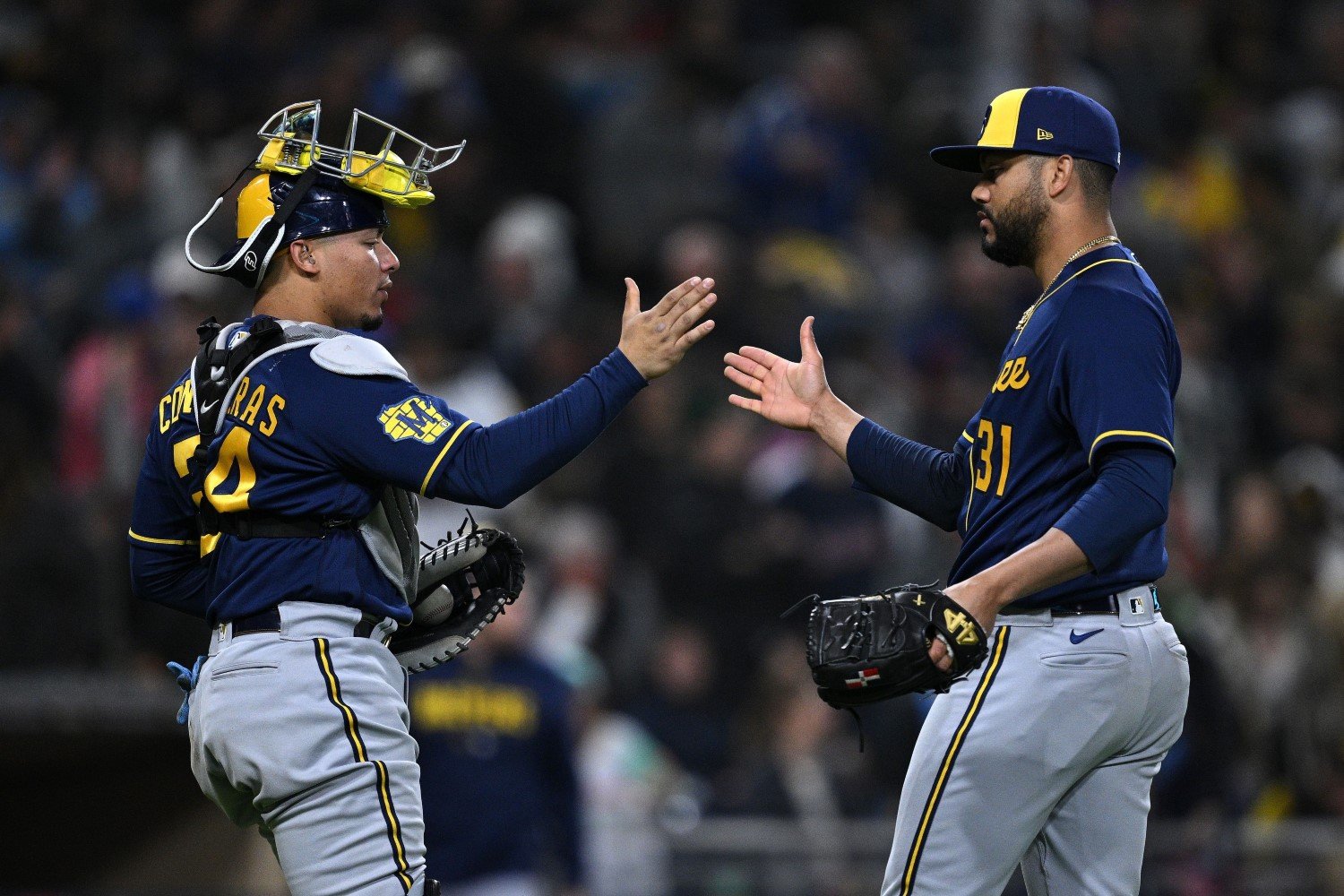
In his first season with the Brewers and fourth in the big leagues, William Contreras earned $739,000 in salary. In a system wherein players get paid something very close to the league-minimum salary (just over $700,000 for the last few years, rising steadily but slowly) until they reach arbitration, that's typical. Contreras made $710,000 in 2022, with Atlanta. In reality, though, he got almost $1 million for that final season in the NL East, because last December, he earned a bonus of over $270,000 via the newly-created pre-arbitration bonus pool.
Established as part of the new Collective Bargaining Agreement to which the owners and the MLB Players Association agreed in March 2022, the bonus pool is designed to dampen the frustration and inequality of the league's compensation system. Players can earn a share of $50 million paid out league-wide, by earning votes for major awards and/or by being among the leaders in a Wins Above Replacement calculation agreed upon by both sides.
This time around, Contreras got an even bigger slice of the pie. His down-ballot MVP votes and an impressive WAR total netted Contreras $813,344. Yes, that's a 110-percent raise on his official salary for the season. It's a very nice consolation prize (although something just short of a true evening-out) after Contreras fell just six days short of the cutoff for arbitration eligibility for 2024, putting off his first truly life-changing payday for another year.
Of course, that's actually optional. Contreras and the Brewers could strike a deal on a contract extension to keep him in Milwaukee well beyond the end of the 2027 season, when he'd otherwise be eligible for free agency. Few players in the game are more obvious candidates for that than Contreras, who signed for a paltry $10,000 out of Venezuela in 2015. Yes, his big brother has secured well over $100 million in his own career, but the Brewers have leverage in negotiations with Contreras that should give them a chance to strike a team-friendly deal.
It's worth noting, though, that this new pool has taken some of that leverage away. Contreras has netted an extra $1.1 million or so over the last two years, and even though he'll have to wait another year to get what figures to be a multi-million-dollar award in arbitration, he could easily rack up that much again in 2024. Ten players got more than $1 million via the pool Monday, and Contreras is rapidly establishing himself on the same level as many of them.
Importantly, this is not bad news. This shift in leverage probably means that any long-term deal would be slightly less team-friendly, but it also might make such a deal marginally more likely, because it's surely helping head off any bitterness or dissatisfaction on the part of Contreras about his inability to cash in on such an impressive breakout. There's plenty of room between the extreme example of Ronald Acuña Jr.'s wildly team-friendly extension, and the line between good and bad for the club. A happy Contreras signing a six-year deal worth $78 million--or even $90 million--is a hugely positive outcome for the Brewers this winter, even if it's slightly less advantageous in the long run than a similar deal worth $66 million, instead.
Whether this will have a material impact on extension discussions between Contreras and the Crew remains to be seen. For now, all we can say is that it's a great day to be one of the players the Brewers got in last year's jackpot of a trade. Joel Payamps was the only other recipient of pool money for Milwaukee, pocketing over $267,000 after his sterling season as a setup man in the team's superb bullpen.
The Brewers will pay this money out immediately, but be reimbursed by MLB in short order. Their share of the $50-million pool was $1.67 million, so there's still more of their money going elsewhere via this system than into the pockets of Contreras and Payamps. Next winter, maybe more than their share will come back to their roster, as guys like Jackson Chourio, Contreras, and Sal Frelick project to anchor the lineup and rack up some WAR.
Do you like this new means of redistributing the wealth among MLB players? Will this have an effect on the Brewers' (presumed) efforts to lock up their star catcher? Start or join a discussion in the comments.






Recommended Comments
Create an account or sign in to comment
You need to be a member in order to leave a comment
Create an account
Sign up for a new account in our community. It's easy!
Register a new accountSign in
Already have an account? Sign in here.
Sign In Now