



John Bonnes
-
Posts
261 -
Joined
-
Last visited
1 Follower

John Bonnes's Achievements




-
 Image courtesy of © Mark J. Rebilas-Imagn Images The Brewers added an experienced voice to their front office this week, hiring former Twins general manager Thad Levine as a special adviser to baseball operations. Levine has spent nearly three decades working in Major League Baseball front offices. That includes 11 years with the Texas Rangers as assistant general manager, a stretch that saw the organization make the postseason five times and reach the World Series twice, plus eight seasons with the Minnesota Twins as general manager under chief baseball officer Derek Falvey. During Levine’s tenure, the Twins reached the postseason four times and snapped their long-running playoff losing streak. Levine left the Twins following the 2024 season, which ended with a late collapse that cost Minnesota a postseason berth. The Twins insisted his departure was not tied to that slump, noting that Levine had already planned to step away before the season’s final months. By that point, Levine’s role in Minnesota had evolved. Brought in alongside Falvey in 2016, he played a central role in building out a modern front-office structure and helped develop a deep group of assistants GMs. As that work matured and his responsibilities narrowed, Levine began looking for a new challenge. That mindset came through during a July appearance on the podcast Gleeman and The Geek, when Levine discussed how he believes organizations should operate. “It is very easy to assess and critique deals that are made,” he said. “It is less easy to assess deals that aren’t made. So inactivity is a lot more challenging to judge than activity.” Levine has also cautioned against organizations drifting into comfort. “One thing as a fan I would be attentive to,” he said, “is this notion of: is your team acting in a way that they just want to survive, or that they want to thrive?” Earlier this offseason, Levine was rumored to be a candidate for the Rockies’ general manager opening and has remained active through his Rosters to Rings podcast, which he co-hosts with former NBA general manager Ryan McDonough. When asked about his new role, Levine said the opportunity in Milwaukee aligned with what he was seeking next. “I am energized that the role with the Brewers will give me an opportunity to learn, contribute, and work with extremely dynamic people,” he said. “I am ecstatic to return to the game and work for the Milwaukee Brewers.” That aligns with his values expressed both on the podcast but also when he was leaving the Twins. "What resonates with me is working with exceptional people who are open to me elevating them to a level maybe they never thought they could achieve," he replied when asked what he was looking for in a new position. "And similarly, being willing to invest in me to help me achieve things I never thought were possible." Levine’s exact responsibilities will likely evolve, but the Brewers have added an experienced, team-focused, non-complacent front office veteran who has driven considerable success for his last two teams. That's a good start to wherever he ends up in the organization. View full article
 -
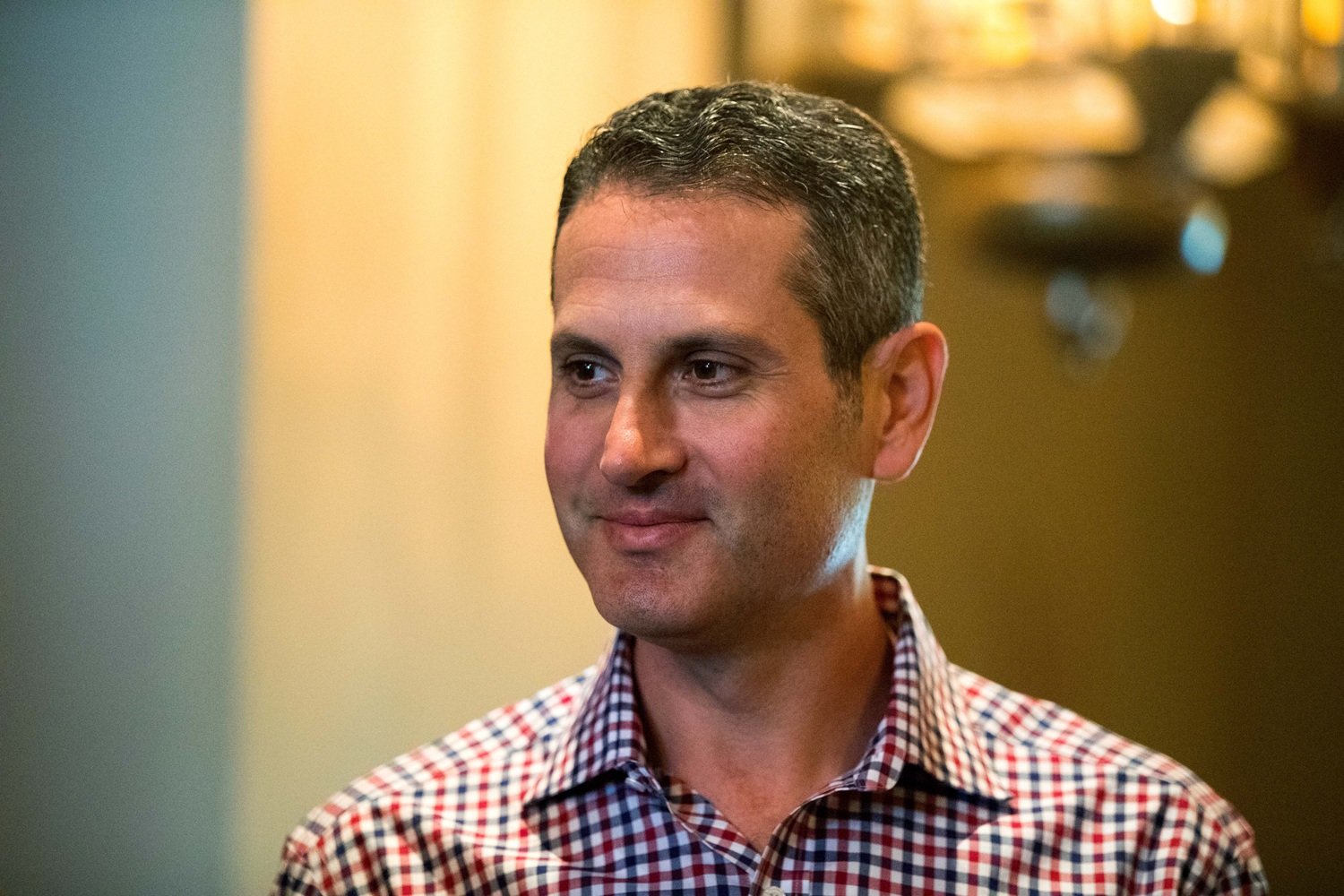 The Brewers added an experienced voice to their front office this week, hiring former Twins general manager Thad Levine as a special adviser to baseball operations. Levine has spent nearly three decades working in Major League Baseball front offices. That includes 11 years with the Texas Rangers as assistant general manager, a stretch that saw the organization make the postseason five times and reach the World Series twice, plus eight seasons with the Minnesota Twins as general manager under chief baseball officer Derek Falvey. During Levine’s tenure, the Twins reached the postseason four times and snapped their long-running playoff losing streak. Levine left the Twins following the 2024 season, which ended with a late collapse that cost Minnesota a postseason berth. The Twins insisted his departure was not tied to that slump, noting that Levine had already planned to step away before the season’s final months. By that point, Levine’s role in Minnesota had evolved. Brought in alongside Falvey in 2016, he played a central role in building out a modern front-office structure and helped develop a deep group of assistants GMs. As that work matured and his responsibilities narrowed, Levine began looking for a new challenge. That mindset came through during a July appearance on the podcast Gleeman and The Geek, when Levine discussed how he believes organizations should operate. “It is very easy to assess and critique deals that are made,” he said. “It is less easy to assess deals that aren’t made. So inactivity is a lot more challenging to judge than activity.” Levine has also cautioned against organizations drifting into comfort. “One thing as a fan I would be attentive to,” he said, “is this notion of: is your team acting in a way that they just want to survive, or that they want to thrive?” Earlier this offseason, Levine was rumored to be a candidate for the Rockies’ general manager opening and has remained active through his Rosters to Rings podcast, which he co-hosts with former NBA general manager Ryan McDonough. When asked about his new role, Levine said the opportunity in Milwaukee aligned with what he was seeking next. “I am energized that the role with the Brewers will give me an opportunity to learn, contribute, and work with extremely dynamic people,” he said. “I am ecstatic to return to the game and work for the Milwaukee Brewers.” That aligns with his values expressed both on the podcast but also when he was leaving the Twins. "What resonates with me is working with exceptional people who are open to me elevating them to a level maybe they never thought they could achieve," he replied when asked what he was looking for in a new position. "And similarly, being willing to invest in me to help me achieve things I never thought were possible." Levine’s exact responsibilities will likely evolve, but the Brewers have added an experienced, team-focused, non-complacent front office veteran who has driven considerable success for his last two teams. That's a good start to wherever he ends up in the organization.
 -
Think you know what the Brewers should do? Awesome. Time to put your money where your mouth is at BrewersPayroll.com. OK, well, maybe not money, but your ... ideas? Reputation? Are you confident enough to risk those? Think you know what the Brewers should do? Awesome. Time to put your money where your mouth is at BrewersPayroll.com. OK, well, maybe not money, but your ... ideas? Reputation? Are you confident enough to risk those? If you are, you will be able to do two great things. First, you'll have a chance to build your own Brewers roster. We've built out the basics with default numbers, but you can add the players and salaries you think the Brew Crew needs to target. If you're looking for more info, keep stopping by Brewer Fanatic. You can start with our recent five-part series on the Brewers Payroll in 2023: The Infield The Outfield The Rotation The Bullpen How Much They Can Spend The second great thing you can do is share your Payroll Blueprint in our forum by clicking on the "Share Blueprint to Forums" button at the bottom of the form. You'll connect with the most passionate, educated, and civil Brewers community on the internet, get feedback, and build support. So want to start a movement to trade away a pitcher? Nab a Josh Hader replacement? Sign a centerfielder? Well, show us how you would do it by clicking through to BrewersPayroll.com and working through your ideas. Then share it with us. Because obsessing about the Brewers is what we do. Visit BrewersPayroll.com View full article
-
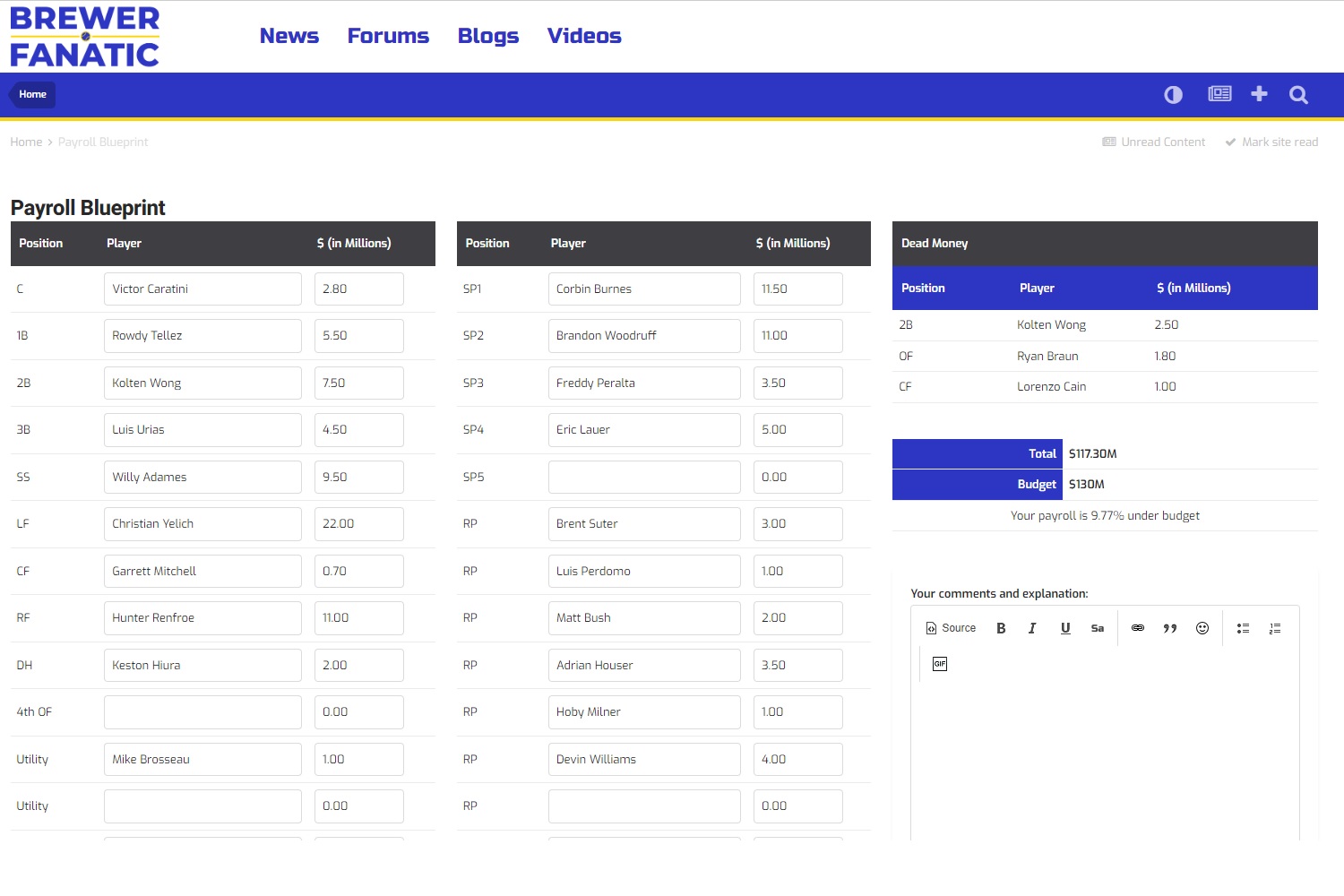 If you are, you will be able to do two great things. First, you'll have a chance to build your own Brewers roster. We've built out the basics with default numbers, but you can add the players and salaries you think the Brew Crew needs to target. If you're looking for more info, keep stopping by Brewer Fanatic. You can start with our recent five-part series on the Brewers Payroll in 2023: The Infield The Outfield The Rotation The Bullpen How Much They Can Spend The second great thing you can do is share your Payroll Blueprint in our forum by clicking on the "Share Blueprint to Forums" button at the bottom of the form. You'll connect with the most passionate, educated, and civil Brewers community on the internet, get feedback, and build support. So want to start a movement to trade away a pitcher? Nab a Josh Hader replacement? Sign a centerfielder? Well, show us how you would do it by clicking through to BrewersPayroll.com and working through your ideas. Then share it with us. Because obsessing about the Brewers is what we do. Visit BrewersPayroll.com
 -
In the previous four payroll stories, we found that the Brewers will go into the offseason with salaries somewhere between $110 and $125M. How much can we expect them to spend? Image courtesy of © Michael McLoone-USA TODAY Sports In the previous four payroll stories, we found that the Brewers will go into the offseason with salaries somewhere between $110 and $125M. How much can we expect them to spend? This is part 5 of a series of stories detailing the payroll situation for the Milwaukee Brewers at a back-of-the-napkin level. Previously, we looked at the total salaries of the infielders, outfielders, rotation, and bullpen, and came up with a $125M commitment for next year. Today we look at how much more than that they can expect to spend. To get a sense of where the Brewers might go with their payroll, it might help to look at where they've been. According to Cot's Baseball Contracts, here is what Milwaukee has spent on payroll over the last six years, along with where it ranked in MLB: 2022 - $131,930,160 (19) 2021 - $ 99,316,127 (19) 2020 - $105,842,057 (22) (prorated) 2019 - $122,530,400 (17) 2018 - $ 90,964,571 (26) 2017 - $ 63,061,300 (30) You'll notice that last year's $132M payroll was the high watermark for the franchise but ranked just 19th in Major League Baseball. Nineteenth is respectable, given that Milwaukee is the 40th largest metropolitan area in the USA. But that doesn't give much hope that the team will surpass that level. However, there is also no clear trend. We don't see a steady 5-10% increase in payroll. We see a franchise investing in payroll when it senses an opportunity to make some noise, such as coming off of an NLCS appearance in 2018. This year's team is not coming off an inspiring postseason run, but there are reasons to invest. Our analysis of the team's rotation payroll showed that the core of the team is on track to hit free agency after the 2024 season, so this generation of Brewers players has two years left in their competitive window. Or maybe just one year. At the trade deadline, we just saw that David Stearns isn't averse to trading away star players a year before they become free agents in the hopes of getting back assets that can extend that competitive window. If payroll stays steady, the Brewers will have limited room to maneuver to add free agents. Here is what our back-of-the-napkin payroll looked like: If they Brewers don't raise payroll, they have about $7M to add a big bat at the designated hitter spot or otherwise improve the team. They could decide not to pick up the option for Kolten Wong, but that would only free up $8M (because he has a $2M buyout) and also create another gap to fill. They could also make some other moves to add a few million dollars, such as non-tendering Adrian Houser or sacrificing a bullpen arm. A few million here, a few million there, and pretty soon you're talking about real money. But those also create some gaps that need to be filled. The bottom line: if ownership doesn't boost payroll, or Stearns doesn't move one of the team's more significant salaried players off the roster, their options are limited to improve. Or maybe you see some options that they should look at closer? You'll get to create your plan and share it with us tomorrow. Stay tuned…. View full article
-
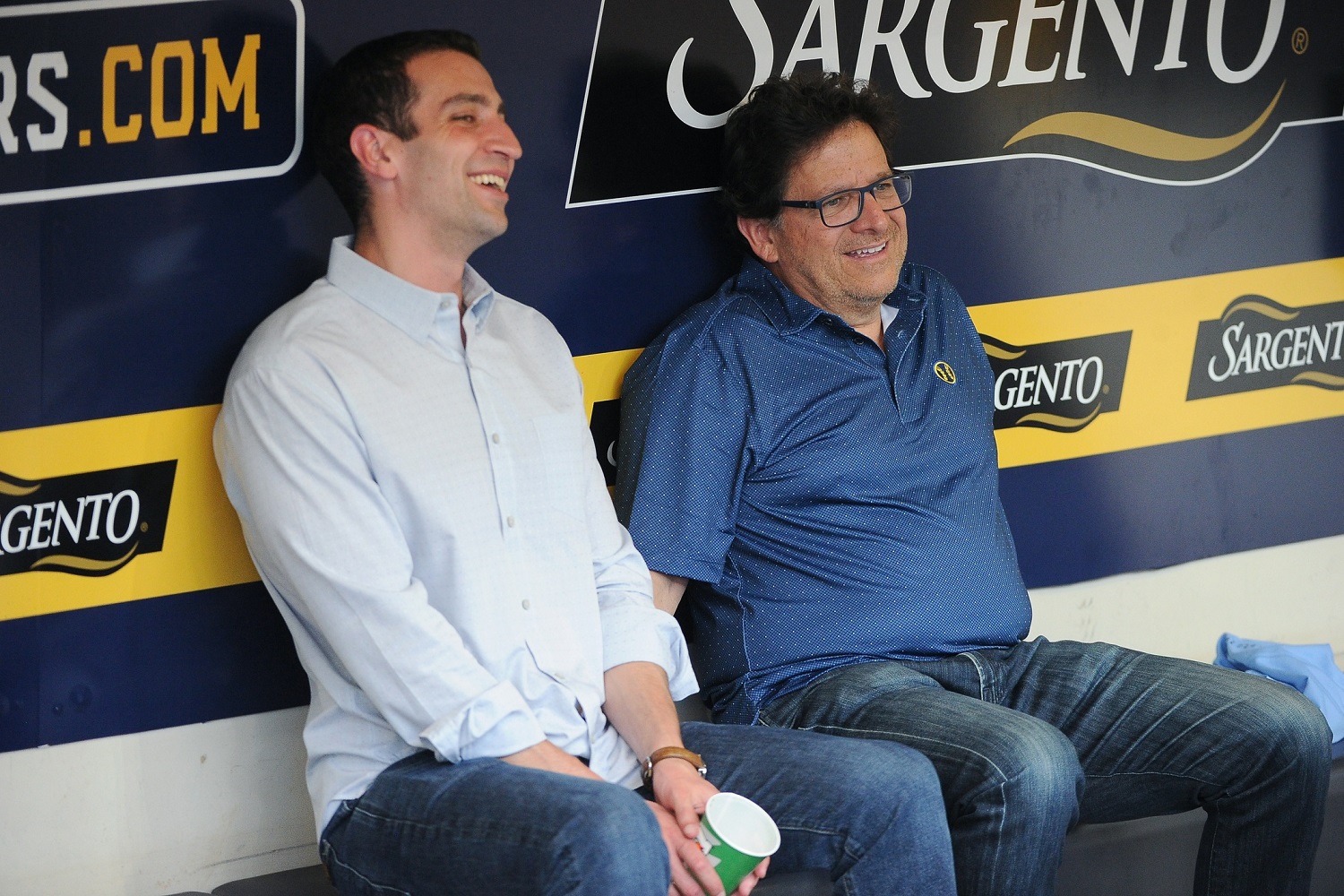 This is part 5 of a series of stories detailing the payroll situation for the Milwaukee Brewers at a back-of-the-napkin level. Previously, we looked at the total salaries of the infielders, outfielders, rotation, and bullpen, and came up with a $125M commitment for next year. Today we look at how much more than that they can expect to spend. To get a sense of where the Brewers might go with their payroll, it might help to look at where they've been. According to Cot's Baseball Contracts, here is what Milwaukee has spent on payroll over the last six years, along with where it ranked in MLB: 2022 - $131,930,160 (19) 2021 - $ 99,316,127 (19) 2020 - $105,842,057 (22) (prorated) 2019 - $122,530,400 (17) 2018 - $ 90,964,571 (26) 2017 - $ 63,061,300 (30) You'll notice that last year's $132M payroll was the high watermark for the franchise but ranked just 19th in Major League Baseball. Nineteenth is respectable, given that Milwaukee is the 40th largest metropolitan area in the USA. But that doesn't give much hope that the team will surpass that level. However, there is also no clear trend. We don't see a steady 5-10% increase in payroll. We see a franchise investing in payroll when it senses an opportunity to make some noise, such as coming off of an NLCS appearance in 2018. This year's team is not coming off an inspiring postseason run, but there are reasons to invest. Our analysis of the team's rotation payroll showed that the core of the team is on track to hit free agency after the 2024 season, so this generation of Brewers players has two years left in their competitive window. Or maybe just one year. At the trade deadline, we just saw that David Stearns isn't averse to trading away star players a year before they become free agents in the hopes of getting back assets that can extend that competitive window. If payroll stays steady, the Brewers will have limited room to maneuver to add free agents. Here is what our back-of-the-napkin payroll looked like: If they Brewers don't raise payroll, they have about $7M to add a big bat at the designated hitter spot or otherwise improve the team. They could decide not to pick up the option for Kolten Wong, but that would only free up $8M (because he has a $2M buyout) and also create another gap to fill. They could also make some other moves to add a few million dollars, such as non-tendering Adrian Houser or sacrificing a bullpen arm. A few million here, a few million there, and pretty soon you're talking about real money. But those also create some gaps that need to be filled. The bottom line: if ownership doesn't boost payroll, or Stearns doesn't move one of the team's more significant salaried players off the roster, their options are limited to improve. Or maybe you see some options that they should look at closer? You'll get to create your plan and share it with us tomorrow. Stay tuned….
 -
If one doubts the significance of payroll in Brewers President of Baseball Operations David Stearns' decision-making, one need only look at the recent trade deadline. There was no legitimate on-the-field reason for a division-leading team to trade away an All-Star closer at the trade deadline. The only reason to do so is money, so let's finish our back-of-the-napkin payroll analysis with a deep dive into the bullpen. Image courtesy of © Albert Cesare/The Enquirer / USA TODAY NETWORK If one doubts the significance of payroll in Brewers President of Baseball Operations David Stearns' decision-making, one need only look at the recent trade deadline. There was no legitimate on-the-field reason for a division-leading team to trade away an All-Star closer at the trade deadline. The only reason to do so is money, so let's finish our back-of-the-napkin payroll analysis with a deep dive into the bullpen. This is Part 4 of a series of stories detailing the payroll situation for the Milwaukee Brewers at a back-of-the-napkin level. Previously, we looked at the total salaries of the infielders, outfielders, and rotation, and came up with a $109M commitment for next year. Today we look at the bullpen. Closer – Josh Hader is gone (and would have made about $15M in arbitration). So is Taylor Rogers, who becomes a free agent. But Devin Williams and his 14K/9 are still around and pretty affordable, given that he is just entering his first year of arbitration. Relievers' arbitration awards are difficult to estimate, and his certainly went up as he racked up saves at the end of the season. Let's expect a boost to $3-4M. Luis Perdomo and Brent Suter can be offered arbitration for one more year. Suter made $2.7M last year, so he's due about $3M. Perdomo will be due quite a bit less, closer to $1M. Like almost the entirety of the starting rotation, Matt Bush and Trevor Gott can both be offered arbitration this year and for 2024. Bush will get the more significant raise, about ~$2M, with Gott a half step behind at $1.5M. Hoby Milner enters arbitration this year for the first time and had a solid year to garner a nice raise. He'll likely land between $1M and $1.5M. The Brewers have a decision to make regarding Brad Boxberger. The contract he signed with them last year has a team option of $3M with a $750K buyout, meaning they need to decide if he's worth $2.25M. I think that they think he is, but if payroll gets tight, they could pivot away and eat the buyout. Finally, no matter where Aaron Ashby pitches, whether in the rotation, the bullpen, or Nashville, he's got a guaranteed contract that pays him $1M, so we have to add him to our list. Which, by the way, is complete and looks like this: That final number is awfully close to what the Brewers spent in 2022. So what will they spend in 2023? We'll look at what the team has spent historically and make educated guesses on how much room they'll have left next time. View full article
-
 This is Part 4 of a series of stories detailing the payroll situation for the Milwaukee Brewers at a back-of-the-napkin level. Previously, we looked at the total salaries of the infielders, outfielders, and rotation, and came up with a $109M commitment for next year. Today we look at the bullpen. Closer – Josh Hader is gone (and would have made about $15M in arbitration). So is Taylor Rogers, who becomes a free agent. But Devin Williams and his 14K/9 are still around and pretty affordable, given that he is just entering his first year of arbitration. Relievers' arbitration awards are difficult to estimate, and his certainly went up as he racked up saves at the end of the season. Let's expect a boost to $3-4M. Luis Perdomo and Brent Suter can be offered arbitration for one more year. Suter made $2.7M last year, so he's due about $3M. Perdomo will be due quite a bit less, closer to $1M. Like almost the entirety of the starting rotation, Matt Bush and Trevor Gott can both be offered arbitration this year and for 2024. Bush will get the more significant raise, about ~$2M, with Gott a half step behind at $1.5M. Hoby Milner enters arbitration this year for the first time and had a solid year to garner a nice raise. He'll likely land between $1M and $1.5M. The Brewers have a decision to make regarding Brad Boxberger. The contract he signed with them last year has a team option of $3M with a $750K buyout, meaning they need to decide if he's worth $2.25M. I think that they think he is, but if payroll gets tight, they could pivot away and eat the buyout. Finally, no matter where Aaron Ashby pitches, whether in the rotation, the bullpen, or Nashville, he's got a guaranteed contract that pays him $1M, so we have to add him to our list. Which, by the way, is complete and looks like this: That final number is awfully close to what the Brewers spent in 2022. So what will they spend in 2023? We'll look at what the team has spent historically and make educated guesses on how much room they'll have left next time.
 -
MLBTR predicts an arbitration numbers of $3.6M which makes offering him arb a little easier. I still wonder, if they want to free up some money, if he's not where they do try and do so. I'd make the chances of him not being tendered at less than 40%, but they're not 0.
-
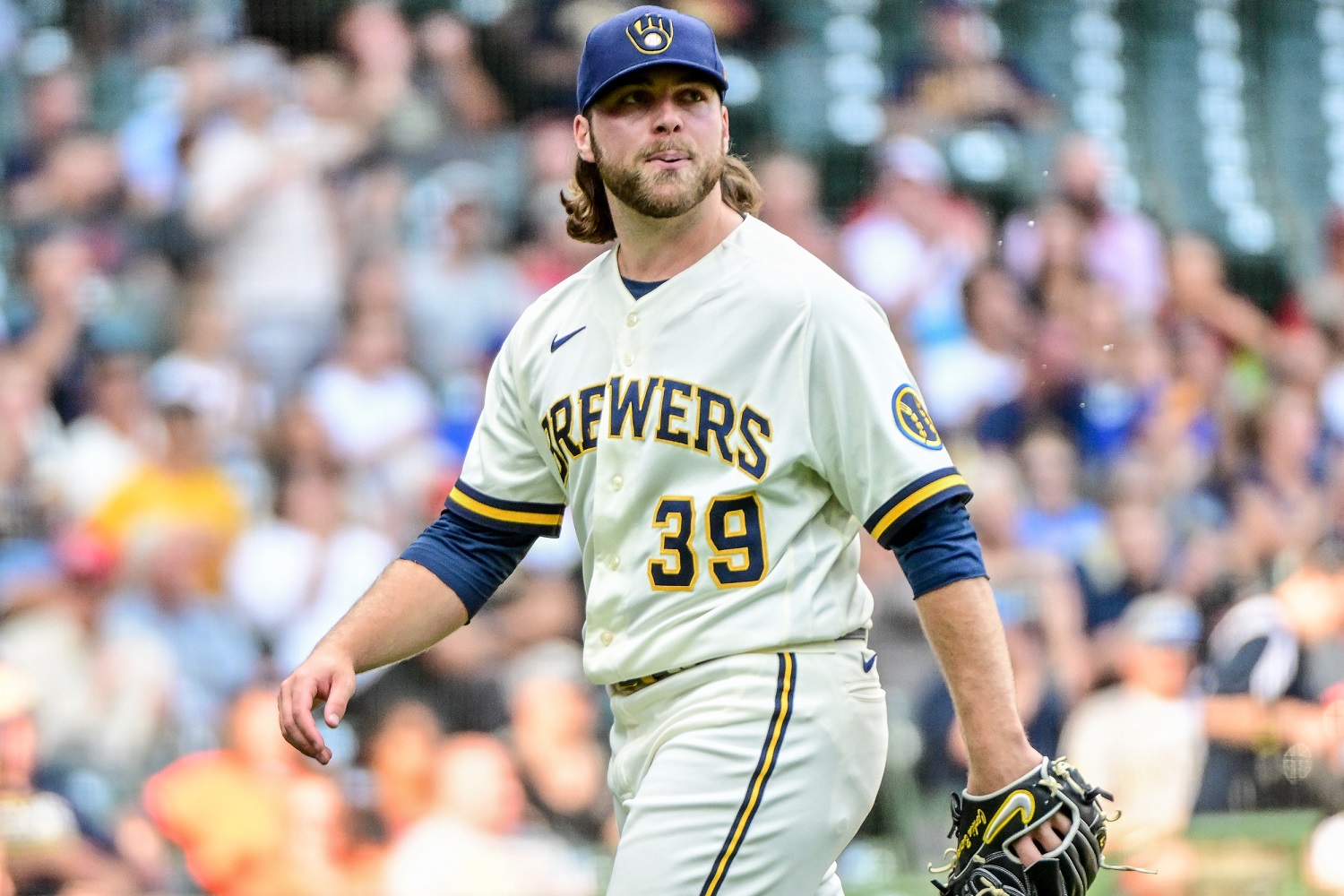 A mid-market MLB team's competitive window is highly dependent on the timing of their team control over impactful players. After accumulating six full years of service time, players become free agents, and the core of a winning team can crumble. In the Brewers' case, that potential deadline becomes clear as we look deeper into the salaries of the Brewers' starting rotation. This is Part 3 of a series of stories detailing the payroll situation for the Milwaukee Brewers at a back-of-the-napkin level. Previously, we looked at the total salaries of the infielders and outfielders and came up with a $74M commitment for next year. Today we add at starting pitching. Corbin Burnes made $6.5M last year in his first year in arbitration. This is only his second arbitration year (of three), meaning the team can keep him around through 2024 – provided they're willing to give him some pretty significant raises. That includes a boost to the $10-11M range next year. The team is equally fortunate to control Brandon Woodruff for two more years with all the same caveats. He's one of those lucky players who gets four years of arbitration, but the Brewers have used two of them, and he'll also likely reach around $10M next year in salary. Freddy Peralta would be in the same boat as Burnes and Woodruff with two more years of arbitration left, but he signed a guaranteed contract extension in 2020. That means the Brewers are only paying him $3.5M next year and can keep him under team control through 2026 at very reasonable salaries. Add Eric Lauer to the list of starting pitchers to whom the Brewers can offer arbitration for two more years. But because he hasn't been as effective, he's going to be quite a bit cheaper, closer to $5M for 2023. And believe it or not, there is one more. Adrian Houser will also qualify for arbitration for two more years. Last year, he lost his arbitration case and received a contract for about $2.4M. I don't know that it's a slam dunk that they offer a 29-year-old groundball pitcher with a 4.73 ERA arbitration. But I think they will, and they can expect to pay him about 3.5M or so. So four of the five pitchers, including the two aces, will be free agents following the 2024 season. In addition, our look at the Brewers' infield payroll showed that 2024 is also the year after which Willy Adames and Rowdy Tellez will become free agents. That sure feels like the end of a competitive window. As we look at what the team might do to bolster itself for 2023, it's worth remembering that the core of the team could have a sudden and massive exodus in one or two years. Plugging those numbers into our spreadsheet, the team looks like this for 2023: We've topped the $100M mark and still haven't touched the rebuilt bullpen. Next, we'll see if Josh Hader's departure provides the team some salary space for other free agent signings. See any omissions or any issues with the numbers? I'd love to hear them. Just throw them or your reactions in the comments below.
- 4 comments
-
- 1
-

-
- corbin burnes
- brandon woodruff
- (and 3 more)
-
The good news is that the Brewers are good. The bad news is that the clock is ticking on the Brewers' competitive window. That much is crystal clear when looking at the Brewers' rotation's payroll situation for 2023, even at a back-of-the-napkin level. Image courtesy of © Benny Sieu-USA TODAY Sports The good news is that the Brewers are good. The bad news is that the clock is ticking on the Brewers' competitive window. That much is crystal clear when looking at the Brewers' rotation's payroll situation for 2023, even at a back-of-the-napkin level. A mid-market MLB team's competitive window is highly dependent on the timing of their team control over impactful players. After accumulating six full years of service time, players become free agents, and the core of a winning team can crumble. In the Brewers' case, that potential deadline becomes clear as we look deeper into the salaries of the Brewers' starting rotation. This is Part 3 of a series of stories detailing the payroll situation for the Milwaukee Brewers at a back-of-the-napkin level. Previously, we looked at the total salaries of the infielders and outfielders and came up with a $74M commitment for next year. Today we add at starting pitching. Corbin Burnes made $6.5M last year in his first year in arbitration. This is only his second arbitration year (of three), meaning the team can keep him around through 2024 – provided they're willing to give him some pretty significant raises. That includes a boost to the $10-11M range next year. The team is equally fortunate to control Brandon Woodruff for two more years with all the same caveats. He's one of those lucky players who gets four years of arbitration, but the Brewers have used two of them, and he'll also likely reach around $10M next year in salary. Freddy Peralta would be in the same boat as Burnes and Woodruff with two more years of arbitration left, but he signed a guaranteed contract extension in 2020. That means the Brewers are only paying him $3.5M next year and can keep him under team control through 2026 at very reasonable salaries. Add Eric Lauer to the list of starting pitchers to whom the Brewers can offer arbitration for two more years. But because he hasn't been as effective, he's going to be quite a bit cheaper, closer to $5M for 2023. And believe it or not, there is one more. Adrian Houser will also qualify for arbitration for two more years. Last year, he lost his arbitration case and received a contract for about $2.4M. I don't know that it's a slam dunk that they offer a 29-year-old groundball pitcher with a 4.73 ERA arbitration. But I think they will, and they can expect to pay him about 3.5M or so. So four of the five pitchers, including the two aces, will be free agents following the 2024 season. In addition, our look at the Brewers' infield payroll showed that 2024 is also the year after which Willy Adames and Rowdy Tellez will become free agents. That sure feels like the end of a competitive window. As we look at what the team might do to bolster itself for 2023, it's worth remembering that the core of the team could have a sudden and massive exodus in one or two years. Plugging those numbers into our spreadsheet, the team looks like this for 2023: We've topped the $100M mark and still haven't touched the rebuilt bullpen. Next, we'll see if Josh Hader's departure provides the team some salary space for other free agent signings. See any omissions or any issues with the numbers? I'd love to hear them. Just throw them or your reactions in the comments below. View full article
-
The offseason begins five days after the last game of the World Series, and the Brewers will be open for business. But what can we reasonably expect them to spend? To find out, we looked at the team's payroll situation at a back-of-the-napkin level. The infield was pretty straightforward. The outfield is a different story. Image courtesy of © Katie Stratman-USA TODAY Sports The offseason begins five days after the last game of the World Series, and the Brewers will be open for business. But what can we reasonably expect them to spend? To find out, we looked at the team's payroll situation at a back-of-the-napkin level. The infield was pretty straightforward. The outfield is a different story. The Brewers' outfield, designated hitter, and bench have lots of question marks that will require placeholders. The outfield also has the single most significant financial commitment ever on the Brew Crew's books. This is Part 2 of a series of stories detailing the payroll situation for the Milwaukee Brewers at a back-of-the-napkin level. Previously, we looked at the total salaries of the infielders, and came up with a $31M commitment for next year. Today we look at the rest of the offense. Left Field – Much has been made of the nine-year $215 million extension that Christian Yelich signed in spring training of 2020, but fortunately, we don't need to unpack all that here. For our purposes, we need to know it includes a guaranteed $26M salary next year with a full no-trade clause. Write it in ink. Center Field – Lorenzo Cain's contract comes off the books this year, and the Brewers just released Jonathan Davis. Tyrone Taylor started the most games last year and is not arbitration eligible yet, so he'll make close to the MLB minimum of $700K. If you have a favorite prospect to play here, they make the same amount, so Taylor will be our default choice and number. Right Field – The Brewers can offer arbitration to Hunter Renfroe for one last year, which, unfortunately (unless you're Renfroe), means a significant raise. We'll estimate he increases last year's $7.65M salary to around $10M for our napkin. With 29 home runs, that might even be low. Designated Hitter – Andrew McCutcheon is a free agent, and this looks like an excellent opportunity to add a bat. But we also haven't mentioned Keston Hiura yet. It's his first year of arbitration, which should net him about $2.5M, so we'll pencil him in here for now Bench – If the season started today, those four bench spots on our list would probably need to be filled by minor leaguers making the minimum salary. We'll put those numbers in for now, assuming that eventually they'll increase slightly with some veterans, or by bumping players like Taylor or Hiura with free agent signings. Here's where we're at: We total $73M for the team's offensive half, and that's the side we'll likely see even more money spent. Plus, we haven't got to the team's supposed strength, including a couple of ace-level pitchers that should get significant raises. We'll tackle that next time. View full article
-
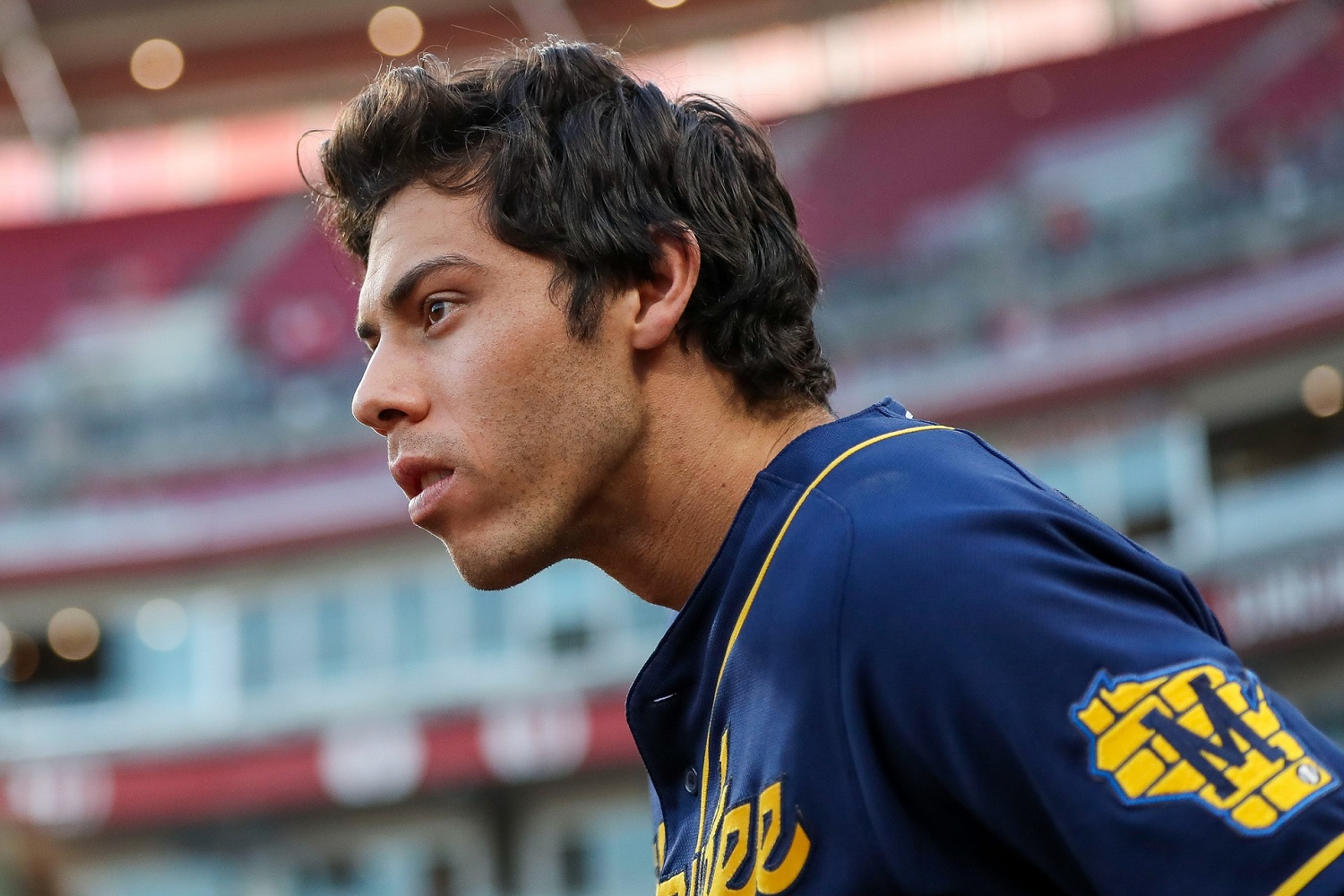 The Brewers' outfield, designated hitter, and bench have lots of question marks that will require placeholders. The outfield also has the single most significant financial commitment ever on the Brew Crew's books. This is Part 2 of a series of stories detailing the payroll situation for the Milwaukee Brewers at a back-of-the-napkin level. Previously, we looked at the total salaries of the infielders, and came up with a $31M commitment for next year. Today we look at the rest of the offense. Left Field – Much has been made of the nine-year $215 million extension that Christian Yelich signed in spring training of 2020, but fortunately, we don't need to unpack all that here. For our purposes, we need to know it includes a guaranteed $26M salary next year with a full no-trade clause. Write it in ink. Center Field – Lorenzo Cain's contract comes off the books this year, and the Brewers just released Jonathan Davis. Tyrone Taylor started the most games last year and is not arbitration eligible yet, so he'll make close to the MLB minimum of $700K. If you have a favorite prospect to play here, they make the same amount, so Taylor will be our default choice and number. Right Field – The Brewers can offer arbitration to Hunter Renfroe for one last year, which, unfortunately (unless you're Renfroe), means a significant raise. We'll estimate he increases last year's $7.65M salary to around $10M for our napkin. With 29 home runs, that might even be low. Designated Hitter – Andrew McCutcheon is a free agent, and this looks like an excellent opportunity to add a bat. But we also haven't mentioned Keston Hiura yet. It's his first year of arbitration, which should net him about $2.5M, so we'll pencil him in here for now Bench – If the season started today, those four bench spots on our list would probably need to be filled by minor leaguers making the minimum salary. We'll put those numbers in for now, assuming that eventually they'll increase slightly with some veterans, or by bumping players like Taylor or Hiura with free agent signings. Here's where we're at: We total $73M for the team's offensive half, and that's the side we'll likely see even more money spent. Plus, we haven't got to the team's supposed strength, including a couple of ace-level pitchers that should get significant raises. We'll tackle that next time.
 -
Breaking Down The Brewers Payroll: The Infield
John Bonnes replied to John Bonnes's topic in Milwaukee Brewers Talk
Yeah, that's certainly close enough at a back-of-the-napkin level. Basically the same except subtract $8M for Wong, so about $23M. I think was we get further down this list, we're going to see that the Wong money is really going to be needed if ownership doesn't decide to boost payroll for the next two years of this competitive window. -
Breaking Down The Brewers Payroll: The Infield
John Bonnes replied to John Bonnes's topic in Milwaukee Brewers Talk
Yeah, that's certainly close enough at a back-of-the-napkin level. Basically the same except subtract $8M for Wong, so about $23M. I think was we get further down this list, we're going to see that the Wong money is really going to be needed if ownership doesn't decide to boost payroll for the next two years of this competitive window.

