



-
Posts
375 -
Joined
-
Last visited
Content Type
Profiles
Forums
Blogs
Events
News
2026 Milwaukee Brewers Top Prospects Ranking
Milwaukee Brewers Videos
2022 Milwaukee Brewers Draft Picks
Milwaukee Brewers Free Agent & Trade Rumors, Notes, & Tidbits
Guides & Resources
2023 Milwaukee Brewers Draft Picks
2024 Milwaukee Brewers Draft Picks
The Milwaukee Brewers Players Project
2025 Milwaukee Brewers Draft Pick Tracker
2026 Milwaukee Brewers Draft Tracker: Picks & Bonuses
Store
Downloads
Gallery
Everything posted by Steve Drumwright
-

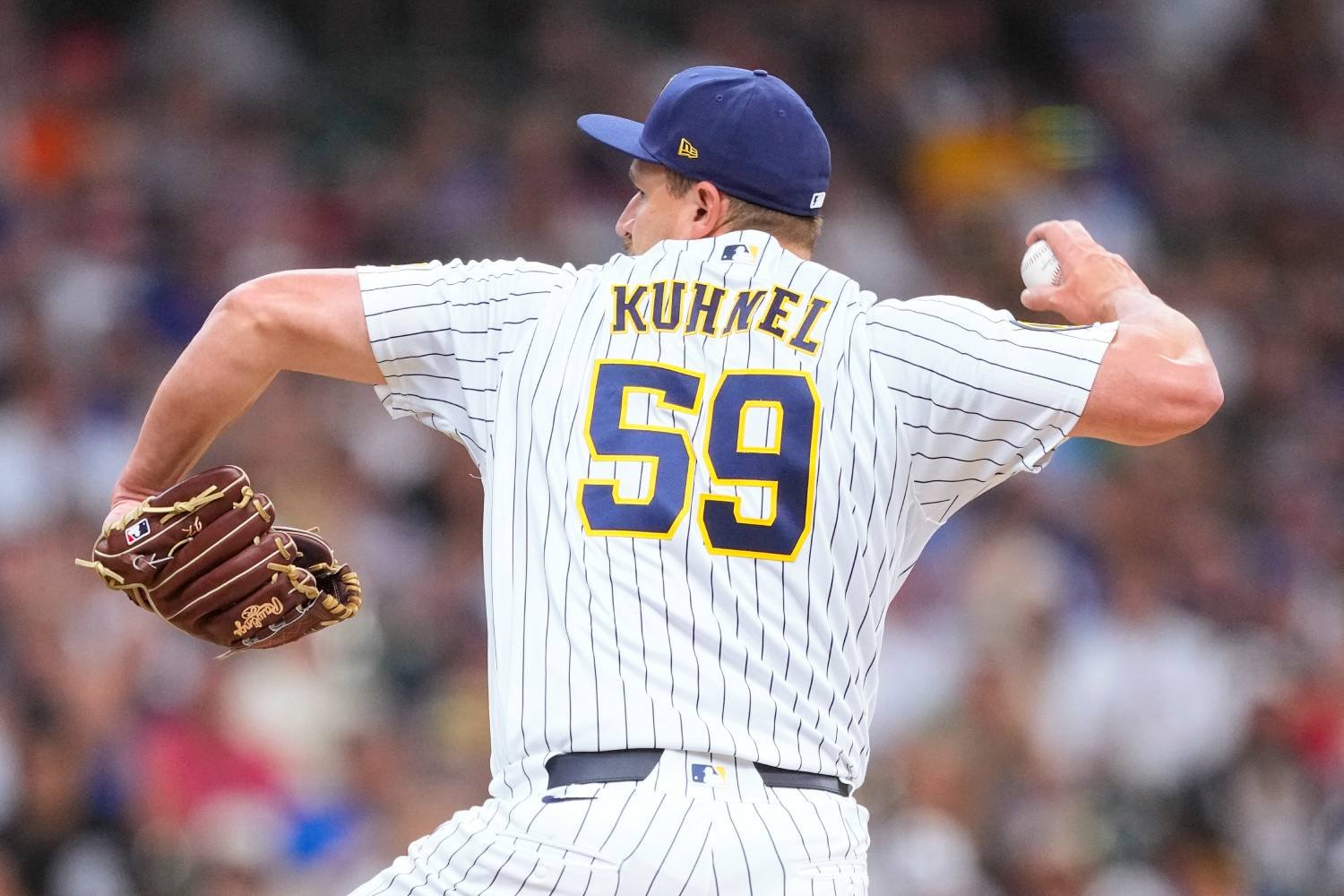 A recent addition to the Milwaukee Brewers' bullpen has been sidelined for at least two weeks. Right-handed reliever Joel Kuhnel was placed on the 15-day injured list Saturday by the Brewers due to a right shoulder impingement. Right-handed reliever Craig Yoho was called up from Triple-A Nashville. Also, right-handed starter Coleman Crow, on the 15-day IL with a strained right forearm flexor, began a rehab assignment at Nashville on Saturday. Kuhnel, acquired June 6 from the A's after he was designated for assignment, has appeared in 10 games for the Brewers and posted a 6.52 ERA over 9⅔ innings. He has walked six and struck out eight while allowing a .317 opponent batting average, including four home runs. Kuhnel's last game was Thursday in the series finale against the Cincinnati Reds in which he gave up three runs (two earned) on one hit and two walks with a strikeout in one inning. Yoho is up with the Crew for the third time this year. He has pitched six innings over five games, giving up four runs on five hits, including two homers, with three walks and eight strikeouts for 6.00 ERA.
 -
A recent addition to the Milwaukee Brewers' bullpen has been sidelined for at least two weeks. Right-handed reliever Joel Kuhnel was placed on the 15-day injured list Saturday by the Brewers due to a right shoulder impingement. Right-handed reliever Craig Yoho was called up from Triple-A Nashville. Also, right-handed starter Coleman Crow, on the 15-day IL with a strained right forearm flexor, began a rehab assignment at Nashville on Saturday. Kuhnel, acquired June 6 from the A's after he was designated for assignment, has appeared in 10 games for the Brewers and posted a 6.52 ERA over 9⅔ innings. He has walked six and struck out eight while allowing a .317 opponent batting average, including four home runs. Kuhnel's last game was Thursday in the series finale against the Cincinnati Reds in which he gave up three runs (two earned) on one hit and two walks with a strikeout in one inning. Yoho is up with the Crew for the third time this year. He has pitched six innings over five games, giving up four runs on five hits, including two homers, with three walks and eight strikeouts for 6.00 ERA. View full rumor
-
Baseball's No. 1 prospect is heading to the Futures Game. And he is bringing along a buddy. Shortstop Jesus Made, Brewer Fanatic's No. 1 prospect and the consensus top prospect in baseball, and shortstop Luis Pena, Brewer Fanatic's No. 2 prospect, will represent the Milwaukee Brewers in the July 12 Futures Game at Citizens Bank Park in Philadelphia. The Brewers have the top farm system in baseball by most outlets. Made, who turned 19 in May, is having a terrific season with the Double-A Biloxi Shuckers. The switch-hitter has a .281/.355/.441 slash line with seven homers, 51 RBIs and 23 stolen bases in 67 games. Made has rocketed through the Brewers' system. After spending 2024 in the Dominican Summer League, he came to the U.S. and began 2025 at Low-A Carolina for 83 games, then went up to High-A Wisconsin for 27 and spent five games with Double-A Biloxi to wrap up a tremendous year in full-season ball. He had a .285/.379/.413 slash line, hitting six homers and driving in 61 while stealing 47 bases in 60 attempts. Pena spent most of that time as Made's running mate until starting this season back with the Wisconsin Timber Rattlers. Pena has played shortstop at Wisconsin with Made not being on the same roster and putting together a .318/.431/.432 slash line with one homer and 13 RBIs in 26 games. Pena missed a month after a late-April incident that saw him rushed to a hospital after passing out in the dugout during a game. It was determined to have resulted from Pena becoming overheated. Pena also missed two weeks in June. Made is one of 19 No. 1 prospects who will be representing their teams at the Futures Game. View full rumor
-
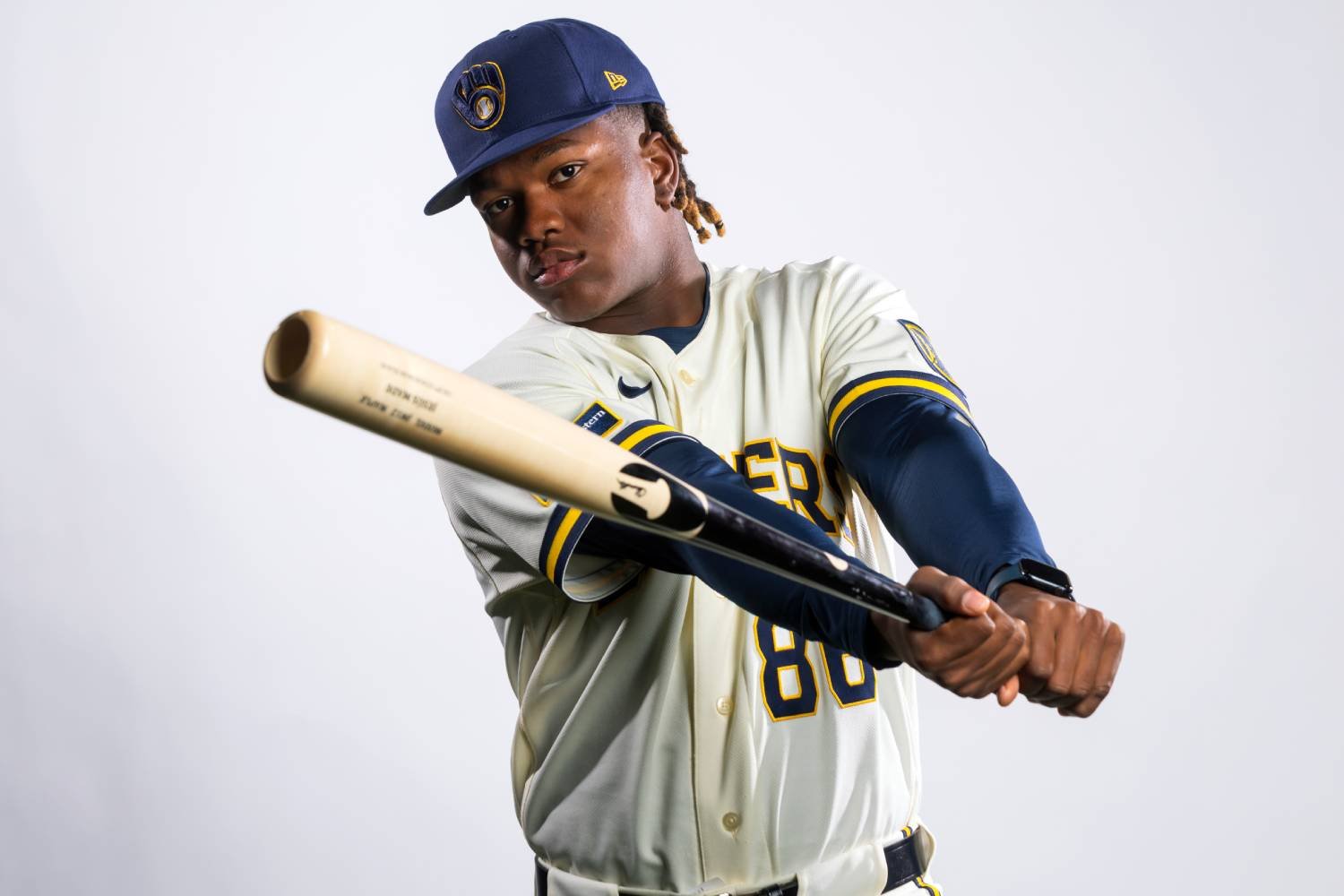 Baseball's No. 1 prospect is heading to the Futures Game. And he is bringing along a buddy. Shortstop Jesus Made, Brewer Fanatic's No. 1 prospect and the consensus top prospect in baseball, and shortstop Luis Pena, Brewer Fanatic's No. 2 prospect, will represent the Milwaukee Brewers in the July 12 Futures Game at Citizens Bank Park in Philadelphia. The Brewers have the top farm system in baseball by most outlets. Made, who turned 19 in May, is having a terrific season with the Double-A Biloxi Shuckers. The switch-hitter has a .281/.355/.441 slash line with seven homers, 51 RBIs and 23 stolen bases in 67 games. Made has rocketed through the Brewers' system. After spending 2024 in the Dominican Summer League, he came to the U.S. and began 2025 at Low-A Carolina for 83 games, then went up to High-A Wisconsin for 27 and spent five games with Double-A Biloxi to wrap up a tremendous year in full-season ball. He had a .285/.379/.413 slash line, hitting six homers and driving in 61 while stealing 47 bases in 60 attempts. Pena spent most of that time as Made's running mate until starting this season back with the Wisconsin Timber Rattlers. Pena has played shortstop at Wisconsin with Made not being on the same roster and putting together a .318/.431/.432 slash line with one homer and 13 RBIs in 26 games. Pena missed a month after a late-April incident that saw him rushed to a hospital after passing out in the dugout during a game. It was determined to have resulted from Pena becoming overheated. Pena also missed two weeks in June. Made is one of 19 No. 1 prospects who will be representing their teams at the Futures Game.
 -
With 17 games in 17 days, you knew there would be moves to keep the Milwaukee Brewers' bullpen fresh. This one, though, has more of an odd feel to it. The Brewers on Tuesday optioned left-handed starter Robert Gasser to the rookie-level Arizona Complex League and selected the contract of right-handed starter Garrett Stallings from Triple-A Nashville. The Brewers had an opening on their 40-man roster to accommodate Stallings' promotion for his MLB debut. Gasser had a solid outing in Monday's series opening against the Cincinnati Reds, going 5⅔ and giving up three runs on seven hits with one walk and five strikeouts. The move to the ACL generally indicates a team giving a player a break to get some planned rest. Gasser is in his first full MLB season following Tommy John surgery at the beginning of the 2024 season. Combined with his minor-league time, Gasser threw just 43⅔ regular-season innings. He currently is at 62⅔ innings this year between Nashville and the Brewers just past the midpoint of the season. In seven MLB starts this year, Gasser has a 4.98 FIP (4.54ERA) with an 8.4% walk rate and 23.4% strikeout rate. Stallings is a 28-year-old who was drafted in 2019 in the fifth round by the Los Angeles Angels. He was acquired from the Baltimore Orioles in May 2024 in a minor trade and has been at Nashville since. This year in 12 starts and four relief appearances, Stallings has a 3.45 ERA in 62⅔ innings, walking 22 and striking out 59. He will provide another length option for the Brewers, possibly even making a spot start. View full rumor
-
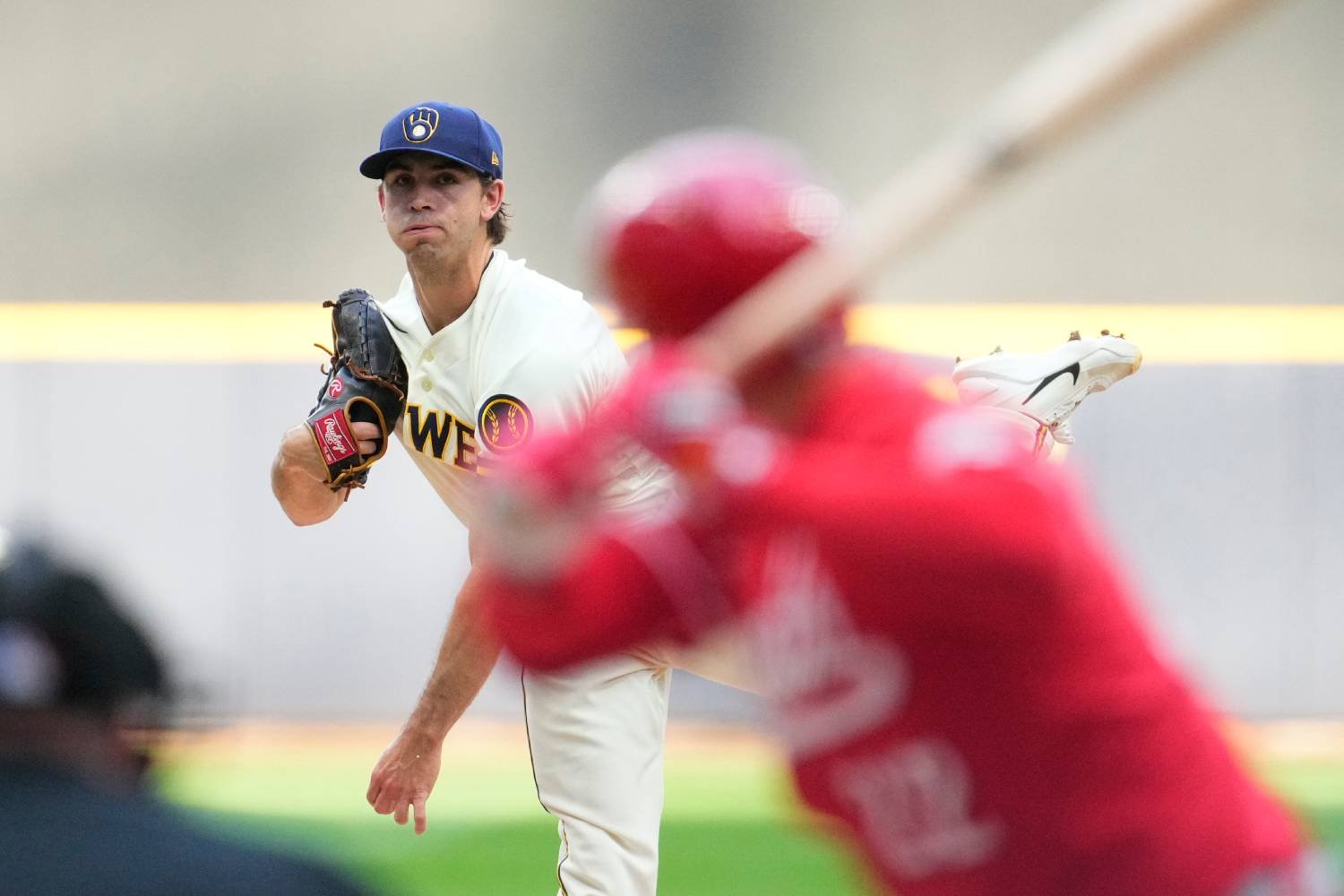 With 17 games in 17 days, you knew there would be moves to keep the Milwaukee Brewers' bullpen fresh. This one, though, has more of an odd feel to it. The Brewers on Tuesday optioned left-handed starter Robert Gasser to the rookie-level Arizona Complex League and selected the contract of right-handed starter Garrett Stallings from Triple-A Nashville. The Brewers had an opening on their 40-man roster to accommodate Stallings' promotion for his MLB debut. Gasser had a solid outing in Monday's series opening against the Cincinnati Reds, going 5⅔ and giving up three runs on seven hits with one walk and five strikeouts. The move to the ACL generally indicates a team giving a player a break to get some planned rest. Gasser is in his first full MLB season following Tommy John surgery at the beginning of the 2024 season. Combined with his minor-league time, Gasser threw just 43⅔ regular-season innings. He currently is at 62⅔ innings this year between Nashville and the Brewers just past the midpoint of the season. In seven MLB starts this year, Gasser has a 4.98 FIP (4.54ERA) with an 8.4% walk rate and 23.4% strikeout rate. Stallings is a 28-year-old who was drafted in 2019 in the fifth round by the Los Angeles Angels. He was acquired from the Baltimore Orioles in May 2024 in a minor trade and has been at Nashville since. This year in 12 starts and four relief appearances, Stallings has a 3.45 ERA in 62⅔ innings, walking 22 and striking out 59. He will provide another length option for the Brewers, possibly even making a spot start.
 -
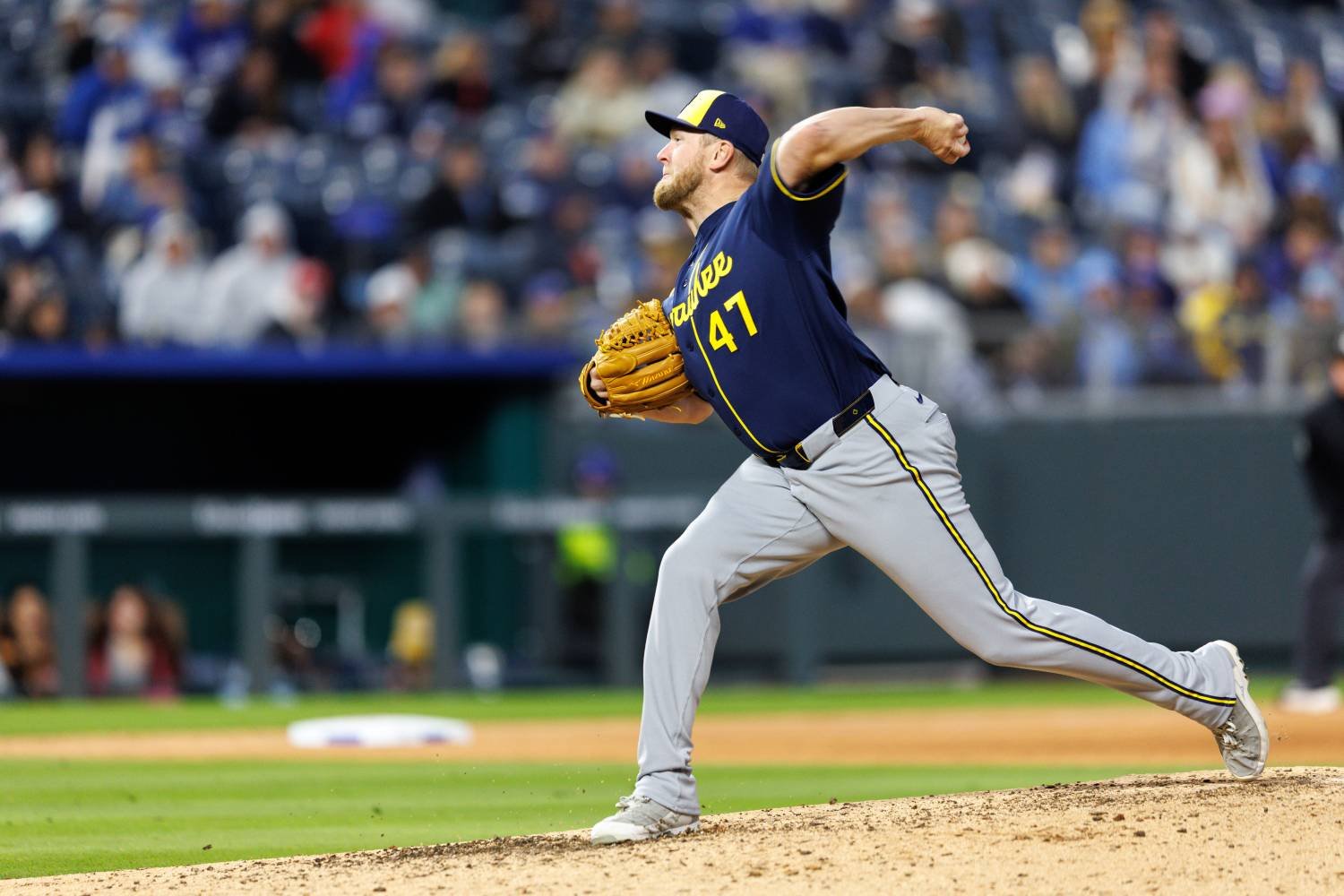 The Milwaukee Brewers have their reliable lefty back in the bullpen. Left-handed reliever Jared Koenig was activated off the 15-day injured list Friday by the Brewers, who optioned right-handed reliever Craig Yoho to Triple-A Nashville. Koenig had been out since April 6 with a sprained left elbow. He had made just three appearances before being injured, allowing two runs on three hits and two walks with four strikeouts in 2⅓ innings. Koenig appeared in 11 games on his rehab assignment, pitching 9⅔ innings. Yoho, once considered a big-time relief prospect, has wavered at the MLB level. In two call-ups this year, Yoho appeared in five games, giving up four runs on five hits and three walks with eight strikeouts in six innings for a 6.00 ERA. He made his MLB debut last season, appearing in eight games and posting a 7.27 ERA in 8⅔ innings with nine walks and seven punchouts.
 -
The Milwaukee Brewers have their reliable lefty back in the bullpen. Left-handed reliever Jared Koenig was activated off the 15-day injured list Friday by the Brewers, who optioned right-handed reliever Craig Yoho to Triple-A Nashville. Koenig had been out since April 6 with a sprained left elbow. He had made just three appearances before being injured, allowing two runs on three hits and two walks with four strikeouts in 2⅓ innings. Koenig appeared in 11 games on his rehab assignment, pitching 9⅔ innings. Yoho, once considered a big-time relief prospect, has wavered at the MLB level. In two call-ups this year, Yoho appeared in five games, giving up four runs on five hits and three walks with eight strikeouts in six innings for a 6.00 ERA. He made his MLB debut last season, appearing in eight games and posting a 7.27 ERA in 8⅔ innings with nine walks and seven punchouts. View full rumor
-
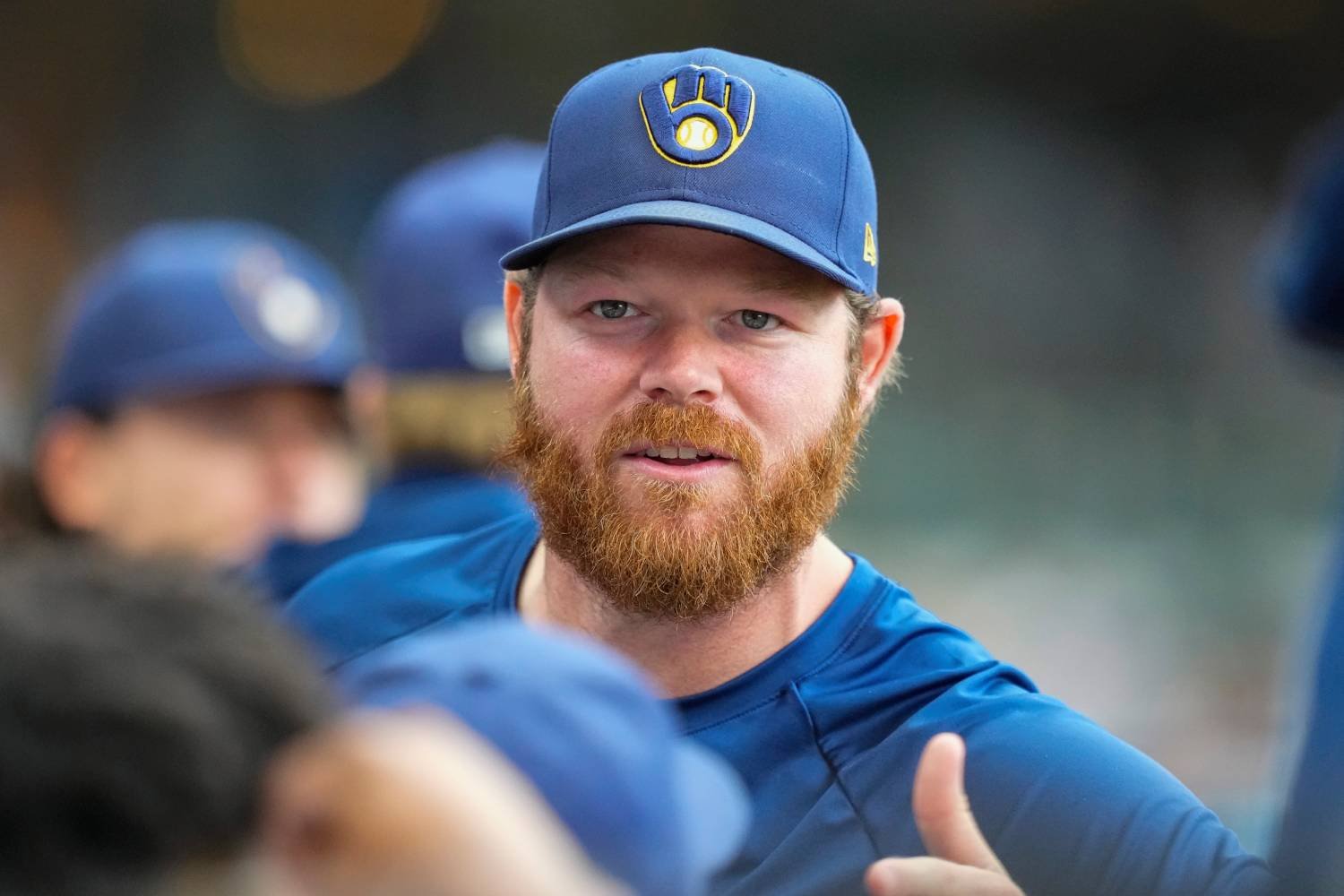 The return of Brandon Woodruff is official. The Milwaukee Brewers on Monday activated the right-hander to start the series opener against the Cincinnati Reds. Left-handed reliever Drew Rom was optioned to Triple-A Nashville. Woodruff has been on the 15-day injured list since May 1 due to right shoulder inflammation. The 33-year-old veteran, the oldest player on a very young starting rotation, will be making his seventh start of the season. In the prior six, he has logged 30 innings with seven walks and 25 strikeouts. Woodruff is four strikeouts away from 900 for his career. Rom was called up June 6 and made four appearances, going 5⅓ innings with a 3.38 ERA with four walks and 10 strikeouts.
 -
The return of Brandon Woodruff is official. The Milwaukee Brewers on Monday activated the right-hander to start the series opener against the Cincinnati Reds. Left-handed reliever Drew Rom was optioned to Triple-A Nashville. Woodruff has been on the 15-day injured list since May 1 due to right shoulder inflammation. The 33-year-old veteran, the oldest player on a very young starting rotation, will be making his seventh start of the season. In the prior six, he has logged 30 innings with seven walks and 25 strikeouts. Woodruff is four strikeouts away from 900 for his career. Rom was called up June 6 and made four appearances, going 5⅓ innings with a 3.38 ERA with four walks and 10 strikeouts. View full rumor
-
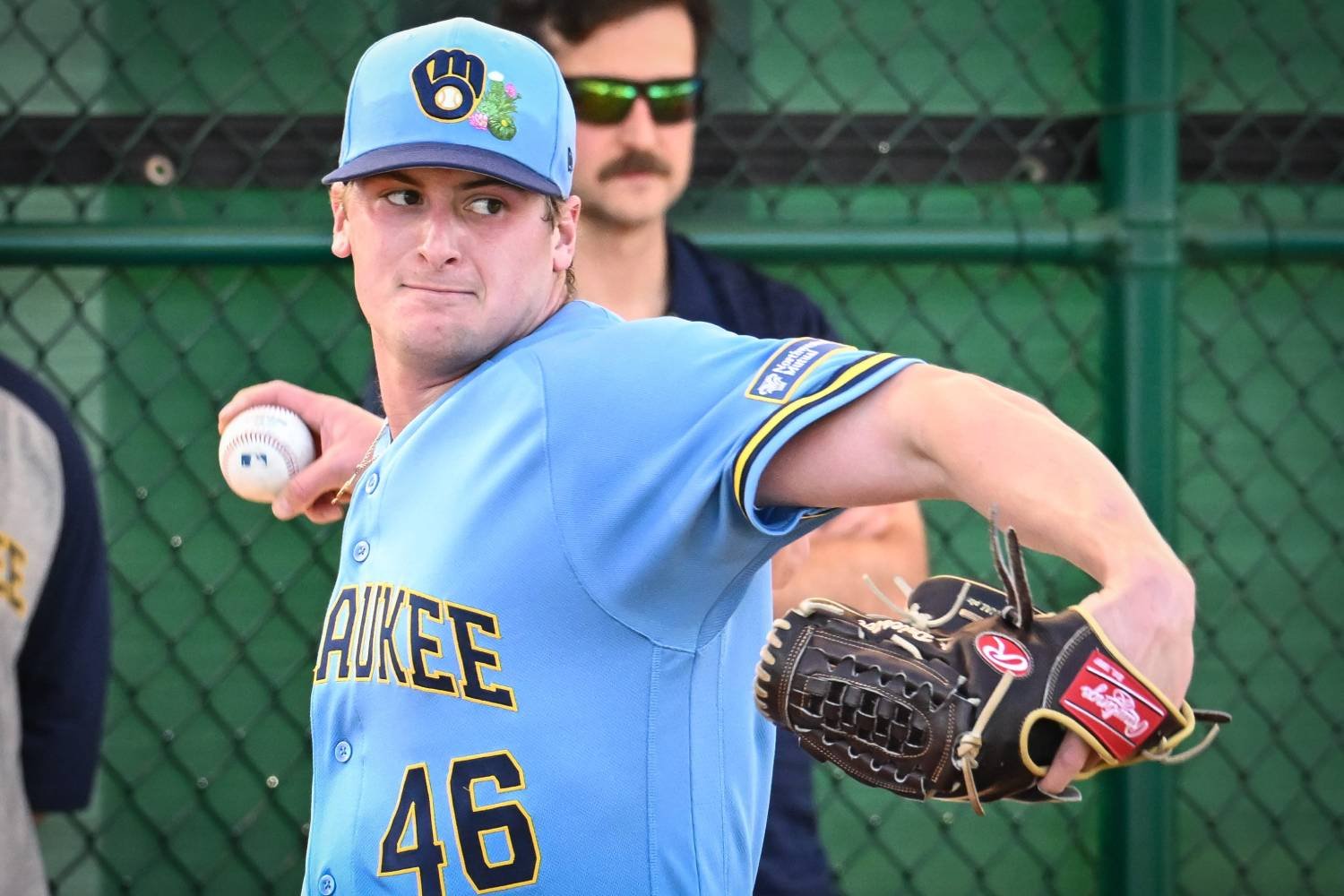 The expected bad news is now official: Quinn Priester's season is over. The Milwaukee Brewers' right-handed starter will have surgery to repair his thoracic outlet syndrome. Priester told reporters Thursday that he will have surgery Monday. Priester is expected to miss eight to 10 months, meaning the early portion of that timeline would have him completely healthy in spring training. Priester was diagnosed with thoracic outlet syndrome in spring training and had tried a number of things in an attempt to return to the mound. Priester pitched in eight minor-league games on rehab assignments, including the last two in the Arizona Complex League. "I'm excited because this is a plan forward," Priester said. Priester was a revelation after being acquired by the Brewers in April 2025. Picked up in a trade with the Boston Red Sox when the Brewers were desperate for starting pitching, Priester, who had been at Triple-A with Boston, jumped right into the major-league rotation and went 13-3 with a 4.01 FIP (3.32 ERA), walking 7.7% of batters and striking out 20.2%
 -
The expected bad news is now official: Quinn Priester's season is over. The Milwaukee Brewers' right-handed starter will have surgery to repair his thoracic outlet syndrome. Priester told reporters Thursday that he will have surgery Monday. Priester is expected to miss eight to 10 months, meaning the early portion of that timeline would have him completely healthy in spring training. Priester was diagnosed with thoracic outlet syndrome in spring training and had tried a number of things in an attempt to return to the mound. Priester pitched in eight minor-league games on rehab assignments, including the last two in the Arizona Complex League. "I'm excited because this is a plan forward," Priester said. Priester was a revelation after being acquired by the Brewers in April 2025. Picked up in a trade with the Boston Red Sox when the Brewers were desperate for starting pitching, Priester, who had been at Triple-A with Boston, jumped right into the major-league rotation and went 13-3 with a 4.01 FIP (3.32 ERA), walking 7.7% of batters and striking out 20.2% View full rumor
-
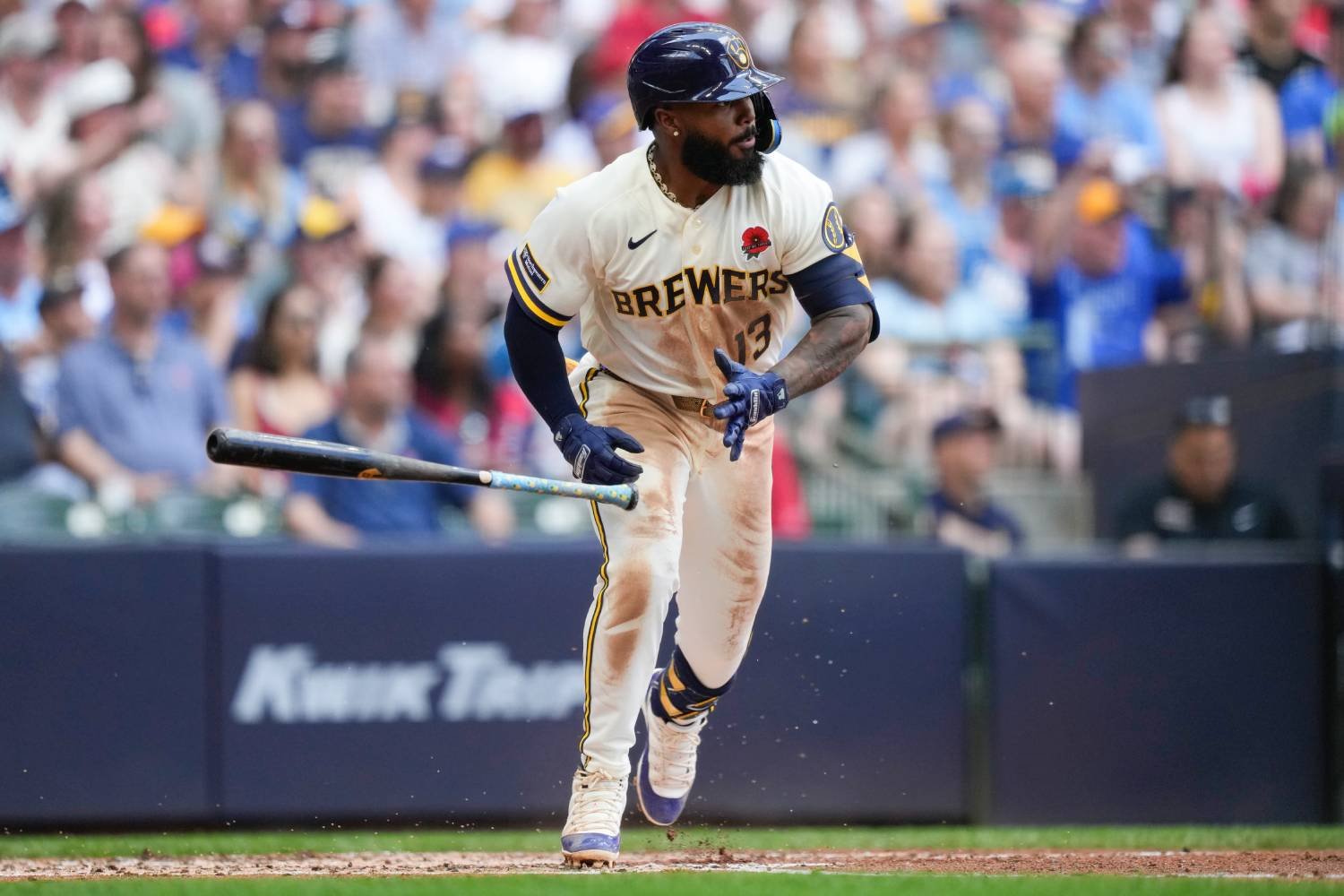 The Milwaukee Brewers' attempt to fill third base with Luis Rengifo was a swing and a miss. For that reason, Rengifo was designated for assignment by the Brewers on Tuesday to make room for one of their prized prospects, shortstop Cooper Pratt. The 21-year-old Pratt, Brewer Fanatic's No. 4 prospect, was officially called up to the majors from Triple-A Nashville and will make his debut in Tuesday's series opener against the Cleveland Guardians. News of Pratt being promoted came Sunday. The Brewers will be on the hook for the remainder of Rengifo's $3.5 million salary for this season unless he is claimed off waivers. The Brewers could also trade him to another team before releasing Rengifo. Rengifo, 29, had a solid seven seasons with the Los Angeles Angels as a second baseman and third baseman, peaking with a 2024 season in which he slashed .300/.347/.417 with six home runs, 30 RBIs and 24 stolen bases in just 78 games due to a wrist injury that eventually required surgery. He signed with the Brewers shortly after the Crew traded third baseman Caleb Durbin and two other infielders, Andruw Monasterio and Anthony Seigler, to the Boston Red Sox for left-handed pitchers Kyle Harrison and Shane Drohan and infielder David Hamilton. Harrison and Drohan are currently in the Brewers' starting rotation, while Hamilton has been a nice versatile piece, sliding between third base and shortstop. Hamilton, in fact, was the Opening Day third baseman, not Rengifo. Rengifo never got going offensively while playing third base as his primary position for the first time in his career. He put together a .205/.280/.254 slash line with no homers and 19 RBIs in 57 games, including 45 starts at the hot corner. Hamilton has made 24 starts there. Rengifo had a slow start to the season, with his batting average bottoming out at .125 in mid-April, only to pull that up to .188 by the end of the first full month. It peaked at .220 in mid-May, but then went down again. It was the combination of Rengifo's lack of production and the eight-year, $50.75 million contract extension the Brewers gave Pratt that led to this move. This also coincided with the first day that MLB teams could trade a player who signed a contract in the offseason.
 -
Image courtesy of Jeff Hanisch-Imagn Images The Milwaukee Brewers' attempt to fill third base with Luis Rengifo was a swing and a miss. For that reason, Rengifo was designated for assignment by the Brewers on Tuesday to make room for one of their prized prospects, shortstop Cooper Pratt. The 21-year-old Pratt, Brewer Fanatic's No. 4 prospect, was officially called up to the majors from Triple-A Nashville and will make his debut in Tuesday's series opener against the Cleveland Guardians. News of Pratt being promoted came Sunday. The Brewers will be on the hook for the remainder of Rengifo's $3.5 million salary for this season unless he is claimed off waivers. The Brewers could also trade him to another team before releasing Rengifo. Rengifo, 29, had a solid seven seasons with the Los Angeles Angels as a second baseman and third baseman, peaking with a 2024 season in which he slashed .300/.347/.417 with six home runs, 30 RBIs and 24 stolen bases in just 78 games due to a wrist injury that eventually required surgery. He signed with the Brewers shortly after the Crew traded third baseman Caleb Durbin and two other infielders, Andruw Monasterio and Anthony Seigler, to the Boston Red Sox for left-handed pitchers Kyle Harrison and Shane Drohan and infielder David Hamilton. Harrison and Drohan are currently in the Brewers' starting rotation, while Hamilton has been a nice versatile piece, sliding between third base and shortstop. Hamilton, in fact, was the Opening Day third baseman, not Rengifo. Rengifo never got going offensively while playing third base as his primary position for the first time in his career. He put together a .205/.280/.254 slash line with no homers and 19 RBIs in 57 games, including 45 starts at the hot corner. Hamilton has made 24 starts there. Rengifo had a slow start to the season, with his batting average bottoming out at .125 in mid-April, only to pull that up to .188 by the end of the first full month. It peaked at .220 in mid-May, but then went down again. It was the combination of Rengifo's lack of production and the eight-year, $50.75 million contract extension the Brewers gave Pratt that led to this move. This also coincided with the first day that MLB teams could trade a player who signed a contract in the offseason. View full article
-
Image courtesy of © Dave Kallmann / USA TODAY NETWORK via Imagn Images After a contract extension to begin the season, Cooper Pratt is set to make his MLB debut. Pratt, Brewer Fanatic's No. 4 prospect, will be called up from Triple-A Nashville before Tuesday's series opener against the Cleveland Guardians, according to Brewer Fanatic's Spencer Michaelis (via direct observation on MiLB.tv) and MLB.com's Adam McCalvy (via organizational sources). The 21-year-old Pratt, a shortstop, signed an eight-year, $50.75 million contract extension at the end of March. He is an excellent defender who has shown some signs of offensive progress. At Nashville this season, his first at the Triple-A level, Pratt has a slash line of .244/.353/.392 with six homers, 32 RBIs and 17 stolen bases. The six homers in less than half a season are two shy of his career high of eight, which he accomplished each of the last two seasons. Whom Pratt replaces on the Brewers' roster is another question. Third baseman Luis Rengifo appeared to sustain a mild shoulder injury in Sunday's 4-0 victory over the Philadelphia Phillies. Rengifo, who is also a candidate to be designated for assignment, did remain in the game. Another possibility would be optioning shortstop Joey Ortiz to Triple-A. There could be another possibility as well. Pratt is already on the 40-man roster by virtue of his contract extension. Pratt was a sixth-round draft choice in 2023 out of Magnolia Heights High School in Senatobia, Miss. He is one of two prospects the Brewers have locked up with contract extensions this season. Center fielder Luis Lara just signed a seven-year, $31 million deal. He is also 21. View full article
-
Brewers Promoting Prospect Cooper Pratt To Make His MLB Debut
Steve Drumwright posted an article in Brewers
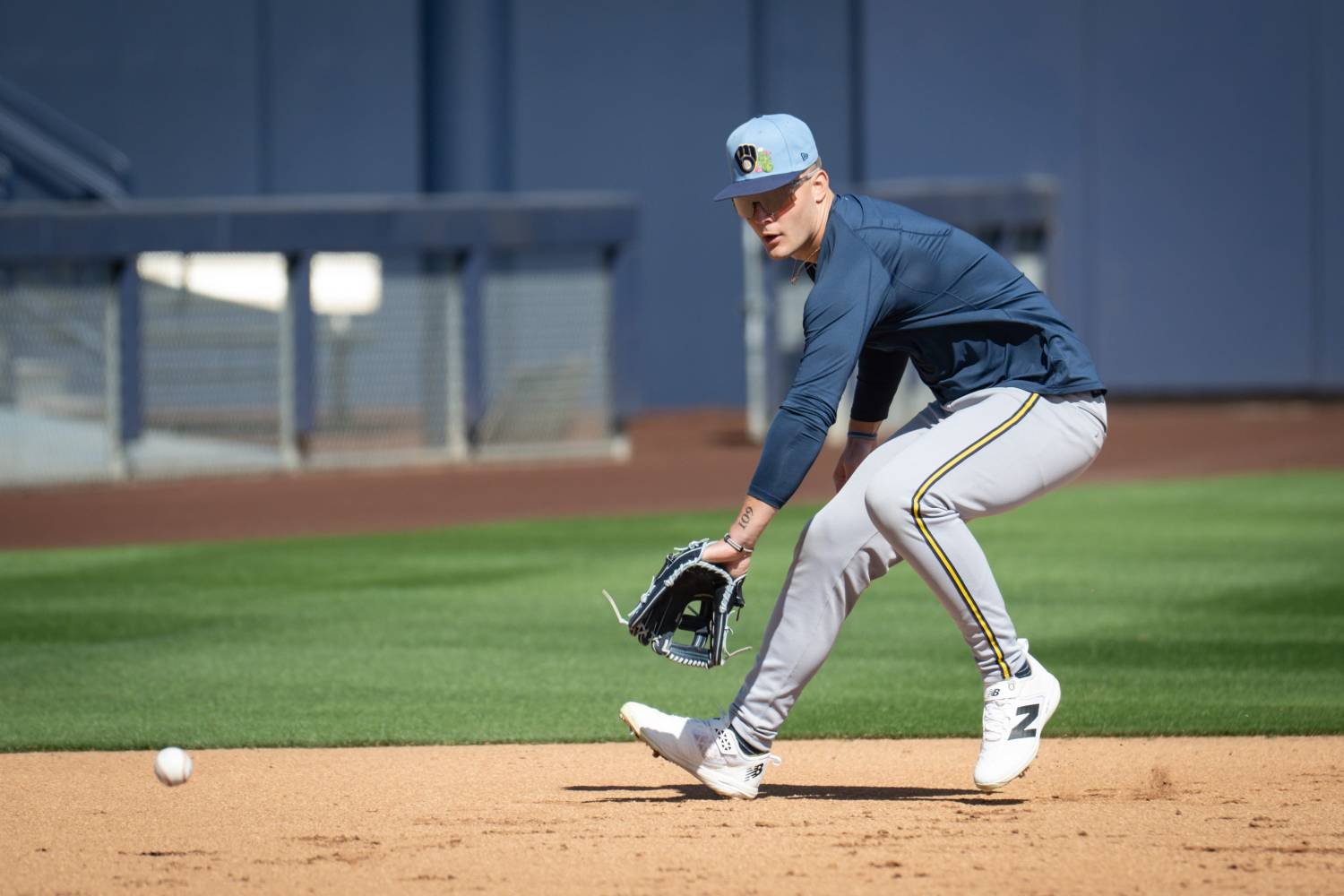 After a contract extension to begin the season, Cooper Pratt is set to make his MLB debut. Pratt, Brewer Fanatic's No. 4 prospect, will be called up from Triple-A Nashville before Tuesday's series opener against the Cleveland Guardians, according to Brewer Fanatic's Spencer Michaelis (via direct observation on MiLB.tv) and MLB.com's Adam McCalvy (via organizational sources). The 21-year-old Pratt, a shortstop, signed an eight-year, $50.75 million contract extension at the end of March. He is an excellent defender who has shown some signs of offensive progress. At Nashville this season, his first at the Triple-A level, Pratt has a slash line of .244/.353/.392 with six homers, 32 RBIs and 17 stolen bases. The six homers in less than half a season are two shy of his career high of eight, which he accomplished each of the last two seasons. Whom Pratt replaces on the Brewers' roster is another question. Third baseman Luis Rengifo appeared to sustain a mild shoulder injury in Sunday's 4-0 victory over the Philadelphia Phillies. Rengifo, who is also a candidate to be designated for assignment, did remain in the game. Another possibility would be optioning shortstop Joey Ortiz to Triple-A. There could be another possibility as well. Pratt is already on the 40-man roster by virtue of his contract extension. Pratt was a sixth-round draft choice in 2023 out of Magnolia Heights High School in Senatobia, Miss. He is one of two prospects the Brewers have locked up with contract extensions this season. Center fielder Luis Lara just signed a seven-year, $31 million deal. He is also 21.
 -
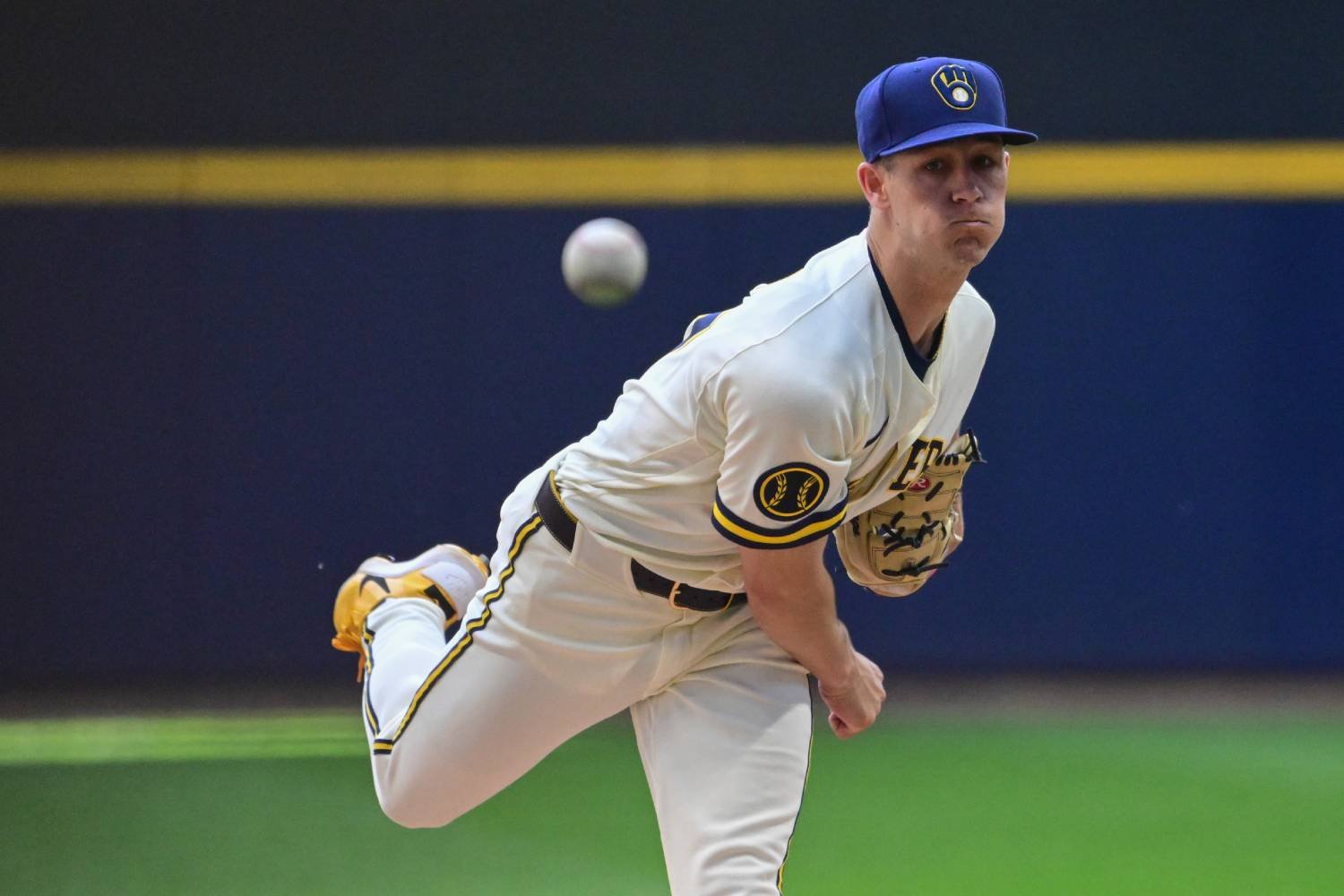 Yoho has been Yo-Yo'd. It comes at Coleman Crow's expense. The Milwaukee Brewers on Friday placed Crow, a right-handed starter, on the 15-day injured list with a strained right forearm flexor and recalled right-handed reliever Craig Yoho from Triple-A Nashville. Yoho had been optioned to Nashville on Monday to make room for recently acquired right-handed reliever Joel Kuhnel. But the bigger news is Crow. who made a two-inning relief appearance Tuesday in a 7-4 loss to the A's in Las Vegas. He allowed one hit and one walk in an otherwise clean performance after making a short start five days earlier against the San Francisco Giants. In that game, Crow lasted just 2⅓ innings, getting tagged for six runs on nine hits and two walks while fanning a pair. Crow has made five appearances this season (just the one in relief), including his MLB debut, posting a 4.55 FIP (5.30 ERA) with a 7.1% walk rate and 11.8% strikeout rate. Yoho was called up a week ago today for the road series against the Colorado Rockies and appeared in two games, giving up a solo homer and three walks while striking out five in three innings as he made his season debut with the Crew. The Brewers' rotation is set for this week, with veteran right-hander Brandon Woodruff expected to be activated off the 15-day IL for the Cleveland Guardians series.
 -
Yoho has been Yo-Yo'd. It comes at Coleman Crow's expense. The Milwaukee Brewers on Friday placed Crow, a right-handed starter, on the 15-day injured list with a strained right forearm flexor and recalled right-handed reliever Craig Yoho from Triple-A Nashville. Yoho had been optioned to Nashville on Monday to make room for recently acquired right-handed reliever Joel Kuhnel. But the bigger news is Crow. who made a two-inning relief appearance Tuesday in a 7-4 loss to the A's in Las Vegas. He allowed one hit and one walk in an otherwise clean performance after making a short start five days earlier against the San Francisco Giants. In that game, Crow lasted just 2⅓ innings, getting tagged for six runs on nine hits and two walks while fanning a pair. Crow has made five appearances this season (just the one in relief), including his MLB debut, posting a 4.55 FIP (5.30 ERA) with a 7.1% walk rate and 11.8% strikeout rate. Yoho was called up a week ago today for the road series against the Colorado Rockies and appeared in two games, giving up a solo homer and three walks while striking out five in three innings as he made his season debut with the Crew. The Brewers' rotation is set for this week, with veteran right-hander Brandon Woodruff expected to be activated off the 15-day IL for the Cleveland Guardians series. View full rumor
-
Lara is the second prospect to receive an extension since the beginning of the season. Shortstop Cooper Pratt, Brewer Fanatic's No. 4 prospect, also signed for eight years, but is receiving $50 million. Lara has taken a big step offensively this season. In his first season at Triple-A Nashville, Lara is slashing .338/.447/.500 with seven homers and 27 RBIs to go along with 18 steals in 22 attempts. Lara is also a standout defender in center field, even at 5-foot-7. His previous best season came in 2023, when he had a slash line of .286/.373/.359 between Low-A Carolina and High-A Wisconsin. His seven home runs this season are already a career high, beating the four he had in a full season at Wisconsin in 2024. View full article
-
BREAKING: Luis Lara, Brewers Agree to Multi-Year Contract Extension
Steve Drumwright posted an article in Brewers
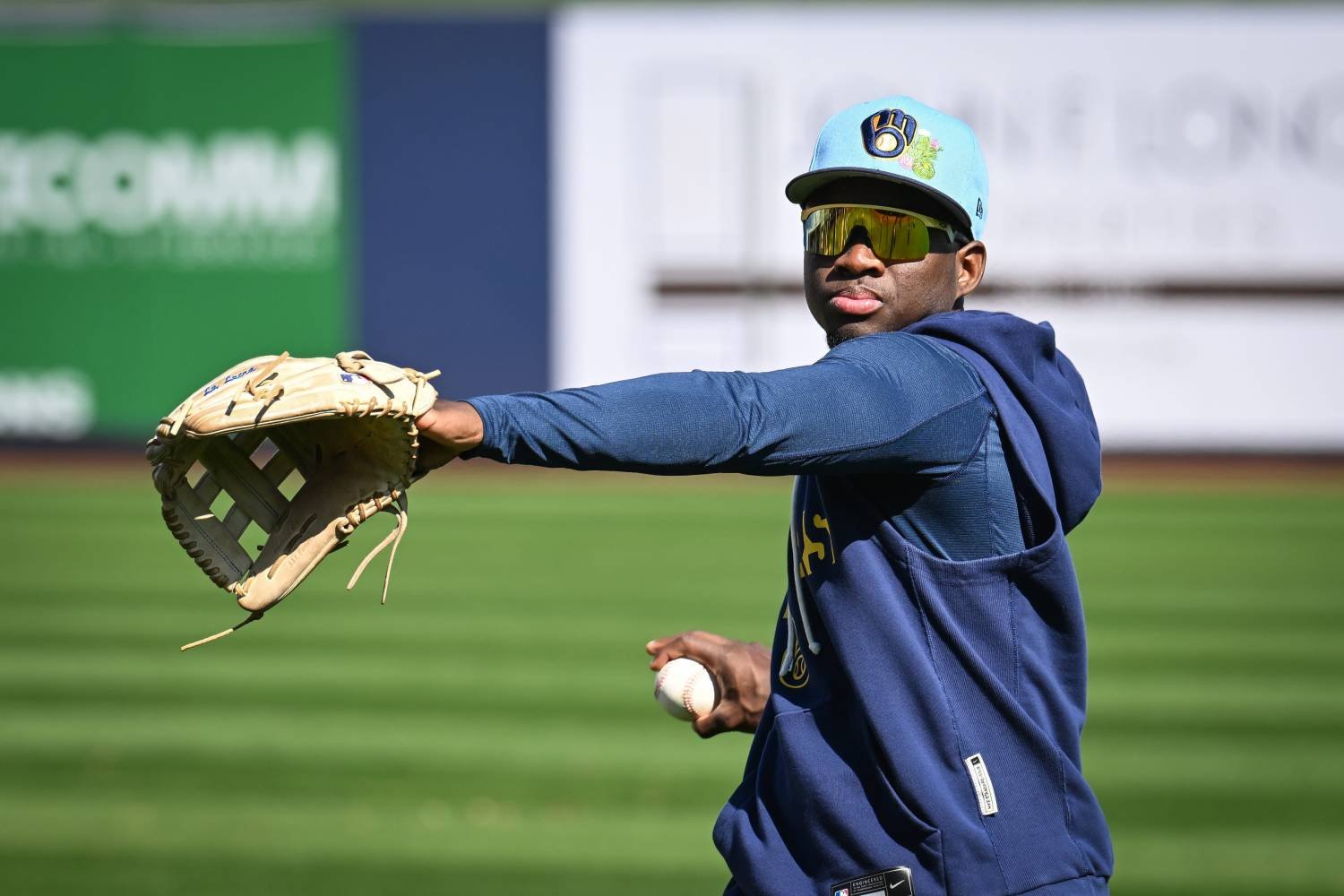 The Milwaukee Brewers have locked up another one of their top prospects. Center fielder Luis Lara, Brewer Fanatic's No. 5 prospect, has agreed to an eight-year, $30 million contract, according to Brewer Fanatic's Spencer Michaelis. The deal, which includes two team options as well as incentives, is not official. Once signed, the 21-year-old Lara must be added to the 40-man roster due to the deal being a major-league contract. This also does not mean Lara will be immediately promoted, although that could happen. Brewer Fanatic's own Spencer Michaelis was first to report the news. Lara is the second prospect to receive an extension since the beginning of the season. Shortstop Cooper Pratt, Brewer Fanatic's No. 4 prospect, also signed for eight years, but is receiving $50 million. Lara has taken a big step offensively this season. In his first season at Triple-A Nashville, Lara is slashing .338/.447/.500 with seven homers and 27 RBIs to go along with 18 steals in 22 attempts. Lara is also a standout defender in center field, even at 5-foot-7. His previous best season came in 2023, when he had a slash line of .286/.373/.359 between Low-A Carolina and High-A Wisconsin. His seven home runs this season are already a career high, beating the four he had in a full season at Wisconsin in 2024.
 -
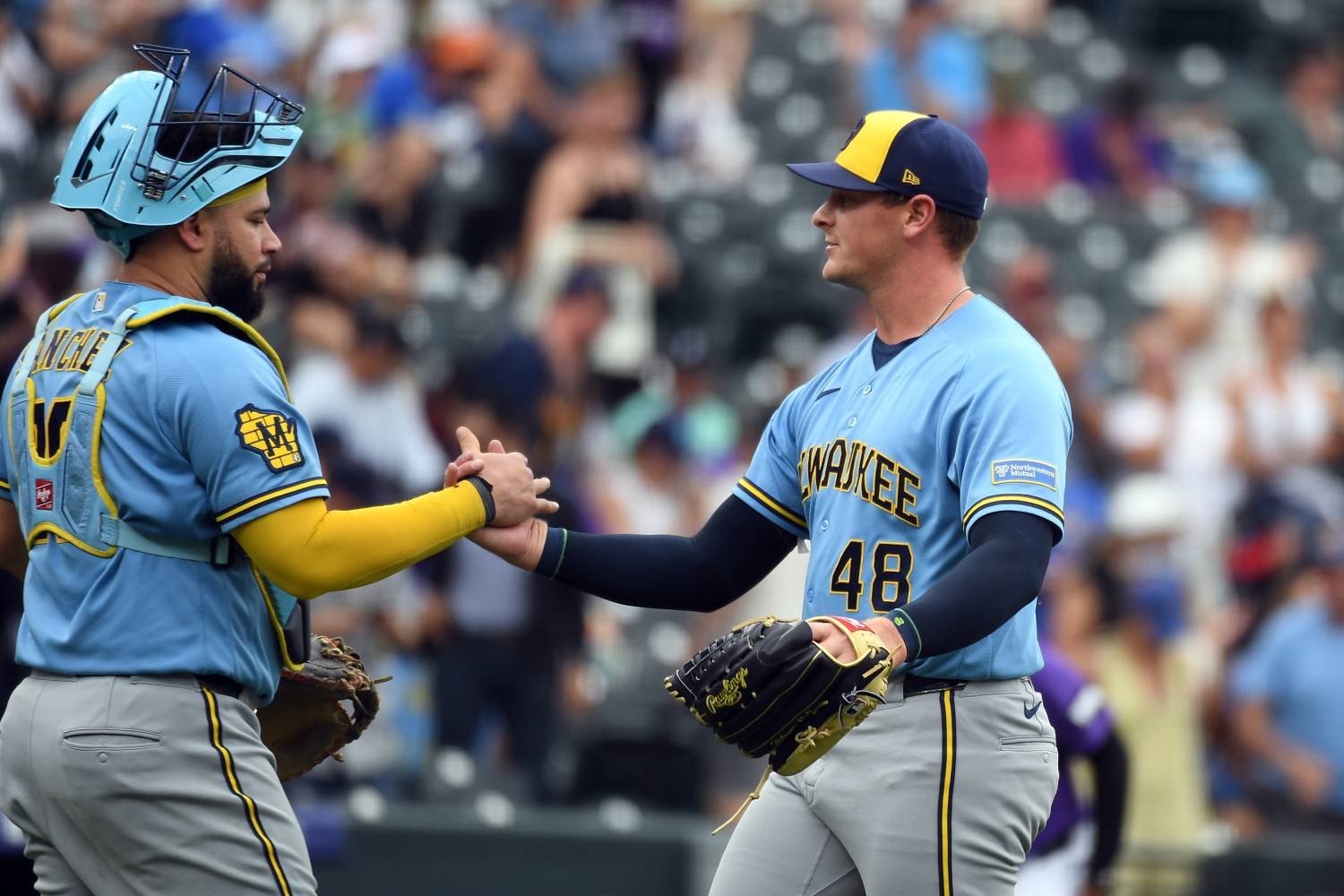 Needing a roster spot for the recently acquired Joel Kuhnel, the Milwaukee Brewers on Monday optioned right-handed reliever Craig Yoho to Triple-A Nashville. Kuhnel was acquired Saturday in a cash trade with the A's, who had designated him for assignment Friday. The Brewers open a three-game series against the A's in Las Vegas on Monday. Yoho was called up along with left-hander Brian Fitzpatrick on Friday as the Brewers placed left-hander DL Hall on the 15-day injured list and designated right-hander Jake Woodford for assignment. That night, Fitzpatrick sustained a sprained UCL and himself went on the 15-day IL, with left-hander Drew Rom being called up. Yoho appeared in games Friday and Sunday against the Colorado Rockies, going three innings, allowing a solo homer with two walks and five strikeouts. He was the choice to send down as the Brewers needed Rom, a lefty, in the bullpen.
 -
Needing a roster spot for the recently acquired Joel Kuhnel, the Milwaukee Brewers on Monday optioned right-handed reliever Craig Yoho to Triple-A Nashville. Kuhnel was acquired Saturday in a cash trade with the A's, who had designated him for assignment Friday. The Brewers open a three-game series against the A's in Las Vegas on Monday. Yoho was called up along with left-hander Brian Fitzpatrick on Friday as the Brewers placed left-hander DL Hall on the 15-day injured list and designated right-hander Jake Woodford for assignment. That night, Fitzpatrick sustained a sprained UCL and himself went on the 15-day IL, with left-hander Drew Rom being called up. Yoho appeared in games Friday and Sunday against the Colorado Rockies, going three innings, allowing a solo homer with two walks and five strikeouts. He was the choice to send down as the Brewers needed Rom, a lefty, in the bullpen. View full rumor
-
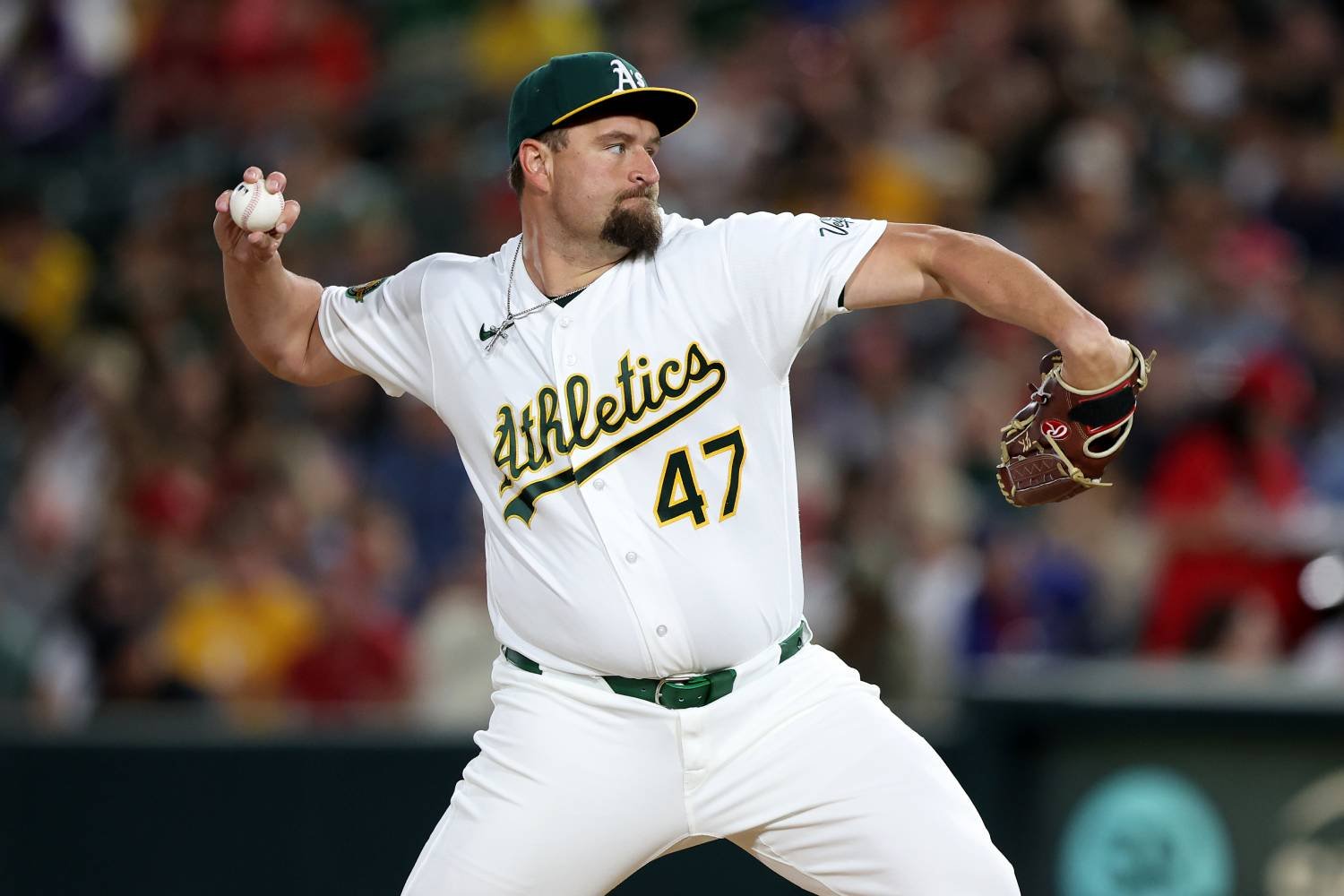 The Milwaukee Brewers picked up some bullpen depth Saturday by trading for Athletics right-hander Joel Kuhnel in exchange for cash. Kuhnel was with the Brewers twice in 2024, but did not appear in a game. To make room on the 40-man roster, right-handed starter Quinn Priester was transferred from the 15-day injured list to the 60-day IL. Priester, who has been on the IL since March 25, is currently on a rehab assignment in the Arizona Complex League. The 31-year-old Kuhnel was designated for assignment by the A's on Friday. The Brewers open a three-game series against the A's in Las Vegas on Monday. A move regarding the Brewers' 26-man roster will need to be made as Kuhnel is out of minor-league options. Kuhnel last pitched for the A's on Thursday, giving up four runs on five hits in two-thirds of an inning. For the season, Kuhnel has a 3.97 FIP (4.21 ERA) in 25 games and 25⅔ innings, with four saves and four holds. He has a terrific 5.6% walk rate but a below-average 13% strikeout rate. He had allowed seven runs in his last four outings. Kuhnel spent 2025 in the minors with the New York Yankees and Philadelphia Phillies. He was with four organizations, including the Brewers, in 2024.
 -
Brewers Acquire Joel Kuhnel From A's
Steve Drumwright replied to markedman5's topic in Milwaukee Brewers Talk
The Milwaukee Brewers picked up some bullpen depth Saturday by trading for Athletics right-hander Joel Kuhnel in exchange for cash. Kuhnel was with the Brewers twice in 2024, but did not appear in a game. To make room on the 40-man roster, right-handed starter Quinn Priester was transferred from the 15-day injured list to the 60-day IL. Priester, who has been on the IL since March 25, is currently on a rehab assignment in the Arizona Complex League. The 31-year-old Kuhnel was designated for assignment by the A's on Friday. The Brewers open a three-game series against the A's in Las Vegas on Monday. A move regarding the Brewers' 26-man roster will need to be made as Kuhnel is out of minor-league options. Kuhnel last pitched for the A's on Thursday, giving up four runs on five hits in two-thirds of an inning. For the season, Kuhnel has a 3.97 FIP (4.21 ERA) in 25 games and 25⅔ innings, with four saves and four holds. He has a terrific 5.6% walk rate but a below-average 13% strikeout rate. He had allowed seven runs in his last four outings. Kuhnel spent 2025 in the minors with the New York Yankees and Philadelphia Phillies. He was with four organizations, including the Brewers, in 2024. View full rumor -
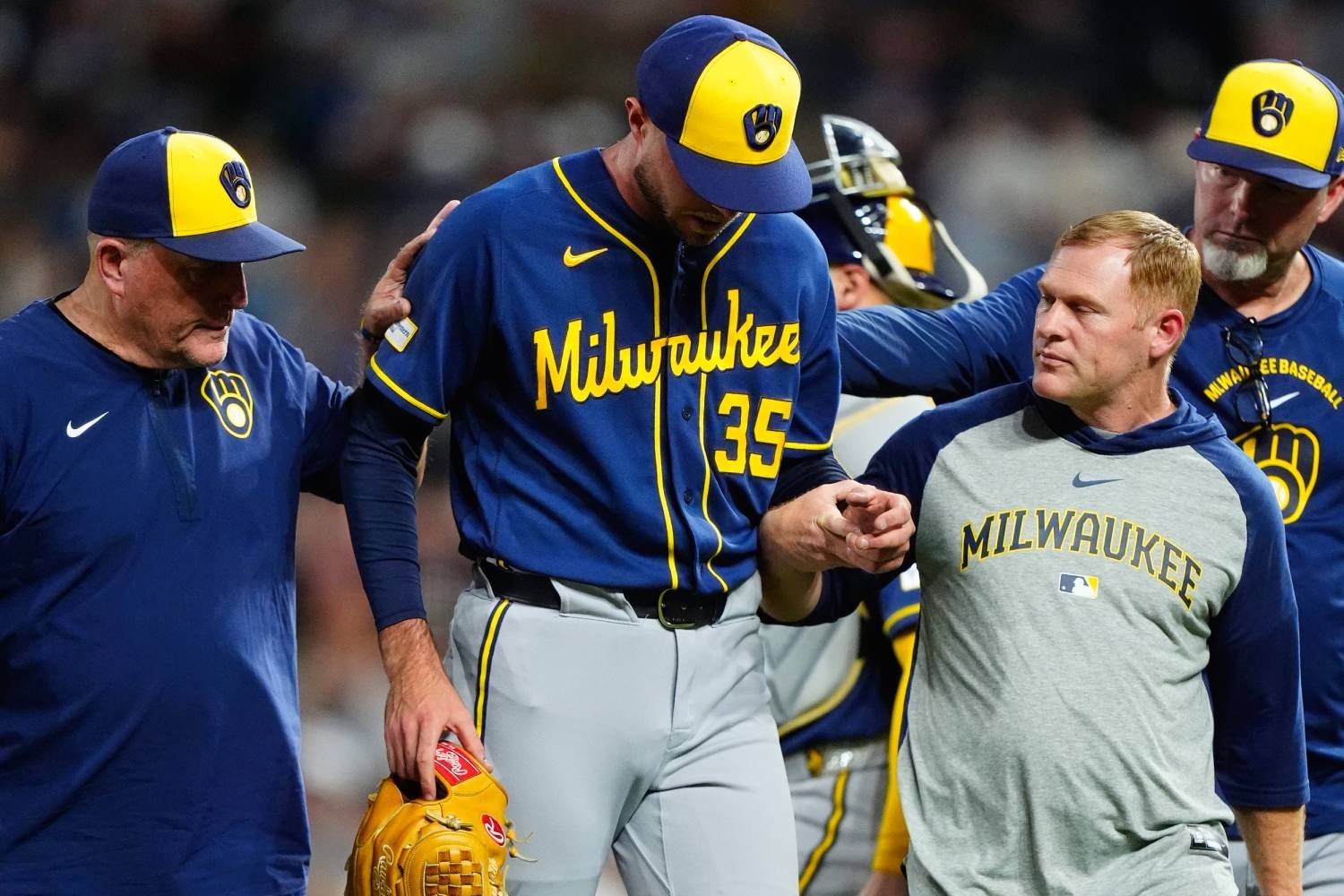 The return of Brian Fitzpatrick to the majors lasted just one day. The Milwaukee Brewers on Saturday placed the left-handed reliever on the 15-day injured list, only listing it as a left arm injury with no other detail on the official announcement. Left-handed reliever Drew Rom was called up from Triple-A Nashville to make his Brewers debut. Fitzpatrick was called up Friday when fellow left-hander DL Hall went on the IL with a pectoral strain. Fitzpatrick was injured while warming up for the seventh inning against the Colorado Rockies after he pitched a scoreless sixth. He immediately grabbed his elbow area and headed for the clubhouse. Friday was his fifth appearance for the Brewers, including his MLB debut. He has thrown 6⅔ innings, allowing two runs (one earned) on seven hits and three walks with five strikeouts. Rom last appeared in the majors with the St. Louis Cardinals in 2023, when he made eight starts and compiled an 8.02 ERA in 33⅔ innings. He signed a minor-league deal with the Brewers this offseason and has strictly been in a relief role after primarily being a starter in the Cardinals' organization. In 22 appearances over 26⅔ innings at Nashville, Rom had a 3.04 ERA with nine walks and 39 strikeouts.



