



Nate Palmer
-
Posts
31 -
Joined
-
Last visited
Content Type
Profiles
Forums
Blogs
Events
News
2026 Milwaukee Brewers Top Prospects Ranking
Milwaukee Brewers Videos
2022 Milwaukee Brewers Draft Picks
Milwaukee Brewers Free Agent & Trade Rumors, Notes, & Tidbits
Guides & Resources
2023 Milwaukee Brewers Draft Picks
2024 Milwaukee Brewers Draft Picks
The Milwaukee Brewers Players Project
2025 Milwaukee Brewers Draft Pick Tracker
2026 Milwaukee Brewers Draft Tracker: Picks & Bonuses
Store
Downloads
Gallery
Everything posted by Nate Palmer
-
 The nice thing with both Brosseau and Toro is they each have option years remaining and can be sent to AAA. Currently, Roster Resource has Toro at AAA on the depth chart.
 -
Brian Anderson provides the Brewers with a player with upside that also further crowds the roster. Does that mean another move could be coming? Image courtesy of © Jeff Curry-USA TODAY Sports Brian Anderson provides the Brewers with a player with upside that also further crowds the roster. Does that mean another move could be coming? The Milwaukee Brewers have signed rebound candidate Brian Anderson to a $3.5 million deal with $2 million in incentives. With any signing, there is a ripple effect on the roster, but this signing may have a notable effect on two players: Keston Hiura and Tyrone Taylor. Hiura’s nonexistent fit on the 2023 Brewers roster has been well-documented. A trade of the one-time promising prospect feels like a foregone conclusion at this point. However, we are midway through January, and Hiura is still a Brewer. Anderson is now the third infielder added to the Brewers roster this offseason. Those three join a group that includes Luis Urias, Brice Turang, Mike Brosseau, Abraham Toro, Owen Miller, Rowdy Tellez, and Anderson. The Brewers have yet to show confidence in playing Hiura regularly anywhere in his career. Considering the number of players on the roster that duplicate or best what he brings to the playing field, it still feels like a matter of time before he is gone. Taylor is a slightly different case. He still has value on the Brewers, even if functionally, it is only to be a placeholder for one of the young guys waiting in the wings. Taylor’s movement could come more from a team's pursuit that needs someone of his skillset as right-handed outfielders continue to get snatched up off the free-agent market. Anderson’s presence provides one more veteran option for the Brewers that could play a corner spot in the outfield. While Anderson is best known as a third baseman, he has also played over 1,500 innings as an outfielder. Each season he has posted a positive DRS, finishing with a +2 DRS in 2022. However, Outs Above Average isn’t nearly as fond of Anderson, with a -3 OAA. Anderson could provide at least passable defense in the corners for the Brewers with a cannon arm to compensate for some of his shortcomings. The New York Mets just signed Tommy Pham for $6 million after hitting .236/.312/.374 with an 89 wRC+. Teams looking for a right-handed outfielder could find Taylor after hitting .233/.286/.442 with a 102 wRC+ to be appealing. The one drawback for Taylor is like his teammates Anderson and Hiura, Taylor is also a right-hander that hit right-handed pitching better in 2022, though that was counter to his career numbers. Over his career, Taylor carries a .253 average against lefties and a .235 average against righties, though his overall OPS carries nearly identical platoon splits (.755 OPS vs RHP, .761 OPS vs LHP). Another positive for Taylor is that he can provide center field defense and played 669 innings at the position in 2022. Those innings were good for +6 DRS and +4 OAA. Of course, all those positive traits may be why the Brewers hang on to Taylor, at least until the team is more confident Sal Frelick is ready for a call-up. The addition of Anderson does at least provide a path to a trade without automatically turning things over to one of the prospects on Opening Day. How do you see Anderson impacting the roster? Is a trade coming, or do all these pieces somehow fit together? View full article
-
What Impact Will Brian Anderson’s Signing Have on the Brewers Roster?
Nate Palmer posted an article in Brewers
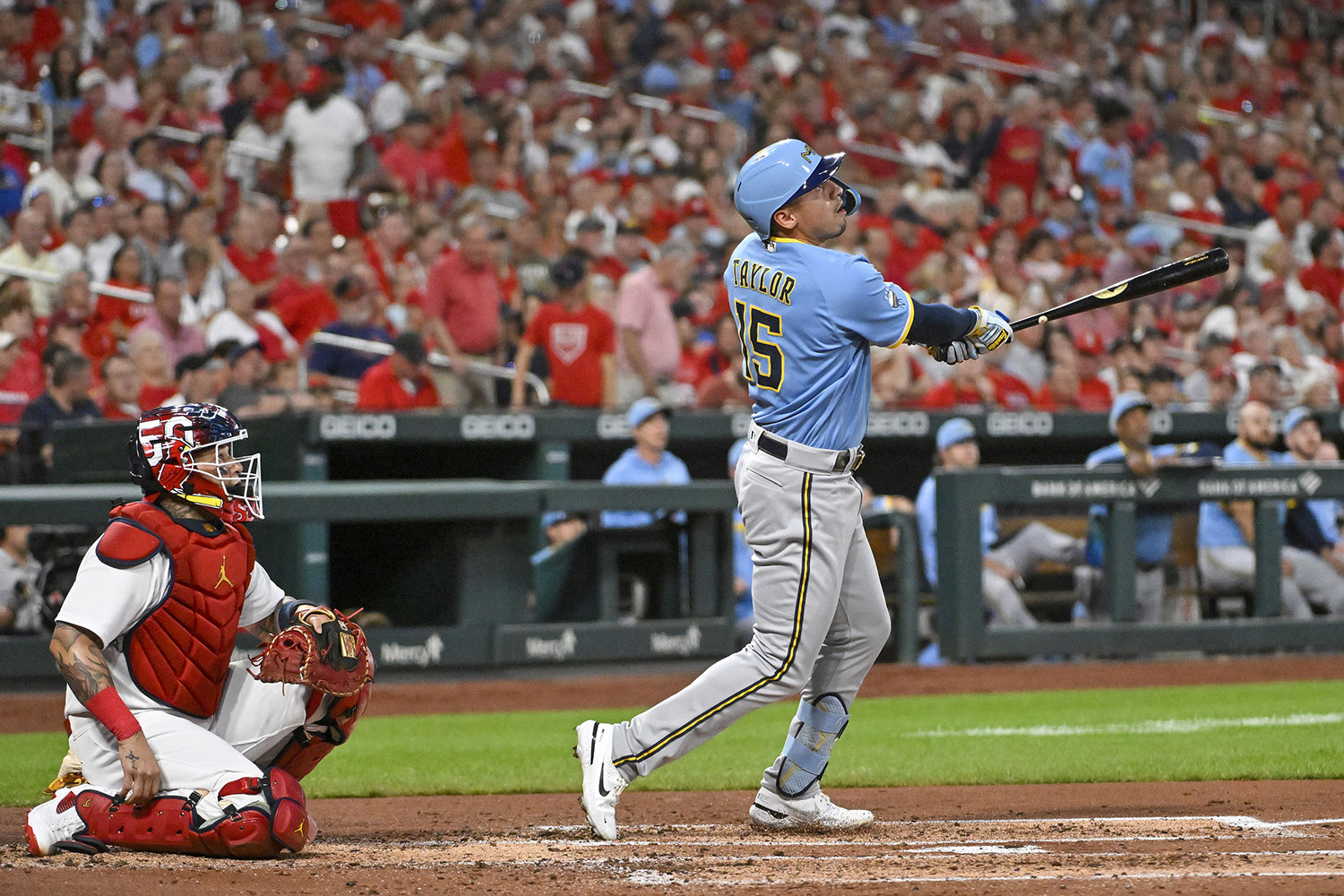 The Milwaukee Brewers have signed rebound candidate Brian Anderson to a $3.5 million deal with $2 million in incentives. With any signing, there is a ripple effect on the roster, but this signing may have a notable effect on two players: Keston Hiura and Tyrone Taylor. Hiura’s nonexistent fit on the 2023 Brewers roster has been well-documented. A trade of the one-time promising prospect feels like a foregone conclusion at this point. However, we are midway through January, and Hiura is still a Brewer. Anderson is now the third infielder added to the Brewers roster this offseason. Those three join a group that includes Luis Urias, Brice Turang, Mike Brosseau, Abraham Toro, Owen Miller, Rowdy Tellez, and Anderson. The Brewers have yet to show confidence in playing Hiura regularly anywhere in his career. Considering the number of players on the roster that duplicate or best what he brings to the playing field, it still feels like a matter of time before he is gone. Taylor is a slightly different case. He still has value on the Brewers, even if functionally, it is only to be a placeholder for one of the young guys waiting in the wings. Taylor’s movement could come more from a team's pursuit that needs someone of his skillset as right-handed outfielders continue to get snatched up off the free-agent market. Anderson’s presence provides one more veteran option for the Brewers that could play a corner spot in the outfield. While Anderson is best known as a third baseman, he has also played over 1,500 innings as an outfielder. Each season he has posted a positive DRS, finishing with a +2 DRS in 2022. However, Outs Above Average isn’t nearly as fond of Anderson, with a -3 OAA. Anderson could provide at least passable defense in the corners for the Brewers with a cannon arm to compensate for some of his shortcomings. The New York Mets just signed Tommy Pham for $6 million after hitting .236/.312/.374 with an 89 wRC+. Teams looking for a right-handed outfielder could find Taylor after hitting .233/.286/.442 with a 102 wRC+ to be appealing. The one drawback for Taylor is like his teammates Anderson and Hiura, Taylor is also a right-hander that hit right-handed pitching better in 2022, though that was counter to his career numbers. Over his career, Taylor carries a .253 average against lefties and a .235 average against righties, though his overall OPS carries nearly identical platoon splits (.755 OPS vs RHP, .761 OPS vs LHP). Another positive for Taylor is that he can provide center field defense and played 669 innings at the position in 2022. Those innings were good for +6 DRS and +4 OAA. Of course, all those positive traits may be why the Brewers hang on to Taylor, at least until the team is more confident Sal Frelick is ready for a call-up. The addition of Anderson does at least provide a path to a trade without automatically turning things over to one of the prospects on Opening Day. How do you see Anderson impacting the roster? Is a trade coming, or do all these pieces somehow fit together?
 -
The Milwaukee Brewers have their eyes on some exciting, young prospects that could impact the major league roster in 2023. Two others a little further away from the major league roster have been recognized for their excellent defense. The Milwaukee Brewers have their eyes on some exciting, young prospects that could impact the major league roster in 2023. Two others a little further away from the major league roster have been recognized for their excellent defense. Sam Dykstra recently published MLB Pipeline’s All-Defense Prospect Team for 2023. The Milwaukee Brewers matched the Colorado Rockies, with each being the only teams to feature not just one but two players on this year’s first team. The two Brewers making national waves are catcher Jeferson Quero and second baseman Robert Moore. C Jeferson Quero Quero has undoubtedly pushed his name into several conversations this offseason after his Arizona Fall League performance. While his 15 games didn’t showcase what has been traditionally a good bat, his glove and arm were on display. Throwing out 46 percent of all baserunners has a way of turning heads. Something that will only increase in value for Quero as changes have been made to MLB to promote more action on the basepaths. While the Brewers' acquisition of William Contreras may initially feel like it blocks Quero, other options might exist. If the young Venezuelan continues to progress, Contreras’ bat plays well as a designated hitter, and Quero could start pushing for MLB at-bats within the next couple of years. Quero’s own bat could develop into a weapon boasting a .780 OPS in 2022 with a .860 OPS over 20 games at High-A Wisconsin. 2B Robert Moore Moore was just drafted by the Brewers this past summer in the second draft round, but this college draftee is already making waves with his defense. As is highlighted about Moore in his selection to this team, he showcases quick hands, allowing him to be an excellent up-the-middle defender. It is those same quick hands that help fuel Moore’s offense as well. Something he has been showcasing as he plays in Australia over the offseason. Moore slashes .292/.386/.500 with a .886 OPS and six home runs as he plays for Brisbane. Neither of these guys will likely see any time with the Brewers in 2023. In the next couple of years, they could be pushing for the major league roster, and it is great to see two guys in the talent pipeline for the Brewers that are being recognized as the best among their peers. View full article
-
Milwaukee Brewer Prospects Recognized for Their Defense
Nate Palmer posted an article in Minor Leagues
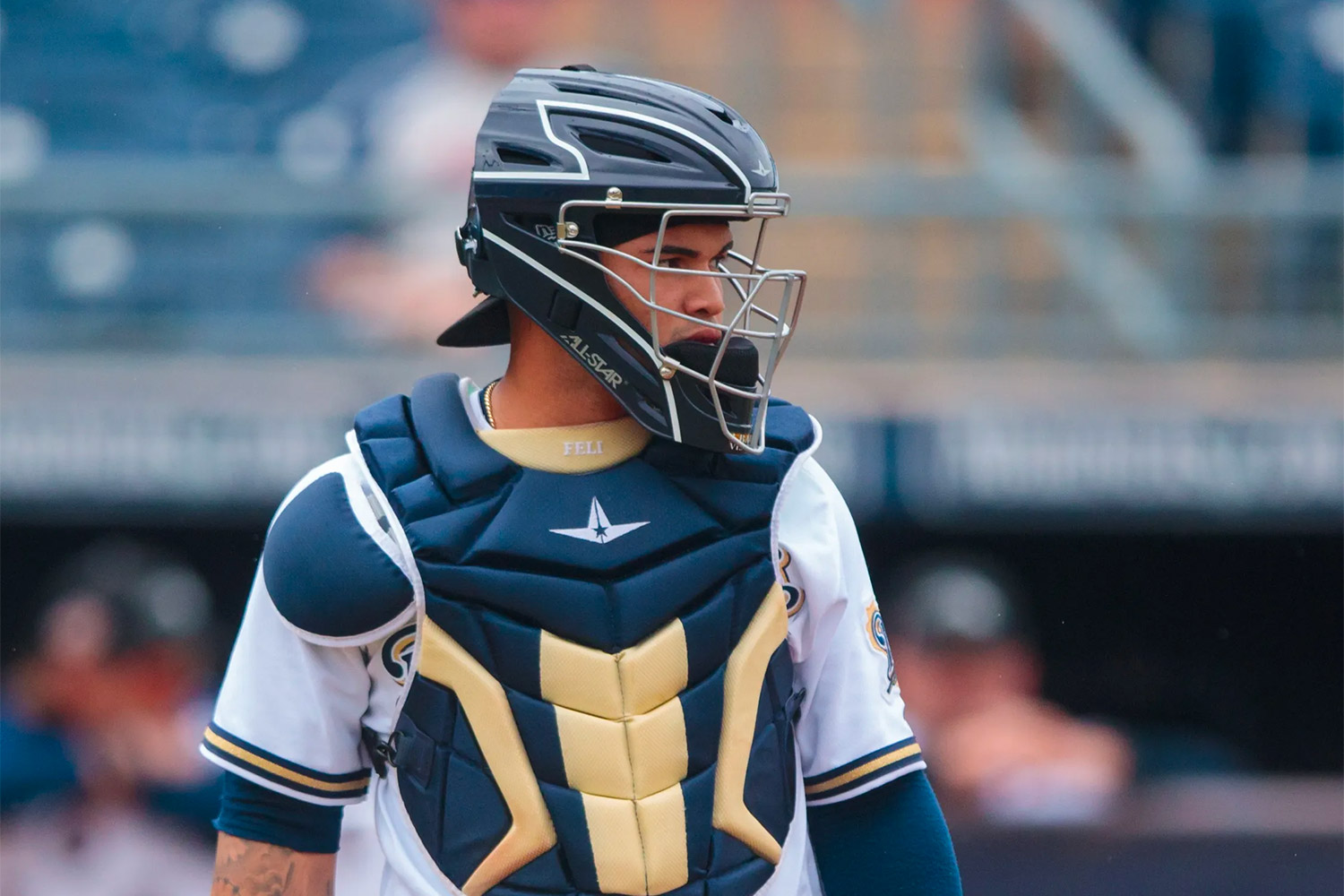 Sam Dykstra recently published MLB Pipeline’s All-Defense Prospect Team for 2023. The Milwaukee Brewers matched the Colorado Rockies, with each being the only teams to feature not just one but two players on this year’s first team. The two Brewers making national waves are catcher Jeferson Quero and second baseman Robert Moore. C Jeferson Quero Quero has undoubtedly pushed his name into several conversations this offseason after his Arizona Fall League performance. While his 15 games didn’t showcase what has been traditionally a good bat, his glove and arm were on display. Throwing out 46 percent of all baserunners has a way of turning heads. Something that will only increase in value for Quero as changes have been made to MLB to promote more action on the basepaths. While the Brewers' acquisition of William Contreras may initially feel like it blocks Quero, other options might exist. If the young Venezuelan continues to progress, Contreras’ bat plays well as a designated hitter, and Quero could start pushing for MLB at-bats within the next couple of years. Quero’s own bat could develop into a weapon boasting a .780 OPS in 2022 with a .860 OPS over 20 games at High-A Wisconsin. 2B Robert Moore Moore was just drafted by the Brewers this past summer in the second draft round, but this college draftee is already making waves with his defense. As is highlighted about Moore in his selection to this team, he showcases quick hands, allowing him to be an excellent up-the-middle defender. It is those same quick hands that help fuel Moore’s offense as well. Something he has been showcasing as he plays in Australia over the offseason. Moore slashes .292/.386/.500 with a .886 OPS and six home runs as he plays for Brisbane. Neither of these guys will likely see any time with the Brewers in 2023. In the next couple of years, they could be pushing for the major league roster, and it is great to see two guys in the talent pipeline for the Brewers that are being recognized as the best among their peers.
 -
The Milwaukee Brewers made Matt Arnold their top decision-maker after David Stearns stepped down into an advisory role. Arnold is set to have his contract with the club expire at the end of the season. How could that effect the Brewers' 2023 season and beyond? The Milwaukee Brewers made Matt Arnold their top decision-maker after David Stearns stepped down into an advisory role. Arnold is set to have his contract with the club expire at the end of the season. How could that effect the Brewers' 2023 season and beyond? The Milwaukee Brewers 2023 season feels like a pivotal one as the window to make a World Series run with players like Brandon Woodruff, Corbin Burnes, and Willy Adames may soon close. While those three players specifically have some long-term uncertainty with the Brewers, the contract questions don’t end there. Those questions go to the top with the new head of the Crew front office. David Stearns stepping down from his post as the top decision maker and moving into an advisory role was quite the shock to start the offseason. With Stearns no longer calling the shots, the succession plan saw Senior Vice President and General Manager Matt Arnold take over that top decision-making role in the organization. While Arnold has taken on a different role responsibility-wise, that has yet to be reflected in his title. In that move, it is potentially telling that the Brewers should have made Arnold President of Baseball Operations like his predecessor Stearns. Instead, opting to put Arnold in charge of baseball operations but with the same title as he had previously as General Manager. No title change and an expiring contract at the end of the 2023 season make this an interesting season for the Brewers' new decision-maker. In what now sets up as almost a prove-it year, Arnold has spent little time making moves to make the Brewers a contender within their financial constraints. Arnold has notably made his mark in trades that have allowed the Brewers to acquire all-star catcher William Contreras, outfielder Jesse Winker, infielder Abraham Toro, and several pitchers. Arnold also spent the Brewers' first free agent dollars of the offseason by bringing in old friend Wade Miley for some more pitching depth. Arnold’s long-term future hasn’t seemed to make him hesitant in making moves, although, to this point, everything given up has essentially the same long-term impact as Arnold’s current contract. Regardless, Arnold has quietly been steering the Brewers to a solid offseason. What has transpired this offseason may only confirm what the New York Mets saw in Arnold when interviewing him for their open Chief of Baseball Operations position. It is also proof of what Arnold has learned under some smart front offices (Rangers, Reds, Rays) in each of his stops before becoming Stearns’ first hire with the Brewers. As 2023 unfolds, it will be interesting to see if the Brewers choose to lock up Arnold and it will also be interesting to see if they allow Arnold to make a move with more long-term financial implications, like signing Woodruff, Burnes, or Adames to an extension. Also, if the Brewers are in contention at the trade deadline, what sort of trades will Arnold have the green light to go after? When the season ends, will the Brewers will give the Stearns understudy the keys long-term after so much success under his predecessor? This may be the transition into a new era of Brewer leadership. View full article
-
Brewer General Manager Matt Arnold: Will He Be Here in 2024?
Nate Palmer posted an article in Brewers
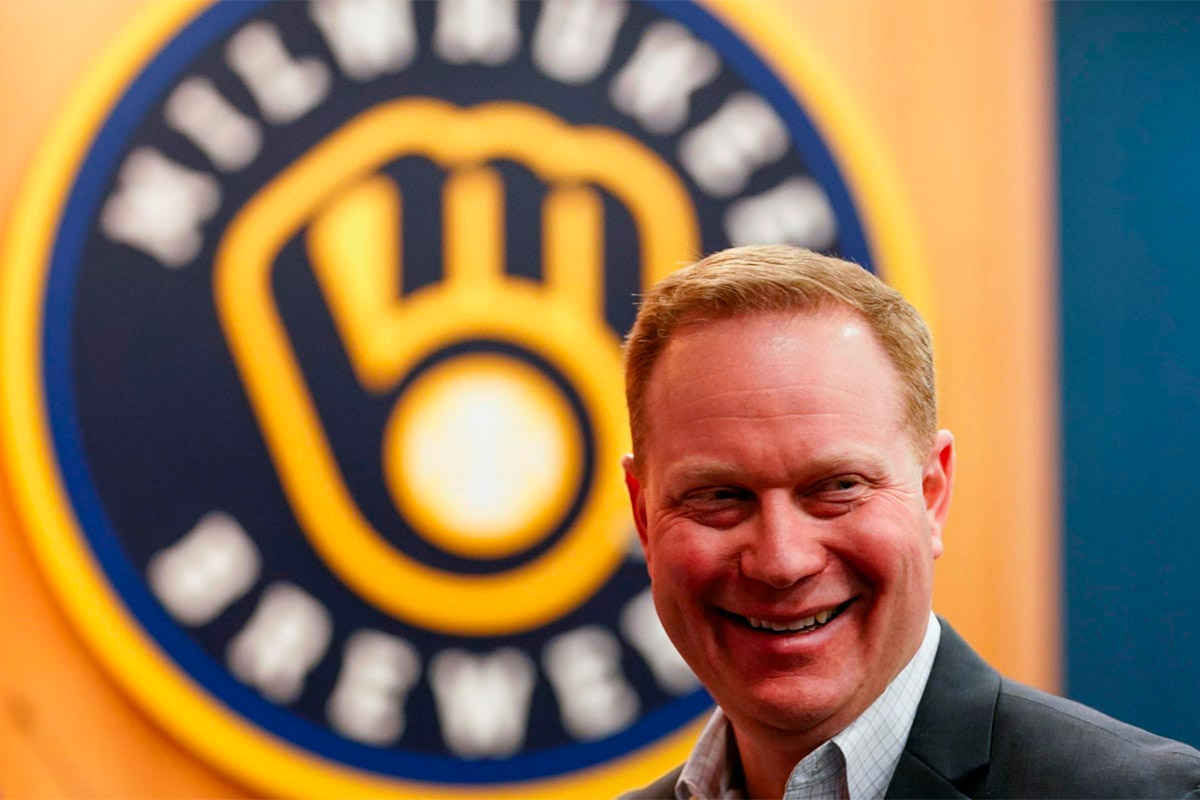 The Milwaukee Brewers 2023 season feels like a pivotal one as the window to make a World Series run with players like Brandon Woodruff, Corbin Burnes, and Willy Adames may soon close. While those three players specifically have some long-term uncertainty with the Brewers, the contract questions don’t end there. Those questions go to the top with the new head of the Crew front office. David Stearns stepping down from his post as the top decision maker and moving into an advisory role was quite the shock to start the offseason. With Stearns no longer calling the shots, the succession plan saw Senior Vice President and General Manager Matt Arnold take over that top decision-making role in the organization. While Arnold has taken on a different role responsibility-wise, that has yet to be reflected in his title. In that move, it is potentially telling that the Brewers should have made Arnold President of Baseball Operations like his predecessor Stearns. Instead, opting to put Arnold in charge of baseball operations but with the same title as he had previously as General Manager. No title change and an expiring contract at the end of the 2023 season make this an interesting season for the Brewers' new decision-maker. In what now sets up as almost a prove-it year, Arnold has spent little time making moves to make the Brewers a contender within their financial constraints. Arnold has notably made his mark in trades that have allowed the Brewers to acquire all-star catcher William Contreras, outfielder Jesse Winker, infielder Abraham Toro, and several pitchers. Arnold also spent the Brewers' first free agent dollars of the offseason by bringing in old friend Wade Miley for some more pitching depth. Arnold’s long-term future hasn’t seemed to make him hesitant in making moves, although, to this point, everything given up has essentially the same long-term impact as Arnold’s current contract. Regardless, Arnold has quietly been steering the Brewers to a solid offseason. What has transpired this offseason may only confirm what the New York Mets saw in Arnold when interviewing him for their open Chief of Baseball Operations position. It is also proof of what Arnold has learned under some smart front offices (Rangers, Reds, Rays) in each of his stops before becoming Stearns’ first hire with the Brewers. As 2023 unfolds, it will be interesting to see if the Brewers choose to lock up Arnold and it will also be interesting to see if they allow Arnold to make a move with more long-term financial implications, like signing Woodruff, Burnes, or Adames to an extension. Also, if the Brewers are in contention at the trade deadline, what sort of trades will Arnold have the green light to go after? When the season ends, will the Brewers will give the Stearns understudy the keys long-term after so much success under his predecessor? This may be the transition into a new era of Brewer leadership.
 -
Four Disappointing Steamer Projections for Brewers Hitters
Nate Palmer replied to Tim Muma's topic in Milwaukee Brewers Talk
If that Winker projection were to hold true, that would be a very bad development for the club. They could likely weather the other projections, but it seems a lot hinges on Winker's power rebounding in Milwaukee. -
At one time, Keston Hiura was a highly regarded prospect of the Milwaukee Brewers. Currently, his fit on the roster feels awkward at best. What is his role for the 2023 Brewers? Image courtesy of © Quinn Harris-USA TODAY Sports At one time, Keston Hiura was a highly regarded prospect of the Milwaukee Brewers. Currently, his fit on the roster feels awkward at best. What is his role for the 2023 Brewers? As the roster stands, Keston Hiura has a spot on the 2023 Milwaukee Brewers roster. While he has a spot, his role on the team is a bit more challenging to figure out. What might be a role for Hiura in 2023, and how have the Brewers’ offseason additions affected his place on the roster? Adding Owen Miller via trade from the Guardians may present the most direct threat to Hiura as the most obvious first baseman acquired this offseason. The additions of Jesse Winker and William Contreras’ bat also, in ways, can be counted as acquisitions that make Hiura’s place on the roster less secure. To understand where Hiura is, we may need to look back at where he has come from and why we are questioning his role and roster spot in the first place. Hiura’s performance has contributed to it, starting with his defense. The one-time second-base prospect is now only a first baseman or designated hitter. He was moved to first base after primarily getting innings as the Brewers’ second baseman in 2019 when he put up a -6 DRS and -8 OAA and in 2020 with a -6 DRS and -2 OAA. Those defensive numbers were in consideration when the Brewers signed Kolten Wong before the 2021 season. Wong’s addition officially signaled Hiura’s diminished defensive value. Turning our attention to the right-hander’s offensive performance, we will find better but mixed results. Hiura’s four MLB seasons have been bookended by his two good offensive outputs, with significant down years in the middle. That inconsistency creates uncertainty about what his bat can bring in 2023 from a position requiring offensive output. Just months after signing Wong, the Brewers signaled they weren’t comfortable with what they saw offensively from Hiura. The team then acquired Rowdy Tellez in July on 2021 to help fill the Brewers’ need for offense as another first base and designated hitter option. That left the 2022 setup where the Brewers tried to work what looked like a lefty Tellez and righty Hiura platoon. While the Brewers tried to platoon the two players, Hiura, while right-handed, perpetually struggles against left-handed pitching. In 2022, Hiura slashed .188/.275/.344 with a .619 OPS against lefties. That was slightly below his career mark of .201/.283/.323 and a .606 OPS. Inversely, Tellez, a left-handed hitter, has a respectable career .717 OPS against left-handed pitching. Even though Hiura has not performed well against lefties compared to his mark of .253/.332/.508 and .840 OPS against right-handers, the Brewers still chose to start Hiura against plenty of left-handers. Over last season, the Brewers played Hiura in 36 games with a left-handed starter and 31 games when a right-hander was starting. At no point did the Brewers begin phasing Hiura out against lefties either. From September 1st onward, Hiura started against ten right-handed and eight left-handed starters. The one thing that Hiura can be happy about this offseason is that the Brewers haven’t signed or acquired anyone to supplant him, yet, anyways. Miller isn’t much better against left-handers than Hiura, so there isn’t any immediate offense upgrade. The Brewers have Jon Singleton on the roster, and although he is a left-handed hitter with limited experience, he has hit .256/.343/.465 and a .809 OPS against lefties. The 26-year-old Hiura, if the season were to start today, would still fill one of those final roster spots in a bench role. He isn’t necessarily an unusable player, but the team needs to find a good right-handed hitting platoon option that can hit lefties to pair with Tellez. Hiura’s fit seems awkward at best right now. It may be time for the Brewers to stop waiting to see if Hiura will develop into the player they hoped him to be as a prospect and instead trade him and allow him to get a fresh start elsewhere. That would ultimately free the front office to seek out a bat to pair as a platoon with Tellez. Someone like Evan Longoria (.812 OPS against left-handed pitching in 2022) could be the type of free agent that the Brewers could pursue and would provide a skill set more suited for the current roster than Hiura. Do you Brewer Fanatics see a role for Hiura on the 2023 roster? What would your plan be for him moving forward? View full article
-
The Curious Case of Keston Hiura: What Will His Role Be in 2023?
Nate Palmer posted an article in Brewers
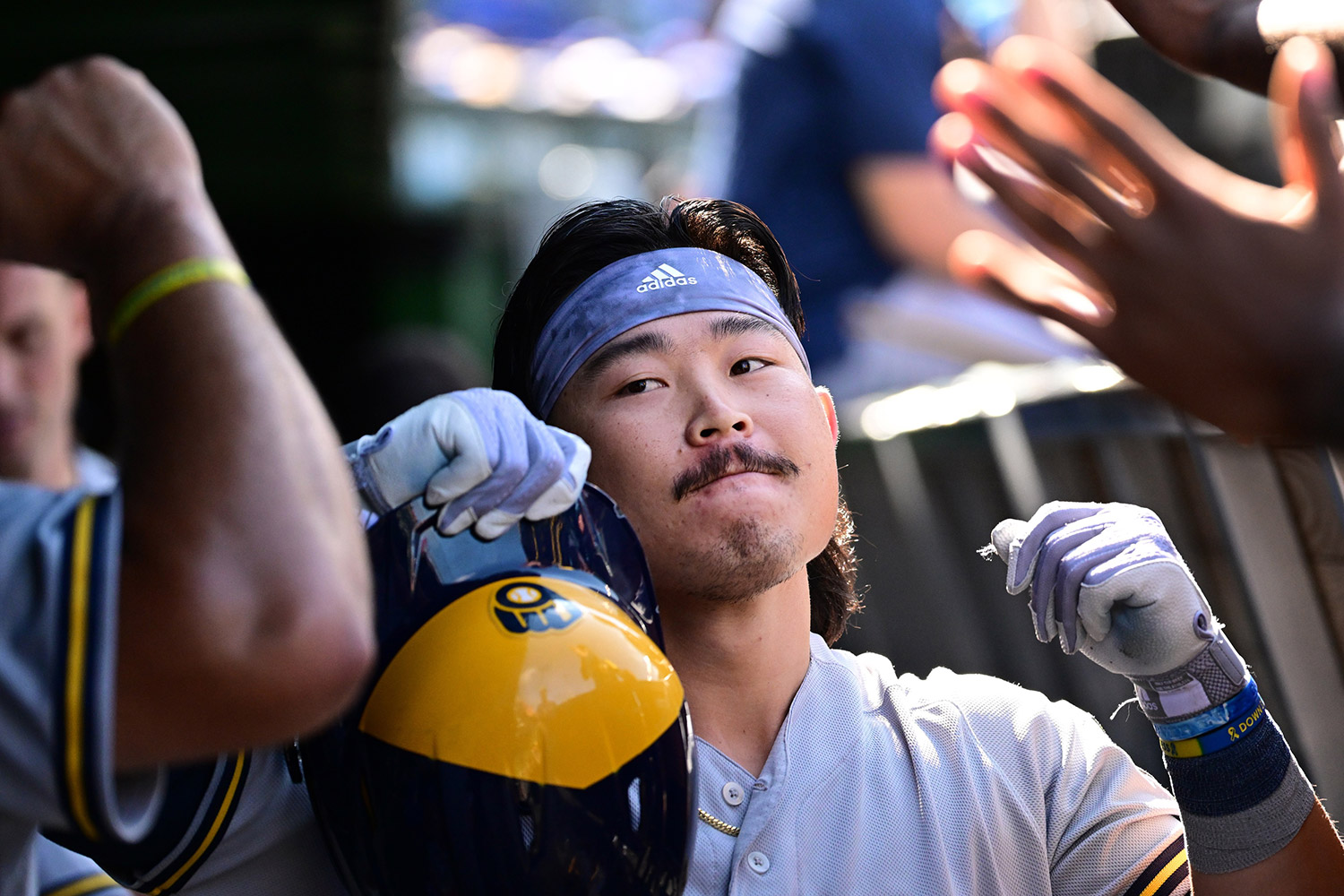 As the roster stands, Keston Hiura has a spot on the 2023 Milwaukee Brewers roster. While he has a spot, his role on the team is a bit more challenging to figure out. What might be a role for Hiura in 2023, and how have the Brewers’ offseason additions affected his place on the roster? Adding Owen Miller via trade from the Guardians may present the most direct threat to Hiura as the most obvious first baseman acquired this offseason. The additions of Jesse Winker and William Contreras’ bat also, in ways, can be counted as acquisitions that make Hiura’s place on the roster less secure. To understand where Hiura is, we may need to look back at where he has come from and why we are questioning his role and roster spot in the first place. Hiura’s performance has contributed to it, starting with his defense. The one-time second-base prospect is now only a first baseman or designated hitter. He was moved to first base after primarily getting innings as the Brewers’ second baseman in 2019 when he put up a -6 DRS and -8 OAA and in 2020 with a -6 DRS and -2 OAA. Those defensive numbers were in consideration when the Brewers signed Kolten Wong before the 2021 season. Wong’s addition officially signaled Hiura’s diminished defensive value. Turning our attention to the right-hander’s offensive performance, we will find better but mixed results. Hiura’s four MLB seasons have been bookended by his two good offensive outputs, with significant down years in the middle. That inconsistency creates uncertainty about what his bat can bring in 2023 from a position requiring offensive output. Just months after signing Wong, the Brewers signaled they weren’t comfortable with what they saw offensively from Hiura. The team then acquired Rowdy Tellez in July on 2021 to help fill the Brewers’ need for offense as another first base and designated hitter option. That left the 2022 setup where the Brewers tried to work what looked like a lefty Tellez and righty Hiura platoon. While the Brewers tried to platoon the two players, Hiura, while right-handed, perpetually struggles against left-handed pitching. In 2022, Hiura slashed .188/.275/.344 with a .619 OPS against lefties. That was slightly below his career mark of .201/.283/.323 and a .606 OPS. Inversely, Tellez, a left-handed hitter, has a respectable career .717 OPS against left-handed pitching. Even though Hiura has not performed well against lefties compared to his mark of .253/.332/.508 and .840 OPS against right-handers, the Brewers still chose to start Hiura against plenty of left-handers. Over last season, the Brewers played Hiura in 36 games with a left-handed starter and 31 games when a right-hander was starting. At no point did the Brewers begin phasing Hiura out against lefties either. From September 1st onward, Hiura started against ten right-handed and eight left-handed starters. The one thing that Hiura can be happy about this offseason is that the Brewers haven’t signed or acquired anyone to supplant him, yet, anyways. Miller isn’t much better against left-handers than Hiura, so there isn’t any immediate offense upgrade. The Brewers have Jon Singleton on the roster, and although he is a left-handed hitter with limited experience, he has hit .256/.343/.465 and a .809 OPS against lefties. The 26-year-old Hiura, if the season were to start today, would still fill one of those final roster spots in a bench role. He isn’t necessarily an unusable player, but the team needs to find a good right-handed hitting platoon option that can hit lefties to pair with Tellez. Hiura’s fit seems awkward at best right now. It may be time for the Brewers to stop waiting to see if Hiura will develop into the player they hoped him to be as a prospect and instead trade him and allow him to get a fresh start elsewhere. That would ultimately free the front office to seek out a bat to pair as a platoon with Tellez. Someone like Evan Longoria (.812 OPS against left-handed pitching in 2022) could be the type of free agent that the Brewers could pursue and would provide a skill set more suited for the current roster than Hiura. Do you Brewer Fanatics see a role for Hiura on the 2023 roster? What would your plan be for him moving forward?
 -
The Milwaukee Brewers recently acquired Wisconsin native Owen Miller. In a newly released interview with David Laurila at FanGraphs, we may have gotten a glimpse into what the club sees in Miller as he joins the club. Image courtesy of © David Richard-USA TODAY Sports The Milwaukee Brewers recently acquired Wisconsin native Owen Miller. In a newly released interview with David Laurila at FanGraphs, we may have gotten a glimpse into what the club sees in Miller as he joins the club. Earlier this week, the Milwaukee Brewers completed a trade with the Cleveland Guardians to acquire Wisconsin native Owen Miller. At first glance, it may look like a feel-good story with a hometown kid coming home to play for his favorite team. There may be more to the trade than just that. After being a third-round draft pick in 2018, Miller saw his first major league action with Cleveland in 2021. Since then, he has played 190 games in the majors but hasn’t flashed much with his bat yet. Miller has slashed .231/.283/.338, good for a 74 wRC+. What isn’t seen strictly by the numbers may be something the Brewers see in Miller. That is the process and the journey the 26-year-old is on as a hitter. A recently published interview with David Laurila over at FanGraphs sheds some light on that process. In the interview, Miller tells Laurila how he was a contact hitter in college and the minors and had his hands very involved in his swing. Looking through his minor league numbers, we see that approach produced some pretty good results for Miller. He always posted an above-average wRC+, posting 135 in low-A, 145 in High-A, 121 at Double-A, and 132 at the highest level Triple-A. So even though the infielder produced well in the minors at every level, when 2020 came around, Miller recognized he needed to make changes to his swing if he wanted to perform his best at the major league level. As Miller tells Laurila, there was one significant change he wanted to make with his swing, “I went from thinking of my hands at all times to thinking of my hips firing. It was about understanding the bat path and keeping your barrel in the zone as long as possible. That allows you to hit the ball harder and also helps you to see the ball longer.” Since 2020 Miller has been trying to refine his swing, which tells me one thing. As he has been adjusting to major league pitching and the major league schedule, he has also been tinkering with the foundation of his swing. If hitting wasn’t hard enough already, Miller was adding in another wrinkle to get better results in the long term. Maybe the Brewers have picked up on that process and are willing to wait for the reward. Miller has already proven to be very good at leading with his hands in his swing. That was noticed about him as a prospect but had him pegged as a doubles-type hitter. If he combines that with the ability to drive with his hips through the ball, the Brewers may have just acquired a hitter that will surprise and add more power along with a better bat path. Miller is attempting to add a new wrinkle to some impressive minor-league numbers. The Wisconsin native played all over the diamond for the Guardians in his two seasons. He most likely fits in at first or second for the Brewers, but he could also become a utility-type player spelling the whole infield if needed. The right-hander provides a platoon option for first base with Rowdy Tellez or another option if Brice Turang isn’t able to take the reigns at second for some reason. There is even the ability to send Miller to the minors with his remaining options so he can refine that approach at the plate. Miller joins a group of infielders the Brewers have acquired, each with their questions but also with flexibility like Miller. If the Brewers trust and see something in the process that Miller is working on, they could find themselves a better player than one often expects in a “player to be named later” trade. If that happens, while the hometown story will always be incredible, the field results will be much more enjoyable. View full article
-
The Brewers Could Be “Trusting The Process” with Owen Miller
Nate Palmer posted an article in Brewers
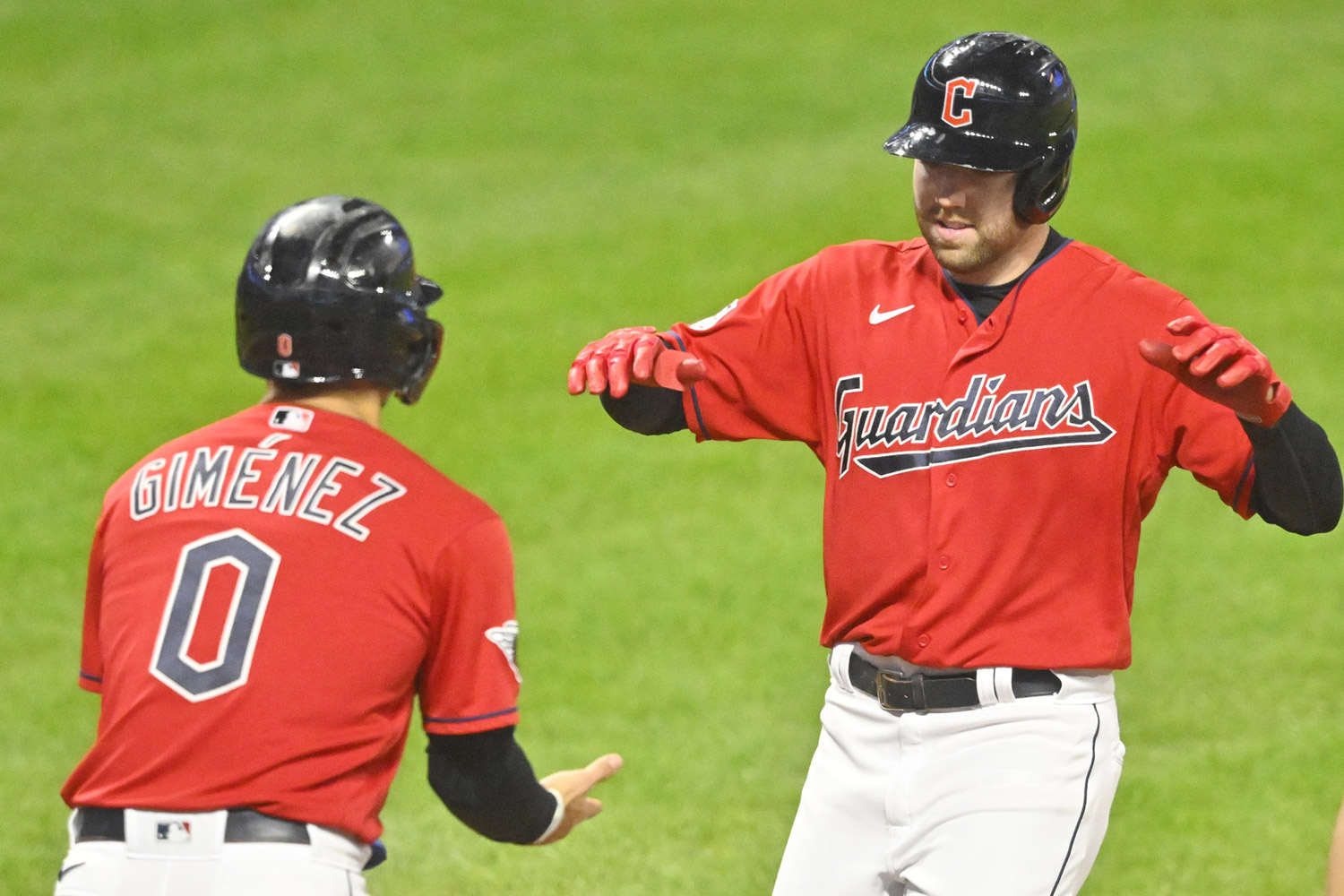 Earlier this week, the Milwaukee Brewers completed a trade with the Cleveland Guardians to acquire Wisconsin native Owen Miller. At first glance, it may look like a feel-good story with a hometown kid coming home to play for his favorite team. There may be more to the trade than just that. After being a third-round draft pick in 2018, Miller saw his first major league action with Cleveland in 2021. Since then, he has played 190 games in the majors but hasn’t flashed much with his bat yet. Miller has slashed .231/.283/.338, good for a 74 wRC+. What isn’t seen strictly by the numbers may be something the Brewers see in Miller. That is the process and the journey the 26-year-old is on as a hitter. A recently published interview with David Laurila over at FanGraphs sheds some light on that process. In the interview, Miller tells Laurila how he was a contact hitter in college and the minors and had his hands very involved in his swing. Looking through his minor league numbers, we see that approach produced some pretty good results for Miller. He always posted an above-average wRC+, posting 135 in low-A, 145 in High-A, 121 at Double-A, and 132 at the highest level Triple-A. So even though the infielder produced well in the minors at every level, when 2020 came around, Miller recognized he needed to make changes to his swing if he wanted to perform his best at the major league level. As Miller tells Laurila, there was one significant change he wanted to make with his swing, “I went from thinking of my hands at all times to thinking of my hips firing. It was about understanding the bat path and keeping your barrel in the zone as long as possible. That allows you to hit the ball harder and also helps you to see the ball longer.” Since 2020 Miller has been trying to refine his swing, which tells me one thing. As he has been adjusting to major league pitching and the major league schedule, he has also been tinkering with the foundation of his swing. If hitting wasn’t hard enough already, Miller was adding in another wrinkle to get better results in the long term. Maybe the Brewers have picked up on that process and are willing to wait for the reward. Miller has already proven to be very good at leading with his hands in his swing. That was noticed about him as a prospect but had him pegged as a doubles-type hitter. If he combines that with the ability to drive with his hips through the ball, the Brewers may have just acquired a hitter that will surprise and add more power along with a better bat path. Miller is attempting to add a new wrinkle to some impressive minor-league numbers. The Wisconsin native played all over the diamond for the Guardians in his two seasons. He most likely fits in at first or second for the Brewers, but he could also become a utility-type player spelling the whole infield if needed. The right-hander provides a platoon option for first base with Rowdy Tellez or another option if Brice Turang isn’t able to take the reigns at second for some reason. There is even the ability to send Miller to the minors with his remaining options so he can refine that approach at the plate. Miller joins a group of infielders the Brewers have acquired, each with their questions but also with flexibility like Miller. If the Brewers trust and see something in the process that Miller is working on, they could find themselves a better player than one often expects in a “player to be named later” trade. If that happens, while the hometown story will always be incredible, the field results will be much more enjoyable.
 -
The Brewers and Free Agency - Which Pitchers & Hitters Remain?
Nate Palmer posted an article in Brewers
 After the Milwaukee Brewers acquired William Contreras, one major item of need was checked off the list. As the free agent rumor mill continues to churn and signings have been filing in, there are a few more logical places for the Brewers to add talent to their roster. Here is an attempt to play matchmaker in a few areas of the roster. Bullpen Help For any team considering a playoff run, the bullpen is where teams always look for more quality arms. The front office has collected a plethora of arms in two of the trades completed this winter, but a lack of assured quality is present. (If certainty can be a thing regarding bullpen arms.) It will certainly be interesting if the Brewers continue to feel secure about Devin Williams as their closer or if they would like to bring in someone else to either supplant him or push him back to the primary setup role. The big name is Craig Kimbrel, who spent 2022 in Los Angeles pitching for the Dodgers. Currently, at age 34, Kimbrel now has age and mileage concerns attached to him. This past season, there was a drop in his strikeout and K-rates, only to add fuel to those concerns. Even with that in consideration, he still put up a 3.75 ERA paired with a slightly less encouraging 4.04 xFIP. Of course, if Williams is the closer going forward, there are potentially a lot of setup or 6th and 7th-inning guys available that would lengthen the Brewers 'bullpen. Michael Fulmer, Trevor May, and Andrew Chafin are among the names that could fit into that sort of role for the Brewers, and their market may be on the cusp of getting some traction in the coming weeks. Brandon Drury The Brewers have seen both Wong and Jace Peterson land on other rosters this offseason, and while there are guys on the roster ready to replace them, there could still be interest in bringing someone in. Brandon Drury could make sense in large part due to his flexibility. He can play second and third base and venture to the corner outfield if needed. Drury is coming off his best offensive season after hitting .263/.320/.492, a .813 OPS, and 28 home runs. All buyers should beware of potentially buying Drury at his high point, but if the 2022 version is real, he could provide insurance for Brice Turang if he struggles, as well as Luis Urias. Drury’s presence would also allow Abraham Toro to stay at Triple-A for development. Something that could help maximize the centerpiece of the return from the Mariners for Wong. Drury would also provide further infield depth just in case the Brewers were blown away by an offer for Willy Adames. Someone other teams will call on if they are left without a chair in the game of musical chairs that the free agent shortstops have created this offseason. Adam Duvall After the trade of Hunter Renfroe, there is still room for the addition of another outfielder. Adam Duvall is a guy who has spent the last several seasons as a valuable role player for Atlanta Braves. He has been a fringe starter but is a threat to hit for power when put in the right situation. Over Duvall’s career, he has had even platoon numbers, although this past season, he produced much better numbers against left-handers than right-handers. There may not be much reason to sign a Duvall-type outfielder other than he would help establish a “floor” for the quality of players in the Brewers outfield. While establishing a floor, he hasn’t been good enough, nor should he be expensive enough, to truly block playing time from young guys like Tyrone Taylor, Sal Frelick, or Joey Wiemer. Due to the presence of those three, someone like Duvall would seemingly be a lower priority than other needs. The addition of Contreras' bat also lessens the pressure on one of those young outfielders to produce immediately.
 -
The Milwaukee Brewers filled two of their biggest needs: a catcher and a hitter by acquiring William Contreras. Here is a look at some other areas of the rosters that should be addressed and what free agents are out there that could help. Image courtesy of © Eric Hartline-USA TODAY Sports The Milwaukee Brewers filled two of their biggest needs: a catcher and a hitter by acquiring William Contreras. Here is a look at some other areas of the rosters that should be addressed and what free agents are out there that could help. After the Milwaukee Brewers acquired William Contreras, one major item of need was checked off the list. As the free agent rumor mill continues to churn and signings have been filing in, there are a few more logical places for the Brewers to add talent to their roster. Here is an attempt to play matchmaker in a few areas of the roster. Bullpen Help For any team considering a playoff run, the bullpen is where teams always look for more quality arms. The front office has collected a plethora of arms in two of the trades completed this winter, but a lack of assured quality is present. (If certainty can be a thing regarding bullpen arms.) It will certainly be interesting if the Brewers continue to feel secure about Devin Williams as their closer or if they would like to bring in someone else to either supplant him or push him back to the primary setup role. The big name is Craig Kimbrel, who spent 2022 in Los Angeles pitching for the Dodgers. Currently, at age 34, Kimbrel now has age and mileage concerns attached to him. This past season, there was a drop in his strikeout and K-rates, only to add fuel to those concerns. Even with that in consideration, he still put up a 3.75 ERA paired with a slightly less encouraging 4.04 xFIP. Of course, if Williams is the closer going forward, there are potentially a lot of setup or 6th and 7th-inning guys available that would lengthen the Brewers 'bullpen. Michael Fulmer, Trevor May, and Andrew Chafin are among the names that could fit into that sort of role for the Brewers, and their market may be on the cusp of getting some traction in the coming weeks. Brandon Drury The Brewers have seen both Wong and Jace Peterson land on other rosters this offseason, and while there are guys on the roster ready to replace them, there could still be interest in bringing someone in. Brandon Drury could make sense in large part due to his flexibility. He can play second and third base and venture to the corner outfield if needed. Drury is coming off his best offensive season after hitting .263/.320/.492, a .813 OPS, and 28 home runs. All buyers should beware of potentially buying Drury at his high point, but if the 2022 version is real, he could provide insurance for Brice Turang if he struggles, as well as Luis Urias. Drury’s presence would also allow Abraham Toro to stay at Triple-A for development. Something that could help maximize the centerpiece of the return from the Mariners for Wong. Drury would also provide further infield depth just in case the Brewers were blown away by an offer for Willy Adames. Someone other teams will call on if they are left without a chair in the game of musical chairs that the free agent shortstops have created this offseason. Adam Duvall After the trade of Hunter Renfroe, there is still room for the addition of another outfielder. Adam Duvall is a guy who has spent the last several seasons as a valuable role player for Atlanta Braves. He has been a fringe starter but is a threat to hit for power when put in the right situation. Over Duvall’s career, he has had even platoon numbers, although this past season, he produced much better numbers against left-handers than right-handers. There may not be much reason to sign a Duvall-type outfielder other than he would help establish a “floor” for the quality of players in the Brewers outfield. While establishing a floor, he hasn’t been good enough, nor should he be expensive enough, to truly block playing time from young guys like Tyrone Taylor, Sal Frelick, or Joey Wiemer. Due to the presence of those three, someone like Duvall would seemingly be a lower priority than other needs. The addition of Contreras' bat also lessens the pressure on one of those young outfielders to produce immediately. View full article
-
Questioning the Process Behind the Brewers' Offseason Trades
Nate Palmer posted an article in Brewers
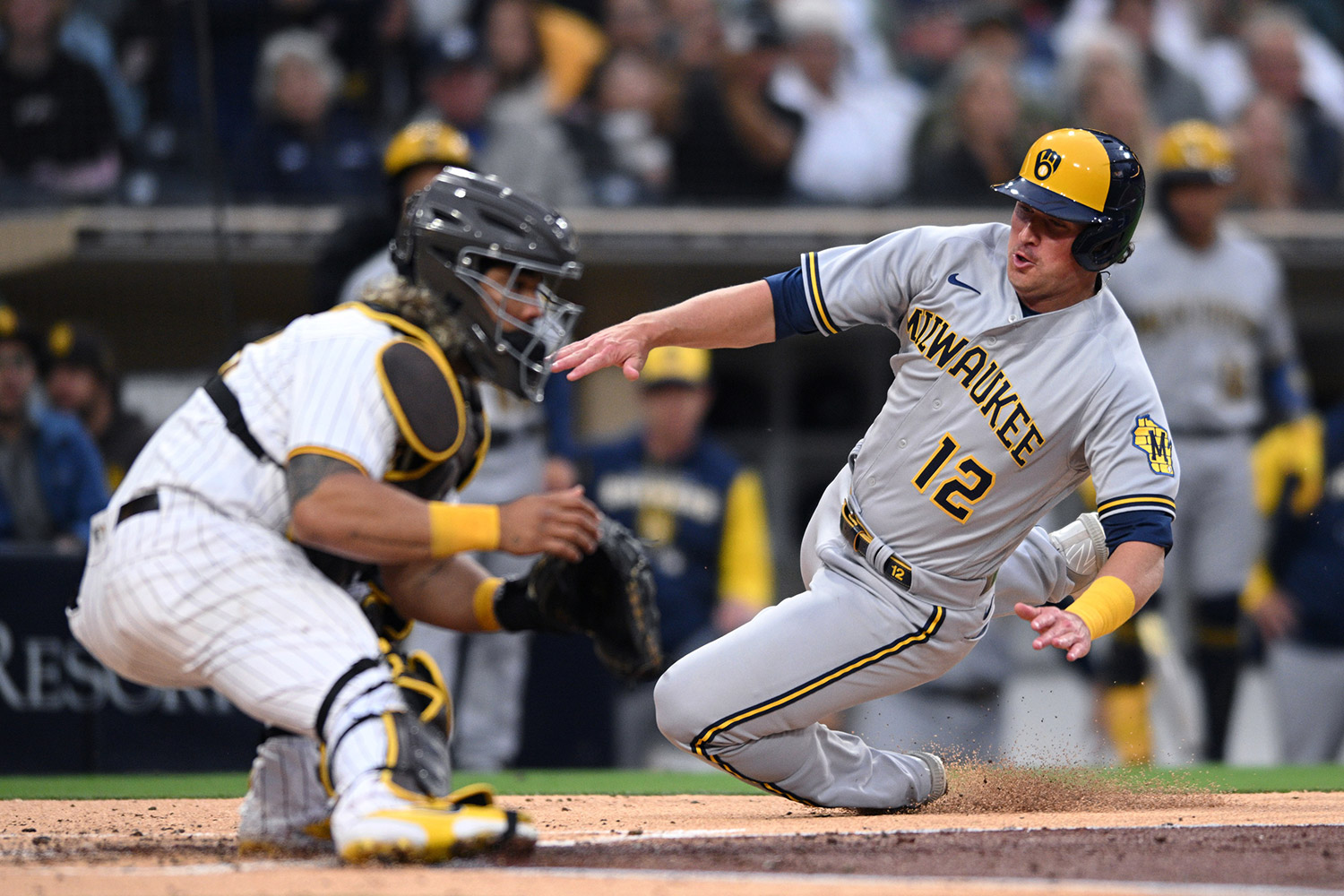 Before teams got to San Diego and the Winter Meetings, the Milwaukee Brewers swung two significant trades to shake up their lineup and payroll. Did they make the right moves, or will they regret sending their two best offensive players from 2022 packing? Trading Kolten Wong and Hunter Renfroe was an early rumor in the offseason. In the trade of either or both players, there were two goals the Brewers needed to reach. 1) Clear payroll to give extensions to the trio of Brandon Woodruff, Corbin Burnes, or Willy Adames. 2) acquire by trade or by way of the freed-up money impact bats to help create more offensive firepower. At the end of both trades, the Brewers significantly sat in the middle of not fully accomplishing either. With the Wong trade being financially neutral, they did not fully commit to making significant room on the payroll to either add players or extend any of that core mentioned above. On top of that, offensively, the Brewers only created more question marks for themselves moving into 2023. If the eye is genuinely on the Brewers competing this upcoming season, it may have been better to hang on to Renfroe and pay him. Then have tried to use Wong to acquire some semblance of the pitching help they acquired in the Renfroe deal with the Angels to supplement the bullpen or add for the future. Even though there is a clear path to upside with Jesse Winker, he is still a question mark. If there was a solid supporting cast already around Winker, the gamble could work, but that is not the current state of the Brewers lineup. Even though Renfroe will not be mistaken for Aaron Judge, he is very consistent. In three of the past four seasons, Renfroe has put up a 2.0 fWAR or higher, with shortened 2020 being the season in which he did not. In every full season since 2017, Renfroe has also hit 26 or more home runs. His defense is also better than Winker, who had graded as a negative fielder over his career and recently when injuries helped him to a -16 DRS (Defensive Runs Saved). In comparison, Renfroe put up a 6 DRS playing left field for the Brewers last season. While money was always a question mark for the Brewers with Renfroe, history shows he would have been well worth that cost, clearing his arbitration number in value according to Fangraphs in every full season since 2018. The Winker gamble seems strange when you already had a reliable bat on the roster for no more cost. In fairness, we likely only know if something pitching-wise was available for Wong like it was for Renfroe. Looking at these trades side by side, it looks like a strange process for a team that outwardly says they want to extend Woodruff, Burnes, and Adames. Extensions or not, one would hope they would want to build a talented roster around that core to fully capitalize on their presence on the roster. If Abraham Toro does finally turn into a .300 hitter with the bit of pop he has already exhibited in his short MLB career, this may look like an awful take. If any of the three pitchers acquired from the Angels turn into the next coming of Woodruff, Burnes, or even Freddy Peralta, it may again look like a silly take. That also means that the Brewers' front office nailed their player evaluation. That doesn't change; the process looks strange when this team, pitching-wise, looks ready to take on the postseason. As it stands, in their moves, they further weakened their most significant weakness in the lineup. The Brewers still have $10 million in salary relief in this revised direction. There is also still space made for Brice Turang to come in and compete for the starting second base job. Does the process feel as off to you? What would you have done differently, or do these trades seem perfect to you?
 -
Before landing in San Diego for the Winter Meetings, the Milwaukee Brewers swung two significant trades. Individually they look like quality trades, but the current roster construction is following a strange process. Image courtesy of © Orlando Ramirez-USA TODAY Sports Before landing in San Diego for the Winter Meetings, the Milwaukee Brewers swung two significant trades. Individually they look like quality trades, but the current roster construction is following a strange process. Before teams got to San Diego and the Winter Meetings, the Milwaukee Brewers swung two significant trades to shake up their lineup and payroll. Did they make the right moves, or will they regret sending their two best offensive players from 2022 packing? Trading Kolten Wong and Hunter Renfroe was an early rumor in the offseason. In the trade of either or both players, there were two goals the Brewers needed to reach. 1) Clear payroll to give extensions to the trio of Brandon Woodruff, Corbin Burnes, or Willy Adames. 2) acquire by trade or by way of the freed-up money impact bats to help create more offensive firepower. At the end of both trades, the Brewers significantly sat in the middle of not fully accomplishing either. With the Wong trade being financially neutral, they did not fully commit to making significant room on the payroll to either add players or extend any of that core mentioned above. On top of that, offensively, the Brewers only created more question marks for themselves moving into 2023. If the eye is genuinely on the Brewers competing this upcoming season, it may have been better to hang on to Renfroe and pay him. Then have tried to use Wong to acquire some semblance of the pitching help they acquired in the Renfroe deal with the Angels to supplement the bullpen or add for the future. Even though there is a clear path to upside with Jesse Winker, he is still a question mark. If there was a solid supporting cast already around Winker, the gamble could work, but that is not the current state of the Brewers lineup. Even though Renfroe will not be mistaken for Aaron Judge, he is very consistent. In three of the past four seasons, Renfroe has put up a 2.0 fWAR or higher, with shortened 2020 being the season in which he did not. In every full season since 2017, Renfroe has also hit 26 or more home runs. His defense is also better than Winker, who had graded as a negative fielder over his career and recently when injuries helped him to a -16 DRS (Defensive Runs Saved). In comparison, Renfroe put up a 6 DRS playing left field for the Brewers last season. While money was always a question mark for the Brewers with Renfroe, history shows he would have been well worth that cost, clearing his arbitration number in value according to Fangraphs in every full season since 2018. The Winker gamble seems strange when you already had a reliable bat on the roster for no more cost. In fairness, we likely only know if something pitching-wise was available for Wong like it was for Renfroe. Looking at these trades side by side, it looks like a strange process for a team that outwardly says they want to extend Woodruff, Burnes, and Adames. Extensions or not, one would hope they would want to build a talented roster around that core to fully capitalize on their presence on the roster. If Abraham Toro does finally turn into a .300 hitter with the bit of pop he has already exhibited in his short MLB career, this may look like an awful take. If any of the three pitchers acquired from the Angels turn into the next coming of Woodruff, Burnes, or even Freddy Peralta, it may again look like a silly take. That also means that the Brewers' front office nailed their player evaluation. That doesn't change; the process looks strange when this team, pitching-wise, looks ready to take on the postseason. As it stands, in their moves, they further weakened their most significant weakness in the lineup. The Brewers still have $10 million in salary relief in this revised direction. There is also still space made for Brice Turang to come in and compete for the starting second base job. Does the process feel as off to you? What would you have done differently, or do these trades seem perfect to you? View full article
-
If pitching was a desired return instead of a bat, the trade machine likes this one.
-
We know the Milwaukee Brewers welcomed two new players via trade in Jesse Winker and Abraham Toro. What can we expect from them as they put on a Brewers uniform? Image courtesy of © Gary A. Vasquez-USA TODAY Sports We know the Milwaukee Brewers welcomed two new players via trade in Jesse Winker and Abraham Toro. What can we expect from them as they put on a Brewers uniform? The Milwaukee Brewers made another trade Friday, sending Kolten Wong to Seattle. The Mariners had been well linked to Wong, making the trade of little surprise. That now makes Jesse Winker and Abraham Toro members of the Brewers, so let’s see what they could bring to the lineup in 2023. Jesse Winker Winker is no stranger to Brewer fans, as he experienced his best years while playing with the Cincinnati Reds. 2022 was his first season elsewhere, and anyone who paid attention to the move saw Winker's struggles in Seattle. Even in a down year where Winker slashed only .219/.344/.344, he added 14 home runs and still had a 108 wRC+. The hope is that Winker would see his numbers return to 2021 levels where he slashed .305/.394/.556 as he moves to the much friendlier hitting confines in Milwaukee. A season where his wRC+ was 147, and he boasted a 2.9 fWAR. There are other reasons to have hope for Winker's return to his previous hitting form beyond just the change of scenery. The lefty had a low BABIP of .251, which certainly should see an improvement. Seeing a return to his 2021 .324 BABIP or even his 2020 mark of .283 could quickly fix his slash line. This will be essential for the Brewers as Winker's bat will be relied upon to replace some of the offense lost with the trade of Hunter Renfroe and now Wong, and he should. Defensively, we hope to see limited time for Winker in the outfield. While patrolling primarily left field for the Mariners, Winker posted a -16 DRS. The designated hitter looks to be a much better fit for Winker, allowing Christian Yelich, Garrett Mitchell, and Tyrone Taylor to patrol the outfield. Winker could still play some outfield if needed and, with less room to cover, could see an uptick in his defensive results just as he will hopefully offensively. Even if Winker’s defense became passable, that isn’t why the Brewers are bringing him to Milwaukee. He is joining the Milwaukee Brewers to hit bombs. Abraham Toro While it is pretty clear-cut what Winker will provide for the Brewers in 2023, Toro comes with many more questions and intrigue. Toro worked his way up the Houston Astros prospect list landing at three on the MLB.com list in 2020. Now after playing in parts of three major league seasons, Toro hasn’t reached his prospect potential and will try to find that now with the Brewers. Last season with Seattle, Toro hit a not-so-impressive .185/.239/.324 and was able to add ten home runs in 109 games. Throughout his MLB career, he has slashed a slightly better .208/.276/.345 and has been able to add more power over the past two seasons. It looks like there is room for more growth with Toro and his bat, as he hasn’t even reached 1,000 plate appearances in his major league career. Toro could also get a significant boost from the new MLB shift rules that go into effect for the 2023 season. If that adjustment carries into the season with the new shift rules, it is just one more way that the Brewers can hopefully find success in this trade with Toro’s upside. While the switch hitter has struggled in the majors, his Triple-A numbers are outstanding. He has hit .343/.451/.545 over his career and, at 25, still has time to see that translate to the big leagues. Defensively Toro has seen the bulk of his time at second and third base. While it looks like easy math to plug the new second baseman into the old second baseman’s spot, that isn’t what the Brewers will have to do. Toro still has an option remaining and could start the season in the minors to continue and refine his bat. This means the trade has opened up a clear path for highly regarded prospect Brice Turang to take over second base. In this trade, the Brewers got immediate help from Winker, who should be able to bounce back nicely in Milwaukee. They also acquire Toro, who gives them long-term upside as he is under team control through 2026 and should figure into the second and third base mix for several seasons. What do you think about the players acquired? Do these two players improve the roster in a way that moves the Brewers toward playoff contention? Would they have been better off trying to offload money instead of making this move which didn’t save the club any on the payroll? Let us know in the comments! View full article
-
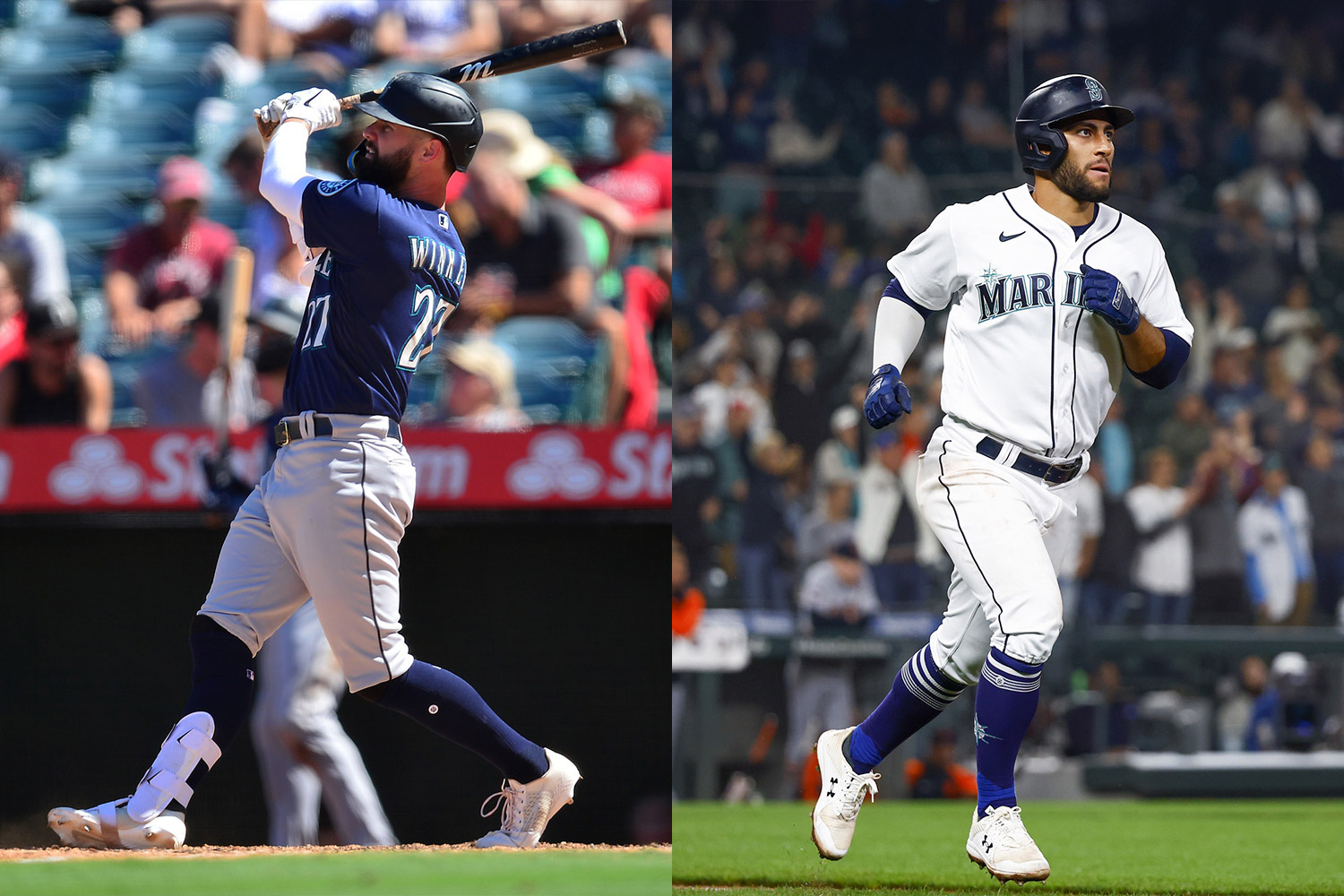 The Milwaukee Brewers made another trade Friday, sending Kolten Wong to Seattle. The Mariners had been well linked to Wong, making the trade of little surprise. That now makes Jesse Winker and Abraham Toro members of the Brewers, so let’s see what they could bring to the lineup in 2023. Jesse Winker Winker is no stranger to Brewer fans, as he experienced his best years while playing with the Cincinnati Reds. 2022 was his first season elsewhere, and anyone who paid attention to the move saw Winker's struggles in Seattle. Even in a down year where Winker slashed only .219/.344/.344, he added 14 home runs and still had a 108 wRC+. The hope is that Winker would see his numbers return to 2021 levels where he slashed .305/.394/.556 as he moves to the much friendlier hitting confines in Milwaukee. A season where his wRC+ was 147, and he boasted a 2.9 fWAR. There are other reasons to have hope for Winker's return to his previous hitting form beyond just the change of scenery. The lefty had a low BABIP of .251, which certainly should see an improvement. Seeing a return to his 2021 .324 BABIP or even his 2020 mark of .283 could quickly fix his slash line. This will be essential for the Brewers as Winker's bat will be relied upon to replace some of the offense lost with the trade of Hunter Renfroe and now Wong, and he should. Defensively, we hope to see limited time for Winker in the outfield. While patrolling primarily left field for the Mariners, Winker posted a -16 DRS. The designated hitter looks to be a much better fit for Winker, allowing Christian Yelich, Garrett Mitchell, and Tyrone Taylor to patrol the outfield. Winker could still play some outfield if needed and, with less room to cover, could see an uptick in his defensive results just as he will hopefully offensively. Even if Winker’s defense became passable, that isn’t why the Brewers are bringing him to Milwaukee. He is joining the Milwaukee Brewers to hit bombs. Abraham Toro While it is pretty clear-cut what Winker will provide for the Brewers in 2023, Toro comes with many more questions and intrigue. Toro worked his way up the Houston Astros prospect list landing at three on the MLB.com list in 2020. Now after playing in parts of three major league seasons, Toro hasn’t reached his prospect potential and will try to find that now with the Brewers. Last season with Seattle, Toro hit a not-so-impressive .185/.239/.324 and was able to add ten home runs in 109 games. Throughout his MLB career, he has slashed a slightly better .208/.276/.345 and has been able to add more power over the past two seasons. It looks like there is room for more growth with Toro and his bat, as he hasn’t even reached 1,000 plate appearances in his major league career. Toro could also get a significant boost from the new MLB shift rules that go into effect for the 2023 season. If that adjustment carries into the season with the new shift rules, it is just one more way that the Brewers can hopefully find success in this trade with Toro’s upside. While the switch hitter has struggled in the majors, his Triple-A numbers are outstanding. He has hit .343/.451/.545 over his career and, at 25, still has time to see that translate to the big leagues. Defensively Toro has seen the bulk of his time at second and third base. While it looks like easy math to plug the new second baseman into the old second baseman’s spot, that isn’t what the Brewers will have to do. Toro still has an option remaining and could start the season in the minors to continue and refine his bat. This means the trade has opened up a clear path for highly regarded prospect Brice Turang to take over second base. In this trade, the Brewers got immediate help from Winker, who should be able to bounce back nicely in Milwaukee. They also acquire Toro, who gives them long-term upside as he is under team control through 2026 and should figure into the second and third base mix for several seasons. What do you think about the players acquired? Do these two players improve the roster in a way that moves the Brewers toward playoff contention? Would they have been better off trying to offload money instead of making this move which didn’t save the club any on the payroll? Let us know in the comments!
 -
Where Does the Roster Stand Post Renfroe Trade?
Nate Palmer posted a topic in Milwaukee Brewers Talk
After the big trade of Hunter Renfroe, where does the Brewers roster stand as major league baseball prepares for the upcoming Winter Meetings? Image courtesy of © Tommy Gilligan-USA TODAY Sports After the big trade of Hunter Renfroe, where does the Brewers roster stand as major league baseball prepares for the upcoming Winter Meetings? Last week was a busy week across major league baseball as teams had a few deadlines to take action on. The Milwaukee Brewers were as busy as anyone as decisions on the 40-man roster had to be made as well as what arbitration-eligible players would be tendered contracts. Among the moves, fan-favorite Brent Suter was waived, claimed, and agreed to a contract with the Colorado Rockies. On top of that, Tuesday night, the Brewers also swung a trade with the Los Angeles Angels offloading Hunter Renfroe’s contract and acquiring three pitchers in return. After all that roster movement, major league baseball gets ready for the Winter Meetings, which begin on December 4th. Here are some of the remaining questions for the Brewers 2023 roster. Collecting catchers As of right now, the 40-man boasts four catchers. The Brewers did tender Victor Caratini a contract. He currently slots in as the starting catcher. The other three catchers include two prospects, Mario Feliciano and Alex Jackson, alongside recently acquired Payton Henry. The Brewers could go into the season with Caratini starting and one of the other three catchers on the 40-man as the backup and get some decent results. The question going into the Winter Meetings remains if the Brewers may look to upgrade at catcher, pushing Caratini to the bench and adding some needed offense simultaneously. Free agent names include Willson Contreras, Christian Vazquez, and reunion with Omar Narvaez. Matt Arnold could also have conversations with the Blue Jays, who are reportedly shopping their backstops in trade. Relief Help on the Way? Devin Williams will continue to provide a solid backend to the bullpen. Without Josh Hader, Taylor Rogers, and Trevor Rosenthal there is room to build around the complimentary pieces around Williams. Matt Bush and Adrian Houser (who right now is listed as a long reliever on Roster Resource) will return after agreeing to contracts and adding Javy Guerra through a trade. While there can be dreams of adding one of the big names on the free agent market like Kenley Jansen, even the mid-tier relievers would help this bullpen. That may be the idea behind two of the pitchers acquired in the Renfroe deal. While Janson Junk is slated to compete for the rotation, according to Arnold, Adam Seminaris, or Elvis Peguero could realistically figure into the bullpen at some point in 2023. Of course, there are always the off-the-radar moves that could happen and do happen every offseason. Bill Ripken has one in mind for the Brewers. Payroll Expectations The Brewers ended last season with a payroll of around $137 million. All signs pointed to the Crew needing to find ways to cut some of their payroll to fill gaps on the roster for next season or sign key players like Brandon Woodruff, Corbin Burnes, and Willy Adames to extensions. Before last night it was hard to see how the Brewers were going to move forward with $126 million on the payroll, according to Roster Resource. It always seemed like with the Brewers payroll limits that it would be challenging to fill out the active roster with both Kolten Wong’s $10 million option (with a $2 million buyout) and Renfroe’s estimated $11.2 million in arbitration money on the books. With Renfroe in LA, there is certainly more room for signings or extensions. Even though the chances have likely slimmed, with some teams still seeking out second base help (looking at you, Mariners), there is still the chance something could happen with Wong out there. The hard part with Renfore off the roster and potentially Wong is that there is no sure way to replace their offense from within the organization. Arnold seems confident in the young outfielders the Brewers have. Garrett Mitchell leads the way in that conversation, as he did his best to prove himself in 28 games this past season, hitting .311/.373/.459 for a 136 wRC+. It will remain to be seen if Arnold is as comfortable with Tyrone Taylor as an outfielder that will receive significant playing time. Speaking of Wong and infield bats... The Infield Even if Wong remains on the roster, how confident can the Brewers be in either Luis Urias or Mike Brosseau as the team's starting third baseman? With third base being a traditionally easy place to add offense, will Arnold consider poking around during the Winter Meetings to see if the team could upgrade? The free agent market isn't impressive this offseason, with Josh Turner leading the group. There is always the possibility for another trade, or how confident the Brewers are in the recent 40-man add and prospect Brice Turang? On the other side of the diamond, there is shaping up to be a potentially strange platoon between the likes of Rowdy Tellez, Jon Singleton, and Keston Hiura. Heading into the Winter Meetings the first base/designated hitter role looks like an area where some movement could also happen. The offense was already a question mark before trading away Renfroe’s bat. Eyes will undoubtedly be on Arnold during the Winter Meetings and beyond to see if he attempts to add offense in some fashion before Spring Training. What questions remain for you when it comes to the Brewers roster? View full article -
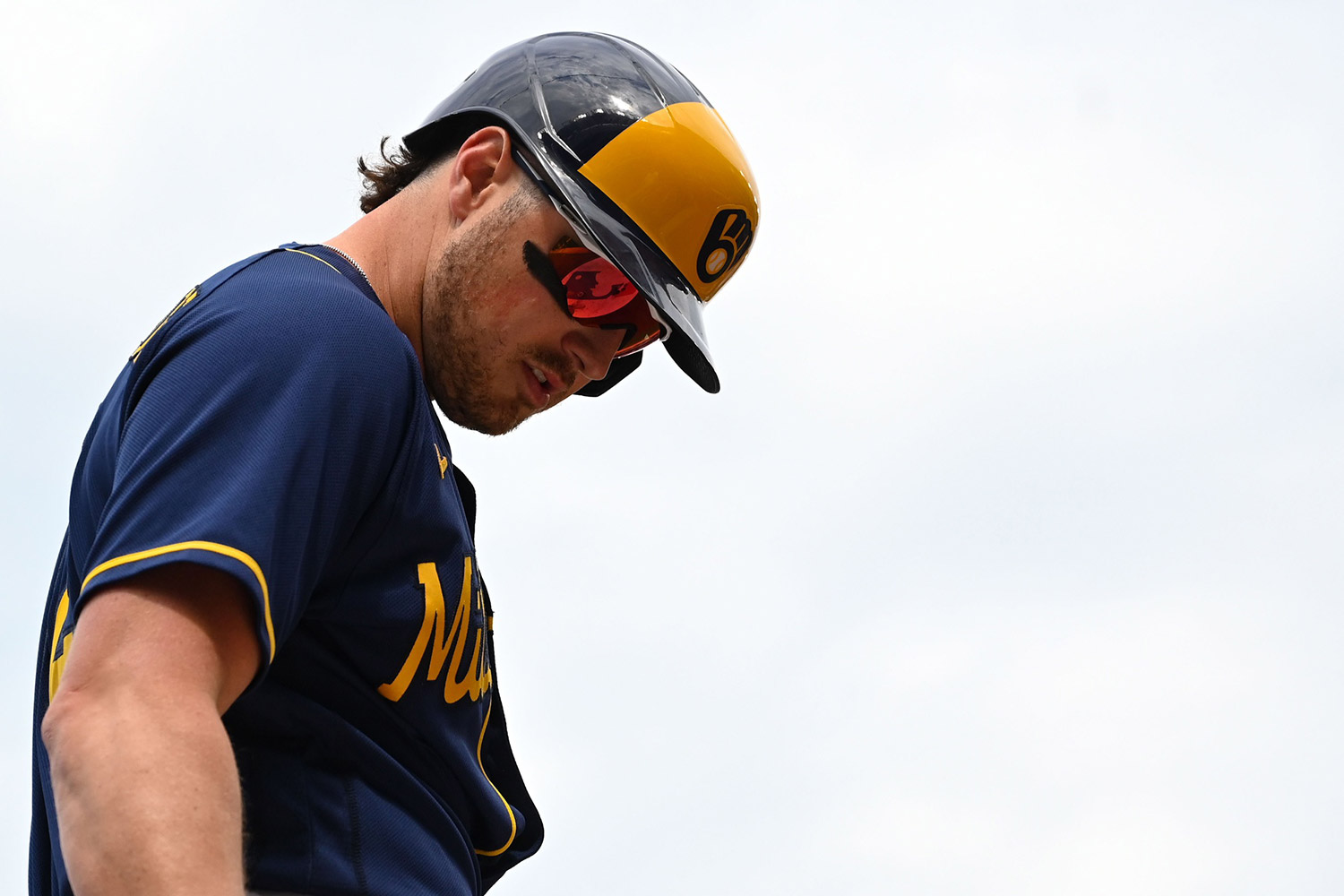 Last week was a busy week across major league baseball as teams had a few deadlines to take action on. The Milwaukee Brewers were as busy as anyone as decisions on the 40-man roster had to be made as well as what arbitration-eligible players would be tendered contracts. Among the moves, fan-favorite Brent Suter was waived, claimed, and agreed to a contract with the Colorado Rockies. On top of that, Tuesday night, the Brewers also swung a trade with the Los Angeles Angels offloading Hunter Renfroe’s contract and acquiring three pitchers in return. After all that roster movement, major league baseball gets ready for the Winter Meetings, which begin on December 4th. Here are some of the remaining questions for the Brewers 2023 roster. Collecting catchers As of right now, the 40-man boasts four catchers. The Brewers did tender Victor Caratini a contract. He currently slots in as the starting catcher. The other three catchers include two prospects, Mario Feliciano and Alex Jackson, alongside recently acquired Payton Henry. The Brewers could go into the season with Caratini starting and one of the other three catchers on the 40-man as the backup and get some decent results. The question going into the Winter Meetings remains if the Brewers may look to upgrade at catcher, pushing Caratini to the bench and adding some needed offense simultaneously. Free agent names include Willson Contreras, Christian Vazquez, and reunion with Omar Narvaez. Matt Arnold could also have conversations with the Blue Jays, who are reportedly shopping their backstops in trade. Relief Help on the Way? Devin Williams will continue to provide a solid backend to the bullpen. Without Josh Hader, Taylor Rogers, and Trevor Rosenthal there is room to build around the complimentary pieces around Williams. Matt Bush and Adrian Houser (who right now is listed as a long reliever on Roster Resource) will return after agreeing to contracts and adding Javy Guerra through a trade. While there can be dreams of adding one of the big names on the free agent market like Kenley Jansen, even the mid-tier relievers would help this bullpen. That may be the idea behind two of the pitchers acquired in the Renfroe deal. While Janson Junk is slated to compete for the rotation, according to Arnold, Adam Seminaris, or Elvis Peguero could realistically figure into the bullpen at some point in 2023. Of course, there are always the off-the-radar moves that could happen and do happen every offseason. Bill Ripken has one in mind for the Brewers. Payroll Expectations The Brewers ended last season with a payroll of around $137 million. All signs pointed to the Crew needing to find ways to cut some of their payroll to fill gaps on the roster for next season or sign key players like Brandon Woodruff, Corbin Burnes, and Willy Adames to extensions. Before last night it was hard to see how the Brewers were going to move forward with $126 million on the payroll, according to Roster Resource. It always seemed like with the Brewers payroll limits that it would be challenging to fill out the active roster with both Kolten Wong’s $10 million option (with a $2 million buyout) and Renfroe’s estimated $11.2 million in arbitration money on the books. With Renfroe in LA, there is certainly more room for signings or extensions. Even though the chances have likely slimmed, with some teams still seeking out second base help (looking at you, Mariners), there is still the chance something could happen with Wong out there. The hard part with Renfore off the roster and potentially Wong is that there is no sure way to replace their offense from within the organization. Arnold seems confident in the young outfielders the Brewers have. Garrett Mitchell leads the way in that conversation, as he did his best to prove himself in 28 games this past season, hitting .311/.373/.459 for a 136 wRC+. It will remain to be seen if Arnold is as comfortable with Tyrone Taylor as an outfielder that will receive significant playing time. Speaking of Wong and infield bats... The Infield Even if Wong remains on the roster, how confident can the Brewers be in either Luis Urias or Mike Brosseau as the team's starting third baseman? With third base being a traditionally easy place to add offense, will Arnold consider poking around during the Winter Meetings to see if the team could upgrade? The free agent market isn't impressive this offseason, with Josh Turner leading the group. There is always the possibility for another trade, or how confident the Brewers are in the recent 40-man add and prospect Brice Turang? On the other side of the diamond, there is shaping up to be a potentially strange platoon between the likes of Rowdy Tellez, Jon Singleton, and Keston Hiura. Heading into the Winter Meetings the first base/designated hitter role looks like an area where some movement could also happen. The offense was already a question mark before trading away Renfroe’s bat. Eyes will undoubtedly be on Arnold during the Winter Meetings and beyond to see if he attempts to add offense in some fashion before Spring Training. What questions remain for you when it comes to the Brewers roster?
 -
Over the weekend, there were some minor transactions made by the Brewers. Let’s get caught up on them. Image courtesy of © Kyle Ross-USA TODAY Sports Over the weekend, there were some minor transactions made by the Brewers. Let’s get caught up on them. As teams are getting their rosters set for the offseason, there will be a load of movement over the coming week MLB-wide. The Brewers have a number of their own moves for us to look at and get caught up on. Brad Boxberger's option was declined. This move isn’t as shocking of a bullpen move as trading away Josh Hader, but it still comes with some intrigue. Brad Boxberger doesn’t have the stuff to be a lockdown reliever, but for the past three seasons, he has found a way to be a valuable bullpen arm, even if his stuff isn’t great. Over the past two seasons, Boxberger has thrown 128.2 innings with a 3.15 ERA, 10.6 K/9, and a 129 ERA +. While the success has been there, at 34 years old, some trends have made even what was only a $3 million option one to question. From 2021 to 2022, Boxberger saw a drop in his WHIFF% on every one of his pitches. Most significantly, his slider dropped from 33.9% to 23.7%. After the declined option, Boxberger went through waivers unclaimed and could be reunited with the Brewers at a lower salary if they still saw him fitting into their 2023 plans. Brewers trade for catching depth It has been well-documented this season that the Brewers will need to bolster their catching corps. That happened this week, although not quite in the way fans would have hoped. We highlight bringing back one old friend of the Brewers here at Brewers Fanatic, and the Brewers went and brought back a different one in Payton Henry. The hope for Henry has always been that he had power potential in his bat and a good glove. He needed to make enough contact to see that power come to fruition. That led to Henry being the 15th-ranked prospect in the Brewers system in 2020 by mlb.com until he was traded in 2021 to acquire John Curtiss from the Marlins. In 20 MLB games, Henry has hit .143/.314/.143. So he is depth but has some further development before we get too excited about him. RHP Tyson Miller claimed from the Rangers Tyson Miller made his major league debut in 2020 for the Chicago Cubs when he was called up and appeared in two games. Miller saw more action this past season, with the Texas Rangers bringing his total MLB experience up to 6 games, 15 ⅔ innings, and a 9.19 ERA. Going back to 2020, the right-hander was the 26th prospect in the Cubs system, according to mlb.com. At age 27, Miller uses a fastball that averages 91 mph with an 81 mph slider and 86 mph changeup. With that mix, he doesn’t look like a candidate to be a regular major league contributor in any way. Miller is likely coming to the Brewers to add depth at the minor league level if he makes it through the continued roster shuffling that will happen this offseason. If Miller does make it through the offseason on the 40-man, don’t rule out him making an appearance for the Brewers at some point in 2023 since he has some major league experience. View full article
-
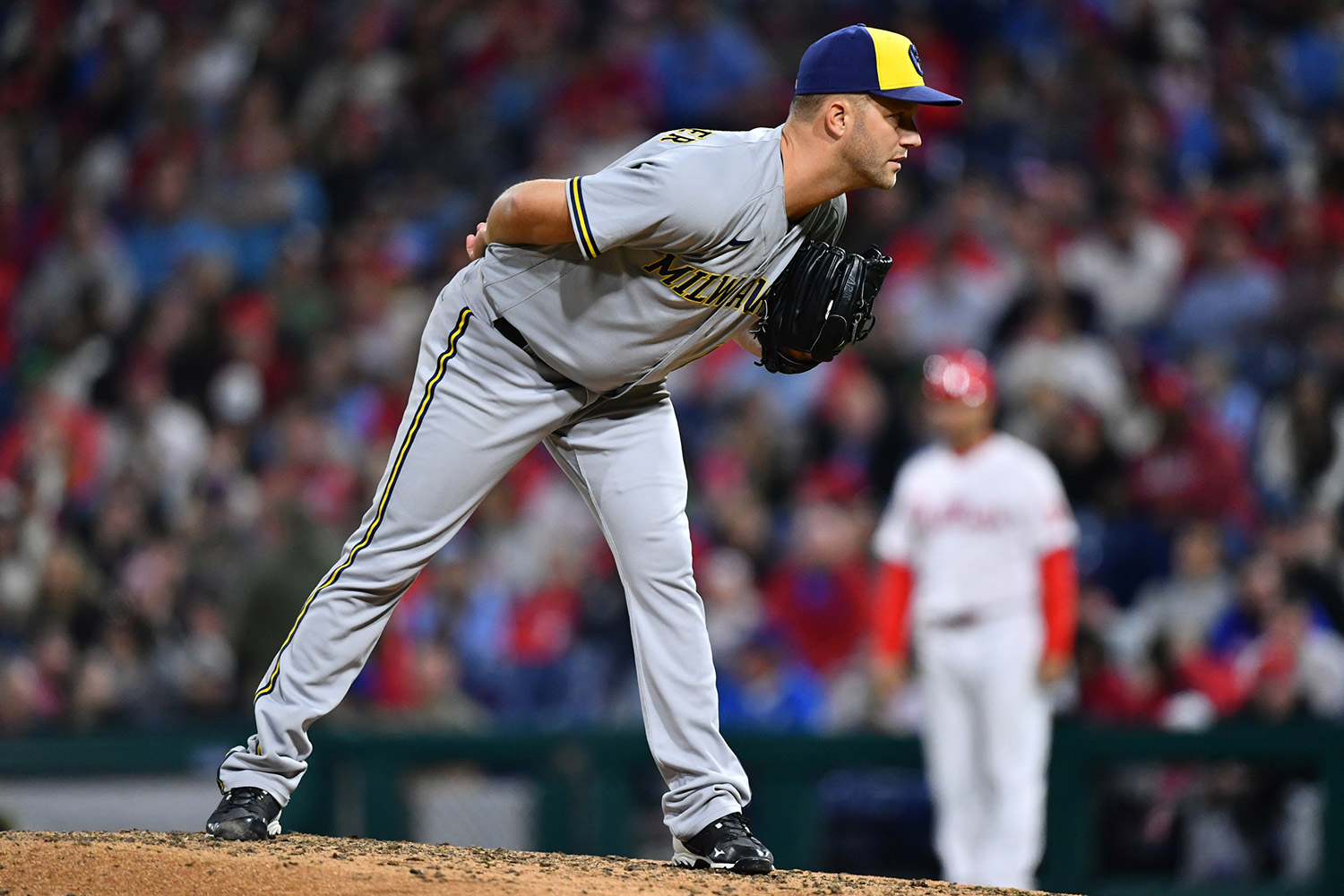 As teams are getting their rosters set for the offseason, there will be a load of movement over the coming week MLB-wide. The Brewers have a number of their own moves for us to look at and get caught up on. Brad Boxberger's option was declined. This move isn’t as shocking of a bullpen move as trading away Josh Hader, but it still comes with some intrigue. Brad Boxberger doesn’t have the stuff to be a lockdown reliever, but for the past three seasons, he has found a way to be a valuable bullpen arm, even if his stuff isn’t great. Over the past two seasons, Boxberger has thrown 128.2 innings with a 3.15 ERA, 10.6 K/9, and a 129 ERA +. While the success has been there, at 34 years old, some trends have made even what was only a $3 million option one to question. From 2021 to 2022, Boxberger saw a drop in his WHIFF% on every one of his pitches. Most significantly, his slider dropped from 33.9% to 23.7%. After the declined option, Boxberger went through waivers unclaimed and could be reunited with the Brewers at a lower salary if they still saw him fitting into their 2023 plans. Brewers trade for catching depth It has been well-documented this season that the Brewers will need to bolster their catching corps. That happened this week, although not quite in the way fans would have hoped. We highlight bringing back one old friend of the Brewers here at Brewers Fanatic, and the Brewers went and brought back a different one in Payton Henry. The hope for Henry has always been that he had power potential in his bat and a good glove. He needed to make enough contact to see that power come to fruition. That led to Henry being the 15th-ranked prospect in the Brewers system in 2020 by mlb.com until he was traded in 2021 to acquire John Curtiss from the Marlins. In 20 MLB games, Henry has hit .143/.314/.143. So he is depth but has some further development before we get too excited about him. RHP Tyson Miller claimed from the Rangers Tyson Miller made his major league debut in 2020 for the Chicago Cubs when he was called up and appeared in two games. Miller saw more action this past season, with the Texas Rangers bringing his total MLB experience up to 6 games, 15 ⅔ innings, and a 9.19 ERA. Going back to 2020, the right-hander was the 26th prospect in the Cubs system, according to mlb.com. At age 27, Miller uses a fastball that averages 91 mph with an 81 mph slider and 86 mph changeup. With that mix, he doesn’t look like a candidate to be a regular major league contributor in any way. Miller is likely coming to the Brewers to add depth at the minor league level if he makes it through the continued roster shuffling that will happen this offseason. If Miller does make it through the offseason on the 40-man, don’t rule out him making an appearance for the Brewers at some point in 2023 since he has some major league experience.
 -
The Brewers could find catching help in Atlanta
Nate Palmer replied to Nate Palmer's topic in Milwaukee Brewers Talk
Even for a guy who seems to just keep producing, this certainly is a concern. -
The Brewers could find catching help in Atlanta
Nate Palmer replied to Nate Palmer's topic in Milwaukee Brewers Talk
Even for a guy who seems to just keep producing, this certainly is a concern.
