Telemachus Rafaelidys
-
Posts
88 -
Joined
-
Last visited
Content Type
Profiles
Forums
Blogs
Events
News
2026 Milwaukee Brewers Top Prospects Ranking
Milwaukee Brewers Videos
2022 Milwaukee Brewers Draft Picks
Milwaukee Brewers Free Agent & Trade Rumors, Notes, & Tidbits
Guides & Resources
2023 Milwaukee Brewers Draft Picks
2024 Milwaukee Brewers Draft Picks
The Milwaukee Brewers Players Project
2025 Milwaukee Brewers Draft Pick Tracker
2026 Milwaukee Brewers Draft Tracker: Picks & Bonuses
Store
Downloads
Gallery
Everything posted by Telemachus Rafaelidys
-
Image courtesy of © Michael McLoone-Imagn Images To the surprise of no one, the Brewers traded away arguably their best pitcher for the third winter in a row. This time, Freddy Peralta was sent to the Mets, with two consensus top-100 prospects returning to Milwaukee. Unlike the previously traded Corbin Burnes and Devin Williams, the Brewers did not sign or draft Peralta as an amateur; they acquired him in a trade. In fact, it was a deal executed by none other than the current New York Mets president of baseball operations David Stearns, who can carve his initials twice on the Freddy Peralta trade tree. The Milwaukee Brewers' Freddy Peralta Era begins with Tyler Walker. On Jan. 28, 2010, the Washington Nationals signed Walker to join their bullpen. Walker had a respectable 3.57 ERA with the Nationals that year, in what would be his final season in the majors. To make room for Walker on their roster, the Nationals designated Marco Estrada for assignment, and the Brewers claimed him off waivers on February 3. At the time the Brewers acquired Estrada, he had only had a couple of cups of coffee in the big leagues, with a total of 20 innings over two seasons. Baseball America rated Estrada as the Nationals' 18th-best prospect that winter, and the team was coming off a 103-loss season, so it’s a little surprising that they removed a pitcher who had posted 3.63/3.41 ERA/FIP over 136.1 innings in Triple A from their roster. At 6 feet and 180 pounds, Estrada was seen as undersized at the time and had low strikeout numbers in 2009, but it’s hard to imagine that a last-place team wouldn’t find a player like this valuable. The Nationals' mistake would become the Brewers' gain. Estrada missed the majority of 2010 with shoulder fatigue, and the Brewers outrighted him from the 40-man roster, but he returned in 2011 and contributed a strong 92.2 innings in 43 appearances and seven starts. Estrada had a breakout year in 2012, starting 23 games with a 3.64 ERA over 136.1 innings and more than a strikeout per inning. Estrada pitched two more seasons with the organization, giving the team a lot of flexibility by starting 39 games in 60 appearances. On Nov. 1, 2014, the Brewers sent Estrada to the Blue Jays for first baseman Adam Lind. Estrada would go on to pitch with the Blue Jays for four seasons, providing a lot of solid innings and making an All-Star appearance for the club. Adam Lind was the fourth attempt by the Brewers to replace Prince Fielder at first base. He came to Milwaukee following a strong season in Toronto, with a .321/.381/.479 line in 290 plate appearances. Lind was under contract for the 2015 season on a $7.5-milliion deal, with a 2016 team option for $8 million. In what ended up being his only season as a Brewer, Lind hit a respectable .271/.360/.460, with 20 home runs and 2.0 fWAR. Following the season, new Brewers general manager David Stearns picked up Lind’s option, with an eye toward trading him. Just over a month later, Stearns struck a deal with the Seattle Mariners and their notoriously active general manager, Jerry Dipoto. Lind hit another 20 home runs in Seattle during the 2016 season, but his walk rate and BABIP declined sharply. He went from being 20 percent better than the average MLB hitter in 2014 to 7 percent worse than average in his lone season with the Mariners. The Brewers' return for Lind was three teenage pitchers: Carlos Herrera, Daniel Missaki, and Freddy Peralta, with a combined 34.1 innings above rookie ball. Stearns cashed in Lind for three lottery tickets, and one of them hit. Missaki was recovering from Tommy John surgery when the Brewers acquired him; he never pitched for the organization. After nine years away from major-league organizations, including stints in Japan, Latin America and Mexico, he pitched in the Cubs system in 2024 and threw 74 innings with the Rangers' Double-A affiliate last year. Herrera peaked with 85.2 innings in 2018 for the Brewers' Low-A affiliate, and hasn’t pitched in affiliated baseball since 2019. Peralta debuted with the Brewers in 2018, with a memorable one-hit, 13-strikeout performance in front of his parents. He evolved quickly into a fan and clubhouse favorite, and eventually into a true top-of-the-rotation starter. After pitching as both a starter and reliever in his first two seasons, Peralta signed a team-friendly extension in February 2020, which allowed the team to extend their contractual control through the upcoming 2026 season and (ultimately) to trade him this winter. In parts of eight seasons with the Brewers, Peralta accrued 17.8 fWAR, throwing 931 innings with 70 wins, 1,153 strikeouts and a 3.59 ERA. The Freddy Peralta trade tree will continue to grow, through the contributions of Brandon Sproat and Jett Williams. Sproat will likely compete for a rotation spot with the Brewers immediately. The 56th overall pick in the second round of the 2023 MLB Draft threw 141.2 total innings in 2025, including 20 with the Mets. Williams likely needs more time in Triple A to refine his skills with the bat and in the field. His strong approach at the plate and defensive versatility should set the floor for him as a valuable utility player capable of handling all three up-the-middle positions in the field. The Brewers have had consistency and stability in their front office for most of this century. Doug Melvin was the general manager when Estrada was acquired. Melvin stayed with the team when Stearns was brought in to lead the baseball operations department, and one of Stearns's first hires was Matt Arnold, the current president of baseball operations. All three executives completed key moves, to draw the line from Estrada to Sproat and Williams. It’s possible that contributions from the two new Brewers (or a new branch added in the future) will lead to a name change, but for the foreseeable future, this is the Freddy Peralta trade tree. For something that grew from the seed of a late-winter waiver claim, it's a mighty oak. Estrada, Lind and Peralta have combined to give the team 21.6 wins above replacement (WAR), according to Baseball Reference. That's value created by extremely low-cost risk-taking, like claiming Estrada in the first place and extending Peralta, rather than by using vital resources like first-round picks or young talent. In Williams and Sproat, they now have two players who could generate a similar amount of value for them in the decade to come. It's a great reminder of the value of savvy scouting, player development, and deft transactions. View full article
-
.png.9a5b9cc44f03226cb57591ada78ce477.png) To the surprise of no one, the Brewers traded away arguably their best pitcher for the third winter in a row. This time, Freddy Peralta was sent to the Mets, with two consensus top-100 prospects returning to Milwaukee. Unlike the previously traded Corbin Burnes and Devin Williams, the Brewers did not sign or draft Peralta as an amateur; they acquired him in a trade. In fact, it was a deal executed by none other than the current New York Mets president of baseball operations David Stearns, who can carve his initials twice on the Freddy Peralta trade tree. The Milwaukee Brewers' Freddy Peralta Era begins with Tyler Walker. On Jan. 28, 2010, the Washington Nationals signed Walker to join their bullpen. Walker had a respectable 3.57 ERA with the Nationals that year, in what would be his final season in the majors. To make room for Walker on their roster, the Nationals designated Marco Estrada for assignment, and the Brewers claimed him off waivers on February 3. At the time the Brewers acquired Estrada, he had only had a couple of cups of coffee in the big leagues, with a total of 20 innings over two seasons. Baseball America rated Estrada as the Nationals' 18th-best prospect that winter, and the team was coming off a 103-loss season, so it’s a little surprising that they removed a pitcher who had posted 3.63/3.41 ERA/FIP over 136.1 innings in Triple A from their roster. At 6 feet and 180 pounds, Estrada was seen as undersized at the time and had low strikeout numbers in 2009, but it’s hard to imagine that a last-place team wouldn’t find a player like this valuable. The Nationals' mistake would become the Brewers' gain. Estrada missed the majority of 2010 with shoulder fatigue, and the Brewers outrighted him from the 40-man roster, but he returned in 2011 and contributed a strong 92.2 innings in 43 appearances and seven starts. Estrada had a breakout year in 2012, starting 23 games with a 3.64 ERA over 136.1 innings and more than a strikeout per inning. Estrada pitched two more seasons with the organization, giving the team a lot of flexibility by starting 39 games in 60 appearances. On Nov. 1, 2014, the Brewers sent Estrada to the Blue Jays for first baseman Adam Lind. Estrada would go on to pitch with the Blue Jays for four seasons, providing a lot of solid innings and making an All-Star appearance for the club. Adam Lind was the fourth attempt by the Brewers to replace Prince Fielder at first base. He came to Milwaukee following a strong season in Toronto, with a .321/.381/.479 line in 290 plate appearances. Lind was under contract for the 2015 season on a $7.5-milliion deal, with a 2016 team option for $8 million. In what ended up being his only season as a Brewer, Lind hit a respectable .271/.360/.460, with 20 home runs and 2.0 fWAR. Following the season, new Brewers general manager David Stearns picked up Lind’s option, with an eye toward trading him. Just over a month later, Stearns struck a deal with the Seattle Mariners and their notoriously active general manager, Jerry Dipoto. Lind hit another 20 home runs in Seattle during the 2016 season, but his walk rate and BABIP declined sharply. He went from being 20 percent better than the average MLB hitter in 2014 to 7 percent worse than average in his lone season with the Mariners. The Brewers' return for Lind was three teenage pitchers: Carlos Herrera, Daniel Missaki, and Freddy Peralta, with a combined 34.1 innings above rookie ball. Stearns cashed in Lind for three lottery tickets, and one of them hit. Missaki was recovering from Tommy John surgery when the Brewers acquired him; he never pitched for the organization. After nine years away from major-league organizations, including stints in Japan, Latin America and Mexico, he pitched in the Cubs system in 2024 and threw 74 innings with the Rangers' Double-A affiliate last year. Herrera peaked with 85.2 innings in 2018 for the Brewers' Low-A affiliate, and hasn’t pitched in affiliated baseball since 2019. Peralta debuted with the Brewers in 2018, with a memorable one-hit, 13-strikeout performance in front of his parents. He evolved quickly into a fan and clubhouse favorite, and eventually into a true top-of-the-rotation starter. After pitching as both a starter and reliever in his first two seasons, Peralta signed a team-friendly extension in February 2020, which allowed the team to extend their contractual control through the upcoming 2026 season and (ultimately) to trade him this winter. In parts of eight seasons with the Brewers, Peralta accrued 17.8 fWAR, throwing 931 innings with 70 wins, 1,153 strikeouts and a 3.59 ERA. The Freddy Peralta trade tree will continue to grow, through the contributions of Brandon Sproat and Jett Williams. Sproat will likely compete for a rotation spot with the Brewers immediately. The 56th overall pick in the second round of the 2023 MLB Draft threw 141.2 total innings in 2025, including 20 with the Mets. Williams likely needs more time in Triple A to refine his skills with the bat and in the field. His strong approach at the plate and defensive versatility should set the floor for him as a valuable utility player capable of handling all three up-the-middle positions in the field. The Brewers have had consistency and stability in their front office for most of this century. Doug Melvin was the general manager when Estrada was acquired. Melvin stayed with the team when Stearns was brought in to lead the baseball operations department, and one of Stearns's first hires was Matt Arnold, the current president of baseball operations. All three executives completed key moves, to draw the line from Estrada to Sproat and Williams. It’s possible that contributions from the two new Brewers (or a new branch added in the future) will lead to a name change, but for the foreseeable future, this is the Freddy Peralta trade tree. For something that grew from the seed of a late-winter waiver claim, it's a mighty oak. Estrada, Lind and Peralta have combined to give the team 21.6 wins above replacement (WAR), according to Baseball Reference. That's value created by extremely low-cost risk-taking, like claiming Estrada in the first place and extending Peralta, rather than by using vital resources like first-round picks or young talent. In Williams and Sproat, they now have two players who could generate a similar amount of value for them in the decade to come. It's a great reminder of the value of savvy scouting, player development, and deft transactions.
To the surprise of no one, the Brewers traded away arguably their best pitcher for the third winter in a row. This time, Freddy Peralta was sent to the Mets, with two consensus top-100 prospects returning to Milwaukee. Unlike the previously traded Corbin Burnes and Devin Williams, the Brewers did not sign or draft Peralta as an amateur; they acquired him in a trade. In fact, it was a deal executed by none other than the current New York Mets president of baseball operations David Stearns, who can carve his initials twice on the Freddy Peralta trade tree. The Milwaukee Brewers' Freddy Peralta Era begins with Tyler Walker. On Jan. 28, 2010, the Washington Nationals signed Walker to join their bullpen. Walker had a respectable 3.57 ERA with the Nationals that year, in what would be his final season in the majors. To make room for Walker on their roster, the Nationals designated Marco Estrada for assignment, and the Brewers claimed him off waivers on February 3. At the time the Brewers acquired Estrada, he had only had a couple of cups of coffee in the big leagues, with a total of 20 innings over two seasons. Baseball America rated Estrada as the Nationals' 18th-best prospect that winter, and the team was coming off a 103-loss season, so it’s a little surprising that they removed a pitcher who had posted 3.63/3.41 ERA/FIP over 136.1 innings in Triple A from their roster. At 6 feet and 180 pounds, Estrada was seen as undersized at the time and had low strikeout numbers in 2009, but it’s hard to imagine that a last-place team wouldn’t find a player like this valuable. The Nationals' mistake would become the Brewers' gain. Estrada missed the majority of 2010 with shoulder fatigue, and the Brewers outrighted him from the 40-man roster, but he returned in 2011 and contributed a strong 92.2 innings in 43 appearances and seven starts. Estrada had a breakout year in 2012, starting 23 games with a 3.64 ERA over 136.1 innings and more than a strikeout per inning. Estrada pitched two more seasons with the organization, giving the team a lot of flexibility by starting 39 games in 60 appearances. On Nov. 1, 2014, the Brewers sent Estrada to the Blue Jays for first baseman Adam Lind. Estrada would go on to pitch with the Blue Jays for four seasons, providing a lot of solid innings and making an All-Star appearance for the club. Adam Lind was the fourth attempt by the Brewers to replace Prince Fielder at first base. He came to Milwaukee following a strong season in Toronto, with a .321/.381/.479 line in 290 plate appearances. Lind was under contract for the 2015 season on a $7.5-milliion deal, with a 2016 team option for $8 million. In what ended up being his only season as a Brewer, Lind hit a respectable .271/.360/.460, with 20 home runs and 2.0 fWAR. Following the season, new Brewers general manager David Stearns picked up Lind’s option, with an eye toward trading him. Just over a month later, Stearns struck a deal with the Seattle Mariners and their notoriously active general manager, Jerry Dipoto. Lind hit another 20 home runs in Seattle during the 2016 season, but his walk rate and BABIP declined sharply. He went from being 20 percent better than the average MLB hitter in 2014 to 7 percent worse than average in his lone season with the Mariners. The Brewers' return for Lind was three teenage pitchers: Carlos Herrera, Daniel Missaki, and Freddy Peralta, with a combined 34.1 innings above rookie ball. Stearns cashed in Lind for three lottery tickets, and one of them hit. Missaki was recovering from Tommy John surgery when the Brewers acquired him; he never pitched for the organization. After nine years away from major-league organizations, including stints in Japan, Latin America and Mexico, he pitched in the Cubs system in 2024 and threw 74 innings with the Rangers' Double-A affiliate last year. Herrera peaked with 85.2 innings in 2018 for the Brewers' Low-A affiliate, and hasn’t pitched in affiliated baseball since 2019. Peralta debuted with the Brewers in 2018, with a memorable one-hit, 13-strikeout performance in front of his parents. He evolved quickly into a fan and clubhouse favorite, and eventually into a true top-of-the-rotation starter. After pitching as both a starter and reliever in his first two seasons, Peralta signed a team-friendly extension in February 2020, which allowed the team to extend their contractual control through the upcoming 2026 season and (ultimately) to trade him this winter. In parts of eight seasons with the Brewers, Peralta accrued 17.8 fWAR, throwing 931 innings with 70 wins, 1,153 strikeouts and a 3.59 ERA. The Freddy Peralta trade tree will continue to grow, through the contributions of Brandon Sproat and Jett Williams. Sproat will likely compete for a rotation spot with the Brewers immediately. The 56th overall pick in the second round of the 2023 MLB Draft threw 141.2 total innings in 2025, including 20 with the Mets. Williams likely needs more time in Triple A to refine his skills with the bat and in the field. His strong approach at the plate and defensive versatility should set the floor for him as a valuable utility player capable of handling all three up-the-middle positions in the field. The Brewers have had consistency and stability in their front office for most of this century. Doug Melvin was the general manager when Estrada was acquired. Melvin stayed with the team when Stearns was brought in to lead the baseball operations department, and one of Stearns's first hires was Matt Arnold, the current president of baseball operations. All three executives completed key moves, to draw the line from Estrada to Sproat and Williams. It’s possible that contributions from the two new Brewers (or a new branch added in the future) will lead to a name change, but for the foreseeable future, this is the Freddy Peralta trade tree. For something that grew from the seed of a late-winter waiver claim, it's a mighty oak. Estrada, Lind and Peralta have combined to give the team 21.6 wins above replacement (WAR), according to Baseball Reference. That's value created by extremely low-cost risk-taking, like claiming Estrada in the first place and extending Peralta, rather than by using vital resources like first-round picks or young talent. In Williams and Sproat, they now have two players who could generate a similar amount of value for them in the decade to come. It's a great reminder of the value of savvy scouting, player development, and deft transactions.- 3 comments
-
- 2
-

-
- freddy peralta
- marco estrada
- (and 3 more)
-
Yes. So many young talented arms poised to jump!
- 2 replies
-
- 1
-
-
- jett williams
- brandon sproat
- (and 6 more)
-
Prospect gurus Keith Law of The Athletic and Kiley McDaniel of ESPN both released their team farm system rankings on Wednesday, and both like the Brewers best! McDaniel posited that, in recent history, the Dodgers and Rays have been viewed as the model organizations, but that opinion has now shifted to the Brewers. Law agrees, though not in so many words, crediting the team with an advanced, integrated process for identifying and developing talent. The two writers laud the Brewers for acquiring amateur talent through all available pipelines, including international signings, the MLB draft, and trade acquisitions, and see the Brewers as having both upper-echelon talent and excellent depth. Six Brewers were featured in Law’s top 100 list, including the newly acquired Brandon Sproat (75) and Jett Williams (45). Interestingly, Law writes that the Brewers were his number one overall system even prior to the Freddy Peralta trade, while McDaniel posted on social media that the trade moved the Brewers’ system from sixth to first and moved the Mets’ from first to sixth. Overall, McDaniel has 8 Brewers in his top 100; Logan Henderson (64) and Bishop Letson (91) were included on the ESPN list but not The Athletic’s. Both experts list Jesús Made third overall behind only the Pirates’ Konnor Griffin and Kevin McGonigle of the Tigers. Luis Pena, Cooper Pratt, and Jeferson Quero were the other three prospects on both lists. View full rumor
- 2 replies
-
- 1
-
-
- jett williams
- brandon sproat
- (and 6 more)
-
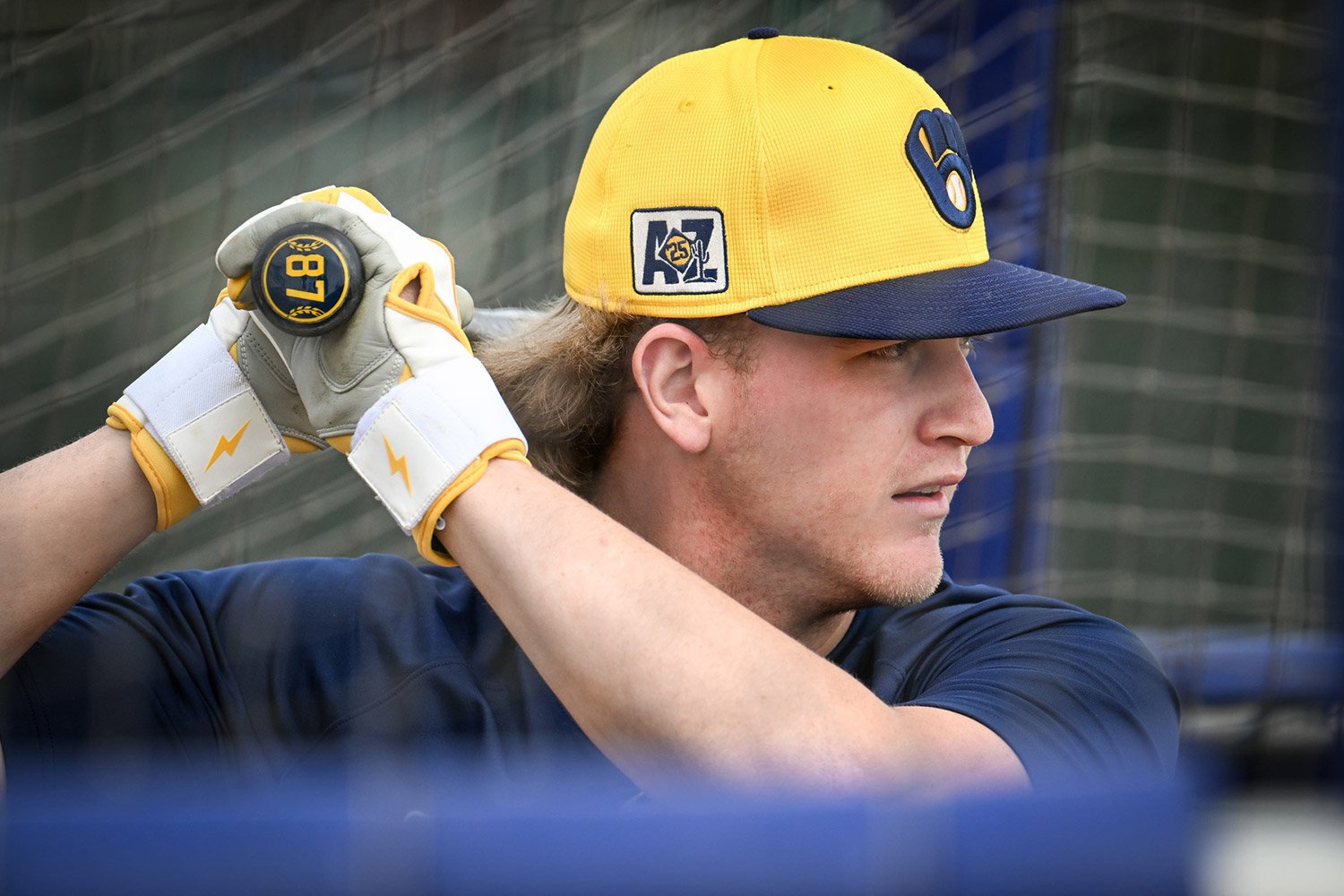 Prospect gurus Keith Law of The Athletic and Kiley McDaniel of ESPN both released their team farm system rankings on Wednesday, and both like the Brewers best! McDaniel posited that, in recent history, the Dodgers and Rays have been viewed as the model organizations, but that opinion has now shifted to the Brewers. Law agrees, though not in so many words, crediting the team with an advanced, integrated process for identifying and developing talent. The two writers laud the Brewers for acquiring amateur talent through all available pipelines, including international signings, the MLB draft, and trade acquisitions, and see the Brewers as having both upper-echelon talent and excellent depth. Six Brewers were featured in Law’s top 100 list, including the newly acquired Brandon Sproat (75) and Jett Williams (45). Interestingly, Law writes that the Brewers were his number one overall system even prior to the Freddy Peralta trade, while McDaniel posted on social media that the trade moved the Brewers’ system from sixth to first and moved the Mets’ from first to sixth. Overall, McDaniel has 8 Brewers in his top 100; Logan Henderson (64) and Bishop Letson (91) were included on the ESPN list but not The Athletic’s. Both experts list Jesús Made third overall behind only the Pirates’ Konnor Griffin and Kevin McGonigle of the Tigers. Luis Pena, Cooper Pratt, and Jeferson Quero were the other three prospects on both lists.
- 2 comments
-
- 2
-
-
- jett williams
- brandon sproat
- (and 6 more)
-
Image courtesy of © Kyle Ross-Imagn Images The Brewers' offseason has been - in a word - quiet - as we wait in anticipation for the Freddy Peralta trade that feels inevitable. The Brewers are masters of improving on the margins and making seemingly small (or even tiny) moves that result in acquiring players with an outsized impact on the team's success, but this winter feels exceptionally slow. To be fair, the Brewers won more games than any other team in 2025 and do not have any glaring holes. While we wait for more action, here is a ranking of the top five player moves from last season. Honorable Mention: Jake Bauers and Anthony Seigler sign minor league contracts After initially non-tendering Jake Bauers in November, the Brewers brought him back on a minor league deal in January of 2025. Bauers had an up-and-down season and dealt with injuries, but he really came on in September and was a standout for the Brewers in the playoffs. He has excellent bat speed, and the Brewers will look to utilize him in advantageous matchups in 2026. Anthony Seigler was the Yankees' first-round pick in 2018. Like Blake Perkins in November 2022, Seigler left the Yankees organization and signed a minor league contract in November 2024. He is an interesting and versatile player, logging a good number of innings at third base, second base, and catcher in 2025. The Brewers like Seigler’s swing decisions at the plate, and with prospect Jeferson Quero currently looking like the backup catcher at the MLB level, it’s possible the Brewers will give Seigler more time behind the plate during spring training this year. 5. Trade for Grant Anderson The Brewers traded 2024 7th round draft pick Mason Molina less than six months after drafting him to the Rangers in exchange for a relief pitcher with a career 62 1/3 innings pitched and a 6.35 ERA. Of course, the Brewers spun Anderson around, clicked his ruby cleats together, and turned him into a useful bullpen weapon who provided 69 2/3 innings with a 3.23 ERA. Importantly, Anderson had two options remaining, allowing the Brewers to send him up and down as needed to provide flexibility and bring in fresh arms from the minor leagues when they needed to. Anderson has four years of club control and another option remaining; he will likely provide the 2026 Brewers with similar flexibility and quality relief innings. 4. Signing Jose Quintana The Brewers made their most significant free agent signing of last offseason on March 3, roughly three weeks before Opening Day. Quintana had long been a Brewers foil; the team often struggled to make solid contact against him, particularly during his time with the Cubs and Mets. After signing so late into spring training, Quintana wasn’t ready to begin the season with the MLB club, and the Brewers called him up on April 11. Quintana went on to make 24 starts for the Brewers, pitching 131 innings with a 3.96 ERA. The Brewers' rotation looks very different now than it did in March of 2024 - Quintana gave the Brewers the quality innings they needed, when they needed them most, making this a successful acquisition executed at just the right time by the Brewers' front office. 3. Trade for Andrew Vaughn On June 12, starting pitcher Aaron Civale requested a trade, and on June 13, the Brewers traded Civale to the White Sox for Andrew Vaughn. Fittingly for this list, Andrew Vaughn was also seen as a less-than-optimal addition. At the time of the trade, the 2019 number three overall pick in the MLB draft had a .189 batting average, a 43 wRC+, and a negative WAR both in the season and cumulatively for his career. The White Sox, in the midst of their third consecutive season with more than 100 losses, had demoted Vaughn to Triple-A. The Brewers recalled Vaughn from Triple-A Nashville a few weeks later, and he turned into a new player. With the Brewers, he was 43 percent better than the average big league hitter, leading the Brewers in the category with a wRC+ of 143. Vaughn had several big home runs and hits, producing memorable moments during the Brewers' winning streaks. The Brewers clearly believe in the tweaks Vaughn made to his approach in 2025 as they tendered him a contract and agreed to a salary of $7.65 million for 2026. Vaughn has an additional year of team control in 2027, giving the team options moving forward. 2. Trade for Caleb Durbin Last winter’s version of trading away a pitcher with one season of team control remaining saw Devin Williams sent to the Yankees for starting pitcher Nestor Cortes and infield prospect Caleb Durbin. Similar to the Quinn Priester trade, this trade was not universally celebrated by pundits and Brewers fans. On the surface, this looked like an attempt to field a competitive roster while building for the future. The Ortiz portion of this trade failed spectacularly; his most noteworthy contribution to the 2025 Brewers was surrendering home runs on the first three pitches of the second game of the season, facing his former teammates in New York, and helping ignite the torpedo bat controversy. Shortly thereafter, he was put on the injured list and ultimately required the Brewers to attach a prospect to him in order to trade him off the roster. Durbin was never a highly regarded prospect. MLB Pipeline only added him as the 30th-ranked prospect on the Yankees' top 30 list following the 2024 Arizona Fall League, where Durbin set the stolen base record with 29 steals in 24 games. Durbin did not make the Opening Day roster but was promoted in mid-April when the Brewers gave up on Oliver Dunn. Durbin posted an above-average wRC+ in every month except May, finishing five percent above league average with a 105 and accumulating 2.6 fWAR on the season. Having limited experience at the hot corner, his defense at third base improved over the course of the season, earning positive value and finishing in the top half of players at the position. Durbin doesn’t look like a star, but his patient and hard-working approach fits in perfectly with the Brewers, and with five years of control left, the Brewers again acquired a positive asset. 1. Trade for Quinn Priester Less than two weeks into the season, the Brewers sent Yophery Rodriguez, John Holobetz, and the 33rd overall pick in the 2025 MLB Draft to Boston in exchange for Priester, the Pirates' first-round pick from 2019, who had limited MLB experience with low strikeout rates and poor results. At the time of the trade, the Brewers' rotation was in disarray with multiple pitchers on the injured list, and many believed this trade smacked of desperation. The then-19-year-old Rodriguez was coming off a successful season at Single-A and was ranked around 10th across the board on Brewers prospect lists. Holobotz was a textbook Brewers draft pick, selected in the fifth round from a smaller school, and the 33rd pick carries a lot of value - the Brewers had just acquired the 34th pick the year before from the Orioles as part of their trade haul for Corbin Burnes. Unsurprisingly, the Brewers knew what they were doing: they tweaked his arsenal, and Priester stepped right into the rotation, pitching 157 1/3 innings with a 3.32 ERA and a 56% ground-ball rate, including setting the team record with an 11-game winning streak. Priester was not rookie-eligible; otherwise, the Brewers would have had five players receive rookie of the year votes. Priester should have five years of team control left, and it appears that the Brewers acquired a very valuable asset. View full article
-
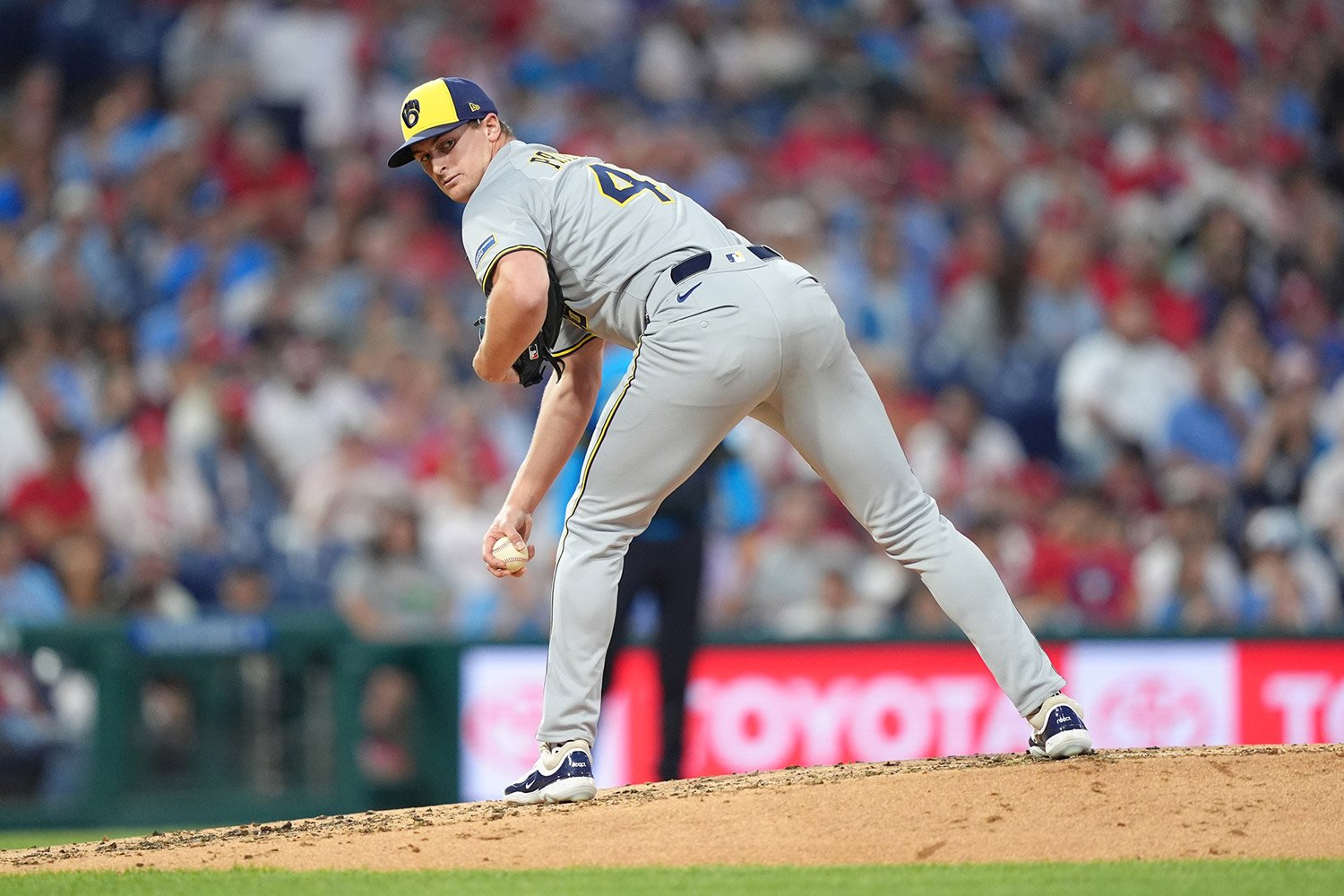 The Brewers' offseason has been - in a word - quiet - as we wait in anticipation for the Freddy Peralta trade that feels inevitable. The Brewers are masters of improving on the margins and making seemingly small (or even tiny) moves that result in acquiring players with an outsized impact on the team's success, but this winter feels exceptionally slow. To be fair, the Brewers won more games than any other team in 2025 and do not have any glaring holes. While we wait for more action, here is a ranking of the top five player moves from last season. Honorable Mention: Jake Bauers and Anthony Seigler sign minor league contracts After initially non-tendering Jake Bauers in November, the Brewers brought him back on a minor league deal in January of 2025. Bauers had an up-and-down season and dealt with injuries, but he really came on in September and was a standout for the Brewers in the playoffs. He has excellent bat speed, and the Brewers will look to utilize him in advantageous matchups in 2026. Anthony Seigler was the Yankees' first-round pick in 2018. Like Blake Perkins in November 2022, Seigler left the Yankees organization and signed a minor league contract in November 2024. He is an interesting and versatile player, logging a good number of innings at third base, second base, and catcher in 2025. The Brewers like Seigler’s swing decisions at the plate, and with prospect Jeferson Quero currently looking like the backup catcher at the MLB level, it’s possible the Brewers will give Seigler more time behind the plate during spring training this year. 5. Trade for Grant Anderson The Brewers traded 2024 7th round draft pick Mason Molina less than six months after drafting him to the Rangers in exchange for a relief pitcher with a career 62 1/3 innings pitched and a 6.35 ERA. Of course, the Brewers spun Anderson around, clicked his ruby cleats together, and turned him into a useful bullpen weapon who provided 69 2/3 innings with a 3.23 ERA. Importantly, Anderson had two options remaining, allowing the Brewers to send him up and down as needed to provide flexibility and bring in fresh arms from the minor leagues when they needed to. Anderson has four years of club control and another option remaining; he will likely provide the 2026 Brewers with similar flexibility and quality relief innings. 4. Signing Jose Quintana The Brewers made their most significant free agent signing of last offseason on March 3, roughly three weeks before Opening Day. Quintana had long been a Brewers foil; the team often struggled to make solid contact against him, particularly during his time with the Cubs and Mets. After signing so late into spring training, Quintana wasn’t ready to begin the season with the MLB club, and the Brewers called him up on April 11. Quintana went on to make 24 starts for the Brewers, pitching 131 innings with a 3.96 ERA. The Brewers' rotation looks very different now than it did in March of 2024 - Quintana gave the Brewers the quality innings they needed, when they needed them most, making this a successful acquisition executed at just the right time by the Brewers' front office. 3. Trade for Andrew Vaughn On June 12, starting pitcher Aaron Civale requested a trade, and on June 13, the Brewers traded Civale to the White Sox for Andrew Vaughn. Fittingly for this list, Andrew Vaughn was also seen as a less-than-optimal addition. At the time of the trade, the 2019 number three overall pick in the MLB draft had a .189 batting average, a 43 wRC+, and a negative WAR both in the season and cumulatively for his career. The White Sox, in the midst of their third consecutive season with more than 100 losses, had demoted Vaughn to Triple-A. The Brewers recalled Vaughn from Triple-A Nashville a few weeks later, and he turned into a new player. With the Brewers, he was 43 percent better than the average big league hitter, leading the Brewers in the category with a wRC+ of 143. Vaughn had several big home runs and hits, producing memorable moments during the Brewers' winning streaks. The Brewers clearly believe in the tweaks Vaughn made to his approach in 2025 as they tendered him a contract and agreed to a salary of $7.65 million for 2026. Vaughn has an additional year of team control in 2027, giving the team options moving forward. 2. Trade for Caleb Durbin Last winter’s version of trading away a pitcher with one season of team control remaining saw Devin Williams sent to the Yankees for starting pitcher Nestor Cortes and infield prospect Caleb Durbin. Similar to the Quinn Priester trade, this trade was not universally celebrated by pundits and Brewers fans. On the surface, this looked like an attempt to field a competitive roster while building for the future. The Ortiz portion of this trade failed spectacularly; his most noteworthy contribution to the 2025 Brewers was surrendering home runs on the first three pitches of the second game of the season, facing his former teammates in New York, and helping ignite the torpedo bat controversy. Shortly thereafter, he was put on the injured list and ultimately required the Brewers to attach a prospect to him in order to trade him off the roster. Durbin was never a highly regarded prospect. MLB Pipeline only added him as the 30th-ranked prospect on the Yankees' top 30 list following the 2024 Arizona Fall League, where Durbin set the stolen base record with 29 steals in 24 games. Durbin did not make the Opening Day roster but was promoted in mid-April when the Brewers gave up on Oliver Dunn. Durbin posted an above-average wRC+ in every month except May, finishing five percent above league average with a 105 and accumulating 2.6 fWAR on the season. Having limited experience at the hot corner, his defense at third base improved over the course of the season, earning positive value and finishing in the top half of players at the position. Durbin doesn’t look like a star, but his patient and hard-working approach fits in perfectly with the Brewers, and with five years of control left, the Brewers again acquired a positive asset. 1. Trade for Quinn Priester Less than two weeks into the season, the Brewers sent Yophery Rodriguez, John Holobetz, and the 33rd overall pick in the 2025 MLB Draft to Boston in exchange for Priester, the Pirates' first-round pick from 2019, who had limited MLB experience with low strikeout rates and poor results. At the time of the trade, the Brewers' rotation was in disarray with multiple pitchers on the injured list, and many believed this trade smacked of desperation. The then-19-year-old Rodriguez was coming off a successful season at Single-A and was ranked around 10th across the board on Brewers prospect lists. Holobotz was a textbook Brewers draft pick, selected in the fifth round from a smaller school, and the 33rd pick carries a lot of value - the Brewers had just acquired the 34th pick the year before from the Orioles as part of their trade haul for Corbin Burnes. Unsurprisingly, the Brewers knew what they were doing: they tweaked his arsenal, and Priester stepped right into the rotation, pitching 157 1/3 innings with a 3.32 ERA and a 56% ground-ball rate, including setting the team record with an 11-game winning streak. Priester was not rookie-eligible; otherwise, the Brewers would have had five players receive rookie of the year votes. Priester should have five years of team control left, and it appears that the Brewers acquired a very valuable asset.
- 1 comment
-
- 1
-
-
- jake bauers
- anthony seigler
- (and 5 more)
-
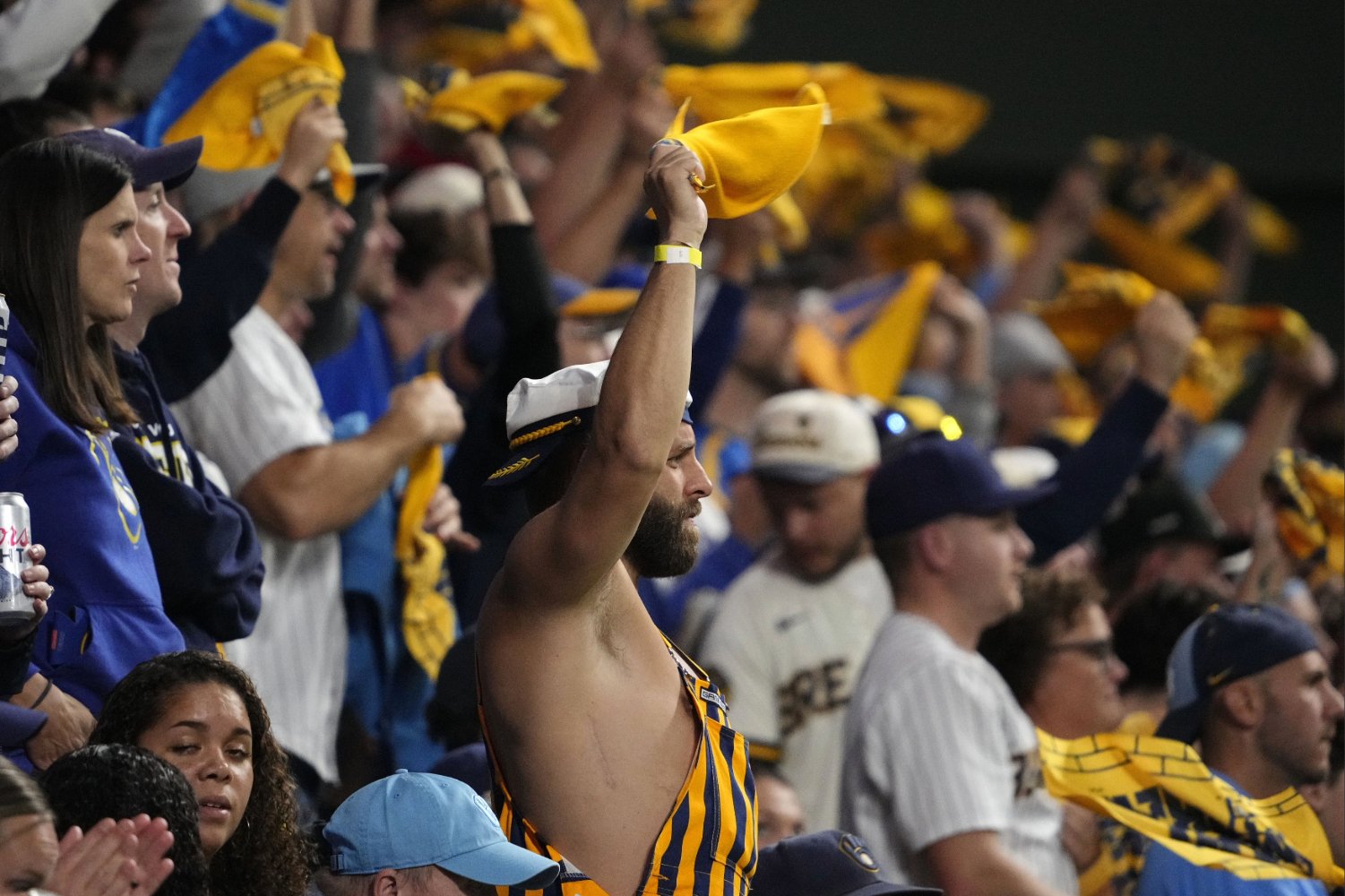 Dear Santa, I hope you get this letter. We’ve been very good this year in Milwaukee - okay, maybe we swore too much in the middle of October - but otherwise very good! We’ve been patient and supportive - more than 2.5 million of us showed up for the third straight year. We love beating the Cubs, but we really want to make history next year. We don’t need much - we’re pretty set on a lot of things most fan bases need. So if it’s not too much to ask, here’s a small list of things we’d like, please: A statement of intent to go all-in! Just slip that in Mark’s stocking, please. Freddy Peralta as our Opening Day Starter. Please let him stay in Milwaukee this winter! One additional big power bat. We haven’t had a 30 home run hitter in three of the last five years, and we will need more power next fall! Good health in the coming year. Especially for Brandon Woodruff, William Contreras, and Christian Yelich. And especially in September/October. You can help with shoulders, lats, backs, and broken fingers - right? Continued growth from our young lads: August Brice Turang for a whole season - 30/30! Jackson Chourio with a little more patience leading to a lot more power - 30/30! The Miz walking fewer batters while continuing to do Miz things Quinn Priester and Chad Patrick locking in as excellent mid-rotation caliber starters Caleb Durbin turning into a Gold Glove third baseman and an on-base machine Joey Ortiz winning a Gold Glove and remembering that he was an above-average hitter as recently as 2024 Lots of innings and strikeouts for the many talented young pitchers working their way through the minor leagues. Cooper Pratt, Jesus Made, Luis Pena, and Brady Ebel being the best collection of shortstops at every level of the minor leagues from Triple-A to Single-A A bright new glove for Abner Uribe. Maybe fuchsia! A big trade deadline acquisition! We don’t know exactly what we will want - but we want it! Not to be greedy - but we need a fourth straight Central Division championship. It’s kind of a prerequisite for our last two wishes (like batteries for remote-controlled gifts). We promise not to take it for granted and to be thankful. We’d love to beat the Dodgers in the NLCS - they bullied us this year, and they squeaked past us in 2018. They’ve been pushing everyone around for a couple of years now, and we think lots of people, even outside of Milwaukee, would find joy in us receiving this gift. Finally, one last small thing - we really, really want to win a World Series for the first time ever! We haven’t asked for much. I hope you bring it all, and if you love us at all, please bring just the last one. We’re leaving out beer and cheese curds for you and tart Spartan apples for your sleigh team. Merry Christmas! - Brewers Fans
 -
I’m high on Fischer too - looking forward to seeing him in camp in a month and a half!
- 12 replies
-
- 1
-

-
- freddy peralta
- brandon sproat
- (and 2 more)
-
Dear Santa, From Brewers Fans
Telemachus Rafaelidys posted a topic in Brewer Fanatic Front Page News
Image courtesy of © Michael McLoone-Imagn Images Dear Santa, I hope you get this letter. We’ve been very good this year in Milwaukee - okay, maybe we swore too much in the middle of October - but otherwise very good! We’ve been patient and supportive - more than 2.5 million of us showed up for the third straight year. We love beating the Cubs, but we really want to make history next year. We don’t need much - we’re pretty set on a lot of things most fan bases need. So if it’s not too much to ask, here’s a small list of things we’d like, please: A statement of intent to go all-in! Just slip that in Mark’s stocking, please. Freddy Peralta as our Opening Day Starter. Please let him stay in Milwaukee this winter! One additional big power bat. We haven’t had a 30 home run hitter in three of the last five years, and we will need more power next fall! Good health in the coming year. Especially for Brandon Woodruff, William Contreras, and Christian Yelich. And especially in September/October. You can help with shoulders, lats, backs, and broken fingers - right? Continued growth from our young lads: August Brice Turang for a whole season - 30/30! Jackson Chourio with a little more patience leading to a lot more power - 30/30! The Miz walking fewer batters while continuing to do Miz things Quinn Priester and Chad Patrick locking in as excellent mid-rotation caliber starters Caleb Durbin turning into a Gold Glove third baseman and an on-base machine Joey Ortiz winning a Gold Glove and remembering that he was an above-average hitter as recently as 2024 Lots of innings and strikeouts for the many talented young pitchers working their way through the minor leagues. Cooper Pratt, Jesus Made, Luis Pena, and Brady Ebel being the best collection of shortstops at every level of the minor leagues from Triple-A to Single-A A bright new glove for Abner Uribe. Maybe fuchsia! A big trade deadline acquisition! We don’t know exactly what we will want - but we want it! Not to be greedy - but we need a fourth straight Central Division championship. It’s kind of a prerequisite for our last two wishes (like batteries for remote-controlled gifts). We promise not to take it for granted and to be thankful. We’d love to beat the Dodgers in the NLCS - they bullied us this year, and they squeaked past us in 2018. They’ve been pushing everyone around for a couple of years now, and we think lots of people, even outside of Milwaukee, would find joy in us receiving this gift. Finally, one last small thing - we really, really want to win a World Series for the first time ever! We haven’t asked for much. I hope you bring it all, and if you love us at all, please bring just the last one. We’re leaving out beer and cheese curds for you and tart Spartan apples for your sleigh team. Merry Christmas! - Brewers Fans View full article -
Brewers Fanatic Writers' Freddy Peralta Trade Proposals
Telemachus Rafaelidys posted an article in Brewers
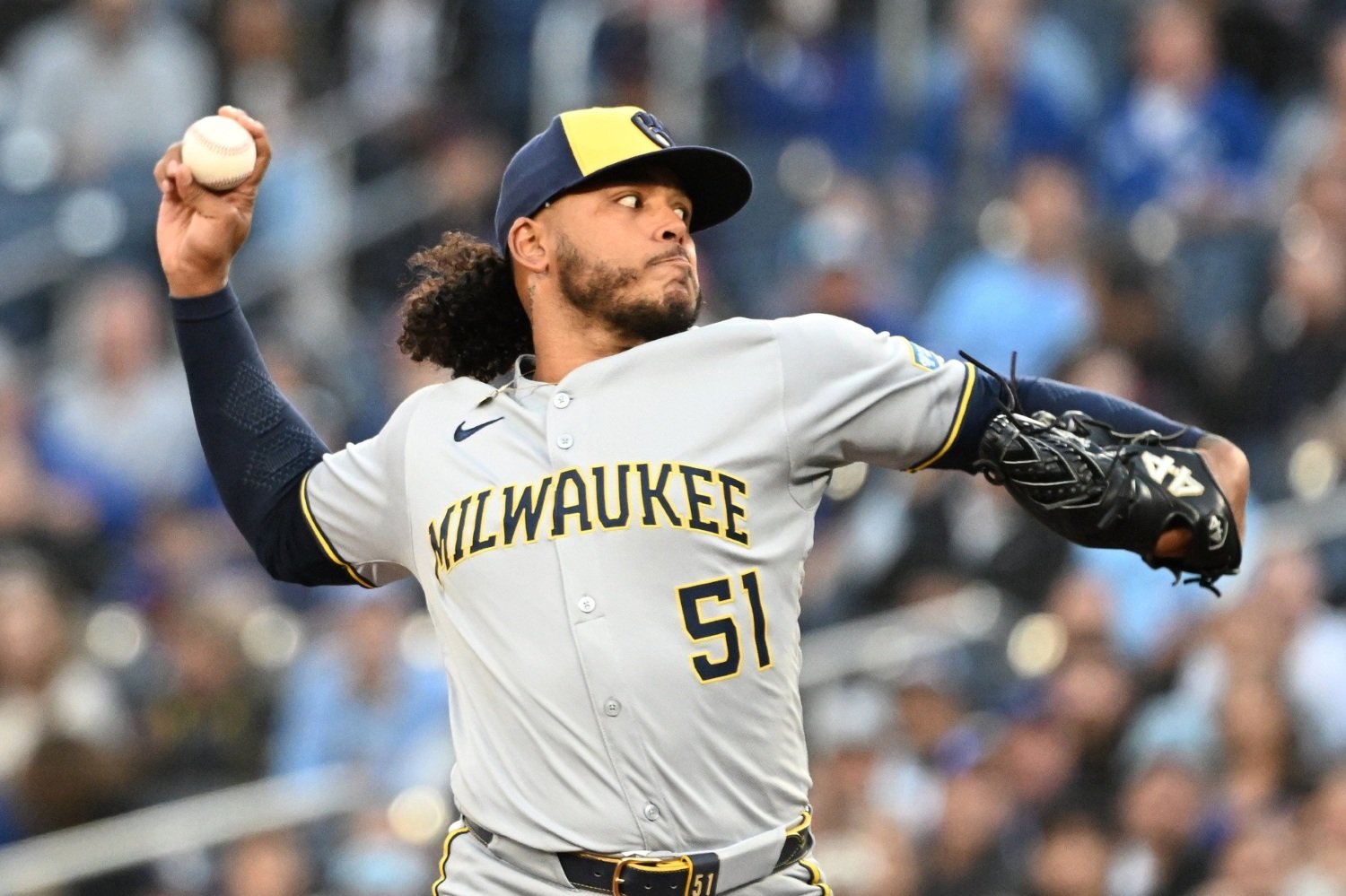 Freddy Peralta was a hot name at the Winter Meetings, and it looks increasingly likely that the Brewers will trade their ace prior to his final season of team control. The Athletic’s Ken Rosenthal and Will Sammon reported that the Orioles, Red Sox, Yankees, Giants and Astros all expressed interest in acquiring Peralta, while our own Matt Trueblood added the Braves and Padres to that list. It would be a bold all-in decision for the Brewers to keep Peralta, but if (as expected) he is to be traded, here are a few returns we might see. Mets receive: Freddy Peralta Brewers receive: RHP Brandon Sproat (MLB Pipeline #5 prospect in organization), SS Elian Pena (10), RHP Peter Kussow (27) The Mets came out of the Winter Meetings with a lot of negative publicity, after watching the Dodgers and Orioles sign franchise mainstays Edwin Díaz and Pete Alonso, respectively. Acquiring Peralta would give the Mets and former Brewers GM David Stearns an experienced No. 1 starter to lead his young rotation. In return, the Brewers receive three players, headlined by Sproat, an athletic 25-year-old pitcher who can hit 100 MPH on the gun and sits around 96. Sproat struggled to generate strikeouts at his previous rate this season, in 121 innings at Triple-A and a brief 20.2 innings in the majors. Still, he has electric stuff; the Brewers can help him regain his dominance. Pena received the largest non-Roki Sasaki International bonus last winter, at $5 million, and is a robust hitting infielder who had a strong season in the Dominican Summer League. Kussow was the Mets' 2025 fourth-round draft pick from Arrowhead High School in Wisconsin, where he was a standout pitcher. Overall, the Brewers would receive an MLB-ready pitcher who should contribute to the team quickly, and two very talented 18-year-olds to develop. —Telemachus Rafaelidys Orioles receive: SP Freddy Peralta Brewers receive: OF Dylan Beavers (MLB Pipeline #83 overall prospect, #2 in organization), UTIL Jeremiah Jackson I’d like to preface this by saying that I’m quite bad at putting together mock trades. I’ve never worked in a baseball front office, nor have I ever worn a suit while attending a baseball game in person. Nonetheless, I think I’ve gotten good enough at the part where I point at good players and say “hey, they’d be awesome to get in a trade!” It’s the other part—the mental simulation of haggling; the imagining of leverage and negotiation—that I really struggle with. So if this trade seems unfair, it probably is, but that’s what makes this so much fun. A few years ago, Baltimore’s core of next-level position player prospects seemed to be the future of the AL East, but with disappointing results from pretty much everyone except Gunnar Henderson and a rotation that included 41-year-old Charlie Morton on Opening Day, this was a wash of a year. However, the Orioles now seem to be going all-in this offseason. They followed up trades for Taylor Ward and Andrew Kittredge with a $28-million free-agent contract for Ryan Helsley and a $155-million deal for Pete Alonso. Even after acquiring Shane Baz, the thing they’re missing is starting pitching, which has only marginally improved since the beginning of the offseason; they sent Greyson Rodriguez to the Angels to land Ward. In exchange for Peralta, the Brewers are still in need of more pop in their lineup. Only three players (Andrew Vaughn, Jackson Chourio, and Christian Yelich) slugged above .450 last season, and although Milwaukee made their small-ball approach work, their weakness was exploited by the Dodgers in a lopsided NLCS matchup. Dylan Beavers is Baltimore’s #2-ranked (and MLB’s #83-ranked) prospect, and had a solid showing across 35 games in the big leagues last year, posting a 125 wRC+. What’s more exciting is the 152 wRC+ he posted across 418 plate appearances with Triple-A Norfolk. While slashing .304/..420/.515 with the Tides, he also had a 16.3% walk rate against an 18.2% strikeout rate. His approach at the plate could be a major improvement over Isaac Collins in left field. Now that the Orioles have an excess of talent in the outfield with prospects like Enrique Bradfield Jr. and Ike Irish on the way, perhaps they’d be willing to part with him. Jeremiah Jackson was Mr. Do-it-All in 2025, primarily playing outfield for the big-league club but spending most of his time in Triple A playing shortstop and third base. Like Beavers, he had good power results, posting a 117 wRC+ with a .447 slugging percentage across 183 major-league plate appearances. He also posted a 182 wRC+ with a .673 slugging percentage across 171 plate appearances in Triple A. His career walk rate is just 6%, but he cut down on strikeouts significantly while in the minors last year, so he is trending in the right direction. This may seem like a lot to ask for one year of one pitcher, but it’s important to note that Peralta will be owed just $8 million from his club option in 2026 and has been a consistently solid starter since becoming a big-league mainstay in 2021. If Baltimore truly wants to be competitive in what may be the toughest division in MLB, this could be the deal that takes them to the next level. —Jason Wang Red Sox Receive: RHP Freddy Peralta Brewers Receive: LHP Kyle Harrison, RHP Kyson Witherspoon (MLB Pipeline #89 overall, #3 in organization), OF Nelly Taylor (15) After seeing what the Orioles had to give up for the Rays' Shane Baz, the package for Peralta should include an MLB-ready player, along with prospects that we can see make their debuts as soon as 2027. With the Red Sox showing interest in improving their rotation for this season, Peralta's $8 million salary is a nice, cheap rental, if not a player worth extending to keep the rotation strong beyond 2026. The club already added Johan Oviedo from the Pirates, as well as Sonny Gray from the Cardinals. So why not keep plucking from the NL Central and grab the Brewers' ace? He would easily slot into a prospective playoff rotation for them, and would be an upgrade over Patrick Sandoval, who is still coming off Tommy John. The Brewers would get a controllable asset back in Harrison, who, yes, is another left-hander when they already have five in the bullpen. If the Brewers see Ángel Zerpa, DL Hall, or even Aaron Ashby as potential starters taking the Jose Quintana role, however, a spot opens up for Harrison to slot in their place in long relief. The real prize in this package is Kyson Witherspoon, whom the Red Sox drafted in the first round in last year's draft. He has multiple plus pitches, including a mid-90s fastball, a sharp slider, and a cutter that is in the upper 80s and pretty consistent. He's still working on his changeup, but he does have a pretty decent curveball that's been given a 60 grade by MLB Pipeline. The downside is he hasn't made a professional debut, only starting in rookie ball this season. But don't be surprised if he becomes a top prospect in the future. Nelly Taylor, on the other hand, fits the mold and type that the Brewers organization has looked for for a while now. He's an aggressive, above-average runner who won Minor League defensive player of the year in his first full pro season. He's likely going to play center field, and would be a nice depth piece in a farm system that doesn’t exactly need immediate help in the outfield. Seeing as his bat speed has continued to improve over the last few seasons, maybe Taylor would see a path to the big leagues within the next season or two. —Ryan Pollak
- 12 comments
-
- 3
-
-
- freddy peralta
- brandon sproat
- (and 2 more)
-
Image courtesy of © Dan Hamilton-Imagn Images Freddy Peralta was a hot name at the Winter Meetings, and it looks increasingly likely that the Brewers will trade their ace prior to his final season of team control. The Athletic’s Ken Rosenthal and Will Sammon reported that the Orioles, Red Sox, Yankees, Giants and Astros all expressed interest in acquiring Peralta, while our own Matt Trueblood added the Braves and Padres to that list. It would be a bold all-in decision for the Brewers to keep Peralta, but if (as expected) he is to be traded, here are a few returns we might see. Mets receive: Freddy Peralta Brewers receive: RHP Brandon Sproat (MLB Pipeline #5 prospect in organization), SS Elian Pena (10), RHP Peter Kussow (27) The Mets came out of the Winter Meetings with a lot of negative publicity, after watching the Dodgers and Orioles sign franchise mainstays Edwin Díaz and Pete Alonso, respectively. Acquiring Peralta would give the Mets and former Brewers GM David Stearns an experienced No. 1 starter to lead his young rotation. In return, the Brewers receive three players, headlined by Sproat, an athletic 25-year-old pitcher who can hit 100 MPH on the gun and sits around 96. Sproat struggled to generate strikeouts at his previous rate this season, in 121 innings at Triple-A and a brief 20.2 innings in the majors. Still, he has electric stuff; the Brewers can help him regain his dominance. Pena received the largest non-Roki Sasaki International bonus last winter, at $5 million, and is a robust hitting infielder who had a strong season in the Dominican Summer League. Kussow was the Mets' 2025 fourth-round draft pick from Arrowhead High School in Wisconsin, where he was a standout pitcher. Overall, the Brewers would receive an MLB-ready pitcher who should contribute to the team quickly, and two very talented 18-year-olds to develop. —Telemachus Rafaelidys Orioles receive: SP Freddy Peralta Brewers receive: OF Dylan Beavers (MLB Pipeline #83 overall prospect, #2 in organization), UTIL Jeremiah Jackson I’d like to preface this by saying that I’m quite bad at putting together mock trades. I’ve never worked in a baseball front office, nor have I ever worn a suit while attending a baseball game in person. Nonetheless, I think I’ve gotten good enough at the part where I point at good players and say “hey, they’d be awesome to get in a trade!” It’s the other part—the mental simulation of haggling; the imagining of leverage and negotiation—that I really struggle with. So if this trade seems unfair, it probably is, but that’s what makes this so much fun. A few years ago, Baltimore’s core of next-level position player prospects seemed to be the future of the AL East, but with disappointing results from pretty much everyone except Gunnar Henderson and a rotation that included 41-year-old Charlie Morton on Opening Day, this was a wash of a year. However, the Orioles now seem to be going all-in this offseason. They followed up trades for Taylor Ward and Andrew Kittredge with a $28-million free-agent contract for Ryan Helsley and a $155-million deal for Pete Alonso. Even after acquiring Shane Baz, the thing they’re missing is starting pitching, which has only marginally improved since the beginning of the offseason; they sent Greyson Rodriguez to the Angels to land Ward. In exchange for Peralta, the Brewers are still in need of more pop in their lineup. Only three players (Andrew Vaughn, Jackson Chourio, and Christian Yelich) slugged above .450 last season, and although Milwaukee made their small-ball approach work, their weakness was exploited by the Dodgers in a lopsided NLCS matchup. Dylan Beavers is Baltimore’s #2-ranked (and MLB’s #83-ranked) prospect, and had a solid showing across 35 games in the big leagues last year, posting a 125 wRC+. What’s more exciting is the 152 wRC+ he posted across 418 plate appearances with Triple-A Norfolk. While slashing .304/..420/.515 with the Tides, he also had a 16.3% walk rate against an 18.2% strikeout rate. His approach at the plate could be a major improvement over Isaac Collins in left field. Now that the Orioles have an excess of talent in the outfield with prospects like Enrique Bradfield Jr. and Ike Irish on the way, perhaps they’d be willing to part with him. Jeremiah Jackson was Mr. Do-it-All in 2025, primarily playing outfield for the big-league club but spending most of his time in Triple A playing shortstop and third base. Like Beavers, he had good power results, posting a 117 wRC+ with a .447 slugging percentage across 183 major-league plate appearances. He also posted a 182 wRC+ with a .673 slugging percentage across 171 plate appearances in Triple A. His career walk rate is just 6%, but he cut down on strikeouts significantly while in the minors last year, so he is trending in the right direction. This may seem like a lot to ask for one year of one pitcher, but it’s important to note that Peralta will be owed just $8 million from his club option in 2026 and has been a consistently solid starter since becoming a big-league mainstay in 2021. If Baltimore truly wants to be competitive in what may be the toughest division in MLB, this could be the deal that takes them to the next level. —Jason Wang Red Sox Receive: RHP Freddy Peralta Brewers Receive: LHP Kyle Harrison, RHP Kyson Witherspoon (MLB Pipeline #89 overall, #3 in organization), OF Nelly Taylor (15) After seeing what the Orioles had to give up for the Rays' Shane Baz, the package for Peralta should include an MLB-ready player, along with prospects that we can see make their debuts as soon as 2027. With the Red Sox showing interest in improving their rotation for this season, Peralta's $8 million salary is a nice, cheap rental, if not a player worth extending to keep the rotation strong beyond 2026. The club already added Johan Oviedo from the Pirates, as well as Sonny Gray from the Cardinals. So why not keep plucking from the NL Central and grab the Brewers' ace? He would easily slot into a prospective playoff rotation for them, and would be an upgrade over Patrick Sandoval, who is still coming off Tommy John. The Brewers would get a controllable asset back in Harrison, who, yes, is another left-hander when they already have five in the bullpen. If the Brewers see Ángel Zerpa, DL Hall, or even Aaron Ashby as potential starters taking the Jose Quintana role, however, a spot opens up for Harrison to slot in their place in long relief. The real prize in this package is Kyson Witherspoon, whom the Red Sox drafted in the first round in last year's draft. He has multiple plus pitches, including a mid-90s fastball, a sharp slider, and a cutter that is in the upper 80s and pretty consistent. He's still working on his changeup, but he does have a pretty decent curveball that's been given a 60 grade by MLB Pipeline. The downside is he hasn't made a professional debut, only starting in rookie ball this season. But don't be surprised if he becomes a top prospect in the future. Nelly Taylor, on the other hand, fits the mold and type that the Brewers organization has looked for for a while now. He's an aggressive, above-average runner who won Minor League defensive player of the year in his first full pro season. He's likely going to play center field, and would be a nice depth piece in a farm system that doesn’t exactly need immediate help in the outfield. Seeing as his bat speed has continued to improve over the last few seasons, maybe Taylor would see a path to the big leagues within the next season or two. —Ryan Pollak View full article
-
When Mitchell is able to play, he is an elite defensive center fielder and a good low ball hitter. The two issues are that he hasn't been able to stay healthy or hit high fastballs. The Brewers seem to still value him - without further roster moves he would likely be the starting CF. Roster Resource shows Mitchell on the bench with Bauers starting in left, and while Bauers had a mini-breakout last season with a much better approach at the plate, he doesn't field the position well enough to be on the grass for the big side of a platoon. Mitchell could be an interesting trade target for a team like the Mets that want to improve their OF defense, and Stearns was in Milwaukee when the team selected him in the first round of the draft. I'd be very cautious trading away Fischer - maybe that means it's the actual cost.
-
Tyler Soderstrom would be the perfect fit for the Brewers in left field. He just turned 24, has four years of club control remaining, and is coming off a breakout season in which he was worth roughly 4 wins above replacement. Perhaps, most importantly, he has the type of power that the Brewers' outfield lacked last season, and he could grow into more. In the aftermath of the Brewers' NLCS loss to the Dodgers, the lack of over-the-fence power the team showed in 2025 has been a major talking point. Even manager Pat Murphy chimed in at the Winter Meetings. “I hope we are this year,” Murphy said, when prompted by a reporter stating that the Brewers weren’t considered a home run team in 2025. Soderstrom was the Athletics' first-round pick in 2020. He entered their player development system as a catcher, but his offense has taken off now that he is no longer behind the plate. The 2025 season was the first time in his professional career that Soderstrom didn’t catch at all, and he had a huge season. Soderstrom’s 25 home runs would have been the second-most on the Brewers after Christian Yelich’s 29, and his maximum exit velocity of 114 MPH would have been second to William Contreras’s 114.1. Soderstrom has above-average bat speed and a solid hard-hit percentage, and while he chases more than most Brewers hitters, he makes above-average in-zone contact. At 6-foot-2 and 200 pounds, the power here is real. Defensively, Soderstrom initially moved to first base, but he wasn’t very good there. When the A’s promoted eventual Rookie of the Year Nick Kurtz, they moved Soderstrom to left field, where he excelled. Soderstrom has a strong arm and recorded the second-most outfield assists in the American League, with 11. Even more impressive was the range Soderstrom displayed: he finished 5th among all left fielders in Statcast’s OAA and was a finalist for the Gold Glove, losing to Steven Kwan. While the Gold Glove nod likely over-hyped his defense somewhat, Soderstrom’s combination of power and positive defensive contribution is enticing. Here are the players who had more home runs in 2025 and a more positive defensive impact in the outfield than Soderstrom: Aaron Judge, Julio Rodriguez, Corbin Carroll, Pete Crow-Armstrong, Cody Bellinger, Fernando Tatis Jr., and Andy Pages. Soderstrom will need to prove he can do this again for it to feel like he belongs on a list with those names, but that’s an exciting group of comps. The A’s almost certainly aren’t looking to move Soderstrom, so the Brewers would likely need to overpay to acquire him. But on the heels of the Isaac Collins trade, the Brewers should look to make another roster-consolidating move, turning multiple player assets into a higher-performing player to maximize the output on the major-league roster. If you are going to overpay for a player, a 24-year-old ascending power hitter who plays solid defense is the type to target. Consider Bellinger, who placed above Soderstrom in defensive value and hit four more home runs last season. He could sign a contract for more than $150 million this winter, and he’s already 30 years old. For a cost-controlled, power-hitting outfielder who can field his position, what should the Brewers be willing to offer? Like everyone else in the league, the A’s have reportedly been looking to acquire controllable starting pitching. Would Robert Gasser or Logan Henderson get the conversation started? The Brewers could include an additional arm from the upper minor leagues, such as Tate Kuehner or KC Hunt, then complete the offer by dealing from their surplus of corner infielders and include Mike Boeve or Brock Wilken. Acquiring good young players isn’t cheap, but the Brewers have the depth in their system to make a trade like this if they want to. Tyler Soderstrom isn’t a star right now. He was dislodged from his position and played in the shadow of his award-winning teammate last year. However, another year removed from the stress and grind of catching could change that. The Brewers should trade for Soderstrom before he reaches that next level, and maybe they can reach new highs together. View full article
-
Why the Brewers Should Trade for Tyler Soderstrom
Telemachus Rafaelidys posted an article in Brewers
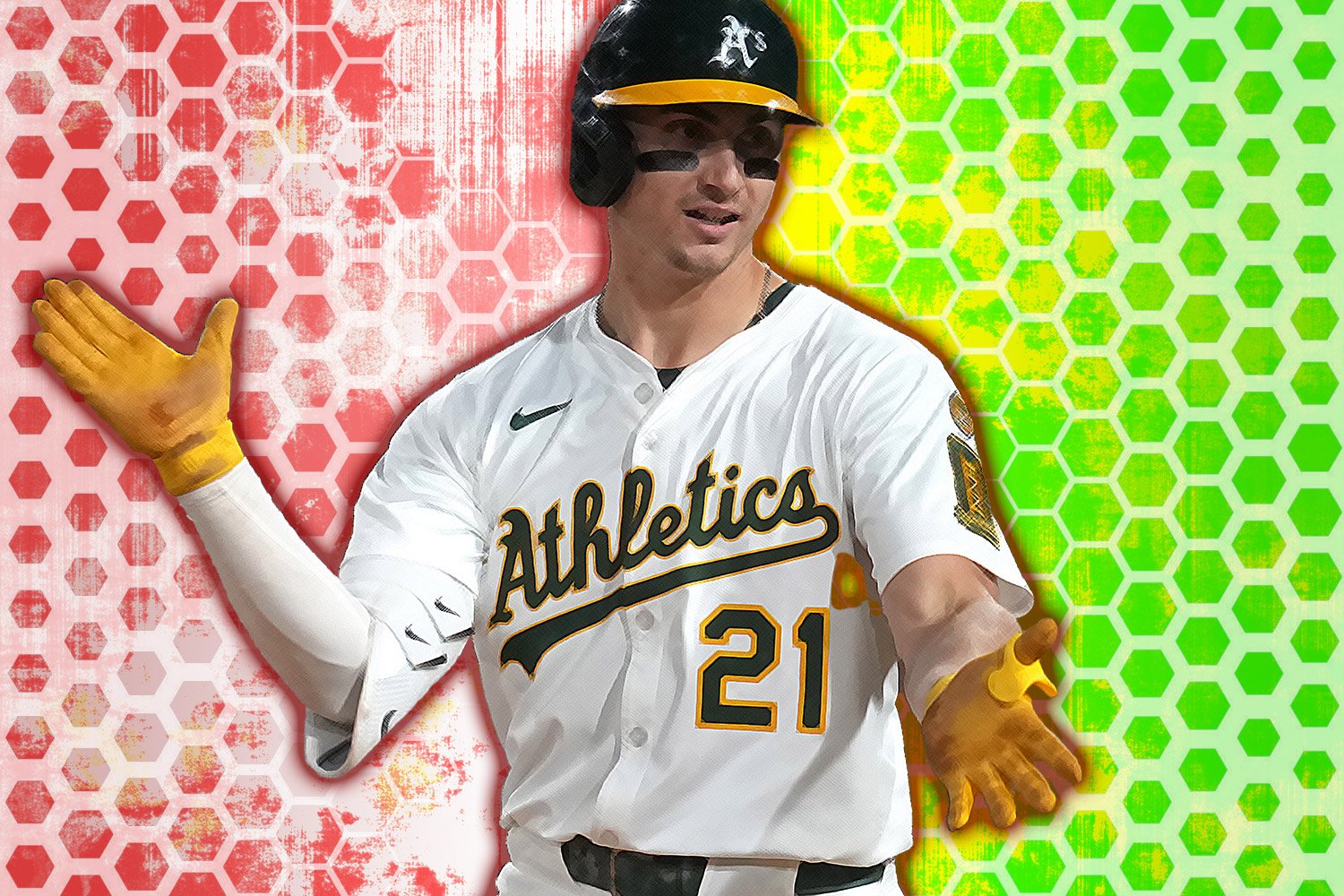 Tyler Soderstrom would be the perfect fit for the Brewers in left field. He just turned 24, has four years of club control remaining, and is coming off a breakout season in which he was worth roughly 4 wins above replacement. Perhaps, most importantly, he has the type of power that the Brewers' outfield lacked last season, and he could grow into more. In the aftermath of the Brewers' NLCS loss to the Dodgers, the lack of over-the-fence power the team showed in 2025 has been a major talking point. Even manager Pat Murphy chimed in at the Winter Meetings. “I hope we are this year,” Murphy said, when prompted by a reporter stating that the Brewers weren’t considered a home run team in 2025. Soderstrom was the Athletics' first-round pick in 2020. He entered their player development system as a catcher, but his offense has taken off now that he is no longer behind the plate. The 2025 season was the first time in his professional career that Soderstrom didn’t catch at all, and he had a huge season. Soderstrom’s 25 home runs would have been the second-most on the Brewers after Christian Yelich’s 29, and his maximum exit velocity of 114 MPH would have been second to William Contreras’s 114.1. Soderstrom has above-average bat speed and a solid hard-hit percentage, and while he chases more than most Brewers hitters, he makes above-average in-zone contact. At 6-foot-2 and 200 pounds, the power here is real. Defensively, Soderstrom initially moved to first base, but he wasn’t very good there. When the A’s promoted eventual Rookie of the Year Nick Kurtz, they moved Soderstrom to left field, where he excelled. Soderstrom has a strong arm and recorded the second-most outfield assists in the American League, with 11. Even more impressive was the range Soderstrom displayed: he finished 5th among all left fielders in Statcast’s OAA and was a finalist for the Gold Glove, losing to Steven Kwan. While the Gold Glove nod likely over-hyped his defense somewhat, Soderstrom’s combination of power and positive defensive contribution is enticing. Here are the players who had more home runs in 2025 and a more positive defensive impact in the outfield than Soderstrom: Aaron Judge, Julio Rodriguez, Corbin Carroll, Pete Crow-Armstrong, Cody Bellinger, Fernando Tatis Jr., and Andy Pages. Soderstrom will need to prove he can do this again for it to feel like he belongs on a list with those names, but that’s an exciting group of comps. The A’s almost certainly aren’t looking to move Soderstrom, so the Brewers would likely need to overpay to acquire him. But on the heels of the Isaac Collins trade, the Brewers should look to make another roster-consolidating move, turning multiple player assets into a higher-performing player to maximize the output on the major-league roster. If you are going to overpay for a player, a 24-year-old ascending power hitter who plays solid defense is the type to target. Consider Bellinger, who placed above Soderstrom in defensive value and hit four more home runs last season. He could sign a contract for more than $150 million this winter, and he’s already 30 years old. For a cost-controlled, power-hitting outfielder who can field his position, what should the Brewers be willing to offer? Like everyone else in the league, the A’s have reportedly been looking to acquire controllable starting pitching. Would Robert Gasser or Logan Henderson get the conversation started? The Brewers could include an additional arm from the upper minor leagues, such as Tate Kuehner or KC Hunt, then complete the offer by dealing from their surplus of corner infielders and include Mike Boeve or Brock Wilken. Acquiring good young players isn’t cheap, but the Brewers have the depth in their system to make a trade like this if they want to. Tyler Soderstrom isn’t a star right now. He was dislodged from his position and played in the shadow of his award-winning teammate last year. However, another year removed from the stress and grind of catching could change that. The Brewers should trade for Soderstrom before he reaches that next level, and maybe they can reach new highs together.
 -
Image courtesy of © Benny Sieu-Imagn Images The Royals extended Maikel García on Friday, signing him to a five-year contract worth a guaranteed $57.5 million. The agreement will buy out four years of club-controlled arbitration and one year of free agency, and contains a club option for an additional year. If the option is triggered, the value of the deal will climb to nearly $75 million over six years, and escalators could increase his salaries for 2030 and 2031, nudging the number toward $80 million. García had an outstanding 2025 season, winning the American League Gold Glove Award at third base and breaking out with a 121 wRC+ at the plate. The timing of his extension comes at an interesting time for the Milwaukee Brewers and their own Gold Glove-winning second baseman, Brice Turang. Like García, Turang is a superb defensive infielder who also had a breakout season at the plate. Like García, Turang is a Super Two qualifier and will be eligible for arbitration for the first of four times this winter. He's projected by Cot’s Contracts to earn $4.75 million in 2026, while García had been projected to earn $4.85 million. García and Turang have tracked closely at the plate over their major-league careers. Both players put up below-average batting lines in each of their first two seasons, with 11 total home runs for García and 13 for Turang. This season, however, both made major improvements in bat speed, Barrel rate and walk rate. García bumped from 70.8 MPH to 71.9 on his swings, while Turang had a massive jump from 66.2 all the way to 70.7, leading to both eclipsing their career home run totals in a single season, hitting 16 and 18, respectively. Their career WAR totals are more of a mixed bag, with FanGraphs favoring García and Baseball Reference favoring Turang. Coincidentally, both Garcia and Turang finished 14th in the 2025 MVP voting for their respective leagues. Player Age Service Time 2025 wRC+ 2025 WAR Career WAR Brice Turang 26.1 2.165 124 4.4f / 5.6br 6.8f / 11.8br Maikel García 25.8 2.68 121 5.6f / 5.8br 9.1f / 8br García’s contract is similar to the extension Matt Trueblood suggested for Turang when he wrote on the subject in October, which guaranteed Turang $55 million over the first five years, but had two additional guaranteed years and a mutual option for an eighth year. There is value in the shorter commitment in García’s new deal. With Turang’s stellar up-the-middle defense and emerging power, the team would likely gain a lot of surplus value by having Turang through the 2031 season, which should include the entire prime of his career. If Turang (or García, for that matter) is still performing at a high level when the contract ends, the team could then extend him the qualifying offer to either retain him for an additional year or gain draft pick compensation, without the upfront risk of guaranteeing the sixth and seventh years. Turang may have less incentive to sign an extension than García did, though. Turang was the Brewers' 2018 first-round draft pick and received a $3.41-million bonus, whereas García signed for less than $100,000 as an international amateur in 2016. They both received top-13 payouts from MLB’s Pre-Arbitration Bonus Pool this year, with Turang receiving $1.16 million and García getting $774,000. (It’s interesting that MLB valued Turang’s season more highly, given that both WAR metrics gave García the edge.) If Turang and his agents are interested in an extension similar to García’s, the Brewers should jump at the chance to keep him through his age-31 season and secure one extra year of control with an option for a second. That said, Turang should probably ask for a higher average annual value than Garcia received, or be patient, because he will likely do better overall by betting on himself and going year-to-year in arbitration and becoming a free agent in four years, just as he turns 30. If the Brewers and Turang get together this offseason to discuss a longer-term commitment, García’s extension gives both sides a meaningful reference point to work from—and maybe it helps them get an extension done this winter. View full article
-
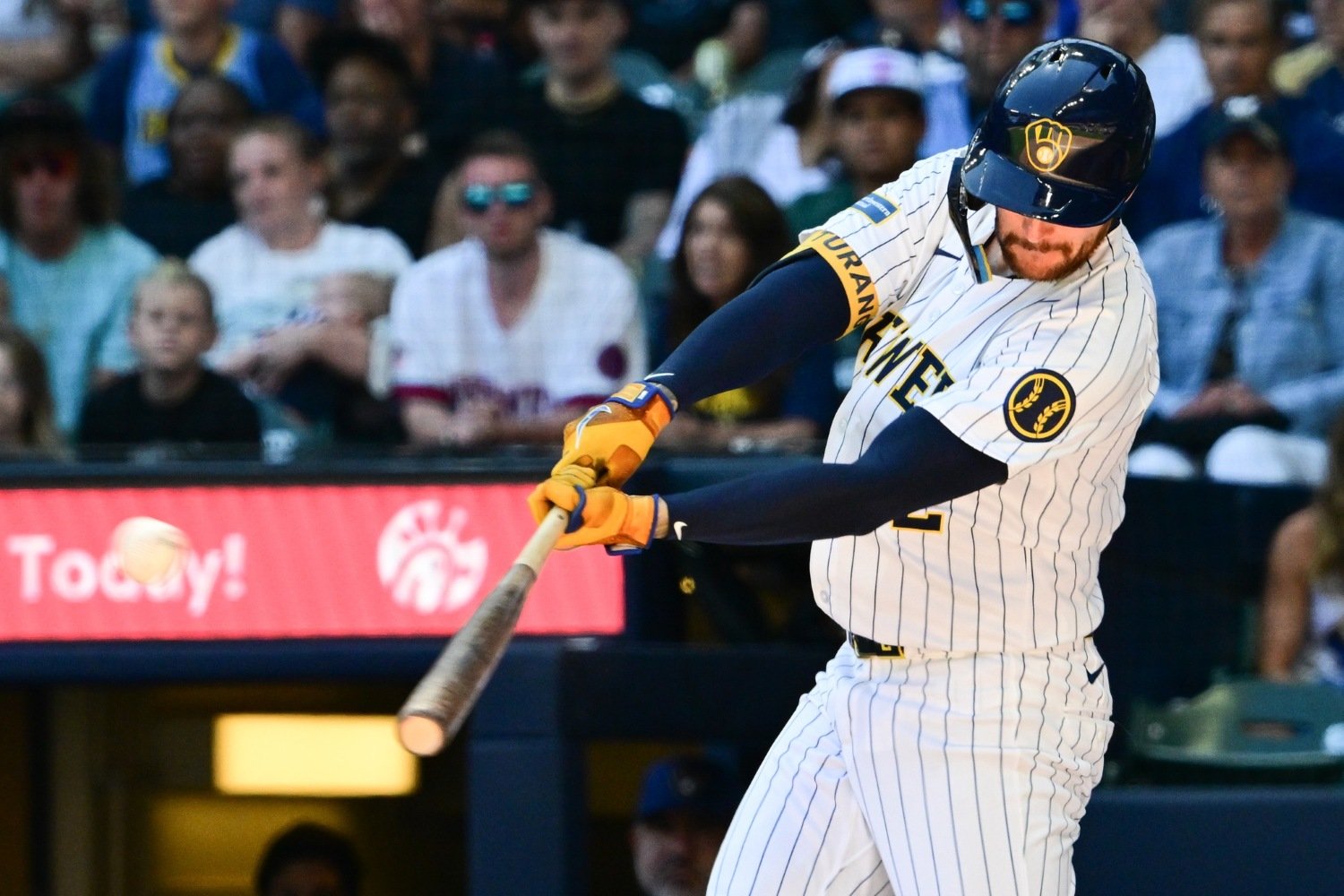 The Royals extended Maikel García on Friday, signing him to a five-year contract worth a guaranteed $57.5 million. The agreement will buy out four years of club-controlled arbitration and one year of free agency, and contains a club option for an additional year. If the option is triggered, the value of the deal will climb to nearly $75 million over six years, and escalators could increase his salaries for 2030 and 2031, nudging the number toward $80 million. García had an outstanding 2025 season, winning the American League Gold Glove Award at third base and breaking out with a 121 wRC+ at the plate. The timing of his extension comes at an interesting time for the Milwaukee Brewers and their own Gold Glove-winning second baseman, Brice Turang. Like García, Turang is a superb defensive infielder who also had a breakout season at the plate. Like García, Turang is a Super Two qualifier and will be eligible for arbitration for the first of four times this winter. He's projected by Cot’s Contracts to earn $4.75 million in 2026, while García had been projected to earn $4.85 million. García and Turang have tracked closely at the plate over their major-league careers. Both players put up below-average batting lines in each of their first two seasons, with 11 total home runs for García and 13 for Turang. This season, however, both made major improvements in bat speed, Barrel rate and walk rate. García bumped from 70.8 MPH to 71.9 on his swings, while Turang had a massive jump from 66.2 all the way to 70.7, leading to both eclipsing their career home run totals in a single season, hitting 16 and 18, respectively. Their career WAR totals are more of a mixed bag, with FanGraphs favoring García and Baseball Reference favoring Turang. Coincidentally, both Garcia and Turang finished 14th in the 2025 MVP voting for their respective leagues. Player Age Service Time 2025 wRC+ 2025 WAR Career WAR Brice Turang 26.1 2.165 124 4.4f / 5.6br 6.8f / 11.8br Maikel García 25.8 2.68 121 5.6f / 5.8br 9.1f / 8br García’s contract is similar to the extension Matt Trueblood suggested for Turang when he wrote on the subject in October, which guaranteed Turang $55 million over the first five years, but had two additional guaranteed years and a mutual option for an eighth year. There is value in the shorter commitment in García’s new deal. With Turang’s stellar up-the-middle defense and emerging power, the team would likely gain a lot of surplus value by having Turang through the 2031 season, which should include the entire prime of his career. If Turang (or García, for that matter) is still performing at a high level when the contract ends, the team could then extend him the qualifying offer to either retain him for an additional year or gain draft pick compensation, without the upfront risk of guaranteeing the sixth and seventh years. Turang may have less incentive to sign an extension than García did, though. Turang was the Brewers' 2018 first-round draft pick and received a $3.41-million bonus, whereas García signed for less than $100,000 as an international amateur in 2016. They both received top-13 payouts from MLB’s Pre-Arbitration Bonus Pool this year, with Turang receiving $1.16 million and García getting $774,000. (It’s interesting that MLB valued Turang’s season more highly, given that both WAR metrics gave García the edge.) If Turang and his agents are interested in an extension similar to García’s, the Brewers should jump at the chance to keep him through his age-31 season and secure one extra year of control with an option for a second. That said, Turang should probably ask for a higher average annual value than Garcia received, or be patient, because he will likely do better overall by betting on himself and going year-to-year in arbitration and becoming a free agent in four years, just as he turns 30. If the Brewers and Turang get together this offseason to discuss a longer-term commitment, García’s extension gives both sides a meaningful reference point to work from—and maybe it helps them get an extension done this winter.
 -
Well said. Collins deserves a ton of credit for a fantastic season and he absolutely helped the Brewers win the division! Wish him all the best in KC. Feels like either a big bet on Mitchell or another move in the outfield is coming!
-
Thanks for the comment. I agree we have a difference of opinion, but it's not from a lack of "homework" - merely drawing different conclusions from our respective research. For example, there are many different prospect lists, not solely the one you are sighting and many of these lists will be updated this winter. I believe that Burke and Fischer will rise on those lists and I also think Burke improved defensively this season and that he is a good enough athlete to continue to make strides on the dirt at first base. Fischer moved to first from third because he transferred to Tennessee where Burke had just left to be drafted by the Brewers and Tennessee already had a third baseman. If Fischer can play third base, that would be the best outcome - and that's what I'm suggesting here. I've written a separate piece with my current thoughts on Pratt, he is an excellent defender and I'm excited to see what he'll do in Triple A this year. This article isn't a roster projection for the next decade, it's looking ahead one year to 2027. I think it very unlikely that Pena will be MLB ready in 2027 - but it would be awesome if he is. Homework note - Molitor and Yount came up to the majors in the 70s - I was in a backpack at the World Series in 1982 and grew up as a big Molitor fan!
-
Correct. Megill has been mentioned in rumors this winter - if he stays in Milwaukee for 2026, he would almost certainly be traded next winter (Hader, Burnes, Williams)...
-
The power is definitely real for those two. The concern would is contact ability and Burke might be the better defensive first baseman also. Having four quality CIs at the AA/AAA level is a great “problem” to have. The Brewers will have options and decisions to make about promotions and potential trades.
-
Agreed that Pratt is a standout defender. Made looks like a star and the clear SS of the future. And if Fischer proves he can handle 3B his bat will put him in the lineup. Pratt will still only be 22 in 2027 and could remain in AAA or be traded. Alternatively, if Pratt has a breakout at the plate this year - he could certainly have a spot on the left side of the infield in 2027.
-
Projecting The 2027 Brewers' Roster (Somewhat Aggressively)
Telemachus Rafaelidys posted an article in Brewers
 The Brewers will open next season as the reigning three-time Central Division Champions; however, in some ways, the 2026 season feels like a placeholder until the next wave of premier prospects arrives in 2027. Four Brewers received Rookie of the Year votes this past season, but only Jacob Misiorowski was a top 100 prospect, and he only received one fourth-place vote. The 2027 Brewers could have four or five rookies receive votes, with multiple top 100 prospects among them. The Brewers are often described as “threading the needle” between competing for a championship and accumulating young talent to remain competitive on a budget – this winter, that needle hole feels finer than usual. Recent rumors suggest that the Brewers will possbily trade away ace Freddy Peralta, closer Trevor Megill, and setup man Nick Mears, and while recent trades of star pitchers have brought back plug-in contributors such as William Contreras (after a second masterstroke trade), Joey Ortiz, DL Hall, Nestor Cortes, and Caleb Durbin, the bar for the quality of the returning player to become an instant contributor has been substantially raised. This Brewers team just had the final pick in the Rule 5 Draft, where it didn’t select a player, and will have the last official pick in the first round of the 2026 MLB Draft - the Brewers are good. Yes, the Brewers could be served well with more home run power in their lineup, and they might trade away their ace before the year ends, but the front office has built this organization to sustain itself at a high level. Here’s what that could look like after next season. Catchers (2) William Contreras Jeferson Quero William Contreras would enter the 2027 season in his last year of team control. While the Brewers traded Corbin Burnes and Devin Williams and may be trading Freddy Peralta, they kept Willy Adames. They might be smart to keep Contreras as well. He is a very good-hitting catcher, a team leader, and works closely with the team’s deep and talented pitching staff. Quero would have a second year working as a backup and learning from Contreras, while the uber athletic and powerful hitting Marco Dinges would get a third full season in the minor leagues to work on his conversion to catcher and look to compete with Quero to be the starter in 2028. Infielders (6) Blake Burke (1B) Brice Turang (2B) Andrew Fischer (3B) Jesus Made (SS) Joey Ortiz (INF) Caleb Durbin (INF-OF) This is an exciting group! It may seem aggressive to have Burke, Fischer, and Made all on the 2027 Opening Day roster, but all three should move fast in the coming year. Made looks set to start 2026 as a still-18-year-old in Double-A, and reaching the major leagues in 2027 would put him on the same timeline as Jackson Chourio. The two former University of Tennessee corner infielders look ready to move as well. Burke took off after being promoted to Double-A Biloxi and could begin the 2026 season there. Fischer, who many thought was the most advanced college bat in the 2025 MLB Draft, had a strong start to his professional career at High-A Wisconsin and will likely also begin 2026 in Biloxi. Any one of these three could reach Milwaukee by the end of next season to help clinch a fourth straight Central Division title. Surrounding Team USA’s Brice Turang with the three young infielders could be risky, but the upside could be massive. Ortiz would make an excellent backup and defensive replacement anywhere on the infield, and as a right-handed batter, he could take the lineup spot for any of the three left-handed hitters on the dirt. Durbin would also fit as a right-handed option, both on the infield at second and third and in the outfield. Outfield (5) Jackson Chourio (LF) Luis Lara (CF) Sal Frelick (RF) Christian Yelich (DH) Blake Perkins (OF) The changes in the outfield between now and April 2027 are less obvious than in the infield. The Brewers may look to make an upgrade in the outfield this winter, and that player could have multiple years of control. But as it stands, this would be an excellent defensive outfield with potential at the plate. Lara is an elite center fielder and had a very good year at Double-A this past year. He won’t help the Brewers hit more home runs, but he should get on base at a strong clip, and has the speed to impact the game from there - he fits in well with the brand of baseball the 2025 Brewers played. The Brewers will hope Chourio has taken a big step forward and become an All-Star caliber player, and that Frelick is still playing elite defense while getting on base and turning the lineup over. This lineup will have great flexibility - with Made and Lara switch-hitting, Pat Murphy would have only two right-handed batters among his starting nine, but against a left-hander, he could utilize a lineup featuring only two left-handed batters. Starting Pitchers (5) Jacob Misiorowski Quinn Priester Chad Patrick Logan Henderson Robert Gasser Starting pitching is where the 2026 team potentially outshines this 2027 projection, especially if Peralta remains on the roster. However, this group has a lot of talent and should gain a lot of experience this coming year. The Miz has the stuff to be a true staff ace if he can limit the walks he allows and consistently pitch into the sixth and seventh innings. All four of Priester, Patrick, Henderson, and Gasser have had success at the major league level. Staying healthy and consistent will be the key to unlocking their potential and making this a very strong starting rotation. In addition to the outfield, starting pitching may be the position most likely to see a trade acquisition that could challenge for a roster spot between now and 2027. If Peralta and Megill do indeed get traded, it would be reasonable to expect that a highly rated pitching prospect will be a part of at least one of those trade returns, and one or more of those players could supplant a member of this group of incumbents. Bullpen (8) Abner Uribe Aaron Ashby Jared Koenig Brett Wichrowski Craig Yoho Coleman Crow DL Hall Tobias Myers The Brewers have an embarrassment of pitching riches - they really have impressive depth - there are another dozen or so pitchers in their minor league system that could potentially be ready to contribute to either the rotation or bullpen in 2027. In this projection, Uribe would remain the closer, with Ashby, Koenig, and Wichrowski as the high-leverage arms, and Yoho serving as a righty killer. Crow and Hall would offer longer middle relief from either side, and Myers would be the long man, capable of picking up a starter who has a bad day. A lot will happen between now and Opening Day 2027 - but the 2026 Brewers will be constructed with an eye towards the following year’s cadre of talented prospects that will reshape the lineup and keep this team in the hunt for many more division titles.
 -
Image courtesy of © Dave Kallmann / Milwaukee Journal Sentinel / USA TODAY NETWORK via Imagn Images The Brewers will open next season as the reigning three-time Central Division Champions; however, in some ways, the 2026 season feels like a placeholder until the next wave of premier prospects arrives in 2027. Four Brewers received Rookie of the Year votes this past season, but only Jacob Misiorowski was a top 100 prospect, and he only received one fourth-place vote. The 2027 Brewers could have four or five rookies receive votes, with multiple top 100 prospects among them. The Brewers are often described as “threading the needle” between competing for a championship and accumulating young talent to remain competitive on a budget – this winter, that needle hole feels finer than usual. Recent rumors suggest that the Brewers will possbily trade away ace Freddy Peralta, closer Trevor Megill, and setup man Nick Mears, and while recent trades of star pitchers have brought back plug-in contributors such as William Contreras (after a second masterstroke trade), Joey Ortiz, DL Hall, Nestor Cortes, and Caleb Durbin, the bar for the quality of the returning player to become an instant contributor has been substantially raised. This Brewers team just had the final pick in the Rule 5 Draft, where it didn’t select a player, and will have the last official pick in the first round of the 2026 MLB Draft - the Brewers are good. Yes, the Brewers could be served well with more home run power in their lineup, and they might trade away their ace before the year ends, but the front office has built this organization to sustain itself at a high level. Here’s what that could look like after next season. Catchers (2) William Contreras Jeferson Quero William Contreras would enter the 2027 season in his last year of team control. While the Brewers traded Corbin Burnes and Devin Williams and may be trading Freddy Peralta, they kept Willy Adames. They might be smart to keep Contreras as well. He is a very good-hitting catcher, a team leader, and works closely with the team’s deep and talented pitching staff. Quero would have a second year working as a backup and learning from Contreras, while the uber athletic and powerful hitting Marco Dinges would get a third full season in the minor leagues to work on his conversion to catcher and look to compete with Quero to be the starter in 2028. Infielders (6) Blake Burke (1B) Brice Turang (2B) Andrew Fischer (3B) Jesus Made (SS) Joey Ortiz (INF) Caleb Durbin (INF-OF) This is an exciting group! It may seem aggressive to have Burke, Fischer, and Made all on the 2027 Opening Day roster, but all three should move fast in the coming year. Made looks set to start 2026 as a still-18-year-old in Double-A, and reaching the major leagues in 2027 would put him on the same timeline as Jackson Chourio. The two former University of Tennessee corner infielders look ready to move as well. Burke took off after being promoted to Double-A Biloxi and could begin the 2026 season there. Fischer, who many thought was the most advanced college bat in the 2025 MLB Draft, had a strong start to his professional career at High-A Wisconsin and will likely also begin 2026 in Biloxi. Any one of these three could reach Milwaukee by the end of next season to help clinch a fourth straight Central Division title. Surrounding Team USA’s Brice Turang with the three young infielders could be risky, but the upside could be massive. Ortiz would make an excellent backup and defensive replacement anywhere on the infield, and as a right-handed batter, he could take the lineup spot for any of the three left-handed hitters on the dirt. Durbin would also fit as a right-handed option, both on the infield at second and third and in the outfield. Outfield (5) Jackson Chourio (LF) Luis Lara (CF) Sal Frelick (RF) Christian Yelich (DH) Blake Perkins (OF) The changes in the outfield between now and April 2027 are less obvious than in the infield. The Brewers may look to make an upgrade in the outfield this winter, and that player could have multiple years of control. But as it stands, this would be an excellent defensive outfield with potential at the plate. Lara is an elite center fielder and had a very good year at Double-A this past year. He won’t help the Brewers hit more home runs, but he should get on base at a strong clip, and has the speed to impact the game from there - he fits in well with the brand of baseball the 2025 Brewers played. The Brewers will hope Chourio has taken a big step forward and become an All-Star caliber player, and that Frelick is still playing elite defense while getting on base and turning the lineup over. This lineup will have great flexibility - with Made and Lara switch-hitting, Pat Murphy would have only two right-handed batters among his starting nine, but against a left-hander, he could utilize a lineup featuring only two left-handed batters. Starting Pitchers (5) Jacob Misiorowski Quinn Priester Chad Patrick Logan Henderson Robert Gasser Starting pitching is where the 2026 team potentially outshines this 2027 projection, especially if Peralta remains on the roster. However, this group has a lot of talent and should gain a lot of experience this coming year. The Miz has the stuff to be a true staff ace if he can limit the walks he allows and consistently pitch into the sixth and seventh innings. All four of Priester, Patrick, Henderson, and Gasser have had success at the major league level. Staying healthy and consistent will be the key to unlocking their potential and making this a very strong starting rotation. In addition to the outfield, starting pitching may be the position most likely to see a trade acquisition that could challenge for a roster spot between now and 2027. If Peralta and Megill do indeed get traded, it would be reasonable to expect that a highly rated pitching prospect will be a part of at least one of those trade returns, and one or more of those players could supplant a member of this group of incumbents. Bullpen (8) Abner Uribe Aaron Ashby Jared Koenig Brett Wichrowski Craig Yoho Coleman Crow DL Hall Tobias Myers The Brewers have an embarrassment of pitching riches - they really have impressive depth - there are another dozen or so pitchers in their minor league system that could potentially be ready to contribute to either the rotation or bullpen in 2027. In this projection, Uribe would remain the closer, with Ashby, Koenig, and Wichrowski as the high-leverage arms, and Yoho serving as a righty killer. Crow and Hall would offer longer middle relief from either side, and Myers would be the long man, capable of picking up a starter who has a bad day. A lot will happen between now and Opening Day 2027 - but the 2026 Brewers will be constructed with an eye towards the following year’s cadre of talented prospects that will reshape the lineup and keep this team in the hunt for many more division titles. View full article
-
Thanks for weighing in! Because the Brewers have such a strong farm system - it makes this type of question worth asking!
.png.9a5b9cc44f03226cb57591ada78ce477.png)