



Telemachus Rafaelidys
-
Posts
88 -
Joined
-
Last visited
Content Type
Profiles
Forums
Blogs
Events
News
2026 Milwaukee Brewers Top Prospects Ranking
Milwaukee Brewers Videos
2022 Milwaukee Brewers Draft Picks
Milwaukee Brewers Free Agent & Trade Rumors, Notes, & Tidbits
Guides & Resources
2023 Milwaukee Brewers Draft Picks
2024 Milwaukee Brewers Draft Picks
The Milwaukee Brewers Players Project
2025 Milwaukee Brewers Draft Pick Tracker
2026 Milwaukee Brewers Draft Tracker: Picks & Bonuses
Store
Downloads
Gallery
Everything posted by Telemachus Rafaelidys
-
Strongly agree!
-
I think a lot of prospect lists will be updated over the winter and that there will be more shuffling. I think Fischer will be given a real shot at third base and that the best version of a 2027 infield looks like Burke/Turang/Fischer/Made
-
Image courtesy of © Dave Kallmann / Milwaukee Journal Sentinel / USA TODAY NETWORK via Imagn Images In 2023, the Brewers made a significant change in how they approached the MLB Draft. They selected a large number of high-school players and were able to sign many of them to overslot bonuses, stocking the lower levels of their minor leagues with raw talent and potential. They've cleaved to that strategy ever since, and the results look very promising. One of the biggest wins thus far was selecting Cooper Pratt in the sixth round of that 2023 draft, paying him second-round money and watching him jump onto industry-wide top-100 prospect lists after his first full season. Pratt is a standout defensive shortstop with a strong and accurate arm. He won the Minor League Gold Glove Award at shortstop in 2024 and remained stout there in 2025. At 6-foot-3, Pratt moves well. He has the range to make all the necessary plays and the arm to be a regular shortstop at the highest level. Pratt is also savvy on the basepaths, stealing 31 bases this season with an 86% success rate. At the plate, Pratt makes contact at an above-average rate, but he hasn’t consistently hit the ball with authority and has struggled against premium velocity. As a 20-year-old promoted to Double A, Pratt saw his numbers slip from .277/.362/.406 to .238/.343/.348. Last winter, as an ascending up-the-middle prospect, Pratt might have been a major piece in a trade for Kyle Tucker or Garret Crochet. Keith Law, for example, ranked Pratt 44th last offseason, while he ranked Kyle Teel 37th and Braden Montgomery 38th. They became the two main prospects the White Sox received for Crochet. Cam Smith ranked 43rd and was the prospect headliner in the Tucker trade. Could the Brewers have sold high on Pratt last offseason and added a key contributor to what ended up being a 97-win team? It's not that simple—Crochet, clearly, would have cost at least two of Pratt, while the Tucker deal also involved a valuable big-leaguer going from Chicago to Houston. Still, that's the caliber of prospect he was heading into his second full season as a professional. This winter, Pratt’s stock will likely be down, FanGraphs published their Brewers 2026 prospect list, with Pratt moving from third in the organization (with a 50 overall grade) to eighth (with a 45 grade). Pratt is still very young and has plenty of time to grow into more power and make adjustments, but if this lower assessment is the industry consensus, then in the short term, he is likely to drop from top-100 lists and may have lost some trade value. Long-term, the question appears to be whether becoming a solid everyday shortstop is now Pratt’s ceiling, instead of something more like his floor. It's worth noting, though, that while FanGraphs has soured on him, both Baseball America and Baseball Prospectus ranked him third in the Brewers system again this fall, and each has the same grade (55, with a High risk grade) on him that they had last year. The tools haven't collapsed or anything, and he held his own at age 20 in the upper minors. There's cause for some concern, but not yet any call for panic. Jesús Made has unequivocally overtaken Pratt as the Brewers' shortstop of the future, and should begin 2026 at Double-A Biloxi. The team can continue to develop Pratt at Triple-A Nashville, where he will be one of the youngest regulars—or they can trade him now, hedging their bet that he becomes a star and taking the buyout on their winning draft wager. What do you think? Should the Brewers cash in on Pratt this winter, or will he grow into his 2024 promise and become an upper-tier big-league shortstop? View full article
-
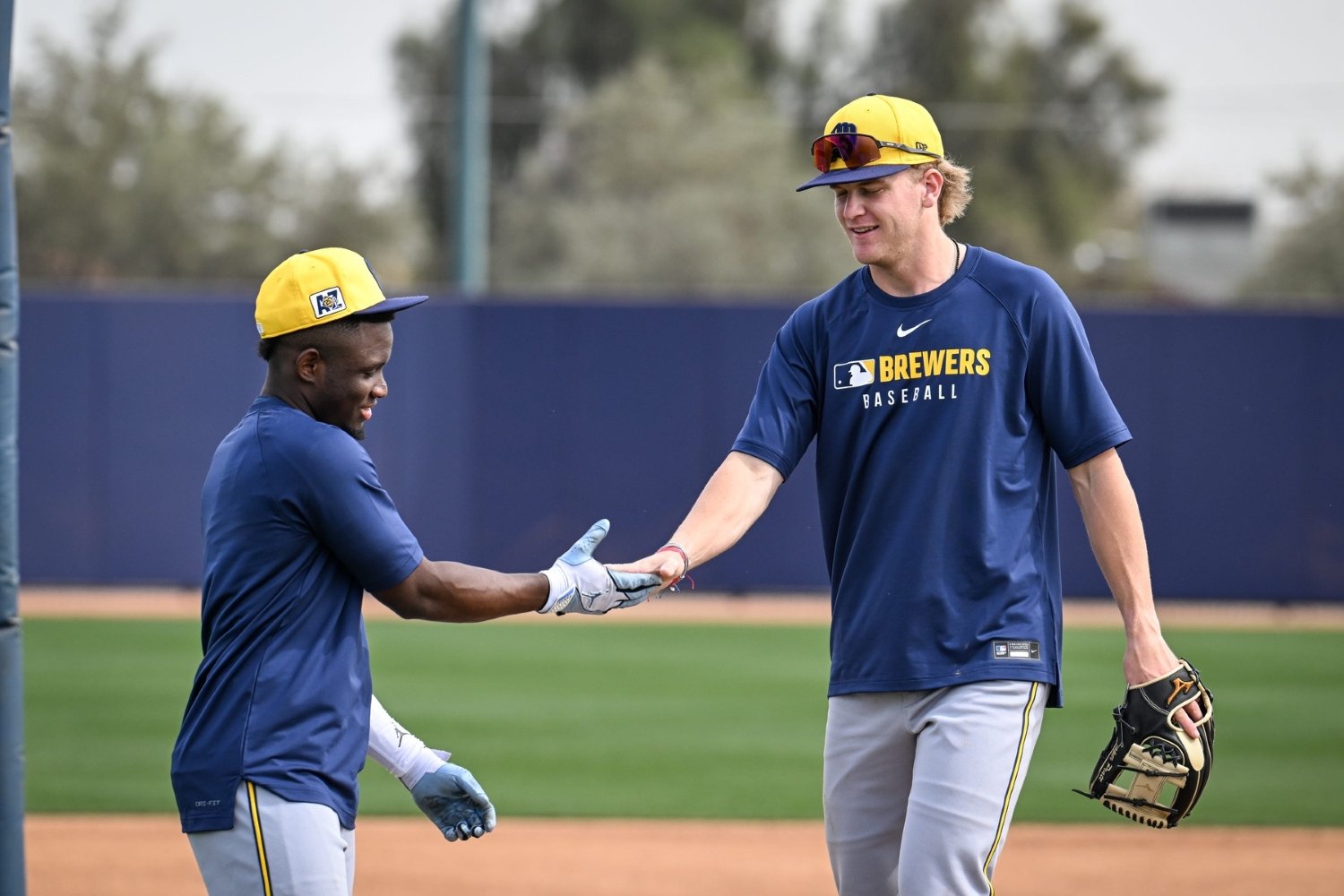 In 2023, the Brewers made a significant change in how they approached the MLB Draft. They selected a large number of high-school players and were able to sign many of them to overslot bonuses, stocking the lower levels of their minor leagues with raw talent and potential. They've cleaved to that strategy ever since, and the results look very promising. One of the biggest wins thus far was selecting Cooper Pratt in the sixth round of that 2023 draft, paying him second-round money and watching him jump onto industry-wide top-100 prospect lists after his first full season. Pratt is a standout defensive shortstop with a strong and accurate arm. He won the Minor League Gold Glove Award at shortstop in 2024 and remained stout there in 2025. At 6-foot-3, Pratt moves well. He has the range to make all the necessary plays and the arm to be a regular shortstop at the highest level. Pratt is also savvy on the basepaths, stealing 31 bases this season with an 86% success rate. At the plate, Pratt makes contact at an above-average rate, but he hasn’t consistently hit the ball with authority and has struggled against premium velocity. As a 20-year-old promoted to Double A, Pratt saw his numbers slip from .277/.362/.406 to .238/.343/.348. Last winter, as an ascending up-the-middle prospect, Pratt might have been a major piece in a trade for Kyle Tucker or Garret Crochet. Keith Law, for example, ranked Pratt 44th last offseason, while he ranked Kyle Teel 37th and Braden Montgomery 38th. They became the two main prospects the White Sox received for Crochet. Cam Smith ranked 43rd and was the prospect headliner in the Tucker trade. Could the Brewers have sold high on Pratt last offseason and added a key contributor to what ended up being a 97-win team? It's not that simple—Crochet, clearly, would have cost at least two of Pratt, while the Tucker deal also involved a valuable big-leaguer going from Chicago to Houston. Still, that's the caliber of prospect he was heading into his second full season as a professional. This winter, Pratt’s stock will likely be down, FanGraphs published their Brewers 2026 prospect list, with Pratt moving from third in the organization (with a 50 overall grade) to eighth (with a 45 grade). Pratt is still very young and has plenty of time to grow into more power and make adjustments, but if this lower assessment is the industry consensus, then in the short term, he is likely to drop from top-100 lists and may have lost some trade value. Long-term, the question appears to be whether becoming a solid everyday shortstop is now Pratt’s ceiling, instead of something more like his floor. It's worth noting, though, that while FanGraphs has soured on him, both Baseball America and Baseball Prospectus ranked him third in the Brewers system again this fall, and each has the same grade (55, with a High risk grade) on him that they had last year. The tools haven't collapsed or anything, and he held his own at age 20 in the upper minors. There's cause for some concern, but not yet any call for panic. Jesús Made has unequivocally overtaken Pratt as the Brewers' shortstop of the future, and should begin 2026 at Double-A Biloxi. The team can continue to develop Pratt at Triple-A Nashville, where he will be one of the youngest regulars—or they can trade him now, hedging their bet that he becomes a star and taking the buyout on their winning draft wager. What do you think? Should the Brewers cash in on Pratt this winter, or will he grow into his 2024 promise and become an upper-tier big-league shortstop?
 -
Your comment seems to be the consensus. Maybe there is a three team deal where the Brewers send Frelick or Collins or Mitchell to maybe the Royals or Mets for example with that team sending assets to the Red Sox to add to the Brewers offer?
-
Image courtesy of © Sergio Estrada-Imagn Images The 2025 Brewers ended the season with the majority of their roster locked down for 2026, and coming off a season with the most wins in baseball, that is a good thing. However, it does make it harder to identify obvious positions to upgrade. With William Contreras locked in at catcher; the Andrew Vaughn/Jake Bauers combo at first base; Brice Turang ascending to new heights at second base; Caleb Durbin finishing third in the NL Rookie of the Year race at third base; and Joey Ortiz running hot and cold at the plate while providing premier defense at shortstop, the infield looks locked and loaded for 2026. While Alex Bregman would look great playing third for the Brewers in 2026, that’s the type of upgrade that rarely comes via free agency in Milwaukee. Is there room then in the outfield to add value? The 2025 Brewers outfield was very good; the Crew were joined by the Yankees, Cubs, Padres, and Red Sox as the only teams having all three primary outfielders rank in the top 35 in outfielder fWAR for the season (Sal Frelick 3.6, Jackson Chourio 2.9, Isaac Collins 2.6). All three are good baseball players, and there is reason to believe all three can continue to improve as Chourio grows into his tools, Frelick nears his prime age, and Collins continues to gain experience in the outfield as part of his late breakout. Collectively, this trio hit 42 home runs, with Chourio accounting for exactly half of those. Because they're both small by big-league standards, it’s fair to wonder how much more power Collins and Frelick have. Much like Bregman at third, Kyle Tucker would fit just fine in Milwaukee’s outfield, but Brewers fans won’t find the former Cub under their Christmas tree. Given the Brewers' payroll expectations and their recent history of not sacrificing defense for offense, there are very few players who would qualify as a potentially obtainable upgrade in Milwaukee’s outfield. The Red Sox, meanwhile, have arguably the best defensive player in baseball (Ceddanne Rafaela) patrolling center field. On either side, they have Gold Glove right fielder Wilyer Abreu and last year’s consensus top prospect and budding superstar, Roman Anthony, in left. They also have Jarren Duran, who produced the 7th-highest fWAR among all position players in 2024 with 6.8 and another 3.9 fWAR this season. The Red Sox have been rumored to be shopping Duran since last winter, and are doing so again right now. Would Duran be an upgrade for the Brewers, and how would he fit in? Duran clearly has more power than either Collins or Frelick. He hit 16 home runs as part of 70 extra-base hits in 2025 and had 21 and 83 of those, respectively, in 2024. Those surface-level stats dwarf the Brewers’ trio. Duran is an exceptional baserunner, finishing in the top 10 in FanGraphs BsR value three seasons in a row. He took a step back at the plate this season, but any regression back toward his 2024 level would be an upgrade for the Brewers. HR Total xBH SLG wRC+ Duran 2024 21 83 .492 131 Duran 2025 16 70 .442 111 Chourio 21 55 .463 111 Frelick 12 35 .405 114 Collins 9 34 .411 122 On defense, Duran profiles best as a center fielder. Statcast rated him highly in center for 2024, with a strong throwing arm, before the Sox moved him to left this season so Rafaela could take over. Interestingly, Statcast also rates Chourio as a better center fielder than corner outfielder, and even Frelick did not rate positively in left. Only Collins receives positive defensive ratings in left field. Either of these outfield alignments could work: Chourio RF, Duran CF, Collins LF Frelick RF, Duran CF, Chourio LF The team could, therefore, effectively platoon Frelick (who batted .301 but only had six extra-base hits (all doubles) against left-handed pitchers in 174 plate appearances in 2025) with Collins (who had 13 extra-base hits in 143 plate appearances against southpaws) around Duran and Chourio, with Blake Perkins or Garrett Mitchell slotting in as a fifth outfielder instead of a fourth. The Red Sox, like most teams, would like to add pitching. Their bullpen, in particular, needs help. Aaron Ashby was excellent down the stretch for the Brewers, until they wore him out in the playoffs, and he looks like a potential late-inning reliever whom a manager could count on to lock down an opposing lineup across multiple innings. Ashby’s contract for 2026 matches almost exactly with what Duran is expected to earn in arbitration this winter, which should work well for both teams, as the Red Sox are reportedly looking to save a large portion of their budget for a corner infielder like Bregman or Pete Alonso. Trading Ashby would sting, but his contract is a little elevated for a non-closer Brewers reliever. FanGraphs recently rated Robert Gasser as the 10th-best prospect in the Brewers system, and he’s already demonstrated success at the MLB level. He could be a solid back-end rotation option or swingman for Boston. With Boston looking to compete in 2026, maybe a package of Gasser, Ashby, and Nick Mears—three arms that would all immediately join the Red Sox pitching staff—would entice Boston to send Duran to Milwaukee. The Brewers have the depth to replace Ashby and Mears in their bullpen, and Gasser is one of a handful of starters who currently don’t have a rotation spot. Acquiring Duran should open up plenty of options for the Brewers to deal from their outfield depth, and they could eventually explore trading two of Frelick, Collins, and Mitchell. Duran, with three years of team control remaining, would be a good candidate to be traded again by the Brewers during either of the next two offseasons. Matt Arnold and company have stocked their roster and minor-league system with many good players. Still, they may need to find a way to make marginal upgrades at positions already considered strengths to reach that next level of success and win their first pennant since 1982, or their first World Series ever. Duran is one of a limited set of realistic ways they could do so. View full article
-
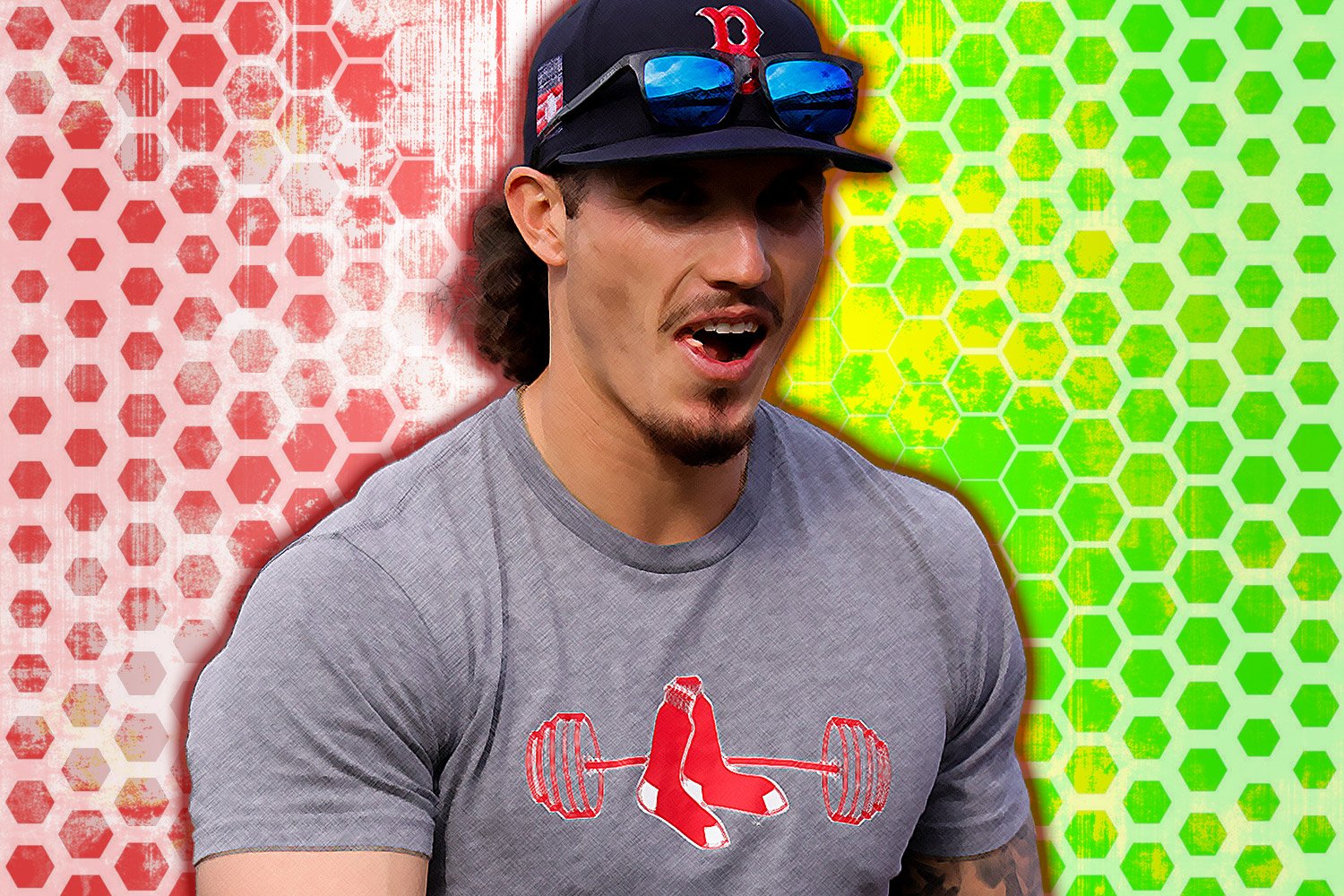 The 2025 Brewers ended the season with the majority of their roster locked down for 2026, and coming off a season with the most wins in baseball, that is a good thing. However, it does make it harder to identify obvious positions to upgrade. With William Contreras locked in at catcher; the Andrew Vaughn/Jake Bauers combo at first base; Brice Turang ascending to new heights at second base; Caleb Durbin finishing third in the NL Rookie of the Year race at third base; and Joey Ortiz running hot and cold at the plate while providing premier defense at shortstop, the infield looks locked and loaded for 2026. While Alex Bregman would look great playing third for the Brewers in 2026, that’s the type of upgrade that rarely comes via free agency in Milwaukee. Is there room then in the outfield to add value? The 2025 Brewers outfield was very good; the Crew were joined by the Yankees, Cubs, Padres, and Red Sox as the only teams having all three primary outfielders rank in the top 35 in outfielder fWAR for the season (Sal Frelick 3.6, Jackson Chourio 2.9, Isaac Collins 2.6). All three are good baseball players, and there is reason to believe all three can continue to improve as Chourio grows into his tools, Frelick nears his prime age, and Collins continues to gain experience in the outfield as part of his late breakout. Collectively, this trio hit 42 home runs, with Chourio accounting for exactly half of those. Because they're both small by big-league standards, it’s fair to wonder how much more power Collins and Frelick have. Much like Bregman at third, Kyle Tucker would fit just fine in Milwaukee’s outfield, but Brewers fans won’t find the former Cub under their Christmas tree. Given the Brewers' payroll expectations and their recent history of not sacrificing defense for offense, there are very few players who would qualify as a potentially obtainable upgrade in Milwaukee’s outfield. The Red Sox, meanwhile, have arguably the best defensive player in baseball (Ceddanne Rafaela) patrolling center field. On either side, they have Gold Glove right fielder Wilyer Abreu and last year’s consensus top prospect and budding superstar, Roman Anthony, in left. They also have Jarren Duran, who produced the 7th-highest fWAR among all position players in 2024 with 6.8 and another 3.9 fWAR this season. The Red Sox have been rumored to be shopping Duran since last winter, and are doing so again right now. Would Duran be an upgrade for the Brewers, and how would he fit in? Duran clearly has more power than either Collins or Frelick. He hit 16 home runs as part of 70 extra-base hits in 2025 and had 21 and 83 of those, respectively, in 2024. Those surface-level stats dwarf the Brewers’ trio. Duran is an exceptional baserunner, finishing in the top 10 in FanGraphs BsR value three seasons in a row. He took a step back at the plate this season, but any regression back toward his 2024 level would be an upgrade for the Brewers. HR Total xBH SLG wRC+ Duran 2024 21 83 .492 131 Duran 2025 16 70 .442 111 Chourio 21 55 .463 111 Frelick 12 35 .405 114 Collins 9 34 .411 122 On defense, Duran profiles best as a center fielder. Statcast rated him highly in center for 2024, with a strong throwing arm, before the Sox moved him to left this season so Rafaela could take over. Interestingly, Statcast also rates Chourio as a better center fielder than corner outfielder, and even Frelick did not rate positively in left. Only Collins receives positive defensive ratings in left field. Either of these outfield alignments could work: Chourio RF, Duran CF, Collins LF Frelick RF, Duran CF, Chourio LF The team could, therefore, effectively platoon Frelick (who batted .301 but only had six extra-base hits (all doubles) against left-handed pitchers in 174 plate appearances in 2025) with Collins (who had 13 extra-base hits in 143 plate appearances against southpaws) around Duran and Chourio, with Blake Perkins or Garrett Mitchell slotting in as a fifth outfielder instead of a fourth. The Red Sox, like most teams, would like to add pitching. Their bullpen, in particular, needs help. Aaron Ashby was excellent down the stretch for the Brewers, until they wore him out in the playoffs, and he looks like a potential late-inning reliever whom a manager could count on to lock down an opposing lineup across multiple innings. Ashby’s contract for 2026 matches almost exactly with what Duran is expected to earn in arbitration this winter, which should work well for both teams, as the Red Sox are reportedly looking to save a large portion of their budget for a corner infielder like Bregman or Pete Alonso. Trading Ashby would sting, but his contract is a little elevated for a non-closer Brewers reliever. FanGraphs recently rated Robert Gasser as the 10th-best prospect in the Brewers system, and he’s already demonstrated success at the MLB level. He could be a solid back-end rotation option or swingman for Boston. With Boston looking to compete in 2026, maybe a package of Gasser, Ashby, and Nick Mears—three arms that would all immediately join the Red Sox pitching staff—would entice Boston to send Duran to Milwaukee. The Brewers have the depth to replace Ashby and Mears in their bullpen, and Gasser is one of a handful of starters who currently don’t have a rotation spot. Acquiring Duran should open up plenty of options for the Brewers to deal from their outfield depth, and they could eventually explore trading two of Frelick, Collins, and Mitchell. Duran, with three years of team control remaining, would be a good candidate to be traded again by the Brewers during either of the next two offseasons. Matt Arnold and company have stocked their roster and minor-league system with many good players. Still, they may need to find a way to make marginal upgrades at positions already considered strengths to reach that next level of success and win their first pennant since 1982, or their first World Series ever. Duran is one of a limited set of realistic ways they could do so.
 -
Third base
-
Definitely a surprise! But with everything he does working right now…Murph’s feeling it!
-
Wrong numbers posted for O’Hearn. He’s down to a 133 wRC+ - has been much less impactful since June. He’s likely still an upgrade, but less so than he appeared this spring. O’Hearn and Willi Castro replacing Monestario and Seigler would round the roster out nicely.
-
Jesus MadeJacob MisiorowskiLuis PenaCooper PrattLogan HendersonJeferson QueroBraylon PayneMarco DingesRobert GasserBishop LetsonJosh AdamczewskiEric BitontiBryce MeccageColeman CrowBlake BurkeLuke AdamsLuis LaraTyson HardinCraig YohoMike Boeve

