


Brewers Video
Fresh off beating them twice in three games, the Brewers get to welcome the Mets back to Milwaukee with everything on the line. What are their opponents' strengths and weaknesses?
The Brewers played well against the Mets this year, going 5-1. In fact, they seem to do well against them nearly every year, having a 22-9 head-to-head record going back to 2019. This seems to be an encouraging sign that the Crew could win a playoff series for the first time in six years, but let’s not get ahead of ourselves. What are the Mets’ strengths and weaknesses and how can they be overcome and exploited, respectively?
Strengths
The Mets’ team OPS of .736 is ninth-best in MLB, just slightly above the Brewers’ own mark of .729. That probably undersells New York, too, because Citi Field is a slightly less hitter-friendly ballpark than American Family Field.
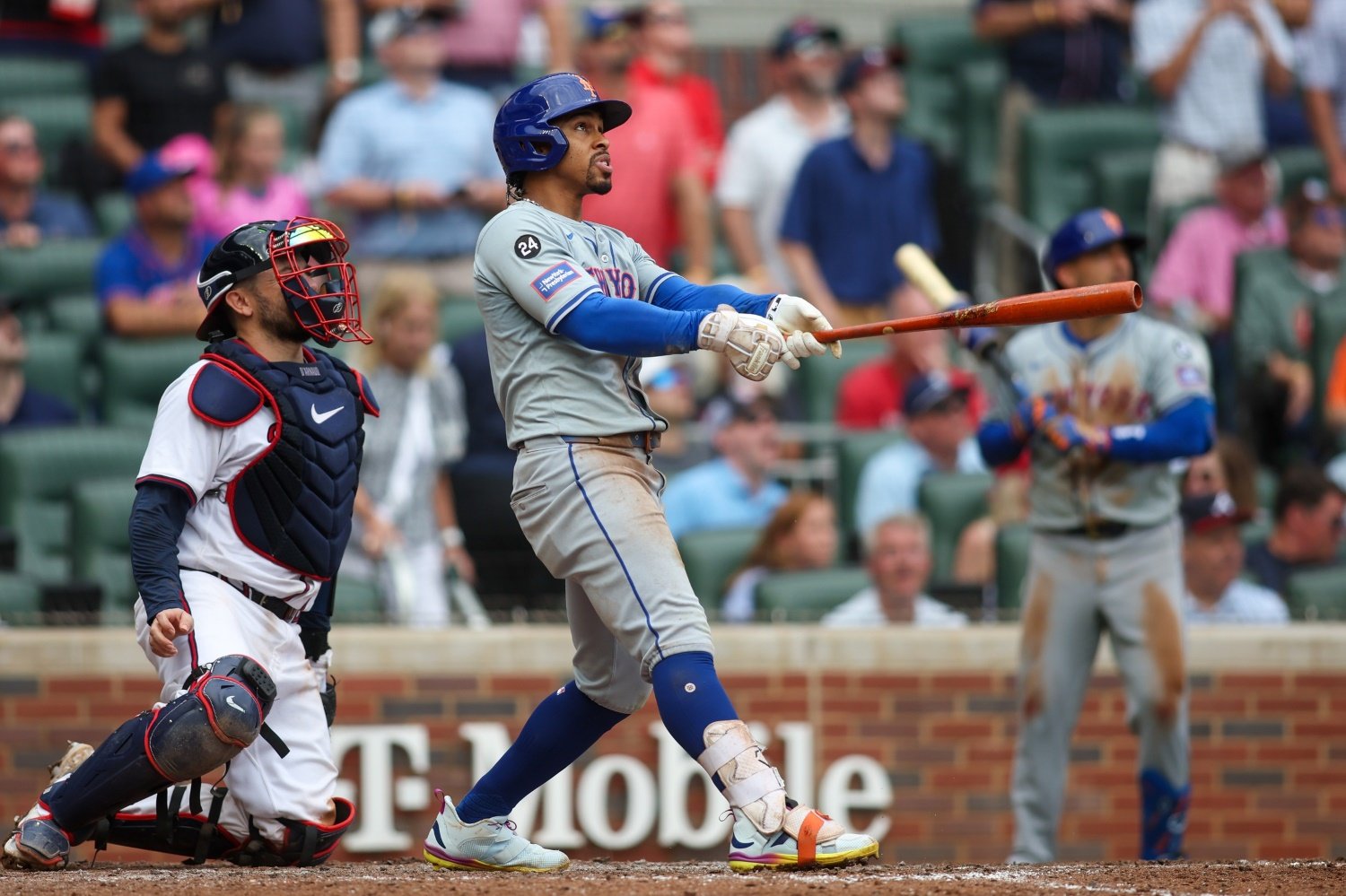
The bulk of the Mets' offensive production comes from their infield, where some unexpected names have found a way to rise to the top. NL MVP contender Francisco Lindor and third baseman Mark Vientos lead the pack of qualified hitters, both having OPS+ figures of 137. Perennial slugger Pete Alonso is third, with an OPS+ of 124 after accumulating 30 or more doubles and 30 or more home runs for the first time since his Rookie of the Year campaign in 2019. Lindor and Alonso were expected to be anchors of the lineup, but Vientos's consistent excellence has been a pleasant surprise.
While Jeff McNeil has had his struggles at the plate, his replacement (defensive whiz-***-Latin pop sensation José Iglesias) has been outstanding, putting up a 141 OPS+ in about half a season's worth of playing time. Luisangel Acuña will probably stay on the bench with Lindor’s return from a lingering back injury, but his brief time in the big leagues has been impressive.
Their rotation also feels underrated, since it lacks any marquee names. Gone are the days of Justin Verlander and Max Scherzer reuniting to be paid more than the entire Athletics roster combined. With Kodai Senga also sidelined with injury and doubtful to return in the playoffs, David Peterson and Sean Manaea have stepped up to the plate (mound?) to lead the rotation. They’ve got great depth, too: Everyone in the full-time rotation has managed to keep an ERA under 4.00 this season. This may be partially thanks to the park factors and the broader league context, but Tylor Megill’s 99 ERA+ is the lowest of any qualified starter on the team. Teams will rarely utilize a full five-man rotation in the postseason, given the more spread-out schedule, but they have viable hurlers to spare.
Weaknesses
Compared to the great numbers put up by the infield, the offensive numbers of the outfield are somewhat lackluster. Brandon Nimmo and Starling Marte have been slightly better than average, but Harrison Bader hasn’t done much at the plate all year, posting an OPS+ of just 89. Their backups tell a similar story. Ex-Brewer Tyrone Taylor has had a great defensive year in right field, but will only play out there because Marte is nursing an injury and somewhat limited in his ability to play defense. Another ex-Brewer, Jesse Winker, was having a strong showing in Washington before being shipped at the deadline. He has had his moments, but has regressed as a Met, posting a 97 OPS+ over 129 plate appearances.
The biggest hole might lie in the bullpen. They have some solid names, including José Buttó (2.55 ERA, 1.07 WHIP), Phil Maton (1.91 ERA, 0.81 WHIP since joining the team), and of course, Edwin Díaz (3.29 ERA, 1.00 WHIP). Unfortunately, the other arms haven’t been as consistent. Ryne Stanek has been disastrous since being acquired from the Mariners, pitching to a 6.06 ERA and 1.29 WHIP. Adam Ottavino and Danny Young have both been about replacement-level, while Huascar Brazobán has failed to rediscover the success he had in Miami earlier this year.
Key Takeaways
The best hitters in this lineup are dangerous, but it’s not like the Brewers haven’t encountered them already. The pitching staff has done a good job at neutralizing their bats in the six games they’ve played in 2024, keeping all but Iglesias to OPS figures below .720. Vientos and Lindor had a few good swings in the most recent three-game series, but Iglesias was held to singles, while Alonso was largely ineffective.
The Mets’ pitching depth may also fall victim to the way they had to run their staff to get this far. Luis Severino will be available to pitch Game 1 on full rest, but he wouldn't have been one of the team's first two choices to do so. Behind him will lie a very tired bullpen, including Díaz, who figures to be unavailable at least Tuesday evening.
Drawing out long at-bats, running up high pitch counts for Mets starters, taking aggressive swings on vulnerable relievers, and avoiding ground balls are obviously easier said than done, but even without all that, Milwaukee may be able to steal the series away by just staying the course. It hasn’t failed them thus far, so if it ain’t broke, why fix it?





Recommended Comments
Create an account or sign in to comment
You need to be a member in order to leave a comment
Create an account
Sign up for a new account in our community. It's easy!
Register a new accountSign in
Already have an account? Sign in here.
Sign In Now