


Brewers Video
We're in a new era of leadership in MLB. Rob Manfred has shown an openness to big changes to the game that his predecessor never evinced. That's a good thing, when changes can be made for the betterment of the game's aesthetics and competitive balance, but sometimes those things are in tension with one another.
Under a new rule reportedly being considered by the MLB central office, starting pitchers in future seasons could be required to pitch at least six innings in every game. There would, of course, be caveats to the rule, but the gist of it would be an enforced return to the version of the game fans over the age of 30 grew up with. Starters would, once again, have to eat innings in order to win games.
This is a fledgling idea, not an imminent change, but we've already heard some of the ways in which the rule would accommodate situations that figure to strain and stretch it. Naturally, a pitcher would be allowed to come out any time if they were hurt, but to subvert potential manipulation of the rule through feigned injuries, any starter who left a game that way would have to go on the injured list afterward. There might also be carveouts allowing a pitcher to leave once they exceed 100 pitches, or if they allow four or more runs before finishing six frames.
Well, the Brewers have the third-fewest starts of at least six innings this season, with 35. Only the Marlins and Guardians have fewer. Just as importantly, though, the Crew have had 48 starts that would clearly be illegal, even after accounting for the carveouts speculated on publicly: those that came up short of six innings, included 95 pitches or fewer, and saw the starter give up three or fewer runs. Only Miami and Cleveland have more of those, although the Dodgers and Rays have just as many.

A fistful of those starts were never meant to be of real length; they were openers. That stratagem, too, would be wiped away by this rule, though. With Brandon Woodruff hurt and Corbin Burnes traded, the Crew have soldiered onward, and they're going to win the division again--but they're doing it with an all-hands pitching approach that would not be allowed were this rule to take effect.
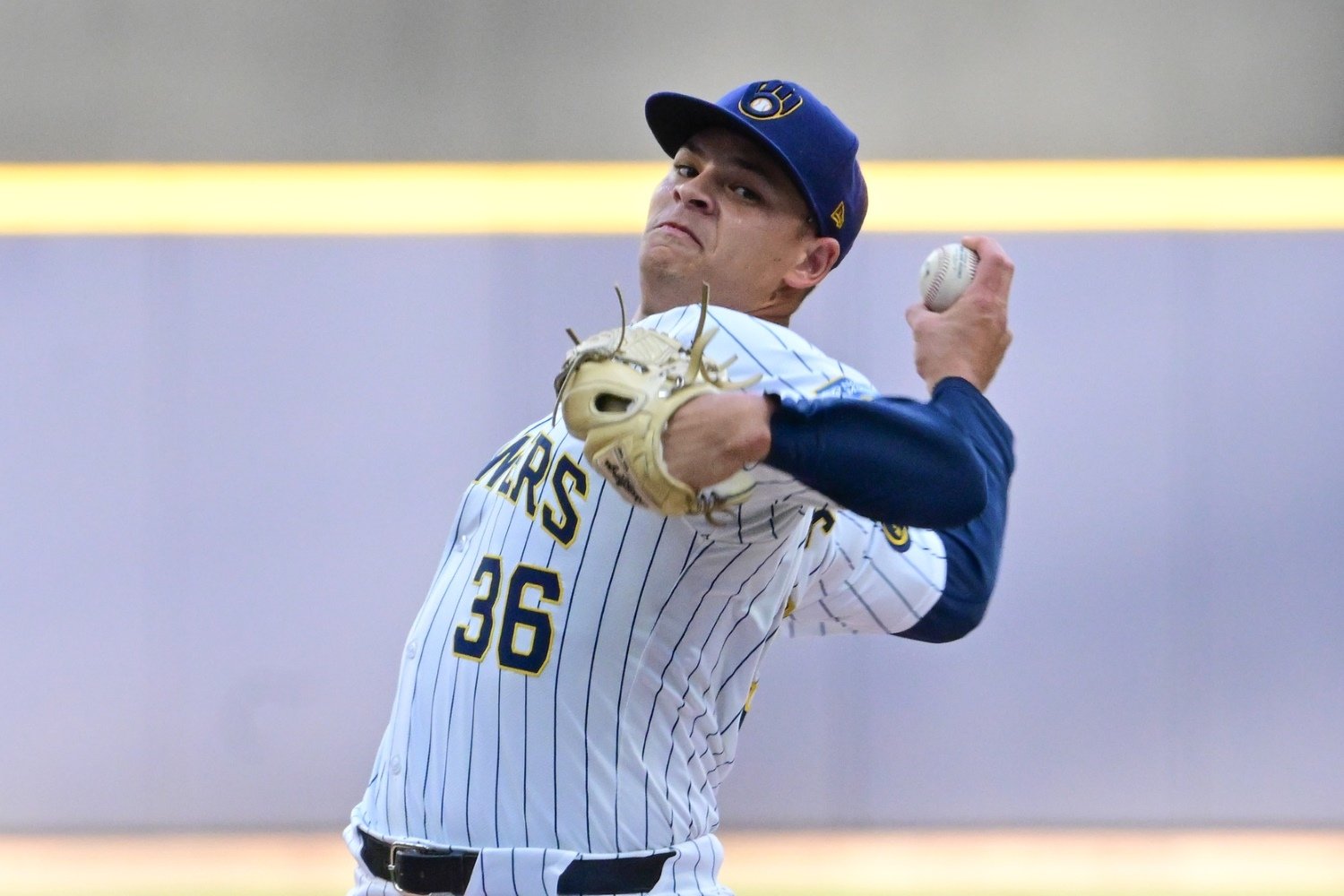
Tobias Myers's brilliant rookie season has included seven starts in which he was lifted before getting through six, despite a manageable pitch count and few runs on the board. Colin Rea has made six such starts. Joe Ross has made five. Bryse Wilson has made four, plus a couple that don't count because he was pitching behind an opener. The team's collectivist approach to making up for its lost aces would be outlawed by this rule.
This kind of change would have very uneven levels of impact on the teams that make up MLB. The Brewers not only lean on the depth of their bullpen and the leveraging of matchups, but can't afford to pivot into spending huge money on starting pitchers if that ceases to be viable. Most modern starters aren't ready for any kind of change that would require them to pitch at least six frames every five or six days, and the ones who are have become phenomenally expensive. The Dodgers would be fairly unaffected by this change; they could remake their staff with some pricey workhorses. Milwaukee doesn't have that privilege.
The rule works better as a topic of conversation than as an actual suggestion. Were it to move forward, it would get snarling objections from the players' union and from many teams, including the Brewers. It's unlikely to be actually instituted. If it were, though, it would be disastrous for the Brewers and other small-market teams who thrive on the creativity of their pitching usage. The Rays are on that list. So are the Guardians and the Twins.
Fans do seem to broadly support the rule, though, and understandably so. Watching a starter work all the way through an opposing lineup a third time is fun and exciting, and having the starter around longer makes them a better narrative peg around which to weave the story of the contest. It would be great to get back to a point where starters routinely work deeper into games. This rule just isn't likely to accomplish it well. Instead, it would strongly favor big-market teams; expose more pitchers to greater injury risk; and make the game more complicated and byzantine.
Incentivizing hurlers to pace themselves better and rewarding those who do could make baseball more fun to watch. It's just about picking those incentives well. This kind of rule change would offer a stick, instead of a carrot, and its heavy-handedness and rigidity would make it a bad move. That said, the conversation is a valuable one, and maybe the right tweak to make some version of this workable is right around the corner.
Do you approve of the job Pat Murphy is doing as Brewers manager?

Follow Brewer Fanatic For Milwaukee Brewers News & Analysis



-
 2
2


Recommended Comments
Create an account or sign in to comment
You need to be a member in order to leave a comment
Create an account
Sign up for a new account in our community. It's easy!
Register a new accountSign in
Already have an account? Sign in here.
Sign In Now