



Kyle Ginsbach
-
Posts
273 -
Joined
-
Last visited
Content Type
Profiles
Forums
Blogs
Events
News
2026 Milwaukee Brewers Top Prospects Ranking
Milwaukee Brewers Videos
2022 Milwaukee Brewers Draft Picks
Milwaukee Brewers Free Agent & Trade Rumors, Notes, & Tidbits
Guides & Resources
2023 Milwaukee Brewers Draft Picks
2024 Milwaukee Brewers Draft Picks
The Milwaukee Brewers Players Project
2025 Milwaukee Brewers Draft Pick Tracker
2026 Milwaukee Brewers Draft Tracker: Picks & Bonuses
Store
Downloads
Gallery
Everything posted by Kyle Ginsbach
-
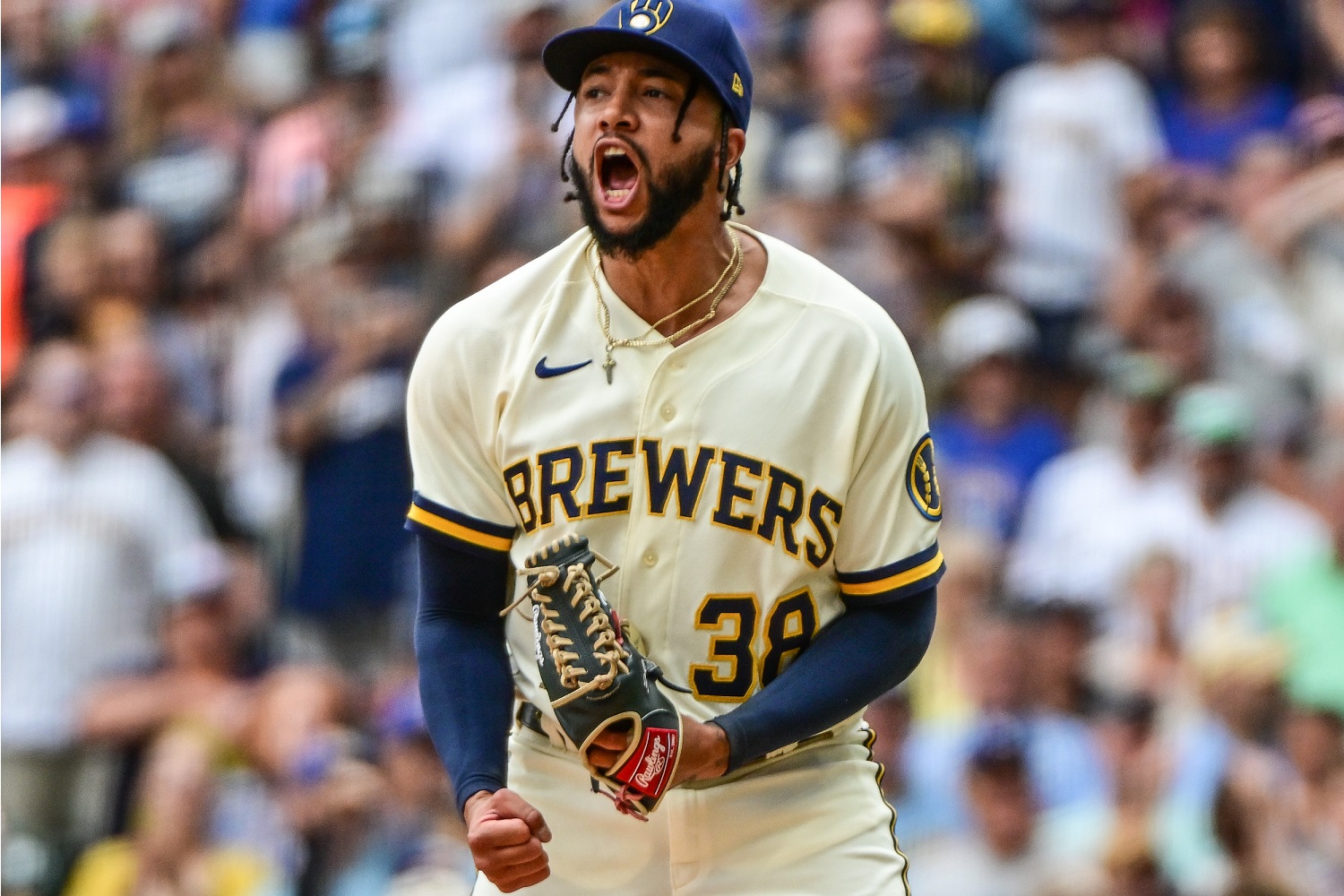
 Plagued by inconsistency at the plate throughout 2022, Willy Adames is finally playing like he did when he was acquired from the Rays in 2021. The Brewers aren’t in a playoff spot yet, but Adames has kept them in contention. There’s a legitimate argument for Willy Adames being the face of the current Milwaukee Brewers. It’s almost absurd to consider, simply because there’s two former MVP’s and the defending Cy Young winner on the roster, and none of them are named Willy Adames. But through a hot start and unrivaled amounts of charisma, Adames might actually hold the title. With that, the Brewer’s middle infielder was expected to put up big numbers this season, and while his season certainly hasn’t been bad, he hasn’t put up the numbers he’s shown he’s capable of. Luckily for Milwaukee, Adames has been back in-form in September. It’s been an eventful final month in the MLB. While the Brewers have been battling for a playoff spot, players such as Aaron Judge and Albert Pujols have each chased home run milestones. Not to be lost in the conversation, Adames has rather quietly broken the Brewers single-season home run record as a shortstop. It hasn’t just been the longball for Adames. He’s played stellar defense all season long, and in September the bat has really come alive. Adames has posted a slash line of .310/.388/.586 in the current month, all while popping 5 home runs. With a strong showing over the past 20 days, Adames has boosted his season numbers to very respectful totals. His 4.8 total fWAR is over double the next best Brewer’s hitter, and is the most on the team, even among pitchers. His 117 wRC+ also rank first among qualified Brewer’s batters, along with being first in wOBA as well. Finally, those hits have also been impactful. Per FanGraphs, Adames has overtaken Keston Hiura as the leader in Win Probability Added among Brewers hitters. Like mentioned earlier, Adames is likely the heart and soul of the Brewers clubhouse. Undoubtedly one of the clubhouse leaders, Adames’ voice has almost certainly helped the Brewers stay in the hunt. As if he couldn’t help the team anymore, Adames has helped the Brewers in every asset of the game as well. View full article
 -
The Four Most Important Brewers For The Upcoming Gauntlet
Kyle Ginsbach posted an article in Brewers
 Two games are all that separate the Brewers from a playoff spot with just three weeks remaining in the 2022 season. After a series victory over the Reds over the weekend, the Brewers will begin a stretch of eight games against teams leading their respective divisions. A stretch of even .500 baseball will keep the Brewers in the hunt, but these respective players are going to be key for that to happen. 1. Corbin Burnes The Brewers have leaned on certain players in playoff chases before. Names like C.C. Sabathia, Ryan Braun, and Christian Yelich have carried the Brewers to September in the past. If anyone’s going to put the team on their shoulders this year, it’s Brewers ace Corbin Burnes. Coming off a 8-inning, fourteen-strikeout performance against the Giants, the Brewers will turn to Burnes to take the ball against both the Cardinals and Mets. If the Brewers are looking to win those games, the 2021 Cy Young will have to be on the top of his game. 2. Devin Williams Ever since Josh Hader was shipped to the Padres, Devin Williams has taken over the closer role in Milwaukee. While it’s not reasonable to expect perfection from a closer, the Brewers might need Williams to be perfect down the stretch. With the Brewers sitting 2 games out of a playoff spot, they likely can’t afford any blown saves down the stretch. Luckily for the Brewers, Williams has pitched lights out all year, sporting a 1.82 ERA, and K/9 of 13.48. 3. Christian Yelich Christain Yelich has carried the Brewers to the playoffs before. In 2018, Yelich slashed .370/.506/.804 in September. The Brewers offense doesn’t need that type of production from Yelich anymore, but a good offensive week from Yelich will go a long way in helping the Brewers offense score the runs necessary for a successful eight-game stretch. 4. Matt Bush Matt Bush has posted an ERA of 3.86 with Milwaukee thus far, but the Brewers might be asking more from Bush in the coming weeks. Aaron Ashby, Eric Lauer, and Freddy Peralta all currently find themselves on the IL, so Bush may be asked to start a handful of games down in the coming week. Bush has experience starting games before, and the Brewers are going to need some quality innings out of Bush if they’re going to stop the juggernauts that stand before them.
 -
It’s make-or-break time in Milwaukee. With the next 8 games scheduled against division winners the Brewers will look for a stretch of competitive baseball to stay in the playoff hunt. Here are the most important players for the upcoming stretch. Two games are all that separate the Brewers from a playoff spot with just three weeks remaining in the 2022 season. After a series victory over the Reds over the weekend, the Brewers will begin a stretch of eight games against teams leading their respective divisions. A stretch of even .500 baseball will keep the Brewers in the hunt, but these respective players are going to be key for that to happen. 1. Corbin Burnes The Brewers have leaned on certain players in playoff chases before. Names like C.C. Sabathia, Ryan Braun, and Christian Yelich have carried the Brewers to September in the past. If anyone’s going to put the team on their shoulders this year, it’s Brewers ace Corbin Burnes. Coming off a 8-inning, fourteen-strikeout performance against the Giants, the Brewers will turn to Burnes to take the ball against both the Cardinals and Mets. If the Brewers are looking to win those games, the 2021 Cy Young will have to be on the top of his game. 2. Devin Williams Ever since Josh Hader was shipped to the Padres, Devin Williams has taken over the closer role in Milwaukee. While it’s not reasonable to expect perfection from a closer, the Brewers might need Williams to be perfect down the stretch. With the Brewers sitting 2 games out of a playoff spot, they likely can’t afford any blown saves down the stretch. Luckily for the Brewers, Williams has pitched lights out all year, sporting a 1.82 ERA, and K/9 of 13.48. 3. Christian Yelich Christain Yelich has carried the Brewers to the playoffs before. In 2018, Yelich slashed .370/.506/.804 in September. The Brewers offense doesn’t need that type of production from Yelich anymore, but a good offensive week from Yelich will go a long way in helping the Brewers offense score the runs necessary for a successful eight-game stretch. 4. Matt Bush Matt Bush has posted an ERA of 3.86 with Milwaukee thus far, but the Brewers might be asking more from Bush in the coming weeks. Aaron Ashby, Eric Lauer, and Freddy Peralta all currently find themselves on the IL, so Bush may be asked to start a handful of games down in the coming week. Bush has experience starting games before, and the Brewers are going to need some quality innings out of Bush if they’re going to stop the juggernauts that stand before them. View full article
-
Five Ways the Brewers Can Help Themselves Return to the Playoffs
Kyle Ginsbach posted an article in Brewers
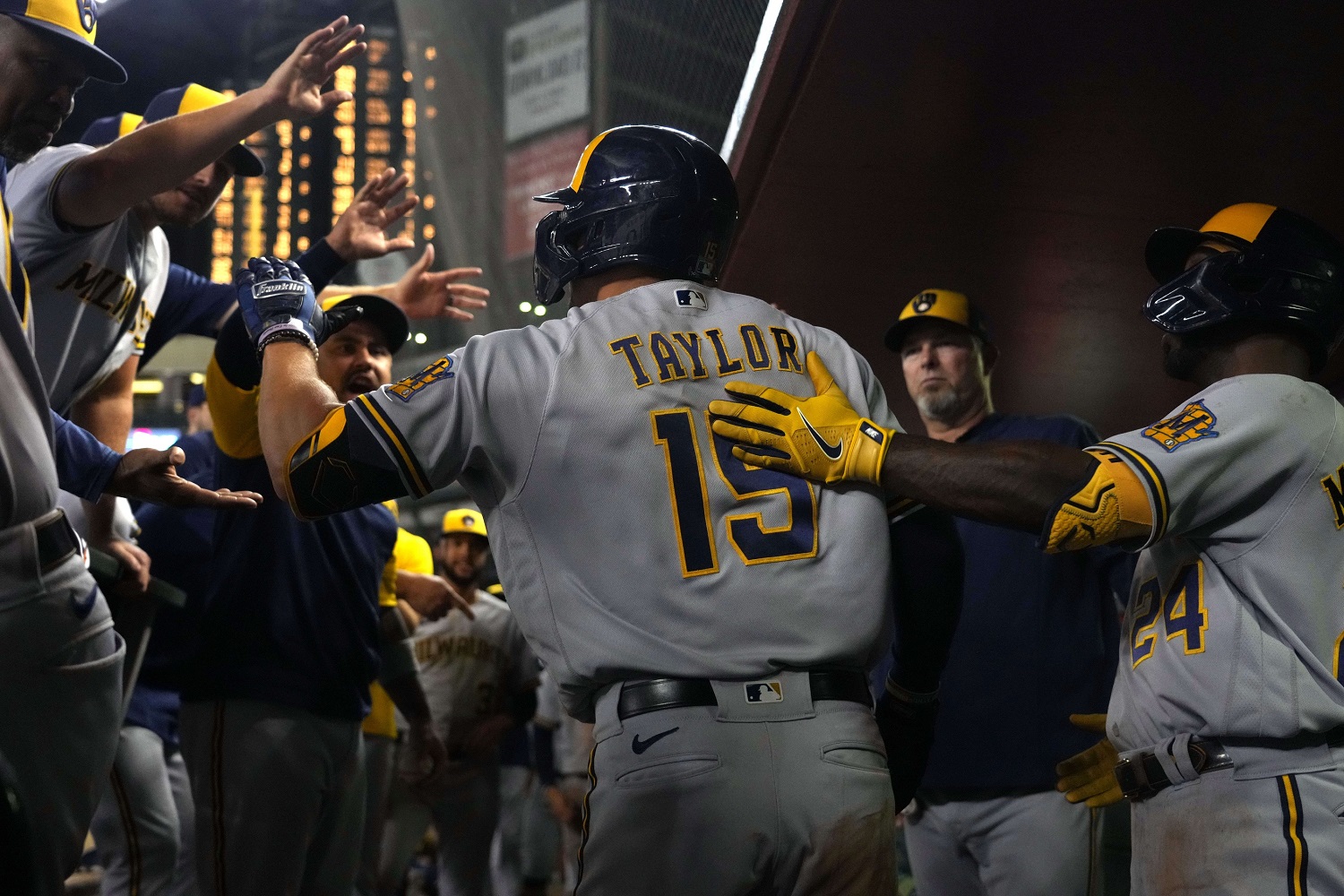 Take Advantage of the Home Games If there’s any time where a ball club wants to be playing home games, it’s in the middle of a playoff race in September. The Brewers currently have 26 games remaining in the 2022 season, and 20 of those games are going to be played in Milwaukee. This bodes well for the Brewers, who currently boast a record of 35-26 while playing at American Family Field, compared to sub .500 record when playing on the road. Obviously the Brewers need to start racking up the wins, and there is no better opportunity than the upcoming schedule presents. Find Some Production in Center Field Whether it's going to be Tyrone Taylor, Garret Mitchell, or Estuary Ruiz, the Brewers have been waiting all season for some production to come from the CF spot. As a unit, Brewers center fielders have a combined wRC+ of 72, placing the Milwaukee center fielders ahead of only Philadelphia and Cleveland offensively. There isn’t really a lack of offensive talent between the young trio, the Brewers just need an uptick in general. Stay Healthy A given for any team in a pennant race, but keeping the best players on the field will be key to any kind of future success. While players like Jace Peterson have performed admirably filling in for injured players, the starters need to keep healthy. The Brewers are already a limited offensive group, and having backups playing in spots of already spotty production isn’t going to help their chances. The Starting Pitching Needs to Step Up Boasting a season ERA of 3.88* as a core, the Brewers starters haven’t been bad, but unlike previous years, the starters haven’t been the backbone of the team. Every Brewers fan knows what names like Corbin Burnes, Brandon Woodruff, and Freddy Peralta are capable of, while Eric Lauer, Adrian Houser, and Jason Alexander are capable stretches of high quality pitching. The group is finally healthy, and it's time for the rotation to live up to the expectations they’ve built over the last couple years. Keep Using the Longball There’s no denying it at this point, the Brewers offense is more successful when they hit home runs. Milwaukee has hit 186 total home runs in 2022, and they’ve managed to hit a homer in 94 of 136 games this year. They have a record of 57-37 in those 94 games. Like the old saying goes, “If it ain't broke, don’t fix it.”
 -
With less than a month left in the 2022 season, the Brewers find themselves outside of a playoff spot. With time dwindling, here are five ways the Brewers can find themselves playing in October for the 5th straight year. Take Advantage of the Home Games If there’s any time where a ball club wants to be playing home games, it’s in the middle of a playoff race in September. The Brewers currently have 26 games remaining in the 2022 season, and 20 of those games are going to be played in Milwaukee. This bodes well for the Brewers, who currently boast a record of 35-26 while playing at American Family Field, compared to sub .500 record when playing on the road. Obviously the Brewers need to start racking up the wins, and there is no better opportunity than the upcoming schedule presents. Find Some Production in Center Field Whether it's going to be Tyrone Taylor, Garret Mitchell, or Estuary Ruiz, the Brewers have been waiting all season for some production to come from the CF spot. As a unit, Brewers center fielders have a combined wRC+ of 72, placing the Milwaukee center fielders ahead of only Philadelphia and Cleveland offensively. There isn’t really a lack of offensive talent between the young trio, the Brewers just need an uptick in general. Stay Healthy A given for any team in a pennant race, but keeping the best players on the field will be key to any kind of future success. While players like Jace Peterson have performed admirably filling in for injured players, the starters need to keep healthy. The Brewers are already a limited offensive group, and having backups playing in spots of already spotty production isn’t going to help their chances. The Starting Pitching Needs to Step Up Boasting a season ERA of 3.88* as a core, the Brewers starters haven’t been bad, but unlike previous years, the starters haven’t been the backbone of the team. Every Brewers fan knows what names like Corbin Burnes, Brandon Woodruff, and Freddy Peralta are capable of, while Eric Lauer, Adrian Houser, and Jason Alexander are capable stretches of high quality pitching. The group is finally healthy, and it's time for the rotation to live up to the expectations they’ve built over the last couple years. Keep Using the Longball There’s no denying it at this point, the Brewers offense is more successful when they hit home runs. Milwaukee has hit 186 total home runs in 2022, and they’ve managed to hit a homer in 94 of 136 games this year. They have a record of 57-37 in those 94 games. Like the old saying goes, “If it ain't broke, don’t fix it.” View full article
-
Though there have been numerous areas of weakness in the Brewers' recent performance, the Crew's catchers have yet to shoulder the blame. The truth is, the backstops quality of play needs to change if the Brewers are to find success in September. The catching tandem of Omar Narváez and Victor Caratini was an impromptu duo thrown together at the beginning of the season out of sheer necessity, and very little else. Both performed admirably in the first half of the season, shouldering an injured pitching staff and bearing more offensive responsibility than most would have imagined. However, since the All-Star break, the production from the backstops has been flipped on its head. The expectation going into the 2022 season was that Narváez would do the bulk of the catching for the Brewers. However, Narváez has had two separate bouts on the injured list during the 2022 campaign, and others have had to take turns behind the plate. Narváez, an All-Star in 2021, has disappointed so far in 2022. Though still a fantastic defensive catcher, his measly slash line of .226/.314/.347 give him an OPS+ of just 88. He has accumulated 1.2 fWAR, though it is easy to assume a large majority of this is due to defense. Oppositely, Caratini spent the first half the season as the savior the Brewers didn’t know they needed. He posted an OPS north of .800 in the first half, all while being above average in almost every defensive metric for catchers. But in the second half, Caratini has been dreadful. His WRC+ since the break has been a pitiful 41. With an OPS of just 469 post All-Star break, his season OPS has now dropped under .700, and his fWAR sits at 1.3. Interestingly enough, Caratini fading in the second half isn’t something out of the ordinary. Caratini has never posted a WRC+ over 100 in any given second half of the season, while Narváez has accomplished that feat as a member of the Brewers. That isn’t to say the Brewers catchers have been dead weight all season, in fact, as a unit, the Brewers catchers rank 13th in WRC+ and 9th in fWAR. In the second half though, those ranks are 27th and 26th respectively. Unfortunately, the tandem of Caratini and Narváez are as much to blame for the Brewers second half skid as anyone else. It’s not that both aren’t capable; they’ve both shown the ability to carry a team in the past. More than ever, the Brewers need to see improvement across the board, and they should look no further than their usually reliable backstops. View full article
-
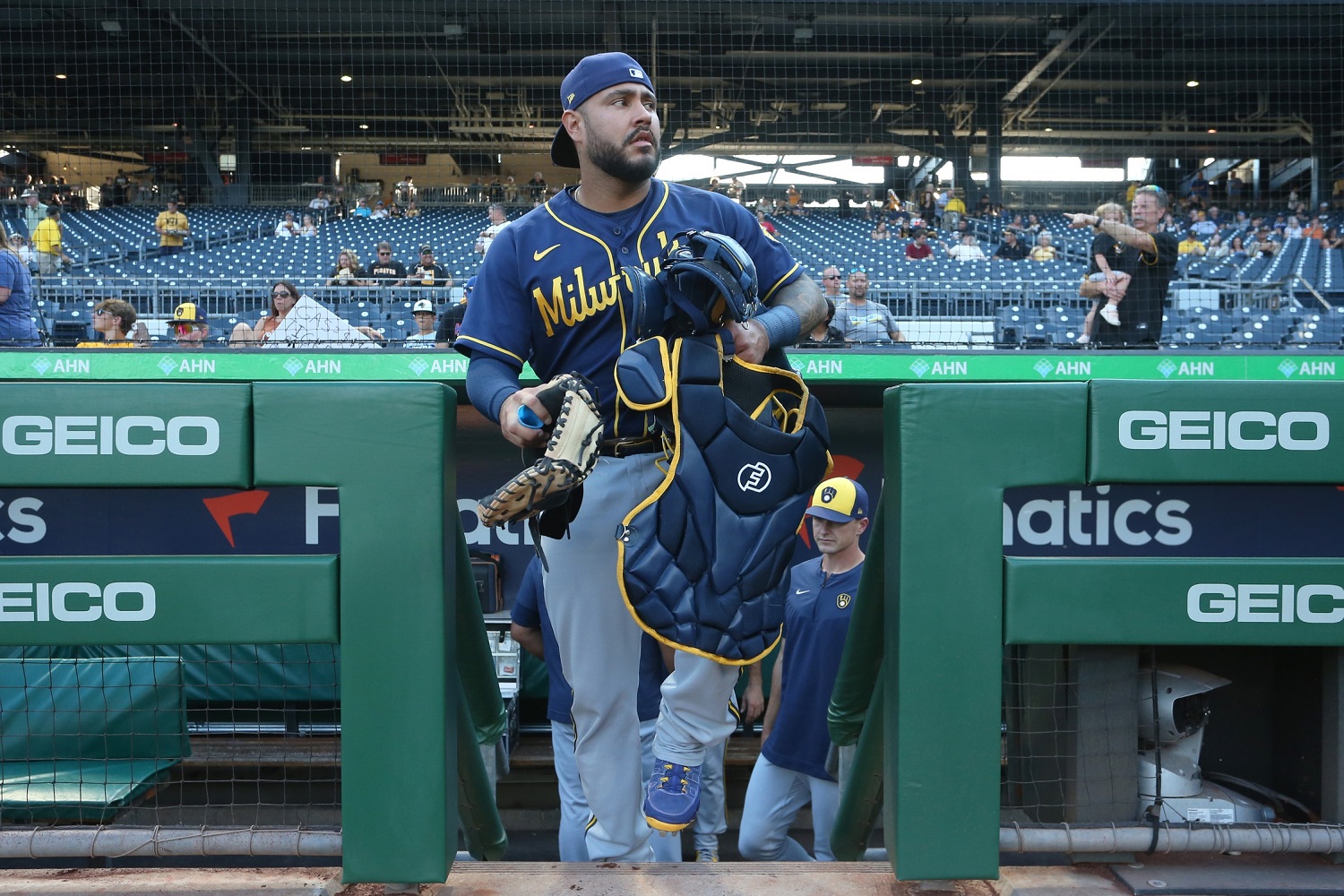 The catching tandem of Omar Narváez and Victor Caratini was an impromptu duo thrown together at the beginning of the season out of sheer necessity, and very little else. Both performed admirably in the first half of the season, shouldering an injured pitching staff and bearing more offensive responsibility than most would have imagined. However, since the All-Star break, the production from the backstops has been flipped on its head. The expectation going into the 2022 season was that Narváez would do the bulk of the catching for the Brewers. However, Narváez has had two separate bouts on the injured list during the 2022 campaign, and others have had to take turns behind the plate. Narváez, an All-Star in 2021, has disappointed so far in 2022. Though still a fantastic defensive catcher, his measly slash line of .226/.314/.347 give him an OPS+ of just 88. He has accumulated 1.2 fWAR, though it is easy to assume a large majority of this is due to defense. Oppositely, Caratini spent the first half the season as the savior the Brewers didn’t know they needed. He posted an OPS north of .800 in the first half, all while being above average in almost every defensive metric for catchers. But in the second half, Caratini has been dreadful. His WRC+ since the break has been a pitiful 41. With an OPS of just 469 post All-Star break, his season OPS has now dropped under .700, and his fWAR sits at 1.3. Interestingly enough, Caratini fading in the second half isn’t something out of the ordinary. Caratini has never posted a WRC+ over 100 in any given second half of the season, while Narváez has accomplished that feat as a member of the Brewers. That isn’t to say the Brewers catchers have been dead weight all season, in fact, as a unit, the Brewers catchers rank 13th in WRC+ and 9th in fWAR. In the second half though, those ranks are 27th and 26th respectively. Unfortunately, the tandem of Caratini and Narváez are as much to blame for the Brewers second half skid as anyone else. It’s not that both aren’t capable; they’ve both shown the ability to carry a team in the past. More than ever, the Brewers need to see improvement across the board, and they should look no further than their usually reliable backstops.
 -
Since the Milwaukee Brewers acquired Luis Urías in a trade with the San Diego Padres in November 2019, the young infielder has become an integral part of the Milwaukee clubhouse. But is his performance on the field what the Brewers need? Though the aforementioned 2019 trade that sent Trent Grisham and Zach Davies to the Padres has primarily played out in the Brewers' favor, Luis Urías, the key piece of the trade, hasn't exactly progressed like the Brewers envisioned. When the Brewers acquired Urías, they envisioned their everyday shortstop for the foreseeable future. Several throwing errors and mental mistakes later, Willy Adames strode into Milwaukee and took the shortstop job quite convincingly. Urías saw time at both second and third base following the Adames trade but was still on the outside looking in at the end of 2021. The full expectation was for Urías to take over the starting third base job in 2022, but a plethora of injuries has forced Urías to split time all over the infield. The expectation going forward is still likely as a full-time third baseman, but it remains to be seen if Urías is truly up to the task. On the offensive side, Urías has only progressed slightly from his days in San Diego. His 2022 slash line sits at .232/.324/.404, good for an OPS+ of 104. His defense has been problematic, posting a -7 OAA and a -3% success rate added. His fWAR for the season sits at 0.9. None of this is bad per se, but it's hard not to be disappointed. Urías was supposed to be capable of being more than just average. The fact of the matter is, if Urías is going to be playing third base, he needs to be better than average offensively. When comparing Urías to other starting third basemen around the league, he ranks 22nd in fWAR (Min 300 PAs). If his bat can tick upwards like the Brewers were initially expecting, they can almost surely deal with his subpar defense. There only remains one question to be asked. How likely is it for Urías to breakout offensively? With a dive into Urías' baseball savant page, here's what you can find. What probably jumps out at anyone is that amount of blue. Luckily, the red circles are signs of encouragement. In the age of the three true outcomes, Urías isn't having much of a problem fitting in. His BB% has remained above 10% for the second consecutive season, and both his Whiff% and Chase Rate being low could suggest his strikeout rate could start trending downwards. As for his power, his 20 grade power tool given to him as a prospect has turned out much better than expected, as he's already demonstrated he's capable of 20+ homer seasons. There are reasons for optimism, but there are some concerns too. To put it bluntly, Urías is playing to his size. The lack of solid contact is eating into his expected metrics, and it's also playing out on the field. It's not that Urías isn't capable of solid contact - he certainly is - it just isn't coming often enough. If you need evidence of his potential power, look no further than his homerun in Tampa Bay earlier in the year. Potential or not, Urías isn't a prospect anymore. While he certainly has enjoyed more success as a Brewer, he has arguably taken a step back in 2022, when it was supposed to be his first real opportunity to establish himself as a major league ballplayer. To cut the chase, there is no simple answer for the future if it involves Luis Urías. He's still only 25 years of age, and shows encouraging signs of more potential, but it just isn't translating on the field. If the Brewers are looking for consistent competitive teams, the future of Urías should be up in the air. A liability on defense and only average offensively, the Brewers need to ask themself where he truly fits. Now it's your turn. Do you think the Brewers can reasonably expect more out of Urías going forward? What do you think Urías' future looks like? View full article
-
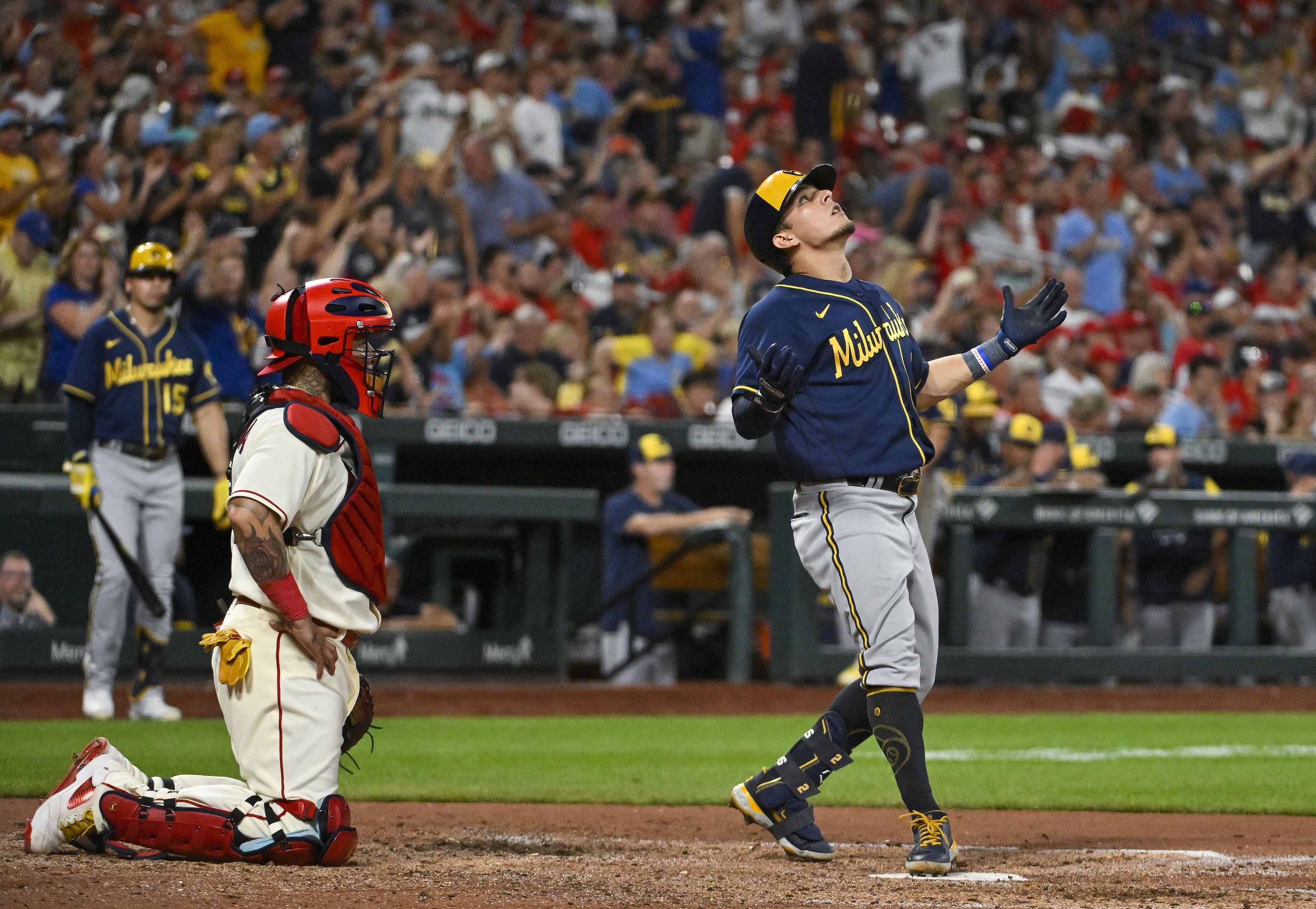 Though the aforementioned 2019 trade that sent Trent Grisham and Zach Davies to the Padres has primarily played out in the Brewers' favor, Luis Urías, the key piece of the trade, hasn't exactly progressed like the Brewers envisioned. When the Brewers acquired Urías, they envisioned their everyday shortstop for the foreseeable future. Several throwing errors and mental mistakes later, Willy Adames strode into Milwaukee and took the shortstop job quite convincingly. Urías saw time at both second and third base following the Adames trade but was still on the outside looking in at the end of 2021. The full expectation was for Urías to take over the starting third base job in 2022, but a plethora of injuries has forced Urías to split time all over the infield. The expectation going forward is still likely as a full-time third baseman, but it remains to be seen if Urías is truly up to the task. On the offensive side, Urías has only progressed slightly from his days in San Diego. His 2022 slash line sits at .232/.324/.404, good for an OPS+ of 104. His defense has been problematic, posting a -7 OAA and a -3% success rate added. His fWAR for the season sits at 0.9. None of this is bad per se, but it's hard not to be disappointed. Urías was supposed to be capable of being more than just average. The fact of the matter is, if Urías is going to be playing third base, he needs to be better than average offensively. When comparing Urías to other starting third basemen around the league, he ranks 22nd in fWAR (Min 300 PAs). If his bat can tick upwards like the Brewers were initially expecting, they can almost surely deal with his subpar defense. There only remains one question to be asked. How likely is it for Urías to breakout offensively? With a dive into Urías' baseball savant page, here's what you can find. What probably jumps out at anyone is that amount of blue. Luckily, the red circles are signs of encouragement. In the age of the three true outcomes, Urías isn't having much of a problem fitting in. His BB% has remained above 10% for the second consecutive season, and both his Whiff% and Chase Rate being low could suggest his strikeout rate could start trending downwards. As for his power, his 20 grade power tool given to him as a prospect has turned out much better than expected, as he's already demonstrated he's capable of 20+ homer seasons. There are reasons for optimism, but there are some concerns too. To put it bluntly, Urías is playing to his size. The lack of solid contact is eating into his expected metrics, and it's also playing out on the field. It's not that Urías isn't capable of solid contact - he certainly is - it just isn't coming often enough. If you need evidence of his potential power, look no further than his homerun in Tampa Bay earlier in the year. Potential or not, Urías isn't a prospect anymore. While he certainly has enjoyed more success as a Brewer, he has arguably taken a step back in 2022, when it was supposed to be his first real opportunity to establish himself as a major league ballplayer. To cut the chase, there is no simple answer for the future if it involves Luis Urías. He's still only 25 years of age, and shows encouraging signs of more potential, but it just isn't translating on the field. If the Brewers are looking for consistent competitive teams, the future of Urías should be up in the air. A liability on defense and only average offensively, the Brewers need to ask themself where he truly fits. Now it's your turn. Do you think the Brewers can reasonably expect more out of Urías going forward? What do you think Urías' future looks like?
 -
I guess what I meant by Renfroe being "reliable" is that his arm largely made up for his below average fielding. Recently though, his arm hasn't been much of a help either. As for Adames, you're completely right about his bat, but his defense has been elite this year. He's 10th in the MLB in OAA, and 2nd among all SS. There's literally no need to wishful about Turang potentially replacing him there.
-
Suddenly, in the span of a week, the Brewers have fallen out of the division lead. Prior to the recent cluster of losses, the Crew had an odd string of events at the trade deadline. Fans were quick to blame the front office and ownership, but I’m here to tell you there's other reasons for the slide. The Brewers have gone 8-7 since the All-Star break, and 1-5 since the trade deadline. They've fallen out of a playoff spot completely, and are now trailing the red hot St. Louis Cardinals. Below are the five things that need to improve if the Brewers want to see playoff baseball for the fifth straight year. 1. The Middle Relief Has Been Bad In an interesting turn of events, the Brewers greatest strength has become their crippling weakness. It hasn’t been just a six-game struggle, it's been a month long problem. Over the last 30 days (July 8th - August 7th) the bullpen has a ERA of 5.70, good for the second worst in the MLB during that time period. They’ve surrendered 19 home runs, by far the most in the last 30 days. However, you can’t throw the top end of the Brewers pen under the bus. Both Devin Williams and Brad Boxberger have posted an combined ERA under 3.00 since the break, so the dirt is practically only on the middle relievers' hands. 2. Willy Adames is Struggling Adames’ was one of the Brewers players that was hoping to turn it around in the second half. Instead, it looks like the Brewers shortstop is the only one that didn’t get the memo. While the Crew's offense has been great since the break, scoring 83 runs and leading the MLB in OPS since the midsummer classic, Adames has not. Adames is slashing just .221/.243/.397 since the break, and has WRC+ of 70. Even though he is striking out less in the second half, the hits still aren’t falling like they were in 2021. 3. The Defense Has Been Sloppy Maybe the defense overall hasn’t been so poor in the second half, but errors are becoming more timely, and the results have been painful. The Brewers have already allowed 11 unearned runs in the second half, and you could certainly argue some unmarked fielding blunders have cost them more. Usually solid defensive options like Hunter Renfroe and Victor Caratini have been struggling in their respective roles defensively, while noted poor defenders like Rowdy Tellez have arguably been worse. 4. The Starting Pitching is Lacking its Usual Effectiveness At a brief glance, the starters have been solid since the break. As a core the starters have posted an ERA of 3.44, good enough to place the Brewers in the top third of the league since the break. However, the run prevention is far from the actual issue. Brewers starters have walked over 11 percent of the batters they’ve faced since the break, causing their starts to be short, forcing the already weakened bullpen to work even more. Although they’ve done a good job preventing runners from scoring, they haven't done enough to keep themselves in the games. 5. Negativity Surrounding the Hader Trade This last one is completely intangible, but I think it's having an effect on the team. It was pretty obvious by some of the interviews conducted with the players that they were shocked by the front office’s decision to move Josh Hader. I can’t directly blame the front office for losses because they decided to trade Hader, because there has been no scenario where having Hader would have likely changed the result of any given loss. I do feel obligated to mention the barrage of reporter questions and online negativity that has been facing the team the week following the deal, though. The players undoubtedly have tried to avoid this, but if you’ve been on baseball space in the web that past week, you know it's been unavoidable. It’s hard to really pinpoint the degree to which this has been affecting the team, but for the players' sake, both reporters and fans need to move on. View full article
-
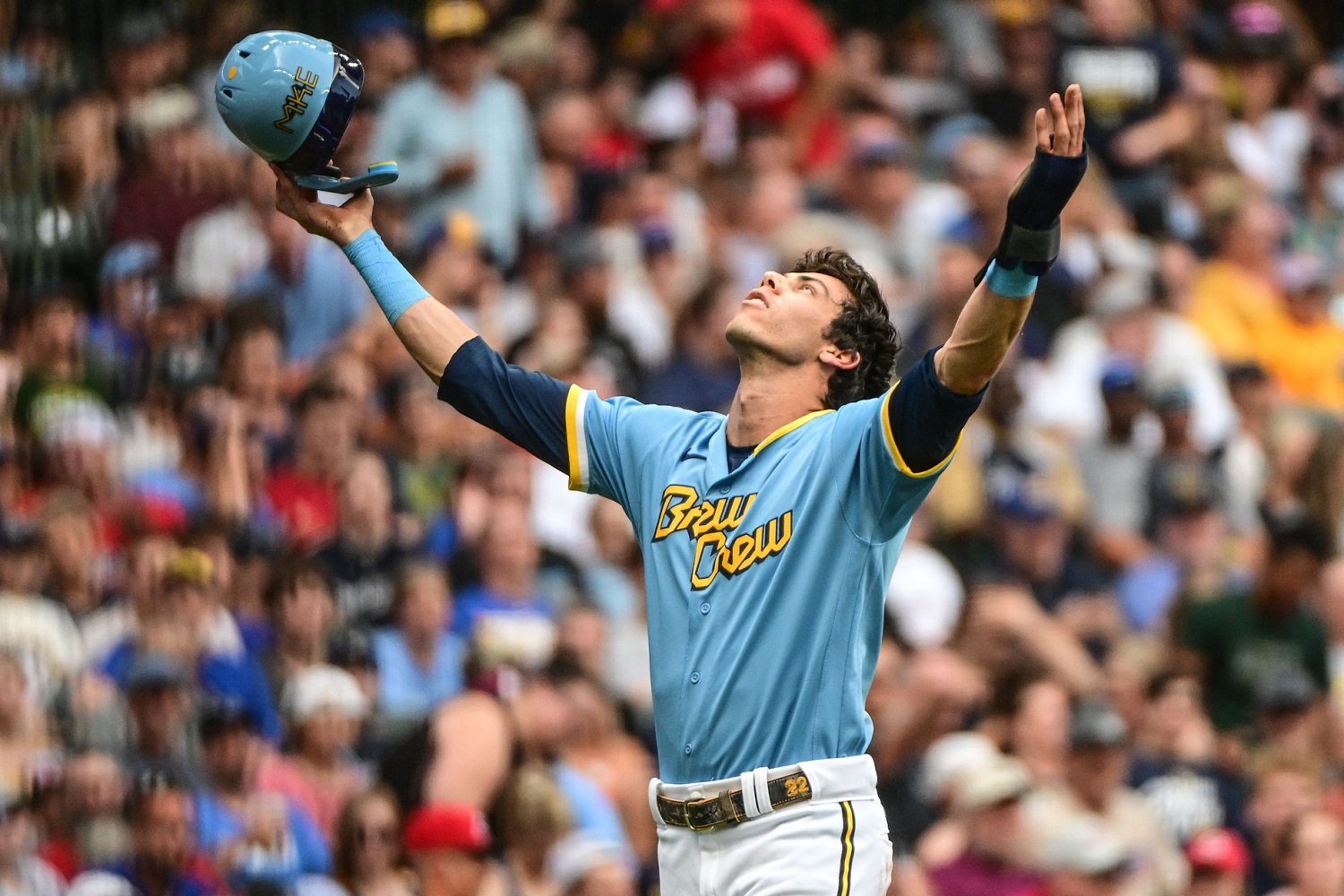 The Brewers have gone 8-7 since the All-Star break, and 1-5 since the trade deadline. They've fallen out of a playoff spot completely, and are now trailing the red hot St. Louis Cardinals. Below are the five things that need to improve if the Brewers want to see playoff baseball for the fifth straight year. 1. The Middle Relief Has Been Bad In an interesting turn of events, the Brewers greatest strength has become their crippling weakness. It hasn’t been just a six-game struggle, it's been a month long problem. Over the last 30 days (July 8th - August 7th) the bullpen has a ERA of 5.70, good for the second worst in the MLB during that time period. They’ve surrendered 19 home runs, by far the most in the last 30 days. However, you can’t throw the top end of the Brewers pen under the bus. Both Devin Williams and Brad Boxberger have posted an combined ERA under 3.00 since the break, so the dirt is practically only on the middle relievers' hands. 2. Willy Adames is Struggling Adames’ was one of the Brewers players that was hoping to turn it around in the second half. Instead, it looks like the Brewers shortstop is the only one that didn’t get the memo. While the Crew's offense has been great since the break, scoring 83 runs and leading the MLB in OPS since the midsummer classic, Adames has not. Adames is slashing just .221/.243/.397 since the break, and has WRC+ of 70. Even though he is striking out less in the second half, the hits still aren’t falling like they were in 2021. 3. The Defense Has Been Sloppy Maybe the defense overall hasn’t been so poor in the second half, but errors are becoming more timely, and the results have been painful. The Brewers have already allowed 11 unearned runs in the second half, and you could certainly argue some unmarked fielding blunders have cost them more. Usually solid defensive options like Hunter Renfroe and Victor Caratini have been struggling in their respective roles defensively, while noted poor defenders like Rowdy Tellez have arguably been worse. 4. The Starting Pitching is Lacking its Usual Effectiveness At a brief glance, the starters have been solid since the break. As a core the starters have posted an ERA of 3.44, good enough to place the Brewers in the top third of the league since the break. However, the run prevention is far from the actual issue. Brewers starters have walked over 11 percent of the batters they’ve faced since the break, causing their starts to be short, forcing the already weakened bullpen to work even more. Although they’ve done a good job preventing runners from scoring, they haven't done enough to keep themselves in the games. 5. Negativity Surrounding the Hader Trade This last one is completely intangible, but I think it's having an effect on the team. It was pretty obvious by some of the interviews conducted with the players that they were shocked by the front office’s decision to move Josh Hader. I can’t directly blame the front office for losses because they decided to trade Hader, because there has been no scenario where having Hader would have likely changed the result of any given loss. I do feel obligated to mention the barrage of reporter questions and online negativity that has been facing the team the week following the deal, though. The players undoubtedly have tried to avoid this, but if you’ve been on baseball space in the web that past week, you know it's been unavoidable. It’s hard to really pinpoint the degree to which this has been affecting the team, but for the players' sake, both reporters and fans need to move on.
 -
The Brewers are off to a hot start in the second half, and no one is more responsible than Yelich himself. It might finally be happening. Between injuries, poor play, and batted-ball bad luck, Christian Yelich hasn’t been the same player since 2019. While the 2018-2019 Yelich might be a blip in the past, the new and improved second half Yelich isn’t a bad consolation prize. The Brewers are 7-2 since the All-Star break, and in those nine games, Yelich has recorded at least one hit. He’s introduced a new mechanical change into his swing, doing away with his old leg kick in favor of a toe tap. The new approach has helped Yelich timing wise, and done wonders for his production too. His slash line since the break sits at .344/488/.563, good for a WRC+ of 185. If he can keep up this absurd pace, it would be Yelich’s best second half since his MVP season in 2018. Sure, it's a small sample size. But so far, Yelich's numbers and his new found willingness to go opposite field are plenty valuable. It’s been said that Yelich needs to be on his A-game for the Brewers to go far, and so far, so good. View full article
-
Brewer Bits: Christian Yelich's Offensive Burst is Like Old Times
Kyle Ginsbach posted an article in Brewers
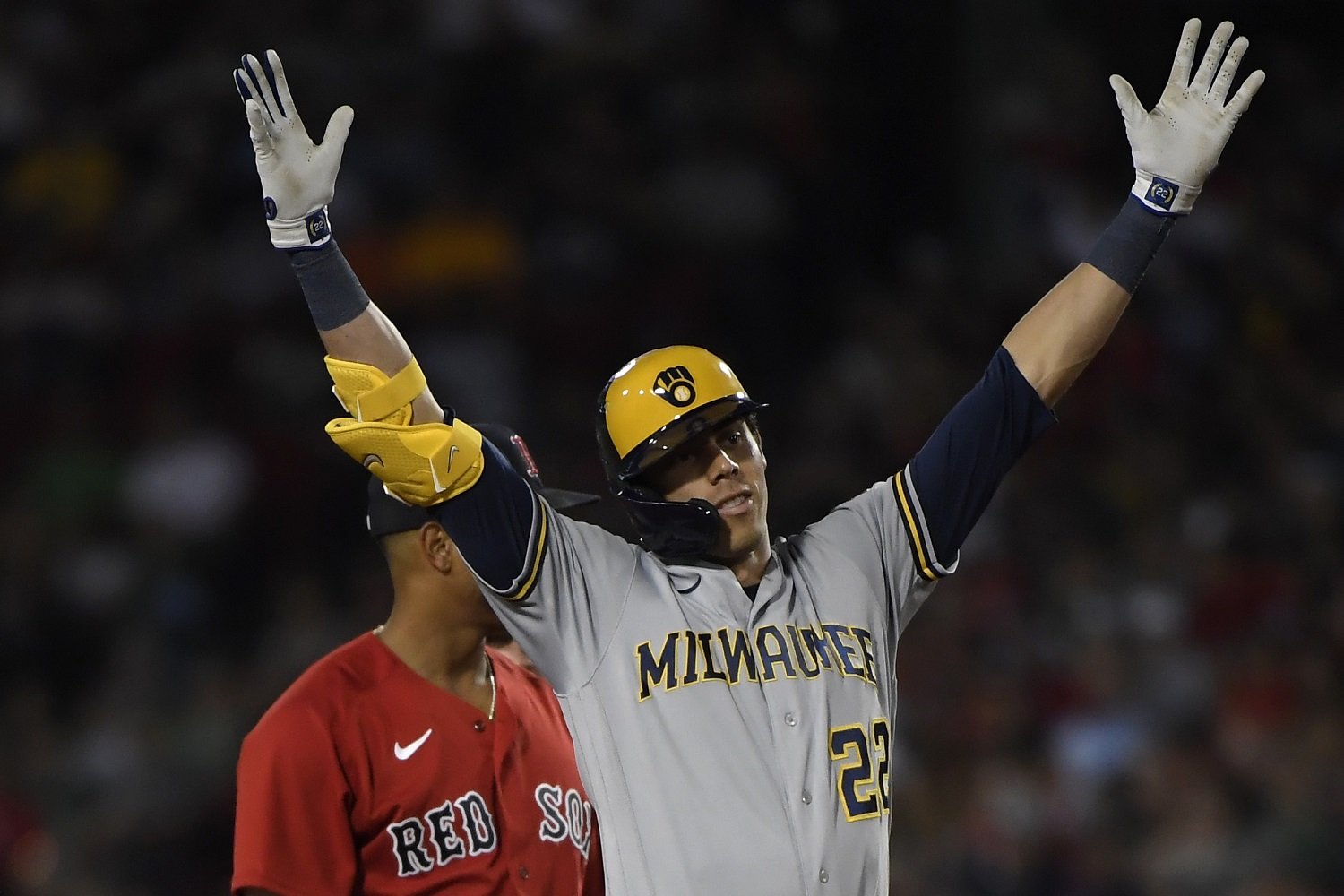 It might finally be happening. Between injuries, poor play, and batted-ball bad luck, Christian Yelich hasn’t been the same player since 2019. While the 2018-2019 Yelich might be a blip in the past, the new and improved second half Yelich isn’t a bad consolation prize. The Brewers are 7-2 since the All-Star break, and in those nine games, Yelich has recorded at least one hit. He’s introduced a new mechanical change into his swing, doing away with his old leg kick in favor of a toe tap. The new approach has helped Yelich timing wise, and done wonders for his production too. His slash line since the break sits at .344/488/.563, good for a WRC+ of 185. If he can keep up this absurd pace, it would be Yelich’s best second half since his MVP season in 2018. Sure, it's a small sample size. But so far, Yelich's numbers and his new found willingness to go opposite field are plenty valuable. It’s been said that Yelich needs to be on his A-game for the Brewers to go far, and so far, so good.
 -
It’s time to overreact. Who says no? Sure the Brewers have only played six games since the All-Star break, but we’d be lying to ourselves if we said those six games didn’t look promising. In recent memory, the Craig Counsell's Brewers have very much been a second half team. Since 2018 (excluding the shortened 2019 season), they've played at a .607 rate after the All-Star break compared to a .533 before. This year, the Brewers stumbled upon a golden opportunity by beginning the second half with a six-game homestand, and they took advantage. They won five of those six games, increased their lead in the division to three, and most importantly, sent the fans home happy. The theme of the homestand was certainly offense, but the pitching side had some positive notes, too. Aaron Ashby turned in his best effort of the season in the only loss, going 7 innings, allowing two earned runs off of five hits, while striking out nine. Both Corbin Burnes and Brandon Woodruff lacked their normal effectiveness in their three combined starts, but fought through and gave the team the chance to win. The bullpen, minus the 10-9 victory over the Rockies on Sunday, was fantastic too. However, the Brewers offense is what’s really worth noting. The Brewers bats scored 42 runs in the 6 games, good for an average of seven per game. They also drew 31 walks, and hit 12 home runs. Everyone is contributing too: Christian Yelich has yet to fail to record a hit in the second half, and is slashing .304/.467/.522. Hunter Renfroe has mashed four home runs and driven in 10. Kolten Wong, who had just a 695 OPS in the first half, has already recorded nine hits. Luis Urias, who's recorded two walk-offs in the second-half already, is slashing an absurd .381/.462/.714. The damage from the offense is coming early and late, and it’s happening more often than not. Right now, the Crew’s bats are the perfect combination of patience and power. Looking forward, the Brewers next nine games are scheduled against the Red Sox, Pirates, and Reds. All three teams rank in the bottom third in team ERA. If the Brewers want to continue to build momentum offensively, the next three series are the perfect way to do it. It's also reasonable to believe the pitching staff simply just needs time to begin to regroup and get healthy, and with a red-hot offense, there's no better time than now. Obviously we can’t pretend this type of outburst is sustainable. It’s simply not. However, all signs are encouraging. The pitching hasn’t lived up to the standards they’ve set for themselves, and the offense has picked them up. The run production will almost surely slow down, but the run prevention might pick up. If the Brewers continue to ride the trends they’ve set over the last week it’ll almost surely lead to a division crown come October. View full article
-
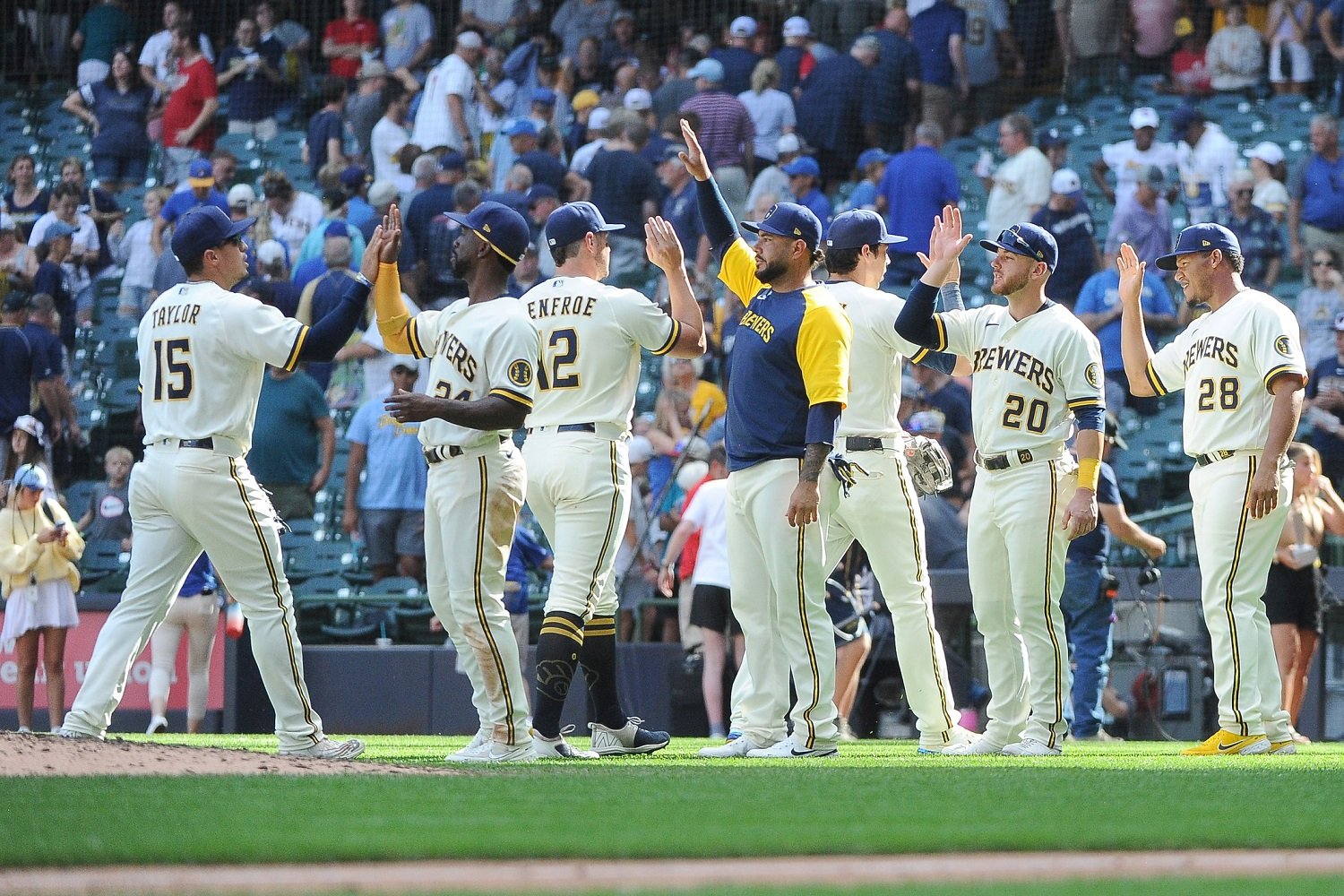 In recent memory, the Craig Counsell's Brewers have very much been a second half team. Since 2018 (excluding the shortened 2019 season), they've played at a .607 rate after the All-Star break compared to a .533 before. This year, the Brewers stumbled upon a golden opportunity by beginning the second half with a six-game homestand, and they took advantage. They won five of those six games, increased their lead in the division to three, and most importantly, sent the fans home happy. The theme of the homestand was certainly offense, but the pitching side had some positive notes, too. Aaron Ashby turned in his best effort of the season in the only loss, going 7 innings, allowing two earned runs off of five hits, while striking out nine. Both Corbin Burnes and Brandon Woodruff lacked their normal effectiveness in their three combined starts, but fought through and gave the team the chance to win. The bullpen, minus the 10-9 victory over the Rockies on Sunday, was fantastic too. However, the Brewers offense is what’s really worth noting. The Brewers bats scored 42 runs in the 6 games, good for an average of seven per game. They also drew 31 walks, and hit 12 home runs. Everyone is contributing too: Christian Yelich has yet to fail to record a hit in the second half, and is slashing .304/.467/.522. Hunter Renfroe has mashed four home runs and driven in 10. Kolten Wong, who had just a 695 OPS in the first half, has already recorded nine hits. Luis Urias, who's recorded two walk-offs in the second-half already, is slashing an absurd .381/.462/.714. The damage from the offense is coming early and late, and it’s happening more often than not. Right now, the Crew’s bats are the perfect combination of patience and power. Looking forward, the Brewers next nine games are scheduled against the Red Sox, Pirates, and Reds. All three teams rank in the bottom third in team ERA. If the Brewers want to continue to build momentum offensively, the next three series are the perfect way to do it. It's also reasonable to believe the pitching staff simply just needs time to begin to regroup and get healthy, and with a red-hot offense, there's no better time than now. Obviously we can’t pretend this type of outburst is sustainable. It’s simply not. However, all signs are encouraging. The pitching hasn’t lived up to the standards they’ve set for themselves, and the offense has picked them up. The run production will almost surely slow down, but the run prevention might pick up. If the Brewers continue to ride the trends they’ve set over the last week it’ll almost surely lead to a division crown come October.
 -
 The MLB season has reached its halfway point. With the All-Star break and the festivities taking the full front of attention, it may be time to take a break from the fun and reflect on the first half of the season. Like a teacher handing out the dreaded report card, it's time to see how the Brewers fared in half number one. If you would like to see the infielders, outfielders and catchers grades, check out those links for previous stories earlier this week. Before jumping into the grading breakdown, it's important to lay some guidelines. Grading is based on the players performance through the first 93 games of the 2022 season. Listed with the given grades is the players slash line (AVG/OBP/SLG) as of July 18, and either their OAA (Outs Above Average) or percentile grades in pitch framing. The grades are also based on both the offensive and defensive value the players should have been reasonably expected to provide, and is completely subjective. The purpose of the grades are simply to reflect, and not to promote any distaste towards any certain player. Jace Peterson * .252/.325/.439 * 7 OAA * Super Utility Grade: A Coming into the season, Peterson projected to be the Brewers de facto utility man. To say Peterson has passed expectations would be an understatement. Playing in 80 games and logging more than 240 plate appearances, all Peterson has done is hit, posting a 115 OPS+. His bat has been steady and consistent, but his real value comes from his defense. Tied with Adames for the team lead in OAA, Peterson has likely been the team's best defender. Seeing time at 1B, 2B, 3B, LF, and RF, he has shown fans he’s capable of performing wherever Craig Counsell has placed him. It’s hard to imagine Peterson will see the same amount of playing time post All-Star break, but if he does, he shows no signs of being anything but the pillar of consistency he’s been so far. Mike Brosseau * .287/.367/.460 * -4 OAA * Infield Grade: B+ Despite the impressive slash line, Brosseau only earns a B+. Between competition with Jace Peterson and injuries, he hasn’t seen much time on the field. There isn’t much else to note for Brosseau, as he’s only appeared in 40 games, and logged less than 100 plate appearances. Despite not seeing much time, it’s hard to complain about his bat though. He even leads the Brewers in both AVG and OBP. However his defense has been poor. Brosseau has commited 5 errors in his limited number of appearances, and his -4 OAA is less than ideal. Brosseau’s role with the team is completely up in the air. It’s hard to predict what he’d do with more playing time, or how the Brewers would give it to him. Keston Hiura * .238/.354/.451 * -1 OAA * AAA-Wisconsin Grade: B The only player to receive a grade that's currently in AAA, Hiura has quietly put together a season that's surpassed expectations. If you want to read more about his oddly productive season, do it here. Looking forward, Hiura should see more playing time. He’s been too good against right-handed pitching to not get consistent at-bats. It’s never too late for Hiura to be considered in future plans. Jonathan Davis * .237/.348/.254 * 2 OAA * Outfielder Grade: B- Perhaps one of the biggest surprises of the season is Davis making his way into the Brewers crowded outfield. The quick-footed center fielder has given the Brewers some quality play in the outfield while some regulars found themselves on the IL. Davis earns a B- grade largely due to his defense and bag stealing abilities, though he hasn’t been awful at the plate either. His .348 OBP is certainly valuable, although he brings little power with a SLG of just .254. There is some question whether Davis will have a role after the trade deadline, but if he does, it likely won’t come with much playing time. Now it's your turn. Are the grades fair? Would you give extra credit or demerits to some of the players? If so, let's hear it in the comments below.
 -
With injuries plaguing so many regulars, bench players have been thrust into the bigger roles. Some have responded. Some, not so much. Check out our grades and see if you agree. The MLB season has reached its halfway point. With the All-Star break and the festivities taking the full front of attention, it may be time to take a break from the fun and reflect on the first half of the season. Like a teacher handing out the dreaded report card, it's time to see how the Brewers fared in half number one. If you would like to see the infielders, outfielders and catchers grades, check out those links for previous stories earlier this week. Before jumping into the grading breakdown, it's important to lay some guidelines. Grading is based on the players performance through the first 93 games of the 2022 season. Listed with the given grades is the players slash line (AVG/OBP/SLG) as of July 18, and either their OAA (Outs Above Average) or percentile grades in pitch framing. The grades are also based on both the offensive and defensive value the players should have been reasonably expected to provide, and is completely subjective. The purpose of the grades are simply to reflect, and not to promote any distaste towards any certain player. Jace Peterson * .252/.325/.439 * 7 OAA * Super Utility Grade: A Coming into the season, Peterson projected to be the Brewers de facto utility man. To say Peterson has passed expectations would be an understatement. Playing in 80 games and logging more than 240 plate appearances, all Peterson has done is hit, posting a 115 OPS+. His bat has been steady and consistent, but his real value comes from his defense. Tied with Adames for the team lead in OAA, Peterson has likely been the team's best defender. Seeing time at 1B, 2B, 3B, LF, and RF, he has shown fans he’s capable of performing wherever Craig Counsell has placed him. It’s hard to imagine Peterson will see the same amount of playing time post All-Star break, but if he does, he shows no signs of being anything but the pillar of consistency he’s been so far. Mike Brosseau * .287/.367/.460 * -4 OAA * Infield Grade: B+ Despite the impressive slash line, Brosseau only earns a B+. Between competition with Jace Peterson and injuries, he hasn’t seen much time on the field. There isn’t much else to note for Brosseau, as he’s only appeared in 40 games, and logged less than 100 plate appearances. Despite not seeing much time, it’s hard to complain about his bat though. He even leads the Brewers in both AVG and OBP. However his defense has been poor. Brosseau has commited 5 errors in his limited number of appearances, and his -4 OAA is less than ideal. Brosseau’s role with the team is completely up in the air. It’s hard to predict what he’d do with more playing time, or how the Brewers would give it to him. Keston Hiura * .238/.354/.451 * -1 OAA * AAA-Wisconsin Grade: B The only player to receive a grade that's currently in AAA, Hiura has quietly put together a season that's surpassed expectations. If you want to read more about his oddly productive season, do it here. Looking forward, Hiura should see more playing time. He’s been too good against right-handed pitching to not get consistent at-bats. It’s never too late for Hiura to be considered in future plans. Jonathan Davis * .237/.348/.254 * 2 OAA * Outfielder Grade: B- Perhaps one of the biggest surprises of the season is Davis making his way into the Brewers crowded outfield. The quick-footed center fielder has given the Brewers some quality play in the outfield while some regulars found themselves on the IL. Davis earns a B- grade largely due to his defense and bag stealing abilities, though he hasn’t been awful at the plate either. His .348 OBP is certainly valuable, although he brings little power with a SLG of just .254. There is some question whether Davis will have a role after the trade deadline, but if he does, it likely won’t come with much playing time. Now it's your turn. Are the grades fair? Would you give extra credit or demerits to some of the players? If so, let's hear it in the comments below. View full article
-
Catching has been a quiet strength for the Brewers, especially after the team scrambled to address a banned substance suspension just before Opening Day. Check our grades and see if you agree. The MLB season has reached its halfway point. With the All-Star break and the festivities taking the full front of attention, it may be time to take a break from the fun and reflect on the first half of the season. Like a teacher handing out the dreaded report card, it's time to see how the Brewers fared in half number one. Check out our stories earlier this week if you would like to see the infielders and outfielders grades. Before jumping into the grading breakdown, it's important to lay some guidelines. Grading is based on the players performance through the first 93 games of the 2022 season. Listed with the given grades is the players slash line (AVG/OBP/SLG) as of July 18, and either their OAA (Outs Above Average) or percentile grades in pitch framing. The grades are also based on both the offensive and defensive value the players should have been reasonably expected to provide, and is completely subjective. The purpose of the grades are simply to reflect, and not to promote any distaste towards any certain player. Omar Narváez * .236/.327/.356 * 83rd Percentile in Pitch Framing * Catcher Grade: B- Omar Narváez made his first All-Star team last year as the Brewers catcher, and in 2022, he hasn’t had the encore fans may have hoped. Outside of one singular hot streak, Narváez has been below average at the plate, and hasn’t produced much power. His defense remains good however, as Narváez deserves a large amount of credit for helping hold the Brewers staff together thus far. Narváez should benefit from the All-Star break just as much as anyone else on the Crew, and hopefully he can ride a new hot streak to the end of the season. If not, his work with the staff should continue to be excellent. Victor Caratini * .244/.362/.441 * 62nd Percentile in Pitch Framing * Backup Catcher Grade: A- A former division rival, Caratini is putting together a career year as part of Milwaukee’s catching platoon. Caratini has arguably been the team's best offensive player, and arguably been the team's most clutch one as well. His defense, while worse than Narvaez’s, is still above league average. If anyone has passed expectations this year, it’s been Caratini. The catching tandem in Milwaukee hasn’t generated many complaints, and Caratini is a large part of that. Looking forward, it’s hard to see things change, and fans should expect Caratini to continue to thrive in his new-found role. Pedro Severino * .214/.313/.357 * Doesn’t qualify for Pitch Framing * Third Catcher Grade: F Though the sample size is small, Severino has already shown he’s practically wasting a roster spot. Suspended for the first half of the season due to PED’s, Severino has returned to little fanfare. He’s easily the worst of the three catchers defensively, as if he isn’t going to hit, he has no place on the team, especially when bats like Hiura are stuck in AAA. In all honesty, Severino’s time as a Brewer should come to an end. Milwaukee needs to cut their losses with him, because right now, they can use his spot in much better ways. Now it's your turn. Are the grades fair? Would you give extra credit or demerits to some of the players? If so, let's hear it in the comments below. View full article
-
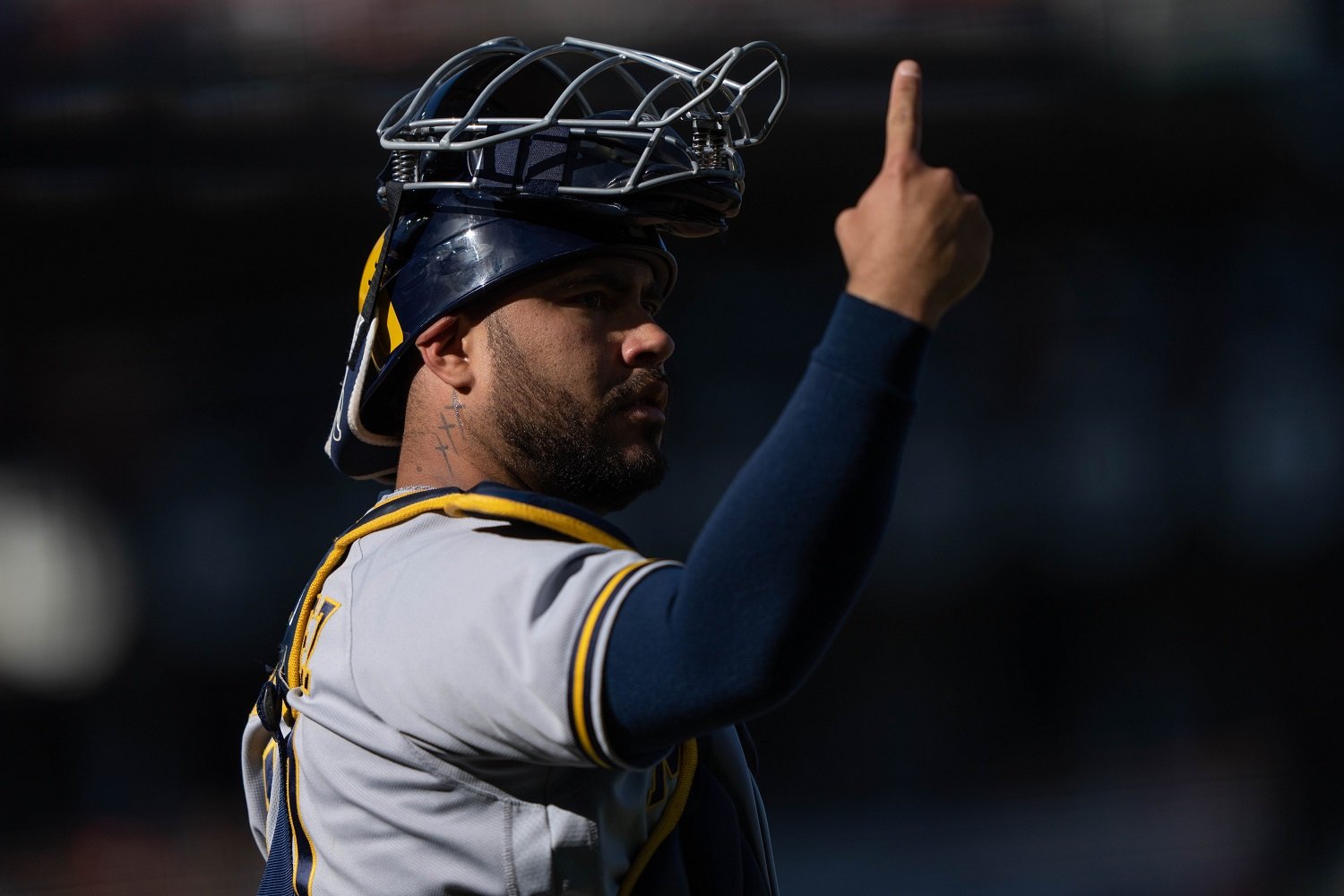 The MLB season has reached its halfway point. With the All-Star break and the festivities taking the full front of attention, it may be time to take a break from the fun and reflect on the first half of the season. Like a teacher handing out the dreaded report card, it's time to see how the Brewers fared in half number one. Check out our stories earlier this week if you would like to see the infielders and outfielders grades. Before jumping into the grading breakdown, it's important to lay some guidelines. Grading is based on the players performance through the first 93 games of the 2022 season. Listed with the given grades is the players slash line (AVG/OBP/SLG) as of July 18, and either their OAA (Outs Above Average) or percentile grades in pitch framing. The grades are also based on both the offensive and defensive value the players should have been reasonably expected to provide, and is completely subjective. The purpose of the grades are simply to reflect, and not to promote any distaste towards any certain player. Omar Narváez * .236/.327/.356 * 83rd Percentile in Pitch Framing * Catcher Grade: B- Omar Narváez made his first All-Star team last year as the Brewers catcher, and in 2022, he hasn’t had the encore fans may have hoped. Outside of one singular hot streak, Narváez has been below average at the plate, and hasn’t produced much power. His defense remains good however, as Narváez deserves a large amount of credit for helping hold the Brewers staff together thus far. Narváez should benefit from the All-Star break just as much as anyone else on the Crew, and hopefully he can ride a new hot streak to the end of the season. If not, his work with the staff should continue to be excellent. Victor Caratini * .244/.362/.441 * 62nd Percentile in Pitch Framing * Backup Catcher Grade: A- A former division rival, Caratini is putting together a career year as part of Milwaukee’s catching platoon. Caratini has arguably been the team's best offensive player, and arguably been the team's most clutch one as well. His defense, while worse than Narvaez’s, is still above league average. If anyone has passed expectations this year, it’s been Caratini. The catching tandem in Milwaukee hasn’t generated many complaints, and Caratini is a large part of that. Looking forward, it’s hard to see things change, and fans should expect Caratini to continue to thrive in his new-found role. Pedro Severino * .214/.313/.357 * Doesn’t qualify for Pitch Framing * Third Catcher Grade: F Though the sample size is small, Severino has already shown he’s practically wasting a roster spot. Suspended for the first half of the season due to PED’s, Severino has returned to little fanfare. He’s easily the worst of the three catchers defensively, as if he isn’t going to hit, he has no place on the team, especially when bats like Hiura are stuck in AAA. In all honesty, Severino’s time as a Brewer should come to an end. Milwaukee needs to cut their losses with him, because right now, they can use his spot in much better ways. Now it's your turn. Are the grades fair? Would you give extra credit or demerits to some of the players? If so, let's hear it in the comments below.
- 3 comments
-
- 1
-

-
- omar narvaez
- victor caratini
- (and 1 more)
-
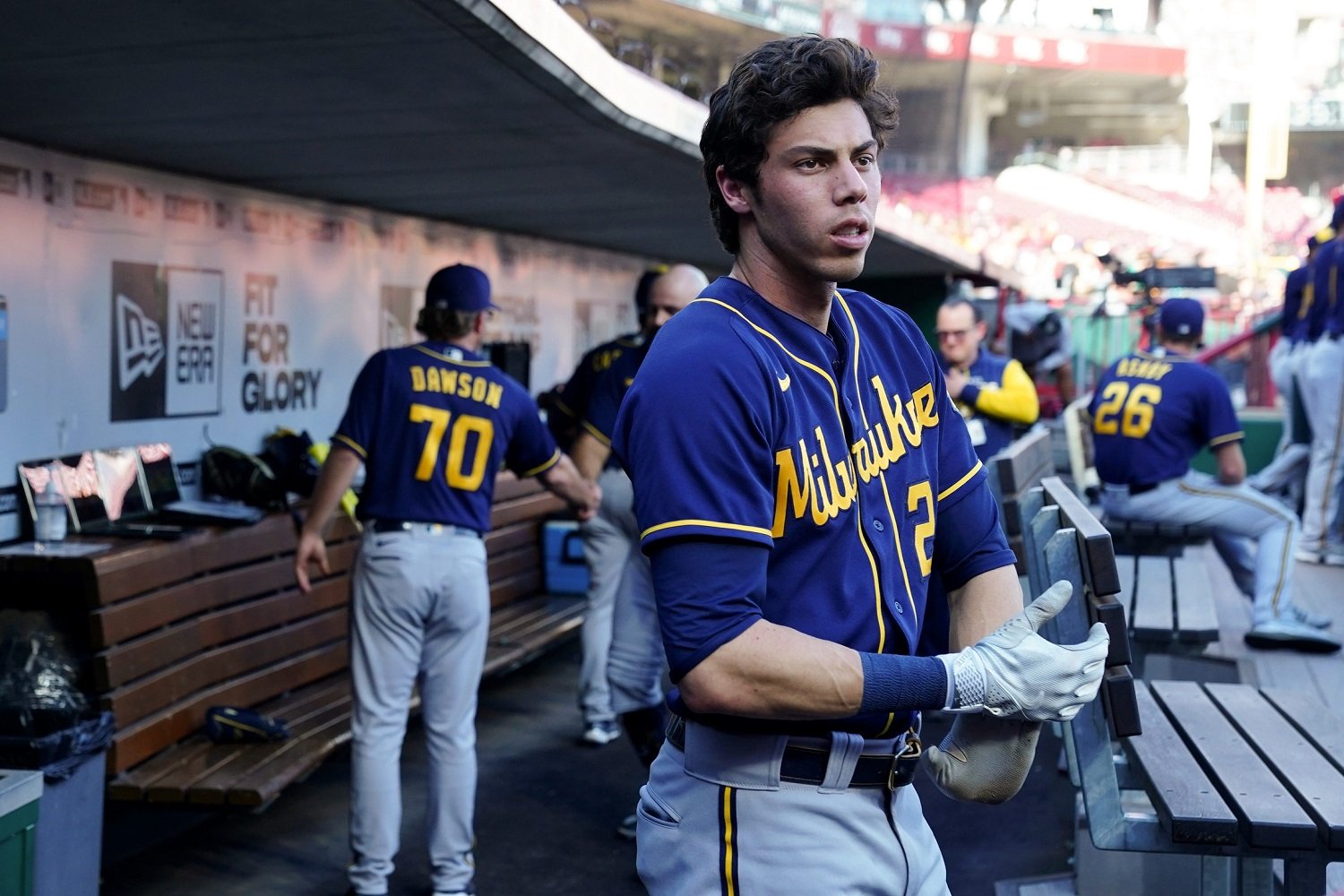 The MLB season has reached its halfway point. With the All-Star break and the festivities taking the full front of attention, it may be time to take a break from the fun and reflect on the first half of the season. Like a teacher handing out the dreaded report card, it's time to see how the Brewers fared in half number one. If you would like to see the infielders grades, check out yesterday’s story. Before jumping into the grading breakdown, it's important to lay some guidelines. Grading is based on the players performance through the first 93 games of the 2022 season. Listed with the given grades is the players slash line (AVG/OBP/SLG) as of July 18, and either their OAA (Outs Above Average) or percentile grades in pitch framing. The grades are also based on both the offensive and defensive value the players should have been reasonably expected to provide, and is completely subjective. The purpose of the grades are simply to reflect, and not to promote any distaste towards any certain player. Christian Yelich * .251/.347/.379 * -3 OAA * Left Field Grade: B- It’s been an uphill climb ever since Chirstain Yelich ended his 2019 season with a knee injury. His MVP-Caliber production has faded, but the new Yelich hasn’t been nearly as bad as some fans would want you to believe. After a slow start, the Brewers moved Yelich to the leadoff spot, where he thrived. His slash line batting first sits at .288/.390/.400. The only thing Yelich is truly missing from years past is his power. Looking forward, fans can see Yelich is closer to regaining his former self than has been since the injury. Advanced metrics have always loved Yelich as a hitter, with this year being no exception. It remains to be seen what numbers he actually posts in the second half. Tyrone Taylor * .228/.277/.423 * 2 OAA * Center Field(?) Grade: C+ Expectations for Taylor coming into the season looked to be him filling the role as the 5th outfielder on the roster. But Lorenzo Cain’s disastrous start led to him being designated for assignment, and when injuries began to pile up, Taylor was thrown into a bigger role, with varying success. He has struggled to get on-base, posting the lowest OBP of anyone still with the team. However, he’s shown flashes of power and clutch hitting, with 9 HR, and a .375 AVG with RISP. His defense has been good too, but the Brewers would like the bat to be a bit better. Taylor is an easy player to root for, and he’ll probably see a return to the lineup after the All-Star Break, assuming there are not setbacks in his recovery from a concussion. It remains to be seen whether or not the Brewers will add another center fielder at the deadline, so it’s hard to predict what kind of second half Taylor is capable of having. Andrew McCutchen * .255/.317/.386 * -1 OAA * Designated Hitter Grade: B- A former MVP in Pittsburgh, Andrew McCutchen was a late addition in the offseason. The 35-year-old struggled early in the season after a brief hot start, but has picked it up as of late. Serving as the Brewers primary DH, Cutch doesn’t see much time in the field, but has been solid when asked to play the corner outfield spots. McCutchen's slash line since June 1st sits at .296/.368/.461. This could be omen for good things to come, as he is too good of a player to be posting league average numbers over a full season. Hunter Renfroe * .243/.294/.477 * 1 OAA * Right Field Grade: B Hunter Renfroe was acquired in a last second deal before the lockout in a trade that sent Jackie Bradley Jr. back to Boston. If fans remember the season JBJ had last year, it’s easy to conclude Renfroe has been much, much better. After a slow start he began to hit better, but numerous injuries have sidelined him for a large chunk of games. His defense, especially his arm, has been as advertised in RF, which is a huge plus too. If Renfroe can stay healthy the rest of the way through the season, the consistent playing time will allow him to be a key contributor to the Brewers both offensively and defensively. That remains to be seen though. Now it's your turn. Are the grades fair? Would you give extra credit or demerits to some of the players? If so, let's hear it in the comments below.
 -
The outfield, laden with veteran bats, was supposed to be the engine that drives the Brewers offense. But one of the pistons stopped firing, and the Brew Crew is searching for solutions. See if you agree with our grades. The MLB season has reached its halfway point. With the All-Star break and the festivities taking the full front of attention, it may be time to take a break from the fun and reflect on the first half of the season. Like a teacher handing out the dreaded report card, it's time to see how the Brewers fared in half number one. If you would like to see the infielders grades, check out yesterday’s story. Before jumping into the grading breakdown, it's important to lay some guidelines. Grading is based on the players performance through the first 93 games of the 2022 season. Listed with the given grades is the players slash line (AVG/OBP/SLG) as of July 18, and either their OAA (Outs Above Average) or percentile grades in pitch framing. The grades are also based on both the offensive and defensive value the players should have been reasonably expected to provide, and is completely subjective. The purpose of the grades are simply to reflect, and not to promote any distaste towards any certain player. Christian Yelich * .251/.347/.379 * -3 OAA * Left Field Grade: B- It’s been an uphill climb ever since Chirstain Yelich ended his 2019 season with a knee injury. His MVP-Caliber production has faded, but the new Yelich hasn’t been nearly as bad as some fans would want you to believe. After a slow start, the Brewers moved Yelich to the leadoff spot, where he thrived. His slash line batting first sits at .288/.390/.400. The only thing Yelich is truly missing from years past is his power. Looking forward, fans can see Yelich is closer to regaining his former self than has been since the injury. Advanced metrics have always loved Yelich as a hitter, with this year being no exception. It remains to be seen what numbers he actually posts in the second half. Tyrone Taylor * .228/.277/.423 * 2 OAA * Center Field(?) Grade: C+ Expectations for Taylor coming into the season looked to be him filling the role as the 5th outfielder on the roster. But Lorenzo Cain’s disastrous start led to him being designated for assignment, and when injuries began to pile up, Taylor was thrown into a bigger role, with varying success. He has struggled to get on-base, posting the lowest OBP of anyone still with the team. However, he’s shown flashes of power and clutch hitting, with 9 HR, and a .375 AVG with RISP. His defense has been good too, but the Brewers would like the bat to be a bit better. Taylor is an easy player to root for, and he’ll probably see a return to the lineup after the All-Star Break, assuming there are not setbacks in his recovery from a concussion. It remains to be seen whether or not the Brewers will add another center fielder at the deadline, so it’s hard to predict what kind of second half Taylor is capable of having. Andrew McCutchen * .255/.317/.386 * -1 OAA * Designated Hitter Grade: B- A former MVP in Pittsburgh, Andrew McCutchen was a late addition in the offseason. The 35-year-old struggled early in the season after a brief hot start, but has picked it up as of late. Serving as the Brewers primary DH, Cutch doesn’t see much time in the field, but has been solid when asked to play the corner outfield spots. McCutchen's slash line since June 1st sits at .296/.368/.461. This could be omen for good things to come, as he is too good of a player to be posting league average numbers over a full season. Hunter Renfroe * .243/.294/.477 * 1 OAA * Right Field Grade: B Hunter Renfroe was acquired in a last second deal before the lockout in a trade that sent Jackie Bradley Jr. back to Boston. If fans remember the season JBJ had last year, it’s easy to conclude Renfroe has been much, much better. After a slow start he began to hit better, but numerous injuries have sidelined him for a large chunk of games. His defense, especially his arm, has been as advertised in RF, which is a huge plus too. If Renfroe can stay healthy the rest of the way through the season, the consistent playing time will allow him to be a key contributor to the Brewers both offensively and defensively. That remains to be seen though. Now it's your turn. Are the grades fair? Would you give extra credit or demerits to some of the players? If so, let's hear it in the comments below. View full article
-
The "pessimistic" route was more along the lines of nobody getting above a C. That mindset is more along the lines of "everyone's bad because they're not an All-Star" type thinking, which no one has come close to suggesting.
-
Stay tuned
-
You're probably right. I did debate going the pessimistic route, but decided against it. The offense hasn't been nearly as bad as people make it out to be, (Brewers rank in the top half in pretty much every major offensive category) so I wanted the grades to try to reflect that.
