


Brewers Video
Since the start of the 2017 season, the Milwaukee Brewers have the fourth-most regular-season wins in baseball and the second-most in the National League. Their only losing season during that time was 2020, when they finished two games under .500—and 2020 doesn't count. The Brewers have made the postseason in eight of their last nine seasons, winning six division titles during that span.
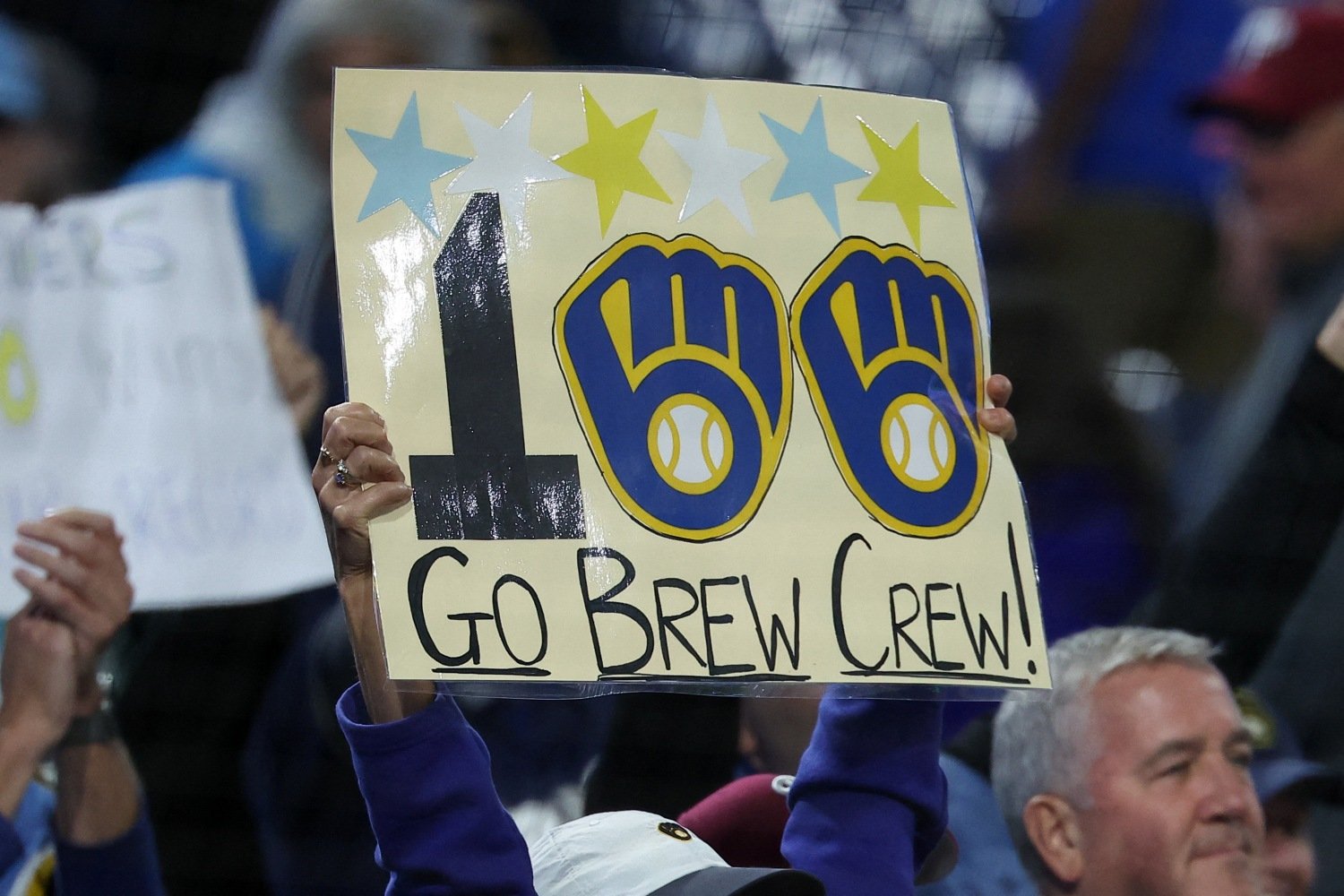
Remarkably, their mastery of the regular season keeps improving. Milwaukee set a new franchise record with 97 wins last year, and on Thursday night in Philadelphia, they reached 100 wins for the first time in franchise history. Shortly afterward, they clinched baseball’s best record and home-field advantage throughout the playoffs for the second straight season.
Some of that is the Pat Murphy effect. With an aggressive approach both on and off the field throughout the regular season, Murphy squeezes a few extra wins out of his roster that other managers might not. It’s debatable whether that’s the best long-term strategy, but there is no denying that the Brewers have become an even greater regular-season powerhouse with Murphy at the helm.
The biggest difference, though, is that the current Brewers teams are more well-rounded and better constructed to outlast other teams over 162 games. The late-2010s and early-2020s teams got creative to compete. The 2018 and 2019 Brewers added the best available players in trades and free agency regardless of fit, maximizing awkward rosters with bullpen games and defensive positioning. From 2021 through 2023, they tried to make up for poor offenses with elite starting rotations.
Now, the Brewers are good at almost everything. According to FanGraphs, over the last two seasons, they’re fifth in wRC+, first in baserunning runs, sixth in Defensive Runs Saved, and second in pitching WAR based on runs allowed per nine innings (RA9-WAR). By building deep rosters and trading aging talent for controllable players, they can replace injured and underperforming guys with more productive alternatives. For all the talk of Milwaukee playing a unique brand of baseball in the modern age, there is no particular “Brewers way” in which they win games. They’re simply better than most teams in nearly every facet of the game.
“Everybody thinks we play different than everybody else,” Murphy said in Philadelphia earlier this week. “I don’t really see that all that much.”
Perhaps the difference lies neither in style nor in roster construction, but in what they accept—and what they refuse to. A few minutes later, Murphy ran through a list of ways in which he’s not satisfied with his team’s play in recent weeks. On the bases, Murphy wants the Brewers to improve their leads at first. In the field, he’s been unimpressed by how they’re completing plays. On the mound, he wants pitchers to hold runners and guard their pitches more effectively. The Brewers will use their bye week to clean those things up before the postseason.
Getting over the hump in October is the next hurdle. Despite their regular-season success, the Brewers remain one of five active teams that have not won a World Series. They face real challenges in getting there this year. Will their offense, which ranks 28th in home runs, have enough big swings against elite pitching? How will the starting rotation perform behind Jacob Misiorowski and Logan Henderson? Both point toward the same larger question: the Brewers are built to excel over 162 games, but are they built to handle the hottest and most talented teams in shorter samples?
Until the Brewers answer that question with a championship, they’re still falling short of their ultimate goal. Calling any non-championship season a failure is reductive, though. To win the World Series, you must get into the postseason. If the Brewers keep doing that every year, they’ll win it all sooner, rather than later. The regular season means something, and they do it better than any other team.
Do you approve of the job Pat Murphy is doing as Brewers manager?

Follow Brewer Fanatic For Milwaukee Brewers News & Analysis



-
 1
1


Recommended Comments
Create an account or sign in to comment
You need to be a member in order to leave a comment
Create an account
Sign up for a new account in our community. It's easy!
Register a new accountSign in
Already have an account? Sign in here.
Sign In Now