Harold Hutchison
-
Posts
6,909 -
Joined
-
Last visited
Content Type
Profiles
Forums
Blogs
Events
News
2026 Milwaukee Brewers Top Prospects Ranking
Milwaukee Brewers Videos
2022 Milwaukee Brewers Draft Picks
Milwaukee Brewers Free Agent & Trade Rumors, Notes, & Tidbits
Guides & Resources
2023 Milwaukee Brewers Draft Picks
2024 Milwaukee Brewers Draft Picks
The Milwaukee Brewers Players Project
2025 Milwaukee Brewers Draft Pick Tracker
2026 Milwaukee Brewers Draft Tracker: Picks & Bonuses
Store
Downloads
Gallery
Everything posted by Harold Hutchison
-
Image courtesy of Kirby Lee-Imagn Images It might seem too early to think about the offseason, but in Milwaukee’s case, it may be time to at least make a plan, no matter what happens in October. In this case, it’s time for the Brewers to consider whether it's time to “flip” some of their assets. This might seem cold-blooded, but with a lot of talent forcing their way up, the Brewers may want to figure out how to secure solid returns—and planning for the moves is far preferable to a rushed deal on the fly. So, whom might Milwaukee want to move? Here are some of the most likely candidates. RHP Grant Anderson Anderson’s been a mainstay of the Brewers’ bullpen since coming over in the 2024-2025 offseason. Yet, his time may be running short. He was optioned to Triple-A Nashville when Kyle Harrison returned from the injured list, though he returned after Abner Uribe went on the shelf this weekend. In the long run, Anderson’s best contribution to Milwaukee may be to be dealt for some prospects to recharge a farm system after the most recent flurry of deals. The trade value of middle relievers is always relatively low, but finding an interested suitor this winter shouldn't be a problem. While Anderson is maybe the fifth choice out of the Brewers bullpen (behind Trevor Megill, Uribe, Chad Patrick, and Aaron Ashby), he would probably rank higher in 20 or so other relief units. Meanwhile, the Brewers could be shifting to more multi-inning firemen out of the bullpen, given the wealth of potential starters in the system. If nothing else, they should be able to find the next Anderson relatively reliably; getting even a bit of value from him would help the team keep its perpetual-motion development machine going. LHP Aaron Ashby It’s not that Ashby hasn’t been valuable. He’s a multi-inning fireman who leads the National League in wins. In fact, one could say the Brewers, to date, have gotten a good return on their long-term extension. But the dollars are about to get bigger, and the chances of Ashby being healthy and productive are trending (if anything) the other way. If both of the club options are exercised, Ashby's contract will earn him $29.5 million over the next three seasons. He’s been very good in the bullpen, but should the Brewers be paying a reliever almost $10 million a season? Even the $7.5 million he'll make in 2027 is more than the team is paying all but four players this year. The Brewers dealt Josh Hader, an all-time great closer, when he was picking up $11 million in 2022. Let’s face it: the Brewers aren’t the Dodgers or Yankees, and Ashby has more value to a team whose payroll leaves more room to breathe. Unless the team thinks they can convert him back to a starter, they should snap up a high-end prospect for him this winter. IF Joey Ortiz Ortiz has rebounded, after struggling at the plate for a season and a half as the Brewers’ regular starter at shortstop. Since the All-Star break, he's batting .340/.416/.660, albeit in just 58 plate appearances. This is good for him and the Brewers, since the team has been bitten hard by the infield injury bug lately. It doesn't necessarily mean he's back in the middle of their long-term plans, though. Every winter, several teams hunt for a solid shortstop, third baseman, or utility player, and the Brewers may want to flip Ortiz if they find that the prospective returns reflect that demand—particularly with Andrew Fischer and Luke Adams knocking at the door. This offseason may be their best chance. OF Garrett Mitchell Garrett Mitchell has been a great player when he’s on the field. This year, for the first time in what feels like forever, he's actually been on the field, and the results have held up better than many feared. As is true of Ortiz, though, Mitchell faces competition for long-term playing time from multiple players in whom the organization has invested more. Luis Lara, a natural center fielder, signed a team-friendly contract extension this season and is currently filling in for the injured Sal Frelick in right field. Jackson Chourio inked a historic extension and is holding down left field. So, what happens to Mitchell? The team’s likely to eye one of Josh Adamczewski, Luis Pena, and Braylon Payne as a potential long-term fit in the outfield. Mitchell could well be on the market, as his salary begins to rise steeply via arbitration. 1B Andrew Vaughn Could Vaughn be on the block, despite his resurgence with the Brewers? The team is facing some roster churn, with Jake Bauers set to be a free agent after 2026. They may elect to clear space for Blake Burke, Fischer, and/or Adams by also moving Vaughn. Bauers’s ascension this year has led the Brewers to put Vaughn at third for a few games, which could add trade value if he proves competent there. Still, Vaughn will command a salary pushing toward eight figures via arbitration this winter. The Brewers may elect to let someone else pay that and get deeper in the minors, especially with potent power bats on their way up. World football offers a good parallel for this situation. When non-elite clubs have great seasons in soccer, they still have to head into transfer windows between campaigns ready to sell some of their players. That frees up money to bring in more depth and bet on younger players, which can keep those teams competitive with unexpected consistency. The Brewers will have to do some of that this winter, but they'll still be hoping to keep their winning ways going in 2027 and beyond. Do you think the Brewers should start flipping players in the offseason? Let us know in the comments below! View full article
-
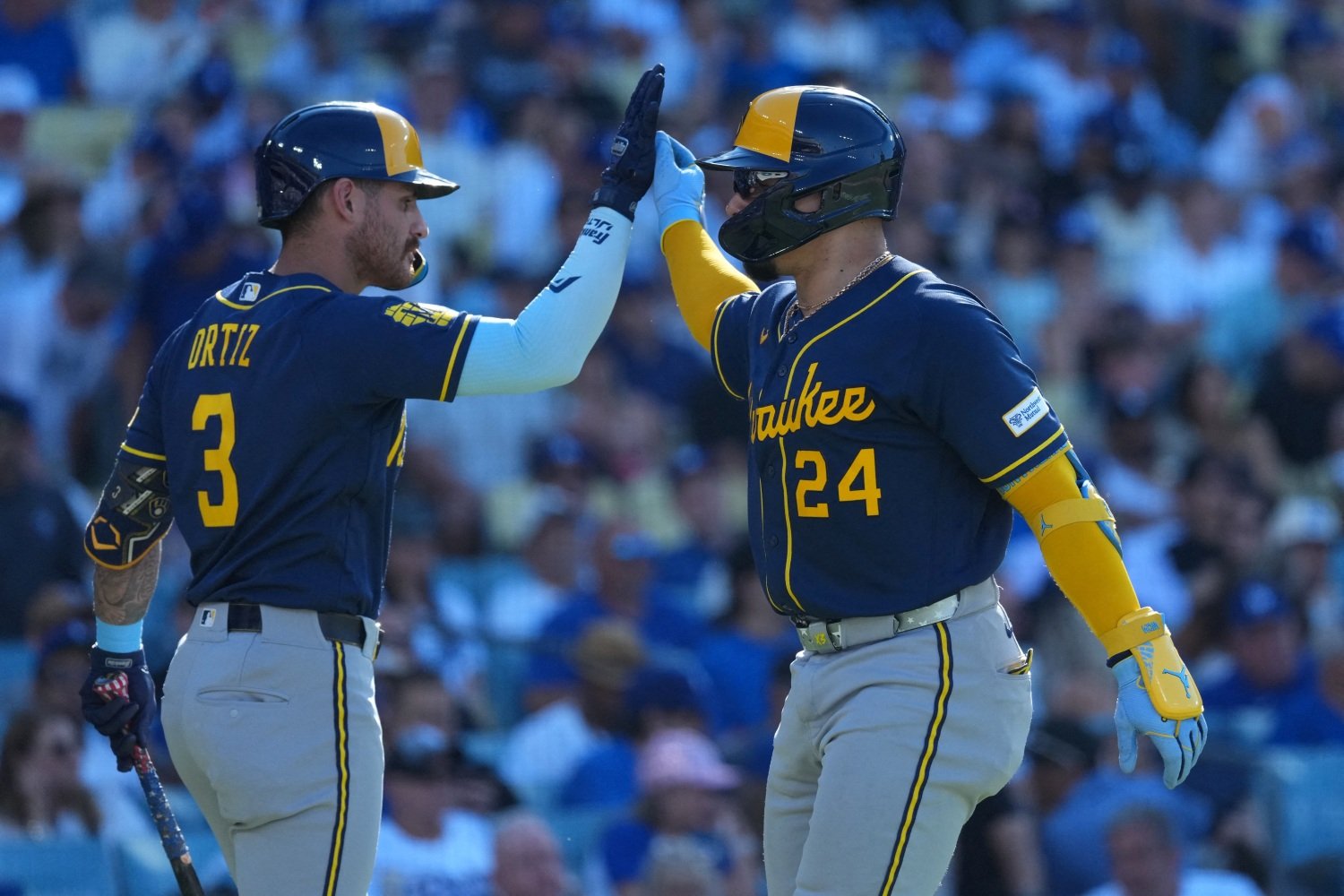 It might seem too early to think about the offseason, but in Milwaukee’s case, it may be time to at least make a plan, no matter what happens in October. In this case, it’s time for the Brewers to consider whether it's time to “flip” some of their assets. This might seem cold-blooded, but with a lot of talent forcing their way up, the Brewers may want to figure out how to secure solid returns—and planning for the moves is far preferable to a rushed deal on the fly. So, whom might Milwaukee want to move? Here are some of the most likely candidates. RHP Grant Anderson Anderson’s been a mainstay of the Brewers’ bullpen since coming over in the 2024-2025 offseason. Yet, his time may be running short. He was optioned to Triple-A Nashville when Kyle Harrison returned from the injured list, though he returned after Abner Uribe went on the shelf this weekend. In the long run, Anderson’s best contribution to Milwaukee may be to be dealt for some prospects to recharge a farm system after the most recent flurry of deals. The trade value of middle relievers is always relatively low, but finding an interested suitor this winter shouldn't be a problem. While Anderson is maybe the fifth choice out of the Brewers bullpen (behind Trevor Megill, Uribe, Chad Patrick, and Aaron Ashby), he would probably rank higher in 20 or so other relief units. Meanwhile, the Brewers could be shifting to more multi-inning firemen out of the bullpen, given the wealth of potential starters in the system. If nothing else, they should be able to find the next Anderson relatively reliably; getting even a bit of value from him would help the team keep its perpetual-motion development machine going. LHP Aaron Ashby It’s not that Ashby hasn’t been valuable. He’s a multi-inning fireman who leads the National League in wins. In fact, one could say the Brewers, to date, have gotten a good return on their long-term extension. But the dollars are about to get bigger, and the chances of Ashby being healthy and productive are trending (if anything) the other way. If both of the club options are exercised, Ashby's contract will earn him $29.5 million over the next three seasons. He’s been very good in the bullpen, but should the Brewers be paying a reliever almost $10 million a season? Even the $7.5 million he'll make in 2027 is more than the team is paying all but four players this year. The Brewers dealt Josh Hader, an all-time great closer, when he was picking up $11 million in 2022. Let’s face it: the Brewers aren’t the Dodgers or Yankees, and Ashby has more value to a team whose payroll leaves more room to breathe. Unless the team thinks they can convert him back to a starter, they should snap up a high-end prospect for him this winter. IF Joey Ortiz Ortiz has rebounded, after struggling at the plate for a season and a half as the Brewers’ regular starter at shortstop. Since the All-Star break, he's batting .340/.416/.660, albeit in just 58 plate appearances. This is good for him and the Brewers, since the team has been bitten hard by the infield injury bug lately. It doesn't necessarily mean he's back in the middle of their long-term plans, though. Every winter, several teams hunt for a solid shortstop, third baseman, or utility player, and the Brewers may want to flip Ortiz if they find that the prospective returns reflect that demand—particularly with Andrew Fischer and Luke Adams knocking at the door. This offseason may be their best chance. OF Garrett Mitchell Garrett Mitchell has been a great player when he’s on the field. This year, for the first time in what feels like forever, he's actually been on the field, and the results have held up better than many feared. As is true of Ortiz, though, Mitchell faces competition for long-term playing time from multiple players in whom the organization has invested more. Luis Lara, a natural center fielder, signed a team-friendly contract extension this season and is currently filling in for the injured Sal Frelick in right field. Jackson Chourio inked a historic extension and is holding down left field. So, what happens to Mitchell? The team’s likely to eye one of Josh Adamczewski, Luis Pena, and Braylon Payne as a potential long-term fit in the outfield. Mitchell could well be on the market, as his salary begins to rise steeply via arbitration. 1B Andrew Vaughn Could Vaughn be on the block, despite his resurgence with the Brewers? The team is facing some roster churn, with Jake Bauers set to be a free agent after 2026. They may elect to clear space for Blake Burke, Fischer, and/or Adams by also moving Vaughn. Bauers’s ascension this year has led the Brewers to put Vaughn at third for a few games, which could add trade value if he proves competent there. Still, Vaughn will command a salary pushing toward eight figures via arbitration this winter. The Brewers may elect to let someone else pay that and get deeper in the minors, especially with potent power bats on their way up. World football offers a good parallel for this situation. When non-elite clubs have great seasons in soccer, they still have to head into transfer windows between campaigns ready to sell some of their players. That frees up money to bring in more depth and bet on younger players, which can keep those teams competitive with unexpected consistency. The Brewers will have to do some of that this winter, but they'll still be hoping to keep their winning ways going in 2027 and beyond. Do you think the Brewers should start flipping players in the offseason? Let us know in the comments below!
 -
I can understand the feeling. For me, it comes down to two questions: 1. Is moving someone like Pena for three months of Tarik Skubal worth it? I Can't say the thought is appealing, to put it mildly. Adding two more Top 100 prospects for the three months? Again, not so sure. 2. Should the Brewers maximize talent on their roster? I know that minor-leaguers are a risk. I mean, look at the four we dealt for Yelich - didn't exactly work out for the Marlins. Anything could derail a prospect (see Milwaukee's release of Melvin Hernandez). Other prospects could be taken via Rule 5, etc. But at the same time, I wouldn't part with a prospect of Pena's caliber lightly, either. Pena and a pitching prospect (Cameron Crow) for Paul Skenes would be a much different story than Pena and two other Top 100 prospects for Skubal, but that's just me.
-
Image courtesy of Cary Edmondson-Imagn Images In the 2025-2026 offseason, the Brewers traded Freddy Peralta, acquiring pitcher Brandon Sproat and utility player Jett Williams in return. In the 2026 season, the deal has remained even – Sproat has struggled some with Milwaukee, while Williams is missing time with injury at Triple-A Nashville, and Peralta struggled in New York before a late-season trade to the Tampa Bay Rays. This is a two-part article: read the counterpoint here. Peralta is slated to be a free agent this offseason, and due to being traded, the Rays can’t make a qualifying offer. Should the Brewers pursue a reunion with Peralta? It might be the under-the-radar move of the offseason. For starters, Peralta is a known quantity for the Brewers in an area that the team has considered important: How he fits in the clubhouse. There haven’t been any known complaints, and the Brewers and Peralta were on friendly terms when he was dealt. In fact, Peralta was warmly welcomed by Brewers fans and players when the Mets came to Milwaukee for a three-game series– at least before he was pushed into starting the first game of a series. Granted, when the game started, they hung seven runs on Freddy, but that was business – it was nothing personal. Peralta would also fill a major need for the Brewers in 2027 – the need for a reliable inning eater behind Jacob Misiorowski, Kyle Harrison, and Logan Henderson. At his best, Peralta was a co-ace for the Brewers from 2021-2025. If the Brewers pitching lab can bring him back to that level, Milwaukee goes into 2027 with arguably the best rotation in MLB, which is not a bad thing for October baseball. But even at a slightly lower level, a team that will be wanting to pick up innings to manage the workload for Misiorowski, Harrison, and Henderson, as well as Quinn Priester, who’s recovering from thoracic outlet surgery. In addition, Peralta could slide Brandon Sproat and Robert Gasser to the bullpen, giving the Brewers a couple of options that could soak up more innings while perhaps thriving as high-endurance relievers alongside Shane Drohan, DL Hall, and Chad Patrick. If there is a hiccup, it might be price, but the reunion may actually come a fair bit cheaper than one might think. First, Freddy will be coming off a bit of a down year – and an extended “prove it” deal with Milwaukee could be just what he needs to reset his value. The Brewers could offer $15 million in 2027, and potentially add an enticement in the form of a player option for 2028. In one sense, this could help Milwaukee meet a potential salary floor that has been discussed in the labor negotiations. You’re bringing in one of the more known commodities on the free agent market, one where the relationship has been very good. Milwaukee could benefit, too, getting a second bite at the apple to trade Peralta for yet more of a return after the 2027 season. It’s almost too good to be true, only this could actually happen with very little downside for the Brewers. Fastball Freddy as Milwaukee’s fourth starter in 2027. Who wouldn’t like that sort of reunion? View full article
-
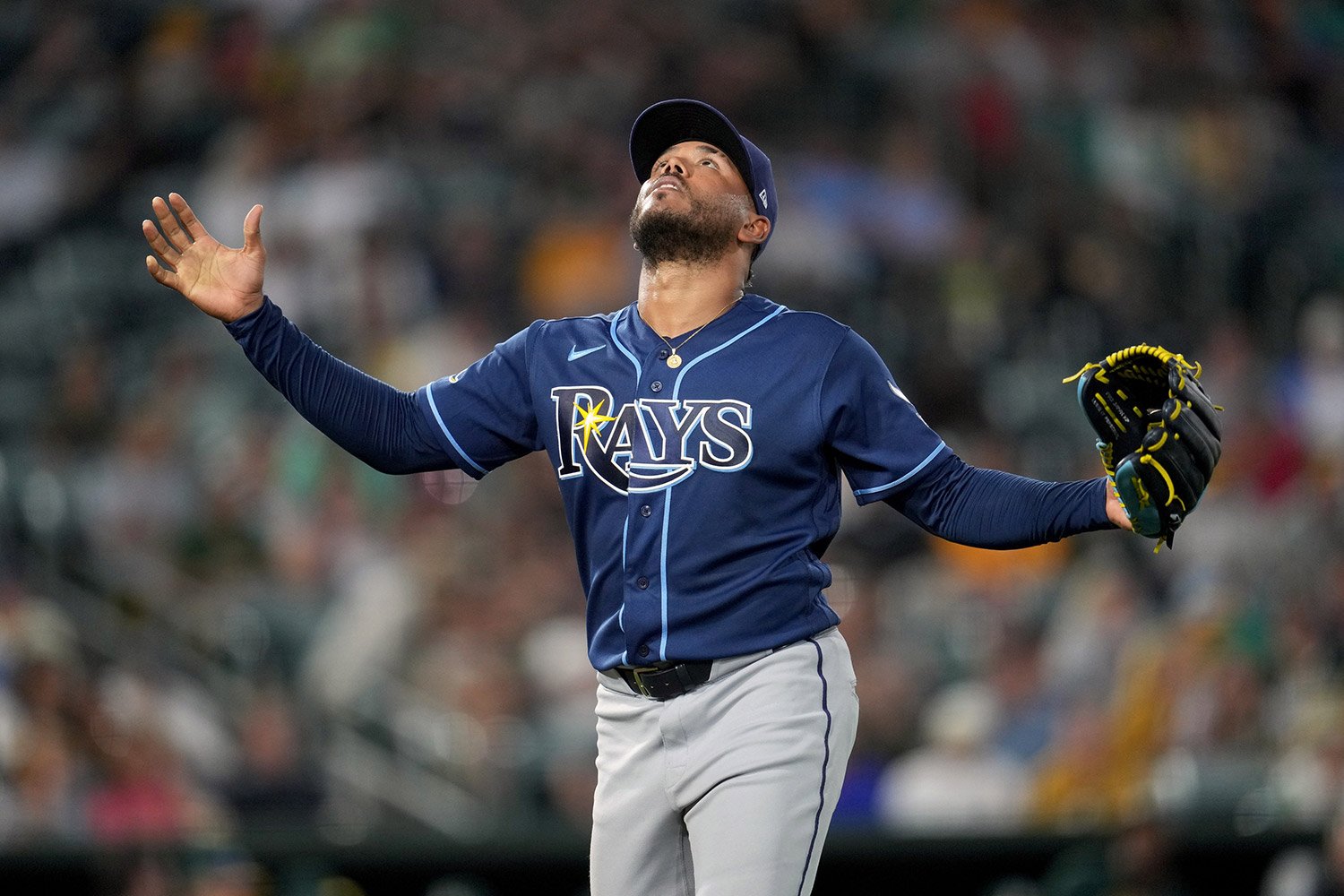 In the 2025-2026 offseason, the Brewers traded Freddy Peralta, acquiring pitcher Brandon Sproat and utility player Jett Williams in return. In the 2026 season, the deal has remained even – Sproat has struggled some with Milwaukee, while Williams is missing time with injury at Triple-A Nashville, and Peralta struggled in New York before a late-season trade to the Tampa Bay Rays. This is a two-part article: read the counterpoint here. Peralta is slated to be a free agent this offseason, and due to being traded, the Rays can’t make a qualifying offer. Should the Brewers pursue a reunion with Peralta? It might be the under-the-radar move of the offseason. For starters, Peralta is a known quantity for the Brewers in an area that the team has considered important: How he fits in the clubhouse. There haven’t been any known complaints, and the Brewers and Peralta were on friendly terms when he was dealt. In fact, Peralta was warmly welcomed by Brewers fans and players when the Mets came to Milwaukee for a three-game series– at least before he was pushed into starting the first game of a series. Granted, when the game started, they hung seven runs on Freddy, but that was business – it was nothing personal. Peralta would also fill a major need for the Brewers in 2027 – the need for a reliable inning eater behind Jacob Misiorowski, Kyle Harrison, and Logan Henderson. At his best, Peralta was a co-ace for the Brewers from 2021-2025. If the Brewers pitching lab can bring him back to that level, Milwaukee goes into 2027 with arguably the best rotation in MLB, which is not a bad thing for October baseball. But even at a slightly lower level, a team that will be wanting to pick up innings to manage the workload for Misiorowski, Harrison, and Henderson, as well as Quinn Priester, who’s recovering from thoracic outlet surgery. In addition, Peralta could slide Brandon Sproat and Robert Gasser to the bullpen, giving the Brewers a couple of options that could soak up more innings while perhaps thriving as high-endurance relievers alongside Shane Drohan, DL Hall, and Chad Patrick. If there is a hiccup, it might be price, but the reunion may actually come a fair bit cheaper than one might think. First, Freddy will be coming off a bit of a down year – and an extended “prove it” deal with Milwaukee could be just what he needs to reset his value. The Brewers could offer $15 million in 2027, and potentially add an enticement in the form of a player option for 2028. In one sense, this could help Milwaukee meet a potential salary floor that has been discussed in the labor negotiations. You’re bringing in one of the more known commodities on the free agent market, one where the relationship has been very good. Milwaukee could benefit, too, getting a second bite at the apple to trade Peralta for yet more of a return after the 2027 season. It’s almost too good to be true, only this could actually happen with very little downside for the Brewers. Fastball Freddy as Milwaukee’s fourth starter in 2027. Who wouldn’t like that sort of reunion?
 -
Here’s Why Luis Pena Should Also Be Considered Untouchable
Harold Hutchison posted an article in Minor Leagues
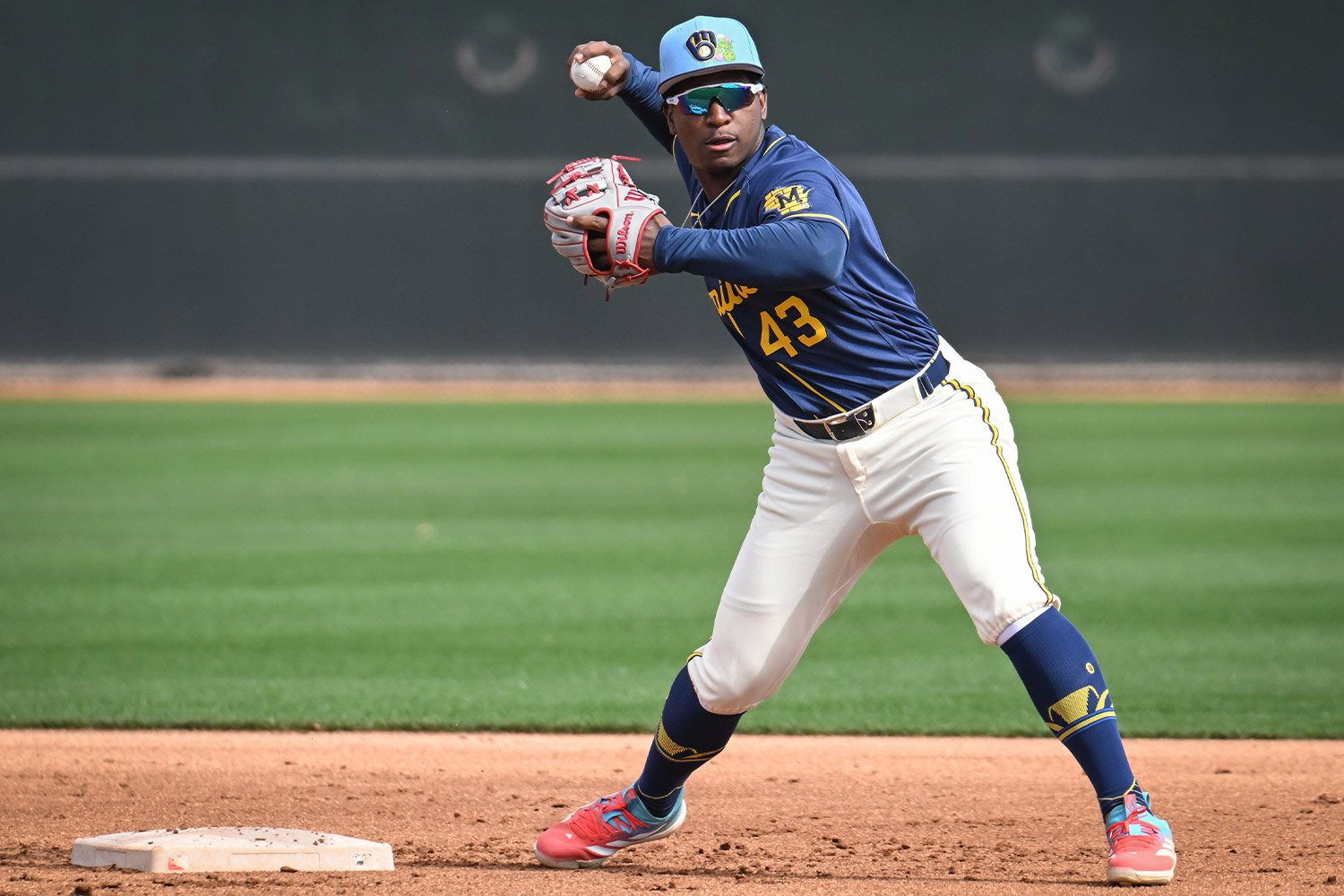 It’s not an exaggeration to say that Milwaukee has a lot of talent on the left side of the infield across the organization. In addition to Cooper Pratt, Brice Turang, Joey Ortiz, and David Hamilton at the major league level, there are multiple Top 100 prospects who could slot in there as well. One of those prospects, Jesus Made, is rightly considered to be untouchable in trade talks. However, with Jett Williams apparently close to MLB-ready, Luis Pena is seen as a potential trade chip and was reportedly the centerpiece in the Brewers’ offer for Tarik Skubal. But the crowded infield doesn’t mean there isn’t a role for Pena with the Brewers – in fact, recent history suggests that the Brewers may be better served by making him as untouchable as Made. The Current Brewers Infield Right now, the Brewers have Brice Turang at second, Cooper Pratt at shortstop, and a platoon of David Hamilton and Joey Ortiz at third. This isn’t a bad setup at all, and if anything, their defense helps as much as their solid offense since June 1. While Turang has increased his power each year in the majors, Pratt, Ortiz, and Hamilton don’t quite scare pitchers (although none are easy outs, either). Well, Pratt could be crossing into the "scary" territory with his numbers since July 1. First base will be interesting, as Jake Bauers is a potential free agent and Andrew Vaughn will be in his last year of arbitration, but that is a subject for another article. Recent History In 2024 and 2025, the Brewers have found themselves set off track by injuries (losing Christian Yelich for most of 2024) and fatigue (players just wearing out by the NLCS). The real question has been maintaining depth with the slots on the bench and the spots at Triple-A Nashville. The good news is that the Brewers have talent; it’s just a question of figuring out how to make it all fit. The thing is, the very players that some considered dealing to rent Skubal for three months could probably make the Brewers far better over the next decade, and Luis Pena is Exhibit A in this. Pena’s Profile and Potential Role Pena is a right-handed hitter who is flashing more power to go with speed and solid bat-to-ball skills. He’s got more swing-and-miss in his profile than Made, but there is clearly some real athleticism. Questions remain about his long-term defensive home, mostly due to his inconsistency on the infield. Could he end up in the outfield? We don’t quite know just yet, although Pena not being “locked in” might make him more valuable to the Brewers. Let’s fast-forward to 2028 spring training. Turang will likely be at second, with Pratt at shortstop and Made at third. Jett Williams would be one option off the bench, covering not just third base, but also second base, shortstop, and the outfield. Assuming the 2028 infield is Made, Pratt, Turang, and Blake Burke manning first base. Let’s further assume the outfield is Josh Adamczewski in left, Luis Lara in center, and Jackson Chourio in right, with Jeferson Quero and Bo Naylor splitting time behind the plate. Yelich is in his last year as DH. Assume the Brewers have four bench spots. One will be taken by whichever of Quero and Naylor is not starting. Assume Jett Williams has another. Figure the Brewers will have an outfielder (Sal Frelick, perhaps?) on the bench as well. In this case, the Brewers may be well-served to put Pena on the bench. Pena can similarly slot in, either right next to Williams, or even as a replacement (recall that the Brewers moved Caleb Durbin and Isaac Collins over the offseason and got potentially valuable returns for the former) or as a replacement, say alongside Luke Adams, with Andrew Fischer knocking at the door. Comps From The Past If the idea of Pena moving all over while still providing almost-elite offense seems familiar, it’s happened before. The Chicago Cubs used Javier Baez at multiple positions (second base, third base, shortstop, first base, left field, and right field) in their World Championship season of 2016 and their run to the NLCS in 2017. Around that same timeframe, the Brewers had Hernan Perez, who was less potent offensively, but who played every position but catcher from 2016-2019. Luis Pena could be the best of both players for the Brewers – not just a potent offensive threat, but one who allows the other players on the team to stay fresh. The Brewers farm system is reaching a point where the organization will have to consider how they will lose some of their prospects – but when it comes to a talent like Pena, the team may want to think of keeping him around, even without a single defensive “home.”
 -
Image courtesy of USA TODAY Network via Reuters Connect It’s not an exaggeration to say that Milwaukee has a lot of talent on the left side of the infield across the organization. In addition to Cooper Pratt, Brice Turang, Joey Ortiz, and David Hamilton at the major league level, there are multiple Top 100 prospects who could slot in there as well. One of those prospects, Jesus Made, is rightly considered to be untouchable in trade talks. However, with Jett Williams apparently close to MLB-ready, Luis Pena is seen as a potential trade chip and was reportedly the centerpiece in the Brewers’ offer for Tarik Skubal. But the crowded infield doesn’t mean there isn’t a role for Pena with the Brewers – in fact, recent history suggests that the Brewers may be better served by making him as untouchable as Made. The Current Brewers Infield Right now, the Brewers have Brice Turang at second, Cooper Pratt at shortstop, and a platoon of David Hamilton and Joey Ortiz at third. This isn’t a bad setup at all, and if anything, their defense helps as much as their solid offense since June 1. While Turang has increased his power each year in the majors, Pratt, Ortiz, and Hamilton don’t quite scare pitchers (although none are easy outs, either). Well, Pratt could be crossing into the "scary" territory with his numbers since July 1. First base will be interesting, as Jake Bauers is a potential free agent and Andrew Vaughn will be in his last year of arbitration, but that is a subject for another article. Recent History In 2024 and 2025, the Brewers have found themselves set off track by injuries (losing Christian Yelich for most of 2024) and fatigue (players just wearing out by the NLCS). The real question has been maintaining depth with the slots on the bench and the spots at Triple-A Nashville. The good news is that the Brewers have talent; it’s just a question of figuring out how to make it all fit. The thing is, the very players that some considered dealing to rent Skubal for three months could probably make the Brewers far better over the next decade, and Luis Pena is Exhibit A in this. Pena’s Profile and Potential Role Pena is a right-handed hitter who is flashing more power to go with speed and solid bat-to-ball skills. He’s got more swing-and-miss in his profile than Made, but there is clearly some real athleticism. Questions remain about his long-term defensive home, mostly due to his inconsistency on the infield. Could he end up in the outfield? We don’t quite know just yet, although Pena not being “locked in” might make him more valuable to the Brewers. Let’s fast-forward to 2028 spring training. Turang will likely be at second, with Pratt at shortstop and Made at third. Jett Williams would be one option off the bench, covering not just third base, but also second base, shortstop, and the outfield. Assuming the 2028 infield is Made, Pratt, Turang, and Blake Burke manning first base. Let’s further assume the outfield is Josh Adamczewski in left, Luis Lara in center, and Jackson Chourio in right, with Jeferson Quero and Bo Naylor splitting time behind the plate. Yelich is in his last year as DH. Assume the Brewers have four bench spots. One will be taken by whichever of Quero and Naylor is not starting. Assume Jett Williams has another. Figure the Brewers will have an outfielder (Sal Frelick, perhaps?) on the bench as well. In this case, the Brewers may be well-served to put Pena on the bench. Pena can similarly slot in, either right next to Williams, or even as a replacement (recall that the Brewers moved Caleb Durbin and Isaac Collins over the offseason and got potentially valuable returns for the former) or as a replacement, say alongside Luke Adams, with Andrew Fischer knocking at the door. Comps From The Past If the idea of Pena moving all over while still providing almost-elite offense seems familiar, it’s happened before. The Chicago Cubs used Javier Baez at multiple positions (second base, third base, shortstop, first base, left field, and right field) in their World Championship season of 2016 and their run to the NLCS in 2017. Around that same timeframe, the Brewers had Hernan Perez, who was less potent offensively, but who played every position but catcher from 2016-2019. Luis Pena could be the best of both players for the Brewers – not just a potent offensive threat, but one who allows the other players on the team to stay fresh. The Brewers farm system is reaching a point where the organization will have to consider how they will lose some of their prospects – but when it comes to a talent like Pena, the team may want to think of keeping him around, even without a single defensive “home.” View full article
-
Frelick's still very good - and the return for him in a trade could keep the grade high. The big question is getting him enough playing time to get a good return for him in the 2027-2028 offseason. Henderson always had the high ceiling. Black and Rodriguez are both going to be what Brewers fans wonder about for a long time, and the organization's handling of the former is definitely something that should be questioned. Still a very good draft - much better than some other drafts, to be honest.
- 3 replies
-
- 1
-

-
- sal frelick
- logan henderson
- (and 5 more)
-
Image courtesy of Mark J. Rebilas-Imagn Images / John Hefti-Imagn Images The 2021 season was one of those magical runs. At the major-league level, the Brewers rode a dominant pitching staff led by Cy Young Award winner Corbin Burnes, alongside co-aces Brandon Woodruff and Freddy Peralta and lights-out closer Josh Hader to an NL Central Crown. But that season’s draft has helped craft the current team’s run of success as well. Yet this is a draft Brewers fans will probably wonder whether it could have been even better, even though it produced a solid outfielder who has a Gold Glove and a potential co-ace for the rotation. Let’s look it over. Best Pick (for now): OF Sal Frelick First-round pick Sal Frelick delivered early dividends, making it to the majors in 2023 and being a fixture for three straight division titles. Frelick has been durable, and while his offense has dipped a little in 2026 (a career-low .250 BABIP) along with an injured list stint, he’s played admirably overall. Frelick’s likely to reach arbitration, and while he’s been at the bottom of the lineup for the Brewers, some teams could use him as a leadoff hitter. Honorable Mention (for now): RHP Logan Henderson When he’s been on the mound, the fourth-round pick has dominated, providing a one-two punch with Jacob Misiorowski that we’re sure MLB teams will hate to face for the next five years or so. Henderson’s injury struggles, though, have kept him off the mound for significant bits of 2025 and 2026. Still, he’s done very well, well enough that he became the rumored sticking point in the Brewers’ negotiations with Detroit over Tarik Skubal. Unconventional Contributor To Multiple Division Titles: OF Jace Avina As a 14th-round pick, Jace Avina isn’t exactly one you’d expect to have helped lay the foundation for Brewers teams that won multiple division titles, but he did exactly that. In the 2023-2024 offseason, he and fellow outfield prospect Brian Sanchez were traded to the Yankees for Jake Bauers, who has become a valuable part-time first baseman/corner outfielder for the Brewers. Not bad, although that deal did have other consequences. Trade The Brewers Want Back: OF Tristan Peters Peters was picked in the seventh round and was traded to the San Francisco Giants for relief pitcher Trevor Rosenthal, who never appeared in a game for Milwaukee. Since then, after being traded two more times, he’s now proven to be a solid contributor with the White Sox. Granted, the Brewers probably had a lot more talent in the outfield, but in this case, the return for the deal wasn’t exactly the front office’s finest move. Could’ve Been (Position Player): UT Tyler Black Black was a pure hitter, and three years ago, it looked like he could be joining Jackson Chourio as a franchise fixture in Milwaukee at the hot corner following a breakout season. However, trades (including the Bauers deal), a 2025 hamate injury, and, somehow, not quite meshing with Pat Murphy’s style of baseball (through no real fault of either player or manager) have kept Black on the Milwaukee-Nashville shuttle for the past three years. With Jake Bauers slated for free agency, Black may have a shot in 2027 to help the Brewers and push this draft’s grade higher, but there’s a lot of talent he needs to fight through. Brewers fans will always wonder what could have been if Black had been given a shot similar to Frelick, or if the same patience the organization showed with Chourio’s adjustment to the majors had been granted to Black. Could’ve Been (Pitcher): RHP Carlos Rodriguez The eighth-round pick in the draft actually was seen as a steal at one point – earning Brewer Fanatic’s Minor League Pitcher of the Year in 2022 and 2023. His rapid rise, though, like Black’s, ended up being more on the Milwaukee-Nashville shuttle afterward, culminating in being outrighted following the Brewers’ flurry of deadline deals in 2026. Rodriguez is in his age-24 season and nowhere near washed-up – and could still be a contributor for the Brewers (or someone else). Still Percolating: UT Ethan Murray and RHP/1B/DH Quinton Low Ethan Murray and Quinton Low are picks still being developed. Murray’s been a solid piece of infield depth for the Brewers organization, while Low’s intriguing two-way potential has been sidetracked by multiple seasons on the injured list. Both could still help the Brewers at some point. The 2021 draft is a very solid one for the Brewers, and has the chance to be better, although there are also what appear to be some missed opportunities. Overall Grade: B+ How would you grade the Brewers’ 2021 MLB draft? Let us know in the comments below! View full article
-
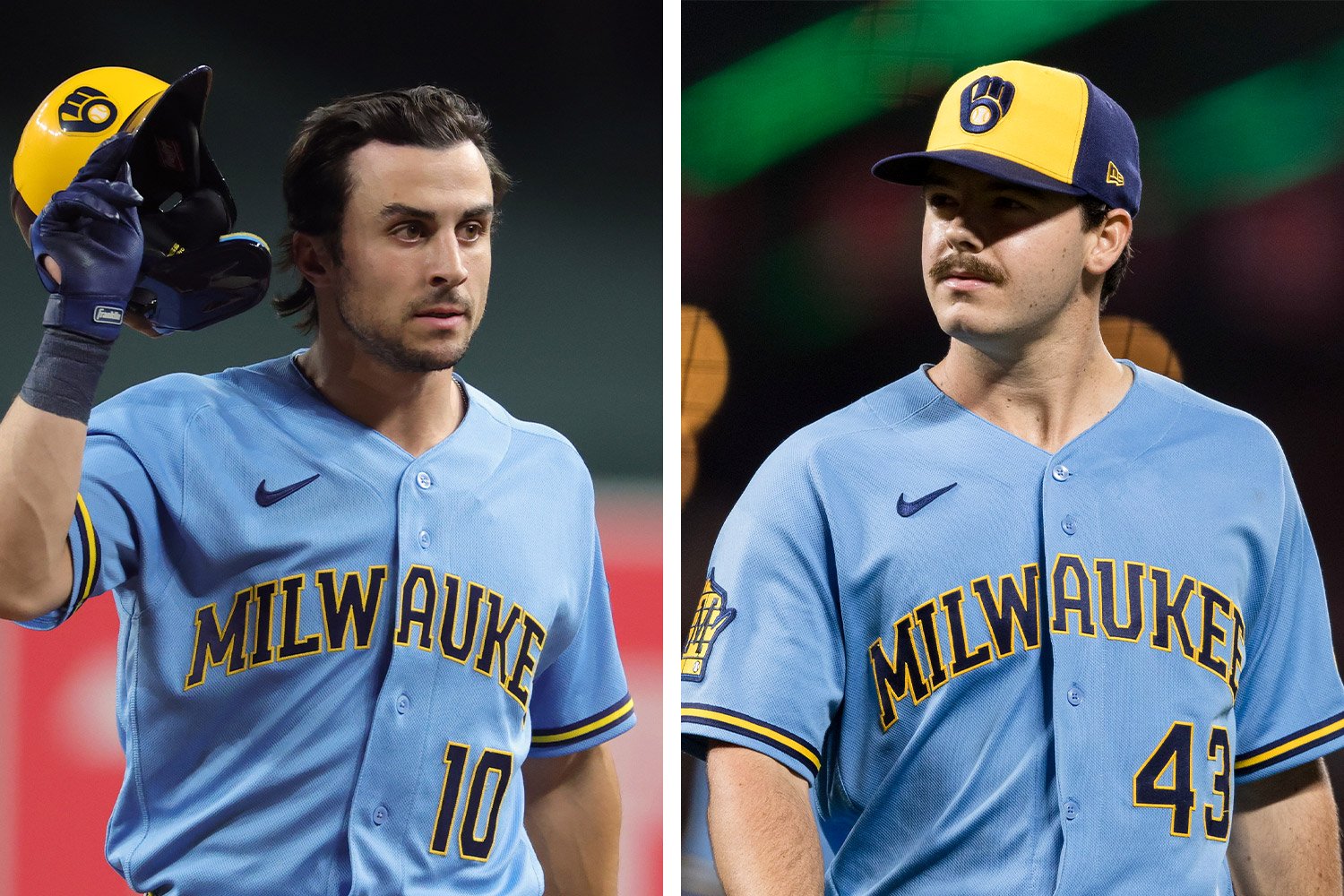 The 2021 season was one of those magical runs. At the major-league level, the Brewers rode a dominant pitching staff led by Cy Young Award winner Corbin Burnes, alongside co-aces Brandon Woodruff and Freddy Peralta and lights-out closer Josh Hader to an NL Central Crown. But that season’s draft has helped craft the current team’s run of success as well. Yet this is a draft Brewers fans will probably wonder whether it could have been even better, even though it produced a solid outfielder who has a Gold Glove and a potential co-ace for the rotation. Let’s look it over. Best Pick (for now): OF Sal Frelick First-round pick Sal Frelick delivered early dividends, making it to the majors in 2023 and being a fixture for three straight division titles. Frelick has been durable, and while his offense has dipped a little in 2026 (a career-low .250 BABIP) along with an injured list stint, he’s played admirably overall. Frelick’s likely to reach arbitration, and while he’s been at the bottom of the lineup for the Brewers, some teams could use him as a leadoff hitter. Honorable Mention (for now): RHP Logan Henderson When he’s been on the mound, the fourth-round pick has dominated, providing a one-two punch with Jacob Misiorowski that we’re sure MLB teams will hate to face for the next five years or so. Henderson’s injury struggles, though, have kept him off the mound for significant bits of 2025 and 2026. Still, he’s done very well, well enough that he became the rumored sticking point in the Brewers’ negotiations with Detroit over Tarik Skubal. Unconventional Contributor To Multiple Division Titles: OF Jace Avina As a 14th-round pick, Jace Avina isn’t exactly one you’d expect to have helped lay the foundation for Brewers teams that won multiple division titles, but he did exactly that. In the 2023-2024 offseason, he and fellow outfield prospect Brian Sanchez were traded to the Yankees for Jake Bauers, who has become a valuable part-time first baseman/corner outfielder for the Brewers. Not bad, although that deal did have other consequences. Trade The Brewers Want Back: OF Tristan Peters Peters was picked in the seventh round and was traded to the San Francisco Giants for relief pitcher Trevor Rosenthal, who never appeared in a game for Milwaukee. Since then, after being traded two more times, he’s now proven to be a solid contributor with the White Sox. Granted, the Brewers probably had a lot more talent in the outfield, but in this case, the return for the deal wasn’t exactly the front office’s finest move. Could’ve Been (Position Player): UT Tyler Black Black was a pure hitter, and three years ago, it looked like he could be joining Jackson Chourio as a franchise fixture in Milwaukee at the hot corner following a breakout season. However, trades (including the Bauers deal), a 2025 hamate injury, and, somehow, not quite meshing with Pat Murphy’s style of baseball (through no real fault of either player or manager) have kept Black on the Milwaukee-Nashville shuttle for the past three years. With Jake Bauers slated for free agency, Black may have a shot in 2027 to help the Brewers and push this draft’s grade higher, but there’s a lot of talent he needs to fight through. Brewers fans will always wonder what could have been if Black had been given a shot similar to Frelick, or if the same patience the organization showed with Chourio’s adjustment to the majors had been granted to Black. Could’ve Been (Pitcher): RHP Carlos Rodriguez The eighth-round pick in the draft actually was seen as a steal at one point – earning Brewer Fanatic’s Minor League Pitcher of the Year in 2022 and 2023. His rapid rise, though, like Black’s, ended up being more on the Milwaukee-Nashville shuttle afterward, culminating in being outrighted following the Brewers’ flurry of deadline deals in 2026. Rodriguez is in his age-24 season and nowhere near washed-up – and could still be a contributor for the Brewers (or someone else). Still Percolating: UT Ethan Murray and RHP/1B/DH Quinton Low Ethan Murray and Quinton Low are picks still being developed. Murray’s been a solid piece of infield depth for the Brewers organization, while Low’s intriguing two-way potential has been sidetracked by multiple seasons on the injured list. Both could still help the Brewers at some point. The 2021 draft is a very solid one for the Brewers, and has the chance to be better, although there are also what appear to be some missed opportunities. Overall Grade: B+ How would you grade the Brewers’ 2021 MLB draft? Let us know in the comments below!
 -
Three years ago, he was. He should have been, TBH. One lousy trade (Dunn), one pretty decent deal (Bauers), and one that's still being determined (Ortiz) ended up blocking him in the 2023-2024 offseason. Could Black still be a key part of the 2027 Brewers? I think so. He's competent at multiple positions (no Gold Glover, but not horrible). He's got a bat that has never really been questioned. But the deals of the 2023-2204 offseason did throw quite the curveball.
-
Black would be kept around for the same reason the Crew has Luis Rengifo - to hopefully keep the position warm for 2-3 months before calling up Adamczewski (at which point Black moves to the bench or gets traded).
-
I wouldn't be surprised if the Brewers slide Jesus Made to third. They'll want Fischer's bat in the lineup, which makes left field a likely spot for him (Blake Burke will likely grab most of the ABs at first), unless they go with Adamczewski, in which case, the team tries Made at second, and Brice Turang goes on the block.
-
But the Brewers are also clearing the way for Luis Lara in center, sliding Chourio to right field - and opening left field for Black/Fischer/Adamczewski/etc. in 2027-2030 with that move. There are some guys who are likely to be the core of the team for the next six to ten years (or more) - Chourio, Made, Pratt, Lara, Misiorowski, etc. These are the ones to build around. A Garrett Mitchell isn't quite at core level. In this case, the best move is to move them and churn with the farm system/trades. Someone like Grant Anderson works the 6th/7th inning for the Brewers, but he's a closer or set-up guy for two-thirds of MLB.
-
Seriously, Mitchell's history over his major-league career does point to trouble staying on the field.
-
I agree. Honestly, it seems to me that Sproat gets through the batting order the first time without much trouble, but it's the second time that gets tricky. Bumping him to the bullpen could help out a lot. Maybe the best deal is Grant Anderson or Jared Koenig for Wacha and a prospect or two from the Royals (Yandel Ricardo and Hunter Patteson)? We pick up all the salary of Wacha.
-
Mitchell's power bat doesn't do much if he is on the injured list. The Brewers have been lucky so far. What happens when the luck runs out?
-
I think Frelick's more valuable in Milwaukee as a reliable fourth outfielder. He's generally been an everyday player who hasn't been hurt often. Mitchell's great when he's on the field, but he's not really proven over his career that he can avoid the injured list.
-
If the Brewers can lock down Contreras (MLB is talking about a salary floor, so a Contreras extension would help the Brewers, and keep a known quantity behind the plate), I could go along with including Quero in a deal. Dinges is someone I'd hold on to, simply because his bat is better than Quero's, so he could be a right-handed option at first base, and it wouldn't hurt to see if he could handle left field or right field in a pinch.
-
Over his career, he's played all over the diamond. Gold Glove-caliber defense? No. But he's got one trip to the All-Star game, and his bat's pretty solid. I'm more interested in the versatility (Castro is an upgrade over Ortiz in that category) and the solid bat (the floor is higher than Ortiz's, and it's more consistent). I feel better about having Castro to give the starters (Chourio, Frelick, Lara, Pratt, Turang, etc.) time off so that they're more rested for the playoffs. Plus his team control is just right for Luis Pena's arrival, and Pena's who I have in mind to take over as the supersub (in other words, I don't see him as a trade asset, I see him as being for the Brewers what Baez was for the Cubs in the 2016-2018 timeframe). It's look at a team need, and Castro was not the only player suggested. My preference would be to go for Angel Martinez, even if it means dealing Mitchell. Martinez is a definite upgrade as a backup OF over Blake Perkins and Brandon Lockridge. Besides, we know who Milwaukee's Center Fielder of the Future is, thanks to Luis Lara's $31 million contract. At this point, I'd move Mitchell now, with his value at a relative high. Mitchell's great when he's on the field, I don't dispute that, but 2023-2025 shows that Mitchell's no William Contreras when it comes to availability.
-
Image courtesy of Ken Blaze-Imagn Images In 2025, the Brewers managed to get the top seed in the playoffs and home-field advantage throughout the postseason. There was just one problem: Getting there meant they ran out of gas in the National League Championship Series, getting swept. The real issues were seen on the offensive side, as the team couldn’t muster any sort of offense against the Dodgers. We know how that series ended. So how do the Brewers avoid that same petering-out in 2026? The answer may well be picking up an upgrade for the bench—someone who delivers proven offense, but can fill in at multiple positions with competent defense. The Brewers' Current Bench As things stand, the "bench mob” for the Brewers includes Gary Sánchez, David Hamilton, Joey Ortiz, Luis Lara, and Blake Perkins. Depending on how you choose to taxonomize it, you could exclude Ortiz, or include Garrett Mitchell and Andrew Vaughn. With Sal Frelick and Jake Bauers down with injuries, though, Vaughn and Mitchell have pretty secure, everyday places in the lineup. That's a pretty strong group, but it's possible to upgrade it, especially now that injuries have added some pressure to find versatility among the non-starters each day. So, whom might the Brewers want to target in a deal before the deadline? Here are three possibilities. Angel Martínez, Cleveland Guardians Cleveland needs some help in center field. The Brewers’ center fielder of the future, Lara, is in Milwaukee now, but not getting everyday time because Mitchell has been pretty hot. Cleveland’s in need of a center fielder, with Petey Halpin getting the bulk of the playing time lately despite an atrocious .200/.238/.316 line. Martínez would be a big asset for Milwaukee, able to play all three outfield positions, second base, and shortstop. He’s a switch-hitter with some real pop (although his approach is awful), and he’s no slouch on the basepaths, either. He’s also under team control for four more years after this one. Here's the catch: the Crew might have to give up Mitchell to get him. Willi Castro, Colorado Rockies Colorado’s still rebuilding, but the Brewers might be able to help them along with it by scooping up another bench option. Colorado's current shortstop, Ezequiel Tover, is posting -1.0 WAR, according to Baseball Reference, and has mustered a 47 OPS+ playing half his games in Coors Field. The Brewers, of course, have a nice upgrade available for the Rockies who comes with a fair bit of team control, in Ortiz. In return for Ortiz, Milwaukee could land the versatile and well-liked Castro, who is capable of getting as hot at the plate as Ortiz can. He's not as good a defender, and he's not under team control for as long, and he's more expensive, but that's where the value lies: The Brewers would also be in position to snare some pitching help in this trade. It would have to be Castro and an arm Milwaukee likes in exchange for Ortiz, but if that fit exists, it's worth exploring. Jett Williams could obviate Ortiz in Milwaukee soon, anyway. Brock Rodden, Seattle Mariners Earlier this week, we discussed the possibility of dealing Gary Sánchez to Seattle, where Cal Raleigh’s bat has dropped off from last year’s near-MVP performance. Rodden is one player the team could target in such a deal. He's seen action at second base, third base, and shortstop, with limited action in left field and center field. He’s a switch-hitter who has flashed pop, OBP skills, and the ability to swipe a few bags here and there. He’d need to be added to the 40-man this fall, and ideally, he'd help you sooner than that. He's too old (and not toolsy enough) to be much of a prospect, but he could slot in as a fine little bench piece for the team late in the season. He's not better than Ortiz or Hamilton. However, the Brewers might end up wanting to move Ortiz, and not in one of the other small deals proposed here—but rather, as part of a big pitching acquisition. Rodden would be one option to backfill the bench in that scenario. Do you think the Brewers should upgrade their bench for the pennant race? Let us know in the comments below! View full article
-
3 Versatile Pieces Brewers Could Trade For at MLB Trade Deadline
Harold Hutchison posted an article in Brewers
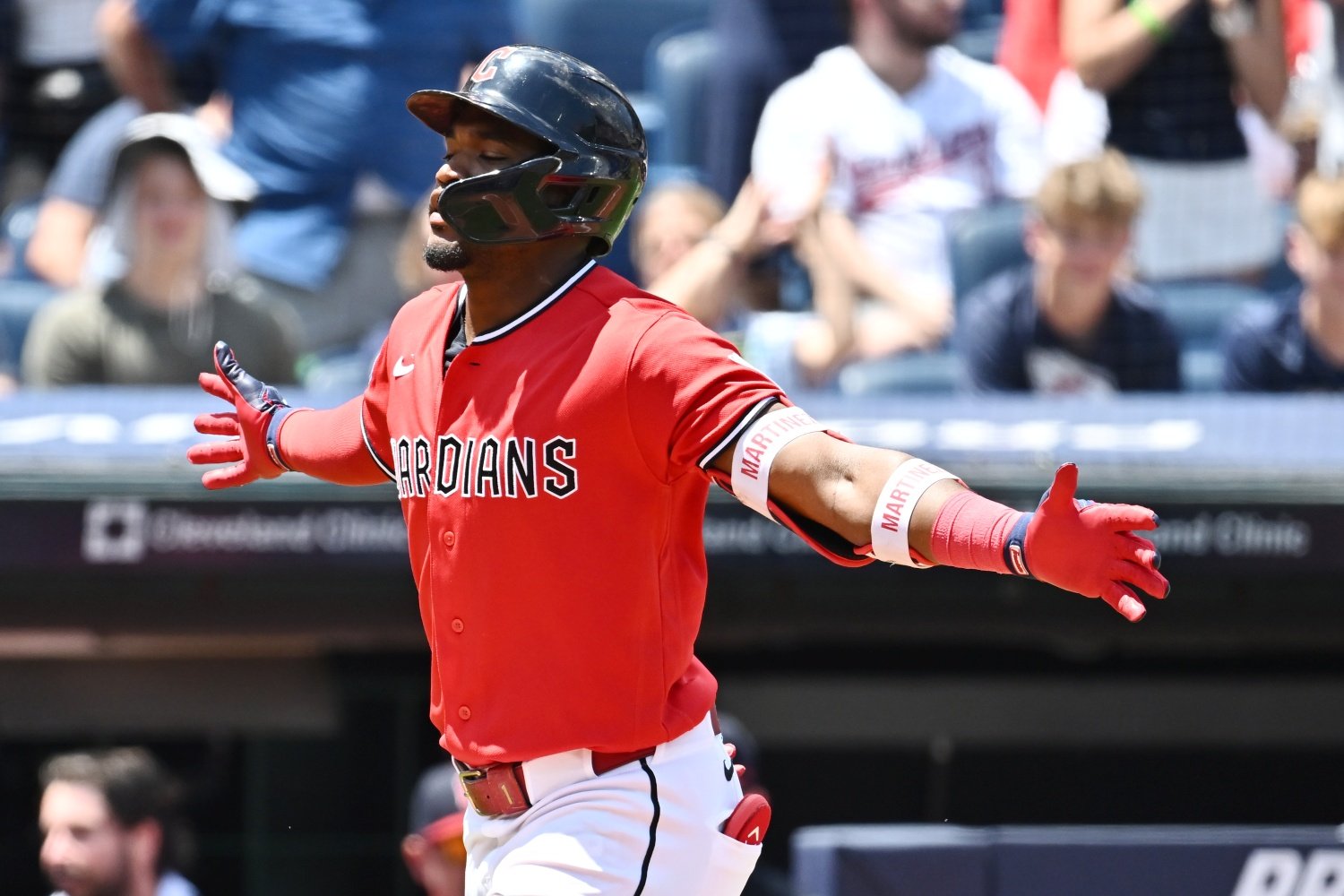 In 2025, the Brewers managed to get the top seed in the playoffs and home-field advantage throughout the postseason. There was just one problem: Getting there meant they ran out of gas in the National League Championship Series, getting swept. The real issues were seen on the offensive side, as the team couldn’t muster any sort of offense against the Dodgers. We know how that series ended. So how do the Brewers avoid that same petering-out in 2026? The answer may well be picking up an upgrade for the bench—someone who delivers proven offense, but can fill in at multiple positions with competent defense. The Brewers' Current Bench As things stand, the "bench mob” for the Brewers includes Gary Sánchez, David Hamilton, Joey Ortiz, Luis Lara, and Blake Perkins. Depending on how you choose to taxonomize it, you could exclude Ortiz, or include Garrett Mitchell and Andrew Vaughn. With Sal Frelick and Jake Bauers down with injuries, though, Vaughn and Mitchell have pretty secure, everyday places in the lineup. That's a pretty strong group, but it's possible to upgrade it, especially now that injuries have added some pressure to find versatility among the non-starters each day. So, whom might the Brewers want to target in a deal before the deadline? Here are three possibilities. Angel Martínez, Cleveland Guardians Cleveland needs some help in center field. The Brewers’ center fielder of the future, Lara, is in Milwaukee now, but not getting everyday time because Mitchell has been pretty hot. Cleveland’s in need of a center fielder, with Petey Halpin getting the bulk of the playing time lately despite an atrocious .200/.238/.316 line. Martínez would be a big asset for Milwaukee, able to play all three outfield positions, second base, and shortstop. He’s a switch-hitter with some real pop (although his approach is awful), and he’s no slouch on the basepaths, either. He’s also under team control for four more years after this one. Here's the catch: the Crew might have to give up Mitchell to get him. Willi Castro, Colorado Rockies Colorado’s still rebuilding, but the Brewers might be able to help them along with it by scooping up another bench option. Colorado's current shortstop, Ezequiel Tover, is posting -1.0 WAR, according to Baseball Reference, and has mustered a 47 OPS+ playing half his games in Coors Field. The Brewers, of course, have a nice upgrade available for the Rockies who comes with a fair bit of team control, in Ortiz. In return for Ortiz, Milwaukee could land the versatile and well-liked Castro, who is capable of getting as hot at the plate as Ortiz can. He's not as good a defender, and he's not under team control for as long, and he's more expensive, but that's where the value lies: The Brewers would also be in position to snare some pitching help in this trade. It would have to be Castro and an arm Milwaukee likes in exchange for Ortiz, but if that fit exists, it's worth exploring. Jett Williams could obviate Ortiz in Milwaukee soon, anyway. Brock Rodden, Seattle Mariners Earlier this week, we discussed the possibility of dealing Gary Sánchez to Seattle, where Cal Raleigh’s bat has dropped off from last year’s near-MVP performance. Rodden is one player the team could target in such a deal. He's seen action at second base, third base, and shortstop, with limited action in left field and center field. He’s a switch-hitter who has flashed pop, OBP skills, and the ability to swipe a few bags here and there. He’d need to be added to the 40-man this fall, and ideally, he'd help you sooner than that. He's too old (and not toolsy enough) to be much of a prospect, but he could slot in as a fine little bench piece for the team late in the season. He's not better than Ortiz or Hamilton. However, the Brewers might end up wanting to move Ortiz, and not in one of the other small deals proposed here—but rather, as part of a big pitching acquisition. Rodden would be one option to backfill the bench in that scenario. Do you think the Brewers should upgrade their bench for the pennant race? Let us know in the comments below!
 -
At this point, in my "keyboard GM" mode, I'm making a couple of deadline moves. 1. Garrett Mitchell and Carlos Rodriguez to the Mets for Peralta. 2. Joey Ortiz, Brock Wilken, and Jared Koenig for Spencer Steer 3. Tyler Black and Joel Kuhnel for Willi Castro. Lineup: 2b: Turang rf: Chourio dh: Yelich c: Contreras lf: Bauers 1b: Vaughn 3b: Steer cf: Lara ss: Pratt Bench: Sanchez, Castro, Hamilton, Frelick Rotation: Misiorowski, Harrison, Henderson, Peralta, Drohan Bullpen: Megill, Uribe, Anderson, Hall, Ashby, Sproat, Patrick, Gasser
-
He's an option to DH a bit, play some first base. The team has turned catchers around, too.
-
Image courtesy of Jeff Hanisch-Imagn Images It's best to pretend the 2020 season didn't happen. Effectively, it didn't. It shouldn't have. But the 2020 MLB Draft did happen, and it matters for the Brewers. There were only five picks in that draft, which meant the team didn’t have a lot of room for error. But this draft has worked out quite well for Milwaukee. We’ll go through each of the picks. Best Pick: OF Garrett Mitchell It’s not hard to make this call. Mitchell’s been dynamic when he’s on the field. In 2026, he’s become a mainstay of the Brewers offense. It’s what the Brewers were hoping for as a first-round pick. The big problem with Mitchell is keeping him on the field. He missed large chunks of the 2023, 2024, and 2025 seasons due to injury. He’s remained healthy so far this season. With a lot of outfield prospects forcing their way up (Josiah Ragsdale, Josh Adamczewski and Braylon Payne, among others), the day his legacy is cemented by a trade return may be sooner, rather than later. Between now and then, though, there's a lot more value to deliver on the field. Honorable Mention: OF Joey Wiemer Wiemer stepped up when Mitchell was lost for the season in 2023 and held down center field as Gorman Thomas Lite (with the help of Blake Perkins and Sal Frelick), providing right-handed pop, defense, and a lot of strikeouts as the Brewers fought their way to a division championship. The Brewers dealt him the following season for Frankie Montas, who solidified the back end of the rotation in 2024. For a fourth-round pick in a chaotic draft, that was a good outcome. One That Got Away: UT Zavier Warren Warren was picked as a catcher, but instead turned into a versatile option with a fair bit of pop from both sides of the plate. Despite the versatility, switch-hitting, and a bat with some power, the Brewers left him unprotected in the minor-league phase of the 2025-2026 offseason’s Rule 5 draft, and Cincinnati selected him. Warren, in some ways, was a victim of the organization’s overall success. For prospects, making the majors with Milwaukee means reaching a higher standard than most organizations set. No doubt Warren was a solid prospect, but with Milwaukee’s depth, a lot of solid prospects end up on the margins. To Be Determined, But A Long Shot: SS Freddy Zamora In some years, Freddy Zamora would not be a horrible shortstop or bench asset; think along the lines of Andruw Monasterio, Bill Spiers, or Craig Counsell. His problem is the same one fellow 2020 draftee Zavier Warren ran into: Milwaukee’s minor-league talent level has exploded in recent years. Despite putting up solid numbers and making it to Triple-A Nashville, the second-round pick from the 2020 draft is nowhere close to being in the top five shortstop prospects for the organization (Cooper Pratt, Jesus Made, Luis Pena, Brady Ebel, and CJ Hughes probably have those spots), and it’s fair to question if he’s even in the top 10, with the presence of Jett Williams, Ricki Moneys, Diego Frontado, Trey Ebel, and Jose Rodriguez. Even though Williams has only seen spot duty at short in 2026 and the other four are either in the DSL or a 2026 draft pick, Zamora’s lost in the crowd. The best thing for him (and for the Brewers) could be a trade that nets him an opportunity and maybe gives the Brewers a small boost. Lucky Trade: SS Hayden Cantrelle Cantrelle, the team’s fifth-round pick, was moved for catcher Alex Jackson in April 2022 after free-agent signing Pedro Severino was lost for half the season due to a PED suspension. Prior to that, Cantrelle flashed some speed and OBP skills with a lot of strikeouts on the side before the Brewers dealt him, looking like a two-true outcome player with speed. It was lucky for Cantrelle, who would have been buried in the Milwaukee system behind the glut of shortstops. It was also lucky for Milwaukee, as they got Jackson, who provided catching depth and was later flipped for Evan McKendry when the Brewers needed pitching depth. Cantrelle’s bounced between Double-A and Triple-A for the Marlins, Giants, and Cubs since then. He won't make much of an impact in the majors; the Brewers squeezed value from him while they could. How would you grade the Brewers’ 2020 draft? Let us know in the comments below! View full article