Harold Hutchison
-
Posts
6,909 -
Joined
-
Last visited
Content Type
Profiles
Forums
Blogs
Events
News
2026 Milwaukee Brewers Top Prospects Ranking
Milwaukee Brewers Videos
2022 Milwaukee Brewers Draft Picks
Milwaukee Brewers Free Agent & Trade Rumors, Notes, & Tidbits
Guides & Resources
2023 Milwaukee Brewers Draft Picks
2024 Milwaukee Brewers Draft Picks
The Milwaukee Brewers Players Project
2025 Milwaukee Brewers Draft Pick Tracker
2026 Milwaukee Brewers Draft Tracker: Picks & Bonuses
Store
Downloads
Gallery
Everything posted by Harold Hutchison
-
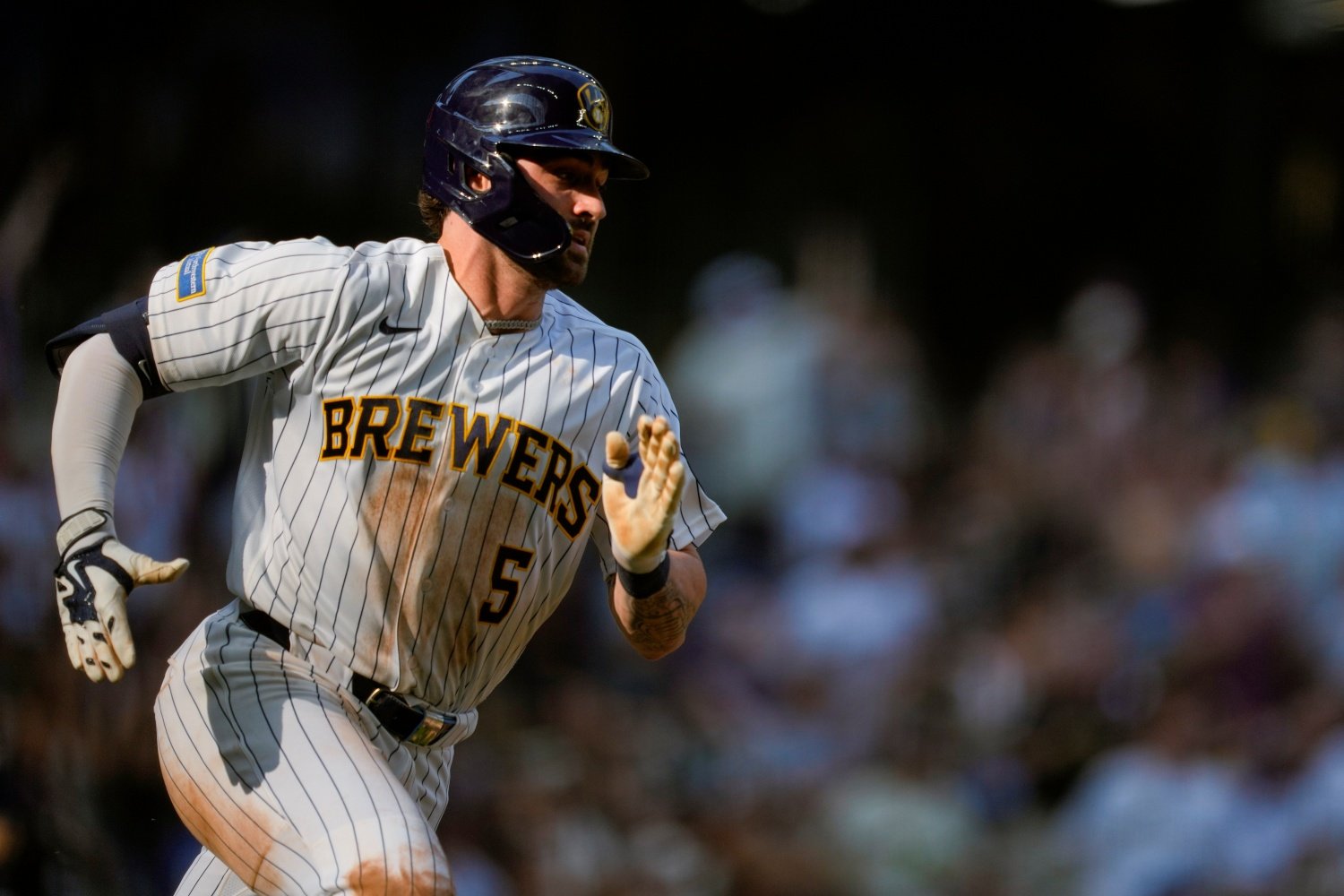 It's best to pretend the 2020 season didn't happen. Effectively, it didn't. It shouldn't have. But the 2020 MLB Draft did happen, and it matters for the Brewers. There were only five picks in that draft, which meant the team didn’t have a lot of room for error. But this draft has worked out quite well for Milwaukee. We’ll go through each of the picks. Best Pick: OF Garrett Mitchell It’s not hard to make this call. Mitchell’s been dynamic when he’s on the field. In 2026, he’s become a mainstay of the Brewers offense. It’s what the Brewers were hoping for as a first-round pick. The big problem with Mitchell is keeping him on the field. He missed large chunks of the 2023, 2024, and 2025 seasons due to injury. He’s remained healthy so far this season. With a lot of outfield prospects forcing their way up (Josiah Ragsdale, Josh Adamczewski and Braylon Payne, among others), the day his legacy is cemented by a trade return may be sooner, rather than later. Between now and then, though, there's a lot more value to deliver on the field. Honorable Mention: OF Joey Wiemer Wiemer stepped up when Mitchell was lost for the season in 2023 and held down center field as Gorman Thomas Lite (with the help of Blake Perkins and Sal Frelick), providing right-handed pop, defense, and a lot of strikeouts as the Brewers fought their way to a division championship. The Brewers dealt him the following season for Frankie Montas, who solidified the back end of the rotation in 2024. For a fourth-round pick in a chaotic draft, that was a good outcome. One That Got Away: UT Zavier Warren Warren was picked as a catcher, but instead turned into a versatile option with a fair bit of pop from both sides of the plate. Despite the versatility, switch-hitting, and a bat with some power, the Brewers left him unprotected in the minor-league phase of the 2025-2026 offseason’s Rule 5 draft, and Cincinnati selected him. Warren, in some ways, was a victim of the organization’s overall success. For prospects, making the majors with Milwaukee means reaching a higher standard than most organizations set. No doubt Warren was a solid prospect, but with Milwaukee’s depth, a lot of solid prospects end up on the margins. To Be Determined, But A Long Shot: SS Freddy Zamora In some years, Freddy Zamora would not be a horrible shortstop or bench asset; think along the lines of Andruw Monasterio, Bill Spiers, or Craig Counsell. His problem is the same one fellow 2020 draftee Zavier Warren ran into: Milwaukee’s minor-league talent level has exploded in recent years. Despite putting up solid numbers and making it to Triple-A Nashville, the second-round pick from the 2020 draft is nowhere close to being in the top five shortstop prospects for the organization (Cooper Pratt, Jesus Made, Luis Pena, Brady Ebel, and CJ Hughes probably have those spots), and it’s fair to question if he’s even in the top 10, with the presence of Jett Williams, Ricki Moneys, Diego Frontado, Trey Ebel, and Jose Rodriguez. Even though Williams has only seen spot duty at short in 2026 and the other four are either in the DSL or a 2026 draft pick, Zamora’s lost in the crowd. The best thing for him (and for the Brewers) could be a trade that nets him an opportunity and maybe gives the Brewers a small boost. Lucky Trade: SS Hayden Cantrelle Cantrelle, the team’s fifth-round pick, was moved for catcher Alex Jackson in April 2022 after free-agent signing Pedro Severino was lost for half the season due to a PED suspension. Prior to that, Cantrelle flashed some speed and OBP skills with a lot of strikeouts on the side before the Brewers dealt him, looking like a two-true outcome player with speed. It was lucky for Cantrelle, who would have been buried in the Milwaukee system behind the glut of shortstops. It was also lucky for Milwaukee, as they got Jackson, who provided catching depth and was later flipped for Evan McKendry when the Brewers needed pitching depth. Cantrelle’s bounced between Double-A and Triple-A for the Marlins, Giants, and Cubs since then. He won't make much of an impact in the majors; the Brewers squeezed value from him while they could. How would you grade the Brewers’ 2020 draft? Let us know in the comments below!
-
- 2
-

-
- garrett mitchell
- freddy zamora
- (and 3 more)
-
Combination of the smaller stature, not the best stuff, but gets lots of outs.
-
Well, with Seattle, I was thinking about asking for Brock Rodden and Po-Chun Lin. Rodden is a highly versatile, switch-hitting version of Caleb Durbin with more pop and walks, minus the HBPs. Lin's giving me that bulldog vibe - a healthy Logan Henderson.
-
Image courtesy of Benny Sieu-Imagn Images The Brewers have been seen as a buyer in the trade market by most in MLB, but they may actually be able to do a bit of smart selling and come out ahead. All it takes is figuring out where other teams are desperate for help in a place where the Brewers have depth. For some contenders, that help is desperately needed behind the plate; that's where Milwaukee comes in. They have an asset two top AL contenders really need, in the form of Gary Sánchez. Where might the Crew be able to get a haul for Sánchez? Let’s break it down. New York Yankees The Bronx Bombers have a lot of good players, but behind the plate, the production has bombed in a bad way for them. Their primary catcher, Austin Wells, is posting a .524 OPS. Backups J.C. Escarra and Ali Sánchez haven’t done much better. In fact, as of Friday’s games, Sánchez has more home runs (eight) and RBIs (25) than the entire Yankees catching corps combined (six and 24). Seems like the Yankees need some help. A semi-frequent trade partner of Brian Cashman of late, the Brewers could be in position to lend that assistance. It's a complicated idea, because Sánchez came up with the Yankees and was put through the media wringer there, but the Yankees always have great organizational pitching depth; the Brewers could be pleased even to scoop away a second-tier arm from Cashman. Seattle Mariners You’d think with Cal Raleigh, the Mariners wouldn’t need help at catcher. Well, this year, Raleigh’s OPS+ has dropped by 103 points (to 65) after a season in which he hit 60 home runs. Mitch Garver is 35, and his OPS+ is 76. By comparison, Joey Ortiz has a 79 OPS+ after his hot streak. Sounds like it would behoove the Mariners to address the position before the trade deadline. The Brewers could send them Sánchez and, again, would look to raid a good pitching pipeline in a low-grade way. Replacing The Kraken One issue, of course, comes to mind: Once you’ve dealt the backup catcher, particularly for prospects, you need to replace him. William Contreras’s durability has been impressive, but he did seem to run out of gas in past seasons. Fortunately, the Brewers have an option at Triple-A Nashville for the spot. It's not top prospect Jeferson Quero. Quero’s had some injury trouble the last three seasons, but he’s also had a good bat and his defense has been touted for a long time. Unfortunately, he hasn't caught in over a month, so clearly, there's some lingering issue there, physically. He can't come up and be a catcher in the majors; he's not even catching in the minors. Darrien Miller, however, has had an offensive breakout this season and hasn’t missed a beat in the small sample size at Nashville after posting big numbers in Biloxi. Miller’s long shown excellent OBP skills and is competent behind the plate, giving him a decent floor as a lineup extender. His lefty bat could also complement Contreras and Quero down the road. If the Brewers are willing to roll the dice on the long-time backstop in Miller, trading Sánchez could be a way to keep boosting the farm system without taking a significant bite out of the big-league team. Think of all the extra ABS challenges that would remain available, too. Do you think the Brewers should trade the Kraken? Let us know in the comments below! View full article
-
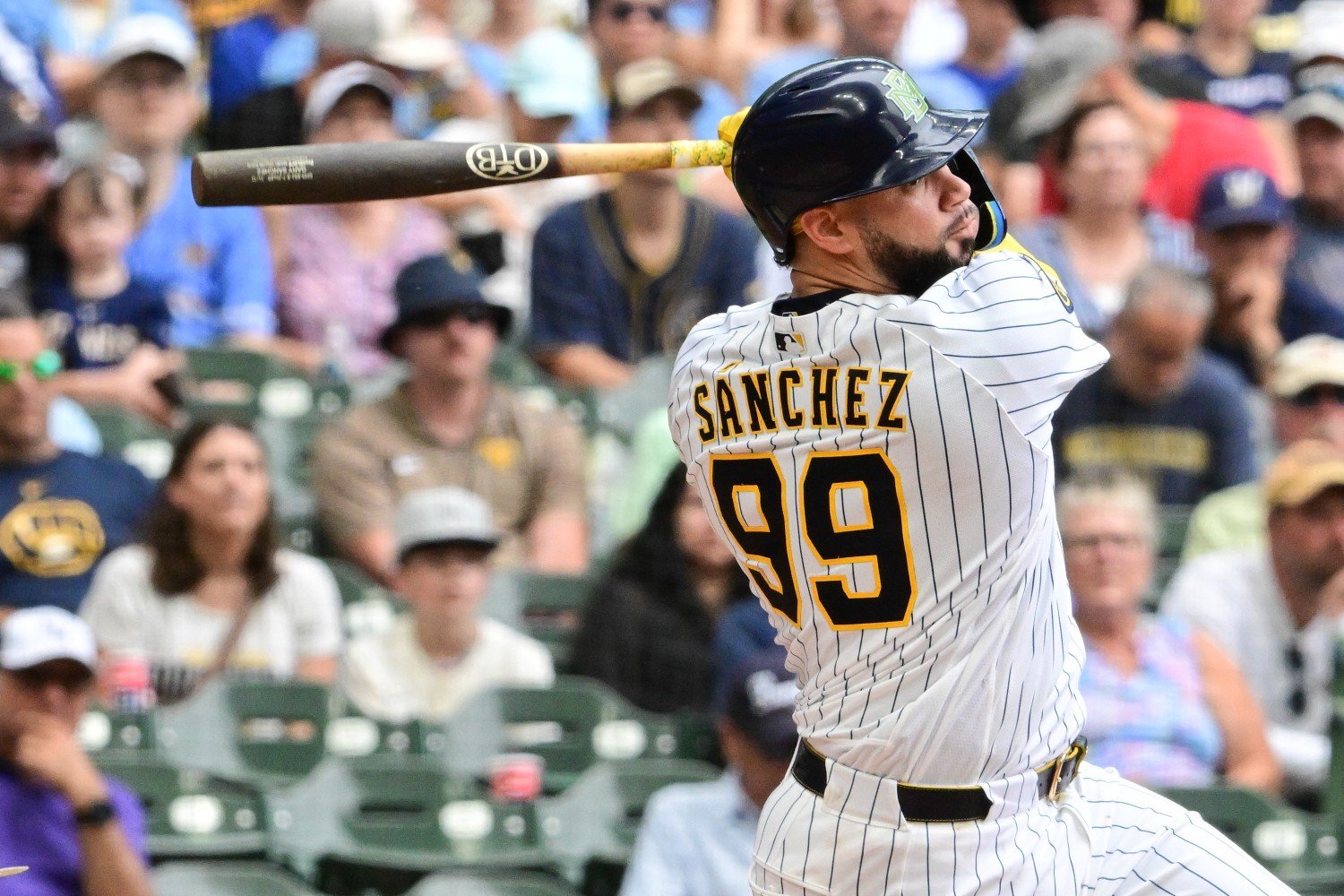 The Brewers have been seen as a buyer in the trade market by most in MLB, but they may actually be able to do a bit of smart selling and come out ahead. All it takes is figuring out where other teams are desperate for help in a place where the Brewers have depth. For some contenders, that help is desperately needed behind the plate; that's where Milwaukee comes in. They have an asset two top AL contenders really need, in the form of Gary Sánchez. Where might the Crew be able to get a haul for Sánchez? Let’s break it down. New York Yankees The Bronx Bombers have a lot of good players, but behind the plate, the production has bombed in a bad way for them. Their primary catcher, Austin Wells, is posting a .524 OPS. Backups J.C. Escarra and Ali Sánchez haven’t done much better. In fact, as of Friday’s games, Sánchez has more home runs (eight) and RBIs (25) than the entire Yankees catching corps combined (six and 24). Seems like the Yankees need some help. A semi-frequent trade partner of Brian Cashman of late, the Brewers could be in position to lend that assistance. It's a complicated idea, because Sánchez came up with the Yankees and was put through the media wringer there, but the Yankees always have great organizational pitching depth; the Brewers could be pleased even to scoop away a second-tier arm from Cashman. Seattle Mariners You’d think with Cal Raleigh, the Mariners wouldn’t need help at catcher. Well, this year, Raleigh’s OPS+ has dropped by 103 points (to 65) after a season in which he hit 60 home runs. Mitch Garver is 35, and his OPS+ is 76. By comparison, Joey Ortiz has a 79 OPS+ after his hot streak. Sounds like it would behoove the Mariners to address the position before the trade deadline. The Brewers could send them Sánchez and, again, would look to raid a good pitching pipeline in a low-grade way. Replacing The Kraken One issue, of course, comes to mind: Once you’ve dealt the backup catcher, particularly for prospects, you need to replace him. William Contreras’s durability has been impressive, but he did seem to run out of gas in past seasons. Fortunately, the Brewers have an option at Triple-A Nashville for the spot. It's not top prospect Jeferson Quero. Quero’s had some injury trouble the last three seasons, but he’s also had a good bat and his defense has been touted for a long time. Unfortunately, he hasn't caught in over a month, so clearly, there's some lingering issue there, physically. He can't come up and be a catcher in the majors; he's not even catching in the minors. Darrien Miller, however, has had an offensive breakout this season and hasn’t missed a beat in the small sample size at Nashville after posting big numbers in Biloxi. Miller’s long shown excellent OBP skills and is competent behind the plate, giving him a decent floor as a lineup extender. His lefty bat could also complement Contreras and Quero down the road. If the Brewers are willing to roll the dice on the long-time backstop in Miller, trading Sánchez could be a way to keep boosting the farm system without taking a significant bite out of the big-league team. Think of all the extra ABS challenges that would remain available, too. Do you think the Brewers should trade the Kraken? Let us know in the comments below!
 -
There are some teams who could use help at shortstop or third base. Perhaps a heated-up Ortiz could land some future pieces?
-
He's doing quite well, and I'm confident the Brewers pitching lab can level any pitcher up. See: Colin Rea, Quinn Priester, Trevor Megill, Kyle Harrison, Shane Drohan, Chad Patrick... plenty of examples.
-
I'm reluctant to deal for a top reliever as well. First, Craig Yoho's looked better in this latest stint, and only got lit up when he went out for a second inning against the Marlins. So, we have one potential in-house solution. Second, I think McCullers might also help out as a multi-inning arm (Eckersley reinvented as a closer, so did Smoltz). Finally, there are some starters the Brewers could bring up to bolster the bullpen (Burnes/Woodruff in 2018, Misiorowski in 2025, etc.). I might pick up the phone to see what bringing Freddy Peralta back from the Mets might cost (Dylan O'Rae and Brock Wilken would be a good package to offer, maybe throw in a rookie-league pitcher or two). Bolster the rotation, move Drohan back to the pen (where he dominated).
-
As a lefty out of the pen, Kelly would be useful, with the struggles of Koenig this year. That said, Craig Yoho had some good outings until he was asked to go two innings against the Marlins, and I think he could take some of the burden in late innings.
-
Image courtesy of © Dave Kallmann / Milwaukee Journal Sentinel / USA TODAY NETWORK via Imagn Images If the 2018 Brewers draft is, in hindsight, an almost unqualified success, then the 2019 draft is… well, the opposite—for now. Just as the 2018 draft’s final chapter has yet to be written, however, the 2019 draft’s story can certainly change. Let's consider where things stand right now. Best Pick: RHP Taylor Floyd Floyd was selected in the 10th round of the 2019 draft, and seems to have topped out as a Double-A pitcher. Floyd hasn’t stagnated in the Brewers organization, though, because in 2023, the club sent him to the Minnesota Twins for a guy named Trevor Megill. Megill broke out for Milwaukee that summer and has been their closer more often than not since the start of 2024, when he filled in for an injured Devin Williams. With 75 saves over that span and a gaudy 24.8 K-BB% this season, Megill is likely to fetch a decent return when the time comes for a trade, and Abner Uribe can take over as the Brewers’ late-inning specialist. Floyd, though, has scuffled at the Double-A level for Minnesota, Seattle, and Cincinnati. This is the type of deal that helps the Brewers make postseason appearances. It turned a pick who never had much chance to reach the big leagues into a key contributor on multiple division-winning teams. Honorable Mention: SS David Hamilton Hamilton helped Milwaukee early on, when he was part of a package that convinced Boston to take on the contract of Jackie Bradley Jr. and send Hunter Renfroe to the Brewers. A year later, the Brewers dealt Renfroe and landed some relievers, including Elvis Peguero, who was a serviceable part of the team's bullpen for multiple seasons. That was before Hamilton came back to Milwaukee as part of the deal that added Shane Drohan and Kyle Harrison to the Crew’s pitching staff. He’s been a solid lineup extender and disruptive baserunner for the 2026 Brewers, and he has a few years of team control left, so it remains to be seen what happens. Methodologically, we probably shouldn't count the value he creates from now on as part of the value of selecting him. On the other hand, knowing the player well enough to have picked him and having insight on his makeup surely helped the front office feel confident bringing him back. One That Got Away: LHP Antoine Kelly Kelly had some injury struggles, but lately, he looks to have revived his career as a possible left-handed relief option, which was his floor when the Brewers picked him in the second round. The team dealt Kelly along with utility player Mark Mathias, and got Matt Bush in return. Bush was lit up more often than not while with the Brewers, and eventually was released in July 2023 after he posted a 5.94 ERA in 37 appearances for them. That's definitely a trade the Brewers wouldn’t repeat if they had the chance for a do-over. Still Potentially Helpful: C Darrien Miller Miller seems like he’s been around forever, but he’s only 25, and he’s in the midst of an offensive breakout. He’s always had OBP skills, both in drawing walks and getting plunked. His left-handed bat has also flashed some power. After tearing up Double-A Biloxi, Miller was promoted to Triple-A Nashville, where he’s not fallen off much. He may be overshadowed by prospects like Jeferson Quero and Marco Dinges, but Miller’s a competent lineup extender, and he’s someone the Brewers have not minded keeping around. His ceiling is extraordinarily low, but he could be a useful backup backstop if the need arises. Overall Grade: D+ The big issue with this draft is whom the Brewers didn’t pick. In the first round, they could have selected infielder Michael Busch (now with the Cubs) or shortstop Gunnar Henderson (Orioles) instead of pitcher Ethan Small. After Kelly in the second round, Jared Triolo and Michael Harris II were selected and delivered reasonably well. That said, the draft grade could still go up some. The potential trade returns for Megill and Hamilton could alter how this draft shakes out. Miller, if he reaches the majors and serves as a backup/platoon mate to Quero, could also bump the grade higher. But this is one draft with which the Brewers can only wonder what might have been, with different selections. View full article
-
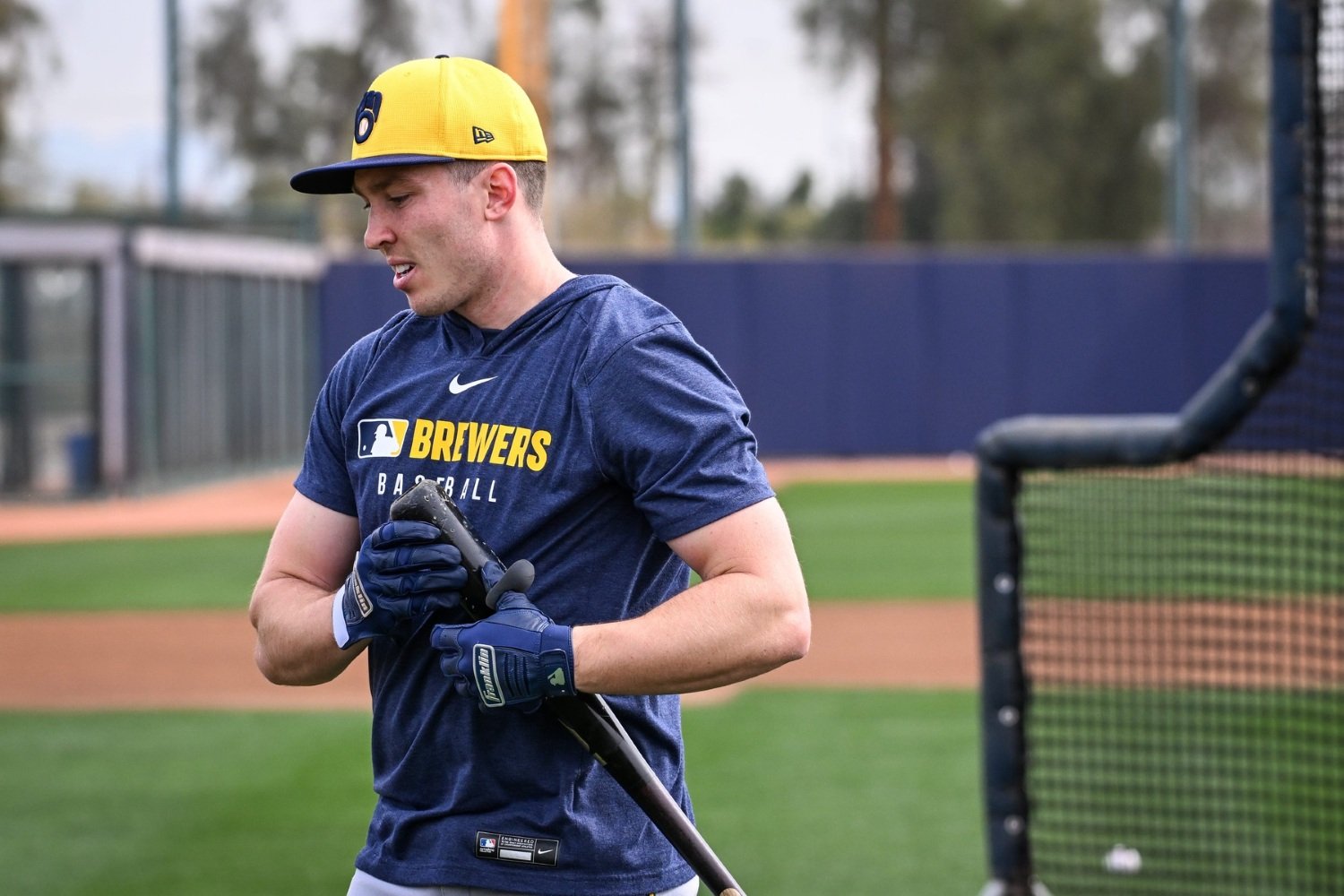 If the 2018 Brewers draft is, in hindsight, an almost unqualified success, then the 2019 draft is… well, the opposite—for now. Just as the 2018 draft’s final chapter has yet to be written, however, the 2019 draft’s story can certainly change. Let's consider where things stand right now. Best Pick: RHP Taylor Floyd Floyd was selected in the 10th round of the 2019 draft, and seems to have topped out as a Double-A pitcher. Floyd hasn’t stagnated in the Brewers organization, though, because in 2023, the club sent him to the Minnesota Twins for a guy named Trevor Megill. Megill broke out for Milwaukee that summer and has been their closer more often than not since the start of 2024, when he filled in for an injured Devin Williams. With 75 saves over that span and a gaudy 24.8 K-BB% this season, Megill is likely to fetch a decent return when the time comes for a trade, and Abner Uribe can take over as the Brewers’ late-inning specialist. Floyd, though, has scuffled at the Double-A level for Minnesota, Seattle, and Cincinnati. This is the type of deal that helps the Brewers make postseason appearances. It turned a pick who never had much chance to reach the big leagues into a key contributor on multiple division-winning teams. Honorable Mention: SS David Hamilton Hamilton helped Milwaukee early on, when he was part of a package that convinced Boston to take on the contract of Jackie Bradley Jr. and send Hunter Renfroe to the Brewers. A year later, the Brewers dealt Renfroe and landed some relievers, including Elvis Peguero, who was a serviceable part of the team's bullpen for multiple seasons. That was before Hamilton came back to Milwaukee as part of the deal that added Shane Drohan and Kyle Harrison to the Crew’s pitching staff. He’s been a solid lineup extender and disruptive baserunner for the 2026 Brewers, and he has a few years of team control left, so it remains to be seen what happens. Methodologically, we probably shouldn't count the value he creates from now on as part of the value of selecting him. On the other hand, knowing the player well enough to have picked him and having insight on his makeup surely helped the front office feel confident bringing him back. One That Got Away: LHP Antoine Kelly Kelly had some injury struggles, but lately, he looks to have revived his career as a possible left-handed relief option, which was his floor when the Brewers picked him in the second round. The team dealt Kelly along with utility player Mark Mathias, and got Matt Bush in return. Bush was lit up more often than not while with the Brewers, and eventually was released in July 2023 after he posted a 5.94 ERA in 37 appearances for them. That's definitely a trade the Brewers wouldn’t repeat if they had the chance for a do-over. Still Potentially Helpful: C Darrien Miller Miller seems like he’s been around forever, but he’s only 25, and he’s in the midst of an offensive breakout. He’s always had OBP skills, both in drawing walks and getting plunked. His left-handed bat has also flashed some power. After tearing up Double-A Biloxi, Miller was promoted to Triple-A Nashville, where he’s not fallen off much. He may be overshadowed by prospects like Jeferson Quero and Marco Dinges, but Miller’s a competent lineup extender, and he’s someone the Brewers have not minded keeping around. His ceiling is extraordinarily low, but he could be a useful backup backstop if the need arises. Overall Grade: D+ The big issue with this draft is whom the Brewers didn’t pick. In the first round, they could have selected infielder Michael Busch (now with the Cubs) or shortstop Gunnar Henderson (Orioles) instead of pitcher Ethan Small. After Kelly in the second round, Jared Triolo and Michael Harris II were selected and delivered reasonably well. That said, the draft grade could still go up some. The potential trade returns for Megill and Hamilton could alter how this draft shakes out. Miller, if he reaches the majors and serves as a backup/platoon mate to Quero, could also bump the grade higher. But this is one draft with which the Brewers can only wonder what might have been, with different selections.
 -
Brewers Acquire Lance McCullers Jr. From Astros
Harold Hutchison replied to patrickgpe's topic in Milwaukee Brewers Talk
I wonder if McCullers is a pitching lab candidate to revitalize his career? We already saw Bryse Wilson rebound in a very short sample, and Craig Yoho's been lights out in his latest stint. Take on the McCullers salary, get Gordon as a fireman/back-end starter... for Wilken? I'll take the deal. Wilken's been bypassed by Luke Adams. Pretty much salvages value for that first-round pick, which has not panned out. -
What held me back from an A grade were the Fry and Olson trades, TBH. Fry really was a find at that point in the draft, and easily would have been valuable the past four seasons. He played multiple positions decently, could have been a factor behind the plate, too (imagine that in terms of giving Contreras time off). Olson, it's a bit of a double-edged sword. He's a quality back-of-the-rotation guy, but then again, Olson might have meant no Quinn Priester trade, and Priester turned into a much better pitcher in 2025. On the flip side, who might Milwaukee have had with the prospect/draft capital it dealt to Boston to get Priester?
-
Image courtesy of © Jeff Curry-Imagn Images The 2026 MLB Draft is in the books, and for a bit, most of the names who just paraded past your eyes will now drop off your radar. As we wait for the team to sign its class, though, it's good to remind ourselves of how important this avenue of player acquisition is. If you want a classic example of a draft that goes well, Milwaukee’s 2018 class fits the bill. In one sense, the final grade for this draft still has not been determined, with the effects of trades and free-agent compensation still rippling. Best Picks: IF Brice Turang and RHP Drew Rasmussen (tie) We have a tie in this spot, even though one of these players was barely in Milwaukee. For Turang, who’s already staked a credible claim as the best second baseman in Milwaukee Brewers history, the case is obvious. The defense alone has been a game-winner, and he's also become a threat on the basepaths. Since 2025, though, his bat has leveled up, and he’s arguably now the best second baseman in MLB. Rasmussen, though, has arguably had an equal impact, even though he only made 27 appearances on the mound. In May 2021, he was one of two pitchers shipped to the Tampa Bay Rays for pitcher Trevor Richards and shortstop Willy Adames. Adames, of course, laid his claim as one of the Brewers' all-time greats at shortstop, second only to Robin Yount by the end of the 2024 season when he left as a free agent. Here's the kicker: Rasmussen actually was a 2017 first-round pick by the Rays, who elected not to sign him. So, the Rays eventually got him, but had to cough up an All-Star-caliber shortstop to do so. But the Rasmussen deal can still benefit the Brewers even more. With the departure of Adames came a compensation pick, and shortstop Brady Ebel has looked very impressive in his first full professional season. Honorable Mention: LHP Aaron Ashby Ashby is a great pick, too. He’s a crucial member of the Brewers’ bullpen, even as his contract is slated to jump to $7.7 million in 2027, with $9-million and $13-million team options following that. Injuries did cause a detour from the starting rotation, but a top-end reliever could still fetch a decent trade return in the offseason. More importantly, of course, he's been key to the team's recent success, soaking up innings and putting out fires for a perennial contender. Ones That Got Away: UT David Fry, RHP Reese Olson Fry was one of my personal cheeseballs, a potent right-handed bat with low-grade positional versatility. The Crew sent him to Cleveland in March 2022 to complete an earlier trade for J.C. Mejia, who pitched around a dozen innings for them in 2022 and 2023. This is one trade they probably want back. Fry’s been a valuable bench asset for Cleveland, something the Brewers could have used in recent years. To be fair, though, he's been injury-wrecked and inconsistent at the plate since a brief star turn in October 2024. Reese Olson was a pitching prospect dealt for lefty reliever Daniel Norris, who didn’t work out well for the Brewers. Olson’s occasionally been a decent back-of-the-rotation type for the Tigers. While he's currently on the 60-day injured list, he could have been an asset for Milwaukee and may have helped the team preserve both prospect capital and a competitive-balance pick in early 2025. It's not as though he's proved durable or star-caliber, though, and you have to give up something to fortify playoff-bound pitching staffs. Still Potentially Helpful: LHP Clayton Andrews Andrews was another personal cheeseball, who had a two-way stint for the Advanced-A Carolina Mudcats and Double-A Biloxi Shuckers in 2019 (16 starts in center field—take that, Shohei Ohtani!). But even though he had only four games and 3 1/3 innings pitched, he could still give Milwaukee some benefit. In 2024, the Brewers dealt him to the Yankees for right-handed pitcher Joshua Quezada, who has been collecting a lot of strikeouts and could become decent bullpen help for the Brewers down the road. Quezada is 22 and has spent most of the season in Low A, so don't get too excited, but if any organization can one-red-paperclip their way to value in situations like that one, the Brewers are that outfit. Final Grade: B+ This is an immensely successful draft for the Brewers, who came away with a lot for the picks they made, even as high-ceiling outfield prospects Joe Gray and Micah Bello flamed out and with the trades in which they gave up Fry and Olson not netting them the timely help they hoped for. Still, one cannot really complain about the 2018 draft’s contributions to recent Brewers teams at all. Turang might sign an extension and stick around, but it's more likely he's traded in a couple of years. When he is, it will add new branches to the tree on which the fruits of this class keep appearing. View full article
-
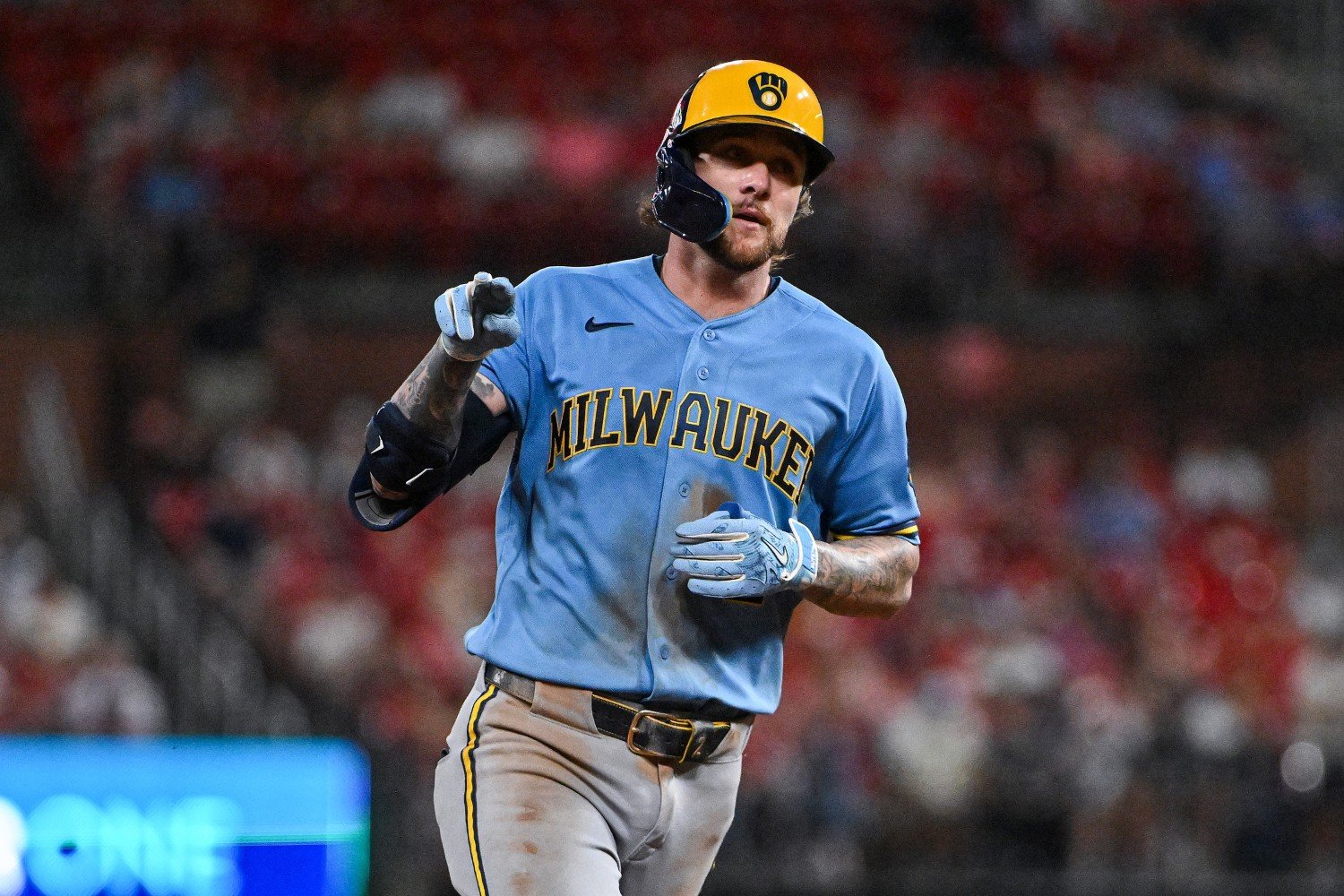 The 2026 MLB Draft is in the books, and for a bit, most of the names who just paraded past your eyes will now drop off your radar. As we wait for the team to sign its class, though, it's good to remind ourselves of how important this avenue of player acquisition is. If you want a classic example of a draft that goes well, Milwaukee’s 2018 class fits the bill. In one sense, the final grade for this draft still has not been determined, with the effects of trades and free-agent compensation still rippling. Best Picks: IF Brice Turang and RHP Drew Rasmussen (tie) We have a tie in this spot, even though one of these players was barely in Milwaukee. For Turang, who’s already staked a credible claim as the best second baseman in Milwaukee Brewers history, the case is obvious. The defense alone has been a game-winner, and he's also become a threat on the basepaths. Since 2025, though, his bat has leveled up, and he’s arguably now the best second baseman in MLB. Rasmussen, though, has arguably had an equal impact, even though he only made 27 appearances on the mound. In May 2021, he was one of two pitchers shipped to the Tampa Bay Rays for pitcher Trevor Richards and shortstop Willy Adames. Adames, of course, laid his claim as one of the Brewers' all-time greats at shortstop, second only to Robin Yount by the end of the 2024 season when he left as a free agent. Here's the kicker: Rasmussen actually was a 2017 first-round pick by the Rays, who elected not to sign him. So, the Rays eventually got him, but had to cough up an All-Star-caliber shortstop to do so. But the Rasmussen deal can still benefit the Brewers even more. With the departure of Adames came a compensation pick, and shortstop Brady Ebel has looked very impressive in his first full professional season. Honorable Mention: LHP Aaron Ashby Ashby is a great pick, too. He’s a crucial member of the Brewers’ bullpen, even as his contract is slated to jump to $7.7 million in 2027, with $9-million and $13-million team options following that. Injuries did cause a detour from the starting rotation, but a top-end reliever could still fetch a decent trade return in the offseason. More importantly, of course, he's been key to the team's recent success, soaking up innings and putting out fires for a perennial contender. Ones That Got Away: UT David Fry, RHP Reese Olson Fry was one of my personal cheeseballs, a potent right-handed bat with low-grade positional versatility. The Crew sent him to Cleveland in March 2022 to complete an earlier trade for J.C. Mejia, who pitched around a dozen innings for them in 2022 and 2023. This is one trade they probably want back. Fry’s been a valuable bench asset for Cleveland, something the Brewers could have used in recent years. To be fair, though, he's been injury-wrecked and inconsistent at the plate since a brief star turn in October 2024. Reese Olson was a pitching prospect dealt for lefty reliever Daniel Norris, who didn’t work out well for the Brewers. Olson’s occasionally been a decent back-of-the-rotation type for the Tigers. While he's currently on the 60-day injured list, he could have been an asset for Milwaukee and may have helped the team preserve both prospect capital and a competitive-balance pick in early 2025. It's not as though he's proved durable or star-caliber, though, and you have to give up something to fortify playoff-bound pitching staffs. Still Potentially Helpful: LHP Clayton Andrews Andrews was another personal cheeseball, who had a two-way stint for the Advanced-A Carolina Mudcats and Double-A Biloxi Shuckers in 2019 (16 starts in center field—take that, Shohei Ohtani!). But even though he had only four games and 3 1/3 innings pitched, he could still give Milwaukee some benefit. In 2024, the Brewers dealt him to the Yankees for right-handed pitcher Joshua Quezada, who has been collecting a lot of strikeouts and could become decent bullpen help for the Brewers down the road. Quezada is 22 and has spent most of the season in Low A, so don't get too excited, but if any organization can one-red-paperclip their way to value in situations like that one, the Brewers are that outfit. Final Grade: B+ This is an immensely successful draft for the Brewers, who came away with a lot for the picks they made, even as high-ceiling outfield prospects Joe Gray and Micah Bello flamed out and with the trades in which they gave up Fry and Olson not netting them the timely help they hoped for. Still, one cannot really complain about the 2018 draft’s contributions to recent Brewers teams at all. Turang might sign an extension and stick around, but it's more likely he's traded in a couple of years. When he is, it will add new branches to the tree on which the fruits of this class keep appearing.
- 3 comments
-
- 2
-
-
- brice turang
- drew rasmussen
- (and 2 more)
-
That can happen to anyone, Braden.
-
Wasn't Sal Frelick a college outfielder in 2021?
-
Potential Troubling Bullying Allegation Pending
Harold Hutchison replied to JH Lee's topic in Brewers Minor League Talk
100% agree here. I know we do not know everything involved and probably never will, but I do hope that we at least get some final answers as to what transpired, because this puts a massive cloud over the team's system if there isn't at least some transparency as to the matter. Hernandez's well-being is, of course, important in all of this, but the Brewers also need answers to hold those who bullied him accountable and to ensure they don't lose a prospect to a similar situation in the future. -
Image courtesy of © Aaron Doster-Imagn Images The upcoming draft is a time of excitement for Brewers fans. Over the last decade, the Brewers have developed arguably the best minor-league organization in MLB, reflected not only in the talent they've found, but in the ability to develop players without standout pedigree or tools into valuable pieces. It takes time. One doesn’t know how well a pick really works out for a major-league team for years. First, it takes time for a player to rise through the farm system. Often, it also takes a while for them to finish their development in the bigs, and the final variable in the equation that expresses the value of the pick is what (if anything) the team eventually gets for them when they leave. The final reckoning for the 2014 draft will not come until the end of the 2028 season at the earliest, when Christian Yelich's contract could end. (Second-round pick Monte Harrison and 12th-round pick Jordan Yamamoto were parts of the package Milwaukee sent to Miami in the 2017-2018 offseason to acquire Yelich.) The ideal path is for the talent to become a reliable contributor to the major-league team. Brice Turang is one of the best examples of the traditional approach—a first-round pick who turns into a cornerstone of the team for multiple years. Then, there are the non-traditional paths to make a draft pick work out well for the Brewers. One is the late-round steal. They’re not one of the guys who get a huge seven-figure bonus after being picked in the first round. They’re picked later (Brandon Woodruff, an 11th-round pick in the 2014 draft), sometimes way later (Brent Suter, 31st-round pick in the 2012 draft), but these players are where the scouts and the coaches in the organization have really earned their money. Hitting on later picks not only means amassing depth that creates flexibility in trades, but positions a team to extend players who thrive. Clubs have more leverage over lower-round, lower-bonus selections in contract talks later on. The other, of course, is the return in a trade. This is how some somewhat disappointing prospects can redeem themselves (2014 first-round pick Kodi Medeiros, for instance, was traded for Joakim Soria in 2018). Other times, the blue-chip prospect can turn a season around in a deal (2007 first-rounder Matt LaPorta, who brought CC Sabathia to Milwaukee in 2008). In some cases, a traded prospect can be a force at the MLB level long after the Brewers’ return has faded away (see Michael Brantley, the player to be named later in the Sabathia trade). It's tempting to put an arbitrary timeline on evaluating a draft, but the timeline can always change, and a grade can change from year to year. Keston Hiura looked like a superb selection after the 2019 season, but his struggles and inconsistency in later years arguably lowered the grade. Tyrone Taylor looked like he wouldn’t pan out, until he did. Seven years after being selected in the 2019 draft out of high school, Darrien Miller is now in Triple-A and could end up with Milwaukee if he continues his hot hitting, which could alter the draft’s grade were he to become a contributor with the Brewers. He'll never be more than a role player, but finding a viable third or fourth catcher for the organization in the ninth round is a win. In other words, even the 2018 draft’s grade could fluctuate over the next few years. Every class since then has at least as fluid a tag on them. It will likely be a lot of fun finding out, but assessing the draft is so tricky that it's vital to remain circumspect. How do you evaluate the success or failure of draft years? Let us know in the comments below! View full article
-
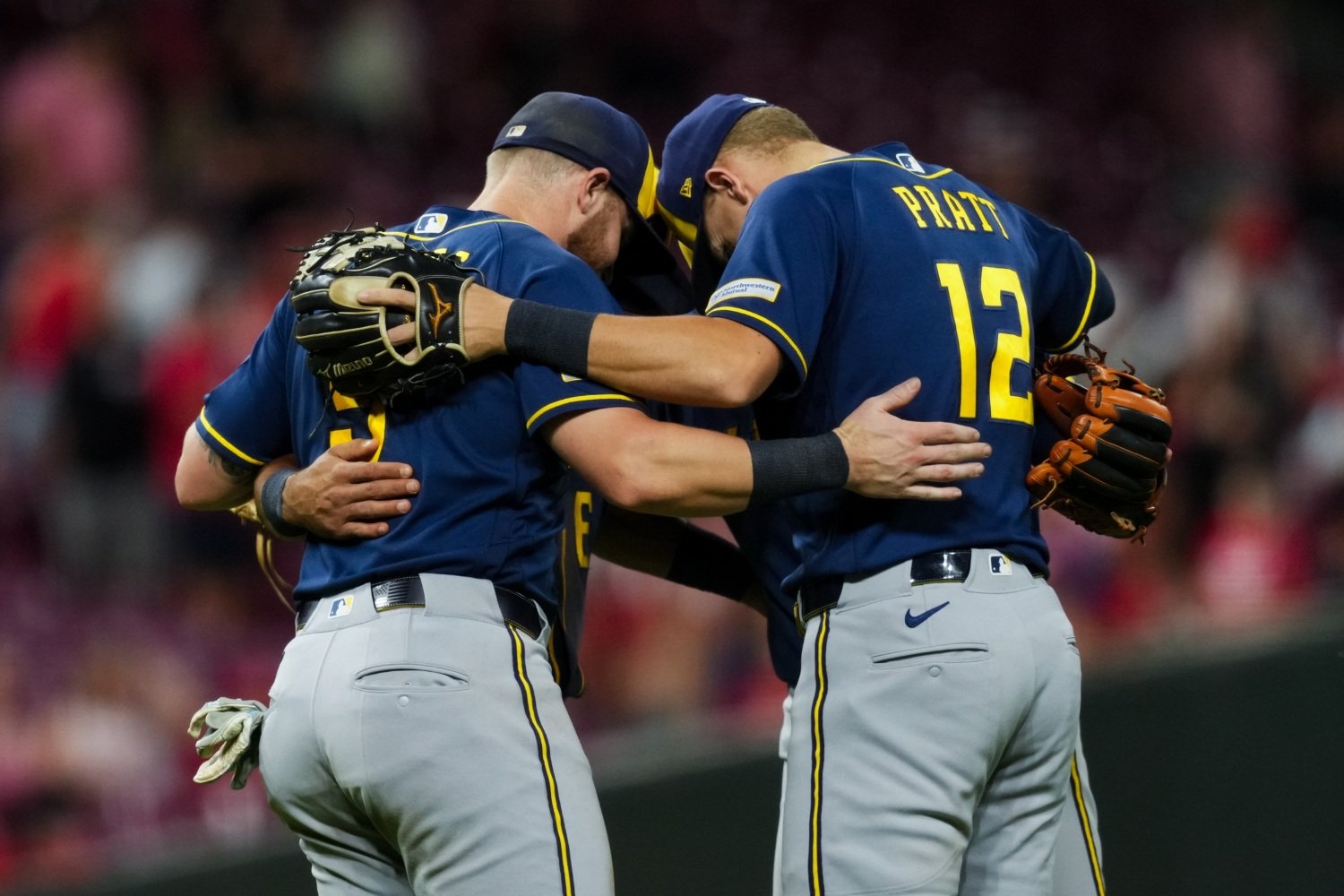 The upcoming draft is a time of excitement for Brewers fans. Over the last decade, the Brewers have developed arguably the best minor-league organization in MLB, reflected not only in the talent they've found, but in the ability to develop players without standout pedigree or tools into valuable pieces. It takes time. One doesn’t know how well a pick really works out for a major-league team for years. First, it takes time for a player to rise through the farm system. Often, it also takes a while for them to finish their development in the bigs, and the final variable in the equation that expresses the value of the pick is what (if anything) the team eventually gets for them when they leave. The final reckoning for the 2014 draft will not come until the end of the 2028 season at the earliest, when Christian Yelich's contract could end. (Second-round pick Monte Harrison and 12th-round pick Jordan Yamamoto were parts of the package Milwaukee sent to Miami in the 2017-2018 offseason to acquire Yelich.) The ideal path is for the talent to become a reliable contributor to the major-league team. Brice Turang is one of the best examples of the traditional approach—a first-round pick who turns into a cornerstone of the team for multiple years. Then, there are the non-traditional paths to make a draft pick work out well for the Brewers. One is the late-round steal. They’re not one of the guys who get a huge seven-figure bonus after being picked in the first round. They’re picked later (Brandon Woodruff, an 11th-round pick in the 2014 draft), sometimes way later (Brent Suter, 31st-round pick in the 2012 draft), but these players are where the scouts and the coaches in the organization have really earned their money. Hitting on later picks not only means amassing depth that creates flexibility in trades, but positions a team to extend players who thrive. Clubs have more leverage over lower-round, lower-bonus selections in contract talks later on. The other, of course, is the return in a trade. This is how some somewhat disappointing prospects can redeem themselves (2014 first-round pick Kodi Medeiros, for instance, was traded for Joakim Soria in 2018). Other times, the blue-chip prospect can turn a season around in a deal (2007 first-rounder Matt LaPorta, who brought CC Sabathia to Milwaukee in 2008). In some cases, a traded prospect can be a force at the MLB level long after the Brewers’ return has faded away (see Michael Brantley, the player to be named later in the Sabathia trade). It's tempting to put an arbitrary timeline on evaluating a draft, but the timeline can always change, and a grade can change from year to year. Keston Hiura looked like a superb selection after the 2019 season, but his struggles and inconsistency in later years arguably lowered the grade. Tyrone Taylor looked like he wouldn’t pan out, until he did. Seven years after being selected in the 2019 draft out of high school, Darrien Miller is now in Triple-A and could end up with Milwaukee if he continues his hot hitting, which could alter the draft’s grade were he to become a contributor with the Brewers. He'll never be more than a role player, but finding a viable third or fourth catcher for the organization in the ninth round is a win. In other words, even the 2018 draft’s grade could fluctuate over the next few years. Every class since then has at least as fluid a tag on them. It will likely be a lot of fun finding out, but assessing the draft is so tricky that it's vital to remain circumspect. How do you evaluate the success or failure of draft years? Let us know in the comments below!
- 2 comments
-
- 1
-
-
- brice turang
- brandon woodruff
- (and 1 more)
-
Perhaps Yoho needs to add a two-seam fastball to his four-seamer. It would probably be the easiest for him to "tunnel" and it might just throw hitters off enough. Two-seam, cutter, four-seam as fastballs, then use the change and curve to draw swing-and-miss.
-
Craig Yoho and Tyler Black seem to have the same problem: They're square pegs that Pat Murphy tries to force into a round hole. Yoho's got the stuff to be a closer, it's more a case of Hook and company figuring out the best use of what Yoho CAN do as opposed to continuing to try to force him to fit a mold that may not work.
-
True, but the first-round picks are the ones that a team should hit on, And in the case of Brown, I don't think he should be written off - he could still provide a lot of value. Will admit, I feel less optimistic about Brock Wilken.
-
Image courtesy of © Kamil Krzaczynski-Imagn Images For the Milwaukee Brewers, the 2018 season wasn’t just the culmination of building a team that came within a game of the World Series. It was the beginning of a golden era. One of the big reasons for this is their farm system, which they've built by hitting on a lot of their top picks each June. The current Brewers active roster features three first-round picks, with another one that has seen a few cups of coffee. So, how have the Brewers’ first-rounders (including Competitive Balance A and compensation picks) fared? Let’s grade them. 2B Brice Turang, 2018 1st-round pick GRADE: A+ In 2018, as the Brewers made big memories with a Game 163 win over the Cubs to secure the NL Central title and top seed in the playoffs, they also drafted Brice Turang in the first round and gave him a little over $3.4 million as a signing bonus. In three-plus seasons, he’s arguably become the best second baseman in franchise history. The real question is how long he will be in Milwaukee. LHP Ethan Small, 2019 1st-round pick GRADE: D+ Ethan Small’s signing bonus was only $1.8 million, but early on, he rose rapidly through the system, earning a spot in the 2021 Futures Game. However, he also started having injury trouble. In 2022 and 2023, he wasn’t quite the same, and after four games with Milwaukee, he was purchased by the San Francisco Giants, but never got to the majors with them. OF Garrett Mitchell, 2020 1st-round pick GRADE: B Garrett Mitchell’s got talent; that is undeniable. But he’s also missed large parts of two seasons with injuries, and there is an offensive vulnerability to strikeouts. Still, he is under team control through 2028. With a lot of prospects in the minors, the Brewers may need to make a decision about whether to hold onto him for the longer term, but he's been productive—especially this year. OF Sal Frelick, 2021 1st-round pick GRADE: A- Frelick was selected in the first round of the 2021 draft and collected a cool $4 million as a bonus. He first made the majors in 2023, earned a Gold Glove in 2024, took an offensive step up in 2025, and has been solid (though far from spectacular) in 2026. Like Mitchell, there is a fair bit of team control left, and the Brewers may need to make a similar hold-or-deal decision on Frelick, but not quite yet. OF/1B/DH Tyler Black, 2021 CB-A pick GRADE: C+ After his breakout 2023 season at Double-A Biloxi and Triple-A Nashville, Black seemed poised to make inroads with the team in 2024. He started getting reps at the hot corner, and at first base. Then the Brewers acquired Oliver Dunn and Joey Ortiz, while his path at first base was blocked by Rhys Hoskins and Jake Bauers. Since then, he’s been on the Nashville-Milwaukee shuttle, and his last option year has been used. In fairness, though, he also hasn't seized the few chances he's gotten. IF/OF Eric Brown Jr., 2022 1st-round pick GRADE: C- Eric Brown Jr. was seen as an exciting pick when selected in 2022, but he missed significant chunks of the 2023 and 2025 seasons with injuries and struggled at Double-A Biloxi in 2024. He’s seen a bit of a resurgence since, even as he was caught behind Jesus Made and Dylan O’Rae, but he’s still showing enough to make his way to Milwaukee as a more potent version of Andruw Monasterio, who became a cult hero out of nowhere. Still, the Brewers could have had Dalton Rushing at that spot, setting up a nice 1-2 punch behind the plate with William Contreras and/or Jeferson Quero through the rest of this decade. 3B Brock Wilken, 2023 1st-round pick GRADE: D+ Brock Wilken looked like a very potent right-handed slugger at the hot corner when selected in 2023. The next April, he suffered facial fractures when he was hit by a pitch, and his career seems to have never really recovered. After a decent 2024 at Double-A Biloxi, he missed more time with a knee injury in 2025. In Triple-A Nashville, he’s hitting 25 points below the Uecker line. Colt Emerson and Kevin McGonigle were drafted later, and both are contributing in the majors. OF Braylon Payne, 2024 1st-round pick GRADE: B Braylon Payne was one of the youngest prospects in the 2024 MLB draft, and the Brewers managed to sign him for a $3.44 million bonus. Although he had some relatively high strikeout totals in 2025 at Single-A Carolina, he’s had an offensive breakout at Advanced-A Wisconsin, and looks to be ready to make his climb to the majors relatively quickly. 1B Blake Burke, 2024 CB-A pick GRADE: B+ The pick the Brewers used to select Blake Burke was acquired in the Corbin Burnes trade, and there’s a chance it may be the best asset they got in that deal. Burke has a chance to be a better version of Bauers at the plate, which could enable him to provide Milwaukee the most stability at first base since Prince Fielder came up to the majors for good. That's not yet likely, but it's possible, which is impressive. 3B/1B Andrew Fischer, 2025 1st-round pick GRADE: B Andrew Fischer just got a promotion to Double-A Biloxi in his first full season of pro ball, after he mashed 20 homers for Advanced-A Wisconsin, posting a 1.118 OPS there. That, in turn, came after he made a name for himself in the 2026 World Baseball Classic. If there is a concern, it’s his high strikeout total, but so far, he’s looking very good. SS Brady Ebel, 2025 compensation pick (for SS Willy Adames) GRADE: B Ebel had a rough start, but has since taken his season OBP to .401 as of June 24. He’s adding some speed, a little pop, and proving to be a solid defender. So far, he’s also working out well for the Brewers, who have several other talented players in the middle infield in the system. 2025 CB-A Pick (Traded to Boston for RHP Quinn Priester) GRADE: A+ While the trade for Quinn Priester was a worst-case scenario for the 2025 Brewers due to the rotation's injury situation, Priester broke out for the team, becoming a stopper in their rotation. While he will miss the rest of 2026 with thoracic outlet syndrome, he remains under team control through 2030, and given the track record the Brewers have shown in helping pitchers revitalize their careers after various forms of adversity, the Brewers can feel good about the use of this pick. If you think about it as a draft pick that actively helped the team win that year's division title, the deftness of the move comes into focus. How would you grade the Brewers’ top picks since 2018? Let us know in the comments below! View full article
-
Grading Milwaukee Brewers' Top Picks in the MLB Draft Since 2018
Harold Hutchison posted an article in MLB Draft
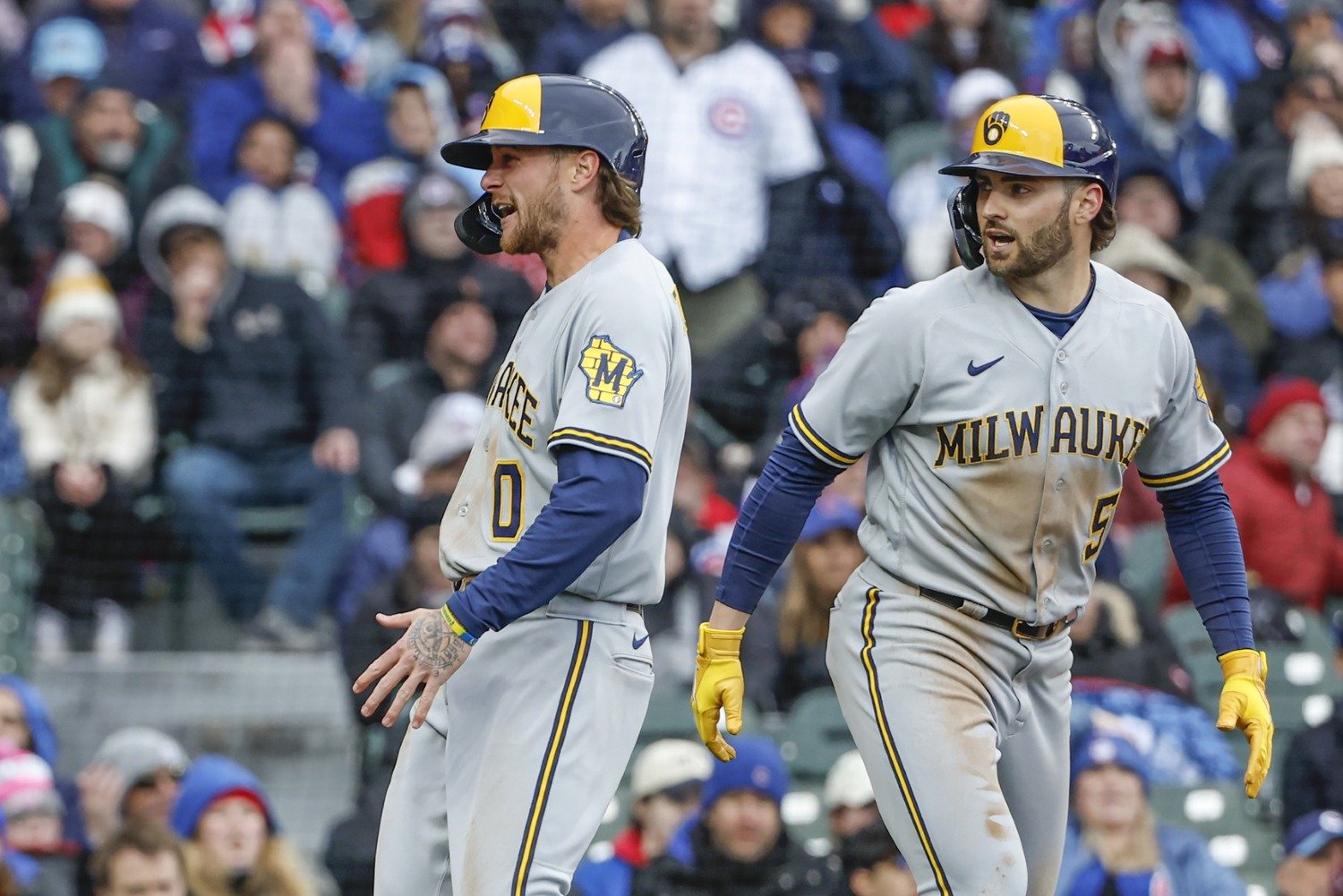 For the Milwaukee Brewers, the 2018 season wasn’t just the culmination of building a team that came within a game of the World Series. It was the beginning of a golden era. One of the big reasons for this is their farm system, which they've built by hitting on a lot of their top picks each June. The current Brewers active roster features three first-round picks, with another one that has seen a few cups of coffee. So, how have the Brewers’ first-rounders (including Competitive Balance A and compensation picks) fared? Let’s grade them. 2B Brice Turang, 2018 1st-round pick GRADE: A+ In 2018, as the Brewers made big memories with a Game 163 win over the Cubs to secure the NL Central title and top seed in the playoffs, they also drafted Brice Turang in the first round and gave him a little over $3.4 million as a signing bonus. In three-plus seasons, he’s arguably become the best second baseman in franchise history. The real question is how long he will be in Milwaukee. LHP Ethan Small, 2019 1st-round pick GRADE: D+ Ethan Small’s signing bonus was only $1.8 million, but early on, he rose rapidly through the system, earning a spot in the 2021 Futures Game. However, he also started having injury trouble. In 2022 and 2023, he wasn’t quite the same, and after four games with Milwaukee, he was purchased by the San Francisco Giants, but never got to the majors with them. OF Garrett Mitchell, 2020 1st-round pick GRADE: B Garrett Mitchell’s got talent; that is undeniable. But he’s also missed large parts of two seasons with injuries, and there is an offensive vulnerability to strikeouts. Still, he is under team control through 2028. With a lot of prospects in the minors, the Brewers may need to make a decision about whether to hold onto him for the longer term, but he's been productive—especially this year. OF Sal Frelick, 2021 1st-round pick GRADE: A- Frelick was selected in the first round of the 2021 draft and collected a cool $4 million as a bonus. He first made the majors in 2023, earned a Gold Glove in 2024, took an offensive step up in 2025, and has been solid (though far from spectacular) in 2026. Like Mitchell, there is a fair bit of team control left, and the Brewers may need to make a similar hold-or-deal decision on Frelick, but not quite yet. OF/1B/DH Tyler Black, 2021 CB-A pick GRADE: C+ After his breakout 2023 season at Double-A Biloxi and Triple-A Nashville, Black seemed poised to make inroads with the team in 2024. He started getting reps at the hot corner, and at first base. Then the Brewers acquired Oliver Dunn and Joey Ortiz, while his path at first base was blocked by Rhys Hoskins and Jake Bauers. Since then, he’s been on the Nashville-Milwaukee shuttle, and his last option year has been used. In fairness, though, he also hasn't seized the few chances he's gotten. IF/OF Eric Brown Jr., 2022 1st-round pick GRADE: C- Eric Brown Jr. was seen as an exciting pick when selected in 2022, but he missed significant chunks of the 2023 and 2025 seasons with injuries and struggled at Double-A Biloxi in 2024. He’s seen a bit of a resurgence since, even as he was caught behind Jesus Made and Dylan O’Rae, but he’s still showing enough to make his way to Milwaukee as a more potent version of Andruw Monasterio, who became a cult hero out of nowhere. Still, the Brewers could have had Dalton Rushing at that spot, setting up a nice 1-2 punch behind the plate with William Contreras and/or Jeferson Quero through the rest of this decade. 3B Brock Wilken, 2023 1st-round pick GRADE: D+ Brock Wilken looked like a very potent right-handed slugger at the hot corner when selected in 2023. The next April, he suffered facial fractures when he was hit by a pitch, and his career seems to have never really recovered. After a decent 2024 at Double-A Biloxi, he missed more time with a knee injury in 2025. In Triple-A Nashville, he’s hitting 25 points below the Uecker line. Colt Emerson and Kevin McGonigle were drafted later, and both are contributing in the majors. OF Braylon Payne, 2024 1st-round pick GRADE: B Braylon Payne was one of the youngest prospects in the 2024 MLB draft, and the Brewers managed to sign him for a $3.44 million bonus. Although he had some relatively high strikeout totals in 2025 at Single-A Carolina, he’s had an offensive breakout at Advanced-A Wisconsin, and looks to be ready to make his climb to the majors relatively quickly. 1B Blake Burke, 2024 CB-A pick GRADE: B+ The pick the Brewers used to select Blake Burke was acquired in the Corbin Burnes trade, and there’s a chance it may be the best asset they got in that deal. Burke has a chance to be a better version of Bauers at the plate, which could enable him to provide Milwaukee the most stability at first base since Prince Fielder came up to the majors for good. That's not yet likely, but it's possible, which is impressive. 3B/1B Andrew Fischer, 2025 1st-round pick GRADE: B Andrew Fischer just got a promotion to Double-A Biloxi in his first full season of pro ball, after he mashed 20 homers for Advanced-A Wisconsin, posting a 1.118 OPS there. That, in turn, came after he made a name for himself in the 2026 World Baseball Classic. If there is a concern, it’s his high strikeout total, but so far, he’s looking very good. SS Brady Ebel, 2025 compensation pick (for SS Willy Adames) GRADE: B Ebel had a rough start, but has since taken his season OBP to .401 as of June 24. He’s adding some speed, a little pop, and proving to be a solid defender. So far, he’s also working out well for the Brewers, who have several other talented players in the middle infield in the system. 2025 CB-A Pick (Traded to Boston for RHP Quinn Priester) GRADE: A+ While the trade for Quinn Priester was a worst-case scenario for the 2025 Brewers due to the rotation's injury situation, Priester broke out for the team, becoming a stopper in their rotation. While he will miss the rest of 2026 with thoracic outlet syndrome, he remains under team control through 2030, and given the track record the Brewers have shown in helping pitchers revitalize their careers after various forms of adversity, the Brewers can feel good about the use of this pick. If you think about it as a draft pick that actively helped the team win that year's division title, the deftness of the move comes into focus. How would you grade the Brewers’ top picks since 2018? Let us know in the comments below!
- 2 comments
-
- 1
-
-
- brice turang
- garrett mitchell
- (and 7 more)