



Tim Muma
-
Posts
436 -
Joined
-
Last visited
-
Days Won
1
Content Type
Profiles
Forums
Blogs
Events
News
2026 Milwaukee Brewers Top Prospects Ranking
Milwaukee Brewers Videos
2022 Milwaukee Brewers Draft Picks
Milwaukee Brewers Free Agent & Trade Rumors, Notes, & Tidbits
Guides & Resources
2023 Milwaukee Brewers Draft Picks
2024 Milwaukee Brewers Draft Picks
The Milwaukee Brewers Players Project
2025 Milwaukee Brewers Draft Pick Tracker
2026 Milwaukee Brewers Draft Tracker: Picks & Bonuses
Store
Downloads
Gallery
Everything posted by Tim Muma
-
 Image courtesy of © Paul Rutherford-Imagn Images It doesn’t matter what uniform Willson Contreras is wearing; you can guarantee he will be whining and screaming when he faces the Milwaukee Brewers. Yes, the Milwaukee Brewers hit Willson Contreras with another pitch Monday night, and yet again, the older brother of the crew’s All-Star catcher immediately went into victim mode, putting on a show while heading to first base. Unable to show any amount of control, he later jumped into a slide at second base and tried to break up the double play with his spikes raised high. Bush league at its finest. Brewers’ shortstop David Hamilton was grazed on the play and had the torn pants near his knee to prove it came from the Boston Red Sock, Contreras. But this time, his tired act went from fake tough guy antics to clearly crossing the line of “dirty.” Of course, he’s justified, right? I mean, he’s been hit so many times by the Brewers (24, to be exact). As always, you need the full story to make logical conclusions. Monday’s plunking was the 131st of his career, which ranks him 45th all time in MLB history. It is also the third-most in baseball since his debut in 2016. Thus, it’s quite obvious the Brewers aren’t the only ones brushing him back and occasionally nicking the right-handed hitter (although usually it is clanking off a piece of protective plastic). Contreras gets hit that often because he crashes in toward the plate, leaving less room for a pitch to miss inside and giving him little to no time to get out of the way. Not that he actually wants to do so, because he’s perfectly fine leaning into the pitch and taking his base. It’s a part of his strategy to “force” pitchers to keep the ball middle-away so he can attack those pitches that are easier to handle and drive for power. If hurlers are worried about giving him a free base with an HBP - or that he might “come after them” - then maybe they’ll serve up more meatballs. And if he gets plunked, he can whine about it to further influence pitchers, while raising his OBP and not feeling much because of his body armor. That intentional game plan and comfort of protection is where a majority of his career hit-by-pitches come from, but somehow the scary Brewers are the big bad culprits. But what do the numbers say? He does have the most plate appearances against the Brewers in his career, so it makes perfect sense that he likely would have been hit by them the most times, too. 10.8% of his career plate appearances have come against Milwaukee 18.3% of his hit-by-pitches have come from the Brewers There is a slightly higher percentage of HBPs compared to the percentage of plate appearances, but nothing crazy. The San Diego Padres have hit Contreras 11 times in his career - almost half the amount of HBPs as Milwaukee. But Contreras has 300 fewer plate appearances against the Padres, so does he beef with them? The truth is, it’s not a “Brewers thing,” it’s a Contreras thing. Christian Yelich was diplomatic but clear about the view from Milwaukee’s clubhouse: “We’ve seen that skit for the last 10 years. It’s nothing new.” But what about Woodruff hitting Contreras six times now?” Let’s look at the Woodruff vs. Contreras career matchup. The Red Sox first baseman is batting .150 with a .200 slugging percentage in 29 career plate appearances against the Brewers right-hander. Contreras’s bloop double to right field on Monday night was his first extra-base hit against Woody, and just his third knock overall. Contreras ought to be grateful Woodruff has pegged him six times, as it’s just about the only way he gets on base against him. So, why would the veteran hurler intentionally throw at him? Furthermore, you have to look at plate appearances within their context. Four of the six HBPs by Woodruff are in spots you would not hit a guy, or when Contreras’s swing mechanics put him in position to get drilled. 2018: Contreras is hit by a 1-2 pitch, leaving his elbow in harm’s way before “turning away” after the ball hits his elbow guard. 2020: Contreras is hit by an 0-1 pitch in the second inning, tucking his elbow guard in to take the HBP instead of trying to get out of the way. 2021: With the Brewers winning 2-0 in the fourth inning, Contreras is in full swing mode as the pitch is tailing in toward him and (maybe) hits his hand instead of the bat. 2026: The Red Sox are ahead 1-0 with men on first and second with no outs (zero chance the Brewers want him on base). And take a look at the GameDay shot below: the pitch is obviously high, but it’s borderline on the inside corner, so again, his “diving hands” are most of the issue. Contreras is a (fill in the blank) who thinks he is better and more important than he is, thus believing the Brewers are throwing at him. I’m sure they have tossed a few flesh seekers his way over the years, but Contreras has earned those as well, by doing things like standing in the first base line after recording an out, taking down Caleb Durbin for no reason last season. Will Contreras do anything else if he gets hit Tuesday or Wednesday? Despite his threats, it’s probably unlikely, unless a Milwaukee hurler makes it obvious. Is there a part of many fans (and some players) that would love for Jacob Misiorowski to let a 100 MPH fastball slip armside and find Contreras’s ribs? Yeah, probably, and you can say the first-year Sox righty deserves it. But at this point, the Brewers are better off playing to win, letting him show his true colors as a self-created victim and assuming they won’t see Contreras again this season, unless it’s in the World Series. Let Contreras be a one-man circus in Boston and leave it to the professionals from Milwaukee to take care of business as usual. View full article
 -
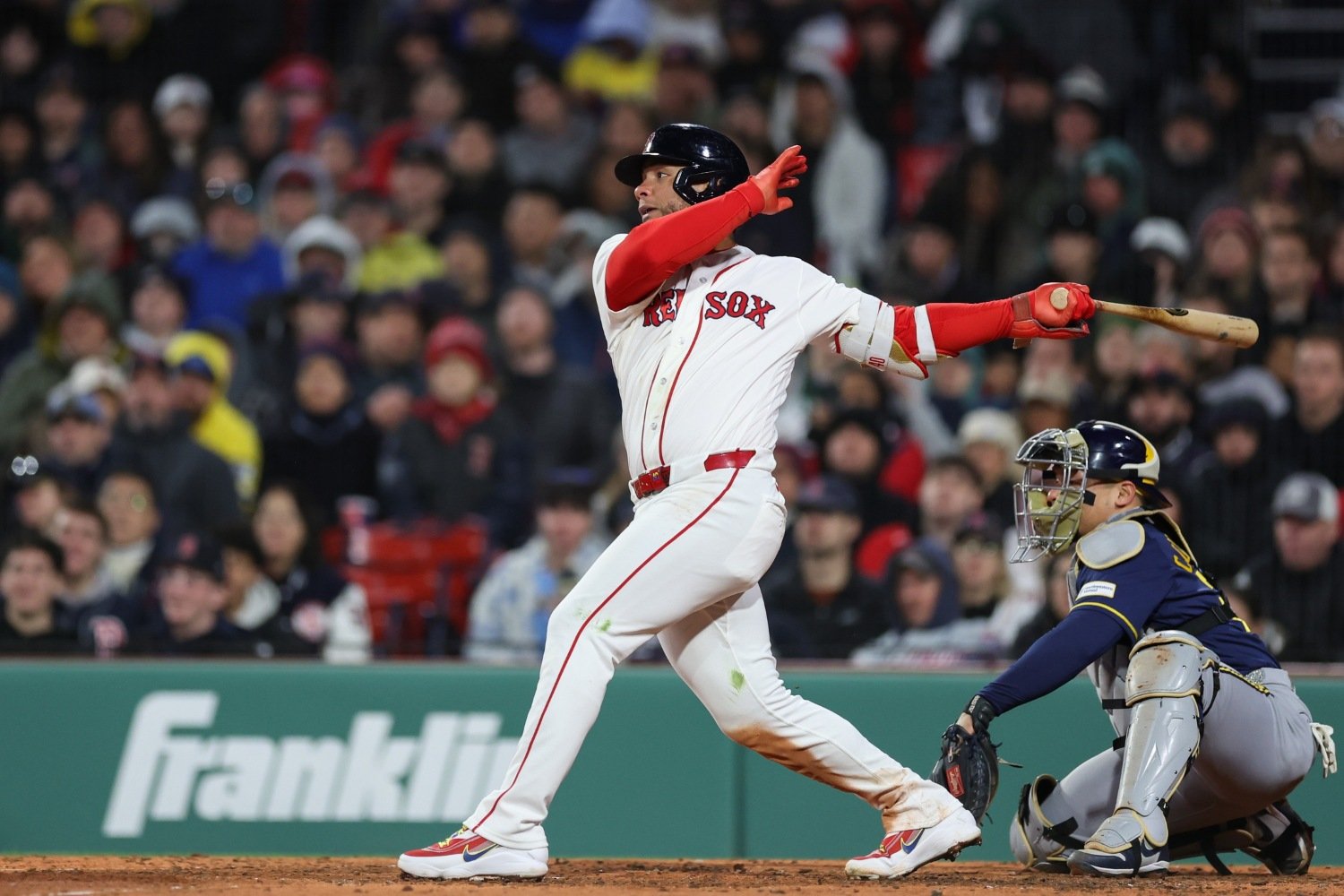 It doesn’t matter what uniform Willson Contreras is wearing; you can guarantee he will be whining and screaming when he faces the Milwaukee Brewers. Yes, the Milwaukee Brewers hit Willson Contreras with another pitch Monday night, and yet again, the older brother of the crew’s All-Star catcher immediately went into victim mode, putting on a show while heading to first base. Unable to show any amount of control, he later jumped into a slide at second base and tried to break up the double play with his spikes raised high. Bush league at its finest. Brewers’ shortstop David Hamilton was grazed on the play and had the torn pants near his knee to prove it came from the Boston Red Sock, Contreras. But this time, his tired act went from fake tough guy antics to clearly crossing the line of “dirty.” Of course, he’s justified, right? I mean, he’s been hit so many times by the Brewers (24, to be exact). As always, you need the full story to make logical conclusions. Monday’s plunking was the 131st of his career, which ranks him 45th all time in MLB history. It is also the third-most in baseball since his debut in 2016. Thus, it’s quite obvious the Brewers aren’t the only ones brushing him back and occasionally nicking the right-handed hitter (although usually it is clanking off a piece of protective plastic). Contreras gets hit that often because he crashes in toward the plate, leaving less room for a pitch to miss inside and giving him little to no time to get out of the way. Not that he actually wants to do so, because he’s perfectly fine leaning into the pitch and taking his base. It’s a part of his strategy to “force” pitchers to keep the ball middle-away so he can attack those pitches that are easier to handle and drive for power. If hurlers are worried about giving him a free base with an HBP - or that he might “come after them” - then maybe they’ll serve up more meatballs. And if he gets plunked, he can whine about it to further influence pitchers, while raising his OBP and not feeling much because of his body armor. That intentional game plan and comfort of protection is where a majority of his career hit-by-pitches come from, but somehow the scary Brewers are the big bad culprits. But what do the numbers say? He does have the most plate appearances against the Brewers in his career, so it makes perfect sense that he likely would have been hit by them the most times, too. 10.8% of his career plate appearances have come against Milwaukee 18.3% of his hit-by-pitches have come from the Brewers There is a slightly higher percentage of HBPs compared to the percentage of plate appearances, but nothing crazy. The San Diego Padres have hit Contreras 11 times in his career - almost half the amount of HBPs as Milwaukee. But Contreras has 300 fewer plate appearances against the Padres, so does he beef with them? The truth is, it’s not a “Brewers thing,” it’s a Contreras thing. Christian Yelich was diplomatic but clear about the view from Milwaukee’s clubhouse: “We’ve seen that skit for the last 10 years. It’s nothing new.” But what about Woodruff hitting Contreras six times now?” Let’s look at the Woodruff vs. Contreras career matchup. The Red Sox first baseman is batting .150 with a .200 slugging percentage in 29 career plate appearances against the Brewers right-hander. Contreras’s bloop double to right field on Monday night was his first extra-base hit against Woody, and just his third knock overall. Contreras ought to be grateful Woodruff has pegged him six times, as it’s just about the only way he gets on base against him. So, why would the veteran hurler intentionally throw at him? Furthermore, you have to look at plate appearances within their context. Four of the six HBPs by Woodruff are in spots you would not hit a guy, or when Contreras’s swing mechanics put him in position to get drilled. 2018: Contreras is hit by a 1-2 pitch, leaving his elbow in harm’s way before “turning away” after the ball hits his elbow guard. 2020: Contreras is hit by an 0-1 pitch in the second inning, tucking his elbow guard in to take the HBP instead of trying to get out of the way. 2021: With the Brewers winning 2-0 in the fourth inning, Contreras is in full swing mode as the pitch is tailing in toward him and (maybe) hits his hand instead of the bat. 2026: The Red Sox are ahead 1-0 with men on first and second with no outs (zero chance the Brewers want him on base). And take a look at the GameDay shot below: the pitch is obviously high, but it’s borderline on the inside corner, so again, his “diving hands” are most of the issue. Contreras is a (fill in the blank) who thinks he is better and more important than he is, thus believing the Brewers are throwing at him. I’m sure they have tossed a few flesh seekers his way over the years, but Contreras has earned those as well, by doing things like standing in the first base line after recording an out, taking down Caleb Durbin for no reason last season. Will Contreras do anything else if he gets hit Tuesday or Wednesday? Despite his threats, it’s probably unlikely, unless a Milwaukee hurler makes it obvious. Is there a part of many fans (and some players) that would love for Jacob Misiorowski to let a 100 MPH fastball slip armside and find Contreras’s ribs? Yeah, probably, and you can say the first-year Sox righty deserves it. But at this point, the Brewers are better off playing to win, letting him show his true colors as a self-created victim and assuming they won’t see Contreras again this season, unless it’s in the World Series. Let Contreras be a one-man circus in Boston and leave it to the professionals from Milwaukee to take care of business as usual.
 -
Image courtesy of © Michael McLoone-Imagn Images This year’s version of the Milwaukee Brewers has done the exact opposite of last season’s squad, starting off 5-1 instead of a dreadful 0-4. Of course, everything turned out quite well in 2025, with the Brewers boasting the best record in baseball with the most wins in their franchise’s history at 97-65. Who knows what the rest of 2026 brings? Undeniably, though, it feels so much better to match the optimism of Opening Day with the results on the field. Milwaukee has jumped out to a great start, in part, because they've had the best or second-best six-game open to a season in Brewers’ history in five categories. Everything can change in an instant, but it’s worth appreciating the early production. Strikeouts Pitching The Brewers’ pitching staff has 76 strikeouts through the first six games, easily the most in club history. They have at least 11 punchouts in five games, and eight in the other. Ironically, the 2019 squad is second with 65 strikeouts (as are the 2020 and 2021 squads). As noted in a previous article, Milwaukee’s strategy of relying on a largely inexperienced starting rotation this season mirrors that 2019 team's. Interestingly, this year’s staff is split almost down the middle by role: Relievers have 37 and starters have 39, with Misiorowski's 18 in two starts pacing the rotation. The 2019 squad saw its starters take on a larger share, with 39 punchouts against the pen's 26 to the same point. Either way, if the Brewers can continue this early trend, run prevention will reign in Milwaukee Fewest Errors Speaking of run prevention, it’s helpful when your defense commits zero errors in the first six games, as well. Though errors are not the standard to measure all defense by, turning the routine outs into actual outs goes a long way in keeping teams off the board. Only the 2000 Brewers started a season’s first five contests without an error in franchise history, and unlike this club, they committed their first flub in game No. 6. The Brewers are built around defense, and it helps that fewer balls are in play thanks to the barrage of strikeouts. Entering play on Wednesday, the combined record of the five errorless teams in the league was 17-8. Stolen Bases You probably heard this a few times on the broadcast, but the 2026 Brewers own the most stolen bases over the first six games in club history, with 15. The 1992 team, which held the previous mark with 14, owns the franchise record with 256 steals in a season. That club led MLB that year, with 48 more thefts than the next-highest total Among the 15 stolen bases to start this season, seven players have already taken a bag, with five of them stealing two or more. David Hamilton leads the team with four, and the Brewers have only been thrown out one time in their 16 attempts. Offensive Walks Milwaukee has drawn 31 walks in its first six contests, tied for the second-best start in franchise history. The 1998 squad holds the top spot with 33 walks. The 2026 lineup has at least two free passes in every game and five or more walks in four of the contests. As of Wednesday morning, they were second in walk rate in MLB, at 14.5%. Much has been made of the Brewers’ “woodpecker” mentality and their discipline in refusing to chase pitches outside the zone. The high number of walks in recent years (they finished fourth and third in walks the past two seasons, respectively) is one of the key results that Milwaukee’s offense utilizes to pressure the opponent and score at a high clip. Run Differential This is often a statistic people look at to determine the quality of a team, though small samples should always be kept in mind. Regardless, the Brewers’ +28 run differential after six games is the second-best in team history—though well behind the 1978 club that sat at +33. That team finished the season with the best run differential in MLB. Milwaukee currently has the best run differential in baseball, thanks to the only loss being by one run. They have also scored at least six runs in five of the games. A 14-2 blowout on Opening Day certainly helps. But, let’s not forget, last season the Brewers had the best run differential in MLB, as well, en route to the best record in baseball, so not much has changed in the very early going. Does this hot start and top-of-the-franchise statistical beginning mean a lot going forward? Maybe not. But it’s a lot better than talking about how ugly a season looks five games after another long winter. View full article
-
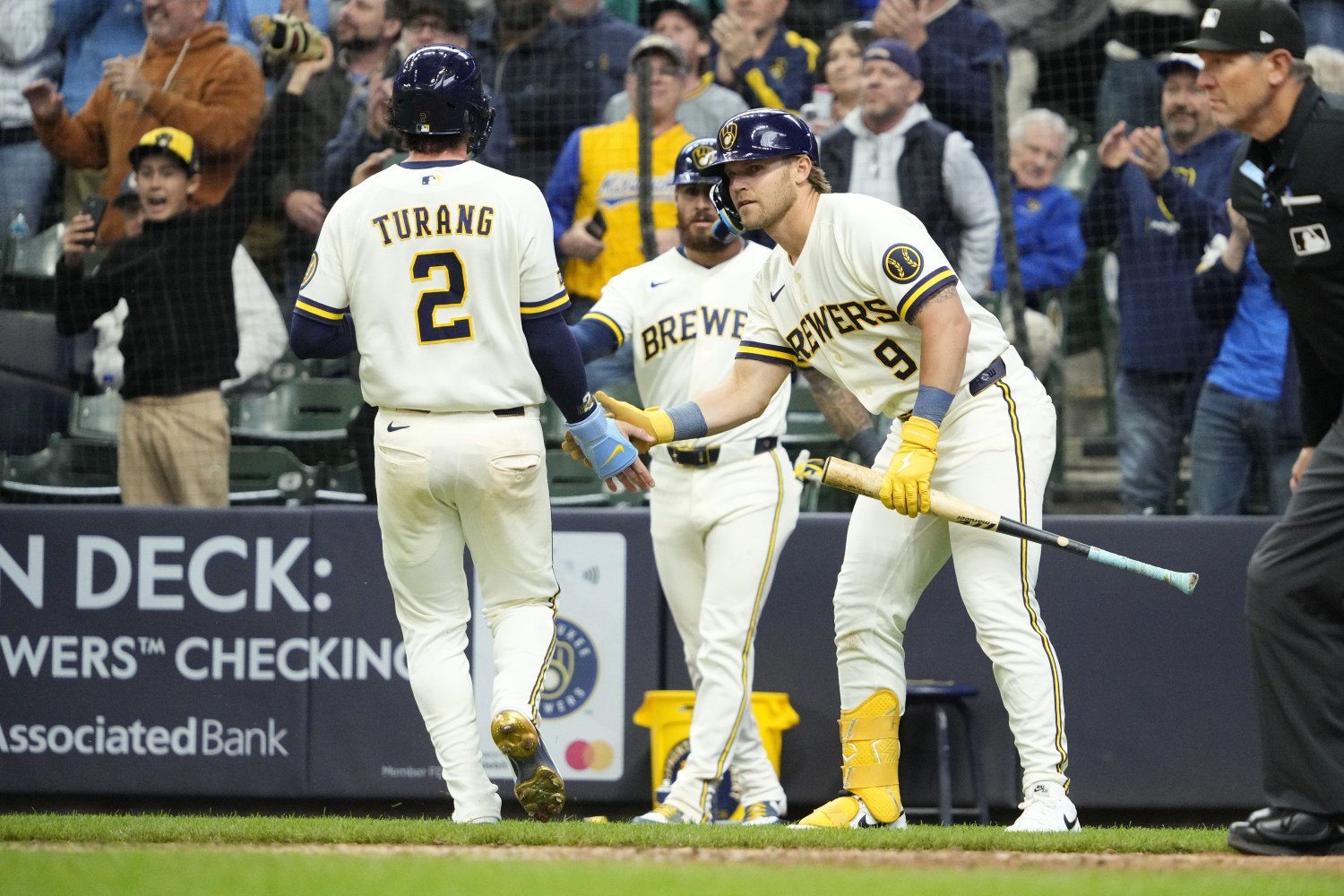 This year’s version of the Milwaukee Brewers has done the exact opposite of last season’s squad, starting off 5-1 instead of a dreadful 0-4. Of course, everything turned out quite well in 2025, with the Brewers boasting the best record in baseball with the most wins in their franchise’s history at 97-65. Who knows what the rest of 2026 brings? Undeniably, though, it feels so much better to match the optimism of Opening Day with the results on the field. Milwaukee has jumped out to a great start, in part, because they've had the best or second-best six-game open to a season in Brewers’ history in five categories. Everything can change in an instant, but it’s worth appreciating the early production. Strikeouts Pitching The Brewers’ pitching staff has 76 strikeouts through the first six games, easily the most in club history. They have at least 11 punchouts in five games, and eight in the other. Ironically, the 2019 squad is second with 65 strikeouts (as are the 2020 and 2021 squads). As noted in a previous article, Milwaukee’s strategy of relying on a largely inexperienced starting rotation this season mirrors that 2019 team's. Interestingly, this year’s staff is split almost down the middle by role: Relievers have 37 and starters have 39, with Misiorowski's 18 in two starts pacing the rotation. The 2019 squad saw its starters take on a larger share, with 39 punchouts against the pen's 26 to the same point. Either way, if the Brewers can continue this early trend, run prevention will reign in Milwaukee Fewest Errors Speaking of run prevention, it’s helpful when your defense commits zero errors in the first six games, as well. Though errors are not the standard to measure all defense by, turning the routine outs into actual outs goes a long way in keeping teams off the board. Only the 2000 Brewers started a season’s first five contests without an error in franchise history, and unlike this club, they committed their first flub in game No. 6. The Brewers are built around defense, and it helps that fewer balls are in play thanks to the barrage of strikeouts. Entering play on Wednesday, the combined record of the five errorless teams in the league was 17-8. Stolen Bases You probably heard this a few times on the broadcast, but the 2026 Brewers own the most stolen bases over the first six games in club history, with 15. The 1992 team, which held the previous mark with 14, owns the franchise record with 256 steals in a season. That club led MLB that year, with 48 more thefts than the next-highest total Among the 15 stolen bases to start this season, seven players have already taken a bag, with five of them stealing two or more. David Hamilton leads the team with four, and the Brewers have only been thrown out one time in their 16 attempts. Offensive Walks Milwaukee has drawn 31 walks in its first six contests, tied for the second-best start in franchise history. The 1998 squad holds the top spot with 33 walks. The 2026 lineup has at least two free passes in every game and five or more walks in four of the contests. As of Wednesday morning, they were second in walk rate in MLB, at 14.5%. Much has been made of the Brewers’ “woodpecker” mentality and their discipline in refusing to chase pitches outside the zone. The high number of walks in recent years (they finished fourth and third in walks the past two seasons, respectively) is one of the key results that Milwaukee’s offense utilizes to pressure the opponent and score at a high clip. Run Differential This is often a statistic people look at to determine the quality of a team, though small samples should always be kept in mind. Regardless, the Brewers’ +28 run differential after six games is the second-best in team history—though well behind the 1978 club that sat at +33. That team finished the season with the best run differential in MLB. Milwaukee currently has the best run differential in baseball, thanks to the only loss being by one run. They have also scored at least six runs in five of the games. A 14-2 blowout on Opening Day certainly helps. But, let’s not forget, last season the Brewers had the best run differential in MLB, as well, en route to the best record in baseball, so not much has changed in the very early going. Does this hot start and top-of-the-franchise statistical beginning mean a lot going forward? Maybe not. But it’s a lot better than talking about how ugly a season looks five games after another long winter.
 -
Image courtesy of © Mark J. Rebilas-Imagn Images Coming off a franchise-record win total and an NLCS loss to the Dodgers, the 2019 Brewers turned toward youth in the rotation. That sentence applies again in 2026, too. Back then, it made perfect sense, with a trio of high-upside arms in Corbin Burnes, Freddy Peralta and Brandon Woodruff leading the young staff. The parallels are obvious, but the Brewers hope for a smoother start this time. While 2019 ended with a crushing Wild Card loss to eventual champion Washington, the early returns from two-thirds of the young group were rocky. Milwaukee’s front office had bet on the trio’s potential based on performance, development and skill sets. None had contributed much as starters the year prior, but their relief work—particularly in the postseason—showed flashes of real brilliance in 2018. Burnes (24 years old, 38 IP pre-2019): 2.61 ERA, 1.00 WHIP in 2018 2.00 ERA, 0.56 WHIP in nine postseason games Baseball America No. 46 overall prospect (pre-2018) and top Brewers farmhand Peralta (23 years old, 78.1 IP pre-2019): 2.65 ERA, 0.96 WHIP in first half of 2018 Three shutout innings in NLCS Game 4 Sub-2.70 ERA in 141 minor-league innings Woodruff (26 years old, 85.1 IP pre-2019): 2.03 ERA in 26.2 relief innings 20 K, 3 BB, 2.19 ERA (1.13 FIP) in four playoff outings Baseball America No. 61 prospect (pre-2018) with big minor-league performances You can see the vision. With a full offseason and spring to develop them, the Brewers hoped the upside would outweigh the risk. But the plan unraveled early—because baseball is hard, and development is never linear. Particularly for young pitchers, there is an ebb and flow to finding your way. With Peralta as the most experienced of the three at the big-league level (he had only 153 service days), maybe the organization was a little too confident. Burnes’s first four starts yielded 11 home runs in 17.2 innings and a 10.70 ERA. He spent most of the year shuttling between Milwaukee and the minors, posting a 7.70 ERA in 31.1 relief innings with the Brewers. Peralta fared only slightly better, sporting an 8.31 ERA in his first five starts before settling into a relief role (4.01 ERA in 49.1 IP). He didn't allow an earned run over his final five outings (6.1 IP), all in September, with 12 strikeouts, two wins, a hold and just one walk. Woodruff was the lone bright spot as a starter. He wasn’t dominant, but his May (1.36 ERA, 0.73 WHIP) was phenomenal, and he battled admirably in June and July to earn a 3.75 ERA to that point in the season. An oblique injury slowed him, but he returned to deliver four critical innings in the Wild Card Game. We know what these three became, but 2019 remains a reminder: expectations should stay realistic, and pitching development isn’t linear. The Brewers quickly turned to their depth that year, and they’ve built similar coverage for 2026. So how do the new arms compare? Milwaukee will open the season with four relatively young and inexperienced starters: Jacob Misiorowski (24 years old), Kyle Harrison (24), Brandon Sproat (25) and Chad Patrick (27). Some have more big-league innings than the 2019 group entering that season, and Patrick is the oldest. Harrison, despite his age, has nearly 200 MLB innings and probably doesn’t fit the “inexperienced” label. But the loose comparisons still line up: a Brandon (Sproat vs. Woodruff), a No. 39 with a nasty cutter (Patrick vs. Burnes), and an excitable youngster coming off a postseason breakout (Misiorowski vs. Peralta). Of course, the optimism for this group has concrete support, not just a comparison to the trio of the past. Misiorowski is one of baseball’s most electric young arms. His small 2025 sample included a dazzling postseason: 1.50 ERA (2.30 FIP) in 12 innings with 16 strikeouts and just three walks—highlighted by five dominant frames against the Dodgers. Patrick impressed early last year, with a 2.62 ERA (3.09 FIP) in his first 68.2 innings as a starter. After a midseason stumble, he stabilized in the bullpen and shined in October, striking out 11 with one walk in nine playoff innings—including five massive outs in NLDS Game 5. Sproat, Baseball America’s No. 81 prospect, is the least experienced, with just 22 service days. But his stuff is real, and despite a 4.79 ERA in his four MLB starts, his 2.80 FIP suggests more to come—especially with Milwaukee’s defense behind him. As usual, the Brewers’ season will hinge on youth and pitching. The talent is undeniable, but expecting no growing pains on their way to great heights is unfair. Maybe these guys are different. Maybe Milwaukee’s modern pitching infrastructure helps smooth the bumps. Or maybe it gets messy, and the depth gets tested. That’s not inherently bad—just uncertain. So, do these young starters follow a path similar to Woodruff, Peralta and Burnes? Or do they carve their own track—be it better or worse? The team's chances to win the pennant this time around depend heavily on the answer to that question. View full article
-
.png.7bced9aca9245b48a2b9a7eb4ac831c1.png) Coming off a franchise-record win total and an NLCS loss to the Dodgers, the 2019 Brewers turned toward youth in the rotation. That sentence applies again in 2026, too. Back then, it made perfect sense, with a trio of high-upside arms in Corbin Burnes, Freddy Peralta and Brandon Woodruff leading the young staff. The parallels are obvious, but the Brewers hope for a smoother start this time. While 2019 ended with a crushing Wild Card loss to eventual champion Washington, the early returns from two-thirds of the young group were rocky. Milwaukee’s front office had bet on the trio’s potential based on performance, development and skill sets. None had contributed much as starters the year prior, but their relief work—particularly in the postseason—showed flashes of real brilliance in 2018. Burnes (24 years old, 38 IP pre-2019): 2.61 ERA, 1.00 WHIP in 2018 2.00 ERA, 0.56 WHIP in nine postseason games Baseball America No. 46 overall prospect (pre-2018) and top Brewers farmhand Peralta (23 years old, 78.1 IP pre-2019): 2.65 ERA, 0.96 WHIP in first half of 2018 Three shutout innings in NLCS Game 4 Sub-2.70 ERA in 141 minor-league innings Woodruff (26 years old, 85.1 IP pre-2019): 2.03 ERA in 26.2 relief innings 20 K, 3 BB, 2.19 ERA (1.13 FIP) in four playoff outings Baseball America No. 61 prospect (pre-2018) with big minor-league performances You can see the vision. With a full offseason and spring to develop them, the Brewers hoped the upside would outweigh the risk. But the plan unraveled early—because baseball is hard, and development is never linear. Particularly for young pitchers, there is an ebb and flow to finding your way. With Peralta as the most experienced of the three at the big-league level (he had only 153 service days), maybe the organization was a little too confident. Burnes’s first four starts yielded 11 home runs in 17.2 innings and a 10.70 ERA. He spent most of the year shuttling between Milwaukee and the minors, posting a 7.70 ERA in 31.1 relief innings with the Brewers. Peralta fared only slightly better, sporting an 8.31 ERA in his first five starts before settling into a relief role (4.01 ERA in 49.1 IP). He didn't allow an earned run over his final five outings (6.1 IP), all in September, with 12 strikeouts, two wins, a hold and just one walk. Woodruff was the lone bright spot as a starter. He wasn’t dominant, but his May (1.36 ERA, 0.73 WHIP) was phenomenal, and he battled admirably in June and July to earn a 3.75 ERA to that point in the season. An oblique injury slowed him, but he returned to deliver four critical innings in the Wild Card Game. We know what these three became, but 2019 remains a reminder: expectations should stay realistic, and pitching development isn’t linear. The Brewers quickly turned to their depth that year, and they’ve built similar coverage for 2026. So how do the new arms compare? Milwaukee will open the season with four relatively young and inexperienced starters: Jacob Misiorowski (24 years old), Kyle Harrison (24), Brandon Sproat (25) and Chad Patrick (27). Some have more big-league innings than the 2019 group entering that season, and Patrick is the oldest. Harrison, despite his age, has nearly 200 MLB innings and probably doesn’t fit the “inexperienced” label. But the loose comparisons still line up: a Brandon (Sproat vs. Woodruff), a No. 39 with a nasty cutter (Patrick vs. Burnes), and an excitable youngster coming off a postseason breakout (Misiorowski vs. Peralta). Of course, the optimism for this group has concrete support, not just a comparison to the trio of the past. Misiorowski is one of baseball’s most electric young arms. His small 2025 sample included a dazzling postseason: 1.50 ERA (2.30 FIP) in 12 innings with 16 strikeouts and just three walks—highlighted by five dominant frames against the Dodgers. Patrick impressed early last year, with a 2.62 ERA (3.09 FIP) in his first 68.2 innings as a starter. After a midseason stumble, he stabilized in the bullpen and shined in October, striking out 11 with one walk in nine playoff innings—including five massive outs in NLDS Game 5. Sproat, Baseball America’s No. 81 prospect, is the least experienced, with just 22 service days. But his stuff is real, and despite a 4.79 ERA in his four MLB starts, his 2.80 FIP suggests more to come—especially with Milwaukee’s defense behind him. As usual, the Brewers’ season will hinge on youth and pitching. The talent is undeniable, but expecting no growing pains on their way to great heights is unfair. Maybe these guys are different. Maybe Milwaukee’s modern pitching infrastructure helps smooth the bumps. Or maybe it gets messy, and the depth gets tested. That’s not inherently bad—just uncertain. So, do these young starters follow a path similar to Woodruff, Peralta and Burnes? Or do they carve their own track—be it better or worse? The team's chances to win the pennant this time around depend heavily on the answer to that question.
Coming off a franchise-record win total and an NLCS loss to the Dodgers, the 2019 Brewers turned toward youth in the rotation. That sentence applies again in 2026, too. Back then, it made perfect sense, with a trio of high-upside arms in Corbin Burnes, Freddy Peralta and Brandon Woodruff leading the young staff. The parallels are obvious, but the Brewers hope for a smoother start this time. While 2019 ended with a crushing Wild Card loss to eventual champion Washington, the early returns from two-thirds of the young group were rocky. Milwaukee’s front office had bet on the trio’s potential based on performance, development and skill sets. None had contributed much as starters the year prior, but their relief work—particularly in the postseason—showed flashes of real brilliance in 2018. Burnes (24 years old, 38 IP pre-2019): 2.61 ERA, 1.00 WHIP in 2018 2.00 ERA, 0.56 WHIP in nine postseason games Baseball America No. 46 overall prospect (pre-2018) and top Brewers farmhand Peralta (23 years old, 78.1 IP pre-2019): 2.65 ERA, 0.96 WHIP in first half of 2018 Three shutout innings in NLCS Game 4 Sub-2.70 ERA in 141 minor-league innings Woodruff (26 years old, 85.1 IP pre-2019): 2.03 ERA in 26.2 relief innings 20 K, 3 BB, 2.19 ERA (1.13 FIP) in four playoff outings Baseball America No. 61 prospect (pre-2018) with big minor-league performances You can see the vision. With a full offseason and spring to develop them, the Brewers hoped the upside would outweigh the risk. But the plan unraveled early—because baseball is hard, and development is never linear. Particularly for young pitchers, there is an ebb and flow to finding your way. With Peralta as the most experienced of the three at the big-league level (he had only 153 service days), maybe the organization was a little too confident. Burnes’s first four starts yielded 11 home runs in 17.2 innings and a 10.70 ERA. He spent most of the year shuttling between Milwaukee and the minors, posting a 7.70 ERA in 31.1 relief innings with the Brewers. Peralta fared only slightly better, sporting an 8.31 ERA in his first five starts before settling into a relief role (4.01 ERA in 49.1 IP). He didn't allow an earned run over his final five outings (6.1 IP), all in September, with 12 strikeouts, two wins, a hold and just one walk. Woodruff was the lone bright spot as a starter. He wasn’t dominant, but his May (1.36 ERA, 0.73 WHIP) was phenomenal, and he battled admirably in June and July to earn a 3.75 ERA to that point in the season. An oblique injury slowed him, but he returned to deliver four critical innings in the Wild Card Game. We know what these three became, but 2019 remains a reminder: expectations should stay realistic, and pitching development isn’t linear. The Brewers quickly turned to their depth that year, and they’ve built similar coverage for 2026. So how do the new arms compare? Milwaukee will open the season with four relatively young and inexperienced starters: Jacob Misiorowski (24 years old), Kyle Harrison (24), Brandon Sproat (25) and Chad Patrick (27). Some have more big-league innings than the 2019 group entering that season, and Patrick is the oldest. Harrison, despite his age, has nearly 200 MLB innings and probably doesn’t fit the “inexperienced” label. But the loose comparisons still line up: a Brandon (Sproat vs. Woodruff), a No. 39 with a nasty cutter (Patrick vs. Burnes), and an excitable youngster coming off a postseason breakout (Misiorowski vs. Peralta). Of course, the optimism for this group has concrete support, not just a comparison to the trio of the past. Misiorowski is one of baseball’s most electric young arms. His small 2025 sample included a dazzling postseason: 1.50 ERA (2.30 FIP) in 12 innings with 16 strikeouts and just three walks—highlighted by five dominant frames against the Dodgers. Patrick impressed early last year, with a 2.62 ERA (3.09 FIP) in his first 68.2 innings as a starter. After a midseason stumble, he stabilized in the bullpen and shined in October, striking out 11 with one walk in nine playoff innings—including five massive outs in NLDS Game 5. Sproat, Baseball America’s No. 81 prospect, is the least experienced, with just 22 service days. But his stuff is real, and despite a 4.79 ERA in his four MLB starts, his 2.80 FIP suggests more to come—especially with Milwaukee’s defense behind him. As usual, the Brewers’ season will hinge on youth and pitching. The talent is undeniable, but expecting no growing pains on their way to great heights is unfair. Maybe these guys are different. Maybe Milwaukee’s modern pitching infrastructure helps smooth the bumps. Or maybe it gets messy, and the depth gets tested. That’s not inherently bad—just uncertain. So, do these young starters follow a path similar to Woodruff, Peralta and Burnes? Or do they carve their own track—be it better or worse? The team's chances to win the pennant this time around depend heavily on the answer to that question. -
I guess I'd like to think he could put up a 2017 Jesus Aguilar type of season. Aguilar was always kind of a tease, then 2017 step up...and money in 2018. But he was a few years younger, in fairness. Aguilar's 2017 (311 PA): 16 HR, 15 doubles, 52 RBI, .265/.331/.505... I'd see Bauers with slightly higher OBP, lower SLG. We'll see.
-
Image courtesy of © Mark J. Rebilas-Imagn Images Jake Bauers's finish to the 2025 campaign and overall postseason performance grabbed the attention of many Brewers fans, and this year, he should get a chance to extend that surge. If you’re the Brewers, the hope is that it’s actually tough to get him in the lineup on a semi-regular basis. If it’s a challenge to justify Bauers’s inclusion with any regularity, it means first baseman Andrew Vaughn has continued his career bounceback and is sitting pretty in the middle of the lineup. It also indicates Christian Yelich is healthy, productive and holding down the DH spot most of the time. Even the team's skipper acknowledges that that's asking for a lot. "Not everybody's gonna have as great a year [as in 2025]," Pat Murphy said earlier this month. "Vaughn, [Sal Frelick], Yelich. You can't predict they're gonna have as great a year." But even if those two optimistic outcomes do occur, Murphy needs to find a way to get Bauers’s power and on-base potential in the lineup four times a week. His intriguing offensive skillset—particularly with some adjustments he made while on the IL last season—could add significant value to a diverse lineup that remains similar to the 2025 version that scored the third-most runs in baseball. Bauers’s career numbers might make you scoff at giving him more reps, and even his overall 2025 campaign looks underwhelming in 218 plate appearances (though a .353 OBP is nice to look at). But the case for finding Bauers more at-bats comes from his stellar numbers following a shoulder impingement, and the possibility he discovered what works best for him. Brewer Fanatic’s Matthew Trueblood detailed that development earlier in camp. As a quick reminder, Bauers went .321/.433/.500 with four doubles and a pair of home runs across his final 26 regular-season games last year. He then went 4-for-13 with a double and a homer in 14 postseason plate appearances. While he didn’t have enough plate appearances to qualify for leaderboards, his Statcast color chart shows a pretty picture, with plenty of red. He has kept it going in spring training, too, though one must always take numbers in Arizona (and small samples in general) with a grain of salt. Bauers has slashed .440/.576/.920 through his first 33 plate appearances. That includes three doubles and three home runs. The most predictive form of success in the Cactus League is a good strikeout-to-walk ratio, and Bauers has six of each of those thus far. However, two of those strikeouts recently came against lefty Robbie Ray, whom Bauers would almost never face in a game that counts. So in practical terms, he really has six free passes compared to four punchouts. Every step in the dissection of his numbers makes things look better. So, how can the Brewers get Bauers 350 plate appearances this season, assuming his production is in the same ballpark as his post-injury results? First Base: Vaughn will get every chance to prove the start of his Brewers career is legitimate, and he should. While he might not post a 141 OPS+ over a full year like he did in 64 Brewers games, something around 115–120 is a realistic expectation for a 28-year-old former third overall pick who appears to have rediscovered his joy by playing for a successful franchise. Still, Vaughn will need days off to stay fresh, and would probably welcome sitting against certain right-handed pitchers. It wouldn’t necessarily be based solely on how dominant the righty is that day, but rather the type of pitcher and how each hitter matches up, as Trueblood also explored. Depending on those factors, that could mean one or two starts per week for Bauers at first base. Designated Hitter: Yelich is the primary DH, and coming off a 29-homer, 121 OPS+ season across 150 games, he has earned that role. But even as the club’s main DH, his 34-year-old body (not to mention his injury history) suggests he should sit more often. Even if he feels good most of the year, it’s hard to ignore how he finished in the playoffs, going 2 for his last 25 in the postseason with nine strikeouts, no RBIs and a .327 OPS. Perhaps more rest during the regular season keeps him stronger for October. Getting Yelich down to around 130 games would open the door for Bauers to DH at least once a week. In some cases, it could also mean Vaughn DHs while Bauers plays first, but either way, it would create opportunities with Yelich on the bench. It probably wouldn’t be more than once per week, however, since they’re both left-handed hitters. Murphy will also likely slot in catcher William Contreras at DH occasionally, to keep his bat in the lineup while resting his legs. Left Field: This is where things could get most interesting. Left field is one of the least demanding defensive spots, but the Brewers still prefer above-average run prevention at every position. Bauers probably won’t provide that, and would represent a noticeable defensive drop-off from several other options. Much could depend on who the extra outfielders are, as Jackson Chourio and Sal Frelick seem like locks to occupy two of the three outfield spots nearly every game. If Garrett Mitchell doesn’t make the big-league roster—and it’s starting to look like he could miss out—that could open the door for Bauers. Blake Perkins is a switch-hitter (and the better hitter from the right side), but he doesn’t offer the same offensive upside as Bauers. Brandon Lockridge hits right-handed and has shown improvement at the plate, but he’s still a step behind Bauers offensively. That means it comes down to Murphy’s comfort level with putting Bauers in left field on a given night, essentially trading some defense for offense. The Brewers could limit their defensive risk by starting Bauers in left when Milwaukee has a pitcher with a low fly-ball percentage. That doesn’t guarantee anything, but it’s about playing the percentages. With a late lead, tightening up the defense would be easy enough. If Bauers starts once per week in left field, the path to 350 plate appearances becomes clear. There are roughly 26 weeks in the season. Give Bauers four starts per week at the various positions and assume an average of 3.5 plate appearances per game, and that’s 364 by year’s end. If he can maintain his recent offensive production over that many trips to the plate, the Brewers would once again be playing chess, while most of the rest of the league is playing checkers. View full article
-
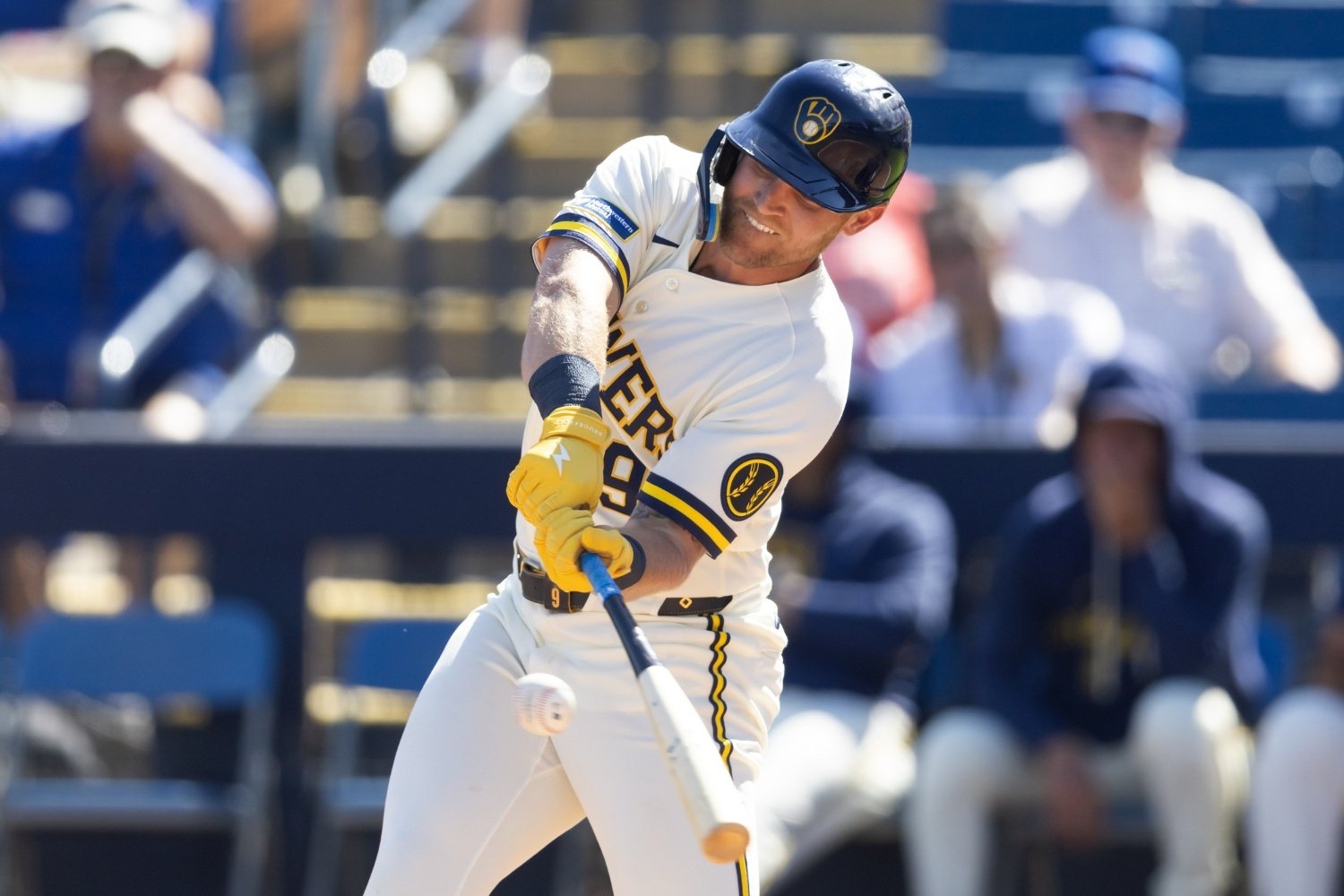 Jake Bauers's finish to the 2025 campaign and overall postseason performance grabbed the attention of many Brewers fans, and this year, he should get a chance to extend that surge. If you’re the Brewers, the hope is that it’s actually tough to get him in the lineup on a semi-regular basis. If it’s a challenge to justify Bauers’s inclusion with any regularity, it means first baseman Andrew Vaughn has continued his career bounceback and is sitting pretty in the middle of the lineup. It also indicates Christian Yelich is healthy, productive and holding down the DH spot most of the time. Even the team's skipper acknowledges that that's asking for a lot. "Not everybody's gonna have as great a year [as in 2025]," Pat Murphy said earlier this month. "Vaughn, [Sal Frelick], Yelich. You can't predict they're gonna have as great a year." But even if those two optimistic outcomes do occur, Murphy needs to find a way to get Bauers’s power and on-base potential in the lineup four times a week. His intriguing offensive skillset—particularly with some adjustments he made while on the IL last season—could add significant value to a diverse lineup that remains similar to the 2025 version that scored the third-most runs in baseball. Bauers’s career numbers might make you scoff at giving him more reps, and even his overall 2025 campaign looks underwhelming in 218 plate appearances (though a .353 OBP is nice to look at). But the case for finding Bauers more at-bats comes from his stellar numbers following a shoulder impingement, and the possibility he discovered what works best for him. Brewer Fanatic’s Matthew Trueblood detailed that development earlier in camp. As a quick reminder, Bauers went .321/.433/.500 with four doubles and a pair of home runs across his final 26 regular-season games last year. He then went 4-for-13 with a double and a homer in 14 postseason plate appearances. While he didn’t have enough plate appearances to qualify for leaderboards, his Statcast color chart shows a pretty picture, with plenty of red. He has kept it going in spring training, too, though one must always take numbers in Arizona (and small samples in general) with a grain of salt. Bauers has slashed .440/.576/.920 through his first 33 plate appearances. That includes three doubles and three home runs. The most predictive form of success in the Cactus League is a good strikeout-to-walk ratio, and Bauers has six of each of those thus far. However, two of those strikeouts recently came against lefty Robbie Ray, whom Bauers would almost never face in a game that counts. So in practical terms, he really has six free passes compared to four punchouts. Every step in the dissection of his numbers makes things look better. So, how can the Brewers get Bauers 350 plate appearances this season, assuming his production is in the same ballpark as his post-injury results? First Base: Vaughn will get every chance to prove the start of his Brewers career is legitimate, and he should. While he might not post a 141 OPS+ over a full year like he did in 64 Brewers games, something around 115–120 is a realistic expectation for a 28-year-old former third overall pick who appears to have rediscovered his joy by playing for a successful franchise. Still, Vaughn will need days off to stay fresh, and would probably welcome sitting against certain right-handed pitchers. It wouldn’t necessarily be based solely on how dominant the righty is that day, but rather the type of pitcher and how each hitter matches up, as Trueblood also explored. Depending on those factors, that could mean one or two starts per week for Bauers at first base. Designated Hitter: Yelich is the primary DH, and coming off a 29-homer, 121 OPS+ season across 150 games, he has earned that role. But even as the club’s main DH, his 34-year-old body (not to mention his injury history) suggests he should sit more often. Even if he feels good most of the year, it’s hard to ignore how he finished in the playoffs, going 2 for his last 25 in the postseason with nine strikeouts, no RBIs and a .327 OPS. Perhaps more rest during the regular season keeps him stronger for October. Getting Yelich down to around 130 games would open the door for Bauers to DH at least once a week. In some cases, it could also mean Vaughn DHs while Bauers plays first, but either way, it would create opportunities with Yelich on the bench. It probably wouldn’t be more than once per week, however, since they’re both left-handed hitters. Murphy will also likely slot in catcher William Contreras at DH occasionally, to keep his bat in the lineup while resting his legs. Left Field: This is where things could get most interesting. Left field is one of the least demanding defensive spots, but the Brewers still prefer above-average run prevention at every position. Bauers probably won’t provide that, and would represent a noticeable defensive drop-off from several other options. Much could depend on who the extra outfielders are, as Jackson Chourio and Sal Frelick seem like locks to occupy two of the three outfield spots nearly every game. If Garrett Mitchell doesn’t make the big-league roster—and it’s starting to look like he could miss out—that could open the door for Bauers. Blake Perkins is a switch-hitter (and the better hitter from the right side), but he doesn’t offer the same offensive upside as Bauers. Brandon Lockridge hits right-handed and has shown improvement at the plate, but he’s still a step behind Bauers offensively. That means it comes down to Murphy’s comfort level with putting Bauers in left field on a given night, essentially trading some defense for offense. The Brewers could limit their defensive risk by starting Bauers in left when Milwaukee has a pitcher with a low fly-ball percentage. That doesn’t guarantee anything, but it’s about playing the percentages. With a late lead, tightening up the defense would be easy enough. If Bauers starts once per week in left field, the path to 350 plate appearances becomes clear. There are roughly 26 weeks in the season. Give Bauers four starts per week at the various positions and assume an average of 3.5 plate appearances per game, and that’s 364 by year’s end. If he can maintain his recent offensive production over that many trips to the plate, the Brewers would once again be playing chess, while most of the rest of the league is playing checkers.
- 2 comments
-
- 2
-

-

-
- jake bauers
- andrew vaughn
- (and 1 more)
-
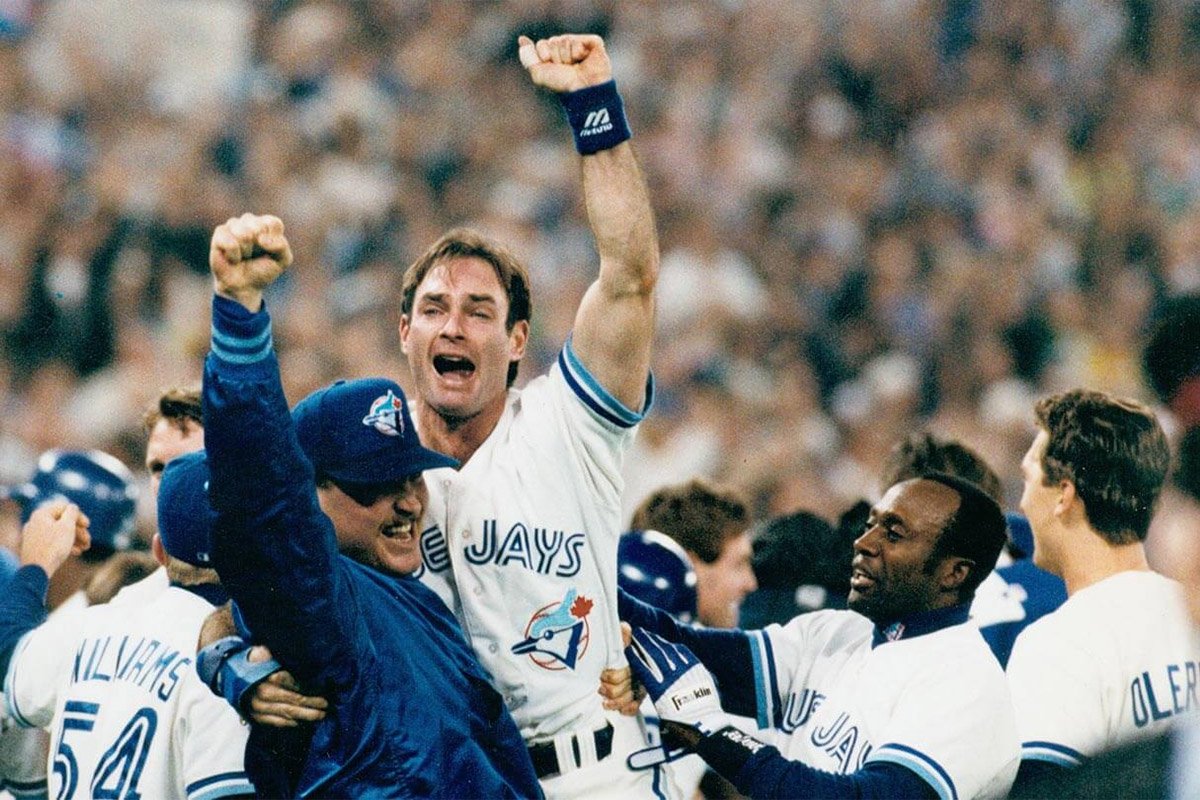 The Toronto Blue Jays hosted the Los Angeles Dodgers in Game 1 of the World Series on Friday, the first time the Canadian club has played in the Fall Classic since 1993. The franchise won its second consecutive title that season, led by World Series MVP and Milwaukee Brewers legend, Paul Molitor. One could argue that’s the closest Brew Crew fans have come to tasting a championship, watching Molitor dominate and celebrate while wearing Robin Yount’s number 19 on his back. Of course, nothing would compare to everyone going nuts with their fellow Brewers’ fans as the team piles onto each other and hoists the franchise’s first World Series trophy. But maybe for some, he at least gave them a morsel of enjoyment and pride. It was also bittersweet watching him collect hit after hit, continuing to prove his “clutchness” he established across 15 seasons in Milwaukee. Molitor couldn’t be stopped in the ‘93 Fall Classic, and despite Joe Carter’s iconic walk-off home run to give the Jays their second straight title, Molitor was the obvious choice for MVP. In six World Series games that year, “The Ignitor” did it all: .500/.571/1.000/1.571 2 doubles, 2 triples, 2 home runs 10 runs scored 8 RBI 3 walks, 1 HBP, 0 strikeouts In going 12-for-24 in the series, Molitor had a hit in every game. He also had two three-hit contests and a pair of three-hit games (and again, zero strikeouts). His 10 runs scored in one World Series are tied for the most in MLB history, while his 24 total bases rank fifth all-time. His dominance peaked in ’93, but Brewers fans shouldn’t forget his postseason production in Milwaukee: a .826 OPS over 17 games, highlighted by becoming the first player ever to notch five hits in a World Series game. All of Molitor’s numbers speak for themselves when it comes to value, especially with the Blue Jays. But the most telling thing about that series might have been what manager Cito Gaston did during Games 3-5 played in Philadelphia. Recall that back then, when the National League team was at home, the pitchers would have to bat, meaning Molitor couldn’t DH as he had in 137 regular-season games that year. The 23 times he was in the field, Molitor played first base. But at 37, Molitor led MLB with 211 hits, slashed .332/.402/.509, and racked up 121 runs and 111 RBI. There was no way Gaston could justify benching him for the road games in Philadelphia. So, with a lefty starting Game 3, he slotted Molitor in at first base and sat John Olerud. Sure, Olerud was a left-handed hitter—but he was also the American League batting champ at .363, while topping the league in OBP (.473), OPS (1.072), and doubles (54). Can you imagine the Twitter debates over that move today? Molitor made him look like a genius. He drove in a pair of runs in the first inning with a triple, then scoring on a sacrifice fly to put Toronto up 3-0 after half an inning. Two innings later, Molitor blasted a two-out solo homer to increase the lead to four. Overall, he went 3-for-4 with a walk, three runs and three RBI as the Blue Jays won 10-3 to take a 2-1 series lead. For Games 4 and 5, Molitor moved over to third base in place of Ed Sprague. It was definitely a defensive gamble as he hadn’t played that position in two years and only 18 innings in the previous four seasons combined. Molitor went 2-for-4 with a walk, a double, two runs and two RBI with Toronto winning 15-14. He would only go 1-for-4 in Game 5 as Curt Schilling shut down the Blue Jays in a 2-0 win. But Gaston’s belief in the Hall-of-Famer paid off as Toronto took a 3-2 series lead back home. Two nights later, Molitor would technically score the run that won the World Series, crossing the plate ahead of Carter on his title-clinching home run. No surprise Molitor was on base for the winner, going 3-for-5 with a triple, a homer, three runs and two RBI in his final postseason game. Though Brewers’ fans couldn’t take the same pleasure in winning a championship like Molitor could, many were happy for him - inside and outside of Wisconsin - and that included his manager. Gaston said multiple times how he and the veteran players really wanted to get Molitor a ring after he was so close in 1982 and was the epitome of a teammate and professional. So, Molitor got his ring, though he’s always admitted it would have meant more to win one in Milwaukee. Still, he remains a Brewer at heart. He entered Cooperstown wearing a Brewers cap, regularly reunites with his ’82 teammates, and returned this season to honor Bob Uecker and throw out the first pitch before Game 5 of the NLDS. Naturally—because Molitor is always clutch—Milwaukee went on to win that game and earn its first postseason series victory since 2018. Maybe, this year, the Blue Jays have the Molitor magic on their side, and it will transfer to the Brewers next season... we hope.
 -
The Toronto Blue Jays hosted the Los Angeles Dodgers in Game 1 of the World Series on Friday, the first time the Canadian club has played in the Fall Classic since 1993. The franchise won its second consecutive title that season, led by World Series MVP and Milwaukee Brewers legend, Paul Molitor. One could argue that’s the closest Brew Crew fans have come to tasting a championship, watching Molitor dominate and celebrate while wearing Robin Yount’s number 19 on his back. Of course, nothing would compare to everyone going nuts with their fellow Brewers’ fans as the team piles onto each other and hoists the franchise’s first World Series trophy. But maybe for some, he at least gave them a morsel of enjoyment and pride. It was also bittersweet watching him collect hit after hit, continuing to prove his “clutchness” he established across 15 seasons in Milwaukee. Molitor couldn’t be stopped in the ‘93 Fall Classic, and despite Joe Carter’s iconic walk-off home run to give the Jays their second straight title, Molitor was the obvious choice for MVP. In six World Series games that year, “The Ignitor” did it all: .500/.571/1.000/1.571 2 doubles, 2 triples, 2 home runs 10 runs scored 8 RBI 3 walks, 1 HBP, 0 strikeouts In going 12-for-24 in the series, Molitor had a hit in every game. He also had two three-hit contests and a pair of three-hit games (and again, zero strikeouts). His 10 runs scored in one World Series are tied for the most in MLB history, while his 24 total bases rank fifth all-time. His dominance peaked in ’93, but Brewers fans shouldn’t forget his postseason production in Milwaukee: a .826 OPS over 17 games, highlighted by becoming the first player ever to notch five hits in a World Series game. All of Molitor’s numbers speak for themselves when it comes to value, especially with the Blue Jays. But the most telling thing about that series might have been what manager Cito Gaston did during Games 3-5 played in Philadelphia. Recall that back then, when the National League team was at home, the pitchers would have to bat, meaning Molitor couldn’t DH as he had in 137 regular-season games that year. The 23 times he was in the field, Molitor played first base. But at 37, Molitor led MLB with 211 hits, slashed .332/.402/.509, and racked up 121 runs and 111 RBI. There was no way Gaston could justify benching him for the road games in Philadelphia. So, with a lefty starting Game 3, he slotted Molitor in at first base and sat John Olerud. Sure, Olerud was a left-handed hitter—but he was also the American League batting champ at .363, while topping the league in OBP (.473), OPS (1.072), and doubles (54). Can you imagine the Twitter debates over that move today? Molitor made him look like a genius. He drove in a pair of runs in the first inning with a triple, then scoring on a sacrifice fly to put Toronto up 3-0 after half an inning. Two innings later, Molitor blasted a two-out solo homer to increase the lead to four. Overall, he went 3-for-4 with a walk, three runs and three RBI as the Blue Jays won 10-3 to take a 2-1 series lead. For Games 4 and 5, Molitor moved over to third base in place of Ed Sprague. It was definitely a defensive gamble as he hadn’t played that position in two years and only 18 innings in the previous four seasons combined. Molitor went 2-for-4 with a walk, a double, two runs and two RBI with Toronto winning 15-14. He would only go 1-for-4 in Game 5 as Curt Schilling shut down the Blue Jays in a 2-0 win. But Gaston’s belief in the Hall-of-Famer paid off as Toronto took a 3-2 series lead back home. Two nights later, Molitor would technically score the run that won the World Series, crossing the plate ahead of Carter on his title-clinching home run. No surprise Molitor was on base for the winner, going 3-for-5 with a triple, a homer, three runs and two RBI in his final postseason game. Though Brewers’ fans couldn’t take the same pleasure in winning a championship like Molitor could, many were happy for him - inside and outside of Wisconsin - and that included his manager. Gaston said multiple times how he and the veteran players really wanted to get Molitor a ring after he was so close in 1982 and was the epitome of a teammate and professional. So, Molitor got his ring, though he’s always admitted it would have meant more to win one in Milwaukee. Still, he remains a Brewer at heart. He entered Cooperstown wearing a Brewers cap, regularly reunites with his ’82 teammates, and returned this season to honor Bob Uecker and throw out the first pitch before Game 5 of the NLDS. Naturally—because Molitor is always clutch—Milwaukee went on to win that game and earn its first postseason series victory since 2018. Maybe, this year, the Blue Jays have the Molitor magic on their side, and it will transfer to the Brewers next season... we hope. View full article
-
I hear ya. One of my favorite quick lines to use with my players as a reminder of their mindset is: "Practice like you're the worst player in the state. Play like you're the best!" So, speaks similarly to your note of the self-doubt in preparation to work on their weaknesses, but when it's go time, no one is better. Obviously, some players need more/less mental training.
- 9 replies
-
- 1
-
-
- pat murphy
- 2025 postseason
- (and 1 more)
-
First, I do appreciate you reading the piece. If you want to disagree, I have no problem with that. I'm not even committing 100% to saying things were bad or played a role. But to say these things aren't valid is either disingenuous or flat out dismissive. Your team, with the best record in baseball, gets swept. I think many questions are valid and worth examining, even if you think in the end, it's nothing. 1) I often look at things from a coaching/managing perspective from my own experiences and countless convos I've had with coaches. Managing the mental side of players is non-stop and important. It's why college and pro teams have access to sports psychologists. There are fine lines with motivation and encouragement and every aspect of managing athletes. Continuously bringing up how your team/players don't match to to your opponent is shaky ground, IMO. There is such a thing as self-fulfilling prophesy. Or...maybe some players tried "harder" to show they belonged or pressed more than they would - both often a negative in baseball. Some may have had doubts about themselves. We won't even know, but I was personally tired of Murphy, each time he spoke before/during the series, bringing up something about the Dodgers superiority to the Brewers. 2) Yeah...bunting is difficult. So is trying to hit said pitchers - obviously. I'm sorry, but if you're 0-for-8, your team is hitting under .100 and you decide to just "keep grinding," it's foolish. "Here's something we were good at all season, a season in which we used speed and chaos to help us earn the best record in baseball and franchise history. Let's just never try it, even though we can't get a hit to save our lives." It just doesn't make sense to me. And again, even the actual threat of a bunt or just getting out down, even if you're out, can have other effects. But sure, keep swinging and praying. 3) I'l give you the pitching is in the most of a stretch. As I noted in the article, no one is blaming the pitching for the sweep. I still thing it's worth questioning in how it might have impacted certain situations, such as Uribe allowing that second run in Game 1 or how saving Ashby for a middle inning, and starting Miz instead, might have made things different. So valid? I think so. Agree with it? Meh...just a question.
- 9 replies
-
- 1
-
-
- pat murphy
- 2025 postseason
- (and 1 more)
-
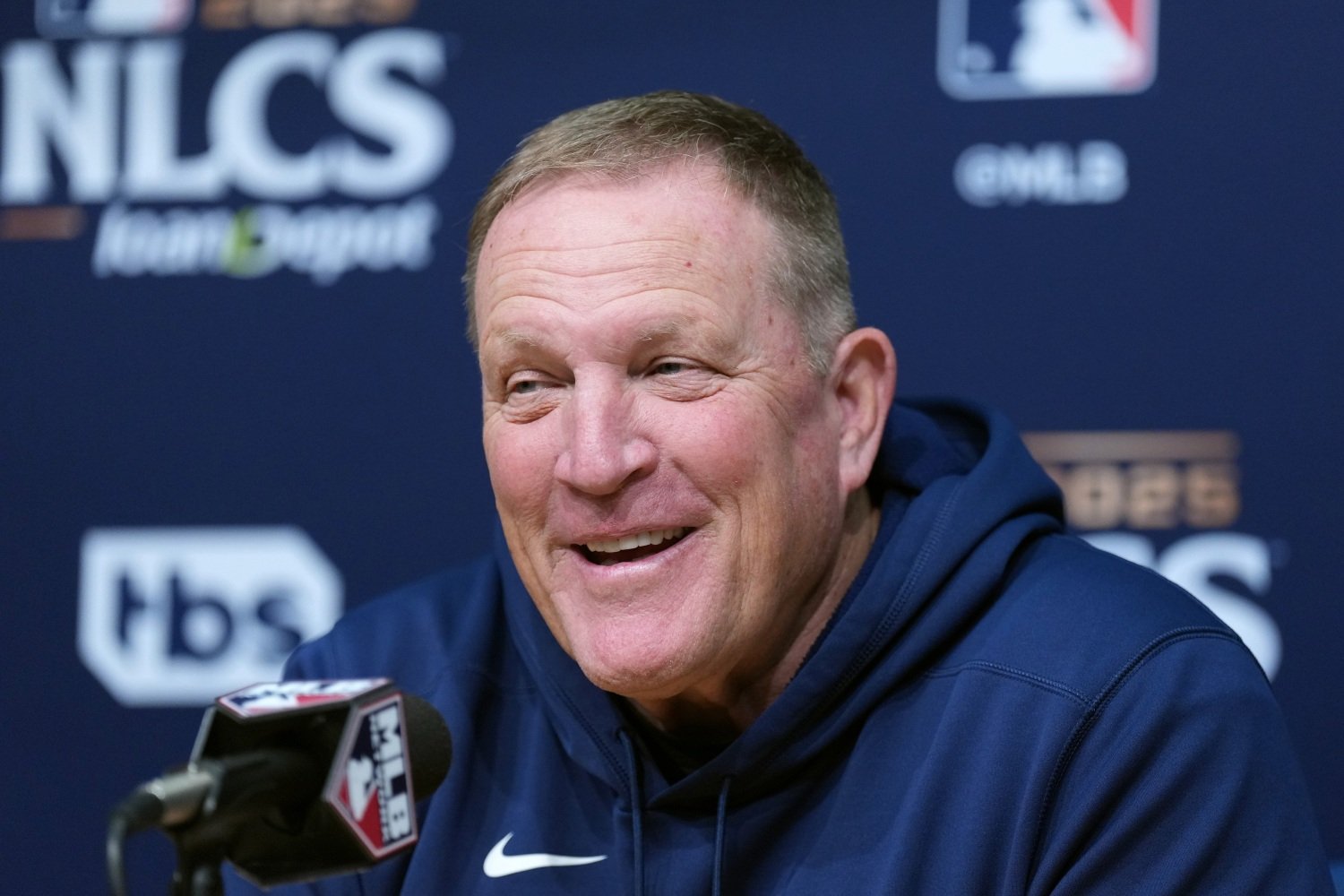 After a few days to decompress from the Milwaukee Brewers’ four-game disposal in the NLCS, there are still a few questions to explore before turning the page. Did Pat Murphy’s incessant praise of the Los Angeles Dodgers and consistent dismissal of his own team become too much for some players to overcome? Those who followed the Brewers all season know that Murphy played the underdog card all season, even as Milwaukee shot up the standings. He definitely gave tons of praise to his players throughout the year, too, talking about their resiliency, their unique talents, and how they all come together to win as a team, rather than having a bunch of individual stars. Based on preseason expectations and the eventual results, it seemed to work well. But after knocking off the Chicago Cubs in the NLDS and jumping right into media conversations ahead of the Brewers’ date with the Dodgers, the messaging from Murphy began to feel over-the-top. On the American Family Field turf following NLDS Game 5, Murphy was already saying, “I don’t know how many of our guys would make their team...” Of course, he did continue by saying, “...but it ain’t about that. It’s about how we come together as a team to compete.” Well, good cover, but that was an extremely strong statement that might have hit some Brewers in the gut a bit. Some of the other pointed comments by Murphy included: "I’m sure most Dodger players can’t name eight guys on our roster." "They’re probably better at almost every position than us." "We don’t have the big-name payroll, we don’t have the big-name stars, although some are becoming recognizable." "Snell makes more money than our entire pitching staff, and it’s for good reason." Even if every word was true, that doesn’t mean your players want to hear it from their leader—especially on the brink of the World Series. At that point, does it even matter? You can say professional athletes shouldn’t be affected by comments like these, but they’re still human. Most had never been in this moment, and everyone understood the mountain ahead. Their manager essentially framed the Dodgers as a team they were lucky just to compete against—a star-studded powerhouse almost beyond reach. Maybe the mindset that worked across 162 games had the opposite effect when everything was on the line. In baseball, the mental game is enormous. Just because you can’t quantify it doesn’t mean it isn’t real. Why didn’t the Brewers try to bunt for any hits with such a struggling offense? When you finish the NLCS with a .118 batting average and an 8 wRC+ (EIGHT!), you have to question bashing your head against the wall and doing (more or less) the same thing all series. The Brewers led MLB in bunt hits during the regular season, and that could have been a viable weapon against a group of pitchers who were shutting down the Brewers’ offense. If Hall of Famer Paul Molitor, a career .306 hitter over 21 seasons with 3,319 career hits (11th all time), would drop down bunts when he was scuffling at the dish, certainly a bunch of “Average Joes” can do it with a chance to reach the World Series. While Andrew Vaughn was one of the egregiously poor hitters in the NLCS (0-for-12), he can be excused thanks to his lack of speed. The other four culprits don’t really have an alibi. Christian Yelich, Brice Turang, Sal Frelick and Joey Ortiz combined to go 3-for-49 (.061) in the NLCS, a stunning lack of production. Yet, to my recollection, not one attempted a bunt for hit. Sure, some guys would “show” bunt at the start of an at-bat, but those weren’t real attempts. Teams don’t see it as much as they used to, and certainly don’t practice the various locations players can drop bunts down, so the opportunities were there. Admittedly, the Dodgers infield played great defense throughout the set, but Milwaukee could have put more pressure on them. No one is claiming bunt singles would have flipped the entire series, but maybe you steal a game and change the trajectory. Even a failed bunt attempt can serve a purpose. For some hitters, it helps reset their timing by forcing them to track the ball to the bat. With runners on, it forces movement and increases the odds of a defensive mistake. Simply showing the threat of a bunt can alter defensive positioning, potentially opening up a hole later. That’s why refusing to even attempt a bunt during a historically awful offensive stretch feels like a glaring missed opportunity. If you’re truly using every tool at your disposal to keep your season alive, why leave a proven one untouched as everything slips away? Did the Brewers’ pitching plans create a net positive or negative in the NLCS? There’s no doubt that Murphy and his staff were trying to squeeze every ounce of leverage they could out of their pitchers and maximize matchups to handle the Dodgers’ potent lineup. Some people loathe the use of openers, though there are times they make complete sense, especially in a postseason series where every pitch feels like the one that could crush your hopes. In the short term, which is all we can go by since the series ended in four games, the special gambit paid off. Looking at the big picture, the Brewers’ pitching staff held Los Angeles to two and three runs in a pair of games, and then five runs in the other pair. That’s strong work against a lineup loaded with proven All-Star and Hall-of-Fame talent. Ironically, the two traditional starts pitchers made (by Freddy Peralta and Jose Quintana) came in the two games that yielded the most runs. Both Peralta and Quintana gave up three runs in their starts, though the latter only lasted two frames in Game 4. For the most part, the horde of relievers did their jobs to keep Milwaukee in each game. Unfortunately, the offense never took advantage. Jacob Misiorowski was phenomenal, and some might still question if he should have started Game 3 instead of following opener Aaron Ashby, who was pitching for the fifth time in eight days. Ashby gave up a run two batters into the contest and pitched only one-third of an inning. Had the NLCS reached Game 5 or 6, the bullpen usage and non-traditional starts might have further caught up with the Brewers’ hurlers. Abner Uribe already looked to be on fumes, and Chad Patrick (who was dominant in the NLDS) showed a few more signs of being human in the NLCS. The early decisions might also have limited the Brewers' options throughout each game to adjust to certain matchups and situations. Either way, it would have been nice to see how it would have all played out. The Brandon Woodruff injury threw things off, and Quinn Priester’s shakiness added to the need to use openers and bullpen days. No one is blaming the pitching for the team getting swept, but if the Brewers reach the postseason again next season, relying on starting pitchers more often could make the difference—not that anyone has the perfect formula in October.
- 9 comments
-
- 2
-
-
- pat murphy
- 2025 postseason
- (and 1 more)
-
Image courtesy of © Kirby Lee-Imagn Images After a few days to decompress from the Milwaukee Brewers’ four-game disposal in the NLCS, there are still a few questions to explore before turning the page. Did Pat Murphy’s incessant praise of the Los Angeles Dodgers and consistent dismissal of his own team become too much for some players to overcome? Those who followed the Brewers all season know that Murphy played the underdog card all season, even as Milwaukee shot up the standings. He definitely gave tons of praise to his players throughout the year, too, talking about their resiliency, their unique talents, and how they all come together to win as a team, rather than having a bunch of individual stars. Based on preseason expectations and the eventual results, it seemed to work well. But after knocking off the Chicago Cubs in the NLDS and jumping right into media conversations ahead of the Brewers’ date with the Dodgers, the messaging from Murphy began to feel over-the-top. On the American Family Field turf following NLDS Game 5, Murphy was already saying, “I don’t know how many of our guys would make their team...” Of course, he did continue by saying, “...but it ain’t about that. It’s about how we come together as a team to compete.” Well, good cover, but that was an extremely strong statement that might have hit some Brewers in the gut a bit. Some of the other pointed comments by Murphy included: "I’m sure most Dodger players can’t name eight guys on our roster." "They’re probably better at almost every position than us." "We don’t have the big-name payroll, we don’t have the big-name stars, although some are becoming recognizable." "Snell makes more money than our entire pitching staff, and it’s for good reason." Even if every word was true, that doesn’t mean your players want to hear it from their leader—especially on the brink of the World Series. At that point, does it even matter? You can say professional athletes shouldn’t be affected by comments like these, but they’re still human. Most had never been in this moment, and everyone understood the mountain ahead. Their manager essentially framed the Dodgers as a team they were lucky just to compete against—a star-studded powerhouse almost beyond reach. Maybe the mindset that worked across 162 games had the opposite effect when everything was on the line. In baseball, the mental game is enormous. Just because you can’t quantify it doesn’t mean it isn’t real. Why didn’t the Brewers try to bunt for any hits with such a struggling offense? When you finish the NLCS with a .118 batting average and an 8 wRC+ (EIGHT!), you have to question bashing your head against the wall and doing (more or less) the same thing all series. The Brewers led MLB in bunt hits during the regular season, and that could have been a viable weapon against a group of pitchers who were shutting down the Brewers’ offense. If Hall of Famer Paul Molitor, a career .306 hitter over 21 seasons with 3,319 career hits (11th all time), would drop down bunts when he was scuffling at the dish, certainly a bunch of “Average Joes” can do it with a chance to reach the World Series. While Andrew Vaughn was one of the egregiously poor hitters in the NLCS (0-for-12), he can be excused thanks to his lack of speed. The other four culprits don’t really have an alibi. Christian Yelich, Brice Turang, Sal Frelick and Joey Ortiz combined to go 3-for-49 (.061) in the NLCS, a stunning lack of production. Yet, to my recollection, not one attempted a bunt for hit. Sure, some guys would “show” bunt at the start of an at-bat, but those weren’t real attempts. Teams don’t see it as much as they used to, and certainly don’t practice the various locations players can drop bunts down, so the opportunities were there. Admittedly, the Dodgers infield played great defense throughout the set, but Milwaukee could have put more pressure on them. No one is claiming bunt singles would have flipped the entire series, but maybe you steal a game and change the trajectory. Even a failed bunt attempt can serve a purpose. For some hitters, it helps reset their timing by forcing them to track the ball to the bat. With runners on, it forces movement and increases the odds of a defensive mistake. Simply showing the threat of a bunt can alter defensive positioning, potentially opening up a hole later. That’s why refusing to even attempt a bunt during a historically awful offensive stretch feels like a glaring missed opportunity. If you’re truly using every tool at your disposal to keep your season alive, why leave a proven one untouched as everything slips away? Did the Brewers’ pitching plans create a net positive or negative in the NLCS? There’s no doubt that Murphy and his staff were trying to squeeze every ounce of leverage they could out of their pitchers and maximize matchups to handle the Dodgers’ potent lineup. Some people loathe the use of openers, though there are times they make complete sense, especially in a postseason series where every pitch feels like the one that could crush your hopes. In the short term, which is all we can go by since the series ended in four games, the special gambit paid off. Looking at the big picture, the Brewers’ pitching staff held Los Angeles to two and three runs in a pair of games, and then five runs in the other pair. That’s strong work against a lineup loaded with proven All-Star and Hall-of-Fame talent. Ironically, the two traditional starts pitchers made (by Freddy Peralta and Jose Quintana) came in the two games that yielded the most runs. Both Peralta and Quintana gave up three runs in their starts, though the latter only lasted two frames in Game 4. For the most part, the horde of relievers did their jobs to keep Milwaukee in each game. Unfortunately, the offense never took advantage. Jacob Misiorowski was phenomenal, and some might still question if he should have started Game 3 instead of following opener Aaron Ashby, who was pitching for the fifth time in eight days. Ashby gave up a run two batters into the contest and pitched only one-third of an inning. Had the NLCS reached Game 5 or 6, the bullpen usage and non-traditional starts might have further caught up with the Brewers’ hurlers. Abner Uribe already looked to be on fumes, and Chad Patrick (who was dominant in the NLDS) showed a few more signs of being human in the NLCS. The early decisions might also have limited the Brewers' options throughout each game to adjust to certain matchups and situations. Either way, it would have been nice to see how it would have all played out. The Brandon Woodruff injury threw things off, and Quinn Priester’s shakiness added to the need to use openers and bullpen days. No one is blaming the pitching for the team getting swept, but if the Brewers reach the postseason again next season, relying on starting pitchers more often could make the difference—not that anyone has the perfect formula in October. View full article
-
Image courtesy of © Benny Sieu-Imagn Images The Milwaukee Brewers are putting up some historically bad offensive numbers in this year’s NLCS. And while the Los Angeles Dodgers’ pitchers deserve some of the credit, it appears many of the Brewers have lost all semblance of their identity. Is it just a terribly timed cold streak, or is there a mental component to what is happening? Hitting big home runs feels good, and everyone says you need them to win in the playoffs, so who knows if that success tweaked some things. My eye-test analysis for the past several games focused on the swing paths and body direction of multiple hitters. It was mostly clear against Blake Snell in Game 1 when I leaned in on Jackson Chourio and William Contreras’ at-bats. Both were pulling off the ball against Snell despite constant soft and away deliveries. It appeared they were gripping and ripping to knock the ball out. Chourio seemed to correct himself quickly with a deep sacrifice fly in the ninth inning of Game 1 and his leadoff home run in Game 2, each to right-center field. Unfortunately, the apparent pull-happy swings haven’t only been present with those two, and upon reviewing some Statcast numbers, there might be some evidence to support my thoughts. The beginning of the end for the Brewers’ typically hitting styles might stem from their Game 2 win in the NLDS when they used three home runs (two of them three-run homers) to beat the Chicago Cubs 7-3. From that point through Game 3 of the NLCS, the Brewers have a .140 batting average and have scored 1.5 runs per game. This is not to say that players are intentionally trying to do things differently (though some look like they are), but that hitting is extremely mental. Guys can fall into the trap of subconsciously adjusting their swings. There are a few areas to look at with a player’s swing to get a sense of how they are swinging. First is attack direction, which measures the angle at which the bat’s sweet spot is traveling at the point of impact. It’s measured in degrees to the pull side or to the opposite field. The other two metrics are the intercept points compared to the front of home plate and compared to the batter’s center mass. Typically, hitting the ball slightly in front of the plate is ideal for hard contact and quality launch angles, due to the barrel position and the force exerted on the ball. But, too far out front leads to weaker contact. As far as where the intercept point is compared to a hitter’s body, the further out in front you get, the more likely it is that the hitter’s hands are extending too soon away from his body, an indication he is swinging “around the ball,” which often leads to easy grounders or top-spin flies. With that in mind, here are some of the figures comparing the numbers from Opening Day through NLDS Game 2 and then what they look like since then: Contreras and Andrew Vaughn have seen their swing directions move extremely to the pull side. You also notice significant moves forward in their intercept points, both in front of the plate and in front of their bodies. All indications of looking to yank balls with shoulders and hips opening up, and their hands extending early and away from their bodies, often leading to the top hand rolling over. They have had plenty of pulled groundouts lately, and while some were hit harder, it’s been an overall struggle. It’s interesting to note that all season, Contreras’ average attack direction was three degrees toward the opposite field—consistent with his strength of driving the ball that way while still handling inside pitches. Since that NLDS Game 2 homer he crushed down the left field line, he’s trying to pull everything. For Vaughn, the most intriguing part is that he typically made his contact about two-and-a-half inches behind the front of the plate, staying behind the ball longer. Since his huge three-run home run in that same Game 2, he’s leaned out to nearly three inches in front of the plate. Those are sizable changes for each. Turang and Chourio haven’t been quite as extreme, and in fairness, Chourio clearly made adjustments and has fallen into some bad luck, especially in Game 3 of the NLCS. Turang has been downright brutal, though it looked like in the last game he was making an effort to sit back on the baseball better. For both of them, however, their swing issues have led to more strikeouts. In the last six games, the pair has combined for 16 strikeouts and just two walks. Chourio, Contreras, and Vaughn were the ones to homer in the NLDS Game 2 that might have sparked some issues. Of course, Contreras, Vaughn and Turang then homered in Game 5 of that series, too. It’s just difficult to see these metrics and not believe some of the power swings, which were enormous in helping beat the Cubs, haven’t gotten into guys’ heads. Hitting is hard, and they are human. For those wondering about Christian Yelich and Sal Frelick, they have their own issues to work through. Each of their intercept points versus the front of the plate has moved forward, while those points compared to their center mass have moved backward. This would indicate they are either pulling their shoulders or leaking their hands forward early while the barrel drags behind. Those movements seem more geared toward trying to cheat ahead on pitches or the opposite, major indecisions where the body is turned but the actual swing decision is last-second. Either way, more of a timing or pitch recognition problem, perhaps. No matter how you slice it, the Brewers offense as we knew it in 2025 has disappeared - or more accurately - changed over the last half dozen games. Barring a miraculous and historic comeback in the NLCS, it will be a shame that the third-best scoring offense in baseball will have wasted the Brewers’ mostly terrific pitching against the powerful defending champion Dodgers. View full article
-
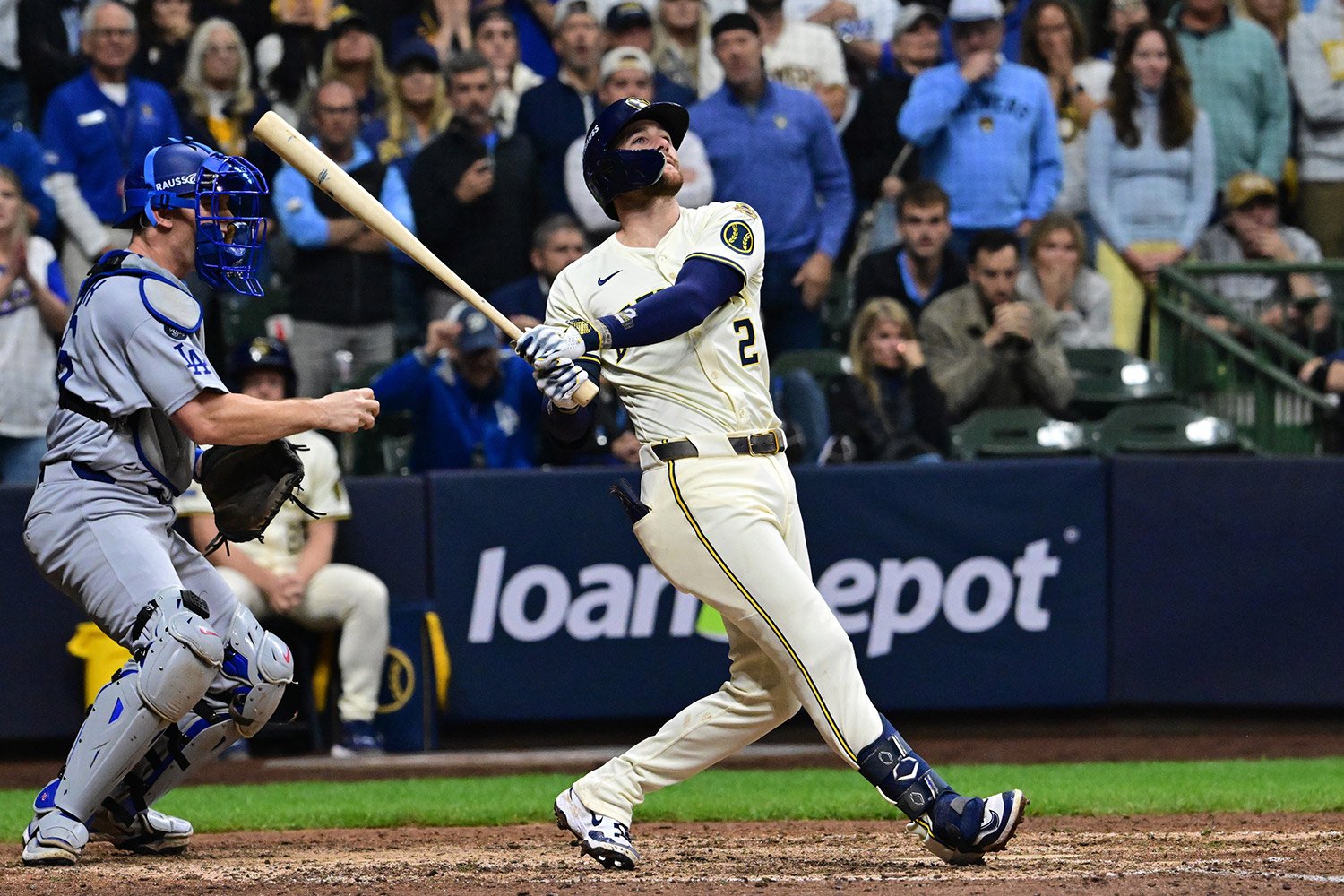 The Milwaukee Brewers are putting up some historically bad offensive numbers in this year’s NLCS. And while the Los Angeles Dodgers’ pitchers deserve some of the credit, it appears many of the Brewers have lost all semblance of their identity. Is it just a terribly timed cold streak, or is there a mental component to what is happening? Hitting big home runs feels good, and everyone says you need them to win in the playoffs, so who knows if that success tweaked some things. My eye-test analysis for the past several games focused on the swing paths and body direction of multiple hitters. It was mostly clear against Blake Snell in Game 1 when I leaned in on Jackson Chourio and William Contreras’ at-bats. Both were pulling off the ball against Snell despite constant soft and away deliveries. It appeared they were gripping and ripping to knock the ball out. Chourio seemed to correct himself quickly with a deep sacrifice fly in the ninth inning of Game 1 and his leadoff home run in Game 2, each to right-center field. Unfortunately, the apparent pull-happy swings haven’t only been present with those two, and upon reviewing some Statcast numbers, there might be some evidence to support my thoughts. The beginning of the end for the Brewers’ typically hitting styles might stem from their Game 2 win in the NLDS when they used three home runs (two of them three-run homers) to beat the Chicago Cubs 7-3. From that point through Game 3 of the NLCS, the Brewers have a .140 batting average and have scored 1.5 runs per game. This is not to say that players are intentionally trying to do things differently (though some look like they are), but that hitting is extremely mental. Guys can fall into the trap of subconsciously adjusting their swings. There are a few areas to look at with a player’s swing to get a sense of how they are swinging. First is attack direction, which measures the angle at which the bat’s sweet spot is traveling at the point of impact. It’s measured in degrees to the pull side or to the opposite field. The other two metrics are the intercept points compared to the front of home plate and compared to the batter’s center mass. Typically, hitting the ball slightly in front of the plate is ideal for hard contact and quality launch angles, due to the barrel position and the force exerted on the ball. But, too far out front leads to weaker contact. As far as where the intercept point is compared to a hitter’s body, the further out in front you get, the more likely it is that the hitter’s hands are extending too soon away from his body, an indication he is swinging “around the ball,” which often leads to easy grounders or top-spin flies. With that in mind, here are some of the figures comparing the numbers from Opening Day through NLDS Game 2 and then what they look like since then: Contreras and Andrew Vaughn have seen their swing directions move extremely to the pull side. You also notice significant moves forward in their intercept points, both in front of the plate and in front of their bodies. All indications of looking to yank balls with shoulders and hips opening up, and their hands extending early and away from their bodies, often leading to the top hand rolling over. They have had plenty of pulled groundouts lately, and while some were hit harder, it’s been an overall struggle. It’s interesting to note that all season, Contreras’ average attack direction was three degrees toward the opposite field—consistent with his strength of driving the ball that way while still handling inside pitches. Since that NLDS Game 2 homer he crushed down the left field line, he’s trying to pull everything. For Vaughn, the most intriguing part is that he typically made his contact about two-and-a-half inches behind the front of the plate, staying behind the ball longer. Since his huge three-run home run in that same Game 2, he’s leaned out to nearly three inches in front of the plate. Those are sizable changes for each. Turang and Chourio haven’t been quite as extreme, and in fairness, Chourio clearly made adjustments and has fallen into some bad luck, especially in Game 3 of the NLCS. Turang has been downright brutal, though it looked like in the last game he was making an effort to sit back on the baseball better. For both of them, however, their swing issues have led to more strikeouts. In the last six games, the pair has combined for 16 strikeouts and just two walks. Chourio, Contreras, and Vaughn were the ones to homer in the NLDS Game 2 that might have sparked some issues. Of course, Contreras, Vaughn and Turang then homered in Game 5 of that series, too. It’s just difficult to see these metrics and not believe some of the power swings, which were enormous in helping beat the Cubs, haven’t gotten into guys’ heads. Hitting is hard, and they are human. For those wondering about Christian Yelich and Sal Frelick, they have their own issues to work through. Each of their intercept points versus the front of the plate has moved forward, while those points compared to their center mass have moved backward. This would indicate they are either pulling their shoulders or leaking their hands forward early while the barrel drags behind. Those movements seem more geared toward trying to cheat ahead on pitches or the opposite, major indecisions where the body is turned but the actual swing decision is last-second. Either way, more of a timing or pitch recognition problem, perhaps. No matter how you slice it, the Brewers offense as we knew it in 2025 has disappeared - or more accurately - changed over the last half dozen games. Barring a miraculous and historic comeback in the NLCS, it will be a shame that the third-best scoring offense in baseball will have wasted the Brewers’ mostly terrific pitching against the powerful defending champion Dodgers.
- 3 comments
-
- 1
-
-
- william contreras
- jackson chourio
- (and 1 more)
-
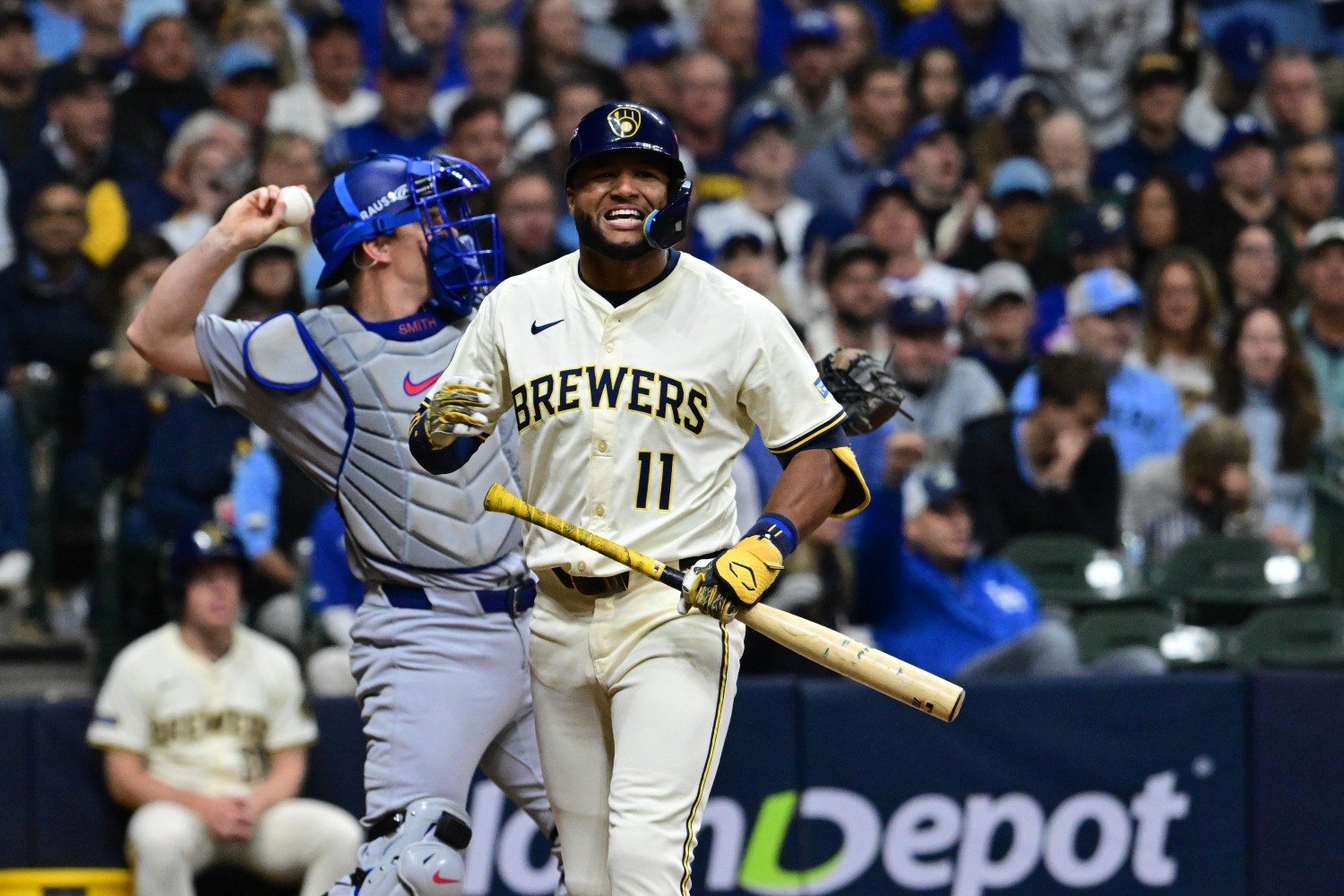 Los Angeles Dodgers starter Blake Snell pitched extremely well in Game 1 of the NLCS, but it’s difficult to call him masterful when the Milwaukee Brewers made it so easy on him. The team didn't make good or quick enough adjustments across eight shutout innings against Snell, which is how he faced the minimum and allowed just one weakly hit single in his outing. It was an issue up and down the lineup, though the most telling and frustrating examples came from Jackson Chourio and William Contreras. You can’t complain about what they’ve done so far this postseason, but their approaches, swings and poor performance at the dish Monday exemplified the Brewers’ ugly effort. They need to be the stars they are in a series like this—particularly when they face a left-hander, whom they historically destroy. For whatever reason—maybe stubbornness, or trying to play hero; maybe a well-constructed plan they just couldn't adapt quickly enough—Contreras and Chourio flailed and stumbled all night, in a combined 0-for-6 against Snell. The southpaw had them eating out of his hand, and he kept feeding them the same recipe. The pair combined to see 31 pitches across six total plate appearances against the two-time Cy Young Award winner. They saw only three four-seam fastballs (9.7%) and three sliders (9.7%). Instead, 20 of the 31 pitches were changeups (65.5%), but they both kept trying to pull the ball in the air. Chourio saw a bit more of a mix of pitches, but both were offered soft serve in bunches. Chourio: 17 pitches 2 fastballs (11.8%) 4 curveballs 2 sliders 9 changeups Contreras: 14 total pitches 1 fastball (7.1%) 1 curveball 1 slider 11 changeups In fairness, this was an extreme approach, regardless of batter-pitcher matchups. It's not something Snell usually does, and it would have been almost impossible to prepare for. Nonetheless, it utterly baffled them. The prime examples were their last at-bats against the left-hander (below). Chourio and Contreras each saw four pitches, all changeups, resulting in a strikeout and a pull-side groundout. So in their third time seeing him, they still didn’t get it—or refused to change. Snell had a similar strategy against Isaac Collins, but he changed it up against Andrew Vaughn, with a higher percentage of fastballs. Overall, whether lefties or righties, Snell tossed only 28 fastballs out of his 103 pitches (27.2%). When it came to the Brewers’ leadoff man and three-hole hitter, it was offspeed for days, but it wasn’t only the type of pitch that Snell rarely altered to them. Of the 31 pitches Contreras and Chourio saw, 22 would be considered middle or away (70.9%). It was soft away a vast majority of the time, and if you review their swings, there wasn’t one that showed an obvious desire to drive the ball to the right of second base. Considering Chourio’s power to the right-center alley (two home runs that way in last year’s Wild Card round) and Contreras’s proven ability to shoot balls into right field, that was a missed opportunity. We discussed the importance of Chourio going the other way on that changeup before Monday's game. Instead, they finished their six at-bats versus Snell with three strikeouts, two weak grounders to third and a tapper to the pitcher. Kudos to Snell for just sticking with what was working, and mostly hitting spots. He left a few offspeed pitches up and out over the plate, but because the Brewers were so pull-happy, he got away with it. The same goes for the pitches Snell tossed well outside or well down. If guys like Chourio and Contreras (among others) have a better approach and stay-behind-the-ball mindset, it’s likely they could have laid off many of those more clearly outside the zone. But when you’re opening up and out front, it makes it twice as difficult to check your swing. This isn’t meant to blame two of Milwaukee’s best hitters for the loss; they weren’t alone in creating the frustrating scene. But Chourio and Contreras’s issues were emblematic of the entire evening, especially considering how those two have handled lefties in their careers. Snell never changed his tactics against them. Snell tossed a gem, thanks in large part to an ingenious game plan. He also got some help from Brewers hitters, whose approaches and lack of adjustments played nearly as significant a role in the Dodgers taking a 1-0 lead in the NLCS. Come Game 5, Milwaukee will have to catch up to him on the adjustment curve.
-
- 1
-
-
- william contreras
- jackson chourio
- (and 1 more)
-
Image courtesy of © Benny Sieu-Imagn Images Los Angeles Dodgers starter Blake Snell pitched extremely well in Game 1 of the NLCS, but it’s difficult to call him masterful when the Milwaukee Brewers made it so easy on him. The team didn't make good or quick enough adjustments across eight shutout innings against Snell, which is how he faced the minimum and allowed just one weakly hit single in his outing. It was an issue up and down the lineup, though the most telling and frustrating examples came from Jackson Chourio and William Contreras. You can’t complain about what they’ve done so far this postseason, but their approaches, swings and poor performance at the dish Monday exemplified the Brewers’ ugly effort. They need to be the stars they are in a series like this—particularly when they face a left-hander, whom they historically destroy. For whatever reason—maybe stubbornness, or trying to play hero; maybe a well-constructed plan they just couldn't adapt quickly enough—Contreras and Chourio flailed and stumbled all night, in a combined 0-for-6 against Snell. The southpaw had them eating out of his hand, and he kept feeding them the same recipe. The pair combined to see 31 pitches across six total plate appearances against the two-time Cy Young Award winner. They saw only three four-seam fastballs (9.7%) and three sliders (9.7%). Instead, 20 of the 31 pitches were changeups (65.5%), but they both kept trying to pull the ball in the air. Chourio saw a bit more of a mix of pitches, but both were offered soft serve in bunches. Chourio: 17 pitches 2 fastballs (11.8%) 4 curveballs 2 sliders 9 changeups Contreras: 14 total pitches 1 fastball (7.1%) 1 curveball 1 slider 11 changeups In fairness, this was an extreme approach, regardless of batter-pitcher matchups. It's not something Snell usually does, and it would have been almost impossible to prepare for. Nonetheless, it utterly baffled them. The prime examples were their last at-bats against the left-hander (below). Chourio and Contreras each saw four pitches, all changeups, resulting in a strikeout and a pull-side groundout. So in their third time seeing him, they still didn’t get it—or refused to change. Snell had a similar strategy against Isaac Collins, but he changed it up against Andrew Vaughn, with a higher percentage of fastballs. Overall, whether lefties or righties, Snell tossed only 28 fastballs out of his 103 pitches (27.2%). When it came to the Brewers’ leadoff man and three-hole hitter, it was offspeed for days, but it wasn’t only the type of pitch that Snell rarely altered to them. Of the 31 pitches Contreras and Chourio saw, 22 would be considered middle or away (70.9%). It was soft away a vast majority of the time, and if you review their swings, there wasn’t one that showed an obvious desire to drive the ball to the right of second base. Considering Chourio’s power to the right-center alley (two home runs that way in last year’s Wild Card round) and Contreras’s proven ability to shoot balls into right field, that was a missed opportunity. We discussed the importance of Chourio going the other way on that changeup before Monday's game. Instead, they finished their six at-bats versus Snell with three strikeouts, two weak grounders to third and a tapper to the pitcher. Kudos to Snell for just sticking with what was working, and mostly hitting spots. He left a few offspeed pitches up and out over the plate, but because the Brewers were so pull-happy, he got away with it. The same goes for the pitches Snell tossed well outside or well down. If guys like Chourio and Contreras (among others) have a better approach and stay-behind-the-ball mindset, it’s likely they could have laid off many of those more clearly outside the zone. But when you’re opening up and out front, it makes it twice as difficult to check your swing. This isn’t meant to blame two of Milwaukee’s best hitters for the loss; they weren’t alone in creating the frustrating scene. But Chourio and Contreras’s issues were emblematic of the entire evening, especially considering how those two have handled lefties in their careers. Snell never changed his tactics against them. Snell tossed a gem, thanks in large part to an ingenious game plan. He also got some help from Brewers hitters, whose approaches and lack of adjustments played nearly as significant a role in the Dodgers taking a 1-0 lead in the NLCS. Come Game 5, Milwaukee will have to catch up to him on the adjustment curve. View full article
-
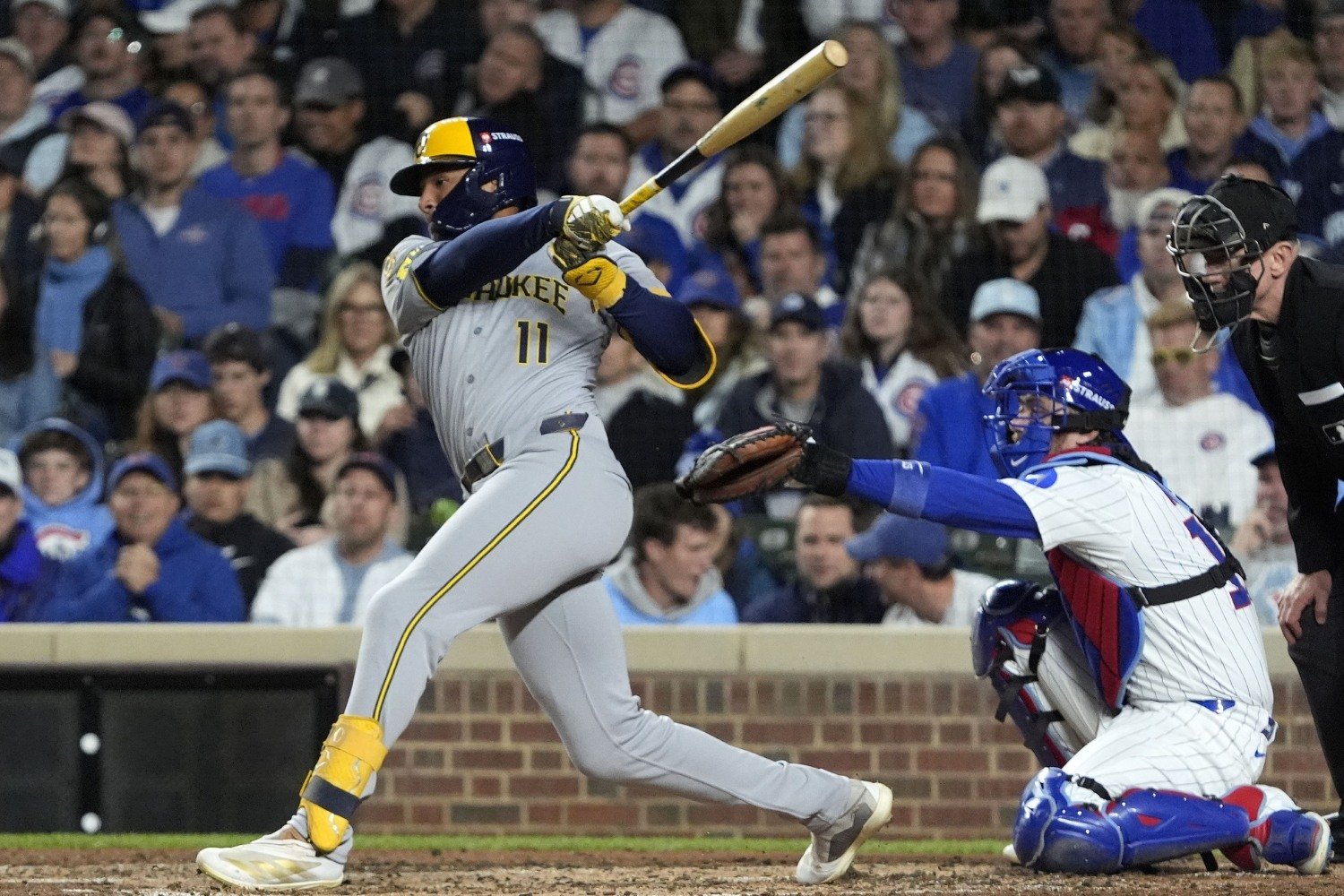 This year’s NLDS between the Milwaukee Brewers and Chicago Cubs always felt destined for five games. The teams were evenly matched all season. with Chicago leading early in the NL Central before Milwaukee surged to a third straight division crown. Yet after the Brewers grabbed a 2–0 series lead, the Cubs countered with two wins at Wrigley Field, forcing a decisive Game 5 at American Family Field. As the tension builds, here are five key questions for Milwaukee. 1) Who can quiet the Cubs’ first-inning fireworks? Chicago has scored in the first inning of every game, including three straight with at least three runs. The Brewers overcame early blows at home, but couldn’t recover on the road. Stopping that pattern is crucial. Given the left-handed power at the top of the Cubs’ order, a lefty opener makes sense. Jared Koenig appears the most logical option: his stuff has played well against Chicago, holding their projected top five to a .222 average with five strikeouts and no homers. On the other hand, they've seen him a lot; his pocket in the lineup (and, thus, the game) might need to come later. Jose Quintana, who threw three scoreless innings on 49 pitches in Game 3, is another option, though his finesse approach can be risky. Aaron Ashby’s command and exposure in the series make him less ideal this time around, just as Koenig's does. Among right-handers, Jacob Misiorowski’s electric arm comes with control concerns, Quinn Priester might be too shellshocked to start again after his Game 3 blowup, and Chad Patrick’s past struggles against the top of Chicago’s order (.272 average, three extra-base hits) raise questions. 2) Will the Brewers return to a proven lineup? Milwaukee’s offense exploded for nine and seven runs in Games 1 and 2, respectively, when Jackson Chourio led off and Christian Yelich hit cleanup. In Chicago, with righty Jameson Taillon starting Game 3 and a lefty who everyone thought would be lifted quickly in Matthew Boyd for Game 4, manager Pat Murphy moved Yelich to the leadoff spot. Alas, the team scored just three total runs. The change also failed in the final week of the regular season, when Milwaukee averaged only 2.4 runs per game with Yelich atop the order. During the season, the Brewers averaged 4.98 runs (third in MLB) with Yelich in the middle of the lineup. Logic suggests returning him there. The complication there is also part of the reason why Murphy test-drove this switch in the first place: slumps from Sal Frelick (.214, .536 OPS) and Brice Turang (.125, .364 OPS), who typically set the table near the top. Still, maximizing at-bats for the team’s productive hitters (Chourio, William Contreras, Yelich, and Andrew Vaughn) remains the best bet. 3) Can a struggling hitter come through? Milwaukee’s offense has relied heavily on its top four bats, but postseason success often hinges on an unexpected hero. Frelick, Turang, Caleb Durbin (.143, .393 OPS), Joey Ortiz (.200, .533 OPS), and Blake Perkins (1-for-last-8, 4 K) have all struggled. Jake Bauers’s bat could be valuable, as demonstrated by his Game 3 contributions—though defensive trade-offs limit his starts. A clutch at-bat from a bench player (perhaps Andruw Monasterio or Isaac Collins?) might swing the series. 4) Can Pat Murphy regain his touch? Murphy’s decisions at Wrigley raised eyebrows. Starting Brandon Lockridge, who hadn’t appeared since August, was puzzling. Sticking with Frelick against a tough lefty in a key Game 3 spot (rather than using Vaughn, who had an .859 OPS vs. lefties) was another miss. In Game 4, with two on and no outs in the fifth, Murphy opted for Ortiz to bunt instead of pinch-hitting with Monasterio, who posted an .837 OPS against southpaws. Each move cost Milwaukee chances to shift momentum. Still, Murphy has shown strong tactical instincts. His bullpen management in Game 2 was masterful, and his early-series lineups clicked. Game 5 will demand that same decisiveness. 5) Will the crowd give Milwaukee a true home-field edge? The Brewers’ crowd was loud and dominant in Games 1 and 2, easily drowning out Chicago fans. But after two Cubs wins, there’s concern that Milwaukee’s anxiety and ticket resales could invite a stronger visiting presence. That would be a major disappointment. Murphy has noted how much his young team feeds off the home crowd’s energy, and the difference in atmosphere between Milwaukee and Chicago was noticeable. With everything on the line, Game 5 will test the Brewers’ adjustments, resilience, and composure. The talent is there, but to advance, Milwaukee must rediscover what worked early in the series: smart managing, timely hitting, and a fired-up home crowd.
- 2 comments
-
- 2
-
-
- pat murphy
- jackson chourio
- (and 5 more)
-
Image courtesy of © David Banks-Imagn Images This year’s NLDS between the Milwaukee Brewers and Chicago Cubs always felt destined for five games. The teams were evenly matched all season. with Chicago leading early in the NL Central before Milwaukee surged to a third straight division crown. Yet after the Brewers grabbed a 2–0 series lead, the Cubs countered with two wins at Wrigley Field, forcing a decisive Game 5 at American Family Field. As the tension builds, here are five key questions for Milwaukee. 1) Who can quiet the Cubs’ first-inning fireworks? Chicago has scored in the first inning of every game, including three straight with at least three runs. The Brewers overcame early blows at home, but couldn’t recover on the road. Stopping that pattern is crucial. Given the left-handed power at the top of the Cubs’ order, a lefty opener makes sense. Jared Koenig appears the most logical option: his stuff has played well against Chicago, holding their projected top five to a .222 average with five strikeouts and no homers. On the other hand, they've seen him a lot; his pocket in the lineup (and, thus, the game) might need to come later. Jose Quintana, who threw three scoreless innings on 49 pitches in Game 3, is another option, though his finesse approach can be risky. Aaron Ashby’s command and exposure in the series make him less ideal this time around, just as Koenig's does. Among right-handers, Jacob Misiorowski’s electric arm comes with control concerns, Quinn Priester might be too shellshocked to start again after his Game 3 blowup, and Chad Patrick’s past struggles against the top of Chicago’s order (.272 average, three extra-base hits) raise questions. 2) Will the Brewers return to a proven lineup? Milwaukee’s offense exploded for nine and seven runs in Games 1 and 2, respectively, when Jackson Chourio led off and Christian Yelich hit cleanup. In Chicago, with righty Jameson Taillon starting Game 3 and a lefty who everyone thought would be lifted quickly in Matthew Boyd for Game 4, manager Pat Murphy moved Yelich to the leadoff spot. Alas, the team scored just three total runs. The change also failed in the final week of the regular season, when Milwaukee averaged only 2.4 runs per game with Yelich atop the order. During the season, the Brewers averaged 4.98 runs (third in MLB) with Yelich in the middle of the lineup. Logic suggests returning him there. The complication there is also part of the reason why Murphy test-drove this switch in the first place: slumps from Sal Frelick (.214, .536 OPS) and Brice Turang (.125, .364 OPS), who typically set the table near the top. Still, maximizing at-bats for the team’s productive hitters (Chourio, William Contreras, Yelich, and Andrew Vaughn) remains the best bet. 3) Can a struggling hitter come through? Milwaukee’s offense has relied heavily on its top four bats, but postseason success often hinges on an unexpected hero. Frelick, Turang, Caleb Durbin (.143, .393 OPS), Joey Ortiz (.200, .533 OPS), and Blake Perkins (1-for-last-8, 4 K) have all struggled. Jake Bauers’s bat could be valuable, as demonstrated by his Game 3 contributions—though defensive trade-offs limit his starts. A clutch at-bat from a bench player (perhaps Andruw Monasterio or Isaac Collins?) might swing the series. 4) Can Pat Murphy regain his touch? Murphy’s decisions at Wrigley raised eyebrows. Starting Brandon Lockridge, who hadn’t appeared since August, was puzzling. Sticking with Frelick against a tough lefty in a key Game 3 spot (rather than using Vaughn, who had an .859 OPS vs. lefties) was another miss. In Game 4, with two on and no outs in the fifth, Murphy opted for Ortiz to bunt instead of pinch-hitting with Monasterio, who posted an .837 OPS against southpaws. Each move cost Milwaukee chances to shift momentum. Still, Murphy has shown strong tactical instincts. His bullpen management in Game 2 was masterful, and his early-series lineups clicked. Game 5 will demand that same decisiveness. 5) Will the crowd give Milwaukee a true home-field edge? The Brewers’ crowd was loud and dominant in Games 1 and 2, easily drowning out Chicago fans. But after two Cubs wins, there’s concern that Milwaukee’s anxiety and ticket resales could invite a stronger visiting presence. That would be a major disappointment. Murphy has noted how much his young team feeds off the home crowd’s energy, and the difference in atmosphere between Milwaukee and Chicago was noticeable. With everything on the line, Game 5 will test the Brewers’ adjustments, resilience, and composure. The talent is there, but to advance, Milwaukee must rediscover what worked early in the series: smart managing, timely hitting, and a fired-up home crowd. View full article
- 2 replies
-
- 2
-
-
- pat murphy
- jackson chourio
- (and 5 more)
-
Well...Boyd definitely changed his tactics and the Brewers were left dumbfounded, apparently. Compared to his season-long pitch usage, Boyd... Decreased his changeup use from 24% to 10% Decreased his slider use from 15% to 10% Decreased is fastball use from 46% to 43% Increased his curveball use from 11% to 22% Increased his sinker use from 4% to 13% I think his big flip to so few changeups and a bunch more curveballs are what really threw off the hitters. They seemed unprepared and "stuck" in their swing decisions...or maybe even caught guessing pitches too much.
-
Image courtesy of © Michael McLoone-Imagn Images As the Milwaukee Brewers and Chicago Cubs prepare for Game 4 of the NLDS on Thursday night, the Crew sends ace Freddy Peralta to the mound to face the North Siders' Matthew Boyd. Much of the Cubs' confidence in Boyd stems from his gaudy numbers at Wrigley Field this season, where he is 12-1 with a 2.51 ERA, 0.90 WHIP and 23.2% strikeout rate. Though Boyd is certainly better at home—like most starting pitchers—those stats are quite misleading at this point in the year. The late-season version of Boyd has had plenty of struggles, and his output at home since August has been pedestrian compared to his otherworldly performances before the trade deadline. Each of these meaningful statistics worsened for Boyd—some of them substantially—after July. Most telling might be the 11.6 percentage-point drop in strikeout rate, coupled with the 1.6 percentage-point increase in walk rate. More balls in play and free passes give the offense significant advantages. Even though Boyd can rely on the Cubs' terrific defense to steal some outs, a 4.48 FIP is difficult to manage without giving up chunks of runs. Even Boyd's overall effectiveness in the last month, home or away, was clearly lacking. Taking a look at some Statcast numbers on his four-seam fastball and changeup shows concerning trends for him in September, versus July. Expected batting average (xBA) and expected slugging (xSLG) have jumped in a big way for each of those pitches, with a .649 xSLG on the fastball and .511 against the changeup. That is some gigantic power potential for hitters, spurred on by the increases in exit velocity for each. Interestingly, while Boyd's four-seam velocity has dipped slightly, his changeup velocity went up 0.4 MPH. Does that indicate a lack of control of his arm swing, in part due to fatigue? Whatever the reason, it decreased the gap between his fastball and changeup from 15.9 MPH to 15.1 MPH. That's not huge as a percentage of that differential, but it likely means he isn't keeping the two pitches' speeds disparate enough (at times) to fool hitters the same way he did earlier in the season. It's a big differential, relative to the rest of the league, but the way his pitches work, the shrinkage can still matter a lot. Perhaps that means that Boyd will opt for a heavier serving of his curve, sinker and slider, to avoid the troubles caused by his other two pitches. It's all something to pay attention to during the game. Overall, Boyd's performance dip is likely rooted in the 34-year-old's workload. He pitched a total of 153 2/3 combined innings (MLB and the minors) from 2022-24, with Tommy John surgery taking a big chunk out of the middle of that span. Last year, Boyd tossed only 61 1/3 frames, with 39 2/3 of them coming at the big-league level. If you count the lefty's two playoff appearances in 2025, he is up to 184 2/3 innings pitched heading into Game 4. That is an enormous year-to-year increase, particularly for a mid-30s pitcher not far removed from surgery. The Cubs have been very careful with him, but there's only so much they could do to mitigate the accumulation of work. The Brewers should be jumping in the box with supreme confidence, based on what they did to Boyd in Game 1 and factoring in his late-season performances. If Milwaukee can get traffic on the bases from the get-go, Boyd could begin to doubt himself. A big opening act could also help take the wind out of the Wrigley Field crowd's sails—another potential bonus. In theory, Milwaukee shouldn't need many runs to take care of business, with Peralta and the high-leverage relievers ready to roll. However, the Brewers might need those runs early, because manager Craig Counsell would likely be prepared with a quick hook. The good news is, recent evidence says the Brewers have every opportunity to get ahead and stay ahead en route to a trip to the NLCS. View full article
-
 As the Milwaukee Brewers and Chicago Cubs prepare for Game 4 of the NLDS on Thursday night, the Crew sends ace Freddy Peralta to the mound to face the North Siders' Matthew Boyd. Much of the Cubs' confidence in Boyd stems from his gaudy numbers at Wrigley Field this season, where he is 12-1 with a 2.51 ERA, 0.90 WHIP and 23.2% strikeout rate. Though Boyd is certainly better at home—like most starting pitchers—those stats are quite misleading at this point in the year. The late-season version of Boyd has had plenty of struggles, and his output at home since August has been pedestrian compared to his otherworldly performances before the trade deadline. Each of these meaningful statistics worsened for Boyd—some of them substantially—after July. Most telling might be the 11.6 percentage-point drop in strikeout rate, coupled with the 1.6 percentage-point increase in walk rate. More balls in play and free passes give the offense significant advantages. Even though Boyd can rely on the Cubs' terrific defense to steal some outs, a 4.48 FIP is difficult to manage without giving up chunks of runs. Even Boyd's overall effectiveness in the last month, home or away, was clearly lacking. Taking a look at some Statcast numbers on his four-seam fastball and changeup shows concerning trends for him in September, versus July. Expected batting average (xBA) and expected slugging (xSLG) have jumped in a big way for each of those pitches, with a .649 xSLG on the fastball and .511 against the changeup. That is some gigantic power potential for hitters, spurred on by the increases in exit velocity for each. Interestingly, while Boyd's four-seam velocity has dipped slightly, his changeup velocity went up 0.4 MPH. Does that indicate a lack of control of his arm swing, in part due to fatigue? Whatever the reason, it decreased the gap between his fastball and changeup from 15.9 MPH to 15.1 MPH. That's not huge as a percentage of that differential, but it likely means he isn't keeping the two pitches' speeds disparate enough (at times) to fool hitters the same way he did earlier in the season. It's a big differential, relative to the rest of the league, but the way his pitches work, the shrinkage can still matter a lot. Perhaps that means that Boyd will opt for a heavier serving of his curve, sinker and slider, to avoid the troubles caused by his other two pitches. It's all something to pay attention to during the game. Overall, Boyd's performance dip is likely rooted in the 34-year-old's workload. He pitched a total of 153 2/3 combined innings (MLB and the minors) from 2022-24, with Tommy John surgery taking a big chunk out of the middle of that span. Last year, Boyd tossed only 61 1/3 frames, with 39 2/3 of them coming at the big-league level. If you count the lefty's two playoff appearances in 2025, he is up to 184 2/3 innings pitched heading into Game 4. That is an enormous year-to-year increase, particularly for a mid-30s pitcher not far removed from surgery. The Cubs have been very careful with him, but there's only so much they could do to mitigate the accumulation of work. The Brewers should be jumping in the box with supreme confidence, based on what they did to Boyd in Game 1 and factoring in his late-season performances. If Milwaukee can get traffic on the bases from the get-go, Boyd could begin to doubt himself. A big opening act could also help take the wind out of the Wrigley Field crowd's sails—another potential bonus. In theory, Milwaukee shouldn't need many runs to take care of business, with Peralta and the high-leverage relievers ready to roll. However, the Brewers might need those runs early, because manager Craig Counsell would likely be prepared with a quick hook. The good news is, recent evidence says the Brewers have every opportunity to get ahead and stay ahead en route to a trip to the NLCS.
 -
There should be an article posted relatively soon looking at Boyd's numbers since August, even at Wrigley Field. The gaudy stats at Wrigley some are touting (12-1, 2.51 ERA)...have to be taken with a grain of salt.

.png.7bced9aca9245b48a2b9a7eb4ac831c1.png)

