Jake McKibbin
-
Posts
2,395 -
Joined
-
Last visited
-
Days Won
6
Content Type
Profiles
Forums
Blogs
Events
News
2026 Milwaukee Brewers Top Prospects Ranking
Milwaukee Brewers Videos
2022 Milwaukee Brewers Draft Picks
Milwaukee Brewers Free Agent & Trade Rumors, Notes, & Tidbits
Guides & Resources
2023 Milwaukee Brewers Draft Picks
2024 Milwaukee Brewers Draft Picks
The Milwaukee Brewers Players Project
2025 Milwaukee Brewers Draft Pick Tracker
2026 Milwaukee Brewers Draft Tracker: Picks & Bonuses
Store
Downloads
Gallery
Everything posted by Jake McKibbin
-
2025 MLB Draft Day 1 Thread
Jake McKibbin replied to Jake McKibbin's topic in MLB Draft & International Signings
So I had a chat about Frank Cairone and his progress with Baseball Performance Centre this morning and here's what they said about his growth in the last year "He’s made big improvements over the last year, going from around 90 to touching 95. Worked on his initial move in the delivery and staying stacked longer in the throw. On the data side, worked to add VeLo to his Sweeper that got up to 82 with 15 sweep at 3000 RPMs. Added a cutter at 85-86 and refining the CH currently. Strike throwing machine with unique release characteristics and 7+ FT of extension. Kids really good" -
I'm sure he'll get a shot there but the lack of speed/mobility does concern me a little. There's potential for those to improve and he becomes passable over there, like Brock Wilken appears to be, but I'd say there's a strong chance if he reaches the majors that he won't be manning the hot corner. Obviously a far better situation if he can however!
-
Image courtesy of MLB The Milwaukee Brewers selected Brady Ebel with the 32nd Pick of the 2025 MLB Draft. Ebel is a shortstop from Corona, California. The slot value for this pick is $2,970,900, and Ebel was ranked 60th on our MLB Draft Consensus Board. A lefty bat on the infield, Ebel is an LSU commit. Here's what our writeup of Ebel by Jamie Cameron stated before the draft: What do you think of the pick? Let us know your thoughts in the comments! View full article
-
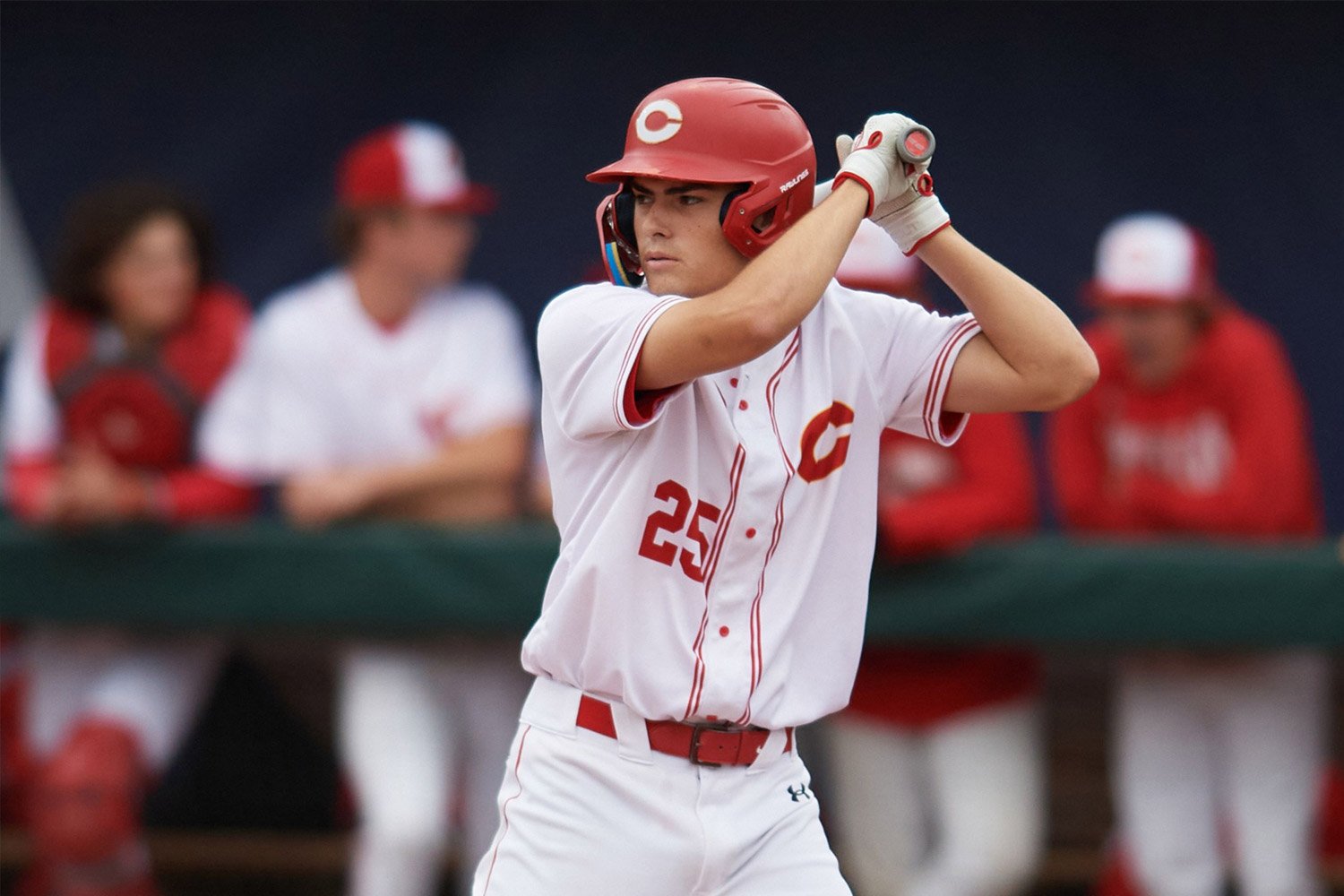 The Milwaukee Brewers selected Brady Ebel with the 32nd Pick of the 2025 MLB Draft. Ebel is a shortstop from Corona, California. The slot value for this pick is $2,970,900, and Ebel was ranked 60th on our MLB Draft Consensus Board. A lefty bat on the infield, Ebel is an LSU commit. Here's what our writeup of Ebel by Jamie Cameron stated before the draft: What do you think of the pick? Let us know your thoughts in the comments!
 -
One addendum: this dudes character and bulldog mentality is next level
-
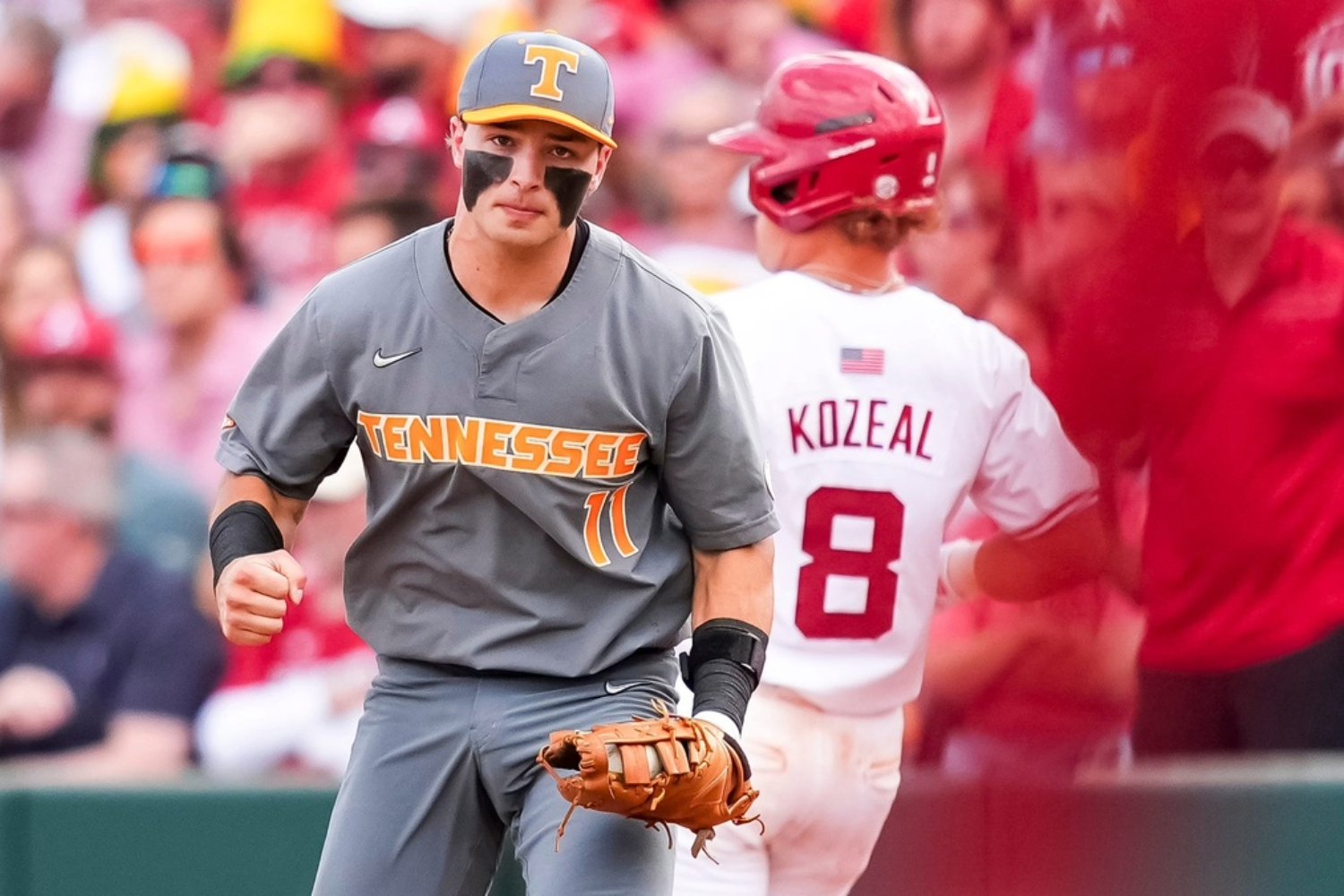 The Milwaukee Brewers selected Andrew Fischer with the 20th Pick of the 2025 MLB Draft. Andrew Fischer is a first baseman/outfielder from Tennessee. The slot value for this pick is $4,268,100 and Fischer was ranked 26th on our MLB Draft Consensus Board. Here's what our write up of Andrew Fischer by Jamie Cameron stated before the draft: "Andrew Fischer is one of the more complete college hitting profiles in this class, having established a track record of performance and consistent improvement in both the ACC and SEC. A transfer from Ole' Miss to Tennessee, Fischer has a physical frame at 6' 1, 200 and an approach that's consistently improved throughout his time in college ball. He takes his walks, and strikes out an acceptable amount. There's a ton of bat speed and juice in the profile, Fisher had a 113 mph Max EV and a EV90 north of 106 mph in 2024. Fischer has answered some questions about his hit tool so far in 2025. He's become more selective at the plate and cut into his strikeout rate significantly. He has an above average arm, but the speed and defense are lacking. The 2025 offensive production ameliorates some of the less exciting supplementary tools. Fischer finished with a .341/.497/.760 line with 25 home runs, an absurd 21.6 BB%, and a 14.4 K% he trimmed ~5% off from 2024. Under the hood, Fischer doesn’t have a ton of holes in his swing. He rocked an average exit velocity, barrel rate, walk rate, and slugging percentage all at least in the 90th percentile in D1 baseball. His approach and his damage on contact is impressive. He’s one of the few college hitting profiles in this class I feel confident will mash at the next level." Andrew Fischer is a fascinating selection leaning into the Brewers recent philosophy of picking players they believe they can save money on by going under slot (and that should be the case with Fischer, who was projected more towards the back end of the first round) while picking dynamic bats with upside. Brock Wilken, Blake Burke and now Andrew Fischer represent three first rounders in the last three drafts, and it may in part be because slugging bats cost too much for the small market Brewers in the open market. Like the two names mentioned above, there are concerns about Fischer's defensive home. His lack of speed presents limitations to his outfield presence meaning he's expected to be a first baseman/designated hitter in the Majors, although he does have a strong arm that could allow him to survive in right field if he can improve his mobility. That being said, his bat is exceptional with few holes. The low strikeout rate, strong eye at the plate and consistency of quality contact is exceptional and Fischer has no problem clearing the fences. It's a bat expected to translate well into the majors. He combines an ability to pull the ball in the air with strong bat speed and natural loft in his swing, all of which allow him to tap into his raw power and easily translate it to in game production. He crushes fastballs but he has had trouble on occasion with breaking pitches, albeit he's shown improvements in a small sample size. This fits the Brewers recent mold to a "T". He's a powerful, impact bat that they're hoping to find a position for somewhere while saving money to deploy in alter rounds on some high upside high school selections. He'll certainly be fun to watch in the Brewers system, likely initially deployed in the outfield due to the overflow of corner infielders they currently possess. What do you think of the pick? Let us know your thoughts in the comments!
 -
Image courtesy of © Brianna Paciorka/News Sentinel / USA TODAY NETWORK via Imagn Images The Milwaukee Brewers selected Andrew Fischer with the 20th Pick of the 2025 MLB Draft. Andrew Fischer is a first baseman/outfielder from Tennessee. The slot value for this pick is $4,268,100 and Fischer was ranked 26th on our MLB Draft Consensus Board. Here's what our write up of Andrew Fischer by Jamie Cameron stated before the draft: "Andrew Fischer is one of the more complete college hitting profiles in this class, having established a track record of performance and consistent improvement in both the ACC and SEC. A transfer from Ole' Miss to Tennessee, Fischer has a physical frame at 6' 1, 200 and an approach that's consistently improved throughout his time in college ball. He takes his walks, and strikes out an acceptable amount. There's a ton of bat speed and juice in the profile, Fisher had a 113 mph Max EV and a EV90 north of 106 mph in 2024. Fischer has answered some questions about his hit tool so far in 2025. He's become more selective at the plate and cut into his strikeout rate significantly. He has an above average arm, but the speed and defense are lacking. The 2025 offensive production ameliorates some of the less exciting supplementary tools. Fischer finished with a .341/.497/.760 line with 25 home runs, an absurd 21.6 BB%, and a 14.4 K% he trimmed ~5% off from 2024. Under the hood, Fischer doesn’t have a ton of holes in his swing. He rocked an average exit velocity, barrel rate, walk rate, and slugging percentage all at least in the 90th percentile in D1 baseball. His approach and his damage on contact is impressive. He’s one of the few college hitting profiles in this class I feel confident will mash at the next level." Andrew Fischer is a fascinating selection leaning into the Brewers recent philosophy of picking players they believe they can save money on by going under slot (and that should be the case with Fischer, who was projected more towards the back end of the first round) while picking dynamic bats with upside. Brock Wilken, Blake Burke and now Andrew Fischer represent three first rounders in the last three drafts, and it may in part be because slugging bats cost too much for the small market Brewers in the open market. Like the two names mentioned above, there are concerns about Fischer's defensive home. His lack of speed presents limitations to his outfield presence meaning he's expected to be a first baseman/designated hitter in the Majors, although he does have a strong arm that could allow him to survive in right field if he can improve his mobility. That being said, his bat is exceptional with few holes. The low strikeout rate, strong eye at the plate and consistency of quality contact is exceptional and Fischer has no problem clearing the fences. It's a bat expected to translate well into the majors. He combines an ability to pull the ball in the air with strong bat speed and natural loft in his swing, all of which allow him to tap into his raw power and easily translate it to in game production. He crushes fastballs but he has had trouble on occasion with breaking pitches, albeit he's shown improvements in a small sample size. This fits the Brewers recent mold to a "T". He's a powerful, impact bat that they're hoping to find a position for somewhere while saving money to deploy in alter rounds on some high upside high school selections. He'll certainly be fun to watch in the Brewers system, likely initially deployed in the outfield due to the overflow of corner infielders they currently possess. What do you think of the pick? Let us know your thoughts in the comments! View full article
-
2025 MLB Draft Day 1 Thread
Jake McKibbin replied to Jake McKibbin's topic in MLB Draft & International Signings
Wehiwa Aloy might be available for the Brewers, he'd be fast fascinating pick. The Brewers love makeup too, and it's a key reason for his golden spikes trophy -
2025 MLB Draft Day 1 Thread
Jake McKibbin replied to Jake McKibbin's topic in MLB Draft & International Signings
This draft is crazy -
2025 MLB Draft Day 1 Thread
Jake McKibbin replied to Jake McKibbin's topic in MLB Draft & International Signings
Option one on Spencers favourites is going to the Reds, who are about to select Steele Hall per Joe Doyle -
2025 MLB Draft Day 1 Thread
Jake McKibbin replied to Jake McKibbin's topic in MLB Draft & International Signings
Bremners gone to the Angels.. wow! Surprise already compared to projections -
2025 MLB Draft Day 1 Thread
Jake McKibbin replied to Jake McKibbin's topic in MLB Draft & International Signings
Eli Willits 1:1 -
2025 MLB Draft Day 1 Thread
Jake McKibbin replied to Jake McKibbin's topic in MLB Draft & International Signings
So draft day is finally here everyone. Who are our favourite (reasonable) picks for the first two rounds? Have we any one we don't want to see in Brewers uniform? For me, I'd love to see upside more than anything. We've seen that in every first round pick since 2022, and as such I'm a little wary of the Caden Bodine's and Marek Houston's of the world, despite their defensive pedigree -
 This year's draft will once again feature 20 rounds, albeit with a notable twist: it will last just two days, meaning a change to the existing format. Rounds one to three will be covered on day one, and rounds four through twenty will be squeezed into a long day two. Round one usually holds the most intrigue, and it will be fascinating to see how the Brewers approach their day one picks. Do they attempt to spread their bonus pool around? Will they splurge on high school talent in the first round? Will there be another surprise on day one to rival their Braylon Payne pick in 2024? Tune in to find out! Where Can I Watch Day One Of The 2025 MLB Draft? Day One begins at 6 p.m. Eastern Time and can be viewed on MLB.com, MLB Network, and ESPN. How Many Picks Do The Brewers Have on Day One of The 2025 MLB Draft? The Milwaukee Brewers have five picks on the first day of the draft, picking 20th (1st Round), 32nd (Compensation Pick Free Agency - Willy Adames), 59th (2nd Round), 68th (Compensation for Chris Levonas in 2024), and 94th (3rd Round) overall on day one. What Is The Milwaukee Brewers' Bonus Pool in The 2025 MLB Draft? The Brewers have $13,138,100 in their slot value for the draft, which, despite trading the 33rd pick to the Boston Red Sox in the Quinn Priester trade, leaves them with the 10th largest bonus pool overall. How Can I Keep Up To Date With The Milwaukee Brewers Draft Picks? We have our very own draft tracker that we will endeavor to update as quickly as possible with news of each selection, not only through the draft but also through the entire signing period, so make sure to come back for updates! There will be lots going on on what should be a particularly busy night for the Milwaukee Brewers. Having shown a penchant for left-field selections and high upside talent in recent drafts, it promises to be an exciting evening, and we will try to make updates to the story (and add links) as things happen, so keep refreshing! This is the place to be for tonight's draft. Still, suppose you'd like some additional content. In that case, we have the fabulous Jeremy Nygaard and Jamie Cameron on a live stream here, dissecting picks as they come through in a comprehensive analysis running through the night. The draft will continue on Monday, starting from 11.30 a.m. Eastern Time for the Brewers selections in rounds four through twenty. Buckle up! Wh
 -
This year's draft will once again feature 20 rounds, albeit with a notable twist: it will last just two days, meaning a change to the existing format. Rounds one to three will be covered on day one, and rounds four through twenty will be squeezed into a long day two. Round one usually holds the most intrigue, and it will be fascinating to see how the Brewers approach their day one picks. Do they attempt to spread their bonus pool around? Will they splurge on high school talent in the first round? Will there be another surprise on day one to rival their Braylon Payne pick in 2024? Tune in to find out! Where Can I Watch Day One Of The 2025 MLB Draft? Day One begins at 6 p.m. Eastern Time and can be viewed on MLB.com, MLB Network, and ESPN. How Many Picks Do The Brewers Have on Day One of The 2025 MLB Draft? The Milwaukee Brewers have five picks on the first day of the draft, picking 20th (1st Round), 32nd (Compensation Pick Free Agency - Willy Adames), 59th (2nd Round), 68th (Compensation for Chris Levonas in 2024), and 94th (3rd Round) overall on day one. What Is The Milwaukee Brewers' Bonus Pool in The 2025 MLB Draft? The Brewers have $13,138,100 in their slot value for the draft, which, despite trading the 33rd pick to the Boston Red Sox in the Quinn Priester trade, leaves them with the 10th largest bonus pool overall. How Can I Keep Up To Date With The Milwaukee Brewers Draft Picks? We have our very own draft tracker that we will endeavor to update as quickly as possible with news of each selection, not only through the draft but also through the entire signing period, so make sure to come back for updates! There will be lots going on on what should be a particularly busy night for the Milwaukee Brewers. Having shown a penchant for left-field selections and high upside talent in recent drafts, it promises to be an exciting evening, and we will try to make updates to the story (and add links) as things happen, so keep refreshing! This is the place to be for tonight's draft. Still, suppose you'd like some additional content. In that case, we have the fabulous Jeremy Nygaard and Jamie Cameron on a live stream here, dissecting picks as they come through in a comprehensive analysis running through the night. The draft will continue on Monday, starting from 11.30 a.m. Eastern Time for the Brewers selections in rounds four through twenty. Buckle up! Wh View full article
-
The DSL Brewers are facing from the 2025 class. Both Dustin Mayorquin and Joan Peña have no issues with strikeouts in the early goings. One of the few takeaways we have is "can you get strikeouts" and "can you keep walks down" and both have done admirably in that sense. Spencer has talked about Peña recently but here's some ore-season refresher on his Mayorquin video/Prospect Tilt
-
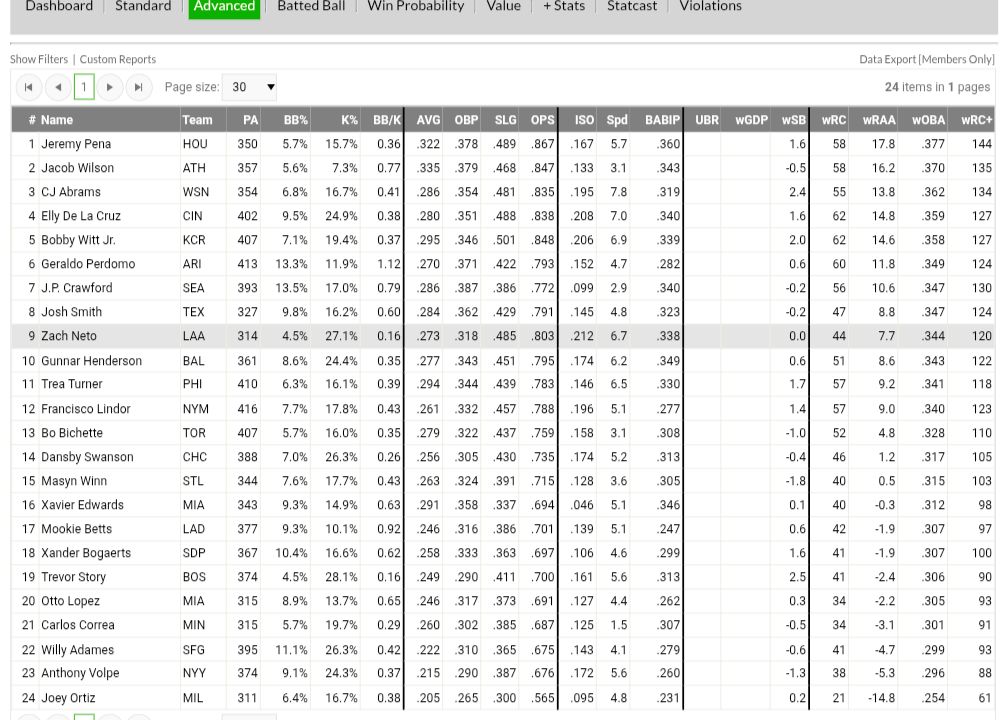
The problem is who? The shortstop trade availability is pretty low this year with a lot of long, big contracts out there or young stars with a ton of control remaining
-
I knew I'd missed someone! Gasser is expecting to start rehab outings in the ACL soon enough, I think within the next week? If not then, two weeks
- 30 replies
-
- 2
-

-
- 2025 trade deadline
- brock wilken
- (and 5 more)
-
Image courtesy of © Angela Peterson / Milwaukee Journal Sentinel / USA TODAY NETWORK via Imagn Images In recent seasons, the Milwaukee Brewers have tinkered around the margins, without ever really pushing their chips in. A part of that is down to the farm system, where Milwaukee needs to have a steady stream of talent coming through to remain competitive with the bigger-market teams in baseball. Although they've had a highly ranked system in recent seasons, one thing they lacked was strong depth in the upper minors. A lot of that strength came from the upper end of their system, with Jackson Chourio, Jacob Misiorowski and Jeferson Quero carrying the rankings. In 2025, that's all changed. From top to bottom, the Brewers have a plethora of options to trade from: young, controllable pitching that's ready to impact the big leagues, as well as a logjam's worth of bats capable of playing both corner infield spots. In some ways, they would be suppressing the talent they have not to trade some of their higher-value chips at the deadline. The Depth of Corner Infield Assets Is Staggering The logjam at third base presents three high-upside bats, all of whom possess trade intrigue. Between Luke Adams and Brock Wilken, the Brewers have two players in the difficult offensive environment of the Southern League with a weighted runs created plus (WRC+) at 170 or higher, where 100 is average and higher is better. Wilken has garnered the bulk of playing time at third base, and has shown enough improvement in mobility to be a fringe defender there, while Adams showcases better athleticism but more inconsistent actions. Both have prodigious raw power and approaches bordering on passive, with high walk rates (and in the case of Adams, hit-by-pitch rates). Adams swings and misses less than Wilken, but also taps into the long ball less often (Wilken leads the Southern league with 18 home runs by a full five homers, despite missing the last few weeks). Adams has perhaps the greater upside of the two, but if not for injuries, Wilken would be the closer to the big leagues. While both are currently on the injured list, they would both have a chance to make an impact in 2026 in the major leagues, and both would be prized assets in a trade. As an even higher-upside player (although one with considerably higher variance), Eric Bitonti could flow into the conversation, as well. You'd be hard-pressed to find anyone with more raw power anywhere in the minor leagues, and Bitonti is still just 19 years old. He entered the system as a shortstop, before moving over to third and then (predominantly) first base amidst the other athletic infield options on the Carolina Mudcats roster. There are swing-and-miss concerns, and his stock has come down because of them, but it's too early to write off the chance that his hit tool progresses and everything takes off. Whether he can find more consistent plate coverage and adjustability in the strike zone remains to be seen as Bitonti matures and develops, and if not, he'd rate as much less valuable than Adams or Wilken, but the giant first baseman fields his position well and would create some serious intrigue around the league, were he on the table. The reason the Brewers can afford to trade from these positions is the volume of depth they possess. Retaining one of Wilken, Bitonti or Adams alongside Blake Burke should be enough, with Jesus Made and Luis Peña looking to progress to High A Wisconsin on the left side of the infield, while they also have a plethora of first-base options in Triple A. The system is chock-full of talent, to the point where Wilken and Adams were unable to force promotions earlier in the season, and they can use that logjam to their advantage come the deadline. In fact, in a sense, they need to. Room must be made for their incoming draft class. Who Doesn't Love MLB-Ready Starting Pitching? The other area of surplus from which they can make a splash is their starting pitching depth, most of which is ready to make an impact at the major-league level. The rotation of Jacob Misiorowski, Brandon Woodruff, Jose Quintana, Freddy Peralta and Quinn Priester looks well-poised to perform going into the dog days of summer, but the return of Nestor Cortes after the All-Star break (alongside the controllable contracts of Chad Patrick, Logan Henderson and Tobias Myers) ensures there's room for movement. The Brewers will look at this from the (cue groans) bites-of-the-apple angle, seeing what their rotation depth looks like in future seasons as well as this one. With Peralta under control on an affordable club option for one more season and pre-arbitration team control in effect for Misiorowski, Priester, Henderson, Patrick and Myers (on top of some burgeoning depth in Triple A in the form of Coleman Crow and (potentially) Tyson Hardin), the Brewers could enter next season with as many as eight players they would feel comfortable pitching big-league innings as a starter. Even then, we're excluding the opportunities for DL Hall and Aaron Ashby to move back into starting roles, something both pitchers were expected to do in 2025 before injury setbacks pushed them into long relief. With those two stretched out, you could have a double-digit number of arms capable of starting games in 2026. Priester and Henderson are expected to stay, but Myers has begun to showcase some improvements lately, including a 97.8 mph fastball and a returning feel for his changeup—culminating in winning the International League Pitcher of the Week last week. Patrick's cutter is one of the best in baseball. His slider actually grades out favorably in stuff models. If he can gain some command for it, or even feel for a changeup (as a supinator, is he a prime kick-change candidate?), then his profile goes from back-end starter to a mid-rotation arm. Even Hall, whose fastball appears to be slowly returning after working to clean up the mechanical deficiencies caused by his knee issues in 2024, may be attractive to other teams in a starting role. If that fastball shape continues to showcase in July, his value will grow. In short, the Brewers could use one of their controllable arms to make a big move, as well. Teams like the Diamondbacks (with Josh Naylor and Eugenio Suárez on the block), the Texas Rangers (Adolís García) and the Boston Red Sox (Alex Bregman) all have high-value assets, and all of them would enjoy some controllable, effective starting pitching. Were the Brewers to package Adams, Wilken or Bitonti with an MLB-proven arm with years of team control remaining, they could provide a hefty offer for any of the assets named above. It leaves them with options without compromising their future and that is exactly where the Milwaukee Brewers need to be. The team is firing. They have a strong rotation and a lights-out bullpen. They have guts and grit and bat-to-ball skills coming out of their oxsters. When you have a stack of "chips" as large as the Brewers', you can certainly afford to take a risk. The time to move is now. What would you think of the Brewers trading the above assets to get a big trade deadline boost in the form of a bat with thump? Would you consider it fair, even if the bat was a rental (or rental plus one for Garcia)? Let us know your thoughts in the comments below! View full article
-
The Milwaukee Brewers Are Locked And Loaded For A Trade Deadline Splash
Jake McKibbin posted an article in Brewers
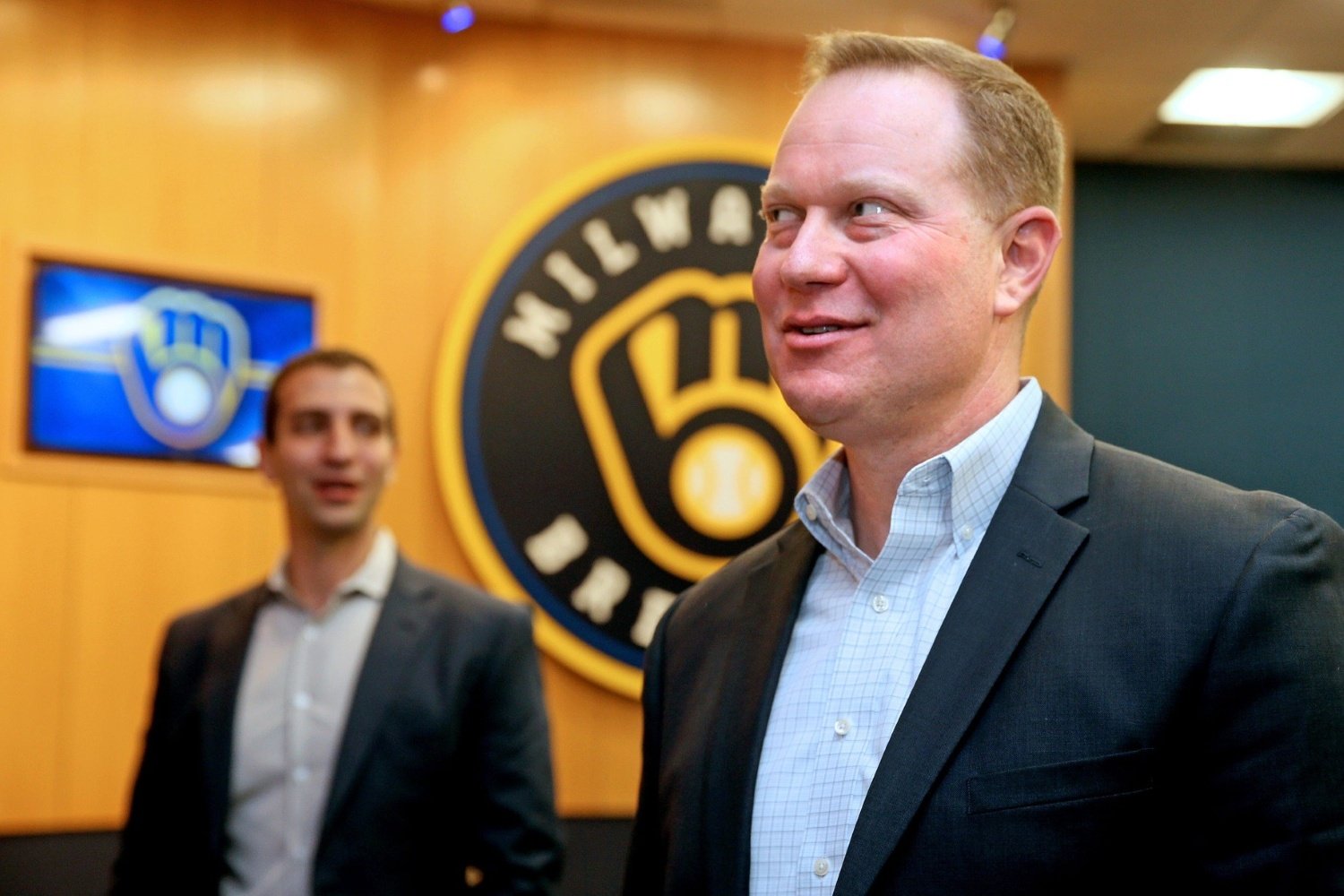 In recent seasons, the Milwaukee Brewers have tinkered around the margins, without ever really pushing their chips in. A part of that is down to the farm system, where Milwaukee needs to have a steady stream of talent coming through to remain competitive with the bigger-market teams in baseball. Although they've had a highly ranked system in recent seasons, one thing they lacked was strong depth in the upper minors. A lot of that strength came from the upper end of their system, with Jackson Chourio, Jacob Misiorowski and Jeferson Quero carrying the rankings. In 2025, that's all changed. From top to bottom, the Brewers have a plethora of options to trade from: young, controllable pitching that's ready to impact the big leagues, as well as a logjam's worth of bats capable of playing both corner infield spots. In some ways, they would be suppressing the talent they have not to trade some of their higher-value chips at the deadline. The Depth of Corner Infield Assets Is Staggering The logjam at third base presents three high-upside bats, all of whom possess trade intrigue. Between Luke Adams and Brock Wilken, the Brewers have two players in the difficult offensive environment of the Southern League with a weighted runs created plus (WRC+) at 170 or higher, where 100 is average and higher is better. Wilken has garnered the bulk of playing time at third base, and has shown enough improvement in mobility to be a fringe defender there, while Adams showcases better athleticism but more inconsistent actions. Both have prodigious raw power and approaches bordering on passive, with high walk rates (and in the case of Adams, hit-by-pitch rates). Adams swings and misses less than Wilken, but also taps into the long ball less often (Wilken leads the Southern league with 18 home runs by a full five homers, despite missing the last few weeks). Adams has perhaps the greater upside of the two, but if not for injuries, Wilken would be the closer to the big leagues. While both are currently on the injured list, they would both have a chance to make an impact in 2026 in the major leagues, and both would be prized assets in a trade. As an even higher-upside player (although one with considerably higher variance), Eric Bitonti could flow into the conversation, as well. You'd be hard-pressed to find anyone with more raw power anywhere in the minor leagues, and Bitonti is still just 19 years old. He entered the system as a shortstop, before moving over to third and then (predominantly) first base amidst the other athletic infield options on the Carolina Mudcats roster. There are swing-and-miss concerns, and his stock has come down because of them, but it's too early to write off the chance that his hit tool progresses and everything takes off. Whether he can find more consistent plate coverage and adjustability in the strike zone remains to be seen as Bitonti matures and develops, and if not, he'd rate as much less valuable than Adams or Wilken, but the giant first baseman fields his position well and would create some serious intrigue around the league, were he on the table. The reason the Brewers can afford to trade from these positions is the volume of depth they possess. Retaining one of Wilken, Bitonti or Adams alongside Blake Burke should be enough, with Jesus Made and Luis Peña looking to progress to High A Wisconsin on the left side of the infield, while they also have a plethora of first-base options in Triple A. The system is chock-full of talent, to the point where Wilken and Adams were unable to force promotions earlier in the season, and they can use that logjam to their advantage come the deadline. In fact, in a sense, they need to. Room must be made for their incoming draft class. Who Doesn't Love MLB-Ready Starting Pitching? The other area of surplus from which they can make a splash is their starting pitching depth, most of which is ready to make an impact at the major-league level. The rotation of Jacob Misiorowski, Brandon Woodruff, Jose Quintana, Freddy Peralta and Quinn Priester looks well-poised to perform going into the dog days of summer, but the return of Nestor Cortes after the All-Star break (alongside the controllable contracts of Chad Patrick, Logan Henderson and Tobias Myers) ensures there's room for movement. The Brewers will look at this from the (cue groans) bites-of-the-apple angle, seeing what their rotation depth looks like in future seasons as well as this one. With Peralta under control on an affordable club option for one more season and pre-arbitration team control in effect for Misiorowski, Priester, Henderson, Patrick and Myers (on top of some burgeoning depth in Triple A in the form of Coleman Crow and (potentially) Tyson Hardin), the Brewers could enter next season with as many as eight players they would feel comfortable pitching big-league innings as a starter. Even then, we're excluding the opportunities for DL Hall and Aaron Ashby to move back into starting roles, something both pitchers were expected to do in 2025 before injury setbacks pushed them into long relief. With those two stretched out, you could have a double-digit number of arms capable of starting games in 2026. Priester and Henderson are expected to stay, but Myers has begun to showcase some improvements lately, including a 97.8 mph fastball and a returning feel for his changeup—culminating in winning the International League Pitcher of the Week last week. Patrick's cutter is one of the best in baseball. His slider actually grades out favorably in stuff models. If he can gain some command for it, or even feel for a changeup (as a supinator, is he a prime kick-change candidate?), then his profile goes from back-end starter to a mid-rotation arm. Even Hall, whose fastball appears to be slowly returning after working to clean up the mechanical deficiencies caused by his knee issues in 2024, may be attractive to other teams in a starting role. If that fastball shape continues to showcase in July, his value will grow. In short, the Brewers could use one of their controllable arms to make a big move, as well. Teams like the Diamondbacks (with Josh Naylor and Eugenio Suárez on the block), the Texas Rangers (Adolís García) and the Boston Red Sox (Alex Bregman) all have high-value assets, and all of them would enjoy some controllable, effective starting pitching. Were the Brewers to package Adams, Wilken or Bitonti with an MLB-proven arm with years of team control remaining, they could provide a hefty offer for any of the assets named above. It leaves them with options without compromising their future and that is exactly where the Milwaukee Brewers need to be. The team is firing. They have a strong rotation and a lights-out bullpen. They have guts and grit and bat-to-ball skills coming out of their oxsters. When you have a stack of "chips" as large as the Brewers', you can certainly afford to take a risk. The time to move is now. What would you think of the Brewers trading the above assets to get a big trade deadline boost in the form of a bat with thump? Would you consider it fair, even if the bat was a rental (or rental plus one for Garcia)? Let us know your thoughts in the comments below!
- 30 comments
-
- 2
-

-
-
- 2025 trade deadline
- brock wilken
- (and 5 more)
-
I don't know why, but Tobias Myers was scheduled to start today and has now been replaced by Garrett Stallings. One to watch
-
Come to Northern Ireland Joseph! Our weather is pretty bleh, we get three weeks of sunshine a year, but no fires, no hurricanes and we LOVE some farmers down here We can create an irish Brewers fanbase for the ages
-
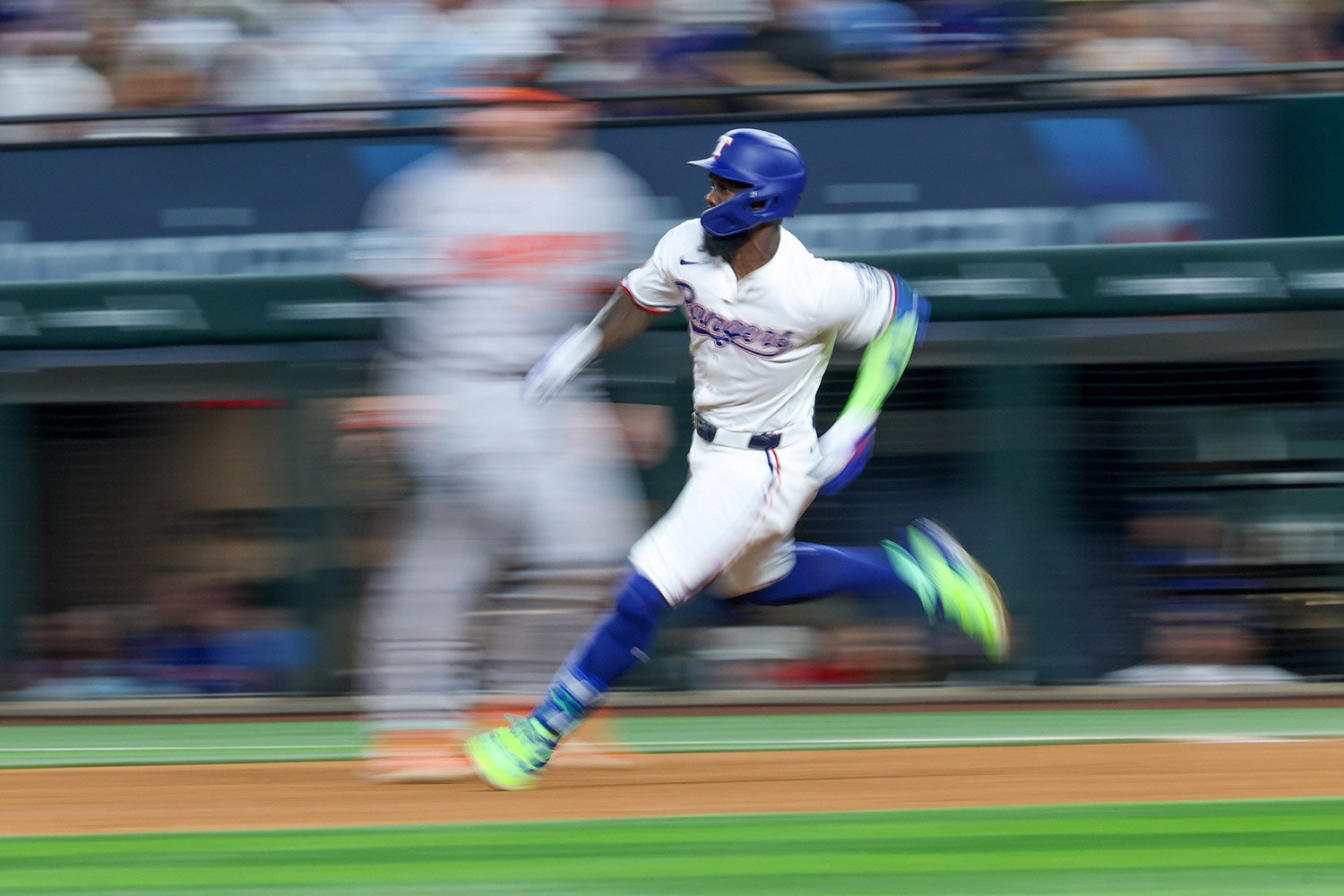 Adolis Garcia has a .657 OPS in 2025. Let's face it, he wasn't that great in 2024 either. That being said, he's showing some real signs of progress under the hood that suggest a big breakout with the type of power the Brewers are desperate for. If I showed you the two baseball savant pages below and asked which one you would prefer, I think the one on the left would likely win out. That would be Garcia, while the one on the right is Eugenio Suarez, one of the most in-demand trade targets expected to be available at the deadline in 2025. Suarez has the advantage of playing in a hitters' paradise within Chase Field, and his actual numbers more closely resemble his expected production than Garcia's, but both are streaky and have the potential to carry an offense As a bonus, Garcia is also under team control through 2026. There's solid range in the outfield, a cannon of a throwing arm, and a monstrous bat. He's coming into form, reducing his whiff rate to just 19% in July (down from 30%+ in recent months) while having an expected batting average of .377 and expected slugging mark of .684. He provides just the type of danger the Brewers' lineup is currently lacking. We're also beginning to see some rumours pointing towards a connection between Garcia and the Brewers. With his history of postseason performance, the passion with which he plays, would you like to see Adolis Garcia in a Brewers uniform come August? What would you be willing to give up for him?
 -
Adolis Garcia has a .657 OPS in 2025. Let's face it, he wasn't that great in 2024 either. That being said, he's showing some real signs of progress under the hood that suggest a big breakout with the type of power the Brewers are desperate for. If I showed you the two baseball savant pages below and asked which one you would prefer, I think the one on the left would likely win out. That would be Garcia, while the one on the right is Eugenio Suarez, one of the most in-demand trade targets expected to be available at the deadline in 2025. Suarez has the advantage of playing in a hitters' paradise within Chase Field, and his actual numbers more closely resemble his expected production than Garcia's, but both are streaky and have the potential to carry an offense As a bonus, Garcia is also under team control through 2026. There's solid range in the outfield, a cannon of a throwing arm, and a monstrous bat. He's coming into form, reducing his whiff rate to just 19% in July (down from 30%+ in recent months) while having an expected batting average of .377 and expected slugging mark of .684. He provides just the type of danger the Brewers' lineup is currently lacking. We're also beginning to see some rumours pointing towards a connection between Garcia and the Brewers. With his history of postseason performance, the passion with which he plays, would you like to see Adolis Garcia in a Brewers uniform come August? What would you be willing to give up for him? View full rumor
-
Depending on the level, I'd agree. In some ways, its probably similar in value to the Carlos Santana trade for Jhonny Severino from the Pirates. Capable, dependable option to pencil in, but I do hope that Preller can be pushed to a more desperate return