


Matthew Trueblood
-
Posts
1,922 -
Joined
-
Last visited
-
Days Won
10
Content Type
Profiles
Forums
Blogs
Events
News
2026 Milwaukee Brewers Top Prospects Ranking
Milwaukee Brewers Videos
2022 Milwaukee Brewers Draft Picks
Milwaukee Brewers Free Agent & Trade Rumors, Notes, & Tidbits
Guides & Resources
2023 Milwaukee Brewers Draft Picks
2024 Milwaukee Brewers Draft Picks
The Milwaukee Brewers Players Project
2025 Milwaukee Brewers Draft Pick Tracker
2026 Milwaukee Brewers Draft Tracker: Picks & Bonuses
Store
Downloads
Gallery
Everything posted by Matthew Trueblood
-
Image courtesy of Justine Willard-Imagn Images It's easy to identify the superstar most likely to be traded before the MLB trade deadline next Monday. It's two-time defending AL Cy Young Award winner Tarik Skubal, of the flailing Tigers. Skubal isn't a great fit for the Milwaukee Brewers, though. He's still due more than $10 million for the balance of this season, and this November, he becomes eligible for free agency. If he's traded, the acquiring team won't even be able to extend him a qualifying offer and collect draft-pick compensation when he heads for the open market. That's not a very Brewers-y target, especially since the Tigers are likely to demand high-level prospects in exchange for the short-term rental of their mega-ace. The odds of the Crew giving up the massive haul the Padres will want for Mason Miller aren't much higher. Pairing Jacob Misiorowski and Miller on the same staff sounds like a dream, and Miller is under team control beyond this season, but his gaudy stats and saves totals will make him expensive. It's also risky to give up multiple young players to land a hurler with so much obvious injury risk attached to them—and not the kind of 'risky' that fits the decision-making framework of a team like Milwaukee. Nationals infielder CJ Abrams is having a career year, hurtling toward what could be 40 home runs and 30 steals at age 25. He's under team control for two more seasons, too. So what's the catch? Well, just that, actually. Abrams is a poor defender, unsuited to shortstop for a team as defense-minded as the Brewers, and his best alternative position would be second, where the team already has a down-ballot MVP candidate in Brice Turang. Under no pressure to move Abrams, the Nationals will hold onto him unless they get multiple top prospects; the Brewers are unlikely to pony up that way for a player who doesn't fit their roster well. Who, then, is the best player the Brewers might actually be willing and able to acquire in the next six days? Most teams are constrained by either their ability to spend or the depth of their farm system. There's certainly some limit on what Mark Attanasio will approve, financially, but the Brewers have some flexibility there. More importantly (since prospects are currency in July), they have the best farm system in baseball, and a young enough big-league roster to trade from that depth fearlessly if they get the right chance. There might be players who are functionally unavailable right now, except to the Brewers. Here are a few of them. James Wood This is the dream scenario, though it also seems to demand a bit of temerity from Matt Arnold that seemed to belong more to his former boss, David Stearns. Wood, 23, still has a whopping four years of team control left after 2026, and the Nationals seem to be ahead of schedule in their rebuild. They absolutely won't trade Wood, whom they acquired as the co-headliner of the Juan Soto deal in 2021 (alongside Abrams)—unless they get an even richer package for him than for Soto. That would mean Jesus Made and more. This deal would be akin to the Brewers trading for Christian Yelich in January 2018. It would be a major shakeup, and it would be risky, even with Cooper Pratt in place as a shortstop who can make losing Made hurt a bit less. It would also add a .272/.398/.556 hitter to their lineup. It might just make them favorites to win the World Series. Logan Webb The big concerns about a rotation spearheaded by Jacob Misiorowski and Kyle Harrison aren't about performance; they're about availability. With Logan Webb, availability is never in doubt. He's topped 200 innings in each of the last three seasons, a virtual miracle in the modern game. He's smack in the middle of a five-year, $90-million deal that looks very team-friendly, and even as they ponder a major roster overhaul, the Giants have said he's not available. Again, though, the Brewers have the farm system to make a player like Webb available, given the Giants' circumstances and Milwaukee's organizational depth. Again, add Webb to the rotation, and you're instant favorites for the pennant. Like Wood, he would be a boost not only immediately, but into the future. Hunter Goodman A recent report in The Athletic indicated that reservations about Goodman's defense have dinged his trade value enough to make a deal unlikely. That should only be music to the Brewers' ears. With one of the league's best catching instruction infrastructures, they would have a chance to mend the biggest weakness in a profile that has already netted Goodman two 30-homer seasons and two All-Star appearances. His huge raw power would augment the lineup for the rest of this season, and the team could then consider trading William Contreras this winter without feeling as uneasy about turning things over to one of their top catching prospects. Goodman is under team control through 2029. Gunnar Henderson In all likelihood, Arnold will blanch at the asking prices if he even checks in on Wood, Webb or Goodman. A slightly better plan might be to buy low on a player with superstar upside, experiencing a brutal season. Gunnar Henderson is only batting .221/.292/.401 this season, and although he's only 25 years old, he'll be a free agent in the fall of 2028. However, not for nothing was he a member of Team USA at the World Baseball Classic. He's demonstrated a virtually MVP-level ceiling as a two-way contributor at shortstop, and if coming to Milwaukee meant moving to third base, he'd be great there, defensively. 'Buying low,' here, would still mean giving up a lot; the Brewers would have to believe they can rapidly cure what has ailed him at the plate all year. It's an intriguing potential gambit, though. The Guys You Still Can't Get It's worth mentioning the names of two other players on a cellar-dwelling team, who make at least some sense as trade candidates. Unfortunately, because that team is the Cincinnati Reds, a trade to Milwaukee is still almost unimaginable—and the Brewers might be as scared to deal Made or other top prospects to Cincinnati as the Reds would be to send stars to their regional hegemon. Elly De La Cruz is piecing together outright superstardom, one thing at a time. This year, he's walking more than ever and lifting the ball a bit more consistently. Formerly hapless from the right side, he's become a truer switch-hitter and has hammered lefty pitchers. His defense has gotten more consistent. He still has three more years of team control left. The Reds would surely prefer to extend him, but it's clear that he's already pricing himself out of town. There's almost no chance he's dealt this week, though, and surely, the Reds will refuse outright to ship him anywhere else in their division. It's a slightly different story where Hunter Greene is concerned, but the ending is the same. The Reds have control of him through 2029, too, but it's expensive control: they signed him to a nine-figure deal in 2023. He missed almost the whole first half with arm trouble, and his numbers look shaky since his return. The stuff is still overpowering, though, so while they might be open to dealing Greene—they've moved on to Chase Burns as their de facto ace, signing him to a deal not unlike Greene's—the Reds will retain him if they don't get a huge haul. Neither the Brewers nor the Reds will want to heap their plates with the risks associated with swapping a bunch of young Milwaukee talent under cost and club control for Greene. A relatively straightforward deadline is the smart bet. The Brewers don't have big needs, or big motivation to deplete their elite depth. They do have an unusual opportunity, though. There are a handful of guys throughout the league whom they can acquire, whereas virtually no one else can. That has to stay in the back of the mind, for Arnold and for Brewers fans, over the next six days. View full article
-
You articulate the arguments well on each side. I think, status-quo, you'd let him stay in the rotation a little while. But I don't think the status quo will hold. They're gonna add a starter in the next six days and that will force them to consider moving Sproat.
-
I'm sure he'll get one. Colton Gordon, too. But the team will probably bring someone in to round out the rotation, so Crow and Gordon are both likely to remain confined to spot starts and long relief work for the balance of this year, IMO.
-
Image courtesy of Darren Yamashita-Imagn Images Things just keep finding a way to go wrong for Brandon Sproat. It's not always the same way, but there's always a way. Sproat made it through (technically) a quality start Monday night in San Francisco, surrendering three runs in six innings. It was just the fourth time this year that he's gotten at least 18 outs in a game, and it was one of his five or six best starts of the season. Even then, though, he only struck out five, and he walked three, and the Brewers lost 3-0. It's all becoming familiar. Sproat consistently downplays any hum of adrenaline fueling his starts, but in every outing, he comes out running hot and then sees his velocity drop significantly. On Monday night, he averaged 97.0 MPH with his four-seam fastball in the first inning, but by the fifth (94.2) and sixth (94.4), the heat was cooling off. For the year, Sproat's average heater in the first inning is 97.6 MPH, good for the 94th percentile among starters. In the fifth, it's 95.3, which dips out of the top quartile of the league. More importantly (and perhaps relatedly), Sproat too often finds himself working extremely hard early in starts, because he doesn't induce chases outside the zone much at all and doesn't miss enough bats when hitters do swing. In fact, here are the only four pitchers with at least 80th-percentile fastball velocity but an average or worse whiff rate and a chase rate in or below the 20th percentile. Despite throwing hard and having a sweeper, a curveball and a slider that all rate as above-average based on their raw characteristics, Sproat simply isn't forcing bad swing decisions or piling up whiffs. The other three guys who have this problem, by no coincidence, are all relievers. In the long run, Sproat still has a chance to help the Brewers as a starter. This season feels a bit like Corbin Burnes's 2019: a lot of teases, a lot of glimpses at huge potential, but lousy production. The team has a good chance to successfully develop him as a starter next season and beyond. For now, though, this confluence of weaknesses—the tendency to run out of steam after hot starts; an inability to get batters to expand the zone; and underperformance in terms of swing-and-miss—cries out for a change. Sproat needs to move to the bullpen down the stretch. That underscores the importance of the Brewers' quest to add a starting pitcher before next week's MLB trade deadline. They need the depth, anyway, but Sproat makes it clearer how badly they need it each time he takes the mound. Even assuming Kyle Harrison returns rapidly and without issue, the rotation could use another mid-tier arm behind him and Jacob Misiorowski. Logan Henderson, Shane Drohan and Robert Gasser are fine back-end options, and the Brewers have several relievers and Triple-A options who can give them length. Sproat should move into short relief and streamline his arsenal for the rest of this year. The front office, meanwhile, should add a starter who fits in front of the likes of Henderson and Drohan in the pecking order, making it easier to move Sproat out without worrying about a sudden lack of readiness to cover the requisite innings. View full article
-
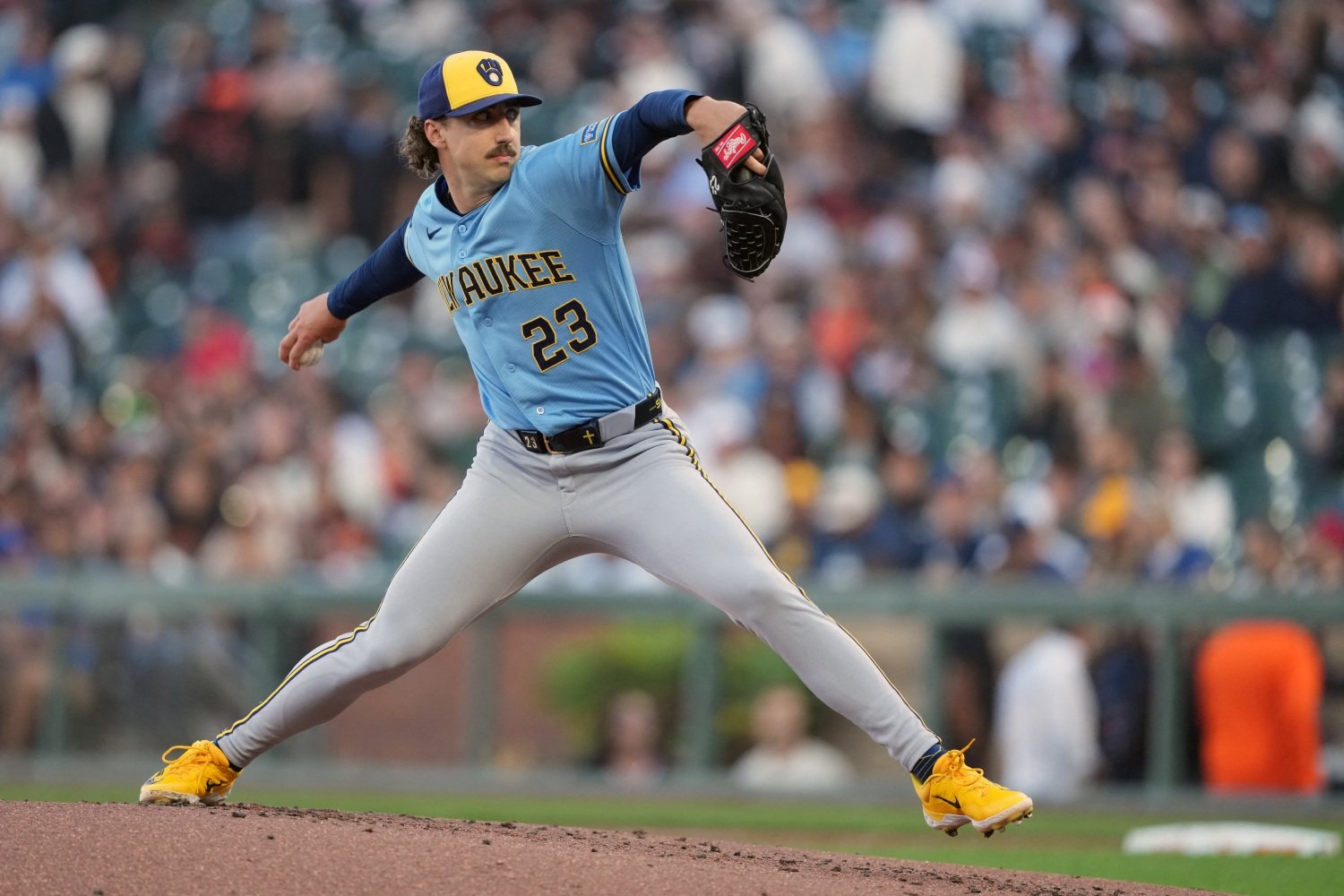 Things just keep finding a way to go wrong for Brandon Sproat. It's not always the same way, but there's always a way. Sproat made it through (technically) a quality start Monday night in San Francisco, surrendering three runs in six innings. It was just the fourth time this year that he's gotten at least 18 outs in a game, and it was one of his five or six best starts of the season. Even then, though, he only struck out five, and he walked three, and the Brewers lost 3-0. It's all becoming familiar. Sproat consistently downplays any hum of adrenaline fueling his starts, but in every outing, he comes out running hot and then sees his velocity drop significantly. On Monday night, he averaged 97.0 MPH with his four-seam fastball in the first inning, but by the fifth (94.2) and sixth (94.4), the heat was cooling off. For the year, Sproat's average heater in the first inning is 97.6 MPH, good for the 94th percentile among starters. In the fifth, it's 95.3, which dips out of the top quartile of the league. More importantly (and perhaps relatedly), Sproat too often finds himself working extremely hard early in starts, because he doesn't induce chases outside the zone much at all and doesn't miss enough bats when hitters do swing. In fact, here are the only four pitchers with at least 80th-percentile fastball velocity but an average or worse whiff rate and a chase rate in or below the 20th percentile. Despite throwing hard and having a sweeper, a curveball and a slider that all rate as above-average based on their raw characteristics, Sproat simply isn't forcing bad swing decisions or piling up whiffs. The other three guys who have this problem, by no coincidence, are all relievers. In the long run, Sproat still has a chance to help the Brewers as a starter. This season feels a bit like Corbin Burnes's 2019: a lot of teases, a lot of glimpses at huge potential, but lousy production. The team has a good chance to successfully develop him as a starter next season and beyond. For now, though, this confluence of weaknesses—the tendency to run out of steam after hot starts; an inability to get batters to expand the zone; and underperformance in terms of swing-and-miss—cries out for a change. Sproat needs to move to the bullpen down the stretch. That underscores the importance of the Brewers' quest to add a starting pitcher before next week's MLB trade deadline. They need the depth, anyway, but Sproat makes it clearer how badly they need it each time he takes the mound. Even assuming Kyle Harrison returns rapidly and without issue, the rotation could use another mid-tier arm behind him and Jacob Misiorowski. Logan Henderson, Shane Drohan and Robert Gasser are fine back-end options, and the Brewers have several relievers and Triple-A options who can give them length. Sproat should move into short relief and streamline his arsenal for the rest of this year. The front office, meanwhile, should add a starter who fits in front of the likes of Henderson and Drohan in the pecking order, making it easier to move Sproat out without worrying about a sudden lack of readiness to cover the requisite innings.
 -
Image courtesy of Kelley L Cox-Imagn Images In their first series out of the All-Star break, the Brewers swept the Miami Marlins, pushing that tottering team further toward being sellers at next Monday's MLB trade deadline. They then welcomed two teams who needed no such influencing, in the hapless Mets and Rockies. Now, as they hit the road for a pair of series on the West Coast, they'll extend their streak to an improbable five straight against sellers, in a league that doesn't have all that many teams thus classified. Obviously, it will be nice to swoop into San Francisco and Anaheim, where two reeling teams are bracing for being picked apart by trades. Wins should be as easy to come by there as they were during the team's homestand. It adds another layer of intrigue, though, to know that some of the players the Brewers will see while in each city are candidates to be Brewers themselves by this time next week. Arguably, the top two controllable starters on the market are members of the Angels, in Reid Detmers and José Soriano. Anaheim also has a couple of useful relievers available, including Kirby Yates and old friend Brent Suter. On the position-player side, they could look to move righty sluggers Jorge Soler and/or Jo Adell, and if the right offer comes for shortstop Zach Neto, they might even move on from him. Detmers, Soriano and Neto are high-value targets, even if the fit for Neto would be imperfect from the Brewers' standpoint. One or more of those guys could be traded before Milwaukee even gets to the Big A, though. First, the Crew will drop in on Willy Adames and the Giants. Adames, of course, has an onerous contract attached to him, and fitting him back into the infield mix for the Brewers would be even more fraught than acquiring Neto. However, there are whispers that the Giants might try to move sweet-swinging outfielder Jung Hoo Lee, and they have a trio of veteran starters who will be available to lengthen a rotation. In all likelihood, the Brewers will have no interest in a reunion with Adrian Houser or in Tyler Mahle, but Robbie Ray could be a solid fit for them. San Francisco also has a few relief arms who might be easy to acquire, led by JT Brubaker. Normally, West Coast trips are imposing, even when a good team is venturing out to play poor ones. At this moment, though, these should make for some easy wins for the Crew. The Giants and Angels have too many of their own problems to focus on their opponents well right now. San Francisco's decision to hire manager Tony Vitello away from his head coaching job at the University of Tennessee has gone pear-shaped; the Angels fired GM Perry Minasian earlier this summer. Amid the chaos of each club and the cloud hanging over each clubhouse, the Brewers need to make hay. They'll also get the chance to scout some of those could-be helpful pieces up close. Only Detmers and Soriano stand out as great fits for Milwaukee. On the other hand, in the right creative sequence (a trade bringing in Neto and sliding him to third base, while spinning off Joey Ortiz to bolster the pitching staff? One that moves an outfielder to land Detmers, and another that brings in Lee to slot into the lineup?), they could be the kinds of splashy moves that have been bandied about by the national media over the last week. One thing this stretch of the schedule underscores needs to remain in the front of Brewers fans' minds over the next week: Every acquisition they make must be about October. This team will win its division and go to the playoffs with a good chance to reach the World Series. They need to reinforce the roster in ways that specifically address what might prevent them from going that far. Playing these bad teams should keep them comfortable in the standings and make clear to everyone how dominant the Crew can be. They don't just need to fill innings. They need to think about who, on these lousy teams they're facing in the final fortnight of July, can help them beat much stronger opponents two months from now. View full article
-
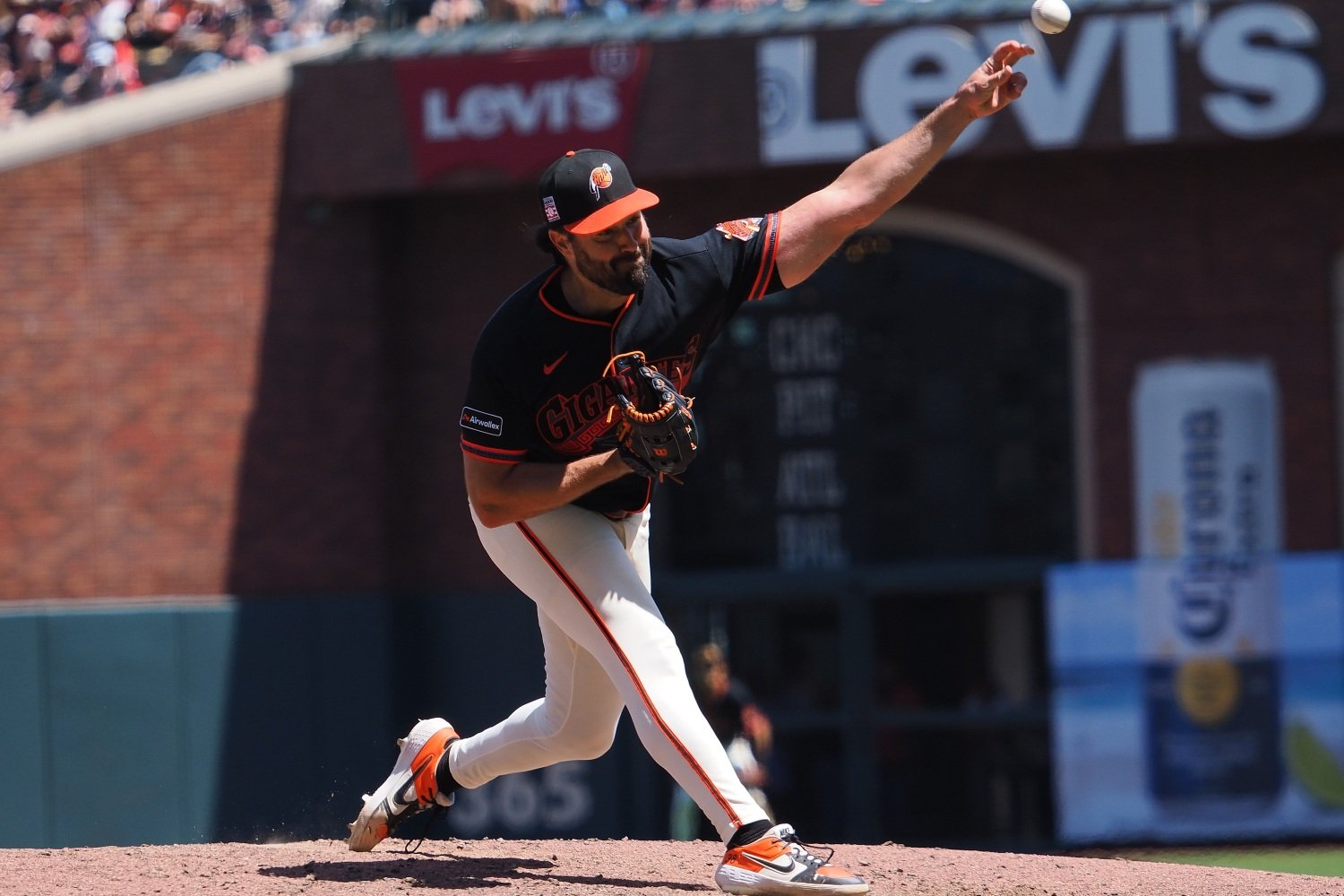 In their first series out of the All-Star break, the Brewers swept the Miami Marlins, pushing that tottering team further toward being sellers at next Monday's MLB trade deadline. They then welcomed two teams who needed no such influencing, in the hapless Mets and Rockies. Now, as they hit the road for a pair of series on the West Coast, they'll extend their streak to an improbable five straight against sellers, in a league that doesn't have all that many teams thus classified. Obviously, it will be nice to swoop into San Francisco and Anaheim, where two reeling teams are bracing for being picked apart by trades. Wins should be as easy to come by there as they were during the team's homestand. It adds another layer of intrigue, though, to know that some of the players the Brewers will see while in each city are candidates to be Brewers themselves by this time next week. Arguably, the top two controllable starters on the market are members of the Angels, in Reid Detmers and José Soriano. Anaheim also has a couple of useful relievers available, including Kirby Yates and old friend Brent Suter. On the position-player side, they could look to move righty sluggers Jorge Soler and/or Jo Adell, and if the right offer comes for shortstop Zach Neto, they might even move on from him. Detmers, Soriano and Neto are high-value targets, even if the fit for Neto would be imperfect from the Brewers' standpoint. One or more of those guys could be traded before Milwaukee even gets to the Big A, though. First, the Crew will drop in on Willy Adames and the Giants. Adames, of course, has an onerous contract attached to him, and fitting him back into the infield mix for the Brewers would be even more fraught than acquiring Neto. However, there are whispers that the Giants might try to move sweet-swinging outfielder Jung Hoo Lee, and they have a trio of veteran starters who will be available to lengthen a rotation. In all likelihood, the Brewers will have no interest in a reunion with Adrian Houser or in Tyler Mahle, but Robbie Ray could be a solid fit for them. San Francisco also has a few relief arms who might be easy to acquire, led by JT Brubaker. Normally, West Coast trips are imposing, even when a good team is venturing out to play poor ones. At this moment, though, these should make for some easy wins for the Crew. The Giants and Angels have too many of their own problems to focus on their opponents well right now. San Francisco's decision to hire manager Tony Vitello away from his head coaching job at the University of Tennessee has gone pear-shaped; the Angels fired GM Perry Minasian earlier this summer. Amid the chaos of each club and the cloud hanging over each clubhouse, the Brewers need to make hay. They'll also get the chance to scout some of those could-be helpful pieces up close. Only Detmers and Soriano stand out as great fits for Milwaukee. On the other hand, in the right creative sequence (a trade bringing in Neto and sliding him to third base, while spinning off Joey Ortiz to bolster the pitching staff? One that moves an outfielder to land Detmers, and another that brings in Lee to slot into the lineup?), they could be the kinds of splashy moves that have been bandied about by the national media over the last week. One thing this stretch of the schedule underscores needs to remain in the front of Brewers fans' minds over the next week: Every acquisition they make must be about October. This team will win its division and go to the playoffs with a good chance to reach the World Series. They need to reinforce the roster in ways that specifically address what might prevent them from going that far. Playing these bad teams should keep them comfortable in the standings and make clear to everyone how dominant the Crew can be. They don't just need to fill innings. They need to think about who, on these lousy teams they're facing in the final fortnight of July, can help them beat much stronger opponents two months from now.
- 1 comment
-
- 1
-

-
- robbie ray
- jung hoo lee
- (and 4 more)
-
Ah, but remember the corollary and caveat to that: A whole lot of glitzy trade-deadline acquisitions don't work out as hoped, either.
- 47 replies
-
- 4
-
-
- tarik skubal
- freddy peralta
- (and 1 more)
-
Image courtesy of © Jovanny Hernandez / USA TODAY NETWORK via Imagn Images Rather than sit and wait until the final few days, the Milwaukee Brewers have proactively explored trades that would be more aggressive than their typical deadline upgrades, sources familiar with the team's movement said this week. A member of a front office who heard from the Brewers recently said that the team is "starting conversations, where they used to be more of a listening [team]" at this stage in July. Rumors of a potential reunion with Freddy Peralta, a splashy pursuit of Tarik Skubal, or even an all-out blockbuster to acquire Mason Miller and create the hardest-throwing starter-closer combination in baseball history have all swirled around the organization. Much of the smoke, however, has no real fire to it, according to people with knowledge of trade conversations in multiple front offices. The Brewers aren't seen as motivated enough to give up any of their true top prospects. Their second-tier guys would be the cream of the crop in many farm systems throughout baseball, but even those players felt "off-limits" in deals for mid-tier targets, according to a source with another team. Milwaukee isn't willing to sell Josh Adamczewski, Bishop Letson or Tyson Hardin for pennies on the dollar just because they have lots of talent lying around. The team is focused on moves that would bolster their pitching staff; that much is true. They've talked to the Detroit Tigers about several pitchers, including the obvious candidates (Tarik Skubal and Jack Flaherty, whom they've explored acquiring in the past; Casey Mize, a fellow impending free-agent righty starter) and some less obvious ones (Drew Anderson and Kyle Finnegan). They've reached out to the Angels to gauge the availability of Reid Detmers, but didn't find the asking price reasonable, a source said. They've closely monitored the rehab and return of Shane Bieber to the Blue Jays. Of that group, Skubal and Detmers are the two who would move the needle for most Brewers fans. Unsurprisingly, though, they seem the least likely of the bunch to actually come to Milwaukee; the team and its could-be suitors just don't seem close to agreeing on the right value for either hurler. Instead, a creative deal is more likely. Intradivisional trades for Dustin May or Brady Singer are viewed as more realistic. Giants southpaw Robbie Ray is "a really good one to watch," according to one league source, who noted that the Brewers have an "up arrow" next to Ray because of the changes he's made to his arsenal this season. Assuming all goes well with his ramp-up, Kyle Harrison figures to retake the second spot in the Brewers' starting rotation down the stretch, alongside the overpowering Jacob Misiorowski. The team needs help more in terms of depth than in terms of top-end quality, and they place a high value on young players other teams might trade more freely. Don't hold your breath for a repeat of the Summer of CC Sabathia in Milwaukee. That the Brewers have even looked into the possibility is exciting, but it signals their broader willingness to chase greatness, rather than a specific plan to acquire one player. They're far more likely to make a smaller move, because a smaller move is all that's needed, and the Brewers only make the moves they need to make. No team in baseball is better-positioned to give up prospects for a chance to win a championship, except that for the Brewers, the only way to keep building toward a championship is to retain prospects and maximize their value. More importantly, the team rightly thinks they have as good a chance at a championship as anyone this year, even if they only add at the margins. View full article
-
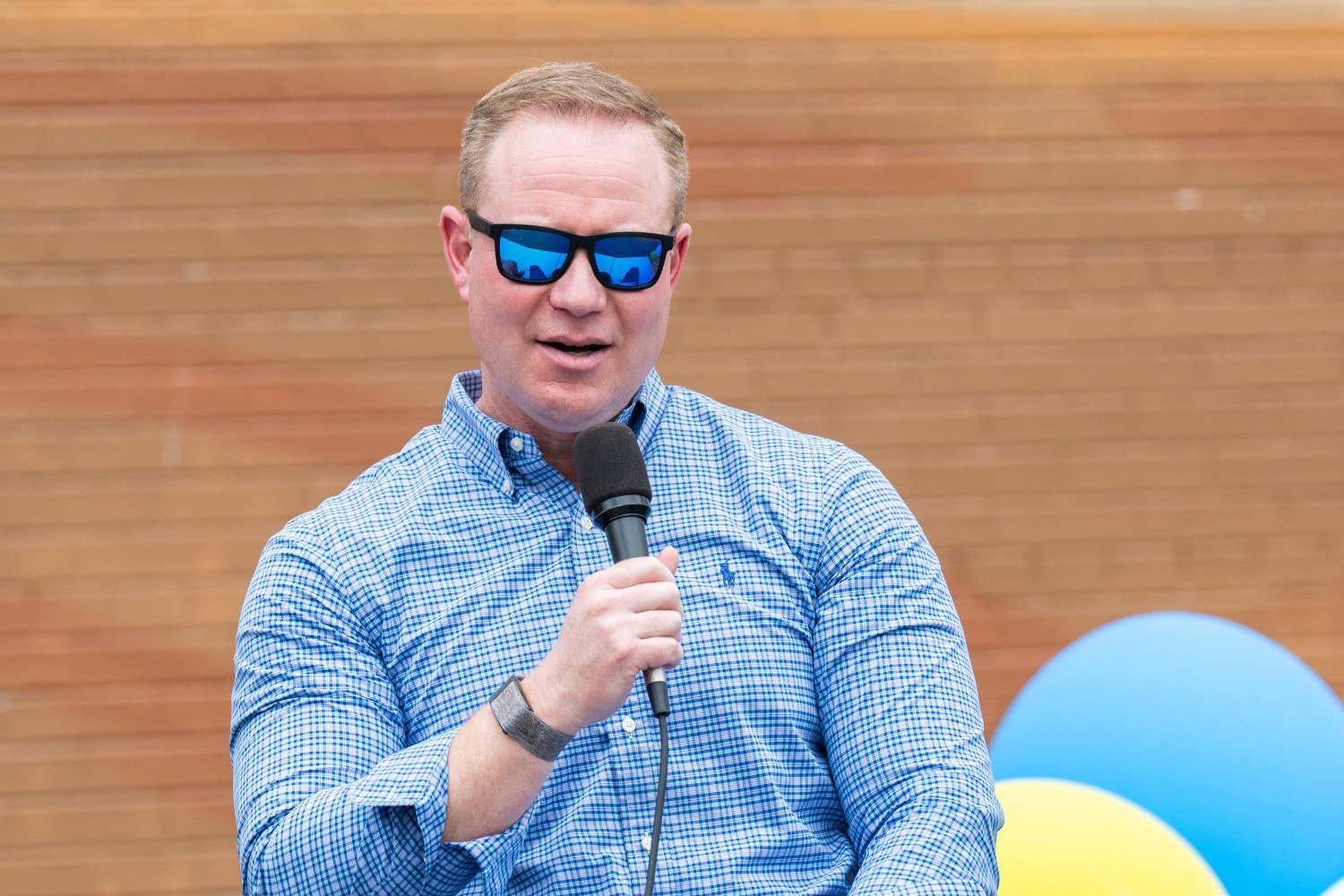 Rather than sit and wait until the final few days, the Milwaukee Brewers have proactively explored trades that would be more aggressive than their typical deadline upgrades, sources familiar with the team's movement said this week. A member of a front office who heard from the Brewers recently said that the team is "starting conversations, where they used to be more of a listening [team]" at this stage in July. Rumors of a potential reunion with Freddy Peralta, a splashy pursuit of Tarik Skubal, or even an all-out blockbuster to acquire Mason Miller and create the hardest-throwing starter-closer combination in baseball history have all swirled around the organization. Much of the smoke, however, has no real fire to it, according to people with knowledge of trade conversations in multiple front offices. The Brewers aren't seen as motivated enough to give up any of their true top prospects. Their second-tier guys would be the cream of the crop in many farm systems throughout baseball, but even those players felt "off-limits" in deals for mid-tier targets, according to a source with another team. Milwaukee isn't willing to sell Josh Adamczewski, Bishop Letson or Tyson Hardin for pennies on the dollar just because they have lots of talent lying around. The team is focused on moves that would bolster their pitching staff; that much is true. They've talked to the Detroit Tigers about several pitchers, including the obvious candidates (Tarik Skubal and Jack Flaherty, whom they've explored acquiring in the past; Casey Mize, a fellow impending free-agent righty starter) and some less obvious ones (Drew Anderson and Kyle Finnegan). They've reached out to the Angels to gauge the availability of Reid Detmers, but didn't find the asking price reasonable, a source said. They've closely monitored the rehab and return of Shane Bieber to the Blue Jays. Of that group, Skubal and Detmers are the two who would move the needle for most Brewers fans. Unsurprisingly, though, they seem the least likely of the bunch to actually come to Milwaukee; the team and its could-be suitors just don't seem close to agreeing on the right value for either hurler. Instead, a creative deal is more likely. Intradivisional trades for Dustin May or Brady Singer are viewed as more realistic. Giants southpaw Robbie Ray is "a really good one to watch," according to one league source, who noted that the Brewers have an "up arrow" next to Ray because of the changes he's made to his arsenal this season. Assuming all goes well with his ramp-up, Kyle Harrison figures to retake the second spot in the Brewers' starting rotation down the stretch, alongside the overpowering Jacob Misiorowski. The team needs help more in terms of depth than in terms of top-end quality, and they place a high value on young players other teams might trade more freely. Don't hold your breath for a repeat of the Summer of CC Sabathia in Milwaukee. That the Brewers have even looked into the possibility is exciting, but it signals their broader willingness to chase greatness, rather than a specific plan to acquire one player. They're far more likely to make a smaller move, because a smaller move is all that's needed, and the Brewers only make the moves they need to make. No team in baseball is better-positioned to give up prospects for a chance to win a championship, except that for the Brewers, the only way to keep building toward a championship is to retain prospects and maximize their value. More importantly, the team rightly thinks they have as good a chance at a championship as anyone this year, even if they only add at the margins.
- 47 comments
-
- 2
-
-
- tarik skubal
- freddy peralta
- (and 1 more)
-
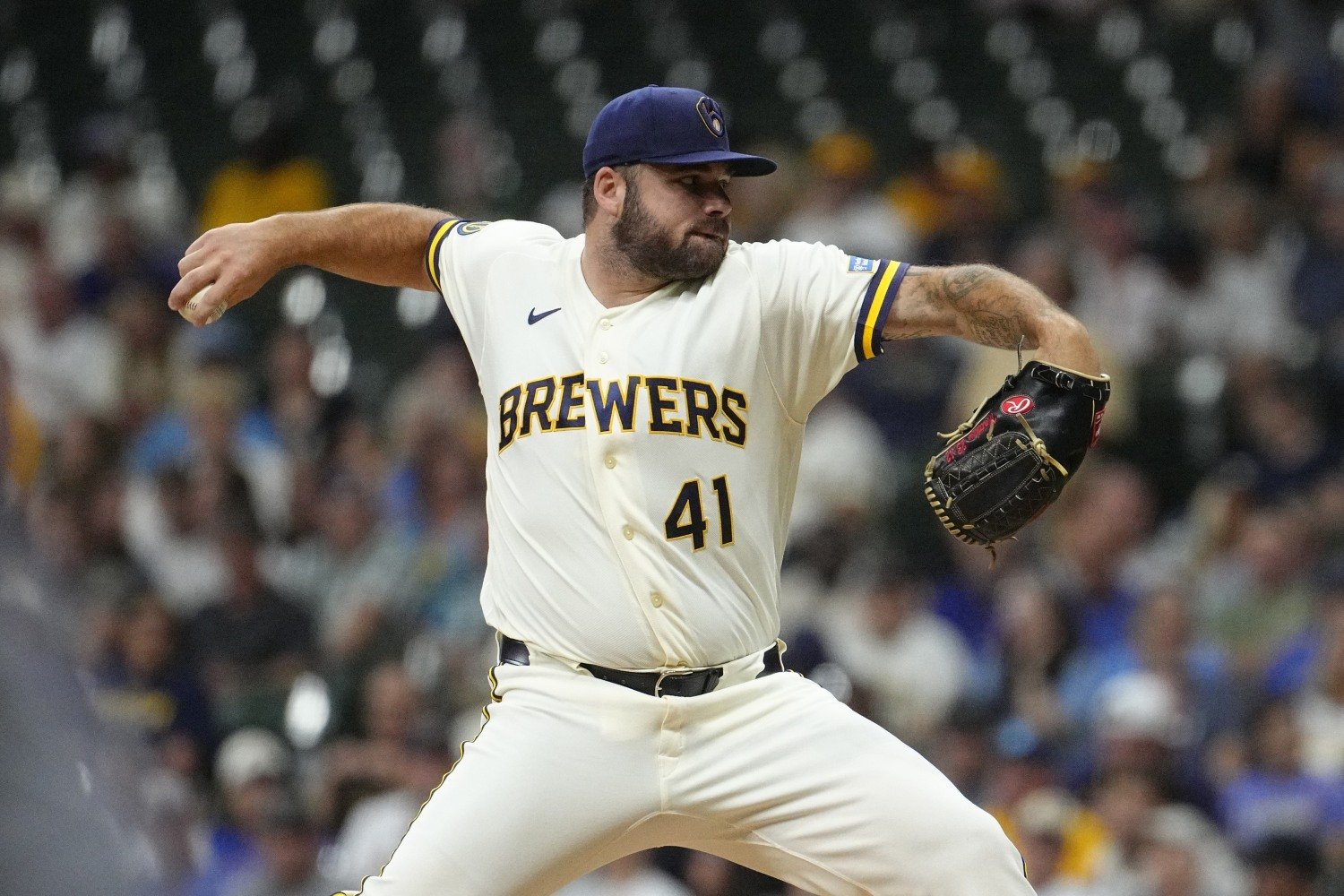 "Four innings from Bryse was huge," Pat Murphy said after Tuesday night's 4-0 loss to the Mets. It was encased in the undertone that is part of a manager's armor after losses; the public demands an attitude of resignation and contrition. It sounded almost like he didn't mean it. He did. Earlier that day, Murphy circled back around to Lance McCullers Jr., who had made his Brewers debut in Monday's 8-3 win. McCullers threw three innings after a short start by Jacob Misiorowski, and although he gave up two runs in the third of those frames, Murphy was effusive in his praise for the smooth landing by his newest acquisition. "Just how important it was," Murphy said, when asked why he was eager to talk more about McCullers after discussing him postgame Monday night, "that a kid goes into the game, that hasn't thrown a lot of innings this year and hasn't (obviously) thrown for us yet, and goes into a game, a 5-1 game in the sixth, and did so very well." Murphy mentioned both Monday night and Tuesday afternoon that asking McCullers to pitch that third inning was a tall order, and perhaps not the best thing for the player himself. In the skipper's eyes, though, it was the best thing for the team, and he was very grateful to the erstwhile Astros starter for his selfless approach to that appearance. All of that sounds like manager-speak. It's easy to praise players who play only when the stakes are low; it costs the manager nothing and garners some goodwill in the clubhouse. It doesn't necessarily mean anything. Murphy isn't that kind of politician, though. When he calls out a player in a positive light, it's because he sees real and forward-looking value in what they did. Wednesday's game couldn't have made it more clear why Murphy was so enthusiastic about McCullers and Wilson doing what they did. Because they gave the team 21 outs over two days in which the game was not in doubt late, the 'A' bullpen was fresh. Whether heading off calamity by putting in one of his leverage arms with a good-sized lead or refusing to give up on a game ("nobody can take me off that," he said during one recent pregame media session, in reference to his Win Tonight credo) and sending them in when the team trails by a narrow margin, Murphy knows that he leans hard on his top arms. To do so less, he needs to trust the guys at the bottom end of the bullpen hierarchy more than he has felt able to trust some of the recent options. He trusts McCullers and Wilson, though. His excitement about McCullers's openness to change and his team mentality are palpable. He knows Wilson and is willing to deploy him more flexibly than he would use a player of identical skills but who had proved less to Murphy about his dedication to the team. Logan Henderson pitched well for Milwaukee Wednesday, with nine strikeouts and no walks in five innings of two-run ball. The team got him out of the game after 80 pitches, though, as they continue to monitor and manage his workload in light of his spotty health history. That left them with 12 outs to protect what was, initially, only a one-run lead. Aaron Ashby often pitches in games like Monday's or Tuesday's, when Murphy feels less confidence in his long relief options or more desperate for a win. Thanks to McCullers and Wilson, though, he stepped onto the mound in the sixth having not pitched since Sunday. He was sharper than has been his recent norm, with extra life on everything, and he cruised through two innings while allowing just one baserunner. Abner Uribe and Trevor Megill hadn't pitched since Saturday, and as high-octane one-inning guys, they almost looked a bit rusty after three days down. The lack of fatigue saved them, though. Each buckled down and got the outs they needed, and an insurance run added by Christian Yelich in the sixth inning helped the Brewers hold on for a 4-3 win. That game can get away easily. The Mets pitched well and didn't make any of the defensive mistakes that are so much a part of their brand this year. Winning that rubber match required that Murphy be able to cover the back half of the game with his three top arms, and Wilson and McCullers made that possible over the two previous nights. Whenever a long reliever works so much that they'll be down for a couple of days, you have to hold your breath for them for a minute. Wilson did hero's service to the team on Tuesday night, but if the team weren't just coming out of the All-Star break (and if they didn't have the day off Thursday to reset their bullpen), he might have been gone by Wednesday. He survived, and is still around, which will be a relief to Murphy again sometime soon. "I think I've kind of just embraced this role that I'm in now," Wilson said. "At this point in my career, this is what teams want from me, to be available, to be ready to take the ball and go right after guys, keep forcing soft contact, keep competing." The burly right-hander was ecstatic when, after he was released by the Cubs last month, the Brewers had interest in a reunion. He called his previous stint with the team "the two best years of [his] career" and mentioned how much he trusts and likes the coaching staff, as well as many of his teammates. His locker in the home clubhouse at Uecker Field is right next to Ashby's, just as the two were arranged when Wilson was here last. He's extremely comfortable with the team, and willing to do whatever is asked of him. That was true when he first arrived, too, and was always part of what made Murphy so happy to have him. The manager talked about Wilson's selflessness with the media even before the calendar turned to March in 2024, his first year at the helm. Wilson also has something working for him this time around, part of his constant effort to reinvent himself and befuddle batters: a split-change. "It's more of a split-change grip," he acknowledged, saying he made the switch early this season. "I felt like, just the way I had to manipulate the ball with my old grip"—he used to throw a four-seam straight changeup, the most basic version—"I really had to force the inside of my hand through it, and I think hitters could see that." The righty knows he won't miss many bats with this version of the change. That's fine. He's always thrived on soft contact, and intends to keep doing so. One extra source of excitement for him about returning to the team lied in the reliability of the defense he'd be pitching in front of. He also feels like, if lefties are less able to spot his changeup right at release, they'll have to be a bit less aggressive against the rest of his arsenal. Murphy often talks about a player being "the right person," by which he means that they fit into the clubhouse and augment the team dynamic via their work habits, attitude and interpersonal skills, as well as their talent. He's already applied that term to McCullers and Wilson, and he seems to be right on both counts. The season rips at you. It looks for loose threads and pulls them until you unravel. A team must be an exquisitely stitched garment, and when patches are needed, they must be done with care and use high-quality fabric. That's what Murphy believes the team has done with the latest additions to the bullpen, and the way the Mets series unfolded was an excellent example of how those seemingly intangible things can become tangible. McCullers and Wilson can't have big roles on great teams at this stage in their respective careers. However, having them in small roles can made the difference between a good team and a great one, and the Brewers very much aspire to be the latter.
- 2 comments
-
- 2
-

-
- bryse wilson
- abner uribe
- (and 3 more)
-
Image courtesy of © Michael McLoone-Imagn Images "Four innings from Bryse was huge," Pat Murphy said after Tuesday night's 4-0 loss to the Mets. It was encased in the undertone that is part of a manager's armor after losses; the public demands an attitude of resignation and contrition. It sounded almost like he didn't mean it. He did. Earlier that day, Murphy circled back around to Lance McCullers Jr., who had made his Brewers debut in Monday's 8-3 win. McCullers threw three innings after a short start by Jacob Misiorowski, and although he gave up two runs in the third of those frames, Murphy was effusive in his praise for the smooth landing by his newest acquisition. "Just how important it was," Murphy said, when asked why he was eager to talk more about McCullers after discussing him postgame Monday night, "that a kid goes into the game, that hasn't thrown a lot of innings this year and hasn't (obviously) thrown for us yet, and goes into a game, a 5-1 game in the sixth, and did so very well." Murphy mentioned both Monday night and Tuesday afternoon that asking McCullers to pitch that third inning was a tall order, and perhaps not the best thing for the player himself. In the skipper's eyes, though, it was the best thing for the team, and he was very grateful to the erstwhile Astros starter for his selfless approach to that appearance. All of that sounds like manager-speak. It's easy to praise players who play only when the stakes are low; it costs the manager nothing and garners some goodwill in the clubhouse. It doesn't necessarily mean anything. Murphy isn't that kind of politician, though. When he calls out a player in a positive light, it's because he sees real and forward-looking value in what they did. Wednesday's game couldn't have made it more clear why Murphy was so enthusiastic about McCullers and Wilson doing what they did. Because they gave the team 21 outs over two days in which the game was not in doubt late, the 'A' bullpen was fresh. Whether heading off calamity by putting in one of his leverage arms with a good-sized lead or refusing to give up on a game ("nobody can take me off that," he said during one recent pregame media session, in reference to his Win Tonight credo) and sending them in when the team trails by a narrow margin, Murphy knows that he leans hard on his top arms. To do so less, he needs to trust the guys at the bottom end of the bullpen hierarchy more than he has felt able to trust some of the recent options. He trusts McCullers and Wilson, though. His excitement about McCullers's openness to change and his team mentality are palpable. He knows Wilson and is willing to deploy him more flexibly than he would use a player of identical skills but who had proved less to Murphy about his dedication to the team. Logan Henderson pitched well for Milwaukee Wednesday, with nine strikeouts and no walks in five innings of two-run ball. The team got him out of the game after 80 pitches, though, as they continue to monitor and manage his workload in light of his spotty health history. That left them with 12 outs to protect what was, initially, only a one-run lead. Aaron Ashby often pitches in games like Monday's or Tuesday's, when Murphy feels less confidence in his long relief options or more desperate for a win. Thanks to McCullers and Wilson, though, he stepped onto the mound in the sixth having not pitched since Sunday. He was sharper than has been his recent norm, with extra life on everything, and he cruised through two innings while allowing just one baserunner. Abner Uribe and Trevor Megill hadn't pitched since Saturday, and as high-octane one-inning guys, they almost looked a bit rusty after three days down. The lack of fatigue saved them, though. Each buckled down and got the outs they needed, and an insurance run added by Christian Yelich in the sixth inning helped the Brewers hold on for a 4-3 win. That game can get away easily. The Mets pitched well and didn't make any of the defensive mistakes that are so much a part of their brand this year. Winning that rubber match required that Murphy be able to cover the back half of the game with his three top arms, and Wilson and McCullers made that possible over the two previous nights. Whenever a long reliever works so much that they'll be down for a couple of days, you have to hold your breath for them for a minute. Wilson did hero's service to the team on Tuesday night, but if the team weren't just coming out of the All-Star break (and if they didn't have the day off Thursday to reset their bullpen), he might have been gone by Wednesday. He survived, and is still around, which will be a relief to Murphy again sometime soon. "I think I've kind of just embraced this role that I'm in now," Wilson said. "At this point in my career, this is what teams want from me, to be available, to be ready to take the ball and go right after guys, keep forcing soft contact, keep competing." The burly right-hander was ecstatic when, after he was released by the Cubs last month, the Brewers had interest in a reunion. He called his previous stint with the team "the two best years of [his] career" and mentioned how much he trusts and likes the coaching staff, as well as many of his teammates. His locker in the home clubhouse at Uecker Field is right next to Ashby's, just as the two were arranged when Wilson was here last. He's extremely comfortable with the team, and willing to do whatever is asked of him. That was true when he first arrived, too, and was always part of what made Murphy so happy to have him. The manager talked about Wilson's selflessness with the media even before the calendar turned to March in 2024, his first year at the helm. Wilson also has something working for him this time around, part of his constant effort to reinvent himself and befuddle batters: a split-change. "It's more of a split-change grip," he acknowledged, saying he made the switch early this season. "I felt like, just the way I had to manipulate the ball with my old grip"—he used to throw a four-seam straight changeup, the most basic version—"I really had to force the inside of my hand through it, and I think hitters could see that." The righty knows he won't miss many bats with this version of the change. That's fine. He's always thrived on soft contact, and intends to keep doing so. One extra source of excitement for him about returning to the team lied in the reliability of the defense he'd be pitching in front of. He also feels like, if lefties are less able to spot his changeup right at release, they'll have to be a bit less aggressive against the rest of his arsenal. Murphy often talks about a player being "the right person," by which he means that they fit into the clubhouse and augment the team dynamic via their work habits, attitude and interpersonal skills, as well as their talent. He's already applied that term to McCullers and Wilson, and he seems to be right on both counts. The season rips at you. It looks for loose threads and pulls them until you unravel. A team must be an exquisitely stitched garment, and when patches are needed, they must be done with care and use high-quality fabric. That's what Murphy believes the team has done with the latest additions to the bullpen, and the way the Mets series unfolded was an excellent example of how those seemingly intangible things can become tangible. McCullers and Wilson can't have big roles on great teams at this stage in their respective careers. However, having them in small roles can made the difference between a good team and a great one, and the Brewers very much aspire to be the latter. View full article
- 2 replies
-
- 2
-
-
-
- bryse wilson
- abner uribe
- (and 3 more)
-
That's the miscommunication Murphy referenced. He slowed because he thought Vaughn would take the ball; the two of them just haven't played much in that shaded alignment this year. Earlier in the game, Vaughn had ranged considerably farther for a similar grounder; Turang got caught assuming.
-
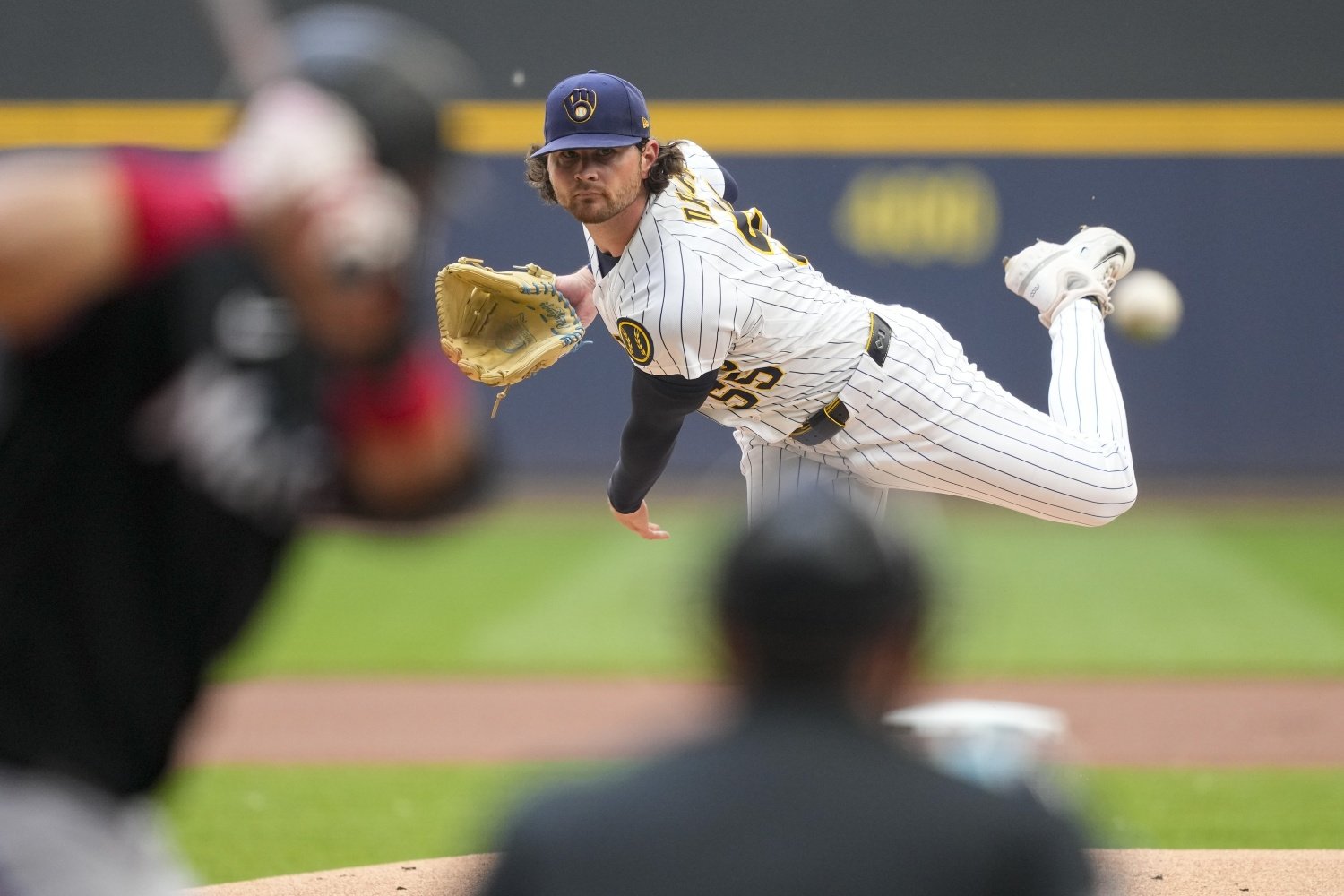 It's nothing personal. Shane Drohan appreciates the time and believes it wasn't wasted. If the kick-change had worked for him, it might have made a huge and delightful difference for him. Sometimes, that pitch unlocks a lot of good things: more swing-and-miss, more deception throughout the rest of the arsenal, and greater confidence in filling up the zone without running into barrels. The problem is: it didn't work for him. "Yeah, I tried out the kick-change this spring, tried to make it work," Drohan said Tuesday in Milwaukee, between starts. (He'll go again next on Friday, against the Rockies.) "And I really felt like I found a feel for it, in a couple of my starts at Triple-A. But it just wasn't working; I couldn't quite lock it in and make it fit with the rest of my stuff." Instead, Drohan has gone back to the straight change he threw for most of his professional career, including last season in the Boston system. "I feel like that was a really good pitch for me," he explained. "It was worth a shot, but I ultimately decided to just go back to what had worked and feel more comfortable commanding the whole arsenal." Drohan was called up for his big-league debut on April 8, as an emergency starter. That appearance started with promise, but it went off the rails. After that, he spent the better part of two months in a relief role. When he returned to the starting rotation at the beginning of June, he did so having already abandoned the pure kick-change, but with a modified split-change he was trying in its stead. That pitch never felt comfortable either, though, and working through the opposing lineup multiple times meant he needed a changeup he could trust. On June 13, the straight change came back into his mix, and it's stayed there ever since. It's easiest to see this by mapping the average movement of his pitches in both dimensions by start. Here, I've placed a box around the cluster into which the straight change he's settled on fits. It's not the version of a cambio on which he produces the most depth, and it can't move as much horizontally as either of the other versions he's tried out. either. It has one key advantage, though: he knows where it's going. Though he hasn't gone full superstar, Drohan has been a remakrable success story for the Brewers this year. Since getting the straight change back online, he's made seven starts, totaling 38 1/3 innings. In that time, he owns a 3.29 ERA and has struck out nearly a quarter of opponents. The changeup doesn't have to miss bats; it just has to make hitters respect that quadrant of the zone. Once they do, he's more effective everywhere else, to boot. Over his first All-Star break as a big-leaguer, Drohan did something unusual: nothing. Noted in the spring for his fierce belief in the importance of getting away from the game mentally, he made sure not to get away from it physically last week. "I stayed right here [in Milwaulee]," he said. "I didn't want to go home and have those couple of days, and then have to mentally overcome the idea of, 'Ah, it's time to go again,' so I just stayed here, relaxed a little, but I also tried to get moving, threw a little, stayed active, too. It was important to me not to have that letdown; to stay engaged." Drohan is older and smarter than the average rookie, but that still seems like a surprising bit of maturity and self-knowledge. In that way, it's similar to his experimentation with the changeups, and the abandonment thereof. He knows what will make him most likely to succeed, and he's disciplined enough to pass up the only vacation offered to players over the seven-month baseball season in the name of maximizing those chances. He's good at keeping perspective and seeing life beyond the game. He's also open to change. Make no mistake, though: Drohan intends to be a vital cog for the Brewers all year, and beyond.
 -
Image courtesy of © Jeff Hanisch-Imagn Images It's nothing personal. Shane Drohan appreciates the time and believes it wasn't wasted. If the kick-change had worked for him, it might have made a huge and delightful difference for him. Sometimes, that pitch unlocks a lot of good things: more swing-and-miss, more deception throughout the rest of the arsenal, and greater confidence in filling up the zone without running into barrels. The problem is: it didn't work for him. "Yeah, I tried out the kick-change this spring, tried to make it work," Drohan said Tuesday in Milwaukee, between starts. (He'll go again next on Friday, against the Rockies.) "And I really felt like I found a feel for it, in a couple of my starts at Triple-A. But it just wasn't working; I couldn't quite lock it in and make it fit with the rest of my stuff." Instead, Drohan has gone back to the straight change he threw for most of his professional career, including last season in the Boston system. "I feel like that was a really good pitch for me," he explained. "It was worth a shot, but I ultimately decided to just go back to what had worked and feel more comfortable commanding the whole arsenal." Drohan was called up for his big-league debut on April 8, as an emergency starter. That appearance started with promise, but it went off the rails. After that, he spent the better part of two months in a relief role. When he returned to the starting rotation at the beginning of June, he did so having already abandoned the pure kick-change, but with a modified split-change he was trying in its stead. That pitch never felt comfortable either, though, and working through the opposing lineup multiple times meant he needed a changeup he could trust. On June 13, the straight change came back into his mix, and it's stayed there ever since. It's easiest to see this by mapping the average movement of his pitches in both dimensions by start. Here, I've placed a box around the cluster into which the straight change he's settled on fits. It's not the version of a cambio on which he produces the most depth, and it can't move as much horizontally as either of the other versions he's tried out. either. It has one key advantage, though: he knows where it's going. Though he hasn't gone full superstar, Drohan has been a remakrable success story for the Brewers this year. Since getting the straight change back online, he's made seven starts, totaling 38 1/3 innings. In that time, he owns a 3.29 ERA and has struck out nearly a quarter of opponents. The changeup doesn't have to miss bats; it just has to make hitters respect that quadrant of the zone. Once they do, he's more effective everywhere else, to boot. Over his first All-Star break as a big-leaguer, Drohan did something unusual: nothing. Noted in the spring for his fierce belief in the importance of getting away from the game mentally, he made sure not to get away from it physically last week. "I stayed right here [in Milwaulee]," he said. "I didn't want to go home and have those couple of days, and then have to mentally overcome the idea of, 'Ah, it's time to go again,' so I just stayed here, relaxed a little, but I also tried to get moving, threw a little, stayed active, too. It was important to me not to have that letdown; to stay engaged." Drohan is older and smarter than the average rookie, but that still seems like a surprising bit of maturity and self-knowledge. In that way, it's similar to his experimentation with the changeups, and the abandonment thereof. He knows what will make him most likely to succeed, and he's disciplined enough to pass up the only vacation offered to players over the seven-month baseball season in the name of maximizing those chances. He's good at keeping perspective and seeing life beyond the game. He's also open to change. Make no mistake, though: Drohan intends to be a vital cog for the Brewers all year, and beyond. View full article
-
Image courtesy of © Michael McLoone-Imagn Images Pat Murphy is working hard to be both accountable—"I blame myself first. I didn't communicate it the right way, I guess," he said of a Cooper Pratt baserunning mistake Monday night—and positive. But the manager has made it clear that he's not as impressed with his team's play as their record might lead an outsider to expect, or as the rest of the baseball world always seems to be. In his eyes, the team is not playing up to its potential, and the difficulty of this year's National League means they'll have to get back into a groove down the stretch in order to maintain their great playoff position. If Murphy was at all worried that his team was learning the wrong lessons from a string of wins in which they didn't always play well enough to deserve the result, he can take reassurance from Tuesday's 4-0 loss to the Mets. In that contest, every mistake seemed to haunt Milwaukee—and there were lots of mistakes. Brandon Sproat couldn't command his fastball well enough to get the grind-it-out Mets lineup into swing mode, and they tortured him with a series of difficult innings. By and large, he worked out of trouble, surrendering just one run through his first four frames. That tally came on a solo homer, ironically, on a night when four walks and a series of clean singles meant the Mets seemed to have traffic at all times. Sproat's stultifying pace seemed to leave the Brewers offense a bit stagnant in their turns, so it was 1-0 when the top of the fifth rolled around. Finally, inevitably, Sproat's luck ran out. After two straight flyouts gave the starter a chance to get through five innings with the team very much in the game, he made a final mistake, issuing a walk to Bo Bichette with three straight misses after getting ahead 1-2. Murphy went to Chad Patrick to finish the frame, but instead, things unraveled. First, Francisco Lindor hit a grounder that took a bad hop as Brice Turang tried to dive and collect it. Worse, it deflected off Turang's glove into no-man's land in shallow center field. Garrett Mitchell couldn't charge and fire fast enough to Pratt covering second to prevent the near-groundout from turning into a Lindor double, putting two runners in scoring position. Then, the disaster became less subtle. Carson Benge hit a harder grounder, but one that went almost straight down and began a lazy two-bounce journey toward the area just to the right of first baseman Andrew Vaughn. However, the Brewers were playing their infield shaded toward that side of the diamond—a rarity for them—and Vaughn misread the play. Instead of collecting the ball himself and throwing to Patrick covering first, he took off for the bag, leaving Turang to try to run down the bounder. It eluded him and dribbled into right field, scoring two runs. It could easily have gotten even worse. Charging the hit, Luis Lara ill-advisedly threw behind Benge from right field, allowing the Mets rookie to take second. Patrick settled down and kept the game 3-0, but the damage was done. Turang, the team's defensive whiz, came up short on two plays in a row, but none of Vaughn, Mitchell or Lara covered themselves in glory, either. Murphy called it an instance of "miscommunication" after the game. The only really promising chance the Brewers had to rally came in the bottom of the sixth, but it was thwarted by more poor communication. Pratt and Joey Ortiz started the frame by reaching base, setting the table for the top of the order. After a bad at-bat by Chourio resulted in a strikeout, Turang worked a 2-2 count, and then a ball popped away from Mets catcher Luis Torrens. It clanked off his mitt despite being close to the zone, and it trickled far enough away for both runners to advance. Unfortunately, Pratt (perhaps screened by the pitcher, Zac Thornton) made the mistake of assuming too soon that the ball had been caught cleanly. By the time he saw that a chance had existed, it was gone—but it was no longer safe to stay at second base, either. Ortiz had correctly diagnosed the play as a chance to move up, but didn't check his lead runner before trying to do so. Compelled to take off way too late for third, Pratt was dead on arrival. Murphy said the greater share of blame there rests on Ortiz, but counts it as a double error, so to speak. "Yeah, it's on Joey to follow the runner, but it's on Cooper that you can't be indecisive," the manager said. Pratt's mistake the previous night was in the same class; he didn't break on a ground ball to the right side on which he could have scored from third base. You can't win every game, and though Murphy is famously and proudly devoted to trying, he doesn't expect his team to be perfect. Occasionally, getting punished for slip-ups with an L on the standings page is important. It teaches the team to be as close to perfect as possible, to maintain their margin for error. Tuesday night, then, represented a good learning experience, even if it was a lousy result for Sproat against his old team. The Brewers are still running a higher winning percentage than they did in either of Murphy's previous two seasons at the helm. If they can avoid repeating that sloppy performance, they'll be fine—and given the personalities of Murphy, Pratt, Vaughn and the rest of the team, it seems likely that they'll fix these problems in a hurry. View full article
-
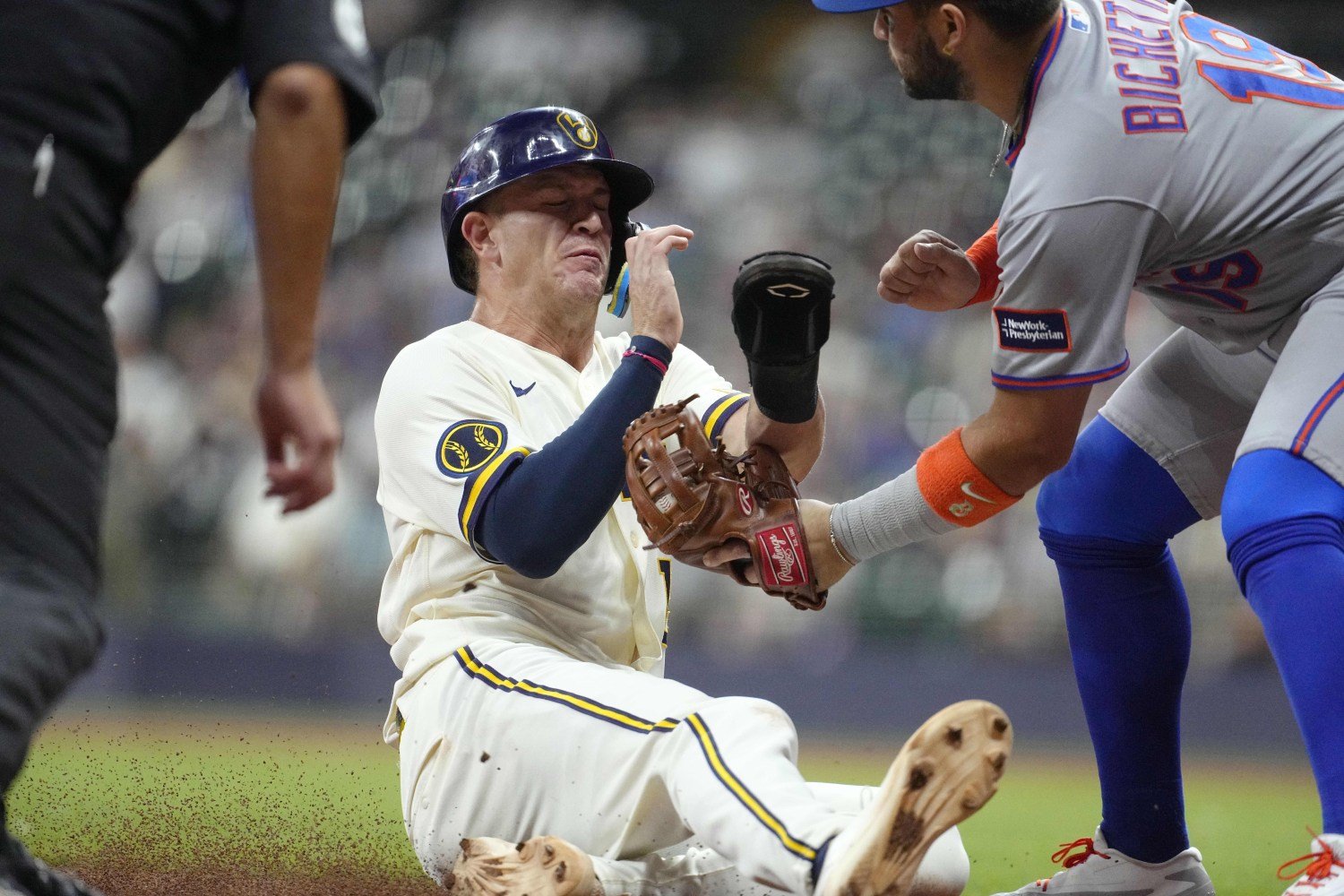 Pat Murphy is working hard to be both accountable—"I blame myself first. I didn't communicate it the right way, I guess," he said of a Cooper Pratt baserunning mistake Monday night—and positive. But the manager has made it clear that he's not as impressed with his team's play as their record might lead an outsider to expect, or as the rest of the baseball world always seems to be. In his eyes, the team is not playing up to its potential, and the difficulty of this year's National League means they'll have to get back into a groove down the stretch in order to maintain their great playoff position. If Murphy was at all worried that his team was learning the wrong lessons from a string of wins in which they didn't always play well enough to deserve the result, he can take reassurance from Tuesday's 4-0 loss to the Mets. In that contest, every mistake seemed to haunt Milwaukee—and there were lots of mistakes. Brandon Sproat couldn't command his fastball well enough to get the grind-it-out Mets lineup into swing mode, and they tortured him with a series of difficult innings. By and large, he worked out of trouble, surrendering just one run through his first four frames. That tally came on a solo homer, ironically, on a night when four walks and a series of clean singles meant the Mets seemed to have traffic at all times. Sproat's stultifying pace seemed to leave the Brewers offense a bit stagnant in their turns, so it was 1-0 when the top of the fifth rolled around. Finally, inevitably, Sproat's luck ran out. After two straight flyouts gave the starter a chance to get through five innings with the team very much in the game, he made a final mistake, issuing a walk to Bo Bichette with three straight misses after getting ahead 1-2. Murphy went to Chad Patrick to finish the frame, but instead, things unraveled. First, Francisco Lindor hit a grounder that took a bad hop as Brice Turang tried to dive and collect it. Worse, it deflected off Turang's glove into no-man's land in shallow center field. Garrett Mitchell couldn't charge and fire fast enough to Pratt covering second to prevent the near-groundout from turning into a Lindor double, putting two runners in scoring position. Then, the disaster became less subtle. Carson Benge hit a harder grounder, but one that went almost straight down and began a lazy two-bounce journey toward the area just to the right of first baseman Andrew Vaughn. However, the Brewers were playing their infield shaded toward that side of the diamond—a rarity for them—and Vaughn misread the play. Instead of collecting the ball himself and throwing to Patrick covering first, he took off for the bag, leaving Turang to try to run down the bounder. It eluded him and dribbled into right field, scoring two runs. It could easily have gotten even worse. Charging the hit, Luis Lara ill-advisedly threw behind Benge from right field, allowing the Mets rookie to take second. Patrick settled down and kept the game 3-0, but the damage was done. Turang, the team's defensive whiz, came up short on two plays in a row, but none of Vaughn, Mitchell or Lara covered themselves in glory, either. Murphy called it an instance of "miscommunication" after the game. The only really promising chance the Brewers had to rally came in the bottom of the sixth, but it was thwarted by more poor communication. Pratt and Joey Ortiz started the frame by reaching base, setting the table for the top of the order. After a bad at-bat by Chourio resulted in a strikeout, Turang worked a 2-2 count, and then a ball popped away from Mets catcher Luis Torrens. It clanked off his mitt despite being close to the zone, and it trickled far enough away for both runners to advance. Unfortunately, Pratt (perhaps screened by the pitcher, Zac Thornton) made the mistake of assuming too soon that the ball had been caught cleanly. By the time he saw that a chance had existed, it was gone—but it was no longer safe to stay at second base, either. Ortiz had correctly diagnosed the play as a chance to move up, but didn't check his lead runner before trying to do so. Compelled to take off way too late for third, Pratt was dead on arrival. Murphy said the greater share of blame there rests on Ortiz, but counts it as a double error, so to speak. "Yeah, it's on Joey to follow the runner, but it's on Cooper that you can't be indecisive," the manager said. Pratt's mistake the previous night was in the same class; he didn't break on a ground ball to the right side on which he could have scored from third base. You can't win every game, and though Murphy is famously and proudly devoted to trying, he doesn't expect his team to be perfect. Occasionally, getting punished for slip-ups with an L on the standings page is important. It teaches the team to be as close to perfect as possible, to maintain their margin for error. Tuesday night, then, represented a good learning experience, even if it was a lousy result for Sproat against his old team. The Brewers are still running a higher winning percentage than they did in either of Murphy's previous two seasons at the helm. If they can avoid repeating that sloppy performance, they'll be fine—and given the personalities of Murphy, Pratt, Vaughn and the rest of the team, it seems likely that they'll fix these problems in a hurry.
- 3 comments
-
- 1
-
-
- pat murphy
- cooper pratt
- (and 3 more)
-
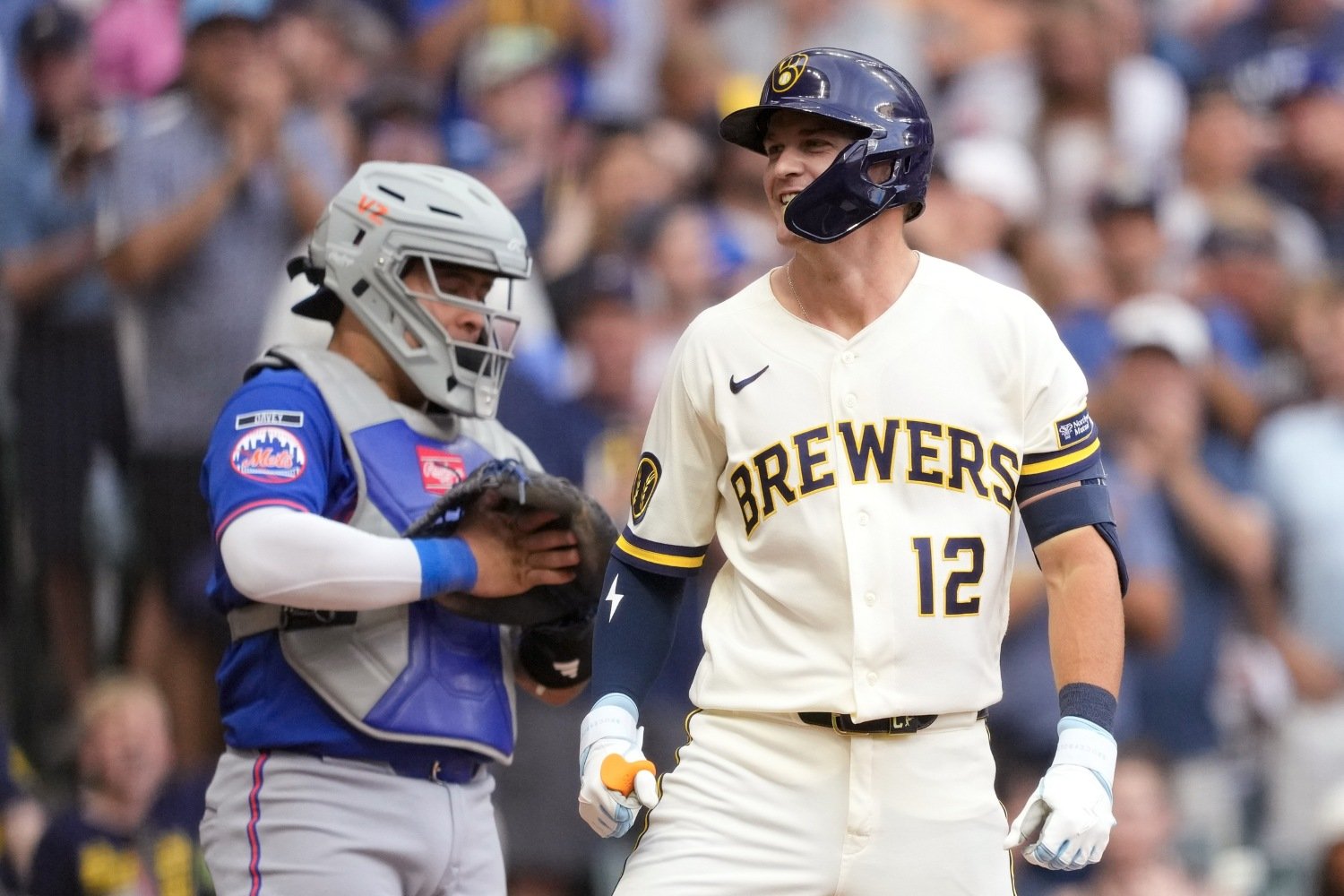 Teams with forever loaded farm systems sometimes fall into the trap of thinking too much about The Shortstop of the Future. In the Brewers' case, fans are dreaming and drooling at the notion of Jesus Made coming to the majors sometime soon and assuming his place at short, where he could easily spend an entire decade for the team (if they can sign him for that long). Generational players are fun. They present-proof the fan experience; they give you something to look forward to and someone to focus on even when times are hard. Right now, though, times are easy for the Brewers, and they're not looking toward the future. On Monday night, their thunderous win over the Mets included home runs by both Cooper Pratt and Joey Ortiz, the shortstop and third baseman of the right-this-minute. For Pratt, it was the first homer of his career. "Cooper's very capable, very capable," Pat Murphy said after the game, acknowledging the raw power evident in Pratt's swing and his frame. However, the manager also said what he says about almost every player who's only been in the majors for a month or two: "He's got a lot to learn in the game." That learning has been happening lately. Pratt collected two other hits and stole a base Monday, and is batting .313/.404/.458 in July. As he's settled into the majors and found more opportunities to put his 'A' swing on the ball, he's tapped into more hard contact, even if it took almost 100 plate appearances to finally clear the fence. "I didn't go in trying to hit [a homer]," Pratt said after the contest. "I mean, it was in the back of my head, but I was just trying to hit a fastball, and got the slider, and it snuck out." cU93clFfWGw0TUFRPT1fVWdCUlVsTlhCMVlBQUFNRlZRQUhVbE1DQUZnQ0JRQUFCRk5SQ0FBR0JsVmRBVlpS.mp4 Indeed, though it will be memorable because of the occasion and the opposing pitcher, ex-Brewer Freddy Peralta ("I don't think I'll ever forget who I hit it off of," Pratt said with a chuckle), this was not a ball he got all of. Peralta left a sweeper on the inner half, and it ran into Pratt's barrel, though he was early enough that it still got off the end of his bat a bit. No matter. In fact, that's one of the things that made the long ball exciting. It was a reminder that Pratt is big enough, strong enough and capable of swinging fast enough not to need to hit the ball perfectly to generate power. Later—after Peralta departed—Ortiz hit a homer that snuck out in a different sense. His was a missile, but on a low line, and it stayed up long enough to clear the fence for his fifth home run of the year. That doesn't sound thrilling, but remember, a month ago, Ortiz lost his full-time starting gig, and even his place on the 26-man roster appeared in jeopardy. Pratt was promoted at the tail end of a home stand, and took over at short, moving Ortiz into a platoon with David Hamilton. It took Ortiz a few days to adjust to what was happening—to absorb it. Starting when the Brewers hit the road just after Pratt's arrival, though, Ortiz is batting .273/.305/.468, even though he ceased to be in a platoon of any kind when Hamilton landed on the injured list. What changed? "Reality," Murphy said, bluntly. "'Look, they went outside [of me] at shortstop. The kid's gonna come up and play shortstop. Not a lot I can do about it, now.'" Instead of spiraling downward, Murphy said, Ortiz has embraced the attitude that he can still play in the big leagues a long time, because of how good a defender he is—and a more relaxed mindset has carried over in the batter's box. "I think a ton of bricks was off his shoulders," the manager said. The team also talked to him right away when the change was made, with Murphy offering him as an exemplar Miguel Rojas of the Dodgers. Rojas was a little-known and little-wanted journeyman early in his career, but his excellent defense and positive contributions in the clubhouse gave him the runway to eventually emerge as an everyday player. If anything, Ortiz has better offensive tools than Rojas, so the comparison is apt, but it also leaves room for the Brewers' Third Baseman of the Present to excel. Murphy said Hamilton will go to Triple-A Nashville on a rehab assignment Tuesday, and that the team misses what his speed brings to the table. Ortiz isn't even guaranteed to have his spot to himself a week from now. All three incumbents must feel the slowly gathering pressure of Jett Williams, Made, Andrew Fischer, Luis Peña and others, progressing toward the majors and making their cases as possible left-sided infielders of the future. Monday was a reassuring and exhilarating reminder of the power of staying grounded in the present, though. As Milwaukee tries to make the most of a historic season by Jacob Misiorowski and a core of position players as good as they've had since 2018, it doesn't matter much whether Pratt and Ortiz can hold down their positions for the next five years. For the next five minutes, they're safe, because in the last five weeks, they've been an excellent pairing at a vital spot. If they become the shortstop and third baseman who race toward the mound to celebrate the Brewers' first-ever World Series title, they'll have five decades to dine out on the memory, no matter how long they stay in their places after that moment.
- 2 comments
-
- 1
-
-
- cooper pratt
- joey ortiz
- (and 1 more)
-
Image courtesy of © Jeff Hanisch-Imagn Images Teams with forever loaded farm systems sometimes fall into the trap of thinking too much about The Shortstop of the Future. In the Brewers' case, fans are dreaming and drooling at the notion of Jesus Made coming to the majors sometime soon and assuming his place at short, where he could easily spend an entire decade for the team (if they can sign him for that long). Generational players are fun. They present-proof the fan experience; they give you something to look forward to and someone to focus on even when times are hard. Right now, though, times are easy for the Brewers, and they're not looking toward the future. On Monday night, their thunderous win over the Mets included home runs by both Cooper Pratt and Joey Ortiz, the shortstop and third baseman of the right-this-minute. For Pratt, it was the first homer of his career. "Cooper's very capable, very capable," Pat Murphy said after the game, acknowledging the raw power evident in Pratt's swing and his frame. However, the manager also said what he says about almost every player who's only been in the majors for a month or two: "He's got a lot to learn in the game." That learning has been happening lately. Pratt collected two other hits and stole a base Monday, and is batting .313/.404/.458 in July. As he's settled into the majors and found more opportunities to put his 'A' swing on the ball, he's tapped into more hard contact, even if it took almost 100 plate appearances to finally clear the fence. "I didn't go in trying to hit [a homer]," Pratt said after the contest. "I mean, it was in the back of my head, but I was just trying to hit a fastball, and got the slider, and it snuck out." cU93clFfWGw0TUFRPT1fVWdCUlVsTlhCMVlBQUFNRlZRQUhVbE1DQUZnQ0JRQUFCRk5SQ0FBR0JsVmRBVlpS.mp4 Indeed, though it will be memorable because of the occasion and the opposing pitcher, ex-Brewer Freddy Peralta ("I don't think I'll ever forget who I hit it off of," Pratt said with a chuckle), this was not a ball he got all of. Peralta left a sweeper on the inner half, and it ran into Pratt's barrel, though he was early enough that it still got off the end of his bat a bit. No matter. In fact, that's one of the things that made the long ball exciting. It was a reminder that Pratt is big enough, strong enough and capable of swinging fast enough not to need to hit the ball perfectly to generate power. Later—after Peralta departed—Ortiz hit a homer that snuck out in a different sense. His was a missile, but on a low line, and it stayed up long enough to clear the fence for his fifth home run of the year. That doesn't sound thrilling, but remember, a month ago, Ortiz lost his full-time starting gig, and even his place on the 26-man roster appeared in jeopardy. Pratt was promoted at the tail end of a home stand, and took over at short, moving Ortiz into a platoon with David Hamilton. It took Ortiz a few days to adjust to what was happening—to absorb it. Starting when the Brewers hit the road just after Pratt's arrival, though, Ortiz is batting .273/.305/.468, even though he ceased to be in a platoon of any kind when Hamilton landed on the injured list. What changed? "Reality," Murphy said, bluntly. "'Look, they went outside [of me] at shortstop. The kid's gonna come up and play shortstop. Not a lot I can do about it, now.'" Instead of spiraling downward, Murphy said, Ortiz has embraced the attitude that he can still play in the big leagues a long time, because of how good a defender he is—and a more relaxed mindset has carried over in the batter's box. "I think a ton of bricks was off his shoulders," the manager said. The team also talked to him right away when the change was made, with Murphy offering him as an exemplar Miguel Rojas of the Dodgers. Rojas was a little-known and little-wanted journeyman early in his career, but his excellent defense and positive contributions in the clubhouse gave him the runway to eventually emerge as an everyday player. If anything, Ortiz has better offensive tools than Rojas, so the comparison is apt, but it also leaves room for the Brewers' Third Baseman of the Present to excel. Murphy said Hamilton will go to Triple-A Nashville on a rehab assignment Tuesday, and that the team misses what his speed brings to the table. Ortiz isn't even guaranteed to have his spot to himself a week from now. All three incumbents must feel the slowly gathering pressure of Jett Williams, Made, Andrew Fischer, Luis Peña and others, progressing toward the majors and making their cases as possible left-sided infielders of the future. Monday was a reassuring and exhilarating reminder of the power of staying grounded in the present, though. As Milwaukee tries to make the most of a historic season by Jacob Misiorowski and a core of position players as good as they've had since 2018, it doesn't matter much whether Pratt and Ortiz can hold down their positions for the next five years. For the next five minutes, they're safe, because in the last five weeks, they've been an excellent pairing at a vital spot. If they become the shortstop and third baseman who race toward the mound to celebrate the Brewers' first-ever World Series title, they'll have five decades to dine out on the memory, no matter how long they stay in their places after that moment. View full article
-
Image courtesy of © Benny Sieu-Imagn Images The unreserved catharsis of it was breathtaking. William Contreras didn't hurl his bat into the sky to show up the Marlins; he did it because he needed to. He plainly felt good about the high line drive he smashed to left-center field in the bottom of the ninth Sunday; he stood and admired its flight. But in the close-up replays of the event, you can see that he was also judging the ball, unsure it would go out for the game-winner, willing it to do so—and maybe even praying. Not until after it caromed off a piece of ballpark behind and above the wall did he turn and perform his feat of strength. As he threw the lumber, he spread his arms to the heavens, and that's clearly where his attention went, too. He had to pause after a moment and judge the flight of a second projectile, because when he threw the bat, for a moment, he ceased to care or perceive where it was. His gaze was fixed on something you couldn't have seen even if you were standing right next to him and craning your neck the same way—something that wasn't up there. Eventually, he had to turn his attention to what really was, so he wasn't thwacked by his own falling club. Contreras needed that homer, and so did the Brewers. That's an odd sentiment, at first reading, because Contreras just got back from his third All-Star Game, and the team is still comfortably in first place in the NL Central. Life is all about reference points and recency, though, and recently, the Brewers have run into that old frenemy, Trouble, around every corner. Trouble always lurks in Pittsburgh just before the All-Star break. Trouble always lurks in Brandon Woodruff's shoulder. Lately, Trouble has been unyielding in its invasions, and the team is feeling the drag. Of course, for Contreras and several fellow Brewers, there's also Trouble's big brother, Tragedy, with whom to deal. The earthquake(s) that struck Venezuela last month devastated the country Contreras calls home, the one he represented in the World Baseball Classic and for which he won that championship this spring. When the sad accounting is complete, the death toll will be over 10,000. The damage is catastrophic. Whatever joy there was in Contreras's bat throw, there was also a healthy measure of defiance. He was roaring his refusal to be governed by Trouble and Tragedy. That's the Brewers in a nutshell. When they seem to be cornered or compromised in a way they could surely no longer survive, that's when they thrive. Somehow, they withstand a parade of injuries and other setbacks and keep winning games, anyway. That has been such a prevailing pattern since Pat Murphy and his devotion to relentlessness took over in 2024 that it feels almost as if this team is invincible. We know that they aren't. We know that the blow of Woodruff being out for the year hurts, and that that comes on the heels of several smaller (for now) injuries that threaten to erode the greatness of this team. We know they're not guaranteed to keep finding this almost-magical success in October, because (to paraphrase Billy Beane) Murphy's **** doesn't work in the playoffs—at least, ot yet. Still, that bat-launch on Sunday might well be the one most emblematic of this team. They weather the storm, and then they become the storm. They may not defy God, but they're not afraid of him, either. Contreras isn't a slugger who goes deep 30 times a year; Sunday's was only his 10th long ball. But he made it count, and the team and its fans got to celebrate an unexpected triumph, capping a weekend of them, even as they all quietly mourned the losses they share and the ones that are personal to each. Moments like that make it a little easier to imagine another flavor of unreserved catharsis the team hopes to unleash: the feeling of finally bringing a World Series championship back to Milwaukee. View full article
-
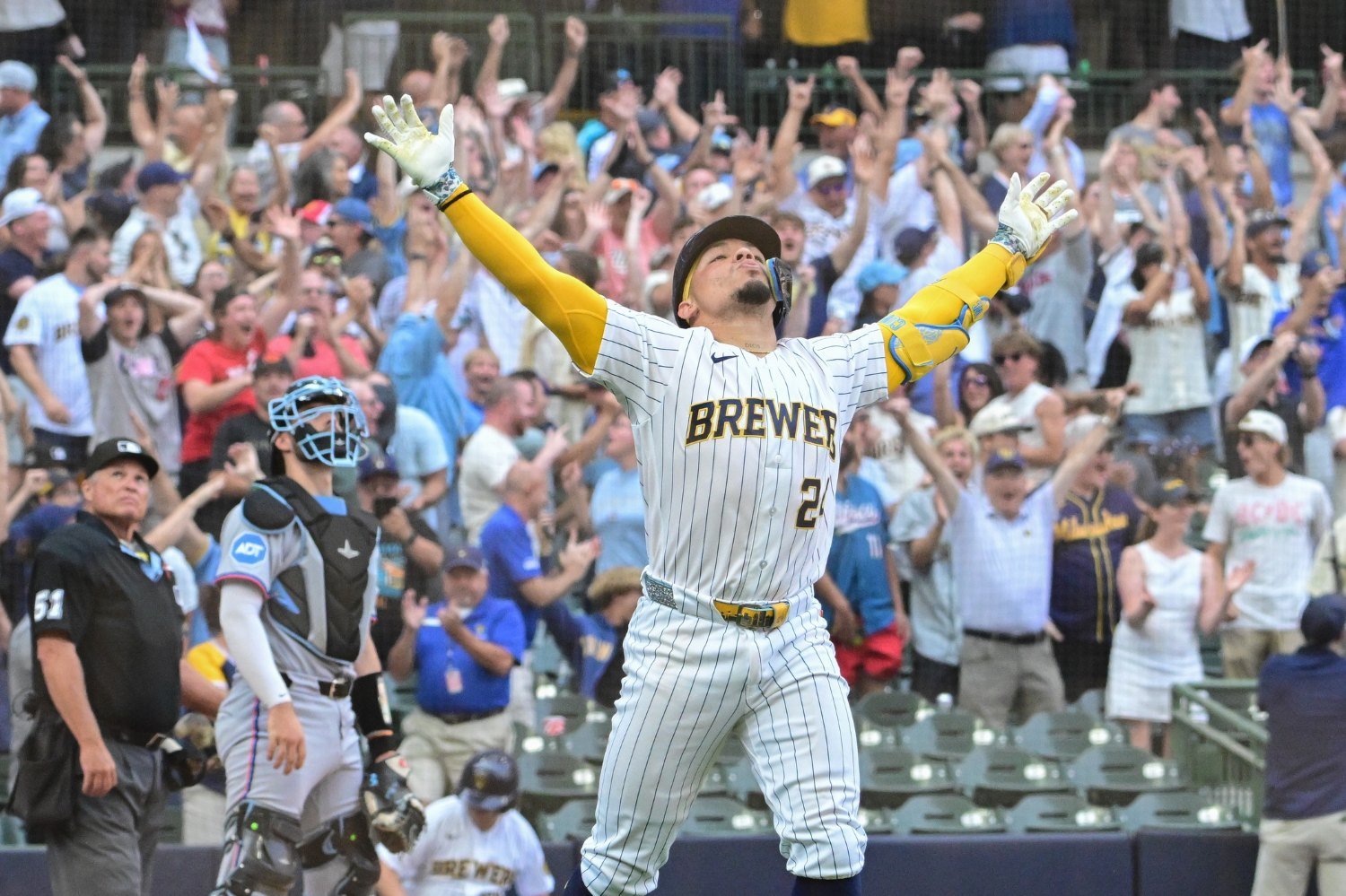 The unreserved catharsis of it was breathtaking. William Contreras didn't hurl his bat into the sky to show up the Marlins; he did it because he needed to. He plainly felt good about the high line drive he smashed to left-center field in the bottom of the ninth Sunday; he stood and admired its flight. But in the close-up replays of the event, you can see that he was also judging the ball, unsure it would go out for the game-winner, willing it to do so—and maybe even praying. Not until after it caromed off a piece of ballpark behind and above the wall did he turn and perform his feat of strength. As he threw the lumber, he spread his arms to the heavens, and that's clearly where his attention went, too. He had to pause after a moment and judge the flight of a second projectile, because when he threw the bat, for a moment, he ceased to care or perceive where it was. His gaze was fixed on something you couldn't have seen even if you were standing right next to him and craning your neck the same way—something that wasn't up there. Eventually, he had to turn his attention to what really was, so he wasn't thwacked by his own falling club. Contreras needed that homer, and so did the Brewers. That's an odd sentiment, at first reading, because Contreras just got back from his third All-Star Game, and the team is still comfortably in first place in the NL Central. Life is all about reference points and recency, though, and recently, the Brewers have run into that old frenemy, Trouble, around every corner. Trouble always lurks in Pittsburgh just before the All-Star break. Trouble always lurks in Brandon Woodruff's shoulder. Lately, Trouble has been unyielding in its invasions, and the team is feeling the drag. Of course, for Contreras and several fellow Brewers, there's also Trouble's big brother, Tragedy, with whom to deal. The earthquake(s) that struck Venezuela last month devastated the country Contreras calls home, the one he represented in the World Baseball Classic and for which he won that championship this spring. When the sad accounting is complete, the death toll will be over 10,000. The damage is catastrophic. Whatever joy there was in Contreras's bat throw, there was also a healthy measure of defiance. He was roaring his refusal to be governed by Trouble and Tragedy. That's the Brewers in a nutshell. When they seem to be cornered or compromised in a way they could surely no longer survive, that's when they thrive. Somehow, they withstand a parade of injuries and other setbacks and keep winning games, anyway. That has been such a prevailing pattern since Pat Murphy and his devotion to relentlessness took over in 2024 that it feels almost as if this team is invincible. We know that they aren't. We know that the blow of Woodruff being out for the year hurts, and that that comes on the heels of several smaller (for now) injuries that threaten to erode the greatness of this team. We know they're not guaranteed to keep finding this almost-magical success in October, because (to paraphrase Billy Beane) Murphy's **** doesn't work in the playoffs—at least, ot yet. Still, that bat-launch on Sunday might well be the one most emblematic of this team. They weather the storm, and then they become the storm. They may not defy God, but they're not afraid of him, either. Contreras isn't a slugger who goes deep 30 times a year; Sunday's was only his 10th long ball. But he made it count, and the team and its fans got to celebrate an unexpected triumph, capping a weekend of them, even as they all quietly mourned the losses they share and the ones that are personal to each. Moments like that make it a little easier to imagine another flavor of unreserved catharsis the team hopes to unleash: the feeling of finally bringing a World Series championship back to Milwaukee.
 -
The Brewers will not have to fund or provide staffing support for his rehab once the contract ends. I suspect he'll sign a very team-friendly deal through 2028, though, so that the team CAN provide that support and they can keep working together.
-
That's a good shout. Alexander, only with better command of the sinker, more physicality and the ability to be optioned to the minors.
-
Image courtesy of © Troy Taormina-Imagn Images It's not hard to see what the Brewers like about Colton Gordon. He's not a standout guy, but he has upside. The 6-foot-4 lefty gets down the mound well and has plus extension, which the Brewers always love. He's shown the ability to work east and west with a sweeper and a slow but slurvy curveball, and he's shown the feel to create depth with his changeup. There are just two problems: he doesn't throw hard, and so far, he sucks. In 95 1/3 innings over 24 appearances in the majors going back to 2025, Gordon has a 5.95 career ERA. This season, he's spent most of his time in the minors—not because the Astros haven't needed him, but because he's surrendered six home runs in 50 batters faced and his ERA is on the wrong side of 11.00. He's had steady and impressive success at Triple-A Sugar Land over the last two and a half seasons, with an ERA under 4.00 each year as a starter, but that hasn't carried over to the majors. He throws 91 miles per hour, and the shapes of his fastballs just don't work. He has below-average carry on his four-seamer, even for a low three-quarters arm slot, and he doesn't get the heavy action you'd like on his sinker, either. Nothing sets up his softer stuff well, so despite what looks like a plus sweeper in a vacuum, he runs into barrels way too often and can't consistently miss bats the way he needs to. On the other hand, he fills up the strike zone exceptionally well. Between Triple-A and the majors, Gordon has faced 958 batters since the start of last season. He's only walked 52 of them. He's allowed more homers (27) than free passes (22) in his brief big-league career. Though that sinker lacks the movement you'd prefer to see from it, he locates so well with it that hitters rarely do damage. He has good feel for the sweeper to the glove side and the curveball as a backdoor offering against righties. He's just in the middle of the plate with that hittable four-seamer far too often. As the Brewers take control of Gordon, they probably do so without grand plans. He's good depth to have, with a demonstrated ability to start and throw strikes and one more year of optionability beyond this season. However, they might also have multiple ways to unlock him and get more from him, in the short and the long term. First, expect them to ask him to lean into his sinker and cutter a bit more, at least for the balance of this season. The former should work well against lefties, and even against righties, using that pitch more at the expense of the four-seamer should allow the defense to work behind him. Gordon's cutter has been more slider-like this season than in the past, and is slowly replacing a true slider as his sixth pitch, but Chris Hook and Jim Henderson might ask him to tinker with the harder, more fastball-flavored version of that offering for a bit. Just as importantly, though, the team will almost surely make some mechanical changes. You can see a Brewers-like pitcher in the body of Gordon, but not in the way he moves it. He starts on the third-base side of the rubber and uses a fairly extreme crossfire stride pattern. The Brewers are likely to move him to the first-base side and try to get him on a slightly straighter line to the plate, without losing the facility with the zone that is his trademark skill. With a bit better posture near release, he can also naturally lower his arm slot and add deception to his fastball. TkFOMzJfWGw0TUFRPT1fQlFsVFVGTUhVUUlBV1ZwWFVnQUhCQTlVQUZnRlZGTUFCd0JUVWxaV0J3VURWbEFB.mp4 As strange as it sounds for a 27-year-old with subpar velocity and so much polish in terms of strike-throwing, the Brewers will see Gordon as a ball of clay with real potential. His delivery doesn't fit their preferences, but it shows the mobility they need to make the changes they'll want. His pitch mix is unimpressive, but the differences between the pitching philosophies of the Astros and Milwaukee leave ample room for tweaks even before they make any big physical changes. Gordon is insurance, for now, for a team that needed reinforcement because of injuries and medium-term durability concerns among their stable of existing hurlers. He can be a lot more, though. As Bob Howsam built some great teams as the general manager of the St. Louis Cardinals in the 1960s and the Cincinnati Reds from the late 1960s through the late 1970s, he gained a reputation for frequently extracting a throw-in player in trades who turned out to be much more than that. Matt Arnold is getting exceptionally good at the same thing. Not all multi-player deals have that dynamic, but just as the one that brought in Kyle Harrison, David Hamilton and Shane Drohan felt that way, this one does. Lance McCullers Jr. has the big name, and he's at least a bit more likely to help the Brewers for the balance of 2026. They would not have made this deal without also acquiring Gordon, though, and a year from now, Gordon's stock is likely to be higher than it is right now. He's a quintessential Brewers pickup, and an excellent candidate to get a boost from a spin through the H & H Car Wash. View full article
-
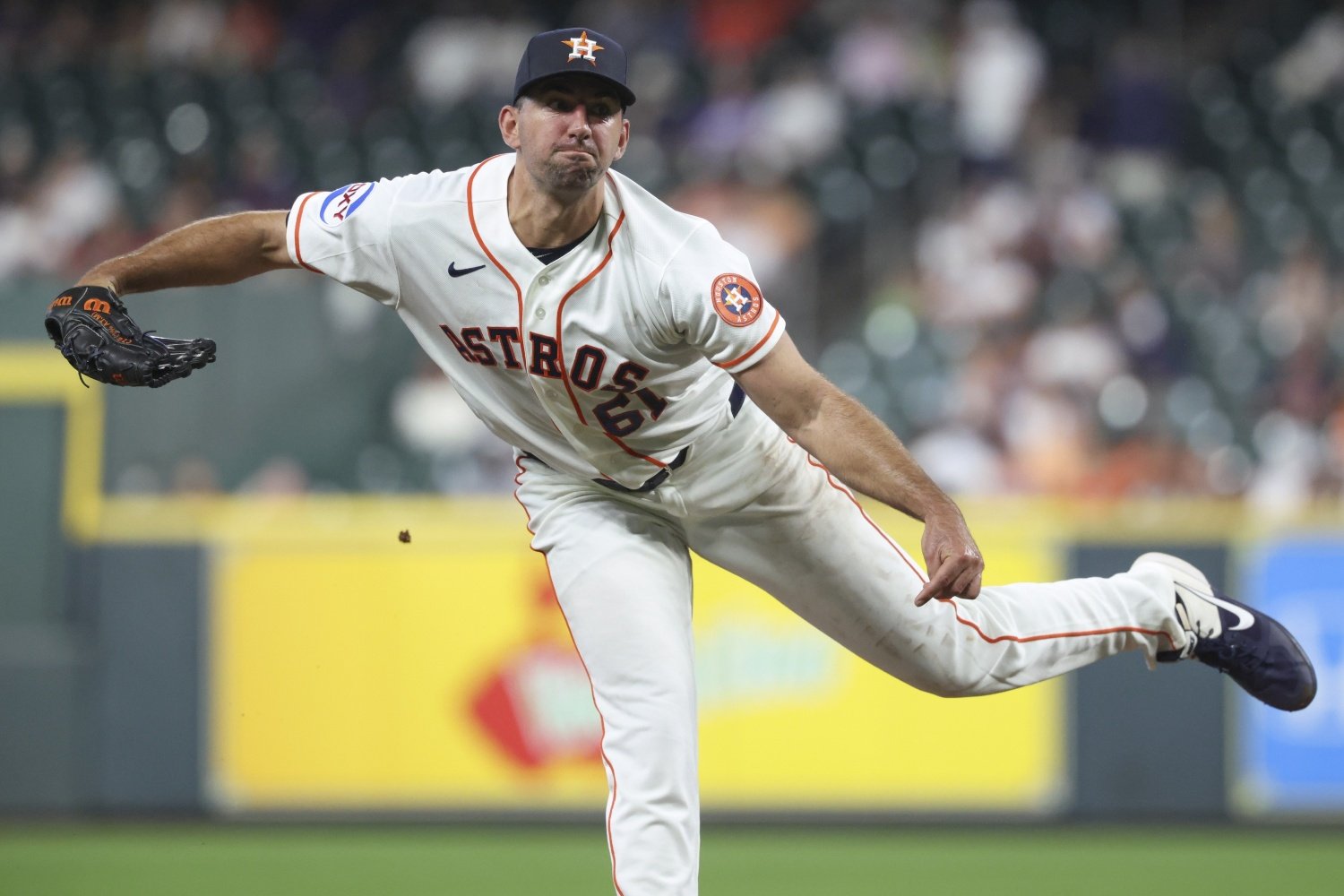 It's not hard to see what the Brewers like about Colton Gordon. He's not a standout guy, but he has upside. The 6-foot-4 lefty gets down the mound well and has plus extension, which the Brewers always love. He's shown the ability to work east and west with a sweeper and a slow but slurvy curveball, and he's shown the feel to create depth with his changeup. There are just two problems: he doesn't throw hard, and so far, he sucks. In 95 1/3 innings over 24 appearances in the majors going back to 2025, Gordon has a 5.95 career ERA. This season, he's spent most of his time in the minors—not because the Astros haven't needed him, but because he's surrendered six home runs in 50 batters faced and his ERA is on the wrong side of 11.00. He's had steady and impressive success at Triple-A Sugar Land over the last two and a half seasons, with an ERA under 4.00 each year as a starter, but that hasn't carried over to the majors. He throws 91 miles per hour, and the shapes of his fastballs just don't work. He has below-average carry on his four-seamer, even for a low three-quarters arm slot, and he doesn't get the heavy action you'd like on his sinker, either. Nothing sets up his softer stuff well, so despite what looks like a plus sweeper in a vacuum, he runs into barrels way too often and can't consistently miss bats the way he needs to. On the other hand, he fills up the strike zone exceptionally well. Between Triple-A and the majors, Gordon has faced 958 batters since the start of last season. He's only walked 52 of them. He's allowed more homers (27) than free passes (22) in his brief big-league career. Though that sinker lacks the movement you'd prefer to see from it, he locates so well with it that hitters rarely do damage. He has good feel for the sweeper to the glove side and the curveball as a backdoor offering against righties. He's just in the middle of the plate with that hittable four-seamer far too often. As the Brewers take control of Gordon, they probably do so without grand plans. He's good depth to have, with a demonstrated ability to start and throw strikes and one more year of optionability beyond this season. However, they might also have multiple ways to unlock him and get more from him, in the short and the long term. First, expect them to ask him to lean into his sinker and cutter a bit more, at least for the balance of this season. The former should work well against lefties, and even against righties, using that pitch more at the expense of the four-seamer should allow the defense to work behind him. Gordon's cutter has been more slider-like this season than in the past, and is slowly replacing a true slider as his sixth pitch, but Chris Hook and Jim Henderson might ask him to tinker with the harder, more fastball-flavored version of that offering for a bit. Just as importantly, though, the team will almost surely make some mechanical changes. You can see a Brewers-like pitcher in the body of Gordon, but not in the way he moves it. He starts on the third-base side of the rubber and uses a fairly extreme crossfire stride pattern. The Brewers are likely to move him to the first-base side and try to get him on a slightly straighter line to the plate, without losing the facility with the zone that is his trademark skill. With a bit better posture near release, he can also naturally lower his arm slot and add deception to his fastball. TkFOMzJfWGw0TUFRPT1fQlFsVFVGTUhVUUlBV1ZwWFVnQUhCQTlVQUZnRlZGTUFCd0JUVWxaV0J3VURWbEFB.mp4 As strange as it sounds for a 27-year-old with subpar velocity and so much polish in terms of strike-throwing, the Brewers will see Gordon as a ball of clay with real potential. His delivery doesn't fit their preferences, but it shows the mobility they need to make the changes they'll want. His pitch mix is unimpressive, but the differences between the pitching philosophies of the Astros and Milwaukee leave ample room for tweaks even before they make any big physical changes. Gordon is insurance, for now, for a team that needed reinforcement because of injuries and medium-term durability concerns among their stable of existing hurlers. He can be a lot more, though. As Bob Howsam built some great teams as the general manager of the St. Louis Cardinals in the 1960s and the Cincinnati Reds from the late 1960s through the late 1970s, he gained a reputation for frequently extracting a throw-in player in trades who turned out to be much more than that. Matt Arnold is getting exceptionally good at the same thing. Not all multi-player deals have that dynamic, but just as the one that brought in Kyle Harrison, David Hamilton and Shane Drohan felt that way, this one does. Lance McCullers Jr. has the big name, and he's at least a bit more likely to help the Brewers for the balance of 2026. They would not have made this deal without also acquiring Gordon, though, and a year from now, Gordon's stock is likely to be higher than it is right now. He's a quintessential Brewers pickup, and an excellent candidate to get a boost from a spin through the H & H Car Wash.

