
Matthew Trueblood
-
Posts
1,922 -
Joined
-
Last visited
-
Days Won
10
Content Type
Profiles
Forums
Blogs
Events
News
2026 Milwaukee Brewers Top Prospects Ranking
Milwaukee Brewers Videos
2022 Milwaukee Brewers Draft Picks
Milwaukee Brewers Free Agent & Trade Rumors, Notes, & Tidbits
Guides & Resources
2023 Milwaukee Brewers Draft Picks
2024 Milwaukee Brewers Draft Picks
The Milwaukee Brewers Players Project
2025 Milwaukee Brewers Draft Pick Tracker
2026 Milwaukee Brewers Draft Tracker: Picks & Bonuses
Store
Downloads
Gallery
Everything posted by Matthew Trueblood
-
Fair... but it's far from guaranteed, especially with this particular group, that those two stay back once they're back, or that the others stay healthy. Or that Colin Rea can stay effective. I'm parroting Tim here but (as I've also already said elsewhere) I think starting pitching is a bigger need for this team than we might realize.
-
With the trade deadline now scarcely more than 24 hours away, the number of possible moves out there for the Brewers remains pretty large. Whatever happens, though, some 40-man roster maneuvers seem imminent. Image courtesy of © Brad Rempel-USA TODAY Sports It would have been almost impossible, even during spring training, to predict the way this season has played out for Luis Urias and Eric Lauer. Certainly, if you'd said the Brewers would reach the trade deadline in a dead heat for first place, no one within earshot would have guessed that it would have been despite negative contributions in limited playing time from either of those guys. After a strong showing at the World Baseball Classic (including an unforgettable home run during the knockout rounds), Urias looked primed to be one of the Brewers' key cogs this year. Alas, he suffered a severe hamstring strain on Opening Day, and he didn't look remotely right even when he returned. Lauer, by contrast, struggled throughout the spring, but he's the kind of pitcher who can look terrible in exhibition play, then flip a switch and be effective when it counts. After all, he's the rarest breed in the league: a hurler who depends on hitters missing or mishitting balls right down the middle on a semi-regular basis. Whatever allowed him to thrive that way in the past, however, it continued to elude him even in the regular season this time. Now, both Urias and Lauer have spent more of the season elsewhere than with the parent club. Urias has over twice as many plate appearances for Triple-A Nashville as he has for Milwaukee, and Lauer is just getting a rehab assignment going after a long stint on the shelf. Yet, both players are likely to have a modicum of trade value. Urias would be an appealing project for a team selling a rental hitter to the Brewers; he still has two years of team control remaining after 2023. Lauer only has one year, and his health status makes things a bit murkier, but his track record of success and the fact that he's a lefty who's already successfully reegineered himself once will draw in at least a few interested parties. Neither player will be the main piece in a notable trade, of course. Their stock is way down, even though Urias has heated up recently and seems like he might have survived his mid-career crisis. They're worth watching, though, because including them in a deal could lessen the prospect cost to the Brewers for a short-term acquisition, and it could also ease whatever crunch is created by the acquisition of new players who will need to fit onto the 40-man roster. At this time of year, players like Urias and Lauer sometimes change hands out of expediency, as much as out of genuine marketability, but that's ok. The Brewers' surprising depth and good player development have rendered the two redundant, even if they do recover their previous form. Interestingly, each feels like an especially good fit for the Red Sox or the Nationals, two potential Brewers trade partners of note. The Nationals have Jeimer Candelario, the top rental hitter on the market, and Urias could be an instant replacement for him, in addition to whatever prospect capital the Brewers include. Lauer, meanwhile, could eat innings on what is a truly putrid Washington pitching staff. The fit in Boston is just as neat, though a little more layered. The Brewers would have interest in Adam Duvall, the aging, slugging outfielder, who's much less desirable and helpful than Candelario. Both Urias and Lauer are at least as valuable as Duvall alone, but if they included either (or both), the Crew might entice the infield- and pitching-hungry Red Sox to package Duvall with impending free agent James Paxton, whom Mark Feinsand called their best trade chip in an article on MLB.com Monday. Paxton would be a huge upgrade over Colin Rea and Adrian Houser at an unforgettable home runthe back end of the rotation, and could make the Brewers a more dangerous team in an eventual playoff series, too. Urias and Lauer don't have to be traded this week. It's just a good time to check in on each, and to remember that the guys on the fringes of the 40-man roster (really, anyone who is on that roster but not active with the big-league team) are always trade candidates at this time of year. It's strange how these two, especially, have slipped into obscurity, when they had such prominent roles with the team at the end of camp. Soon, they're likely either to be gone altogether, or to be back in the mix for the stretch drive. View full article
-
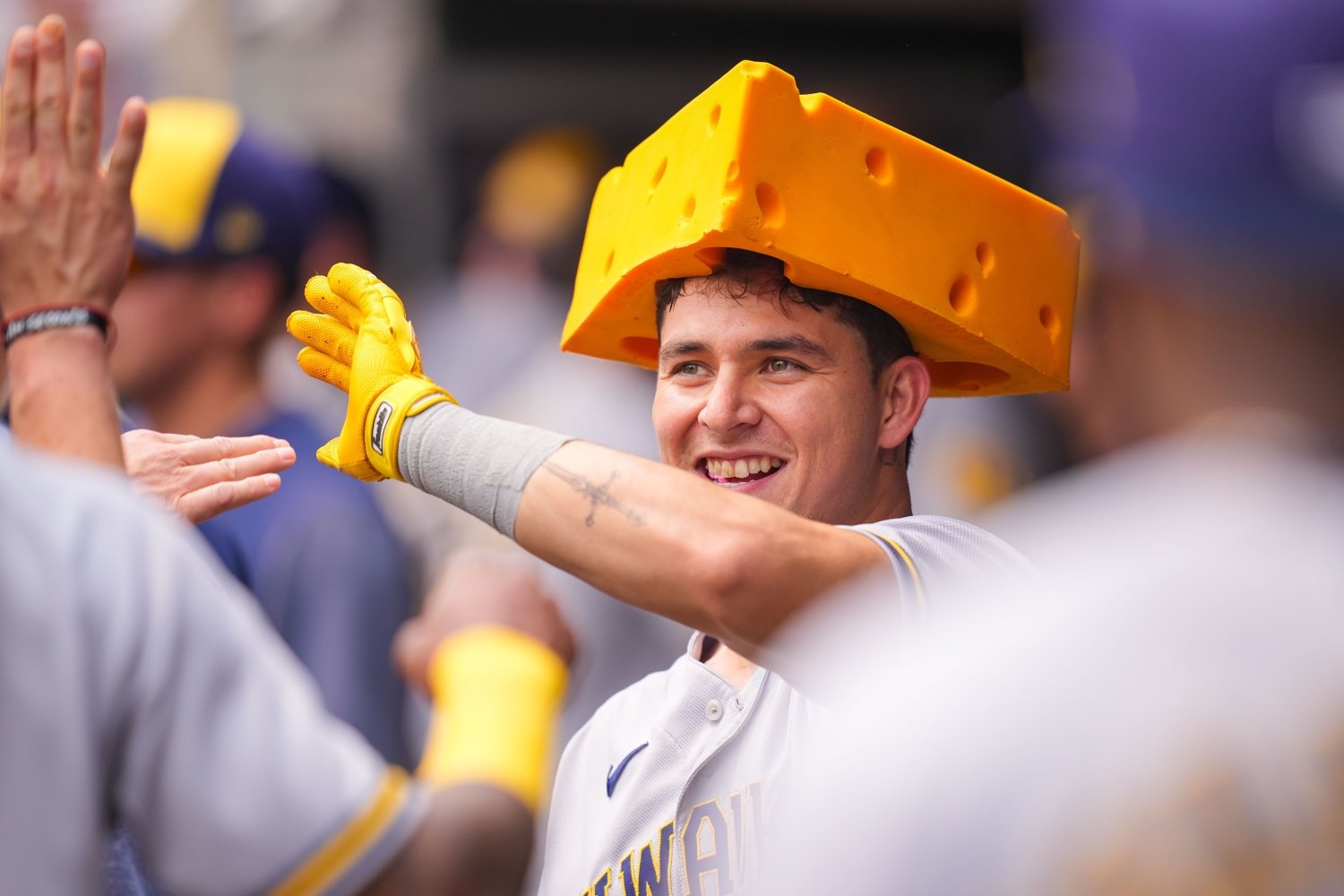 It would have been almost impossible, even during spring training, to predict the way this season has played out for Luis Urias and Eric Lauer. Certainly, if you'd said the Brewers would reach the trade deadline in a dead heat for first place, no one within earshot would have guessed that it would have been despite negative contributions in limited playing time from either of those guys. After a strong showing at the World Baseball Classic (including an unforgettable home run during the knockout rounds), Urias looked primed to be one of the Brewers' key cogs this year. Alas, he suffered a severe hamstring strain on Opening Day, and he didn't look remotely right even when he returned. Lauer, by contrast, struggled throughout the spring, but he's the kind of pitcher who can look terrible in exhibition play, then flip a switch and be effective when it counts. After all, he's the rarest breed in the league: a hurler who depends on hitters missing or mishitting balls right down the middle on a semi-regular basis. Whatever allowed him to thrive that way in the past, however, it continued to elude him even in the regular season this time. Now, both Urias and Lauer have spent more of the season elsewhere than with the parent club. Urias has over twice as many plate appearances for Triple-A Nashville as he has for Milwaukee, and Lauer is just getting a rehab assignment going after a long stint on the shelf. Yet, both players are likely to have a modicum of trade value. Urias would be an appealing project for a team selling a rental hitter to the Brewers; he still has two years of team control remaining after 2023. Lauer only has one year, and his health status makes things a bit murkier, but his track record of success and the fact that he's a lefty who's already successfully reegineered himself once will draw in at least a few interested parties. Neither player will be the main piece in a notable trade, of course. Their stock is way down, even though Urias has heated up recently and seems like he might have survived his mid-career crisis. They're worth watching, though, because including them in a deal could lessen the prospect cost to the Brewers for a short-term acquisition, and it could also ease whatever crunch is created by the acquisition of new players who will need to fit onto the 40-man roster. At this time of year, players like Urias and Lauer sometimes change hands out of expediency, as much as out of genuine marketability, but that's ok. The Brewers' surprising depth and good player development have rendered the two redundant, even if they do recover their previous form. Interestingly, each feels like an especially good fit for the Red Sox or the Nationals, two potential Brewers trade partners of note. The Nationals have Jeimer Candelario, the top rental hitter on the market, and Urias could be an instant replacement for him, in addition to whatever prospect capital the Brewers include. Lauer, meanwhile, could eat innings on what is a truly putrid Washington pitching staff. The fit in Boston is just as neat, though a little more layered. The Brewers would have interest in Adam Duvall, the aging, slugging outfielder, who's much less desirable and helpful than Candelario. Both Urias and Lauer are at least as valuable as Duvall alone, but if they included either (or both), the Crew might entice the infield- and pitching-hungry Red Sox to package Duvall with impending free agent James Paxton, whom Mark Feinsand called their best trade chip in an article on MLB.com Monday. Paxton would be a huge upgrade over Colin Rea and Adrian Houser at an unforgettable home runthe back end of the rotation, and could make the Brewers a more dangerous team in an eventual playoff series, too. Urias and Lauer don't have to be traded this week. It's just a good time to check in on each, and to remember that the guys on the fringes of the 40-man roster (really, anyone who is on that roster but not active with the big-league team) are always trade candidates at this time of year. It's strange how these two, especially, have slipped into obscurity, when they had such prominent roles with the team at the end of camp. Soon, they're likely either to be gone altogether, or to be back in the mix for the stretch drive.
 -
It's a legitimate concern.
-
I mean just so we’re clear, I didn’t even say the name Jeferson Quero in the piece. Not sure how that came into it. And I’d add that I *did* say either Frelick or Chourio, but folks seem much more hung up on the latter than the former. To me, they’re very close to equal in trade value, so the disparity is confusing. Anyway. Just a couple clarifications.
-
Well, no it isn’t. But if you’re using BTV, like at all, then I understand why you and I aren’t seeing eye to eye on pretty much anything. If any site is for lazy people and trolls, it’s that one.
-
The Brewers can’t deal Burnes right now, though. Did you mean this *winter*? Because yeah, that starts to make some sense. Would be a very different but interesting deal.
-
I’m never gonna bicker with you about the Cubs fan thing. You’re free to think I’m a sleeper cell or whatever. 🤣 But never, ever use Spotrac for baseball stuff. They don’t know what they’re doing. Kim can opt out of the deal he’s on ahead of 2025, but he’s still under team control through 2026. It’s like Ohtani, or Jorge Soler back in the day. They agreed on a contract knowing the player might opt out of it at some point, but then he just goes into the arbitration system. He didn’t come over as an unfettered free agent, like Senga or Suzuki or Tanaka.
-
The Blockbuster Brewers Trade Possibility No One is Talking About
Matthew Trueblood posted an article in Brewers
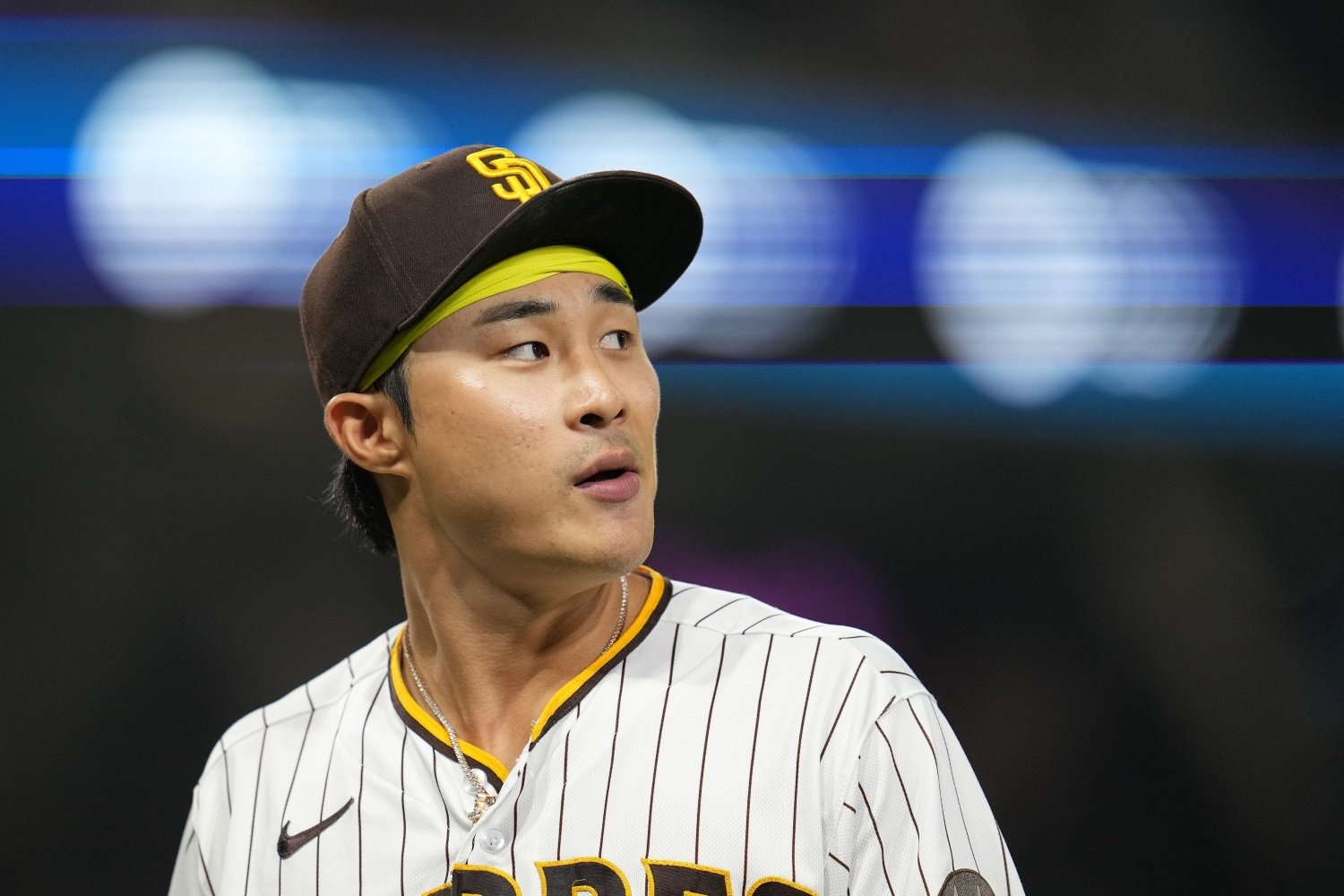 It's functionally impossible, at the moment, to predict what the San Diego Padres are about to do. They&# trades by frenetic head honcho A.J. Preller. Most pundits predict that they will stand pat, or even make small improvements in pursuit of a Wild Card berth. The Brewers could change their minds, if the price is right. With Brice Turang and Willy Adames, the team has stout defense up the middle, but they're getting lousy offensive production. At third base, Brian Anderson's injury setback means at least another fortnight of Andruw Monasterio, who has been perfectly cromulent but doesn't seem like a long-term answer, and who could even collapse down the stretch if his luck turns. The Brewers might just be eager enough to pull the trigger on a big infielder trade with Preller. Let us talk, then, about Ha-Seong Kim. At 27 years old and on a team-friendly contract, Kim is a bargain. Even if he declines his side of a mutual option ion 2025, he can't become a free agent until after 2026. That's just the tip of the iceberg of his value, though. After a rough rookie campaign when he came over from the Korean Baseball Organization, Kim figured things out in 2022, and he's exploded into one of the most valuable and exciting players in baseball in 2023. He's batting .279/.374/.447 this year, with 14 homers and 21 stolen bases. He plays second base, third base, and shortstop, all with nearly equal aplomb. According to Baseball Reference, only Shohei Ohtani and Ronald Acuna Jr. have been more valuable than Kim this year. FanGraphs is way down on him, ranking him only 11th in WAR. He is 46th in WARP at Baseball Prospectus, which takes his batted-ball data and granular level of competition into account more carefully, but even so, he's one of the better young players in baseball. Why on Earth would the Padres trade him, then? It's pretty simple. Firstly, they're not good enough right now. That should be obvious, given their 52-54 record. Secondly, they're already running as high a payroll as they can afford to run, so their improvements have to come either completely from within, or via trades that deepen their farm system. Thirdly, they have Manny Machado, Xander Bogaerts, and Fernando Tatis Jr. all on long-term, huge-dollar deals, and none of those contracts would be movable right now, even if that were what the team wanted to do. Fourthly, with Machado and Bogaerts locked in on the left side of the infield, either Tatis or Jake Cronenworth (who's also playing on a long-term extension, signed this winter) could slide to second base if the team traded Kim, leaving a relatively easy offensive position to fill--be it right field or first base. Thus, getting a massive haul in exchange for Kim could be the next way out of trouble for Preller, whose back will be to the wall if he doesn't rapidly recover from this misstep of a season. He can do it without torpedoing his team's chances to sneak into the playoffs in 2023. It's worth exploring, from his end. For the Brewers, Kim couldn't be a more perfect potential addition. He could spell the struggling Adames, and get Turang out of the lineup against lefties, while being the primary third baseman for the next year and a half. Then, if Adames departed as a free agent, Kim could slide over to shortstop, creating a seamless transition. All along, he'd add some thump and some much-needed contact skills to the heart of the lineup, and he'd fit in with the running game the Brewers have already cultivated this season. There's just one catch: the massive cost. To make this the right button for San Diego to push, the Brewers would have to pay through the nose. We're talking about a package that starts with either Jackson Chourio or Sal Frelick, and includes Jacob Misiorowski, and it might not stop there. For three and a half cost-controlled seasons of one of the best infielders in baseball, that's a fair price. Sometimes, fair prices are excruciating. It will be understandable if, ultimately, Matt Arnold is unwilling to take that much pain, even in exchange for the massive gain Kim could offer. Eventually, though, the Brewers have to go for it. It's not just Adames on whom a ticking countdown clock toward free agency is getting louder by the second. Corbin Burnes and Brandon Woodruff are also just a year and a half from reaching that opportunity. Kim would be a short-term addition with the potential to put this team over the top, and he'd double as a flexible long-term option that would give them many avenues to perpetual contention. It might be a pipedream, but it's the pipedream worth studying seriously, because the circumstances that could force the Padres to consider it won't last forever, and neither will the Brewers' core.
 -
The Brewers have already made one trade to upgrade their infield and their lineup ahead of the MLB trade deadline. It was a low-wattage, short-term move, though. There's one potential game-changer the team could pursue, even though it's not a hot topic right now. Image courtesy of © Ray Acevedo-USA TODAY Sports It's functionally impossible, at the moment, to predict what the San Diego Padres are about to do. They&# trades by frenetic head honcho A.J. Preller. Most pundits predict that they will stand pat, or even make small improvements in pursuit of a Wild Card berth. The Brewers could change their minds, if the price is right. With Brice Turang and Willy Adames, the team has stout defense up the middle, but they're getting lousy offensive production. At third base, Brian Anderson's injury setback means at least another fortnight of Andruw Monasterio, who has been perfectly cromulent but doesn't seem like a long-term answer, and who could even collapse down the stretch if his luck turns. The Brewers might just be eager enough to pull the trigger on a big infielder trade with Preller. Let us talk, then, about Ha-Seong Kim. At 27 years old and on a team-friendly contract, Kim is a bargain. Even if he declines his side of a mutual option ion 2025, he can't become a free agent until after 2026. That's just the tip of the iceberg of his value, though. After a rough rookie campaign when he came over from the Korean Baseball Organization, Kim figured things out in 2022, and he's exploded into one of the most valuable and exciting players in baseball in 2023. He's batting .279/.374/.447 this year, with 14 homers and 21 stolen bases. He plays second base, third base, and shortstop, all with nearly equal aplomb. According to Baseball Reference, only Shohei Ohtani and Ronald Acuna Jr. have been more valuable than Kim this year. FanGraphs is way down on him, ranking him only 11th in WAR. He is 46th in WARP at Baseball Prospectus, which takes his batted-ball data and granular level of competition into account more carefully, but even so, he's one of the better young players in baseball. Why on Earth would the Padres trade him, then? It's pretty simple. Firstly, they're not good enough right now. That should be obvious, given their 52-54 record. Secondly, they're already running as high a payroll as they can afford to run, so their improvements have to come either completely from within, or via trades that deepen their farm system. Thirdly, they have Manny Machado, Xander Bogaerts, and Fernando Tatis Jr. all on long-term, huge-dollar deals, and none of those contracts would be movable right now, even if that were what the team wanted to do. Fourthly, with Machado and Bogaerts locked in on the left side of the infield, either Tatis or Jake Cronenworth (who's also playing on a long-term extension, signed this winter) could slide to second base if the team traded Kim, leaving a relatively easy offensive position to fill--be it right field or first base. Thus, getting a massive haul in exchange for Kim could be the next way out of trouble for Preller, whose back will be to the wall if he doesn't rapidly recover from this misstep of a season. He can do it without torpedoing his team's chances to sneak into the playoffs in 2023. It's worth exploring, from his end. For the Brewers, Kim couldn't be a more perfect potential addition. He could spell the struggling Adames, and get Turang out of the lineup against lefties, while being the primary third baseman for the next year and a half. Then, if Adames departed as a free agent, Kim could slide over to shortstop, creating a seamless transition. All along, he'd add some thump and some much-needed contact skills to the heart of the lineup, and he'd fit in with the running game the Brewers have already cultivated this season. There's just one catch: the massive cost. To make this the right button for San Diego to push, the Brewers would have to pay through the nose. We're talking about a package that starts with either Jackson Chourio or Sal Frelick, and includes Jacob Misiorowski, and it might not stop there. For three and a half cost-controlled seasons of one of the best infielders in baseball, that's a fair price. Sometimes, fair prices are excruciating. It will be understandable if, ultimately, Matt Arnold is unwilling to take that much pain, even in exchange for the massive gain Kim could offer. Eventually, though, the Brewers have to go for it. It's not just Adames on whom a ticking countdown clock toward free agency is getting louder by the second. Corbin Burnes and Brandon Woodruff are also just a year and a half from reaching that opportunity. Kim would be a short-term addition with the potential to put this team over the top, and he'd double as a flexible long-term option that would give them many avenues to perpetual contention. It might be a pipedream, but it's the pipedream worth studying seriously, because the circumstances that could force the Padres to consider it won't last forever, and neither will the Brewers' core. View full article
-
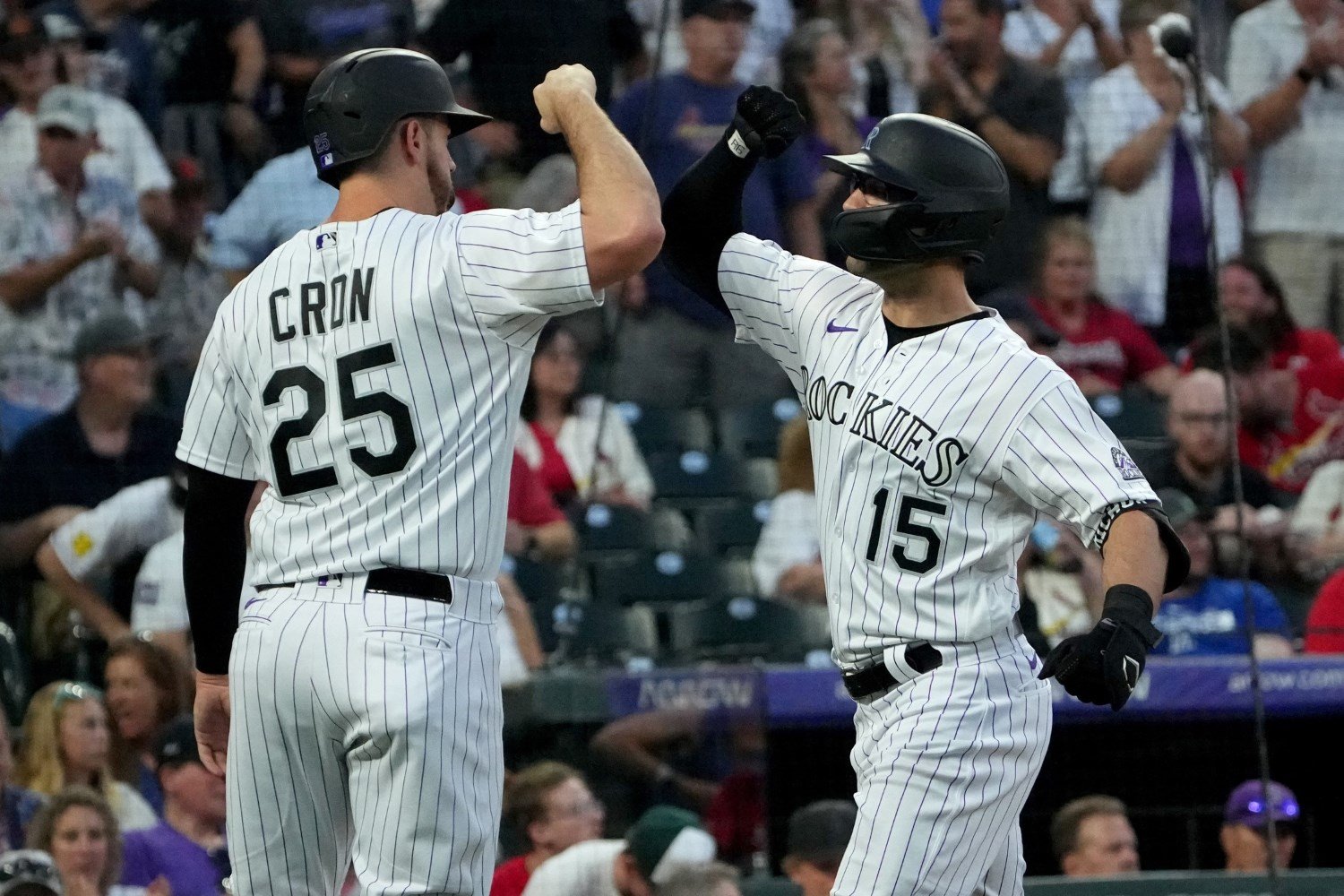 Blame it all on Alek Manoah. When the Blue Jays' burly right-hander accidentally hit Angels outfielder Taylor Ward in the face with a pitch this weekend, it ratcheted up the urgency of Los Angeles's pursuit of a bat to round out their lineup. Already committed to 2023 contention, the team got ahold of both Randal Grichuk and C.J. Cron in a trade with the Rockies, sending them two pitchers with considerable upside who are (nonetheless) ages away from contributing to a big-league team. Grichuk is a capable corner outfielder with good power, and was a much-discussed possible upgrade over the likes of Tyrone Taylor in that role. Cron is a first baseman and designated hitter, and became less attractive a target once the Brewers landed Carlos Santana, but he was still a plausible fit at the right price. Speaking of the price, the most interesting thing here might be that both pitchers Colorado acquired are in Low A right now. Even understanding that they have a chance to mature into something valuable, getting both of these players for that kind of return is underwhelming, from the Rockies' perspective, and looks like a win for Perry Minasian of the Halos. There are two ways to read that. Maybe it means that the heavily seller-friendly market pundits forecasted is not quite as robust as expected. In that case, it could augur well for the Brewers, as they continue to seek more help offensively. On the other hand, two viable options just came off the board, and the cost only increases the feeling that the team might have missed an opportunity. There remain a few good right-handed hitters who will change teams over the next 44 hours, but this put a dent in that market. It was a good weekend for the Brewers' bats, but the NL Central race is tighter than ever, so they can't afford to miss out altogether on the chance to further improve.
 -
The Los Angeles Angels are becoming a bit of a problem for the Brewers as the MLB trade deadline draws near. They just scooped up two possible targets for Milwaukee in a single trade with the Rockies. Now what? Image courtesy of © Ron Chenoy-USA TODAY Sports Blame it all on Alek Manoah. When the Blue Jays' burly right-hander accidentally hit Angels outfielder Taylor Ward in the face with a pitch this weekend, it ratcheted up the urgency of Los Angeles's pursuit of a bat to round out their lineup. Already committed to 2023 contention, the team got ahold of both Randal Grichuk and C.J. Cron in a trade with the Rockies, sending them two pitchers with considerable upside who are (nonetheless) ages away from contributing to a big-league team. Grichuk is a capable corner outfielder with good power, and was a much-discussed possible upgrade over the likes of Tyrone Taylor in that role. Cron is a first baseman and designated hitter, and became less attractive a target once the Brewers landed Carlos Santana, but he was still a plausible fit at the right price. Speaking of the price, the most interesting thing here might be that both pitchers Colorado acquired are in Low A right now. Even understanding that they have a chance to mature into something valuable, getting both of these players for that kind of return is underwhelming, from the Rockies' perspective, and looks like a win for Perry Minasian of the Halos. There are two ways to read that. Maybe it means that the heavily seller-friendly market pundits forecasted is not quite as robust as expected. In that case, it could augur well for the Brewers, as they continue to seek more help offensively. On the other hand, two viable options just came off the board, and the cost only increases the feeling that the team might have missed an opportunity. There remain a few good right-handed hitters who will change teams over the next 44 hours, but this put a dent in that market. It was a good weekend for the Brewers' bats, but the NL Central race is tighter than ever, so they can't afford to miss out altogether on the chance to further improve. View full article
-
 The Brewers' divisional lead couldn't be any slimmer, and in addition to the pesky Reds, they now face some threat from the onrushing Cubs. To stave off both, they need to complete the work they began by trading for Carlos Santana this week. Their lineup needs further reinforcement, ideally from a right-handed batter who can play some outfield. The trade targets who make the most sense in that vein are Mark Canha, of the Mets, and Brent Rooker, of the Athletics. Both players are right-handed hitters who mostly play left field. Neither is a strong defensive player. For various reasons, they're likely to have similar price tags in trades. Ultimately, though, they're quite different. Which one makes more sense for the Crew? Mark Canha Already 34 years old, Canha is in the second season of a two-year, $26.5-million deal he signed with the Mets prior to 2022. He's a well-built, relatively fast player, but he's not the good defender he once was, even in left field. He also doesn't hit for especially good power, particularly given his defensive limitations. That's the bad news. The good news is plenty good, though. Canha commands the strike zone, and owns a .347 career on-base percentage. His .338 mark this year would be his lowest since 2018, but he's trending up, hitting .260/.367/.400 in July. He doesn't swing and miss very much. He doesn't expand the zone. He hits line drives. Canha could platoon with Sal Frelick in right field when the team is at full strength, but unless and until that state is achieved, he'd be an upgrade over the incumbent options at designated hitter. If they acquired him, the Brewers would also hold a club option on him for 2024, worth $11.5 million (with a $2-million buyout, which they could plausibly get kicked into this deal by the Mets). Brent Rooker Nowhere near the overall athlete Canha can be, Rooker is best confined to DH duties, although he could spell Christian Yelich some in left field without doing too much damage. When he's hitting to his full potential, it doesn't matter where he plays, because his bat is lethal. That's how he ended up on the All-Star team this season. He did go into a long slump in June, and he's been selectively used since, but over the last month, he's batting .302/.371/.585. Even in that span, Rooker has fanned 23 times in 62 plate appearances. Unlike Canha, he has ample power--some of the best in baseball--but tons of swing-and-miss in his offensive profile, and he draws few walks. He crushes lefties, but often gets eaten up by right-handed hurlers with good sliders. The exciting thing about Rooker is that he's under team control for the long run. He can't even become arbitration-eligible until the offseason following 2024. He'd be an addition to whom the team could hold on for as much as the next four years, if he discovers greater consistency in his approach under the tutelage of Brewers hitting coaches. Yet, he'd cost little more than Canha, because the league (including the A's themselves) is well aware of his warts and his limitations already. Rooker feels more like a Brewers move. Though Matt Arnold will surely prove to be different in some ways than David Stearns was, the track record for this front office is that they like to do arbitrage with young, defensively limited hitters in whom they see certain upside. They found Jesus Aguilar, Eric Thames, and Rowdy Tellez. Rooker is the spiritual successor to moves like that one, and to the team bringing in Luke Voit and Darin Ruf earlier this year. For that very reason, though, one could argue that Canha is the guy for whom to shoot. The Brewers' lineup needs depth at least as much as it needs one-dimensional power. Canha is the one who lengthens a batting order and puts more relentless pressure on the opposing pitching staff. He's the one who could join the baserunning carousel the team likes to run when Brice Turang and/or Joey Wiemer is getting on base. The Brewers need to think like a division leader with a chance to earn one of the byes that exist under the newly expanded playoff format. Canha is the guy who gives them a better chance to cinch a division title and make noise in October.
 -
Two right-handed outfield bats make an awful lot of sense for the Brewers, with two days before the trade deadline. Their prices are likely to be similar. Which one should they pursue? Image courtesy of © Orlando Ramirez-USA TODAY Sports The Brewers' divisional lead couldn't be any slimmer, and in addition to the pesky Reds, they now face some threat from the onrushing Cubs. To stave off both, they need to complete the work they began by trading for Carlos Santana this week. Their lineup needs further reinforcement, ideally from a right-handed batter who can play some outfield. The trade targets who make the most sense in that vein are Mark Canha, of the Mets, and Brent Rooker, of the Athletics. Both players are right-handed hitters who mostly play left field. Neither is a strong defensive player. For various reasons, they're likely to have similar price tags in trades. Ultimately, though, they're quite different. Which one makes more sense for the Crew? Mark Canha Already 34 years old, Canha is in the second season of a two-year, $26.5-million deal he signed with the Mets prior to 2022. He's a well-built, relatively fast player, but he's not the good defender he once was, even in left field. He also doesn't hit for especially good power, particularly given his defensive limitations. That's the bad news. The good news is plenty good, though. Canha commands the strike zone, and owns a .347 career on-base percentage. His .338 mark this year would be his lowest since 2018, but he's trending up, hitting .260/.367/.400 in July. He doesn't swing and miss very much. He doesn't expand the zone. He hits line drives. Canha could platoon with Sal Frelick in right field when the team is at full strength, but unless and until that state is achieved, he'd be an upgrade over the incumbent options at designated hitter. If they acquired him, the Brewers would also hold a club option on him for 2024, worth $11.5 million (with a $2-million buyout, which they could plausibly get kicked into this deal by the Mets). Brent Rooker Nowhere near the overall athlete Canha can be, Rooker is best confined to DH duties, although he could spell Christian Yelich some in left field without doing too much damage. When he's hitting to his full potential, it doesn't matter where he plays, because his bat is lethal. That's how he ended up on the All-Star team this season. He did go into a long slump in June, and he's been selectively used since, but over the last month, he's batting .302/.371/.585. Even in that span, Rooker has fanned 23 times in 62 plate appearances. Unlike Canha, he has ample power--some of the best in baseball--but tons of swing-and-miss in his offensive profile, and he draws few walks. He crushes lefties, but often gets eaten up by right-handed hurlers with good sliders. The exciting thing about Rooker is that he's under team control for the long run. He can't even become arbitration-eligible until the offseason following 2024. He'd be an addition to whom the team could hold on for as much as the next four years, if he discovers greater consistency in his approach under the tutelage of Brewers hitting coaches. Yet, he'd cost little more than Canha, because the league (including the A's themselves) is well aware of his warts and his limitations already. Rooker feels more like a Brewers move. Though Matt Arnold will surely prove to be different in some ways than David Stearns was, the track record for this front office is that they like to do arbitrage with young, defensively limited hitters in whom they see certain upside. They found Jesus Aguilar, Eric Thames, and Rowdy Tellez. Rooker is the spiritual successor to moves like that one, and to the team bringing in Luke Voit and Darin Ruf earlier this year. For that very reason, though, one could argue that Canha is the guy for whom to shoot. The Brewers' lineup needs depth at least as much as it needs one-dimensional power. Canha is the one who lengthens a batting order and puts more relentless pressure on the opposing pitching staff. He's the one who could join the baserunning carousel the team likes to run when Brice Turang and/or Joey Wiemer is getting on base. The Brewers need to think like a division leader with a chance to earn one of the byes that exist under the newly expanded playoff format. Canha is the guy who gives them a better chance to cinch a division title and make noise in October. View full article
-
He's counting on that! Sneaks up on EVERYONE!
- 8 replies
-
- 1
-

-
- 2023 trade deadline
- carlos santana
- (and 1 more)
-
We're off and running! The Brewers have acquired first baseman Carlos Santana from the Pirates, patching the most obvious hole in their roster as they prepare to sprint for the finish in the NL Central. Image courtesy of © Charles LeClaire-USA TODAY Sports With Rowdy Tellez still sidelined with the finger injury he sustained in a freak shagging accident, the Brewers have elected not to wait any longer to fix first base. In Carlos Santana, 37, they get one of the most metronomic, disciplined switch-hitters in baseball. He batted .235/.321/.412 in 393 plate appearances with Pittsburgh. He's been a deceptively adroit and agile fielder for his entire career, and he's a sneakily good baserunner. He's stolen six bases in six tries in 2023. In exchange for Santana, the Brewers gave up Jhonny Severino, one of the two jewels of their 2022 international free agent signing class. Here’s what our prospect maven Spencer Michaelis had to say about Severino: The gist of this should be familiar to fans of the Crew. The team gave up a player who is years from having the potential to contribute for an immediate impact during a pennant race. Sometimes, a player like that turns out to be Freddy Peralta, but even in that case, it can be worth it. Whether this trade will be remembered fondly will come down to how Santana and the 2023 Brewers finish the season. Formerly a dangerous, balanced power hitter from both sides of the plate, Santana has aged into more of a professional drawer of walks. Since the start of 2020, he's batted .213, with a .368 slugging average. That's weighed down by a miserable 2021 with the Royals, though. He's still capable of hitting 15-20 home runs over a full season, and of getting hot for a while. Meanwhile, his patience at bat sets a high floor for his offensive contributions. Just as importantly, perhaps, Santana's arrival spells the end of the team's desperate casting-about for a first baseman. Owen Miller can throw out his first baseman's mitt. One of Santana's surprising virtues has been durability; he routinely racks up 150-plus games player and over 600 plate appearances. He's a terrific clubhouse presence and leader for the team, too. This is the kind of move that leaves the options box for others full. It's a great start, though, and a sign that the Brewers intend to secure their advantage in the division race to the best of their ability. View full article
- 8 replies
-
- 1
-

-
- 2023 trade deadline
- carlos santana
- (and 1 more)
-
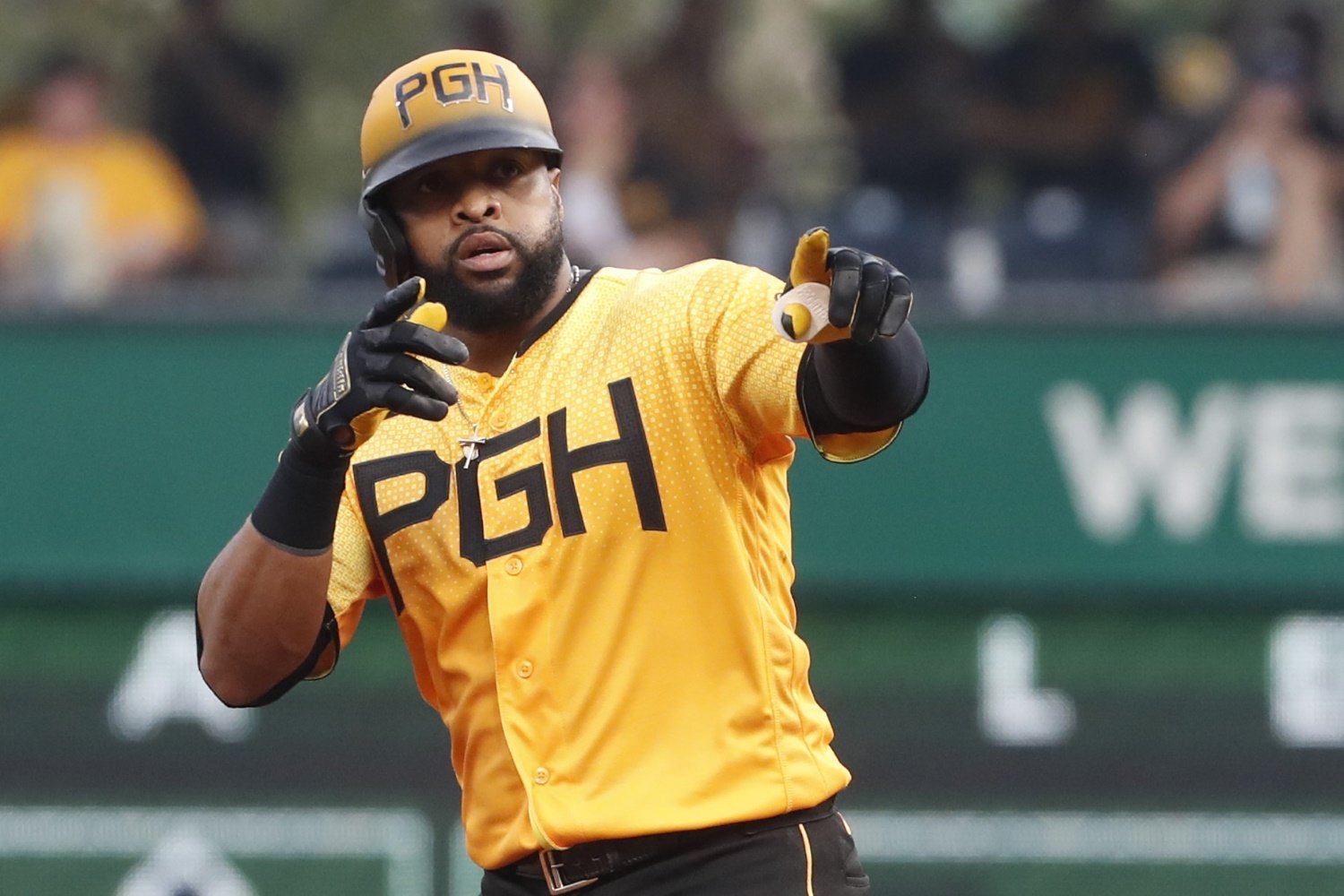 With Rowdy Tellez still sidelined with the finger injury he sustained in a freak shagging accident, the Brewers have elected not to wait any longer to fix first base. In Carlos Santana, 37, they get one of the most metronomic, disciplined switch-hitters in baseball. He batted .235/.321/.412 in 393 plate appearances with Pittsburgh. He's been a deceptively adroit and agile fielder for his entire career, and he's a sneakily good baserunner. He's stolen six bases in six tries in 2023. In exchange for Santana, the Brewers gave up Jhonny Severino, one of the two jewels of their 2022 international free agent signing class. Here’s what our prospect maven Spencer Michaelis had to say about Severino: The gist of this should be familiar to fans of the Crew. The team gave up a player who is years from having the potential to contribute for an immediate impact during a pennant race. Sometimes, a player like that turns out to be Freddy Peralta, but even in that case, it can be worth it. Whether this trade will be remembered fondly will come down to how Santana and the 2023 Brewers finish the season. Formerly a dangerous, balanced power hitter from both sides of the plate, Santana has aged into more of a professional drawer of walks. Since the start of 2020, he's batted .213, with a .368 slugging average. That's weighed down by a miserable 2021 with the Royals, though. He's still capable of hitting 15-20 home runs over a full season, and of getting hot for a while. Meanwhile, his patience at bat sets a high floor for his offensive contributions. Just as importantly, perhaps, Santana's arrival spells the end of the team's desperate casting-about for a first baseman. Owen Miller can throw out his first baseman's mitt. One of Santana's surprising virtues has been durability; he routinely racks up 150-plus games player and over 600 plate appearances. He's a terrific clubhouse presence and leader for the team, too. This is the kind of move that leaves the options box for others full. It's a great start, though, and a sign that the Brewers intend to secure their advantage in the division race to the best of their ability.
- 8 comments
-
- 1
-
-
- 2023 trade deadline
- carlos santana
- (and 1 more)
-
 As good as Hoby Milner has been, the Brewers need to give him some help from the left side. Milner is fifth in the NL in appearances this year, already nearing 50 for the campaign. He's been dazzling, with an ERA of 2.21 and 38 strikeouts against nine walks. The heavy usage the team has asked of him, however, figures to wear him down as the season nears its conclusion. Justin Wilson is a good complement if he's fully healthy and on his game, but the Brewers only have a few days to find out whether he's going to be at that level. There are several lefty relievers who should be available this week, though, and whom the Brewers could acquire cheaply. Here are three particularly appealing options. Brad Hand, LHP, Rockies There's actually, ahem, an even more appealing Rockies lefty on the market, but bringing back Brent Suter at deadline premium prices might be a bit too awkward to manage. Instead, the Brewers could call about Hand, a journeyman whose career keeps coming back from the brink. Hand has a wicked slider that plays well off his fastball, even as the latter offering loses its former juice. Hand's surface-level numbers look poor, which might hold down his acquisition cost, but he's actually been solid for the Rockies. Getting him out of Coors Field would solve half his problems overnight. A pure rental, Hand shouldn't cost much. The Rockies just acquired a pair of fungible prospects for right-handed reliever Pierce Johnson, from Atlanta. Matt Moore, LHP, Angels With the Rangers under .500 over the last six weeks and the AL East's Wild Card contenders looking less formidable by the minute, the Angels have a clearer path to contention than they seemed to have even a fortnight ago. That could render Moore unavailable at the deadline, but if the team elects to make him available, he'd be a great fit for Milwaukee. Since converting to the bullpen for good at the start of 2022, he's run an ERA around 2.00, striking out over 25 percent of opponents and inducing a good amount of weak contact. Though far separated from the young man who was one of baseball's top three prospects over a decade ago, this version of Moore throws about 94, with good life on the fastball. His changeup and curveball both miss bats. His command isn't what one might wish it were, but he's still a solid setup option from the port side. Brooks Raley, LHP, Mets In a Brewers bullpen that specializes in inducing weak contact, Raley would be a perfect fit and a standout addition. He stays off barrels as well as any pitcher in baseball, with lots of spin and four pitches (a sweeping slider, a sinker, a cutter, and a changeup) he can use to flummox hitters despite his low-end velocity. The Mets are likely to end up selling as they stumble toward the deadline, and Raley would be one of their most attractive trade chips. He can be kept on a club option for $6.25 million in 2024, with a $1.25-million buyout, and that would make him slightly more expensive than Hand or Moore, but he's also likely to be better than either of them the rest of the way. More than Milner or Wilson, Raley could slot in as a true late-inning, high-leverage weapon, to go along with the team's cluster of trusted setup men.
 -
Some much-needed help is on the way for the left-handed section of the Brewers' bullpen. The team will soon activate southpaw Justin Wilson, who has completed his long rehab and is ready to return to the big leagues. Nonetheless, the team needs to keep left-handed relief help on its shopping list, with six days left before the MLB trade deadline. Image courtesy of Brewer Fanatic As good as Hoby Milner has been, the Brewers need to give him some help from the left side. Milner is fifth in the NL in appearances this year, already nearing 50 for the campaign. He's been dazzling, with an ERA of 2.21 and 38 strikeouts against nine walks. The heavy usage the team has asked of him, however, figures to wear him down as the season nears its conclusion. Justin Wilson is a good complement if he's fully healthy and on his game, but the Brewers only have a few days to find out whether he's going to be at that level. There are several lefty relievers who should be available this week, though, and whom the Brewers could acquire cheaply. Here are three particularly appealing options. Brad Hand, LHP, Rockies There's actually, ahem, an even more appealing Rockies lefty on the market, but bringing back Brent Suter at deadline premium prices might be a bit too awkward to manage. Instead, the Brewers could call about Hand, a journeyman whose career keeps coming back from the brink. Hand has a wicked slider that plays well off his fastball, even as the latter offering loses its former juice. Hand's surface-level numbers look poor, which might hold down his acquisition cost, but he's actually been solid for the Rockies. Getting him out of Coors Field would solve half his problems overnight. A pure rental, Hand shouldn't cost much. The Rockies just acquired a pair of fungible prospects for right-handed reliever Pierce Johnson, from Atlanta. Matt Moore, LHP, Angels With the Rangers under .500 over the last six weeks and the AL East's Wild Card contenders looking less formidable by the minute, the Angels have a clearer path to contention than they seemed to have even a fortnight ago. That could render Moore unavailable at the deadline, but if the team elects to make him available, he'd be a great fit for Milwaukee. Since converting to the bullpen for good at the start of 2022, he's run an ERA around 2.00, striking out over 25 percent of opponents and inducing a good amount of weak contact. Though far separated from the young man who was one of baseball's top three prospects over a decade ago, this version of Moore throws about 94, with good life on the fastball. His changeup and curveball both miss bats. His command isn't what one might wish it were, but he's still a solid setup option from the port side. Brooks Raley, LHP, Mets In a Brewers bullpen that specializes in inducing weak contact, Raley would be a perfect fit and a standout addition. He stays off barrels as well as any pitcher in baseball, with lots of spin and four pitches (a sweeping slider, a sinker, a cutter, and a changeup) he can use to flummox hitters despite his low-end velocity. The Mets are likely to end up selling as they stumble toward the deadline, and Raley would be one of their most attractive trade chips. He can be kept on a club option for $6.25 million in 2024, with a $1.25-million buyout, and that would make him slightly more expensive than Hand or Moore, but he's also likely to be better than either of them the rest of the way. More than Milner or Wilson, Raley could slot in as a true late-inning, high-leverage weapon, to go along with the team's cluster of trusted setup men. View full article
-
I know this sounds naive or backward, but I’m a big believer that with certain guys, wRC+ just doesn’t fairly handle Coors. I don’t think McMahon needs Coors. I actually think the shuttling to and from elevation hurts him more than the thin air at home helps. That’s not to mention the deleterious effect of the Rockies’ terrible coaching and development infrastructures. I evaluate him as an above-average bat, with the right adjustments, and I know there are folks within baseball who feel similarly. The Brewers would have to do so to make this move, though, and I don’t know whether they do.
-
Is Ryan McMahon the Perfect Trade Fit for the Brewers?
Matthew Trueblood posted an article in Brewers
 According to Baseball Prospectus, it's right-handed pitching against whom the Brewers have actually struggled worse this season, when adjusting for park, opponent quality, and other factors. They're 21st in MLB in Deserved Runs Created (DRC+) against southpaws this year, but a truly miserable 28th against righties. That implies that the best possible boost for the lineup might be a left-handed hitter. With Brian Anderson sidelined indefinitely by a lower back strain, could the Rockies' Ryan McMahon be the perfect fit? It seems like a match made in heaven. McMahon, 28, is not having a dominant season, but he's a reliable, versatile weapon, and there might be upside aplenty left in him, even in his late 20s;. He's a left-handed batter with a batting line of .267/.361/.490 against right-handed pitchers in 2023. He's a plus defender at third base and a fine one at second, and he's under contract through 2027, thanks to an extensions he signed with the Rockies last March. Though he's not putting up elite power numbers, McMahon has the contact profile of someone who can. He hits the ball hard more often than most batters, as a percentage of his batted balls. He's increased his Barrel rate to a career high in 2023, according to Statcast. He uses the whole field, and he's drawing walks at a clip north of 11 percent, an impressive figure and a career best. The big wart on McMahon this year is his strikeout rate, which stands at a concerning 31.6 percent. That's considerably worse than he's had in his previous full seasons, and it's eating into the upside of his offensive skills. In particular, he's whiffing more on pitches in the strike zone this year, which is never a recipe for success. Whiffing on fastballs can be especially worrisome, but McMahon's bat isn't slowing down. He's dealing with an approach issue, rather than a mechanical or physical one. He's a better hitter when he forces opponents to throw him strikes over the inner part of the plate, and it's usually something he does quite well. This year, though, he's expanding his hitting zone a bit more often, and swinging at pitches that he can't handle well as a result. Here's his swing rate by pitch location, with 2022 on the left and 2023 on the right. Within that, he's also not making as much contact on pitches on the outer third, because he's being too aggressive and trying to pull the ball too much. Even amid those struggles, though, McMahon has been productive. The Brewers specialize in helping hitters smooth out approach problems. It's a big reason why Luis Urias, Willy Adames, and Rowdy Tellez each unlocked their potential upon arriving in Milwaukee. Landing McMahon would give the team both flexibility and stability, because he can hit enough to be in the heart of the order and would sustain the Brewers' excellent defense whether they use him at second base or at the hot corner. In the short term, the obvious move is to keep him at third, but if they acquired him, the Crew could move him to second next year to accommodate the arrival of Tyler Black. That assumes, of course, that Black wouldn't be involved in a trade for McMahon. He might be. This is the kind of move that would require the Brewers to pay a handsome price. It wouldn't involve Jackson Chourio or Sal Frelick, but the Rockies would want to at least discuss deals involving any of the Crew's other top prospects. Brice Turang or Garrett Mitchell could be in play. Conceptually, all of that is ok. McMahon would be a long-term solution at a locked-in, affordable price. He'd probably further blossom upon escaping the Rockies, despite the loss of the advantage of playing half one's home games at Coors Field. It's hard to justify paying high prices for rental players this year, because the Brewers are in a delicate place in the progress of their franchise. They still face the looming free agency of Brandon Woodruff, Corbin Burnes, and Adames. They want to win this year, and to put together a team that looks more like the juggernauts in Atlanta and Los Angeles, but they also want to keep their next core and the objective of competing on a perennial basis in mind. Bringing in McMahon would be a creative way to kill both of those birds with one stone.
 -
For much of the season, the division-leading Brewers have seemed to most need a right-handed bat. They struggled early against left-handed pitchers and were counting on Jesse Winker eventually figuring things out, so it was a righty bat that seemed vital. At this stage, though, the best trade target the team could pursue might be a left-handed infield stick. Image courtesy of Brewer Fanatic According to Baseball Prospectus, it's right-handed pitching against whom the Brewers have actually struggled worse this season, when adjusting for park, opponent quality, and other factors. They're 21st in MLB in Deserved Runs Created (DRC+) against southpaws this year, but a truly miserable 28th against righties. That implies that the best possible boost for the lineup might be a left-handed hitter. With Brian Anderson sidelined indefinitely by a lower back strain, could the Rockies' Ryan McMahon be the perfect fit? It seems like a match made in heaven. McMahon, 28, is not having a dominant season, but he's a reliable, versatile weapon, and there might be upside aplenty left in him, even in his late 20s;. He's a left-handed batter with a batting line of .267/.361/.490 against right-handed pitchers in 2023. He's a plus defender at third base and a fine one at second, and he's under contract through 2027, thanks to an extensions he signed with the Rockies last March. Though he's not putting up elite power numbers, McMahon has the contact profile of someone who can. He hits the ball hard more often than most batters, as a percentage of his batted balls. He's increased his Barrel rate to a career high in 2023, according to Statcast. He uses the whole field, and he's drawing walks at a clip north of 11 percent, an impressive figure and a career best. The big wart on McMahon this year is his strikeout rate, which stands at a concerning 31.6 percent. That's considerably worse than he's had in his previous full seasons, and it's eating into the upside of his offensive skills. In particular, he's whiffing more on pitches in the strike zone this year, which is never a recipe for success. Whiffing on fastballs can be especially worrisome, but McMahon's bat isn't slowing down. He's dealing with an approach issue, rather than a mechanical or physical one. He's a better hitter when he forces opponents to throw him strikes over the inner part of the plate, and it's usually something he does quite well. This year, though, he's expanding his hitting zone a bit more often, and swinging at pitches that he can't handle well as a result. Here's his swing rate by pitch location, with 2022 on the left and 2023 on the right. Within that, he's also not making as much contact on pitches on the outer third, because he's being too aggressive and trying to pull the ball too much. Even amid those struggles, though, McMahon has been productive. The Brewers specialize in helping hitters smooth out approach problems. It's a big reason why Luis Urias, Willy Adames, and Rowdy Tellez each unlocked their potential upon arriving in Milwaukee. Landing McMahon would give the team both flexibility and stability, because he can hit enough to be in the heart of the order and would sustain the Brewers' excellent defense whether they use him at second base or at the hot corner. In the short term, the obvious move is to keep him at third, but if they acquired him, the Crew could move him to second next year to accommodate the arrival of Tyler Black. That assumes, of course, that Black wouldn't be involved in a trade for McMahon. He might be. This is the kind of move that would require the Brewers to pay a handsome price. It wouldn't involve Jackson Chourio or Sal Frelick, but the Rockies would want to at least discuss deals involving any of the Crew's other top prospects. Brice Turang or Garrett Mitchell could be in play. Conceptually, all of that is ok. McMahon would be a long-term solution at a locked-in, affordable price. He'd probably further blossom upon escaping the Rockies, despite the loss of the advantage of playing half one's home games at Coors Field. It's hard to justify paying high prices for rental players this year, because the Brewers are in a delicate place in the progress of their franchise. They still face the looming free agency of Brandon Woodruff, Corbin Burnes, and Adames. They want to win this year, and to put together a team that looks more like the juggernauts in Atlanta and Los Angeles, but they also want to keep their next core and the objective of competing on a perennial basis in mind. Bringing in McMahon would be a creative way to kill both of those birds with one stone. View full article
-
I find Statcast pitch classifications to be a mess in general, so I use PitchInfo, skirting the second issue. I feel pretty confident, partly because of corroboration from some more expert eyes, that he’s got breaking ball problems. I’m aware of the VAA, and you’re right, that lets the pitch play up. I’m a big believer that the utility of an extreme VAA hinges on command, though. At that point, my feeling of uncertainty is just that I’m not convicted on him reaching that command threshold he needs. But again, could totally be wrong. Would love to be. There’s certainly still a mid-rotation ceiling. I think we just diverge a bit on the probability of that payoff.
-
Neither ride nor velocity on the four-seamer; it’s pretty straight. Sinker is his more natural heat, but that’s tough to make work as the linchpin of a lefty starter profile. Cutter and slider lack vertical separation, which puts a lot of pressure on command of that fastball, something he’s struggled to show consistently so far. You want to see him effectively mix the four-seam, change, and cutter to righties, and still be able to go sinker-slider to lefties. That’s tough, man. It’s especially stuff when you don’t have a fastball that creates margin for error. There are a lot of good pieces with him. I’m just not *fully* sold that there’s a good whole picture to assemble from them. A lot of these medium-high tier pitching prospects have run into similar issues lately. He’s getting a little old and experienced to keep betting that the corners will be turned. Im not an expert. I could be wrong, and they could envision stuff based on his proprietary kinetic data or whatever that changes the equation. But I don’t think cashing him in while his trade value is riding high is a bad idea. (Notably, that doesn’t mean it needs to be for Hernandez. He could headline a trade for a Jeimer Candelario, or even be a big piece of one for Ryan McMahon. Some of that just depends on the other offers those guys’ teams get.)
-
Different front office, but same owner. I’m just saying, it’s clear that the Brewers can and will (and I’ll argue that, at least eventually, they need to) spend money in free agency to compete consistently under Attanasio. My broader point, which perhaps got lost before I even fully made it, is that one thing good front offices do is identify guys in their own system who might have a lot of appeal to trade partners but less real, long-term utility. That kind of self-scouting is imperative, and I think on truth serum, Brian Cashman would tell you it’s why he dealt Wesneski. To me, there are some signs that Gasser is that kind of pitcher, but I don’t have any inside info suggesting the Brewers feel the same. It’s just my own sense and reading of watching him and his data.