



Michael Trzinski
-
Posts
923 -
Joined
-
Last visited
-
Days Won
1
Content Type
Profiles
Forums
Blogs
Events
News
2026 Milwaukee Brewers Top Prospects Ranking
Milwaukee Brewers Videos
2022 Milwaukee Brewers Draft Picks
Milwaukee Brewers Free Agent & Trade Rumors, Notes, & Tidbits
Guides & Resources
2023 Milwaukee Brewers Draft Picks
2024 Milwaukee Brewers Draft Picks
The Milwaukee Brewers Players Project
2025 Milwaukee Brewers Draft Pick Tracker
2026 Milwaukee Brewers Draft Tracker: Picks & Bonuses
Store
Downloads
Gallery
Everything posted by Michael Trzinski
-
Mike Ferraro played five games in April 1969 for the Seattle Pilots before he was traded to the New York Yankees. The infielder didn’t return to the big leagues until 1972 when he made 100 starts at third base for the Brewers. He amassed only 500 at-bats in four big league seasons but made his mark as a minor league manager in the Yankees chain, winning three league championships in five seasons. Michael Dennis Ferraro was born in Kingston, New York and was signed by the Yankees in 1962 as an amateur free agent. Ferraro spent five years in the minors—including winning a batting title as a 19-year-old for Class-A Fort Lauderdale in 1964—before making his big-league debut with New York in a 10-game September audition. He played 29 games for the Yanks in 1968 and was drafted in the offseason by the Pilots in the expansion draft. After just a couple weeks with Seattle in 1969, he was traded to the Baltimore Orioles. He played two minor league seasons with the Orioles and then got traded to Milwaukee after the 1971 season. Ferraro was the everyday third sacker for the Brewers, but four other players made starts, including first baseman George Scott, who got the call 20 times at the hot corner during the year. Ferraro batted .255/.284/.323 over 406 plate appearances. He was traded to the Twins before the 1973 season but played a few games in the minors before being released. The Yankees signed him for minor league depth. He was released by the Yankees during spring training the following season but a few days later became a special instructor and then manager of the Oneonta Yankees in the short-season A New York-Penn League. He led the team to a 53-16 record in his first season, winning the league title and earning Manager of the Year honors. He had a 35-34 record the following season. He moved up the ladder all the way up to Triple-A over the next three years, including piloting his squads to a pair of league titles. Ferraro was named to the manager job for Cleveland in November 1982, but prior to the 1983 season, he underwent surgery to remove a cancerous left kidney. He recovered and managed the Indians for 100 games (40-60) before he got fired in late July. In 1986, Ferraro led the Kansas City Royals for 74 games after Dick Howser stepped down with health issues related to a brain tumor. Ferraro was a coach for the Royals for 2 1/2 seasons prior to taking over for Howser. Ferraro also served as a coach for New York from 1979-1982, 1987-88 and 1990-91. He also coached for Baltimore in 1993. Ferraro passed away in July 2024. View full player
-
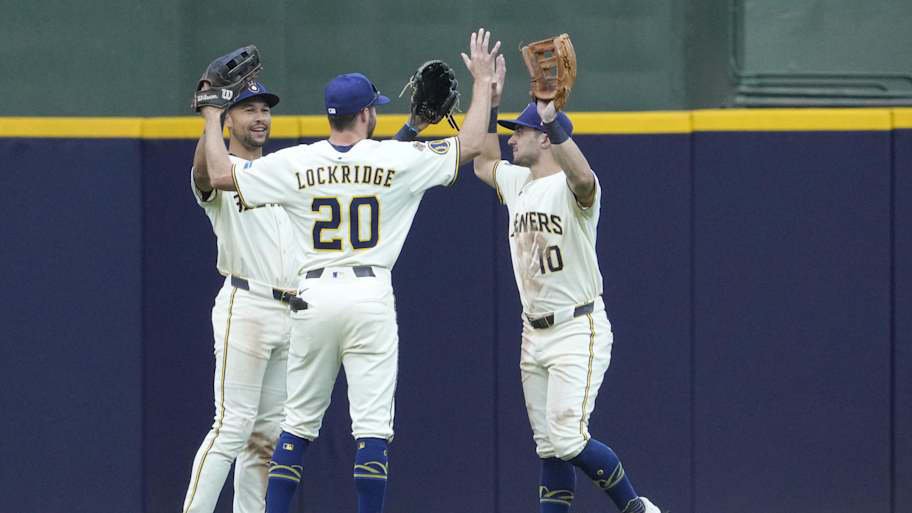 During the first iteration of Milwaukee Brewers playoff baseball in the early 1980s, two teams took the term ‘small ball’ to another level. The Oakland A’s, under new manager Billy Martin, relied on taking the extra base, stealing bases, and putting pressure on defenses in a brand of play that came to be known as ‘Billy Ball.’ Martin lasted only three seasons (1980-82) in Oakland but took a team that lost 108 games in 1979 and turned it into an 83-game winner the next year, good enough for second place in the American League West. In the strike-shortened 1981 season, the A’s made it all the way to the ALCS, but lost to the New York Yankees in three games. Meanwhile, in the National League, the St. Louis Cardinals played a similar style of baseball under manager Whitey Herzog. The Brewers got a good dose of ‘Whitey Ball’ in the 1982 World Series, as the Cardinals stole seven bases while winning the Series in seven games. Lonnie Smith, Tommy Herr, Ozzie Smith, and Willie McGee all stole at least 24 bases during the regular season, on the way to 92 wins in the NL East and an eventual berth in the Fall Classic. Milwaukee was the polar opposite of the Cardinals, slugging 216 home runs and stealing only 84 bags, led by Paul Molitor’s. Forty-three years later, the Brewers more closely resemble the A’s and the Cardinals of the 1980s than 'Bambi's Bombers' or 'Harvey's Wallbangers' of that same era. Ned Yost was a backup catcher for Milwaukee from 1980-83. He had only one plate appearance in the 1982 World Series, in which he drew a walk (of course he did), and otherwise sat on the bench. Yost became the Brewers' manager in 2003 and spent five ho-hum seasons at Miller Park before having his job terminated after the Brewers lost 11 of 14 games in early September 2008, nearly losing their Wild Card slot. With just 12 games left to play, Dale Sveum took over and guided the Brewers to a 7-5 mark and their first playoff action since 1982. Yost became the manager for the Kansas City Royals in 2010. Four years later, he led the Royals to the World Series, where they lost in seven games to the San Francisco Giants. The following season, the Royals became champions, after beating the New York Mets in five games. The Royals led the majors in steals in 2014 and finished fifth in 2015, while languishing near the bottom of the league both years in home runs. Former and/or future Brewers Alcides Escobar, Mike Moustakas, and Lorenzo Cain all earned World Series rings. Ten years later, the 2025 Brewers hope to win theirs. This year’s version of the Milwaukee Brewers is not that much different from the previous year’s edition under manager Pat Murphy. This year’s team is scoring 5.2 runs/game (R/G), up from last season’s 4.8 R/G. Home runs are virtually the same (1.07 HR/G vs. last year’s 1.09). Walks are down from last year, 3.41 BB/G vs. 3.68. Stolen bases are also down: 1.1 SB/G from 1.34 in 2024. But the point is, the team hasn’t changed that much, even though the cast of characters has changed since last year. With an MLB-best record of 78-45 and an eight-game lead over the Chicago Cubs in the NL Central, the Brewers have shown that a team does not have to hit a ton of homers to win games. The Brewers play ‘Murph Ball,’ getting on base, taking the extra base, and putting pressure on the opposing defense to win games. The Brewers lead MLB with 630 runs scored, and are second in stolen bases (133), batting average (.260), on-base percentage (.333), and are tied for seventh with 413 bases on balls. The 130 home runs hit by the Brewers rank 18th. During their 14-game winning streak, the Brewers looked more like ‘Murphy’s Maulers’ than a team playing ‘Murph Ball,’ banging out 26 round-trippers while stealing only 12 bases. Brice Turang (6), Christian Yelich (5), Andrew Vaughn (4), William Contreras (4), Blake Perkins (3), and Isaac Collins (2) all found their power strokes during the latest winning streak. The Brewers came from behind to win eight times in the 14 contests, including Friday night’s seven-run deficit to the Reds. Brewers fans are increasingly talking about the ‘spirit’ of Bob Uecker guiding the team over the last two weeks. Yelich even hit two home runs with a special ‘Mr. Baseball’ bat. Even though the style of play has changed over the last two weeks, the wins keep coming. If the players take it ‘one day at a time,’ the Brewers should win the division and make the playoffs. The five-game set at Wrigley Field this coming week will tell us a lot about how the rest of the season will go. They'd love to make a resounding statement in that series, but the truth is, they no longer need to. It's just a matter of continuing what they're doing. For now, the team playing ‘Murph Ball’ keeps on rolling along and finds a way to win games, either by the long ball or via small ball. Another Oakland legend springs to mind: Just win (tonight), baby.
-
- 1
-

-
- christian yelich
- pat murphy
- (and 1 more)
-
Image courtesy of Michael McLoone, Imagn Images During the first iteration of Milwaukee Brewers playoff baseball in the early 1980s, two teams took the term ‘small ball’ to another level. The Oakland A’s, under new manager Billy Martin, relied on taking the extra base, stealing bases, and putting pressure on defenses in a brand of play that came to be known as ‘Billy Ball.’ Martin lasted only three seasons (1980-82) in Oakland but took a team that lost 108 games in 1979 and turned it into an 83-game winner the next year, good enough for second place in the American League West. In the strike-shortened 1981 season, the A’s made it all the way to the ALCS, but lost to the New York Yankees in three games. Meanwhile, in the National League, the St. Louis Cardinals played a similar style of baseball under manager Whitey Herzog. The Brewers got a good dose of ‘Whitey Ball’ in the 1982 World Series, as the Cardinals stole seven bases while winning the Series in seven games. Lonnie Smith, Tommy Herr, Ozzie Smith, and Willie McGee all stole at least 24 bases during the regular season, on the way to 92 wins in the NL East and an eventual berth in the Fall Classic. Milwaukee was the polar opposite of the Cardinals, slugging 216 home runs and stealing only 84 bags, led by Paul Molitor’s. Forty-three years later, the Brewers more closely resemble the A’s and the Cardinals of the 1980s than 'Bambi's Bombers' or 'Harvey's Wallbangers' of that same era. Ned Yost was a backup catcher for Milwaukee from 1980-83. He had only one plate appearance in the 1982 World Series, in which he drew a walk (of course he did), and otherwise sat on the bench. Yost became the Brewers' manager in 2003 and spent five ho-hum seasons at Miller Park before having his job terminated after the Brewers lost 11 of 14 games in early September 2008, nearly losing their Wild Card slot. With just 12 games left to play, Dale Sveum took over and guided the Brewers to a 7-5 mark and their first playoff action since 1982. Yost became the manager for the Kansas City Royals in 2010. Four years later, he led the Royals to the World Series, where they lost in seven games to the San Francisco Giants. The following season, the Royals became champions, after beating the New York Mets in five games. The Royals led the majors in steals in 2014 and finished fifth in 2015, while languishing near the bottom of the league both years in home runs. Former and/or future Brewers Alcides Escobar, Mike Moustakas, and Lorenzo Cain all earned World Series rings. Ten years later, the 2025 Brewers hope to win theirs. This year’s version of the Milwaukee Brewers is not that much different from the previous year’s edition under manager Pat Murphy. This year’s team is scoring 5.2 runs/game (R/G), up from last season’s 4.8 R/G. Home runs are virtually the same (1.07 HR/G vs. last year’s 1.09). Walks are down from last year, 3.41 BB/G vs. 3.68. Stolen bases are also down: 1.1 SB/G from 1.34 in 2024. But the point is, the team hasn’t changed that much, even though the cast of characters has changed since last year. With an MLB-best record of 78-45 and an eight-game lead over the Chicago Cubs in the NL Central, the Brewers have shown that a team does not have to hit a ton of homers to win games. The Brewers play ‘Murph Ball,’ getting on base, taking the extra base, and putting pressure on the opposing defense to win games. The Brewers lead MLB with 630 runs scored, and are second in stolen bases (133), batting average (.260), on-base percentage (.333), and are tied for seventh with 413 bases on balls. The 130 home runs hit by the Brewers rank 18th. During their 14-game winning streak, the Brewers looked more like ‘Murphy’s Maulers’ than a team playing ‘Murph Ball,’ banging out 26 round-trippers while stealing only 12 bases. Brice Turang (6), Christian Yelich (5), Andrew Vaughn (4), William Contreras (4), Blake Perkins (3), and Isaac Collins (2) all found their power strokes during the latest winning streak. The Brewers came from behind to win eight times in the 14 contests, including Friday night’s seven-run deficit to the Reds. Brewers fans are increasingly talking about the ‘spirit’ of Bob Uecker guiding the team over the last two weeks. Yelich even hit two home runs with a special ‘Mr. Baseball’ bat. Even though the style of play has changed over the last two weeks, the wins keep coming. If the players take it ‘one day at a time,’ the Brewers should win the division and make the playoffs. The five-game set at Wrigley Field this coming week will tell us a lot about how the rest of the season will go. They'd love to make a resounding statement in that series, but the truth is, they no longer need to. It's just a matter of continuing what they're doing. For now, the team playing ‘Murph Ball’ keeps on rolling along and finds a way to win games, either by the long ball or via small ball. Another Oakland legend springs to mind: Just win (tonight), baby. View full article
-
As a huge fan of Milwaukee baseball since April 1970, this is a very nice piece of Brewers history. Well done, @Tim Muma!!
-
Nice comeback! Let's finish them off!!
-
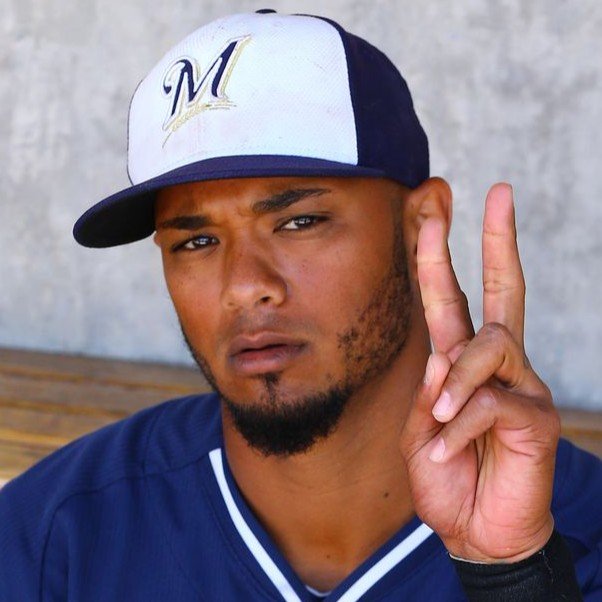 Martín Maldonado was a fan favorite at Miller Park from 2011-16. He was mostly a back-up catcher but usually made 50 or so starts per year. He had an above-average arm and would win a Gold Glove in 2017 as the main catcher for the Los Angeles Angels. People would probably be surprised to learn that Maldonado played 64 games at age 37 in 2025 before getting released by the San Diego Padres. Martín Benjamin Maldonado was drafted in the 27th round of the 2004 MLB Amateur Draft by the Anaheim Angels. Maldonado played for three years in the Angels organization before getting released in January 2007. He was signed as a minor league free agent by the Brewers shortly after. Maldonado played for five years in the minors for Milwaukee before getting a sip of Starbucks for Milwaukee in September 2011. Maldonado make the big-league team out of spring training in 2012 and had one of his finest batting years with a slash line of .266/.321/.408 with an OPS+ of 93. Maldonado served as a back-up to Jonathan Lucroy over the next four seasons before being traded to the Angels after the 2016 season. The catcher, also known as ‘Machete,’ bounced around the majors the next few years, playing for the Angels, Astros, Royals, and Cubs before a second stint with the Astros from 2019-23. Maldonado played for the Chicago White Sox in 2024 and then the Padres in 2025 before being released in July. The right-handed hitter has played 1,230 games and has a career batting line of .203/.277/.343 with 119 home runs. Maldonado was a member of the 2022 World Series champion Astros. He also played for Team Puerto Rico in the 2023 World Baseball Classic.
 -
Martín Maldonado was a fan favorite at Miller Park from 2011-16. He was mostly a back-up catcher but usually made 50 or so starts per year. He had an above-average arm and would win a Gold Glove in 2017 as the main catcher for the Los Angeles Angels. People would probably be surprised to learn that Maldonado played 64 games at age 37 in 2025 before getting released by the San Diego Padres. Martín Benjamin Maldonado was drafted in the 27th round of the 2004 MLB Amateur Draft by the Anaheim Angels. Maldonado played for three years in the Angels organization before getting released in January 2007. He was signed as a minor league free agent by the Brewers shortly after. Maldonado played for five years in the minors for Milwaukee before getting a sip of Starbucks for Milwaukee in September 2011. Maldonado make the big-league team out of spring training in 2012 and had one of his finest batting years with a slash line of .266/.321/.408 with an OPS+ of 93. Maldonado served as a back-up to Jonathan Lucroy over the next four seasons before being traded to the Angels after the 2016 season. The catcher, also known as ‘Machete,’ bounced around the majors the next few years, playing for the Angels, Astros, Royals, and Cubs before a second stint with the Astros from 2019-23. Maldonado played for the Chicago White Sox in 2024 and then the Padres in 2025 before being released in July. The right-handed hitter has played 1,230 games and has a career batting line of .203/.277/.343 with 119 home runs. Maldonado was a member of the 2022 World Series champion Astros. He also played for Team Puerto Rico in the 2023 World Baseball Classic. View full player
-
Updated stats: GS-6 (Brewers have won all six) IP-35.1 H-17 ER-9 BB-6 K-45 4-0, 2.29 ERA BA- .139 ERA+ 177 Pretty damned impressive!
-
True. I might have just looked at the .245 average. No, ,766 isn't scuffling. My bad...
-
Isaac Collins: From Minor League Rule 5 Draftee To Everyday Brewer
Michael Trzinski posted an article in Brewers
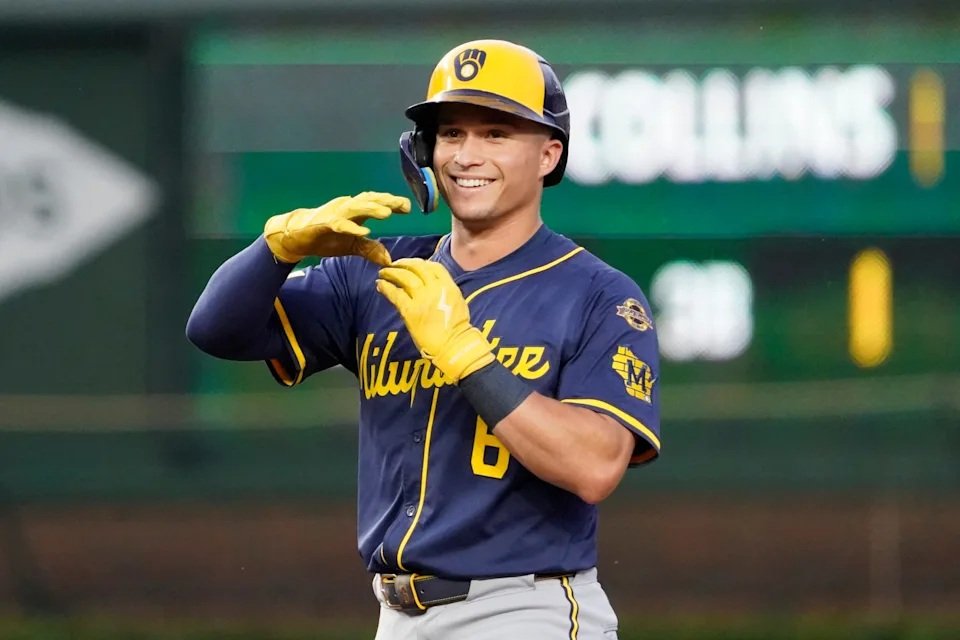 Over the first three months of the season, Isaac Collins showed himself to be a solid player, performing well in the field and at the plate. As the calendar flipped to July, the switch-hitting Collins was hitting .252/.358/.384 over 159 at-bats with 12 extra-base hits and eight stolen bases. In his first game in July, he flipped the switch. The diminutive fly chaser went 4-for-4 with a double and a home run in a 7-2 win over the New York Mets. Collins has started 26 of 28 games so far in July and August and is hitting .357/.447/.520 over 98 at-bats, including five doubles, one triple, and three home runs. In those 28 contests, Collins has collected multiple hits in 11 of them. To reward him for his breakout month, Collins was named the National League Rookie of the Month for July. The Brewers have won eight of their last nine games, and Collins is playing a key role, going 14-for-33, hitting .424/.525/.636. Among players who have played more than 500 innings in left field this season, Collins ranks sixth in the majors with +5 Defensive Runs Saved (DRS). On the offensive side of the ledger, Collins has reduced his strikeout rate from 24.7% in mid-June to 22.1%, including 19.2% over the last five weeks. The 5-foot-8 Collins is far better from the left side of the dish, hitting .321/.428/.438 over 196 plate appearances, while scuffling a bit from the right side, hitting only .245/.330/.436 across 106 appearances at the plate. But it all adds up to .292/.392/.436 with a bWAR of 2.8, which ranks third on the Brewers behind Freddy Peralta and Brice Turang. Collins looks more comfortable every day and knows he doesn't have to worry about his spot in the lineup, much less his spot on the active roster. His 135 OPS+ ranks first on the team with players with more than 100 at-bats. His two triples rank third on the team, and his 13 steals rank fifth. He is fourth with 39 walks, second in 'qualified' batting average (.292), first in qualified OBP (.392), and first in qualified OPS with .828. (For the sake of argument, 'qualified' here means more than 100 at-bats.) In June, Brewer Fanatic's Matt Trueblood stated, "By no means is Collins a star, and by no means can he ever become one" in an early-season article. That might have been true then, but I would argue that while Collins hasn't reached 'star' status yet, he is one of the best players on the team right now with his near-Gold Glove fielding and solid hitting, and may very well become an equal to Turang or Sal Frelick. BetMGM recently had Collins' chance of winning the National League Rookie of the Year award third-best in the league behind Madison native Drake Baldwin (Atlanta catcher) and Miami Marlins catcher Agustin Ramirez. Role player or star, Isaac Collins has put himself high on the list of fan favorites at Uecker Field. How do you feel about Isaac Collins? Is he a star or will he become one? Let us know in the comments section, and thanks for reading!
 -
Image courtesy of David Banks--Imagn Images Over the first three months of the season, Isaac Collins showed himself to be a solid player, performing well in the field and at the plate. As the calendar flipped to July, the switch-hitting Collins was hitting .252/.358/.384 over 159 at-bats with 12 extra-base hits and eight stolen bases. In his first game in July, he flipped the switch. The diminutive fly chaser went 4-for-4 with a double and a home run in a 7-2 win over the New York Mets. Collins has started 26 of 28 games so far in July and August and is hitting .357/.447/.520 over 98 at-bats, including five doubles, one triple, and three home runs. In those 28 contests, Collins has collected multiple hits in 11 of them. To reward him for his breakout month, Collins was named the National League Rookie of the Month for July. The Brewers have won eight of their last nine games, and Collins is playing a key role, going 14-for-33, hitting .424/.525/.636. Among players who have played more than 500 innings in left field this season, Collins ranks sixth in the majors with +5 Defensive Runs Saved (DRS). On the offensive side of the ledger, Collins has reduced his strikeout rate from 24.7% in mid-June to 22.1%, including 19.2% over the last five weeks. The 5-foot-8 Collins is far better from the left side of the dish, hitting .321/.428/.438 over 196 plate appearances, while scuffling a bit from the right side, hitting only .245/.330/.436 across 106 appearances at the plate. But it all adds up to .292/.392/.436 with a bWAR of 2.8, which ranks third on the Brewers behind Freddy Peralta and Brice Turang. Collins looks more comfortable every day and knows he doesn't have to worry about his spot in the lineup, much less his spot on the active roster. His 135 OPS+ ranks first on the team with players with more than 100 at-bats. His two triples rank third on the team, and his 13 steals rank fifth. He is fourth with 39 walks, second in 'qualified' batting average (.292), first in qualified OBP (.392), and first in qualified OPS with .828. (For the sake of argument, 'qualified' here means more than 100 at-bats.) In June, Brewer Fanatic's Matt Trueblood stated, "By no means is Collins a star, and by no means can he ever become one" in an early-season article. That might have been true then, but I would argue that while Collins hasn't reached 'star' status yet, he is one of the best players on the team right now with his near-Gold Glove fielding and solid hitting, and may very well become an equal to Turang or Sal Frelick. BetMGM recently had Collins' chance of winning the National League Rookie of the Year award third-best in the league behind Madison native Drake Baldwin (Atlanta catcher) and Miami Marlins catcher Agustin Ramirez. Role player or star, Isaac Collins has put himself high on the list of fan favorites at Uecker Field. How do you feel about Isaac Collins? Is he a star or will he become one? Let us know in the comments section, and thanks for reading! View full article
-
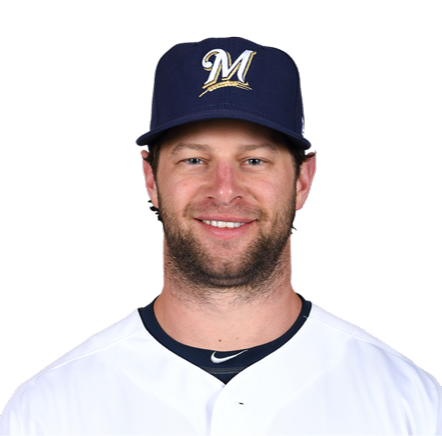 Three-sport star Kirk Nieuwenhuis made a recruiting trip to the University of Colorado and was standing on the sideline watching practice. Off to his side, a muscular 6-foot-2, 200-pound player dwarfed Nieuwenhuis, who was less than six-feet tall and was kind of slender. It turned out that the player was Mason Crosby, who went on to kick for the Green Bay Packers for 16 seasons. Years later, Nieuwenhuis said, "If this guy’s the kicker, what am I getting myself into?” Nieuwenhuis chose to play baseball instead. Kirk Robert Nieuwenhuis played basketball, football, and baseball at Denver Christian School in Colorado. He attended Azuza Pacific University in California and played in the Alaska Baseball League, where he was named ABL Player of the Year in 2007. He was chosen by the New York Mets in the third round (100th overall) of the 2008 MLB Amateur Draft. Nieuwenhuis spent four seasons in the Mets organization before getting called up to the Mets in early April 2012. He batted .252/.315/.376 over 282 at-bats in 91 games but was sent down to make room for another player coming off the disabled list. After playing five games at Triple-A Buffalo, Nieuwenhuis was found to have a partially torn plantar fascia in his right foot, which ended his season. The lefty-swinging outfielder, who had grown to 6-foot-3, 225-pounds, split time between Triple-A Las Vegas and the Mets the next two seasons, playing a total of 108 big league games in that time. In 2015, he played for both the Mets and the Los Angeles Angels before being selected off waivers by the Brewers in December 2015. Nieuwenhuis and Keon Broxton split time in centerfield for Milwaukee in 2016, but Nieuwenhuis only batted .209/.324/.385 across 392 plate appearances. He set career bests with 125 games, 18 doubles, 13 home runs, eight steals, and 56 walks. He began the 2017 season with Milwaukee but was sent down to Triple-A Colorado Springs after a slow start with Milwaukee where he batted .080/.233/.240 over 15 games. Nieuwenhuis was released after the season and was signed by the Seattle Mariners in early 2018 but played only at Triple-A Tacoma. He never made it back to the majors. Nieuwenhuis spent 2019 playing for Long Island in the independent Atlantic League. In 2020, Nieuwenhuis became the hitting coordinator for his alma mater. Two seasons later, he was named head coach.
 -
Three-sport star Kirk Nieuwenhuis made a recruiting trip to the University of Colorado and was standing on the sideline watching practice. Off to his side, a muscular 6-foot-2, 200-pound player dwarfed Nieuwenhuis, who was less than six-feet tall and was kind of slender. It turned out that the player was Mason Crosby, who went on to kick for the Green Bay Packers for 16 seasons. Years later, Nieuwenhuis said, "If this guy’s the kicker, what am I getting myself into?” Nieuwenhuis chose to play baseball instead. Kirk Robert Nieuwenhuis played basketball, football, and baseball at Denver Christian School in Colorado. He attended Azuza Pacific University in California and played in the Alaska Baseball League, where he was named ABL Player of the Year in 2007. He was chosen by the New York Mets in the third round (100th overall) of the 2008 MLB Amateur Draft. Nieuwenhuis spent four seasons in the Mets organization before getting called up to the Mets in early April 2012. He batted .252/.315/.376 over 282 at-bats in 91 games but was sent down to make room for another player coming off the disabled list. After playing five games at Triple-A Buffalo, Nieuwenhuis was found to have a partially torn plantar fascia in his right foot, which ended his season. The lefty-swinging outfielder, who had grown to 6-foot-3, 225-pounds, split time between Triple-A Las Vegas and the Mets the next two seasons, playing a total of 108 big league games in that time. In 2015, he played for both the Mets and the Los Angeles Angels before being selected off waivers by the Brewers in December 2015. Nieuwenhuis and Keon Broxton split time in centerfield for Milwaukee in 2016, but Nieuwenhuis only batted .209/.324/.385 across 392 plate appearances. He set career bests with 125 games, 18 doubles, 13 home runs, eight steals, and 56 walks. He began the 2017 season with Milwaukee but was sent down to Triple-A Colorado Springs after a slow start with Milwaukee where he batted .080/.233/.240 over 15 games. Nieuwenhuis was released after the season and was signed by the Seattle Mariners in early 2018 but played only at Triple-A Tacoma. He never made it back to the majors. Nieuwenhuis spent 2019 playing for Long Island in the independent Atlantic League. In 2020, Nieuwenhuis became the hitting coordinator for his alma mater. Two seasons later, he was named head coach. View full player
-
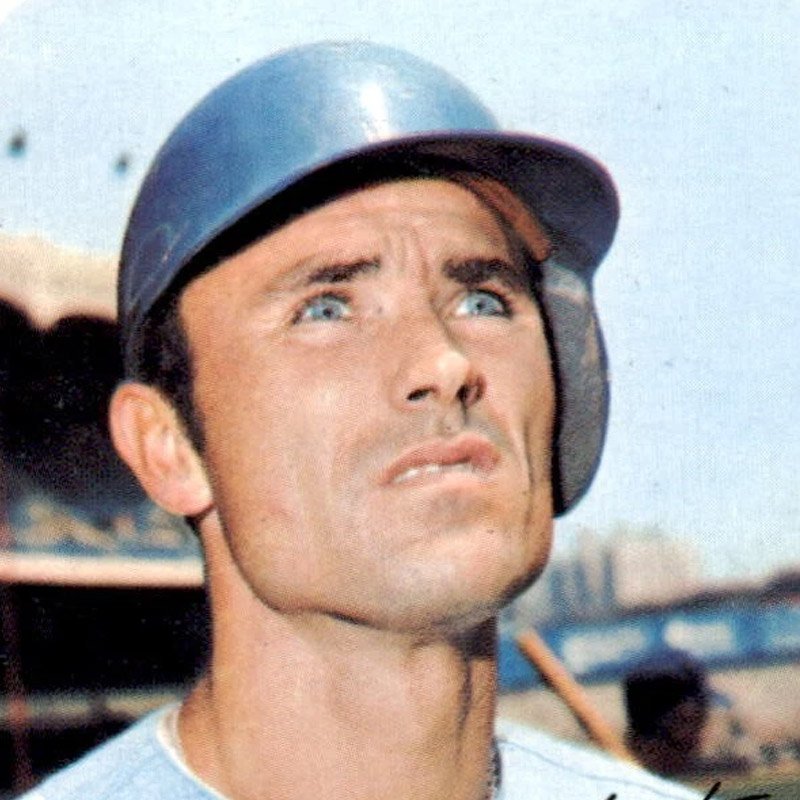 Jerry McNertney was a baseball star at Gilbert (Iowa) High School and went on to play three years for Iowa State. The right-handed batting McNertney was a slick fielding first baseman and was twice named the winner of Iowa State’s ‘Mr. Huckle-de-Buck’ award, given annually to the player that best represented the ‘fire, hustle, enthusiasm, and desire’ of the squad. In June 1958, McNertney was signed by the Chicago White Sox and began his professional career at Class D Holdrege (Nebraska) in the Nebraska State League. Gerald Edward McNertney was born in 1936 In Boone, Iowa and played basketball in high school. During his first three years in the minor leagues, McNertney played first base, third base, and the outfield. In his third season (1960) at Class C Idaho Falls in the Pioneer League, McNertney had a monster season, batting .341/.408/.517 with 32 doubles, 10 triples, 13 homers, and 125 RBI. The following season, McNertney was converted to catcher and became a solid receiver. McNertney spent six seasons in the minor leagues and made his major league debut on April 16, 1964. He split time behind the plate with J.C. Martin and Camilo Carreón during the season but still played in 73 games, batting .215/.290/.290 across 186 at-bats. He threw out 36% of runners attempting to steal, which was just below league average. After the White Sox received two-time All-Star catcher John Romano in a three-way trade that also included Tommie Agee, Tommy John, and Rocky Colavito in early 1965, McNertney started the season at Triple-A Indianapolis. McNertney was off to a good start, batting .292/.286/.500 in 15 games when he suffered a right-hand injury caused by a foul ball. Two weeks later, he was run over in a play at the plate and suffered a double fracture in his right shinbone. He came back in the winter to play in the Florida Instructional League. McNertney played a reserve role at catcher for the ChiSox the next three years before he was drafted by the Seattle Pilots in the 1968 expansion draft. McNertney set career highs in 1969—the only Seattle Pilots season—in almost every major offensive category. The following season the Pilots became the Milwaukee Brewers and McNertney saw his playing time dwindle as Phil Roof took most of the starts in 1970. McNertney batted .243/.302/.348 across 296 at-bats. After the season he was traded to the St. Louis Cardinals. McNertney played two seasons with the Cardinals and finished his career in 1973 with Pittsburgh. After retiring as a player, McNertney spent three seasons as an assistant baseball coach at Iowa State. From 1977-1983, McNertney served as a coach in the New York Yankees minor league system. In 1984, he spent three months as the Yankees bullpen coach but was demoted to Triple-A Columbus, purportedly in response to a bullpen incident in which pitcher Dave Righetti suffered a cut finger, putting him on the disabled list. After working for a couple seasons in the minors for New York, McNertney became the Boston Red Sox bullpen coach in July 1988 and finished the season before resigning from the post. McNertney spent a couple years in the early 1990s as a coach at Iowa State.
 -
Jerry McNertney was a baseball star at Gilbert (Iowa) High School and went on to play three years for Iowa State. The right-handed batting McNertney was a slick fielding first baseman and was twice named the winner of Iowa State’s ‘Mr. Huckle-de-Buck’ award, given annually to the player that best represented the ‘fire, hustle, enthusiasm, and desire’ of the squad. In June 1958, McNertney was signed by the Chicago White Sox and began his professional career at Class D Holdrege (Nebraska) in the Nebraska State League. Gerald Edward McNertney was born in 1936 In Boone, Iowa and played basketball in high school. During his first three years in the minor leagues, McNertney played first base, third base, and the outfield. In his third season (1960) at Class C Idaho Falls in the Pioneer League, McNertney had a monster season, batting .341/.408/.517 with 32 doubles, 10 triples, 13 homers, and 125 RBI. The following season, McNertney was converted to catcher and became a solid receiver. McNertney spent six seasons in the minor leagues and made his major league debut on April 16, 1964. He split time behind the plate with J.C. Martin and Camilo Carreón during the season but still played in 73 games, batting .215/.290/.290 across 186 at-bats. He threw out 36% of runners attempting to steal, which was just below league average. After the White Sox received two-time All-Star catcher John Romano in a three-way trade that also included Tommie Agee, Tommy John, and Rocky Colavito in early 1965, McNertney started the season at Triple-A Indianapolis. McNertney was off to a good start, batting .292/.286/.500 in 15 games when he suffered a right-hand injury caused by a foul ball. Two weeks later, he was run over in a play at the plate and suffered a double fracture in his right shinbone. He came back in the winter to play in the Florida Instructional League. McNertney played a reserve role at catcher for the ChiSox the next three years before he was drafted by the Seattle Pilots in the 1968 expansion draft. McNertney set career highs in 1969—the only Seattle Pilots season—in almost every major offensive category. The following season the Pilots became the Milwaukee Brewers and McNertney saw his playing time dwindle as Phil Roof took most of the starts in 1970. McNertney batted .243/.302/.348 across 296 at-bats. After the season he was traded to the St. Louis Cardinals. McNertney played two seasons with the Cardinals and finished his career in 1973 with Pittsburgh. After retiring as a player, McNertney spent three seasons as an assistant baseball coach at Iowa State. From 1977-1983, McNertney served as a coach in the New York Yankees minor league system. In 1984, he spent three months as the Yankees bullpen coach but was demoted to Triple-A Columbus, purportedly in response to a bullpen incident in which pitcher Dave Righetti suffered a cut finger, putting him on the disabled list. After working for a couple seasons in the minors for New York, McNertney became the Boston Red Sox bullpen coach in July 1988 and finished the season before resigning from the post. McNertney spent a couple years in the early 1990s as a coach at Iowa State. View full player
-
Brandon Woodruff Is Making A Pitch for NL Comeback Player Of The Year
Michael Trzinski posted an article in Brewers
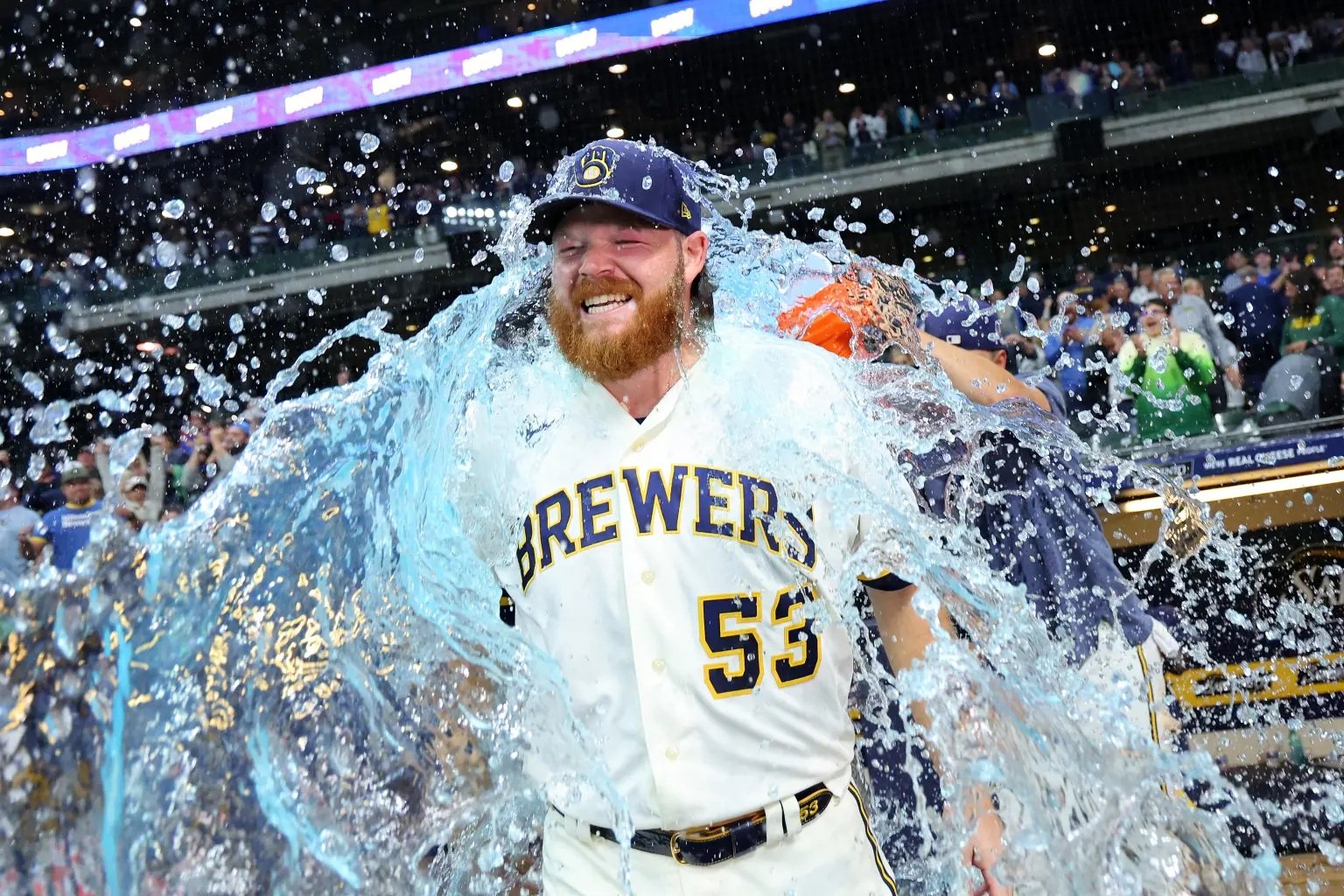 Brandon Woodruff returned to action on July 6 after nearly two years of inactivity due to major shoulder surgery in October 2023. Thus far, he has made a handful of starts for the Brewers and has been everything the organization has hoped for. In his five starts, the red-headed right-hander has thrown 28 1/3 innings while allowing only 14 hits, seven runs, and four walks. He has struck out 37 batters for an impressive K rate of 35.5%, which is the highest rate of his career. Likewise, his walk rate of 3.8% is a career best. In Woodruff's latest outing against the Washington Nationals Saturday afternoon, Woodruff allowed one hit, a two-run shot by Robert Hassell III, two runs, and one walk while striking out eight. It was the fourth game in which he pitched at least six innings, which goes a long way toward giving the bullpen a little downtime. The only Brewer player to ever win the Comeback Player of the Year award was southpaw pitcher Mike Caldwell in 1978. Caldwell went 22-9 with an ERA of 2.36. He completed 23 games along with six shutouts, and added one save for good measure. Ten former Brewers earned Comeback Player of the Year awards while toiling for other teams. Josh Donaldson, Mike Moustakas, Prince Fielder, Casey McGehee, Gorman Thomas, John Jaha, Gary Sheffield, Greg Vaughn, Clyde Wright, and Tim Leary all won the award while playing on another squad. Although ‘Big Woo’ has started great, players like Ronald Acuna Jr., Spencer Strider, Kodai Senga, Robbie Ray, and Brewer Christian Yelich are all in hot pursuit for the Comeback Player of the Year honor. But if Woodruff can make another 10-11 starts and match the production of his first five outings, he will be in the thick of things and could become the second Brewer player to win this prestigious award. How do you think Big Woo will finish his season? Can he win the Comeback Player of the Year Award? Let us know in the comments section, and thanks for reading!
 -
You said 'small sample size.' Naughty, naughty...lol
-
Image courtesy of Getty Images Brandon Woodruff returned to action on July 6 after nearly two years of inactivity due to major shoulder surgery in October 2023. Thus far, he has made a handful of starts for the Brewers and has been everything the organization has hoped for. In his five starts, the red-headed right-hander has thrown 28 1/3 innings while allowing only 14 hits, seven runs, and four walks. He has struck out 37 batters for an impressive K rate of 35.5%, which is the highest rate of his career. Likewise, his walk rate of 3.8% is a career best. In Woodruff's latest outing against the Washington Nationals Saturday afternoon, Woodruff allowed one hit, a two-run shot by Robert Hassell III, two runs, and one walk while striking out eight. It was the fourth game in which he pitched at least six innings, which goes a long way toward giving the bullpen a little downtime. The only Brewer player to ever win the Comeback Player of the Year award was southpaw pitcher Mike Caldwell in 1978. Caldwell went 22-9 with an ERA of 2.36. He completed 23 games along with six shutouts, and added one save for good measure. Ten former Brewers earned Comeback Player of the Year awards while toiling for other teams. Josh Donaldson, Mike Moustakas, Prince Fielder, Casey McGehee, Gorman Thomas, John Jaha, Gary Sheffield, Greg Vaughn, Clyde Wright, and Tim Leary all won the award while playing on another squad. Although ‘Big Woo’ has started great, players like Ronald Acuna Jr., Spencer Strider, Kodai Senga, Robbie Ray, and Brewer Christian Yelich are all in hot pursuit for the Comeback Player of the Year honor. But if Woodruff can make another 10-11 starts and match the production of his first five outings, he will be in the thick of things and could become the second Brewer player to win this prestigious award. How do you think Big Woo will finish his season? Can he win the Comeback Player of the Year Award? Let us know in the comments section, and thanks for reading! View full article
-
Great job by Rev. Priester tonight!!
-
Hey @Jack Stern, what are the Powerball numbers for Wednesday? 😁
-
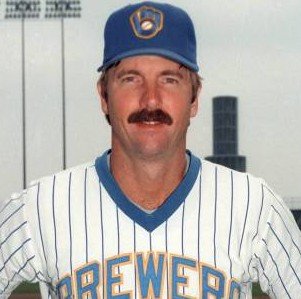 Tony Muser only played 15 games for the Brewers as a player, but spent 13 seasons as a minor league manager, major league coach and hitting instructor, and minor league instructor and scout in the Brewers organization. After he left the Brewers, Muser spent five years as a coach for the Chicago Cubs before signing on as a major league manager for six years with the Kansas City Royals. He also worked as a coach for San Diego for four years and finished in the Padres organization as a minor league instructor. After 43 years in baseball, Muser retired in 2010. "I just got tired of it," Muser said in 2010. "I didn't get tired of baseball but I just got tired of the politics. That's just baseball today." Anthony Joseph Muser grew up in San Diego and was picked in the third round by the San Francisco Giants in the 1966 MLB January draft but did not sign, instead waiting until mid-1967 and signing as a free agent with the Boston Red Sox. The left-handed first sacker played in the minors for parts of three campaigns and missed most of the 1968 season due to his obligation to a Marine Corps Reserve unit. He made his big league debut on September 14, 1969, getting a hit in the ninth inning off Yankees pitcher Jack Aker. He played one more game for Boston that year and wouldn't play again in the bigs until 1971 after he had been traded to the Chicago White Sox. After July 1972, Muser played almost exclusively in the majors for the White Sox until a trade in 1975 that sent him to Baltimore. He set career highs in 1973 with 38 runs, 88 hits, 14 doubles, four homers, 30 RBI, and eight stolen bases. Muser played for the Orioles for three years and set a career high with 136 games in 1976. Muser was released by Baltimore in the spring of 1978 and was signed by the Brewers in April and played at Triple-A Spokane until July when he was called up by Milwaukee. Over the last three months of the season, Muser played in only 15 games and had 30 at-bats, hitting a meager .133/.212/.233. He was released after the season and played for the Seibu Lions in the Japanese Pacific League, batting just .196/.273/.268 in 168 at-bats. In November 1979, Muser was named to manage Single-A Stockton in the California League, beginning his 31-year post-playing career in baseball.
 -
Tony Muser only played 15 games for the Brewers as a player, but spent 13 seasons as a minor league manager, major league coach and hitting instructor, and minor league instructor and scout in the Brewers organization. After he left the Brewers, Muser spent five years as a coach for the Chicago Cubs before signing on as a major league manager for six years with the Kansas City Royals. He also worked as a coach for San Diego for four years and finished in the Padres organization as a minor league instructor. After 43 years in baseball, Muser retired in 2010. "I just got tired of it," Muser said in 2010. "I didn't get tired of baseball but I just got tired of the politics. That's just baseball today." Anthony Joseph Muser grew up in San Diego and was picked in the third round by the San Francisco Giants in the 1966 MLB January draft but did not sign, instead waiting until mid-1967 and signing as a free agent with the Boston Red Sox. The left-handed first sacker played in the minors for parts of three campaigns and missed most of the 1968 season due to his obligation to a Marine Corps Reserve unit. He made his big league debut on September 14, 1969, getting a hit in the ninth inning off Yankees pitcher Jack Aker. He played one more game for Boston that year and wouldn't play again in the bigs until 1971 after he had been traded to the Chicago White Sox. After July 1972, Muser played almost exclusively in the majors for the White Sox until a trade in 1975 that sent him to Baltimore. He set career highs in 1973 with 38 runs, 88 hits, 14 doubles, four homers, 30 RBI, and eight stolen bases. Muser played for the Orioles for three years and set a career high with 136 games in 1976. Muser was released by Baltimore in the spring of 1978 and was signed by the Brewers in April and played at Triple-A Spokane until July when he was called up by Milwaukee. Over the last three months of the season, Muser played in only 15 games and had 30 at-bats, hitting a meager .133/.212/.233. He was released after the season and played for the Seibu Lions in the Japanese Pacific League, batting just .196/.273/.268 in 168 at-bats. In November 1979, Muser was named to manage Single-A Stockton in the California League, beginning his 31-year post-playing career in baseball. View full player
-
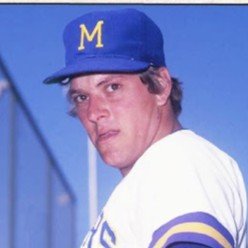 One Roger Miller earned his chops as a country singer. Another Roger Miller was a guitarist for the band Mission of Burma. Our Roger Miller was a fireballing phenom who made steady progress through the minor leagues and pitched two games for the Milwaukee Brewers in 1974 one month after his 20th birthday. After at least two arm issues in 1976 and 1977, he retired from baseball before the 1978 season. Sadly, he died at age 38 in an explosion that was caused by a leaking acetylene tank while welding. Roger Wesley Miller was a baseball star as a youngster and high schooler in Connellsville, Pennsylvania. He was drafted by the Brewers in the 15th round of the 1972 MLB Amateur Draft. Miller spent a season at Low-A Newark and despite an ERA of 5.49, was promoted to Single-A Danville in the Midwest League in 1973, where he posted a record of 8-4 with an ERA of 3.32. That earned him another promotion, this time to Triple-A Sacramento. Despite giving up 26 homers, many of them at Sacramento's Hughes Stadium, which had a left field fence that was just 232 feet from home plate, Miller was named to the Pacific Coast League West All-Star team. In September, he was called up to the Brewers. The 6-foot-3, 200-pound righthander pitched in just two games, both against the Boston Red Sox. His major league totals show 2.1 innings, three hits, three runs, no walks and two strikeouts. Miller pitched at Sacramento in 1975, missed 1976 due to arms injuries, and finished his career in 1977 at Triple-A Spokane, which was the new Brewers affiliate. After retirement in early 1978, Miller returned to Pennsylvania and worked with the local high school and American Legions teams until his death in 1993.
 -
One Roger Miller earned his chops as a country singer. Another Roger Miller was a guitarist for the band Mission of Burma. Our Roger Miller was a fireballing phenom who made steady progress through the minor leagues and pitched two games for the Milwaukee Brewers in 1974 one month after his 20th birthday. After at least two arm issues in 1976 and 1977, he retired from baseball before the 1978 season. Sadly, he died at age 38 in an explosion that was caused by a leaking acetylene tank while welding. Roger Wesley Miller was a baseball star as a youngster and high schooler in Connellsville, Pennsylvania. He was drafted by the Brewers in the 15th round of the 1972 MLB Amateur Draft. Miller spent a season at Low-A Newark and despite an ERA of 5.49, was promoted to Single-A Danville in the Midwest League in 1973, where he posted a record of 8-4 with an ERA of 3.32. That earned him another promotion, this time to Triple-A Sacramento. Despite giving up 26 homers, many of them at Sacramento's Hughes Stadium, which had a left field fence that was just 232 feet from home plate, Miller was named to the Pacific Coast League West All-Star team. In September, he was called up to the Brewers. The 6-foot-3, 200-pound righthander pitched in just two games, both against the Boston Red Sox. His major league totals show 2.1 innings, three hits, three runs, no walks and two strikeouts. Miller pitched at Sacramento in 1975, missed 1976 due to arms injuries, and finished his career in 1977 at Triple-A Spokane, which was the new Brewers affiliate. After retirement in early 1978, Miller returned to Pennsylvania and worked with the local high school and American Legions teams until his death in 1993. View full player
-
Hopefully Chewy doesn't get hamstrung by his malady.

