Michael Trzinski
-
Posts
923 -
Joined
-
Last visited
-
Days Won
1
Content Type
Profiles
Forums
Blogs
Events
News
2026 Milwaukee Brewers Top Prospects Ranking
Milwaukee Brewers Videos
2022 Milwaukee Brewers Draft Picks
Milwaukee Brewers Free Agent & Trade Rumors, Notes, & Tidbits
Guides & Resources
2023 Milwaukee Brewers Draft Picks
2024 Milwaukee Brewers Draft Picks
The Milwaukee Brewers Players Project
2025 Milwaukee Brewers Draft Pick Tracker
2026 Milwaukee Brewers Draft Tracker: Picks & Bonuses
Store
Downloads
Gallery
Everything posted by Michael Trzinski
-
Major League Legend Dave Parker Has Passed Away at Age 74
Michael Trzinski posted an article in Brewers
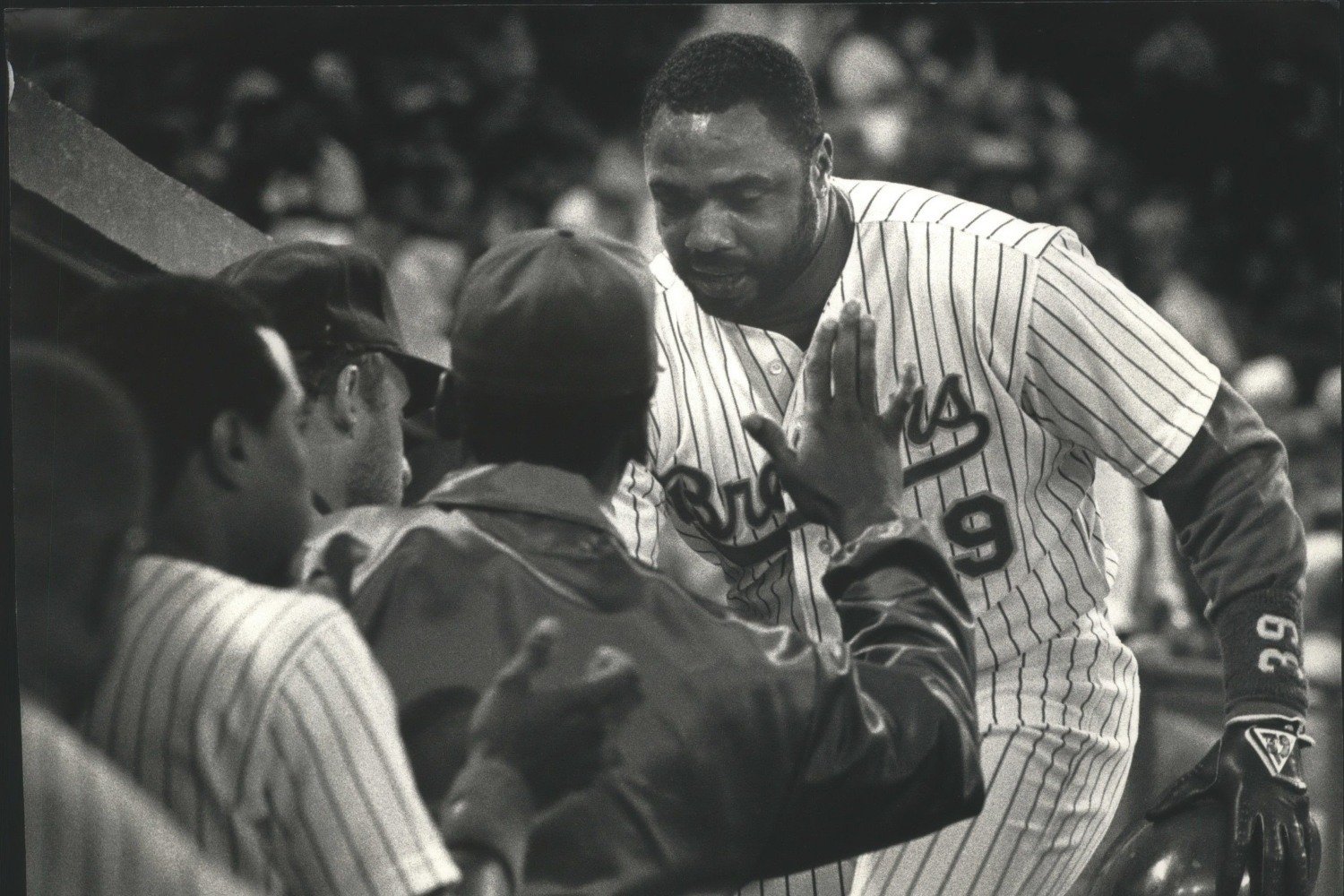 Dave Parker spent only one year as a Brewer, but at the age of 39, he played like a man 10 years his junior. The Brewers also signed Parker to be a steadying influence in the clubhouse, especially with troubled star Gary Sheffield. The players lockered next to each other, giving Parker the opportunity to work with Sheffield, who had been something of an enigma in his first two seasons in Milwaukee. Dave Parker was not only a great player, but he was a great leader, and more importantly, a great person. David Gene Parker was born in 1951 in Grenada, Mississippi. His family moved to Cincinnati, and he graduated from Courter Tech High School. The Pittsburgh Pirates tabbed him in the 14th round of the 1970 MLB Amateur Draft. After three and a half seasons in the Pirates organization, Parker made his major league debut with the Buccos in April 1973. He was sent back down to Triple-A Charleston but was called back up in mid-July and never played in the minors again. The man known as ‘The Cobra’ played for 11 years in the Steel City, winning back-to-back batting titles in 1977-78. In 1978, Parker was named the National League Most Valuable Player. He finished in the Top 10 in the MVP race four times with the Pirates, while earning three Gold Gloves and was named to four All-Star squads. Oddly enough, Parker did not make the All-Star team in his MVP season. The Cincinnati Reds signed Parker as a free agent after the 1983 season, and over the next four seasons, into his mid-30s, Parker was a two-time Silver Slugger winner and a two-time All-Star. After the 1987 campaign, Parker was traded to the Oakland A’s and had two ‘average’ seasons there before signing with the Brewers as a free agent after the 1989 season. The signing of Parker and the re-signing of Robin Yount helped at the box office. “We’re running ahead of last year at this time,” said Dick Hackett, the Brewers’ vice president of marketing. “Our season ticket sales are up 20 percent. We’re very pleased.” Parker did not let the Brewers down, as he led the team with 176 hits, 39 doubles, 92 RBI, and 275 total bases. He was second-best on the team in seven other major offensive categories and led the American League with 14 sacrifice flies. Parker was mainly a designated hitter, as he only played 23 innings at first base. Parker was named to the All-Star team and earned Silver Slugger status. He was also named the team MVP. After the season, Parker was traded to the California Angels for Dante Bichette. Parker played for the Angels and the Toronto Blue Jays in 1991 before retiring. In 19 major league seasons, Parker batted .290/.339/.471 across 9,358 at-bats, including 339 homers, 1,493 RBI, and 154 stolen bases. Dave Parker was elected to the Cincinnati Reds Hall of Fame in 2014, the inaugural Pittsburgh Pirates Hall of Fame in 2022, and was elected with 87.5% of the vote on December 8, 2024, on the Classic Baseball Era Committee's 2025 ballot. He will be formally inducted on July 27, 2025. He is survived by his wife, Kellye, and six children. May he Rest in Peace.
 -
Image courtesy of © Tom Lynn/Milwaukee Journal via Imagn Content Services, LLC Dave Parker spent only one year as a Brewer, but at the age of 39, he played like a man 10 years his junior. The Brewers also signed Parker to be a steadying influence in the clubhouse, especially with troubled star Gary Sheffield. The players lockered next to each other, giving Parker the opportunity to work with Sheffield, who had been something of an enigma in his first two seasons in Milwaukee. Dave Parker was not only a great player, but he was a great leader, and more importantly, a great person. David Gene Parker was born in 1951 in Grenada, Mississippi. His family moved to Cincinnati, and he graduated from Courter Tech High School. The Pittsburgh Pirates tabbed him in the 14th round of the 1970 MLB Amateur Draft. After three and a half seasons in the Pirates organization, Parker made his major league debut with the Buccos in April 1973. He was sent back down to Triple-A Charleston but was called back up in mid-July and never played in the minors again. The man known as ‘The Cobra’ played for 11 years in the Steel City, winning back-to-back batting titles in 1977-78. In 1978, Parker was named the National League Most Valuable Player. He finished in the Top 10 in the MVP race four times with the Pirates, while earning three Gold Gloves and was named to four All-Star squads. Oddly enough, Parker did not make the All-Star team in his MVP season. The Cincinnati Reds signed Parker as a free agent after the 1983 season, and over the next four seasons, into his mid-30s, Parker was a two-time Silver Slugger winner and a two-time All-Star. After the 1987 campaign, Parker was traded to the Oakland A’s and had two ‘average’ seasons there before signing with the Brewers as a free agent after the 1989 season. The signing of Parker and the re-signing of Robin Yount helped at the box office. “We’re running ahead of last year at this time,” said Dick Hackett, the Brewers’ vice president of marketing. “Our season ticket sales are up 20 percent. We’re very pleased.” Parker did not let the Brewers down, as he led the team with 176 hits, 39 doubles, 92 RBI, and 275 total bases. He was second-best on the team in seven other major offensive categories and led the American League with 14 sacrifice flies. Parker was mainly a designated hitter, as he only played 23 innings at first base. Parker was named to the All-Star team and earned Silver Slugger status. He was also named the team MVP. After the season, Parker was traded to the California Angels for Dante Bichette. Parker played for the Angels and the Toronto Blue Jays in 1991 before retiring. In 19 major league seasons, Parker batted .290/.339/.471 across 9,358 at-bats, including 339 homers, 1,493 RBI, and 154 stolen bases. Dave Parker was elected to the Cincinnati Reds Hall of Fame in 2014, the inaugural Pittsburgh Pirates Hall of Fame in 2022, and was elected with 87.5% of the vote on December 8, 2024, on the Classic Baseball Era Committee's 2025 ballot. He will be formally inducted on July 27, 2025. He is survived by his wife, Kellye, and six children. May he Rest in Peace. View full article
-
You know what is even more impressive? Working the words 'deleteriously' and 'homeostasis' into an article about hitting! @Matthew Trueblood
-
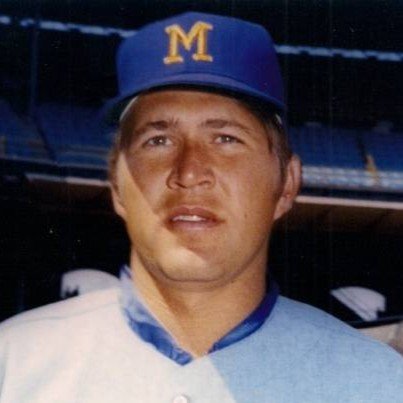 If ever there was a stereotypical 1950s/1960s teenager, it was John Gelnar. The Granite (Oklahoma) High School student did everything. He was the class president all four years, was the president of the FFA (Future Farmers of America), performed in plays both his junior and senior years, played basketball and baseball all four years, played American Legion ball three years, and was a member of the 1960 Class B champion high school baseball team. The lanky (6-foot-2, 185-pound) right-handed fireballer drew rave reviews from opponents and was compared to the McDaniel brothers from nearby Hollis. Lindy McDaniel pitched in the majors for 21 years while brother Von lasted only two years in the bigs due to arm injuries. Johnnie Richard Gelnar was born in 1943 and graduated from Granite HS in 1961. He attended the University of Oklahoma and in his first action against the varsity team, struck out 18 batters and allowed one hit as the U of O freshmen beat the varsity, 3-0. He pitched one year with the Sooners and one season with the Oklahoma City Natural Gassers in the non-professional Industrial Major League. In September 1962, the Pittsburgh Pirates and south-central scout Bob Zuk signed him as a free agent. In his first professional season (1963), Gelnar won 12 games and posted an ERA of 3.04 in 27 starts for Asheville in the Double-A South Atlantic League. The following year Gelnar attended his first big league camp but started out at Triple-A Columbus before getting sent back to Asheville. He got called up by the Pirates in August and made his big league debut on August 4, pitching two innings against the Los Angeles Dodgers, allowing two hits and one run in a 10-7 loss. He finished the season with an ERA+ of 73 and FIP of 4.94 in seven relief appearances. Gelnar spent the next two seasons at Columbus and most of 1967 there before getting called up to Pittsburgh in August, where he made 10 appearances, including his first major league start. In 1968 he spent the whole year at Columbus but was purchased by the Kansas City Royals after the season. Prior to the start of the 1969 season, Gelnar was traded to the Seattle Pilots. He spent most of the season at Triple-A Vancouver before getting called up to Seattle in late May. Gelnar earned his first big league save and win in a span of a week in mid-June, but the Pilots were a bad ball club and Gelnar ended the season with just three wins against 10 losses. His 109 ERA+ and 2.93 FIP were career bests. In 1970, the team moved to Milwaukee. That season, Gelnar was strictly a reliever and pitched a career-high 53 games and notched four saves for the Brewers and posted an ERA+ of 90 and a FIP of 3.49. Gelnar made two appearances in 1971 for Milwaukee and was then traded to the Detroit Tigers. He finished the season at Triple-A Toledo, appearing 26 times including 16 starts. Gelnar began 1972 on the Toledo roster but he was purchased by the Minnesota Twins, who assigned the pitcher to Triple-A Tacoma, where he spent the whole year. After posting a 3-7 record with an ERA of 4.31, he was released and would retire from baseball.
 -
If ever there was a stereotypical 1950s/1960s teenager, it was John Gelnar. The Granite (Oklahoma) High School student did everything. He was the class president all four years, was the president of the FFA (Future Farmers of America), performed in plays both his junior and senior years, played basketball and baseball all four years, played American Legion ball three years, and was a member of the 1960 Class B champion high school baseball team. The lanky (6-foot-2, 185-pound) right-handed fireballer drew rave reviews from opponents and was compared to the McDaniel brothers from nearby Hollis. Lindy McDaniel pitched in the majors for 21 years while brother Von lasted only two years in the bigs due to arm injuries. Johnnie Richard Gelnar was born in 1943 and graduated from Granite HS in 1961. He attended the University of Oklahoma and in his first action against the varsity team, struck out 18 batters and allowed one hit as the U of O freshmen beat the varsity, 3-0. He pitched one year with the Sooners and one season with the Oklahoma City Natural Gassers in the non-professional Industrial Major League. In September 1962, the Pittsburgh Pirates and south-central scout Bob Zuk signed him as a free agent. In his first professional season (1963), Gelnar won 12 games and posted an ERA of 3.04 in 27 starts for Asheville in the Double-A South Atlantic League. The following year Gelnar attended his first big league camp but started out at Triple-A Columbus before getting sent back to Asheville. He got called up by the Pirates in August and made his big league debut on August 4, pitching two innings against the Los Angeles Dodgers, allowing two hits and one run in a 10-7 loss. He finished the season with an ERA+ of 73 and FIP of 4.94 in seven relief appearances. Gelnar spent the next two seasons at Columbus and most of 1967 there before getting called up to Pittsburgh in August, where he made 10 appearances, including his first major league start. In 1968 he spent the whole year at Columbus but was purchased by the Kansas City Royals after the season. Prior to the start of the 1969 season, Gelnar was traded to the Seattle Pilots. He spent most of the season at Triple-A Vancouver before getting called up to Seattle in late May. Gelnar earned his first big league save and win in a span of a week in mid-June, but the Pilots were a bad ball club and Gelnar ended the season with just three wins against 10 losses. His 109 ERA+ and 2.93 FIP were career bests. In 1970, the team moved to Milwaukee. That season, Gelnar was strictly a reliever and pitched a career-high 53 games and notched four saves for the Brewers and posted an ERA+ of 90 and a FIP of 3.49. Gelnar made two appearances in 1971 for Milwaukee and was then traded to the Detroit Tigers. He finished the season at Triple-A Toledo, appearing 26 times including 16 starts. Gelnar began 1972 on the Toledo roster but he was purchased by the Minnesota Twins, who assigned the pitcher to Triple-A Tacoma, where he spent the whole year. After posting a 3-7 record with an ERA of 4.31, he was released and would retire from baseball. View full player
-
On average, MLB starters generally play 140-150 games during the year, which means they get 2-3 days off/month. Any more than that and the performance will suffer. Murph might like to keep his regulars in there all the time, but he has to give them days off at some point. Seventy-nine games in (almost half way) shows the following games played: Chewy 78 Ortiz 77 Turang 76 Frelick 76 Contreras 74 Hoskins 74 Yeli 74 Collins 60 Durbin 58 Any of those guys in the 70s will need to sit a bit.
-
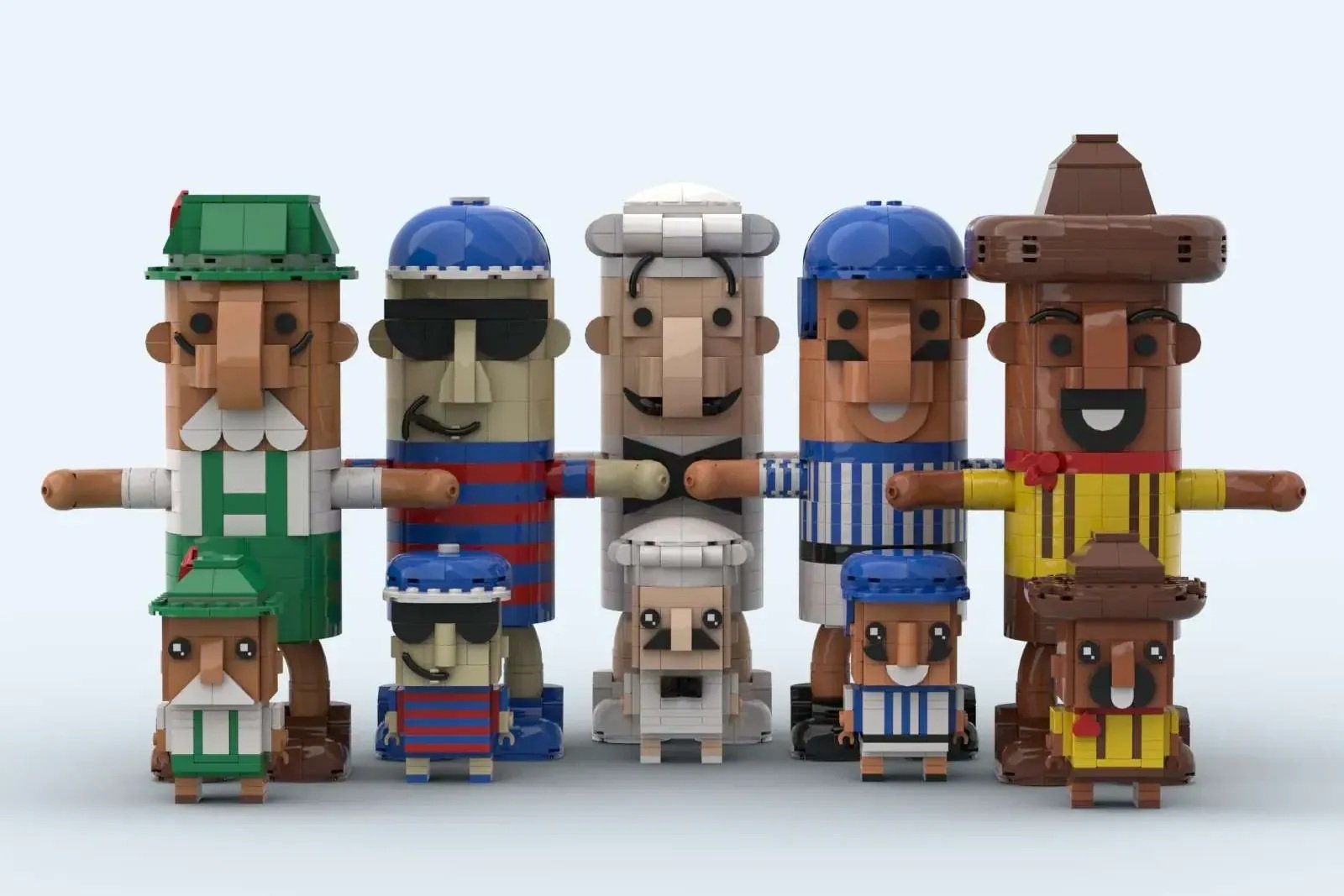 In the early 1990s, fans at Milwaukee County Stadium were treated to ‘The Incredible Edible Sausage Race,’ an animated running contest between three varieties of meats: Bratwurst, Polish Sausage, and Italian Sausage. The pixelated version of the race was initially shown on the ‘state of the art’ scoreboard in County Stadium. Then one day in 1992, graphic designer Michael Dillon approached the Brewers with the idea of making it a real race with people wearing sausage ‘costumes.’ On June 27, 1993, the race began as usual, with cartoon characters running on the scoreboard against backdrops of Milwaukee landmarks, such as the Mitchell Park Domes, on the screen. Suddenly, the scoreboard went blank and a gate in left field opened, and the three ‘Racing Sausages’ appeared, much to the delight of the fans. They stumbled around in the outfield for a few seconds, then headed to the third-base foul line and ‘raced’ toward home plate. The Bratwurst—worn by Dillon—won the inaugural race while Toronto pitcher Jack Morris was warming up with catcher Pat Borders in the bottom of the sixth inning. Initially, the race was run only on select Sundays and special occasions, as to “not wear out the welcome,” then-Brewers vice president Laurel Prieb said. Soon enough, the race was run during every game. Klement’s Sausage Company began sponsoring the Sausages in 1995. In 1996, Hot Dog was added to the ‘link league,’ but ran only on Sundays. That season, Italian Sausage won 30 times, while Polish Sausage was second with 27 and Bratwurst pulled off 24 victories. On Opening Day, April 7, 1997, the 42,893 fans were all given True Value Hardware commemorative baseballs upon entry. You can probably guess what happened when projectiles and alcohol were liberally mixed. Over 250 baseballs were hurled onto the field, including one that narrowly missed Texas Ranger left fielder Rusty Greer. The game was delayed for 14 minutes, and the sausage race was canceled for fear that the Sausages would be pelted by baseballs. “It shows that excessive alcohol and fans are not a good mix,” Brewers pitcher Cal Eldred said. “This should make a good commercial for Miller.” The following season, Hot Dog was added to his three fellow Sausages. In August, the four contestants were seen running pre-game wind sprints with St. Louis pitcher Donovan Osborne. They must have been training for their next race. In 1999, Pittsburgh infielder Pat Meares—who was on the disabled list—raced as the Bratwurst and won easily. That would not be the last time a Pirates player would interact with the Sausages. In July 2000, Detroit Tigers pitcher Hideo Nomo raced as the Italian Sausage, waved at his teammates in the Tigers' dugout, and cruised to victory in the race. Nomo, who had pitched for the Brewers the previous season, said, “This is unique, only done here.” In the last Sausage Race held at County Stadium in September 2000, Bratwurst (worn by Laurel Prieb) edged Italian Sausage for the victory. Miller Park opened in March 2001, and during an exhibition game with the Chicago White Sox, Hot Dog grabbed the first win, albeit unofficially, as it was not a regular season game. That honor went to Bratwurst on April 6 in the first regular-season game at Miller Park against Cincinnati. The Major League All-Star Game came to Miller Park in 2002, and the Sausages raced during a break in the Home Run Derby. ESPN personality Dan Patrick wore one of the costumes. In 2003, Pittsburgh Pirate first baseman Randall Simon became ‘Public Enemy Number One’ at Miller Park after he took a ‘playful’ swing at the Italian Sausage and knocked it to the ground, also causing the Hot Dog to fall. Neither Sausage suffered serious injuries, but after the game, Simon, while still in full uniform, was handcuffed, taken to a police station, and charged with disorderly conduct. He was later fined $432. MLB also suspended him for three games. Simon apologized to the women and sent an autographed bat to Mandy Block, who was identified as the Italian Sausage. The Curacao Tourism Board offered all expenses-paid trips to both Block and Veronica Chandler, who were running as Hot Dog. (Simon was a Curacao native.) It was a big year for the Sausages in 2006. First, ESPN filmed two commercials featuring the foursome that ran that summer. In late July, Chorizo was introduced as the fifth Sausage. Also known as ‘Cinco,’ Chorizo was only allowed to run once that year per MLB rules regarding introducing ‘new’ mascots. Chorizo would become a full-time member in 2007. The Italian Sausage costume was stolen in February 2013 but was left at a Cedarburg bar and was recovered without incident. On the 20th anniversary of the race, the original three Sausages ran the race while Chorizo and Hot Dog held the tape and the finish line. Other than Meares and Nomo, Geoff Jenkins and Mark Grace ran as Sausages. So did former Green Bay Packer Javon Walker, who won the race in 2004. Casey McGehee’s son Mack ran as a ‘Little Weenie,’ a kid-sized version of the Sausages that were introduced around 2010. In 2021, the sausage race became known as the Johnsonville Sausage Race, after the new sausage supplier at American Family Field. Three years later, former Milwaukee resident Todd Elliott submitted a product concept to the LEGO Ideas website that would turn the Sausages into a buildable set. The idea needs to receive 10,000 votes to be reviewed by the LEGO Design team. Currently, Elliott has just over 5,300 supporters. Go here to vote in support of the idea. The Sausages have been a key part of the Brewers for over 30 years, as much as tailgating and Bernie Brewer. A LEGO set would only further solidify their status as 'mascot' legends.
 -
Image courtesy of Marathon Dude In the early 1990s, fans at Milwaukee County Stadium were treated to ‘The Incredible Edible Sausage Race,’ an animated running contest between three varieties of meats: Bratwurst, Polish Sausage, and Italian Sausage. The pixelated version of the race was initially shown on the ‘state of the art’ scoreboard in County Stadium. Then one day in 1992, graphic designer Michael Dillon approached the Brewers with the idea of making it a real race with people wearing sausage ‘costumes.’ On June 27, 1993, the race began as usual, with cartoon characters running on the scoreboard against backdrops of Milwaukee landmarks, such as the Mitchell Park Domes, on the screen. Suddenly, the scoreboard went blank and a gate in left field opened, and the three ‘Racing Sausages’ appeared, much to the delight of the fans. They stumbled around in the outfield for a few seconds, then headed to the third-base foul line and ‘raced’ toward home plate. The Bratwurst—worn by Dillon—won the inaugural race while Toronto pitcher Jack Morris was warming up with catcher Pat Borders in the bottom of the sixth inning. Initially, the race was run only on select Sundays and special occasions, as to “not wear out the welcome,” then-Brewers vice president Laurel Prieb said. Soon enough, the race was run during every game. Klement’s Sausage Company began sponsoring the Sausages in 1995. In 1996, Hot Dog was added to the ‘link league,’ but ran only on Sundays. That season, Italian Sausage won 30 times, while Polish Sausage was second with 27 and Bratwurst pulled off 24 victories. On Opening Day, April 7, 1997, the 42,893 fans were all given True Value Hardware commemorative baseballs upon entry. You can probably guess what happened when projectiles and alcohol were liberally mixed. Over 250 baseballs were hurled onto the field, including one that narrowly missed Texas Ranger left fielder Rusty Greer. The game was delayed for 14 minutes, and the sausage race was canceled for fear that the Sausages would be pelted by baseballs. “It shows that excessive alcohol and fans are not a good mix,” Brewers pitcher Cal Eldred said. “This should make a good commercial for Miller.” The following season, Hot Dog was added to his three fellow Sausages. In August, the four contestants were seen running pre-game wind sprints with St. Louis pitcher Donovan Osborne. They must have been training for their next race. In 1999, Pittsburgh infielder Pat Meares—who was on the disabled list—raced as the Bratwurst and won easily. That would not be the last time a Pirates player would interact with the Sausages. In July 2000, Detroit Tigers pitcher Hideo Nomo raced as the Italian Sausage, waved at his teammates in the Tigers' dugout, and cruised to victory in the race. Nomo, who had pitched for the Brewers the previous season, said, “This is unique, only done here.” In the last Sausage Race held at County Stadium in September 2000, Bratwurst (worn by Laurel Prieb) edged Italian Sausage for the victory. Miller Park opened in March 2001, and during an exhibition game with the Chicago White Sox, Hot Dog grabbed the first win, albeit unofficially, as it was not a regular season game. That honor went to Bratwurst on April 6 in the first regular-season game at Miller Park against Cincinnati. The Major League All-Star Game came to Miller Park in 2002, and the Sausages raced during a break in the Home Run Derby. ESPN personality Dan Patrick wore one of the costumes. In 2003, Pittsburgh Pirate first baseman Randall Simon became ‘Public Enemy Number One’ at Miller Park after he took a ‘playful’ swing at the Italian Sausage and knocked it to the ground, also causing the Hot Dog to fall. Neither Sausage suffered serious injuries, but after the game, Simon, while still in full uniform, was handcuffed, taken to a police station, and charged with disorderly conduct. He was later fined $432. MLB also suspended him for three games. Simon apologized to the women and sent an autographed bat to Mandy Block, who was identified as the Italian Sausage. The Curacao Tourism Board offered all expenses-paid trips to both Block and Veronica Chandler, who were running as Hot Dog. (Simon was a Curacao native.) It was a big year for the Sausages in 2006. First, ESPN filmed two commercials featuring the foursome that ran that summer. In late July, Chorizo was introduced as the fifth Sausage. Also known as ‘Cinco,’ Chorizo was only allowed to run once that year per MLB rules regarding introducing ‘new’ mascots. Chorizo would become a full-time member in 2007. The Italian Sausage costume was stolen in February 2013 but was left at a Cedarburg bar and was recovered without incident. On the 20th anniversary of the race, the original three Sausages ran the race while Chorizo and Hot Dog held the tape and the finish line. Other than Meares and Nomo, Geoff Jenkins and Mark Grace ran as Sausages. So did former Green Bay Packer Javon Walker, who won the race in 2004. Casey McGehee’s son Mack ran as a ‘Little Weenie,’ a kid-sized version of the Sausages that were introduced around 2010. In 2021, the sausage race became known as the Johnsonville Sausage Race, after the new sausage supplier at American Family Field. Three years later, former Milwaukee resident Todd Elliott submitted a product concept to the LEGO Ideas website that would turn the Sausages into a buildable set. The idea needs to receive 10,000 votes to be reviewed by the LEGO Design team. Currently, Elliott has just over 5,300 supporters. Go here to vote in support of the idea. The Sausages have been a key part of the Brewers for over 30 years, as much as tailgating and Bernie Brewer. A LEGO set would only further solidify their status as 'mascot' legends. View full article
- 1 reply
-
- 1
-

-
Jacob MisiorowskiJesus MadeCooper PrattLogan HendersonLuis PenaJeferson QueroBraylon PayneRobert GasserEric BitontiBishop LetsonBrock WilkenMike BoeveTyson HardinCraig YohoMarco DingesLuke AdamsJosh AdamczewskiLuis LaraBryce MeccageCarlos F Rodriguez
-
Jacob MisiorowskiJesus MadeCooper PrattLogan HendersonLuis PenaJeferson QueroBraylon PayneRobert GasserEric BitontiBishop LetsonBrock WilkenMike BoeveTyson HardinCraig YohoMarco DingesLuke AdamsJosh AdamczewskiLuis LaraBryce MeccageCarlos F Rodriguez
-
PCA looks a lot like Opie, and apparently the new earring is a magic power amulet. A 2.5% HR rate prior to this year, and now he is at 6.7%. The kid can run and play 'D' and now he has power. Starting to live up to his potential...
-
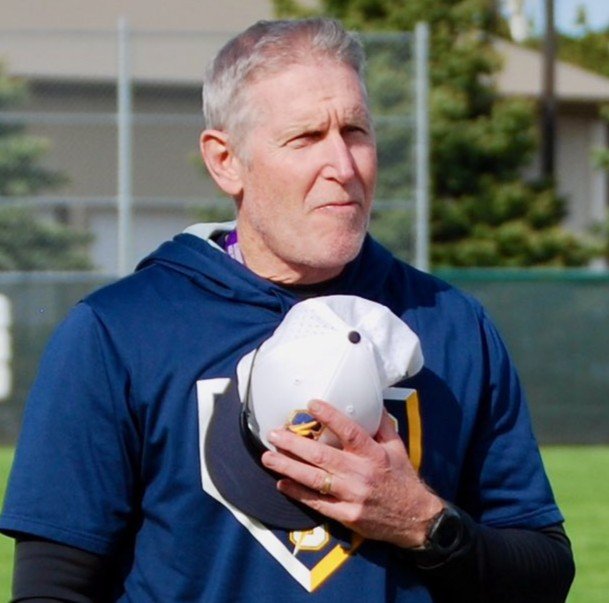 Much was expected of Steve Stanicek after his first two seasons as a Brewer farmhand. After being traded by San Francisco to Milwaukee during spring training in 1986, the right-handed infielder was assigned to Double-A El Paso and batted .343/.448/.583 across 582 plate appearances and was named the Texas League MVP after leading the league in several offensive categories. His 25 home runs were good for second in the league. The following season, Stanicek was promoted to Triple-A Denver and had an almost identical season, slashing .352/.396/.616 over 515 trips to the plate. What many people didn't factor into the success was that Stanicek played in two hitter-friendly ballparks. Would those numbers translate to the major leagues? Stephen Blair Stanicek was born in Lake Forest, Illinois and was drafted by the St. Louis Cardinals in the 16th round of the 1979 MLB Amateur Draft but elected not to sign. He attended the University of Nebraska-Lincoln and hit .449 with 29 homers and 70 RBI in just 185 at-bats. Impressed by those numbers, San Francisco made him the 11th overall pick in the 1982 draft, 14 picks in front of future teammate Dale Sveum. Stanicek played four good, not great years at Single-A and Double-A in the Giants' chain before being traded to Milwaukee. After the two stellar seasons at El Paso and Denver, Stanicek was called up in mid-September 1987 and played in just four games, going 2-for-7 and getting his first big league hit off Detroit closer Willie Hernández in his second game. The following year, Stanicek had knee surgery in early March and was sent back to Denver to start the sesaon. After playing in only 27 games with Denver while battling a thigh injury, Stanicek was released by the Brewers in October. The Philadelphia Phillies signed Stanicek to a minor league contract in January 1989. He spent the majority of the season at Triple-A Scranton/Wilkes-Barre and batted .285/.337/.443 over 406 ABs before getting called up for a sip of Starbucks in Philadelphia in September. Stanicek played in just nine games, going 1-for-9 serving only as a pinch-hitter. In 1990, Stanicek returned to S/W-B and played in a career-high 127 games and batted .282/.369/.407 but was released by Philadelphia after the season. Stanicek signed with the Pittsburgh Pirates in a minor league deal in early 1991 but was released during spring training. After his playing career, Stanicek coached high school baseball and retired after 23 years in 2023, including the last 10 years at Glenbrook (IL) South High School. He also coached at two other schools prior to that. He was also an assistant football coach for 25 at various schools. Stanicek was inducted into the Illinois High School Baseball Coaches Association Hall of Fame in 2019. During his nine-year minor league career, Stanicek batted .293/.372/.470 across 3,465 plate appearances, Yet his major league career consisted of 16 trips to the plate. He never played a defensive position in the big leagues. Why was he not given a chance by Milwaukee or Philadelphia?
 -
Much was expected of Steve Stanicek after his first two seasons as a Brewer farmhand. After being traded by San Francisco to Milwaukee during spring training in 1986, the right-handed infielder was assigned to Double-A El Paso and batted .343/.448/.583 across 582 plate appearances and was named the Texas League MVP after leading the league in several offensive categories. His 25 home runs were good for second in the league. The following season, Stanicek was promoted to Triple-A Denver and had an almost identical season, slashing .352/.396/.616 over 515 trips to the plate. What many people didn't factor into the success was that Stanicek played in two hitter-friendly ballparks. Would those numbers translate to the major leagues? Stephen Blair Stanicek was born in Lake Forest, Illinois and was drafted by the St. Louis Cardinals in the 16th round of the 1979 MLB Amateur Draft but elected not to sign. He attended the University of Nebraska-Lincoln and hit .449 with 29 homers and 70 RBI in just 185 at-bats. Impressed by those numbers, San Francisco made him the 11th overall pick in the 1982 draft, 14 picks in front of future teammate Dale Sveum. Stanicek played four good, not great years at Single-A and Double-A in the Giants' chain before being traded to Milwaukee. After the two stellar seasons at El Paso and Denver, Stanicek was called up in mid-September 1987 and played in just four games, going 2-for-7 and getting his first big league hit off Detroit closer Willie Hernández in his second game. The following year, Stanicek had knee surgery in early March and was sent back to Denver to start the sesaon. After playing in only 27 games with Denver while battling a thigh injury, Stanicek was released by the Brewers in October. The Philadelphia Phillies signed Stanicek to a minor league contract in January 1989. He spent the majority of the season at Triple-A Scranton/Wilkes-Barre and batted .285/.337/.443 over 406 ABs before getting called up for a sip of Starbucks in Philadelphia in September. Stanicek played in just nine games, going 1-for-9 serving only as a pinch-hitter. In 1990, Stanicek returned to S/W-B and played in a career-high 127 games and batted .282/.369/.407 but was released by Philadelphia after the season. Stanicek signed with the Pittsburgh Pirates in a minor league deal in early 1991 but was released during spring training. After his playing career, Stanicek coached high school baseball and retired after 23 years in 2023, including the last 10 years at Glenbrook (IL) South High School. He also coached at two other schools prior to that. He was also an assistant football coach for 25 at various schools. Stanicek was inducted into the Illinois High School Baseball Coaches Association Hall of Fame in 2019. During his nine-year minor league career, Stanicek batted .293/.372/.470 across 3,465 plate appearances, Yet his major league career consisted of 16 trips to the plate. He never played a defensive position in the big leagues. Why was he not given a chance by Milwaukee or Philadelphia? View full player
-
I believe that the Brewers are willing to keep Durbin at third, as he has an OPS of .766 (.366/.400) over the last month. While not great, it is pretty solid. Joey Ortiz might be another story. If a decent SS can be found, they might reach for him externally. Outfield and pitching staff look pretty good, so there is no immediate need there.
- 17 replies
-
- 1
-
-
- 2025 trade deadline
- ryan mcmahon
- (and 4 more)
-
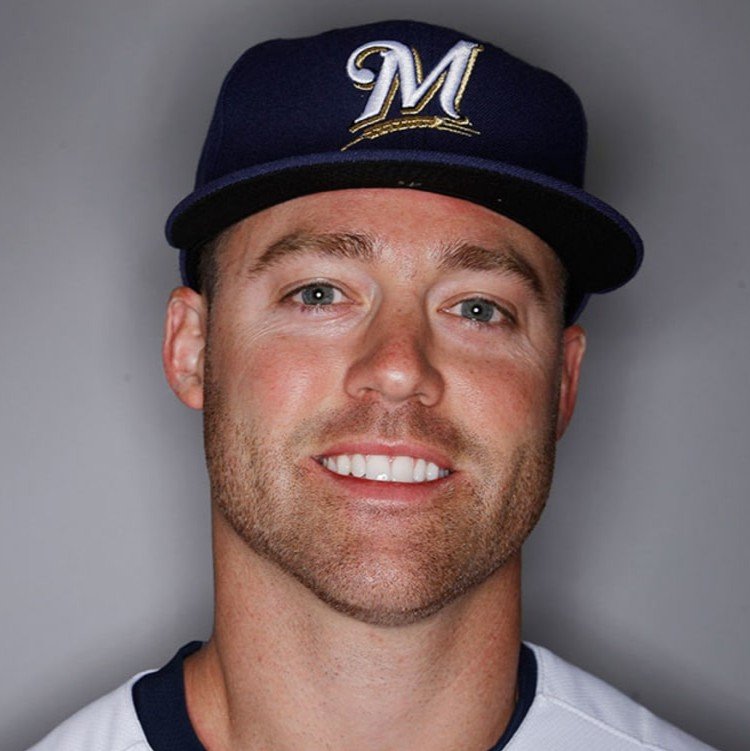 Proving that versatility is a valued asset by major league teams, Jake Elmore spent parts of six seasons in the bigs, starting games at every position save pitcher and catcher, but he even played at those spots. In fact, Elmore pitched and caught in the same game on August 19, 2013 for the Houston Astros. He entered the game in the third inning behind the plate when catcher Carlos Corporan left with concussion-like symptoms after being hit by a foul tip. With the Astros trailing Texas, 16-5, in the eighth inning, Elmore came on to pitch for Houston and retired all three batters he faced. Jacob David Elmore was born in Dothan, Alabama but after moving, attended Pleasant Grove High School, just outside Birmingham. Elmore graduated in 2005, having been named to the Alabama Class 5A All-State football team as a defensive back, and was named to the All-State baseball team as well. Elmore attended Wallace State Community College in Hanceville, Alabama for two years before transferring to Arizona State University. After electing not to sign with the Florida Marlins after being drafted in 2007, he signed with the Arizona Diamondbacks after being picked in the 34th round of the 2008 MLB Amateur draft. Elmore played five seasons in the D-Backs’ organization before getting called up to Arizona in 2012, where he played the last two months of the season. Elmore batted .191/.247/.250 and was released after the season and was signed by Houston. The utility player split time between the minors and bigs over the next three years, playing for Houston (2013), Cincinnati (2014), and Tampa Bay (2015) before signing with Milwaukee after the 2015 campaign. Elmore played all three outfield spots, plus second base and third base for the Brewers in 2016. He split the season between Triple-A Colorado Springs and Milwaukee, playing roughly 50 games for each team. He was called up in late June and played the rest of the season for the Brewers and batted .218/.371/.244 across 99 plate appearances, drawing walks at a 17% clip. After the season, Elmore elected free agency and over the next three seasons, played in the minors for Toronto, Miami, Chicago White Sox, and Pittsburgh before getting into 20 games in two stints during the 2019 season with Pittsburgh. Once again, he was granted free agency and although he signed with Pittsburgh (again), Cleveland, and Philadelphia, he did not appear in the big leagues again. In February 2022, Elmore was hired by the Phillies to serve as hitting coach at Low-A Clearwater. Over the next two seasons, he was promoted to minor league lower level hitting coordinator for the Phillies and then minor league hitting coordinator.
 -
Proving that versatility is a valued asset by major league teams, Jake Elmore spent parts of six seasons in the bigs, starting games at every position save pitcher and catcher, but he even played at those spots. In fact, Elmore pitched and caught in the same game on August 19, 2013 for the Houston Astros. He entered the game in the third inning behind the plate when catcher Carlos Corporan left with concussion-like symptoms after being hit by a foul tip. With the Astros trailing Texas, 16-5, in the eighth inning, Elmore came on to pitch for Houston and retired all three batters he faced. Jacob David Elmore was born in Dothan, Alabama but after moving, attended Pleasant Grove High School, just outside Birmingham. Elmore graduated in 2005, having been named to the Alabama Class 5A All-State football team as a defensive back, and was named to the All-State baseball team as well. Elmore attended Wallace State Community College in Hanceville, Alabama for two years before transferring to Arizona State University. After electing not to sign with the Florida Marlins after being drafted in 2007, he signed with the Arizona Diamondbacks after being picked in the 34th round of the 2008 MLB Amateur draft. Elmore played five seasons in the D-Backs’ organization before getting called up to Arizona in 2012, where he played the last two months of the season. Elmore batted .191/.247/.250 and was released after the season and was signed by Houston. The utility player split time between the minors and bigs over the next three years, playing for Houston (2013), Cincinnati (2014), and Tampa Bay (2015) before signing with Milwaukee after the 2015 campaign. Elmore played all three outfield spots, plus second base and third base for the Brewers in 2016. He split the season between Triple-A Colorado Springs and Milwaukee, playing roughly 50 games for each team. He was called up in late June and played the rest of the season for the Brewers and batted .218/.371/.244 across 99 plate appearances, drawing walks at a 17% clip. After the season, Elmore elected free agency and over the next three seasons, played in the minors for Toronto, Miami, Chicago White Sox, and Pittsburgh before getting into 20 games in two stints during the 2019 season with Pittsburgh. Once again, he was granted free agency and although he signed with Pittsburgh (again), Cleveland, and Philadelphia, he did not appear in the big leagues again. In February 2022, Elmore was hired by the Phillies to serve as hitting coach at Low-A Clearwater. Over the next two seasons, he was promoted to minor league lower level hitting coordinator for the Phillies and then minor league hitting coordinator. View full player
-
Brandon Woodruff and the Timber Truck
Michael Trzinski replied to Matthew Trueblood's topic in Brewer Fanatic Front Page News
Our 'Sissyfuss' has pushed the rock up the hill enough. Time for him to get his reward!! -
And it certainly looks like Yeli has stepped up the pace, batting .415/.492/.774 over his last 53 ABs, including six HRs and 15 RBI. Hopefully he can stay healthy and continue to play well.
-
The little Asian American from Hawaii was a good enough player that he spent 11 seasons in the major leagues and was also an astute baseball man who coached or managed in the A’s, Angels, Giants, and Rockies organizations for nearly 20 years. He also coached and managed in Japan. Lenn Haruki Sakata was born in Honolulu and attended college at Gonzaga University. After choosing not to sign with San Francisco (1972) and San Diego (1974), he signed with Milwaukee in 1975 as the 10th pick in the secondary phase of the January draft. The 5-foot-9 infielder spent a season at Double-A Thetford Mines and one-plus seasons at Triple-A Spokane before getting called up to Milwaukee in July 1977. He made 15 straight starts at second base for Milwaukee in July/early August and would split time at the position with Don Money. Sakata started 0-for-12 but got his first big league hit off Ron Guidry of the Yankees. Two days later he hit his first HR off Dennis Martinez of the Orioles. His batting average got as high as .216 but dropped to .162 at the end of the season after an 0-for-25 skid over the last month. Sakata won the second base spot in 1978 and started nearly every day for the first five weeks despite batting under .200. But when Robin Yount ended his holdout in mid-May, Paul Molitor moved from shortstop to second base and Sakata was out of a job. Sakata ended with 78 at-bats and a hitting line of .192/.267/.244 with four doubles. Even though Sakata batted .500 (7-for-14) in four games for the Brewers in 1979, he spent most of the season at Triple-A Vancouver. He requested a trade after the season and was dealt to Baltimore in December. Sakata played with the Orioles from 1980-1985. In 1981, he took over the shortstop position from eight-time Gold Glover Mark Belanger. In July 1982, he was replaced by Cal Ripken, Jr., who began his long consecutive games played streak. Sakata moved to second base and had his best season offensively, setting career highs in every category. He played just 36 games over the 1986-87 seasons with Oakland and the New York Yankees and retired from baseball before beginning his long coaching and managing career. Sakata was named by Sports Illustrated as one of the 50 greatest sports figures in Hawaii’s history and is also a member of the Hawaii Sports Hall of Fame. View full player
-
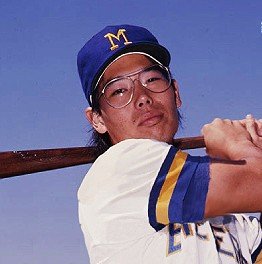 The little Asian American from Hawaii was a good enough player that he spent 11 seasons in the major leagues and was also an astute baseball man who coached or managed in the A’s, Angels, Giants, and Rockies organizations for nearly 20 years. He also coached and managed in Japan. Lenn Haruki Sakata was born in Honolulu and attended college at Gonzaga University. After choosing not to sign with San Francisco (1972) and San Diego (1974), he signed with Milwaukee in 1975 as the 10th pick in the secondary phase of the January draft. The 5-foot-9 infielder spent a season at Double-A Thetford Mines and one-plus seasons at Triple-A Spokane before getting called up to Milwaukee in July 1977. He made 15 straight starts at second base for Milwaukee in July/early August and would split time at the position with Don Money. Sakata started 0-for-12 but got his first big league hit off Ron Guidry of the Yankees. Two days later he hit his first HR off Dennis Martinez of the Orioles. His batting average got as high as .216 but dropped to .162 at the end of the season after an 0-for-25 skid over the last month. Sakata won the second base spot in 1978 and started nearly every day for the first five weeks despite batting under .200. But when Robin Yount ended his holdout in mid-May, Paul Molitor moved from shortstop to second base and Sakata was out of a job. Sakata ended with 78 at-bats and a hitting line of .192/.267/.244 with four doubles. Even though Sakata batted .500 (7-for-14) in four games for the Brewers in 1979, he spent most of the season at Triple-A Vancouver. He requested a trade after the season and was dealt to Baltimore in December. Sakata played with the Orioles from 1980-1985. In 1981, he took over the shortstop position from eight-time Gold Glover Mark Belanger. In July 1982, he was replaced by Cal Ripken, Jr., who began his long consecutive games played streak. Sakata moved to second base and had his best season offensively, setting career highs in every category. He played just 36 games over the 1986-87 seasons with Oakland and the New York Yankees and retired from baseball before beginning his long coaching and managing career. Sakata was named by Sports Illustrated as one of the 50 greatest sports figures in Hawaii’s history and is also a member of the Hawaii Sports Hall of Fame.
 -
Image courtesy of MLB Via Getty Image Milwaukee Brewers fans have been on the ‘Steel Vengeance’ rollercoaster ride while following the team that has been in Brew City since 1970. Regardless of age, fans have seen the ups and downs of their favorite baseball team, much like the riders of the world-famous ‘coaster in Sandusky, Ohio have experienced. In the 55 years of Brewers baseball, the team has finished with a record of .500 or better just 24 times. The best stretch of 81 or more wins was from 1978 to 1983, the origin of Bambi’s Bombers and Harvey’s Wallbangers. Since then, the longest streak of winning ball was a four-year span from 2021 to 2024. Does having a winning team equal strong attendance? Looking back to the County Stadium days, the largest single-year attendance was 2,397,131 in 1983, which was a carryover from the ‘magical’ 1982 season. The Brewers won 95 games in that season before losing to the St. Louis Cardinals in seven games in the ‘Suds Series.’ It is fair to say that winning has a positive impact on the number of fans in the stands. But what about emotion and sentiment? After the July 1999 ‘Big Blue’ crane accident that set back the opening of Miller Park one year, the Brewers would be forced to play at County Stadium for one more season. The only two dates in 2000 that featured an attendance figure of more than 50,000 were Opening Day (April 9), on which 53,509 people celebrated the last home opener, and the final game (September 28), on which 56,354 fans said goodbye to the old ballpark. In the other 79 home games, Milwaukee drew an average of 18,528. Perhaps fans simply wanted to see the new ballpark open. Welcome to Miller Park! In 2001, President George W. Bush and 42,024 fans welcomed the Brewers to Miller Park and saw a 5-4 Brewers win, courtesy of Richie Sexson’s eighth-inning home run. Fans flocked to the park to the tune of 2,811,041 during the year despite the Brewers’ woeful 68-94 campaign. Perhaps they just wanted to see the roof open or close, which the Brewers operated every game for a large part of the season before they realized it would cause excessive wear and tear on the retractable roof. Skipping ahead a quarter-century, let’s talk a little about how fans perceive the team depending on the Brewers’ fortunes. Are Brewer fans ‘fair-weather’ or will they pledge their allegiance no matter what? In three recent polls on Brewer Fanatic, readers were asked: · Do you approve of the job Pat Murphy is doing as Brewers manager? · Will the Brewers make the postseason in 2025? · How many games will the Brewers win in 2025? How is manager Pat Murphy doing? On March 31, when the Brewers started the season 0-4, about 50% of the poll respondents thought Murphy was doing a good job. His highest approval rating, about 95%, in April and May occurred on April 12, following the Brewers' win of four of their last five games. It hit rock bottom on April 26 when no one liked Murph. That was after a four-game losing skein. The approval rate rose in early May after three straight wins but sank to its lowest point again on May 11, following a trio of losses. His approval rate was about 91% on May 27, when the Brewers were in the midst of an eight-game winning streak. Survey says: the Brewers fans like Murphy when the team wins. Will the Brewers make the postseason? Fans were optimistic to start the season, but then came three losses to the hated Yankees and one to the Royals as March ended. Oops. Fans were largely positive in the first three weeks of April, despite the Brewers' 12-11 record as of April 21. From about May 7 until Memorial Day, more fans thought that the Brewers would NOT make the playoffs. A 9-9 record in that timeframe, combined with the fact that they had been mired in third place in the NL Central, probably had something to do with the polling results. Our fine fandom is more positive since Milwaukee won nine of its last 10 contests as May turned to June. Conclusion: fans are concerned about the Cubs and Cardinals, as well; they should be. Neither team is showing any signs of weakness. At least not yet. How many games will the Brewers win? In April, the consensus was that the Brewers would win somewhere in the 86-90 range. After the Brewers started May with just three wins in nine games, the faithful lowered their collective expectations to the 81-85 win range. Then, after going 5-4 in the next nine games, Brewer partisans got hopeful, and approximately 50% of the poll respondents were ready to give the Brew Crew a chance to win 91-95 games. Belief that the Brewers would perform that well quickly subsided over the next few days, but rose slowly at the end of the month. The numbers have fluctuated, but generally, fans expect Milwaukee to win between 81 and 90 games. I’m not entirely convinced that winning or losing games has a positive or negative impact on fans’ perceptions of the team. Still, it is enjoyable to review the season and compare the success (or failure) to what our astute readers share in our poll results. Tell us what you think in the comments section. Is your perception of the team colored by win/loss record? Is the T-Dog (author) full of it? Please let us know, and thank you for reading! View full article
-
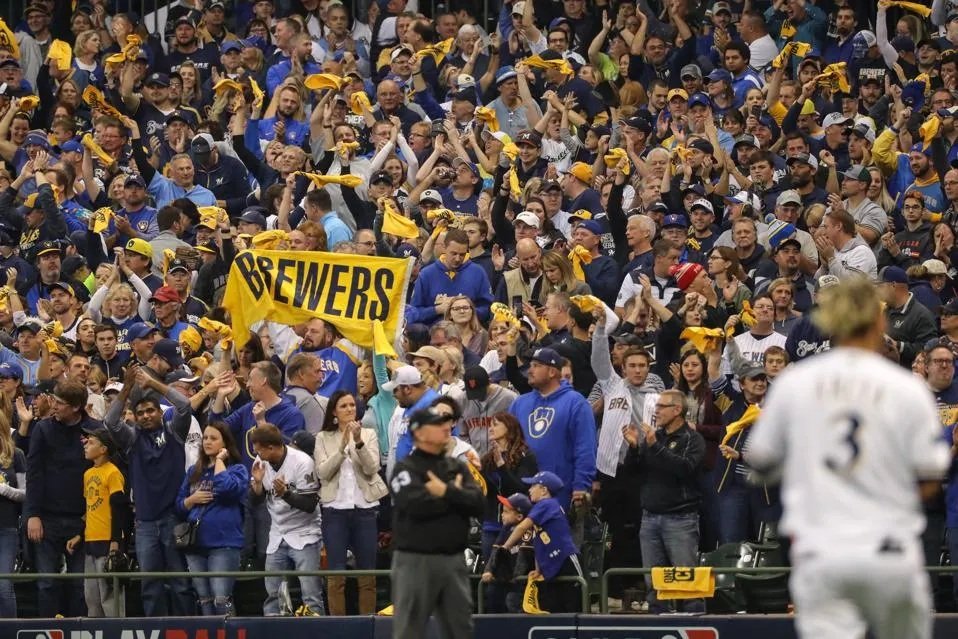 Milwaukee Brewers fans have been on the ‘Steel Vengeance’ rollercoaster ride while following the team that has been in Brew City since 1970. Regardless of age, fans have seen the ups and downs of their favorite baseball team, much like the riders of the world-famous ‘coaster in Sandusky, Ohio have experienced. In the 55 years of Brewers baseball, the team has finished with a record of .500 or better just 24 times. The best stretch of 81 or more wins was from 1978 to 1983, the origin of Bambi’s Bombers and Harvey’s Wallbangers. Since then, the longest streak of winning ball was a four-year span from 2021 to 2024. Does having a winning team equal strong attendance? Looking back to the County Stadium days, the largest single-year attendance was 2,397,131 in 1983, which was a carryover from the ‘magical’ 1982 season. The Brewers won 95 games in that season before losing to the St. Louis Cardinals in seven games in the ‘Suds Series.’ It is fair to say that winning has a positive impact on the number of fans in the stands. But what about emotion and sentiment? After the July 1999 ‘Big Blue’ crane accident that set back the opening of Miller Park one year, the Brewers would be forced to play at County Stadium for one more season. The only two dates in 2000 that featured an attendance figure of more than 50,000 were Opening Day (April 9), on which 53,509 people celebrated the last home opener, and the final game (September 28), on which 56,354 fans said goodbye to the old ballpark. In the other 79 home games, Milwaukee drew an average of 18,528. Perhaps fans simply wanted to see the new ballpark open. Welcome to Miller Park! In 2001, President George W. Bush and 42,024 fans welcomed the Brewers to Miller Park and saw a 5-4 Brewers win, courtesy of Richie Sexson’s eighth-inning home run. Fans flocked to the park to the tune of 2,811,041 during the year despite the Brewers’ woeful 68-94 campaign. Perhaps they just wanted to see the roof open or close, which the Brewers operated every game for a large part of the season before they realized it would cause excessive wear and tear on the retractable roof. Skipping ahead a quarter-century, let’s talk a little about how fans perceive the team depending on the Brewers’ fortunes. Are Brewer fans ‘fair-weather’ or will they pledge their allegiance no matter what? In three recent polls on Brewer Fanatic, readers were asked: · Do you approve of the job Pat Murphy is doing as Brewers manager? · Will the Brewers make the postseason in 2025? · How many games will the Brewers win in 2025? How is manager Pat Murphy doing? On March 31, when the Brewers started the season 0-4, about 50% of the poll respondents thought Murphy was doing a good job. His highest approval rating, about 95%, in April and May occurred on April 12, following the Brewers' win of four of their last five games. It hit rock bottom on April 26 when no one liked Murph. That was after a four-game losing skein. The approval rate rose in early May after three straight wins but sank to its lowest point again on May 11, following a trio of losses. His approval rate was about 91% on May 27, when the Brewers were in the midst of an eight-game winning streak. Survey says: the Brewers fans like Murphy when the team wins. Will the Brewers make the postseason? Fans were optimistic to start the season, but then came three losses to the hated Yankees and one to the Royals as March ended. Oops. Fans were largely positive in the first three weeks of April, despite the Brewers' 12-11 record as of April 21. From about May 7 until Memorial Day, more fans thought that the Brewers would NOT make the playoffs. A 9-9 record in that timeframe, combined with the fact that they had been mired in third place in the NL Central, probably had something to do with the polling results. Our fine fandom is more positive since Milwaukee won nine of its last 10 contests as May turned to June. Conclusion: fans are concerned about the Cubs and Cardinals, as well; they should be. Neither team is showing any signs of weakness. At least not yet. How many games will the Brewers win? In April, the consensus was that the Brewers would win somewhere in the 86-90 range. After the Brewers started May with just three wins in nine games, the faithful lowered their collective expectations to the 81-85 win range. Then, after going 5-4 in the next nine games, Brewer partisans got hopeful, and approximately 50% of the poll respondents were ready to give the Brew Crew a chance to win 91-95 games. Belief that the Brewers would perform that well quickly subsided over the next few days, but rose slowly at the end of the month. The numbers have fluctuated, but generally, fans expect Milwaukee to win between 81 and 90 games. I’m not entirely convinced that winning or losing games has a positive or negative impact on fans’ perceptions of the team. Still, it is enjoyable to review the season and compare the success (or failure) to what our astute readers share in our poll results. Tell us what you think in the comments section. Is your perception of the team colored by win/loss record? Is the T-Dog (author) full of it? Please let us know, and thank you for reading!
 -
He might get bumped up to Biloxi later this summer.