Michael Trzinski
-
Posts
923 -
Joined
-
Last visited
-
Days Won
1
Content Type
Profiles
Forums
Blogs
Events
News
2026 Milwaukee Brewers Top Prospects Ranking
Milwaukee Brewers Videos
2022 Milwaukee Brewers Draft Picks
Milwaukee Brewers Free Agent & Trade Rumors, Notes, & Tidbits
Guides & Resources
2023 Milwaukee Brewers Draft Picks
2024 Milwaukee Brewers Draft Picks
The Milwaukee Brewers Players Project
2025 Milwaukee Brewers Draft Pick Tracker
2026 Milwaukee Brewers Draft Tracker: Picks & Bonuses
Store
Downloads
Gallery
Everything posted by Michael Trzinski
-
Image courtesy of © Dave Kallmann / Milwaukee Journal Sentinel / USA TODAY NETWORK via Imagn Images One of last month’s honorable mentions—John Holobetz—was traded to the Boston Red Sox organization. Logan Henderson, also an honorable mention for March/April, pitched mostly with Milwaukee in May and acquitted himself quite nicely. Here is the link to the March/April Minor League Starting Pitchers of the month. Without further fanfare, here are the eight pitchers feted as the May Minor League Starting Pitchers of the Month by Brewer Fanatic. Honorable Mentions Brandon Woodruff, Nashville/Wisconsin – 4 G, 4 GS, 18.1 IP, 1-0, 1.47 ERA, 1.091 WHIP, 17 H, 3 BB, 17 K. Tyler Renz, ACL Brewers – 4 G, 3 GS, 19.9 IP, 1-1, 2.37 ERA, 1.211 WHIP, 20 H, 3 BB, 17 K. Melvin Hernandez, Carolina Mudcats – 5 G, 3 GS, 26.1 IP, 1-3, 3.76 ERA, 1.372 WHIP, 32 H, 4 BB, 20 K. TOP FIVE STARTING PITCHERS FOR MAY #5 – Tanner Gillis, Carolina Mudcats/Wisconsin Timber Rattlers - 5 G, 3 GS, 28.0 IP, 1-1, 1.93 ERA, 1.036 WHIP, 22 H, 7 BB, 16 K Gillis was named to the first team All-Horizon League at Northern Kentucky in 2024. Prior to that, Gillis pitched at Cedarville (OH) University, an NCAA Division II school, for four years. The Brewers signed Gillis as a non-drafted free agent in September 2024. The 6-foot-2, 210-pound right-hander began his pro career in 2025 at Carolina and pitched in seven relief appearances before being promoted to the T-Rats in mid-May. He won one game and saved another for the Mudcats with an ERA of 1.32. Gillis pitched well in his Midwest League debut against Beloit, allowing just three hits, one run, and two walks while striking out three in a six-inning no-decision. In his second start at South Bend, Gillis went six innings, allowed seven hits and three runs in a 6-2 loss to the Cubs. Gillis earned his first MWL win at home against Peoria on May 30, going seven strong innings, allowing four hits and one unearned run. He had a decent K rate in Carolina, striking out 24.6% of batters faced while working out of the pen. In a smaller sample for the T-Rats—and a different role—Gillis has only struck out batters at an 11% clip in his three starts. Check out the reaction time on a rocket back through the box by Gillis in this video: #4 – Bishop Letson, Wisconsin Timber Rattlers - 2 G, 2 GS, 10.2 IP, 1-0, 0.84 ERA, 0.938 WHIP, 6 H, 4 BB, 13 K Letson, who finished third in April’s MiLB Starting Pitcher Of The Month ranking, has been slowed by a sore shoulder in May. He made two starts early in the month but was sidelined after May 9. The lanky (6-foot-4, 170-pound) righty was the 11th-round pick of the Brewers in 2023. His best pitch is a slider, which has a CV of 50 and an FV of 60. Overall, this season, Letson has struck out batters at a 30% rate, while walking only 7% of the batters he faces. Letson set a career-high with nine strikeouts on May 2 against West Michigan. In five innings, Letson allowed three hits and one walk in a 6-1 win. Six days later, in Peoria, he left after 5.2 innings with the score tied 2-2. The T-Rats scored a run the next inning to take a 3-2 win. Letson allowed three hits, two runs (one earned), and three walks. He struck out four batters in the game. #3 – Tate Kuehner, Biloxi Shuckers – 5 G, 5 GS, 26.0 IP, 3-0, 2.08 ERA, 1.154 WHIP, 16 H, 14 BB, 34 K The sole lefty on this month’s squad, the 6-foot-1, 195-pound Illinois product, was a seventh-round pick in 2023. Used mostly as a reliever in his four years at the University of Louisville, Kuehner has started 30 of 35 games in his professional career. After a nice season in 2024 with the Timber Rattlers, Kuehner moved up to Double-A Biloxi at the end of the year. Kuehner needs to work on his control, as he has walked batters at nearly a 16% clip with the Shuckers. His five starts in May have been a mixed bag but he pitched well enough to earn three wins as the Shuckers went 5-0 in his starts. His only really bad game came on May 3 against Columbus, when he allowed two hits, four runs, and five walks while whiffing nine Clingstones. Eight days later against Pensacola, Kuehner gave up five hits, one unearned run, and one walk in a 5-1 win over the Blue Wahoos. On May 17, he held the Montgomery Biscuits hitless over 5 2/3 innings while walking three. He notched his third win of the month over Knoxville on May 17, and finished off the month with 5 2/3 solid innings (five hits, one run, one walk, eight K’s) over the Rocket City Trash Pandas. In Kuehner’s 10 starts, Biloxi has scored only 12 runs yet won six of those games. #2 – Jacob Misiorowski, Nashville Sounds – 6 G, 6 GS, 28.2 IP, 2-2, 2.83 ERA, 1.290 WHIP, 22 H, 15 BB, 35 K What more can be said about Miz? Here’s something you may not know. Aaron Ashby, Andy Ashby, and Joe Boever all attended the same college as Miz: Crowder College in Neosho, Missouri. So did Travis Phelps and former Brewer farmhand Lance Burkhart. See, you learn something new every day. Misiorowski started off May well, earning wins over Gwinnett and Norfolk, allowing a combined seven hits, one run, and five walks while striking out 16 in 12 2/3 innings. He took a no-decision against Memphis on May 15, allowing four hits, one run, and one walk in seven innings. Then came two games where he struggled a bit against Scranton/Wilkes-Barre and Indianapolis, giving up a combined eight hits, three runs, and three walks in seven innings total. He was tagged with his first loss of the year after leaving the game with a pitch count of 87 in four innings. In his final game of the month on May 31, Misiorowski got beat up, giving up three hits, five runs, and six free passes in an 8-4 loss to Indianapolis. The tall, talented righty took his lumps the last three times out, so unfortunate as it may be, Miz might be injured or simply tuckered out. Miz really has nothing left to prove at Triple A, so at some point this year he will probably get the call to the bigs. #1 – Tyson Hardin, Wisconsin Timber Rattlers - 5 G, 5 GS, 30.0 IP, 2-1, 1.50 ERA, 0.933 WHIP, 26 H, 2 BB, 33 K A 12th round pick in the 2024 draft, the 6-foot-2, 185-pound righthander was the fifth-best starter in the Brewers organization last month as ranked by Brewer Fanatic's MILB Starting Pitcher piece but climbed to the top in May. Hardin was basically a reliever in college, making only two starts in 40 appearances. That has all changed this year, as Hardin made nine starts with a good deal of success. His BB rate this year is 3.2%, including 28 consecutive innings without a free pass in May. Hardin has struck out 28.6% of batters faced in those nine starts. The K-BB rate of 25.4% is very impressive. Other than one bad outing, Hardin has been very good in three out of his four starts this month. He had a no-decision in a tough luck 1-0 loss to West Michigan in which he pitched four-hit, scoreless ball over seven innings. Six days later at Peoria, he allowed nine hits and four runs in his only loss of the season. Hardin earned his third win of the year on a rare complete-game shutout over Beloit on May 16, allowing only two hits while striking out six. In South Bend on May 22, Hardin gave up six hits and one run in six innings, setting down eight batters on strikes. His final start on May 29 against Peoria was a ho-hum no-decision in which he went only four innings while allowing five hits, one run, and his only two walks since April 26. How did we do this month? Feel free to put us on blast or give us mad props in the comments. Either way, THANK YOU for reading Brewer Fanatic! View full article
-
 One of last month’s honorable mentions—John Holobetz—was traded to the Boston Red Sox organization. Logan Henderson, also an honorable mention for March/April, pitched mostly with Milwaukee in May and acquitted himself quite nicely. Here is the link to the March/April Minor League Starting Pitchers of the month. Without further fanfare, here are the eight pitchers feted as the May Minor League Starting Pitchers of the Month by Brewer Fanatic. Honorable Mentions Brandon Woodruff, Nashville/Wisconsin – 4 G, 4 GS, 18.1 IP, 1-0, 1.47 ERA, 1.091 WHIP, 17 H, 3 BB, 17 K. Tyler Renz, ACL Brewers – 4 G, 3 GS, 19.9 IP, 1-1, 2.37 ERA, 1.211 WHIP, 20 H, 3 BB, 17 K. Melvin Hernandez, Carolina Mudcats – 5 G, 3 GS, 26.1 IP, 1-3, 3.76 ERA, 1.372 WHIP, 32 H, 4 BB, 20 K. TOP FIVE STARTING PITCHERS FOR MAY #5 – Tanner Gillis, Carolina Mudcats/Wisconsin Timber Rattlers - 5 G, 3 GS, 28.0 IP, 1-1, 1.93 ERA, 1.036 WHIP, 22 H, 7 BB, 16 K Gillis was named to the first team All-Horizon League at Northern Kentucky in 2024. Prior to that, Gillis pitched at Cedarville (OH) University, an NCAA Division II school, for four years. The Brewers signed Gillis as a non-drafted free agent in September 2024. The 6-foot-2, 210-pound right-hander began his pro career in 2025 at Carolina and pitched in seven relief appearances before being promoted to the T-Rats in mid-May. He won one game and saved another for the Mudcats with an ERA of 1.32. Gillis pitched well in his Midwest League debut against Beloit, allowing just three hits, one run, and two walks while striking out three in a six-inning no-decision. In his second start at South Bend, Gillis went six innings, allowed seven hits and three runs in a 6-2 loss to the Cubs. Gillis earned his first MWL win at home against Peoria on May 30, going seven strong innings, allowing four hits and one unearned run. He had a decent K rate in Carolina, striking out 24.6% of batters faced while working out of the pen. In a smaller sample for the T-Rats—and a different role—Gillis has only struck out batters at an 11% clip in his three starts. Check out the reaction time on a rocket back through the box by Gillis in this video: #4 – Bishop Letson, Wisconsin Timber Rattlers - 2 G, 2 GS, 10.2 IP, 1-0, 0.84 ERA, 0.938 WHIP, 6 H, 4 BB, 13 K Letson, who finished third in April’s MiLB Starting Pitcher Of The Month ranking, has been slowed by a sore shoulder in May. He made two starts early in the month but was sidelined after May 9. The lanky (6-foot-4, 170-pound) righty was the 11th-round pick of the Brewers in 2023. His best pitch is a slider, which has a CV of 50 and an FV of 60. Overall, this season, Letson has struck out batters at a 30% rate, while walking only 7% of the batters he faces. Letson set a career-high with nine strikeouts on May 2 against West Michigan. In five innings, Letson allowed three hits and one walk in a 6-1 win. Six days later, in Peoria, he left after 5.2 innings with the score tied 2-2. The T-Rats scored a run the next inning to take a 3-2 win. Letson allowed three hits, two runs (one earned), and three walks. He struck out four batters in the game. #3 – Tate Kuehner, Biloxi Shuckers – 5 G, 5 GS, 26.0 IP, 3-0, 2.08 ERA, 1.154 WHIP, 16 H, 14 BB, 34 K The sole lefty on this month’s squad, the 6-foot-1, 195-pound Illinois product, was a seventh-round pick in 2023. Used mostly as a reliever in his four years at the University of Louisville, Kuehner has started 30 of 35 games in his professional career. After a nice season in 2024 with the Timber Rattlers, Kuehner moved up to Double-A Biloxi at the end of the year. Kuehner needs to work on his control, as he has walked batters at nearly a 16% clip with the Shuckers. His five starts in May have been a mixed bag but he pitched well enough to earn three wins as the Shuckers went 5-0 in his starts. His only really bad game came on May 3 against Columbus, when he allowed two hits, four runs, and five walks while whiffing nine Clingstones. Eight days later against Pensacola, Kuehner gave up five hits, one unearned run, and one walk in a 5-1 win over the Blue Wahoos. On May 17, he held the Montgomery Biscuits hitless over 5 2/3 innings while walking three. He notched his third win of the month over Knoxville on May 17, and finished off the month with 5 2/3 solid innings (five hits, one run, one walk, eight K’s) over the Rocket City Trash Pandas. In Kuehner’s 10 starts, Biloxi has scored only 12 runs yet won six of those games. #2 – Jacob Misiorowski, Nashville Sounds – 6 G, 6 GS, 28.2 IP, 2-2, 2.83 ERA, 1.290 WHIP, 22 H, 15 BB, 35 K What more can be said about Miz? Here’s something you may not know. Aaron Ashby, Andy Ashby, and Joe Boever all attended the same college as Miz: Crowder College in Neosho, Missouri. So did Travis Phelps and former Brewer farmhand Lance Burkhart. See, you learn something new every day. Misiorowski started off May well, earning wins over Gwinnett and Norfolk, allowing a combined seven hits, one run, and five walks while striking out 16 in 12 2/3 innings. He took a no-decision against Memphis on May 15, allowing four hits, one run, and one walk in seven innings. Then came two games where he struggled a bit against Scranton/Wilkes-Barre and Indianapolis, giving up a combined eight hits, three runs, and three walks in seven innings total. He was tagged with his first loss of the year after leaving the game with a pitch count of 87 in four innings. In his final game of the month on May 31, Misiorowski got beat up, giving up three hits, five runs, and six free passes in an 8-4 loss to Indianapolis. The tall, talented righty took his lumps the last three times out, so unfortunate as it may be, Miz might be injured or simply tuckered out. Miz really has nothing left to prove at Triple A, so at some point this year he will probably get the call to the bigs. #1 – Tyson Hardin, Wisconsin Timber Rattlers - 5 G, 5 GS, 30.0 IP, 2-1, 1.50 ERA, 0.933 WHIP, 26 H, 2 BB, 33 K A 12th round pick in the 2024 draft, the 6-foot-2, 185-pound righthander was the fifth-best starter in the Brewers organization last month as ranked by Brewer Fanatic's MILB Starting Pitcher piece but climbed to the top in May. Hardin was basically a reliever in college, making only two starts in 40 appearances. That has all changed this year, as Hardin made nine starts with a good deal of success. His BB rate this year is 3.2%, including 28 consecutive innings without a free pass in May. Hardin has struck out 28.6% of batters faced in those nine starts. The K-BB rate of 25.4% is very impressive. Other than one bad outing, Hardin has been very good in three out of his four starts this month. He had a no-decision in a tough luck 1-0 loss to West Michigan in which he pitched four-hit, scoreless ball over seven innings. Six days later at Peoria, he allowed nine hits and four runs in his only loss of the season. Hardin earned his third win of the year on a rare complete-game shutout over Beloit on May 16, allowing only two hits while striking out six. In South Bend on May 22, Hardin gave up six hits and one run in six innings, setting down eight batters on strikes. His final start on May 29 against Peoria was a ho-hum no-decision in which he went only four innings while allowing five hits, one run, and his only two walks since April 26. How did we do this month? Feel free to put us on blast or give us mad props in the comments. Either way, THANK YOU for reading Brewer Fanatic!
 -
Hall was on the bubble, either at short, third, or utility. Sexson played in 2000 but that didn't count as MP/AFF stats. He was definitely second on my 1B list. Cain was right there, too, but I thought Gomez did a little more in his time with Milwaukee. Just my humble opinion! Thanks for reading!!
- 3 replies
-
- 1
-

-
- jonathan lucroy
- christian yelich
- (and 8 more)
-
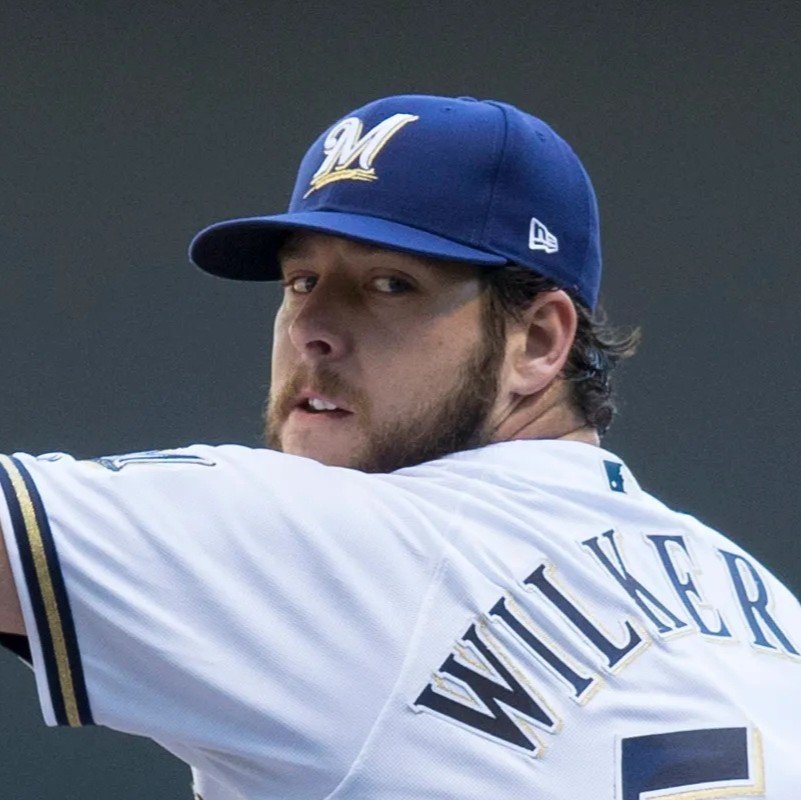 It is rare that a player would require Tommy John surgery after college, go undrafted by all major league teams, and play in an Independent league before signing with a big-league club. And in the meantime, the player worked the graveyard shift stocking freezers at a large Texas grocery store chain prior to getting the call. Aaron Daniel Wilkerson was born in Fort Worth, Texas and was an NAIA All-American pitcher at Tennessee’s Cumberland University, finishing with a record of 26-1 while pitching a record 54 consecutive scoreless innings. He discovered that he pitched his final year with a frayed UCL in his right elbow, requiring TJ surgery in 2011. After being out of baseball for two years, Wilkerson spent time with three independent teams in 2013 before getting signed by the Boston Red Sox as a free agent in July 2014. The righty performed well for two years at all five minor league levels (A, A-, A+, AA, AAA) for Boston before getting traded to the Brewers just before the All-Star break in 2016. Wilkerson struggled in the second half of 2016 with an ERA of 6.42 at Triple-A Colorado Springs and was bumped down to Double-A Biloxi to start the 2017 campaign. After leading the team in wins, innings pitched, and strikeouts, Wilkerson was called up to Milwaukee in September. In his major league debut on September 15 in Milwaukee against the Miami Marlins, Wilkerson pitched one inning and struck out a pair. A start on September 20 was less than stellar, but in the final regular season game, Wilkerson pitched seven innings and allowed two hits and a run while striking out five, earning his first (and to this date only) major league victory. The following year, Wilkerson was optioned to Colorado Springs after posting an 8.22 ERA in the spring. His second time in Colorado was much better as he notched an ERA of 2.49 in 15 appearances, including 12 starts. He was called up to the Brewers in July and made only three appearances and although he rode the Milwaukee-Colorado Springs shuttle several times, did not pitch in the bigs after July 14. Wilkerson split 2019 between Triple-A San Antonio (8-2, 3.42 ERA in 17 starts) and Milwaukee. In April, Wilkerson got his first and only MLB hit, which just happened to be a home run, off Michael Wacha of the St. Louis Cardinals. Hitting prowess be damned, Wilkerson was released by the Brewers in September. Since 2021, Wilkerson has pitched in three big league organizations (Dodgers, A’s, Reds) but hasn’t made it back to the bigs. He played three years in Japan and South Korea before being signed by the Reds in early 2025 and is currently playing at Triple-A Louisville. In three major league seasons, Wilkerson appeared in 14 games (three starts) with a 65 ERA+ and a FIP of 6.10.
 -
It is rare that a player would require Tommy John surgery after college, go undrafted by all major league teams, and play in an Independent league before signing with a big-league club. And in the meantime, the player worked the graveyard shift stocking freezers at a large Texas grocery store chain prior to getting the call. Aaron Daniel Wilkerson was born in Fort Worth, Texas and was an NAIA All-American pitcher at Tennessee’s Cumberland University, finishing with a record of 26-1 while pitching a record 54 consecutive scoreless innings. He discovered that he pitched his final year with a frayed UCL in his right elbow, requiring TJ surgery in 2011. After being out of baseball for two years, Wilkerson spent time with three independent teams in 2013 before getting signed by the Boston Red Sox as a free agent in July 2014. The righty performed well for two years at all five minor league levels (A, A-, A+, AA, AAA) for Boston before getting traded to the Brewers just before the All-Star break in 2016. Wilkerson struggled in the second half of 2016 with an ERA of 6.42 at Triple-A Colorado Springs and was bumped down to Double-A Biloxi to start the 2017 campaign. After leading the team in wins, innings pitched, and strikeouts, Wilkerson was called up to Milwaukee in September. In his major league debut on September 15 in Milwaukee against the Miami Marlins, Wilkerson pitched one inning and struck out a pair. A start on September 20 was less than stellar, but in the final regular season game, Wilkerson pitched seven innings and allowed two hits and a run while striking out five, earning his first (and to this date only) major league victory. The following year, Wilkerson was optioned to Colorado Springs after posting an 8.22 ERA in the spring. His second time in Colorado was much better as he notched an ERA of 2.49 in 15 appearances, including 12 starts. He was called up to the Brewers in July and made only three appearances and although he rode the Milwaukee-Colorado Springs shuttle several times, did not pitch in the bigs after July 14. Wilkerson split 2019 between Triple-A San Antonio (8-2, 3.42 ERA in 17 starts) and Milwaukee. In April, Wilkerson got his first and only MLB hit, which just happened to be a home run, off Michael Wacha of the St. Louis Cardinals. Hitting prowess be damned, Wilkerson was released by the Brewers in September. Since 2021, Wilkerson has pitched in three big league organizations (Dodgers, A’s, Reds) but hasn’t made it back to the bigs. He played three years in Japan and South Korea before being signed by the Reds in early 2025 and is currently playing at Triple-A Louisville. In three major league seasons, Wilkerson appeared in 14 games (three starts) with a 65 ERA+ and a FIP of 6.10. View full player
-
This year marks the 25th anniversary of play at Miller Park/AmFam Field, and the Brewers will celebrate that milestone this summer, including a special day at the ballpark on Friday, July 25. Several players from each of the last 25 seasons will be at the ballyard in late July, signing autographs, working at concession stands, and manning the cash registers at retail stores inside the stadium. To help celebrate, Brewer Fanatic is presenting its All-Time Miller Park/Am Fam Field pitching staff and position player roster. Without further ado, here is Part Three of a three-part series, featuring the 13-man position player roster, based on Brewer stats only from 2001-2025. Catcher Jonathan Lucroy (2010-16) PA – 3137, HR - 79, bWAR – 17.2, OPS - .779, OPS+ - 110 Lucroy was a two-time All-Star with Milwaukee (2014, 2016) and received enough votes to finish fourth in the 2014 NL MVP race. He also led the NL with 53 two-base hits, which is tied for a single-season high for Milwaukee, along with Lyle Overbay in 2004. The right-handed batter was truly an ironman for the Brewers, especially during the 2013 and 2014 seasons, when he played in 300 games, including 255 starts behind the plate. First Base Prince Fielder (2005-11) PA – 4210, HR – 230, bWAR – 16.8, OPS - .929, OPS+ - 143 Fielder piled up all sorts of accolades during his seven-year tenure as a Brewer. He finished seventh in the NL ROY race in 2006 against a stacked field, which included winner Hanley Ramirez, Ryan Zimmerman, and Dan Uggla. The stocky southpaw made three All-Star teams, won a pair of Silver Slugger awards, and finished in the top five MVP voting three times. Fielder is the all-time career leader in Brewer history in OBP, SLG, OPS, and OPS+. His 230 home runs rank third. Second Base Rickie Weeks (2003, 2005-14) PA – 4700, HR – 148, bWAR – 12.4, OPS - .771, OPS+ - 105 The righty-swinging Weeks provided speed and power atop the Brewers lineup, hitting 15 or more home runs four times while stealing 15 or more bags five times. He hit 20+ home runs three times, including a career-high 29 jacks in 2010. Weeks was named to the NL All-Star team in 2011. Although averaging only 100 games per season during his 11-year Brewers career due to various injuries, Weeks ranks in the career top 10 in several categories, including being the leader with 125 hit by pitches. Third Base Aramis Ramírez (2012-15) PA – 1814, HR – 65, bWAR – 7.1, OPS - .815, OPS+ - 120 Ramírez is one of the few third basemen in Brewer history that held a job for a few years and performed well, as documented in the Brewer Fanatic piece, ‘In Search of a Third Sacker: The Brewers’ Never-Ending Story. Ramírez came aboard as a 34-year-old free agent and solidified the Brewers line-up. He led the NL in 2012 with 50 doubles (third in Brewer single-season history) and was named to the All-Star team in 2014. Shortstop Willy Adames (2021-24) PA – 2356, HR – 107, bWAR – 13.9, OPS - .780, OPS+ - 113 Adames came over in a trade from Tampa Bay and stepped into the role at short, giving the Brewers a power bat that they needed. The righty swinging Adames had two seasons of 30+ home runs and knocked in 112 runs last year, ranking second behind Shohei Ohtani’s 130. He also stole a career-high 21 bases in 2024. Outfielders Ryan Braun (2007-20) PA – 7340, HR – 352, bWAR – 47.2, OPS - .891, OPS+ - 134 One of the most polarizing figures in Brewers history, Braun nevertheless posted some outstanding numbers. He was named National League Rookie of the Year in 2007, despite committing 26 errors and posting a horrendous -32 defensive runs saved (DRS) in his only season at third base. Braun was named to the NL All-Star team six times, earned five Silver Slugger awards, and was named the NL MVP in 2011. Braun has the most homers in Brewers history and ranks in the top five in numerous categories. Corey Hart (2004-12) PA – 3802, HR – 154, bWAR – 15.5, OPS - .824, OPS+ - 116 The lanky Hart was an average outfielder (career -6 DRS) but had five 20+ HR seasons, along with a pair of 20+ steal campaigns. He earned All-Star status in 2008 and 2010. Hart ranks in the top 10 in several career Brewer categories, including doubles, triples, and extra-base hits. Christian Yelich (2018-25) PA – 3769, HR – 152, bWAR – 24.1, OPS - .863, OPS+ - 133 (stats thru May 20, 2025) ‘Yeli’ came over from the Marlins and became an instant fan favorite at Miller Park. In his seven-plus years as a Brewer, Yelich was the NL MVP in 2018 and probably would have won a second award in 2019 had he not suffered a fractured right kneecap that caused him to miss the last three weeks of the season. Yelich was named to three All-Star teams and earned two Silver Slugger awards. The lefty-hitting Yelich owns single-season Brewer marks for slugging percentage, on-base plus slugging, and OPS+. In addition, he is in the top 10 career-wise in several categories. RESERVES William Contreras (2023-25) Not sure if the catching depth was that bad over the years or if Contreras is that good. Either way, we are proud to put him on our All-21st Century team JJ Hardy (2005-09) Hard to believe that Hardy played more years for Baltimore than he did for Milwaukee. He was a solid defender and could play a little D, too. He is our back-up SS. Geoff Jenkins (1998-2007) 'Brett Favre' got dinged on this team because two of his best seasons were played at County Stadium prior to 2000. Despite that, his longevity, durability, and power earned him a spot as a spare OF on this team. Carlos Gómez (2010-15) ‘Go-Go’ was an excellent defender who hit with power and stole bases. The only way he knew how to play was ‘all out.’ Hernán Pérez (2015-19) Every team needs a utility played and Pérez is certainly that. In his tenure with the Brewers, he played every spot except for catcher. And he could even pitch if you needed him to. Now, the really fun part: tell us how we did! Who got snubbed, here? Who doesn't quite belong? Join the conversation. View full article
-
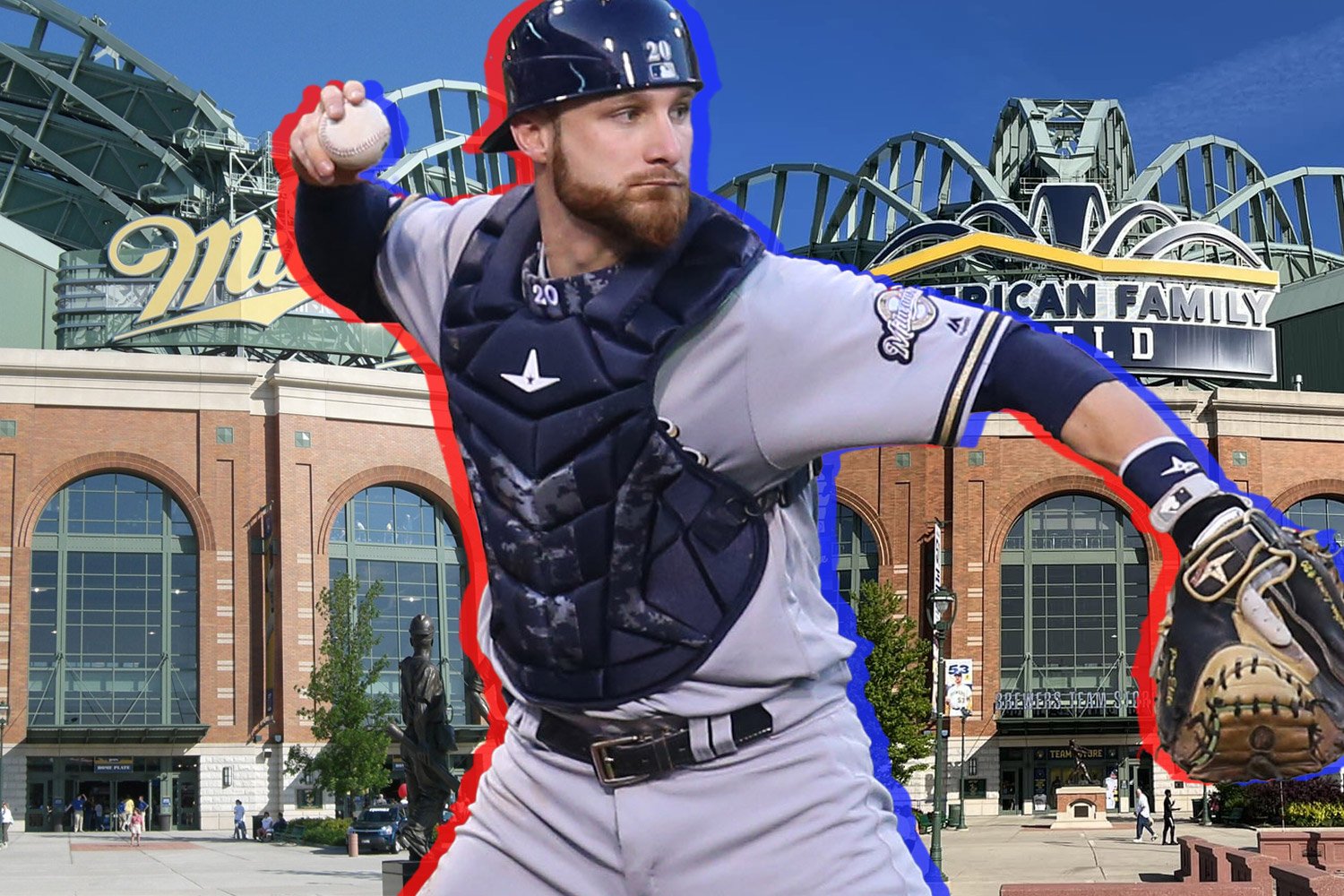 This year marks the 25th anniversary of play at Miller Park/AmFam Field, and the Brewers will celebrate that milestone this summer, including a special day at the ballpark on Friday, July 25. Several players from each of the last 25 seasons will be at the ballyard in late July, signing autographs, working at concession stands, and manning the cash registers at retail stores inside the stadium. To help celebrate, Brewer Fanatic is presenting its All-Time Miller Park/Am Fam Field pitching staff and position player roster. Without further ado, here is Part Three of a three-part series, featuring the 13-man position player roster, based on Brewer stats only from 2001-2025. Catcher Jonathan Lucroy (2010-16) PA – 3137, HR - 79, bWAR – 17.2, OPS - .779, OPS+ - 110 Lucroy was a two-time All-Star with Milwaukee (2014, 2016) and received enough votes to finish fourth in the 2014 NL MVP race. He also led the NL with 53 two-base hits, which is tied for a single-season high for Milwaukee, along with Lyle Overbay in 2004. The right-handed batter was truly an ironman for the Brewers, especially during the 2013 and 2014 seasons, when he played in 300 games, including 255 starts behind the plate. First Base Prince Fielder (2005-11) PA – 4210, HR – 230, bWAR – 16.8, OPS - .929, OPS+ - 143 Fielder piled up all sorts of accolades during his seven-year tenure as a Brewer. He finished seventh in the NL ROY race in 2006 against a stacked field, which included winner Hanley Ramirez, Ryan Zimmerman, and Dan Uggla. The stocky southpaw made three All-Star teams, won a pair of Silver Slugger awards, and finished in the top five MVP voting three times. Fielder is the all-time career leader in Brewer history in OBP, SLG, OPS, and OPS+. His 230 home runs rank third. Second Base Rickie Weeks (2003, 2005-14) PA – 4700, HR – 148, bWAR – 12.4, OPS - .771, OPS+ - 105 The righty-swinging Weeks provided speed and power atop the Brewers lineup, hitting 15 or more home runs four times while stealing 15 or more bags five times. He hit 20+ home runs three times, including a career-high 29 jacks in 2010. Weeks was named to the NL All-Star team in 2011. Although averaging only 100 games per season during his 11-year Brewers career due to various injuries, Weeks ranks in the career top 10 in several categories, including being the leader with 125 hit by pitches. Third Base Aramis Ramírez (2012-15) PA – 1814, HR – 65, bWAR – 7.1, OPS - .815, OPS+ - 120 Ramírez is one of the few third basemen in Brewer history that held a job for a few years and performed well, as documented in the Brewer Fanatic piece, ‘In Search of a Third Sacker: The Brewers’ Never-Ending Story. Ramírez came aboard as a 34-year-old free agent and solidified the Brewers line-up. He led the NL in 2012 with 50 doubles (third in Brewer single-season history) and was named to the All-Star team in 2014. Shortstop Willy Adames (2021-24) PA – 2356, HR – 107, bWAR – 13.9, OPS - .780, OPS+ - 113 Adames came over in a trade from Tampa Bay and stepped into the role at short, giving the Brewers a power bat that they needed. The righty swinging Adames had two seasons of 30+ home runs and knocked in 112 runs last year, ranking second behind Shohei Ohtani’s 130. He also stole a career-high 21 bases in 2024. Outfielders Ryan Braun (2007-20) PA – 7340, HR – 352, bWAR – 47.2, OPS - .891, OPS+ - 134 One of the most polarizing figures in Brewers history, Braun nevertheless posted some outstanding numbers. He was named National League Rookie of the Year in 2007, despite committing 26 errors and posting a horrendous -32 defensive runs saved (DRS) in his only season at third base. Braun was named to the NL All-Star team six times, earned five Silver Slugger awards, and was named the NL MVP in 2011. Braun has the most homers in Brewers history and ranks in the top five in numerous categories. Corey Hart (2004-12) PA – 3802, HR – 154, bWAR – 15.5, OPS - .824, OPS+ - 116 The lanky Hart was an average outfielder (career -6 DRS) but had five 20+ HR seasons, along with a pair of 20+ steal campaigns. He earned All-Star status in 2008 and 2010. Hart ranks in the top 10 in several career Brewer categories, including doubles, triples, and extra-base hits. Christian Yelich (2018-25) PA – 3769, HR – 152, bWAR – 24.1, OPS - .863, OPS+ - 133 (stats thru May 20, 2025) ‘Yeli’ came over from the Marlins and became an instant fan favorite at Miller Park. In his seven-plus years as a Brewer, Yelich was the NL MVP in 2018 and probably would have won a second award in 2019 had he not suffered a fractured right kneecap that caused him to miss the last three weeks of the season. Yelich was named to three All-Star teams and earned two Silver Slugger awards. The lefty-hitting Yelich owns single-season Brewer marks for slugging percentage, on-base plus slugging, and OPS+. In addition, he is in the top 10 career-wise in several categories. RESERVES William Contreras (2023-25) Not sure if the catching depth was that bad over the years or if Contreras is that good. Either way, we are proud to put him on our All-21st Century team JJ Hardy (2005-09) Hard to believe that Hardy played more years for Baltimore than he did for Milwaukee. He was a solid defender and could play a little D, too. He is our back-up SS. Geoff Jenkins (1998-2007) 'Brett Favre' got dinged on this team because two of his best seasons were played at County Stadium prior to 2000. Despite that, his longevity, durability, and power earned him a spot as a spare OF on this team. Carlos Gómez (2010-15) ‘Go-Go’ was an excellent defender who hit with power and stole bases. The only way he knew how to play was ‘all out.’ Hernán Pérez (2015-19) Every team needs a utility played and Pérez is certainly that. In his tenure with the Brewers, he played every spot except for catcher. And he could even pitch if you needed him to. Now, the really fun part: tell us how we did! Who got snubbed, here? Who doesn't quite belong? Join the conversation.
 -
I know you 'new wave' guys aren't much for the 'olden day' stats, but in his first six starts in 2023, Teheran had a 'game score' between 57-66, which FanGraphs (how about that!) ranks as 'above average' or 'good.' Kinda went downhill after that, much like that ski-jumper that fell off the side of the ski jump ramp back when ABC had the 'Wide World of Sports.'
-
It would be nice if ANY injured player with a big contract did that...
-
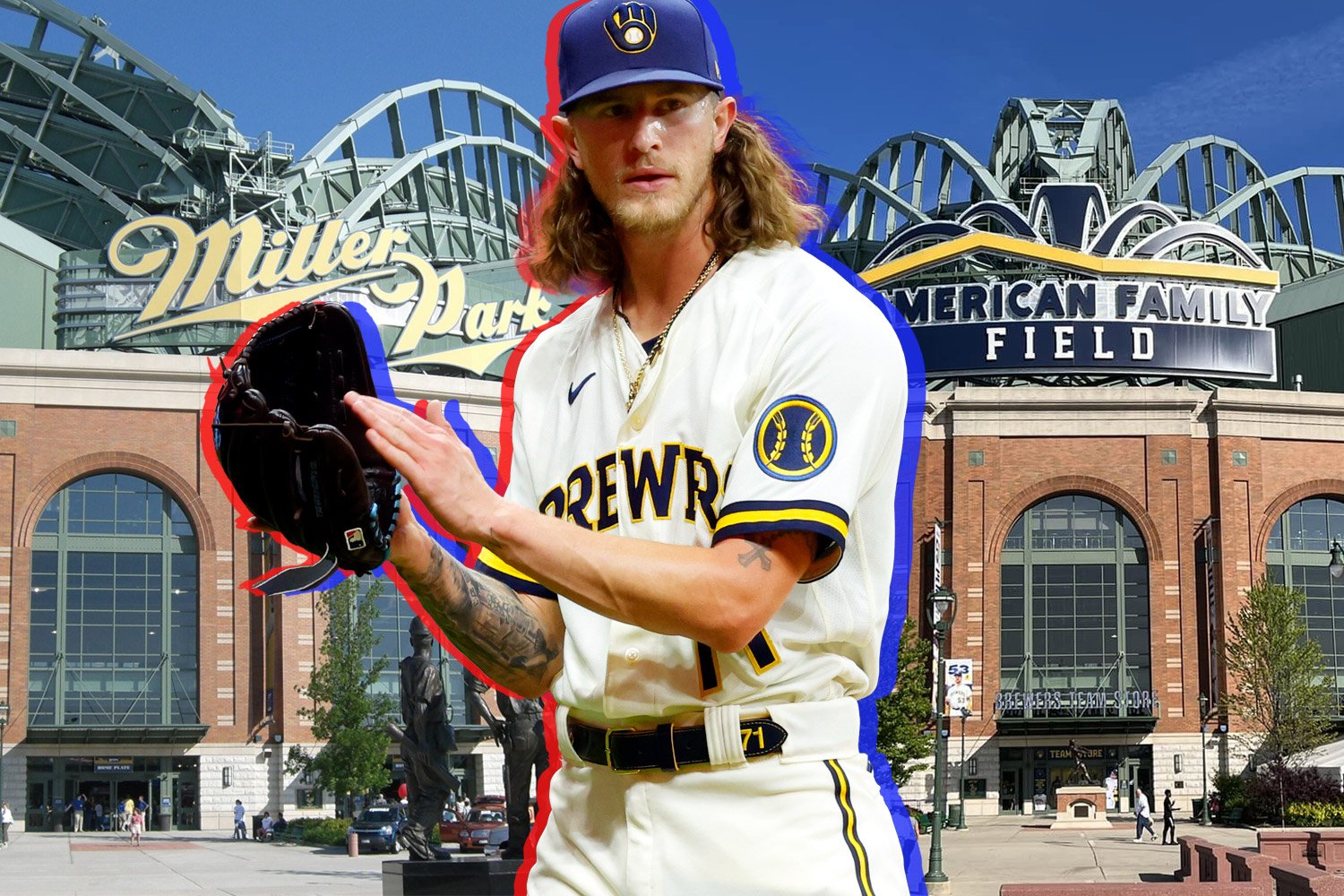 This year is the 25th anniversary of play at The Ueck, and the Brewers are going to celebrate that milestone this summer, including a special day at the ballpark on Friday, July 25. Several players from each of the last 25 seasons will be at the ballyard in late July, signing autographs, working at concession stands, and working the cash registers at retail stores inside the stadium. To help celebrate, Brewer Fanatic is presenting its All-Time Miller Park/Am Fam Field pitching staff and position player roster. Without further ado, here is part two of a three-part series, featuring the eight-man bullpen staff, based on Brewers stats only from 2001-2025. It would be really easy to just throw the eight top closers on this team, but can you imagine the chaos with eight high-leverage guys in the pen, all vying to throw in only the eighth and ninth innings? The first four pitchers listed will be the ‘spot starter/long relief/middle relief’ guys. Each of these players had at least one 10-save season as a Brewer (except for Will Smith), but all were used in a variety of roles. Jeremy Jeffress (2010, 2014-16, 2017-19) GR – 300, Sv – 43, ERA – 2.66, WAR – 7.3, ERA+ - 157, FIP – 3.25 ‘Jay-Jay’ had three separate stints with Milwaukee, adding up to seven campaigns in Brew City. All but one of those years resulted in an ERA+ of more than 122, including a high of 317 in his only All-Star year of 2018. Jeffress had a career-high of 27 saves in 2016, before being traded to Texas in early August. The righthander ranks fifth on the all-time Brewers list, having appearing in 301 games for them. Check out the rocket back to the box in this video: Tyler Thornburg (2012-16) GR – 134, Sv – 13, ERA – 2.87, WAR – 4.1, ERA+ - 141, FIP – 3.83 ‘Thorny’ split time between the minors and Milwaukee in three of his five seasons as a Brewer. Oddly enough, Thornburg was used solely as a starter in Nashville, Huntsville, and Colorado Springs, making 53 starts and zero relief appearances. As a Brewer, Thornburg started 10 games in 144 appearances. Although never a star, the righty was a solid part of the Brewers bullpen, posting two seasons of better than a 190 ERA+, including a high of 199 in 2016. He notched a career high of 13 saves in 67 appearances that year. Will Smith (2014-16) GR – 181, Sv – 1, ERA – 3.28, WAR – 1.0, ERA+ - 120, FIP – 3.08 One of the two lefties in the bullpen crew, ‘Smitty’ led the National League with 78 appearances in 2014 and followed that up the next year with 76 games pitched, along with his Brewers best of an ERA+ of 147 and an outstanding 2.47 FIP. Those two seasons rank in the top 10 on the single-season Brewers games pitched list. Corey Knebel (2015-18, 2020) GR – 231, Sv – 57, ERA – 3.20, WAR – 4.5, ERA+ - 132, FIP – 3.37 The man known as ‘Bird Dog’ filled many roles as a Brewer, including closer during his best season in 2017. That year, he made the NL All-Star team, led the league with 76 appearances, and saved 39 games, tied for third-best in the league. Knebel also posted career bests with a 248 ERA+ and a FIP of 2.53. 10K views · 599 reactions | Sophia with Corey Knebel | Corey Knebel... WWW.FACEBOOK.COM The next four pitchers are the high leverage/closer types. John Axford (2009-13, 2021) GR – 269 , Sv – 106, ERA – 3.41, WAR – 2.2, ERA+ - 118, FIP – 3.32 The ‘Ax Man’ converted 49 consecutive save opportunities in 2011-12. His 46 saves in 2011 led the National League and he followed that up with 35 saves in 2012. The righthander from Ontario heads the Brewers' single-season saves list, while ranking third behind Dan Plesac and Josh Hader in career lockdowns. Frankie Rodriguez (2011-15) GR – 263, Sv – 95, ERA – 2.91, WAR – 5.0, ERA+ - 136, FIP – 3.54 ‘K-Rod’ spent his first three years in Milwaukee playing second fiddle to Axford and Jim Henderson. But in his last two seasons as a Brewer, he showed his true colors: two All-Star games and a combined 82 saves. The righthander ranks fifth on the all-time Brewers save list and ranks in the top seven for single-season saves (44 in 2014, 38 in 2015). Josh Hader (2017-22) GR – 269, Sv – 125, ERA – 2.48, WAR – 10.4, ERA+ - 172, FIP – 2.70 The southpaw known as ‘Haderade’ was named to the NL All-Star team four times in his six-year Brewer career. Hader led the NL with 13 saves in the COVID year of 2020, and had a career-best of 37 in 2019. He ranks second on the all-time Brewers saves list, behind underrated Dan Plesac’s 133. Devin Williams (2019-24) GR – 241, Sv – 68, ERA – 1.83, WAR – 8.9, ERA+ - 231, FIP – 2.39 The right-handed ‘Airbender’ was the NL ROY in 2020, posting ridiculous numbers like a 1,375 ERA+, a 0.86 FIP, and a strikeout rate of 53%. Although he never compiled elite save numbers (high of 36), he was named to the NL All-Star team in 2022 and 2023. His 68 saves rank eighth on the Brewers' career list. HONORABLE MENTION--BULLPEN Carlos Villanueva (2006-10), Marco Estrada (2010-14), Brent Suter (2016-22). Do you agree with our bullpen staff? Let us know in the comments and feel free to add your own choice(s).
 -
I had Peralta at first, but overall, Yo has (so far) had a better career. If we do this next year, Peralta probably gets the nod.
-
Nelson just missed. I always liked him, but in looking at the overall body of work, he was just a bit outside. BTW, nobody ever thought I was in my right mind. I'm not a lefty...lol.
-
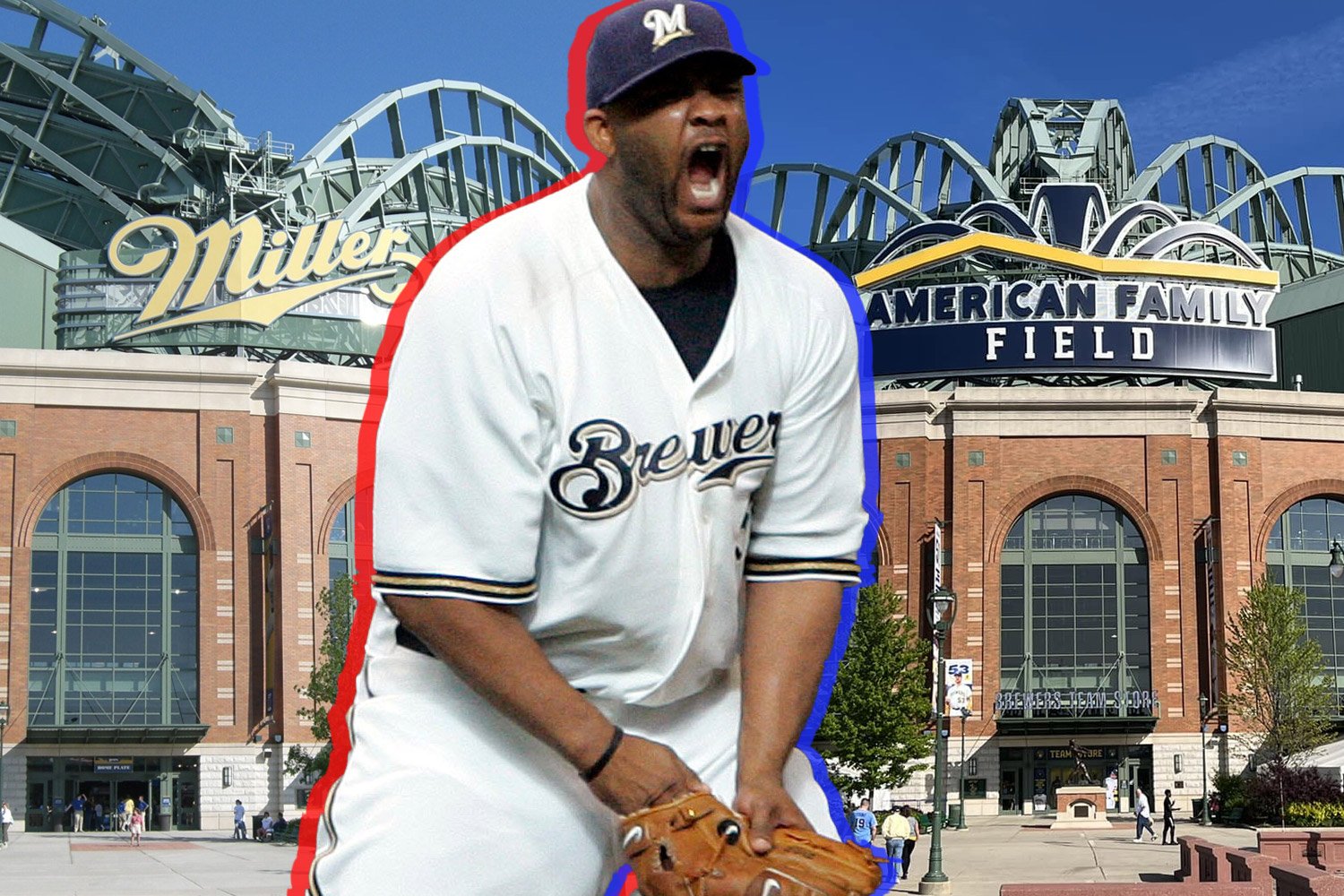 This year is the 25th anniversary of play at Miller Park (or, if you absolutely insist and can't be dissuaded, American Family Field). The Brewers will celebrate that milestone this summer, including a special day at the ballpark on Friday, July 25. Several players from each of the last 25 seasons will be at the ballyard in late July, signing autographs, working at concession stands, and working the cash registers at retail stores inside the stadium. To help celebrate, Brewer Fanatic is presenting its All-Time Miller Park/Am Fam Field pitching staff and position-player roster. Without further ado, here is part one of a three-part series, starting with the All-Time Brewers five-man rotation, based on stats only from 2001-2025. STARTING ROTATION Ben Sheets (2001-08) GS – 221, W – 86, ERA – 3.72, WAR – 25.6, ERA+ - 115, FIP – 3.56 A member of the gold medal-winning 2000 USA Olympic baseball team, Sheets made his debut the same year Miller Park opened. The right-hander pitched one of the finest games in Brewers history on May 16, 2004, when he beat Atlanta 4-1 while allowing only three hits, one walk, and one run—while striking out 18 batters, still a Milwaukee record. Sheets had nine games with 10 or more punchouts during the year, and his 264 strikeouts set a single-season Milwaukee record. Sheets ranks in the top five in Brewers history in WAR, innings pitched, strikeouts, and games started. CC Sabathia (2008) GS – 17, W – 11, ERA – 1.65, WAR – 4.9, ERA+ - 255, FIP – 2.44 The big lefthander played in Milwaukee for part of only one year, but ah, what a magical season! He was acquired in an early July trade with Cleveland for Rob Bryson, Zach Jackson, Matt LaPorta, and Michael Brantley, but he was worth every penny for the three months he spent in Brew City. Of his 17 starts with the Brewers, Sabathia completed seven, including three shutouts. On Aug. 31, he was *this* close to a no-hitter when official scorer Bob Webb ruled that a nubber in front of the plate--bobbled by Sabathia--was a base hit in Pittsburgh. Sabathia went on to earn his ninth straight win as a Brewer with a one-hit shutout, along with 11 strikeouts. Sabathia struggled slightly in three of his six September starts, but beat the Chicago Cubs on the final day of the season. The postseason was a different story. Sabathia had pitched a career-high 253 innings during the season and it showed when he got battered by the Philadelphia Phillies 5-2 in Game 2 of the NLDS, which the Brewers ended up losing in four games. Brandon Woodruff (2017-23) GS – 115, W – 46, ERA – 3.10, WAR – 16.7, ERA+ - 137, FIP – 3.19 Woodruff has been on the shelf since September 2023, after undergoing major surgery to his right shoulder. Despite that fact, he still makes the rotation as an all-Miller Park Brewer. He is a two-time All-Star (2019, 2021) and also finished fifth in NL Cy Young voting in 2021. Woodruff also had a moment at the plate, when he took Clayton Kershaw deep in Game 1 of the 2018 NLCS, which they eventually lost to the Dodgers in seven games. The burly, red-headed righthander known as ‘Woody’ currently ranks first all-time for Milwaukee in ERA, WHIP (1.05), and ERA+. Corbin Burnes (2018-23) GS – 145, W – 62, ERA – 3.18, WAR – 13.6, ERA+ - 129, FIP – 3.11 Burnes began his career as a reliever, and had one solid year and one that was pretty awful. He became a full-time starter during the COVID year of 2020, and became a Cy Young candidate in each of his final four seasons with Milwaukee—including winning the award in 2021. The right-hander was also an All-Star from 2021-2023. Burnes ranks first for single-season marks with K/9 (12.6), ERA+ (170), and FIP (1.63). His career mark of a 3.11 FIP is first on the leaderboard, while he ranks in the top five in ERA, K/9, and ERA+. Yovani Gallardo (2007-14) GS – 211, W – 89, ERA – 3.69, WAR – 15.5, ERA+ - 109, FIP – 3.71 Gallardo posted impressive numbers during his eight seasons in Milwaukee, but had little to show for it in terms of awards. He was named to only one All-Star team (2010). He won a Silver Slugger Award that same year, batting .254/.329/.508 with four homers, four doubles, and an OPS+ of 122. On the mound, the right-hander had four seasons of 200-plus strikeouts, a Brewers record. He also sits atop the career leaderboards with 1,226 strikeouts, and ranks fifth with 89 wins. HONORABLE MENTION-STARTING ROTATION Freddy Peralta (2018-25), Zack Greinke (2011-12), Doug Davis (2003-06, 2010), Mike Fiers (2011-15), Zach Davies (2015-19), Chase Anderson (2016-19). Now, the really fun part: tell us how we did! Who got snubbed, here? Who doesn't quite belong? Join the conversation.
 -
Just goes to show you how the little adjustments can make a world of difference. Hopefully he can keep it up!
-
The way things are going, what would it really hurt to give some 'kids' a chance? If they are truly overmatched, send them back down to get more Triple-A or Double-A reps. Who knows? Boeve or Wilken might turn out to be a good surprise. Same with Mizzy...if you need a pitcher, give him a shot.
- 12 replies
-
- 1
-
-
- jeff cirillo
- bill hall
- (and 2 more)
-
Image courtesy of Stephen Dunn/Allsports Just three short months ago, the Milwaukee Brewers' brain trust was gnashing their collective teeth, tossing and turning in their beds, awake in the early morning hours, trying to find an answer to a ‘simple’ question. Who is going to play third base for us this year? After shortstop Willy Adames found 182 million reasons to flee Brew City and head west to the City by the Bay, Matt Arnold and company worked endlessly to staff the left side of the Milwaukee infield. Shortstop (more or less) was settled early, as former third baseman Joey Ortiz was moved 40 feet away from the position he played well in 2024. That left third base to be filled. Even though there was tons of hope that the situation would resolve itself, that has not been the case. Ortiz has struggled at the ‘6’, posting -4 Defensive Runs Saved (DRS) through his first 46 games. He’s not doing much better at the dish, batting .170/.233/.218 with just one homer and four doubles this year. It’s even worse at third base, though. So far, six players have scuffed the dirt at the position: Caleb Durbin, Vinny Capra, Oliver Dunn, Andruw Monasterio, Sal Frelick, and Isaac Collins. After failures by Dunn and Capra, Durbin has stepped up and done okay in the field, posting a +1 DRS. It is a different story at the plate, as the rookie is slashing .174/.273/.244 across 100 plate appearances. Fear not, Brewer fans. We’ve seen this problem in the past. In fact, since Jeff Cirillo was traded to the Colorado Rockies just before Christmas 1999, there have been more than a few auditions for the third base part. Eighty-eight players have played at least one game at third since the final season at County Stadium. Players like Chris Barnwell (2006), César Izturis (2012), Edwin Maysonet (2012), Irving Falu (2014), Colin Walsh (2016), and Nate Orf (2018) were all trotted out to see if any of them wanted to take a regular role, but unfortunately, none of them did. (By the way, 50 points if you've ever heard of any of these guys.) Bill Hall played six positions in his tenure (2002-09) with the Brewers, but the 263 games at the hot corner were more than he played elsewhere. Craig Counsell also spent time at third, playing over 150 games in his six seasons in Milwaukee. The Brewers signed Aramis Ramírez as a free agent before the 2012 season, and he played well in his three and a half seasons with Milwaukee, playing in 455 games despite missing half of 2013 with a knee injury. Ramírez led the NL with 50 doubles in 2012 and was an All-Star in 2014. He was traded to the Pittsburgh Pirates in July 2015. Next up was Travis Shaw. He hit 63 homers in 2017 and 2018, before struggling badly in 2019—spending half the season in the minors—and being non-tendered after the season. Mike Moustakas split time with Shaw in 2019 and earned an All-Star nod, slashing .254/.329/.516 with 35 longballs. He left after the season as a free agent. Between 2021-2023, no player started more than 58 games in a single season. Ortiz started 124 games in 2024, giving some semblance of stability at a position that had anything but for most of the previous 25 years. Think of how good Brewers fans had it ‘back in the day.’ From the late 1970s until the early '90s, players like Don Money, Sal Bando, and Paul Molitor manned the position on an almost daily basis. However, fans also had to tolerate the temper tantrums of Gary Sheffield for two seasons, pouting his way through the years because he was moved from his shortstop spot in favor of Billy Spiers. Jim Gantner, Kevin Seitzer, and B.J. Surhoff all played huge chunks of time at the spot before Cirillo made it his for four solid years in the late 1990s. But that was a long time ago. Now we are waiting patiently for someone (like Mike Boeve, or Brock Wilken?) to come up and make a splash—to take over the third base spot for the next 10 years. We can only hope. View full article
-
In Search of a Third Sacker: The Brewers' Never-Ending Story
Michael Trzinski posted an article in Brewers
 Just three short months ago, the Milwaukee Brewers' brain trust was gnashing their collective teeth, tossing and turning in their beds, awake in the early morning hours, trying to find an answer to a ‘simple’ question. Who is going to play third base for us this year? After shortstop Willy Adames found 182 million reasons to flee Brew City and head west to the City by the Bay, Matt Arnold and company worked endlessly to staff the left side of the Milwaukee infield. Shortstop (more or less) was settled early, as former third baseman Joey Ortiz was moved 40 feet away from the position he played well in 2024. That left third base to be filled. Even though there was tons of hope that the situation would resolve itself, that has not been the case. Ortiz has struggled at the ‘6’, posting -4 Defensive Runs Saved (DRS) through his first 46 games. He’s not doing much better at the dish, batting .170/.233/.218 with just one homer and four doubles this year. It’s even worse at third base, though. So far, six players have scuffed the dirt at the position: Caleb Durbin, Vinny Capra, Oliver Dunn, Andruw Monasterio, Sal Frelick, and Isaac Collins. After failures by Dunn and Capra, Durbin has stepped up and done okay in the field, posting a +1 DRS. It is a different story at the plate, as the rookie is slashing .174/.273/.244 across 100 plate appearances. Fear not, Brewer fans. We’ve seen this problem in the past. In fact, since Jeff Cirillo was traded to the Colorado Rockies just before Christmas 1999, there have been more than a few auditions for the third base part. Eighty-eight players have played at least one game at third since the final season at County Stadium. Players like Chris Barnwell (2006), César Izturis (2012), Edwin Maysonet (2012), Irving Falu (2014), Colin Walsh (2016), and Nate Orf (2018) were all trotted out to see if any of them wanted to take a regular role, but unfortunately, none of them did. (By the way, 50 points if you've ever heard of any of these guys.) Bill Hall played six positions in his tenure (2002-09) with the Brewers, but the 263 games at the hot corner were more than he played elsewhere. Craig Counsell also spent time at third, playing over 150 games in his six seasons in Milwaukee. The Brewers signed Aramis Ramírez as a free agent before the 2012 season, and he played well in his three and a half seasons with Milwaukee, playing in 455 games despite missing half of 2013 with a knee injury. Ramírez led the NL with 50 doubles in 2012 and was an All-Star in 2014. He was traded to the Pittsburgh Pirates in July 2015. Next up was Travis Shaw. He hit 63 homers in 2017 and 2018, before struggling badly in 2019—spending half the season in the minors—and being non-tendered after the season. Mike Moustakas split time with Shaw in 2019 and earned an All-Star nod, slashing .254/.329/.516 with 35 longballs. He left after the season as a free agent. Between 2021-2023, no player started more than 58 games in a single season. Ortiz started 124 games in 2024, giving some semblance of stability at a position that had anything but for most of the previous 25 years. Think of how good Brewers fans had it ‘back in the day.’ From the late 1970s until the early '90s, players like Don Money, Sal Bando, and Paul Molitor manned the position on an almost daily basis. However, fans also had to tolerate the temper tantrums of Gary Sheffield for two seasons, pouting his way through the years because he was moved from his shortstop spot in favor of Billy Spiers. Jim Gantner, Kevin Seitzer, and B.J. Surhoff all played huge chunks of time at the spot before Cirillo made it his for four solid years in the late 1990s. But that was a long time ago. Now we are waiting patiently for someone (like Mike Boeve, or Brock Wilken?) to come up and make a splash—to take over the third base spot for the next 10 years. We can only hope.
 -
This year is the 25th anniversary of play at Miller Park/Am Fam Field and the Brewers are going to celebrate that milestone this summer, including a special day at the ballpark on Friday, July 25. Several players from each of the last 25 seasons will be at the ballyard in late July, signing autographs, working at concession stands, and working the cash registers at retail stores inside the stadium. To help celebrate, Brewer Fanatic is presenting its All-Time Miller Park/Am Fam Field pitching staff and position player roster. Without further ado, here is Part Two of a three-part series, featuring the eight-man bullpen staff, based on Brewer stats only from 2001-2025. It would be really easy to just throw the eight top closers on this team, but can you imagine the chaos with eight high-leverage guys in the pen, all vying to throw in only the eighth and ninth innings? The first four pitchers listed will be the ‘spot starter/long relief/middle relief’ guys. Each of these players had at least one 10-save season as a Brewer (except for Will Smith), but were all used in a variety of roles by the Brewers. Jeremy Jeffress (2010, 2014-16, 2017-19) GR – 300, Sv – 43, ERA – 2.66, WAR – 7.3, ERA+ - 157, FIP – 3.25 ‘Jay-Jay’ had three separate stints with Milwaukee adding up to seven campaigns in Brew City. All but one of those years resulted in an ERA+ of more than 122, including a high of 317 in his only All-Star year of 2018. Jeffress had a career-high of 27 saves in 2016 before being traded to Texas in early August. The right hander ranks fifth overall on the all-time Brewers list by appearing in 301 games as a Brewer. Check out the rocket back to the box in this video: Tyler Thornburg (2012-16) GR – 134, Sv – 13, ERA – 2.87, WAR – 4.1, ERA+ - 141, FIP – 3.83 ‘Thorny’ split time between the minors and Milwaukee in three of his five seasons as a Brewer. Oddly enough, Thornburg was used solely as a starter in Nashville, Huntsville, and Colorado Springs, making 53 starts and zero relief appearances. As a Brewer, Thornburg started 10 games in 144 appearances. Although never a star, the righty was a solid part of the Brewer bullpen, posting two seasons of better than a 190 ERA+, including a high of 199 in 2016. He notched a career-high of 13 games in 67 appearances that year. Will Smith (2014-16) GR – 181, Sv – 1, ERA – 3.28, WAR – 1.0, ERA+ - 120, FIP – 3.08 One of the two lefties in the bullpen crew, ‘Smitty’ led the National League with 78 appearances in 2014 and followed that up the next year with 76 games pitched, along with his Brewer best of an ERA+ of 1.47 and an outstanding 2.47 FIP. Those two seasons rank in the top 10 of single season Brewers games pitched list. Corey Knebel (2015-18, 2020) GR – 231, Sv – 57, ERA – 3.20, WAR – 4.5, ERA+ - 132, FIP – 3.37 The man known as ‘Bird Dog’ filled many roles as a Brewer, including closer during his best season in 2017 when he made the NL All-Star team, led the league with 76 appearances, and saved 39 games, tied for third best in the league. Knebel also posted career bests with a 248 ERA+ and a FIP of 2.53. 10K views · 599 reactions | Sophia with Corey Knebel | Corey Knebel... WWW.FACEBOOK.COM Corey Knebel thanks Milwaukee Brewers fans after a 4-3 win over the Reds! View full article
-
This year is the 25th anniversary of play at Miller Park/Am Fam Field and the Brewers are going to celebrate that milestone this summer, including a special day at the ballpark on Friday, July 25. Several players from each of the last 25 seasons will be at the ballyard in late July, signing autographs, working at concession stands, and working the cash registers at retail stores inside the stadium. To help celebrate, Brewer Fanatic is presenting its All-Time Miller Park/Am Fam Field pitching staff and position player roster. Without further ado, here is Part One of a three-part series, starting with the All-Time Brewers five-man rotation, based on Brewer stats only from 2001-2025. STARTING ROTATION Ben Sheets (2001-08) GS – 221, W – 86, ERA – 3.72, WAR – 25.6, ERA+ - 115, FIP – 3.56 A member of the gold medal winning 2000 USA Olympic team, Sheets made his debut the same year Miller Park opened. The right-hander pitched one of the finest games in Brewers history on May 16, 2004, when he beat the Atlanta Braves 4-1 while allowing only three hits, one walk, and one run while striking out 18 batters, still a Milwaukee record. Sheets had nine games with 10+ punchouts during the year and his 264 strikeouts set a single season Milwaukee record. Sheets ranks in the top five in Brewer history in WAR, innings pitched, strikeouts, and games started. CC Sabathia (2008) GS – 17, W – 11, ERA – 1.65, WAR – 4.9, ERA+ - 255, FIP – 2.44 The big lefthander played in Milwaukee for part of only one year, but ah, what a magical season! He was acquired in an early July trade with Cleveland for Rob Bryson, Zach Jackson, Matt LaPorta, and Michael Brantley, but he was worth every penny for the three months he spent in Brew City. Of his 17 starts with the Brewers, Sabathia completed seven of them, including three shutouts. On August 31, he was *this* close to a no-hitter when official scorer Bob Webb ruled that a nubber in front of the plate--bobbled by Sabathia--was a base hit in Pittsburgh. Sabathia went on to earn his ninth straight win as a Brewer with a one-hit shutout, along with 11 strikeouts. Sabathia struggled slightly in three of his six September starts, but beat the Chicago Cubs on the final day of the season. The postseason was a different story. Sabathia had pitched a career-high 253 innings during the season and it showed when he got battered by the Philadelphia Phillies 5-2 in Game Two of the NLDS, which the Brewers ended up losing in four games. Brandon Woodruff (2017-23) GS – 115, W – 46, ERA – 3.10, WAR – 16.7, ERA+ - 137, FIP – 3.19 Woodruff has been on the shelf since September 2023 after undergoing major surgery to his right shoulder, but despite that fact he still makes the rotation as an All-Time Brewer. He is a two-time All-Star (2019, 2021) and also finished fifth in NL Cy Young voting in 2021. Woodruff also had a moment at the plate when he took Clayton Kershaw deep in Game One of the 2018 NLCS, which they eventually lost to the Dodgers in seven games. The burly redheaded right hander known as ‘Woody’ currently ranks first all-time for Milwaukee in ERA, WHIP (1.045), and ERA+. Corbin Burnes (2018-23) GS – 145, W – 62, ERA – 3.18, WAR – 13.6, ERA+ - 129, FIP – 3.11 Burnes began his Brewer career as a reliever and had one solid year and one that was pretty awful. He became a full-time starter during the Covid year of 2020 and became a Cy Young candidate each of his final four seasons with Milwaukee, including winning the award in 2021. The right-hander was also an All-Star from 2021-2023. Burnes ranks first for single-season marks with K/9 (12.6), ERA+ (170), and FIP (1.63). His career mark of a 3.11 FIP is first on the leaderboard, while he ranks in the top five in ERA, K/9, and ERA+. Yovani Gallardo (2007-14) GS – 211, W – 89, ERA – 3.69, WAR – 15.5, ERA+ - 109, FIP – 3.71 Gallardo posted impressive numbers during his eight seasons in Milwaukee but had little to show for it in terms of awards, as he was named to only one All-Star team (2010). He won a Silver Slugger award that same year, batting .254/.329/.508 with four homers, four doubles, and an OPS+ of 122. On the mound, the right hander had four seasons of 200+ strikeouts, a Brewer record. He also sits atop the career leaderboards with 1,226 strikeouts, and ranks fifth with 89 wins. HONORABLE MENTION-STARTING ROTATION Freddy Peralta (2018-25), Zack Greinke (2011-12), Doug Davis (2003-06, 2010), Mike Fiers (2011-15), Zach Davies (2015-19), Chase Anderson (2016-19). View full article
-
I am totally in awe of your analysis, along with all the work the young bucks do at BF. My coonskin off to you!!
-
I was thinking the same thing myself. If there is room in Milwaukee and if he really has nothing left to prove at Triple-A...bring him up!!
-
I didn't think Priester was that bad, but a handy-dandy 'quik chek' of the player's stats on B-R shows Myers better in ERA+ (110), FIP (.4.59), WHIP (1.53), and BB% (13.3). Priester is better in K%, 15.2 to 14.7, which is negligible. Give Myers another start or two to see how far the recovery process has come...
-
When Corbin Burnes was in his age-24 season, he had an ERA of 8.82 and an ERA+ of 51. Now he is a four-time All-Star and a Cy Young winner. Let Hall get off the 'DL' and give him a chance. As far as Ashby goes...point taken. I wouldn't say the worst contract ever--think Jeff Suppan--but let him get healthy and let's see what happens.