Michael Trzinski
-
Posts
923 -
Joined
-
Last visited
-
Days Won
1
Content Type
Profiles
Forums
Blogs
Events
News
2026 Milwaukee Brewers Top Prospects Ranking
Milwaukee Brewers Videos
2022 Milwaukee Brewers Draft Picks
Milwaukee Brewers Free Agent & Trade Rumors, Notes, & Tidbits
Guides & Resources
2023 Milwaukee Brewers Draft Picks
2024 Milwaukee Brewers Draft Picks
The Milwaukee Brewers Players Project
2025 Milwaukee Brewers Draft Pick Tracker
2026 Milwaukee Brewers Draft Tracker: Picks & Bonuses
Store
Downloads
Gallery
Everything posted by Michael Trzinski
-
Maybe WC doesn't think he'll get paid if he takes time off...lol
-
That is true, too. Just hoping for the success of the Brando of old!!
-
You don't need to throw 99 to be dominant. Just ask Greg Maddux 😁
-
That was an awesome interview. I really like that kid!
- 4 replies
-
- 1
-

-
- jacob misiorowski
- alexander cornielle
- (and 6 more)
-
Thanks for the kind words. I look forward to seeing more names on the list, as you alluded to.
- 4 replies
-
- 1
-
-
- jacob misiorowski
- alexander cornielle
- (and 6 more)
-
True, we are a long way from the finish line. The main point of the story was that slow starts are more likely to lead to a poor season, but in two instances they ended up pretty good. Winning does solve problems, and I hope to see about 75 more wins this year.
-
Image courtesy of © Wendell Cruz-Imagn Images Okay, let’s face it. The Milwaukee Brewers haven’t been very good in games in enemy territory over the first month of this season. In fact, they have been downright pathetic. But, there is good news. Historical precedent tells us that the Brewers have a 33% chance of making the playoffs this season after their sad performances at Yankee Stadium, Chase Field, Oracle Park, and Busch Stadium. In the team’s first 19 away games, they won just seven of them. Over the last 14 seasons, only three Brewer teams have done worse: 2016 and 2013 (six wins), and 2011 (just five wins). I mentioned good news. In a relatively compressed history of Brewers baseball (my editor would prefer that I avoid using the phrase ‘small sample size’) since the 2010 season, in their first 19 games, the Brew Crew had six seasons in which they started out playing sub-.500 ball in early road contests. But, in two of those campaigns, the Brewers bounced back from sluggish road starts to get to the playoffs. In 2011, the Brewers finished the year with a 96-66 record and made it all the way to the NLCS, losing in six games to St. Louis. Eight years later, the Brewers ended at 89-73 and lost a disappointing Wild Card game to Washington in which Josh Hader surrendered three runs in the eighth inning in a 4-3 loss. The bad news component is that the Brewers also had three losing seasons after the crappy road start, going 73-89 in 2016, 68-94 in 2015, and 74-88 in 2013. Or, they could just finish with an ‘average’ mark like they did in 2012 when they went 83-79 and missed the postseason. So, there is a 67% chance that the Brewers won’t make the playoffs at all. Hey, I called it 'good news', not 'the best news you've ever heard'. In all six of those seasons, the Brewers had a negative run differential: Year RS RA Diff. 2019 77 87 -10 2016 76 104 -28 2015 64 82 -18 2013 66 86 -20 2012 67 92 -25 2011 59 85 -26 This season, the Brewers have scored 100 runs and have allowed 98 in their 7-12 start on the road. We know the team can score runs, but they also give up runs. I prefer to look at the ‘bright side’ when I say that the Brewers will continue to put runs on the board—except for the last two games—and, in time, with a healthy pitching staff, start to allow fewer runs. Joey Ortiz will perform better. Christian Yelich will perform better. That means more runs. Add to that a return of healthy pitchers such as Brandon Woodruff, the Aarons (Ashby, Civale) and the staff should allow fewer runs. And if top prospect Jacob Misiorowski comes to Milwaukee and gives the team a boost like Logan Henderson did in his first big-league start, that will improve the staff and create more excitement at Am Fam Field. That, my friends, is a whole lot of ‘ifs,’ but we as Brewer fans need to keep the faith and expect that our boys will be in the thick of things come September. It would help if they could win a few games outside of Wisconsin, though. View full article
-
Does the Brewers' Poor Road Start Portend A Lost Season?
Michael Trzinski posted an article in Brewers
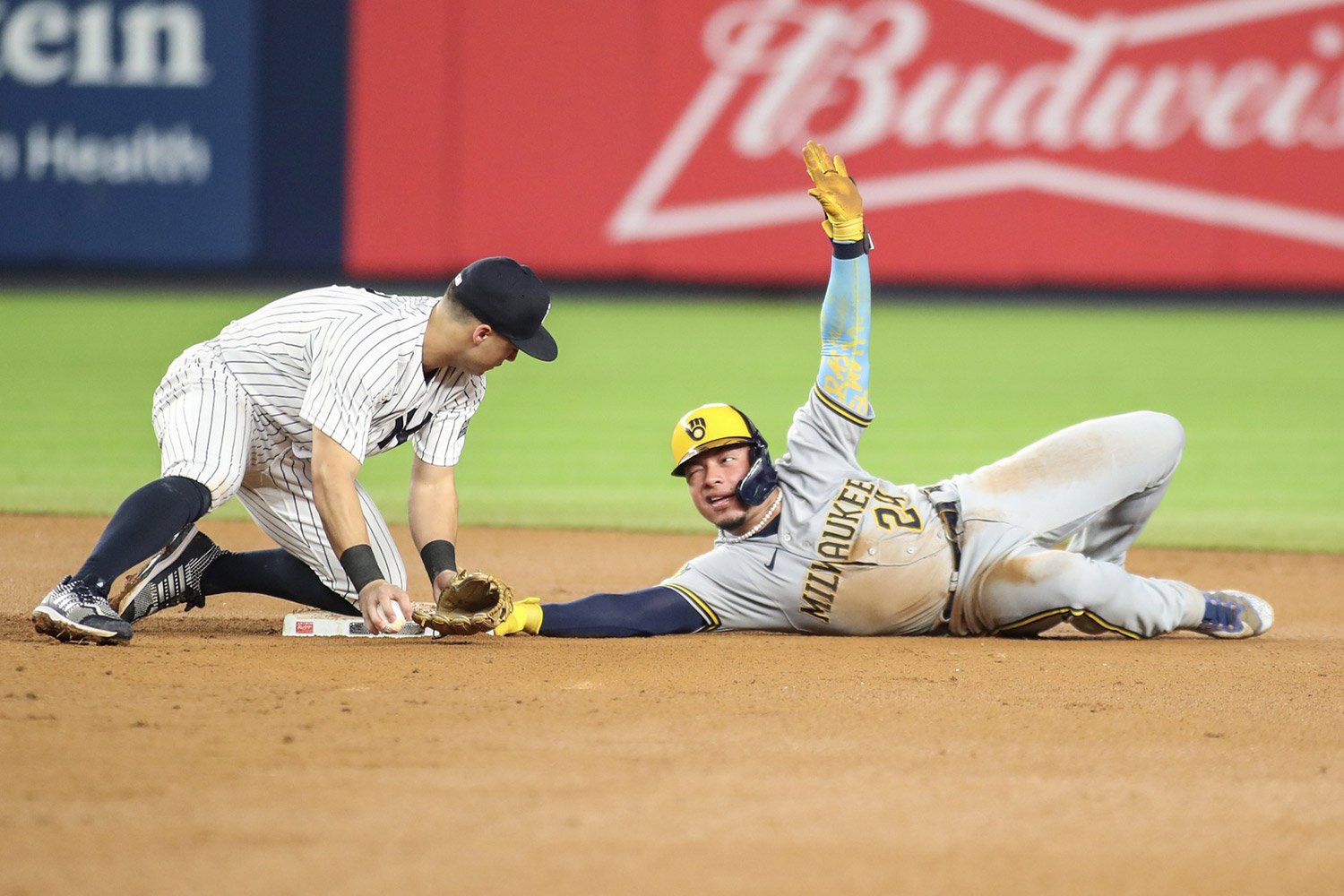 Okay, let’s face it. The Milwaukee Brewers haven’t been very good in games in enemy territory over the first month of this season. In fact, they have been downright pathetic. But, there is good news. Historical precedent tells us that the Brewers have a 33% chance of making the playoffs this season after their sad performances at Yankee Stadium, Chase Field, Oracle Park, and Busch Stadium. In the team’s first 19 away games, they won just seven of them. Over the last 14 seasons, only three Brewer teams have done worse: 2016 and 2013 (six wins), and 2011 (just five wins). I mentioned good news. In a relatively compressed history of Brewers baseball (my editor would prefer that I avoid using the phrase ‘small sample size’) since the 2010 season, in their first 19 games, the Brew Crew had six seasons in which they started out playing sub-.500 ball in early road contests. But, in two of those campaigns, the Brewers bounced back from sluggish road starts to get to the playoffs. In 2011, the Brewers finished the year with a 96-66 record and made it all the way to the NLCS, losing in six games to St. Louis. Eight years later, the Brewers ended at 89-73 and lost a disappointing Wild Card game to Washington in which Josh Hader surrendered three runs in the eighth inning in a 4-3 loss. The bad news component is that the Brewers also had three losing seasons after the crappy road start, going 73-89 in 2016, 68-94 in 2015, and 74-88 in 2013. Or, they could just finish with an ‘average’ mark like they did in 2012 when they went 83-79 and missed the postseason. So, there is a 67% chance that the Brewers won’t make the playoffs at all. Hey, I called it 'good news', not 'the best news you've ever heard'. In all six of those seasons, the Brewers had a negative run differential: Year RS RA Diff. 2019 77 87 -10 2016 76 104 -28 2015 64 82 -18 2013 66 86 -20 2012 67 92 -25 2011 59 85 -26 This season, the Brewers have scored 100 runs and have allowed 98 in their 7-12 start on the road. We know the team can score runs, but they also give up runs. I prefer to look at the ‘bright side’ when I say that the Brewers will continue to put runs on the board—except for the last two games—and, in time, with a healthy pitching staff, start to allow fewer runs. Joey Ortiz will perform better. Christian Yelich will perform better. That means more runs. Add to that a return of healthy pitchers such as Brandon Woodruff, the Aarons (Ashby, Civale) and the staff should allow fewer runs. And if top prospect Jacob Misiorowski comes to Milwaukee and gives the team a boost like Logan Henderson did in his first big-league start, that will improve the staff and create more excitement at Am Fam Field. That, my friends, is a whole lot of ‘ifs,’ but we as Brewer fans need to keep the faith and expect that our boys will be in the thick of things come September. It would help if they could win a few games outside of Wisconsin, though.
 -
For now, the list is going to be top-heavy with righties, as the organization only has four southpaws that made two or more starts during the first month of the season. The eight players listed are all righthanders. Honorable Mentions John Holobetz, Carolina Mudcats – 4 G, 3 GS, 18.2 IP, 3-0, 2.89 ERA, 1.69 FIP, 0.86 WHIP, 13 H, 3 BB, 26 K. Manuel Rodriguez, Wisconsin Timber Rattlers – 5 G, 5 GS, 25.0 IP, 0-1, 1.80 ERA, 3.68 FIP, 1.00 WHIP, 20 H, 5 BB, 25 K. Logan Henderson, Nashville Sounds – 4 G, 4 GS, 20.0 IP, 3-1, 2.70 ERA, 3.50 FIP, 1.05 WHIP, 10 H, 11 BB, 29 K. TOP 5 STARTING PITCHERS FOR APRIL #5 – Tyson Hardin, Wisconsin Timber Rattlers - 4 G, 4 GS, 18.2 IP, 2-0, 0.96 ERA, 2.02 FIP, 0.96 WHIP, 14 H, 4 BB, 21 K. Hardin was selected by the Brewers in the 12th round of the 2024 draft out of Mississippi State, where he worked mostly as a reliever. He made two appearances last year at Low-A Carolina but moved up one level to the T-Rats this year. The 6-foot-1, 188-pound Hardin made a positive impression on his employers, striking out three in two scoreless innings in the Spring Breakout Game in March. From Spencer Michaelis’ 2024 draft recap: A two-pitch pitcher, Hardin’s calling card is a mid-90s fastball with a ton of horizontal run, which he can run up to 97 MPH. Coming from his low arm slot, the fastball has a really interesting shape to it. His other pitch is a mid-80s slider that could use some improvement in its consistency. The 23-year-old started out his season on April 8 against the Quad Cities River Bandits and went five innings without allowing a hit. He walked one while striking out four in a 4-0 Timber Rattlers victory, earning his first win of the year. Five days later, Hardin pitched another dandy, allowing just four hits in four innings and whiffing five batters in a 5-1 win over the River Bandits. Hardin notched his second victory when he allowed four hits and one walk in 5.2 innings, striking out a season-high seven in a 2-0 win over the Lansing Lugnuts on April 19. In his fourth start on April 26, Hardin struggled a bit and left the game after four innings, trailing 2-1 against the Cedar Rapids Kernels. The T-Rats battled back for a 4-2 victory. #4 – Carlos Rodriguez, Nashville Sounds – 5 G, 5 GS, 24.2 IP, 2-0, 1.09 ERA, 1.99 FIP, 1.01 WHIP, 17 H, 8 BB, 33 K. Although a native of Nicaragua, Rodriguez was drafted in the sixth round of the 2021 draft out of Florida SouthWestern State College in Fort Myers, Florida. Now in his fourth year in the organization, Rodriguez is one of several promising hurlers in the Brewers system. Currently ranked 18th on the Brewer Fanatic Top Prospects list, his scouting reports reads as follows: A true six-pitch pitcher, Rodriguez throws all three variations of fastballs (four-seam, sinker, and cutter). He also throws a changeup, curveball, and slider. None of them stand out as plus pitches, but all of them are average or better. Rodriguez helps his stuff play up by messing with the timing of hitters. The 5-foot-11, 205-pound Rodriguez had five starts in April and excelled in three of them. On March 28, he earned his first win in a 7-1 win over the Jacksonville Jumbo Shrimp. In five innings, he allowed three hits, one unearned run, and one walk while whiffing seven. Rodriguez got roughed up in his next outing, managing only four innings while giving up six hits, two runs, and a walk. He struck out four in the 10-2 contest that saw Jacob Misiorowski get the victory in relief over the Gwinnett Stripers. Game number three was the best game of all, a 7-1 win over the Memphis Redbirds on April 11. Rodriguez allowed just one hit and one walk in 5 2/3 innings and punched out seven Redbirds. Six days later, Rodriguez had problems finding the strike zone, walking five while giving up four hits and two runs in 4 2/3 frames in which the Sounds eked out a 5-4 decision. His final start was by far the most disappointing, as the bullpen cost him a win. In 5 1/3 innings, Rodriguez gave up three hits and struck out a season-high eight, but watched three relievers give up nine runs in the last two innings in a 9-7 loss to the Durham Bulls. #3 - Bishop Letson, Wisconsin Timber Rattlers – 4 G, 3 GS, 16.1 IP, 1-0, 1.65 ERA, 1.99 FIP, 0.80 WHIP, 10 H, 3 BB, 17 K. A lanky (6-foot-4, 170-pound) righty from Floyd Central (Indiana) High School, Letson was picked in the 11th round by the Brewers in the 2023 draft. Letson had a solid year at Low-A Carolina in 2024, allowing a meager six hits per nine innings. Per Jake McKibbin, (The Brewers Farm System Is (Once Again) An Arm Factory): Bishop Letson was the 11th-round pick of the 2023 draft and is one of the more intriguing arms out there. The Brewers area scout who picked him up talked about his changeup making some big strides in 2023, along with some velocity jumps on the fastball, which reached 94 mph (it was sitting in the upper 80s earlier in the season). He threw a lot of strikes, but one of the most interesting things was that he’d never had a pitching coach, and the Brewers thought they could take him forward. Although Letson has only one win to his credit, two of his three ‘game scores’ in his starts are rated as ‘good’ by FanGraphs. Think they might know a thing or two about baseball? In his first start against the Cedar Rapids Kernels on April 5, Letson only pitched 3 1/3 innings and allowed one hit, two walks, and two runs while striking out four. Six days later, Letson pitched five innings against the Quad Cities River Bandits and gave up three hits while whiffing a season-high eight batters. Letson pitched in relief one week later, going 2 2/3 innings, allowing two hits, one walk, and one run. On April 25, Letson earned his first win of the season, going 5 1/3 innings against the Kernels, keeping the opponents off the board on four hits while striking out four. #2 – Alexander Cornielle, Biloxi Shuckers – 4 G, 4 GS, 17.2 IP, 1-0, 0.51 ERA, 2.08 FIP, 0.96 WHIP, 9 H, 8 BB, 22 K. Cornielle signed as an international free agent in 2019 and is now in his sixth year as a Brewer. He spent two seasons at High A Wisconsin before getting promoted to Double A Biloxi in 2025. In four starts this year, Cornielle allowed one hit in six innings in a no-decision against the Columbus Clingstones (sounds like a personal problem); struck out the first nine Birmingham Barons in a four-inning, 11-strikeout effort; pitched just 2 2/3 innings five day later against the Barons, allowing one hit, three walk, and three runs (one earned). Cornielle got his first Double A win against the Montgomery Biscuits (who makes up these names?) on April 26, pitching five innings while allowing three hits and one walk while shutting the Biscuits out. The 23-year-old Dominican Republic native is fully bilingual and routinely translated for his teammates last year at High A Wisconsin. #1 – Jacob Misiorowski, Nashville Sounds – 6 G, 5 GS, 29.2 IP, 1-0, 1.82 ERA, 4.07 FIP, 0.91 WHIP, 14 H, 13 BB, 38K. ‘Miz’ was a second-round draft pick by the Brewers in 2022 and has moved up nicely in his fourth year as a Brewer. Currently ranked number one on the Brewer Fanatic Top Prospect list and # 44 on Baseball America’s listing, Misiorowski is without doubt the next big pitching thing for Milwaukee fans. Once again, Jake McKibbin provides some insight into the 23-year-old’s success: Misiorowski has been getting ahead in the count more often this season, with significantly less wildness. If he can maintain this type of pitch mix (with occasional sliders and changeups, to keep hitters off-balance), he may have found an arsenal that he can really command at the big-league level. Misiorowski was named the International Pitcher of the Week for the second time in 2025 last week, based on 11 scoreless innings while allowing only four hits and one walk while striking out 17. Overall, Misiorowski had four starts where he allowed three or fewer hits and had three games with seven or more strikeouts, with a high of nine against the Durham Bulls on April 27. Ironically, Misiorowski got his only victory this year while pitching in relief on April 5 against the Gwinnett Stripers, allowing four walks while striking out a similar number in 3 2/3 innings. As of April 28, Misiorowski led all Triple A with 38 strikeouts and had the sixth-best ERA with 1.82. During his career, Misiorowski has won seven Pitcher of the Week awards in the Carolina League, Southern League, and International League, respectively. View full article
-
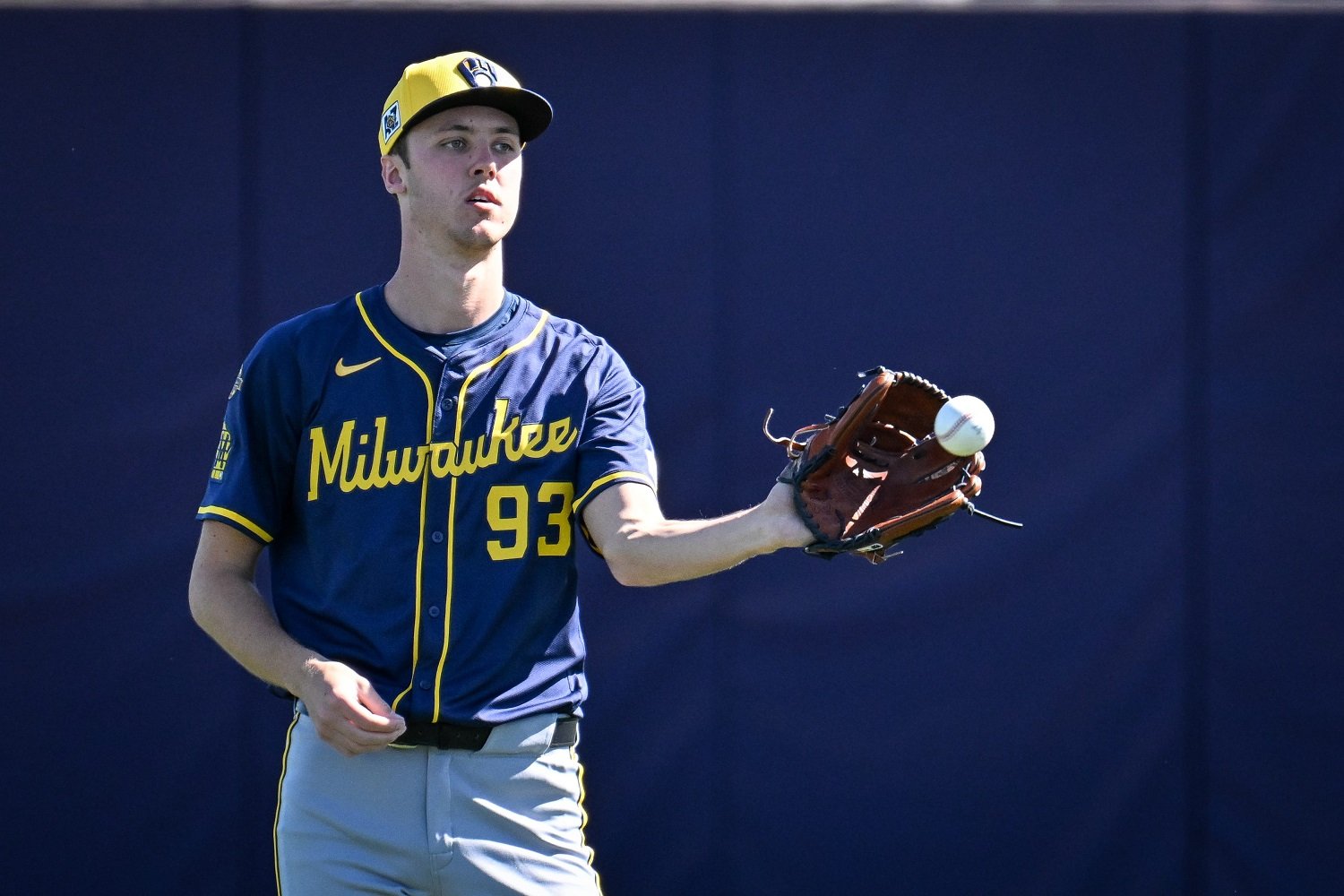 For now, the list is going to be top-heavy with righties, as the organization only has four southpaws that made two or more starts during the first month of the season. The eight players listed are all righthanders. Honorable Mentions John Holobetz, Carolina Mudcats – 4 G, 3 GS, 18.2 IP, 3-0, 2.89 ERA, 1.69 FIP, 0.86 WHIP, 13 H, 3 BB, 26 K. Manuel Rodriguez, Wisconsin Timber Rattlers – 5 G, 5 GS, 25.0 IP, 0-1, 1.80 ERA, 3.68 FIP, 1.00 WHIP, 20 H, 5 BB, 25 K. Logan Henderson, Nashville Sounds – 4 G, 4 GS, 20.0 IP, 3-1, 2.70 ERA, 3.50 FIP, 1.05 WHIP, 10 H, 11 BB, 29 K. TOP 5 STARTING PITCHERS FOR APRIL #5 – Tyson Hardin, Wisconsin Timber Rattlers - 4 G, 4 GS, 18.2 IP, 2-0, 0.96 ERA, 2.02 FIP, 0.96 WHIP, 14 H, 4 BB, 21 K. Hardin was selected by the Brewers in the 12th round of the 2024 draft out of Mississippi State, where he worked mostly as a reliever. He made two appearances last year at Low-A Carolina but moved up one level to the T-Rats this year. The 6-foot-1, 188-pound Hardin made a positive impression on his employers, striking out three in two scoreless innings in the Spring Breakout Game in March. From Spencer Michaelis’ 2024 draft recap: A two-pitch pitcher, Hardin’s calling card is a mid-90s fastball with a ton of horizontal run, which he can run up to 97 MPH. Coming from his low arm slot, the fastball has a really interesting shape to it. His other pitch is a mid-80s slider that could use some improvement in its consistency. The 23-year-old started out his season on April 8 against the Quad Cities River Bandits and went five innings without allowing a hit. He walked one while striking out four in a 4-0 Timber Rattlers victory, earning his first win of the year. Five days later, Hardin pitched another dandy, allowing just four hits in four innings and whiffing five batters in a 5-1 win over the River Bandits. Hardin notched his second victory when he allowed four hits and one walk in 5.2 innings, striking out a season-high seven in a 2-0 win over the Lansing Lugnuts on April 19. In his fourth start on April 26, Hardin struggled a bit and left the game after four innings, trailing 2-1 against the Cedar Rapids Kernels. The T-Rats battled back for a 4-2 victory. #4 – Carlos Rodriguez, Nashville Sounds – 5 G, 5 GS, 24.2 IP, 2-0, 1.09 ERA, 1.99 FIP, 1.01 WHIP, 17 H, 8 BB, 33 K. Although a native of Nicaragua, Rodriguez was drafted in the sixth round of the 2021 draft out of Florida SouthWestern State College in Fort Myers, Florida. Now in his fourth year in the organization, Rodriguez is one of several promising hurlers in the Brewers system. Currently ranked 18th on the Brewer Fanatic Top Prospects list, his scouting reports reads as follows: A true six-pitch pitcher, Rodriguez throws all three variations of fastballs (four-seam, sinker, and cutter). He also throws a changeup, curveball, and slider. None of them stand out as plus pitches, but all of them are average or better. Rodriguez helps his stuff play up by messing with the timing of hitters. The 5-foot-11, 205-pound Rodriguez had five starts in April and excelled in three of them. On March 28, he earned his first win in a 7-1 win over the Jacksonville Jumbo Shrimp. In five innings, he allowed three hits, one unearned run, and one walk while whiffing seven. Rodriguez got roughed up in his next outing, managing only four innings while giving up six hits, two runs, and a walk. He struck out four in the 10-2 contest that saw Jacob Misiorowski get the victory in relief over the Gwinnett Stripers. Game number three was the best game of all, a 7-1 win over the Memphis Redbirds on April 11. Rodriguez allowed just one hit and one walk in 5 2/3 innings and punched out seven Redbirds. Six days later, Rodriguez had problems finding the strike zone, walking five while giving up four hits and two runs in 4 2/3 frames in which the Sounds eked out a 5-4 decision. His final start was by far the most disappointing, as the bullpen cost him a win. In 5 1/3 innings, Rodriguez gave up three hits and struck out a season-high eight, but watched three relievers give up nine runs in the last two innings in a 9-7 loss to the Durham Bulls. #3 - Bishop Letson, Wisconsin Timber Rattlers – 4 G, 3 GS, 16.1 IP, 1-0, 1.65 ERA, 1.99 FIP, 0.80 WHIP, 10 H, 3 BB, 17 K. A lanky (6-foot-4, 170-pound) righty from Floyd Central (Indiana) High School, Letson was picked in the 11th round by the Brewers in the 2023 draft. Letson had a solid year at Low-A Carolina in 2024, allowing a meager six hits per nine innings. Per Jake McKibbin, (The Brewers Farm System Is (Once Again) An Arm Factory): Bishop Letson was the 11th-round pick of the 2023 draft and is one of the more intriguing arms out there. The Brewers area scout who picked him up talked about his changeup making some big strides in 2023, along with some velocity jumps on the fastball, which reached 94 mph (it was sitting in the upper 80s earlier in the season). He threw a lot of strikes, but one of the most interesting things was that he’d never had a pitching coach, and the Brewers thought they could take him forward. Although Letson has only one win to his credit, two of his three ‘game scores’ in his starts are rated as ‘good’ by FanGraphs. Think they might know a thing or two about baseball? In his first start against the Cedar Rapids Kernels on April 5, Letson only pitched 3 1/3 innings and allowed one hit, two walks, and two runs while striking out four. Six days later, Letson pitched five innings against the Quad Cities River Bandits and gave up three hits while whiffing a season-high eight batters. Letson pitched in relief one week later, going 2 2/3 innings, allowing two hits, one walk, and one run. On April 25, Letson earned his first win of the season, going 5 1/3 innings against the Kernels, keeping the opponents off the board on four hits while striking out four. #2 – Alexander Cornielle, Biloxi Shuckers – 4 G, 4 GS, 17.2 IP, 1-0, 0.51 ERA, 2.08 FIP, 0.96 WHIP, 9 H, 8 BB, 22 K. Cornielle signed as an international free agent in 2019 and is now in his sixth year as a Brewer. He spent two seasons at High A Wisconsin before getting promoted to Double A Biloxi in 2025. In four starts this year, Cornielle allowed one hit in six innings in a no-decision against the Columbus Clingstones (sounds like a personal problem); struck out the first nine Birmingham Barons in a four-inning, 11-strikeout effort; pitched just 2 2/3 innings five day later against the Barons, allowing one hit, three walk, and three runs (one earned). Cornielle got his first Double A win against the Montgomery Biscuits (who makes up these names?) on April 26, pitching five innings while allowing three hits and one walk while shutting the Biscuits out. The 23-year-old Dominican Republic native is fully bilingual and routinely translated for his teammates last year at High A Wisconsin. #1 – Jacob Misiorowski, Nashville Sounds – 6 G, 5 GS, 29.2 IP, 1-0, 1.82 ERA, 4.07 FIP, 0.91 WHIP, 14 H, 13 BB, 38K. ‘Miz’ was a second-round draft pick by the Brewers in 2022 and has moved up nicely in his fourth year as a Brewer. Currently ranked number one on the Brewer Fanatic Top Prospect list and # 44 on Baseball America’s listing, Misiorowski is without doubt the next big pitching thing for Milwaukee fans. Once again, Jake McKibbin provides some insight into the 23-year-old’s success: Misiorowski has been getting ahead in the count more often this season, with significantly less wildness. If he can maintain this type of pitch mix (with occasional sliders and changeups, to keep hitters off-balance), he may have found an arsenal that he can really command at the big-league level. Misiorowski was named the International Pitcher of the Week for the second time in 2025 last week, based on 11 scoreless innings while allowing only four hits and one walk while striking out 17. Overall, Misiorowski had four starts where he allowed three or fewer hits and had three games with seven or more strikeouts, with a high of nine against the Durham Bulls on April 27. Ironically, Misiorowski got his only victory this year while pitching in relief on April 5 against the Gwinnett Stripers, allowing four walks while striking out a similar number in 3 2/3 innings. As of April 28, Misiorowski led all Triple A with 38 strikeouts and had the sixth-best ERA with 1.82. During his career, Misiorowski has won seven Pitcher of the Week awards in the Carolina League, Southern League, and International League, respectively.
 -
Image courtesy of Benny Sieu-Imagn Images The latest additions to the Milwaukee Brewers Players Project are pitcher Lew Krausse, and outfielders Von Joshua and Larry Hisle. They all played for the Brewers in the 1970s, but they never played together while on the Brewers. Krausse pitched in 1970-1971, Joshua played in 1976-1977, and Hisle played from 1978-1982. Lew Krausse Krausse was a phenom high school pitcher for Chester (PA) High School. Wanna hear a crazy number? Krausse pitched 18 no-hitters in his four-year prep career. According to the MaxPreps.com website, only Rusty Rugg of Downsville, LA threw more no-nos, with a record of 19 no-hitters between 1986-1989. Krausse signed with the Kansas City Athletics (and owner Charles O. Finley) for $125,000 in 1961 and big things were expected of him. Since he was a ‘bonus baby,’ the right-hander was required to pitch in the major leagues for one season. Krausse made his big-league debut on June 16 against the Los Angeles Angels and tossed a complete game shutout, allowing just three hits and five walks. He finished the year with a 2-5 record, an ERA+ of 86, and a FIP of 4.66. He would pitch for five teams In his 12-year career, including two seasons with Milwaukee. Krausse was the pitcher for the first game in Brewers history but fared poorly in a 12-0 loss to California. He won 21 games for Milwaukee, and a total of 68 in his career. Arm injuries curtailed a once-promising career, which ended in 1974 at age 31. Von Joshua Joshua was a first round pick (17th overall) in the 1967 January draft by the San Francisco Giants, but he chose not to sign and went to Laney College in Oakland instead. Joshua had not signed prior to the June draft, so he was eligible to talk with other teams. He signed with the Los Angeles Dodgers in late June. It was slow going for the lefty-hitting outfielder, as he played only 253 games in five seasons in Los Angeles. He was waived and picked up by the Giants in January 1975 and played by ‘The Bay’ for one season, even though he had career highs in several categories and batted .318/.359/.448 with an OPS+ of 120. The Brewers purchased Joshua in June 1976 and he played 107 games for the Brew Crew and 144 games the following season. But just before the 1978 season, the Brewers cut Joshua. He played in the Mexican League and then played a part-time role for Los Angeles in 1979 and San Diego in 1980. After two more years in the Mexican League, Joshua retired. Larry Hisle At Portsmouth (OH) High School the 6-foot-2 Hisle was so good at basketball that he had 100 college teams drooling over him. The great Oscar Robertson called him one night at home to try to convince the two-sport star to follow the ‘Big O’ to the University of Cincinnati. Hisle chose baseball and was drafted by the Philadelphia Phillies in the inaugural MLB Player Draft in 1965. Hisle was fourth in NL Rookie of the Year voting in 1969 but slumped over the next two years and was dealt to Los Angeles after the 1971 campaign. He played exclusively in Triple A in 1972 and was traded to the St. Louis Cardinals on October 26, 1972. A month later—without playing a game for the Cards—was shipped to the Minnesota Twins. Hisle spent five years with the Twins, including an outstanding 1977 season when he made the AL All-Star team and led the league in RBI with 119. After that season, he opted for free agency and became a Brewer. The right-handed outfielder had one good year with the Brewers, helping the team to its first 90-win (93) season when he led the team with 34 homers, 115 RBI, and an OPS+ of 153. Hisle suffered rotator cuff damage in 1979 and although he tried everything from rest to rehab to surgery, nothing helped. Hisle played a total of 79 games over the next four years before retiring in 1982. Are you interested in Brewers history? Then check out the Milwaukee Brewers Players Project, a community-driven project working to discover and collect great information on every player to wear a Brewers uniform! View full article
-
Inside The Milwaukee Brewers Players Project: That 70s Show
Michael Trzinski posted an article in Brewers
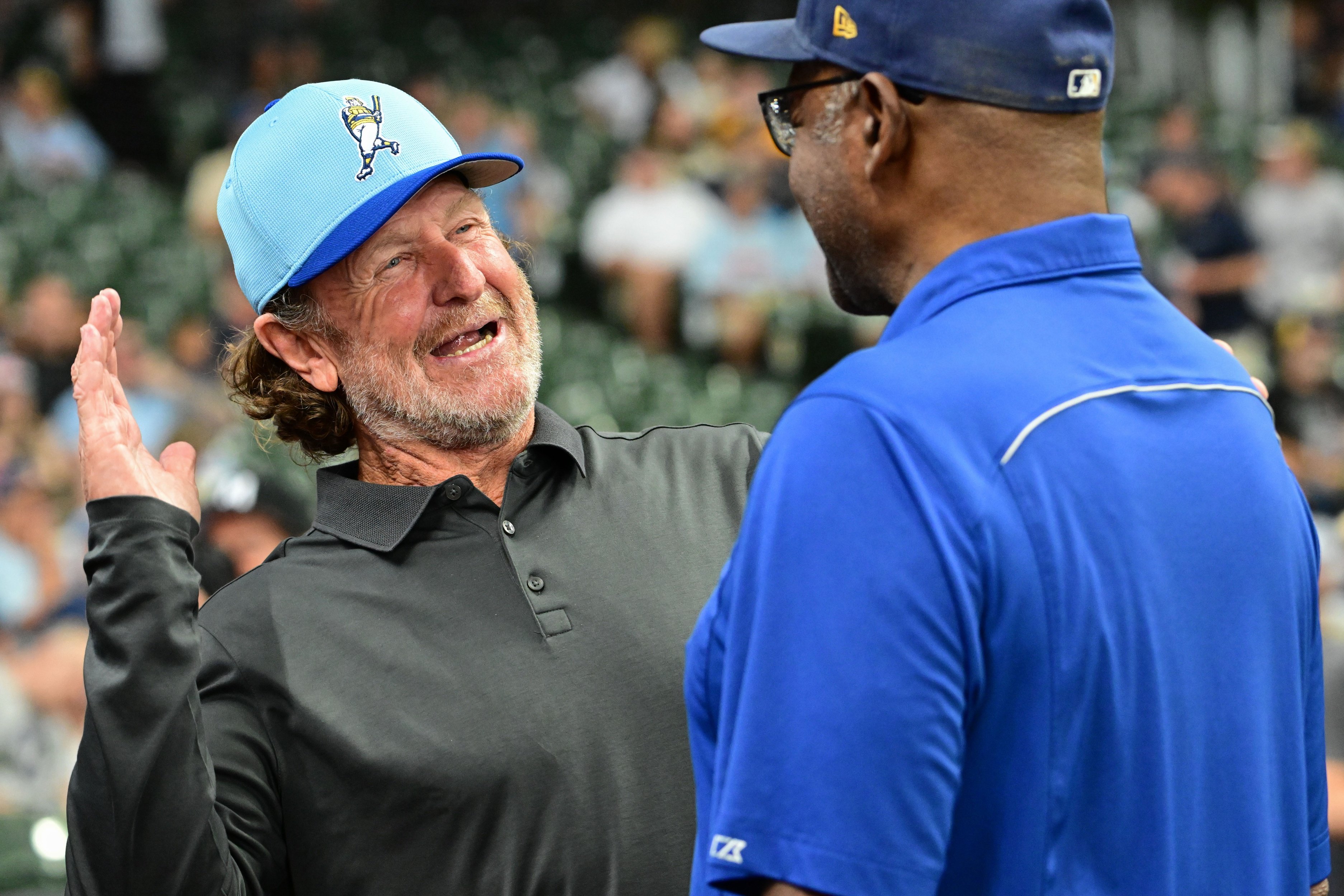 The latest additions to the Milwaukee Brewers Players Project are pitcher Lew Krausse, and outfielders Von Joshua and Larry Hisle. They all played for the Brewers in the 1970s, but they never played together while on the Brewers. Krausse pitched in 1970-1971, Joshua played in 1976-1977, and Hisle played from 1978-1982. Lew Krausse Krausse was a phenom high school pitcher for Chester (PA) High School. Wanna hear a crazy number? Krausse pitched 18 no-hitters in his four-year prep career. According to the MaxPreps.com website, only Rusty Rugg of Downsville, LA threw more no-nos, with a record of 19 no-hitters between 1986-1989. Krausse signed with the Kansas City Athletics (and owner Charles O. Finley) for $125,000 in 1961 and big things were expected of him. Since he was a ‘bonus baby,’ the right-hander was required to pitch in the major leagues for one season. Krausse made his big-league debut on June 16 against the Los Angeles Angels and tossed a complete game shutout, allowing just three hits and five walks. He finished the year with a 2-5 record, an ERA+ of 86, and a FIP of 4.66. He would pitch for five teams In his 12-year career, including two seasons with Milwaukee. Krausse was the pitcher for the first game in Brewers history but fared poorly in a 12-0 loss to California. He won 21 games for Milwaukee, and a total of 68 in his career. Arm injuries curtailed a once-promising career, which ended in 1974 at age 31. Von Joshua Joshua was a first round pick (17th overall) in the 1967 January draft by the San Francisco Giants, but he chose not to sign and went to Laney College in Oakland instead. Joshua had not signed prior to the June draft, so he was eligible to talk with other teams. He signed with the Los Angeles Dodgers in late June. It was slow going for the lefty-hitting outfielder, as he played only 253 games in five seasons in Los Angeles. He was waived and picked up by the Giants in January 1975 and played by ‘The Bay’ for one season, even though he had career highs in several categories and batted .318/.359/.448 with an OPS+ of 120. The Brewers purchased Joshua in June 1976 and he played 107 games for the Brew Crew and 144 games the following season. But just before the 1978 season, the Brewers cut Joshua. He played in the Mexican League and then played a part-time role for Los Angeles in 1979 and San Diego in 1980. After two more years in the Mexican League, Joshua retired. Larry Hisle At Portsmouth (OH) High School the 6-foot-2 Hisle was so good at basketball that he had 100 college teams drooling over him. The great Oscar Robertson called him one night at home to try to convince the two-sport star to follow the ‘Big O’ to the University of Cincinnati. Hisle chose baseball and was drafted by the Philadelphia Phillies in the inaugural MLB Player Draft in 1965. Hisle was fourth in NL Rookie of the Year voting in 1969 but slumped over the next two years and was dealt to Los Angeles after the 1971 campaign. He played exclusively in Triple A in 1972 and was traded to the St. Louis Cardinals on October 26, 1972. A month later—without playing a game for the Cards—was shipped to the Minnesota Twins. Hisle spent five years with the Twins, including an outstanding 1977 season when he made the AL All-Star team and led the league in RBI with 119. After that season, he opted for free agency and became a Brewer. The right-handed outfielder had one good year with the Brewers, helping the team to its first 90-win (93) season when he led the team with 34 homers, 115 RBI, and an OPS+ of 153. Hisle suffered rotator cuff damage in 1979 and although he tried everything from rest to rehab to surgery, nothing helped. Hisle played a total of 79 games over the next four years before retiring in 1982. Are you interested in Brewers history? Then check out the Milwaukee Brewers Players Project, a community-driven project working to discover and collect great information on every player to wear a Brewers uniform!
 -
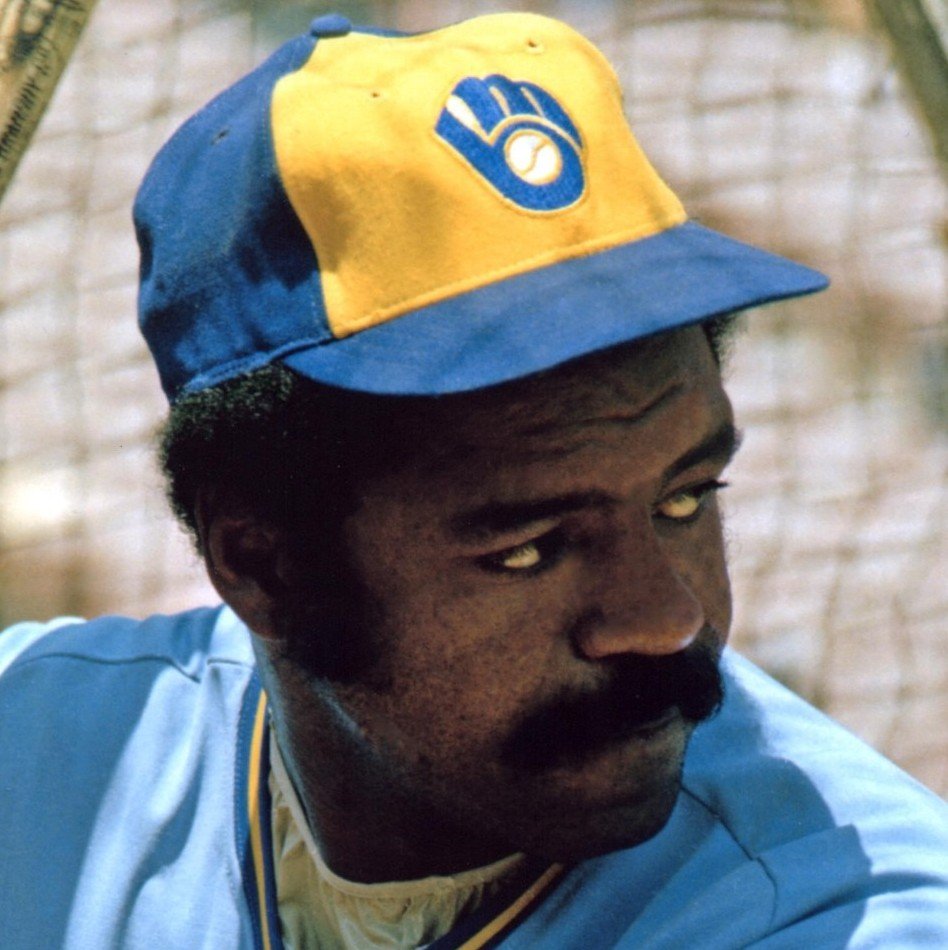 When Milwaukee signed Larry Hisle as a free agent just before Thanksgiving in 1977, Brewers fans were excited. One of the first big-name free agents to play for Milwaukee, Hisle was seen as a power hitting outfielder that would lead the Brew Crew into the 1980s. Unfortunately, 1978 was the one and only great season for Hisle as a Brewer. He suffered a rotator cuff injury the following season and only played 79 games over the next four years before retiring in 1982. Larry Eugene Hisle was drafted out of Portsmouth (Ohio) High School in the second round of the very first MLB draft in 1965 by the Philadelphia Phillies, two picks behind Johnny Bench and one pick in front of long-time Minnesota Twins infielder Danny Thompson. He chose baseball over basketball even though he had over 100 colleges talking with him, along with basketball star Oscar Robertson, who tried to get Hisle to play at Big O’s alma mater, University of Cincinnati. After just two years in the minors, Hisle broke camp with the Phillies in 1968. The right-handed Hisle singled off Claude Osteen of Los Angeles in his first major league at-bat and started off his year batting .400 (4-for-10) in his first three games. But after sitting on the bench for a week or so, the Phillies optioned Hisle to Triple A San Diego to get him regular playing time. He finished the season with San Diego, slashing .303/.365/.446 with six home runs and 17 stolen bases across 267 at-bats. His season ended in early July when he was diagnosed with hepatitis. Hisle starred in his ‘rookie’ season in 1969, hitting .266/.338/.459 with 20 homers, 18 stolen bases, and an OPS+ of 124 over 482 at-bats. He finished tied for fourth in the National League Rookie of the Year race, finishing behind winner Ted Sizemore, Coco Laboy, and Al Oliver. In 1970, Hisle dropped off, hitting only .205/.299/.353 with 10 homers. The following season, Hisle started the season with Philadelphia but after getting only 42 at-bats in the first two months, was sent down to Triple A Eugene. He tore it up in Oregon, slashing .328/.400/.597 with 29 extra-base hits in 186 at-bats. For his reward, he was traded to the Los Angeles Dodgers after the season. He spent all of 1972 at Triple A Albuquerque and was named to the Pacific Coast League All-Star team after batting .325/.410/.561 with 23 homers and 20 stolen bases. After the season, Hisle was traded…twice. First, on October 26 he was traded to St. Louis and then on November 29, he was traded to Minnesota. Over the next five years, Hisle played 140 games or more four times and was named to the AL All-Star team in 1977. In that same season, Hisle batted .302/.369/.533 with 28 homers and a league-leading 119 RBI, along with an OPS+ of 144. That off-season, Hisle signed a six-year, $3.155 million free agent contract with Milwaukee. The 1978 season was arguably Hisle’s finest season. He batted .290/.374/.533 with a career-high 34 homers, 115 RBI, and had an OPS+ of 153. He was once again named to the AL All-Star team and was third in AL MVP voting, trailing only winner Jim Rice and pitcher Ron Guidry. Hisle began the 1979 season and was batting .313/.353/.625 on April 20 when he hurt his right shoulder making a throw from left field. He played exclusively at DH the next two weeks but went on the disabled list when the pain became too great. He returned for two games but was shut down for the season in mid-September. In the off-season, Hisle was diagnosed with a torn rotator cuff. He rehabbed in 1980, had shoulder surgery in 1981, and after another disabled list stint in 1982, retired after the season. Hisle coached in the minor leagues for a few different organizations and in the bigs as a hitting coach for Toronto from 1992-1995.
 -
When Milwaukee signed Larry Hisle as a free agent just before Thanksgiving in 1977, Brewers fans were excited. One of the first big-name free agents to play for Milwaukee, Hisle was seen as a power hitting outfielder that would lead the Brew Crew into the 1980s. Unfortunately, 1978 was the one and only great season for Hisle as a Brewer. He suffered a rotator cuff injury the following season and only played 79 games over the next four years before retiring in 1982. Larry Eugene Hisle was drafted out of Portsmouth (Ohio) High School in the second round of the very first MLB draft in 1965 by the Philadelphia Phillies, two picks behind Johnny Bench and one pick in front of long-time Minnesota Twins infielder Danny Thompson. He chose baseball over basketball even though he had over 100 colleges talking with him, along with basketball star Oscar Robertson, who tried to get Hisle to play at Big O’s alma mater, University of Cincinnati. After just two years in the minors, Hisle broke camp with the Phillies in 1968. The right-handed Hisle singled off Claude Osteen of Los Angeles in his first major league at-bat and started off his year batting .400 (4-for-10) in his first three games. But after sitting on the bench for a week or so, the Phillies optioned Hisle to Triple A San Diego to get him regular playing time. He finished the season with San Diego, slashing .303/.365/.446 with six home runs and 17 stolen bases across 267 at-bats. His season ended in early July when he was diagnosed with hepatitis. Hisle starred in his ‘rookie’ season in 1969, hitting .266/.338/.459 with 20 homers, 18 stolen bases, and an OPS+ of 124 over 482 at-bats. He finished tied for fourth in the National League Rookie of the Year race, finishing behind winner Ted Sizemore, Coco Laboy, and Al Oliver. In 1970, Hisle dropped off, hitting only .205/.299/.353 with 10 homers. The following season, Hisle started the season with Philadelphia but after getting only 42 at-bats in the first two months, was sent down to Triple A Eugene. He tore it up in Oregon, slashing .328/.400/.597 with 29 extra-base hits in 186 at-bats. For his reward, he was traded to the Los Angeles Dodgers after the season. He spent all of 1972 at Triple A Albuquerque and was named to the Pacific Coast League All-Star team after batting .325/.410/.561 with 23 homers and 20 stolen bases. After the season, Hisle was traded…twice. First, on October 26 he was traded to St. Louis and then on November 29, he was traded to Minnesota. Over the next five years, Hisle played 140 games or more four times and was named to the AL All-Star team in 1977. In that same season, Hisle batted .302/.369/.533 with 28 homers and a league-leading 119 RBI, along with an OPS+ of 144. That off-season, Hisle signed a six-year, $3.155 million free agent contract with Milwaukee. The 1978 season was arguably Hisle’s finest season. He batted .290/.374/.533 with a career-high 34 homers, 115 RBI, and had an OPS+ of 153. He was once again named to the AL All-Star team and was third in AL MVP voting, trailing only winner Jim Rice and pitcher Ron Guidry. Hisle began the 1979 season and was batting .313/.353/.625 on April 20 when he hurt his right shoulder making a throw from left field. He played exclusively at DH the next two weeks but went on the disabled list when the pain became too great. He returned for two games but was shut down for the season in mid-September. In the off-season, Hisle was diagnosed with a torn rotator cuff. He rehabbed in 1980, had shoulder surgery in 1981, and after another disabled list stint in 1982, retired after the season. Hisle coached in the minor leagues for a few different organizations and in the bigs as a hitting coach for Toronto from 1992-1995. View full player
-
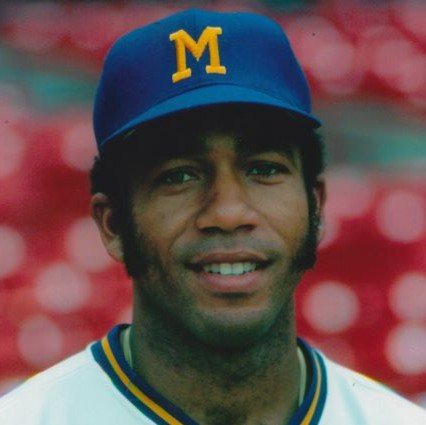 For those of you old enough to remember, Von Joshua was a member of the Los Angeles Dodgers for six years and played in the majors for 10 seasons back in the ‘70s. But did you know that Joshua amassed the most at-bats for any one team in just two years with the Brewers? The left-handed Joshua, an Oakland native, was selected 17th overall in the first round by the San Francisco Giants in the January 1967 out of Laney College. He didn’t sign with the Giants but instead inked a free agent contract with the Dodgers in June 1967. After just three years in the minors, Joshua made his big-league debut in September 1969, and played a handful of games, mostly as a pinch-runner and defensive replacement for the Dodgers. Joshua got his first major league hit on October 1 and went 2-for-3 off Houston’s Larry Dierker. Joshua would split time between the Dodgers and their Triple A teams at Spokane and Albuquerque over the next three years before playing exclusively for Los Angeles in 1973-1974. He suffered a broken wrist when hit by a pitch in mid-April 1973 and missed 33 games. The following season, Joshua went on the disabled list almost the same time of year, this time missing 24 games with back spasms. He finished the season with just 124 at-bats across 81 games. Joshua asked to be traded but after no trade partners could be found, was released. San Francisco signed him in late January 1975. The outfielder got a chance to play full-time with the Giants and Joshua responded with career highs of 75 runs, 161 hits, 25 doubles, 10 triples, 20 steals, all three ‘slash numbers,' and an OPS+ of 120. The next season, Joshua lost his centerfield job to Larry Herndon and once again asked to be traded. The Giants put him on waivers, and he was claimed by the Brewers in early June in a waiver 'trade' for a player to be named later. Joshua took over the CF spot from Gorman Thomas and played 107 games and posted a 93 OPS+. In 1977, Joshua played 144 games and set career highs with nine homers and 49 RBI. The next spring, the Brewers acquired outfielders Larry Hisle and Ben Oglivie and released Joshua. He rejuvenated his career with Tabasco (the team, not the hot sauce) in the Mexican League in 1978 and got part-time jobs with Los Angeles (1979) and San Diego (1980). After being released by the Padres late in the year, Joshua played in the Mexican League for two more years before retiring. In 1989, Joshua batted .349 in 21 games for St. Lucie in the Senior Professional Baseball Association. Of his career 2,234 at-bats, 959 came with the Brewers.
 -
For those of you old enough to remember, Von Joshua was a member of the Los Angeles Dodgers for six years and played in the majors for 10 seasons back in the ‘70s. But did you know that Joshua amassed the most at-bats for any one team in just two years with the Brewers? The left-handed Joshua, an Oakland native, was selected 17th overall in the first round by the San Francisco Giants in the January 1967 out of Laney College. He didn’t sign with the Giants but instead inked a free agent contract with the Dodgers in June 1967. After just three years in the minors, Joshua made his big-league debut in September 1969, and played a handful of games, mostly as a pinch-runner and defensive replacement for the Dodgers. Joshua got his first major league hit on October 1 and went 2-for-3 off Houston’s Larry Dierker. Joshua would split time between the Dodgers and their Triple A teams at Spokane and Albuquerque over the next three years before playing exclusively for Los Angeles in 1973-1974. He suffered a broken wrist when hit by a pitch in mid-April 1973 and missed 33 games. The following season, Joshua went on the disabled list almost the same time of year, this time missing 24 games with back spasms. He finished the season with just 124 at-bats across 81 games. Joshua asked to be traded but after no trade partners could be found, was released. San Francisco signed him in late January 1975. The outfielder got a chance to play full-time with the Giants and Joshua responded with career highs of 75 runs, 161 hits, 25 doubles, 10 triples, 20 steals, all three ‘slash numbers,' and an OPS+ of 120. The next season, Joshua lost his centerfield job to Larry Herndon and once again asked to be traded. The Giants put him on waivers, and he was claimed by the Brewers in early June in a waiver 'trade' for a player to be named later. Joshua took over the CF spot from Gorman Thomas and played 107 games and posted a 93 OPS+. In 1977, Joshua played 144 games and set career highs with nine homers and 49 RBI. The next spring, the Brewers acquired outfielders Larry Hisle and Ben Oglivie and released Joshua. He rejuvenated his career with Tabasco (the team, not the hot sauce) in the Mexican League in 1978 and got part-time jobs with Los Angeles (1979) and San Diego (1980). After being released by the Padres late in the year, Joshua played in the Mexican League for two more years before retiring. In 1989, Joshua batted .349 in 21 games for St. Lucie in the Senior Professional Baseball Association. Of his career 2,234 at-bats, 959 came with the Brewers. View full player
-
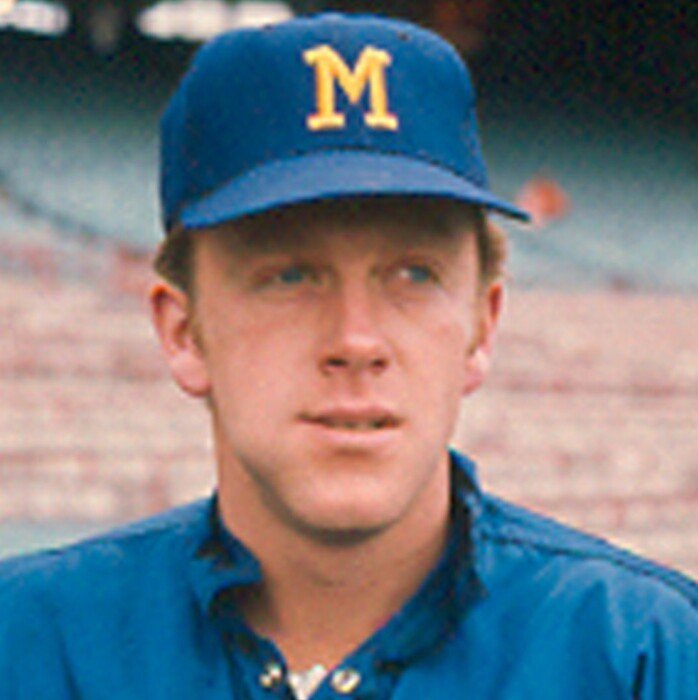 Over the last six weeks of Lew Krausse’s high school career at Chester (Pennsylvania) High School, he pitched three no-hitters, a one-hitter, a two-hitter, and a pair of three-hitters. In that span of eight games, Krausse whiffed 114 batters and allowed a total of 17 hits. Krausse finished his high school career with 18 no-hitters. Hours after his high school graduation, Krausse signed with the Kansas City Athletics for $125,000. Since he was a ‘bonus baby,’ he was required to spend his first year in the majors. Eight days after signing his contract, Krausse made his major league debut on June 16, less than two months after his 18th birthday. In front of 25,869 fans in Municipal Stadium, the right-hander tossed a complete game shutout, allowing only four hits to the Los Angeles Angels in a 4-0 win. After that sparkling debut, Krausse got roughed up in his next five starts, losing each game. Manager Hank Bauer pulled his young pitcher from the rotation, and he made only two starts over the last two months of the season. But he ended the year the way he started it, with a complete-game 3-2 win over the Washington Senators. In what would be a struggle throughout his career, Krausse battled control issues, walking batters at a rate of 18.0%. Krausse spent most of the next four years in the minors before returning to the bigs in 1966. He set career highs with 14 wins and a FIP of 3.33 that year. He pitched three more years with the A’s, the last two in Oakland. Krausse started only 60 games of the 127 he appeared in from 1967-1969, winning 24 times and earning 17 saves in a part-time late inning role, including 1969 when the A's were trying to make a starter out of Rollie Fingers. In early 1970, Krausse was traded to the expansion Milwaukee Brewers, where he spent two seasons. He led the team with 35 starts that first year, and finished second with 13 wins, 216 innings pitched, and 130 strikeouts. The following year, in 43 appearances (22 starts) he fashioned a career high ERA+ of 117. Krausse was involved in a 10-player mega-deal with Boston after the 1971 season, going to the Red Sox with Tommy Harper, Marty Pattin, and Pat Skrable for Ken Brett, Billy Conigliaro, Joe Lahoud, Jim Lonborg, Don Pavletich, and George Scott. Krausse only pitched in 24 games (seven starts) for Boston and was released the following spring. He pitched one game with the St. Louis Cardinals in 1973 and then saw some action with the Atlanta Braves in 1974, appearing in 29 games with four starts. His 91 ERA+ was the third best of his career. After a disappointing 1975 season with Oakland’s Triple-A Tucson club, Krausse hung up his spikes. With his success in high school and his spectacular big-league debut, many experts saw greatness in Krausse’s career, but control problems and some injuries derailed that plan.
 -
Over the last six weeks of Lew Krausse’s high school career at Chester (Pennsylvania) High School, he pitched three no-hitters, a one-hitter, a two-hitter, and a pair of three-hitters. In that span of eight games, Krausse whiffed 114 batters and allowed a total of 17 hits. Krausse finished his high school career with 18 no-hitters. Hours after his high school graduation, Krausse signed with the Kansas City Athletics for $125,000. Since he was a ‘bonus baby,’ he was required to spend his first year in the majors. Eight days after signing his contract, Krausse made his major league debut on June 16, less than two months after his 18th birthday. In front of 25,869 fans in Municipal Stadium, the right-hander tossed a complete game shutout, allowing only four hits to the Los Angeles Angels in a 4-0 win. After that sparkling debut, Krausse got roughed up in his next five starts, losing each game. Manager Hank Bauer pulled his young pitcher from the rotation, and he made only two starts over the last two months of the season. But he ended the year the way he started it, with a complete-game 3-2 win over the Washington Senators. In what would be a struggle throughout his career, Krausse battled control issues, walking batters at a rate of 18.0%. Krausse spent most of the next four years in the minors before returning to the bigs in 1966. He set career highs with 14 wins and a FIP of 3.33 that year. He pitched three more years with the A’s, the last two in Oakland. Krausse started only 60 games of the 127 he appeared in from 1967-1969, winning 24 times and earning 17 saves in a part-time late inning role, including 1969 when the A's were trying to make a starter out of Rollie Fingers. In early 1970, Krausse was traded to the expansion Milwaukee Brewers, where he spent two seasons. He led the team with 35 starts that first year, and finished second with 13 wins, 216 innings pitched, and 130 strikeouts. The following year, in 43 appearances (22 starts) he fashioned a career high ERA+ of 117. Krausse was involved in a 10-player mega-deal with Boston after the 1971 season, going to the Red Sox with Tommy Harper, Marty Pattin, and Pat Skrable for Ken Brett, Billy Conigliaro, Joe Lahoud, Jim Lonborg, Don Pavletich, and George Scott. Krausse only pitched in 24 games (seven starts) for Boston and was released the following spring. He pitched one game with the St. Louis Cardinals in 1973 and then saw some action with the Atlanta Braves in 1974, appearing in 29 games with four starts. His 91 ERA+ was the third best of his career. After a disappointing 1975 season with Oakland’s Triple-A Tucson club, Krausse hung up his spikes. With his success in high school and his spectacular big-league debut, many experts saw greatness in Krausse’s career, but control problems and some injuries derailed that plan. View full player
- 1 reply
-
- 1
-
-
Reminiscent of the high school game I announced at last night. The score was tied 1-1 in the bottom of the seventh (last inning) and the opposing SS, who had performed flawlessly all night, booted two balls in the inning, allowing us to escape with a 2-1 walk-off victory after a bases loaded single. Sh*t happens, I guess...
- 3 replies
-
- 1
-
-
- brice turang
- joey ortiz
- (and 1 more)
-
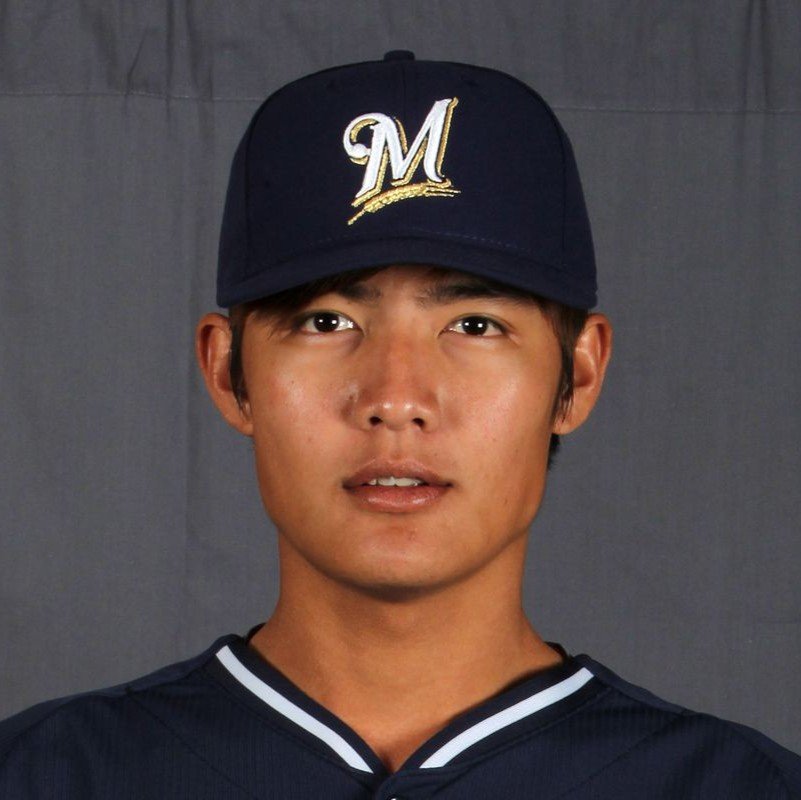 Wei-Chung Wang signed with the Pittsburgh Pirates as an international free agent in 2011 out of Taiwan but after the team found that Wang needed Tommy John surgery, they voided his contract and re-signed him to a new deal. The slender (6-foot-1, 160 pound) southpaw performed well for the Bucs’ Rookie team in the Gulf Coast League in 2013 but was snapped up by the Brewers in the 2013 Rule 5 Draft. Wang pitched decently in spring training and made his big-league debut for Milwaukee on April 14 against St. Louis. He allowed one hit in an inning of work in a 4-0 loss. Over the first three-plus months of the season, Wang was rarely called upon, appearing in only 13 of the team’s first 93 games before he was placed on the 15-day disabled list with left shoulder ‘tightness.’ After making seven appearances (six starts) at three minor league stops, Wang pitched in one more game for Milwaukee in September before finishing his season with six starts in the Arizona Fall League. In 2015, Wang made 25 starts at High-A Brevard County in the Florida State League, winning 10 games and posting a 3.54 ERA. He also made one start at Triple-A Colorado Springs toward the end of the season. The following season, Wang split time between Double-A Biloxi (19 starts) and Triple-A Colorado Springs (five starts) and had a combined 3.78 ERA and struck out 114 batters in 133.1 innings while walking only 35. The Brewers decided to convert Wang to relief in 2017 and he made 47 appearances at Colorado Springs, posting a 6-2 record and an ERA of only 2.05 with one save. Called up to Milwaukee in September, Wang epitomized the ‘lefty-one-out-guy’ (LOOGY) as he faced nine batters in eight appearances. Unfortunately, he got lit up, allowing five hits and two runs while posting a 9.91 FIP and a 41 ERA+. The following January, Wang was released by the Brewers. Wang signed on with the NC Dinos in the KBO League in South Korea. He made 25 starts and posted a 4.26 ERA. In January 2019, the Oakland A’s signed him as a free agent. He began the season at Triple-A but was called up by Oakland in late May. After his first 14 appearances, Wang owned a nifty 1.47 ERA. But then reality hit as Wang got knocked around in his next six outings, when he allowed 13 hits, seven runs, and five walks and saw his ERA balloon to 3.33. Oakland DFA’d Wang in late August and he was quickly scooped up by the Pirates, who were willing to give him another chance. He fared no better, posting a 6.75 ERA in five appearances. He was released after the season. Wang was drafted by the Wei Chuan Dragons in the Chinese Professional Baseball League first overall in the 2020 CPBL draft and he has been pitching for them ever since. In parts of three major league seasons, Wang made 47 appearances and compiled a 3-0 record, an ERA of 6.52, ERA+ of 65 and a FIP of 6.18.
 -
Wei-Chung Wang signed with the Pittsburgh Pirates as an international free agent in 2011 out of Taiwan but after the team found that Wang needed Tommy John surgery, they voided his contract and re-signed him to a new deal. The slender (6-foot-1, 160 pound) southpaw performed well for the Bucs’ Rookie team in the Gulf Coast League in 2013 but was snapped up by the Brewers in the 2013 Rule 5 Draft. Wang pitched decently in spring training and made his big-league debut for Milwaukee on April 14 against St. Louis. He allowed one hit in an inning of work in a 4-0 loss. Over the first three-plus months of the season, Wang was rarely called upon, appearing in only 13 of the team’s first 93 games before he was placed on the 15-day disabled list with left shoulder ‘tightness.’ After making seven appearances (six starts) at three minor league stops, Wang pitched in one more game for Milwaukee in September before finishing his season with six starts in the Arizona Fall League. In 2015, Wang made 25 starts at High-A Brevard County in the Florida State League, winning 10 games and posting a 3.54 ERA. He also made one start at Triple-A Colorado Springs toward the end of the season. The following season, Wang split time between Double-A Biloxi (19 starts) and Triple-A Colorado Springs (five starts) and had a combined 3.78 ERA and struck out 114 batters in 133.1 innings while walking only 35. The Brewers decided to convert Wang to relief in 2017 and he made 47 appearances at Colorado Springs, posting a 6-2 record and an ERA of only 2.05 with one save. Called up to Milwaukee in September, Wang epitomized the ‘lefty-one-out-guy’ (LOOGY) as he faced nine batters in eight appearances. Unfortunately, he got lit up, allowing five hits and two runs while posting a 9.91 FIP and a 41 ERA+. The following January, Wang was released by the Brewers. Wang signed on with the NC Dinos in the KBO League in South Korea. He made 25 starts and posted a 4.26 ERA. In January 2019, the Oakland A’s signed him as a free agent. He began the season at Triple-A but was called up by Oakland in late May. After his first 14 appearances, Wang owned a nifty 1.47 ERA. But then reality hit as Wang got knocked around in his next six outings, when he allowed 13 hits, seven runs, and five walks and saw his ERA balloon to 3.33. Oakland DFA’d Wang in late August and he was quickly scooped up by the Pirates, who were willing to give him another chance. He fared no better, posting a 6.75 ERA in five appearances. He was released after the season. Wang was drafted by the Wei Chuan Dragons in the Chinese Professional Baseball League first overall in the 2020 CPBL draft and he has been pitching for them ever since. In parts of three major league seasons, Wang made 47 appearances and compiled a 3-0 record, an ERA of 6.52, ERA+ of 65 and a FIP of 6.18. View full player
-
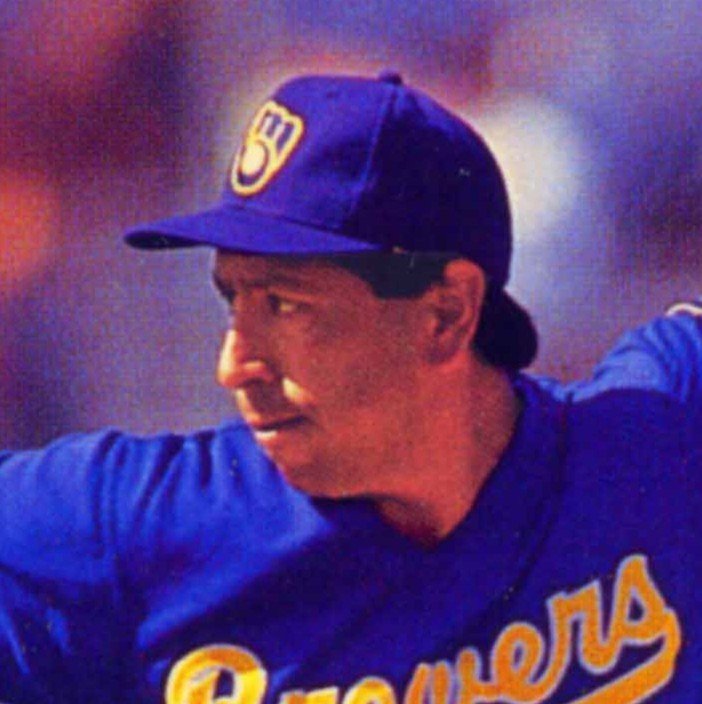 Jesse Orosco pitched in the major leagues for 24 seasons and holds the career record for pitching appearances with 1,252, a record that is unlikely to ever be broken. He spent three seasons (1992-94) pitching for Milwaukee. Jesse Russell Orosco was born in Santa Barbara, California and was drafted by St. Louis in the seventh round of the 1977 MLB January draft but stayed at Santa Barbara City College until the following January, when he was picked in the second round by the Minnesota Twins. The left-handed reliever made his pro debut at Elizabethton in the Rookie Appalachian League and then was traded to the New York Mets in February 1979. He made his big-league debut that season, appearing in 18 games to start the season before being sent down to Triple-A Tidewater, where he started 15 games. In 1982, Orosco became a full-time major league reliever for the Mets. Over the next six seasons for New York, he averaged 58 appearances and 18 saves per season, including a career-high 31 saves in 1984. Orosco earned his only two All-Star appearances with the Mets in 1983 and 1984. Two weeks before Christmas 1987, Orosco was involved in a three-team trade (Los Angeles Dodgers, Oakland A’s, New York Mets) that included Kevin Tapani, Wally Whitehurst, Alfredo Griffin, Jay Howell, Bob Welch, and Matt Young. Orosco spent one season with the Dodgers before signing as a free agent with Cleveland. After three solid seasons with the Indians (130 ERA+, 3.68 FIP), Orosco was dealt to the Milwaukee Brewers in December 1991. He spent the next three campaigns as a high-leverage lefthander, setting up closers Doug Henry and Mike Fetters. After the 1994 season, Orosco signed as a free agent with the Baltimore Orioles, where he became a stalwart from 1995-1999. Much like a hired gun, Orosco spent the next four seasons pitching for St. Louis, Los Angeles, San Diego, New York Yankees, and Minnesota. Orosco was traded from the Yankees to Minnesota in August 2003, neatly bookending his professional career, ending with the team that signed him out of college. The Twins, who made the postseason in 2003, elected to leave Orosco off the ALDS roster in the series with the Yankees. Orosco was a key player with the 1986 World Series winning Mets, earning two saves against Boston in the infamous ‘Bill Buckner Series.’ He struck out Buckner with the bases loaded in the eighth inning of Game 6 and ended the Series by striking out Marty Barrett as the final out in Game 7. He made 24 appearances in four different postseasons, notching two wins and two saves.
 -
Jesse Orosco pitched in the major leagues for 24 seasons and holds the career record for pitching appearances with 1,252, a record that is unlikely to ever be broken. He spent three seasons (1992-94) pitching for Milwaukee. Jesse Russell Orosco was born in Santa Barbara, California and was drafted by St. Louis in the seventh round of the 1977 MLB January draft but stayed at Santa Barbara City College until the following January, when he was picked in the second round by the Minnesota Twins. The left-handed reliever made his pro debut at Elizabethton in the Rookie Appalachian League and then was traded to the New York Mets in February 1979. He made his big-league debut that season, appearing in 18 games to start the season before being sent down to Triple-A Tidewater, where he started 15 games. In 1982, Orosco became a full-time major league reliever for the Mets. Over the next six seasons for New York, he averaged 58 appearances and 18 saves per season, including a career-high 31 saves in 1984. Orosco earned his only two All-Star appearances with the Mets in 1983 and 1984. Two weeks before Christmas 1987, Orosco was involved in a three-team trade (Los Angeles Dodgers, Oakland A’s, New York Mets) that included Kevin Tapani, Wally Whitehurst, Alfredo Griffin, Jay Howell, Bob Welch, and Matt Young. Orosco spent one season with the Dodgers before signing as a free agent with Cleveland. After three solid seasons with the Indians (130 ERA+, 3.68 FIP), Orosco was dealt to the Milwaukee Brewers in December 1991. He spent the next three campaigns as a high-leverage lefthander, setting up closers Doug Henry and Mike Fetters. After the 1994 season, Orosco signed as a free agent with the Baltimore Orioles, where he became a stalwart from 1995-1999. Much like a hired gun, Orosco spent the next four seasons pitching for St. Louis, Los Angeles, San Diego, New York Yankees, and Minnesota. Orosco was traded from the Yankees to Minnesota in August 2003, neatly bookending his professional career, ending with the team that signed him out of college. The Twins, who made the postseason in 2003, elected to leave Orosco off the ALDS roster in the series with the Yankees. Orosco was a key player with the 1986 World Series winning Mets, earning two saves against Boston in the infamous ‘Bill Buckner Series.’ He struck out Buckner with the bases loaded in the eighth inning of Game 6 and ended the Series by striking out Marty Barrett as the final out in Game 7. He made 24 appearances in four different postseasons, notching two wins and two saves. View full player
-
Balfour had one of the worst possible surnames for an ML pitcher...lol.
-
After four straight losses to the New York Yankees to start the 2025 campaign, the Milwaukee Brewers have won 11 of their last 16 games. Here are three players that have contributed to that success in their Brewer debuts. Image courtesy of Stacy Revere/Getty Images Jose Quintana Signed as a free agent in early March, Quintana stayed out west in ‘extended spring training’ to get ready for the season. The Brewers expected him to miss two starts and return in mid-April. In the meantime, the Brewers had scrambled back to a 7-6 record, one game behind the Chicago Cubs in second place in the National League Central division. On April 11, the southpaw made his Brewers debut against the Diamondbacks in Arizona. He allowed a single in each of the first two innings but got out unscathed thanks to a pair of 6-4-3 twin killings. He picked off Jake McCarthy in the third inning to end a potential threat and then retired nine consecutive D-Backs. With the Brewers leading 3-0, Quintana went out for the seventh inning and gave up a lead-off single. Despite a balk that moved the runner to second, Quintana got the final out of the inning, ending his night on the hill. Effective and efficient, Quintana gave up four hits and struck out a pair on just 80 pitches. FanGraphs ranks a pitcher’s Game Score that falls between 70-80 as ‘Great.’ Quintana’s Game Score was 71. In his second outing five nights later against the Tigers at Am Fam Field, Quintana struggled early, walking three in the first but getting out without damage thanks to another double play. The Tigers had three players reach base in the next three innings but Quintana kept the Tigers off the scoreboard until the sixth, when he gave up a solo home run to Spencer Torkelson. He gave way to Abner Uribe two batters later. The Brewers got a 5-1 win on the strength of homers by Christian Yelich, Rhys Hoskins, and Sal Frelick. Quintana went 5.2 innings, allowing four hits, one run, and three walks while striking out four. Two games, two wins. Not a bad debut. Quinn Priester Priester was acquired in a trade with the Boston Red Sox in early April for Yophery Rodriguez, a player to be named later, and a Competitive Balance Round A draft pick. The merits of the trade will be discussed over beers for the next few months, but if Priester can pitch to his potential, the grumbling should come to an end. The 6-foot-3 right-hander scuffled in his first outing in Denver against the Colorado Rockies on April 10, allowing six hits, one run, and two walks in a 7-2 loss. Priester left after five frames with the score tied at one, only to see Joel Payamps implode in a five-run eighth inning. Priester’s Am Fam Field debut on April 15 went better as he allowed four baserunners (one hit, three walks) in five innings while striking out four. While not as efficient as Quintana’s first start for Milwaukee, Priester threw 84 pitches and posted a Game Score of 66, which FanGraphs judges as ‘Good.’ He held the Tigers hitless until Gleyber Torres’ double to right-center to lead off the sixth inning. Manager Pat Murphy removed Priester at that point to a nice round of applause from the home crowd. Hopefully there will be a lot more of that in the coming weeks. Caleb Durbin After being recalled from Triple-A Nashville to replace the disappointing Oliver Dunn, Durbin made his major league debut on April 18 before a couple dozen family and friends at Am Fam Field. Batting ninth and playing third base, Durbin collected his first big-league hit in the third inning on a grounder to the left side. He grounded out in the fifth but then got his second knock on a looping liner to short left-center field in the seventh. He scored his first run on a Yelich groundout. Durbin finished up his first game by lining a ball to deep left-center that was caught by JJ Bleday in the eighth inning. Durbin flawlessly handled four chances in the field. All in all, it’s a nice debut for the 25-year-old. Going Forward Quintana and Priester add stability to a starting staff that was decimated by injuries in the spring. What happens when Brandon Woodruff, Tobias Myers, et al. are ready to return? I don’t know, but that will be a good problem that Murphy will have to sort out. And Durbin? Hopefully the diminutive speedster can solve the third base problem that has plagued the Brewers all spring. How do you feel about Quintana, Priester, and Durbin? Please let us know in the comments section and thanks for reading! View full article