



Ryan Pollak
-
Posts
144 -
Joined
-
Last visited
Content Type
Profiles
Forums
Blogs
Events
News
2026 Milwaukee Brewers Top Prospects Ranking
Milwaukee Brewers Videos
2022 Milwaukee Brewers Draft Picks
Milwaukee Brewers Free Agent & Trade Rumors, Notes, & Tidbits
Guides & Resources
2023 Milwaukee Brewers Draft Picks
2024 Milwaukee Brewers Draft Picks
The Milwaukee Brewers Players Project
2025 Milwaukee Brewers Draft Pick Tracker
2026 Milwaukee Brewers Draft Tracker: Picks & Bonuses
Store
Downloads
Gallery
Everything posted by Ryan Pollak
-
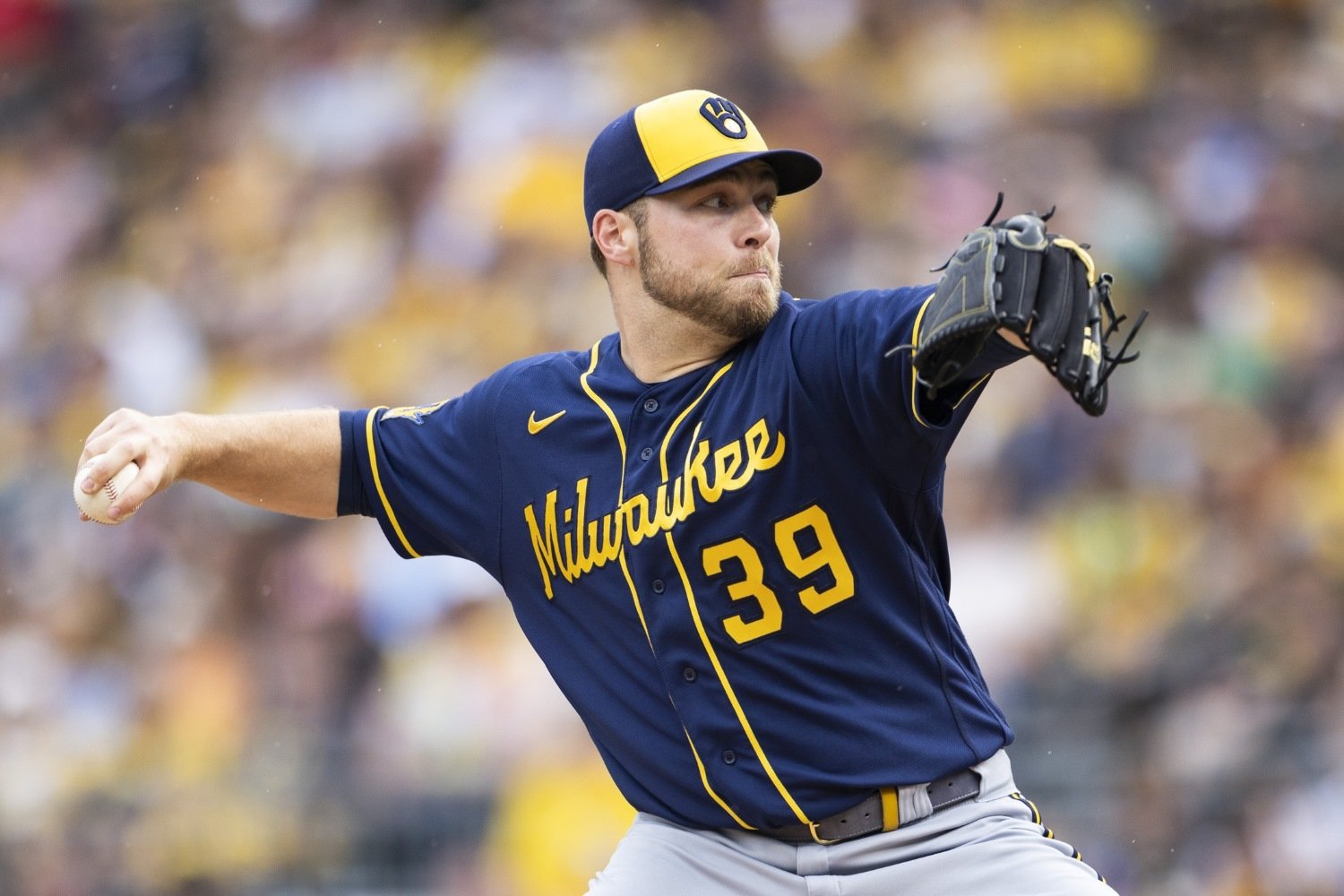 With every passing day, the speculation about Corbin Burnes's future in the city of Milwaukee grows. According to Ken Rosenthal of The Athletic, there is a belief the Brewers might keep the starting pitcher to avoid any potential backlash from the Brewers fanbase. However, this could be merely a negotiation tactic, to get teams to start asking about Burnes. The Dodgers could still be in play for Burnes, even with Tyler Glasnow on the roster. The Giants inquired about Burnes earlier this offseason, and many other teams could use a starting pitcher of his caliber. But one intriguing team that could throw their hat in the ring is the Minnesota Twins. It’s hard to believe that a team who has been trying to trim their payroll would bring in a pitcher who is expected to make around $15 million in their final year of arbitration eligibility. But the Twins might have something the Brewers could use: Jorge Polanco. Let’s investigate why a Burnes for Polanco trade makes sense for both organizations. Polanco to Milwaukee? At first glance, adding a player like Polanco to the Brewers does not really make a ton of sense. The Brewers have Brice Turang at second, Willy Adames at shortstop and Andruw Monasterio at third base. With Owen Miller, Vinny Capra, and Oliver Dunn all on the 40-man roster, why would the Crew need another middle infielder? Well, for starters, Polanco is a career .269/.334/.446 hitter. He is also a switch-hitter, making him easy to play without concern about pitching matchups. Polanco has the exact same batting average against southpaws as he does against right-handed pitching. Stats are great and all, but his primary position is second base. What, then, happens with Turang? Nothing. Polanco played 14 games at third base last season. If he is comfortable with playing third on a regular basis, then he can platoon with both Monasterio and Turang, playing third base against right-handed starters and second base against lefty ones. Polanco is set to make $10.5 million this season, and has a club option for 2025 worth $12 million, with a $750,000 buyout. If the Twins were to acquire Burnes, the Brewers would save around $5 million for the 2024 season. The Brewers could use that money toward upgrades at either first base, designated hitter, or even a starting pitcher through free agency. Burnes to Minnesota? The Twins have had an interesting offseason already--in the worst possible way. They've made no significant additions, all but announced a payroll reduction, and are in limbo with regard to their TV deal for 2024 and beyond. There have also been a number of important losses throughout the roster. Kenta Maeda signed a two-year, $24-million deal with the Tigers, Sonny Gray signed a three-year, $75-million pact with the Cardinals, Tyler Mahle signed a two-year, $22-million deal with the Rangers, and Emilio Pagan signed a two-year, $16-million one with the Reds. All these arms have been important parts of the Twins organization over the last few seasons. This doesn’t include the likes of Dallas Keuchel, Donovan Solano, Joey Gallo, and Michael A. Taylor, who are all free agents this offseason. If the Twins were to enter the 2024 season with this roster, the starting rotation would probably include Pablo Lopez, Joe Ryan, Bailey Ober, Louie Varland and Chris Paddack. With the American League Central wide open, the Twins still have the chance to compete. However, the team's owners are expected to cut down on payroll. The payroll currently is projected at $119 million, which is $35 million less than the 2023 payroll. They may look to continue selling players off the roster, with either Polanco or Max Kepler (on whom the Twins exercised a $10-million club option in early November). If the Twins want to improve their depleted starting rotation, they can always sign someone from the free-agent market, but spending money on a veteran starting pitcher can be a lot more expensive than trying to trade for one. If they can find a trade partner, the team could add a starter while giving away one of their more expensive contracts, only adding a small amount to their payroll. Enter Burnes who is on his final year of club control. Adding him to the rotation makes the starting rotation feared in the AL Central and gives Minnesota a shot to make a run for a World Series title. Regardless of where they finish, Burnes could then be offered a qualifying offer before entering free agency, giving the Twins a compensatory pick in the 2025 MLB draft. It would take more than Polanco to do it, but if the organization is willing to keep a lower payroll while still competing, then making a move for the former Cy Young Award-winning starter could help. Predicted Trade: Twins get RHP Corbin Burnes and LHP Ethan Small for INF Jorge Polanco, RHP David Festa (#9 prospect), RHP Simeon Woods Richardson (#16 prospect), and RHP Zebby Matthews (#24 prospect) It’s hard to predict what a potential trade could look like. Baseball Trade Values has some systematic, patterned errors in its value estimates. Twitter opinions vary as widely as ever. Much of the Brewers fanbase thought young Dodgers pitcher Ryan Pepiot was functionally untouchable for the Dodgers. Yet, the Dodgers traded him to the Rays in the Tyler Glasnow deal. The Twins will have to give up a couple of prospects (along with Polanco) for the Brewers to part with Burnes. However, there's a ceiling here, as Burnes more than likely won’t sign an extension before he enters free agency. With the trade of Adrian Houser Wednesday, the Crew could rely on what they have in the starting rotation or try to build the farm in hopes of having solid replacements for the future rotation. If the Brewers are going to add some prospects, why not add a player who has some big-league experience? If the Brewers want a little more, they could afford trading away Ethan Small, a former first-round pick. Small was once a top prospect for the organization, and made his first start back in 2022. He has since struggled with walks, giving up eight of them in just 6 1/3 innings pitched in his MLB career. As a two-pitch weapon, the Twins could use Small as a relief arm, and/or try to develop another pitch in which he can be confident. With one minor-league option left and now 26 years old, Small offers six years of club control and some flexibility. Simeon Woods Richardson has bounced around since being drafted in 2018 by the Mets. After being traded to the Blue Jays in the Marcus Stroman trade, he was shipped off to Minnesota in the Jose Berrios deal in 2021. He made his MLB debut in 2022, when he threw five innings, struck out three batters while giving up three runs, two walks and a home run. Like Small for the Brewers, Woods Richardson was once a high-end prospect the Twins were hoping to use in their rotation for years to come. However, as time went on, the Twinsosphere has lost a little hope with him. He spent most of 2023 in St Paul, with a 7-6 record, a 4.91 ERA, and a WHIP at 1.49. He only struck out 7.6 per nine innings and walked 4.8 batters per nine. While he may have struggled in Triple A last season, Woods Richardson used his time in the minors in 2023 to adjust his delivery. He has multiple pitches with which to work, including a slider, a curveball and a changeup which is one of his most effective secondary pitches. He won’t be a free agent until after the 2029 campaign, and is entering his age-23 season. The Brewers can utilize Woods Richardson as a long relief pitcher and could stretch him out to be a back-end rotation arm for years to come. He also has two minor league options the team could use if he struggles in the bigs. With Small and Woods Richardson basically canceling each other out, the Twins may have to throw in another pitching prospect or two in this trade to entice the Brewers to trade Burnes to their Border Battle rival. One that the Brewers should love is David Festa. Selected out of college ball at Seton Hall, Festa has become a great late-round find for the Twins. His fastball is one of his best weapons in their system, averaging mid-90s velocity and touching 99. Along with his fastball, Festa has developed a curveball, a slider, and a changeup, the latter of which had a 41% whiff rate in High A, according to MLB.com. His 11.6 strikeouts per nine innings last season came thanks to his burgeoning arsenal. He made his way to Triple A, posting a 2.93 ERA with 12 1/3 innings of work in three starts. He will need to see a little more time in Nashville before making his debut, if he's traded to the Brewers. If Festa is part of the deal, the Brewers would have a great rotation of the future, with him sliding in alongside Peralta, Robert Gasser, Carlos F. Rodriguez and Jacob Misiorowski. However, with the Twins only ranked the 17th best farm system in MLB at the midseason rankings, the Brewers could could look for ways to get an even better prospect haul. Perhaps righty Zebby Matthews would be a great addition to this package, to sweeten the deal and entice the Crew. Matthews is just starting his baseball career, pitching at both levels of Single-A baseball throughout the 2023 season. His fastball averaged 94 MPH, while his secondary pitches have started to catch batters swinging and missing. He was used as a starter in both leagues. In Low A, he struck out 53 batters in 38 2/3 innings. After being called up to High A, Matthews had some struggles, with a 4.59 ERA in 14 appearances. His walk rate was only 1.2 per nine innings, though, and he struck out 12.3 batters per nine frames. He’s still a young prospect, with some development in front of him. He probably won’t make it onto an MLB roster for another year or two, but he has the potential to be a big-league starter. The Brewers don’t necessarily have to trade Burnes, let alone send him to one of their annual rivals. The Twins, on the other hand, need to build a roster that cuts costs but remain competitive. However, if the price is right, the Crew can part ways with the ace, building a plan to keep Milwaukee competitive over the next few years, while the Twins can remain a threat in the race for the AL Central title. Do you think the Brewers and the Twins can strike a deal this winter? Are there better trade partners for Burnes or Polanco? Will any of these players be on the move before Opening Day? Let us know in the comments.
 -
 They've reinforced the pitching staff and found their backup catcher. Now, how can the Brewers fill their third-base vacancy via free agency? Kiner-Falefa is 28, one of the youngest available third basemen. If the Brewers want him, the team will have to beat out the 11 other teams who have shown interest in him. Spotrac has IKF valued at around $6.5 million a year. If he’s looking for a multi-year deal, he's not likely to find any more than that as an annual average, but two years and $14 million could be reasonable. It might be a slight overpay, but his versatility and glove make it plausible. 3. Justin Turner (Possible) Back in the 2020-2021 offseason, the Brewers were interested in Turner, before he opted to re-sign with the Los Angeles Dodgers. Then in 2022, the Dodgers bought out his club option, and Turner became a free agent. The Brewers tried once again to bring him to Milwaukee, only for the Red Sox to sign him to a deal. Guess what? Turner is a free agent once more, and the Brewers have a small hole in their corner infield positions. He’s now 39 years old and he is not showing any signs of slowing down, at least at the plate. For the Red Sox, Turner hit 23 home runs, drove in 96 runs and had a .276/.345/.455 slash line. Believe it or not, this was his worst line since his tenure with the Mets, from 2010-2013. At this point, he might have another year or two before he really falls off, which is all the time the Brewers really need to develop their infield prospects. Turner has experience playing first base; that’s just another position at which the Brewers could use an upgrade. The Crew would only need to give Turner a one-year deal (maybe with an option) to bring him in. The only team, besides the Red Sox, who may be preventing him from joining Milwaukee is David Stearns's Mets. They need some sort of pop in their lineup and have recently shown interest in Turner, per Mike Puma of the New York Post. With Stearns having more money to spend, he could finally bring in the bat he's been craving for years. Or maybe the Brewers offer a $10 million annual deal, with Stearns striking out on Turner for a third time. 2. Gio Urshela (Likely) Urshela will be entering his age-32 season, with a career .277/.322/.423 slash line. His home run numbers might not jump off the page, but he is a right-handed batter who consistently gets on base. His strikeout rate was at 15.8 percent last year, and those contact skills seem to be sticky for him. What would make this signing even better is his ability to hit against left-handed pitching. The Brewers struggled to find a consistent bat against lefties last year, even among right-handed hitters who seemed like they ought to have thrived in such matchups. If skipper Pat Murphy intends to use the same matchups-based lineup flexion Craig Counsell did during his tenure, then Urshela seems like a regular in the lineup. Like Turner, Urshela has experience at first base, too, making way for an upgrade at both corner positions in the infield. There hasn’t been a huge amount of news on him. Why is that? Urshela’s 2023 season came to an end early, after he suffered a left pelvic fracture in June. He signed a one-year, $8.4-million contract last offseason and will surely come cheaper this year. As mentioned earlier, he hasn’t been in discussions with any teams, at least in the public eye. The Brewers could offer something similar to what he made with the Angels in 2023. They could probably get away with paying less due to the injury risk, but he should be ready to go at the start of spring training. 1. Mike Moustakas (Most Likely) This is not a suggestion. Rather, it's an acknowledgment that this is the direction the team could most likely go. But a reunion with Moustakas could be a nice way to ease Monasterio into the starting role. Since his days with the Brewers, Moustakas has been a part of the Reds, Rockies and (most recently) the Angels. Last season, Moose signed a minor-league contract with the Rockies and got off to a hot start. In 47 games, he had a .270/.360/.435 slash line, with four home runs and 17 RBI. His line could’ve been inflated thanks to Coors Field, but his hitting didn’t stop after he was traded to the Angels in June. Yes, his batting average and on-base percentage declined, but he was still able to hit eight more homers in the second half of the season. It was the first time Moustakas played more than 100 games since 2019. Injuries have seemed to derail his career. Whether it was calf strains or a heel contusion, Moose was never seeing time on the field. This season might have helped build up his confidence in hitting, as he was posting on-base numbers like his prime years. He may not be the same guy he was back in 2019, but the Brewers could benefit from his bat in the lineup. With the addition of Moustakas, the Brewers could create a platoon at third base. He was more successful hitting against right-handed pitchers, whereas Monasterio saw the ball better against left-handed pitchers. It wouldn’t even cost as much, as Spotrac suggests his market value to be somewhere in the $4 million range. It’s not the best upgrade at the hot corner, but it can be serviceable for the one year while the likes of Tyler Black and Monasterio develop. Honorable Mention: Josh Donaldson If the Brewers don’t want to spend a lot of money via free agency, then they could bring back Donaldson on a cheaper one-year deal. There has to be a reason they brought in the veteran to play third base. After being released by the Yankees, Donaldson joined the organization on a minor-league deal in late August, making him eligible for the playoff roster. With Monasterio’s struggles in a second trip around the league, the Crew called up Donaldson to play third base regularly. He wasn’t hitting the best during the regular season, but had two hits in seven plate appearances in the postseason. His bat looked quicker and he made harder contact than many expected when he first signed. According to Josh Wegman of The Score, Donaldson will only play another season given the right situation. Donaldson would sooner ride off into the sunset than chase one more season of playing time with a rebuilding team. If he doesn’t find the right team, we may have seen the last of the Donaldson. The brewers are that right team; it's less clear whether he's the right player for them. How much the Brewers want to spend this offseason remains a mystery. It’s fair to say the organization has quite a few options. They already missed out on Jeimer Candelario, but what’s left out there can still help. Which players would you like to see the front office go after? What other positions should the Brewers look at to upgrade? Let us know in the comments below. View full article
 -
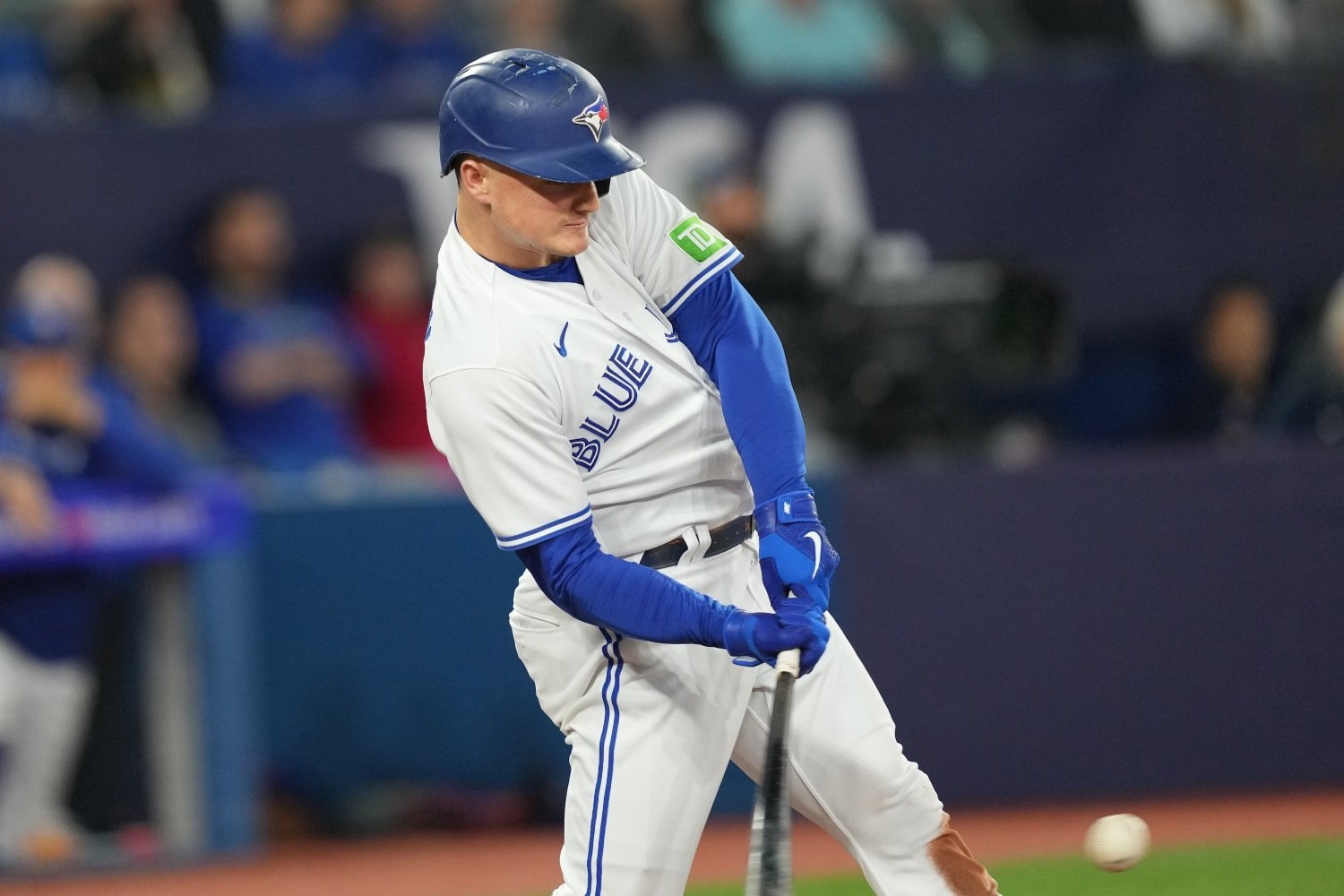 It’s no secret that the Milwaukee Brewers need upgrades at the corner infield positions. Their projected starters at those positions are Andrew Monasterio at third base and Jake Bauers at first. The Crew can make do with these guys for the start of the season if they please, or even add prospect Tyler Black to the equation. However, there are a lot better bats out there in free agency. They've already dipped their toes into the free-agent market, bringing back both Colin Rea (one year, $4.5 million, plus a club option) and Wade Miley (one year, $8.5 million with an option and some incentives) and adding pitcher Joe Ross and catcher Eric Haase on cheap deals. Maybe they can look into deeper waters for some pop in the lineup. With the payroll currently projected to be around $93 million, the Brewers should have upwards of $20 million to spend. Today, we look at 5 options (from unrealistic to realistic) who could man the hot corner. We’ll save first base for another day. Here are five players the Brewers could sign from free agency to play third base. 5. Matt Chapman (Highly Unlikely) The former Toronto Blue Jay is easily the best third baseman on the market today. That being said, it will not be easy to get him, and the price tag might simply be out of the Brewers' range. Chapman is coming off a season wherein he hit .240/.330/.424, with 17 home runs and 54 RBI. He had an average exit velocity of 93.4 MPH off the bat, making him one of the hardest hitters in MLB last season. He not only delivers that power (and perhaps considerable upside beyond last year's numbers), but also provides a great glove on defense. Chapman won his fourth career Gold Glove at third base in the American League in 2023. At the age of 30, Chapman still has plenty of good years left in him and would be looking for a long-term contract. However, since he is the best on the market, there will be a lot of other teams vying for his services. The Cubs, Giants, Mariners and Yankees could all look to buy the talented third baseman. MLB Trade Rumors projects Chapman to get a deal somewhere in the six-year, $150-million range. The Brewers could pay that type of money, but wouldn’t be able to make another move, unless they trade a big contract away. The Brewers are a long shot when it comes to Chapman. The market is quiet right now on him, though, which could work to the Crews advantage. If they could pick up the former All-Star, the organization would have the third base position locked up for years to come. Chapman was Matthew Trueblood's top free-agent fit for the Crew earlier this offseason. 4. Isiah Kiner-Falefa (Unlikely) If the Brewers want to add a cheaper defense-first option, then Kiner-Falefa would be a great choice. A former Gold Glove winner at third base in 2020, the sometime New York Yankee has hit .261/.314/.346 for his career. Whether the pitcher throws lefty or righty, Kiner-Falefa consistently gets on base at a near-average rate. Don’t expect too much power from the infielder, however, as his career total of 26 homers in six seasons illustrate. Despite the lack of pop, the Brewers are one of the many teams reportedly interested in IKF. With Christian Yelich, William Contreras and Willy Adames already providing the power in the lineup, the Brewers might be looking for a more of guy who gets on base, and who plays superb defense at multiple positions while hitting at the bottom of the lineup. Kiner-Falefa is 28, one of the youngest available third basemen. If the Brewers want him, the team will have to beat out the 11 other teams who have shown interest in him. Spotrac has IKF valued at around $6.5 million a year. If he’s looking for a multi-year deal, he's not likely to find any more than that as an annual average, but two years and $14 million could be reasonable. It might be a slight overpay, but his versatility and glove make it plausible. 3. Justin Turner (Possible) Back in the 2020-2021 offseason, the Brewers were interested in Turner, before he opted to re-sign with the Los Angeles Dodgers. Then in 2022, the Dodgers bought out his club option, and Turner became a free agent. The Brewers tried once again to bring him to Milwaukee, only for the Red Sox to sign him to a deal. Guess what? Turner is a free agent once more, and the Brewers have a small hole in their corner infield positions. He’s now 39 years old and he is not showing any signs of slowing down, at least at the plate. For the Red Sox, Turner hit 23 home runs, drove in 96 runs and had a .276/.345/.455 slash line. Believe it or not, this was his worst line since his tenure with the Mets, from 2010-2013. At this point, he might have another year or two before he really falls off, which is all the time the Brewers really need to develop their infield prospects. Turner has experience playing first base; that’s just another position at which the Brewers could use an upgrade. The Crew would only need to give Turner a one-year deal (maybe with an option) to bring him in. The only team, besides the Red Sox, who may be preventing him from joining Milwaukee is David Stearns's Mets. They need some sort of pop in their lineup and have recently shown interest in Turner, per Mike Puma of the New York Post. With Stearns having more money to spend, he could finally bring in the bat he's been craving for years. Or maybe the Brewers offer a $10 million annual deal, with Stearns striking out on Turner for a third time. 2. Gio Urshela (Likely) Urshela will be entering his age-32 season, with a career .277/.322/.423 slash line. His home run numbers might not jump off the page, but he is a right-handed batter who consistently gets on base. His strikeout rate was at 15.8 percent last year, and those contact skills seem to be sticky for him. What would make this signing even better is his ability to hit against left-handed pitching. The Brewers struggled to find a consistent bat against lefties last year, even among right-handed hitters who seemed like they ought to have thrived in such matchups. If skipper Pat Murphy intends to use the same matchups-based lineup flexion Craig Counsell did during his tenure, then Urshela seems like a regular in the lineup. Like Turner, Urshela has experience at first base, too, making way for an upgrade at both corner positions in the infield. There hasn’t been a huge amount of news on him. Why is that? Urshela’s 2023 season came to an end early, after he suffered a left pelvic fracture in June. He signed a one-year, $8.4-million contract last offseason and will surely come cheaper this year. As mentioned earlier, he hasn’t been in discussions with any teams, at least in the public eye. The Brewers could offer something similar to what he made with the Angels in 2023. They could probably get away with paying less due to the injury risk, but he should be ready to go at the start of spring training. 1. Mike Moustakas (Most Likely) This is not a suggestion. Rather, it's an acknowledgment that this is the direction the team could most likely go. But a reunion with Moustakas could be a nice way to ease Monasterio into the starting role. Since his days with the Brewers, Moustakas has been a part of the Reds, Rockies and (most recently) the Angels. Last season, Moose signed a minor-league contract with the Rockies and got off to a hot start. In 47 games, he had a .270/.360/.435 slash line, with four home runs and 17 RBI. His line could’ve been inflated thanks to Coors Field, but his hitting didn’t stop after he was traded to the Angels in June. Yes, his batting average and on-base percentage declined, but he was still able to hit eight more homers in the second half of the season. It was the first time Moustakas played more than 100 games since 2019. Injuries have seemed to derail his career. Whether it was calf strains or a heel contusion, Moose was never seeing time on the field. This season might have helped build up his confidence in hitting, as he was posting on-base numbers like his prime years. He may not be the same guy he was back in 2019, but the Brewers could benefit from his bat in the lineup. With the addition of Moustakas, the Brewers could create a platoon at third base. He was more successful hitting against right-handed pitchers, whereas Monasterio saw the ball better against left-handed pitchers. It wouldn’t even cost as much, as Spotrac suggests his market value to be somewhere in the $4 million range. It’s not the best upgrade at the hot corner, but it can be serviceable for the one year while the likes of Tyler Black and Monasterio develop. Honorable Mention: Josh Donaldson If the Brewers don’t want to spend a lot of money via free agency, then they could bring back Donaldson on a cheaper one-year deal. There has to be a reason they brought in the veteran to play third base. After being released by the Yankees, Donaldson joined the organization on a minor-league deal in late August, making him eligible for the playoff roster. With Monasterio’s struggles in a second trip around the league, the Crew called up Donaldson to play third base regularly. He wasn’t hitting the best during the regular season, but had two hits in seven plate appearances in the postseason. His bat looked quicker and he made harder contact than many expected when he first signed. According to Josh Wegman of The Score, Donaldson will only play another season given the right situation. Donaldson would sooner ride off into the sunset than chase one more season of playing time with a rebuilding team. If he doesn’t find the right team, we may have seen the last of the Donaldson. The brewers are that right team; it's less clear whether he's the right player for them. How much the Brewers want to spend this offseason remains a mystery. It’s fair to say the organization has quite a few options. They already missed out on Jeimer Candelario, but what’s left out there can still help. Which players would you like to see the front office go after? What other positions should the Brewers look at to upgrade? Let us know in the comments below.
- 1 comment
-
- 2
-

-
- matt chapman
- josh donaldson
- (and 5 more)
-
Tyler Glasnow might soon have a new home with the Los Angeles Dodgers. What could the Brewers do before the deal is made official? Image courtesy of © Jonathan Dyer-USA TODAY Sports Here come the Dodgers. After signing Shohei Ohtani to a 10-year deal worth $700 million (er, or something), the NL West's merciless hegemons are looking to add some help in the starting rotation. Per Ken Rosenthal from The Athletic, the team has been discussing a trade with the Tampa Bay Rays, involving stuff monster Tyler Glasnow. Though this deal hasn’t been completed yet, the very news of progress could impel the Brewers to make a move. At the start of the offseason, the Dodgers were seen as a potential fit for All-Star ace Corbin Burnes, should the Brewers part ways with him. What makes this a match made in heaven is that the Brewers are also considering parting ways with shortstop Willy Adames, a position at which the Dodgers could look to upgrade. With Clayton Kershaw a free agent and perhaps out for a good chunk of the 2024 season due to shoulder trouble; Julio Urías unlikely to suit up for an MLB team any time soon; and both Tony Gonsolin and Walker Buehler recovering from Tommy John surgery, the team will need to fill in their starting rotation to stay competitive. Buehler, Gonsolin, Ohtani and Dustin May can all fill the rotation in 2025. Adding another veteran starter or two gives them the ability to part ways with the younger arms in their farm system. So why would the Brewers care about a Dodgers-Rays trade involving Glasnow? For starters, after acquiring Glasnow, the Dodgers won’t be likely to trade for Burnes. This would be especially true if they are able to sign Yoshinobu Yamamoto on the free-agent market. The Brewers would lose out on a trade suitor for Burnes and on any of the prospects or young players they've identified as targets in that system. Sure, they can still ask about Adames, but the package wouldn’t be as big as it could be. This trade also may rule out a trade with some of the other players within the Rays organization. The Rays trading Glasnow and Manuel Margot would save the Rays $35 million, less whatever money they include in the transaction. This would put the team at an estimated $84-million payroll, relieving any pressure to trade any of the other players on their team. The team hasn’t had a payroll over $85 million since the creation of their franchise in 1998. So, what can the Brewers do? Will they keep Burnes and Adames? Will they look elsewhere? There are still several options. The best thing about this news is that the deal isn’t official, and in fact, that it hasn't gotten across the finish line in the more than 24 hours since it was reported as being close. This could be the Brewers' final chance to get involved in a trade with either the Dodgers or the Rays. If it means anything, the Brewers had discussions about adding the White Sox's Eloy Jimenez at the deadline last year. That move didn’t come to fruition. The Brewers were meant to trade Carlos Gomez to the Mets for Wilmer Flores and Zack Wheeler in 2015. That trade never happened. Things can change in a matter of hours, let alone a day or so. Perhaps the Brewers now notice that top prospect Ryan Pepiot is not untouchable. Matt Arnold could make one last proposal involving a package of Burnes and Adames and get back that arm. The benefit of trading Burnes over Glasnow is how much the Rays pitcher is getting paid. Glasnow is owed $25 million this season, whereas Burnes and Adames will make only slightly more than that as a pair. Plainly, the Dodgers are not afraid to spend money, but after adding Ohtani to the payroll, their luxury-tax number will be through the roof--even if 97 percent of his contract is deferred. With Margot's contract set at $10 million, the Dodgers could opt to save the extra money while picking up an All-Star pitcher and shortstop via trade. If the trade between Los Angeles and Tampa does get closer to complete, though, why not join the trade instead? The Brewers can admit defeat on trading Burnes to LA, but who says they can’t still get involved as a third team? They could just squeeze into the deal as a third wheel, to get the final details set. Suppose the Dodgers aren’t comfortable parting ways with Pepiot without getting a decent package back or the Rays don’t feel Jonny Deluca is enough for them to give away Glasnow. Could Milwaukee offer one of their outfielders to the Rays and/or Adames to the Dodgers and receive a prize of their own? Perhaps Gavin Lux or Emmet Sheehan from the Dodgers could be the return. Maybe an even bigger version of the deal in which the Crew comes away with Isaac Paredes would still be possible, albeit at a significant cost. If all else fails, the team would just have to move on and look elsewhere. Burnes has received a ton of interest from other starter-needy teams, including the Giants and the Angels. If the value isn’t there, maybe the team will decide to keep him, as some recent (if conflicting) reports have suggested. However, the value will diminish the longer the Crew hold onto him. With Adames, the Brewers could still communicate with the Dodgers on a deal. Don’t expect a huge return for the shortstop on his own, though. With one year left of club control, teams could opt into waiting for next offseason to sign him in free agency. That might lead Arnold and company to decide that dealing him isn't worth it at all. Regardless of what the organization ends up doing, the clock is ticking. Time is running out. The offseason isn’t over, though. What do you want to see them do, in light of these reports about the Dodgers and Rays? Let us know. View full article
-
How the Potential Tyler Glasnow-to-Dodgers Trade Affects the Brewers
Ryan Pollak posted an article in Brewers
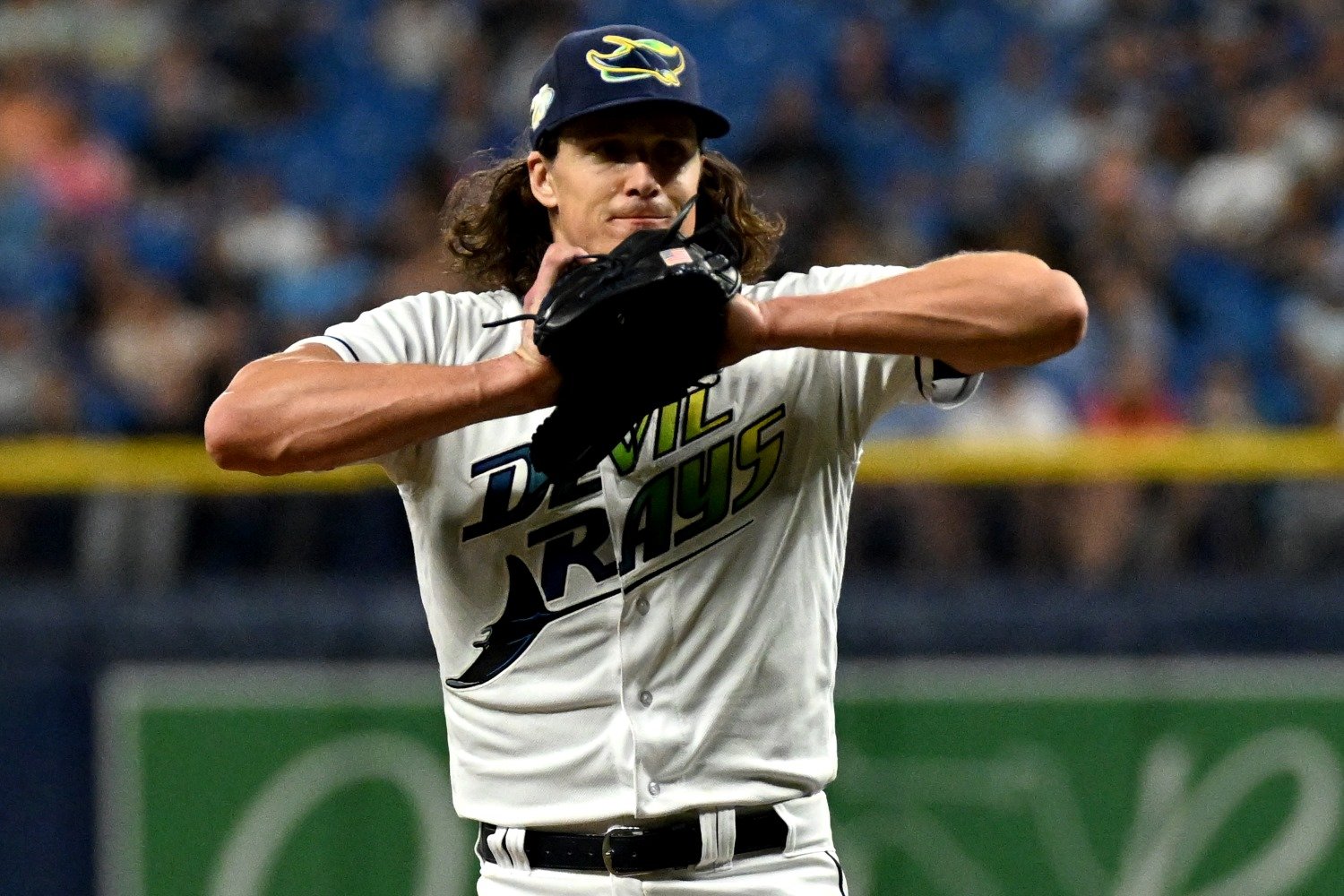 Here come the Dodgers. After signing Shohei Ohtani to a 10-year deal worth $700 million (er, or something), the NL West's merciless hegemons are looking to add some help in the starting rotation. Per Ken Rosenthal from The Athletic, the team has been discussing a trade with the Tampa Bay Rays, involving stuff monster Tyler Glasnow. Though this deal hasn’t been completed yet, the very news of progress could impel the Brewers to make a move. At the start of the offseason, the Dodgers were seen as a potential fit for All-Star ace Corbin Burnes, should the Brewers part ways with him. What makes this a match made in heaven is that the Brewers are also considering parting ways with shortstop Willy Adames, a position at which the Dodgers could look to upgrade. With Clayton Kershaw a free agent and perhaps out for a good chunk of the 2024 season due to shoulder trouble; Julio Urías unlikely to suit up for an MLB team any time soon; and both Tony Gonsolin and Walker Buehler recovering from Tommy John surgery, the team will need to fill in their starting rotation to stay competitive. Buehler, Gonsolin, Ohtani and Dustin May can all fill the rotation in 2025. Adding another veteran starter or two gives them the ability to part ways with the younger arms in their farm system. So why would the Brewers care about a Dodgers-Rays trade involving Glasnow? For starters, after acquiring Glasnow, the Dodgers won’t be likely to trade for Burnes. This would be especially true if they are able to sign Yoshinobu Yamamoto on the free-agent market. The Brewers would lose out on a trade suitor for Burnes and on any of the prospects or young players they've identified as targets in that system. Sure, they can still ask about Adames, but the package wouldn’t be as big as it could be. This trade also may rule out a trade with some of the other players within the Rays organization. The Rays trading Glasnow and Manuel Margot would save the Rays $35 million, less whatever money they include in the transaction. This would put the team at an estimated $84-million payroll, relieving any pressure to trade any of the other players on their team. The team hasn’t had a payroll over $85 million since the creation of their franchise in 1998. So, what can the Brewers do? Will they keep Burnes and Adames? Will they look elsewhere? There are still several options. The best thing about this news is that the deal isn’t official, and in fact, that it hasn't gotten across the finish line in the more than 24 hours since it was reported as being close. This could be the Brewers' final chance to get involved in a trade with either the Dodgers or the Rays. If it means anything, the Brewers had discussions about adding the White Sox's Eloy Jimenez at the deadline last year. That move didn’t come to fruition. The Brewers were meant to trade Carlos Gomez to the Mets for Wilmer Flores and Zack Wheeler in 2015. That trade never happened. Things can change in a matter of hours, let alone a day or so. Perhaps the Brewers now notice that top prospect Ryan Pepiot is not untouchable. Matt Arnold could make one last proposal involving a package of Burnes and Adames and get back that arm. The benefit of trading Burnes over Glasnow is how much the Rays pitcher is getting paid. Glasnow is owed $25 million this season, whereas Burnes and Adames will make only slightly more than that as a pair. Plainly, the Dodgers are not afraid to spend money, but after adding Ohtani to the payroll, their luxury-tax number will be through the roof--even if 97 percent of his contract is deferred. With Margot's contract set at $10 million, the Dodgers could opt to save the extra money while picking up an All-Star pitcher and shortstop via trade. If the trade between Los Angeles and Tampa does get closer to complete, though, why not join the trade instead? The Brewers can admit defeat on trading Burnes to LA, but who says they can’t still get involved as a third team? They could just squeeze into the deal as a third wheel, to get the final details set. Suppose the Dodgers aren’t comfortable parting ways with Pepiot without getting a decent package back or the Rays don’t feel Jonny Deluca is enough for them to give away Glasnow. Could Milwaukee offer one of their outfielders to the Rays and/or Adames to the Dodgers and receive a prize of their own? Perhaps Gavin Lux or Emmet Sheehan from the Dodgers could be the return. Maybe an even bigger version of the deal in which the Crew comes away with Isaac Paredes would still be possible, albeit at a significant cost. If all else fails, the team would just have to move on and look elsewhere. Burnes has received a ton of interest from other starter-needy teams, including the Giants and the Angels. If the value isn’t there, maybe the team will decide to keep him, as some recent (if conflicting) reports have suggested. However, the value will diminish the longer the Crew hold onto him. With Adames, the Brewers could still communicate with the Dodgers on a deal. Don’t expect a huge return for the shortstop on his own, though. With one year left of club control, teams could opt into waiting for next offseason to sign him in free agency. That might lead Arnold and company to decide that dealing him isn't worth it at all. Regardless of what the organization ends up doing, the clock is ticking. Time is running out. The offseason isn’t over, though. What do you want to see them do, in light of these reports about the Dodgers and Rays? Let us know.
 -
The Brewers only had to give up an outfield prospect to pick up William Contreras and Joel Payamps last December. One year later, can Matt Arnold pull another fast one with the expendable players they have? Image courtesy of © David Reginek-USA TODAY Sports A little over a year ago, the Milwaukee Brewers pulled off a true heist, acquiring All-Star catcher William Contreras from the Atlanta Braves as part of a bigger deal wherein the Braves received Sean Murphy from the Oakland Athletics. In that same trade, the Brewers got Joel Payamps from the Athletics. What did the Brewers have to give up for these key role players? They surrendered outfield prospect Esteury Ruiz; that was all. Ruiz went on to be a regular starter for the A’s and lead the American League in stolen bases, with 67. The Crew, on the other hand, got a Silver Slugger-winning catcher and a quality setup man for Devin Williams. It's hard to imagine Matt Arnold can pull off a move with a similar magnitude, but what if he can? The Brewers have the pieces to make a trade. Why not go out there and do it again? Brewer Fanatic writer Harold Hutchinson recently wrote about small moves that can benefit the team in the long term. In this piece, let's look at the Brewers trying to swing for the fences. Here are some trade ideas where the Brewers get a decent return by giving up little to nothing. Ty France from the Seattle Mariners With Carlos Santana being a free agent and Rowdy Tellez non-tendered, the Brewers need a regular first baseman. They could use recently-acquired Jake Bauers as a replacement, but he might not be a long-term solution with no minor-league options left. Enter Ty France, for whom the Seattle Mariners were fielding offers prior to the trade deadline. France is coming off what he could consider a down season, having posted a .250/.337/.366 slash line. His numbers weren’t as impressive as they were during his 2022 All-Star season, in which he hit a career-high 20 home runs, 83 RBI and a had .274/.338/.436 line. The Brewers could use a power bat in the lineup to platoon with Bauers. France's career batting average against LHP (.278) speaks to an ability to get on base. He also has experience playing third base, giving the team some versatility when facing a right-handed pitcher. The Mariners have shown interest in trading for Cleveland Guardians first baseman, Josh Naylor. The Guardians are already intending to sell starting pitcher Shane Bieber but may not be willing to sell Naylor. If a third team joins this deal, perhaps they could all find common ground. The Mariners already sold Jarred Kelenic, Marco Gonzales and Evan White to the Braves for two pitching prospects. This opens some holes in the corner outfield and infield spots for them. The Brewers can give one of their young outfielders (in Joey Wiemer) to the Mariners to replace Kelenic. As for the Guardians, they can cash in on some of the prospects the Mariners are willing to provide for them to acquire their new first baseman. Both France and Naylor are projected to make the same money in arbitration this season. This trade will give the Guardians a replacement at the corner infield positions, while also providing some pitchers with MLB experience that can help build the starting rotation once Bieber is gone. The Mariners get an upgrade at first, plus a young corner outfielder with all the tools to become an impactful player. As for the Crew, they get their first baseman and a couple of low-level prospects who can develop and grow in the system overtime. Isaac Paredes from the Rays Yes, Randy Arozarena has been the subject of trade rumors and would look great in a Milwaukee Brewers uniform. As much as we’d appreciate an upgraded bat in the outfield or DH spot, though, there are more pressing needs that the organization should worry about. One of those needs is at third base. Isaac Paredes was another player the Tampa Bay Rays were listening to offers for. He's coming off his best season in the major leagues. At just 24, the third baseman hit 31 home runs, drove in 98, and averaged .259 against left-handed pitching. The Brewers struggle to hit southpaws, hitting only .229/.314/.357 as a team. Paredes has four years of club control left, with his first year of arbitration beginning this offseason. He is expected to make $3.2 million this season, according to MLB Trade Rumors. Even though the Rays are trying to shed payroll, Paredes would cost a pretty penny in trade. Matthew Trueblood wrote about the prospect of a Paredes deal earlier this month. The Brewers could offer one of the outfielders and one of their young arms. If the Rays are that desperate to lower their payroll, the lowest offer the team would make is Wiemer, pitching prospect Robert Gasser and a lower-level prospect. The Rays don’t have to trade away Paredes, though, so the value would have to be higher than that. It’s hard to imagine calling this trade “giving up little to nothing,” when Sal Frelick is involved. But, out of all the young outfielders, Frelick has the most value. He still has six years of club control, has seen major-league pitching, and will only make $740,000 this season. Aaron Ashby was considered to replace Gasser in this trade. Either way, if he will be ready by Opening Day, his value remains high. Both the Brewers and the Rays are known to develop pitchers well. At the age of 26, Ashby can still become a great back-end starter for any rotation. Ashby signed a five-year, $20.5 million extension prior to the 2023 season. He’s set to make $1.45 million in 2024, making him an affordable option for the Rays. However, Arnold seems confident in Ashby and is expecting him to be a “part of the mix” for the rotation. With this trade, the Rays will add a cheaper player to their outfield, giving them the flexibility to part ways with one of their expensive contacts in the outfield. The addition of Gasser gives the team an MLB-ready arm who can replace Tyler Glasnow in the rotation, assuming he gets traded this offseason. They can also elect to move young infielders Curtis Mead to shortstop and install Junior Caminero at third base throughout the 2024 season. The Brewers land their new regular third baseman, who won’t be a free agent until after the 2027 season. Parting ways with Frelick will give Wiemer and Jackson Chourio more playing time--giving them a chance to develop. The Brewers may need to invest in left-handed pitching after such a move, though, as Hoby Milner would be the only lefty hurler coming out of the pen. Eloy Jimenez AND Andrew Vaughn from the White Sox The Chicago White Sox are reportedly listening to offers for anybody on their roster not named Luis Robert. That could open the door for the Brewers to check in once again on outfielder and designated hitter Eloy Jiménez. The team was, reportedly, talking with the White Sox on potentially adding Jiménez at the trade deadline last season. Who’s to say they've lost interest? Hitting .272/.317/.441 with 18 home runs and 64 RBI, Jiménez is one of the (now) six players to sign a contract extension with a team before making their MLB debut. He was expected to be a long-term solution to their outfield before the injuries started to add up. Jiménez has never played more than 122 games in a season and has been used as the White Sox's regular DH for the last year-plus. If the Brewers add the outfielder to their roster, he is owed around $13 million this season and has two club options beyond that. Adding a slugging right-handed bat could work wonders for the lineup, if they are willing to pay the money. Another player the Brewers could use from the White Sox is first baseman Andrew Vaughn. In 152 games this season, Vaughn slugged 21 home runs and had 80 RBI. Vaughn can play the corner outfield positions in a pinch, but is best defensively at first base. Vaughn is expected to make $3.7 million via arbitration this year, and won’t be a free agent until the end of 2026. Whether in a platoon role with Bauers that shifts him to DH occasionally or as an everyday starter at first, Vaughn will put up consistent numbers and could be a fixture for years to come. If the Brewers were already having discussions about Jiménez, maybe there’s a way they can get Vaughn in the mix too. This trade with the White Sox finds a way to get two voids filled on the roster, while giving up a couple of prospects and an outfielder. The White Sox are in need of some experienced outfield help. With Garrett Mitchell under club control until late 2028, they land a cheap long-term option to build around while they are undergoing a rebuild. Prior to his left shoulder subluxation injury in April, Mitchell was putting up a .259/.307/.466 line, with three home runs in 62 plate appearances. The injury kept him out for almost the rest of the season. He played three games upon his return, but they were only used to give Mitchell a chance to swing the bat at the MLB level before the end of the season. He has five years of club control left, and would be a great long-term solution alongside Robert in the outfield. Honestly, any outfielder could fit here. Mitchell is probably the second valuable asset to trade with the same amount of control as Wiemer, but he’s a left-hitting outfielder who gets on base like Frelick. The Brewers can part ways with any young outfielder and still be comfortable with filling their depth chart on the 26-man roster. Eric Brown, Jr. was the Crew’s first-round pick in the 2022 draft. He doesn’t have a ton of experience in Double A yet: it's been just seven plate appearances. With top prospect Colson Montgomery hoping to make his MLB debut next season, Brown would be a great addition to build up the infield on the White Sox farm. His .265/.362/.347 stat line with the Timber Rattlers last season shows signs of good things to come. Carlos F. Rodriguez was one of the Brewers' 2023 Minor League Pitchers of the Year. Drafted in the sixth round of the 2021 draft, Rodriguez was utilized as a bullpen weapon for the Low-A Carolina Mudcats before joining the starting rotation in 2022. Last year, Rodriguez had a 2.77 ERA, a 1.09 WHIP and an opponent batting average of .189 as part of the Double-A Biloxi Shuckers. He struck out 152 batters in 25 starts before being called up to Triple-A Nashville for one start. He’s just starting to touch the mid-90s with his fastball and has shown improvement in his curveball. All signs point to him starting for a major-league team within the next year or so. With the White Sox hearing offers for starting pitcher Dylan Cease, the team might use a young pitcher to eventually replace the ace. The Brewers might be more comfortable parting ways with these players if the White Sox agree to pay some of Jiménez's contract for the 2024 season, like what the Mets did when the Brewers acquired Mark Canha at the 2023 trade deadline. The Brewers would then pay for Jiménez’s 2025 and 2026 salaries, assuming the Crew exercises his club options. If this trade happens, they kill two birds with one stone by solidifying their DH and first base spots in the starting lineup. The William Contreras trade of 2022 was a deal that will go down in Brewer’s history. If Arnold can pull any trade like the ones listed above, the heist of the century will have a sequel only a year later. What do you think of these deals? What alternatives would you propose? Jump into the comments and let us know. View full article
-
3 William Contreras Trade-Style Moves the Brewers Could Make
Ryan Pollak posted an article in Brewers
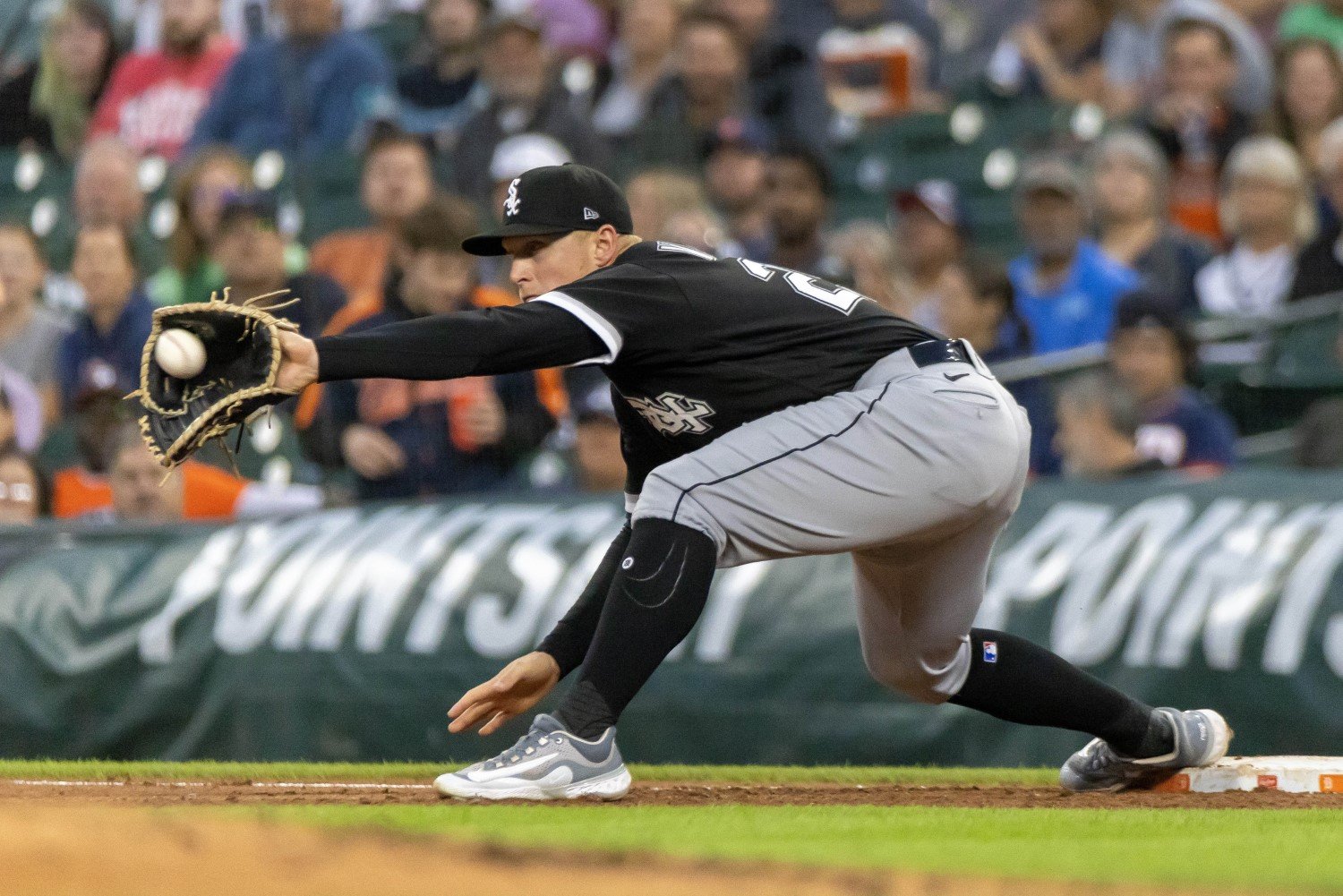 A little over a year ago, the Milwaukee Brewers pulled off a true heist, acquiring All-Star catcher William Contreras from the Atlanta Braves as part of a bigger deal wherein the Braves received Sean Murphy from the Oakland Athletics. In that same trade, the Brewers got Joel Payamps from the Athletics. What did the Brewers have to give up for these key role players? They surrendered outfield prospect Esteury Ruiz; that was all. Ruiz went on to be a regular starter for the A’s and lead the American League in stolen bases, with 67. The Crew, on the other hand, got a Silver Slugger-winning catcher and a quality setup man for Devin Williams. It's hard to imagine Matt Arnold can pull off a move with a similar magnitude, but what if he can? The Brewers have the pieces to make a trade. Why not go out there and do it again? Brewer Fanatic writer Harold Hutchinson recently wrote about small moves that can benefit the team in the long term. In this piece, let's look at the Brewers trying to swing for the fences. Here are some trade ideas where the Brewers get a decent return by giving up little to nothing. Ty France from the Seattle Mariners With Carlos Santana being a free agent and Rowdy Tellez non-tendered, the Brewers need a regular first baseman. They could use recently-acquired Jake Bauers as a replacement, but he might not be a long-term solution with no minor-league options left. Enter Ty France, for whom the Seattle Mariners were fielding offers prior to the trade deadline. France is coming off what he could consider a down season, having posted a .250/.337/.366 slash line. His numbers weren’t as impressive as they were during his 2022 All-Star season, in which he hit a career-high 20 home runs, 83 RBI and a had .274/.338/.436 line. The Brewers could use a power bat in the lineup to platoon with Bauers. France's career batting average against LHP (.278) speaks to an ability to get on base. He also has experience playing third base, giving the team some versatility when facing a right-handed pitcher. The Mariners have shown interest in trading for Cleveland Guardians first baseman, Josh Naylor. The Guardians are already intending to sell starting pitcher Shane Bieber but may not be willing to sell Naylor. If a third team joins this deal, perhaps they could all find common ground. The Mariners already sold Jarred Kelenic, Marco Gonzales and Evan White to the Braves for two pitching prospects. This opens some holes in the corner outfield and infield spots for them. The Brewers can give one of their young outfielders (in Joey Wiemer) to the Mariners to replace Kelenic. As for the Guardians, they can cash in on some of the prospects the Mariners are willing to provide for them to acquire their new first baseman. Both France and Naylor are projected to make the same money in arbitration this season. This trade will give the Guardians a replacement at the corner infield positions, while also providing some pitchers with MLB experience that can help build the starting rotation once Bieber is gone. The Mariners get an upgrade at first, plus a young corner outfielder with all the tools to become an impactful player. As for the Crew, they get their first baseman and a couple of low-level prospects who can develop and grow in the system overtime. Isaac Paredes from the Rays Yes, Randy Arozarena has been the subject of trade rumors and would look great in a Milwaukee Brewers uniform. As much as we’d appreciate an upgraded bat in the outfield or DH spot, though, there are more pressing needs that the organization should worry about. One of those needs is at third base. Isaac Paredes was another player the Tampa Bay Rays were listening to offers for. He's coming off his best season in the major leagues. At just 24, the third baseman hit 31 home runs, drove in 98, and averaged .259 against left-handed pitching. The Brewers struggle to hit southpaws, hitting only .229/.314/.357 as a team. Paredes has four years of club control left, with his first year of arbitration beginning this offseason. He is expected to make $3.2 million this season, according to MLB Trade Rumors. Even though the Rays are trying to shed payroll, Paredes would cost a pretty penny in trade. Matthew Trueblood wrote about the prospect of a Paredes deal earlier this month. The Brewers could offer one of the outfielders and one of their young arms. If the Rays are that desperate to lower their payroll, the lowest offer the team would make is Wiemer, pitching prospect Robert Gasser and a lower-level prospect. The Rays don’t have to trade away Paredes, though, so the value would have to be higher than that. It’s hard to imagine calling this trade “giving up little to nothing,” when Sal Frelick is involved. But, out of all the young outfielders, Frelick has the most value. He still has six years of club control, has seen major-league pitching, and will only make $740,000 this season. Aaron Ashby was considered to replace Gasser in this trade. Either way, if he will be ready by Opening Day, his value remains high. Both the Brewers and the Rays are known to develop pitchers well. At the age of 26, Ashby can still become a great back-end starter for any rotation. Ashby signed a five-year, $20.5 million extension prior to the 2023 season. He’s set to make $1.45 million in 2024, making him an affordable option for the Rays. However, Arnold seems confident in Ashby and is expecting him to be a “part of the mix” for the rotation. With this trade, the Rays will add a cheaper player to their outfield, giving them the flexibility to part ways with one of their expensive contacts in the outfield. The addition of Gasser gives the team an MLB-ready arm who can replace Tyler Glasnow in the rotation, assuming he gets traded this offseason. They can also elect to move young infielders Curtis Mead to shortstop and install Junior Caminero at third base throughout the 2024 season. The Brewers land their new regular third baseman, who won’t be a free agent until after the 2027 season. Parting ways with Frelick will give Wiemer and Jackson Chourio more playing time--giving them a chance to develop. The Brewers may need to invest in left-handed pitching after such a move, though, as Hoby Milner would be the only lefty hurler coming out of the pen. Eloy Jimenez AND Andrew Vaughn from the White Sox The Chicago White Sox are reportedly listening to offers for anybody on their roster not named Luis Robert. That could open the door for the Brewers to check in once again on outfielder and designated hitter Eloy Jiménez. The team was, reportedly, talking with the White Sox on potentially adding Jiménez at the trade deadline last season. Who’s to say they've lost interest? Hitting .272/.317/.441 with 18 home runs and 64 RBI, Jiménez is one of the (now) six players to sign a contract extension with a team before making their MLB debut. He was expected to be a long-term solution to their outfield before the injuries started to add up. Jiménez has never played more than 122 games in a season and has been used as the White Sox's regular DH for the last year-plus. If the Brewers add the outfielder to their roster, he is owed around $13 million this season and has two club options beyond that. Adding a slugging right-handed bat could work wonders for the lineup, if they are willing to pay the money. Another player the Brewers could use from the White Sox is first baseman Andrew Vaughn. In 152 games this season, Vaughn slugged 21 home runs and had 80 RBI. Vaughn can play the corner outfield positions in a pinch, but is best defensively at first base. Vaughn is expected to make $3.7 million via arbitration this year, and won’t be a free agent until the end of 2026. Whether in a platoon role with Bauers that shifts him to DH occasionally or as an everyday starter at first, Vaughn will put up consistent numbers and could be a fixture for years to come. If the Brewers were already having discussions about Jiménez, maybe there’s a way they can get Vaughn in the mix too. This trade with the White Sox finds a way to get two voids filled on the roster, while giving up a couple of prospects and an outfielder. The White Sox are in need of some experienced outfield help. With Garrett Mitchell under club control until late 2028, they land a cheap long-term option to build around while they are undergoing a rebuild. Prior to his left shoulder subluxation injury in April, Mitchell was putting up a .259/.307/.466 line, with three home runs in 62 plate appearances. The injury kept him out for almost the rest of the season. He played three games upon his return, but they were only used to give Mitchell a chance to swing the bat at the MLB level before the end of the season. He has five years of club control left, and would be a great long-term solution alongside Robert in the outfield. Honestly, any outfielder could fit here. Mitchell is probably the second valuable asset to trade with the same amount of control as Wiemer, but he’s a left-hitting outfielder who gets on base like Frelick. The Brewers can part ways with any young outfielder and still be comfortable with filling their depth chart on the 26-man roster. Eric Brown, Jr. was the Crew’s first-round pick in the 2022 draft. He doesn’t have a ton of experience in Double A yet: it's been just seven plate appearances. With top prospect Colson Montgomery hoping to make his MLB debut next season, Brown would be a great addition to build up the infield on the White Sox farm. His .265/.362/.347 stat line with the Timber Rattlers last season shows signs of good things to come. Carlos F. Rodriguez was one of the Brewers' 2023 Minor League Pitchers of the Year. Drafted in the sixth round of the 2021 draft, Rodriguez was utilized as a bullpen weapon for the Low-A Carolina Mudcats before joining the starting rotation in 2022. Last year, Rodriguez had a 2.77 ERA, a 1.09 WHIP and an opponent batting average of .189 as part of the Double-A Biloxi Shuckers. He struck out 152 batters in 25 starts before being called up to Triple-A Nashville for one start. He’s just starting to touch the mid-90s with his fastball and has shown improvement in his curveball. All signs point to him starting for a major-league team within the next year or so. With the White Sox hearing offers for starting pitcher Dylan Cease, the team might use a young pitcher to eventually replace the ace. The Brewers might be more comfortable parting ways with these players if the White Sox agree to pay some of Jiménez's contract for the 2024 season, like what the Mets did when the Brewers acquired Mark Canha at the 2023 trade deadline. The Brewers would then pay for Jiménez’s 2025 and 2026 salaries, assuming the Crew exercises his club options. If this trade happens, they kill two birds with one stone by solidifying their DH and first base spots in the starting lineup. The William Contreras trade of 2022 was a deal that will go down in Brewer’s history. If Arnold can pull any trade like the ones listed above, the heist of the century will have a sequel only a year later. What do you think of these deals? What alternatives would you propose? Jump into the comments and let us know.
 -
As the 2024 offseason rolls on, the Brewers are receiving interest in their star shortstop. With one year of club control left, should the team consider trading Willy Adames? Image courtesy of © Wendell Cruz-USA TODAY Sports The Winter Meetings are over, and the Milwaukee Brewers haven’t shown any signs of tearing the whole team down. Despite some rumors about selling players on expiring contracts and making everyone available, we haven’t seen any trades made since the Jake Bauers deal in November—and that was to add to the 2024 team, not subtract from it. There is a growing belief that the Brewers will sell ace pitcher Corbin Burnes this winter. On the other hand, there’s hardly been any noise about what the team is going to do with shortstop Willy Adames. Adames is entering his last year of arbitration and will become a free agent after the 2024 season. The Brewers could play out his walk year and try to bring him back, or they could trade him. Here are some reasons why the Brewers will consider trading away the shortstop—and a few reasons why they shouldn’t. We'll treat it like point-counterpoint. Trade Him: He Costs A Lot of Money As I mentioned earlier, Adames is arbitration-eligible for the final time this winter. According to MLB Trade Rumors, Adames is projected to make $12.4 million in 2024. It may not seem like much, but given how many holes the Brewers have on their roster, they could use that money elsewhere. That’s nothing against the player; he is one of the better shortstops in MLB. The questions are whether the Brewers can realistically bid to keep him against much richer teams in larger markets, and (if the answer to that is no) whether trading Adames would free up money they could spend well to get better for 2024, in addition to the long-term value of whatever prospects they acquire. Should the Crew trade Adames, whoever gets him will be in charge of paying, and the Brewers will have more to spend. They can use it to sign extensions within their organization like they did with Jackson Chourio, or they can have a few more dollars with which to reel in a free agent or two to plug holes. Even if the money isn’t used on the roster, there are places behind the scenes that can benefit from it. Areas such as scouting and player development could all benefit from the extra cash. Whatever they use it for, smart teams find good ways to spend extra money, and Matt Arnold has proved himself a smart team runner. Keep Him: They Can Afford Him If the Brewers would have kept the likes of Mark Canha, Brandon Woodruff, Rowdy Tellez, and all the other players they declined to keep this offseason, the projected payroll at this point of the offseason would have been around $150 million, which would be the highest in franchise history. Instead, the team is currently at a projected $98.5 million, including Adames’s projected arbitration award, according to Spotrac.com. Chourio’s contract, although worth up to $142 million over 10 years, is back-loaded; he’ll only make $2 million in 2024. If the Brewers still intend to compete next season, they may stick to the $120 million range. This would mean the team already has $20-30 million to work with. The Crew have enough money to not only keep Adames, but consider extending him. If the front office decides to move on from Burnes, they could dip into the free-agent market and bring someone in to replace him, or fill a hole elsewhere on the roster Trade Him: His Value is Still High If the Brewers are using their money to try to keep the young guys around for a while, then Adames will still cost a bit on the free-agent market. Looking ahead into the 2024-25 offseason, there are very few shortstops available. Adames is the youngest of the bunch and by far the most valuable, provided he has a strong season. If Adames is looking for a long-term deal, it would probably be for six or seven years at around $25 million per. If that sounds high, it’s around the same amount Javier Baez and Dansby Swanson are making. If the Brewers think they can’t afford a deal like that, maybe trading away Adames is their best option. Whether that team uses him as a rental or plans to keep him longer, $12.4 million is a cheaper tag now than it will be in a year. The Brewers will get back a few prospects, but not anything crazy. Maybe if they package him with Burnes, the haul of prospects would be better. Then we’ll see, in a few years, if any of those prospects break through the farm system. Keep him: Lack of Interest It’s funny to think we are discussing why it’s a good idea to trade Adames and why a team may like keeping the shortstop, yet we’ve barely heard anything about him being on the move. The only things we’ve heard thus far are that the Brewers are making everyone available and they want to stay competitive. We also have heard both the Dodgers and the Braves have had interest in trading for a power hitter. Better yet, both are looking to get a starting pitcher. So a package deal isn't entirely out of the question in either case. However, the Braves recently picked up David Fletcher in a trade with the Angels and may not need another infielder. The Dodgers also said their starting shortstop, at least for now, will be Gavin Lux. The only true noise that’s being heard from the Adames trade rumors are a potential package with Burnes. If Burnes is dealt to a team who’s not interested in Adames, then the value the Brewers get back won’t be as big. The market hasn’t heated up for Adames, which could mean there are simply few teams interested. With little interest, there’s no bidding war which could lead to lower-end, lottery-ticket prospects. The Brewers could be better off holding onto Adames and (if he puts up great numbers) offering him a qualifying offer, so as to get a draft pick back from the team who signs him. If he isn’t putting up spectacular numbers, they could try to bring him back on a short-term contract. Of course, if the team isn’t performing well, they could also trade Adames midseason, but once Opening Day slides by, Adames becomes a pure rental, and any acquiring team can't extend the qualifying offer to him. If the value isn’t there, then, they might as well keep him for one last season in Milwaukee. Trade Him: They Have Infield Depth The moves the Brewers organization have already made this offseason are interesting, to say the least. Besides Adames, they have Brice Turang, Andruw Monasterio and Owen Miller who can all play the infield positions. That was before the season ended. Since then, the club has claimed infielder Vinny Capra on waivers and traded for Oliver Dunn, from the Phillies. Both of these players are on the 40-man roster. It seems the team might not be done adding infielders, either. Per Ken Rosenthal of The Athletic, the Brewers are one of a handful of teams interested in utility man Isiah Kiner-Falefa. There is also potential for the Brewers to add infield prospect Tyler Black to the 40-man roster. If all (or any) of those come to fruition, the Crew could be building up sufficient depth to let them move on from Adames. Should he be on the move, Turang could move over to his natural position at short, Miller or Black can play second base and Monasterio could play the hot corner. Capra and Dunn could both start in the minors and be called up when necessary. Depending on what the return would be for Adames, the team is already set on a plan without him. This would give some of the younger guys more opportunities to play, as Adames plays almost every single game during the season. Dealing away Adames would explain why the team is loading up the infield with low-cost, low-risk players. The team has to prepare for the worst, should the fan favorite leave. Keep Him: They Are Being Competitive In the end, we all know the plan is for the team to remain competitive and to do whatever they can to win a World Series. We don’t know if that means for this season or for the future, but they just might try to stay in the thick of things. If the plan is to try to run it back, why would the Brewers want to trade their veteran infielder? Adames has been a main cog for the team, so why get rid of a guy who’s helped you for the last three seasons? The team may be building up depth in the infield, leading us to assume Adames will be on the move. But what if that’s not the player they are looking to offload? The Brewers' interest in Kiner-Falefa--a right-handed, former Gold Glove winner experience in the outfield and at shortstop, could be telling. With seven outfielders on the 40-man, Black ready to be called up, and the infield loaded with players, why are they interested in IKF? Monasterio wasn’t utilized in the playoffs at all last season. He was relegated to more of a utility role down the stretch. Sure, the team needs an upgrade at the corner positions, but what’s wrong with the young guys? There is nothing wrong with the current team the Brewers have. There just might be more options that we are overlooking. We are not sure how far (if at all) into this retooling the team is going to go. If the Brewers are going all-in one last time, the team may trade young guys like Monasterio, Joey Wiemer, Garrett Mitchell, or (dare I say it?) Sal Frelick or Turang to upgrade their current positions. The White Sox are willing to sell, and both Eloy Jimenez and Andrew Vaughn could be available. The Rays are trying to shed payroll and are listening to offers for Isaac Paredes. However, if the team tears it down a little, then Adames might be on the move, along with Burnes and Devin Williams. The Orioles, Braves, and Dodgers all have decent farm systems and the Brewers would welcome them with open arms. The window is closing for the Brewers to make a run at a championship. Are they going to pry it open, or are they willing to let it close and open it up another day? That all depends on what they do with their popular veteran players. Brewers fans, look forward to every game this season. Whether it’s with or without Adames, you’re about to see a franchise-defining offseason, and a momentous baseball season after that. Prediction: Corbin Burnes gets traded, but Adames sticks around a little longer…for now. View full article
-
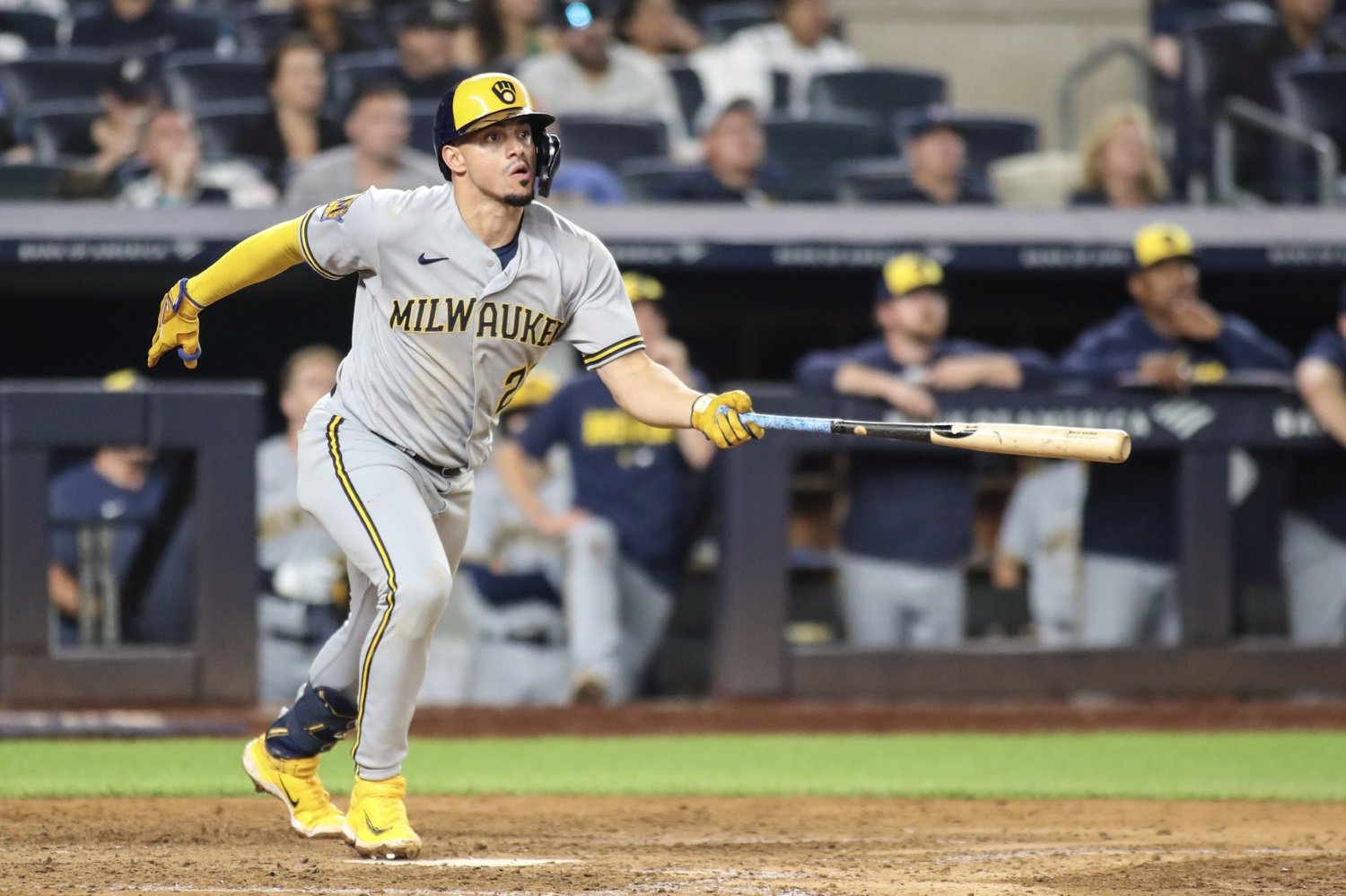 The Winter Meetings are over, and the Milwaukee Brewers haven’t shown any signs of tearing the whole team down. Despite some rumors about selling players on expiring contracts and making everyone available, we haven’t seen any trades made since the Jake Bauers deal in November—and that was to add to the 2024 team, not subtract from it. There is a growing belief that the Brewers will sell ace pitcher Corbin Burnes this winter. On the other hand, there’s hardly been any noise about what the team is going to do with shortstop Willy Adames. Adames is entering his last year of arbitration and will become a free agent after the 2024 season. The Brewers could play out his walk year and try to bring him back, or they could trade him. Here are some reasons why the Brewers will consider trading away the shortstop—and a few reasons why they shouldn’t. We'll treat it like point-counterpoint. Trade Him: He Costs A Lot of Money As I mentioned earlier, Adames is arbitration-eligible for the final time this winter. According to MLB Trade Rumors, Adames is projected to make $12.4 million in 2024. It may not seem like much, but given how many holes the Brewers have on their roster, they could use that money elsewhere. That’s nothing against the player; he is one of the better shortstops in MLB. The questions are whether the Brewers can realistically bid to keep him against much richer teams in larger markets, and (if the answer to that is no) whether trading Adames would free up money they could spend well to get better for 2024, in addition to the long-term value of whatever prospects they acquire. Should the Crew trade Adames, whoever gets him will be in charge of paying, and the Brewers will have more to spend. They can use it to sign extensions within their organization like they did with Jackson Chourio, or they can have a few more dollars with which to reel in a free agent or two to plug holes. Even if the money isn’t used on the roster, there are places behind the scenes that can benefit from it. Areas such as scouting and player development could all benefit from the extra cash. Whatever they use it for, smart teams find good ways to spend extra money, and Matt Arnold has proved himself a smart team runner. Keep Him: They Can Afford Him If the Brewers would have kept the likes of Mark Canha, Brandon Woodruff, Rowdy Tellez, and all the other players they declined to keep this offseason, the projected payroll at this point of the offseason would have been around $150 million, which would be the highest in franchise history. Instead, the team is currently at a projected $98.5 million, including Adames’s projected arbitration award, according to Spotrac.com. Chourio’s contract, although worth up to $142 million over 10 years, is back-loaded; he’ll only make $2 million in 2024. If the Brewers still intend to compete next season, they may stick to the $120 million range. This would mean the team already has $20-30 million to work with. The Crew have enough money to not only keep Adames, but consider extending him. If the front office decides to move on from Burnes, they could dip into the free-agent market and bring someone in to replace him, or fill a hole elsewhere on the roster Trade Him: His Value is Still High If the Brewers are using their money to try to keep the young guys around for a while, then Adames will still cost a bit on the free-agent market. Looking ahead into the 2024-25 offseason, there are very few shortstops available. Adames is the youngest of the bunch and by far the most valuable, provided he has a strong season. If Adames is looking for a long-term deal, it would probably be for six or seven years at around $25 million per. If that sounds high, it’s around the same amount Javier Baez and Dansby Swanson are making. If the Brewers think they can’t afford a deal like that, maybe trading away Adames is their best option. Whether that team uses him as a rental or plans to keep him longer, $12.4 million is a cheaper tag now than it will be in a year. The Brewers will get back a few prospects, but not anything crazy. Maybe if they package him with Burnes, the haul of prospects would be better. Then we’ll see, in a few years, if any of those prospects break through the farm system. Keep him: Lack of Interest It’s funny to think we are discussing why it’s a good idea to trade Adames and why a team may like keeping the shortstop, yet we’ve barely heard anything about him being on the move. The only things we’ve heard thus far are that the Brewers are making everyone available and they want to stay competitive. We also have heard both the Dodgers and the Braves have had interest in trading for a power hitter. Better yet, both are looking to get a starting pitcher. So a package deal isn't entirely out of the question in either case. However, the Braves recently picked up David Fletcher in a trade with the Angels and may not need another infielder. The Dodgers also said their starting shortstop, at least for now, will be Gavin Lux. The only true noise that’s being heard from the Adames trade rumors are a potential package with Burnes. If Burnes is dealt to a team who’s not interested in Adames, then the value the Brewers get back won’t be as big. The market hasn’t heated up for Adames, which could mean there are simply few teams interested. With little interest, there’s no bidding war which could lead to lower-end, lottery-ticket prospects. The Brewers could be better off holding onto Adames and (if he puts up great numbers) offering him a qualifying offer, so as to get a draft pick back from the team who signs him. If he isn’t putting up spectacular numbers, they could try to bring him back on a short-term contract. Of course, if the team isn’t performing well, they could also trade Adames midseason, but once Opening Day slides by, Adames becomes a pure rental, and any acquiring team can't extend the qualifying offer to him. If the value isn’t there, then, they might as well keep him for one last season in Milwaukee. Trade Him: They Have Infield Depth The moves the Brewers organization have already made this offseason are interesting, to say the least. Besides Adames, they have Brice Turang, Andruw Monasterio and Owen Miller who can all play the infield positions. That was before the season ended. Since then, the club has claimed infielder Vinny Capra on waivers and traded for Oliver Dunn, from the Phillies. Both of these players are on the 40-man roster. It seems the team might not be done adding infielders, either. Per Ken Rosenthal of The Athletic, the Brewers are one of a handful of teams interested in utility man Isiah Kiner-Falefa. There is also potential for the Brewers to add infield prospect Tyler Black to the 40-man roster. If all (or any) of those come to fruition, the Crew could be building up sufficient depth to let them move on from Adames. Should he be on the move, Turang could move over to his natural position at short, Miller or Black can play second base and Monasterio could play the hot corner. Capra and Dunn could both start in the minors and be called up when necessary. Depending on what the return would be for Adames, the team is already set on a plan without him. This would give some of the younger guys more opportunities to play, as Adames plays almost every single game during the season. Dealing away Adames would explain why the team is loading up the infield with low-cost, low-risk players. The team has to prepare for the worst, should the fan favorite leave. Keep Him: They Are Being Competitive In the end, we all know the plan is for the team to remain competitive and to do whatever they can to win a World Series. We don’t know if that means for this season or for the future, but they just might try to stay in the thick of things. If the plan is to try to run it back, why would the Brewers want to trade their veteran infielder? Adames has been a main cog for the team, so why get rid of a guy who’s helped you for the last three seasons? The team may be building up depth in the infield, leading us to assume Adames will be on the move. But what if that’s not the player they are looking to offload? The Brewers' interest in Kiner-Falefa--a right-handed, former Gold Glove winner experience in the outfield and at shortstop, could be telling. With seven outfielders on the 40-man, Black ready to be called up, and the infield loaded with players, why are they interested in IKF? Monasterio wasn’t utilized in the playoffs at all last season. He was relegated to more of a utility role down the stretch. Sure, the team needs an upgrade at the corner positions, but what’s wrong with the young guys? There is nothing wrong with the current team the Brewers have. There just might be more options that we are overlooking. We are not sure how far (if at all) into this retooling the team is going to go. If the Brewers are going all-in one last time, the team may trade young guys like Monasterio, Joey Wiemer, Garrett Mitchell, or (dare I say it?) Sal Frelick or Turang to upgrade their current positions. The White Sox are willing to sell, and both Eloy Jimenez and Andrew Vaughn could be available. The Rays are trying to shed payroll and are listening to offers for Isaac Paredes. However, if the team tears it down a little, then Adames might be on the move, along with Burnes and Devin Williams. The Orioles, Braves, and Dodgers all have decent farm systems and the Brewers would welcome them with open arms. The window is closing for the Brewers to make a run at a championship. Are they going to pry it open, or are they willing to let it close and open it up another day? That all depends on what they do with their popular veteran players. Brewers fans, look forward to every game this season. Whether it’s with or without Adames, you’re about to see a franchise-defining offseason, and a momentous baseball season after that. Prediction: Corbin Burnes gets traded, but Adames sticks around a little longer…for now.
 -
Why Joey Wiemer Could Be Traded
Ryan Pollak replied to Ryan Pollak's topic in Brewer Fanatic Front Page News
A full year of service time is 172 days on the MLB roster. There are on average 187 days of the MLB schedule. You don't have to play the full season to get a full year -
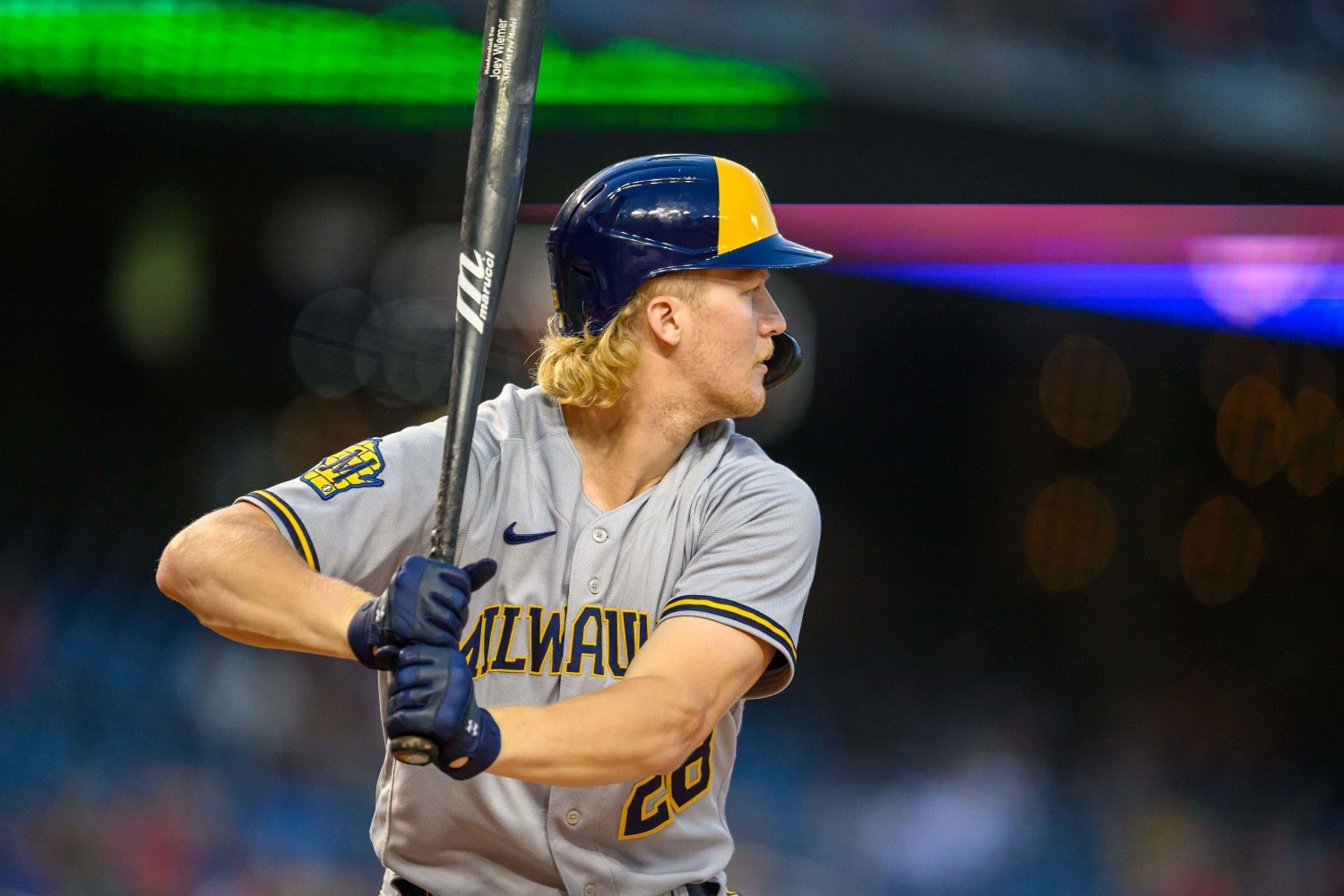 So that’s what the Brewers were planning this offseason. Despite not having a single at-bat in MLB, top prospect Jackson Chourio signed a massive eight-year extension with the Brewers with two club options at the end of it, according to Adam McCalvy. But now we are left with an obvious question facing the organization: What are we going to do with this outfield logjam? Prior to the Chourio signing, seven outfielders were already on the 40-man roster. These players included Christian Yelich, Tyrone Taylor, Garrett Mitchell, Sal Frelick, Joey Wiemer, Blake Perkins and Chris Roller. They say you can’t have too many outfielders, but I believe eight natural outfielders seems too many on any Opening Day roster--especially with Taylor out of options and Chourio all but locked into the MLB group because of this deal. What do you do with the other players? Ideally, we can assume both Roller and Perkins could use one of their options down to Triple-A Nashville, but that still leaves us with six players who could regularly start at the highest level. This means the Brewers could look to trade one of these players, in hopes of improving one of their problem areas in the infield. Out of the remaining players, any could be traded, with varying value. With that in mind, I believe the player that we’ll be saying goodbye to is the former fourth-round pick out of Cincinnati. Losing any of these guys would suck, but it seems to make the most sense to trade Wiemer to a team looking for a young outfielder. Here are the reasons why Wiemer is the most likely option. Club Control/Options Whenever a team is trading for young outfielders, one of the key components they like is the ability to control how long the player stays with the team and how many times they can send someone down when they are in a slump. This doesn’t have to do with how many options Wiemer has, but rather how many options the other players have. Due to Yelich’s experience, they can’t send him down (and why would they?). Meanwhile, neither Mitchell nor Frelick have used any of their options. Not sending down Frelick shows confidence in the young man, whereas not sending down Mitchell was only due to his injury. The only other player left is Taylor. The problem with him is he has no options left, and cannot be sent down without being removed from the 40-man roster and going through waivers. (He'd never clear them.) Granted, having as many options as possible available to you builds the value of the player. But after sending him down to the minors the first time, it shows the team can survive without that player. Even a player with two options remaining gives whatever team is interested in them an opening to develop the player in their own farm system. To top this all off, since Wiemer was called up so early in the regular season, his service-time clock started. One of his six years of team control was used up. Frelick still has six years; Mitchell has five, Taylor has three left and entered his first year of arbitration, and Chourio, well, he probably won’t be traded after signing that extension. Whoever would get Wiemer would have five years to develop him either in the major leagues or, if he were to start slumping, in the minors. That would call for a better package than someone who has little-to-no club control left. LHP vs RHP Throughout Craig Counsell’s tenure as the Brewers manager, he loved playing the pitching matchup. Whenever there was a right-handed starting pitcher, he would load the lineup with a bunch of left-handed hitters, and vice-versa with a lefty starter. Wiemer excelled when it came to hitting against lefties. He had a .267/.298/517 slash line last season, hitting seven of his 13 home runs against southpaws. However, if the Brewers want to use Yelich in the DH spot more (or even give him reps at first base), there will come a time when a right-handed hitting bat must step up and play the outfield. If you had to choose between Wiemer’s numbers against righties (.175/.277/.291) or the numbers Taylor puts up against them (.230/.272/.434), most would prefer to go with Taylor. Now, adding Chourio (who is also a right-handed hitter) into the mix, if he puts up anywhere near the same slash line as his Double-A Biloxi numbers (.280/.336/.467), then Wiemer will have no path to consistent playing time with the Brewers. Sure, it would take time for players to develop better hitting against certain pitching, but if the Brewers are going to go through with their plans to compete in the 2024 season, the team has no time for developing. The Rich and Healthy With all these potential players being on the trade block, it makes you wonder why I don’t mention Christian Yelich, Tyrone Taylor or even Garrett Mitchell as the player to get traded from this team. One huge problem is the health of these players. Mitchell is coming off a shoulder injury that sidelined him for five months, after sliding into a base wrong back in April. Yelich has lingering back problems that keep him out of games. These injuries can lower the offer for those who want outfield help. Still think Yelich is tradable? There are 26 million reasons that can hold off that trade (not to mention a full no-trade clause.) Let’s compare that to Wiemer who, unlike Yelich, can be paid around $750,000 a year for the next two seasons. For any team who might want to go for a rebuild, they would take that young player over paying someone over $5 million and losing them in free agency in a year or so. Taylor is less expensive than Yelich and more proven than Mitchell. However, he is set to make an estimated $1.3 million in arbitration this year. That would only rise the next few years, and he is entering his 30-year-old season. He has his own questions of durability. Just not as attractive a case as Weimer. Déjà Vu Call me crazy, but doesn’t this situation sound familiar? Entering the 2017 offseason, we all thought they were set at the outfield position. The Crew consisted of Ryan Braun, Keon Broxton, Domingo Santana, and two outfield prospects (Lewis Brinson and Brett Phillips) waiting in the wings. The team looked decent, just missing a playoff spot the previous year and dead-set on being ready to compete. Then, out of nowhere, they traded Brinson for Yelich and Lorenzo Cain signed a five-year, $80-million deal. At the 2018 trade deadline, Phillips was included in the Mike Moustakas deal. Santana was used as a pinch-hitter before getting traded after the 2018 season, and the rest is history. Fast forward to today, and we may have the same thing going. Yelich is the new Braun, Mitchell is the new Broxton, Frelick is (a very different-looking) Santana, and Taylor (or even Perkins) is like Quintin Berry. Wiemer is most like Phillips or Brinson, waiting in the wings to play. We just signed a center fielder to a franchise deal similar to Cain’s. Who, then, are the pieces to trade for “Moustakas” or “Yelich"? If history repeats itself, then we just might see multiple outfielders on the move for veteran players who can put the team over the hump. I could easily be grasping at straws, since we heard rumors about moving on from key players such as Corbin Burnes or Willy Adames. But the Brewers have now spent some of that saved money from earlier offseason moves on a young prospect who may or may not have success in the big leagues. That being said, I’m excited to see what the young man can do while playing for the Brewers. The organization seems confident in Chourio. Whether it be at the expense of Wiemer or any of the other outfielders has yet to be seen, but something may happen sooner rather than later. What do you think the organization will do after their major signing. Which Brewers player do you think gets traded? Do any of the prospects get traded. Let us know in the comments below.
 -
Jackson Chourio has inked a deal keeping him under the Milwaukee Brewers' control through 2033. With a logjam in the outfield, Joey Wiemer seems like a player on the move. Why is he the most likely candidate? Image courtesy of © Reggie Hildred-USA TODAY Sports So that’s what the Brewers were planning this offseason. Despite not having a single at-bat in MLB, top prospect Jackson Chourio signed a massive eight-year extension with the Brewers with two club options at the end of it, according to Adam McCalvy. But now we are left with an obvious question facing the organization: What are we going to do with this outfield logjam? Prior to the Chourio signing, seven outfielders were already on the 40-man roster. These players included Christian Yelich, Tyrone Taylor, Garrett Mitchell, Sal Frelick, Joey Wiemer, Blake Perkins and Chris Roller. They say you can’t have too many outfielders, but I believe eight natural outfielders seems too many on any Opening Day roster--especially with Taylor out of options and Chourio all but locked into the MLB group because of this deal. What do you do with the other players? Ideally, we can assume both Roller and Perkins could use one of their options down to Triple-A Nashville, but that still leaves us with six players who could regularly start at the highest level. This means the Brewers could look to trade one of these players, in hopes of improving one of their problem areas in the infield. Out of the remaining players, any could be traded, with varying value. With that in mind, I believe the player that we’ll be saying goodbye to is the former fourth-round pick out of Cincinnati. Losing any of these guys would suck, but it seems to make the most sense to trade Wiemer to a team looking for a young outfielder. Here are the reasons why Wiemer is the most likely option. Club Control/Options Whenever a team is trading for young outfielders, one of the key components they like is the ability to control how long the player stays with the team and how many times they can send someone down when they are in a slump. This doesn’t have to do with how many options Wiemer has, but rather how many options the other players have. Due to Yelich’s experience, they can’t send him down (and why would they?). Meanwhile, neither Mitchell nor Frelick have used any of their options. Not sending down Frelick shows confidence in the young man, whereas not sending down Mitchell was only due to his injury. The only other player left is Taylor. The problem with him is he has no options left, and cannot be sent down without being removed from the 40-man roster and going through waivers. (He'd never clear them.) Granted, having as many options as possible available to you builds the value of the player. But after sending him down to the minors the first time, it shows the team can survive without that player. Even a player with two options remaining gives whatever team is interested in them an opening to develop the player in their own farm system. To top this all off, since Wiemer was called up so early in the regular season, his service-time clock started. One of his six years of team control was used up. Frelick still has six years; Mitchell has five, Taylor has three left and entered his first year of arbitration, and Chourio, well, he probably won’t be traded after signing that extension. Whoever would get Wiemer would have five years to develop him either in the major leagues or, if he were to start slumping, in the minors. That would call for a better package than someone who has little-to-no club control left. LHP vs RHP Throughout Craig Counsell’s tenure as the Brewers manager, he loved playing the pitching matchup. Whenever there was a right-handed starting pitcher, he would load the lineup with a bunch of left-handed hitters, and vice-versa with a lefty starter. Wiemer excelled when it came to hitting against lefties. He had a .267/.298/517 slash line last season, hitting seven of his 13 home runs against southpaws. However, if the Brewers want to use Yelich in the DH spot more (or even give him reps at first base), there will come a time when a right-handed hitting bat must step up and play the outfield. If you had to choose between Wiemer’s numbers against righties (.175/.277/.291) or the numbers Taylor puts up against them (.230/.272/.434), most would prefer to go with Taylor. Now, adding Chourio (who is also a right-handed hitter) into the mix, if he puts up anywhere near the same slash line as his Double-A Biloxi numbers (.280/.336/.467), then Wiemer will have no path to consistent playing time with the Brewers. Sure, it would take time for players to develop better hitting against certain pitching, but if the Brewers are going to go through with their plans to compete in the 2024 season, the team has no time for developing. The Rich and Healthy With all these potential players being on the trade block, it makes you wonder why I don’t mention Christian Yelich, Tyrone Taylor or even Garrett Mitchell as the player to get traded from this team. One huge problem is the health of these players. Mitchell is coming off a shoulder injury that sidelined him for five months, after sliding into a base wrong back in April. Yelich has lingering back problems that keep him out of games. These injuries can lower the offer for those who want outfield help. Still think Yelich is tradable? There are 26 million reasons that can hold off that trade (not to mention a full no-trade clause.) Let’s compare that to Wiemer who, unlike Yelich, can be paid around $750,000 a year for the next two seasons. For any team who might want to go for a rebuild, they would take that young player over paying someone over $5 million and losing them in free agency in a year or so. Taylor is less expensive than Yelich and more proven than Mitchell. However, he is set to make an estimated $1.3 million in arbitration this year. That would only rise the next few years, and he is entering his 30-year-old season. He has his own questions of durability. Just not as attractive a case as Weimer. Déjà Vu Call me crazy, but doesn’t this situation sound familiar? Entering the 2017 offseason, we all thought they were set at the outfield position. The Crew consisted of Ryan Braun, Keon Broxton, Domingo Santana, and two outfield prospects (Lewis Brinson and Brett Phillips) waiting in the wings. The team looked decent, just missing a playoff spot the previous year and dead-set on being ready to compete. Then, out of nowhere, they traded Brinson for Yelich and Lorenzo Cain signed a five-year, $80-million deal. At the 2018 trade deadline, Phillips was included in the Mike Moustakas deal. Santana was used as a pinch-hitter before getting traded after the 2018 season, and the rest is history. Fast forward to today, and we may have the same thing going. Yelich is the new Braun, Mitchell is the new Broxton, Frelick is (a very different-looking) Santana, and Taylor (or even Perkins) is like Quintin Berry. Wiemer is most like Phillips or Brinson, waiting in the wings to play. We just signed a center fielder to a franchise deal similar to Cain’s. Who, then, are the pieces to trade for “Moustakas” or “Yelich"? If history repeats itself, then we just might see multiple outfielders on the move for veteran players who can put the team over the hump. I could easily be grasping at straws, since we heard rumors about moving on from key players such as Corbin Burnes or Willy Adames. But the Brewers have now spent some of that saved money from earlier offseason moves on a young prospect who may or may not have success in the big leagues. That being said, I’m excited to see what the young man can do while playing for the Brewers. The organization seems confident in Chourio. Whether it be at the expense of Wiemer or any of the other outfielders has yet to be seen, but something may happen sooner rather than later. What do you think the organization will do after their major signing. Which Brewers player do you think gets traded? Do any of the prospects get traded. Let us know in the comments below. View full article
-
The Milwaukee Brewers have saved millions of dollars from early moves this offseason. Why was that their priority? Here are a few different directions the team could be going for the rest of this winter. Image courtesy of © Sam Navarro-USA TODAY Sports At this stage of an offseason full of transitions, it is hard to predict what direction the Milwaukee Brewers are going. The organization has stated they are trying to stay competitive for 2024, yet their recent transactions and preliminary reporting on their plans hint at some version of a rebuild. Since the 2023 World Series, the Brewers have shed over $50 million from their projected 2024 payroll, via trades, declined options, and non-tendered players. If the team were to bring back every remaining player who’s going through arbitration, the projected payroll would be somewhere around $90 million, a number roughly $35 million less than the 2023 payroll, according to Spotrac.com. Where is all this money going to end up? Here are a few ways the team can spend their extra cash. Save the Money: Rebuild Begins A few days ago, fellow Brewer Fanatic writer Matt Breen mentioned a scenario wherein the Brewers can reboot the team. This is a reality no one really wants, but it might be the one that makes the most sense in the long run. Corbin Burnes, Willy Adames and Adrian Houser are all scheduled to become free agents at the end of the 2024 season. The same can be said for Devin Williams and Hoby Milner after the 2025 season. We’ve had the privilege of keeping these players due to club control, but once they hit the free market, they become hard to retain. With any team able to bid on these athletes, they have probably played their way out of the Crew’s price range and could be gone forever as soon as that club control expires. Before that happens, the organization can opt to trade these players, adding prospects to their system rather than letting them walk in free agency and starting from Square One. Then, the team can utilize their younger players in hopes of finding the next big star. As for the money they've saved, the Brewers could divert it to fill the holes that were left by those who were traded. We're not talking about big-money arrivals, but there are always some low-risk, medium-reward options at the lower end of the market. The unspent money can also be used to sign extensions for those core players whom the team sees as a long-time fixture within the organization. Candidates include William Contreras, Sal Frelick, Brice Turang, or even MLB’s No. 2 overall prospect, Jackson Chourio. The rebuild doesn’t even need to be that long; we might have the talent to fill some holes in short order. Depending on what they get in those trades, the aforementioned Chourio could replace Tyrone Taylor, Jacob Misiorowski could be a future ace in the rotation, and 2023 draftees Cooper Pratt and Brock Wilken might shore up the infield--assuming, admittedly with some unchecked optimism, that all these players perform well in the big leagues. Then, just like that, we are back in business. Much Deserved Pay Raise: Extend Corbin Burnes As I mentioned earlier, Burnes is set for free agency after next season. He’s due a major pay raise, anyway. Why don’t the Brewers offer a huge contract, so the former Cy Young Award winner stays in town? For the longest time, it seemed the Brewers had to choose between him and Brandon Woodruff. However, with Woodruff being non-tendered, there’s now a chance they will lose both. With Woodruff gone, the team might have the funds to pay the ace and keep the rotation strong for years to come. However, this would come with a huge price tag, as he would be considered one of the best pitchers in baseball. To gauge the amount Burnes is worth, we can look at previous contracts signed by starting pitchers between now and last offseason. Just last season, Carlos Rodon signed a six-year deal worth $162 million, Jacob Degrom signed a five-year deal worth $185 million, and Justin Verlander signed a two-year deal worth $86.67 million. Now, these averages vary, but it seems that pitchers are looking for deals above $30 million a year. Don’t be surprised if Burnes asks for a deal similar to DeGrom’s, which averages $37 million per year. This would explain why the Brewers could have been parting ways with other big contracts--as a way to find the money to pay the man. Should the Brewers extend Burnes, he would become the highest-paid player in franchise history. This would also be the only time the organization signed a multi-year extension with a pitcher after their arbitration years began. However, Burnes himself said he and the Crew haven’t had any discussions about a possible extension. Things can change and anything can happen, but as of now, things aren’t looking good for anyone clinging to hope of these two sides finding common ground. Money in, Money Out: Retooling the Franchise Infamously, there have been reports that suggest any player on the roster could be traded. The Brewers don’t have to have a fire sale of all their good players, though. Instead, they could trade some players, keep other players on expiring deals, and fill other needs with the cash they've saved. For example, let’s say the Brewers sign a starting pitcher to a deal similar to the three-year, $33-million accord on which they landed Kyle Lohse back in 2013. Maybe one of the pitchers from my article about retooling the starting rotation would sign such a deal. Then, the Brewers can keep Burnes and construct another three-headed monster in the starting rotation, alongside Freddy Peralta. Though we're talking about keeping Burnes in the short term, it still would be likely he leaves in free agency. The least the Brewers can get then would be an early-round draft pick in the subsequent 2025 MLB Draft from the team who signs him. But at the very least, the rotation stays strong for one more year. They could move on from Willy Adames via trade, move Brice Turang over to shortstop and either sign a player to play second base for a year or fill the hole internally. The trade that brought in Yankees-***-Phillies infield prospect Oliver Dunn points in that direction. Doing so will provide the chance for young guys to showcase their skills against MLB talent. This would also save around $10-12 million to spend elsewhere, whether it be on other extensions or free-agent signings. Williams would probably stay with the organization, seeing as they don’t have a clear replacement for the closer role should they trade him. But as a reminder, former closer Josh Hader was traded with around the same amount of club control that Williams has heading into the 2024 season. Whatever money the organization has left, they could use to bring back players like Victor Caratini, Carlos Santana, or even Brandon Woodruff, reassembling a modified version of the team that won the NL Central last year. Granted, not all players can come back, so the front office would have to stomach hefty expenses to sign upgrades for the positions at which incumbents have moved on, or will soon do so. The best part about this is, if the team starts to fall flat, the organization could then trade the players who have one or two years of team control left and flip them for more prospects in their already-great farm system. Keeping the Band Together: Extend Contreras and Co. Around this time last year, the Brewers were part of the three-team trade with the Atlanta Braves and the Oakland Athletics that sent Sean Murphy to the Braves. In this trade, the Brewers received Joel Payamps from the Athletics and Contreras (plus minor-league pitcher Justin Yeager) from the Braves, in exchange for outfield prospect Esteury Ruiz. While we don’t know what the Crew got in Yeager, Payamps eventually became the eighth-inning setup man for the 2023 Brewers, with an impressive 2.55 ERA and a 1.05 WHIP. Meanwhile, Contreras won the Silver Slugger award for the catcher position in the National League, the first person to so for the Brewers. He had a .289/.367/.457 slash line, while hitting 17 homers and 78 RBI in his first year with the team. With four years of club control, the Brewers can opt to sign Contreras to the minimum salary of $740,000 in his last pre-arbitration year. However, it seems both parties want to sign a deal that would keep him in Milwaukee longer than the end of 2027. This isn’t unheard-of, as other organizations have signed their younger stars to huge extensions prior to their arbitration years. Players like Julio Rodriguez, Luis Robert, and Eloy Jimenez have all received deals that kept them with their organizations for extended periods of time. The Brewers could do the same with the catcher. They've even tried this themselves, as they signed both Peralta and Aaron Ashby to multi-year contracts that would keep them beyond their first six years of service time. So why not try to keep the 26-year-old catcher? Whether they extend Contreras or not, the Brewers will have a lot of money left over. Maybe they can look to sign other players to extensions. Adames, Williams and Payamps are all in their years of arbitration and could be signed to extensions. Signing Adames would make other infield prospects and current players a little more expendable in the trade market, while signing Williams and Payamps could secure their one-two punch in the bullpen for years. Carlos Gomez, Ryan Braun, and (most recently) Christian Yelich have all signed contract extensions while still part of the organization. Every extension, however, provides a risk for a team, because there’s no telling what type of production the player can put up multiple years down the road. Look at Stephen Strasburg of the Washington Nationals. He signed a seven-year, $245-million contract after helping the team win the World Series in 2019. Since then, injuries derailed his career. He hasn’t pitched in a single game since June 2022. Final Push: Brewers Go All In You would think that an organization trading away assets and losing their longest-tenured manager could lead to the team starting over. But we may be overthinking it. Even with a new coach, Matt Arnold said the Brewers plan to stay competitive. This might mean the team is just saving up to make a big move to make one last push to try to win it all in 2024. Some of the biggest needs for upgrades are the corner-infield positions; a backup catcher; an arm in the rotation; a lefty reliever; and a DH bat. If the Brewers are willing to pay, the team can cover a two-for-one, bringing in former Texas Ranger. Mitch Garver or former Philadelphia Phillies first baseman Rhys Hoskins. Another player who can fill multiple voids in the roster is Jeimer Candelario, who can man third base or first base. Even Justin Turner (who has been tied to the Brewers in previous offseasons) is back on the market. What about arms for the pen? Aroldis Chapman, Wandy Peralta, Brad Hand and former Brewer Brent Suter are all lefties and are available. As for starters, Mike Clevinger, Jack Flaherty, Johnny Cueto and Wade Miley are all great mid- to back-of-the-rotation arms for the team. If not in the free-agent market, then maybe another trade can be made. Jimenez, from the Chicago White Sox, was rumored to be on the move prior to the trade deadline this summer, and it was mentioned that the Brewers checked in on the 27-year-old. The Athletics might sell starting pitcher Paul Blackburn, who has two years of club control remaining. The Twins are reportedly shopping certain players in an effort to cut payroll. The window for the Brewers to win a World Series is closing, and now might be the time to go full throttle before calling up the rookies from their farm system. With role players heading into free agency after the 2024 season, this might be their last chance to do it. No matter what the Brewers decide to do this offseason, it’s already off to a crazy start. With Pat Murphy at the helm, we will see a different team come Opening Day. So, buckle up because it is going to be a bumpy ride these next few months. What would you like to see the Brewers do this offseason? What direction do you see the Crew going? Let us know in the comments below. View full article
-
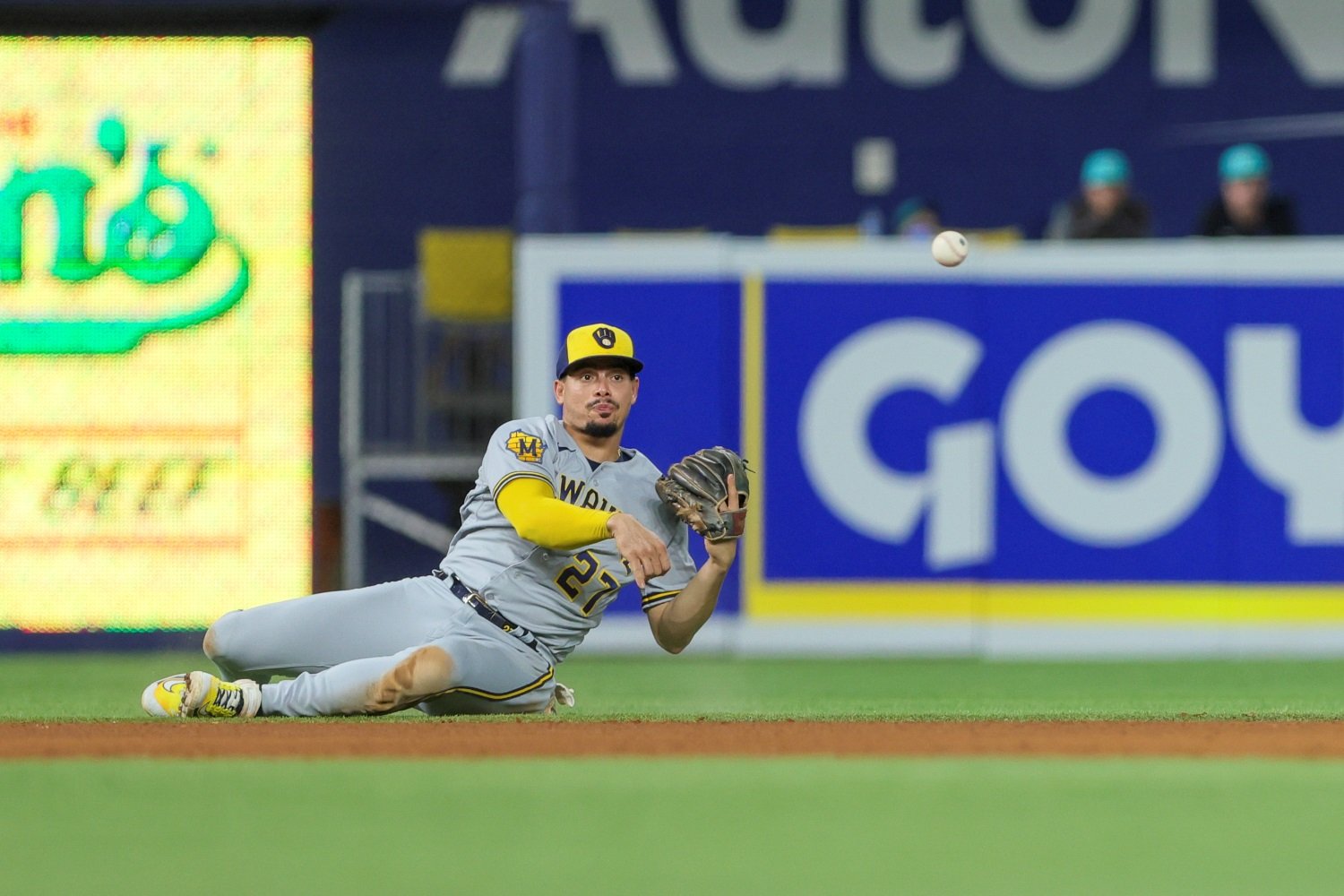 At this stage of an offseason full of transitions, it is hard to predict what direction the Milwaukee Brewers are going. The organization has stated they are trying to stay competitive for 2024, yet their recent transactions and preliminary reporting on their plans hint at some version of a rebuild. Since the 2023 World Series, the Brewers have shed over $50 million from their projected 2024 payroll, via trades, declined options, and non-tendered players. If the team were to bring back every remaining player who’s going through arbitration, the projected payroll would be somewhere around $90 million, a number roughly $35 million less than the 2023 payroll, according to Spotrac.com. Where is all this money going to end up? Here are a few ways the team can spend their extra cash. Save the Money: Rebuild Begins A few days ago, fellow Brewer Fanatic writer Matt Breen mentioned a scenario wherein the Brewers can reboot the team. This is a reality no one really wants, but it might be the one that makes the most sense in the long run. Corbin Burnes, Willy Adames and Adrian Houser are all scheduled to become free agents at the end of the 2024 season. The same can be said for Devin Williams and Hoby Milner after the 2025 season. We’ve had the privilege of keeping these players due to club control, but once they hit the free market, they become hard to retain. With any team able to bid on these athletes, they have probably played their way out of the Crew’s price range and could be gone forever as soon as that club control expires. Before that happens, the organization can opt to trade these players, adding prospects to their system rather than letting them walk in free agency and starting from Square One. Then, the team can utilize their younger players in hopes of finding the next big star. As for the money they've saved, the Brewers could divert it to fill the holes that were left by those who were traded. We're not talking about big-money arrivals, but there are always some low-risk, medium-reward options at the lower end of the market. The unspent money can also be used to sign extensions for those core players whom the team sees as a long-time fixture within the organization. Candidates include William Contreras, Sal Frelick, Brice Turang, or even MLB’s No. 2 overall prospect, Jackson Chourio. The rebuild doesn’t even need to be that long; we might have the talent to fill some holes in short order. Depending on what they get in those trades, the aforementioned Chourio could replace Tyrone Taylor, Jacob Misiorowski could be a future ace in the rotation, and 2023 draftees Cooper Pratt and Brock Wilken might shore up the infield--assuming, admittedly with some unchecked optimism, that all these players perform well in the big leagues. Then, just like that, we are back in business. Much Deserved Pay Raise: Extend Corbin Burnes As I mentioned earlier, Burnes is set for free agency after next season. He’s due a major pay raise, anyway. Why don’t the Brewers offer a huge contract, so the former Cy Young Award winner stays in town? For the longest time, it seemed the Brewers had to choose between him and Brandon Woodruff. However, with Woodruff being non-tendered, there’s now a chance they will lose both. With Woodruff gone, the team might have the funds to pay the ace and keep the rotation strong for years to come. However, this would come with a huge price tag, as he would be considered one of the best pitchers in baseball. To gauge the amount Burnes is worth, we can look at previous contracts signed by starting pitchers between now and last offseason. Just last season, Carlos Rodon signed a six-year deal worth $162 million, Jacob Degrom signed a five-year deal worth $185 million, and Justin Verlander signed a two-year deal worth $86.67 million. Now, these averages vary, but it seems that pitchers are looking for deals above $30 million a year. Don’t be surprised if Burnes asks for a deal similar to DeGrom’s, which averages $37 million per year. This would explain why the Brewers could have been parting ways with other big contracts--as a way to find the money to pay the man. Should the Brewers extend Burnes, he would become the highest-paid player in franchise history. This would also be the only time the organization signed a multi-year extension with a pitcher after their arbitration years began. However, Burnes himself said he and the Crew haven’t had any discussions about a possible extension. Things can change and anything can happen, but as of now, things aren’t looking good for anyone clinging to hope of these two sides finding common ground. Money in, Money Out: Retooling the Franchise Infamously, there have been reports that suggest any player on the roster could be traded. The Brewers don’t have to have a fire sale of all their good players, though. Instead, they could trade some players, keep other players on expiring deals, and fill other needs with the cash they've saved. For example, let’s say the Brewers sign a starting pitcher to a deal similar to the three-year, $33-million accord on which they landed Kyle Lohse back in 2013. Maybe one of the pitchers from my article about retooling the starting rotation would sign such a deal. Then, the Brewers can keep Burnes and construct another three-headed monster in the starting rotation, alongside Freddy Peralta. Though we're talking about keeping Burnes in the short term, it still would be likely he leaves in free agency. The least the Brewers can get then would be an early-round draft pick in the subsequent 2025 MLB Draft from the team who signs him. But at the very least, the rotation stays strong for one more year. They could move on from Willy Adames via trade, move Brice Turang over to shortstop and either sign a player to play second base for a year or fill the hole internally. The trade that brought in Yankees-***-Phillies infield prospect Oliver Dunn points in that direction. Doing so will provide the chance for young guys to showcase their skills against MLB talent. This would also save around $10-12 million to spend elsewhere, whether it be on other extensions or free-agent signings. Williams would probably stay with the organization, seeing as they don’t have a clear replacement for the closer role should they trade him. But as a reminder, former closer Josh Hader was traded with around the same amount of club control that Williams has heading into the 2024 season. Whatever money the organization has left, they could use to bring back players like Victor Caratini, Carlos Santana, or even Brandon Woodruff, reassembling a modified version of the team that won the NL Central last year. Granted, not all players can come back, so the front office would have to stomach hefty expenses to sign upgrades for the positions at which incumbents have moved on, or will soon do so. The best part about this is, if the team starts to fall flat, the organization could then trade the players who have one or two years of team control left and flip them for more prospects in their already-great farm system. Keeping the Band Together: Extend Contreras and Co. Around this time last year, the Brewers were part of the three-team trade with the Atlanta Braves and the Oakland Athletics that sent Sean Murphy to the Braves. In this trade, the Brewers received Joel Payamps from the Athletics and Contreras (plus minor-league pitcher Justin Yeager) from the Braves, in exchange for outfield prospect Esteury Ruiz. While we don’t know what the Crew got in Yeager, Payamps eventually became the eighth-inning setup man for the 2023 Brewers, with an impressive 2.55 ERA and a 1.05 WHIP. Meanwhile, Contreras won the Silver Slugger award for the catcher position in the National League, the first person to so for the Brewers. He had a .289/.367/.457 slash line, while hitting 17 homers and 78 RBI in his first year with the team. With four years of club control, the Brewers can opt to sign Contreras to the minimum salary of $740,000 in his last pre-arbitration year. However, it seems both parties want to sign a deal that would keep him in Milwaukee longer than the end of 2027. This isn’t unheard-of, as other organizations have signed their younger stars to huge extensions prior to their arbitration years. Players like Julio Rodriguez, Luis Robert, and Eloy Jimenez have all received deals that kept them with their organizations for extended periods of time. The Brewers could do the same with the catcher. They've even tried this themselves, as they signed both Peralta and Aaron Ashby to multi-year contracts that would keep them beyond their first six years of service time. So why not try to keep the 26-year-old catcher? Whether they extend Contreras or not, the Brewers will have a lot of money left over. Maybe they can look to sign other players to extensions. Adames, Williams and Payamps are all in their years of arbitration and could be signed to extensions. Signing Adames would make other infield prospects and current players a little more expendable in the trade market, while signing Williams and Payamps could secure their one-two punch in the bullpen for years. Carlos Gomez, Ryan Braun, and (most recently) Christian Yelich have all signed contract extensions while still part of the organization. Every extension, however, provides a risk for a team, because there’s no telling what type of production the player can put up multiple years down the road. Look at Stephen Strasburg of the Washington Nationals. He signed a seven-year, $245-million contract after helping the team win the World Series in 2019. Since then, injuries derailed his career. He hasn’t pitched in a single game since June 2022. Final Push: Brewers Go All In You would think that an organization trading away assets and losing their longest-tenured manager could lead to the team starting over. But we may be overthinking it. Even with a new coach, Matt Arnold said the Brewers plan to stay competitive. This might mean the team is just saving up to make a big move to make one last push to try to win it all in 2024. Some of the biggest needs for upgrades are the corner-infield positions; a backup catcher; an arm in the rotation; a lefty reliever; and a DH bat. If the Brewers are willing to pay, the team can cover a two-for-one, bringing in former Texas Ranger. Mitch Garver or former Philadelphia Phillies first baseman Rhys Hoskins. Another player who can fill multiple voids in the roster is Jeimer Candelario, who can man third base or first base. Even Justin Turner (who has been tied to the Brewers in previous offseasons) is back on the market. What about arms for the pen? Aroldis Chapman, Wandy Peralta, Brad Hand and former Brewer Brent Suter are all lefties and are available. As for starters, Mike Clevinger, Jack Flaherty, Johnny Cueto and Wade Miley are all great mid- to back-of-the-rotation arms for the team. If not in the free-agent market, then maybe another trade can be made. Jimenez, from the Chicago White Sox, was rumored to be on the move prior to the trade deadline this summer, and it was mentioned that the Brewers checked in on the 27-year-old. The Athletics might sell starting pitcher Paul Blackburn, who has two years of club control remaining. The Twins are reportedly shopping certain players in an effort to cut payroll. The window for the Brewers to win a World Series is closing, and now might be the time to go full throttle before calling up the rookies from their farm system. With role players heading into free agency after the 2024 season, this might be their last chance to do it. No matter what the Brewers decide to do this offseason, it’s already off to a crazy start. With Pat Murphy at the helm, we will see a different team come Opening Day. So, buckle up because it is going to be a bumpy ride these next few months. What would you like to see the Brewers do this offseason? What direction do you see the Crew going? Let us know in the comments below.
 -
That's an interesting name, I'd be curious if the Brewers would consider a deal with Bauer. It'll be interesting to see what kind of rotation they would have come Opening Day
-
 The Milwaukee Brewers are in for a potential rebuild. Since the Brewers had an early exit in the 2023 Postseason, they have declined their options with Justin Wilson and Andrew Chafin, Mark Canha and Abraham Toro were traded in efforts to cut some cap from their payroll, and Rowdy Tellez was non-tendered after the Crew acquired 1B/OF Jake Bauers from the Yankees. But the biggest difference was the loss of two different arms from their starting rotation in Wade Miley and Brandon Woodruff. One opted out of their contract and elected free agency, while the other was sidelined with a shoulder injury and was non-tendered prior to Friday night's deadline. If the season were to start today, the rotation would include a combination of Corbin Burnes, Freddy Peralta, Adrian Houser, Colin Rea, Aaron Ashby, and potentially starting pitching prospect Robert Gasser. With Burnes's trade rumors looming, the organization may need to target the free agent market to stay competitive with their young core. Here are the top five realistic free agent pitchers the Brewers can realistically sign to help retool their starting rotation. Honorable Mention: LHP Wade Miley Despite Miley turning down his 2024 mutual option to play for the Crew, he is still interested in returning to the organization. Since his great 2018 campaign with the Brewers, Miley has been a constant cog in a rotation when he’s healthy. Besides his injury-plagued 2022 season, his ERA hovered around the 3.50 area. Last season, the southpaw had a 9-4 record with a 3.14 ERA in 23 starts. Miley’s pitching has only aged like a fine wine and could put up similar numbers next season. Miley was set to make $10 million in 2024, a sizable pay raise from his $3.5 million salary. With Woodruff gone, the team has an extra $10-12 million that could bring in a pitcher. Who’s to say they can’t bring Miley back with that price tag? Heck, maybe the Brewers were willing to bring Woody and Miley in next year before injuries anyway. 5. RHP Lucas Giolito This one is highly unlikely compared to the other four options, but if the Brewers are looking to fill the void that Woodruff in the rotation, Lucas Giolito would be the best option. The 2019 All-Star was the veteran presence for the Chicago White Sox and putting up numbers that you would see from the second spot in a starting rotation. From 2019-2021, he had a sub 3.50 ERA and a WHIP around 1.10. The man known as Big Foot was putting up similar numbers at the start of the 2023 season, sporting a .500 win/loss percentage and a 3.79 ERA. Giolito was traded to the Los Angeles Angels before the deadline in hopes of continuing the same magic he had and helping the Angels earn a spot in the 2023 playoffs. Unfortunately, this did not happen as Giolito only completed six starts with the team, ending his tenure with a 1-5 record and a 6.89 ERA. Things only got worse for Giolito as he was claimed by the Cleveland Guardians a month later, and his numbers were similar to his Angels stint. Combined with his numbers from Los Angeles, he gave up 21 home runs in two months. Entering his age-30 season, he may have played out of a huge contract, which may have given the Brewers an advantage. Giolito may be looking for a prove-it deal. A two-year, $30 million deal with an opt-out for 2025. If he were to muster up the same numbers he put up in Chicago, the Brewers could have another ace in their rotation, giving more time for Gasser and prospect Jacob Misiorowski to develop. 4. LHP James Paxton With the current state of the roster having no veteran left-handed pitchers, the Brewers might add one in former Boston Red Sox, James Paxton. Over the last few seasons, injuries have held up his production in the early stages of his career. While part of his second stint with the Seattle Mariners in 2021, Paxton underwent the dreaded Tommy John surgery that kept him off the field for a good part of two years. During his recovery process, the pitcher signed a deal with Boston even though he didn’t throw a pitch during the first year of his deal. It wasn’t until 2023 that Paxton started for the Boston Red Sox. It was a tale of two seasons for the veteran lefty. Paxton had a 6-2 win/loss record for the first half of the season with a 3.34 ERA. He was the subject of trade rumors before the deadline but wasn’t traded due to injuries within the rotation. His second half of the season was lackluster, with a 1-3 record and a 7.62 ERA. His season was cut short due to right knee inflammation. Paxton is on the wrong side of thirty but has been serviceable throughout his career. His career ten strikeouts per nine innings and sub 3.70 ERA are eye-popping. He won’t be looking for a long-term commitment at his age but may still want to get paid despite his late-season numbers. A deal similar to the one Kyle Gibson signed Tuesday at one year, $12 million should work, as he was supposed to make around $13 million before the Red Sox declined his option. 3. RHP Luis Severino At first glance, this seems like a step backward. Severino only had 19 starts and gave up 23 home runs, averaged 11.4 hits per nine innings, and a 1.65 WHIP. But when you deeply dive into his career, this was one of his rare off-seasons. If you look at the former Yankee starting pitcher’s stats, 2023 seems like a fluke. His career numbers are a 3.79 ERA, averaging eight hits per nine, and a 1.19 WHIP. Not to mention, this pitcher was a two-time all-star. It is worth mentioning that Severino did have Tommy John Surgery in 2020, has suffered groin and lat injuries, and ended his season with an oblique injury. Despite these injuries, he was still putting up consistent numbers before last season. Severino is entering his age 30 season and is coming off of a four-year, $40 million contract. But with his injury concerns and lack of consistency, last year can scare some teams away and may lower his asking price. History shows a change of scenery can help your career, and a move to the midwest can kickstart his career and return to winning ways. With the Brewers needing a middle-of-the-rotation arm, signing him to a deal might benefit them. Let's go with a deal similar to Matt Garza’s three-year contract for $38 million. 2. LHP Martin Perez When you look at the left-handed free agent market, few options are available. Clayton Kershaw and Eduardo Rodriguez are the top lefty options but are way out of the Brewers' budget. After those two, it becomes murky as most pitchers share time between the rotation and the pen. While that is not entirely bad for the Crew, as they will need both in the long run, the best lefty option for the Brewers to make a run at is the World Series champion lefty, Martin Perez. Perez has had two separate stints with the Rangers dating back to 2012, where he was utilized as mainly a starter. After a season with Minnesota and two with Boston, the Venezuelan returned to where it all began, putting up the best numbers of his career, representing the Rangers as an All-Star in 2022. He accepted the qualifying offer during the offseason, returning to the team, but it was different from the year prior. As a starter, Perez had an 8-4 record with a 4.98 ERA and a 1.52 WHIP in 20 starts. He had 15 appearances from the pen with a more comfortable 2.70 ERA with a 1.02 WHIP. Should the Brewers sign him, they can utilize him in the rotation or the pen. If we are to assume Robert Gasser makes his debut and eventually starts for the team, they can sign Perez to a 2-year deal that includes an option for the 2025 season. If the Brewers are okay with spending around $12-13 million a year, then it might be an excellent option to fill out the rotation. 1. RHP Michael Lorenzen We would not be kidding when we say nobody can replace what Brandon Woodruff has done with the community and the organization. But if the Brewers need someone to replace Woodruff in the rotation, then Michael Lorenzen is the closest player from the free-agent market they can find. Those diehard fans may remember that this pitcher hit a grand slam off Jacob Barnes in June 2018 with the Cincinnati Reds. He may not have picked up a bat since 2021, but he has been pitching for the Angels, Tigers, and the Phillies. Lorenzen is coming off his first all-star appearance and had a no-hitter with the Phillies. His ERA with his two-month tenure in Philadelphia may show some signs of concern. Yet, Lorenzen had a 4.06 ERA and a 1.18 WHIP in 25 starts last year and is hovering around the 4.00 ERA for his career. He might be the number 2 or 3 guy for the rotation that the Crew would need. With an $8.5 million salary last year, the Brewers can sign Lorenzen to the deal Woodruff would have had if he were to have gone through arbitration this last year. Should the Brewers want to keep Lorenzen for over a season, a three-year, $33 million could work. Otherwise, a one-year, $12 million deal would work just the same. Whether the Brewers will trade Burnes and/or Peralta this offseason, the team must prepare for the 2024 season. Bringing in one of these guys for a short-term deal could be the best way to stay competitive. If things look bleak, they can flip these guys for prospects and start a rebuild or continue retooling this team. What other players on the free agent market should the Brewers consider signing? Do you think the Brewers will settle for the starters that they have now? Will they look elsewhere to complete their rotation? Comment on this piece and let us know.
 -
The Brewers have two openings in the starting rotation. Whether the Brewers are rebuilding or retooling, new names will be part of the starting five. What can the Brewers find on the free-agent market that can help them stay competitive for the 2024 season? Image courtesy of © Kirby Lee-USA TODAY Sports The Milwaukee Brewers are in for a potential rebuild. Since the Brewers had an early exit in the 2023 Postseason, they have declined their options with Justin Wilson and Andrew Chafin, Mark Canha and Abraham Toro were traded in efforts to cut some cap from their payroll, and Rowdy Tellez was non-tendered after the Crew acquired 1B/OF Jake Bauers from the Yankees. But the biggest difference was the loss of two different arms from their starting rotation in Wade Miley and Brandon Woodruff. One opted out of their contract and elected free agency, while the other was sidelined with a shoulder injury and was non-tendered prior to Friday night's deadline. If the season were to start today, the rotation would include a combination of Corbin Burnes, Freddy Peralta, Adrian Houser, Colin Rea, Aaron Ashby, and potentially starting pitching prospect Robert Gasser. With Burnes's trade rumors looming, the organization may need to target the free agent market to stay competitive with their young core. Here are the top five realistic free agent pitchers the Brewers can realistically sign to help retool their starting rotation. Honorable Mention: LHP Wade Miley Despite Miley turning down his 2024 mutual option to play for the Crew, he is still interested in returning to the organization. Since his great 2018 campaign with the Brewers, Miley has been a constant cog in a rotation when he’s healthy. Besides his injury-plagued 2022 season, his ERA hovered around the 3.50 area. Last season, the southpaw had a 9-4 record with a 3.14 ERA in 23 starts. Miley’s pitching has only aged like a fine wine and could put up similar numbers next season. Miley was set to make $10 million in 2024, a sizable pay raise from his $3.5 million salary. With Woodruff gone, the team has an extra $10-12 million that could bring in a pitcher. Who’s to say they can’t bring Miley back with that price tag? Heck, maybe the Brewers were willing to bring Woody and Miley in next year before injuries anyway. 5. RHP Lucas Giolito This one is highly unlikely compared to the other four options, but if the Brewers are looking to fill the void that Woodruff in the rotation, Lucas Giolito would be the best option. The 2019 All-Star was the veteran presence for the Chicago White Sox and putting up numbers that you would see from the second spot in a starting rotation. From 2019-2021, he had a sub 3.50 ERA and a WHIP around 1.10. The man known as Big Foot was putting up similar numbers at the start of the 2023 season, sporting a .500 win/loss percentage and a 3.79 ERA. Giolito was traded to the Los Angeles Angels before the deadline in hopes of continuing the same magic he had and helping the Angels earn a spot in the 2023 playoffs. Unfortunately, this did not happen as Giolito only completed six starts with the team, ending his tenure with a 1-5 record and a 6.89 ERA. Things only got worse for Giolito as he was claimed by the Cleveland Guardians a month later, and his numbers were similar to his Angels stint. Combined with his numbers from Los Angeles, he gave up 21 home runs in two months. Entering his age-30 season, he may have played out of a huge contract, which may have given the Brewers an advantage. Giolito may be looking for a prove-it deal. A two-year, $30 million deal with an opt-out for 2025. If he were to muster up the same numbers he put up in Chicago, the Brewers could have another ace in their rotation, giving more time for Gasser and prospect Jacob Misiorowski to develop. 4. LHP James Paxton With the current state of the roster having no veteran left-handed pitchers, the Brewers might add one in former Boston Red Sox, James Paxton. Over the last few seasons, injuries have held up his production in the early stages of his career. While part of his second stint with the Seattle Mariners in 2021, Paxton underwent the dreaded Tommy John surgery that kept him off the field for a good part of two years. During his recovery process, the pitcher signed a deal with Boston even though he didn’t throw a pitch during the first year of his deal. It wasn’t until 2023 that Paxton started for the Boston Red Sox. It was a tale of two seasons for the veteran lefty. Paxton had a 6-2 win/loss record for the first half of the season with a 3.34 ERA. He was the subject of trade rumors before the deadline but wasn’t traded due to injuries within the rotation. His second half of the season was lackluster, with a 1-3 record and a 7.62 ERA. His season was cut short due to right knee inflammation. Paxton is on the wrong side of thirty but has been serviceable throughout his career. His career ten strikeouts per nine innings and sub 3.70 ERA are eye-popping. He won’t be looking for a long-term commitment at his age but may still want to get paid despite his late-season numbers. A deal similar to the one Kyle Gibson signed Tuesday at one year, $12 million should work, as he was supposed to make around $13 million before the Red Sox declined his option. 3. RHP Luis Severino At first glance, this seems like a step backward. Severino only had 19 starts and gave up 23 home runs, averaged 11.4 hits per nine innings, and a 1.65 WHIP. But when you deeply dive into his career, this was one of his rare off-seasons. If you look at the former Yankee starting pitcher’s stats, 2023 seems like a fluke. His career numbers are a 3.79 ERA, averaging eight hits per nine, and a 1.19 WHIP. Not to mention, this pitcher was a two-time all-star. It is worth mentioning that Severino did have Tommy John Surgery in 2020, has suffered groin and lat injuries, and ended his season with an oblique injury. Despite these injuries, he was still putting up consistent numbers before last season. Severino is entering his age 30 season and is coming off of a four-year, $40 million contract. But with his injury concerns and lack of consistency, last year can scare some teams away and may lower his asking price. History shows a change of scenery can help your career, and a move to the midwest can kickstart his career and return to winning ways. With the Brewers needing a middle-of-the-rotation arm, signing him to a deal might benefit them. Let's go with a deal similar to Matt Garza’s three-year contract for $38 million. 2. LHP Martin Perez When you look at the left-handed free agent market, few options are available. Clayton Kershaw and Eduardo Rodriguez are the top lefty options but are way out of the Brewers' budget. After those two, it becomes murky as most pitchers share time between the rotation and the pen. While that is not entirely bad for the Crew, as they will need both in the long run, the best lefty option for the Brewers to make a run at is the World Series champion lefty, Martin Perez. Perez has had two separate stints with the Rangers dating back to 2012, where he was utilized as mainly a starter. After a season with Minnesota and two with Boston, the Venezuelan returned to where it all began, putting up the best numbers of his career, representing the Rangers as an All-Star in 2022. He accepted the qualifying offer during the offseason, returning to the team, but it was different from the year prior. As a starter, Perez had an 8-4 record with a 4.98 ERA and a 1.52 WHIP in 20 starts. He had 15 appearances from the pen with a more comfortable 2.70 ERA with a 1.02 WHIP. Should the Brewers sign him, they can utilize him in the rotation or the pen. If we are to assume Robert Gasser makes his debut and eventually starts for the team, they can sign Perez to a 2-year deal that includes an option for the 2025 season. If the Brewers are okay with spending around $12-13 million a year, then it might be an excellent option to fill out the rotation. 1. RHP Michael Lorenzen We would not be kidding when we say nobody can replace what Brandon Woodruff has done with the community and the organization. But if the Brewers need someone to replace Woodruff in the rotation, then Michael Lorenzen is the closest player from the free-agent market they can find. Those diehard fans may remember that this pitcher hit a grand slam off Jacob Barnes in June 2018 with the Cincinnati Reds. He may not have picked up a bat since 2021, but he has been pitching for the Angels, Tigers, and the Phillies. Lorenzen is coming off his first all-star appearance and had a no-hitter with the Phillies. His ERA with his two-month tenure in Philadelphia may show some signs of concern. Yet, Lorenzen had a 4.06 ERA and a 1.18 WHIP in 25 starts last year and is hovering around the 4.00 ERA for his career. He might be the number 2 or 3 guy for the rotation that the Crew would need. With an $8.5 million salary last year, the Brewers can sign Lorenzen to the deal Woodruff would have had if he were to have gone through arbitration this last year. Should the Brewers want to keep Lorenzen for over a season, a three-year, $33 million could work. Otherwise, a one-year, $12 million deal would work just the same. Whether the Brewers will trade Burnes and/or Peralta this offseason, the team must prepare for the 2024 season. Bringing in one of these guys for a short-term deal could be the best way to stay competitive. If things look bleak, they can flip these guys for prospects and start a rebuild or continue retooling this team. What other players on the free agent market should the Brewers consider signing? Do you think the Brewers will settle for the starters that they have now? Will they look elsewhere to complete their rotation? Comment on this piece and let us know. View full article
