



Matt Breen
-
Posts
9,112 -
Joined
-
Last visited
-
Days Won
1
Content Type
Profiles
Forums
Blogs
Events
News
2026 Milwaukee Brewers Top Prospects Ranking
Milwaukee Brewers Videos
2022 Milwaukee Brewers Draft Picks
Milwaukee Brewers Free Agent & Trade Rumors, Notes, & Tidbits
Guides & Resources
2023 Milwaukee Brewers Draft Picks
2024 Milwaukee Brewers Draft Picks
The Milwaukee Brewers Players Project
2025 Milwaukee Brewers Draft Pick Tracker
2026 Milwaukee Brewers Draft Tracker: Picks & Bonuses
Store
Downloads
Gallery
Everything posted by Matt Breen
-
Yes, it would. But I also see a position woefully thin at talent and depth. It’s a big need and JNS seems to be a guy worth the pick. I’ll say the same thing about safety and TE.
-
Well, the Rodgers trade is done and the draft is almost here. Assuming we would get one of the Jets second rounders, I had originally had the Packers going after Branch in the 1st, a TE (Musgrave or Washington) and Edge guy (McDonald IV) in the 2nd, and a WR in the 3rd (Reed or Rice). However, the trade does give me reason to change thing. The move from #15 to #13 is important, because the there was a lot of talk of the Patriots (who have the 14th selection) being very interested WR Jaxon Smith-Njigba. So I was skeptical he'd get past New England. Well, no more. JSN is really a perfect for for GB. He can come in and fill the slot receiver role to perfection. So here's my predictions (again, these are who I think the club will select - not necessarily who I want them to pick). 1st (13) - WR Jaxon Smith-Njigba 2nd (42) - TE Luke Musgrave or Darnell Washington 2nd (45) - Edge Will McDonald IV 3rd (78) - S Quan Martin The 2nd round picks could be easily flip-flopped. Also, if the Packers see some like Branch or either TE Michael Mayer or Dalton Kincaid dropping into the lower first round or early second round - wouldn't be shocked to see them package one of their #2s and another pick to move up to grab them (assuming they like that player quite a bit more than Musgrave or Washington). Looking forward to the draft. Glad to have the Rodgers stuff behind us.
-
I'm good with this. Glad to have it done.
-
I think White is a fascinating prospect. Unlike a lot of EDGE rushers, he's a bigger player (285lbs). And he played DT at times. That should make him solid against the run. I also wonder if there's room to grow. The guy started as a TE. So he's probably still learning. Reports say he's got a great motor and work ethic. Still, perhaps as he's a bit older, he's peaked as an athlete. Might not be big upside. But whatever - if the team likes him - he's certainly an option. I'm guessing in round 2 he'll be there. I predicted the club will take Will McDonald Jr. - but there's not a lot separating the two. McDonald is more of a true pass rusher. Should be a fun draft.
-
 In Brewer history, no player has put fear into opposing pitchers more than Prince Fielder. Not Ryan Braun, Russell Branyan, Gorman Thomas, Richie Sexson - no one. Fielder could crush the ball out of the park every time he stepped to the plate - and everyone knew it. It made his at-bats electrifying. Image courtesy of Brewer Fanatic Prince Fielder was born in Ontario, California, on May 9, 1984. His father was slugging first baseman, Cecil Fielder. Despite being a natural right-hander, Cecil had Prince learn to hit left-handed as a kid. Fielder grew up around baseball and was a fixture in the Tigers clubhouse. He even took batting practice and hit an upper-deck home run at the age of 12. He attended high school in Florida - his prodigious power attracted the attention of college and professional scouts. The Brewers drafted Fielder in the first round - seventh overall selection - of the 2002 draft. No one doubted Fielder’s ability to hit the ball - but some questioned if his body type (5’11” and weighed 250+ pounds) would allow him to play at the highest levels. Many scouts wondered if he could even handle 1B - and thought he was destined to be a DH. The Brewers felt that Fielder was athletic enough to play regularly in the field. No matter what anyone thought about Fielder’s glove - he quickly proved he could hit. He smashed a grand slam in his first professional game - and never stopped hitting. At Ogden - Rookie Ball - he clubbed 10 HR and hit .390 in 41 games. The baseball world quickly took notice - the 18-year-old kid could hit. Fielder’s progress through the minor leagues was steady and consistent. He pounded between 23 and 28 HRs and never hit below .272. The Brewers felt they had a star slugger on their hands. In 2005, the 21-year-old Fielder got a 39-game trial in Milwaukee. The team was sold after he hit a respectable .288 on 59 ABs - plus a pair of HRs. The only problem was that the Brewers had a good first baseman on the roster - Lyle Overbay. That issue was addressed when the club dealt Overbay to the Toronto Blue Jays in the offseason. First base was now Fielder’s. And the young man did not disappoint - hitting 28 HRs with a .271 batting average. He was seventh in Rookie of the Year voting. But it was the following season - 2007 - where the big man broke out. That year he smashed a club record 50 HRs (a record that still stands) and produced an OPS north of 1.000. Fielder’s plate discipline also developed at this time - and over the next five years, he averaged more than 100 walks a season. By the way, Fielder’s powerful bat was essential to his success because he was not an asset in the field. At his best, Prince was still a below-average first baseman. But Fielder’s glove is not what allowed him to anchor the Brewer lineup for six seasons. It was his potent bat. In that time, he hit between 28 and 50 HRs each season, averaging more than 100 RBI a year. His batting average was always steady - between .260-.300. He was also an iron man - averaging 160 games played during his six full seasons. During his time in Milwaukee, Fielder was named to three all-star teams, won two Silver Slugger awards, and three times finished either third or fourth in the MVP voting. But most importantly, in 2008, Fielder helped lead the Brewers to their first playoff appearance in 25 years. And then, in 2011, the club captured the NL Central title and reached the NLCS (losing to the Cardinals). The offseason ended Fielder’s tenure in Milwaukee - something most fans expected as the big first baseman was a free agent. The Brewers - most people believed - wouldn’t be able to compete financially with the bigger market clubs. And they were right. Fielder signed a 9-year, $214M contract with the Tigers in January 2012. While Fielder continued to produce in Detroit (including hitting a career-high .313 in 2012), his power began to slip. In 2013, he hit .279 and 25 HRs. Not bad, but not up to his standards. In the off-season, Fielder was traded to Texas - and things went badly out of the gate. In the first 42 games of the year, he hit .247 and only three home runs. He then missed the rest of the year after undergoing neck surgery. Fielder rebounded in 2015, hitting .305 to go with 23 HRs. But the following season was a disaster as he was plagued by back and neck problems. In July, he was diagnosed with herniations in his neck. Within a month, he announced his playing career was over. Fielder was just 32 years old. The end of Fielder’s career was abrupt - especially considering he had been an iron man with the Brewers. Fielder concluded his career with 319 HR and more than 1,000 RBI. If he had stayed healthy, it’s not out of the realm of possibility that he could have hit another 100+ home run. Perhaps even have gotten to 500. That would have put him into Hall of Fame contention. Prince was one of the most feared power hitters in the majors at his best. He holds the Brewers' team record for home runs and RBIs in a season and ranks third in career HRs - despite only playing six seasons in Milwaukee. Fielder is the youngest player in National League history to hit 50 home runs in a season and captured two Home Run Derby titles. Perhaps Fielder’s greatest legacy is being a key cog in rejuvenating the Brewer franchise in the late 2000s and into the 2010s. Because of his massive power, every at-bat of Fielder’s at Miller Park was a legitimate threat to go sailing out of the stadium. Fielder was inducted into the Brewers Walk of Fame in 2022. Fielder, by the way, had a contentious relationship with his father, Cecil, much of it because of his parent’s bitter divorce. Also, Prince resented his father’s often overbearing attempts to control his career - and thus, he wanted little to do with Cecil. Upon his retirement, Fielder focused on his family - his wife and him raising their two sons in Florida. Both boys - who are taller than their father - are considered quality baseball players - so there may be another generation of Fielders in the major leagues. Please share your memories of former Brewer Prince Fielder. View full article
 -
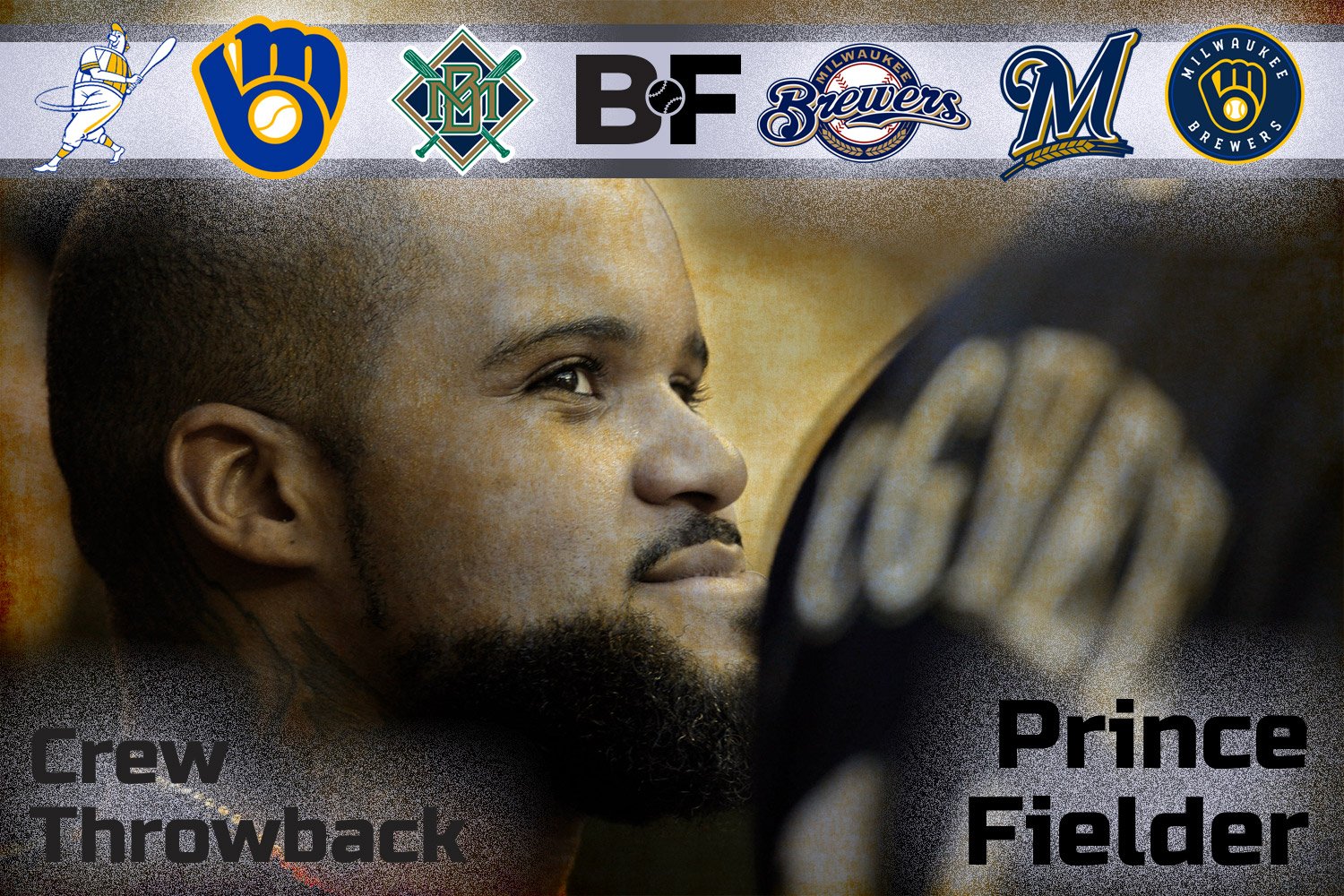 Prince Fielder was born in Ontario, California, on May 9, 1984. His father was slugging first baseman, Cecil Fielder. Despite being a natural right-hander, Cecil had Prince learn to hit left-handed as a kid. Fielder grew up around baseball and was a fixture in the Tigers clubhouse. He even took batting practice and hit an upper-deck home run at the age of 12. He attended high school in Florida - his prodigious power attracted the attention of college and professional scouts. The Brewers drafted Fielder in the first round - seventh overall selection - of the 2002 draft. No one doubted Fielder’s ability to hit the ball - but some questioned if his body type (5’11” and weighed 250+ pounds) would allow him to play at the highest levels. Many scouts wondered if he could even handle 1B - and thought he was destined to be a DH. The Brewers felt that Fielder was athletic enough to play regularly in the field. No matter what anyone thought about Fielder’s glove - he quickly proved he could hit. He smashed a grand slam in his first professional game - and never stopped hitting. At Ogden - Rookie Ball - he clubbed 10 HR and hit .390 in 41 games. The baseball world quickly took notice - the 18-year-old kid could hit. Fielder’s progress through the minor leagues was steady and consistent. He pounded between 23 and 28 HRs and never hit below .272. The Brewers felt they had a star slugger on their hands. In 2005, the 21-year-old Fielder got a 39-game trial in Milwaukee. The team was sold after he hit a respectable .288 on 59 ABs - plus a pair of HRs. The only problem was that the Brewers had a good first baseman on the roster - Lyle Overbay. That issue was addressed when the club dealt Overbay to the Toronto Blue Jays in the offseason. First base was now Fielder’s. And the young man did not disappoint - hitting 28 HRs with a .271 batting average. He was seventh in Rookie of the Year voting. But it was the following season - 2007 - where the big man broke out. That year he smashed a club record 50 HRs (a record that still stands) and produced an OPS north of 1.000. Fielder’s plate discipline also developed at this time - and over the next five years, he averaged more than 100 walks a season. By the way, Fielder’s powerful bat was essential to his success because he was not an asset in the field. At his best, Prince was still a below-average first baseman. But Fielder’s glove is not what allowed him to anchor the Brewer lineup for six seasons. It was his potent bat. In that time, he hit between 28 and 50 HRs each season, averaging more than 100 RBI a year. His batting average was always steady - between .260-.300. He was also an iron man - averaging 160 games played during his six full seasons. During his time in Milwaukee, Fielder was named to three all-star teams, won two Silver Slugger awards, and three times finished either third or fourth in the MVP voting. But most importantly, in 2008, Fielder helped lead the Brewers to their first playoff appearance in 25 years. And then, in 2011, the club captured the NL Central title and reached the NLCS (losing to the Cardinals). The offseason ended Fielder’s tenure in Milwaukee - something most fans expected as the big first baseman was a free agent. The Brewers - most people believed - wouldn’t be able to compete financially with the bigger market clubs. And they were right. Fielder signed a 9-year, $214M contract with the Tigers in January 2012. While Fielder continued to produce in Detroit (including hitting a career-high .313 in 2012), his power began to slip. In 2013, he hit .279 and 25 HRs. Not bad, but not up to his standards. In the off-season, Fielder was traded to Texas - and things went badly out of the gate. In the first 42 games of the year, he hit .247 and only three home runs. He then missed the rest of the year after undergoing neck surgery. Fielder rebounded in 2015, hitting .305 to go with 23 HRs. But the following season was a disaster as he was plagued by back and neck problems. In July, he was diagnosed with herniations in his neck. Within a month, he announced his playing career was over. Fielder was just 32 years old. The end of Fielder’s career was abrupt - especially considering he had been an iron man with the Brewers. Fielder concluded his career with 319 HR and more than 1,000 RBI. If he had stayed healthy, it’s not out of the realm of possibility that he could have hit another 100+ home run. Perhaps even have gotten to 500. That would have put him into Hall of Fame contention. Prince was one of the most feared power hitters in the majors at his best. He holds the Brewers' team record for home runs and RBIs in a season and ranks third in career HRs - despite only playing six seasons in Milwaukee. Fielder is the youngest player in National League history to hit 50 home runs in a season and captured two Home Run Derby titles. Perhaps Fielder’s greatest legacy is being a key cog in rejuvenating the Brewer franchise in the late 2000s and into the 2010s. Because of his massive power, every at-bat of Fielder’s at Miller Park was a legitimate threat to go sailing out of the stadium. Fielder was inducted into the Brewers Walk of Fame in 2022. Fielder, by the way, had a contentious relationship with his father, Cecil, much of it because of his parent’s bitter divorce. Also, Prince resented his father’s often overbearing attempts to control his career - and thus, he wanted little to do with Cecil. Upon his retirement, Fielder focused on his family - his wife and him raising their two sons in Florida. Both boys - who are taller than their father - are considered quality baseball players - so there may be another generation of Fielders in the major leagues. Please share your memories of former Brewer Prince Fielder.
 -
Trading down is always a great strategy - but it's easier said than done. Gotta have other teams willing to play along. I think the Packers have a lot of needs - so a lot of guys are enticing to us (which gives us flexibility). So if you can drop down 5-10 picks and still get a guy like Mayer or Branch or whomever - and pick up more picks. That's gold. But the situation has to be almost perfect for that to happen. And there's always a risk the guy you think will be there will get taken before you pick. It's why it's so good to be flexible - and be happy with getting anyone of several players.
-
Yeah, Rodgers seems to throw around statements like this - just to make things more dramatic.
-
I asked ChatGPT for a mock draft. It can't do it. It won't predict the future. And its knowledge base is limited up through 2021. So no luck.
-
So, the latest buzz is that Jets owner Woody Johnson is the main person holding up the Rodgers. The clubs - reportedly - had agreed to compensation before the Packers gave the Jets permission to chat. The problem that arose was that Rodgers came out saying 'I was 90% retired' before his isolation retreat thingee. That made Woody Johnson freak out, because he's concerned Rodgers is one-and-done. And thus he wanted to back off the deal that had been agreed upon. The deal the Packers supposedly agreed to was a 2nd in 2023, and a 1st in 2024. But now the Jets don't want give up the 1st round pick next year. And the Packers aren't budging on the matter. Thus the standoff. I don't know how much of this is true - just paraphrasing various things I've read the past day or so.
-
It is odd. A while ago he was the top WR. The stuff on Johnston is - I think - that he he still needs some work. Just a lot of areas he can improve (which - you might argue - is a good thing). Great athlete, but has been dinged by injuries, had his share of drops, not the most polished route runner - stuff like that. Really intriguing player because he's probably the guy who has the potential to be a monster if he puts it all together.
-
Thank you.
-
JSN looks like he’ll be the first receiver off the board. I agree with others - I doubt he drops to us. He seems like a guy who is going to catch a 100 passes every year.
-
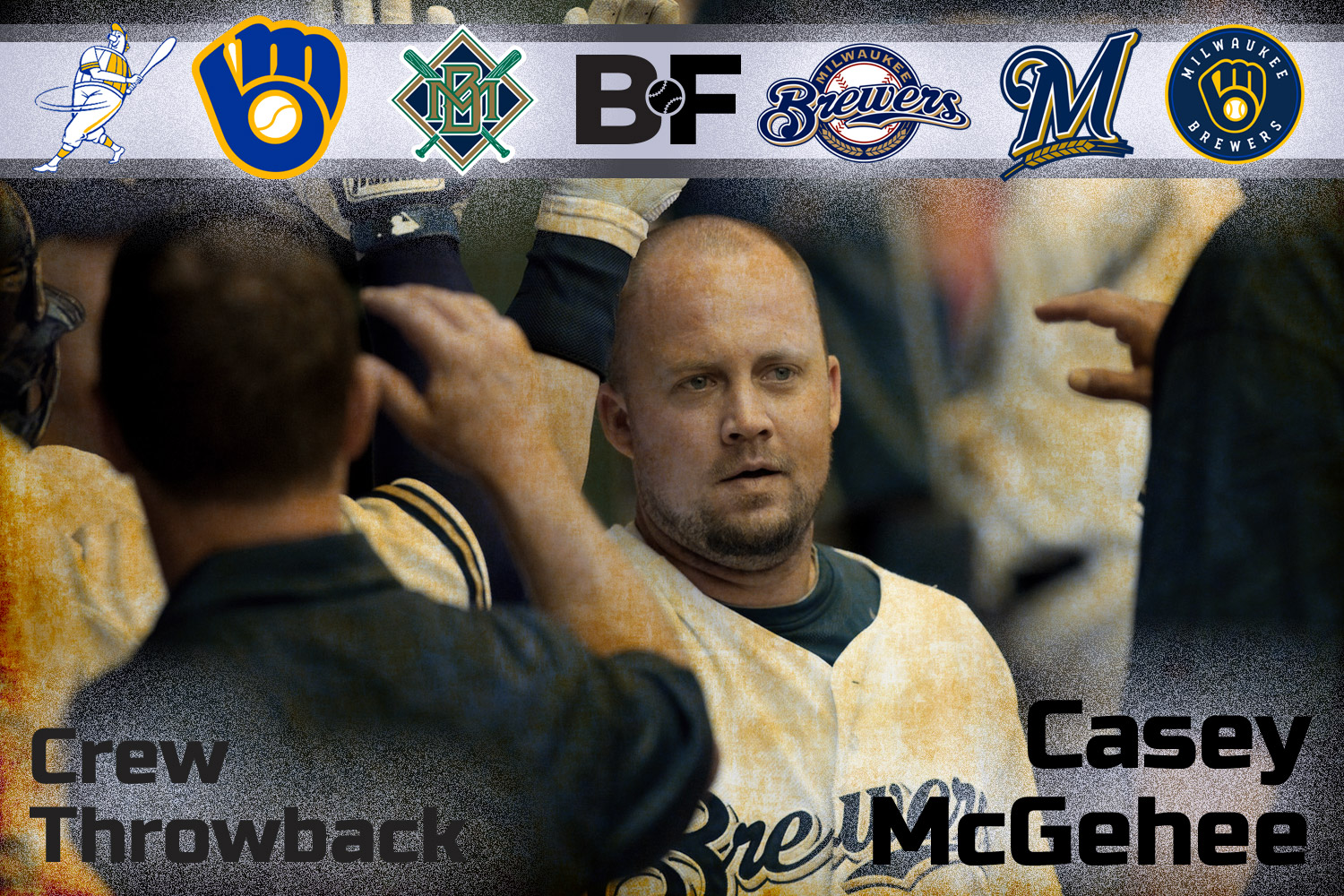 Casey McGehee was a guy with limited athleticism (compared to his peers) and no tool that he could ride to success. He was a waiver wire pickup - almost an afterthought - who went on to play eight years in the majors and several more in Japan. He was born in Santa Cruz, California, on Oct. 12, 1982. He attended Fresno State and was drafted in the 10th round of the 2003 MLB draft by the Chicago Cubs. The right-handed hitting McGehee was not a top prospect. He hit for a decent average and had a solid arm but lacked power, was slow, and was limited defensively. McGehee played mostly 3B, but the Cubs did give him a shot at catcher - without much success. He was classic organizational fodder. By 2008, McGehee had reached AAA and even got a September callup with the Cubbies. But Chicago didn’t see a place for him. Aramis Ramirez was entrenched at 3B, and McGehee didn’t offer defensive versatility. Thus, he was waived after the season - and claimed by the Brewers. The move to Milwaukee was a career changer for McGehee. He made the club out of spring training as a reserve infielder but soon saw more action due to injuries. By June, he played regularly - moving between third and second bases. And not just playing but playing well. For the 2009 season, McGehee hit a robust .301 and surprised everyone by socking 16 home runs in only 355 at-bats. He had never hit more than a dozen home runs in the minors. For his performance, McGehee was fifth in voting for the NL Rookie of the Year. Going forward, the third base job was his. In the 2010 season, he was proved to be the high water mark for Casey McGehee. He played in 157 games, blasted 23 HR, drove in 104 runs, hit a solid .285, and was voted the team’s most valuable player. The 2011 season saw the Brewers capture the NL Central crown, but it was a disappointing year for McGehee. His batting average (.223) and power (13 HR) cratered. Plus, he struggled defensively, leading NL third basemen in errors. The Brewer infield defense that season - featuring McGehee, Yuniesky Betancourt, Prince Fielder, and Rickie Weeks - was brutal. Looking to replace the recently departed big bat of Prince Fielder, the Brewers signed FA 3B Aramis Ramirez from the Cubs. Without a position, the Crew sent McGehee to the Pirates for reliever Jose Veras. The next few years were a roller coaster for MeGhee. He struggled in 2012 and then went to Japan in 2013 to reestablish his value - hitting .292 with 28 HR. The Marlins brought him back to the States the following year, and he was their regular 3B - hitting .287 - but with only four home runs. His successful season led to a trade to the Giants, but the magic was gone. McGehee was bad, which led to a midseason release. He hooked back up with Miami later that year and then took a minor league deal with the Tigers in 2016 - leading to a short but dreadful stint in Detroit. After that, there were two good seasons in Japan - and then retirement. In 2022, McGehee was named head coach of Union University, a private Baptist Christian college in Jackson, Tennessee. Casey McGehee had a short - only three years - but memorable stint with the Brewers. He was one of those guys who had AAAA player written all over him when Milwaukee claimed him off waivers from the Cubs. But when he got the chance to play - he seized the opportunity - and ended up having some really good years at a time when we needed someone at 3B. In three years in Milwaukee, he hit .267 with 52 HR. He always played hard - and the fans appreciated his efforts - even as his bat faltered. Unfortunately, McGehee’s lack of athleticism caught up to him as he got a bit older - something not uncommon for players of his caliber. To his credit, when he faltered, he never stopped trying to adjust to the game. This led to several additional seasons in the Big Leagues, plus some success in Japan. Some highlights of McGehee’s Brewer career include hitting .301 as a rookie, driving in 104 runs in 2010, and a four-hit game that same year. Please share your memories of former Brewer 3B Casey McGehee.
 -
We always love a story about a guy with limited skills who not only reaches the biggest stage of his profession - but also thrives on it. Former Brewers 3B Casey McGehee is one of those stories. Image courtesy of Brewer Fanatic Casey McGehee was a guy with limited athleticism (compared to his peers) and no tool that he could ride to success. He was a waiver wire pickup - almost an afterthought - who went on to play eight years in the majors and several more in Japan. He was born in Santa Cruz, California, on Oct. 12, 1982. He attended Fresno State and was drafted in the 10th round of the 2003 MLB draft by the Chicago Cubs. The right-handed hitting McGehee was not a top prospect. He hit for a decent average and had a solid arm but lacked power, was slow, and was limited defensively. McGehee played mostly 3B, but the Cubs did give him a shot at catcher - without much success. He was classic organizational fodder. By 2008, McGehee had reached AAA and even got a September callup with the Cubbies. But Chicago didn’t see a place for him. Aramis Ramirez was entrenched at 3B, and McGehee didn’t offer defensive versatility. Thus, he was waived after the season - and claimed by the Brewers. The move to Milwaukee was a career changer for McGehee. He made the club out of spring training as a reserve infielder but soon saw more action due to injuries. By June, he played regularly - moving between third and second bases. And not just playing but playing well. For the 2009 season, McGehee hit a robust .301 and surprised everyone by socking 16 home runs in only 355 at-bats. He had never hit more than a dozen home runs in the minors. For his performance, McGehee was fifth in voting for the NL Rookie of the Year. Going forward, the third base job was his. In the 2010 season, he was proved to be the high water mark for Casey McGehee. He played in 157 games, blasted 23 HR, drove in 104 runs, hit a solid .285, and was voted the team’s most valuable player. The 2011 season saw the Brewers capture the NL Central crown, but it was a disappointing year for McGehee. His batting average (.223) and power (13 HR) cratered. Plus, he struggled defensively, leading NL third basemen in errors. The Brewer infield defense that season - featuring McGehee, Yuniesky Betancourt, Prince Fielder, and Rickie Weeks - was brutal. Looking to replace the recently departed big bat of Prince Fielder, the Brewers signed FA 3B Aramis Ramirez from the Cubs. Without a position, the Crew sent McGehee to the Pirates for reliever Jose Veras. The next few years were a roller coaster for MeGhee. He struggled in 2012 and then went to Japan in 2013 to reestablish his value - hitting .292 with 28 HR. The Marlins brought him back to the States the following year, and he was their regular 3B - hitting .287 - but with only four home runs. His successful season led to a trade to the Giants, but the magic was gone. McGehee was bad, which led to a midseason release. He hooked back up with Miami later that year and then took a minor league deal with the Tigers in 2016 - leading to a short but dreadful stint in Detroit. After that, there were two good seasons in Japan - and then retirement. In 2022, McGehee was named head coach of Union University, a private Baptist Christian college in Jackson, Tennessee. Casey McGehee had a short - only three years - but memorable stint with the Brewers. He was one of those guys who had AAAA player written all over him when Milwaukee claimed him off waivers from the Cubs. But when he got the chance to play - he seized the opportunity - and ended up having some really good years at a time when we needed someone at 3B. In three years in Milwaukee, he hit .267 with 52 HR. He always played hard - and the fans appreciated his efforts - even as his bat faltered. Unfortunately, McGehee’s lack of athleticism caught up to him as he got a bit older - something not uncommon for players of his caliber. To his credit, when he faltered, he never stopped trying to adjust to the game. This led to several additional seasons in the Big Leagues, plus some success in Japan. Some highlights of McGehee’s Brewer career include hitting .301 as a rookie, driving in 104 runs in 2010, and a four-hit game that same year. Please share your memories of former Brewer 3B Casey McGehee. View full article
-
Three weeks away from the draft, here's my prediction for the Packers first three rounds. This is assuming the Packers get the Jets #2 pick (either #42 or #43). Important: this is who I think the club will pick - not necessarily who I believe we should pick. 1 (15) - S Brian Branch, Alabama. Would step right in at safety, which is a massive hole right now. That the club hasn't added anyone only reinforces this pick. Also, there is no other safety in the draft who is as solid and dynamic than Branch. If OL Peter Skoronski or WR Jaxon Smith-Njigba is available at this spot, I'd be sorely tempted to take them as well. But I think both will be gone. 2 (42/43) - TE Darnell Washington, Georgia or TE Luke Musgrave, Oregon St. Either player would fill a huge hole in the roster from day one. I think Musgrave is the likely selection as Washington will probably be gone (as will the other top TEs, Michael Mayer and Dalton Kincaid). 2 (44) - Edge Will McDonald IV - Iowa State. Not big, but he has the potential to be an elite pass rusher - which the team can always use. 3 (78) - WR Rashee Rice or WR Jayden Reed, Michigan State or WR Marvin Mims, Oklahoma. There's some quality WRs that should be available at this point in the draft. Each of these guys offers solid value and fills a need. This is all good fun. I'm filling a lot of 'needs' with this draft, but if an exceptional talent is available at other positions, then all bets are off.
-
I get the feeling the Ravens are in the same boat with Jackson as we are with Rodgers. They are just tired of it all and want to move on. I read some stuff that the Ravens were miffed that Jackson never came back at the end of last year. Maybe I'm wrong. I just get a vibe that these two might need to break up. So like someone said, maybe they'll take a couple of first rounders and be done. Of course, that sort of screws 2023 - but I'm sure they are thinking it's for the best in the long term.
-
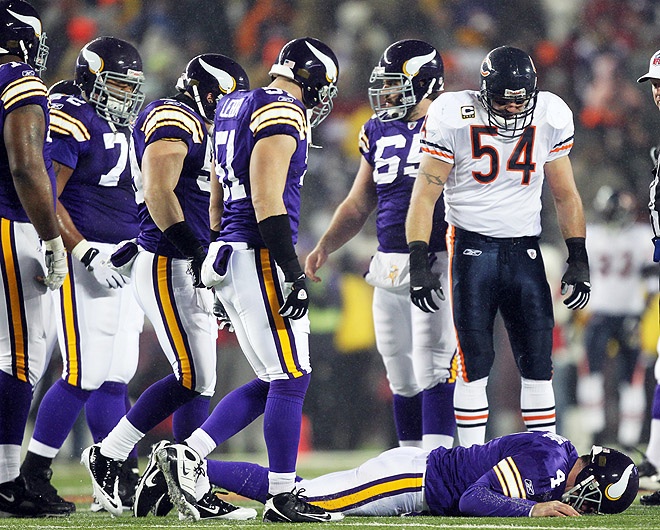
Closure such as this…
-
Draft is a few weeks away. At this point, I'm thinking we will have one of the #2 picks of the Jets. Which is great. That gives us #15, #42 or 43 (depending on which #2 we get from the Jets), and #45. That's three pretty sweet picks. The Packers could go a lot of ways - I think WR, TE, Edge, and Safety are premium needs - but if an OL or DT they loved dropped - they could do that. I guess it all depends on who is available. The good part is that I think we can nab a quality person at each of these spots to fill an immediate need. We are not going to fill every need - but we can at least get a few positions covered. Should be fun. Just need to wrap up the Rodgers trade.
-
Brockington had a few really good years, but was just really mediocre (and bad) after his first three years. And the quarterback play in his time was just atrocious. Guys like Scott Hunter, Jerry Tagge, and aging John Hadl - just brutal.
-
Yep. Don't push too much pain into the future. Just suck it up for a year while Love is still getting his footing.
-
The 3rd round failures for Gute are just weird. 2022: Sean Rhyan - PED 2021: Amari Rodgers - Cut 2020: Josiah Deguara - meh 2019: Jace Sternberger - Cut 2018: Oren Burks - let go as a FA That's pretty bad. I guess Rhyan could pan out - so there's time there. Deguara is still around - but hasn't look like anything special. I know he's had some injuries. After 4-5 years, roughly 1/3 of all 3rd round picks have not been a starter at least one year in the league. And while there's not a ton of pro bowl types (I counted six from amongst the 3rd rounds in 2018/19), teams should be getting some players that contribute on a regular basis. Oh well - maybe this year!
-
When I see 'conditional' pieces, I think of something like we get a 3rd round pick from the Jets in 2024, which becomes a 2nd if the team makes the playoffs. Or becomes a 1st if they reach the Super Bowl. That sort of thing. You could also do the same thing regarding Rodgers playing to a pick - probably in 2025. That could be as simple as if Rodgers in on the Jets roster opening day 2024, the Packers get a (insert pick). I doubt they'd set up something where the packers had to send something back. But who knows. I guess it wouldn't be that hard to set up. Jets get the Packers (insert pick #) in 2025 if Rodgers doesn't play in 2024. A lot probably just depends on the rest of the trade package.
-
I don't know of any specific 'rumor' about the Jets willing to part with both #2s. Just a desire on my part. And sure - you can add more to make it more inline with value. Whatever works. I'm just not sure what the ultimate value will be that we acquire.
-
Speculation is that the Jets really want one of the big offensive linemen (especially a tackle) in the draft - someone they can plug in from day one as a starter. Their line struggled last year - and they don't want to go and get Rodgers and have him killed by bad OL play. So I get why they want to keep the #1 pick. Personally, I'm okay with that (although I'd love to get it). I'd then really try and get the two seconds - #42 and #43. That would give us three picks in a four pick spread. I think there's a lot of value there. I also thinks there's a lot of value in the lower third of the first round. So it gives you ammunition to move up if someone you really like falls. The two #2s, plus a conditional pick in 2024, would be pretty good.

