Harold Hutchison
-
Posts
6,909 -
Joined
-
Last visited
Content Type
Profiles
Forums
Blogs
Events
News
2026 Milwaukee Brewers Top Prospects Ranking
Milwaukee Brewers Videos
2022 Milwaukee Brewers Draft Picks
Milwaukee Brewers Free Agent & Trade Rumors, Notes, & Tidbits
Guides & Resources
2023 Milwaukee Brewers Draft Picks
2024 Milwaukee Brewers Draft Picks
The Milwaukee Brewers Players Project
2025 Milwaukee Brewers Draft Pick Tracker
2026 Milwaukee Brewers Draft Tracker: Picks & Bonuses
Store
Downloads
Gallery
Everything posted by Harold Hutchison
-
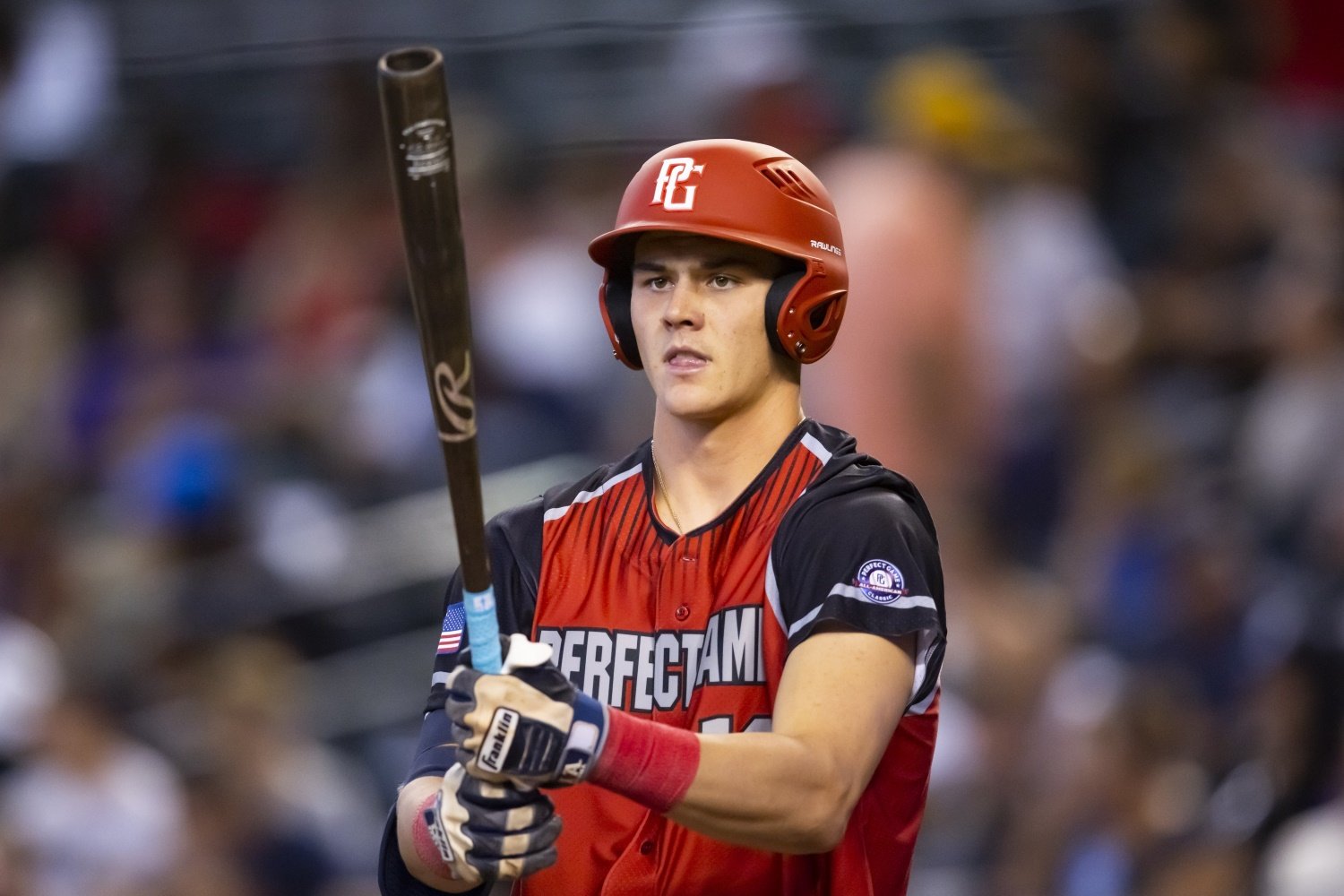 Nashville Sounds One measure of the depth of shortstop talent in the farm system is this: Two of the top three potential shortstops for the Sounds when we previewed the position in March, Brice Turang and Andruw Monasterio, are with the MLB club as of July 15. The third guy, Cam Devanney, is posting an OPS of .804 after an early-season slump. That’s just one of the teams--and all three of those guys could be credible MLB shortstops. Biloxi Shuckers Freddy Zamora was already considered a solid prospect, and in Biloxi, he’s rebounded from an injury-plagued 2022 with a .784 OPS in a year where pitchers dominated the Southern League early on. The surprise is Ethan Murray, who is posting a .367 OBP and who has drawn more walks than Zamora in 29 fewer at-bats as of July 15. Wisconsin Timber Rattlers Eric Brown has had some trips to the injured list this season, leading Robert Moore and Eduardo Garcia to fill in from playing second base and third base, respectively. Brown has shown OBP skills and speed, while Moore’s proven to be a potentially dominating switch-hitter offensively. The development of the 20-year-old Garcia’s OBP skills (his walk total already exceeds the full-season total from 2022) is a great sign. Carolina Mudcats While Gregory Barrios has seen the most action at shortstop in Zebulon, the best shortstop for the Mudcats has been Daniel Guilarte–-when he is on the field. Guilarte’s flashed a solid glove, the ability to hit for average, speed, and some serious OBP skills. The real question could be whether third-round pick Eric Bitonti goes to the Mudcats, or if Juan Baez is promoted from the ACL. ACL Brewers The 18-year-old Baez has been the primary shortstop for the ACL Brewers, and his monster season so far (his only weakness is drawing walks – but hitting .420 makes up for a lot of that) is very exciting to see. But the real questions surround sixth-round pick Cooper Pratt and 15th-round pick Josh Adamczewski. If they are signed, things get very interesting… in a good way. DSL Brewers 1 Joan Gutierrez and Kevin Ereu have both flashed some serious OBP skills in the DSL for the first of the Crew’s two DSL squads, Ereu’s walks have overcome a batting average below the Uecker line, while Gutierrez is flashing a more well-rounded offense. Switch-hitter Luivin Alastre has primarily played third, but has seen action at short as well. DSL Brewers 2 The other Brewers squad in the DSL also has a pair of OBP machines at short in Filippo Di Turi and Roderick Flores. The switch-hitting Di Turi is posting very well-rounded offensive numbers, while the 16-year-old Flores is showing a two-true-outcome bat with speed. Demetrio Nadal saw one game so far at short, but also has put up some monster numbers offensively. Overview The Brewers have a lot of good prospects at shortstop, which leads to some very interesting questions, like: Which players could be dealt to get the Brewers rentals for the upcoming push to the playoffs? Which players will stick around? The biggest ones for the long term center around late draftees Pratt and Adamczewski, who could be huge stars for the Crew, or what-ifs on the order of Nomar Garciaparra.
 -
To paraphrase a line from the movie “Draft Day,” we’re living in a very different world than we were in March. Back then, the system appeared to be shallow at third base, albeit with the option for some players to move over from shortstop, along with solid options at the MLB level in Luis Urias and Brian Anderson. So, how have things changed? Let’s take a look. Image courtesy of © Brad Rempel-USA TODAY Sports Nashville Sounds A season-long slump following a hamstring injury has Luis Urias now playing third part-time in Nashville (where he also appears at second base), which has seen Abraham Toro become the team’s primary third baseman. Andruw Monasterio’s promotion to Milwaukee came after he saw limited action at third with the Sounds, but also meant that Cam Devanney has seen much more playing time at shortstop. Patrick Dorrian has primarily played third, and has shown power, but also a lot of strikeouts. Biloxi Shuckers Zavier Warren spent a lot more time at first base than third this season, and he’s also been in a season-long slump, at least in terms of batting average. That said, the real game-changer has been the massive breakout of Tyler Black, who was already a pure hitter, but who is now flashing serious speed (40+ stolen bases) and power (12 HR as of July 15). This is arguably the biggest 2023 breakout in the Brewers farm system. Wisconsin Timber Rattlers Ben Metzinger and Eduardo Garcia have split the vast majority of the starts at third base for Wisconsin. Metzinger’s delivered some solid OBP skills and some pop, while Garcia’s primary calling card has been defense, but his OBP skills have gone up a level. Carolina Mudcats Luke Adams has been the primary third baseman for the Mudcats in 2023, and he’s looking like a Three True Outcomes bat with some serious speed. Jadher Areinamo has shown the ability to hit for average for the Mudcats, while Jheremy Vargas is demonstrating a mix of OBP skills and speed. Daniel Guilarte, who has shown himself to be capable of hitting for average, drawing walks, and stealing bases, also saw time at third. ACL Brewers Nev Serrano has put up the most starts so far for the ACL Brewers, but the real story may be how draftees Brock Wilken and Mike Boeve split time for the rookie-league team. Juan Baez has also seen time at third base for the ACL Brewers, and he’s putting up some monster numbers. DSL Brewers 1 Gery Holguin has been the primary third baseman for the first of the two teams the Brewers have in the Dominican Summer League, and he’s flashing some real offensive punch. Luiyin Alastre has also spent significant time at the hot corner, demonstrating excellent plate discipline (13 BB to 11 K in 78 AB as of July 15) and speed – but can it overcome a .783 fielding percentage? DSL Brewers 2 Luis Lameda and Demetrio Nadal have split time at the hot corner for the second DSL Brewers squad, but that tandem is proving to be second to none. Nadal has posted a 1.015 OPS as of July 15, adding 12 stolen bases to that total. The switch-hitting Lameda has posted a .387 OBP and walked more than he struck out. Overview Black’s move, and the pickups of Wilken and Boere in the draft have now given the Brewers incredible depth at the hot corner in their system. That said, some of those who don’t get the spotlight, particularly Devanney, Adams, and Nadal, also could be very credible options down the road. View full article
-
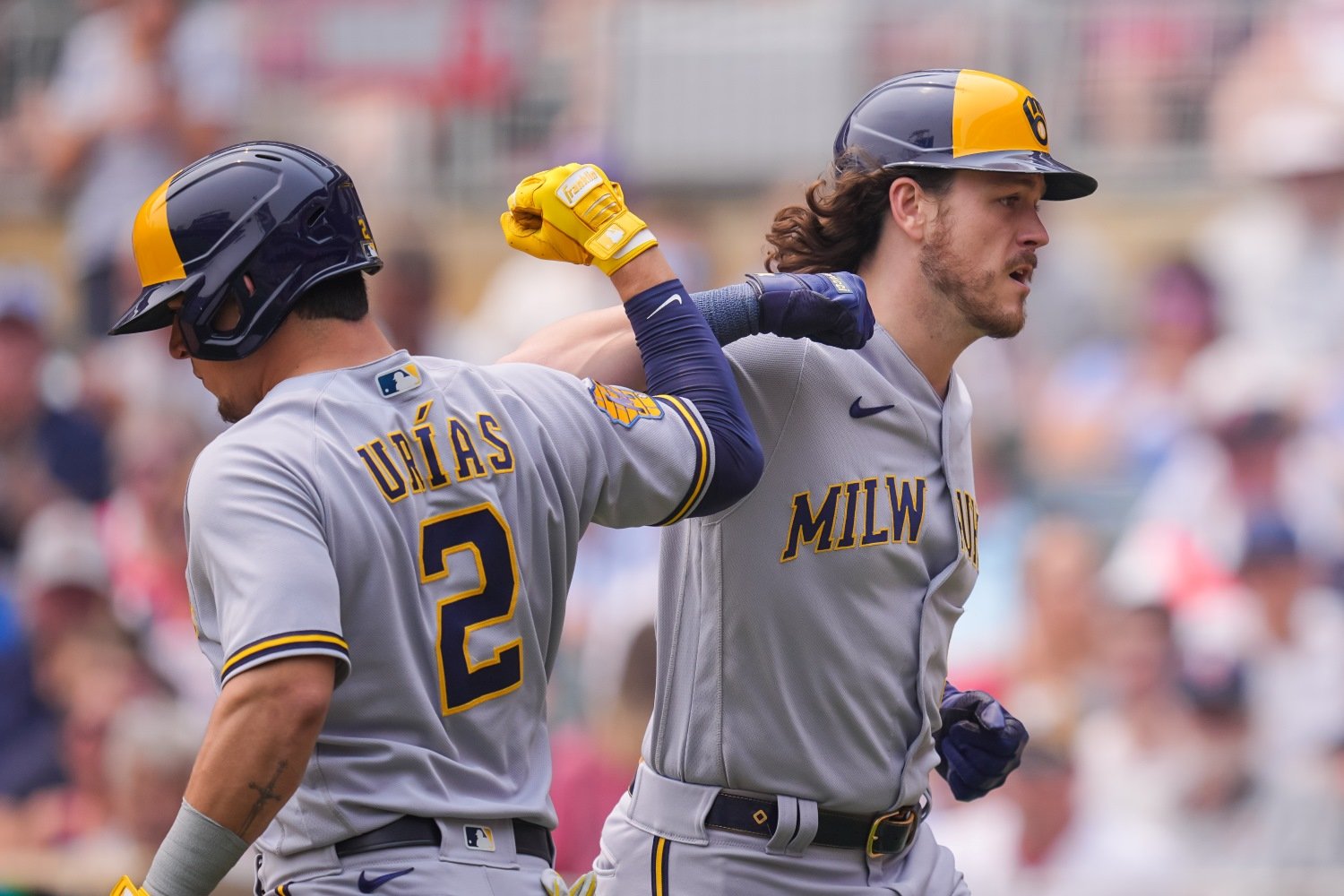 Nashville Sounds A season-long slump following a hamstring injury has Luis Urias now playing third part-time in Nashville (where he also appears at second base), which has seen Abraham Toro become the team’s primary third baseman. Andruw Monasterio’s promotion to Milwaukee came after he saw limited action at third with the Sounds, but also meant that Cam Devanney has seen much more playing time at shortstop. Patrick Dorrian has primarily played third, and has shown power, but also a lot of strikeouts. Biloxi Shuckers Zavier Warren spent a lot more time at first base than third this season, and he’s also been in a season-long slump, at least in terms of batting average. That said, the real game-changer has been the massive breakout of Tyler Black, who was already a pure hitter, but who is now flashing serious speed (40+ stolen bases) and power (12 HR as of July 15). This is arguably the biggest 2023 breakout in the Brewers farm system. Wisconsin Timber Rattlers Ben Metzinger and Eduardo Garcia have split the vast majority of the starts at third base for Wisconsin. Metzinger’s delivered some solid OBP skills and some pop, while Garcia’s primary calling card has been defense, but his OBP skills have gone up a level. Carolina Mudcats Luke Adams has been the primary third baseman for the Mudcats in 2023, and he’s looking like a Three True Outcomes bat with some serious speed. Jadher Areinamo has shown the ability to hit for average for the Mudcats, while Jheremy Vargas is demonstrating a mix of OBP skills and speed. Daniel Guilarte, who has shown himself to be capable of hitting for average, drawing walks, and stealing bases, also saw time at third. ACL Brewers Nev Serrano has put up the most starts so far for the ACL Brewers, but the real story may be how draftees Brock Wilken and Mike Boeve split time for the rookie-league team. Juan Baez has also seen time at third base for the ACL Brewers, and he’s putting up some monster numbers. DSL Brewers 1 Gery Holguin has been the primary third baseman for the first of the two teams the Brewers have in the Dominican Summer League, and he’s flashing some real offensive punch. Luiyin Alastre has also spent significant time at the hot corner, demonstrating excellent plate discipline (13 BB to 11 K in 78 AB as of July 15) and speed – but can it overcome a .783 fielding percentage? DSL Brewers 2 Luis Lameda and Demetrio Nadal have split time at the hot corner for the second DSL Brewers squad, but that tandem is proving to be second to none. Nadal has posted a 1.015 OPS as of July 15, adding 12 stolen bases to that total. The switch-hitting Lameda has posted a .387 OBP and walked more than he struck out. Overview Black’s move, and the pickups of Wilken and Boere in the draft have now given the Brewers incredible depth at the hot corner in their system. That said, some of those who don’t get the spotlight, particularly Devanney, Adams, and Nadal, also could be very credible options down the road.
 -
Of those listed, Canha is probably my pick: Multi-positional versatility (OF/3B/1B), great OBP skills make him a very valuable bench asset at worst. Candelario would be a nice pick-up for the corner IF spots as well, and might be a good extension candidate.
-
If the Crew can't work out an extension, I'd offer the Angels: OF/IF/DH Keston Hiura, LHP Ethan Small, OF Jace Avina, RHP Justin Jarvis, SS Freddy Zamora, OF Hendry Mendez, and C Matthew Wood Angels send the Crew Ohtani, and IFs Cristian Garcia and Felix Morrobel.
-
Article: 2023 MLB Draft Day 3 Thread
Harold Hutchison replied to Jeremy Nygaard's topic in MLB Draft & International Signings
I have to admit, I'm not a fan of drafting players the team can't sign. Pratt is giving me visions of drafting Nomar and not closing the deal. Who could have been signed with that $$? Ditto with the prep arms in the latter sections, unless they're going all in for the quality. -
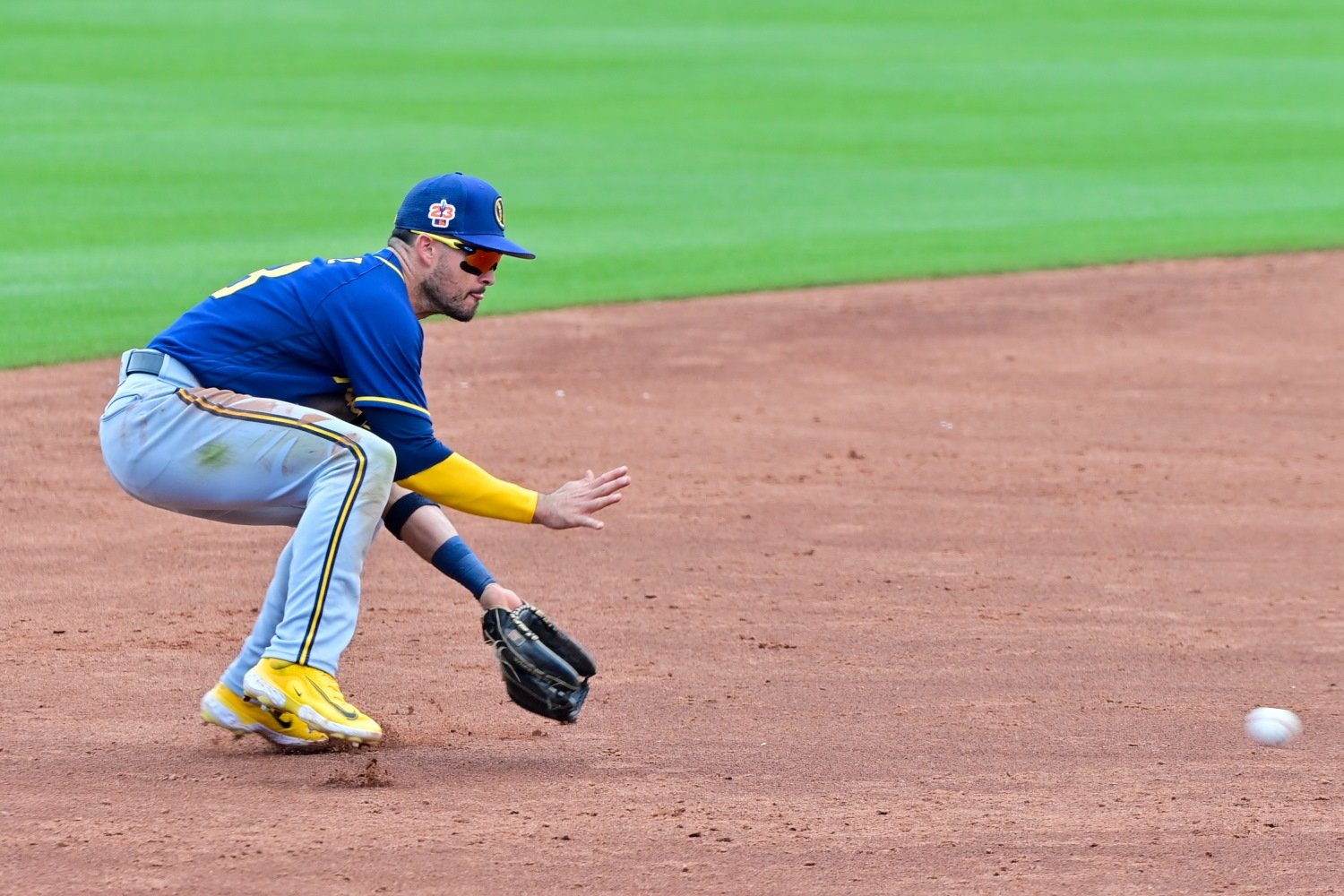 Brice Turang, Owen Miller, Andruw Monasterio, and Luis Urias split a lot of the playing time at the MLB level. Turang, Monasterio, and Urias all have spent time in Triple A. But the wealth of talent extends further down the system. Let’s take a look. Nashville Sounds The primary second baseman for Nashville has been one-time Olympian Eddy Alvarez, who has played well enough to warrant consideration for a 40-man roster spot, with an .867 OPS and some serious speed on the basepaths (16-for-18 in steals). Noah Campbell, Josh Van Meter, Abraham Toro, Keston Hiura, Urias, and Cam Devanney also have put in time at second in Nashville, and any of them could contribute for the MLB team over the short term. Biloxi Shuckers In the spring, it looked like the Shuckers would have a logjam at second between Felix Valerio, Ethan Murray, and Tyler Black. That isn’t so much the case, mostly because Black moved to the hot corner, but Valerio and Murray have been decent at second base, with 2020 second-round pick Freddy Zamora also seeing time there. Wisconsin Timber Rattlers Robert Moore has followed up his dominating turn in Brisbane with a solid season. He's one of only seven Timber Rattlers to have a batting average above .230. He’s also led the team in walks and doubles, while tying with two other players for second in homers. Jose Acosta and Eric Brown also have seen time at second in Appleton. Carolina Mudcats While Jadher Areinamo has been the primary second basemen for the Mudcats, posting a .266 batting average, Gregory Barrios, Jheremy Vargas, and Daniel Guilarte have also seen time at second, with Guilarte demonstrating amazing OBP skills. Most of these players are also flashing speed on the basepaths, with Barrios and Guilarte tied for second on the Mudcats with 16 steals each (as of July 4). ACL Brewers Dylan O’Rae and Jonatan Guzman have split the playing time at second base, with O’Rae showing incredible OBP skills (.478) and speed (14 steals in 14 tries as of July 4), putting him at the top of the pack among the ACL squad at the position. Guzman, Miguel Briceno, Nev Serrano, Jose Caballero, and Juan Baez also have seen time at second in 2023. DSL Brewers One While Jhon Benscome has seen the most playing time at second base, Joan Gutierrez, Luivin Alastre, and Kevin Ereu have also seen action at the keystone. The latter three are all flashing OBP skills, with Alastra adding the ability to hit for average to the mix. DSL Brewers Two The second Brewers DSL squad has multiple standouts at second base. Roderick Flores, Filippo Di Turi, Pedro Ibarguen, and Luis Lameda are all posting OBPs above .400 as of July 4. Each of them has also spent time at other positions, whether it’s the outfield, third base, or shortstop. Overview To say the Brewers have a wealth of options is putting it mildly. If anything, the realities of roster space mean some of these players will likely make it MLB, but on another team’s roster, hopefully as the result of a trade to bolster the Crew elsewhere.
 -
Somewhat surprisingly, second base has been in flux for the Brewers this season, and the same has been true for them down on the farm. When we previewed the position, a lot of talent was noted. That remains the case, but the picture has been shaken up a bit since last we painted it. Image courtesy of © Matt Kartozian-USA TODAY Sports Brice Turang, Owen Miller, Andruw Monasterio, and Luis Urias split a lot of the playing time at the MLB level. Turang, Monasterio, and Urias all have spent time in Triple A. But the wealth of talent extends further down the system. Let’s take a look. Nashville Sounds The primary second baseman for Nashville has been one-time Olympian Eddy Alvarez, who has played well enough to warrant consideration for a 40-man roster spot, with an .867 OPS and some serious speed on the basepaths (16-for-18 in steals). Noah Campbell, Josh Van Meter, Abraham Toro, Keston Hiura, Urias, and Cam Devanney also have put in time at second in Nashville, and any of them could contribute for the MLB team over the short term. Biloxi Shuckers In the spring, it looked like the Shuckers would have a logjam at second between Felix Valerio, Ethan Murray, and Tyler Black. That isn’t so much the case, mostly because Black moved to the hot corner, but Valerio and Murray have been decent at second base, with 2020 second-round pick Freddy Zamora also seeing time there. Wisconsin Timber Rattlers Robert Moore has followed up his dominating turn in Brisbane with a solid season. He's one of only seven Timber Rattlers to have a batting average above .230. He’s also led the team in walks and doubles, while tying with two other players for second in homers. Jose Acosta and Eric Brown also have seen time at second in Appleton. Carolina Mudcats While Jadher Areinamo has been the primary second basemen for the Mudcats, posting a .266 batting average, Gregory Barrios, Jheremy Vargas, and Daniel Guilarte have also seen time at second, with Guilarte demonstrating amazing OBP skills. Most of these players are also flashing speed on the basepaths, with Barrios and Guilarte tied for second on the Mudcats with 16 steals each (as of July 4). ACL Brewers Dylan O’Rae and Jonatan Guzman have split the playing time at second base, with O’Rae showing incredible OBP skills (.478) and speed (14 steals in 14 tries as of July 4), putting him at the top of the pack among the ACL squad at the position. Guzman, Miguel Briceno, Nev Serrano, Jose Caballero, and Juan Baez also have seen time at second in 2023. DSL Brewers One While Jhon Benscome has seen the most playing time at second base, Joan Gutierrez, Luivin Alastre, and Kevin Ereu have also seen action at the keystone. The latter three are all flashing OBP skills, with Alastra adding the ability to hit for average to the mix. DSL Brewers Two The second Brewers DSL squad has multiple standouts at second base. Roderick Flores, Filippo Di Turi, Pedro Ibarguen, and Luis Lameda are all posting OBPs above .400 as of July 4. Each of them has also spent time at other positions, whether it’s the outfield, third base, or shortstop. Overview To say the Brewers have a wealth of options is putting it mildly. If anything, the realities of roster space mean some of these players will likely make it MLB, but on another team’s roster, hopefully as the result of a trade to bolster the Crew elsewhere. View full article
-
Historically, some of the best players in Brewers history have been at first base: Prince Fielder, Richie Sexson, and Cecil Cooper all come to mind. Could the Brewers have someone from down on the farm reach similarly iconic status while manning first base? Image courtesy of © Dan Powers/USA TODAY NETWORK-Wisconsin / USA TODAY NETWORK Right now, Rowdy Tellez handles first base against right-handed pitching for the Brewers, while Owen Miller has become the top option against southpaws at the MLB level. Luke Voit and Jon Singleton have both been sent packing. So, how does first base look down on the farm? Nashville Sounds With Singleton’s departure, Keston Hiura is now manning first base, while also seeing time in left field and at second base. At various times, Noah Campbell, Abraham Toro, Mike Brousseau, and Patrick Dorrian have also played first in Music City. With a .996 OPS in Nashville, Hiura is making a case for at least a shot to make the Crew in 2024. Biloxi Shuckers Wes Clarke, who also is seeing plenty of time behind the plate, is splitting time with Zavier Warren at first base in Biloxi Warren’s struggled at the plate, but has flashed versatility, seeing action at third base, second base, and shortstop this season. Clarke, though, looks like a legitimate three-true-outcome bat. Wisconsin Timber Rattlers Ernesto Martinez has been the primary first baseman for the T-Rats, and has recovered somewhat from injuries and a slump in April and May, posting a .907 OPS over the last 28 days as of July 2. In 2021, he showed some ability to play the outfield as well. Alex Hall and Ben Metzinger have also seen time at first for the Timber Rattlers. Carolina Mudcats The Mudcats have spit first base between Jesus Chirinos, who has been mired in a season-long slump that saw him demoted from Wisconsin, Jesus Parra, Luke Adams, Tayden Hall, and Jheremy Vargas. Quinton Low, who saw action at first in the ACL in 2022, has primarily been a designated hitter when he has not taken the mound. ACL Brewers Johan Barrios and Yeison Perez have primarily handled first base for the lone Arizona Complex League team. With the crowd at catcher, don’t be surprised if Edgardo Ordonez and Satchell Norman also see time there eventually, as both have potent bats that need to be in the lineup. DSL Brewers One Gery Holguin, Tyler Rodriguez, Yannic Walther, Jhon Bencosme, and Brayan Oroporeza have all spent time at first for the first of two Brewers affiliates in the Dominican Summer League. Most of these players have seen action at other positions, notably Holguin (third base), Bencosme (second base), Walther (catcher), and Rodriguez (left field). DSL Brewers Two The second of the two Brewers DSL affiliates have seen four players split time at first base: Smarlin Espinal, Roman La Torre, Estefano Lozano, and Danny Puerta. None of them have particularly broken away as the primary starter, and all have split time between first base and another position. Overview Unlike catcher, the Brewers have some real questions at first base. The departures of Voit and Singleton have left the Brewers without a lot of significant options at first, in the short or the long term. Martinez is finally heating up, but his history of injuries and age will raise concerns, and he needs a massive breakout. Hiura has struggled for the most part at the MLB level. Adams and Low both have flashed offensive potential, but they are years away from MLB. The Crew may end up either extending Tellez or moving Christian Yelich to first for short-to-medium-term stability. For the long term, drafting Nolan Schanuel may be the answer for the Crew. View full article
-
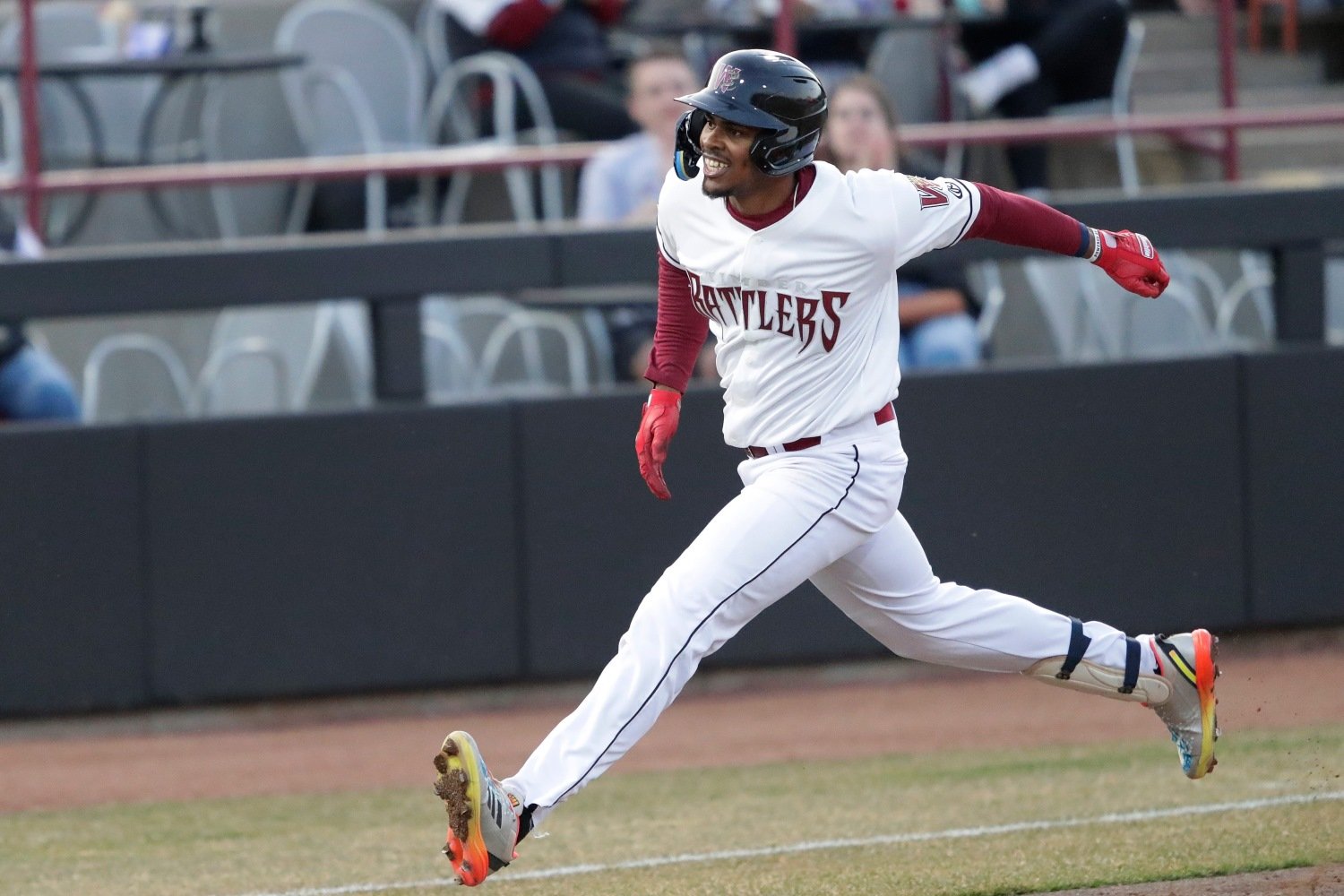 Right now, Rowdy Tellez handles first base against right-handed pitching for the Brewers, while Owen Miller has become the top option against southpaws at the MLB level. Luke Voit and Jon Singleton have both been sent packing. So, how does first base look down on the farm? Nashville Sounds With Singleton’s departure, Keston Hiura is now manning first base, while also seeing time in left field and at second base. At various times, Noah Campbell, Abraham Toro, Mike Brousseau, and Patrick Dorrian have also played first in Music City. With a .996 OPS in Nashville, Hiura is making a case for at least a shot to make the Crew in 2024. Biloxi Shuckers Wes Clarke, who also is seeing plenty of time behind the plate, is splitting time with Zavier Warren at first base in Biloxi Warren’s struggled at the plate, but has flashed versatility, seeing action at third base, second base, and shortstop this season. Clarke, though, looks like a legitimate three-true-outcome bat. Wisconsin Timber Rattlers Ernesto Martinez has been the primary first baseman for the T-Rats, and has recovered somewhat from injuries and a slump in April and May, posting a .907 OPS over the last 28 days as of July 2. In 2021, he showed some ability to play the outfield as well. Alex Hall and Ben Metzinger have also seen time at first for the Timber Rattlers. Carolina Mudcats The Mudcats have spit first base between Jesus Chirinos, who has been mired in a season-long slump that saw him demoted from Wisconsin, Jesus Parra, Luke Adams, Tayden Hall, and Jheremy Vargas. Quinton Low, who saw action at first in the ACL in 2022, has primarily been a designated hitter when he has not taken the mound. ACL Brewers Johan Barrios and Yeison Perez have primarily handled first base for the lone Arizona Complex League team. With the crowd at catcher, don’t be surprised if Edgardo Ordonez and Satchell Norman also see time there eventually, as both have potent bats that need to be in the lineup. DSL Brewers One Gery Holguin, Tyler Rodriguez, Yannic Walther, Jhon Bencosme, and Brayan Oroporeza have all spent time at first for the first of two Brewers affiliates in the Dominican Summer League. Most of these players have seen action at other positions, notably Holguin (third base), Bencosme (second base), Walther (catcher), and Rodriguez (left field). DSL Brewers Two The second of the two Brewers DSL affiliates have seen four players split time at first base: Smarlin Espinal, Roman La Torre, Estefano Lozano, and Danny Puerta. None of them have particularly broken away as the primary starter, and all have split time between first base and another position. Overview Unlike catcher, the Brewers have some real questions at first base. The departures of Voit and Singleton have left the Brewers without a lot of significant options at first, in the short or the long term. Martinez is finally heating up, but his history of injuries and age will raise concerns, and he needs a massive breakout. Hiura has struggled for the most part at the MLB level. Adams and Low both have flashed offensive potential, but they are years away from MLB. The Crew may end up either extending Tellez or moving Christian Yelich to first for short-to-medium-term stability. For the long term, drafting Nolan Schanuel may be the answer for the Crew.
 -
Brewers Get: SP Max Scherzer Mets Get: OF Hedbert Perez LHP Russell Smith IF Eduardo Garcia Brewers Get: 1B CJ Cron LHP Brent Suter Rockies Get: OF Hendry Mendez RHP Janson Junk
-
Tellez was trying to play through an injury - which probably explains his power outage. Hopefully he's learned NOT to try to suffer in silence, but to tell someone.
-
In the short time since his promotion to the Brewers, Sal Frelick has been amazing. That said, perhaps there is room to use him better than he is being used now, and make the Brewers a better team overall in the process. Image courtesy of © Jeff Hanisch-USA TODAY Sports In his brief MLB tenure, Sal Frelick has batted sixth once, and cleanup twice in the three games he has played as of the morning of July 25. With his outstanding hit tool and speed, that just doesn’t make sense. It’s time to push him a little, and for the Brewers to tinker with the lineup a bit. The big move should be to have Frelick batting leadoff. Yes, Christian Yelich has done well in that spot for the Brewers in 2022 and 2023, but Frelick’s offensive skill set (as demonstrated through his pro career) screams LEADOFF HITTER. Similar Players To Frelick Batted Leadoff First, let’s go back to the players that Frelick seemed to evoke based on his minor-league career. The comparisons were rather lofty: One was Ichiro Suziki, a surefire Hall of Famer who collected 3,089 hits in MLB after he notched 1,278 in Japan. Suzuki also offered lots of speed, stealing as many as 56 bases in a season, as he usually batted leadoff for the Mariners, Yankees, and Marlins in his career. The other primary comparison was none other than Brewers legend Paul Molitor, who also mostly hit leadoff for the Crew. Like Frelick, Molitor hit for average, drew walks, and stole a lot of bases. Other players we compared Frelick to, like Lorenzo Cain and Nori Aoki, also spent a lot of time in the leadoff slot for the Crew, and both were very similar to Frelick in being able to hit for average and steal bases. The fact is, when you look at Frelick’s excellent hit-for-average tool, his speed, and his ability to draw walks, Frelick is just the guy you want leading off, especially if Yelich looks reasonably likely to hit close to 30 home runs a season again. Yelich Gets More RBIs Yelich and his apparent offensive resurgence in 2023 makes the other part of the case for Frelick in the leadoff spot. If Frelick leads off, with Willy Adames and/or William Contreras batting second, it is quite likely Yelich will come to the plate with runners on base. Yelich hitting home runs is nice, but wouldn’t it be nicer if the home runs came with runners on base? This is more about making the most of Yelich’s skills as well. Given that the Brewers have had some collective struggles scoring runs (four of the players in the July 25 lineup had an OPS+ below 100, and Andruw Monasterio’s OPS+ was at 100 on the dot, while Frelick and Jahmai Jones have very small sample sizes), if Yelich is going to have plate appearances, it is best for them to come with runners on base, so that the Brewers can score more runs. Yes, Yelich has done well in the leadoff spot, and the adage of not fixing what isn’t broken is generally wise, but in this case, the Brewers offense has been broken for a bit. Moving Frelick to leadoff may be just the spark that is needed to improve the offense. View full article
-
Wisconsin's team-wide slump has obscured Miller - and it also has hit Wood some - but those two are really good fits for American Family Field. Quero gets a lot of attention, but Miller and Wood are no slouches in terms of prospect status, even if Miller is probably destined to move to 1B/OF and be an occasional catcher like Dave Nilsson did.
-
With the MLB season half-over, it may be a good time to see how things are going down on the farm. We will start by revisiting the catchers, and the Crew still is boasting a lot of depth behind the duo of William Contreras and Victor Caratini, who have been superb all season. Image courtesy of © Rick Scuteri-USA TODAY Sports Nashville Sounds The three-headed monster of Alex Jackson, Payton Henry, and Brian Navarreto are not just holding down catcher in Nashville; each has also seen at least nine games at DH. Henry and Jackson are also proving to be solid with the bat. With this wealth of short-term options, Caratini’s pending free agency means he will likely head elsewhere after 2023, but the Brewers could benefit from good continuity with Henry and Jackson as solid secondary catchers familiar with the Triple-A pitching staff. Biloxi Shuckers Jeferson Quero has been delivering the power, and his OBP skills have improved as well (21 walks in 189 ABs in 2023, compared to 30 in 367 last year). Add to that superb defense at age 20, and he will likely be in Nashville to start 2024. There is no rush--he is only 20 years old--but he could bump Contreras to DH. Otherwise, the Crew could flip Contreras for a haul around the 2024-2025 offseason, or just keep both behind the plate, utilize them at DH or first base for partial days off, and keep them both more fresh. That said, Wes Clarke has also been superb as the backup catcher, and has also held down first base when called upon. Nick Kahle and Jason Lopez have also chipped in behind the plate. Wisconsin Timber Rattlers Darrien Miller is rebounding from an early-season slump, providing doubles and walks galore. The offense usually has been there for the 2019 ninth-round pick, but the question is really about his defensive home. Miller’s situation got more complicated when Matthew Wood was promoted to Wisconsin, after posting dominant numbers with the Mudcats. Wood has also flashed OBP skills, but the power he had in Carolina seems to have stayed there. Alex Hall has become the third catcher, who also sees time in left field and first base and delivers OBP and power from both sides of the plate. Carolina Mudcats With Wood’s promotion, Blayberg Diaz and Jose Sibrian have held down the catching duties in Zebulon. Sibrian has flashed OBP skills and power, while Diaz has done better at hitting for average. Jhonnys Cabrera and Tayden Hall have also chipped in as backstops at times. Arizona Complex League Brewers The Brewers went from two ACL teams to one in 2023, and they may be regretting that decision when it comes to finding playing time for the five catchers on their regular roster (not to mention Tayden Hall, on rehab). Satchell Norman and Edgardo Ordonez are the top two, and both have very potent bats – but each has only seven starts at catcher as of July 1. Dominican Summer League Brewers 1 Yannic Walther and Brayan Oropeza are the primary backstops, and both are hitting well. Both have also seen some time at first base, and Walther has a game as DH, while Oropeza took the mound once. Dominican Summer League Brewers 2 Eric Martinez is the primary catcher for the second DSL squad in the Brewers system, and is flashing OBP skills and power so far. Estebano Lozano, Freider Rojas, and Roman LaTorre have backed Martinez up. Overview The Brewers have almost too many good prospects at catcher, especially in the ACL and DSL. Already, in the ACL, two superb catchers are seeing too little playing time, and there are three catchers in the DSL who will compete for playing time. Higher up the ladder, Quero, Miller, Clarke, and Wood look to have bright futures in MLB, although Miller’s will more likely be as a DH, first baseman, or corner outfielder. Henry and Jackson could both contribute as well. View full article
-
Revisiting The State of the Brewers Farm – Catcher
Harold Hutchison posted an article in Minor Leagues
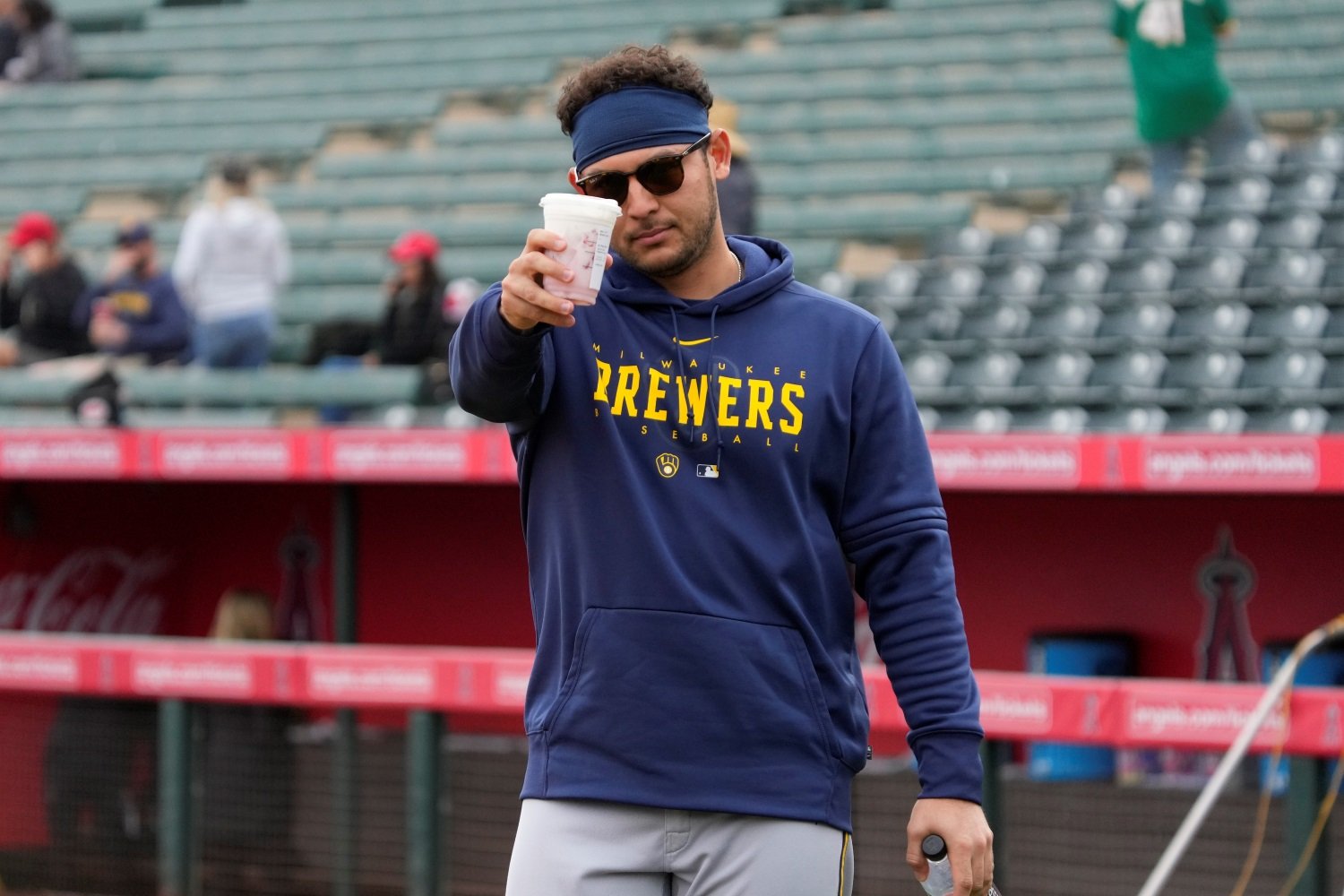 Nashville Sounds The three-headed monster of Alex Jackson, Payton Henry, and Brian Navarreto are not just holding down catcher in Nashville; each has also seen at least nine games at DH. Henry and Jackson are also proving to be solid with the bat. With this wealth of short-term options, Caratini’s pending free agency means he will likely head elsewhere after 2023, but the Brewers could benefit from good continuity with Henry and Jackson as solid secondary catchers familiar with the Triple-A pitching staff. Biloxi Shuckers Jeferson Quero has been delivering the power, and his OBP skills have improved as well (21 walks in 189 ABs in 2023, compared to 30 in 367 last year). Add to that superb defense at age 20, and he will likely be in Nashville to start 2024. There is no rush--he is only 20 years old--but he could bump Contreras to DH. Otherwise, the Crew could flip Contreras for a haul around the 2024-2025 offseason, or just keep both behind the plate, utilize them at DH or first base for partial days off, and keep them both more fresh. That said, Wes Clarke has also been superb as the backup catcher, and has also held down first base when called upon. Nick Kahle and Jason Lopez have also chipped in behind the plate. Wisconsin Timber Rattlers Darrien Miller is rebounding from an early-season slump, providing doubles and walks galore. The offense usually has been there for the 2019 ninth-round pick, but the question is really about his defensive home. Miller’s situation got more complicated when Matthew Wood was promoted to Wisconsin, after posting dominant numbers with the Mudcats. Wood has also flashed OBP skills, but the power he had in Carolina seems to have stayed there. Alex Hall has become the third catcher, who also sees time in left field and first base and delivers OBP and power from both sides of the plate. Carolina Mudcats With Wood’s promotion, Blayberg Diaz and Jose Sibrian have held down the catching duties in Zebulon. Sibrian has flashed OBP skills and power, while Diaz has done better at hitting for average. Jhonnys Cabrera and Tayden Hall have also chipped in as backstops at times. Arizona Complex League Brewers The Brewers went from two ACL teams to one in 2023, and they may be regretting that decision when it comes to finding playing time for the five catchers on their regular roster (not to mention Tayden Hall, on rehab). Satchell Norman and Edgardo Ordonez are the top two, and both have very potent bats – but each has only seven starts at catcher as of July 1. Dominican Summer League Brewers 1 Yannic Walther and Brayan Oropeza are the primary backstops, and both are hitting well. Both have also seen some time at first base, and Walther has a game as DH, while Oropeza took the mound once. Dominican Summer League Brewers 2 Eric Martinez is the primary catcher for the second DSL squad in the Brewers system, and is flashing OBP skills and power so far. Estebano Lozano, Freider Rojas, and Roman LaTorre have backed Martinez up. Overview The Brewers have almost too many good prospects at catcher, especially in the ACL and DSL. Already, in the ACL, two superb catchers are seeing too little playing time, and there are three catchers in the DSL who will compete for playing time. Higher up the ladder, Quero, Miller, Clarke, and Wood look to have bright futures in MLB, although Miller’s will more likely be as a DH, first baseman, or corner outfielder. Henry and Jackson could both contribute as well.
 -
Article: Nygaard Mock Draft v. 2.0
Harold Hutchison replied to Jeremy Nygaard's topic in MLB Draft & International Signings
Hard to see the Brewers passing on Schanuel, even if he is a LF/1B type. His bat looks like an amazing fit for American Family Field. -
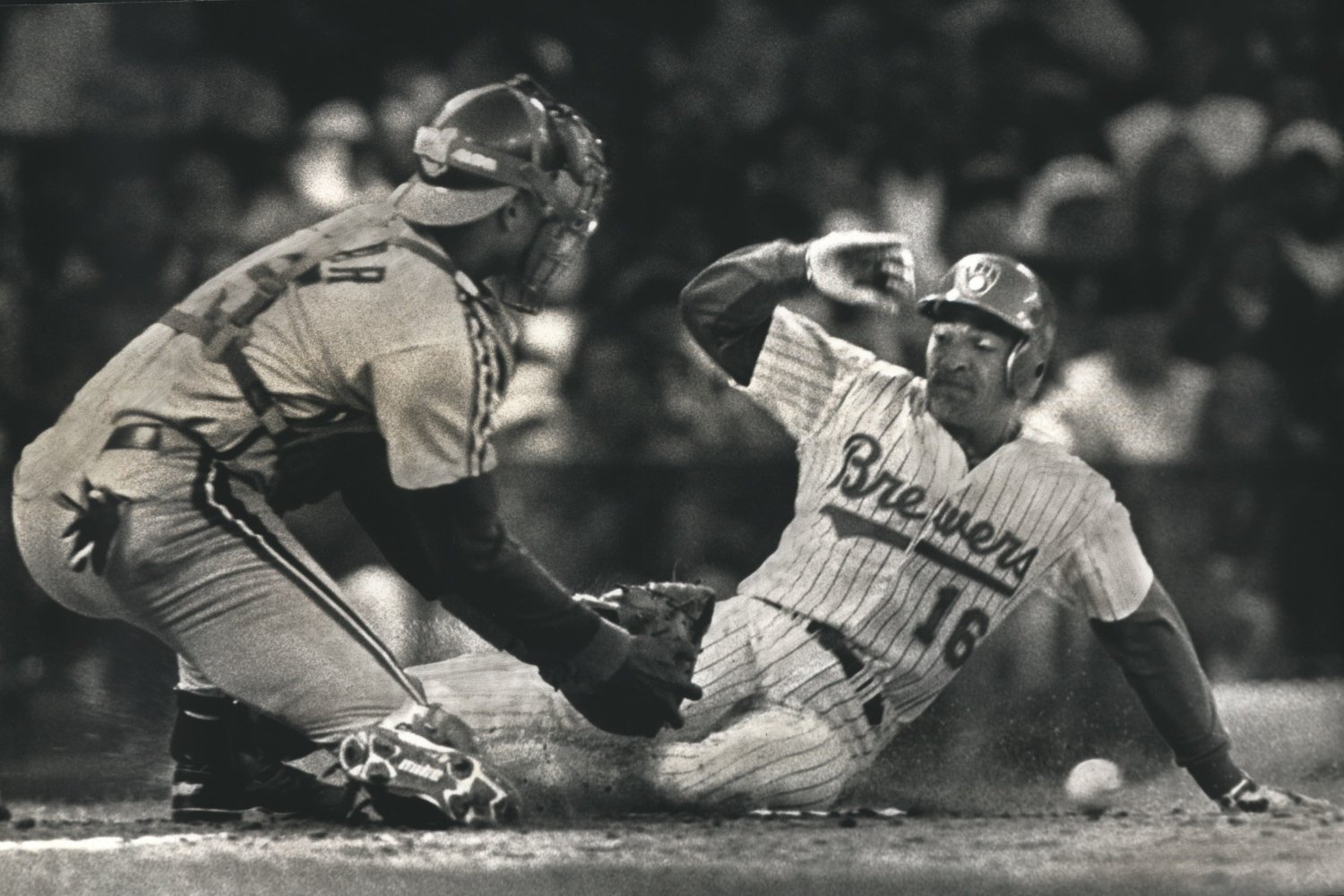 Who was that pick? Nomar Garciaparra, who later became a superstar shortstop with the Red Sox, Cubs, Dodgers, and A’s. He has 44.3 wins above replacement over his career–a figure exceeding that of the four next-most successful (Bill Wegman, Charlie Moore, Steve Sparks, and Pat Listach) fifth-rounders in Brewers history over their major league careers. If the Crew had signed Nomar, there are a lot of "what-ifs" that go on, from how the team did over the years, to just how some popular SNL sketches with Jimmy Fallon and Rachel Dratch might have changed. The Brewers couldn’t close that deal, though, and are left with a big “what if” for the late 1990s and early 2000s. You never know if the one you let get away would be a Nomar. Every pick can matter. Not that Wegman, Moore, Sparks, and Listach didn’t have their moments during their careers. Moore, drafted in 1971, played 14 seasons with the Brewers, and ranked among the best Brewers catchers of all time. Wegman was a solid starter for much of his career, but particularly came into his own in 1991 and 1992 after being drafted in 1981. Injuries derailed him, but he was surprisingly adept at keeping the team in games without strikeout stuff. Steve Sparks had a lengthy career as an inning-eating knuckleball pitcher–spending his first two seasons with Milwaukee before he was let go after an injury-riddled 1997. He led the AL with eight complete games in 2001 with the Tigers. Sparks was a solid pitcher the Brewers could have used during the late 1990s, and therein lies another lesson learned: The pitfalls of cutting bait too soon. Pat Listach won Rookie of the Year in 1992, then played a few more seasons with the Brewers, serving primarily as a bench asset and utility player after a 1994 injury. Listach was part of the 1996 trade that brought Bob Wickman to Milwaukee before being returned due to a previously undiagnosed foot injury. Of course, we can’t forget Steve Woodard’s memorable debut outing against Roger Clemens. Woodard was a solid pitcher for a few seasons, before he and Wickman were part of the trade that brought Richie Sexson to Milwaukee. We know how good Sexson was for the Brewers. Caleb Gindl was a solid corner outfielder for the Crew in 2013, but only had a cup of coffee in 2014 in the majors. Joey Meyer had a solid rookie season as the primary DH in 1988, but after 1989, he never made the majors again. Damien Magnifico also made the majors, for a stint with Milwaukee before he was traded for an international bonus slot. Angel Salome, Michael Reed, and Duane Singleton also had cups of coffee in the majors among Brewers fifth-round picks. It should be noted that, for the most part, the Brewers did learn the lesson from Nomar Garciaparra: Since 1991, they signed every fifth-round pick but one: future NFL safety Jarrad Page. All in all, the Brewers have a lot of good things to point to from the fifth round of the draft–but also some valuable lessons to keep in mind for the future.
 -
He's my pick for #18 overall. The bat and plate discipline alone are positives. As a corner OF/1B, he is not their usual defensive type, but the offense in this case is a must-have.
-
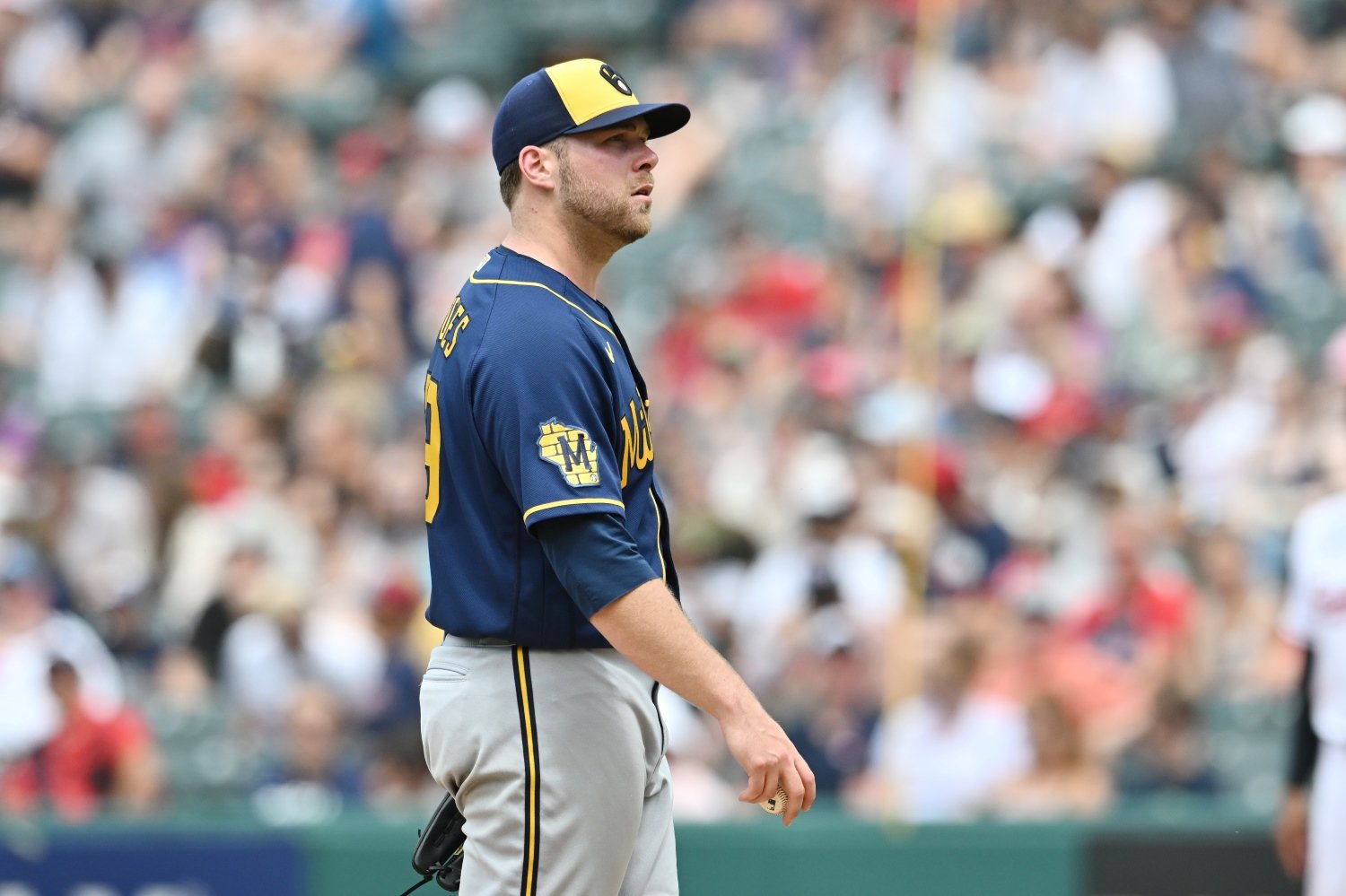 First, let’s look at the obviously fabulous recent fourth-round pick by the Brewers: Corbin Burnes. What’s there to say? A Cy Young award. Status as the ace of the rotation. A combined no-hitter that was the second official no-no in Brewers history (yes, C.C. Sabathia was robbed in 2008). He's contributed 10.6 wins above replacement to date, and he will likely add some more before the 2023 season is out. While it would take a miracle to sign him to an extension, even if the Brewers went full Bobby Bonilla in terms of deferred cash, Burnes has clearly set the mark by which other picks in that segment of the Draft will be judged based on on-field performance. But then there is the case of Tyler Wagner, the Brewers fourth-round pick in 2012. He had a rough cup of coffee in three starts in 2015 with the Crew, then was dealt to Arizona before the 2016 season along with Jean Segura. Who came back? Aaron Hill, Chase Anderson, and Isan Diaz. Hill was dealt for Aaron Wilkerson, who provided some pitching depth for the Crew from 2017-2019. Anderson was a solid starter for the Brewers, then was dealt for minor-league outfielder Chad Spanberger. As for Isan Diaz? Well, Diaz never made it to the Brewers’ active roster, but he was part of the package that brought Christian Yelich to Milwaukee. Billy Bates is somewhat similar to Wagner. He had some brief appearances with the Brewers, then was part of the trade that brought Ron Robinson and Bob Sebra to Milwaukee. While Sebra touched off one of the more notorious brawls in Brewers’ history, Robinson pitched like an ace in 1990, which was a bright spot in an otherwise injury-riddled and disappointing season. Taylor Williams and Mat Gamel, both fourth-round picks, made some contributions to the Brewers over several seasons, but didn’t really become stars. Brad Nelson’s career was thrown off by the presence of Prince Fielder, and he ended up as a Triple-A player after two cups of coffee with the Crew. Eric Farris had a couple brief stints in Milwaukee before he ended up with the Twins’ Triple-A team. Nick Ramirez became a reliever for Detroit, San Diego, and the Yankees, and is still with the Bronx bombers, Currently, the Brewers have Aaron Ashby and Joey Wiemer as fourth-rounders who have seen the majors. Wiemer is holding down center field as a rookie, while Ashby is recovering from a shoulder injury. Meanwhile, on the farm, Nick Kahle is catching behind Jeferson Quero in Biloxi, Logan Henderson is flashing dominance with the Mudcats, and Matthew Wood is taking playing time behind the plate in Wisconsin. All in all, the Brewers have had some fabulous fourth-rounders in their draft history–and they didn’t need to make it to Milwaukee to help bring the team some successful seasons.
-
- 1
-

-
- corbin burnes
- joey wiemer
- (and 2 more)
-
This May Be One Time And Place To Open The Checkbook
Harold Hutchison commented on Harold Hutchison's article in Minor Leagues
For Conteras, the answer to that question is: Jeferson Quero. It may be that Contreras gets flipped for a package when he hits arbitration, especially if one of Wood/Miller also moves up fast. Plus, Payton Henry and Alex Jackson are hitting well at Nashville. -
This May Be One Time And Place To Open The Checkbook
Harold Hutchison posted an article in Minor Leagues
 One place the team may want to consider is with their minor-league players. Yes, there were some major salary bumps from the new collective bargaining agreement, but the Brewers may be well-served to go above and beyond those minimums. This may seem counterintuitive, especially when looking at the success rate (we discussed the second and third rounds earlier, and did a retrospective on the 11th), but in fact, it could give the Brewers a crucial edge. Even the current minor-league minimums, while much better than the past, are still quite low. Remember in 2019, when Tyrone Taylor first came up? His initial plans were for a seasonal job with FedEx, at least before he got placed on the 40-man roster for that year’s Craigtember run. If one has to work a second job in the offseason, one’s ability to stay in shape for baseball is compromised. The team could give its prospects a chance to develop more by upping the minor-league salaries. Paying Rookie-level players $30,000 a year, Low-A players $36,000, High-A players $39,000, Double-A players $45,000, and Triple-A players $54,000 would come to a total of $7,722,000, assuming 28 players per Double- and Triple-A roster and 30 for the levels below that. That is $500,000 less than what Jesse Winker is being paid. The team could also up the newly required pay during spring training, and for offseason workouts, to approximately double the current minimums in the CBA. That, of course, doesn’t account for two-way contracts for players on the fringes of the 26-man active roster, but when you think about it, it evens out, because the increase from the minimums is a bit less than the $7.722 million we talked about. The advantages of this are obvious. First, players who don’t have to take an offseason job to make ends meet can focus more on baseball. As a byproduct of that, they don’t have to worry about injuries during their offseason jobs, either. By being able to keep in better baseball shape, and to focus on baseball, these prospects have a better chance of panning out. In addition, this could be a huge difference in signing players who slip a little in the draft and for attracting minor-league free agents. In the former case, the higher salaries could get that player to sign, giving the Brewers a larger talent pool–the Brewers failed to sign six out of their 21 picks in 2022, and five of 21 in 2021. In the latter case, it gives Milwaukee an edge in finding depth and getting some of the better players who go on the market. Besides, it doesn’t seem smart in a 20-round draft to leave unsigned picks on the table. There is one other advantage: The Brewers can sign a lot of minor-league free agents for a lot less than they can bring in someone to patch a hole in the major-league roster. In a way, it’s like throwing darts at a board, but the Brewers have had success: Peter Strzelecki was a minor-league free agent in 2018. The Crew has also done well securing prospects from the independent leagues, too, giving them a chance to sparkle. The Brewers can’t make big waves in the major-league free-agent market, but that doesn’t mean they shouldn’t spend money. The best place to spend it might be on the players in the farm system, which could pay off big down the road.
 -
Article: 2nd Annual Dual Mock Draft
Harold Hutchison replied to Jeremy Nygaard's topic in Brewer Fanatic Front Page News
If the draft goes like this, I'd be hoping for Schanuel at 18 and Whitman at 33, if only because they could move through the system faster. Schanuel not only has a superb bat, but he's probably much better defensively at first than Tellez. -
The Third Round Hasn’t Always Been The Charm For The Crew
Harold Hutchison posted an article in Minor Leagues
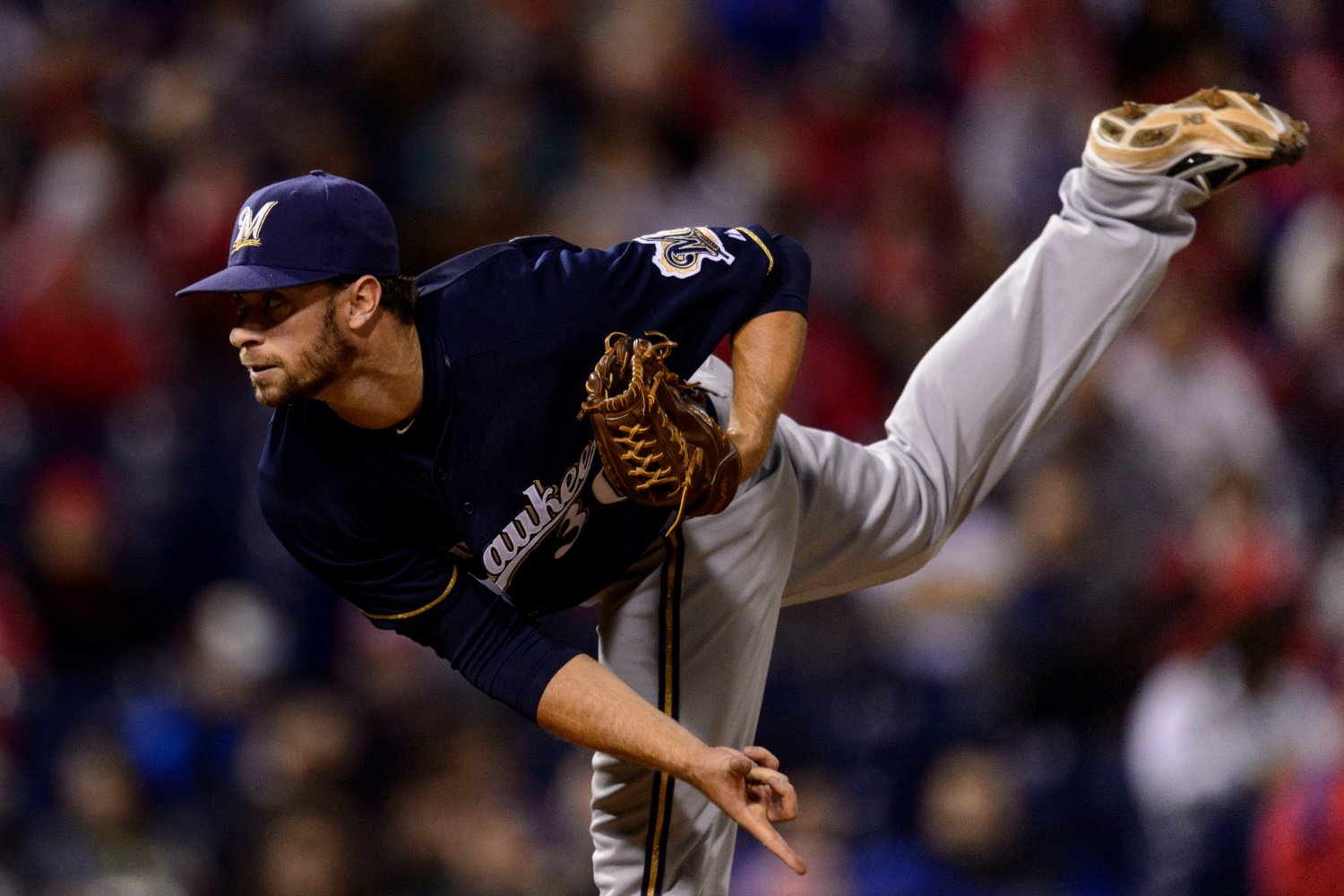 For the Milwaukee Brewers, the old saying “the third time is the charm” might draw a sarcastic laugh. Here’s why: Out of the third-round picks since the 2000 season, only two have posted positive career WAR totals: Tyler Thornburg and Jonathan Lucroy. Thornburg, of course, was a key component in the trade that brought Travis Shaw to Milwaukee prior to the 2017 season, giving the Brewers two of the best seasons of performance by a third baseman since they moved Ryan Braun to the outfield. Lucroy is arguably the best catcher in Brewers history. Logan Schaefer bounced between the Brewers and the minors for five years, and is the third-best third-round pick since 2000. Other than that… the Brewers can point to K.J. Harrison, who was part of the package dealt for Gio Gonzalez, a key contributor in 2018 and 2019; Cole Gillespie, who was traded for Felipe Lopez in the 2009 season; Drew Gagnon, who was part of the package for Jett Bandy; and 2019 pick Alex Binelas, who was dealt to Boston as part of the Hunter Renfroe trade–which has netted the Brewers a solid bullpen asset in Elvis Peguero. Don’t get me wrong, when you can trade a player, it helps, but some of the third-round picks who didn’t do so hot drew substantial bonuses–some of which come close to the major-league minimum. With the traded players mentioned here, seven out of the 21 picks from 2000 onward have ended up contributing something to the Brewers–about 33.3%. Now, .333 is not a bad batting average. Heck, if several Brewers were regularly hitting .333, it would be great. But when it comes to draft picks that they are spending some relatively big money on, it is not quite good enough. We’ve all known the harsh realities about the hot-stove league that plague the Brewers for years, and with those realities comes another one: They can’t afford to miss with draft picks that they are spending mid-six-figure bonuses on, to say nothing of the seven-figure bonuses that second-round selections receive (we’ve discussed those picks earlier). The Cubs, Dodgers, and Mets can always deal with misses in the draft by going out on the market to sign a big-name free agent–usually one from a smaller-market team–and they still make plenty of money, even with the luxury tax. Just look at what Steve Cohen was willing to spend this past offseason. The Brewers do not have the luxury of big spending–not if they want to be profitable in the market they are in. For them to compete, they have to score big from the farm system time and time again. That pipeline needs to be not just solid, but close to bursting. So far, the third round has been more tough luck than a lucky charm for the Brewers. If the Brewers want to emulate the Tampa Bay Rays or to be a team that is constantly in contention, this is one round where the Brewers need to make some big improvements in terms of drafting and developing players.
 -
Brewers Need To Avoid “Terrible Twos” In The Draft
Harold Hutchison posted an article in Minor Leagues
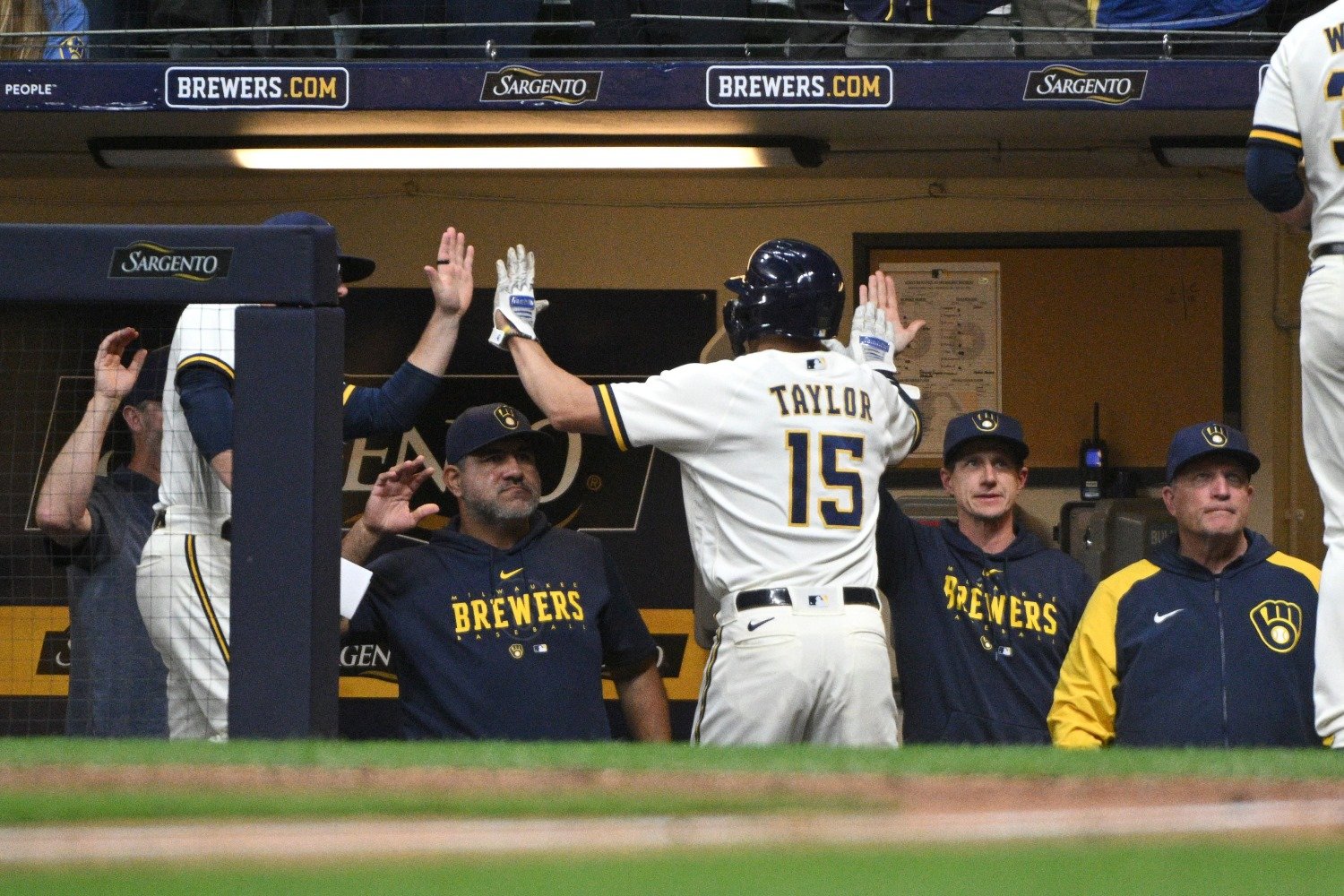 When it comes to the draft, since the year 2000, the Brewers have had some big hits from the first round. Early on, it was Ryan Braun, Rickie Weeks, Jeremy Jeffress, and Prince Fielder. More recently, Keston Hiura helped during the 2019 playoff run, while Brett Lawrie, Matt LaPorta, Jake Odorozzi, Trent Grisham and Mitch Haniger were used to acquire key components for later successful teams, either directly, or through what happened further down the road. The Brewers have been less lucky in the second round, particularly since 2000. They have had some hits, to be sure: J.J. Hardy, Yovani Gallardo, Jimmy Nelson, Tyrone Taylor, and Devin Williams all have been solid contributors for the team, and some of them even helped acquire additional help down the road. Hardy, Williams and Gallardo all are in the discussion as being among the best to play their positions in Brewers history. Other second-round picks were traded and helped acquire crucial pieces for success. Monte Harrison, for example, was part of the package for Christian Yelich. Cody Ponce brought the Crew Jordan Lyles, who played a key role in the 2019 run to the playoffs. Jorge Lopez was part of the package that brought Mike Moustakas to Milwaukee for the 2018 stretch run (and, eventually, the 2019 season). Cutter Dykstra was traded to the Nationals for Nyjer Morgan prior to the 2011 season. Morgan was a dynamic player for the Brewers in that run to the NLCS. However, there have been a lot more misses than big hits in the second round, and those misses have had some high price tags. 2008 second-rounder Seth Lintz got a $900,000 bonus, and never got past Class-A ball. Tucker Neuhaus got $771,000 and never made it past Advanced A. Micah Bello cost $550,000, and also topped out with the Timber Rattlers before he retired. Caden Lemons got a bonus of nearly $1.5 million, and is trying to make a comeback in the Frontier League. Josh Murray and Brent Brewer are also among the second-round picks who didn’t quite work out for the Crew. Other technical “misses” include third baseman-turned-reliever Lucas Erceg, who looks like a solid bullpen contributor–for the Oakland Athletics, after the Crew dealt him for cash. Catcher Mario Feliciano was waived after four at-bats in the big leagues. Antoine Kelly was traded to the Rangers for Matt Bush, who has been lit up more often than not for the Crew. Erceg could have been a useful asset for the Brewers, Feliciano couldn’t have been much worse as a AAA option than Brian Navaretto, and Kelly might have been a nice left-handed reliever for the Brewers system. It goes without saying that a small-market team like the Brewers can’t really afford those sorts of misses, particularly at the price they are paying to land second-round picks. Now, some of the more recent picks, like Jacob Misiorowski, Robert Moore, and Freddy Zamora, look promising. Joe Gray Jr. has flashed power and defense in the minors, and Russell Smith is racking up a lot of strikeouts as a Timber Rattler and Shucker. But going forward, the Brewers have to get more consistent success out of this round, particularly given that they can't afford to make big splashes in free agency to paper over the gaps. It could be the difference between them playing for the title or watching others do so from their homes.