



Harold Hutchison
-
Posts
6,909 -
Joined
-
Last visited
Content Type
Profiles
Forums
Blogs
Events
News
2026 Milwaukee Brewers Top Prospects Ranking
Milwaukee Brewers Videos
2022 Milwaukee Brewers Draft Picks
Milwaukee Brewers Free Agent & Trade Rumors, Notes, & Tidbits
Guides & Resources
2023 Milwaukee Brewers Draft Picks
2024 Milwaukee Brewers Draft Picks
The Milwaukee Brewers Players Project
2025 Milwaukee Brewers Draft Pick Tracker
2026 Milwaukee Brewers Draft Tracker: Picks & Bonuses
Store
Downloads
Gallery
Everything posted by Harold Hutchison
-
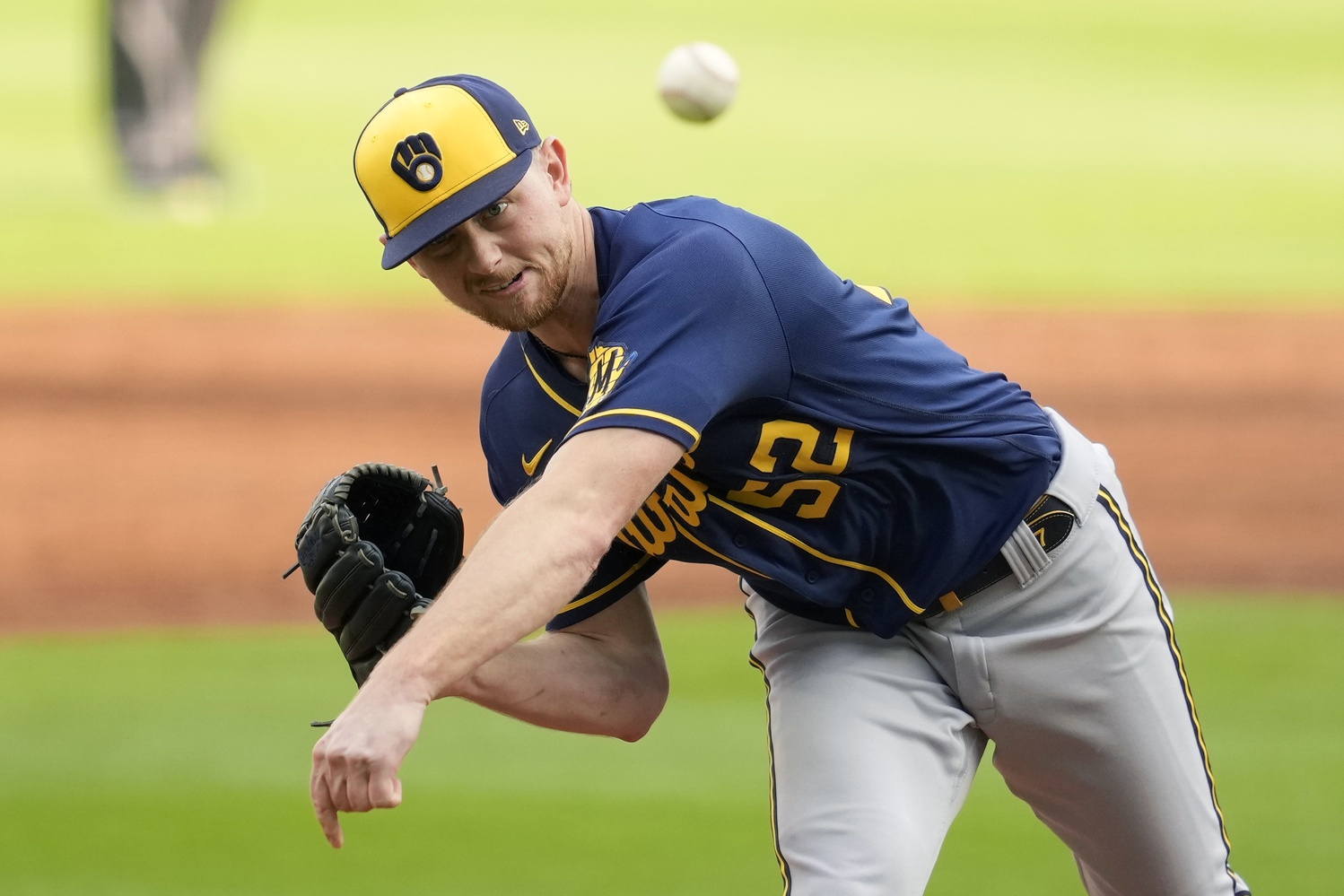 Why? Corbin Burnes, Brandon Woodruff, and Freddy Peralta have given the Brewers an excellent trio in the starting rotation for the last two years. In a very real sense, Burnes and Woodruff, arguably two of the best starters in Brewers' history, have distorted the team’s starting rotation in a positive direction. This has given the Brewers a huge edge in the last two years. So, while Brewers fans fret over the lack of an extension for the big names, the smart play is not to try to extend Burnes and Woodruff. The Brewers could be well-served to offer an extension to Eric Lauer to solidify their rotation through this decade. In most cases, it would be crazy to give the #4 starter an extension. But the Brewers don’t have a normal situation. The Crew currently has Freddy Peralta with team options through 2026. Aaron Ashby is also locked up, with team options taking him through 2029. If their shoulders hold up, Peralta and Ashby would still make a potent 1-2 punch in the rotation, even if they are different from the generational talent that Burnes is. However, if the Crew were to extend Eric Lauer, it could solidify their rotation through the late 2020s. Yes, the Brewers have pitching prospects in the system, including exciting ones like Carlos Rodriguez, Jacob Misiorowski, and Stiven Cruz. But a lot of these pitchers are at the lower levels. The journey from full-season A, Advanced A, or the Arizona Complex League is long, and not all touted prospects make it or become Corbin Burnes. So, the Brewers, in need of some stability in the rotation and also needing to be cost-conscious, might want to set their extension sights on Lauer. Part of what makes an extension workable is that there are some up-and-coming prospects in the outfield. Sal Frelick, Garrett Mitchell, and Joey Wiemer could be the starting outfielders in Game 162, with Christian Yelich as the designated hitter. What could that extension look like? Baseball-Reference lists Kyle Freeland as the most comparable pitcher to Lauer through age 27. Freeland signed a five-year, $64.5 million extension in April 2022 that includes a $17 million option for 2027 that will vest if he pitches 160 innings in 2026. In one sense, that could be a very reasonable starting point for the Brewers and Lauer. Freeland, who pitches half the time at Coors Field, probably warranted a premium. American Family Field does tend to be a little hitter-friendly, but that effect is often for left-handed hitters. The Brewers might want to consider dispensing with the vesting option and getting a lower AAV. The Crew also could always defer some of the money – giving Lauer long-term financial stability and easing the short-term budget crunch. In this case, the Brewers could go six years, $72 million, giving Lauer an extra guaranteed year, and defer $12 million over 25 years. This deal would take the team through 2029, putting Lauer alongside Ashby in the rotation long-term while also offering him some significant financial security for his post-MLB life. Extending Eric Lauer would not be as spectacular as keeping Corbin Burnes, but for the Brewers, locking down a solid starting pitcher would make a lot of sense and provide significant bang for the buck.
 -
Grading The Brewers Offseason: Moves the Crew Didn't Make This Winter
Harold Hutchison posted an article in Brewers
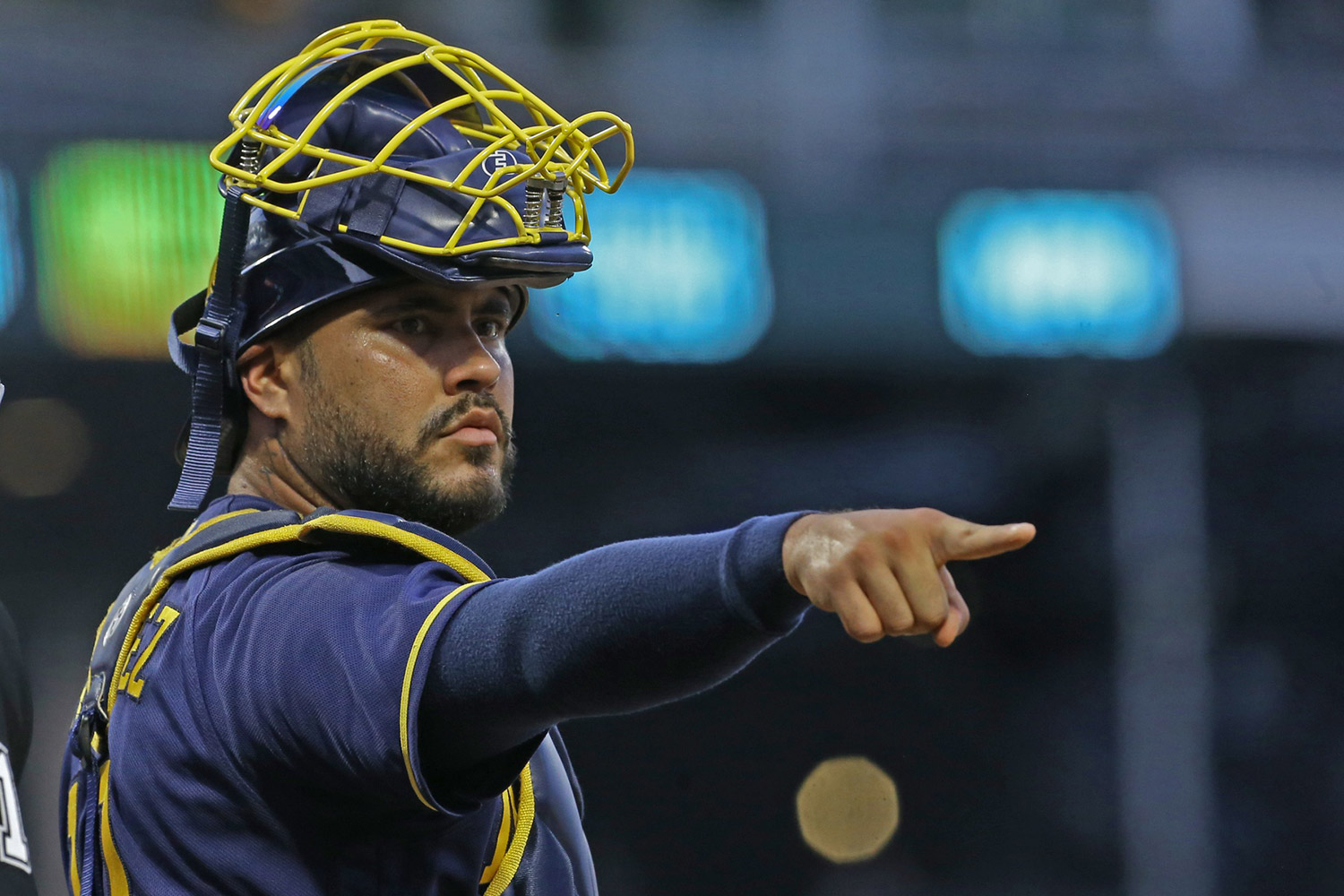 In this case, what the Brewers have not done during the offseason is the difference between a deep playoff run and watching the playoffs on TV. Let’s look at what didn’t happen over the offseason for the Brewers. November 6, 2022 Not Re-Signing Jace Peterson In 2020, 2021, and 2022, Peterson proved immensely valuable to the Brewers in a soft platoon with Luis Urias at third base while also seeing time at second base, left field, and right field. He flashed occasional power, drew lots of walks, and was good at stealing bases. The Brewers let him walk, and he signed a two-year deal with Oakland for $9.5 million. The price may be high, but Peterson was a known quantity and reliable producer, and Abraham Toro, Owen Miller, and Brian Anderson could fill in much of the gap. However, the stolen base abilities will be missed. Grade: D+ Not Re-Signing Taylor Rogers Taylor Rogers was one of the two major leaguers acquired in the hotly-debated Josh Hader deal. He wasn't exactly lights out but did accumulate 14.1 strikeouts per nine innings. He later signed a three-year deal with the Giants averaging $11 million per season. The Brewers have few lefties in the pen left, though. Between Aaron Ashby’s shoulder and the waiver-wire loss of Brent Suter, it leaves Hoby Milner as the best left-handed option in the pen unless some NRIs like Alex Claudio and Thomas Pannone or prospects like Ethan Small and Clayton Andrews step up. But if the Crew couldn’t afford eight figures for Hader, Rogers was also too expensive. Grade: C+ November 7, 2022 Not Re-Signing Omar Narvaez Omar Narvaez was hoped to be a solid bat-first catcher for the Crew, but in two out of three years, his production was closer to the Uecker line than an All-Star level performance. He did get one All-Star Game appearance, but it was clear he wasn’t a long-term answer. He received a one-year deal for $8 million from the Mets, while the Crew got William Contreras and two relievers for Esteury Ruiz. Grade: A+ November 10, 2022 Not Exercising Brad Boxberger’s Option Brad Boxberger was a very solid seventh inning option before the Hader trade and would have been alright as a set-up man for Devin Williams. The Crew spent $750,000 while Boxberger went to a division rival. With Brent Suter waived and the injury to Jake Cousins, perhaps keeping Boxberger, a known quantity, would have been smart, even though he’s closer to 35 than 30, but the Brewers did get a lot of options in other moves. Grade: C- No Date In Particular Not Extending Willy Adames Adames has been a superb acquisition for Milwaukee, but the team needs to get him extended or explore a trade. The former would be preferable before the team finds itself behind the eight ball. Maybe there is more to Cam Devanney or Eduardo Garcia than fans know; maybe Eric Brown rockets through the minors like Sal Frelick. At the same time, given that the Brewers did deal promising pitcher Drew Rasmussen for Adames, who has power and superb defense, an extension seems like something that should happen. Grade: D- Not Extending Brandon Woodruff Laboring in the shadow of Corbin Burnes, Brandon Woodruff has been racking up a lot of the rate stats like a true ace. While less dominating than Burnes, Woodruff is more affordable in a sense. With Peralta and Ashby having shoulder issues, an extension should happen. Grade: D- Not Resolving the Corbin Burnes Situation Could the Brewers have kept Burnes? It may be a year too late for a long-term extension, but there always was the option to go full Bobby Bonilla with massive deferred payments. The other option was to deal with Burnes and get a haul of prospects. It has yet to happen. On the one hand, the Crew has loaded up for a 2023 run. On the other hand, the return could be lower. A World Series win could change things a lot. Grade: Incomplete No Big Free-Agent Signings Brewers fans got frustrated watching big free agents sign elsewhere as the team had holes at catcher, designated hitter, and third base. But Matt Arnold didn’t panic or rush to make a deal – and the Brewers ended up with superb options at all three positions and added arms who could help in the bullpen and rotation. Grade: B
 -
What often kills any effort for success isn’t what someone or some organization does; it’s what it fails to do. Image courtesy of © Charles LeClaire-USA TODAY Sports In this case, what the Brewers have not done during the offseason is the difference between a deep playoff run and watching the playoffs on TV. Let’s look at what didn’t happen over the offseason for the Brewers. November 6, 2022 Not Re-Signing Jace Peterson In 2020, 2021, and 2022, Peterson proved immensely valuable to the Brewers in a soft platoon with Luis Urias at third base while also seeing time at second base, left field, and right field. He flashed occasional power, drew lots of walks, and was good at stealing bases. The Brewers let him walk, and he signed a two-year deal with Oakland for $9.5 million. The price may be high, but Peterson was a known quantity and reliable producer, and Abraham Toro, Owen Miller, and Brian Anderson could fill in much of the gap. However, the stolen base abilities will be missed. Grade: D+ Not Re-Signing Taylor Rogers Taylor Rogers was one of the two major leaguers acquired in the hotly-debated Josh Hader deal. He wasn't exactly lights out but did accumulate 14.1 strikeouts per nine innings. He later signed a three-year deal with the Giants averaging $11 million per season. The Brewers have few lefties in the pen left, though. Between Aaron Ashby’s shoulder and the waiver-wire loss of Brent Suter, it leaves Hoby Milner as the best left-handed option in the pen unless some NRIs like Alex Claudio and Thomas Pannone or prospects like Ethan Small and Clayton Andrews step up. But if the Crew couldn’t afford eight figures for Hader, Rogers was also too expensive. Grade: C+ November 7, 2022 Not Re-Signing Omar Narvaez Omar Narvaez was hoped to be a solid bat-first catcher for the Crew, but in two out of three years, his production was closer to the Uecker line than an All-Star level performance. He did get one All-Star Game appearance, but it was clear he wasn’t a long-term answer. He received a one-year deal for $8 million from the Mets, while the Crew got William Contreras and two relievers for Esteury Ruiz. Grade: A+ November 10, 2022 Not Exercising Brad Boxberger’s Option Brad Boxberger was a very solid seventh inning option before the Hader trade and would have been alright as a set-up man for Devin Williams. The Crew spent $750,000 while Boxberger went to a division rival. With Brent Suter waived and the injury to Jake Cousins, perhaps keeping Boxberger, a known quantity, would have been smart, even though he’s closer to 35 than 30, but the Brewers did get a lot of options in other moves. Grade: C- No Date In Particular Not Extending Willy Adames Adames has been a superb acquisition for Milwaukee, but the team needs to get him extended or explore a trade. The former would be preferable before the team finds itself behind the eight ball. Maybe there is more to Cam Devanney or Eduardo Garcia than fans know; maybe Eric Brown rockets through the minors like Sal Frelick. At the same time, given that the Brewers did deal promising pitcher Drew Rasmussen for Adames, who has power and superb defense, an extension seems like something that should happen. Grade: D- Not Extending Brandon Woodruff Laboring in the shadow of Corbin Burnes, Brandon Woodruff has been racking up a lot of the rate stats like a true ace. While less dominating than Burnes, Woodruff is more affordable in a sense. With Peralta and Ashby having shoulder issues, an extension should happen. Grade: D- Not Resolving the Corbin Burnes Situation Could the Brewers have kept Burnes? It may be a year too late for a long-term extension, but there always was the option to go full Bobby Bonilla with massive deferred payments. The other option was to deal with Burnes and get a haul of prospects. It has yet to happen. On the one hand, the Crew has loaded up for a 2023 run. On the other hand, the return could be lower. A World Series win could change things a lot. Grade: Incomplete No Big Free-Agent Signings Brewers fans got frustrated watching big free agents sign elsewhere as the team had holes at catcher, designated hitter, and third base. But Matt Arnold didn’t panic or rush to make a deal – and the Brewers ended up with superb options at all three positions and added arms who could help in the bullpen and rotation. Grade: B View full article
-
I'd have been much happier if it was just Wong-for-Toro. Winker, to me, would have been nice in 2020-2022 as a full-time DH, but given how Frelick/Mitchell/Wiemer are now knocking on the MLB door or already through... Winker makes little sense.
-
The Brewers can't just be thinking about this year. There needs to be a constant pipeline of talent to the major-league team. I'd rather pump $8.75 million into scouting and development than into a free agent or a player like Winker. Barring a massive and significant shift in baseball's economic realities, the Brewers will need to be constantly producing top prospects across the board.
-
Indeed, it is. It's one of the reasons the Wong-for-Winker deal was downgraded, IMO. The Crew had the pitching horsepower to break in Frelick/Mitchell and possibly even Wiemer this year, so why take Winker in return? Another pitcher or a lottery ticket or two might have been better.
- 61 replies
-
- 1
-

-
- brandon woodruff
- corbin burnes
- (and 3 more)
-
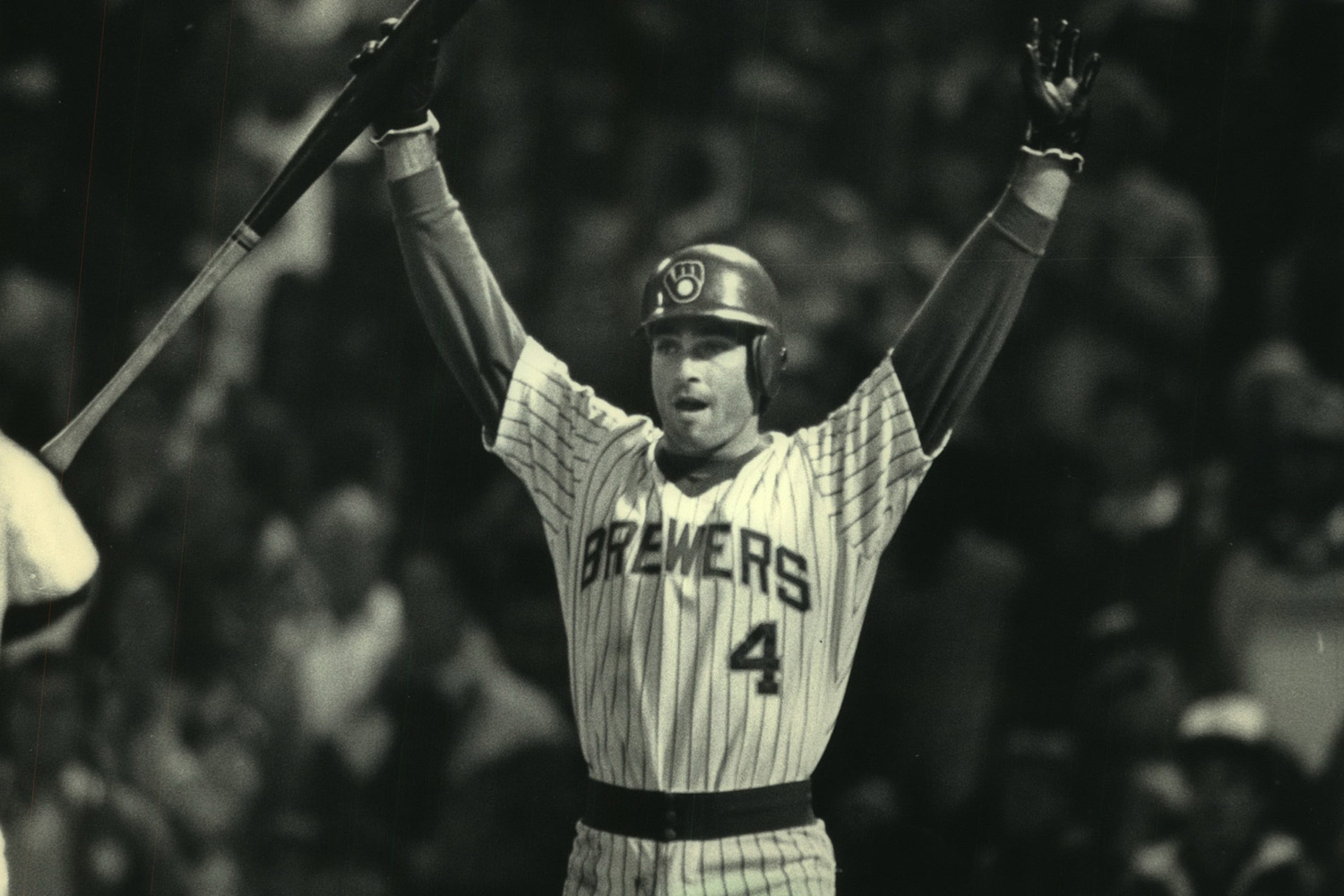 After losing Paul Molitor to free agency, the team hit a skid, not seeing the .500 mark for 12 seasons, and what was already a 10-year playoff drought would extend until 2008’s magical wild card run. General Manager Sal Bando, one of the first big free-agent signings in team history, was criticized by fans for not keeping an iconic player in the fold. But what if Bando had gotten the deal done? How might history have changed? For the sake of argument, Molitor and the Brewers agree on a six-year deal for $19.5 million ($1.5-million bonus, $3 million per season), with team options for 1999 and 2000. One big effect that could happen with a deal being reached is avoiding one of the worst trades in franchise history. In November 1992, the Brewers dealt Dante Bichette to the Colorado Rockies for Kevin Reimer to fill the hole at DH. Reimer hit .249 with 13 homers and 60 RBI. Bichette went on to become a productive player for Colorado. That deal no longer becomes necessary, so the Brewers have Bichette in right field for at least 1993, and perhaps until mid-1996, when they would deal him the same way they dealt Greg Vaughn that year. Molitor’s retention might make Kevin Seitzer see Milwaukee as less appealing, although John Jaha’s injuries over the years might have Seitzer and Molitor splitting time at first base. Molitor and Bichette wouldn’t steer the team entirely clear of the doldrums. Still, there would be higher attendance at County Stadium, and keeping Molitor would provide enough goodwill to ease the legislative fight to construct Miller Park. The Brewers would likely finish above .500 in 1993 and 1996. Molitor would reach his 3,000th hit around the same time he did historically, either in an away game at Texas or County Stadium. The move to the NL in 1998 would force Molitor to play a lot more first base in the twilight of his career, but the Brewers, lacking a better option at first, would exercise the 1999 and 2000 team options, with Molitor's final season coinciding with the move to Miller Park. The acquisition of Richie Sexson in 2000 would complete that passing of the torch. He would likely have over 3,600 hits by that time, joining Robin Yount in playing over 20 seasons with the Crew. Given Molitor’s post-playing career, he would likely become a coach with the Brewers, eventually becoming the manager. Molitor would likely have taken Ryan Braun under his wing to coach him at third base, in all likelihood having the Brewers not immediately move him to the outfield after the 2007 season. At the very least, Molitor becomes an institution as a hitting coach, like Bill Castro was as a bullpen coach. Or, Molitor, instead of Dale Sveum, might end up the interim manager if Ned Yost is fired during the 2008 season, and would likely retain the job through at least Doug Melvin’s tenure as GM, perhaps turning the reins over to Craig Counsell after the 2016 season and remaining with the Brewers in another capacity. How might his extended tenure in Milwaukee have affected the all-time rankings at various positions? For one, he would have been the Crew's all-time best DH. In addition, if Braun stays at third base longer, the debates among Brewers fans would be between the slugger (Braun) and the pure hitter (Molitor) as to who the best third baseman in Brewers’ history was. Dante Bichette might have staked a claim as one of the team’s best right fielders of all time. Sal Bando would have been seen as a decent GM doing his best rather than a vilified figure for allowing Molitor to walk. Molitor’s departure was a tragedy for the Brewers’ franchise, one that many Brewers fans feel was avoidable. They can only wonder what might have been.
 -
One of the biggest heartbreakers for Brewers fans came on December 7, 1992, when Paul Molitor signed with the Toronto Blue Jays as a free agent. What if that didn't happen? Image courtesy of © Jim Gehrz and Tom Lynn, Milwaukee Journal Sentinel via Imagn Content Services, LLC After losing Paul Molitor to free agency, the team hit a skid, not seeing the .500 mark for 12 seasons, and what was already a 10-year playoff drought would extend until 2008’s magical wild card run. General Manager Sal Bando, one of the first big free-agent signings in team history, was criticized by fans for not keeping an iconic player in the fold. But what if Bando had gotten the deal done? How might history have changed? For the sake of argument, Molitor and the Brewers agree on a six-year deal for $19.5 million ($1.5-million bonus, $3 million per season), with team options for 1999 and 2000. One big effect that could happen with a deal being reached is avoiding one of the worst trades in franchise history. In November 1992, the Brewers dealt Dante Bichette to the Colorado Rockies for Kevin Reimer to fill the hole at DH. Reimer hit .249 with 13 homers and 60 RBI. Bichette went on to become a productive player for Colorado. That deal no longer becomes necessary, so the Brewers have Bichette in right field for at least 1993, and perhaps until mid-1996, when they would deal him the same way they dealt Greg Vaughn that year. Molitor’s retention might make Kevin Seitzer see Milwaukee as less appealing, although John Jaha’s injuries over the years might have Seitzer and Molitor splitting time at first base. Molitor and Bichette wouldn’t steer the team entirely clear of the doldrums. Still, there would be higher attendance at County Stadium, and keeping Molitor would provide enough goodwill to ease the legislative fight to construct Miller Park. The Brewers would likely finish above .500 in 1993 and 1996. Molitor would reach his 3,000th hit around the same time he did historically, either in an away game at Texas or County Stadium. The move to the NL in 1998 would force Molitor to play a lot more first base in the twilight of his career, but the Brewers, lacking a better option at first, would exercise the 1999 and 2000 team options, with Molitor's final season coinciding with the move to Miller Park. The acquisition of Richie Sexson in 2000 would complete that passing of the torch. He would likely have over 3,600 hits by that time, joining Robin Yount in playing over 20 seasons with the Crew. Given Molitor’s post-playing career, he would likely become a coach with the Brewers, eventually becoming the manager. Molitor would likely have taken Ryan Braun under his wing to coach him at third base, in all likelihood having the Brewers not immediately move him to the outfield after the 2007 season. At the very least, Molitor becomes an institution as a hitting coach, like Bill Castro was as a bullpen coach. Or, Molitor, instead of Dale Sveum, might end up the interim manager if Ned Yost is fired during the 2008 season, and would likely retain the job through at least Doug Melvin’s tenure as GM, perhaps turning the reins over to Craig Counsell after the 2016 season and remaining with the Brewers in another capacity. How might his extended tenure in Milwaukee have affected the all-time rankings at various positions? For one, he would have been the Crew's all-time best DH. In addition, if Braun stays at third base longer, the debates among Brewers fans would be between the slugger (Braun) and the pure hitter (Molitor) as to who the best third baseman in Brewers’ history was. Dante Bichette might have staked a claim as one of the team’s best right fielders of all time. Sal Bando would have been seen as a decent GM doing his best rather than a vilified figure for allowing Molitor to walk. Molitor’s departure was a tragedy for the Brewers’ franchise, one that many Brewers fans feel was avoidable. They can only wonder what might have been. View full article
-
It's one thing to deal him, and get some possible value in return. A DSL lottery ticket or two would have been much better than a waiver claim. Same with Feliciano.
-
The Brewers made a number of moves during the 2022-2023 offseason. With roughly a week before pitchers and catchers report to American Family Fields in Maryvale, Arizona, how did the Brewers do with the trades, free-agent signings, and other assorted moves they made? Image courtesy of © Michael McLoone-USA TODAY Sports Let’s look at the biggest moves the Brewers made this offseason: November 18, 2022 Acquired RHP Javy Guerra for a player to be named later Guerra has seen some action in four MLB seasons after converting from shortstop following 2018. It remains to be seen what the cost is, but Guerra could easily compete for a back-of-the-bullpen spot. Grade: C+ Waived LHP Brent Suter Brent Suter has been a back-end starter and reliable bullpen option since 2016. As a 31st-round draft pick, he proved to be a steal. The Brewers placed him on waivers and saw him get claimed by Colorado. Suter could have been locked up to a reasonable long-term deal, probably for about $3 million a year, but given his reliability in multiple roles, that may have been money well spent. At least the Hader trade gave the Brewers some potential long-term pieces, directly (Gasser) and indirectly (Contreras). Grade: F November 23, 2022 Acquired RHPs Janson Junk and Elvis Peguero and LHP Adam Seminaris from the Angels for OF Hunter Renfroe Renfroe was due an eight-figure salary by most arbitration estimates, and the Brewers have Sal Frelick, Garrett Mitchell, and Joey Wiemer, all of whom have made at least one Top 100 prospects list, knocking at the door of MLB, if they’re not already there. So, dealing Renfroe was a necessity on that front alone. Getting some serious pitching depth was a plus. Grade: B December 2, 2022 Acquired DH Jesse Winker and OF Abraham Toro from the Mariners for 2B Kolten Wong and cash Wong was also due an eight-figure salary after the Brewers exercised a team option. He was not a bad second baseman, but the Brewers had Brice Turang knocking on the door of the majors after a superb full season at Nashville. Toro could be a superb bench asset with his versatility, and he flashes pop as a switch-hitter. But Winker re-crowds the outfield, and it may have been better to get a minor-league pitcher or two. Grade: B- December 12, 2022 Acquired C/DH William Contreras and RHPs Joel Payamps and Justin Yeager for OF Esteury Ruiz in a three-team trade with the A’s and Braves The Brewers were looking for an upgrade at catcher after letting Omar Narvaez walk after three up-and-down seasons. They got it and two more potential bullpen assets, and all it cost was Esteury Ruiz, a fast outfielder behind Frelick, Mitchell, Wiemer, and Jackson Chourio in terms of the Brewers farm system. A superb move. Grade: A+++ December 14, 2022 Acquired IF Owen Miller from the Guardians for a player to be named later A longtime Brewers fan, Miller could shore up the bench for the Crew, although the cost remains to be seen. He’s flashing some serious pop and can play all over the infield. But who the Brewers will send back remains to be seen. Grade: C+ December 21, 2022 Waived C Mario Feliciano Yes, the Brewers had acquired Payton Henry back from the Marlins for an outfielder from one of their DSL teams. But Feliciano was still a solid third option for the 40-man, recovering decently from a 2021 season marred by injury and a 2020 season lost to the pandemic. Again, the Crew could have at least tried to get a lottery ticket back. Grade: D January 9, 2023 Signed LHP Wade Miley Miley was part of the 2018 team that made an incredible run to the NLCS. Since then, he’d been a solid starter around the league. Here, the Brewers added some excellent depth behind Corbin Burnes, Brandon Woodruff, Freddy Peralta, Eric Lauer, Adrian Houser, and Aaron Ashby. Grade: B+ January 23, 2023 Signed 3B/OF Brian Anderson Brian Anderson put together some solid seasons for the Marlins and has seen action primarily at third base and in right field. While Anderson could rebound and play well throughout the 2023 season, it does block Turang from coming up, if only indirectly and incompletely. Grade: B- Overall If you are looking at 2023, this offseason has seen brilliance and solid depth signings. The most questionable move is putting a solid left-handed bullpen option on waivers. That said, for the Brewers, at least four players have hit a Top 100 prospects list that is knocking on the door, and these moves are delaying their arrival. Grade: B+ View full article
-
Grading The Brewers Offseason: The Moves the Crew Made This Winter
Harold Hutchison posted an article in Brewers
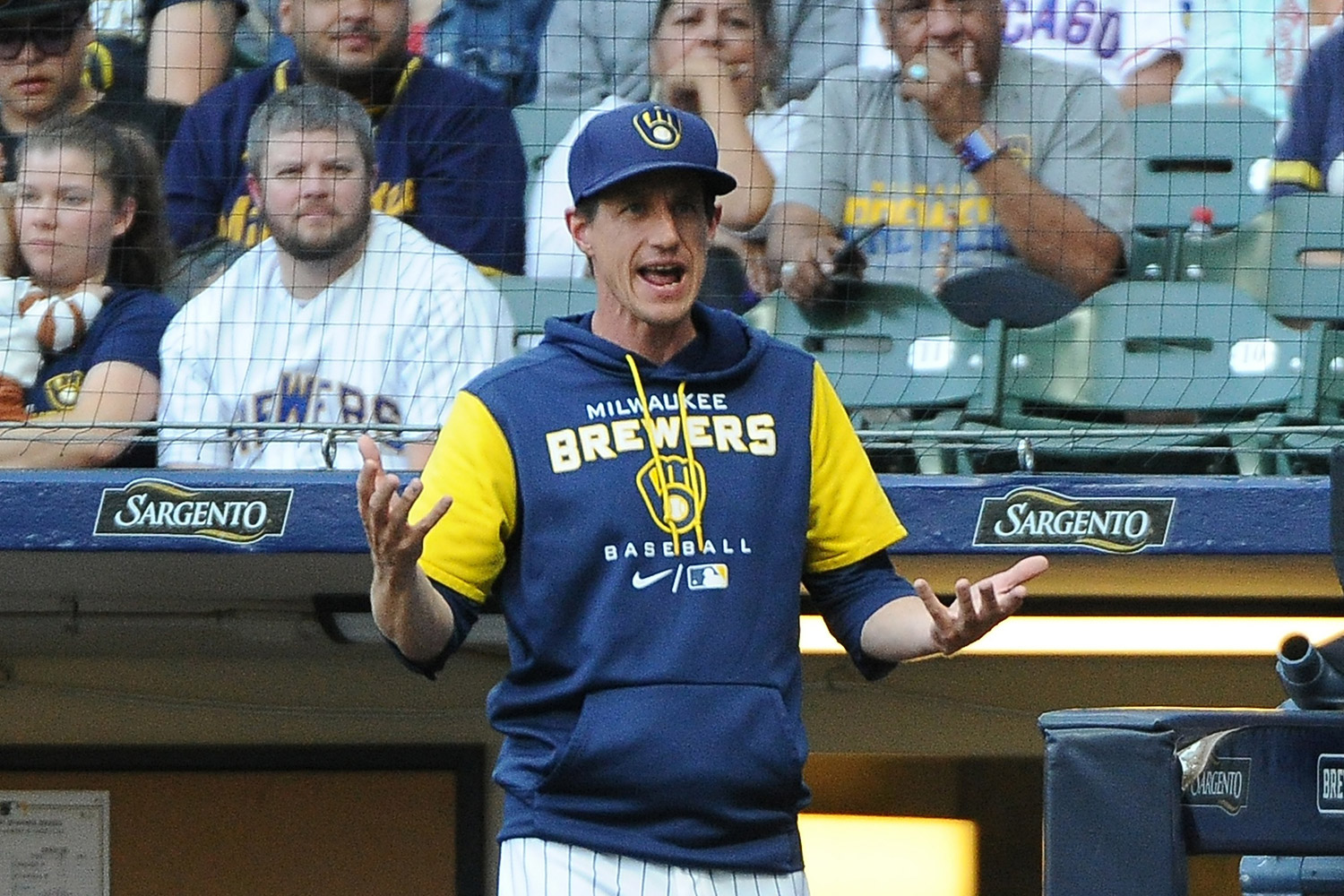 Let’s look at the biggest moves the Brewers made this offseason: November 18, 2022 Acquired RHP Javy Guerra for a player to be named later Guerra has seen some action in four MLB seasons after converting from shortstop following 2018. It remains to be seen what the cost is, but Guerra could easily compete for a back-of-the-bullpen spot. Grade: C+ Waived LHP Brent Suter Brent Suter has been a back-end starter and reliable bullpen option since 2016. As a 31st-round draft pick, he proved to be a steal. The Brewers placed him on waivers and saw him get claimed by Colorado. Suter could have been locked up to a reasonable long-term deal, probably for about $3 million a year, but given his reliability in multiple roles, that may have been money well spent. At least the Hader trade gave the Brewers some potential long-term pieces, directly (Gasser) and indirectly (Contreras). Grade: F November 23, 2022 Acquired RHPs Janson Junk and Elvis Peguero and LHP Adam Seminaris from the Angels for OF Hunter Renfroe Renfroe was due an eight-figure salary by most arbitration estimates, and the Brewers have Sal Frelick, Garrett Mitchell, and Joey Wiemer, all of whom have made at least one Top 100 prospects list, knocking at the door of MLB, if they’re not already there. So, dealing Renfroe was a necessity on that front alone. Getting some serious pitching depth was a plus. Grade: B December 2, 2022 Acquired DH Jesse Winker and OF Abraham Toro from the Mariners for 2B Kolten Wong and cash Wong was also due an eight-figure salary after the Brewers exercised a team option. He was not a bad second baseman, but the Brewers had Brice Turang knocking on the door of the majors after a superb full season at Nashville. Toro could be a superb bench asset with his versatility, and he flashes pop as a switch-hitter. But Winker re-crowds the outfield, and it may have been better to get a minor-league pitcher or two. Grade: B- December 12, 2022 Acquired C/DH William Contreras and RHPs Joel Payamps and Justin Yeager for OF Esteury Ruiz in a three-team trade with the A’s and Braves The Brewers were looking for an upgrade at catcher after letting Omar Narvaez walk after three up-and-down seasons. They got it and two more potential bullpen assets, and all it cost was Esteury Ruiz, a fast outfielder behind Frelick, Mitchell, Wiemer, and Jackson Chourio in terms of the Brewers farm system. A superb move. Grade: A+++ December 14, 2022 Acquired IF Owen Miller from the Guardians for a player to be named later A longtime Brewers fan, Miller could shore up the bench for the Crew, although the cost remains to be seen. He’s flashing some serious pop and can play all over the infield. But who the Brewers will send back remains to be seen. Grade: C+ December 21, 2022 Waived C Mario Feliciano Yes, the Brewers had acquired Payton Henry back from the Marlins for an outfielder from one of their DSL teams. But Feliciano was still a solid third option for the 40-man, recovering decently from a 2021 season marred by injury and a 2020 season lost to the pandemic. Again, the Crew could have at least tried to get a lottery ticket back. Grade: D January 9, 2023 Signed LHP Wade Miley Miley was part of the 2018 team that made an incredible run to the NLCS. Since then, he’d been a solid starter around the league. Here, the Brewers added some excellent depth behind Corbin Burnes, Brandon Woodruff, Freddy Peralta, Eric Lauer, Adrian Houser, and Aaron Ashby. Grade: B+ January 23, 2023 Signed 3B/OF Brian Anderson Brian Anderson put together some solid seasons for the Marlins and has seen action primarily at third base and in right field. While Anderson could rebound and play well throughout the 2023 season, it does block Turang from coming up, if only indirectly and incompletely. Grade: B- Overall If you are looking at 2023, this offseason has seen brilliance and solid depth signings. The most questionable move is putting a solid left-handed bullpen option on waivers. That said, for the Brewers, at least four players have hit a Top 100 prospects list that is knocking on the door, and these moves are delaying their arrival. Grade: B+
 -
For me, in the short term, it's a B+. They made a lot of moves to make the team better for 2023 and didn't break the bank. That is a very good move. Winker+Contreras is likely to be a huge improvement over Renfroe+Narvaez. The team will pay Winker/Contreras a total of $11 million, Renfroe and Narvaez will be about $19 million. That's the Anderson and Miley signings, even with the case to Seattle. The real downcheck was waiving Suter, which prevents the offseason from being an A. Yes, he would have cost $3 million, but he was also a proven asset on the pitching staff, The Hader deal blew up, but at least they got some potential long-term pieces both directly (Gasser) and indirectly (Contreras, Payamps, Weaver) for Hader. The lack of extensions and the blockage of Frelick/Wiemer does push the long-term grade down a bit, If Yelich were full-time DH, I think his offense would improve and he'd hold it down for 140-150 games a season because he doesn't get dinged up in the field.
-
The Contreras deal makes the offseason a B+ for the young catcher with power who can be a right-handed DH, plus a couple of relief pitcher prospects. That said, I don't see some of the moves as shuffling around. The way I see it, with Frelick, Mitchell, Turang, and Wiemer, the Brewers have some very bright prospects among the top 150 in baseball, and clearing the path for them while bolstering the farm was a team need. The Renfroe deal was a solid B in terms of not only landing some pitching depth, but in clearing the space for Frelick/Wiemer. The Wong deal was not so good because Winker at DH does make getting playing time for these guys harder. To a lesser extent, the same is true of the Brian Anderson deal. To me, the real failure is not making an effort to extend one or more of Burnes/Woodruff/Adames. There is still time to try to get it done. But for the 2023 season - the short term - the Brewers did very well for the most part, and a slightly different Wong deal (say for IF Kaden Polcovich, LHP Holden Laws, and RHP Eduardo Tover) would have been far better for the team in the medium-to-long term.
-
The Eight Best (Non-Closer) Relievers in Brewers History
Harold Hutchison posted an article in History
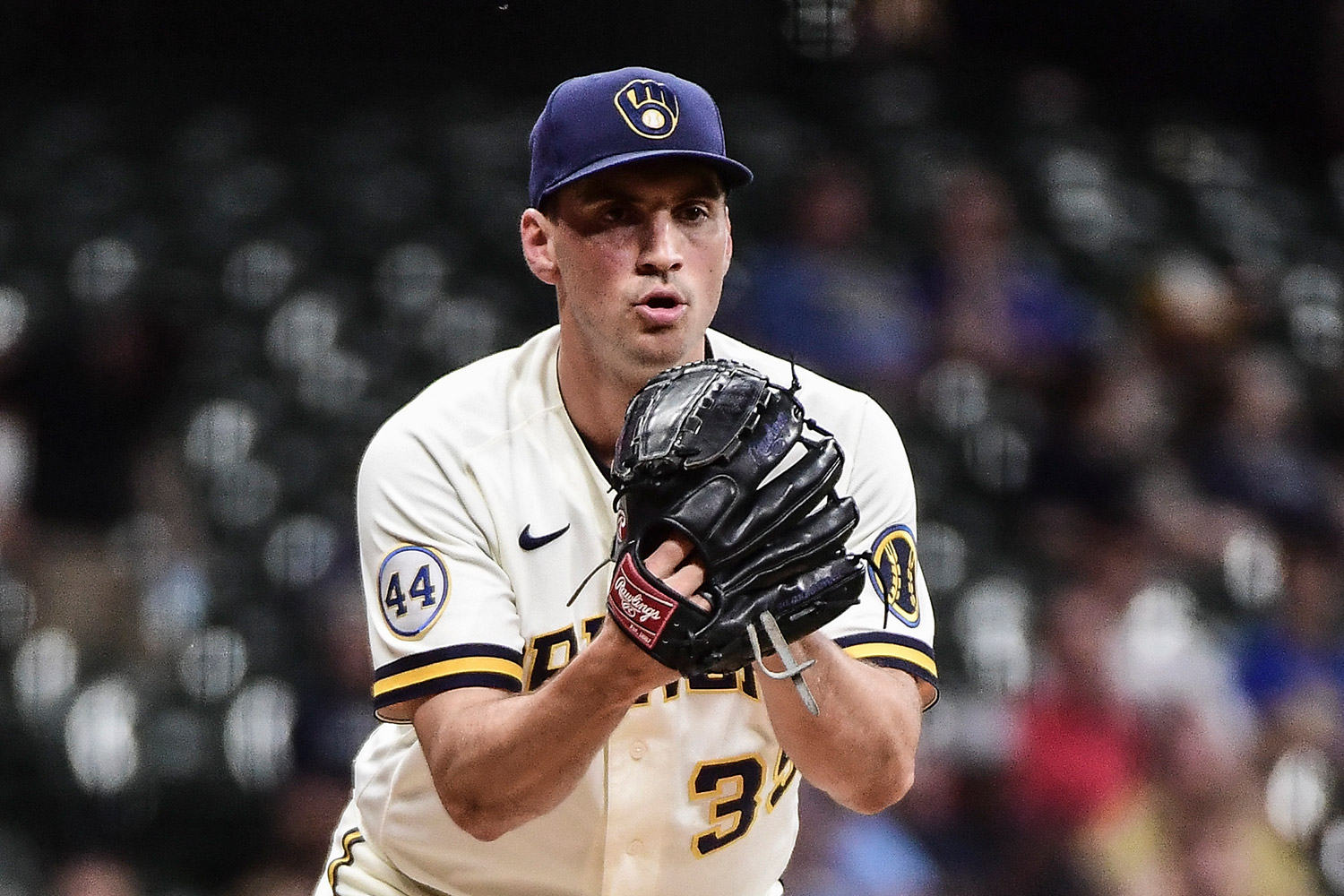 Closers may deserve the coffee and get big bucks, but other relievers make up a bullpen and are, in some ways, just as important as the closer themselves. Some are set-up guys who bridge the gap. Others are the long men who step in when a starter has a bad day. Others fill in wherever needed. Here are some of the more unsung heroes of the bullpen, in no particular order. Bob McClure 45-43, 3.97 ERA, 34 saves in 842 IP over ten seasons, three as a starter, two as a closer Bob McClure may not have had one of the flashiest careers, but his value was being able to fill in where needed. He started for three seasons, including the 1982 AL Championship year. He served as the primary closer in 1978 and 1980. But most of all, he gave the Brewers a versatile arm when needed. He played seven more seasons after a mid-1986 trade that netted the Brewers a minor leaguer. Bill Castro 25-23, 2.96 ERA, 44 saves in 411 IP over seven seasons, two as closer Castro was a co-closer for the Brewers before the 1980 trade brought Rollie Fingers to Milwaukee. He left as a free agent following 1980 but posted three solid seasons with the Yankees and Kansas City. Might keeping him around have helped in 1982? Castro also was a long-time bullpen coach for the Brewers and eventually became pitching coach. Chuck Crim 33-31, 3.47 ERA, 42 saves in 529.2 IP over five seasons Dan Plesac may have been the closer in the late 1980s, but Chuck Crim was the guy who often bridged the gap between the starter and Plesac. He posted an average of eight saves a season with the Crew before a post-1992 trade that brought Mike Fetters to Milwaukee. Jim Slaton 117-121, 3.86 ERA, 11 saves in 2025.1 IP over 12 seasons, ten as starter While Slaton spent much of his career with the Brewers as a back-end of the rotation starter, he was a key contributor out of the bullpen for the 1982 AL Championship team. Slaton was traded before 1978 for Ben Oglivie, then returned to Milwaukee as a free agent before the 1979 season. Talk about making a trade work out! Jeremy Jeffress 24-8, 2.66 ERA, 43 saves in 304.2 IP over seven seasons, one as closer, one as co-closer Jeremy Jeffress didn’t just help the Brewers on the field, although his role with the 2018 version of the “Nasty Boys” cannot be understated. Twice, in trade, his returns brought the pieces that either helped the Brewers make the playoffs directly or indirectly. Prior to 2011, he was part of the package for Zack Greinke, who was the Crew’s ace in that playoff run. In 2016, he was dealt to Texas with Jon Lucroy for Lewis Brinson and Luis Ortiz. Brinson was part of the package for Christian Yelich, while Ortiz helped the Crew acquire Jonathan Schoop, whose grand slam helped propel the Crew to a crucial win that helped force Game 163 in 2018. Jerry Augustine 55-59, 4.23 ERA, 11 saves in 944 IP over ten seasons, three as a starter Augustine was one of the guys the Crew often called in to mop up during most of his career after three decent seasons as a starter. As a reliever, Augustine was, for the most part, successful in avoiding the gopher ball, which kept the team in games when the starter had a rough day. His role wasn’t to star, it was often to save the rest of the pen, but he did that well. Brent Suter 36-19, 3.51 ERA, one save in 394.2 IP over seven seasons, two as a starter A 31st-round draft pick, Suter outperformed multiple prospects who were more heralded. He was a solid starter at the back end of the rotation for two seasons. After Tommy John surgery knocked him out for most of 2019, he became a valuable relief pitcher for the Crew over the next three seasons and posted 12 wins, more than some starters in 2021. Devin Williams 18-7, 1.93 ERA, 15 saves in 155.1 IP over four seasons, one as co-closer Devin Williams burst onto the scene in the pandemic-shortened 2020 season, winning Rookie of the Year as the setup guy for Josh Hader and adding a top-20 MVP finish and a top-10 Cy Young finish. In 2022, after Hader’s trade, he took over the closer’s role and notched 15 saves. What does the future hold? Will he break in and become one of the greatest closers in Brewers’ history? That remains to be seen.
 -
Closers may get the bulk of the credit out of any bullpen, but someone needs to pitch those innings between the starter and closer. Let's look at the best relievers the Brewers have fielded in the middle innings. Closers may deserve the coffee and get big bucks, but other relievers make up a bullpen and are, in some ways, just as important as the closer themselves. Some are set-up guys who bridge the gap. Others are the long men who step in when a starter has a bad day. Others fill in wherever needed. Here are some of the more unsung heroes of the bullpen, in no particular order. Bob McClure 45-43, 3.97 ERA, 34 saves in 842 IP over ten seasons, three as a starter, two as a closer Bob McClure may not have had one of the flashiest careers, but his value was being able to fill in where needed. He started for three seasons, including the 1982 AL Championship year. He served as the primary closer in 1978 and 1980. But most of all, he gave the Brewers a versatile arm when needed. He played seven more seasons after a mid-1986 trade that netted the Brewers a minor leaguer. Bill Castro 25-23, 2.96 ERA, 44 saves in 411 IP over seven seasons, two as closer Castro was a co-closer for the Brewers before the 1980 trade brought Rollie Fingers to Milwaukee. He left as a free agent following 1980 but posted three solid seasons with the Yankees and Kansas City. Might keeping him around have helped in 1982? Castro also was a long-time bullpen coach for the Brewers and eventually became pitching coach. Chuck Crim 33-31, 3.47 ERA, 42 saves in 529.2 IP over five seasons Dan Plesac may have been the closer in the late 1980s, but Chuck Crim was the guy who often bridged the gap between the starter and Plesac. He posted an average of eight saves a season with the Crew before a post-1992 trade that brought Mike Fetters to Milwaukee. Jim Slaton 117-121, 3.86 ERA, 11 saves in 2025.1 IP over 12 seasons, ten as starter While Slaton spent much of his career with the Brewers as a back-end of the rotation starter, he was a key contributor out of the bullpen for the 1982 AL Championship team. Slaton was traded before 1978 for Ben Oglivie, then returned to Milwaukee as a free agent before the 1979 season. Talk about making a trade work out! Jeremy Jeffress 24-8, 2.66 ERA, 43 saves in 304.2 IP over seven seasons, one as closer, one as co-closer Jeremy Jeffress didn’t just help the Brewers on the field, although his role with the 2018 version of the “Nasty Boys” cannot be understated. Twice, in trade, his returns brought the pieces that either helped the Brewers make the playoffs directly or indirectly. Prior to 2011, he was part of the package for Zack Greinke, who was the Crew’s ace in that playoff run. In 2016, he was dealt to Texas with Jon Lucroy for Lewis Brinson and Luis Ortiz. Brinson was part of the package for Christian Yelich, while Ortiz helped the Crew acquire Jonathan Schoop, whose grand slam helped propel the Crew to a crucial win that helped force Game 163 in 2018. Jerry Augustine 55-59, 4.23 ERA, 11 saves in 944 IP over ten seasons, three as a starter Augustine was one of the guys the Crew often called in to mop up during most of his career after three decent seasons as a starter. As a reliever, Augustine was, for the most part, successful in avoiding the gopher ball, which kept the team in games when the starter had a rough day. His role wasn’t to star, it was often to save the rest of the pen, but he did that well. Brent Suter 36-19, 3.51 ERA, one save in 394.2 IP over seven seasons, two as a starter A 31st-round draft pick, Suter outperformed multiple prospects who were more heralded. He was a solid starter at the back end of the rotation for two seasons. After Tommy John surgery knocked him out for most of 2019, he became a valuable relief pitcher for the Crew over the next three seasons and posted 12 wins, more than some starters in 2021. Devin Williams 18-7, 1.93 ERA, 15 saves in 155.1 IP over four seasons, one as co-closer Devin Williams burst onto the scene in the pandemic-shortened 2020 season, winning Rookie of the Year as the setup guy for Josh Hader and adding a top-20 MVP finish and a top-10 Cy Young finish. In 2022, after Hader’s trade, he took over the closer’s role and notched 15 saves. What does the future hold? Will he break in and become one of the greatest closers in Brewers’ history? That remains to be seen. View full article
-
The Brewers have had some legendary closers in their 54-year franchise history. Let's look at the five best. Image courtesy of © Rick Wood, Milwaukee Journal Sentinel Baseball has evolved over the years, with the relief pitcher’s role climbing in importance since the 1970s. Where once, the bullpen was where fringe arms were left to follow a struggling starter; nowadays, some of the most dominant arms in the game only come out to protect a small lead. Which Brewers pitchers were the best closers? Who deserves the coffee? 5. Ken Sanders 14-23, 2.21 ERA, 61 saves in 321 IP over three seasons. Ken Sanders was the first Brewers closer to lock games down. His best season, 1971, saw him save 31 of the Brewers’ 69 wins. It was a great performance in the days when the team struggled as it was establishing itself. He secured 16th place in MVP voting that year. After 1972, he was part of the trade that brought Don Money to the Brewers. 4. Rollie Fingers 13-17, 2.54 ERA, 97 saves in 259 IP over four seasons Rollie Fingers and Bruce Sutter defined the modern closer, and for four seasons, Fingers held the spot down. An injury cost him the 1982 postseason (leaving Brewers fans to wonder if the `82 series would have been different) and the entire 1983 season. It was the tail end of a Hall of Fame career. 3. John Axford 21-19, 3.54 ERA, 106 saves in 263.2 IP over six seasons, three as the closer Axford was a crucial part of the 2011 Brewers team that made it to the NLCS, saving 46 games that season. He locked down the ninth inning for three seasons and was a solid contributor in another, plus two cups of coffee with the team, one in 2009 and one in 2021. Axford left in a deal with the Cardinals for Michael Blazek. 2. Dan Plesac 29-37, 3.21 ERA, 133 saves in 524.1 IP over seven seasons, four as the closer, one as co-closer Dan Plesac held down the closer’s role for four seasons and was, for all intents and purposes, a co-closer in his rookie season with Mark Clear. His 133 saves still serve as the career mark for the Brewers, in one sense a reflection of how good he was, but also as a heartbreaking reminder of the cold realities of baseball’s economics. Most notable was that after he left the Brewers following the 1992 season, he was an effective reliever for 11 more seasons. 1. Josh Hader 17-17, 2.48 ERA, 125 saves in 316.1 IP over six seasons, four as the closer, one as co-closer Hader first appeared in 2017 but announced his arrival as part of a “Nasty Boys” trio with Corey Knebel and Jeremy Jeffress in 2018. From 2019 until the infamous mid-season 2022 trade, he held down the ninth inning, giving teams some Haderade as they were eased into an L for the day. While the mid-season trade, forced yet again by the cold economics of baseball, left a bitter taste in some fans’ mouths, Hader’s prominent role in four consecutive postseason appearances for the Crew cannot be understated. Honorable Mentions Francisco Rodriguez held down the closer’s role for two seasons and was eventually flipped for Manny Pina, a key contributor to the Brewers' 2018-2021 playoff runs. Bob Wickman was not only a solid closer for the Crew in the late 1990s but also brought Richie Sexson to Milwaukee. Derrick Turnbow brought a wild fastball as he shut down opponents as the closer for two seasons. Mike Fetters held down the role for three seasons and brought Marquis Grissom to Milwaukee. Doug Henry also closed for three seasons, succeeding Plesac, then was traded to the Mets for a package than included Fernando Vina. View full article
-
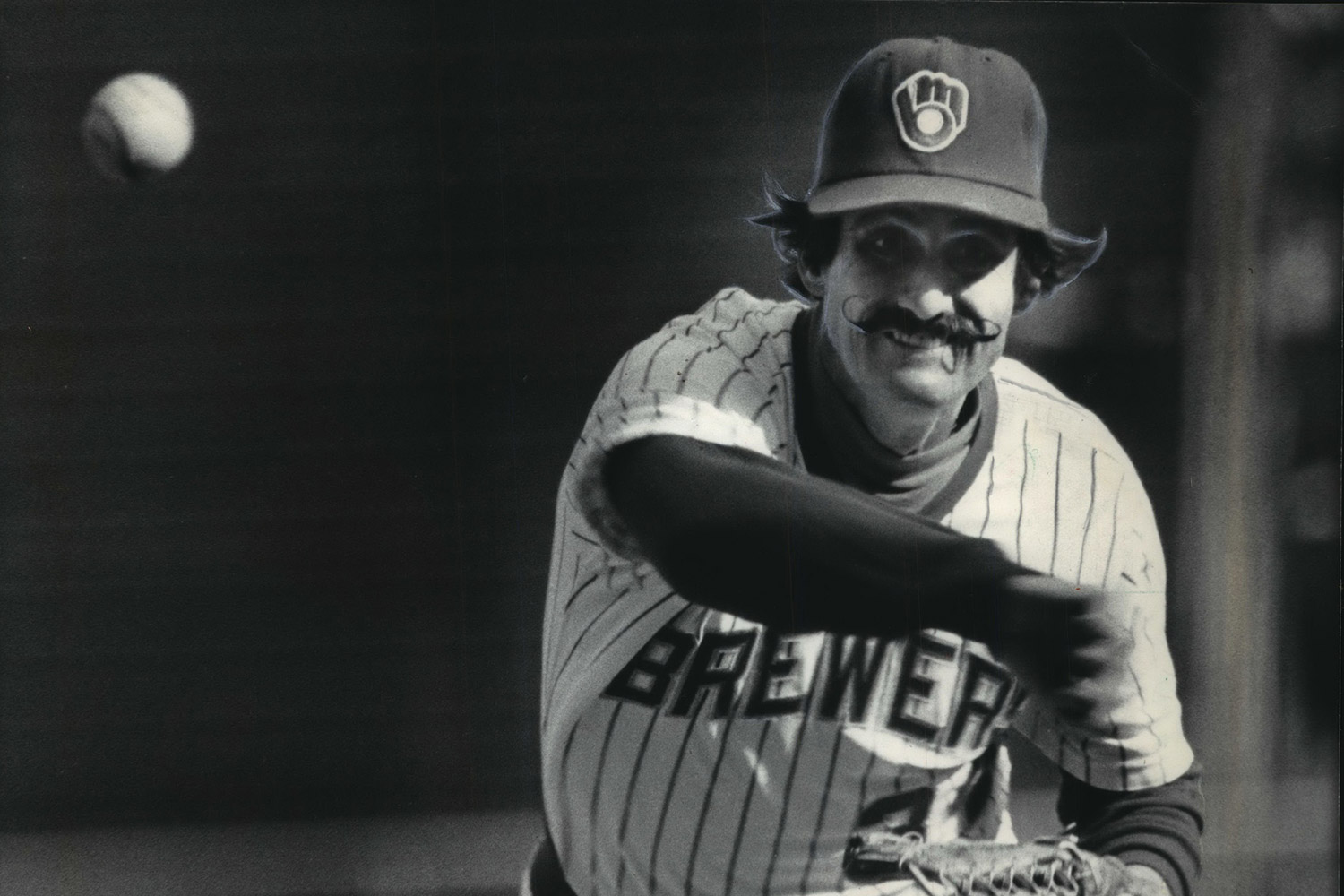 Baseball has evolved over the years, with the relief pitcher’s role climbing in importance since the 1970s. Where once, the bullpen was where fringe arms were left to follow a struggling starter; nowadays, some of the most dominant arms in the game only come out to protect a small lead. Which Brewers pitchers were the best closers? Who deserves the coffee? 5. Ken Sanders 14-23, 2.21 ERA, 61 saves in 321 IP over three seasons. Ken Sanders was the first Brewers closer to lock games down. His best season, 1971, saw him save 31 of the Brewers’ 69 wins. It was a great performance in the days when the team struggled as it was establishing itself. He secured 16th place in MVP voting that year. After 1972, he was part of the trade that brought Don Money to the Brewers. 4. Rollie Fingers 13-17, 2.54 ERA, 97 saves in 259 IP over four seasons Rollie Fingers and Bruce Sutter defined the modern closer, and for four seasons, Fingers held the spot down. An injury cost him the 1982 postseason (leaving Brewers fans to wonder if the `82 series would have been different) and the entire 1983 season. It was the tail end of a Hall of Fame career. 3. John Axford 21-19, 3.54 ERA, 106 saves in 263.2 IP over six seasons, three as the closer Axford was a crucial part of the 2011 Brewers team that made it to the NLCS, saving 46 games that season. He locked down the ninth inning for three seasons and was a solid contributor in another, plus two cups of coffee with the team, one in 2009 and one in 2021. Axford left in a deal with the Cardinals for Michael Blazek. 2. Dan Plesac 29-37, 3.21 ERA, 133 saves in 524.1 IP over seven seasons, four as the closer, one as co-closer Dan Plesac held down the closer’s role for four seasons and was, for all intents and purposes, a co-closer in his rookie season with Mark Clear. His 133 saves still serve as the career mark for the Brewers, in one sense a reflection of how good he was, but also as a heartbreaking reminder of the cold realities of baseball’s economics. Most notable was that after he left the Brewers following the 1992 season, he was an effective reliever for 11 more seasons. 1. Josh Hader 17-17, 2.48 ERA, 125 saves in 316.1 IP over six seasons, four as the closer, one as co-closer Hader first appeared in 2017 but announced his arrival as part of a “Nasty Boys” trio with Corey Knebel and Jeremy Jeffress in 2018. From 2019 until the infamous mid-season 2022 trade, he held down the ninth inning, giving teams some Haderade as they were eased into an L for the day. While the mid-season trade, forced yet again by the cold economics of baseball, left a bitter taste in some fans’ mouths, Hader’s prominent role in four consecutive postseason appearances for the Crew cannot be understated. Honorable Mentions Francisco Rodriguez held down the closer’s role for two seasons and was eventually flipped for Manny Pina, a key contributor to the Brewers' 2018-2021 playoff runs. Bob Wickman was not only a solid closer for the Crew in the late 1990s but also brought Richie Sexson to Milwaukee. Derrick Turnbow brought a wild fastball as he shut down opponents as the closer for two seasons. Mike Fetters held down the role for three seasons and brought Marquis Grissom to Milwaukee. Doug Henry also closed for three seasons, succeeding Plesac, then was traded to the Mets for a package than included Fernando Vina.
 -
In a way, the Brewers can't lose with either in CF. Mitchell will, at worst, be a left-handed Keon Broxton, with his splits making his final numbers look much better than Broxton's. Beat case is a left-handed peak Carlos Gomez for the Crew. Frelick, on the other hand. could be Scott Podsednik in the worst case, given his his tool and the performance to date in the minors and his speed. Best case... Ichiro-lite? Both valuable for the first three years, and possibly longer.
-
In a way, the Brewers can't lose with either in CF. Mitchell will, at worst, be a left-handed Keon Broxton, with his splits making his final numbers look much better than Broxton's. Beat case is a left-handed peak Carlos Gomez for the Crew. Frelick, on the other hand. could be Scott Podsednik in the worst case, given his his tool and the performance to date in the minors and his speed. Best case... Ichiro-lite? Both valuable for the first three years, and possibly longer.
-
Over their half-century existence, the Milwaukee Brewers have been known primarily as an offensive-first ball club. But the franchise has had some outstanding pitchers over the years. Let's look at the five best. Pitching has long been a keystone for teams that win the World Series. In 1988, Kirk Gibson’s pinch-hit home run may get the attention for the Dodgers, but Orel Hershiser’s dominance on the mound made him World Series MVP. Curt Schilling had iconic playoff performances, whether teaming with Randy Johnson in Game 7 of the 2001 World Series to bring home the win or in the “bloody sock” game for Boston. So, which starting pitchers have been the best for the Crew of all time? 5. Mike Caldwell 102-80, 3.74 ERA in 1604.2 IP over eight seasons Mike Caldwell is under the radar, but he still holds the team’s single-season record for wins (22), which nobody is likely to match given the trends of modern baseball. He held down a rotation spot for eight seasons after being acquired for two minor-league players. He had a top-15 MVP finish and was runner-up in the 1978 Cy Young voting. 4. Teddy Higuera 94-64, 3.61 ERA in 1380 IP over nine seasons Teddy Higuera’s dominance from 1985-1988 was incredible. He posted the last 20-win season by a Brewers pitcher, had two top-10 Cy Young finishes, an All-Star Game appearance, and a top-15 MVP finish. Injuries took their toll from 1989 on, but when Higuera was good, he was incredibly good. 3. Ben Sheets 86-83, 3.72 ERA in 1428 IP over eight seasons Sheets posted perhaps his most dominant season in 2004, setting a single-season mark for strikeouts. After that season, injuries derailed his career, marring the Brewers’ magical 2008 run to the Wild Card spot. Still, he made four All-Star Game appearances and has a top-10 Cy Young finish. 2. Brandon Woodruff 41-25, 3.18 ERA in 613.1 IP over six seasons While his NLCS home run off Clayton Kershaw may be the indelible memory Brewers fans have, and Woodruff’s counting numbers may not seem to compare to pitchers of yesteryear, here’s a bit of trivia: He is currently the Brewers’ all-time leader in ERA and adjusted ERA+, and is second place in many other rate stats, like strikeouts per nine innings, WHIP, and FIP. Not bad for an 11th-round draft pick. He has two All-Star Game appearances and a top-5 Cy Young finish. 1. Corbin Burnes 35-19, 3.21 ERA in 515.2 IP over five seasons The leader in virtually every rate stat, Corbin Burnes more than holds his own, 2019 season aside. He’s had three top-10 Cy Young finishes, two All-star Game appearances, and a top-15 MVP finish. He’s managed to overshadow Woodruff, which is no small feat. Despite the drama over a potential exit, Brewers fans can always feel confident that they will be celebrating a win when Burnes is on the mound. Honorable Mentions Yovani Gallardo was the team’s all-time leader in strikeouts. Moose Haas was a solid pitcher in the 1970s and early 1980s. Jim Slaton worked out of the rotation and bullpen for 12 years. Cal Eldred was a workhorse after a magical 1992 rookie season. Bill Wegman was a solid, if not overpowering, pitcher for 11 years. Chris Bosio was a solid #2 behind Teddy Higuera in the late 1980s. View full article
-
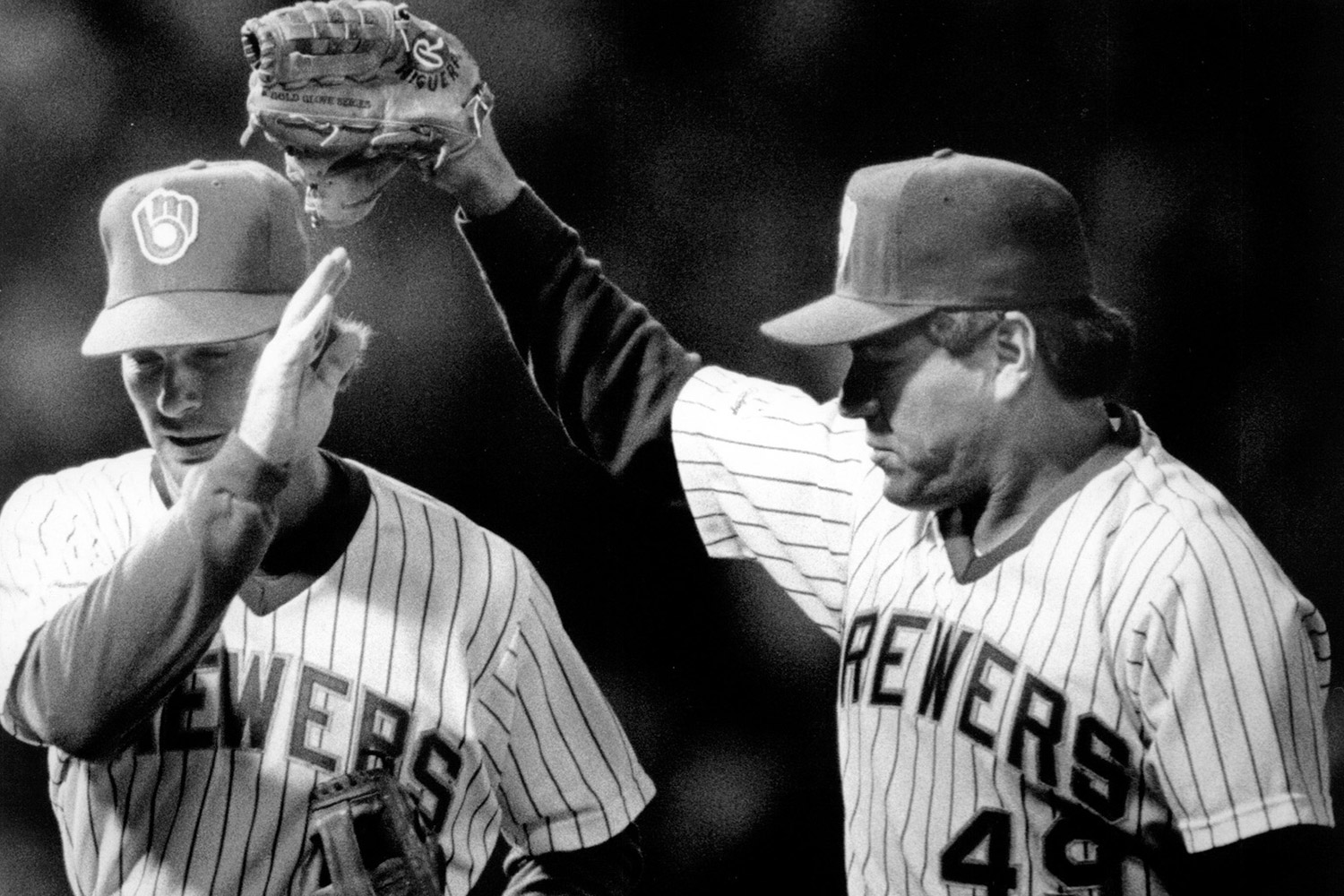 Pitching has long been a keystone for teams that win the World Series. In 1988, Kirk Gibson’s pinch-hit home run may get the attention for the Dodgers, but Orel Hershiser’s dominance on the mound made him World Series MVP. Curt Schilling had iconic playoff performances, whether teaming with Randy Johnson in Game 7 of the 2001 World Series to bring home the win or in the “bloody sock” game for Boston. So, which starting pitchers have been the best for the Crew of all time? 5. Mike Caldwell 102-80, 3.74 ERA in 1604.2 IP over eight seasons Mike Caldwell is under the radar, but he still holds the team’s single-season record for wins (22), which nobody is likely to match given the trends of modern baseball. He held down a rotation spot for eight seasons after being acquired for two minor-league players. He had a top-15 MVP finish and was runner-up in the 1978 Cy Young voting. 4. Teddy Higuera 94-64, 3.61 ERA in 1380 IP over nine seasons Teddy Higuera’s dominance from 1985-1988 was incredible. He posted the last 20-win season by a Brewers pitcher, had two top-10 Cy Young finishes, an All-Star Game appearance, and a top-15 MVP finish. Injuries took their toll from 1989 on, but when Higuera was good, he was incredibly good. 3. Ben Sheets 86-83, 3.72 ERA in 1428 IP over eight seasons Sheets posted perhaps his most dominant season in 2004, setting a single-season mark for strikeouts. After that season, injuries derailed his career, marring the Brewers’ magical 2008 run to the Wild Card spot. Still, he made four All-Star Game appearances and has a top-10 Cy Young finish. 2. Brandon Woodruff 41-25, 3.18 ERA in 613.1 IP over six seasons While his NLCS home run off Clayton Kershaw may be the indelible memory Brewers fans have, and Woodruff’s counting numbers may not seem to compare to pitchers of yesteryear, here’s a bit of trivia: He is currently the Brewers’ all-time leader in ERA and adjusted ERA+, and is second place in many other rate stats, like strikeouts per nine innings, WHIP, and FIP. Not bad for an 11th-round draft pick. He has two All-Star Game appearances and a top-5 Cy Young finish. 1. Corbin Burnes 35-19, 3.21 ERA in 515.2 IP over five seasons The leader in virtually every rate stat, Corbin Burnes more than holds his own, 2019 season aside. He’s had three top-10 Cy Young finishes, two All-star Game appearances, and a top-15 MVP finish. He’s managed to overshadow Woodruff, which is no small feat. Despite the drama over a potential exit, Brewers fans can always feel confident that they will be celebrating a win when Burnes is on the mound. Honorable Mentions Yovani Gallardo was the team’s all-time leader in strikeouts. Moose Haas was a solid pitcher in the 1970s and early 1980s. Jim Slaton worked out of the rotation and bullpen for 12 years. Cal Eldred was a workhorse after a magical 1992 rookie season. Bill Wegman was a solid, if not overpowering, pitcher for 11 years. Chris Bosio was a solid #2 behind Teddy Higuera in the late 1980s.
 -
The bench or utility players are often not thought of much. Sometimes, it's bad news for the team if they are a factor. Over a 162-game season, depth always plays a factor, and here are the five best "tenth men" in Brewers' history. That said, the Brewers have had some very versatile players who made outsized marks in a season or during their career. They filled in when a player was hurt, provided others with a much-needed day off, and often were just as crucial to the team’s success as a big-name star. So who were the best guys to come off the bench in Brewers history? 5. Keith Ginter .257/.344/.448 with 34 HR and 112 RBI in three seasons Ginter primarily spelled other Brewers at second and third base but also saw some action at shortstop and the corner outfield spots. The one thing he did for the Brewers was providing consistent offense. Acquired for Mark Loretta, another Brewers bench legend, he more than filled those shoes, even if he wasn’t quite as versatile. He was dealt to Oakland for Nelson Cruz and Justin Lehr, with the Brewers selling high. 4. Craig Counsell .241/.333/.326 with 13 HR and 130 RBI in six seasons Counsell provided a lot of on-base percentage and defense off the bench from 2007-2011, filling in at second, third, and short behind some outstanding players, including Ryan Braun, JJ Hardy, and Rickie Weeks. He also served as the primary shortstop for the Crew in 2004, following the Sexson trade. Counsell’s long-term tenure in Milwaukee also includes being arguably the most successful manager in team history. 3. Bill Hall .253/.312/.456 with 102 HR and 367 RBI in eight seasons Bill Hall provided memorable moments as a bench player, including back-to-back walk-offs (one a homer, one a squeeze). Perhaps his best season came when he filled in for JJ Hardy in 2006, but prior to that, he ended up being a fill-in at second base and serving as the primary shortstop (2006), third baseman (2008), and center fielder (2007) in three seasons. 2. Mark Loretta .289/.355/.385 with 29 HR and 272 RBI in eight seasons Mark Loretta provided a lot of doubles and could hit for a solid average and draw some walks. He also played all over the infield for the Brewers, played a little left field, and even took the mound. He was solid, if not spectacular, for the Crew before he was traded for Keith Ginter and Wayne Franklin during the 2002 season, both of whom were decent contributors for the team the next two seasons. 1. Hernan Perez .258/.288/.400 with 45 HR and 175 RBI over five seasons Hernan Perez played all over the diamond for the Brewers from 2015-2019, providing adequate (at worst) defense, speed, and some pop for the Crew. While he never played behind the plate in a regular-season game, he was ready to don the tools of ignorance in a pinch. He arguably could have been a two-way player for the Crew – making seven appearances on the mound from 2017-2019. The versatility alone makes Perez arguably the best utility player in team history. Honorable Mentions Don Money was the primary third baseman but saw action all over the infield, including an All-Star season in 1977 as a second baseman. Paul Molitor saw action at second, third, first, and the outfield. Jace Peterson played multiple infield and outfield positions over three seasons. As a primary shortstop, Dale Sveum was a versatile asset off the bench both before and after his two seasons. Ed Romero was a long-time backup infielder for the Brewers. View full article
-
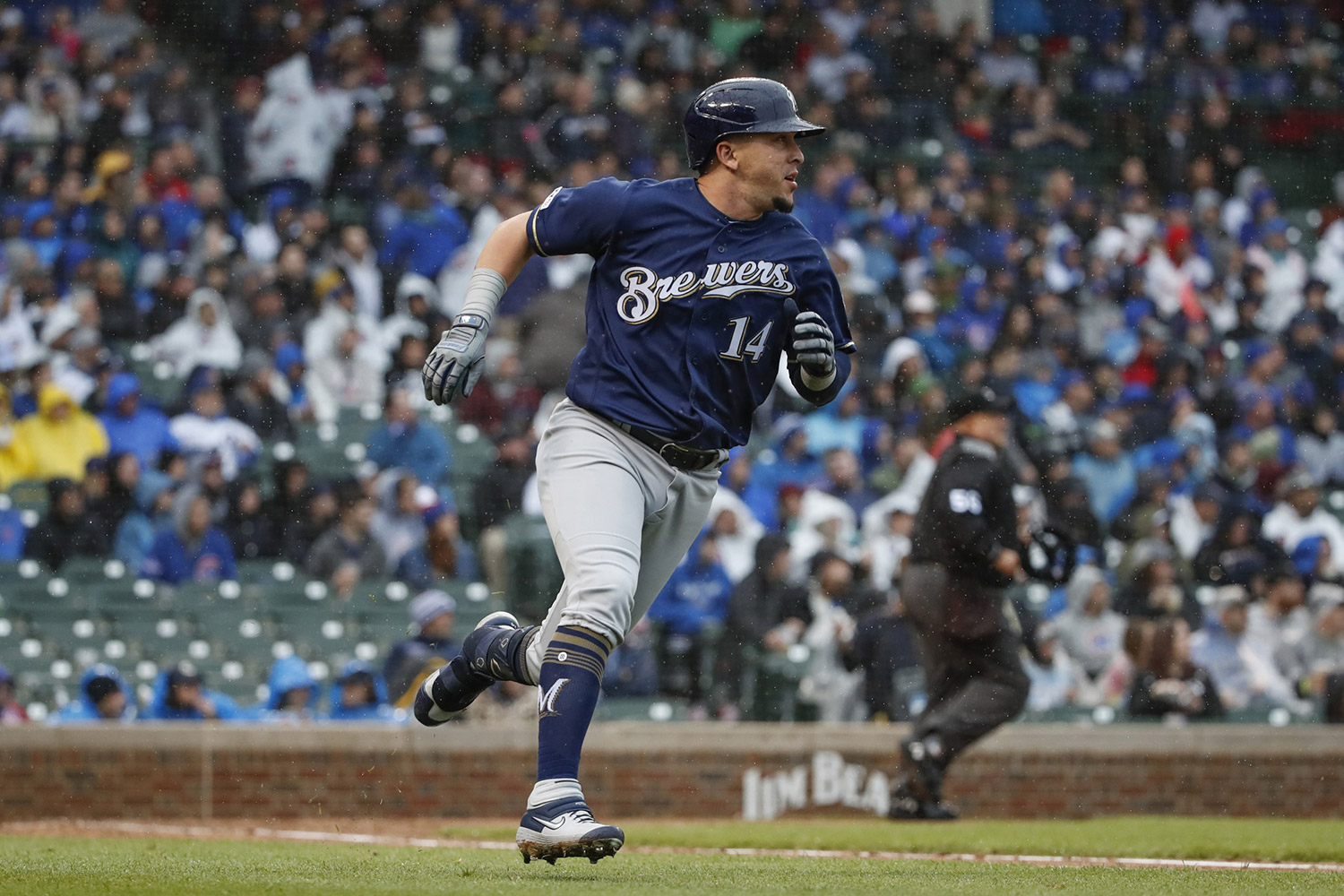 That said, the Brewers have had some very versatile players who made outsized marks in a season or during their career. They filled in when a player was hurt, provided others with a much-needed day off, and often were just as crucial to the team’s success as a big-name star. So who were the best guys to come off the bench in Brewers history? 5. Keith Ginter .257/.344/.448 with 34 HR and 112 RBI in three seasons Ginter primarily spelled other Brewers at second and third base but also saw some action at shortstop and the corner outfield spots. The one thing he did for the Brewers was providing consistent offense. Acquired for Mark Loretta, another Brewers bench legend, he more than filled those shoes, even if he wasn’t quite as versatile. He was dealt to Oakland for Nelson Cruz and Justin Lehr, with the Brewers selling high. 4. Craig Counsell .241/.333/.326 with 13 HR and 130 RBI in six seasons Counsell provided a lot of on-base percentage and defense off the bench from 2007-2011, filling in at second, third, and short behind some outstanding players, including Ryan Braun, JJ Hardy, and Rickie Weeks. He also served as the primary shortstop for the Crew in 2004, following the Sexson trade. Counsell’s long-term tenure in Milwaukee also includes being arguably the most successful manager in team history. 3. Bill Hall .253/.312/.456 with 102 HR and 367 RBI in eight seasons Bill Hall provided memorable moments as a bench player, including back-to-back walk-offs (one a homer, one a squeeze). Perhaps his best season came when he filled in for JJ Hardy in 2006, but prior to that, he ended up being a fill-in at second base and serving as the primary shortstop (2006), third baseman (2008), and center fielder (2007) in three seasons. 2. Mark Loretta .289/.355/.385 with 29 HR and 272 RBI in eight seasons Mark Loretta provided a lot of doubles and could hit for a solid average and draw some walks. He also played all over the infield for the Brewers, played a little left field, and even took the mound. He was solid, if not spectacular, for the Crew before he was traded for Keith Ginter and Wayne Franklin during the 2002 season, both of whom were decent contributors for the team the next two seasons. 1. Hernan Perez .258/.288/.400 with 45 HR and 175 RBI over five seasons Hernan Perez played all over the diamond for the Brewers from 2015-2019, providing adequate (at worst) defense, speed, and some pop for the Crew. While he never played behind the plate in a regular-season game, he was ready to don the tools of ignorance in a pinch. He arguably could have been a two-way player for the Crew – making seven appearances on the mound from 2017-2019. The versatility alone makes Perez arguably the best utility player in team history. Honorable Mentions Don Money was the primary third baseman but saw action all over the infield, including an All-Star season in 1977 as a second baseman. Paul Molitor saw action at second, third, first, and the outfield. Jace Peterson played multiple infield and outfield positions over three seasons. As a primary shortstop, Dale Sveum was a versatile asset off the bench both before and after his two seasons. Ed Romero was a long-time backup infielder for the Brewers.
 -
To me, the big question is which player overcomes his biggest weakness? Can Mitchell reliably make contact in the majors, or is he a left-handed Keon Broxton? Can Frelick improve his defense enough in CF, or is he instead going to be in LF with an eventual move to DH?
-
A big part is for most of the team's history, they have never really had one person as THE DH for an extended run. In a lot of years, the Brewers often rotated the position among other players, often when they either had a lot of depth. Take 1978 - Davis was the primary DH, but Larry Hisle and Ben Oglivie also spent a lot of time there. The Brewers 1978 outfield had Hisle, Oglivie, Lezcano, Thomas, and Davis. Six players had 12 or more games at DH that year (Hisle, Davis, Oglivie, Bando, Money, Cooper).
