



Harold Hutchison
-
Posts
6,909 -
Joined
-
Last visited
Content Type
Profiles
Forums
Blogs
Events
News
2026 Milwaukee Brewers Top Prospects Ranking
Milwaukee Brewers Videos
2022 Milwaukee Brewers Draft Picks
Milwaukee Brewers Free Agent & Trade Rumors, Notes, & Tidbits
Guides & Resources
2023 Milwaukee Brewers Draft Picks
2024 Milwaukee Brewers Draft Picks
The Milwaukee Brewers Players Project
2025 Milwaukee Brewers Draft Pick Tracker
2026 Milwaukee Brewers Draft Tracker: Picks & Bonuses
Store
Downloads
Gallery
Everything posted by Harold Hutchison
-
Harper really was an incredible offensive asset - and I'd have loved to have seen a player with that profile on the 2017-2022 Brewers.
-
At times, the Brewers have seen some of their best players man the hot corner. At other times, it has been a revolving door where nobody nailed down the position. The recent signing of Brian Anderson, a one-time Marlin, brings into focus the best the Brewers have had at third base over the years. 5. Tommy Harper .264/.354/.410 with 54 HR and 175 RBI over three seasons Harper was arguably the first superstar of the Brewers. During his three seasons manning the hot corner, he posted one 30-30 season while also leading the league in steals (with a record that still stands today in Brewers history) with the Seattle Pilots in their lone 1969 season. Harper brought outstanding on-base skills to the table and handled second base and all three outfield positions. He was dealt to Boston in the deal that brought George Scott to the Brewers. 4. Aramis Ramirez .284/.342/.473 with 65 HR and 262 RBI over four seasons Ramirez was a free-agent signing, and for most of four seasons, he held down the hot corner for the Crew. His first season was the best by far, but he provided solid offensive production during the rest of his tenure until he was traded for Yhonathan Barrios. 3. Don Money .270/.338/.421 with 134 HR and 529 RBI in 11 seasons, five as primary third baseman Don Money was the primary third baseman for five years, held down second base for another, and was a valuable utility player for five other seasons, playing all over the infield. He brought power to the table. Two of his four career All-Star Game appearances came as the Crew’s primary third baseman, along with a top-30 finish in MVP balloting. 2. Jeff Cirillo .307/.383/.449 with 73 HR and 418 RBI in 8 seasons, five as primary third baseman Jeff Cirillo had two stints in Milwaukee. In his first, he proved to be one of the best pure hitters the franchise had ever seen. He made contact, and while he never was a home run threat, he hit many doubles and was able to coax walks before his involvement in a fateful three-team trade before the 2000 season. In his second stint with the team. He saw a return to that form and proved a valuable utility player for two years. 1. Paul Molitor .303/.367/.404 with 160 HR and 790 RBI in 15 seasons, six as primary third baseman The Ignitor ranks as one of the iconic players in franchise history, with a heartbreaking departure via free agency. Injuries robbed him of the 1984 season and parts of others, but when he was on the field, Molitor could crush a home run but also made his mark on the base paths with a franchise record 412 steals. Molitor also held down second base for three seasons, then spent time at first base, center field, and designated hitter. Honorable Mentions While his decision to let Molitor walk in free agency was infamous, Sal Bando served as the primary starter at third base for three seasons for the Crew. Travis Shaw averaged four wins above replacement as the primary third baseman in 2017 and 2018. Ryan Braun posted one outstanding offensive season as the primary third baseman. Since his move to left field, the Brewers had seven primary starters throughout his career, plus others who rotated in. Until Shaw’s arrival, Braun outproduced every primary starter at third base on offense. View full article
-
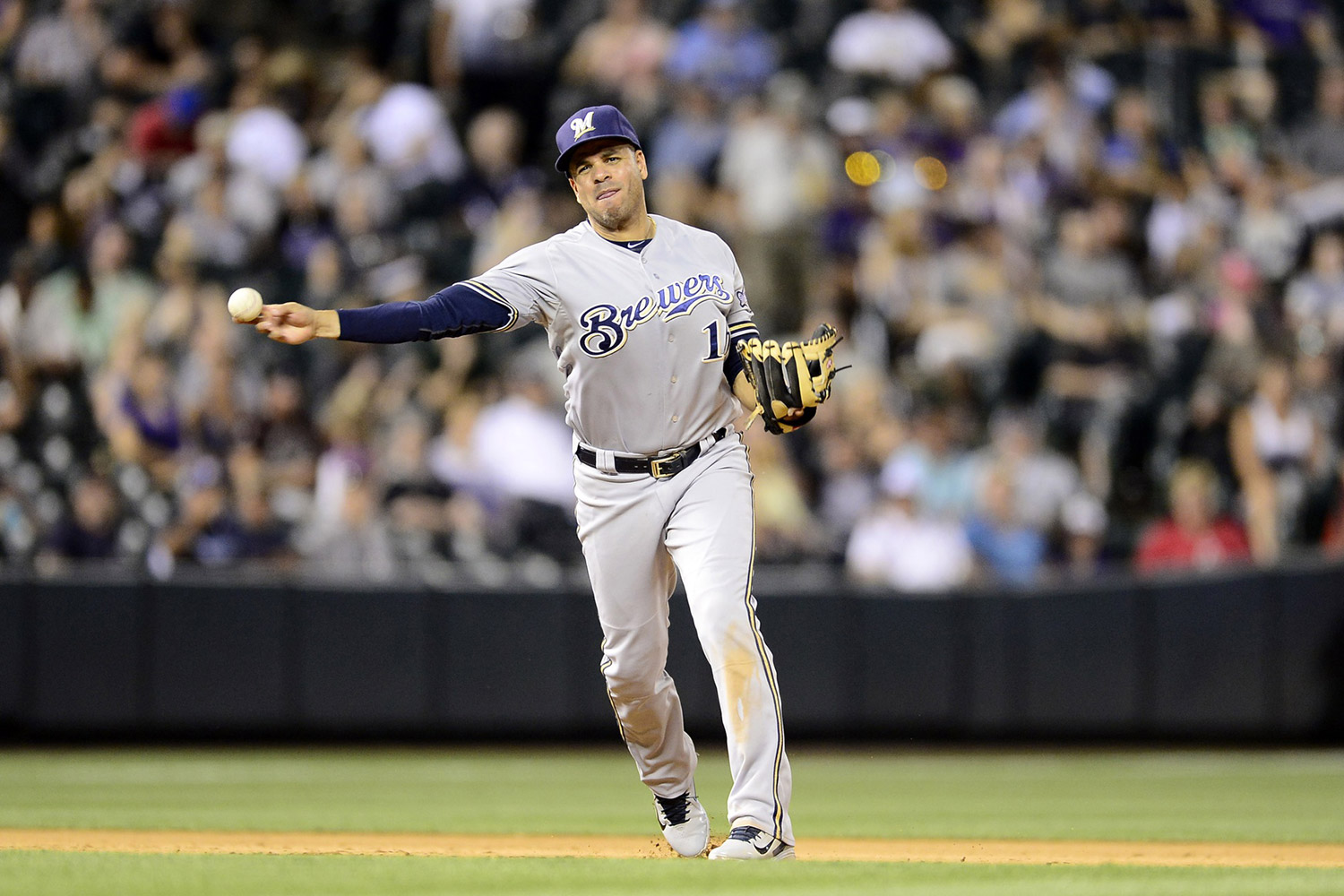 The recent signing of Brian Anderson, a one-time Marlin, brings into focus the best the Brewers have had at third base over the years. 5. Tommy Harper .264/.354/.410 with 54 HR and 175 RBI over three seasons Harper was arguably the first superstar of the Brewers. During his three seasons manning the hot corner, he posted one 30-30 season while also leading the league in steals (with a record that still stands today in Brewers history) with the Seattle Pilots in their lone 1969 season. Harper brought outstanding on-base skills to the table and handled second base and all three outfield positions. He was dealt to Boston in the deal that brought George Scott to the Brewers. 4. Aramis Ramirez .284/.342/.473 with 65 HR and 262 RBI over four seasons Ramirez was a free-agent signing, and for most of four seasons, he held down the hot corner for the Crew. His first season was the best by far, but he provided solid offensive production during the rest of his tenure until he was traded for Yhonathan Barrios. 3. Don Money .270/.338/.421 with 134 HR and 529 RBI in 11 seasons, five as primary third baseman Don Money was the primary third baseman for five years, held down second base for another, and was a valuable utility player for five other seasons, playing all over the infield. He brought power to the table. Two of his four career All-Star Game appearances came as the Crew’s primary third baseman, along with a top-30 finish in MVP balloting. 2. Jeff Cirillo .307/.383/.449 with 73 HR and 418 RBI in 8 seasons, five as primary third baseman Jeff Cirillo had two stints in Milwaukee. In his first, he proved to be one of the best pure hitters the franchise had ever seen. He made contact, and while he never was a home run threat, he hit many doubles and was able to coax walks before his involvement in a fateful three-team trade before the 2000 season. In his second stint with the team. He saw a return to that form and proved a valuable utility player for two years. 1. Paul Molitor .303/.367/.404 with 160 HR and 790 RBI in 15 seasons, six as primary third baseman The Ignitor ranks as one of the iconic players in franchise history, with a heartbreaking departure via free agency. Injuries robbed him of the 1984 season and parts of others, but when he was on the field, Molitor could crush a home run but also made his mark on the base paths with a franchise record 412 steals. Molitor also held down second base for three seasons, then spent time at first base, center field, and designated hitter. Honorable Mentions While his decision to let Molitor walk in free agency was infamous, Sal Bando served as the primary starter at third base for three seasons for the Crew. Travis Shaw averaged four wins above replacement as the primary third baseman in 2017 and 2018. Ryan Braun posted one outstanding offensive season as the primary third baseman. Since his move to left field, the Brewers had seven primary starters throughout his career, plus others who rotated in. Until Shaw’s arrival, Braun outproduced every primary starter at third base on offense.
 -
Brian Anderson to Brewers!!!! Yes!!!
Harold Hutchison replied to DR28's topic in Milwaukee Brewers Talk
I'm thinking of him as playing some at third, some in left field, and some in right field. He's even seen limited action at second and third. So, part of me wonders if Anderson isn't the new Jace Peterson. cf: Mitchell ss: Adames lf: Yelich c: Contreras dh: Winker 3b: Urias 1b: Tellez rf: Taylor 2b: Turang bench: Caratini (C), Anderson (3B/LF/RF/1B), Hiura (1B/LF/2B), Toro (2B/3B/1B) -
Having really only followed the Brewers from 1984 on, I never felt impressed by Gantner. Weeks, far and away was the most impressive. You just KNEW something good could happen at the plate in any given AB. Vina was scrappy. Molitor... well, imagine if he'd never moved from second. The rest... hard to really set anyone apart. Urias could be one contender. Turang another. Hiura had a shot after 2019... but slumped a lot in 2021 after showing power in 2020 (wonder if he'd not fallen for the launch-angle fad, if he'd have been better).
-
Brian Anderson to Brewers!!!! Yes!!!
Harold Hutchison replied to DR28's topic in Milwaukee Brewers Talk
I don't think so. Ideally, the Brewers are in a situation where they can bolster the team's long-term prospects by flipping Anderson and Winker for a couple of lottery tickets and/or PTBNLs, and not miss a beat because Frelick/Wiemer/others force their way to the majors due to excellent performance. It's not just about 2023 - it's also about finding the next Freddy Peralta, Fernando Vina, or Manny Pina - all of whom provided or key contributions to the Brewers. -
Brian Anderson to Brewers!!!! Yes!!!
Harold Hutchison replied to DR28's topic in Milwaukee Brewers Talk
Best case - Anderson hits well, but Wiemer/Owen Miller/Toro also do so well they make it easy for the Crew to flip Anderson at the deadline for a lottery ticket or two - even in a pennant race. Middle case - Anderson hits well, holds down RF and/or 3B. Worst case - Anderson slumps, Brewers DFA him. -
Several Brewers have dazzled at second base in the 54 seasons the franchise has existed. Some of the fans’ favorite Brewers held down the keystone of the infield, whether it was outstanding offense, dazzling defense, or just solid standbys. Which ones were the best? Without further ado, we should jump into the list. 5. Jim Gantner .274/.319/.351 with 47 HR and 568 RBI in 17 seasons "Gumby" was the primary starter at second base for nine seasons and added two more as the primary third baseman for the Brewers. Gantner made contact and provided web gems decades before YouTube existed, but his offensive limitations were evident simultaneously. He never won a Gold Glove or made the All-Star Game, and for three full seasons (1988-1990), he did not hit a single home run. But Gantner’s longevity puts him in the top five. 4. Ronnie Belliard .263/.341./.396 with 30 HR and 170 RBI in 4 seasons In three seasons as the primary starter at second base, Ronnie Belliard delivered a lot of doubles and very solid on-base skills. Belliard wasn’t flashy on offense, but he was solid. His biggest problem – he followed Fernando Vina, a fan favorite. The Brewers let Belliard walk as a free agent after the 2002 season, and he ended up providing solid production for the Rockies, Guardians, Nationals, and Dodgers after he left Milwaukee. 3. Paul Molitor .300/.349/.428 with 24 HR and 144 RBI in 3 seasons at 2B .303/.367/.411 with 160 HR and 790 RBI in 15 seasons Brewers fans can always wonder what would have been had Paul Molitor never been moved from second base. In the three seasons he played at second base, he was second place for Rookie of the Year, 20th place for MVP, and received the first of five selections for the All-Star Game. While his greatest glory for the Brewers came at third base and designated hitter, Molitor was an excellent second baseman. Brewers fans can only wonder what might have been had he not been moved to center field and eventually third base. 2. Fernando Vina .286/.349/.389 with 22 HR and 164 RBI in 5 seasons Fearless Fernando – best known for taking on Albert Belle in an infamous collision – was no slouch at second base. Acquired as a player to be named later in the trade that sent Doug Henry to the Mets, his superb on-base skills and speed (26 triples and 57 steals) provided the offensive spark, and he secured an All-Star Game appearance. He secured two Gold Gloves following a trade to the Cardinals, where he posted a .794 OPS in three consecutive postseasons. 1. Rickie Weeks .249/.347/.424 with 161 HR and 474 RBI in 11 seasons Rickie Weeks and Prince Fielder famously hit their first major-league home runs in the same game, and for 11 seasons, Weeks provided outstanding offense for the Brewers. Injuries limited his overall success with the team, and he had only one All-Star appearance. The second overall pick in the 2003 draft, Weeks could obliterate opposing pitchers at the plate or burn other teams on the base paths (126 stolen bases). Far and away, Weeks was the best to play second base for the Brewers. Honorable Mentions Ron Theobald delivered outstanding OBP skills during two seasons as the primary second baseman before a sudden retirement. Willie Randolph was a one-season wonder for the Crew in 1991. Kolten Wong provided two outstanding seasons for the Brewers before being traded to Seattle. What are your thoughts, Brewer Fanatics? Give us your top five second basemen in franchise history. View full article
-
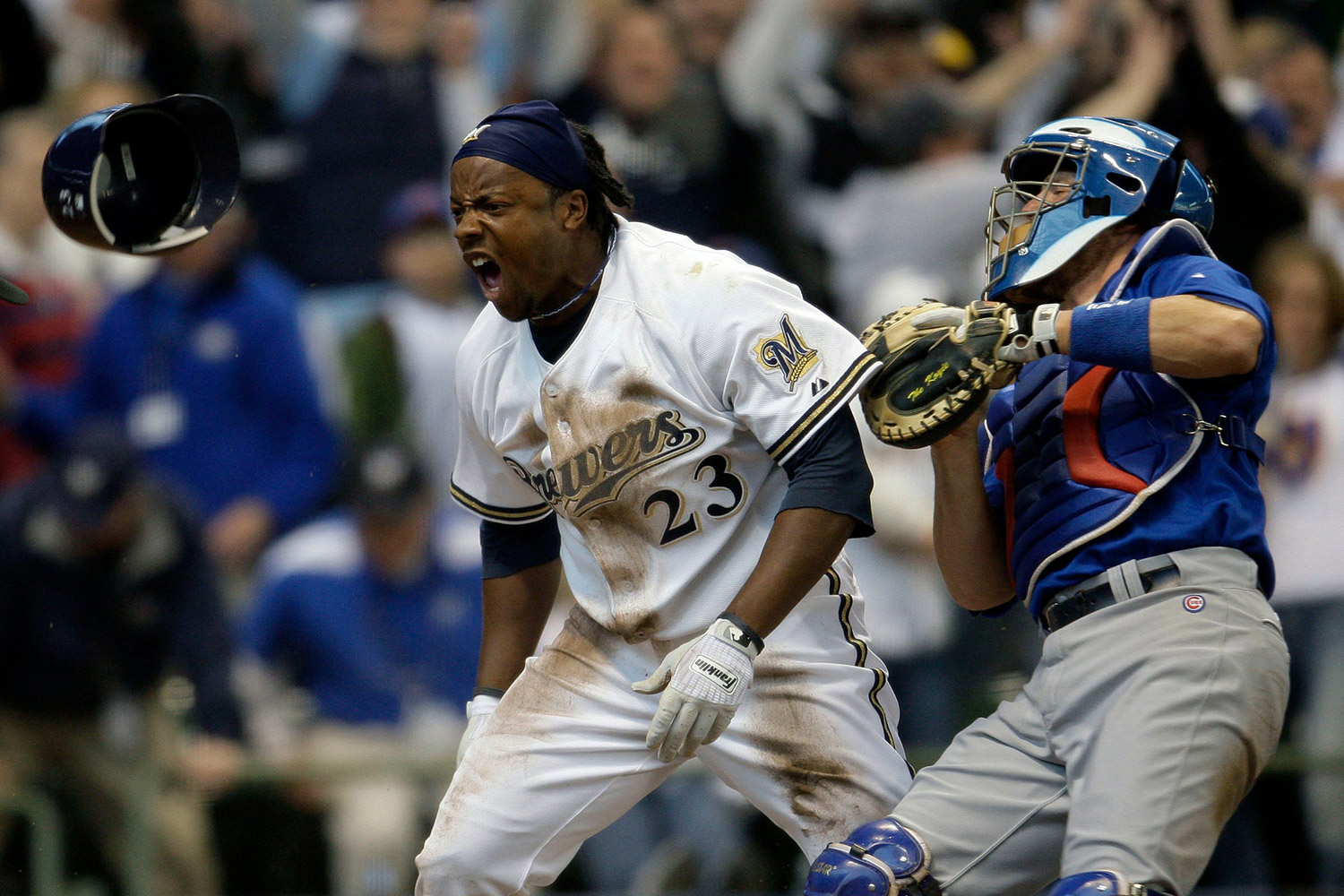 Without further ado, we should jump into the list. 5. Jim Gantner .274/.319/.351 with 47 HR and 568 RBI in 17 seasons "Gumby" was the primary starter at second base for nine seasons and added two more as the primary third baseman for the Brewers. Gantner made contact and provided web gems decades before YouTube existed, but his offensive limitations were evident simultaneously. He never won a Gold Glove or made the All-Star Game, and for three full seasons (1988-1990), he did not hit a single home run. But Gantner’s longevity puts him in the top five. 4. Ronnie Belliard .263/.341./.396 with 30 HR and 170 RBI in 4 seasons In three seasons as the primary starter at second base, Ronnie Belliard delivered a lot of doubles and very solid on-base skills. Belliard wasn’t flashy on offense, but he was solid. His biggest problem – he followed Fernando Vina, a fan favorite. The Brewers let Belliard walk as a free agent after the 2002 season, and he ended up providing solid production for the Rockies, Guardians, Nationals, and Dodgers after he left Milwaukee. 3. Paul Molitor .300/.349/.428 with 24 HR and 144 RBI in 3 seasons at 2B .303/.367/.411 with 160 HR and 790 RBI in 15 seasons Brewers fans can always wonder what would have been had Paul Molitor never been moved from second base. In the three seasons he played at second base, he was second place for Rookie of the Year, 20th place for MVP, and received the first of five selections for the All-Star Game. While his greatest glory for the Brewers came at third base and designated hitter, Molitor was an excellent second baseman. Brewers fans can only wonder what might have been had he not been moved to center field and eventually third base. 2. Fernando Vina .286/.349/.389 with 22 HR and 164 RBI in 5 seasons Fearless Fernando – best known for taking on Albert Belle in an infamous collision – was no slouch at second base. Acquired as a player to be named later in the trade that sent Doug Henry to the Mets, his superb on-base skills and speed (26 triples and 57 steals) provided the offensive spark, and he secured an All-Star Game appearance. He secured two Gold Gloves following a trade to the Cardinals, where he posted a .794 OPS in three consecutive postseasons. 1. Rickie Weeks .249/.347/.424 with 161 HR and 474 RBI in 11 seasons Rickie Weeks and Prince Fielder famously hit their first major-league home runs in the same game, and for 11 seasons, Weeks provided outstanding offense for the Brewers. Injuries limited his overall success with the team, and he had only one All-Star appearance. The second overall pick in the 2003 draft, Weeks could obliterate opposing pitchers at the plate or burn other teams on the base paths (126 stolen bases). Far and away, Weeks was the best to play second base for the Brewers. Honorable Mentions Ron Theobald delivered outstanding OBP skills during two seasons as the primary second baseman before a sudden retirement. Willie Randolph was a one-season wonder for the Crew in 1991. Kolten Wong provided two outstanding seasons for the Brewers before being traded to Seattle. What are your thoughts, Brewer Fanatics? Give us your top five second basemen in franchise history.
 -
Brian Anderson to Brewers!!!! Yes!!!
Harold Hutchison replied to DR28's topic in Milwaukee Brewers Talk
Burnes, Woodruff, Peralta, Lauer, Ashby, Houser, Miley, Junk, Small, T. Miller as the top 10 SPs. Alexander might be almost expendable. -
Brian Anderson to Brewers!!!! Yes!!!
Harold Hutchison replied to DR28's topic in Milwaukee Brewers Talk
I could see things looking like this: C: Contreras (100), Caratini (62) 1B: Tellez (132), Hiura (20) 2B: Turang (100), Urias (32), Hiura (30) SS: Adames (132), Urias (15), Turang (15) 3B: Urias (100), Anderson (62) LF: Yelich (90), Frelick (60), Anderson (12) CF: Mitchell (100), Taylor (62) RF: Taylor (70), Anderson (50), Frelick (42) DH: Winker (80), Yelich (50), Hiura (20), Contreras (12) -
Brian Anderson to Brewers!!!! Yes!!!
Harold Hutchison replied to DR28's topic in Milwaukee Brewers Talk
I'd probably DFA Singleton at this point. Anderson/Hiura/Winker/Yelich could be backup options at 1B behind Tellez. -
Here's a thought experiment... If the Brewers had a starting outfield of Frelick-Mitchell-Wiemer, with Turang at 2B, and each of them hit the way they did in 2022... would there still be a push for signing a free agent or complaints about payroll because the combined salaries would be under $4 million?
-
On a per-season basis, Sexson posted 40 HR and 117 RBI during his time with the Crew. In two of his three seasons, he tied the then-single-season record set by Gorman Thomas. Coop and Scott don't come close on that measure. Coop's longevity was in his favor, but Sexson was just incredible. Prince's 2009 season eclipses those, maybe Yelich's 2018/2019, perhaps Prince 2007. But not many others.
-
Brock averaged 122 games a season as primary starter, never fewer than 107. Jaha averaged 118, and when he was healthy for a full season, he was good. But in 1994 and 1995, he was in a total of 172 games. I went with Brock by hair for the slightly better reliability. It's really a big four at first of Fielder-Sexson-Cooper-Scott and then...
-
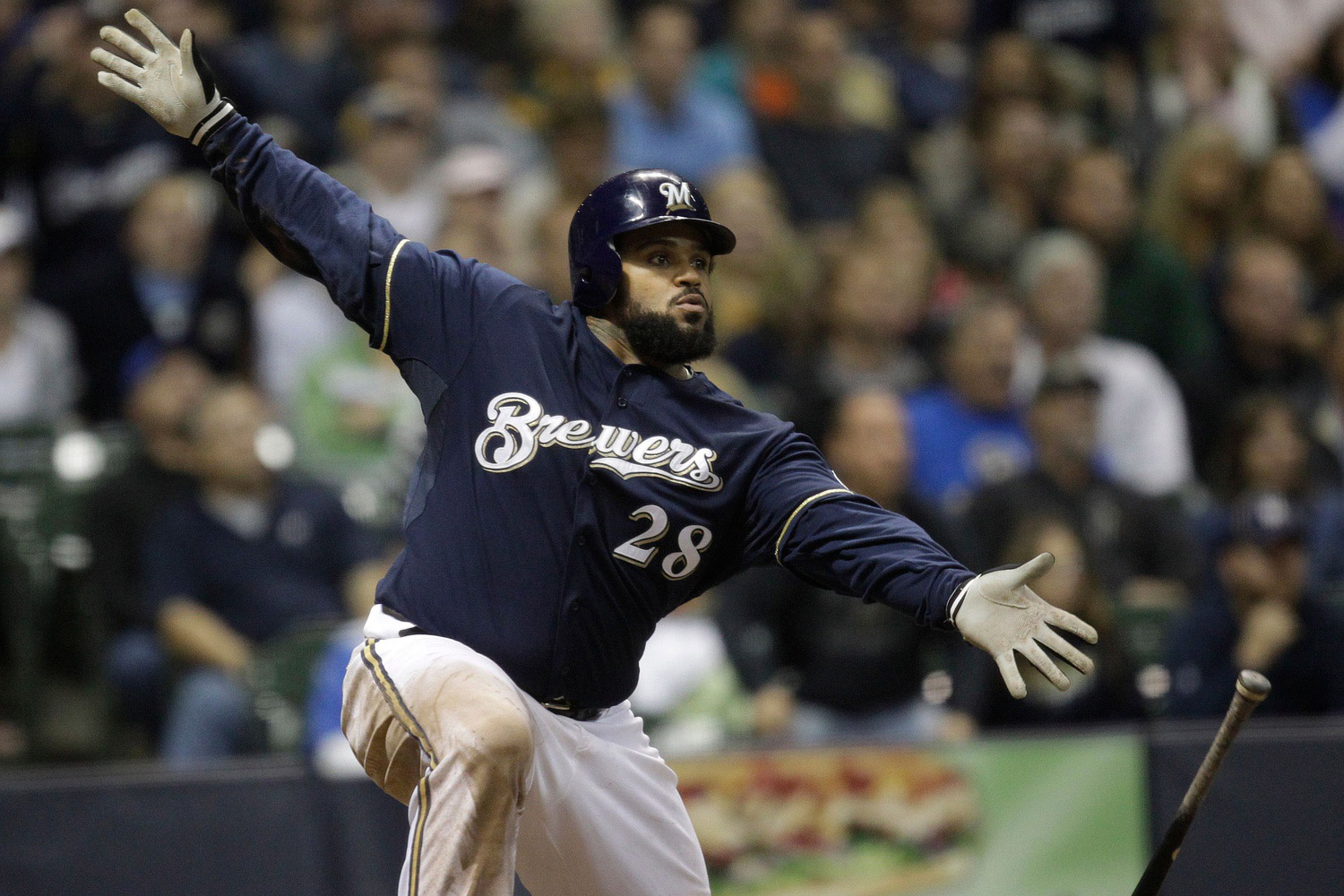 But which first basemen were the best the Brewers had manning the position? Let’s take a look at the top five. 5. Greg Brock .261/.348/.387 with 39 HR and 243 RBI in 5 seasons Greg Brock was acquired before the 1987 season for Tim Leary and Tim Crews. That deal wasn’t too shabby as Brock was the primary starter for four seasons, and he filled the shoes of Cecil Cooper quite well, walking more than he struck out. He didn’t quite provide the power he hoped for, but he didn’t do poorly. He was released in the middle of the 1991 season. 4. George Scott .283/.352/.486 with 115 HR, 463 RBI in 5 seasons “Boomer” delivered a lot of booms for the Brewers in the early 1970s as the franchise sought its footing, including the AL home run crown in 1975. Acquired in a deal that sent Tommy Harper to Boston, he made one All-Star Game appearance and earned five Gold Gloves with the Brewers. After 1976, he was dealt back to Boston for Cecil Cooper. 3. Cecil Cooper .302/.339/.470 with 201 HR, 944 RBI in 11 seasons Cecil Cooper is arguably one of the Brewers' all-time greats. Acquired in the deal that sent George Scott to Boston, all he did was set single-season records for batting average, runs batted in, and OPS at some point in his career. Coop had five All-Star Game appearances, three Silver Sluggers, a Gold Glove, and three top-five MVP finishes, including one in 1982 – and we know who won the award that year. 2. Richie Sexson .276/.366/.566 with 133 HR and 398 RBI in 3.5 seasons Richie Sexson was the primary first baseman for only three seasons. Still, what he lacked in longevity, he made up for by twice tying Gorman Thomas for the single-season record in home runs at 45 and coming close to matching Cooper’s single-season RBI record twice. After the 2003 season, the Brewers traded Sexson to Arizona, landing six players who later played roles with the team in one form or another. 1. Prince Fielder .282/.390/.540 with 230 HR and 646 RBI in 6 seasons The top two single-season home run totals in Brewers history, the top single-season RBI mark in Brewers history. The Brewers’ all-time leader in OBP, SLG, and OPS. Prince Fielder held down first base, made two All-Star Game appearances, and had three top-five MVP finishes, including in 2011, when the Brewers made the NLCS. After that year, Fielder left as a free agent and went on to play for five more seasons before a neck injury ended his career. Honorable Mentions John Jaha was the primary first baseman for four seasons and delivered some big power numbers, but they could only stay healthy for part of the season. Lyle Overbay was known more for hitting a ton of doubles than for home runs but was well-loved during his two seasons in Milwaukee before Prince Fielder’s emergence forced a trade. Eric Thames was the primary first baseman for two of his three seasons in Milwaukee (he divvied up time in the outfield and first in 2018).
 -
Coop. Prince. Boomer. Big Sexy. First base has seen some of the biggest icons over the 54 seasons of Milwaukee Brewers' history. If you were looking for some of the best offensive seasons in Brewers' history, they were often posted by first basemen. But which first basemen were the best the Brewers had manning the position? Let’s take a look at the top five. 5. Greg Brock .261/.348/.387 with 39 HR and 243 RBI in 5 seasons Greg Brock was acquired before the 1987 season for Tim Leary and Tim Crews. That deal wasn’t too shabby as Brock was the primary starter for four seasons, and he filled the shoes of Cecil Cooper quite well, walking more than he struck out. He didn’t quite provide the power he hoped for, but he didn’t do poorly. He was released in the middle of the 1991 season. 4. George Scott .283/.352/.486 with 115 HR, 463 RBI in 5 seasons “Boomer” delivered a lot of booms for the Brewers in the early 1970s as the franchise sought its footing, including the AL home run crown in 1975. Acquired in a deal that sent Tommy Harper to Boston, he made one All-Star Game appearance and earned five Gold Gloves with the Brewers. After 1976, he was dealt back to Boston for Cecil Cooper. 3. Cecil Cooper .302/.339/.470 with 201 HR, 944 RBI in 11 seasons Cecil Cooper is arguably one of the Brewers' all-time greats. Acquired in the deal that sent George Scott to Boston, all he did was set single-season records for batting average, runs batted in, and OPS at some point in his career. Coop had five All-Star Game appearances, three Silver Sluggers, a Gold Glove, and three top-five MVP finishes, including one in 1982 – and we know who won the award that year. 2. Richie Sexson .276/.366/.566 with 133 HR and 398 RBI in 3.5 seasons Richie Sexson was the primary first baseman for only three seasons. Still, what he lacked in longevity, he made up for by twice tying Gorman Thomas for the single-season record in home runs at 45 and coming close to matching Cooper’s single-season RBI record twice. After the 2003 season, the Brewers traded Sexson to Arizona, landing six players who later played roles with the team in one form or another. 1. Prince Fielder .282/.390/.540 with 230 HR and 646 RBI in 6 seasons The top two single-season home run totals in Brewers history, the top single-season RBI mark in Brewers history. The Brewers’ all-time leader in OBP, SLG, and OPS. Prince Fielder held down first base, made two All-Star Game appearances, and had three top-five MVP finishes, including in 2011, when the Brewers made the NLCS. After that year, Fielder left as a free agent and went on to play for five more seasons before a neck injury ended his career. Honorable Mentions John Jaha was the primary first baseman for four seasons and delivered some big power numbers, but they could only stay healthy for part of the season. Lyle Overbay was known more for hitting a ton of doubles than for home runs but was well-loved during his two seasons in Milwaukee before Prince Fielder’s emergence forced a trade. Eric Thames was the primary first baseman for two of his three seasons in Milwaukee (he divvied up time in the outfield and first in 2018). View full article
-
Plus, there is one other factor: Just how good is the farm system? If there are a lot of promising rookies (Turang, Mitchell, Frelick, Wiemer...) who would be better options for the Brewers in the near future, why shouldn't the Crew go with them instead of spending big money on a free agent arguably on the wrong side of 30?
-
Why would the Brewers want Santander when they already have Yelich-Mitchell-Taylor-Winker-Frelick-Wiemer-Perkins as OF depth? Doesn't make sense. Now, Houser for DL Hall, who could be good help in the bullpen, might be an option.
-
Why would the Brewers want Santander when they already have Yelich-Mitchell-Taylor-Winker-Frelick-Wiemer-Perkins as OF depth? Doesn't make sense. Now, Houser for DL Hall, who could be good help in the bullpen, might be an option.
-
If the Crew could work out an extension with Houser to keep him in Milwaukee as a key member of the bullpen, maybe 5 years, $17.5 million, it would be a good idea. Otherwise, I'd rather take the lottery tickets for some chance at finding the next Freddy Peralta.
-
If the Crew could work out an extension with Houser to keep him in Milwaukee as a key member of the bullpen, maybe 5 years, $17.5 million, it would be a good idea. Otherwise, I'd rather take the lottery tickets for some chance at finding the next Freddy Peralta.
-
A Counsell extension, if he is willing, is a must-do. He's the most successful manger in Brewers history. If not, it would be much better to have a potential replacement lined up.
-
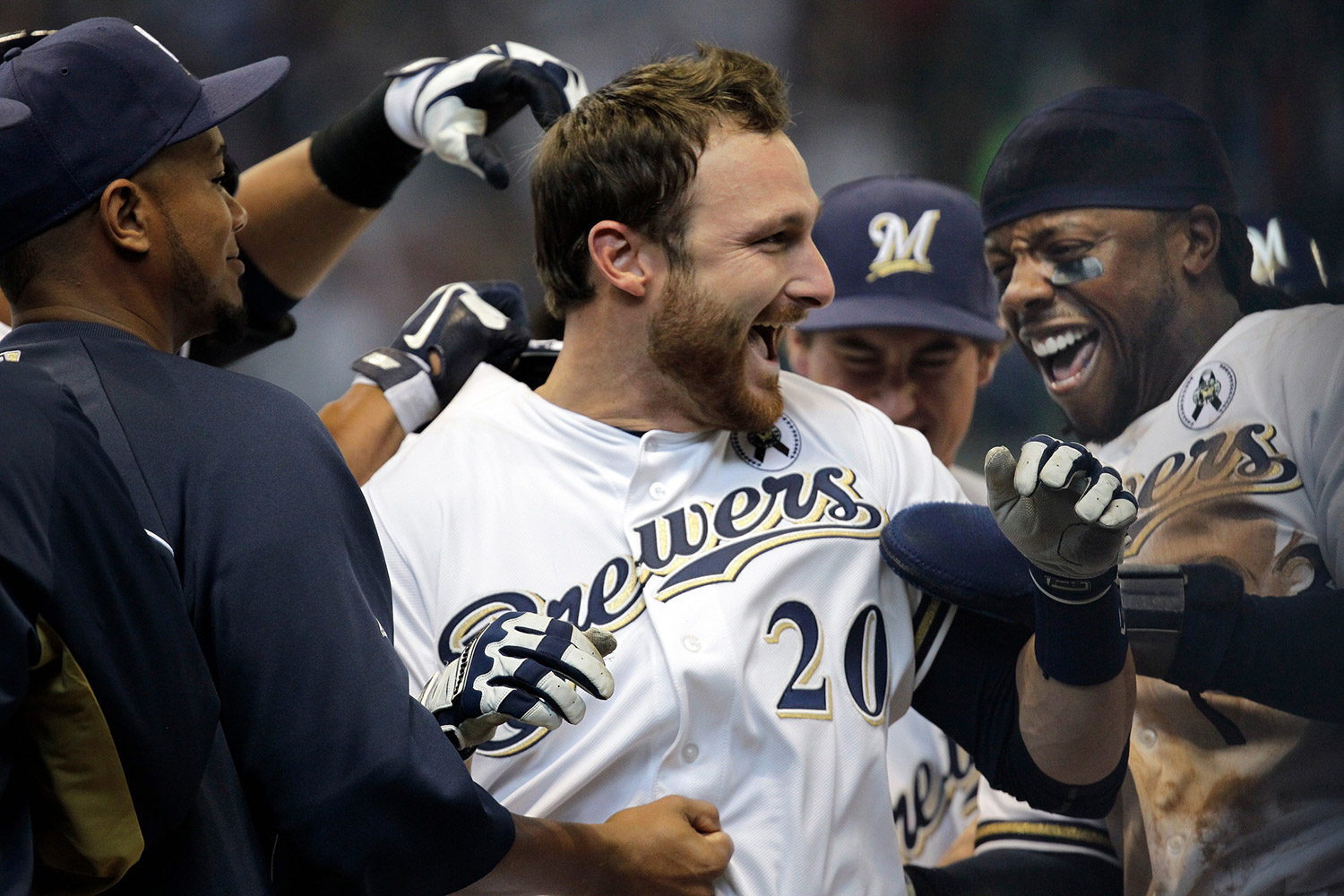 Twenty-three players were primary starters at catcher for the Brewers. Some have been great; others held down the position for a long time and did a solid job. 5. Manny Pina .245/.315/.414 with 42 HR, 148 RBI in six seasons (2016-2021) Pina was the primary starter for only two seasons, but he was also a valuable complement to Omar Narvaez and Yasmani Grandal after the 2018 season. Pina took over for Jonathan Lucroy after Lucroy was traded in 2016. He was no black hole on offense and provided solid defense. He later left as a free agent for Atlanta, then was part of the three-team deal in which the Brewers acquired William Contreras. Not too bad for someone acquired as the player to be named later in the K-Rod trade. 4. Charlie Moore .262/.320/.355 with 36 HR, 408 RBI in 14 seasons (1973-1986) Moore was the primary starter behind the plate for six seasons but also saw action at multiple other positions (notably, he was the primary right fielder for the 1982 World Series team and the following year) over his 14 seasons with the Brewers. He would have been a valuable bench asset in the National League, pre-universal DH. His offensive production primarily hinged on batting average since he lacked power and didn’t take a lot of walks. For the most part, he was a solid player to have around. 3. B.J. Surhoff .274/.323/.380 with 57 HR, 524 RBI in 9 seasons (1987-1995) Like Moore, Surhoff was the primary starter at catcher for six seasons in Milwaukee and flashed a lot of versatility. Surhoff has time at third base (serving as the team’s primary third baseman in 1993) and in the outfield for the Brewers in addition to being a catcher and had 102 starts in 1995 at six positions (counting designated hitter). Unlike Moore, Surhoff batted left-handed and had more power and speed (102 stolen bases with the Brewers). Surhoff later exploded offensively after leaving Milwaukee for Baltimore as a free agent before 1996, but getting nine seasons from a number one overall pick is not too shabby. 2. Darrell Porter .229/.334/.375 with 54 HR, 226 RBI in 6 seasons (1971-1976) Porter served as the primary catcher for the Crew in four seasons, with two cups of coffee before earning a third-place finish in the 1973 Rookie of the Year vote. Porter added an All-Star Game appearance for the Brewers, showing outstanding OBP skills and some left-handed power for the team. He was traded to the Royals before 1977, which brought the Brewers Bob McClure, who served as a starter and reliever from 1977-1986, as a player to be named later. He also haunted the Crew with the Cardinals in the 1982 World Series. 1. Jonathan Lucroy .284/.342/.436 with 79 HR, 387 RBI in 7 seasons (2010-2016) Lucroy was the primary starter at catcher for seven seasons, more than any other Brewer in franchise history. He also provided a potent bat to the team, posting a franchise-record 53 doubles in 2014 and making two All-Star Game appearances. His trade to Texas in 2016 provided a key piece (Lewis Brinson) in the package that brought Christian Yelich to Milwaukee before the 2018 season. Lucroy was a third-round pick in the 2007 draft and outperformed Matt LaPorta (who was dealt for CC Sabathia in 2008) in terms of a major-league career. Honorable Mentions Two other players deserve at least an honorable mention. First, there is Dave Nilsson, who served as the primary catcher for three seasons but saw much more action at other positions. The second is Ted Simmons, who was the primary catcher for three seasons, but initially slumped in Milwaukee and then spent a lot of time as a first baseman/designated hitter after 1983. Brewer Fanatics, who are your top five all-time Brewers catchers?
 -
In the 54 seasons (1969-2022) the Milwaukee Brewers/Seattle Pilots have played, there have been a lot of players. Some have stood out more than others, though. So who were the best players to play each position? We will start with catcher – those who donned the “tools of ignorance” and work our way around the diamond. Twenty-three players were primary starters at catcher for the Brewers. Some have been great; others held down the position for a long time and did a solid job. 5. Manny Pina .245/.315/.414 with 42 HR, 148 RBI in six seasons (2016-2021) Pina was the primary starter for only two seasons, but he was also a valuable complement to Omar Narvaez and Yasmani Grandal after the 2018 season. Pina took over for Jonathan Lucroy after Lucroy was traded in 2016. He was no black hole on offense and provided solid defense. He later left as a free agent for Atlanta, then was part of the three-team deal in which the Brewers acquired William Contreras. Not too bad for someone acquired as the player to be named later in the K-Rod trade. 4. Charlie Moore .262/.320/.355 with 36 HR, 408 RBI in 14 seasons (1973-1986) Moore was the primary starter behind the plate for six seasons but also saw action at multiple other positions (notably, he was the primary right fielder for the 1982 World Series team and the following year) over his 14 seasons with the Brewers. He would have been a valuable bench asset in the National League, pre-universal DH. His offensive production primarily hinged on batting average since he lacked power and didn’t take a lot of walks. For the most part, he was a solid player to have around. 3. B.J. Surhoff .274/.323/.380 with 57 HR, 524 RBI in 9 seasons (1987-1995) Like Moore, Surhoff was the primary starter at catcher for six seasons in Milwaukee and flashed a lot of versatility. Surhoff has time at third base (serving as the team’s primary third baseman in 1993) and in the outfield for the Brewers in addition to being a catcher and had 102 starts in 1995 at six positions (counting designated hitter). Unlike Moore, Surhoff batted left-handed and had more power and speed (102 stolen bases with the Brewers). Surhoff later exploded offensively after leaving Milwaukee for Baltimore as a free agent before 1996, but getting nine seasons from a number one overall pick is not too shabby. 2. Darrell Porter .229/.334/.375 with 54 HR, 226 RBI in 6 seasons (1971-1976) Porter served as the primary catcher for the Crew in four seasons, with two cups of coffee before earning a third-place finish in the 1973 Rookie of the Year vote. Porter added an All-Star Game appearance for the Brewers, showing outstanding OBP skills and some left-handed power for the team. He was traded to the Royals before 1977, which brought the Brewers Bob McClure, who served as a starter and reliever from 1977-1986, as a player to be named later. He also haunted the Crew with the Cardinals in the 1982 World Series. 1. Jonathan Lucroy .284/.342/.436 with 79 HR, 387 RBI in 7 seasons (2010-2016) Lucroy was the primary starter at catcher for seven seasons, more than any other Brewer in franchise history. He also provided a potent bat to the team, posting a franchise-record 53 doubles in 2014 and making two All-Star Game appearances. His trade to Texas in 2016 provided a key piece (Lewis Brinson) in the package that brought Christian Yelich to Milwaukee before the 2018 season. Lucroy was a third-round pick in the 2007 draft and outperformed Matt LaPorta (who was dealt for CC Sabathia in 2008) in terms of a major-league career. Honorable Mentions Two other players deserve at least an honorable mention. First, there is Dave Nilsson, who served as the primary catcher for three seasons but saw much more action at other positions. The second is Ted Simmons, who was the primary catcher for three seasons, but initially slumped in Milwaukee and then spent a lot of time as a first baseman/designated hitter after 1983. Brewer Fanatics, who are your top five all-time Brewers catchers? View full article

