



Harold Hutchison
-
Posts
6,909 -
Joined
-
Last visited
Content Type
Profiles
Forums
Blogs
Events
News
2026 Milwaukee Brewers Top Prospects Ranking
Milwaukee Brewers Videos
2022 Milwaukee Brewers Draft Picks
Milwaukee Brewers Free Agent & Trade Rumors, Notes, & Tidbits
Guides & Resources
2023 Milwaukee Brewers Draft Picks
2024 Milwaukee Brewers Draft Picks
The Milwaukee Brewers Players Project
2025 Milwaukee Brewers Draft Pick Tracker
2026 Milwaukee Brewers Draft Tracker: Picks & Bonuses
Store
Downloads
Gallery
Everything posted by Harold Hutchison
-
Love it or hate it, in the 50 years since it was adopted, the designated hitter has been a part of Brewers' history. Let's look at the five best over the past half-century. Teams have taken two approaches to the DH; some look for one player to take most at-bats, often one who is a liability in the field due to age or some other factor. Others rotate it around among players. The Brewers have done both over the years. So, who were the best Brewers to hold down the designated hitter spot? 5. Dick Davis .264/.291/.390 with 21 HR and 103 RBI in four seasons Here’s some bar trivia: Name the Brewer with the most seasons as the team’s primary designated hitter. Answer: Dick Davis, who also spent time in the outfield. In three seasons, Davis provided slightly below-average offense from the position and often was thrust into extended playing time due to Larry Hisle’s multiple injuries. After 1980, he was traded to the Phillies for Randy Lerch. 4. Hank Aaron .232/.326/.360 with 22 HR and 95 RBI in two seasons Hank Aaron returned to Milwaukee for two seasons in a deal that sent Dave May to the Braves. The deal worked out better for the Crew than the Braves by a thin margin, as Aaron delivered more counting stats. While not quite at his prime when he played for the then-Milwaukee Braves, he still was a force to be reckoned with. 3. Dave Parker .281/.330/.451 with 21 HR and 92 RBI in one season The Brewers signed Parker to a two-year contract in 1990, and Parker delivered as the team’s full-time DH, holding down the clean-up spot that season. Parker didn’t just help on the field; he helped the 1990 team make an early run by injecting some attitude – and it may be no coincidence that 1990 was the best season Gary Sheffield had with the Brewers. He was traded for Dante Bichette prior to the 1991 season. 2. Kevin Seitzer .300/.376/.422 in five seasons with the Brewers, one as the primary DH Seitzer had two stints with the Brewers and often played third base, but in 1996, he served as the primary DH due to the emergence of Jeff Cirillo. It worked out well for the Brewers, even with his late-season trade to Cleveland, since the return was Jeromy Burnitz, arguably the best right fielder in the team’s history. 1. Paul Molitor .303/.367/.404 with 160 HR and 790 RBI in 15 seasons, two as primary DH Paul Molitor will also appear twice in the top spot and is the only Brewer to make the top five at three positions. He not only was the primary DH in 1991 and 1992, but he also spent significant time at the position in 1981 (16 games), 1987 (58 games), 1988 (49 games), and 1989 (29 games). Honorable Mentions Andrew McCutcheon gave the Brewers a solid 2022 season. Brooks Kieschnick posted 1.2 Wins Above Replacement as the Brewer's primary DH in 2003. Khris Davis served as the team’s primary DH in 2013. Dave Nilsson was never the team’s primary DH but spent significant time at the position in multiple seasons. Greg Vaughn was the primary DH for one season and spent a lot of time there in two others. View full article
-
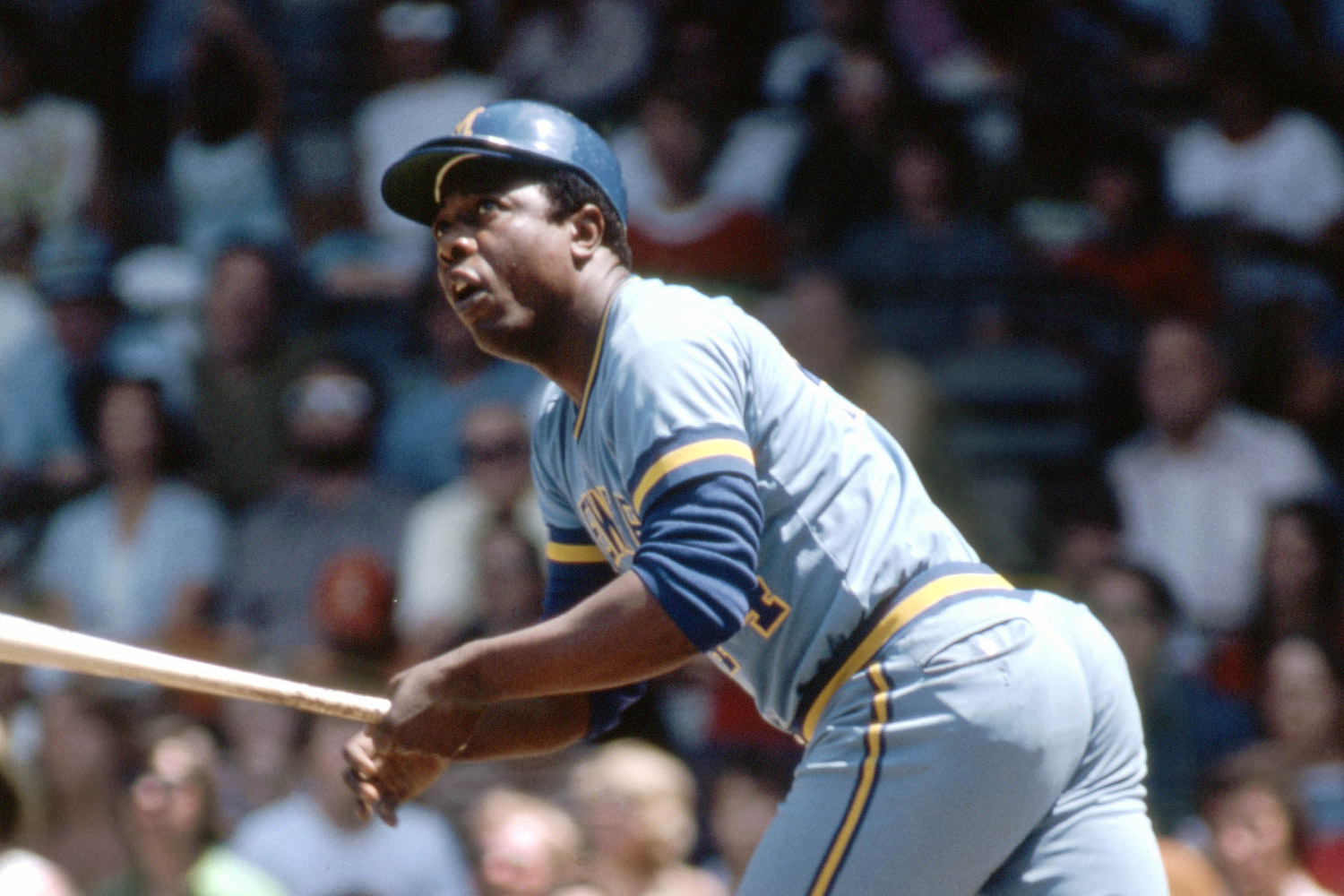 Teams have taken two approaches to the DH; some look for one player to take most at-bats, often one who is a liability in the field due to age or some other factor. Others rotate it around among players. The Brewers have done both over the years. So, who were the best Brewers to hold down the designated hitter spot? 5. Dick Davis .264/.291/.390 with 21 HR and 103 RBI in four seasons Here’s some bar trivia: Name the Brewer with the most seasons as the team’s primary designated hitter. Answer: Dick Davis, who also spent time in the outfield. In three seasons, Davis provided slightly below-average offense from the position and often was thrust into extended playing time due to Larry Hisle’s multiple injuries. After 1980, he was traded to the Phillies for Randy Lerch. 4. Hank Aaron .232/.326/.360 with 22 HR and 95 RBI in two seasons Hank Aaron returned to Milwaukee for two seasons in a deal that sent Dave May to the Braves. The deal worked out better for the Crew than the Braves by a thin margin, as Aaron delivered more counting stats. While not quite at his prime when he played for the then-Milwaukee Braves, he still was a force to be reckoned with. 3. Dave Parker .281/.330/.451 with 21 HR and 92 RBI in one season The Brewers signed Parker to a two-year contract in 1990, and Parker delivered as the team’s full-time DH, holding down the clean-up spot that season. Parker didn’t just help on the field; he helped the 1990 team make an early run by injecting some attitude – and it may be no coincidence that 1990 was the best season Gary Sheffield had with the Brewers. He was traded for Dante Bichette prior to the 1991 season. 2. Kevin Seitzer .300/.376/.422 in five seasons with the Brewers, one as the primary DH Seitzer had two stints with the Brewers and often played third base, but in 1996, he served as the primary DH due to the emergence of Jeff Cirillo. It worked out well for the Brewers, even with his late-season trade to Cleveland, since the return was Jeromy Burnitz, arguably the best right fielder in the team’s history. 1. Paul Molitor .303/.367/.404 with 160 HR and 790 RBI in 15 seasons, two as primary DH Paul Molitor will also appear twice in the top spot and is the only Brewer to make the top five at three positions. He not only was the primary DH in 1991 and 1992, but he also spent significant time at the position in 1981 (16 games), 1987 (58 games), 1988 (49 games), and 1989 (29 games). Honorable Mentions Andrew McCutcheon gave the Brewers a solid 2022 season. Brooks Kieschnick posted 1.2 Wins Above Replacement as the Brewer's primary DH in 2003. Khris Davis served as the team’s primary DH in 2013. Dave Nilsson was never the team’s primary DH but spent significant time at the position in multiple seasons. Greg Vaughn was the primary DH for one season and spent a lot of time there in two others.
 -
Yelich, if he'd stuck in right all along, might have edged Burnitz out for #1. But the shift to left and the sudden drop from a 7 WAR player to one who goes to 3 is pretty jarring. In a sense, I had to reward Burnitz for the consistent 30 HR, 100 RBI he delivered from 1997-2001. As for Hart, he would have been a great 1B. His only problem was Prince Fielder fell to number 7 in the 2002 amateur draft and the Crew snapped him up. So, off to third, where in 2003, he wins Southern League MVP for the Huntsville Stars. But then he got moved to the outfield. That said, he was the type of guy who could be a long-term standby in the offense.
-
Right field has been a revolving door for the Brewers, but some right fielders have delivered monster seasons for the Crew. Despite no player being the primary starter in right field for more than five seasons, right field has rarely been a complete liability for the Brewers over their 54-year history. Who’s been the best of the bunch? Let's take a look. 5. Rob Deer .229/.329/.450 with 137 HR and 385 RBI in five seasons, four as primary right fielder “Fear the Deer” is a popular saying with the Bucks these days, but in the late 1980s, “fear Deer” referred to Rob Deer, who provided the Brewers with a lot of power as an NRI following a trade for two minor-league pitchers. Deer set a record for strikeouts in 1986 but also delivered power and OBP. His defense wasn’t too shabby, either. 4. Corey Hart .276/.334/.491 with 154 HR and 508 RBI in nine seasons, five as primary right fielder Hart, in some ways, was an accidental right fielder. He was a first baseman in the minors until the Brewers drafted Prince Fielder, arguably their best at that position. So, Hart moved to third. After he won the Southern League MVP at third base, he was moved to the outfield because of Ryan Braun. He saw action mostly in right field but also in center and even handled first base the year after Prince’s departure. He delivered two All-Star Game appearances and a top-25 MVP finish. Best known for power, he also flashed speed, with 83 stolen bases, including two 20-20 seasons. 3. Sixto Lezcano .275/.354/.452 with 102 HR and 374 RBI in seven seasons, five as primary right fielder Lezcano is the co-leader for the longest tenure as the primary right fielder, and in the late 1970s, he posted some monster seasons. After a slump in 1980, he was part of the trade that brought Rollie Fingers, Ted Simmons, and Pete Vuckovich to Milwaukee. The Brewers ended up selling high on Lezcano, who never quite reached his late-70s heights. But Lezcano provided real power for the team. 2. Christian Yelich .283/.385/.503 with 115 HR and 357 RBI in five seasons, two as primary right fielder Yelich had only two seasons as the primary right fielder for the Brewers, but he secured two top-2 MVP vote finishes (winning in 2018), two All-Star Game appearances, and two Silver Sluggers. There will always be a “what if” had it not been for a freak injury late in the 2019 season, and Yelich has played more left field than right field, but the sheer dominance during his time in right field makes a high position hard to deny. 1. Jeromy Burnitz .258/.362/.508 with 165 HR and 525 RBI in six seasons, five as primary right fielder Baseball-Reference lists Burnitz as the Brewers’ primary center fielder in 1997, even though Gerald Williams played there far more that was due to left field being a mess. Burnitz averaged 33 homers and 102 RBI for those five seasons and teamed up with Richie Sexson to become the only teammates to both homer three times in the same game. Burnitz had a top-30 and top-20 MVP finish and one All-Star Game appearance. How he would have done at Miller Park/American Family Field is a question many Brewers fans have today. Honorable Mentions Ryan Braun held down right field for two seasons when Khris Davis came up and wasn’t too shabby. Nori Aoki gave the Brewers a leadoff option for two seasons before being traded for reliever Will Smith. Brady Clark manned right field in 2004, following time in the VanderClark platoon in 2003. Charlie Moore held down right field for two seasons during the Brewers' early-80s success while Matt Mieske played right field for four seasons. Brewer Fanatics, who are your top five right fielders in Brewer history? View full article
-
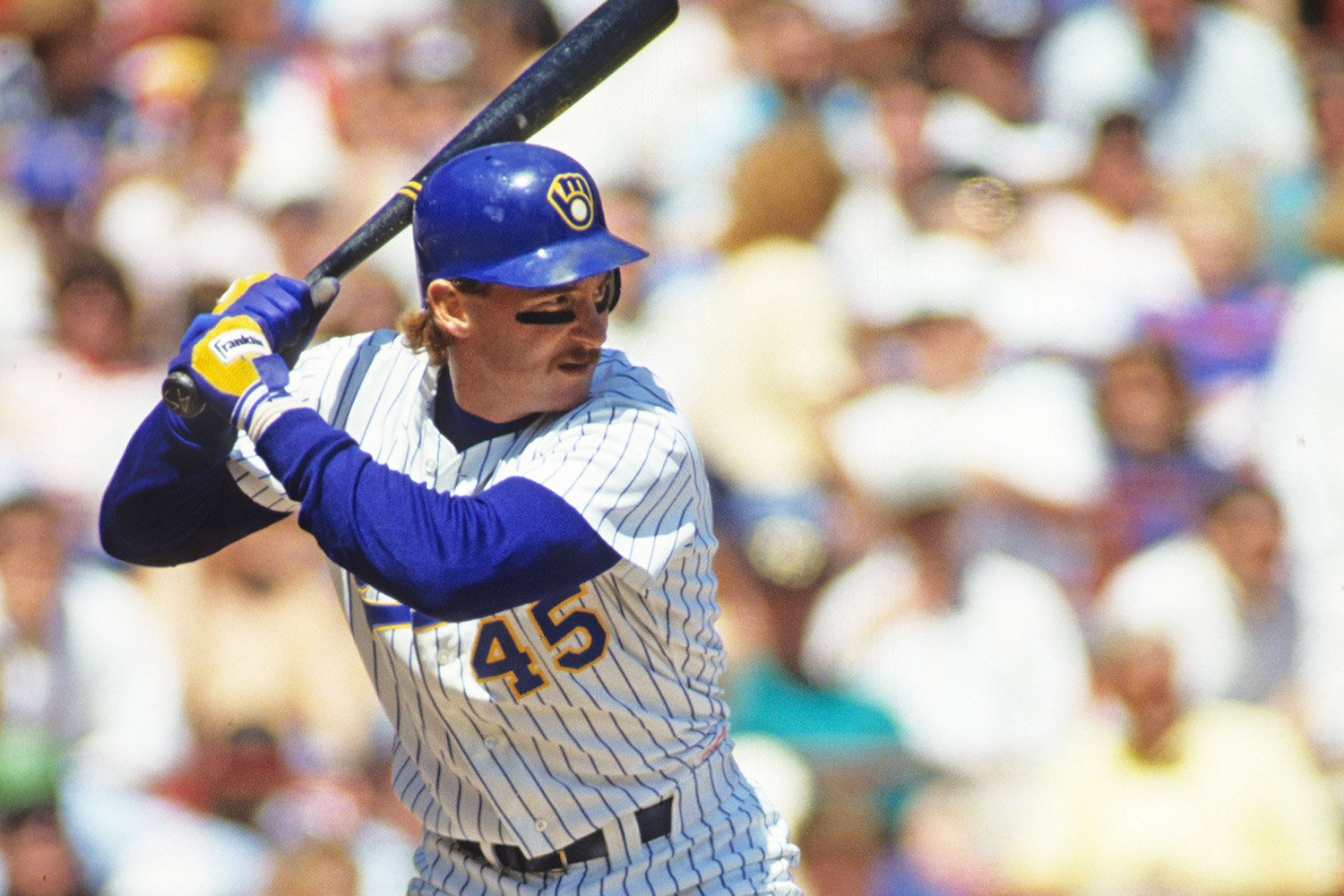 Despite no player being the primary starter in right field for more than five seasons, right field has rarely been a complete liability for the Brewers over their 54-year history. Who’s been the best of the bunch? Let's take a look. 5. Rob Deer .229/.329/.450 with 137 HR and 385 RBI in five seasons, four as primary right fielder “Fear the Deer” is a popular saying with the Bucks these days, but in the late 1980s, “fear Deer” referred to Rob Deer, who provided the Brewers with a lot of power as an NRI following a trade for two minor-league pitchers. Deer set a record for strikeouts in 1986 but also delivered power and OBP. His defense wasn’t too shabby, either. 4. Corey Hart .276/.334/.491 with 154 HR and 508 RBI in nine seasons, five as primary right fielder Hart, in some ways, was an accidental right fielder. He was a first baseman in the minors until the Brewers drafted Prince Fielder, arguably their best at that position. So, Hart moved to third. After he won the Southern League MVP at third base, he was moved to the outfield because of Ryan Braun. He saw action mostly in right field but also in center and even handled first base the year after Prince’s departure. He delivered two All-Star Game appearances and a top-25 MVP finish. Best known for power, he also flashed speed, with 83 stolen bases, including two 20-20 seasons. 3. Sixto Lezcano .275/.354/.452 with 102 HR and 374 RBI in seven seasons, five as primary right fielder Lezcano is the co-leader for the longest tenure as the primary right fielder, and in the late 1970s, he posted some monster seasons. After a slump in 1980, he was part of the trade that brought Rollie Fingers, Ted Simmons, and Pete Vuckovich to Milwaukee. The Brewers ended up selling high on Lezcano, who never quite reached his late-70s heights. But Lezcano provided real power for the team. 2. Christian Yelich .283/.385/.503 with 115 HR and 357 RBI in five seasons, two as primary right fielder Yelich had only two seasons as the primary right fielder for the Brewers, but he secured two top-2 MVP vote finishes (winning in 2018), two All-Star Game appearances, and two Silver Sluggers. There will always be a “what if” had it not been for a freak injury late in the 2019 season, and Yelich has played more left field than right field, but the sheer dominance during his time in right field makes a high position hard to deny. 1. Jeromy Burnitz .258/.362/.508 with 165 HR and 525 RBI in six seasons, five as primary right fielder Baseball-Reference lists Burnitz as the Brewers’ primary center fielder in 1997, even though Gerald Williams played there far more that was due to left field being a mess. Burnitz averaged 33 homers and 102 RBI for those five seasons and teamed up with Richie Sexson to become the only teammates to both homer three times in the same game. Burnitz had a top-30 and top-20 MVP finish and one All-Star Game appearance. How he would have done at Miller Park/American Family Field is a question many Brewers fans have today. Honorable Mentions Ryan Braun held down right field for two seasons when Khris Davis came up and wasn’t too shabby. Nori Aoki gave the Brewers a leadoff option for two seasons before being traded for reliever Will Smith. Brady Clark manned right field in 2004, following time in the VanderClark platoon in 2003. Charlie Moore held down right field for two seasons during the Brewers' early-80s success while Matt Mieske played right field for four seasons. Brewer Fanatics, who are your top five right fielders in Brewer history?
 -
Didn't he also play some at second?
-
For me, it was the fact that in two years, Podsednik delivered a top-2 Rookie of the year finish, then followed it with leading the majors in steals. Cain adds a gold glove and got MVP votes in 2018, but Podsednik delivered more bang for the buck.
- 15 replies
-
- 1
-

-
- scott posednik
- carlos gomez
- (and 3 more)
-
One of the classic songs of baseball, “Centerfield" by John Fogerty, features an aspiring center fielder who wants to play. For the Brewers, though, center field has seen some iconic players and some who were very well-loved by the fans. Which Brewers did the best patrolling center at County Stadium and Miller Park/American Family Field over the half-century of the franchise's existence? Let’s take a stroll through 54 seasons of center field history. 5. Scott Podsednik .276/.344/.401 with 21 HR and 109 RBI in two seasons Scott Podsednik was a waiver-wire pickup shortly after the 2002 season. In 2003, he broke out with a monster year, finishing second in the Rookie of the Year balloting. The following year, he came the closest any player has ever come to matching Tommy Harper’s stolen-base mark for the Brewers with 70 swiped bags. Dealt after 2004 for Carlos Lee, he went on to win a World Series and appear in an All-Star Game with the White Sox. 4. Dave May .259/.322/.385 with 69 HR and 287 RBI in six seasons, four as primary center fielder Dave May provided power for the Brewers in the early years, serving as the primary center fielder for four years before spending a fifth in right field. His best season was in 1973 when he blasted 25 home runs and finished in the top ten for AL MVP and also appeared in the All-Star Game. After 1974, the Brewers dealt him and got Hank Aaron in return, allowing an MLB legend to return to the city where it all started. 3. Carlos Gomez .267/.325/.452 with 87 HR and 288 RBI in six seasons, five as primary center fielder Acquired in the JJ Hardy trade with the Twins, Gomez struggled offensively his first two seasons and even split time with Nyjer Morgan in 2011. But his last four seasons saw him win a Gold Glove, make two All-Star Game appearances, and secure one top-10 and one top-20 MVP finish. Gomez brought defense, speed, and power for the Crew. In 2015, Gomez brought the Brewers Josh Hader and Adrian Houser in a trade, with the domino effects from that trade including the acquisitions of Mike Moustakas and Ben Gamel. 2. Gorman Thomas .230/.325/.461 with 208 HR and 605 RBI in 11 seasons, six as primary center fielder Gorman Thomas delivered a lot of power and a lot of walks. He also struck out a lot, once holding the record of 175 in a single season. He also handled center field full-time for six seasons and part-time in others. His first tenure with the Brewers ended with the trade that brought Rick Manning to Milwaukee, but he made a brief return in his final season in 1986. 1. Robin Yount .286/.357/.433 in eight seasons as primary center fielder .285/.342/.430 in 20 seasons with the Brewers overall Yount holds the distinction of being the only Brewer to secure the top slot in two position countdowns. He represents something rare for the Brewers, a legend who played his entire career in Milwaukee. He spent eight seasons as a center fielder, where he made the brilliant catch to secure the Juan Nieves no-no on April 15, 1987. He also had three top 20 MVP finishes (winning in 1989) and one Silver Slugger. He still holds 18 career franchise marks and is second in six others. Honorable Mentions Brady Clark held down center field for two seasons after Podsednik’s departure while also serving as a fourth outfielder in two others. Lorenzo Cain delivered a Gold Glove, an All-Star Game appearance, and a top-ten MVP finish in his two seasons as the team’s primary center fielder. Darryl Hamilton had one season as the primary center fielder but several others as a backup who gave Yount a break on rare occasions. Mike Cameron held down center field for two seasons, including the magical 2008 run for the Wild Card. View full article
-
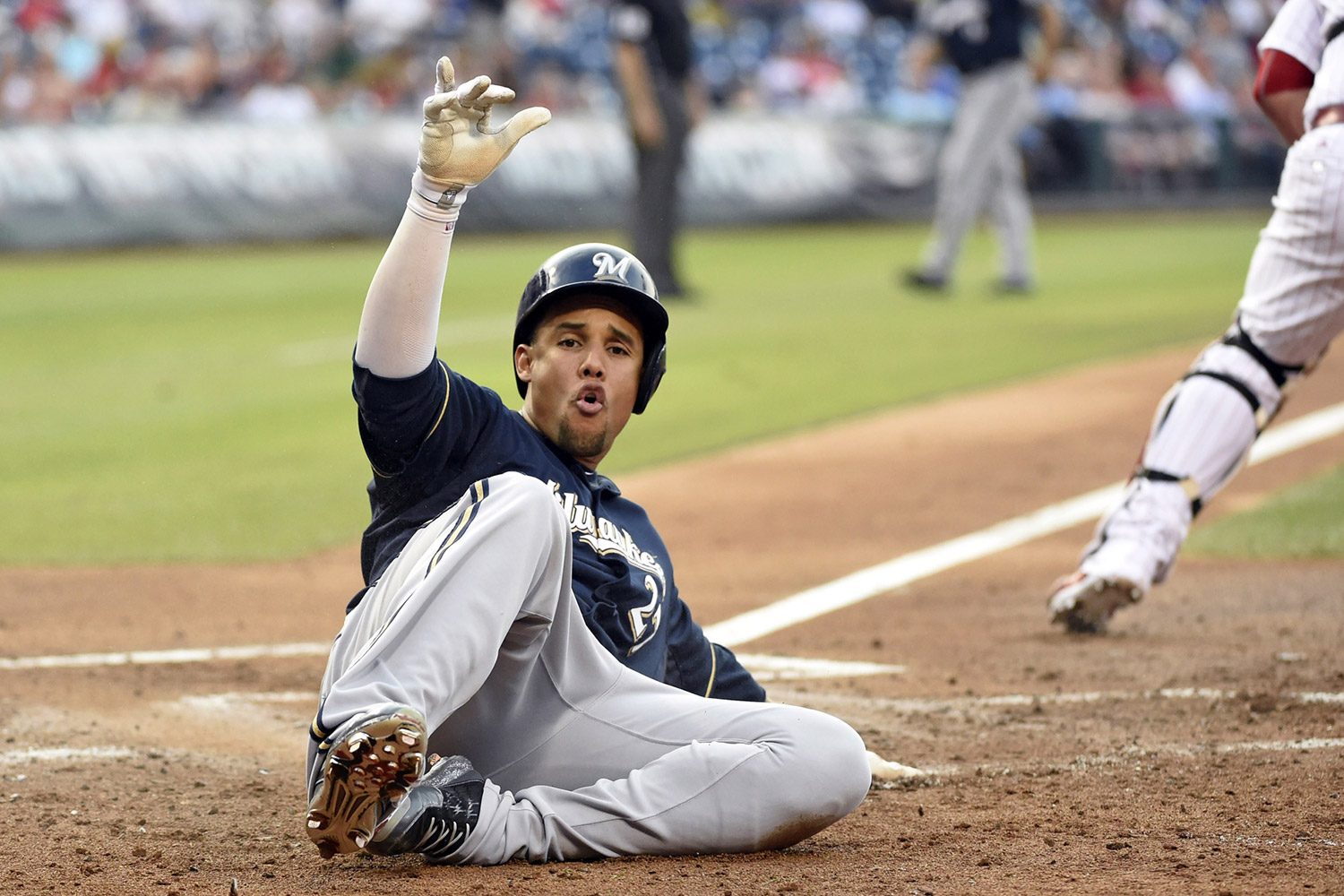 Which Brewers did the best patrolling center at County Stadium and Miller Park/American Family Field over the half-century of the franchise's existence? Let’s take a stroll through 54 seasons of center field history. 5. Scott Podsednik .276/.344/.401 with 21 HR and 109 RBI in two seasons Scott Podsednik was a waiver-wire pickup shortly after the 2002 season. In 2003, he broke out with a monster year, finishing second in the Rookie of the Year balloting. The following year, he came the closest any player has ever come to matching Tommy Harper’s stolen-base mark for the Brewers with 70 swiped bags. Dealt after 2004 for Carlos Lee, he went on to win a World Series and appear in an All-Star Game with the White Sox. 4. Dave May .259/.322/.385 with 69 HR and 287 RBI in six seasons, four as primary center fielder Dave May provided power for the Brewers in the early years, serving as the primary center fielder for four years before spending a fifth in right field. His best season was in 1973 when he blasted 25 home runs and finished in the top ten for AL MVP and also appeared in the All-Star Game. After 1974, the Brewers dealt him and got Hank Aaron in return, allowing an MLB legend to return to the city where it all started. 3. Carlos Gomez .267/.325/.452 with 87 HR and 288 RBI in six seasons, five as primary center fielder Acquired in the JJ Hardy trade with the Twins, Gomez struggled offensively his first two seasons and even split time with Nyjer Morgan in 2011. But his last four seasons saw him win a Gold Glove, make two All-Star Game appearances, and secure one top-10 and one top-20 MVP finish. Gomez brought defense, speed, and power for the Crew. In 2015, Gomez brought the Brewers Josh Hader and Adrian Houser in a trade, with the domino effects from that trade including the acquisitions of Mike Moustakas and Ben Gamel. 2. Gorman Thomas .230/.325/.461 with 208 HR and 605 RBI in 11 seasons, six as primary center fielder Gorman Thomas delivered a lot of power and a lot of walks. He also struck out a lot, once holding the record of 175 in a single season. He also handled center field full-time for six seasons and part-time in others. His first tenure with the Brewers ended with the trade that brought Rick Manning to Milwaukee, but he made a brief return in his final season in 1986. 1. Robin Yount .286/.357/.433 in eight seasons as primary center fielder .285/.342/.430 in 20 seasons with the Brewers overall Yount holds the distinction of being the only Brewer to secure the top slot in two position countdowns. He represents something rare for the Brewers, a legend who played his entire career in Milwaukee. He spent eight seasons as a center fielder, where he made the brilliant catch to secure the Juan Nieves no-no on April 15, 1987. He also had three top 20 MVP finishes (winning in 1989) and one Silver Slugger. He still holds 18 career franchise marks and is second in six others. Honorable Mentions Brady Clark held down center field for two seasons after Podsednik’s departure while also serving as a fourth outfielder in two others. Lorenzo Cain delivered a Gold Glove, an All-Star Game appearance, and a top-ten MVP finish in his two seasons as the team’s primary center fielder. Darryl Hamilton had one season as the primary center fielder but several others as a backup who gave Yount a break on rare occasions. Mike Cameron held down center field for two seasons, including the magical 2008 run for the Wild Card.
 -
Brian Anderson to Brewers!!!! Yes!!!
Harold Hutchison replied to DR28's topic in Milwaukee Brewers Talk
Frelick's hit tool is assessed as a 70 in MLB pipeline's Top 10 OFs, and is considered the best among OFs, so I'd say a lot of scouts see him as a potential batting champion. -
The real issue, I think, is rising expectations. When they came in, the club was rebuilding following two playoff runs in four years (2008-2011). Stearns and Counsell carried out a remarkable turnaround for what is the longest sustained success in Brewers history (from 2017-2022, the team either finished above .500, made the playoffs, or both). Naturally, many people want to see the team make that next step, to make it to the World Series or better yet, win it. That can be tough - because for many folks, they don't see a lot of the stuff that goes on behind the scenes or understand the harsh realities of baseball economics. Then again, when it comes to sports in general, these executives and the managers/coaches are all under a lot more pressure than many fans realize. There is NOT a lot of job security or job openings, and the stress can be a killer in more ways than one. The best teams build a culture that everyone - on the field and off the field - buys into.
-
The real issue, I think, is rising expectations. When they came in, the club was rebuilding following two playoff runs in four years (2008-2011). Stearns and Counsell carried out a remarkable turnaround for what is the longest sustained success in Brewers history (from 2017-2022, the team either finished above .500, made the playoffs, or both). Naturally, many people want to see the team make that next step, to make it to the World Series or better yet, win it. That can be tough - because for many folks, they don't see a lot of the stuff that goes on behind the scenes or understand the harsh realities of baseball economics. Then again, when it comes to sports in general, these executives and the managers/coaches are all under a lot more pressure than many fans realize. There is NOT a lot of job security or job openings, and the stress can be a killer in more ways than one. The best teams build a culture that everyone - on the field and off the field - buys into.
-
Oglivie's highs were higher, and given the era, I gave him the edge. You could go either way - but Oglivie had three All-Star Game appearances and a Silver Slugger, Jenkins just had the one All-Star Game appearance and that and the eras ultimately tipped it for me.
-
True, but the trade tree for Briggs ended up bringing the Brewers one of the three best first basemen they ever had.
-
Right field is in the pipeline...
-
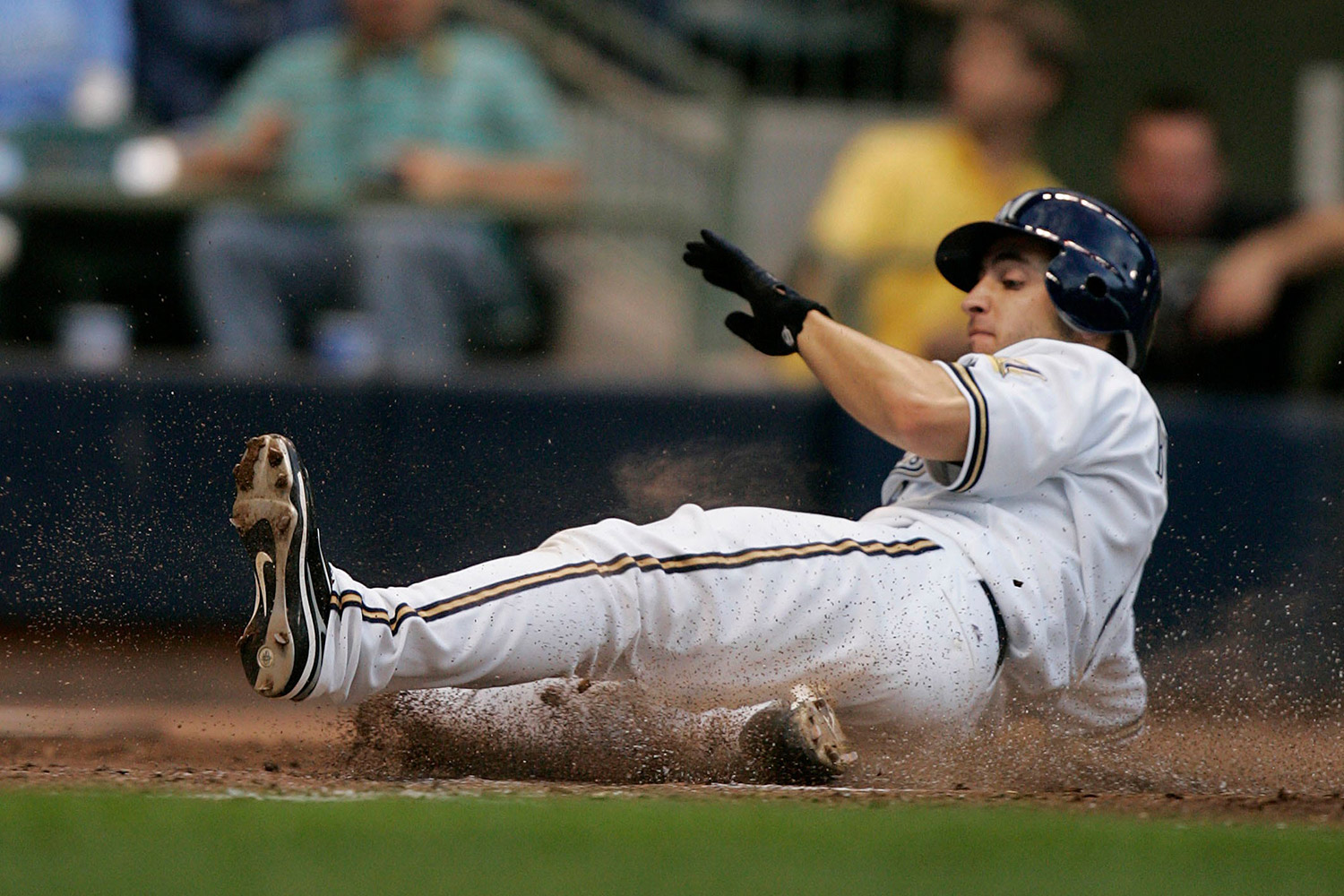 The top five served as the primary starters for 33 seasons – out of 54 in Brewers franchise history, showing that even in the doldrums, left field was rarely a worry for Brewers fans. So which left fielders were the best for the Brew Crew? Let’s take a look. 5. John Briggs .258/.358./441 with 80 HR and 259 RBI in 5 seasons with the Brewers Briggs was the primary starter in left field for three seasons and part of two others with the Crew. He delivered some power from the left side of the plate, saw time at first base, and did so over four decades before Eric Thames did the same. Briggs was traded to Minnesota for Bobby Darwin, who went to Boston for Bernie Carbo, who the Brewers dealt back to Boston with George Scott for Cecil Cooper, who ranked third on the list of best first basemen for the Crew. 4. Greg Vaughn .246/.333/.459 with 169 HR and 566 RBI in 8 seasons with the Brewers Greg Vaughn held down left field for six seasons – and lived up to his first-round draft status. He made two All-Star Game appearances as a Brewer but was dealt in 1996 while having one of his best seasons, with the Brewers receiving Bryce Florie, Ron Villone, and Marc Newfield in return. While he spent a lot of time in left field and at DH, Vaughn made occasional appearances in center and right field. 3. Geoff Jenkins .277/.344/.490 with 221 HR and 733 RBI in 10 seasons. In the doldrums of the late 1990s and early 2000s, Geoff Jenkins spent eight seasons as the primary left fielder. Injuries cost him a lot of games from 2001-2003, depressing his numbers some, but he and Ben Sheets carried the Brewers during a hard time, and Jenkins made the All-Star Game in 2003. He left as a free agent for the 2008 season and won a World Series with Philadelphia later that year. 2. Ben Oglivie .277/.345/.461 with 176 HR and 685 RBI in 9 seasons Acquired in a trade after the 1977 season, Ben Oglivie ended up being a steal for the Brewers (especially after Jim Slaton returned to the Crew as a free agent before 1979). Almost immediately, he forced his way into the lineup and was the primary left fielder for six seasons (but also saw a lot of time as designated hitter and in right field). He also served as the primary DH in 1986, where he was solid. He made three All-Star Game appearances, won a Silver Slugger, and had one top-15 MVP finish. 1. Ryan Braun .296/.358/.532 with 352 HR and 1154 RBI in 14 seasons Ryan Braun was the primary starter in left field for ten seasons, the most of any Brewer, but he also held down right field for two seasons, served as the primary DH in 2020, and won Rookie of the Year at third base in 2007. The all-time franchise leader in home runs, he also topped the team in some sabermetric categories, most notably the power-speed number and adjusted batting wins. Braun has some what-ifs (an injury that affected him after 2013, the move to left field instead of sticking at third), but he was a superb player. Honorable Mentions Khris Davis delivered offense for two seasons as the primary left fielder before an ill-advised deal to Oakland. Carlos Lee was acquired for Scott Podsednik and held down left for almost two seasons before he was dealt in a deal that flopped for the Crew. Christian Yelich is entering his fourth season as the primary left fielder, and while not at his 2018-2019 offensive performance, he was a Gold Glove finalist in 2022.
 -
Left field sometimes gets a bad rap – often being compared to where the crazy ideas come from. For the Brewers, though, left fielders have included some dominating defense and outstanding offense from players who locked the position down for years, many of whom were superb sluggers. The top five served as the primary starters for 33 seasons – out of 54 in Brewers franchise history, showing that even in the doldrums, left field was rarely a worry for Brewers fans. So which left fielders were the best for the Brew Crew? Let’s take a look. 5. John Briggs .258/.358./441 with 80 HR and 259 RBI in 5 seasons with the Brewers Briggs was the primary starter in left field for three seasons and part of two others with the Crew. He delivered some power from the left side of the plate, saw time at first base, and did so over four decades before Eric Thames did the same. Briggs was traded to Minnesota for Bobby Darwin, who went to Boston for Bernie Carbo, who the Brewers dealt back to Boston with George Scott for Cecil Cooper, who ranked third on the list of best first basemen for the Crew. 4. Greg Vaughn .246/.333/.459 with 169 HR and 566 RBI in 8 seasons with the Brewers Greg Vaughn held down left field for six seasons – and lived up to his first-round draft status. He made two All-Star Game appearances as a Brewer but was dealt in 1996 while having one of his best seasons, with the Brewers receiving Bryce Florie, Ron Villone, and Marc Newfield in return. While he spent a lot of time in left field and at DH, Vaughn made occasional appearances in center and right field. 3. Geoff Jenkins .277/.344/.490 with 221 HR and 733 RBI in 10 seasons. In the doldrums of the late 1990s and early 2000s, Geoff Jenkins spent eight seasons as the primary left fielder. Injuries cost him a lot of games from 2001-2003, depressing his numbers some, but he and Ben Sheets carried the Brewers during a hard time, and Jenkins made the All-Star Game in 2003. He left as a free agent for the 2008 season and won a World Series with Philadelphia later that year. 2. Ben Oglivie .277/.345/.461 with 176 HR and 685 RBI in 9 seasons Acquired in a trade after the 1977 season, Ben Oglivie ended up being a steal for the Brewers (especially after Jim Slaton returned to the Crew as a free agent before 1979). Almost immediately, he forced his way into the lineup and was the primary left fielder for six seasons (but also saw a lot of time as designated hitter and in right field). He also served as the primary DH in 1986, where he was solid. He made three All-Star Game appearances, won a Silver Slugger, and had one top-15 MVP finish. 1. Ryan Braun .296/.358/.532 with 352 HR and 1154 RBI in 14 seasons Ryan Braun was the primary starter in left field for ten seasons, the most of any Brewer, but he also held down right field for two seasons, served as the primary DH in 2020, and won Rookie of the Year at third base in 2007. The all-time franchise leader in home runs, he also topped the team in some sabermetric categories, most notably the power-speed number and adjusted batting wins. Braun has some what-ifs (an injury that affected him after 2013, the move to left field instead of sticking at third), but he was a superb player. Honorable Mentions Khris Davis delivered offense for two seasons as the primary left fielder before an ill-advised deal to Oakland. Carlos Lee was acquired for Scott Podsednik and held down left for almost two seasons before he was dealt in a deal that flopped for the Crew. Christian Yelich is entering his fourth season as the primary left fielder, and while not at his 2018-2019 offensive performance, he was a Gold Glove finalist in 2022. View full article
-
Brian Anderson to Brewers!!!! Yes!!!
Harold Hutchison replied to DR28's topic in Milwaukee Brewers Talk
Baseball Prospectus had Frelick, Mitchell, and Wiemer all in their Top 100 (plus Jackson Chourio). Frelick and Wiemer were in Baseball America's Top 100 before 2022 (https://www.baseball-reference.com/register/affiliate.cgi?id=MIL&year=2022). And Mitchell didn't do too shabby in his 2022 cup of coffee. If Winker does well, and Frelick and Wiemer struggle, keep the latter two in AAA. But if they both do well, then of the outfielders on the Brewers 26-man, Winker probably is the best to move, because then Yelich can DH, and the Crew would have three lefties and two righties, all of those players would provide superb defense. I'm just saying if Frelick and Wiemer force the issue (and given their Top 100 status, that is a strong possibility), then the Brewers need to figure out how to get them to the MLB team. -
In this case, I say the Crew should get what it can. The Astros could very well decide to wait out 2023, then sign Stearns and leave the Crew nothing.
-
Brian Anderson to Brewers!!!! Yes!!!
Harold Hutchison replied to DR28's topic in Milwaukee Brewers Talk
Because I'd consider an OF group of Frelick-Wiemer-Mitchell-Taylor-Yelich to be stronger than Frelick-Wiemer-Mitchell-Winker-Yelich. In the first group, the Crew has Frelick-Mitchell-Wiemer starting in the OF, Taylor as the 4th OF, and Yelich as 5th OF/DH. The second option is Yelich-Mitchell-Wiemer, with Frelick as 4th OF and Winker as 5th OF/DH. I think the first group works better, both in terms of balance and in terms of defense. -
Brian Anderson to Brewers!!!! Yes!!!
Harold Hutchison replied to DR28's topic in Milwaukee Brewers Talk
If Frelick/Wiemer struggle, they stay in AAA, and the Crew doesn't flip Winker. I'm just saying, if Frelick/Wiemer force the issue with superb play in Nashville, it's foolish NOT to call them up, and to move Winker to get some asset for the future. -
Brian Anderson to Brewers!!!! Yes!!!
Harold Hutchison replied to DR28's topic in Milwaukee Brewers Talk
To put it bluntly, at some point, Frelick and/or Wiemer are going to force their way to the majors at some point in 2023 - very likely by the All-Star break, if not sooner. The question, therefore, is how to maximize the team's potential down the road? Do we just keep Winker on the bench, and see him walk as a free agent with no compensation, or do we try and get something for him that could help the team? The latter option makes a lot more sense to me. Now, Anderson could stick around, leading to Brousseau's DFA, simply because Anderson does have the positional versatility Winker lacks. But if Frelick/Wiemer are tearing the cover off the ball, yeah, I'd move Winker. -
Over the years, the shortstop position has seen some iconic players across Major League Baseball. The Brewers have seen some great ones in their time, and some of that wasn’t so long ago. While some dominated the diamond with defense, others overpowered opposing teams offensively. Which shortstops have been the best in Brewers' history? 5. Bill Spiers .256/.306/.338 in six seasons, three as primary shortstop When Gary Sheffield went on the disabled list in 1989, Bill Spiers took over as the primary shortstop and didn’t give the job back. Spiers' calling card was more defense, but he also flashed some speed. The last three seasons in Milwaukee saw Spiers split time with others at shortstop, and he also played in the outfield and infield. 4. Willy Adames .256/.325./.483 with 51 HR and 156 RBI in two seasons Willy Adames has not been in Milwaukee for two full seasons, and he’s already on the charts. One reason is the raw power he displayed – 51 homers and 57 doubles in that time, and he already has displaced a Brewers legend in one statistical category. He’s also provided excellent defense. He could rocket up the charts should the Brewers manage to extend him. 3. Jose Valentin .240/.323/.421 with 90 HR and 343 RBI in eight seasons, six as primary shortstop Jose Valentin was part of the return for Gary Sheffield in a trade before the 1992 season. A switch hitter with power and speed, he held down shortstop for six seasons, a total exceeded by only one other Brewer as the primary starter. The Brewers traded him before 2000, which led to him delivering five more outstanding seasons with the White Sox. 2. J.J. Hardy .262/.328/.438 with 75 HR and 265 RBI in five seasons, four as primary shortstop JJ Hardy was less well-known or as hyped as Rickie Weeks and Prince Fielder, but combined with them and Ryan Braun as a devastating 1-2-3-4 punch at the top of the order from 2007-2008. Hardy provided power and defense and even drew occasional walks before he was traded for Carlos Gomez. Ultimately, Hardy's trade tree brought Josh Hader and Adrian Houser to Milwaukee several years after his departure from the Brewers. 1. Robin Yount .286/.331/.427 with 129 HR and 713 RBI in 11 seasons as primary shortstop .285/.342/.430 with 251 HR and 1,406 RBI in 20 seasons overall Could anyone else claim the title as the best shortstop of all for the Brewers? Yount made three All-Star Game appearances and had four top-20 MVP vote finishes as a shortstop. He posted one of the best offensive seasons of all time in 1982 after his offensive breakout in 1980, but he provided excellent defense from his rookie year in 1973. Honorable Mentions Orlando Arcia was a good-field, no-hit shortstop from 2016-2020, but his 2018 post-season is one of the best in team history. Jose Hernandez delivered two superb seasons at shortstop for the Crew. Pat Listach won the 1992 AL Rookie of the Year award before becoming a utility player after 1993. Bill Hall had a memorable season in 2006 after JJ Hardy was injured but was solid in part-time work. Dale Sveum posted a monster 1987 season before a gruesome injury near the end of 1988 derailed his career. Jean Segura had a great 2013 season for the Crew, but personal tragedy made a change of scenery inevitable. Brewer Fanatics, who are your top five shortstops in Brewer history? View full article
-
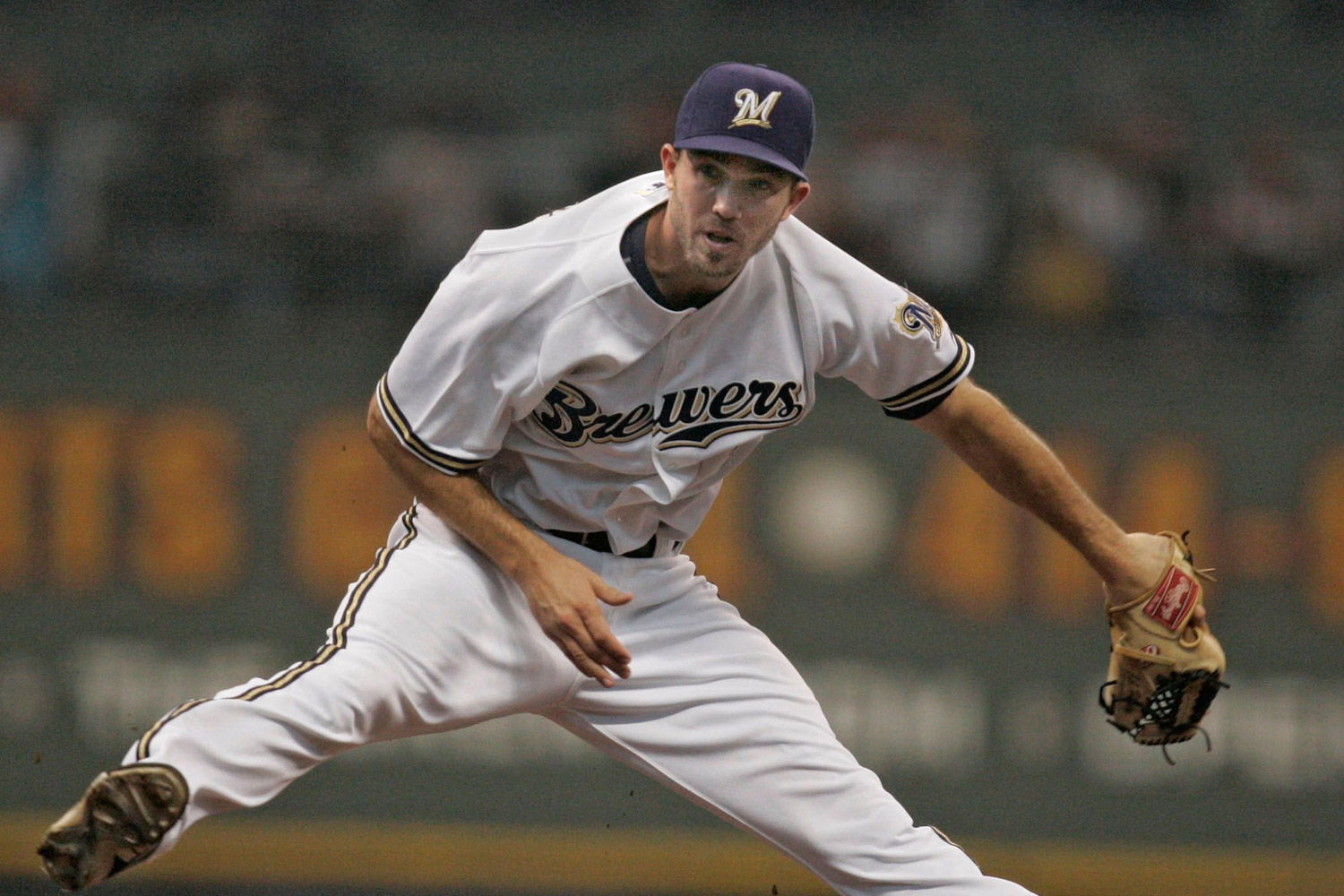 While some dominated the diamond with defense, others overpowered opposing teams offensively. Which shortstops have been the best in Brewers' history? 5. Bill Spiers .256/.306/.338 in six seasons, three as primary shortstop When Gary Sheffield went on the disabled list in 1989, Bill Spiers took over as the primary shortstop and didn’t give the job back. Spiers' calling card was more defense, but he also flashed some speed. The last three seasons in Milwaukee saw Spiers split time with others at shortstop, and he also played in the outfield and infield. 4. Willy Adames .256/.325./.483 with 51 HR and 156 RBI in two seasons Willy Adames has not been in Milwaukee for two full seasons, and he’s already on the charts. One reason is the raw power he displayed – 51 homers and 57 doubles in that time, and he already has displaced a Brewers legend in one statistical category. He’s also provided excellent defense. He could rocket up the charts should the Brewers manage to extend him. 3. Jose Valentin .240/.323/.421 with 90 HR and 343 RBI in eight seasons, six as primary shortstop Jose Valentin was part of the return for Gary Sheffield in a trade before the 1992 season. A switch hitter with power and speed, he held down shortstop for six seasons, a total exceeded by only one other Brewer as the primary starter. The Brewers traded him before 2000, which led to him delivering five more outstanding seasons with the White Sox. 2. J.J. Hardy .262/.328/.438 with 75 HR and 265 RBI in five seasons, four as primary shortstop JJ Hardy was less well-known or as hyped as Rickie Weeks and Prince Fielder, but combined with them and Ryan Braun as a devastating 1-2-3-4 punch at the top of the order from 2007-2008. Hardy provided power and defense and even drew occasional walks before he was traded for Carlos Gomez. Ultimately, Hardy's trade tree brought Josh Hader and Adrian Houser to Milwaukee several years after his departure from the Brewers. 1. Robin Yount .286/.331/.427 with 129 HR and 713 RBI in 11 seasons as primary shortstop .285/.342/.430 with 251 HR and 1,406 RBI in 20 seasons overall Could anyone else claim the title as the best shortstop of all for the Brewers? Yount made three All-Star Game appearances and had four top-20 MVP vote finishes as a shortstop. He posted one of the best offensive seasons of all time in 1982 after his offensive breakout in 1980, but he provided excellent defense from his rookie year in 1973. Honorable Mentions Orlando Arcia was a good-field, no-hit shortstop from 2016-2020, but his 2018 post-season is one of the best in team history. Jose Hernandez delivered two superb seasons at shortstop for the Crew. Pat Listach won the 1992 AL Rookie of the Year award before becoming a utility player after 1993. Bill Hall had a memorable season in 2006 after JJ Hardy was injured but was solid in part-time work. Dale Sveum posted a monster 1987 season before a gruesome injury near the end of 1988 derailed his career. Jean Segura had a great 2013 season for the Crew, but personal tragedy made a change of scenery inevitable. Brewer Fanatics, who are your top five shortstops in Brewer history?
 -
Brian Anderson to Brewers!!!! Yes!!!
Harold Hutchison replied to DR28's topic in Milwaukee Brewers Talk
At this point, I think Frelick is in AAA, until they flip oneof Hiura/Winker. As things stand now, here's how my 26-man breaks down the position player starts: c: Contreras (95), Caratini (67) 1b: Tellez (135), Hiura (27) 2b: Turang (110), Urias (25). Toro (15), Hiura (12) ss: Adames (135), Turang (17), Urias (10) 3b: Urias (85), Anderson (67), Toro (10) lf: Yelich (110), Hiura (15), Winker (25), Anderson (7) cf: Mitchell (115), Taylor (37), Turang (10) rf: Taylor (95), Anderson (60), Yelich (7) dh: Winker (80), Hiura (35), Contreras (25), Yelich (22)
