


Matthew Trueblood
-
Posts
1,922 -
Joined
-
Last visited
-
Days Won
10
Content Type
Profiles
Forums
Blogs
Events
News
2026 Milwaukee Brewers Top Prospects Ranking
Milwaukee Brewers Videos
2022 Milwaukee Brewers Draft Picks
Milwaukee Brewers Free Agent & Trade Rumors, Notes, & Tidbits
Guides & Resources
2023 Milwaukee Brewers Draft Picks
2024 Milwaukee Brewers Draft Picks
The Milwaukee Brewers Players Project
2025 Milwaukee Brewers Draft Pick Tracker
2026 Milwaukee Brewers Draft Tracker: Picks & Bonuses
Store
Downloads
Gallery
Everything posted by Matthew Trueblood
-
The BABIP Nightmare at Dodger Stadium Wasn't Just Bad Luck
Matthew Trueblood posted an article in Brewers
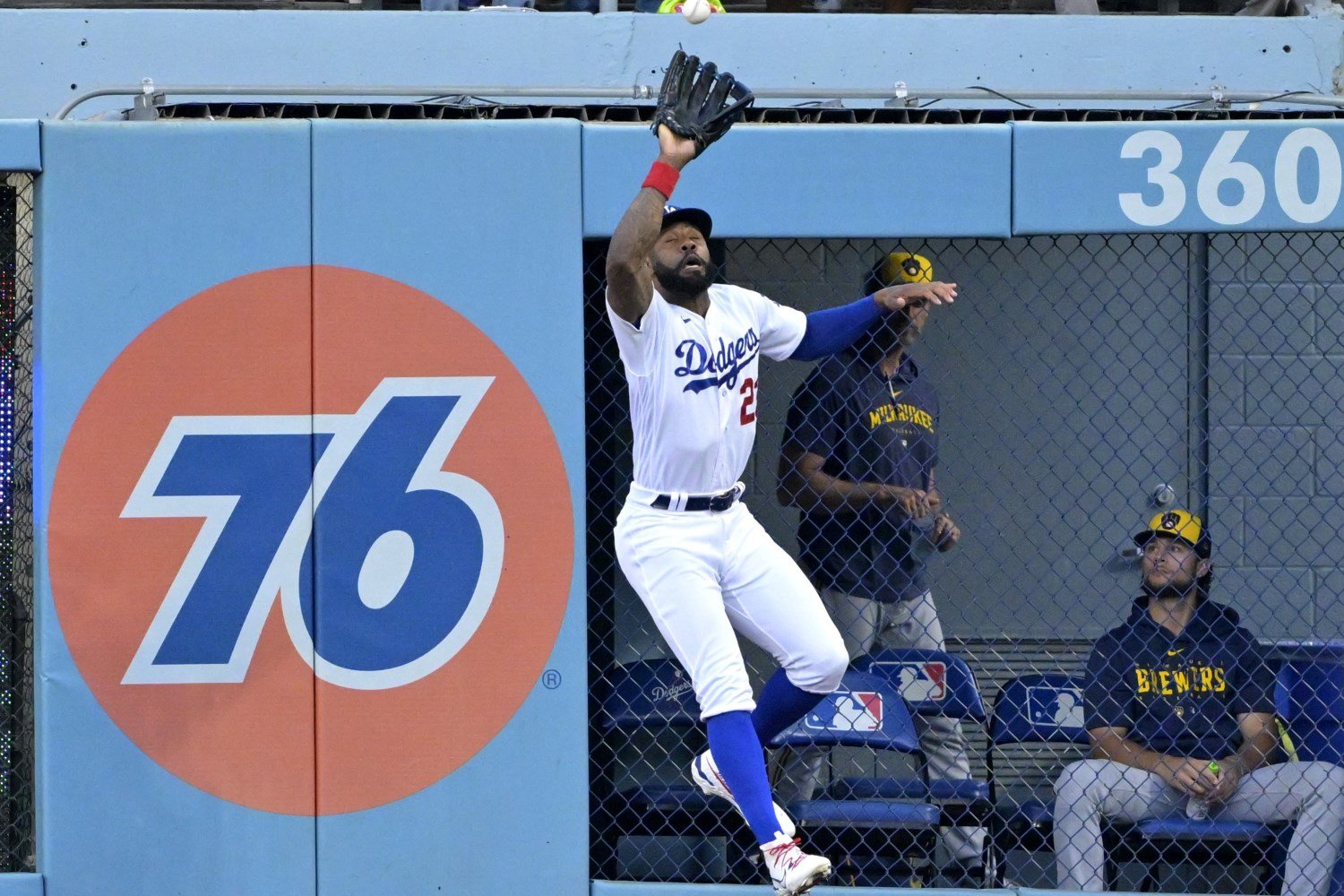 It's tempting in the extreme to think that the Brewers got excruciatingly unlucky in the Hollywood hills this week. It seemed like all their hard contact landed harmlessly in the gloves of Dodgers defenders. Worse, the Dodgers themselves seemed to escape the same fates, en route to just enough offense to sweep the Crew out of town. In some part, that's a valid narrative. The expected batting averages generated from Statcast data would, broadly speaking, corroborate it. The Brewers hit a healthy number of fly balls and lofted line drives, often with some zip behind them. Bad luck does happen, and it needn't be confined to a single inning or game. Sometimes, it spreads itself out over a struggling offense, like fingers of icy water seeking any low spot. On the other hand, though: the Dodgers have a great defense. The Brewers have, on average, an even better one, but the Dodgers are rising into their full bloom at just the right time, while the Brewers are trying to figure out where they can swap a bit of defensive prowess for some needed lineup thump. More importantly, though, the game is changing. The Brewers' many deep fly balls and line drives were caught, and many of them were caught easily, when even a decade ago, some of them might have split gaps or one-hopped the outfield walls. That's because, in the last 10 years, teams have changed the norms and the shape of outfield defense. The Statcast Era (once a tongue-in-cheek term, but an increasingly legitimate one) is now in its ninth full season. In the first (2015), the median team's center fielders played an average of 312 feet from home plate. That year, the Brewers were extremists. Their center fielders played an average of 318 feet from home, and only the Rays (although by eight feet!) played deeper. The Cubs played an average of 300 feet from the plate that year. As batted-ball data suffused and reshaped the sport, things changed almost overnight. By 2019, the median center fielder played 323 feet from the plate--deeper than anyone but the Rays had been positioning people just four years earlier. That year, no team played shallower (on average) than 315 feet from home, such that an average team in 2015 was playing a full step shallower than the shallowest team of 2019. The Dodgers don't play unusually deep, by 2023 standards. On the contrary, they're 21st in MLB in average starting depth for center fielders. That depth is 322 feet, though. They'd have been playing three steps deeper than the average club eight years ago, and they'd be bang on average four years ago. Now, the average depth is another step deeper, at 324 feet, and two teams (the Nationals and Angels) play at least 330 feet from home on average. Obviously, outfielders (and infielders, for that matter) adjust their positioning from batter to batter. It's not a complete picture to look only at average positioning. Nor is center field the only position to consider. It's enough of a snapshot, though, to remind us that there's been a subtle but significant shift in the way defense is played in the modern game. Teams have made a careful study of batted balls, and realized they should be playing their outfielders deeper. They've done it. Now, while it's necessary to focus on generating power (thanks to the still-high global strikeout rate, among other things), anything less than over-the-fence power pays off much less than it used to. Draw a line at any batted-ball distance you prefer (I checked everywhere from 250 to 300 feet), and balls hit at least that far but not out of the park have gotten less productive over the period since 2015. The league's weighted on-base average (wOBA) on such balls was around .270 each year from 2015 to 2017, but it's been just under .250 each of the last two seasons. Deeper-positioned outfielders catch more long fly balls, which means the only valuable long fly balls are the ones that clear the wall. Last year, the Brewers cleared the wall more than enough times to make an approach centered on long fly balls viable, This year, they're Team Warning Track Power, 22nd in MLB in homers and 28th in wOBA on contact. They don't swing and miss at an especially high rate. They draw a lot of walks, as a team. They can't consistently convert their grinding approach into runs, though, because they just don't have the power that fueled their offense last year. In a series like the one in Los Angeles, that becomes especially glaring, because the marine layer seeps in during those Dodger Stadium night games and makes it hard on fly balls that aren't absolutely obliterated. Austin Barnes beat the Crew Thursday night with a home run yanked into the reachable left-field corner, but alas, the Brewers also pull the ball less than almost any other team in MLB, such that they're too often using the big part of the field when they hit their good-not-great flies. This offense is capable of more than it has shown. That won't matter unless they unlock their potential in a hurry, though, and Dodger Stadium in August is just a friendly preview of the heavy air the team might find waiting for them in night games in Philadelphia, Chicago, or San Francisco come October. An approach change is needed, because given the way teams defend the outer reaches of the field in this new era of big-league baseball, hitting deepish fly balls just isn't a productive way to go.
 -
Some of those balls were well-struck, but it wasn't mere misfortune that lodged them in Dodgers leather. Image courtesy of © Jayne Kamin-Oncea-USA TODAY Sports It's tempting in the extreme to think that the Brewers got excruciatingly unlucky in the Hollywood hills this week. It seemed like all their hard contact landed harmlessly in the gloves of Dodgers defenders. Worse, the Dodgers themselves seemed to escape the same fates, en route to just enough offense to sweep the Crew out of town. In some part, that's a valid narrative. The expected batting averages generated from Statcast data would, broadly speaking, corroborate it. The Brewers hit a healthy number of fly balls and lofted line drives, often with some zip behind them. Bad luck does happen, and it needn't be confined to a single inning or game. Sometimes, it spreads itself out over a struggling offense, like fingers of icy water seeking any low spot. On the other hand, though: the Dodgers have a great defense. The Brewers have, on average, an even better one, but the Dodgers are rising into their full bloom at just the right time, while the Brewers are trying to figure out where they can swap a bit of defensive prowess for some needed lineup thump. More importantly, though, the game is changing. The Brewers' many deep fly balls and line drives were caught, and many of them were caught easily, when even a decade ago, some of them might have split gaps or one-hopped the outfield walls. That's because, in the last 10 years, teams have changed the norms and the shape of outfield defense. The Statcast Era (once a tongue-in-cheek term, but an increasingly legitimate one) is now in its ninth full season. In the first (2015), the median team's center fielders played an average of 312 feet from home plate. That year, the Brewers were extremists. Their center fielders played an average of 318 feet from home, and only the Rays (although by eight feet!) played deeper. The Cubs played an average of 300 feet from the plate that year. As batted-ball data suffused and reshaped the sport, things changed almost overnight. By 2019, the median center fielder played 323 feet from the plate--deeper than anyone but the Rays had been positioning people just four years earlier. That year, no team played shallower (on average) than 315 feet from home, such that an average team in 2015 was playing a full step shallower than the shallowest team of 2019. The Dodgers don't play unusually deep, by 2023 standards. On the contrary, they're 21st in MLB in average starting depth for center fielders. That depth is 322 feet, though. They'd have been playing three steps deeper than the average club eight years ago, and they'd be bang on average four years ago. Now, the average depth is another step deeper, at 324 feet, and two teams (the Nationals and Angels) play at least 330 feet from home on average. Obviously, outfielders (and infielders, for that matter) adjust their positioning from batter to batter. It's not a complete picture to look only at average positioning. Nor is center field the only position to consider. It's enough of a snapshot, though, to remind us that there's been a subtle but significant shift in the way defense is played in the modern game. Teams have made a careful study of batted balls, and realized they should be playing their outfielders deeper. They've done it. Now, while it's necessary to focus on generating power (thanks to the still-high global strikeout rate, among other things), anything less than over-the-fence power pays off much less than it used to. Draw a line at any batted-ball distance you prefer (I checked everywhere from 250 to 300 feet), and balls hit at least that far but not out of the park have gotten less productive over the period since 2015. The league's weighted on-base average (wOBA) on such balls was around .270 each year from 2015 to 2017, but it's been just under .250 each of the last two seasons. Deeper-positioned outfielders catch more long fly balls, which means the only valuable long fly balls are the ones that clear the wall. Last year, the Brewers cleared the wall more than enough times to make an approach centered on long fly balls viable, This year, they're Team Warning Track Power, 22nd in MLB in homers and 28th in wOBA on contact. They don't swing and miss at an especially high rate. They draw a lot of walks, as a team. They can't consistently convert their grinding approach into runs, though, because they just don't have the power that fueled their offense last year. In a series like the one in Los Angeles, that becomes especially glaring, because the marine layer seeps in during those Dodger Stadium night games and makes it hard on fly balls that aren't absolutely obliterated. Austin Barnes beat the Crew Thursday night with a home run yanked into the reachable left-field corner, but alas, the Brewers also pull the ball less than almost any other team in MLB, such that they're too often using the big part of the field when they hit their good-not-great flies. This offense is capable of more than it has shown. That won't matter unless they unlock their potential in a hurry, though, and Dodger Stadium in August is just a friendly preview of the heavy air the team might find waiting for them in night games in Philadelphia, Chicago, or San Francisco come October. An approach change is needed, because given the way teams defend the outer reaches of the field in this new era of big-league baseball, hitting deepish fly balls just isn't a productive way to go. View full article
-
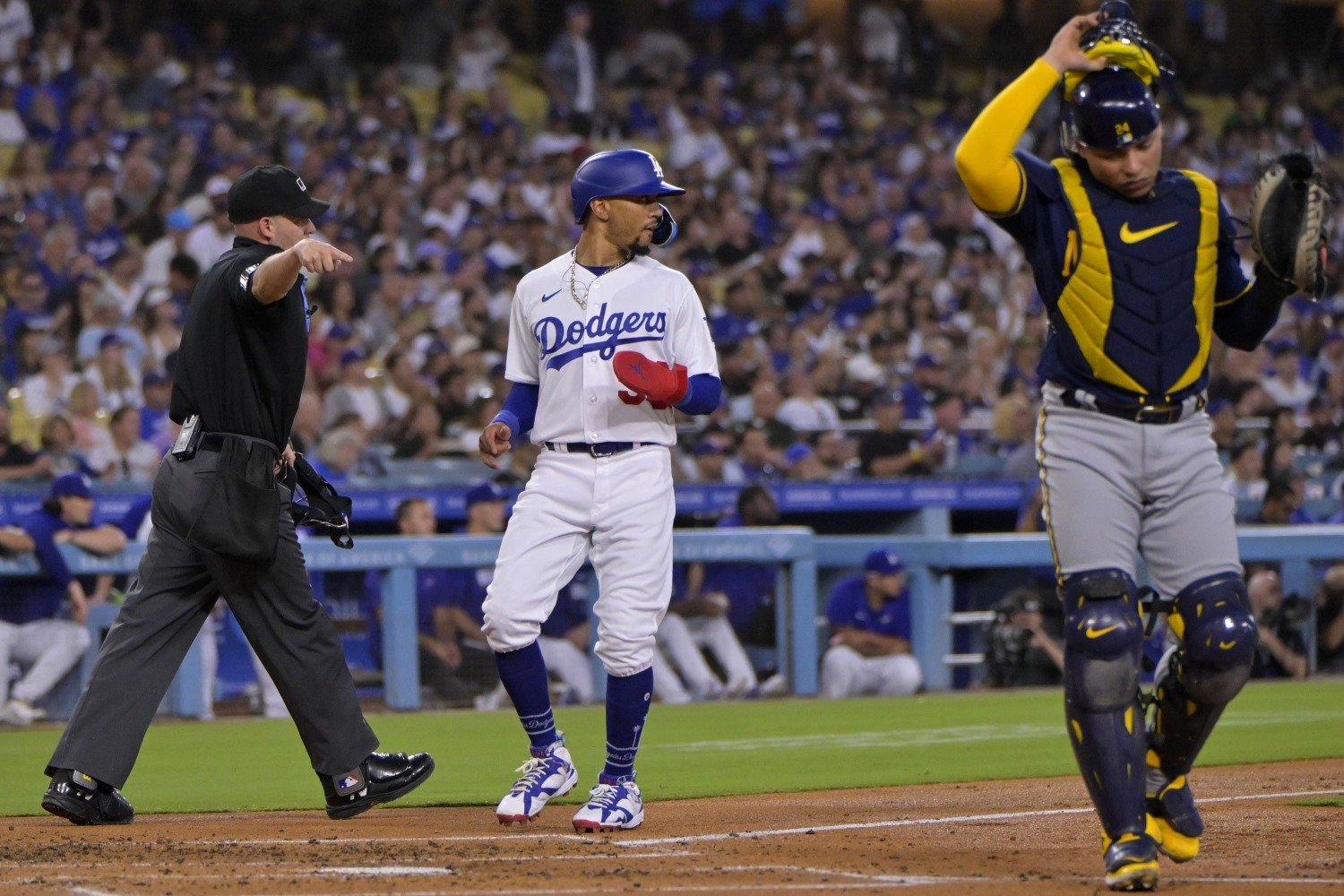 One thing you need to know about me is that I'm a catcher's interference nerd from way back. I've always loved tracking them, especially when a hitter is unusually good at causing them, or when a catcher is unusually bad at avoiding them. (I bet it won't surprise you to learn that Pete Rose long held the record for times reaching base that way, but are enough of a head to remember Jacoby Ellsbury's extraordinary race for that record?) Even absent that aspect of it, though, it's interesting to attune to catcher's interference, because the trend line league-wide in their frequency is impossible to miss. A decade ago, a night like the one William Contreras just had--twice committing interference in one game--would constitute almost 10 percent of all the instances of interference over an entire season, for the whole season. Now, it feels much more like a drop in the bucket. The numbers above don't even include Contreras's foibles last night. That's another thing, though. Are these really mistakes? Or are they just the natural, unavoidable, occasional result of changes in the way hitters, pitchers, catchers, and umpires interact? I wrote at length about this in 2017, for Baseball Prospectus. Hitters are trained, more than ever, to let their barrel travel backward as they begin their swing, to generate power and get on plane with the incoming pitch. They do so from the very back edge of the box, because pitchers throw harder than ever and are trained to maximize their extension toward home plate, so the precious extra inches of distance from setting up even in the middle of the box are much-needed. Catchers, meanwhile, know they're increasingly evaluated (and eventually paid) based on their pitch framing. They try to catch most pitches earlier, closer to when they cross home plate, because that's when they're more likely to look like strikes to the umpire. Thus, we have hitters taking bigger swings from deeper in the box and catchers creeping up to stick their mitts out there to get the ball if the big swing doesn't come. The real estate within which so much of the game is decided has moved slightly back, and it's become more densely populated. Collisions are inevitable. The Brewers' famous prioritization and excellent instruction of catchers in the area of framing seems to come at some cost in this area. They're now up to six catcher's interferences this season, second-most in MLB. Contreras, alone, accounts for five of those. No individual catcher in baseball has that many. In the medium term, he'll have to find some way to continue being a good pitch framer, without putting his glove out there quite so far. Giving up outs and runner advancement that way is always frustrating, but just as importantly, there's always some risk that this kind of collision could lead to an injury. For now, it's not a huge deal. The Brewers would not have won Wednesday night, even absent those accidents. It's just a little baseball enigma worth unraveling, while we have the chance.
 -
Twice in the early stages of Wednesday night's Brewers-Dodgers game, a catcher's interference helped the Dodgers score. This is becoming a pattern, so let's talk about it a bit. A decade ago, a night like the one William Contreras just had--twice committing interference in one game--would constitute almost 10 percent of all the instances of interference over an entire season, for the whole season. Now, it feels much more like a drop in the bucket. The numbers above don't even include Contreras's foibles last night. That's another thing, though. Are these really mistakes? Or are they just the natural, unavoidable, occasional result of changes in the way hitters, pitchers, catchers, and umpires interact? I wrote at length about this in 2017, for Baseball Prospectus. Hitters are trained, more than ever, to let their barrel travel backward as they begin their swing, to generate power and get on plane with the incoming pitch. They do so from the very back edge of the box, because pitchers throw harder than ever and are trained to maximize their extension toward home plate, so the precious extra inches of distance from setting up even in the middle of the box are much-needed. Catchers, meanwhile, know they're increasingly evaluated (and eventually paid) based on their pitch framing. They try to catch most pitches earlier, closer to when they cross home plate, because that's when they're more likely to look like strikes to the umpire. Thus, we have hitters taking bigger swings from deeper in the box and catchers creeping up to stick their mitts out there to get the ball if the big swing doesn't come. The real estate within which so much of the game is decided has moved slightly back, and it's become more densely populated. Collisions are inevitable. The Brewers' famous prioritization and excellent instruction of catchers in the area of framing seems to come at some cost in this area. They're now up to six catcher's interferences this season, second-most in MLB. Contreras, alone, accounts for five of those. No individual catcher in baseball has that many. In the medium term, he'll have to find some way to continue being a good pitch framer, without putting his glove out there quite so far. Giving up outs and runner advancement that way is always frustrating, but just as importantly, there's always some risk that this kind of collision could lead to an injury. For now, it's not a huge deal. The Brewers would not have won Wednesday night, even absent those accidents. It's just a little baseball enigma worth unraveling, while we have the chance. View full article
-
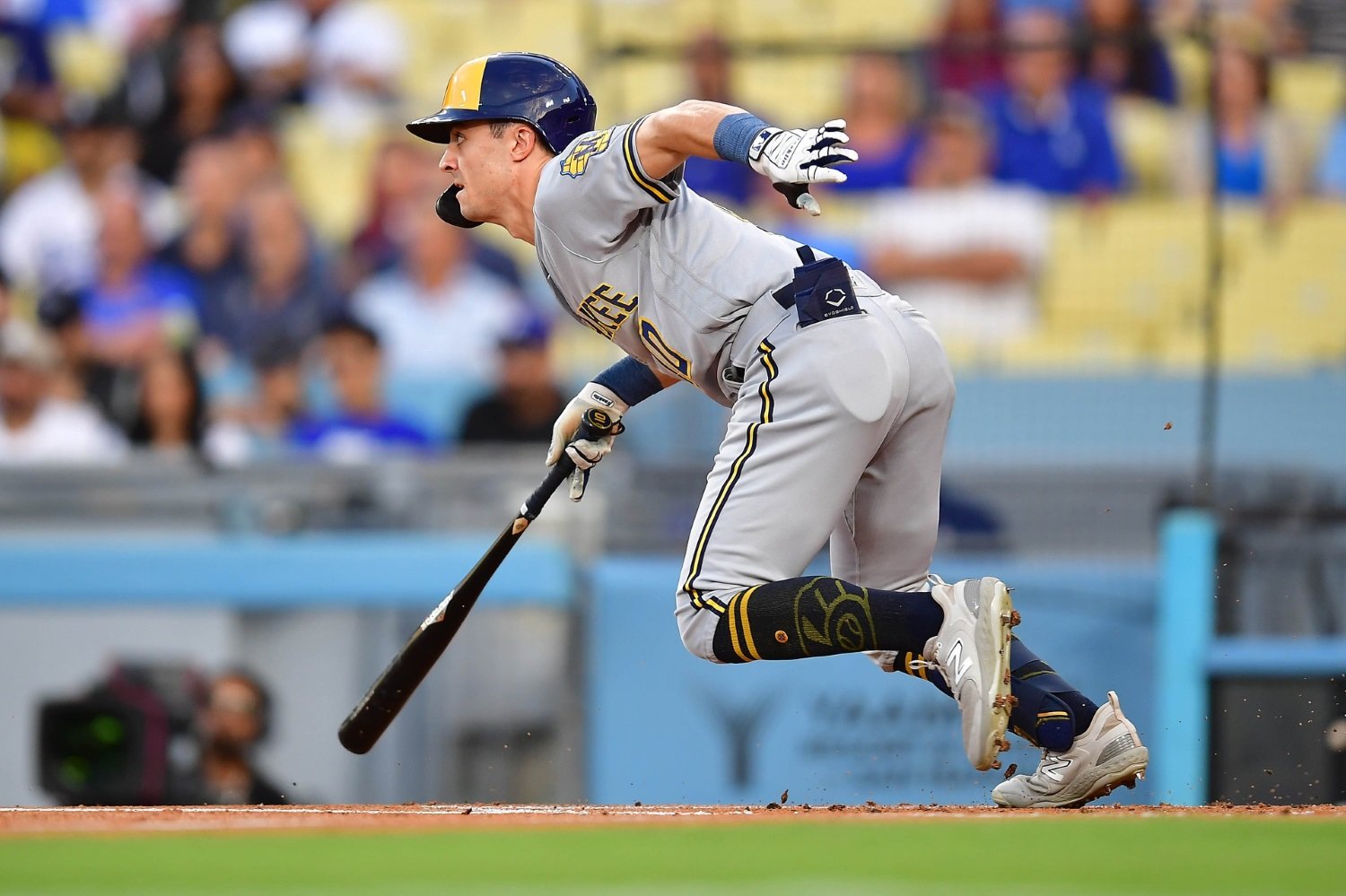 Sal Frelick couldn't have hit the ground running much more smoothly. His famous debut was only part of the story. For a bit, he looked like the savior of an underperforming Brewers lineup. He hit .273/.436/.546 in his first 16 games, and although none of his three home runs were moonshots, he seemed to be answering the questions everyone had previously had about his upside. Craig Counsell showed his confidence in the new guy by installing him as the cleanup hitter. Since then, Frelick has hit a rough patch. He's batted just .191/.261/.238 over his last six games, comprising 23 plate appearances. That sample, alone, is so tiny as to be meaningless, and anyway, he's walked twice and struck out only three times in that brief span. Dig in on a more granular level, though, and there are reasons to raise an eyebrow and wonder about that offensive upside, after all. Frelick has yet to hit a ball even 106 miles per hour in the big leagues. That isn't great. The median maximum exit velocity for qualifying hitters this year is 111 MPH, and if Frelick qualified, he'd rank in the bottom 10 overall. It's a survivable flaw, though. That end of the list is populated by players who share a lot of Frelick's positive traits, like good plate discipline, excellent contact skills, and value on the bases or in the field. Steven Kwan, T.J. Friedl, Luis Arraez, and Alex Bregman are all in the same range. So, for that matter, is Brice Turang. Those names highlight just how good a pure hitter one has to be to overcome the lack of legitimate power, though. Frelick can be valuable as an individual because of his great defensive skills, but if he wants to serve the team as the kind of major offensive threat they're hoping for down the stretch, his margin for error is pretty thin. He has to either gear up and start attacking the ball more, or get even better at controlling and defending the strike zone. With wizard-like hands and wrists, Frelick avoids whiffing very much even on breaking balls and off-speed stuff, but it's only against fastballs that he does actual damage. His average exit velocity against everything else is 79.8 miles per hour, which not only ranks 496th of the 508 hitters who have had at least 10 batted balls on soft stuff this year, but actually (if infinitesimally) trails Mike Brosseau. Frelick doesn't crush balls in the heart of the strike zone, at least so far. He also doesn't swing the bat very often, relative to the rest of the league, regardless of whether the ball is in the strike zone or not. He's certainly a patient hitter, but he hasn't yet shown that he can manage the line between patience and passivity well. As a result, pitchers get a lot of called strikes against him, as long as they stay out of the middle of the plate. They don't need to generate many whiffs from him if they can continue to pound the zone with strikes at which he doesn't even offer. It's impossible to tell, at this early date, whether Frelick can adjust to and alter all of that. He's shown the bat speed to drive the ball out of the park, and to the pull field, but now, he has to show that he can sit on stuff that will be slow and bendy, rather than fast and straight, and still hit it with authority. He has to get more aggressive within the zone, in order to force pitchers to throw him fewer strikes. Again, he's going to put up good overall numbers, in categories like Wins Above Replacement, because he's a good contact hitter, baserunner, and outfielder. To have the impact the Brewers want over the final seven weeks, however, he has to quickly learn and improve upon the work he's already done.
 -
Pitchers have figured out what they need to do against the Brewers' hottest rookie hitter. Now, he has to try to find a way to combat their changing approach. Image courtesy of © Gary A. Vasquez-USA TODAY Sports Sal Frelick couldn't have hit the ground running much more smoothly. His famous debut was only part of the story. For a bit, he looked like the savior of an underperforming Brewers lineup. He hit .273/.436/.546 in his first 16 games, and although none of his three home runs were moonshots, he seemed to be answering the questions everyone had previously had about his upside. Craig Counsell showed his confidence in the new guy by installing him as the cleanup hitter. Since then, Frelick has hit a rough patch. He's batted just .191/.261/.238 over his last six games, comprising 23 plate appearances. That sample, alone, is so tiny as to be meaningless, and anyway, he's walked twice and struck out only three times in that brief span. Dig in on a more granular level, though, and there are reasons to raise an eyebrow and wonder about that offensive upside, after all. Frelick has yet to hit a ball even 106 miles per hour in the big leagues. That isn't great. The median maximum exit velocity for qualifying hitters this year is 111 MPH, and if Frelick qualified, he'd rank in the bottom 10 overall. It's a survivable flaw, though. That end of the list is populated by players who share a lot of Frelick's positive traits, like good plate discipline, excellent contact skills, and value on the bases or in the field. Steven Kwan, T.J. Friedl, Luis Arraez, and Alex Bregman are all in the same range. So, for that matter, is Brice Turang. Those names highlight just how good a pure hitter one has to be to overcome the lack of legitimate power, though. Frelick can be valuable as an individual because of his great defensive skills, but if he wants to serve the team as the kind of major offensive threat they're hoping for down the stretch, his margin for error is pretty thin. He has to either gear up and start attacking the ball more, or get even better at controlling and defending the strike zone. With wizard-like hands and wrists, Frelick avoids whiffing very much even on breaking balls and off-speed stuff, but it's only against fastballs that he does actual damage. His average exit velocity against everything else is 79.8 miles per hour, which not only ranks 496th of the 508 hitters who have had at least 10 batted balls on soft stuff this year, but actually (if infinitesimally) trails Mike Brosseau. Frelick doesn't crush balls in the heart of the strike zone, at least so far. He also doesn't swing the bat very often, relative to the rest of the league, regardless of whether the ball is in the strike zone or not. He's certainly a patient hitter, but he hasn't yet shown that he can manage the line between patience and passivity well. As a result, pitchers get a lot of called strikes against him, as long as they stay out of the middle of the plate. They don't need to generate many whiffs from him if they can continue to pound the zone with strikes at which he doesn't even offer. It's impossible to tell, at this early date, whether Frelick can adjust to and alter all of that. He's shown the bat speed to drive the ball out of the park, and to the pull field, but now, he has to show that he can sit on stuff that will be slow and bendy, rather than fast and straight, and still hit it with authority. He has to get more aggressive within the zone, in order to force pitchers to throw him fewer strikes. Again, he's going to put up good overall numbers, in categories like Wins Above Replacement, because he's a good contact hitter, baserunner, and outfielder. To have the impact the Brewers want over the final seven weeks, however, he has to quickly learn and improve upon the work he's already done. View full article
-
The Brewers have had two consistently productive hitters in their lineup this year. One of them is doing it without any physical consistency, though, and it might be catching up to him. Image courtesy of © Kamil Krzaczynski-USA TODAY Sports No batter in MLB changes their stance and setup at the plate as frequently, nor varies those things as widely, as Brewers catcher William Contreras. He tinkers relentlessly, in ways noticeable even by casual fans. A kid looking to mimic his stance could, instead of doing anything in particular, assume whatever stance suited them and then claim it was Contreras's, and they'd probably be right. Contreras has utilized a closed stance at times this year, with his front foot closer to home plate than his back foot. 54088349-1e7e-4942-b6ad-92b27dc61997.mp4 He's also gone with an even stance, perhaps more often than anything else. a2686123-58f4-45ca-bfbe-4c4bb9342d11.mp4 Lately, though, he's slightly favored an open stance, with his front foot farther from home than his back foot. f8969019-6070-4065-aae3-5efba9f58584.mp4 Even then, he's not made that a permanent change. Nor is the position of his feet the only variable in his stance, setup, or swing. He adjusts the angle at which he holds his bat, the height of his hands, and his front foot's timing mechanism. He's used a toe tap, a high leg kick, and everything in between. Early in the season, he was using a back-foot stomp and slide to time and steer his weight transfer. In this age of tightly engineered, often grooved swings, it's a bit refreshing to see a player who hits by feel the way Contreras does. Certainly, given that he has been one of just two above-average regulars in the Brewers lineup all year (along with Christian Yelich), it's hard to criticize Contreras, who has also made such impressive improvements as a defensive catcher this year. Still, this lack of a sure, fixed foundation for his swing does seem to be costing Contreras something. He was a somewhat extreme ground-ball hitter even over the last two seasons, with Atlanta, and that tendency has grown even more pronounced this year. He's also pulling the ball less often in 2023. As anyone reading the offensive leaderboards can tell you, the Braves are the best team in baseball at helping hitters lock in on pitches to drive. They trade some contact to do so, but the exchange is a huge net win for them. Contreras has slashed his strikeout rate in his first season with the Crew, from over 27 percent to 20 percent. That's valuable. However, he's also given away a substantial element of power. Recently, pitchers are responding to that fact, and Contreras is seeing far more pitches in the strike zone--leading to very few walks. Though he's technically hitting at a higher average exit velocity and making hard contact more often than in the past, the odds that that well-struck ball will be on the ground to the right side make pitchers unafraid of him. Superficially, Contreras has still been very good since the start of July--better than earlier in the season, in fact. He's hitting .324/.389/.500 over that span. Some of that production has merely been a matter of picking on bad pitchers in blowouts, though. In reality, he's making less frequent high-quality contact, and in addition to his expected statistics being much less pretty than his actual ones, he's running a negative Win Probability Added during this month and a half. A functional playoff-caliber offense can't get so little meaningful production from a vital player. The Crew's young slugger has to lock in on something that will allow him to actually slug. There doesn't appear to be anything systematic or situational about Contreras's variations in stance and approach from one at-bat to another, or one game to another. It just looks as though he's trying what feels most comfortable in each moment. That's fine, broadly speaking, and his overall stats say it's working for him. As the pennant race heats up and cashing in opportunities becomes more important, however, the Brewers need Contreras to develop a more consistent idea of what his objectives are when he steps into the batter's box, and of how he can meet them. Failing that, he'll continue to be part of a tantalizing but frustrating lineup down the stretch. View full article
-
Are WIlliam Contreras's Constant Changes At the Plate Working?
Matthew Trueblood posted an article in Brewers
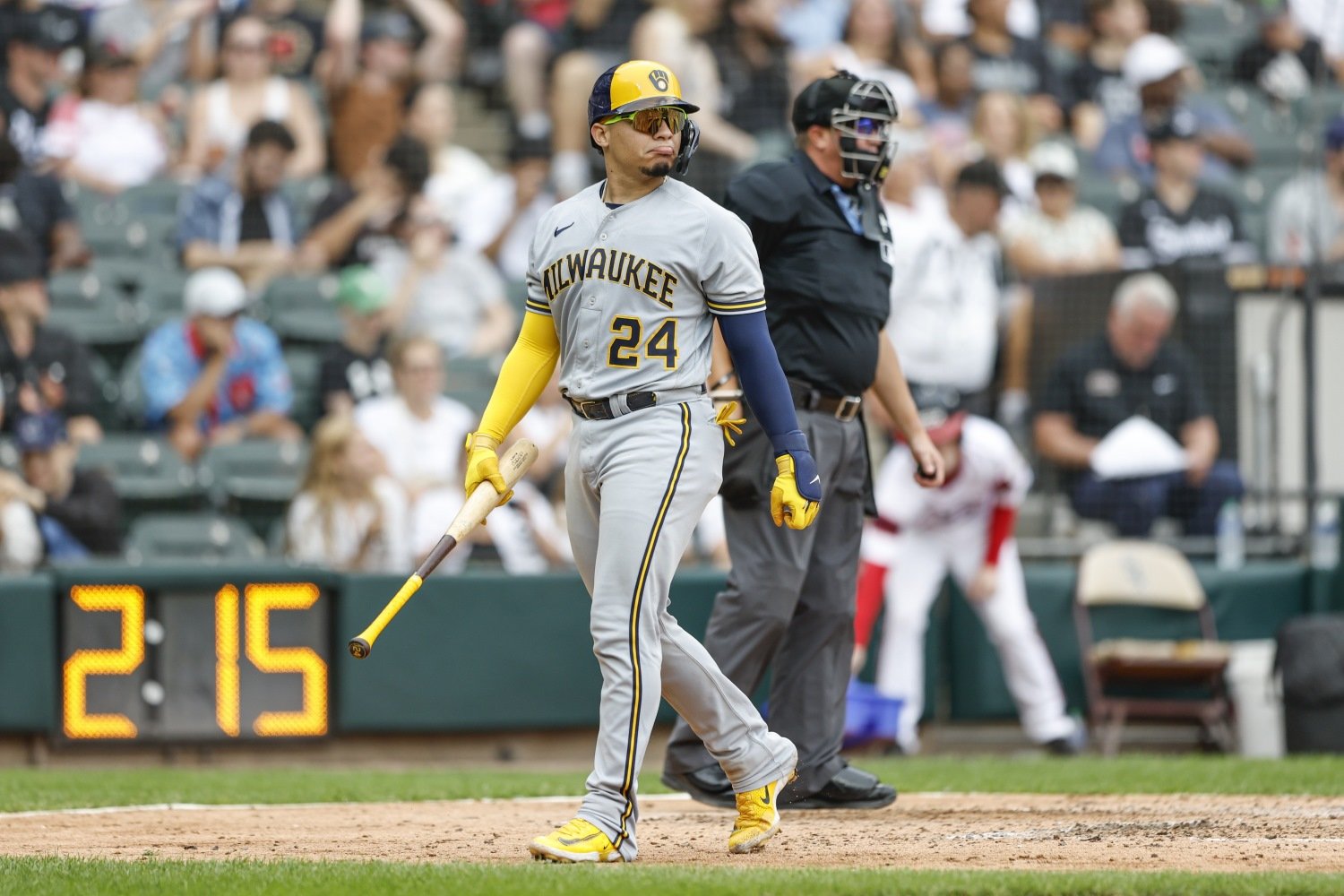 No batter in MLB changes their stance and setup at the plate as frequently, nor varies those things as widely, as Brewers catcher William Contreras. He tinkers relentlessly, in ways noticeable even by casual fans. A kid looking to mimic his stance could, instead of doing anything in particular, assume whatever stance suited them and then claim it was Contreras's, and they'd probably be right. Contreras has utilized a closed stance at times this year, with his front foot closer to home plate than his back foot. 54088349-1e7e-4942-b6ad-92b27dc61997.mp4 He's also gone with an even stance, perhaps more often than anything else. a2686123-58f4-45ca-bfbe-4c4bb9342d11.mp4 Lately, though, he's slightly favored an open stance, with his front foot farther from home than his back foot. f8969019-6070-4065-aae3-5efba9f58584.mp4 Even then, he's not made that a permanent change. Nor is the position of his feet the only variable in his stance, setup, or swing. He adjusts the angle at which he holds his bat, the height of his hands, and his front foot's timing mechanism. He's used a toe tap, a high leg kick, and everything in between. Early in the season, he was using a back-foot stomp and slide to time and steer his weight transfer. In this age of tightly engineered, often grooved swings, it's a bit refreshing to see a player who hits by feel the way Contreras does. Certainly, given that he has been one of just two above-average regulars in the Brewers lineup all year (along with Christian Yelich), it's hard to criticize Contreras, who has also made such impressive improvements as a defensive catcher this year. Still, this lack of a sure, fixed foundation for his swing does seem to be costing Contreras something. He was a somewhat extreme ground-ball hitter even over the last two seasons, with Atlanta, and that tendency has grown even more pronounced this year. He's also pulling the ball less often in 2023. As anyone reading the offensive leaderboards can tell you, the Braves are the best team in baseball at helping hitters lock in on pitches to drive. They trade some contact to do so, but the exchange is a huge net win for them. Contreras has slashed his strikeout rate in his first season with the Crew, from over 27 percent to 20 percent. That's valuable. However, he's also given away a substantial element of power. Recently, pitchers are responding to that fact, and Contreras is seeing far more pitches in the strike zone--leading to very few walks. Though he's technically hitting at a higher average exit velocity and making hard contact more often than in the past, the odds that that well-struck ball will be on the ground to the right side make pitchers unafraid of him. Superficially, Contreras has still been very good since the start of July--better than earlier in the season, in fact. He's hitting .324/.389/.500 over that span. Some of that production has merely been a matter of picking on bad pitchers in blowouts, though. In reality, he's making less frequent high-quality contact, and in addition to his expected statistics being much less pretty than his actual ones, he's running a negative Win Probability Added during this month and a half. A functional playoff-caliber offense can't get so little meaningful production from a vital player. The Crew's young slugger has to lock in on something that will allow him to actually slug. There doesn't appear to be anything systematic or situational about Contreras's variations in stance and approach from one at-bat to another, or one game to another. It just looks as though he's trying what feels most comfortable in each moment. That's fine, broadly speaking, and his overall stats say it's working for him. As the pennant race heats up and cashing in opportunities becomes more important, however, the Brewers need Contreras to develop a more consistent idea of what his objectives are when he steps into the batter's box, and of how he can meet them. Failing that, he'll continue to be part of a tantalizing but frustrating lineup down the stretch.
 -
The price tag on the needed renovations at American Family Field keeps rising, but it's not any dollar amount you should worry about most. Image courtesy of © Benny Sieu-USA TODAY Sports Back in February, a slow volley of proposals for the joint funding of renovations needed at American Family Field in Milwaukee began. The Wisconsin state government, the county, and the Brewers are dancing around one another, trying to find the sweet spot where each contributes a tolerable amount to a project that purports to update and improve the ballpark. The price tags mentioned have ranged from just over $400 million to almost $700 million, with varying divisions of responsibility for each party. I'm a firm believer that Mark Attanasio, who bought the Brewers for $223 million in 2006 and could sell it at no less than a 300 percent profit tomorrow if he so chose, should pay for the renovations--that is, that a billion-dollar corporation enmeshed in a massive cartel that reduces their risk to almost nil should avoid asking taxpayers in any state or municipality to bear their upkeep costs. However, understanding the realities of the modern sporting and political landscapes, I have no intention of hollering about government bodies chipping in on this type of project. It happens; it will continue to happen. It's not the end of the world, but rather, a sure but livable sign that the world is an imperfect place. Rather, I want to ensure that we focus on the one number that will tell the tale of the Brewers' true motives throughout this project. Right now, that number is at 41,900, but the important thing to watch is whether and in what direction it changes. That figure, of course, is the crowd capacity of the stadium. It's almost perfectly average, in MLB. The danger is that it could shrink, because a recent trend in renovations like these has seen teams decrease their home parks' capacities in favor of creating premium spaces and experiences. They're artificially suppressing supply, which drives up the cost of the cheapest tickets they have to put into the marketplace, and they're also making much more money by pulling in corporate and other wealthy customers. They sell all-inclusive options and elite packages, and their profit margin rises. The Cleveland Guardians are the most egregious offenders in this way, but they're far from the only ones. The Rockies, the Red Sox, the Blue Jays, and the Cubs have all done it, too, to varying degrees. Lowering stadium capacity brings down attendance numbers for the full season, obviously, and can give teams more leverage in later negotiations of precisely the kind the Brewers are trying to conduct with the state and county right now. It's so lucrative to rake in money from relatively few big-spending customers that teams stop caring nearly as much about their median customers--middle-class individuals and families, who can afford to attend only a few games a year. Big crowds make baseball better. Crowds actively and intrinsically engaged with the game in front of them make baseball better. Teams in MLB, already massively subsidized and dependent on decades of goodwill and multi-generational brand loyalty for their privileged place in our society, should be expected to act in the public interest, even while being allowed to make enormous profits. Some surtax will eventually pass, piling extra financial burdens onto Wisconsinites (and especially Milwaukee-area residents) to help ensure that the Brewers stick around for another generation or two. That's not so bad, in the long run. If the team starts talking about changes that bring down the stadium's capacity to 39,000 or something, though, it's a sign that they're trying to wring more than they have a right to out of the whole situation, and fans should object strenuously. View full article
-
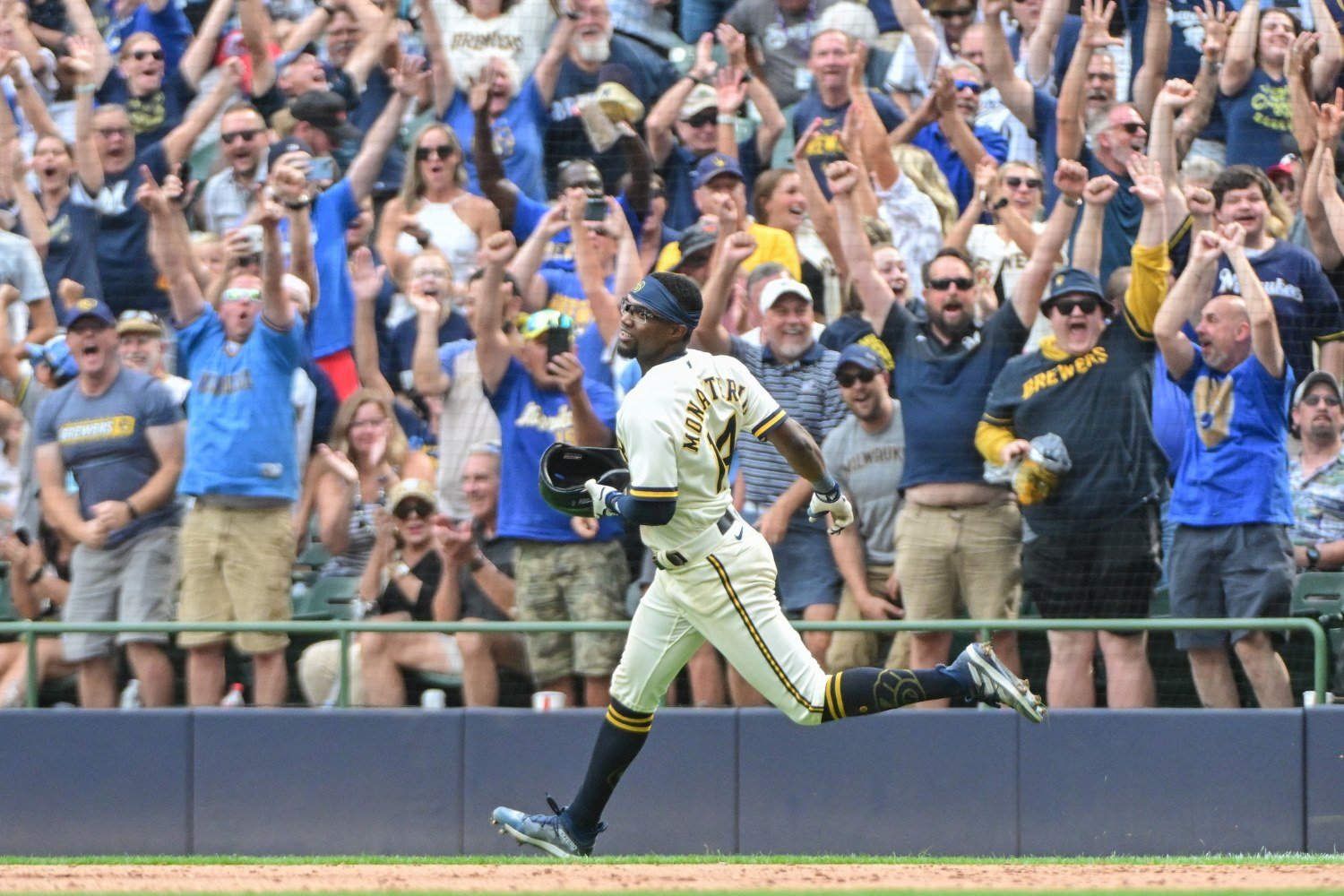 Back in February, a slow volley of proposals for the joint funding of renovations needed at American Family Field in Milwaukee began. The Wisconsin state government, the county, and the Brewers are dancing around one another, trying to find the sweet spot where each contributes a tolerable amount to a project that purports to update and improve the ballpark. The price tags mentioned have ranged from just over $400 million to almost $700 million, with varying divisions of responsibility for each party. I'm a firm believer that Mark Attanasio, who bought the Brewers for $223 million in 2006 and could sell it at no less than a 300 percent profit tomorrow if he so chose, should pay for the renovations--that is, that a billion-dollar corporation enmeshed in a massive cartel that reduces their risk to almost nil should avoid asking taxpayers in any state or municipality to bear their upkeep costs. However, understanding the realities of the modern sporting and political landscapes, I have no intention of hollering about government bodies chipping in on this type of project. It happens; it will continue to happen. It's not the end of the world, but rather, a sure but livable sign that the world is an imperfect place. Rather, I want to ensure that we focus on the one number that will tell the tale of the Brewers' true motives throughout this project. Right now, that number is at 41,900, but the important thing to watch is whether and in what direction it changes. That figure, of course, is the crowd capacity of the stadium. It's almost perfectly average, in MLB. The danger is that it could shrink, because a recent trend in renovations like these has seen teams decrease their home parks' capacities in favor of creating premium spaces and experiences. They're artificially suppressing supply, which drives up the cost of the cheapest tickets they have to put into the marketplace, and they're also making much more money by pulling in corporate and other wealthy customers. They sell all-inclusive options and elite packages, and their profit margin rises. The Cleveland Guardians are the most egregious offenders in this way, but they're far from the only ones. The Rockies, the Red Sox, the Blue Jays, and the Cubs have all done it, too, to varying degrees. Lowering stadium capacity brings down attendance numbers for the full season, obviously, and can give teams more leverage in later negotiations of precisely the kind the Brewers are trying to conduct with the state and county right now. It's so lucrative to rake in money from relatively few big-spending customers that teams stop caring nearly as much about their median customers--middle-class individuals and families, who can afford to attend only a few games a year. Big crowds make baseball better. Crowds actively and intrinsically engaged with the game in front of them make baseball better. Teams in MLB, already massively subsidized and dependent on decades of goodwill and multi-generational brand loyalty for their privileged place in our society, should be expected to act in the public interest, even while being allowed to make enormous profits. Some surtax will eventually pass, piling extra financial burdens onto Wisconsinites (and especially Milwaukee-area residents) to help ensure that the Brewers stick around for another generation or two. That's not so bad, in the long run. If the team starts talking about changes that bring down the stadium's capacity to 39,000 or something, though, it's a sign that they're trying to wring more than they have a right to out of the whole situation, and fans should object strenuously.
 -
The Brewers Should Give Willy Adames Their Patented Three-Day Reset
Matthew Trueblood posted an article in Brewers
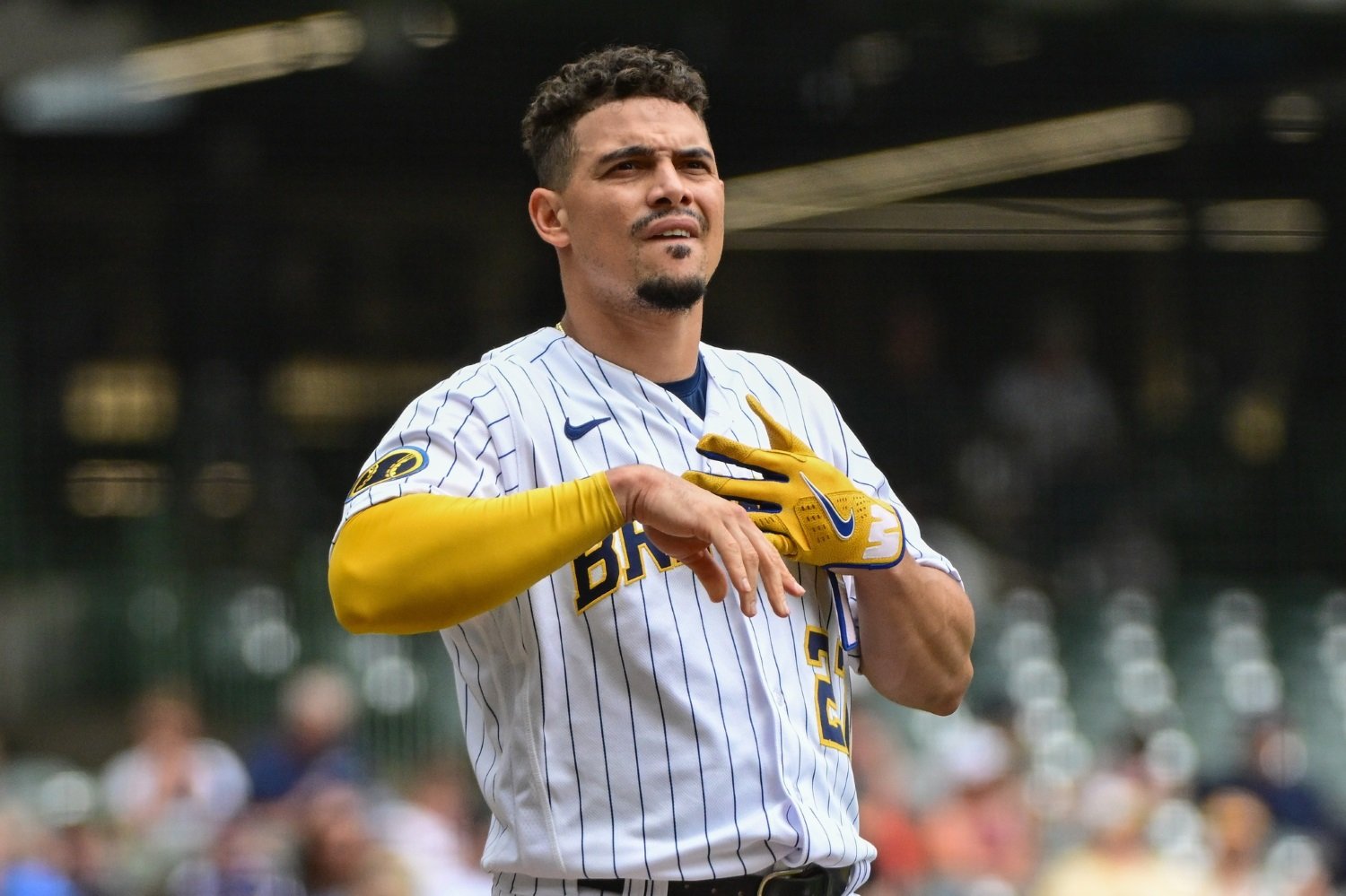 In an effort to start a mental reset for struggling shortstop Willy Adames, Craig Counsell started Brice Turang at short on Monday night against the Rockies. The coaching staff also issued strict orders for Adames to arrive later than usual to the park; he was given a partial mental health day. It was a drastic measure, but Adames is hitting just .201/.286/.376 overall and .188/.262/.358 since May 1, so these are drastic times. While they're at it, though, the Brewers might attempt what is becoming a formulaic move for them, and add a couple of days to this furlough for a specific mechanical adjustment. To see what I'm talking about, travel back in time with me, to last September. From June through August 2022, Tyrone Taylor steadily got more lost at the plate. Over that span, he batted .198/.255/.367, with 55 strikeouts, 15 extra-base hits, and 11 walks in 192 plate appearances. By the Crew's home stand in the final week of August, Taylor was only a tactical piece, being subbed in and out to maximize the value of his glove but shielded from tough matchups at bat. Here's what Taylor's setup and swing looked like in the last game of that home stand. f429effc-61fa-4380-8422-1605f5380d7d.mp4 To begin September, the team went to Arizona for a series against the Diamondbacks. In the first of those contests, Taylor played half the game, and continued to look lost. 5c9009b4-7848-479a-a882-3f8bdd0df4dd.mp4 After that, though, he sat out a game, and when he returned the lineup on September 3, he had the breakout game that set off his scorching final month. Here's what he looked like doing that. 898362d2-1623-434d-95f0-ca3082b4e6c5.mp4 Spot the differences, though they be subtle. Earlier in the season, Taylor abandoned the relatively extreme setup he and the team had created over the offseason, where he would stand ramrod straight and even lean backward at the plate, the way Luis Urias and Adames both notably did, too. His early movements--what hitting gurus call the load phase of the swing--were quieter, but they weren't especially rhythmic, and he wasn't maximizing the energy actually flowing into the baseball. After being held out of the game for a quick installation of new stuff, though, Taylor exploded. How? He started with his hands higher, and in sharply bringing them down as part of his load, he leaned forward, engaging his core and generating better power. He was better set up to cover the plate. He was naturally timing the ball better and seeing it slightly longer. Armed with those tweaks, he batted .299/.343/.597 from that game through the end of the season. Now, flash forward to last month, when Atlanta came to Milwaukee for a three-game series. Joey Wiemer entered that series struggling mightily. Through two plate appearances in the first game of that series, he had a .165/.281/.311 line over a stretch of 121 trips to the plate, with just seven extra-base hits and 38 strikeouts. Here's what he looked like at the plate at that point in time, during the series the Brewers played in Cincinnati just after the All-Star break. 78bb34e6-b812-4c0f-bf9b-ca6711e3bfac.mp4 By contrast, here's how he looked against the Reds (again) just after his weekend off. 933cb7f6-d64c-4049-a59e-c5ae5f7bb7b9.mp4 With Wiemer, it's always dangerous to extrapolate too much from a few swings, because he's not as mechanically consistent as most hitters are--sometimes, by design. Still, we can note a couple of key things. Mostly, it's his hands. Wiemer does best when he brings his hands way down to his belt after his awkward-looking high set, deepening his load and lengthening his timing phase, but not lengthening his actual swing. Although both of the above are lineouts, he hit the second one harder and on a lower trajectory. The liner to left is a hit 29 percent of the time; the fly out to center is a hit less than 10 percent of the time. Wiemer hasn't had results as eye-popping as those Taylor enjoyed last year, but he's looked much better, with his strikeout rate significantly down and his hard-hit rate up. The Brewers know how to sit a player down for a couple of days, tweak their setup and their initializing movements at the plate, and bring them back in better shape to do damage and make consistent contact. Adames is a natural candidate for precisely this kind of adjustment. Here he is at his best, back in early April, teeing off to the opposite field. 8af5967c-73ea-43b2-88be-d6056a8458c6.mp4 Note that posture, so upright that he actually leans backward, then clenches forward as he triggers his hands to start his swing, all in rhythm. Here's what he looked like during the seventh-inning strikeout Sunday that left him so livid with himself as to prompt his day off. 81463a9c-7e88-49fb-839c-e70b37b8c958.mp4 That lean is gone. So is his rhythm. He's striding longer and rushing to the ball, but it's his hips that are earlier. His bat drags through the zone. Adames needs to get his timing back, and given the way he gets his swing started when he's going well, he could do so by taking a couple of days to rediscover the full-body dance that was his swing before he fell into this funk. Whether that works or not, though, we've now seen the danger in Adames. His upside has always been tantalizing, and he delivered on it for much of his first two seasons with the Crew, but his downside has been on full display for three months. At the same time, fascinatingly, Brice Turang is doing an excellent job of announcing himself as a serious alternative to Adames for the long term. He homered in Adames's absence Monday night, and since his own reset (a few weeks, not a few days, and in Nashville rather than on the bench with the parent club, but a reset is a reset), he's batting .257/.361/.406. In 119 plate appearances, he's struck out 17 times and walked 17 times. Even all of that understates Turang's value. He's reached on three errors during that short span, and he's stolen five bases in six tries. As he constantly reminds viewers, he's also a plus defender, even on the far side of second base. It's no sure thing, but we might be witnessing a change in The Plan. Perhaps it was never that likely that Adames would sign an extension with the Brewers, but the chances that he's traded this winter to make room for Turang have to have risen significantly over the past several weeks, given the performances of each player. All of that can wait until the winter, though. For now, the Brewers certainly could benefit from getting Adames right, and they have the tools and the experience to do so. Turang's emergence, the versatility of Andruw Monasterio, and the fact that the lowly Rockies are in town make it easy to take a day or two to make an important change. In a few days, we might have a better sense of how much Adames can contribute to what remains a promising run toward the NL Central title and a home series to open the postseason.
- 8 comments
-
- 1
-

-
- willy adames
- brice turang
- (and 2 more)
-
When we look back, Monday might be an apparent turning point in the long-term plan for the Brewers' middle infield. In the short term, though, they have the tools to fix Willy Adames. Image courtesy of © Benny Sieu-USA TODAY Sports In an effort to start a mental reset for struggling shortstop Willy Adames, Craig Counsell started Brice Turang at short on Monday night against the Rockies. The coaching staff also issued strict orders for Adames to arrive later than usual to the park; he was given a partial mental health day. It was a drastic measure, but Adames is hitting just .201/.286/.376 overall and .188/.262/.358 since May 1, so these are drastic times. While they're at it, though, the Brewers might attempt what is becoming a formulaic move for them, and add a couple of days to this furlough for a specific mechanical adjustment. To see what I'm talking about, travel back in time with me, to last September. From June through August 2022, Tyrone Taylor steadily got more lost at the plate. Over that span, he batted .198/.255/.367, with 55 strikeouts, 15 extra-base hits, and 11 walks in 192 plate appearances. By the Crew's home stand in the final week of August, Taylor was only a tactical piece, being subbed in and out to maximize the value of his glove but shielded from tough matchups at bat. Here's what Taylor's setup and swing looked like in the last game of that home stand. f429effc-61fa-4380-8422-1605f5380d7d.mp4 To begin September, the team went to Arizona for a series against the Diamondbacks. In the first of those contests, Taylor played half the game, and continued to look lost. 5c9009b4-7848-479a-a882-3f8bdd0df4dd.mp4 After that, though, he sat out a game, and when he returned the lineup on September 3, he had the breakout game that set off his scorching final month. Here's what he looked like doing that. 898362d2-1623-434d-95f0-ca3082b4e6c5.mp4 Spot the differences, though they be subtle. Earlier in the season, Taylor abandoned the relatively extreme setup he and the team had created over the offseason, where he would stand ramrod straight and even lean backward at the plate, the way Luis Urias and Adames both notably did, too. His early movements--what hitting gurus call the load phase of the swing--were quieter, but they weren't especially rhythmic, and he wasn't maximizing the energy actually flowing into the baseball. After being held out of the game for a quick installation of new stuff, though, Taylor exploded. How? He started with his hands higher, and in sharply bringing them down as part of his load, he leaned forward, engaging his core and generating better power. He was better set up to cover the plate. He was naturally timing the ball better and seeing it slightly longer. Armed with those tweaks, he batted .299/.343/.597 from that game through the end of the season. Now, flash forward to last month, when Atlanta came to Milwaukee for a three-game series. Joey Wiemer entered that series struggling mightily. Through two plate appearances in the first game of that series, he had a .165/.281/.311 line over a stretch of 121 trips to the plate, with just seven extra-base hits and 38 strikeouts. Here's what he looked like at the plate at that point in time, during the series the Brewers played in Cincinnati just after the All-Star break. 78bb34e6-b812-4c0f-bf9b-ca6711e3bfac.mp4 By contrast, here's how he looked against the Reds (again) just after his weekend off. 933cb7f6-d64c-4049-a59e-c5ae5f7bb7b9.mp4 With Wiemer, it's always dangerous to extrapolate too much from a few swings, because he's not as mechanically consistent as most hitters are--sometimes, by design. Still, we can note a couple of key things. Mostly, it's his hands. Wiemer does best when he brings his hands way down to his belt after his awkward-looking high set, deepening his load and lengthening his timing phase, but not lengthening his actual swing. Although both of the above are lineouts, he hit the second one harder and on a lower trajectory. The liner to left is a hit 29 percent of the time; the fly out to center is a hit less than 10 percent of the time. Wiemer hasn't had results as eye-popping as those Taylor enjoyed last year, but he's looked much better, with his strikeout rate significantly down and his hard-hit rate up. The Brewers know how to sit a player down for a couple of days, tweak their setup and their initializing movements at the plate, and bring them back in better shape to do damage and make consistent contact. Adames is a natural candidate for precisely this kind of adjustment. Here he is at his best, back in early April, teeing off to the opposite field. 8af5967c-73ea-43b2-88be-d6056a8458c6.mp4 Note that posture, so upright that he actually leans backward, then clenches forward as he triggers his hands to start his swing, all in rhythm. Here's what he looked like during the seventh-inning strikeout Sunday that left him so livid with himself as to prompt his day off. 81463a9c-7e88-49fb-839c-e70b37b8c958.mp4 That lean is gone. So is his rhythm. He's striding longer and rushing to the ball, but it's his hips that are earlier. His bat drags through the zone. Adames needs to get his timing back, and given the way he gets his swing started when he's going well, he could do so by taking a couple of days to rediscover the full-body dance that was his swing before he fell into this funk. Whether that works or not, though, we've now seen the danger in Adames. His upside has always been tantalizing, and he delivered on it for much of his first two seasons with the Crew, but his downside has been on full display for three months. At the same time, fascinatingly, Brice Turang is doing an excellent job of announcing himself as a serious alternative to Adames for the long term. He homered in Adames's absence Monday night, and since his own reset (a few weeks, not a few days, and in Nashville rather than on the bench with the parent club, but a reset is a reset), he's batting .257/.361/.406. In 119 plate appearances, he's struck out 17 times and walked 17 times. Even all of that understates Turang's value. He's reached on three errors during that short span, and he's stolen five bases in six tries. As he constantly reminds viewers, he's also a plus defender, even on the far side of second base. It's no sure thing, but we might be witnessing a change in The Plan. Perhaps it was never that likely that Adames would sign an extension with the Brewers, but the chances that he's traded this winter to make room for Turang have to have risen significantly over the past several weeks, given the performances of each player. All of that can wait until the winter, though. For now, the Brewers certainly could benefit from getting Adames right, and they have the tools and the experience to do so. Turang's emergence, the versatility of Andruw Monasterio, and the fact that the lowly Rockies are in town make it easy to take a day or two to make an important change. In a few days, we might have a better sense of how much Adames can contribute to what remains a promising run toward the NL Central title and a home series to open the postseason. View full article
- 8 replies
-
- 1
-

-
- willy adames
- brice turang
- (and 2 more)
-
So, Uh, What Happened to Sal Frelick Playing Center Field?
Matthew Trueblood posted an article in Brewers
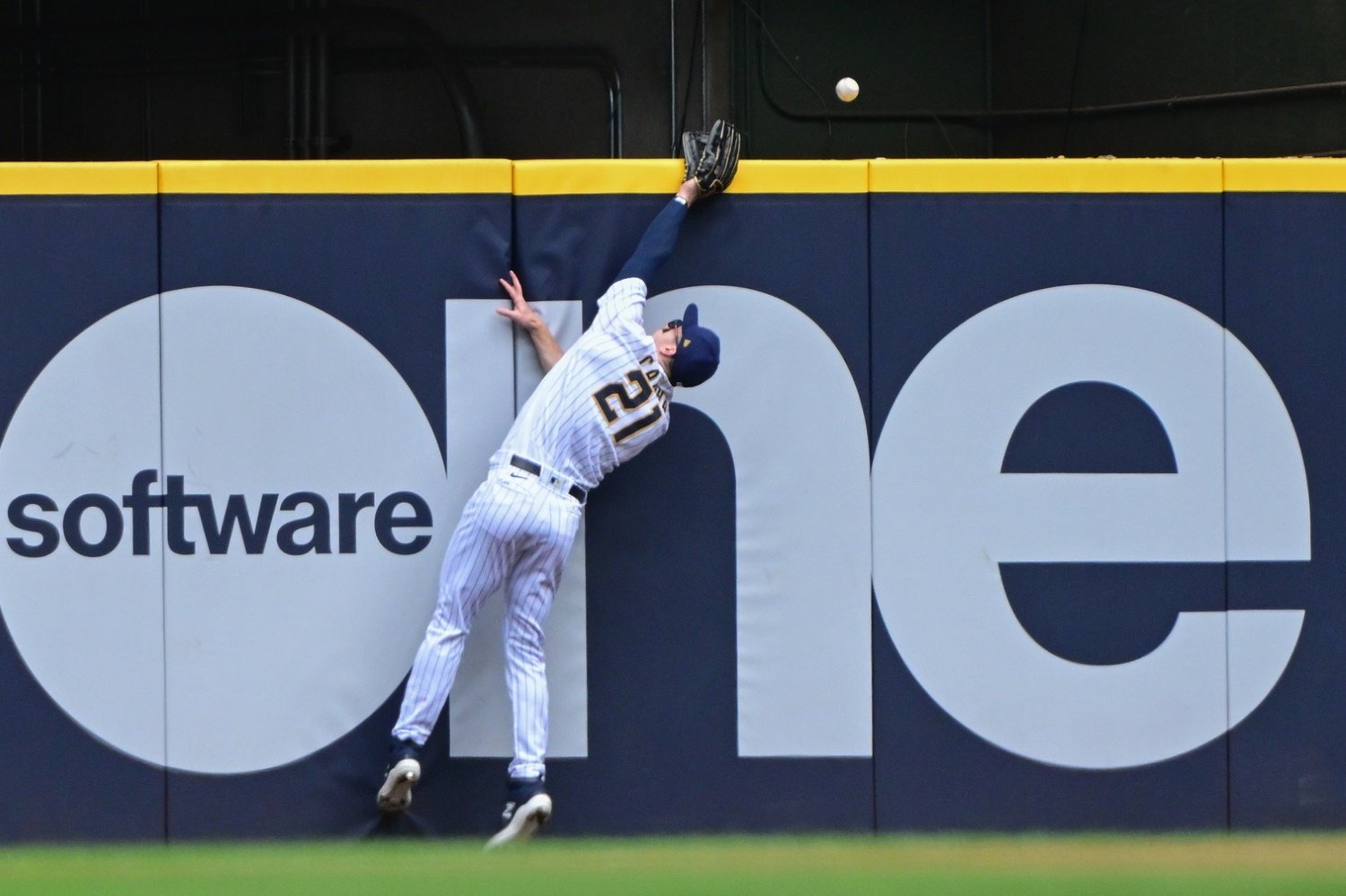 When the Brewers traded for Mark Canha last Monday, Counsell expected that his new charge would play a good amount of right field. We know that, for sure, because he said so. That was a bit of a surprise, because Canha is not renowned as a defensive whiz, and because it would seem to put the squeeze on Joey Wiemer as the team's regular center fielder. Counsell sounded so firm in his vision that reporters followed up, and he did say that there would still be playing time for Wiemer, but it was mildly startling to hear him even having to make that clarification. The plan, by all indications in that early interview, was for Canha to patrol right field often, with Sal Frelick in center field. Obviously, it hasn't gone that way at all. One week into the Canha Era, he hasn't started in right field at all. Instead, in the two games in which the Brewers faced a left-handed starting pitcher, it was Tyrone Taylor who started there. Canha has made three starts as the designated hitter, but his other two have come in left field, pushing Christian Yelich to the DH spot. His only inning in right field came Saturday night, after he pinch-hit for Wiemer and before Counsell put Blake Perkins in as a pinch-runner, eventually pushing Frelick back from center to right and sending Canha in to finish the game at first base. The Brewers can't send the message that they prioritize defense much more clearly than that. Canha doesn't seem to be trusted in right field. That could change, if the team gets cornered, but it's very much worth noting that they've gone to a bit of an extreme to avoid that very situation. They're currently carrying six outfielders: Yelich, Canha, Wiemer, Frelick, Taylor, and Perkins. It's hard to imagine a scenario in which Counsell even feels tempted to use Canha in right for more than a few outs, and that seems to be by design. Is that the best use of Canha? Probably so. He really is a less adroit defender than his general athleticism would suggest. Still, it puts pressure on the rest of the roster, because having Canha in there regularly and only using him as either the DH or a left fielder limits the team's ability to get other valuable players into the lineup. Brian Anderson, activated before this weekend's calamitous series against the Pirates, only got four total plate appearances in the four games. Maybe the team is easing Anderson back in, but if he was any less than fully healthy, why did they bring him back, rather than keep the versatile Abraham Toro in that bench role? Anderson seems to be losing playing time to Andruw Monasterio, which is worth a separate examination, but he's also indirectly losing it to Canha. Anderson found playing time earlier this year in right field, but with Perkins, Taylor, and Frelick on the roster, he's not going to be back out there any time soon. It's also harder to give William Contreras a day off from catching duties while keeping his bat in the lineup at DH this way--or, at least, the opportunity cost is higher. If Canha is only trusted as a left fielder, putting Contreras at DH on days when Victor Caratini catches pushes either Canha or Yelich out of the lineup altogether. The Brewers can't afford to do that with any regularity, given their generalized offensive anemia. In fact, that's a good way to sum up this entire decision set, at the moment: the Brewers can't afford it. Carrying six outfielders (three of whom are glove-first guys) when one of their infielders is a capable right fielder is costly. A team getting an .800 OPS from shortstop, as the Brewers might have hoped Willy Adames would provide, might be able to pay that price. If Rowdy Tellez were healthy and producing the way he did in 2022, the Brewers might be able to pay that price. If Anderson or Monasterio projected to give them above-average offense the rest of the way, they might able to pay it. None of that is happening, at least right now. In the short term, to maintain and secure their advantage in the NL Central, the Brewers need to sacrifice some defense for more runs. That can take a few different forms. It doesn't mean that Canha needs to be in right field, but if he's the DH, it ought to be Anderson in right. Frelick can then play center, giving the team significantly better offense than Wiemer would. That's the only way, until Tellez returns or one of Tyler Black and Jackson Chourio forces their way to MLB, that the Crew will get their lineup to function more consistently. Unless and until then, they have a roster construction problem, and the only solution will be a few uncomfortable defensive alignments.
 -
Last week's trade deadline brought the Brewers outfield reinforcement, and manager Craig Counsell indicated that it would prompt a reorganization of outfield playing time. So far, it hasn't gone as he said it would. That was a bit of a surprise, because Canha is not renowned as a defensive whiz, and because it would seem to put the squeeze on Joey Wiemer as the team's regular center fielder. Counsell sounded so firm in his vision that reporters followed up, and he did say that there would still be playing time for Wiemer, but it was mildly startling to hear him even having to make that clarification. The plan, by all indications in that early interview, was for Canha to patrol right field often, with Sal Frelick in center field. Obviously, it hasn't gone that way at all. One week into the Canha Era, he hasn't started in right field at all. Instead, in the two games in which the Brewers faced a left-handed starting pitcher, it was Tyrone Taylor who started there. Canha has made three starts as the designated hitter, but his other two have come in left field, pushing Christian Yelich to the DH spot. His only inning in right field came Saturday night, after he pinch-hit for Wiemer and before Counsell put Blake Perkins in as a pinch-runner, eventually pushing Frelick back from center to right and sending Canha in to finish the game at first base. The Brewers can't send the message that they prioritize defense much more clearly than that. Canha doesn't seem to be trusted in right field. That could change, if the team gets cornered, but it's very much worth noting that they've gone to a bit of an extreme to avoid that very situation. They're currently carrying six outfielders: Yelich, Canha, Wiemer, Frelick, Taylor, and Perkins. It's hard to imagine a scenario in which Counsell even feels tempted to use Canha in right for more than a few outs, and that seems to be by design. Is that the best use of Canha? Probably so. He really is a less adroit defender than his general athleticism would suggest. Still, it puts pressure on the rest of the roster, because having Canha in there regularly and only using him as either the DH or a left fielder limits the team's ability to get other valuable players into the lineup. Brian Anderson, activated before this weekend's calamitous series against the Pirates, only got four total plate appearances in the four games. Maybe the team is easing Anderson back in, but if he was any less than fully healthy, why did they bring him back, rather than keep the versatile Abraham Toro in that bench role? Anderson seems to be losing playing time to Andruw Monasterio, which is worth a separate examination, but he's also indirectly losing it to Canha. Anderson found playing time earlier this year in right field, but with Perkins, Taylor, and Frelick on the roster, he's not going to be back out there any time soon. It's also harder to give William Contreras a day off from catching duties while keeping his bat in the lineup at DH this way--or, at least, the opportunity cost is higher. If Canha is only trusted as a left fielder, putting Contreras at DH on days when Victor Caratini catches pushes either Canha or Yelich out of the lineup altogether. The Brewers can't afford to do that with any regularity, given their generalized offensive anemia. In fact, that's a good way to sum up this entire decision set, at the moment: the Brewers can't afford it. Carrying six outfielders (three of whom are glove-first guys) when one of their infielders is a capable right fielder is costly. A team getting an .800 OPS from shortstop, as the Brewers might have hoped Willy Adames would provide, might be able to pay that price. If Rowdy Tellez were healthy and producing the way he did in 2022, the Brewers might be able to pay that price. If Anderson or Monasterio projected to give them above-average offense the rest of the way, they might able to pay it. None of that is happening, at least right now. In the short term, to maintain and secure their advantage in the NL Central, the Brewers need to sacrifice some defense for more runs. That can take a few different forms. It doesn't mean that Canha needs to be in right field, but if he's the DH, it ought to be Anderson in right. Frelick can then play center, giving the team significantly better offense than Wiemer would. That's the only way, until Tellez returns or one of Tyler Black and Jackson Chourio forces their way to MLB, that the Crew will get their lineup to function more consistently. Unless and until then, they have a roster construction problem, and the only solution will be a few uncomfortable defensive alignments. View full article
-
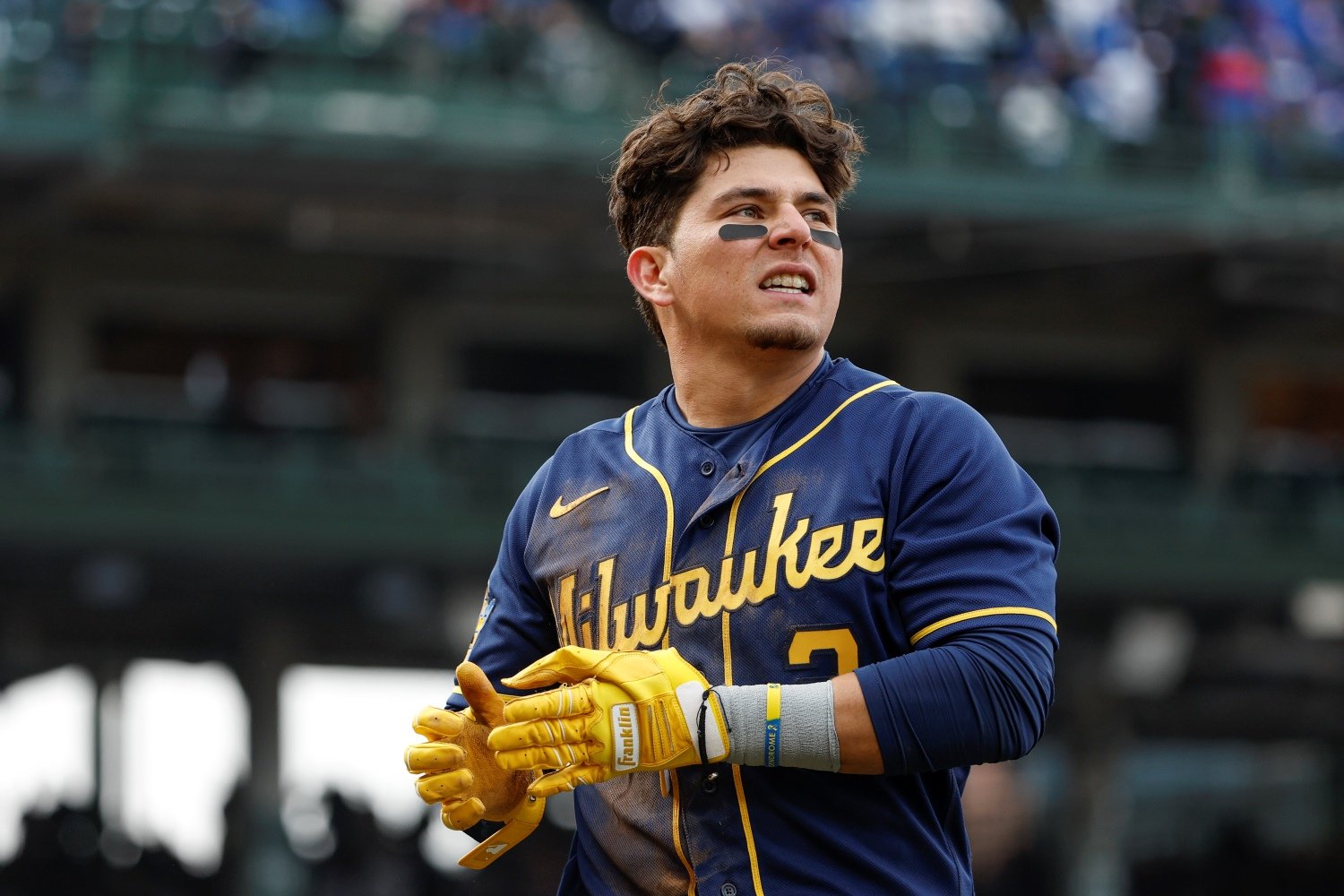 Pushed out of the team's plans by an Opening Day injury and poor performance upon his return, Luis Urias is now en route to Boston, where he can help patch the Red Sox's porous infield mix. The Brewers are receiving a pitching prospect in return. Don't expect anything exciting here, of course. To a large extent, this move is about clarifying the Brewers' position player group and giving them greater 40-man roster flexibility. Urias has earned the right to test himself against big-league pitching again, but the Brewers feel better about their defense-first approach to the middle infield, and Andruw Monasterio has blossomed into a more reliable clone of Urias, with more team control remaining. We'll have to wait and see whether the Red Sox took on all of Urias's modest salary in the exchange, but if so, that would also be a benefit to the Brewers, who appear to have added some salary in the trade earlier today for Andrew Chafin. UPDATE: Impressively, the Brewers actually a pitcher with some meaningful promise here. Bradley Blalock, 22, is only in High A, but after missing all of 2022 due to a torn ligament and a resulting Tommy John surgery, he's impressed scouts and put up fine numbers this year. He has three pitches that look likely to be average or better, and a changeup that could round out a strong starting pitcher's arsenal. Given that he hasn't reached Double A and has already gone under the knife, there's tons of risk here, but Blalock could be the Brewers' next solid arm on the farm. Urias netted the team a solid prospect, proving that a brutal half-season didn't torpedo his trade value.
 -
Fully 20 minutes after the actual MLB trade deadline passed, the news leaked out that the Brewers had executed a last-second trade. It involves saying goodbye to a player who looked integral to the team just four months ago. Image courtesy of © Kamil Krzaczynski-USA TODAY Sports Pushed out of the team's plans by an Opening Day injury and poor performance upon his return, Luis Urias is now en route to Boston, where he can help patch the Red Sox's porous infield mix. The Brewers are receiving a pitching prospect in return. Don't expect anything exciting here, of course. To a large extent, this move is about clarifying the Brewers' position player group and giving them greater 40-man roster flexibility. Urias has earned the right to test himself against big-league pitching again, but the Brewers feel better about their defense-first approach to the middle infield, and Andruw Monasterio has blossomed into a more reliable clone of Urias, with more team control remaining. We'll have to wait and see whether the Red Sox took on all of Urias's modest salary in the exchange, but if so, that would also be a benefit to the Brewers, who appear to have added some salary in the trade earlier today for Andrew Chafin. UPDATE: Impressively, the Brewers actually a pitcher with some meaningful promise here. Bradley Blalock, 22, is only in High A, but after missing all of 2022 due to a torn ligament and a resulting Tommy John surgery, he's impressed scouts and put up fine numbers this year. He has three pitches that look likely to be average or better, and a changeup that could round out a strong starting pitcher's arsenal. Given that he hasn't reached Double A and has already gone under the knife, there's tons of risk here, but Blalock could be the Brewers' next solid arm on the farm. Urias netted the team a solid prospect, proving that a brutal half-season didn't torpedo his trade value. View full article
-
After Justin Wilson's long comeback trail ended in a setback instead of triumph, the Brewers recognized a need for another left-handed reliever. Less than two hours shy of the trade deadline, they got one. Image courtesy of © Rob Schumacher/The Republic / USA TODAY NETWORK Andrew Chafin was not even known to be an available lefty relief option until earlier today. Now, he's a Brewer, with the Arizona Diamondbacks sending him to the Crew despite their shared standing as NL Wild Card contenders. This is a big deal for the Brewers, who have been leaning hard on their high- and medium-leverage relievers and needed some reinforcements. Chafin can help patch their setup bridge to Devin Williams, and will make it less necessary to run Hoby Milner out there every time a fearsome set of left-handed hitters is due up. Chafin, 33, is on a one-year deal with Arizona, but there's a club option for 2024. He's making $5.5 million this year, and the option would be worth $7.25 million more. There will be some financial questions to iron out. Chafin is due $250,000 if traded, and it's not yet been reported which side will pay it or whether Arizona will send any money to the Crew to cover a portion of his remaining salary. A prorated part of less than $6 million shouldn't have been prohibitive, anyway, but if the Diamondbacks do kick in money, expect the prospect price the Brewers pay to be incrementally higher. He's a slider maven, striking out 32 percent of opposing hitters this year, but he's battled some control issues in 2023. More typically, Chafin runs lower (but above-average) strikeout rates but considerably better walk rates, too, and he typically limits hard contact fairly well. He's better if used with an eye toward matchups, but he's survived and thrived even after the implementation of the three-batter minimum rule for relievers because he's not strictly a lefty specialist. Ken Rosenthal was first on the report of this deal. In exchange for Chafin, the Brewers will send Peter Strzelecki to Arizona. Just a few days after recalling him from an optional assignment to Triple A, the Brewers say goodbye to Strzelecki, a feel-good story and good (though not dominant or sufficiently consistent) right-handed arm in his own right. The deal brings better balance to the Brewers pen, and gives the Diamondbacks a controllable, optionable arm to whom they could entrust high-leverage work right away, depending on whether there's anything they want to tweak with him. View full article
-
TRADE: Brewers Acquire Andrew Chafin from Arizona Diamondbacks
Matthew Trueblood posted an article in Brewers
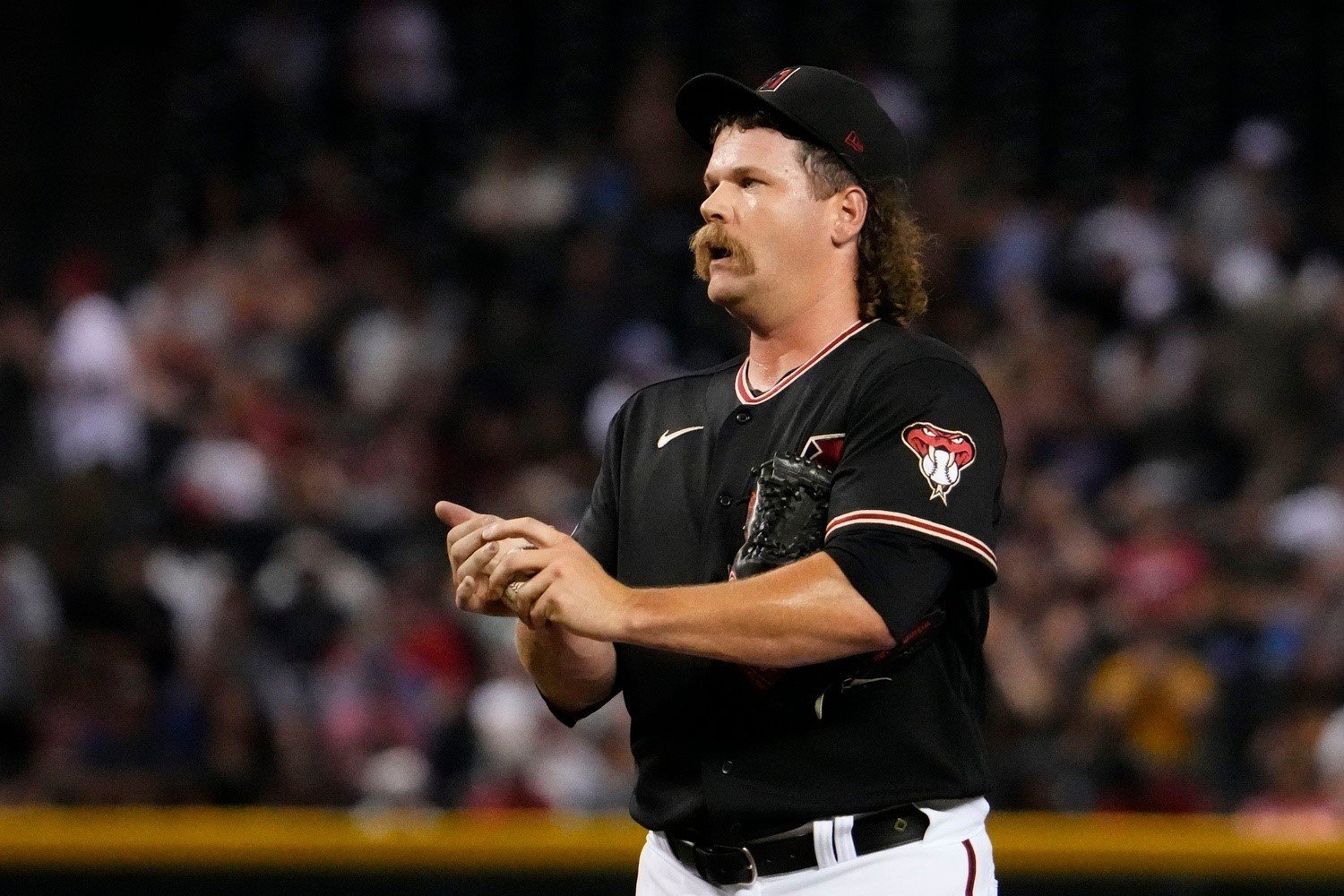 Andrew Chafin was not even known to be an available lefty relief option until earlier today. Now, he's a Brewer, with the Arizona Diamondbacks sending him to the Crew despite their shared standing as NL Wild Card contenders. This is a big deal for the Brewers, who have been leaning hard on their high- and medium-leverage relievers and needed some reinforcements. Chafin can help patch their setup bridge to Devin Williams, and will make it less necessary to run Hoby Milner out there every time a fearsome set of left-handed hitters is due up. Chafin, 33, is on a one-year deal with Arizona, but there's a club option for 2024. He's making $5.5 million this year, and the option would be worth $7.25 million more. There will be some financial questions to iron out. Chafin is due $250,000 if traded, and it's not yet been reported which side will pay it or whether Arizona will send any money to the Crew to cover a portion of his remaining salary. A prorated part of less than $6 million shouldn't have been prohibitive, anyway, but if the Diamondbacks do kick in money, expect the prospect price the Brewers pay to be incrementally higher. He's a slider maven, striking out 32 percent of opposing hitters this year, but he's battled some control issues in 2023. More typically, Chafin runs lower (but above-average) strikeout rates but considerably better walk rates, too, and he typically limits hard contact fairly well. He's better if used with an eye toward matchups, but he's survived and thrived even after the implementation of the three-batter minimum rule for relievers because he's not strictly a lefty specialist. Ken Rosenthal was first on the report of this deal. In exchange for Chafin, the Brewers will send Peter Strzelecki to Arizona. Just a few days after recalling him from an optional assignment to Triple A, the Brewers say goodbye to Strzelecki, a feel-good story and good (though not dominant or sufficiently consistent) right-handed arm in his own right. The deal brings better balance to the Brewers pen, and gives the Diamondbacks a controllable, optionable arm to whom they could entrust high-leverage work right away, depending on whether there's anything they want to tweak with him.
 -
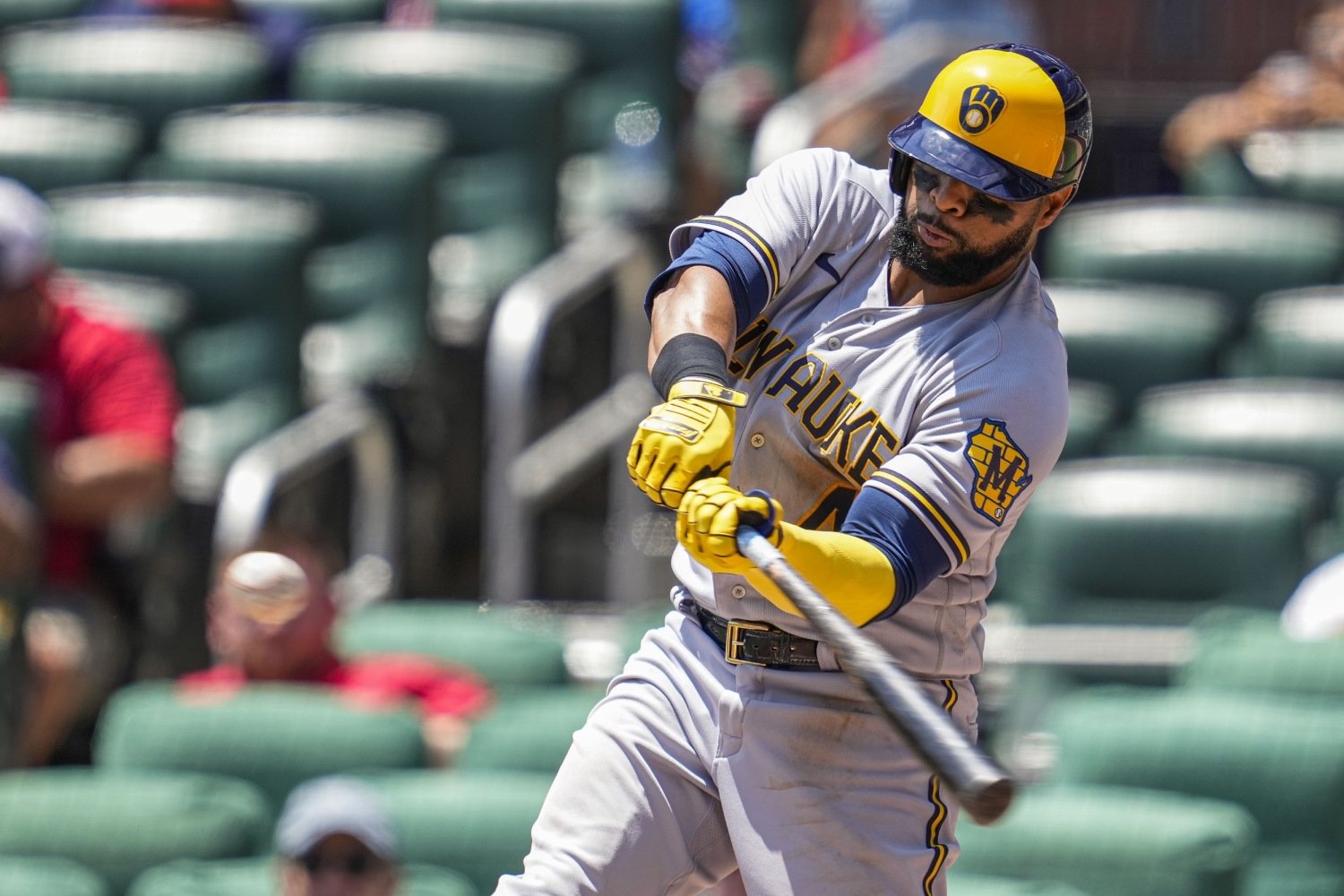 A cursory check of the standings can tell you that the Brewers need to be buyers before the deadline. That's why they've already made two moves to increase their lineup depth and boost their offense, with trades for Carlos Santana and Mark Canha. Those two shore up three of the team's weakest positions, too, as they have been hurting for production at first base, in right field, and from the designated hitter all year. How much those additions have changed the team's outlook in this three-way division fight (and the even more complicated battle for the Wild Card spots in the National League) is a more nuanced, difficult question. Here are the Playoff Odds for the Brewers as of this morning, from each of the three major sites who provide them: Baseball Prospectus: 52.9 % to win the division, 67.1 % overall FanGraphs: 53.8 % to win the division, 65.4 % overall Baseball Reference: 21.1 % to win the division, 43.1 % overall Notably, while Baseball Prospectus and FanGraphs each utilize projection systems to generate their playoff odds, Baseball Reference operates very differently. They use a strength-of-schedule-adjusted rating system based on runs and wins over a team's last 100 games, and don't lean on individual player projections at all. Obviously, there can be arguments in favor of either kind of projection, but Baseball Prospectus and FanGraphs are generally regarded as more mathematically robust and scientific. Still, let's hedge a little. If we give both of the projection system-based odds twice the weight of Baseball Reference's, and then average them together, we get roughly a 47 percent chance of an NL Central title, and a 61.6 percent chance of reaching the playoffs one way or another. That's frighteningly close to a coin flip, but then, the Brewers are 1.5 games behind the Reds and just a few games ahead of the Cubs right now--and never mind the morass of the Wild Card. That underscores the urgency of this afternoon. Canha and Santana each give the team better projected production than they had before, which is baked into the BP and FanGraphs reports but not into Baseball Reference's. If we slightly adjust our rough-hewn mean upward on that basis, then they truly are 50/50 to win a division title. That means that they're right at a critical inflection point. Every move they make, and especially every edge they gain on the Reds or Cubs, will have an outsize impact on their hopes the rest of the way. That doesn't mean the team should sell the form for rental players. Whether and when to do that is a more philosophical than a mathematical question. If there are still players out there who would be major upgrades for this team, though, Matt Arnold should be aggressive, because these odds are fragile, and what he does over the next four-plus hours will determine which way they break.
 -
With the trade deadline just a few hours away, it's worth stopping to check what the numbers say about the Brewers' chances to win the NL Central, or to claim a Wild Card berth. That should inform their moves this afternoon. Image courtesy of © Dale Zanine-USA TODAY Sports A cursory check of the standings can tell you that the Brewers need to be buyers before the deadline. That's why they've already made two moves to increase their lineup depth and boost their offense, with trades for Carlos Santana and Mark Canha. Those two shore up three of the team's weakest positions, too, as they have been hurting for production at first base, in right field, and from the designated hitter all year. How much those additions have changed the team's outlook in this three-way division fight (and the even more complicated battle for the Wild Card spots in the National League) is a more nuanced, difficult question. Here are the Playoff Odds for the Brewers as of this morning, from each of the three major sites who provide them: Baseball Prospectus: 52.9 % to win the division, 67.1 % overall FanGraphs: 53.8 % to win the division, 65.4 % overall Baseball Reference: 21.1 % to win the division, 43.1 % overall Notably, while Baseball Prospectus and FanGraphs each utilize projection systems to generate their playoff odds, Baseball Reference operates very differently. They use a strength-of-schedule-adjusted rating system based on runs and wins over a team's last 100 games, and don't lean on individual player projections at all. Obviously, there can be arguments in favor of either kind of projection, but Baseball Prospectus and FanGraphs are generally regarded as more mathematically robust and scientific. Still, let's hedge a little. If we give both of the projection system-based odds twice the weight of Baseball Reference's, and then average them together, we get roughly a 47 percent chance of an NL Central title, and a 61.6 percent chance of reaching the playoffs one way or another. That's frighteningly close to a coin flip, but then, the Brewers are 1.5 games behind the Reds and just a few games ahead of the Cubs right now--and never mind the morass of the Wild Card. That underscores the urgency of this afternoon. Canha and Santana each give the team better projected production than they had before, which is baked into the BP and FanGraphs reports but not into Baseball Reference's. If we slightly adjust our rough-hewn mean upward on that basis, then they truly are 50/50 to win a division title. That means that they're right at a critical inflection point. Every move they make, and especially every edge they gain on the Reds or Cubs, will have an outsize impact on their hopes the rest of the way. That doesn't mean the team should sell the form for rental players. Whether and when to do that is a more philosophical than a mathematical question. If there are still players out there who would be major upgrades for this team, though, Matt Arnold should be aggressive, because these odds are fragile, and what he does over the next four-plus hours will determine which way they break. View full article
-
In Carlos Santana and Mark Canha, the Brewers have already made two key additions to their underwhelming lineup. They also need a bullpen patch today, but before the MLB trade deadline hits at 5 PM Central, Matt Arnold should also check in on these five long-term options. Image courtesy of © Denny Medley-USA TODAY Sports As the clock ticks down to the deadline, teams often go slightly into a shell, opting to focus on players who will be free agents at season's end. Those are the simplest and most time-sensitive moves, so both buyers and sellers (an easier sorting process to perform when discussing players close to free agency) prioritize them. For executives with grander vision, though, the deadline is a bigger opportunity. The Brewers operate on a limited budget, and in the winter, they can be hemmed in a bit by higher-spending rivals. Now is the time to see whether a valuable player under longer-term team control will shake loose at a good price. MJ Melendez, C/LF, Royals Trying to develop Melendez as the successor to Salvador Perez in Kansas City went so poorly that the team recently abandoned the project. He's been almost exclusively a corner outfielder this season, and on the surface, his bat looks light for that role. He's only hitting .217/.292/.352 on the season. Here's why he's still very attractive, in a nutshell: The Brewers aren't the Royals. The Brewers are the Brewers. If they got ahold of Melendez, they might be able to turn him into a catcher, after all. He's a left-handed batter, so he could be a devastatingly good complement to William Contreras in a hybrid catcher-DH role. Melendez has considerable swing-and-miss in his game, but he also has a solid approach, and he makes high-quality contact. Partially because he plays his home games in Kansas City, that contact has gone unrewarded, but his raw production doesn't accurately reflect his skill set at the plate. He's only 24 years old, and has five years of club control ahead after 2023. The Royals would surely try to set a high price on Melendez, but their front office is one of the two or three worst in baseball right now. Calling them about a player with lousy numbers in a corner outfield spot is worth a shot. They might not know what they have, or at least what the Brewers could make out of him. Paul Blackburn, RHP, Athletics His ERA is worse than last year's, but in reality, Blackburn has taken a meaningful step forward in 2023. He's inducing more chases and weaker contact. He has a six-pitch arsenal and has figured out how best to deploy his good slider, and he's under team control through 2025. The A's are so far from contention that he has virtually no utility to them, so although there would be a substantial price to pay, it might not be exorbitant. David Bednar, RHP, Pirates One of the hottest names on the trade market, Bednar is a hulking bullpen monster whom the Brewers already know all too well. His fastball, curveball, and splitter form as good a three-pitch mix as any closer in baseball can boast right now, and the heater sits around 97 miles per hour, with good ride and spin. It's always complicated to assemble an intradivisional trade for a player on more than the shortest-term deal, but Bednar would level up the Brewers' relief corps for quite a while. He's under team control through 2026. Dylan Cease, RHP, White Sox Control is always the question with Cease. He's maddeningly unable, and sometimes even seems unwilling, to attack the strike zone with what is easily above-average stuff. On the other hand, he's capable of dominating hitters like few other starters in the league. Last year, despite those occasional bouts of walks, he was a Cy Young Award vote-getter. He has two and a half years of team control remaining, so bringing him in (while expensive, in terms of talent) would keep the Brewers' pitching machine running smoothly even when Corbin Burnes and Brandon Woodruff reach free agency. Tarik Skubal, LHP, Tigers Often, it's a checkered injury history that makes a talented player available at a reasonable price well before they attain free agency. That's surprisingly inapplicable to the quartet above, but it's certainly the case with Skubal, who missed much of the second half last year and didn't get back until July this season due to elbow trouble. It's possible that the rebuilding Tigers will roll their dice and hope for better health for Skubal, but the likely reward for them in that is just the right to trade him this winter or next summer, instead. If they're willing to listen on him now, instead, he's worth pursuing, because he's a big lefty with good stuff and has demonstrated front-of-the-rotation potential. Skubal is under team control through 2026. The Brewers don't have any more desperate needs to fill on their 2023 roster. There's still room to upgrade, though, and if they're going to pay the premium that comes with climbing above-average at any position at this time of year, they might as well do so in a way that addresses those positions for the long term. Arnold and company landing any of these five players today is improbable, but one of the five will probably be dealt. It might as well be here. View full article
-
Brewers Should Check on These 5 Controllable Trade Candidates Today
Matthew Trueblood posted an article in Brewers
 As the clock ticks down to the deadline, teams often go slightly into a shell, opting to focus on players who will be free agents at season's end. Those are the simplest and most time-sensitive moves, so both buyers and sellers (an easier sorting process to perform when discussing players close to free agency) prioritize them. For executives with grander vision, though, the deadline is a bigger opportunity. The Brewers operate on a limited budget, and in the winter, they can be hemmed in a bit by higher-spending rivals. Now is the time to see whether a valuable player under longer-term team control will shake loose at a good price. MJ Melendez, C/LF, Royals Trying to develop Melendez as the successor to Salvador Perez in Kansas City went so poorly that the team recently abandoned the project. He's been almost exclusively a corner outfielder this season, and on the surface, his bat looks light for that role. He's only hitting .217/.292/.352 on the season. Here's why he's still very attractive, in a nutshell: The Brewers aren't the Royals. The Brewers are the Brewers. If they got ahold of Melendez, they might be able to turn him into a catcher, after all. He's a left-handed batter, so he could be a devastatingly good complement to William Contreras in a hybrid catcher-DH role. Melendez has considerable swing-and-miss in his game, but he also has a solid approach, and he makes high-quality contact. Partially because he plays his home games in Kansas City, that contact has gone unrewarded, but his raw production doesn't accurately reflect his skill set at the plate. He's only 24 years old, and has five years of club control ahead after 2023. The Royals would surely try to set a high price on Melendez, but their front office is one of the two or three worst in baseball right now. Calling them about a player with lousy numbers in a corner outfield spot is worth a shot. They might not know what they have, or at least what the Brewers could make out of him. Paul Blackburn, RHP, Athletics His ERA is worse than last year's, but in reality, Blackburn has taken a meaningful step forward in 2023. He's inducing more chases and weaker contact. He has a six-pitch arsenal and has figured out how best to deploy his good slider, and he's under team control through 2025. The A's are so far from contention that he has virtually no utility to them, so although there would be a substantial price to pay, it might not be exorbitant. David Bednar, RHP, Pirates One of the hottest names on the trade market, Bednar is a hulking bullpen monster whom the Brewers already know all too well. His fastball, curveball, and splitter form as good a three-pitch mix as any closer in baseball can boast right now, and the heater sits around 97 miles per hour, with good ride and spin. It's always complicated to assemble an intradivisional trade for a player on more than the shortest-term deal, but Bednar would level up the Brewers' relief corps for quite a while. He's under team control through 2026. Dylan Cease, RHP, White Sox Control is always the question with Cease. He's maddeningly unable, and sometimes even seems unwilling, to attack the strike zone with what is easily above-average stuff. On the other hand, he's capable of dominating hitters like few other starters in the league. Last year, despite those occasional bouts of walks, he was a Cy Young Award vote-getter. He has two and a half years of team control remaining, so bringing him in (while expensive, in terms of talent) would keep the Brewers' pitching machine running smoothly even when Corbin Burnes and Brandon Woodruff reach free agency. Tarik Skubal, LHP, Tigers Often, it's a checkered injury history that makes a talented player available at a reasonable price well before they attain free agency. That's surprisingly inapplicable to the quartet above, but it's certainly the case with Skubal, who missed much of the second half last year and didn't get back until July this season due to elbow trouble. It's possible that the rebuilding Tigers will roll their dice and hope for better health for Skubal, but the likely reward for them in that is just the right to trade him this winter or next summer, instead. If they're willing to listen on him now, instead, he's worth pursuing, because he's a big lefty with good stuff and has demonstrated front-of-the-rotation potential. Skubal is under team control through 2026. The Brewers don't have any more desperate needs to fill on their 2023 roster. There's still room to upgrade, though, and if they're going to pay the premium that comes with climbing above-average at any position at this time of year, they might as well do so in a way that addresses those positions for the long term. Arnold and company landing any of these five players today is improbable, but one of the five will probably be dealt. It might as well be here.
 -
Pouncing on the market for right-handed bats before it could dry up, the Brewers have landed Mets outfielder Mark Canha. Lots more to come on this deal. We've already dug into Mark Canha as a target for this team, because he makes sense in myriad ways. Canha is a better athlete than true defensive presence, and he lacks the power of which one dreams when drawing up an ideal corner outfielder, but he's always had very good on-base skills, and he fits nicely into the Brewers' roster puzzle. In Justin Jarvis, the Brewers disgorged some of their pitching depth at the upper levels, but they're in good position to deal from that area of strength. Jarvis was 19th in our latest ranking of Brewers prospects, which is about the caliber of prospect one should expect to surrender for a valuable role player on an expiring deal. Canha keeps the team sounding the same notes they played by acquiring Carlos Santana late last week. They clearly preferred to shore up and secure the lineup's OBP, rather than chase power upside. Canha (as all favored Brewers acquisitions must) has reverse platoon splits for his career, but he's a consistently average-plus hitter against lefties, too. He'll take over some designated hitter duties, and probably some time in right field, where he could be placed in a rough platoon with Sal Frelick. This figures to be the last move to improve the Brewers' lineup. Their position players, then, look like this: Catchers: William Contreras, Victor Caratini Infielders: Carlos Santana, Brice Turang, Willy Adames, Andruw Monasterio, Owen Miller, Abraham Toro Outfielders: Christian Yelich, Joey Wiemer, Sal Frelick, Tyrone Taylor, Mark Canha, Blake Perkins That's more hitters than the roster will hold. Someone will soon be headed out to Nashville, even before accounting for players who might soon return from injury. Nonetheless, this now seems like a higher-floor, more consistently dangerous offense, and that's a good thing. The Mets are paying nearly all of Canha's remaining salary for the year, leaving the Brewers some flexibility for additions to the pitching staff if the opportunity arises. Presumably, that was how they got Matt Arnold to surrender Jarvis. One key to this addition is Canha's ability to put the ball in play, and to work the count. Though it represents a small improvement over the last month or so, the Brewers still have the sixth-highest strikeout rate in MLB, at 24.6 percent as a team. That begets a certain dysfunction, and bringing in Canha (who is striking out less than 18 percent of the time, for the second year in a row) addresses that deficiency. He manages to get the ball in play while still walking over 10 percent of the time, though, making him a good fit for the league's third-leading walk drawers--and perhaps the organization with the most systematically patient approach. View full article
-
 Will Sammon broke the news of the Brewers' second big move of trade deadline season. We've already dug into Mark Canha as a target for this team, because he makes sense in myriad ways. Canha is a better athlete than true defensive presence, and he lacks the power of which one dreams when drawing up an ideal corner outfielder, but he's always had very good on-base skills, and he fits nicely into the Brewers' roster puzzle. In Justin Jarvis, the Brewers disgorged some of their pitching depth at the upper levels, but they're in good position to deal from that area of strength. Jarvis was 19th in our latest ranking of Brewers prospects, which is about the caliber of prospect one should expect to surrender for a valuable role player on an expiring deal. Canha keeps the team sounding the same notes they played by acquiring Carlos Santana late last week. They clearly preferred to shore up and secure the lineup's OBP, rather than chase power upside. Canha (as all favored Brewers acquisitions must) has reverse platoon splits for his career, but he's a consistently average-plus hitter against lefties, too. He'll take over some designated hitter duties, and probably some time in right field, where he could be placed in a rough platoon with Sal Frelick. This figures to be the last move to improve the Brewers' lineup. Their position players, then, look like this: Catchers: William Contreras, Victor Caratini Infielders: Carlos Santana, Brice Turang, Willy Adames, Andruw Monasterio, Owen Miller, Abraham Toro Outfielders: Christian Yelich, Joey Wiemer, Sal Frelick, Tyrone Taylor, Mark Canha, Blake Perkins That's more hitters than the roster will hold. Someone will soon be headed out to Nashville, even before accounting for players who might soon return from injury. Nonetheless, this now seems like a higher-floor, more consistently dangerous offense, and that's a good thing. The Mets are paying nearly all of Canha's remaining salary for the year, leaving the Brewers some flexibility for additions to the pitching staff if the opportunity arises. Presumably, that was how they got Matt Arnold to surrender Jarvis. One key to this addition is Canha's ability to put the ball in play, and to work the count. Though it represents a small improvement over the last month or so, the Brewers still have the sixth-highest strikeout rate in MLB, at 24.6 percent as a team. That begets a certain dysfunction, and bringing in Canha (who is striking out less than 18 percent of the time, for the second year in a row) addresses that deficiency. He manages to get the ball in play while still walking over 10 percent of the time, though, making him a good fit for the league's third-leading walk drawers--and perhaps the organization with the most systematically patient approach.
 -
And isn’t that weird?! He was a staple the last two years. Crazy how fast stuff happens.

