



Michael Trzinski
-
Posts
923 -
Joined
-
Last visited
-
Days Won
1
Content Type
Profiles
Forums
Blogs
Events
News
2026 Milwaukee Brewers Top Prospects Ranking
Milwaukee Brewers Videos
2022 Milwaukee Brewers Draft Picks
Milwaukee Brewers Free Agent & Trade Rumors, Notes, & Tidbits
Guides & Resources
2023 Milwaukee Brewers Draft Picks
2024 Milwaukee Brewers Draft Picks
The Milwaukee Brewers Players Project
2025 Milwaukee Brewers Draft Pick Tracker
2026 Milwaukee Brewers Draft Tracker: Picks & Bonuses
Store
Downloads
Gallery
Everything posted by Michael Trzinski
-
Mitchel Blake Stetter was born in 1981 in Huntingburg, Indiana. Growing up in hoops country, it was only natural that Stetter was a star player on the Southridge High School basketball team and averaged 15 PPG as a sharp-shooting 6-foot-4 guard. He attended Indiana State University and after graduation was drafted by the Brewers in the 2003 MLB Amateur Draft in the 16th round, getting a $1,000 signing bonus. The southpaw pitcher worked his way through the minor league system, earning a 2007 call-up to Milwaukee in his fifth pro season. In his short September stint, Stetter made six appearances and had an ERA+ of 132. The following season, Stetter shuttled between Milwaukee and Triple-A Nashville and finished the season with an ERA+ of 134 and an ERA of 3.20 in 30 outings. Against the Philadelphia Phillies in the NLDS, Stetter faced four batters across three games and struck out two of them, in each case slugger Ryan Howard. In 2009, Stetter finally spent the whole season in the majors, pitching in 71 games. Between May 27 and July 8, Stetter appeared 17 times, allowing zero runs and five hits in 14.2 innings while striking out 24. His totals for the season included four wins, one save, and an ERA+ of 115. Stetter struggled in 2010 and spent most of the season in Nashville after compiling a disappointing ERA of 14.73 and ERA+ of 30 in nine games for Milwaukee. Stetter pitched well to start the 2011 season, posting an ERA of 2.84 through his first 13 appearances. But then he was limited to six minor league appearances before having surgery on his left hip. After a failed trial in the Texas Rangers organization in 2012, Stetter signed a minor league deal with the Brewers and pitched well in 41 games but never got a call-up. He finished his pro career after spending a couple months in the Los Angeles Angels farm system in 2013. View full player
-
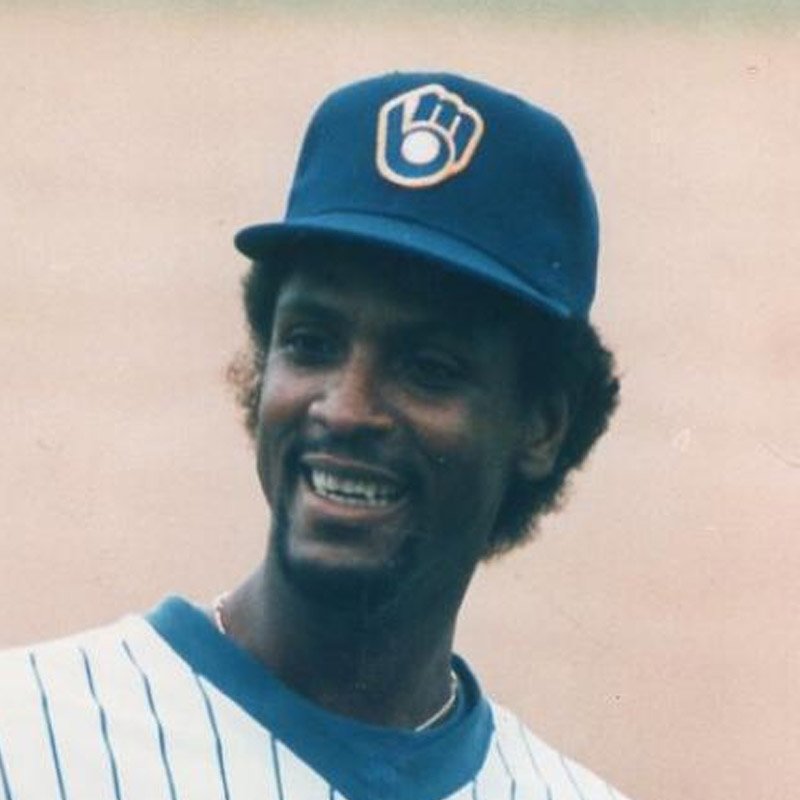 Ernest Riles was born in 1960 in Cairo, Georgia. After high school, Riles attended Middle Georgia State University and was drafted by the Seattle Mariners in the 21st round of the 1980 MLB Amateur Draft by elected not to sign. The following year, Riles was selected by the Brewers in the third round of the January Draft-Secondary Phase. The lefty-hitting infielder batted .348/.413/.453 in his first year at Butte (Montana) in the Rookie Pioneer League. He moved steadily up the chain and made his major league debut in 1985. Riles began with a bang, hitting .364 (12-for-33) in his first two weeks before cooling off. He finished the year with a slash line of .286/.339/.377 and finished third in the AL ROY voting. Riles had a nice sophomore campaign, slashing .252/.321/.357 across 524 at-bats. After two seasons as the Brewers shortstop, Riles moved to third base in 1987. But his season didn’t start until late June due to an off-season finger injury on his right hand. Riles ended with a slash line of .261/.329/.351 in 83 games. The Brewers traded Riles to the San Francisco Giants in June 1988 for outfielder Jeffrey Leonard. Riles lasted for three seasons in San Francisco, playing in 293 games, mostly in a utility role. After the 1990 season, Riles was traded to the Oakland Athletics. With his career winding down at the youngish age of 30, Riles played one season each for Oakland, Houston, and Boston. He signed with California and Cleveland, respectively, for the next two seasons and played at the Triple-A level. In 1996, Riles played a few games in the independent Big South League and called it a career after that. Riles finished his nine-year career with a slash line of .254/.319/.365 across 2,504 at-bats, including 92 doubles, 20 triples, and 48 home runs.
 -
Ernest Riles was born in 1960 in Cairo, Georgia. After high school, Riles attended Middle Georgia State University and was drafted by the Seattle Mariners in the 21st round of the 1980 MLB Amateur Draft by elected not to sign. The following year, Riles was selected by the Brewers in the third round of the January Draft-Secondary Phase. The lefty-hitting infielder batted .348/.413/.453 in his first year at Butte (Montana) in the Rookie Pioneer League. He moved steadily up the chain and made his major league debut in 1985. Riles began with a bang, hitting .364 (12-for-33) in his first two weeks before cooling off. He finished the year with a slash line of .286/.339/.377 and finished third in the AL ROY voting. Riles had a nice sophomore campaign, slashing .252/.321/.357 across 524 at-bats. After two seasons as the Brewers shortstop, Riles moved to third base in 1987. But his season didn’t start until late June due to an off-season finger injury on his right hand. Riles ended with a slash line of .261/.329/.351 in 83 games. The Brewers traded Riles to the San Francisco Giants in June 1988 for outfielder Jeffrey Leonard. Riles lasted for three seasons in San Francisco, playing in 293 games, mostly in a utility role. After the 1990 season, Riles was traded to the Oakland Athletics. With his career winding down at the youngish age of 30, Riles played one season each for Oakland, Houston, and Boston. He signed with California and Cleveland, respectively, for the next two seasons and played at the Triple-A level. In 1996, Riles played a few games in the independent Big South League and called it a career after that. Riles finished his nine-year career with a slash line of .254/.319/.365 across 2,504 at-bats, including 92 doubles, 20 triples, and 48 home runs. View full player
-
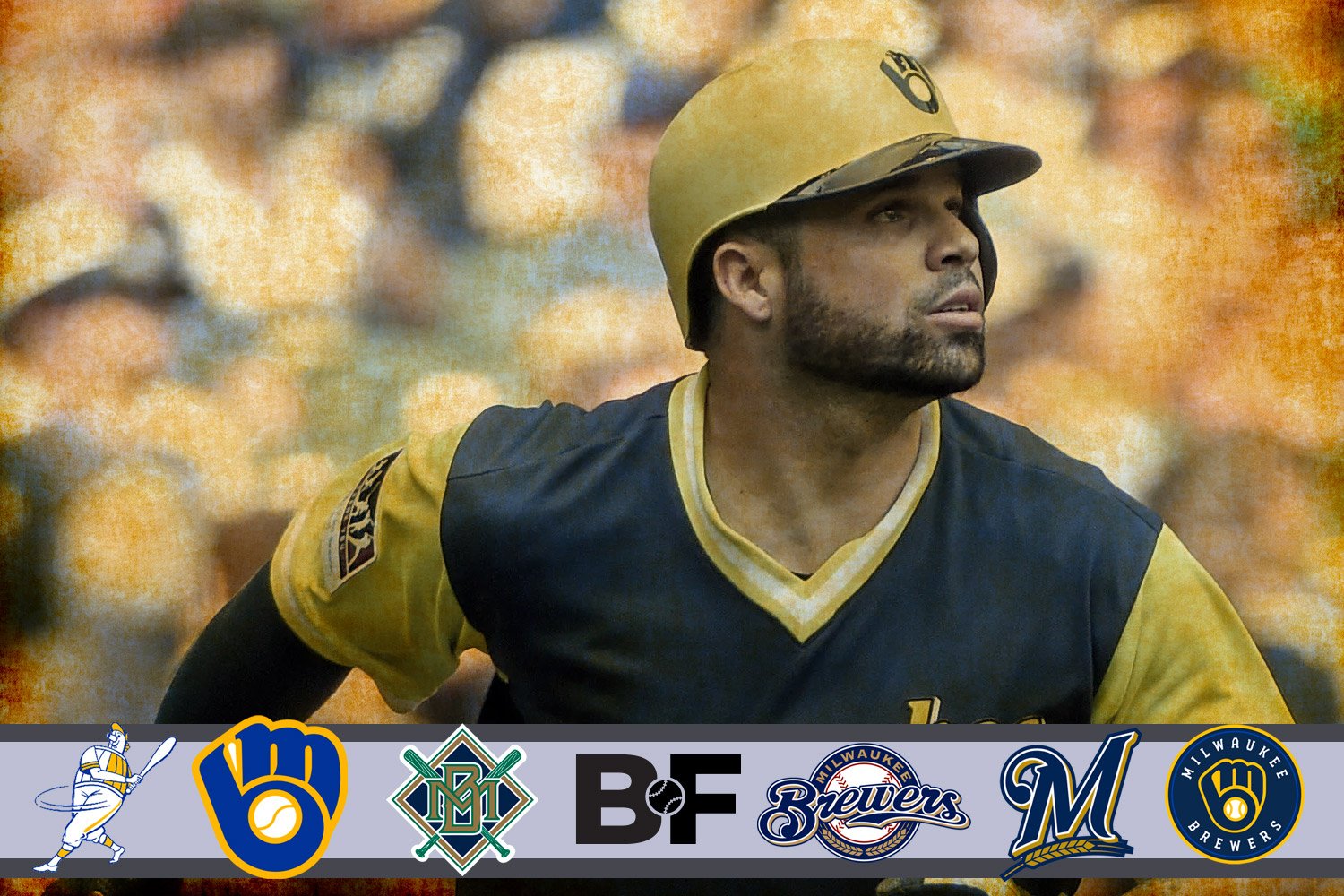 Manuel Elias Piña Reyes was born in 1987 in Barquisimeto, Venezuela. He was signed in 2004 by Texas Rangers scout Manny Batista. Manny Pineapple, a sobriquet that was played under his last name, started his professional career for the Rangers in the Rookie Arizona League in 2005 but played only 27 games. The following year was even worse; Piña played in 14 contests and then missed the rest of the year after undergoing Tommy John surgery on his right elbow. Manny Pineapple might not be among the top statistical catchers in Brewers history, but he does sing a mean version of 'Hotel California.' The righty-hitting catcher spent the next three seasons working through the Rangers organization, reaching Double-A Frisco in the Texas League. At the tail end of the 2009 season, Manny Piña was traded to the Kansas City Royals. For the next four years, Piña kicked around at the Double-A and Triple-A levels in the Royals chain. He got two brief sips of Starbucks in 2011 and 2012 in Kansas City, where he played in five games and went a disappointing 3-for-16, including a pair of two-base hits. Piña continued toiling in the minors for the Royals, Detroit Tigers, and Seattle Mariners through the 2015 season. Later that winter, he was traded to the Brewers as the infamous PTBNL part of the Francisco Rodriguez trade. After Jonathan Lucroy was traded to the Rangers in July 2016, Piña was called up to the Brewers. Piña was pressed into action for Milwaukee, where he started 17 of 33 games he played in the final two months. He acquitted himself well, slashing .254/.346/.394 across 71 at-bats. Piña made his first big-league home run memorable as he slammed a pinch-hit three-run jack off Cincinnati’s Keyvius Sampson in the bottom of the ninth in a 7-4 loss on August 12. Piña became C1 in 2017 and got most of the catcher at-bats over the next year as well, over platoon partners that included Stephen Vogt, Jett Bandy, and Erik Kratz. Piña’s hitting line showed .266/.317/.410 across 205 games and 636 at-bats. He hit nine homers each year and, surprisingly, added two triples and four stolen bases over the two years. Piña also showed his defensive side, throwing out 35.6% and 40.8%, respectively, of runners trying to steal. His 40.8% was good for second-best in the NL in 2018. With newly acquired Yasmani Grandal getting the lion’s share of the playing time at catcher in 2019, Piña saw his on-field time dwindle to 53 games behind the plate, with another 24 games as a pinch-hitter. He finished the year with a slash line of .228/.313/.411 across 158 at-bats, adding seven homers and 25 RBIs. Piña’s already short 2020 season (Covid-19) became shorter when he tore the meniscus in his right knee. The highlight of his season was when he hit home runs in back-to-back innings in a 6-4 win over Minnesota on August 11. Otherwise, not much good happened during the 15 games he appeared in. In 2021, Piña was a solid platoon/backup, hitting a career-high 13 home runs but slipping to a batting line of .189/.293/.439 across 180 at-bats. His .439 slugging percentage was also a career-high. Piña became a free agent after the season and was quickly snapped up by the Atlanta Braves. The two sides agreed on a two-year, $8 million contract, but both sides would soon be disappointed as Piña injured his left wrist in April and missed the last five months of the season. Just before Christmas 2022, Piña was part of a three-way trade between the Braves, the Brewers, and the Oakland Athletics. That swap netted superstar catcher William Contreras and pitcher Joel Payamps for the Brewers. Both would play key roles over the following two seasons for The Crew. Piña, on the other hand, would not play a key role for Oakland, as he missed all but four games in 2023 because of a lingering left wrist injury. He was DFA’d on July 31 and was released four days later. Piña missed all of the 2024 season due to that injury. Pending a miraculous comeback at age 37, Piña will finish with a career slash line of .243/.312/.410 with 43 home runs, 149 RBIs, and 55 two-base hits. Manny Pineapple might not have been the best-ever Brewers catcher, but he always had a smile on his face. Do you have any memories of Manny Pineapple? Please share them in the comments section.
 -
Manny Piña didn't see regular playing time until he was nearly 30 years old. After bouncing around from team to team in the minor leagues for several years, the Milwaukee Brewers traded for him in 2015, and the likable Piña soon became not only a fan favorite but a mentor and 'elder' statesman in the clubhouse. Manuel Elias Piña Reyes was born in 1987 in Barquisimeto, Venezuela. He was signed in 2004 by Texas Rangers scout Manny Batista. Manny Pineapple, a sobriquet that was played under his last name, started his professional career for the Rangers in the Rookie Arizona League in 2005 but played only 27 games. The following year was even worse; Piña played in 14 contests and then missed the rest of the year after undergoing Tommy John surgery on his right elbow. Manny Pineapple might not be among the top statistical catchers in Brewers history, but he does sing a mean version of 'Hotel California.' The righty-hitting catcher spent the next three seasons working through the Rangers organization, reaching Double-A Frisco in the Texas League. At the tail end of the 2009 season, Manny Piña was traded to the Kansas City Royals. For the next four years, Piña kicked around at the Double-A and Triple-A levels in the Royals chain. He got two brief sips of Starbucks in 2011 and 2012 in Kansas City, where he played in five games and went a disappointing 3-for-16, including a pair of two-base hits. Piña continued toiling in the minors for the Royals, Detroit Tigers, and Seattle Mariners through the 2015 season. Later that winter, he was traded to the Brewers as the infamous PTBNL part of the Francisco Rodriguez trade. After Jonathan Lucroy was traded to the Rangers in July 2016, Piña was called up to the Brewers. Piña was pressed into action for Milwaukee, where he started 17 of 33 games he played in the final two months. He acquitted himself well, slashing .254/.346/.394 across 71 at-bats. Piña made his first big-league home run memorable as he slammed a pinch-hit three-run jack off Cincinnati’s Keyvius Sampson in the bottom of the ninth in a 7-4 loss on August 12. Piña became C1 in 2017 and got most of the catcher at-bats over the next year as well, over platoon partners that included Stephen Vogt, Jett Bandy, and Erik Kratz. Piña’s hitting line showed .266/.317/.410 across 205 games and 636 at-bats. He hit nine homers each year and, surprisingly, added two triples and four stolen bases over the two years. Piña also showed his defensive side, throwing out 35.6% and 40.8%, respectively, of runners trying to steal. His 40.8% was good for second-best in the NL in 2018. With newly acquired Yasmani Grandal getting the lion’s share of the playing time at catcher in 2019, Piña saw his on-field time dwindle to 53 games behind the plate, with another 24 games as a pinch-hitter. He finished the year with a slash line of .228/.313/.411 across 158 at-bats, adding seven homers and 25 RBIs. Piña’s already short 2020 season (Covid-19) became shorter when he tore the meniscus in his right knee. The highlight of his season was when he hit home runs in back-to-back innings in a 6-4 win over Minnesota on August 11. Otherwise, not much good happened during the 15 games he appeared in. In 2021, Piña was a solid platoon/backup, hitting a career-high 13 home runs but slipping to a batting line of .189/.293/.439 across 180 at-bats. His .439 slugging percentage was also a career-high. Piña became a free agent after the season and was quickly snapped up by the Atlanta Braves. The two sides agreed on a two-year, $8 million contract, but both sides would soon be disappointed as Piña injured his left wrist in April and missed the last five months of the season. Just before Christmas 2022, Piña was part of a three-way trade between the Braves, the Brewers, and the Oakland Athletics. That swap netted superstar catcher William Contreras and pitcher Joel Payamps for the Brewers. Both would play key roles over the following two seasons for The Crew. Piña, on the other hand, would not play a key role for Oakland, as he missed all but four games in 2023 because of a lingering left wrist injury. He was DFA’d on July 31 and was released four days later. Piña missed all of the 2024 season due to that injury. Pending a miraculous comeback at age 37, Piña will finish with a career slash line of .243/.312/.410 with 43 home runs, 149 RBIs, and 55 two-base hits. Manny Pineapple might not have been the best-ever Brewers catcher, but he always had a smile on his face. Do you have any memories of Manny Pineapple? Please share them in the comments section. View full article
-
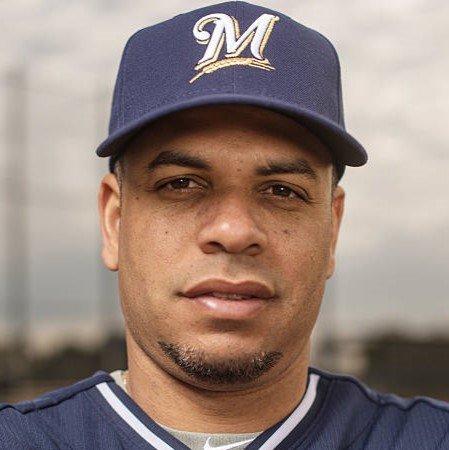 Aramis Ramírez was born in 1978 in Santo Domingo, Dominican Republic. In late 1994, when he was just 16, Ramírez signed a free agent contract with the Pittsburgh Pirates. In his third year in pro ball, Ramírez made his big-league debut. After being called up in May 1998, he went 0-for-24 before getting his first major league hit. Ramírez, at age 19, was the youngest player in the MLB at that time. He split time between Triple-A and the majors for three years and then made it to the big time for good in 2001. Despite hitting 34 homers, driving in 112 runs, and batting .300 in 2001, Ramírez did not make the NL All-Star team. He struggled in 2002 and after a good half-season the next year, was traded to the Chicago Cubs in July 2003. Ramírez had eight-plus solid seasons with the Cubs, making the NL All-Star team twice and earning a Silver Slugger award in his final season (2011) with the Cubs. During his time with Chicago, he hit 239 home runs and slashed .294/.356/.531 across 1,124 games and 4,232 at-bats. Ramírez signed with the Brewers as a free agent after the 2011 season. The right-handed batting third sacker played in Milwaukee for three and one-half years and performed well, leading the NL in doubles in 2012 with 50 two-base hits. In 2013, Ramírez missed nearly half the season with knee problems. He recovered enough in 2014 that he made the NL All-Star team. At the advanced age of 37, Ramírez had a ho-hum season going in Milwaukee in 2015, slashing .247/.295/.430 in 81 games before being traded back to the Pirates. After finishing the year in Pittsburgh, he announced his retirement in November. Ramírez concluded his 18-year MLB career with 386 home runs and a slash line of .283/.341/.492. In 2024, he and Kerry Wood were inducted into the Chicago Cubs Hall of Fame.
 -
Aramis Ramírez was born in 1978 in Santo Domingo, Dominican Republic. In late 1994, when he was just 16, Ramírez signed a free agent contract with the Pittsburgh Pirates. In his third year in pro ball, Ramírez made his big-league debut. After being called up in May 1998, he went 0-for-24 before getting his first major league hit. Ramírez, at age 19, was the youngest player in the MLB at that time. He split time between Triple-A and the majors for three years and then made it to the big time for good in 2001. Despite hitting 34 homers, driving in 112 runs, and batting .300 in 2001, Ramírez did not make the NL All-Star team. He struggled in 2002 and after a good half-season the next year, was traded to the Chicago Cubs in July 2003. Ramírez had eight-plus solid seasons with the Cubs, making the NL All-Star team twice and earning a Silver Slugger award in his final season (2011) with the Cubs. During his time with Chicago, he hit 239 home runs and slashed .294/.356/.531 across 1,124 games and 4,232 at-bats. Ramírez signed with the Brewers as a free agent after the 2011 season. The right-handed batting third sacker played in Milwaukee for three and one-half years and performed well, leading the NL in doubles in 2012 with 50 two-base hits. In 2013, Ramírez missed nearly half the season with knee problems. He recovered enough in 2014 that he made the NL All-Star team. At the advanced age of 37, Ramírez had a ho-hum season going in Milwaukee in 2015, slashing .247/.295/.430 in 81 games before being traded back to the Pirates. After finishing the year in Pittsburgh, he announced his retirement in November. Ramírez concluded his 18-year MLB career with 386 home runs and a slash line of .283/.341/.492. In 2024, he and Kerry Wood were inducted into the Chicago Cubs Hall of Fame. View full player
-
Turang will be an elite defender at any of those three spots (2B-SS-3B) and I don't think the 'D' would drop off at all no matter where he is. I think Ortiz is probably the same. Milwaukee should just look for the best player (via free agency or trade) at one of those spots and then put the players where they fit best once the new player is acquired. It's not like Murphy is considering moving Hoskins or Contreras to SS...
- 11 replies
-
- 1
-

-
- brice turang
- joey ortiz
- (and 2 more)
-
In his 14-year career, Eric Vaughn Plunk never made a major league all-star team. All he did was compile an ERA+ of more than 100 in 10 of these years, signifying a solid pitcher. Early in his career he was a spot starter, but he also notched 35 saves, including a high of 15 in 1993 for the Cleveland Indians. Plunk was born in 1963 in Wilmington, California and attended Bellflower High School. In 1981, he was drafted by the New York Yankees in the fourth round in the MLB Amateur Draft. Plunk was used mostly as a starter in his first four years in the Yankees organization, but he was involved in a trade with the Oakland Athletics December 1984 that included José Rijo and Rickey Henderson. After one-plus years in the minors for Oakland, Plunk was called up to the A’s in May 1986 and started out as a reliever, but in his eighth big-league game took the ball for a start and earned the victory over the Texas Rangers, pitching 7.2 innings, giving up three hits, two runs, and five walks while striking out 10 in the 3-2 victory. Plunk pitched for two-plus years for Oakland and then was traded to the New York Yankees in June 1989. The big (6-foot-5, 210 pound) righty was a key part of the Yankee bullpen for two and ½ years, and then signed as a free agent in April 1992 by the Cleveland Indians. Plunk was a solid member of the Indians bull pen over six-plus seasons, appearing in 373 games and compiling an ERA+ of 140. In July 1998, he was traded to the Brewers. On the downside of his career, Plunk pitched 94 games for Milwaukee between 1998 and 1999, earning five wins and one save. View full player
-
 In his 14-year career, Eric Vaughn Plunk never made a major league all-star team. All he did was compile an ERA+ of more than 100 in 10 of these years, signifying a solid pitcher. Early in his career he was a spot starter, but he also notched 35 saves, including a high of 15 in 1993 for the Cleveland Indians. Plunk was born in 1963 in Wilmington, California and attended Bellflower High School. In 1981, he was drafted by the New York Yankees in the fourth round in the MLB Amateur Draft. Plunk was used mostly as a starter in his first four years in the Yankees organization, but he was involved in a trade with the Oakland Athletics December 1984 that included José Rijo and Rickey Henderson. After one-plus years in the minors for Oakland, Plunk was called up to the A’s in May 1986 and started out as a reliever, but in his eighth big-league game took the ball for a start and earned the victory over the Texas Rangers, pitching 7.2 innings, giving up three hits, two runs, and five walks while striking out 10 in the 3-2 victory. Plunk pitched for two-plus years for Oakland and then was traded to the New York Yankees in June 1989. The big (6-foot-5, 210 pound) righty was a key part of the Yankee bullpen for two and ½ years, and then signed as a free agent in April 1992 by the Cleveland Indians. Plunk was a solid member of the Indians bull pen over six-plus seasons, appearing in 373 games and compiling an ERA+ of 140. In July 1998, he was traded to the Brewers. On the downside of his career, Plunk pitched 94 games for Milwaukee between 1998 and 1999, earning five wins and one save.
 -
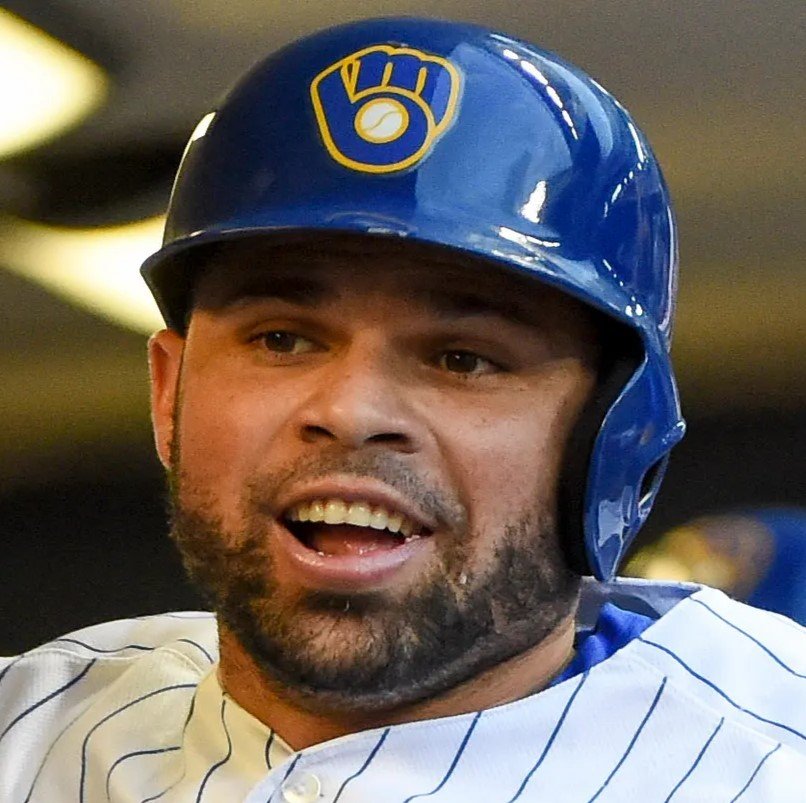 Manuel Elias Piña Reyes was born in 1987 in Barquisimeto, Venezuela. He was signed in 2004 by Texas Rangers scout Manny Batista. ‘Manny Pineapple,’ a sobriquet which was a play on his last name, started his pro career for the Rangers in the Rookie Arizona League in 2005 but played only 27 games. The following year was even worse; Piña played in 14 contests and then missed the rest of the year after undergoing Tommy John surgery on his right elbow. The righty-hitting catcher spent the next three seasons working his way through the Rangers organization, making it as high as Double-A Frisco in the Texas League. At the tail end of the 2009 season, Piña was traded to the Kansas City Royals. Piña kicked around at the Double-A and Triple-A levels in the Royals chain for the next four years. He got two brief sips of Starbucks in 2011 and 2012 in Kansas City, where he played in five games and went a disappointing 3-for-16, including a pair of two-base hits. Piña continued toiling in the minors for the Royals, Detroit Tigers, and Seattle Mariners through the 2015 season. Later that winter he was traded to the Brewers as the infamous PTBNL part of the Francisco Rodriguez trade. After Jonathan Lucroy was traded to the Rangers in July 2016, Piña was called up to the Brewers. Piña was pressed into action for Milwaukee, where he started 17 of 33 games he played in the final two months. He acquitted himself well, slashing .254/.346/.394 across 71 at-bats. Piña made his first big-league home run a memorable one, as he slammed a pinch-hit three-run jack off Cincinnati’s Keyvius Sampson in the bottom of the ninth in a 7-4 loss on August 12. Piña became C1 in 2017 and got most of the catcher at-bats over the next year as well, over platoon partners that included Stephen Vogt, Jett Bandy, and Erik Kratz. Piña’s hitting line showed .266/.317/.410 across 205 games and 636 ABs. He hit nine homers each year and surprisingly, added two triples and four stolen bases over the two-year span. Piña also showed his defensive side as well, throwing out 35.6% and 40.8% respectively, of runners trying to steal. His 40.8% was good for second-best in the NL in 2018. With newly acquired Yasmani Grandal getting the lion’s share of the playing time at catcher in 2019, Piña saw his on-field time dwindle down to 53 games behind the plate, with another 24 games as a pinch-hitter. He finished the year with a slash line of .228/.313/.411 across 158 at-bats, adding seven homers and 25 RBIs. Piña’s already short 2020 season (Covid-19) became shorter when he tore the meniscus in his right-knee. The highlight of his season was when he hit home runs in back-to-back innings in a 6-4 win over Minnesota on August 11. Otherwise, not much good happened during the 15 games he appeared in. In 2021, Piña was a solid platoon/back-up as he hit a career-high 13 home runs but slipped to a batting line of .189/.293/.439 across 180 at-bats. His .439 slugging percentage was also a career high. Piña became a free agent after the season and was quickly snapped up by the Atlanta Braves. The two sides agreed on a two-year, $8 million contract, but both sides would soon be disappointed as Piña injured his left wrist in April and missed the last five months of the season. Just before Christmas 2022, Piña was a part of a three-way trade between the Braves, the Brewers, and the Oakland Athletics. That swap netted superstar catcher William Contreras and pitcher Joel Payamps. Both would play key roles over the following two seasons for the Brewers. Piña on the other hand, would not play a key role for Oakland, as he missed all but four games in 2023 because of a lingering left wrist injury. He was DFA’d on July 31 and was released four days later. Piña missed all of the 2024 season due to that injury. Pending a miraculous comeback at age 37, Piña will finish with a career slash line of .243/.312/.410 with 43 home runs. 149 RBIs, and 55 two-base hits.
 -
Manuel Elias Piña Reyes was born in 1987 in Barquisimeto, Venezuela. He was signed in 2004 by Texas Rangers scout Manny Batista. ‘Manny Pineapple,’ a sobriquet which was a play on his last name, started his pro career for the Rangers in the Rookie Arizona League in 2005 but played only 27 games. The following year was even worse; Piña played in 14 contests and then missed the rest of the year after undergoing Tommy John surgery on his right elbow. The righty-hitting catcher spent the next three seasons working his way through the Rangers organization, making it as high as Double-A Frisco in the Texas League. At the tail end of the 2009 season, Piña was traded to the Kansas City Royals. Piña kicked around at the Double-A and Triple-A levels in the Royals chain for the next four years. He got two brief sips of Starbucks in 2011 and 2012 in Kansas City, where he played in five games and went a disappointing 3-for-16, including a pair of two-base hits. Piña continued toiling in the minors for the Royals, Detroit Tigers, and Seattle Mariners through the 2015 season. Later that winter he was traded to the Brewers as the infamous PTBNL part of the Francisco Rodriguez trade. After Jonathan Lucroy was traded to the Rangers in July 2016, Piña was called up to the Brewers. Piña was pressed into action for Milwaukee, where he started 17 of 33 games he played in the final two months. He acquitted himself well, slashing .254/.346/.394 across 71 at-bats. Piña made his first big-league home run a memorable one, as he slammed a pinch-hit three-run jack off Cincinnati’s Keyvius Sampson in the bottom of the ninth in a 7-4 loss on August 12. Piña became C1 in 2017 and got most of the catcher at-bats over the next year as well, over platoon partners that included Stephen Vogt, Jett Bandy, and Erik Kratz. Piña’s hitting line showed .266/.317/.410 across 205 games and 636 ABs. He hit nine homers each year and surprisingly, added two triples and four stolen bases over the two-year span. Piña also showed his defensive side as well, throwing out 35.6% and 40.8% respectively, of runners trying to steal. His 40.8% was good for second-best in the NL in 2018. With newly acquired Yasmani Grandal getting the lion’s share of the playing time at catcher in 2019, Piña saw his on-field time dwindle down to 53 games behind the plate, with another 24 games as a pinch-hitter. He finished the year with a slash line of .228/.313/.411 across 158 at-bats, adding seven homers and 25 RBIs. Piña’s already short 2020 season (Covid-19) became shorter when he tore the meniscus in his right-knee. The highlight of his season was when he hit home runs in back-to-back innings in a 6-4 win over Minnesota on August 11. Otherwise, not much good happened during the 15 games he appeared in. In 2021, Piña was a solid platoon/back-up as he hit a career-high 13 home runs but slipped to a batting line of .189/.293/.439 across 180 at-bats. His .439 slugging percentage was also a career high. Piña became a free agent after the season and was quickly snapped up by the Atlanta Braves. The two sides agreed on a two-year, $8 million contract, but both sides would soon be disappointed as Piña injured his left wrist in April and missed the last five months of the season. Just before Christmas 2022, Piña was a part of a three-way trade between the Braves, the Brewers, and the Oakland Athletics. That swap netted superstar catcher William Contreras and pitcher Joel Payamps. Both would play key roles over the following two seasons for the Brewers. Piña on the other hand, would not play a key role for Oakland, as he missed all but four games in 2023 because of a lingering left wrist injury. He was DFA’d on July 31 and was released four days later. Piña missed all of the 2024 season due to that injury. Pending a miraculous comeback at age 37, Piña will finish with a career slash line of .243/.312/.410 with 43 home runs. 149 RBIs, and 55 two-base hits. View full player
-
https://onmilwaukee.com/articles/fielderparrareact
-
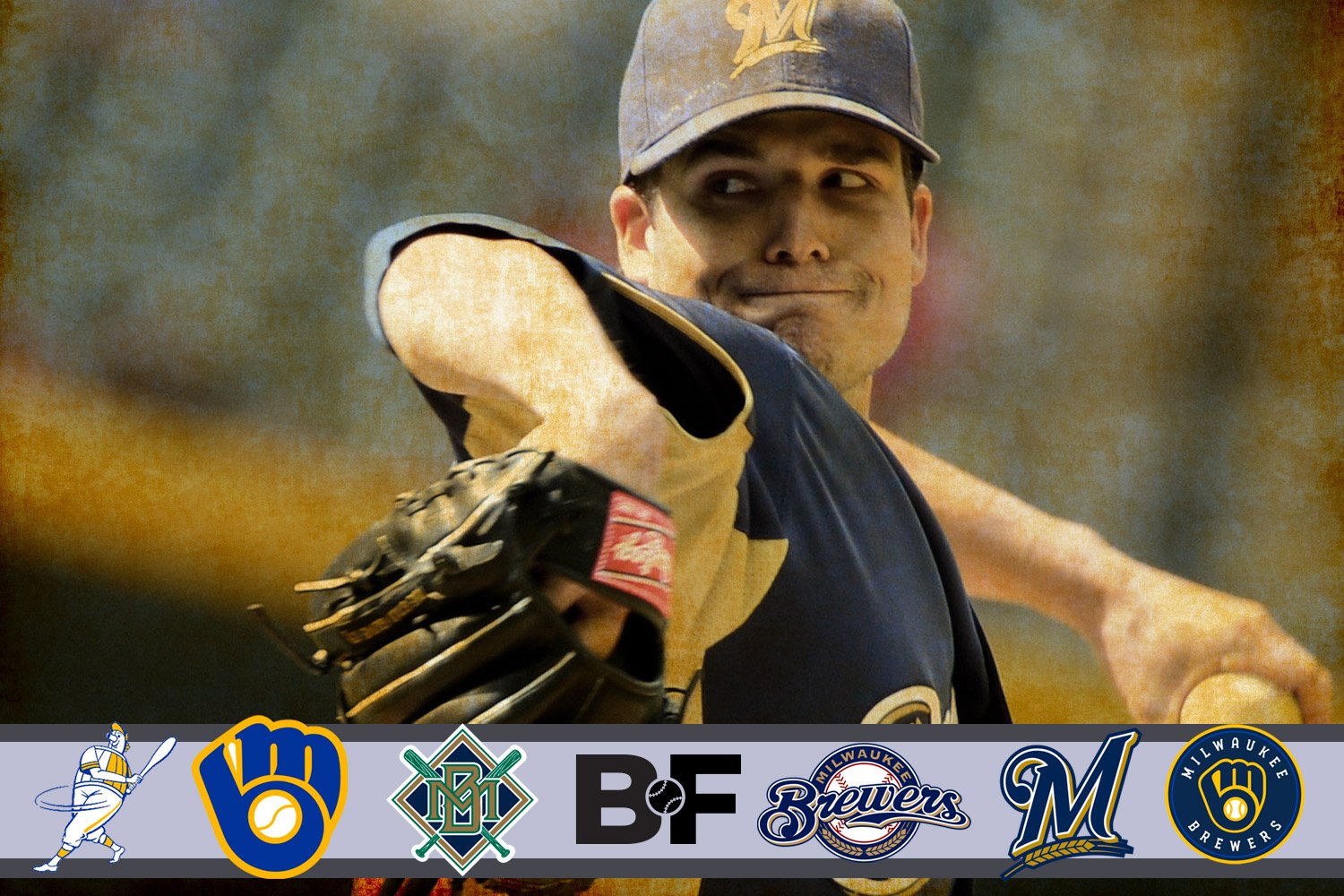 Manuel Alex Parra was born in 1982 in Carmichael, California. He graduated from Casa Roble High School in nearby Orangevale, both suburbs of Sacramento. The left-hander was selected in the 26th round of the 2001 MLB Amateur Draft by the Brewers as a ‘draft-and-follow’ player. Manny Parra attended American River College in Sacramento for two years and elected to sign with the Brewers in May 2002 for a $1.25 million signing bonus. Parra was named the National Junior College Player of the Year by Baseball America. About signing with the Brewers, Parra said, “…I can move up quickly in that organization. They definitely need pitching.” That didn’t quite happen, as it took Parra six years to reach the majors. He moved from Double-A Huntsville to Triple-A Nashville in 2007, pitching a perfect game in his second start with Nashville. A month later, he was called to Milwaukee, where he made nine appearances (two starts) before suffering a broken thumb in late August. He finished the season on the disabled list and ended with a record of 0-1, an ERA+ of 120, and a FIP of 3.35 across 26 innings pitched. In 2008, Parra spent the whole season with the Brewers, won 10 games, and compiled a slightly below-average ERA+ (96) and a FIP of 4.16 across 29 starts and three relief appearances. He did lead the National League in one category: wild pitches. His 17 errant offerings tied for first with Tim “Big Time Timmy Jim” Lincecum, who led the NL three times. Parra started the 2009 season in Milwaukee but was sent to Nashville to work on ‘control issues.’ Parra was recalled after four starts in the minors and finished the season with the Brewers. He won a career-high 11 games but had a sub-par ERA+ of 65, a FIP of 4.88, and an astronomical ERA of 6.36 across 140 innings and 27 starts. Spring training 2010 saw Parra battling with Jeff Suppan, Dave Bush, and Chris Narveson for the final two starting spots. Bush and Narveson got the spots, while Parra started the year in the 'pen. Parra pitched well in relief the first two months and then got pressed into a starting role when Doug Davis was lost due to injury. Parra made 15 starts between late May and late August but struggled, losing seven of nine decisions while giving up 16 gopher balls in just 77 innings, a rate of 1.87/9 IP. He also walked 44 batters, a BB rate of 11.7%. Parra compiled an ERA+ of 80 for the season and a 4.51 FIP across 42 appearances (16 starts). Parra’s 2011 season was a total train wreck, as he went on the DL in spring training, made a handful of rehab appearances in the minors, and missed the rest of the season with a back injury and elbow surgery. The southpaw pitched strictly in relief for Milwaukee in 2012, making 62 appearances. He once again struggled with his command, walking batters at a rate of 12.8%. After the season, the once-promising prospect had become a middle reliever and was granted free agency. The Cincinnati Reds signed him in February 2013. Parra spent three years with the Reds, making 150 relief appearances. Despite solid numbers, including an ERA+ of 98, a FIP of 3.45, and a reduced BB rate (8.1%), he was granted free agency after the 2015 season. The Chicago Cubs signed him to a minor league contract, but he missed the whole season after undergoing Tommy John surgery in April. Parra would never pitch in the majors again. Over the next several seasons, Parra pitched in the minors for the Cubs and the San Francisco Giants. He also pitched a few games in the independent Atlantic League and one final season in the Mexican League. Parra retired from professional baseball in February 2022. Over eight major league seasons, Parra had a record of 29-41, an ERA of 4.90, an ERA+ of 84, and a FIP of 4.17.
 -
Manny Parra was a 'draft and follow' pitcher who signed for $1.25 million in 2002, a few days before the Brewers would have lost his draft rights. Baseball America named Parra the 2002 National JUCO Player of the Year, and he was expected to be a dominating pitcher for years to come in Milwaukee. However, control problems and injuries derailed him, and in the end, the Brewers simply gave up on him after five seasons in Milwaukee. Manuel Alex Parra was born in 1982 in Carmichael, California. He graduated from Casa Roble High School in nearby Orangevale, both suburbs of Sacramento. The left-hander was selected in the 26th round of the 2001 MLB Amateur Draft by the Brewers as a ‘draft-and-follow’ player. Manny Parra attended American River College in Sacramento for two years and elected to sign with the Brewers in May 2002 for a $1.25 million signing bonus. Parra was named the National Junior College Player of the Year by Baseball America. About signing with the Brewers, Parra said, “…I can move up quickly in that organization. They definitely need pitching.” That didn’t quite happen, as it took Parra six years to reach the majors. He moved from Double-A Huntsville to Triple-A Nashville in 2007, pitching a perfect game in his second start with Nashville. A month later, he was called to Milwaukee, where he made nine appearances (two starts) before suffering a broken thumb in late August. He finished the season on the disabled list and ended with a record of 0-1, an ERA+ of 120, and a FIP of 3.35 across 26 innings pitched. In 2008, Parra spent the whole season with the Brewers, won 10 games, and compiled a slightly below-average ERA+ (96) and a FIP of 4.16 across 29 starts and three relief appearances. He did lead the National League in one category: wild pitches. His 17 errant offerings tied for first with Tim “Big Time Timmy Jim” Lincecum, who led the NL three times. Parra started the 2009 season in Milwaukee but was sent to Nashville to work on ‘control issues.’ Parra was recalled after four starts in the minors and finished the season with the Brewers. He won a career-high 11 games but had a sub-par ERA+ of 65, a FIP of 4.88, and an astronomical ERA of 6.36 across 140 innings and 27 starts. Spring training 2010 saw Parra battling with Jeff Suppan, Dave Bush, and Chris Narveson for the final two starting spots. Bush and Narveson got the spots, while Parra started the year in the 'pen. Parra pitched well in relief the first two months and then got pressed into a starting role when Doug Davis was lost due to injury. Parra made 15 starts between late May and late August but struggled, losing seven of nine decisions while giving up 16 gopher balls in just 77 innings, a rate of 1.87/9 IP. He also walked 44 batters, a BB rate of 11.7%. Parra compiled an ERA+ of 80 for the season and a 4.51 FIP across 42 appearances (16 starts). Parra’s 2011 season was a total train wreck, as he went on the DL in spring training, made a handful of rehab appearances in the minors, and missed the rest of the season with a back injury and elbow surgery. The southpaw pitched strictly in relief for Milwaukee in 2012, making 62 appearances. He once again struggled with his command, walking batters at a rate of 12.8%. After the season, the once-promising prospect had become a middle reliever and was granted free agency. The Cincinnati Reds signed him in February 2013. Parra spent three years with the Reds, making 150 relief appearances. Despite solid numbers, including an ERA+ of 98, a FIP of 3.45, and a reduced BB rate (8.1%), he was granted free agency after the 2015 season. The Chicago Cubs signed him to a minor league contract, but he missed the whole season after undergoing Tommy John surgery in April. Parra would never pitch in the majors again. Over the next several seasons, Parra pitched in the minors for the Cubs and the San Francisco Giants. He also pitched a few games in the independent Atlantic League and one final season in the Mexican League. Parra retired from professional baseball in February 2022. Over eight major league seasons, Parra had a record of 29-41, an ERA of 4.90, an ERA+ of 84, and a FIP of 4.17. View full article
-
Manuel Alex Parra was born in 1982 in Carmichael, California. He graduated from Casa Roble High School in nearby Orangevale, both suburbs of Sacramento. The left-hander was selected in the 26th round of the 2001 MLB Amateur Draft by the Brewers as a ‘draft-and-follow’ player. Parra attended American River College in Sacramento for two years and elected to sign with the Brewers in May 2002 for a $1.25 million signing bonus. Parra was named the national Junior College Player of the Year by Baseball America. About signing with the Brewers, Parra said, “…I can move up quickly in that organization. They definitely need pitching.” That didn’t quite happen as it took Parra six years to reach the majors. He moved from Double-A Huntsville to Triple-A Nashville in 2007, pitching a perfect game in his second start with Nashville. A month later he was called up to Milwaukee, where he would make nine appearances (two starts) before suffering a broken thumb in late August. He finished the season on the disabled list and ended with a record of 0-1, an ERA+ of 120, and a FIP of 3.35 across 26 innings pitched. In 2008, Parra spent the whole season with the Brewers and won 10 games and compiled a slightly-below average ERA+ (96) and a FIP of 4.16 across 29 starts and three relief appearances. He did lead the National League in one category: wild pitches. His 17 errant offerings tied for first with Tim “Big Time Timmy Jim” Lincecum, who led the NL three times. Parra started the 2009 season in Milwaukee but was sent down to Nashville to work on ‘control issues.’ After four starts in the minors, Parra was recalled and finished the season with the Brewers. He won a career-high 11 games, but had a sub-par ERA+ of 65, a FIP of 4.88, and an astronomical ERA of 6.36 across 140 innings and 27 starts. Spring training 2010 saw Parra battling with Jeff Suppan, Dave Bush, and Chris Narveson for the final two starting spots. Bush and Narveson got the spots while Parra started the year in the pen. Parra pitched well in relief the first two months and then got pressed into a starting role when Doug Davis was lost due to injury. Parra made 15 starts between late May and late August, but struggled, losing seven of nine decisions while giving up 16 gopher balls in just 77 innings, a rate of 1.87/nine IP. He also walked 44 batters, a BB rate of 11.7%. For the season, Parra compiled an ERA+ of 80 and a 4.51 FIP across 42 appearances (16 starts). Parra’s 2011 season was a total trainwreck, as he went on the DL in spring training, made a handful of rehab appearances in the minors, and missed the rest of the season with a back injury and elbow surgery. The southpaw pitched strictly in relief for Milwaukee in 2012, making 62 appearances. He once again struggled with his command, walking batters at a rate of 12.8%. The once promising prospect had become a middle reliever and after the season was granted free agency. The Cincinnati Reds signed him in February 2013. Parra spent three years with the Reds, making 150 relief appearances. Despite solid numbers, including an ERA+ of 98, a FIP of 3.45, and a reduced BB rate (8.1%), he was granted free agency after the 2015 season. The Chicago Cubs signed him to a minor league contract but missed the whole season after undergoing Tommy John surgery in April. Parra would never pitch in the majors again. Over the next several seasons, Parra pitched in the minors for the Cubs and the San Francisco Giants. He also pitched a few games in the independent Atlantic League and one final season in the Mexican League. Parra retired from professional baseball in February 2022. Over eight major league seasons, Parra had a record of 29-41, and ERA of 4.90, and an ERA+ of 84 and FIP of 4.17. View full player
-
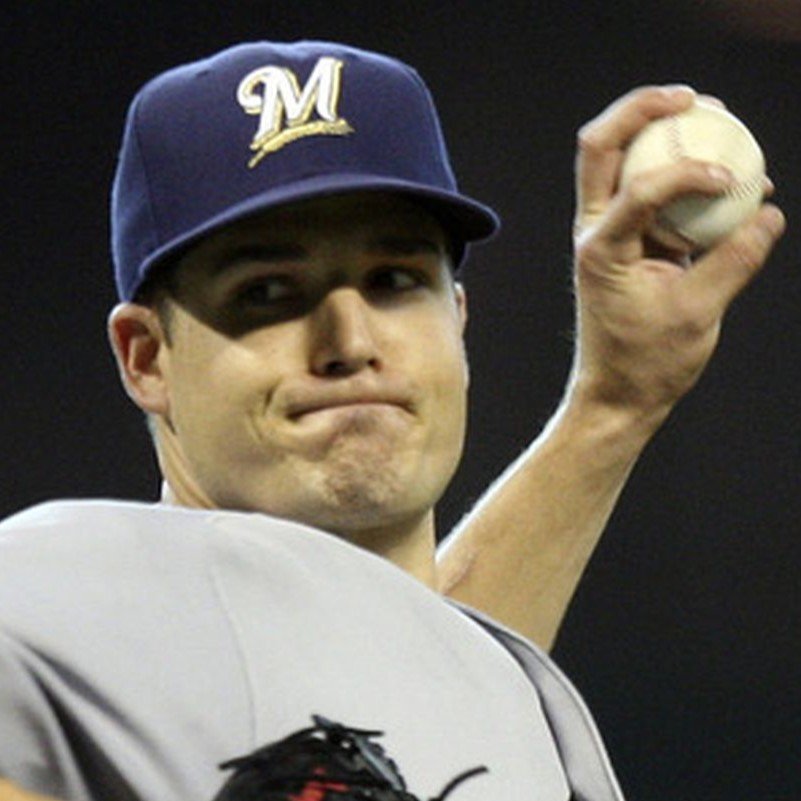 Manuel Alex Parra was born in 1982 in Carmichael, California. He graduated from Casa Roble High School in nearby Orangevale, both suburbs of Sacramento. The left-hander was selected in the 26th round of the 2001 MLB Amateur Draft by the Brewers as a ‘draft-and-follow’ player. Parra attended American River College in Sacramento for two years and elected to sign with the Brewers in May 2002 for a $1.25 million signing bonus. Parra was named the national Junior College Player of the Year by Baseball America. About signing with the Brewers, Parra said, “…I can move up quickly in that organization. They definitely need pitching.” That didn’t quite happen as it took Parra six years to reach the majors. He moved from Double-A Huntsville to Triple-A Nashville in 2007, pitching a perfect game in his second start with Nashville. A month later he was called up to Milwaukee, where he would make nine appearances (two starts) before suffering a broken thumb in late August. He finished the season on the disabled list and ended with a record of 0-1, an ERA+ of 120, and a FIP of 3.35 across 26 innings pitched. In 2008, Parra spent the whole season with the Brewers and won 10 games and compiled a slightly-below average ERA+ (96) and a FIP of 4.16 across 29 starts and three relief appearances. He did lead the National League in one category: wild pitches. His 17 errant offerings tied for first with Tim “Big Time Timmy Jim” Lincecum, who led the NL three times. Parra started the 2009 season in Milwaukee but was sent down to Nashville to work on ‘control issues.’ After four starts in the minors, Parra was recalled and finished the season with the Brewers. He won a career-high 11 games, but had a sub-par ERA+ of 65, a FIP of 4.88, and an astronomical ERA of 6.36 across 140 innings and 27 starts. Spring training 2010 saw Parra battling with Jeff Suppan, Dave Bush, and Chris Narveson for the final two starting spots. Bush and Narveson got the spots while Parra started the year in the pen. Parra pitched well in relief the first two months and then got pressed into a starting role when Doug Davis was lost due to injury. Parra made 15 starts between late May and late August, but struggled, losing seven of nine decisions while giving up 16 gopher balls in just 77 innings, a rate of 1.87/nine IP. He also walked 44 batters, a BB rate of 11.7%. For the season, Parra compiled an ERA+ of 80 and a 4.51 FIP across 42 appearances (16 starts). Parra’s 2011 season was a total trainwreck, as he went on the DL in spring training, made a handful of rehab appearances in the minors, and missed the rest of the season with a back injury and elbow surgery. The southpaw pitched strictly in relief for Milwaukee in 2012, making 62 appearances. He once again struggled with his command, walking batters at a rate of 12.8%. The once promising prospect had become a middle reliever and after the season was granted free agency. The Cincinnati Reds signed him in February 2013. Parra spent three years with the Reds, making 150 relief appearances. Despite solid numbers, including an ERA+ of 98, a FIP of 3.45, and a reduced BB rate (8.1%), he was granted free agency after the 2015 season. The Chicago Cubs signed him to a minor league contract but missed the whole season after undergoing Tommy John surgery in April. Parra would never pitch in the majors again. Over the next several seasons, Parra pitched in the minors for the Cubs and the San Francisco Giants. He also pitched a few games in the independent Atlantic League and one final season in the Mexican League. Parra retired from professional baseball in February 2022. Over eight major league seasons, Parra had a record of 29-41, and ERA of 4.90, and an ERA+ of 84 and FIP of 4.17.
 -
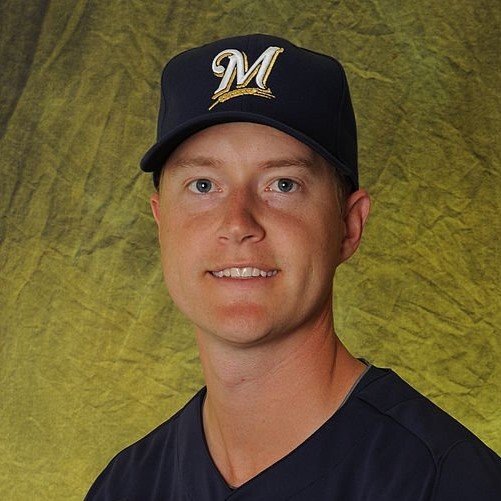 Christopher Gregg Narveson was born in 1981 in Englewood, Colorado. The family moved to North Carolina when Chris was a child, and he would graduate from TC Roberson High School in Asheville. He was drafted in the second round of the 2000 MLB Amateur Draft by the St. Louis Cardinals. The big (6-foot-3, 205 pound) southpaw appeared in the 2003 All-Star Futures game, but was traded in August 2004 to the Colorado Rockies. Narveson pitched in the Rockies organization for two months and then was traded to the Boston Red Sox during 2005 spring training. In August, he was waived and picked up again by the Cardinals. Narveson made his big-league debut in September 2006 and made five so-so appearances. The following year, he was limited to a dozen starts in AAA due to a shoulder injury. In December 2007, Narveson was signed by the Brewers. He pitched in the minors for 2008 and part of 2009 and then got called up to the Brewers in June 2009. Narveson made 21 appearances (four starts) and did well, posting an ERA+ of 108 and winning two games. Narveson earned a promotion to the starting rotation and started 56 games over the next two years, winning 23 games. His 2012 season was a disaster, as he made two starts and then missed the rest of the season due to rotator cuff surgery. The 2013 season wasn’t lucky, either, as Narveson suffered a sprained middle left finger and spent almost all season in the minors. He played in Japan in 2014 and came back to the states the following year. Over the next two season, Narveson pitched in 21 games for the Miami Marlins, who signed him in late 2014. He played one season in the Cleveland Indians organization in 2017 and then announced his retirement in September.
 -
Christopher Gregg Narveson was born in 1981 in Englewood, Colorado. The family moved to North Carolina when Chris was a child, and he would graduate from TC Roberson High School in Asheville. He was drafted in the second round of the 2000 MLB Amateur Draft by the St. Louis Cardinals. The big (6-foot-3, 205 pound) southpaw appeared in the 2003 All-Star Futures game, but was traded in August 2004 to the Colorado Rockies. Narveson pitched in the Rockies organization for two months and then was traded to the Boston Red Sox during 2005 spring training. In August, he was waived and picked up again by the Cardinals. Narveson made his big-league debut in September 2006 and made five so-so appearances. The following year, he was limited to a dozen starts in AAA due to a shoulder injury. In December 2007, Narveson was signed by the Brewers. He pitched in the minors for 2008 and part of 2009 and then got called up to the Brewers in June 2009. Narveson made 21 appearances (four starts) and did well, posting an ERA+ of 108 and winning two games. Narveson earned a promotion to the starting rotation and started 56 games over the next two years, winning 23 games. His 2012 season was a disaster, as he made two starts and then missed the rest of the season due to rotator cuff surgery. The 2013 season wasn’t lucky, either, as Narveson suffered a sprained middle left finger and spent almost all season in the minors. He played in Japan in 2014 and came back to the states the following year. Over the next two season, Narveson pitched in 21 games for the Miami Marlins, who signed him in late 2014. He played one season in the Cleveland Indians organization in 2017 and then announced his retirement in September. View full player
-
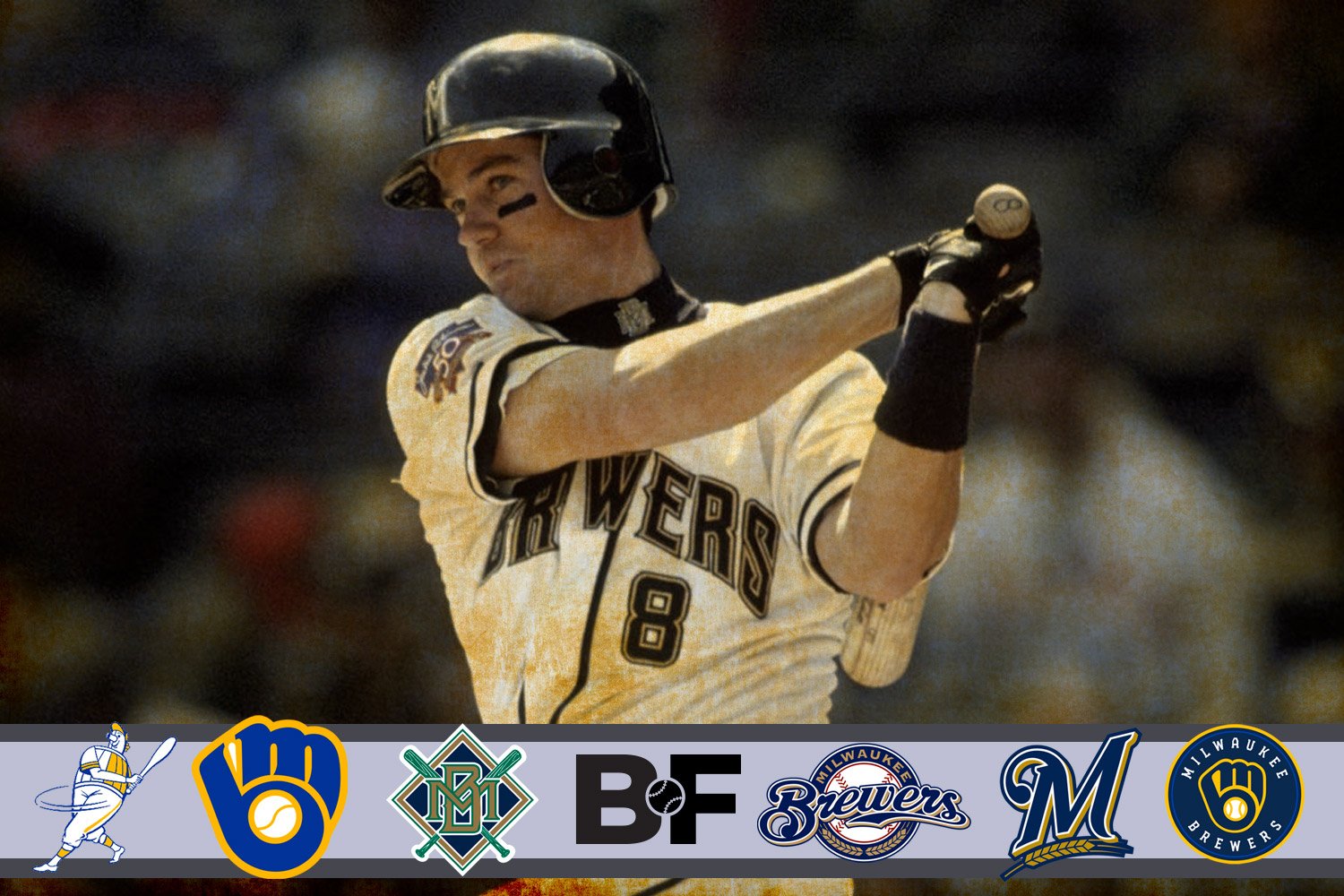 Mark David Loretta was born in 1971 in Santa Monica, California. Loretta attended Northwestern University and, as a senior, was named to the All-American first team at shortstop. He was drafted in the seventh round of the 1993 MLB Amateur Draft by the Brewers. Mark Loretta had said that his goal was to make it to the majors in ‘three or four years,’ and he did just that. After batting .299 in his first three minor league seasons, he made his major league debut in September 1995 and finished the year with a slash line of .260/.327/.380 with three doubles and a homer in 50 at-bats. Initially a shortstop, Loretta would play all four infield spots during his career. In 1996, the right-swinging Loretta started the season with the Brewers but was sent down in mid-May despite hitting .357 (10-for-28) to make room for outfielder Chuckie Carr. Loretta was called up three weeks later and finished the year in Milwaukee, slashing .279/.339/.318 across 154 at-bats. Over the next three years, Loretta was a ‘full-time’ utility player, averaging 142 games played. His three-year slash line was .297/.363/.400, with an average of 27 doubles, three triples, and five home runs per year. Loretta was batting .305 and playing solid defense at shortstop in early June 2000 when he fouled a ball off his left foot and suffered a broken bone, requiring surgery. He missed 11 weeks and finished the year with a batting mark of .281/.350/.406 across 352 at-bats with 21 doubles and seven homers. The injury bug struck once again in 2001 when Loretta suffered torn ligaments in his left thumb during spring training and missed the first six weeks of the season. He finished with another solid season with a batting line of .289/.346/.352 across 384 at-bats. His power numbers dropped with only 14 doubles and two home runs. Loretta started slow in 2002 and had only started 16 games through June 11 while batting only .174, but then had a hot streak in his next 12 games, hitting .500 (18-for-36) with seven two-baggers to raise his average to .286. He got more starts over the next six weeks, but his average dropped to .267 on August 31, when he was traded to the Houston Astros. Some saw the trade as part of a ‘fire sale’ with then-CEO Wendy Selig-Prieb jettisoning salary during another dismal season at Miller Park. While in Houston, Loretta played in just 21 games and filed for free agency. He signed with the San Diego Padres and played there for three seasons, with his first two the best of his career. In 2003, he batted .314/.372/.441 across 589 at-bats with 13 home runs and 72 RBIs. The following season was even better, with a slash line of .335/.391/.495 with career highs in doubles (47), homers (16), OPS+ (138), and RBIs (76). He was named to the NL All-Star team for the first time and won a Silver Slugger Award. After an injury-riddled season in 2005, he was traded to the Boston Red Sox. Loretta earned his second All-Star game nod with the Red Sox in 2006. He had a career-high 635 at-bats and a slash line of .285/.345/.361, but he managed only five home runs. After the season, he signed with Houston as a free agent. Loretta played in 133 games with the Astros in 2007, mainly as a utility player. In 460 at-bats, he had a slash line of .287/.352/.372. The following season, Loretta saw his playing time dwindle as he appeared in only 101 games. He signed with the Los Angeles Dodgers as a free agent. At age 37, Loretta’s final season saw him slash .232/.309/.276 across 181 at-bats in 107 games. He retired after the season. Loretta’s final career numbers showed a slash line of .295/.360/.395 with 1,713 hits, including 309 doubles, 22 triples, and 67 home runs. He knocked in 629 runs and stole 47 bags.
 -
Mark Loretta was signed as an All-American shortstop out of Northwestern University in the seventh round of the 1993 MLB Amateur Draft by the Brewers. Whether it was their plan or not, Loretta made over 100 career starts at all four infield posts for Milwaukee in an eight-year career in Brew City. Loretta also handled the bat well with a slash line of .289/.355/.385 in nearly 2,600 ABs for the Crew. Mark David Loretta was born in 1971 in Santa Monica, California. Loretta attended Northwestern University and, as a senior, was named to the All-American first team at shortstop. He was drafted in the seventh round of the 1993 MLB Amateur Draft by the Brewers. Mark Loretta had said that his goal was to make it to the majors in ‘three or four years,’ and he did just that. After batting .299 in his first three minor league seasons, he made his major league debut in September 1995 and finished the year with a slash line of .260/.327/.380 with three doubles and a homer in 50 at-bats. Initially a shortstop, Loretta would play all four infield spots during his career. In 1996, the right-swinging Loretta started the season with the Brewers but was sent down in mid-May despite hitting .357 (10-for-28) to make room for outfielder Chuckie Carr. Loretta was called up three weeks later and finished the year in Milwaukee, slashing .279/.339/.318 across 154 at-bats. Over the next three years, Loretta was a ‘full-time’ utility player, averaging 142 games played. His three-year slash line was .297/.363/.400, with an average of 27 doubles, three triples, and five home runs per year. Loretta was batting .305 and playing solid defense at shortstop in early June 2000 when he fouled a ball off his left foot and suffered a broken bone, requiring surgery. He missed 11 weeks and finished the year with a batting mark of .281/.350/.406 across 352 at-bats with 21 doubles and seven homers. The injury bug struck once again in 2001 when Loretta suffered torn ligaments in his left thumb during spring training and missed the first six weeks of the season. He finished with another solid season with a batting line of .289/.346/.352 across 384 at-bats. His power numbers dropped with only 14 doubles and two home runs. Loretta started slow in 2002 and had only started 16 games through June 11 while batting only .174, but then had a hot streak in his next 12 games, hitting .500 (18-for-36) with seven two-baggers to raise his average to .286. He got more starts over the next six weeks, but his average dropped to .267 on August 31, when he was traded to the Houston Astros. Some saw the trade as part of a ‘fire sale’ with then-CEO Wendy Selig-Prieb jettisoning salary during another dismal season at Miller Park. While in Houston, Loretta played in just 21 games and filed for free agency. He signed with the San Diego Padres and played there for three seasons, with his first two the best of his career. In 2003, he batted .314/.372/.441 across 589 at-bats with 13 home runs and 72 RBIs. The following season was even better, with a slash line of .335/.391/.495 with career highs in doubles (47), homers (16), OPS+ (138), and RBIs (76). He was named to the NL All-Star team for the first time and won a Silver Slugger Award. After an injury-riddled season in 2005, he was traded to the Boston Red Sox. Loretta earned his second All-Star game nod with the Red Sox in 2006. He had a career-high 635 at-bats and a slash line of .285/.345/.361, but he managed only five home runs. After the season, he signed with Houston as a free agent. Loretta played in 133 games with the Astros in 2007, mainly as a utility player. In 460 at-bats, he had a slash line of .287/.352/.372. The following season, Loretta saw his playing time dwindle as he appeared in only 101 games. He signed with the Los Angeles Dodgers as a free agent. At age 37, Loretta’s final season saw him slash .232/.309/.276 across 181 at-bats in 107 games. He retired after the season. Loretta’s final career numbers showed a slash line of .295/.360/.395 with 1,713 hits, including 309 doubles, 22 triples, and 67 home runs. He knocked in 629 runs and stole 47 bags. View full article
-
The names, faces and stories from the era are legendary to Brewer fans: Stormin' Gorman, Coop, The Igniter, Benji, Vuke, Moose, The Kid, Gumby, Fingers' mustache, Caldwell's 'sinker' (aka spitball) and others. But for all the team's greatness, one long time Brewer often gets forgotten. And that is catcher/outfielder Charlie Moore - who spent 14 seasons (yes, 14!) with the club. Charlie Moore was born in 1953 in Birmingham, Alabama. He was a 5th round pick by Milwaukee in 1971 out of the University of Alabama at Birmingham. He was a catcher with all-around, if unspectacular, skills. He moved quickly through the Brewer system, reaching Milwaukee for a cup of coffee in 1973. In 1974, the 21 year old served as the reserve catcher behind Darrell Porter. He held that position for eight years, generally getting 250-350 ABs each year. During that time, he showed the ability to hit for average (.290+ four different times), but not much power. Throughout his career, Moore showed good contact skills, striking out only 10% of his at bats. His finest season as a catcher was 1979 when he hit .300 in 111 games. In 1980, the Brewers acquired all-star catcher Ted Simmons from the Cardinals (along with Pete Vukovich and Rollie Fingers). The move caused the Brewers to rethink Moore's role with the club, and by 1981 they were experimenting with him in RF, a position where they were lacking a capable starter. In 1982, Moore made the shift from catcher to full time outfielder, and helped the Brewers reach the World Series. His play was nothing special, but on a team littered with all-stars, he quietly played the role required of him. He provided solid defense in RF, got on base, and was a steady presence in the clubhouse. In 1983, he played a career high 151 games while hitting a respectable .284 - walking more times than he struck out. In 1985, Moore shifted back to catcher, where he played until 1986. In 1987, Moore went to Toronto for a final season before retiring. Moore played 14 seasons for Milwaukee - topped only by Robin Yount, Jim Gantner and Paul Molitor. His 1,283 games rank 6th in team history, and his 1,029 hits is 10th on the team list. In 1980, he hit for the cycle. In postseason play he sports a robust .354 batting average. One other claim to fame: he was the last runner batted in by the great Hank Aaron (on October 3, 1976). With his big league career behind him, Moore returned to his hometown of Birmingham, Alabama. He became a sales rep for Birmingham Fastener, Inc., a manufacturer of bolts and fasteners - for more than 15 years. Charlie Moore is the classic organizational soldier. He was a quiet guy who went about his business without much fanfare. When the team needed a right fielder, he answered the call. Perhaps his biggest challenge was that he never did anything really well. He hit .261 for his career - not bad, but nothing special. He had modest power (only 36 career HR), and while he didn't strike out a lot, he didn't walk that much either (a career OBP of .319). His longevity with the team is probably his most defining trait. Still, 14 seasons in Milwaukee earned Charlie Moore a place on the Brewers Wall of Fame, testifying to his contributions to the club. View full player
-
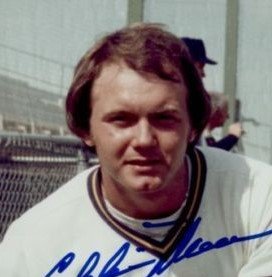 The names, faces and stories from the era are legendary to Brewer fans: Stormin' Gorman, Coop, The Igniter, Benji, Vuke, Moose, The Kid, Gumby, Fingers' mustache, Caldwell's 'sinker' (aka spitball) and others. But for all the team's greatness, one long time Brewer often gets forgotten. And that is catcher/outfielder Charlie Moore - who spent 14 seasons (yes, 14!) with the club. Charlie Moore was born in 1953 in Birmingham, Alabama. He was a 5th round pick by Milwaukee in 1971 out of the University of Alabama at Birmingham. He was a catcher with all-around, if unspectacular, skills. He moved quickly through the Brewer system, reaching Milwaukee for a cup of coffee in 1973. In 1974, the 21 year old served as the reserve catcher behind Darrell Porter. He held that position for eight years, generally getting 250-350 ABs each year. During that time, he showed the ability to hit for average (.290+ four different times), but not much power. Throughout his career, Moore showed good contact skills, striking out only 10% of his at bats. His finest season as a catcher was 1979 when he hit .300 in 111 games. In 1980, the Brewers acquired all-star catcher Ted Simmons from the Cardinals (along with Pete Vukovich and Rollie Fingers). The move caused the Brewers to rethink Moore's role with the club, and by 1981 they were experimenting with him in RF, a position where they were lacking a capable starter. In 1982, Moore made the shift from catcher to full time outfielder, and helped the Brewers reach the World Series. His play was nothing special, but on a team littered with all-stars, he quietly played the role required of him. He provided solid defense in RF, got on base, and was a steady presence in the clubhouse. In 1983, he played a career high 151 games while hitting a respectable .284 - walking more times than he struck out. In 1985, Moore shifted back to catcher, where he played until 1986. In 1987, Moore went to Toronto for a final season before retiring. Moore played 14 seasons for Milwaukee - topped only by Robin Yount, Jim Gantner and Paul Molitor. His 1,283 games rank 6th in team history, and his 1,029 hits is 10th on the team list. In 1980, he hit for the cycle. In postseason play he sports a robust .354 batting average. One other claim to fame: he was the last runner batted in by the great Hank Aaron (on October 3, 1976). With his big league career behind him, Moore returned to his hometown of Birmingham, Alabama. He became a sales rep for Birmingham Fastener, Inc., a manufacturer of bolts and fasteners - for more than 15 years. Charlie Moore is the classic organizational soldier. He was a quiet guy who went about his business without much fanfare. When the team needed a right fielder, he answered the call. Perhaps his biggest challenge was that he never did anything really well. He hit .261 for his career - not bad, but nothing special. He had modest power (only 36 career HR), and while he didn't strike out a lot, he didn't walk that much either (a career OBP of .319). His longevity with the team is probably his most defining trait. Still, 14 seasons in Milwaukee earned Charlie Moore a place on the Brewers Wall of Fame, testifying to his contributions to the club.
 -
Mark David Loretta was born in 1971 in Santa Monica, California. Loretta attended Northwestern University and as a senior was named to the All-American first team at shortstop. He was drafted in the seventh round of the 1993 MLB Amateur Draft by the Brewers. Loretta had said that his goal was to make it to the majors in ‘three or four years,’ and he did just that. After batting .299 in his first three minor league seasons, he made his major league debut in September 1995 and finished the year with a slash line of .260/.327/.380 with three doubles and a homer in 50 at-bats. Initially a shortstop, Loretta would play all four infield spots during his career. In 1996, the right-swinging Loretta started the season with the Brewers but was sent down in mid-May despite hitting .357 (10-for-28) to make room for OF Chuckie Carr. Loretta was called up three weeks later and finished the year in Milwaukee, slashing .279/.339/.318 across 154 at-bats. Over the next three years, Loretta was a ‘full-time’ utility player, averaging 142 games played over that span. His three-year slash line was .297/.363/.400 with an average of 27 doubles, three triples, and five home runs per year. Loretta was batting .305 and playing solid defense at shortstop in early June 2000 when he fouled a ball off his left foot and suffered a broken bone, requiring surgery. He missed 11 weeks and finished the year with a batting mark of .281/.350/.406 across 352 at-bats with 21 doubles and seven homers. The injury bug struck once again in 2001 when Loretta suffered torn ligaments in his left thumb during spring training and missed the first six weeks of the season. He finished with another solid season with a batting line of .289/.346/.352 across 384 at-bats. His power numbers dropped with only 14 doubles and two home runs. Loretta started off slow in 2002 and had only started 16 games through June 11 while batting only .174 but then had a hot streak in his next 12 games, hitting .500 (18-for-36) with seven two-baggers to raise his average to .286. He got more starts over the next six weeks, but his average dropped to .267 on August 31, when he was traded to the Houston Astros. Some saw the trade as part of a ‘fire sale’ with then-CEO Wendy Selig-Prieb jettisoning salary during another dismal season at Miller Park. In the first four years at the new stadium, the Brewers won 68, 56, 68, and 67 games respectively. While in Houston, Loretta played in just 21 games and filed for free agency. He signed with the San Diego Padres and played there three seasons, with his first two being the best of his career. In 2003, he batted .314/.372/.441 across 589 at-bats with 13 home runs and 72 RBIs. The following season was even better, with a slash line of .335/.391/.495 with career highs in doubles (47), homers (16), OPS+ (138), and RBIs (76). He was named to the NL All-Star team for the first time and won a Silver Slugger Award. His batting average was third-best in the NL behind Barry Bonds and Todd Helton. After an injury-riddle season in 2005, he was traded to the Boston Red Sox. Loretta earned his second All-Star game nod with the Red Sox in 2006 with a slash line of .285/.345/.361 across a career-high 635 at-bats but managed only five home runs. After the season he signed with Houston as a free agent. Loretta played in 133 games with the Astros in 2007, mostly as a utility player. In 460 at-bats, he had a slash line of .287/.352/.372. The following season, Loretta saw his playing time dwindle as he appeared in only 101 games. He signed with the Los Angeles Dodgers as a free agent. At age 37, Loretta’s final season saw him slash .232/.309/.276 across 181 at-bats in 107 games. He retired after the season. Loretta’s final career numbers showed a slash line of .295/.360/.395 with 1,713 hits, including 309 doubles, 22 triples, and 67 home runs. He knocked in 629 runs and stole 47 bags. Loretta worked in the San Diego organization an s as a coach for the Chicago Cubs after retiring as a player. View full player

