



Michael Trzinski
-
Posts
923 -
Joined
-
Last visited
-
Days Won
1
Content Type
Profiles
Forums
Blogs
Events
News
2026 Milwaukee Brewers Top Prospects Ranking
Milwaukee Brewers Videos
2022 Milwaukee Brewers Draft Picks
Milwaukee Brewers Free Agent & Trade Rumors, Notes, & Tidbits
Guides & Resources
2023 Milwaukee Brewers Draft Picks
2024 Milwaukee Brewers Draft Picks
The Milwaukee Brewers Players Project
2025 Milwaukee Brewers Draft Pick Tracker
2026 Milwaukee Brewers Draft Tracker: Picks & Bonuses
Store
Downloads
Gallery
Everything posted by Michael Trzinski
-
Carlos Argelis Gómez was born in 1985 in Santiago, Dominican Republic. While a student at Ana FA Jimenez School, he was scouted and signed by the New York Mets at the tender age of 16. Gómez finished school, played with two different teams in 2004 at the Rookie level, and had a combined hitting line of .281/.324/.407 across 221 ABs. Gómez was promoted to Hagerstown (Maryland) in the Class A South Atlantic League the following season. The speedy outfielder slashed .275/.331/.376 across 487 at-bats and pilfered a league-leading 64 bases. In 2006, Gómez moved up to Double-A Binghampton (New York) in the Eastern League, where he had a batting line of .281/.350/.423 in 430 at-bats. His eight triples were tied for fourth in the league, while his 41 steals ranked in a tie for second. Gómez and Michael Abreu were co-winners of the 2006 Sterling Award at Double-A, presented to the team MVP at each level in the Mets organization. Gómez played in the Dominican Winter League and would do so for the next six years through the 2011-12 season. Gómez started the 2007 season at Single-A Advanced Port St. Lucie (Florida) in the Florida State League but moved up quickly to Triple-A New Orleans in the Pacific Coast League. Gómez was batting .286/.363/.414 with 17 stolen bases in just 36 games when he got called up to the Mets. He made his big-league debut on May 13 against Milwaukee and didn’t disappoint, going 2-for-4 with a double, steal, and two runs scored. Gómez was hit by a pitch on July 4 and missed nine weeks with a broken hand. He came back in September and finished 2-for-17 in limited play. His season batting line read .232/.288/.304 with 12 steals in 58 games. In February 2008, he was traded with three other players to the Minnesota Twins for pitcher Johan Santana. That season, Gómez had 33 steals in 153 games for the Twins, a number that ranked seventh in the AL. He slumped in 2009, playing in 137 games but getting only 86 starts. His batting line was .229/.287/.337, with 14 steals across 315 ABs. In November, Gómez was traded to the Brewers for shortstop J.J. Hardy. Gómez was limited to 97 games in 2010, as manager Ken Macha used a three-headed CF platoon of Gómez, Jim Edmonds, and Lorenzo Cain. In 2011, Gómez again split playing time with Nyjer Morgan, aka ‘Tony Plush.’ In two seasons, Gómez amassed only 522 ABs and 34 stolen bases, slashing .238/.288/.377. The lack of playing time would end, as Gómez would accumulate 1,525 ABs over the next three years and make the NL All-Star team in 2013 and 2014. He added a Gold Glove to his trophy case in 2013. In that span, he stole 111 bases and slammed 66 home runs, reaching double digits (19-24-23) in that category for the first time in his MLB career. On July 30, 2015—with the Brewers mired in fifth place in the NL Central—Gómez and pitcher Mike Fiers were involved in a blockbuster trade with Houston, who sent pitchers Josh Hader and Adrian Houser, plus outfielders Brett Phillips and Domingo Santana to Milwaukee. Gómez finished the season with a combined slash line of .255/.314/.409 with 17 stolen bases and 12 round-trippers across 435 ABs. In 2016, Gómez was traded once again, this time to the Texas Rangers. As his career wound down, Gómez played for Texas, Tampa Bay, and the Mets over the next three years. Although his last MLB game was in 2019, he didn’t officially announce his retirement until September 2021. In his 13-year career with six teams, Gómez had a slash mark of .252/.313/.411 with 268 steals and 145 home runs. Always a fan favorite at Miller Park, the fiery player known as ‘Go-Go’ never failed to entertain the audience. View full player
-
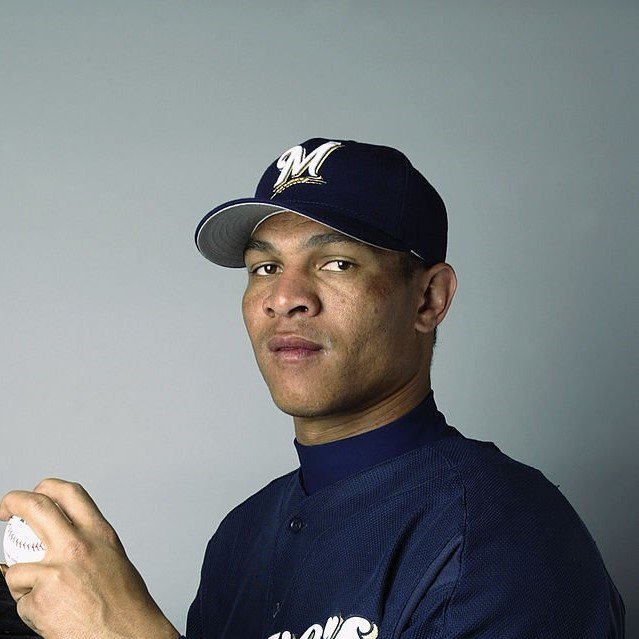 Valerio Lorenzo de los Santos was born in Las Matas de Farfan, Dominican Republic in 1972 and was signed by the Brewers as an amateur free agent in 1993. The left-hander spent three-plus years in the minors before making his major league debut in July 1998. In 13 relief appearances, de los Santos had an ERA+ of 150 and a WHIP of 0.600 across 21 innings. De los Santos underwent back surgery to remove a protruding disk in June 1999 and missed the entire season. He pitched in 66 games in 2000, and while he was healthy, his results weren’t the best as he compiled a FIP of 5.27 FIP and a WHIP of 1.425. The following year, de los Santos tore the ulnar collateral ligament in his left elbow in April and missed the entire season. In 2002, de los Santos started at Triple-A Indianapolis but was called up to Milwaukee in mid-May and had a nice season with a WHIP of 1.179 and an ERA of 3.12 in 51 appearances. De los Santos made 45 relief appearances in 2003 before being sold to the Philadelphia Phillies in September. He pitched in six games and was released after the season. De los Santos bounced around after that, playing for the Toronto Blue Jays and Florida Marlins the next two years, but then played in the Mexican Leagues in 2006 and 2007. He made two starts for the Colorado Rockies in 2008, which were his last games in the big leagues. After three years of playing in China, Puerto Rico, and Mexico, de los Santos retired after the 2011 season.
 -
Valerio Lorenzo de los Santos was born in Las Matas de Farfan, Dominican Republic in 1972 and was signed by the Brewers as an amateur free agent in 1993. The left-hander spent three-plus years in the minors before making his major league debut in July 1998. In 13 relief appearances, de los Santos had an ERA+ of 150 and a WHIP of 0.600 across 21 innings. De los Santos underwent back surgery to remove a protruding disk in June 1999 and missed the entire season. He pitched in 66 games in 2000, and while he was healthy, his results weren’t the best as he compiled a FIP of 5.27 FIP and a WHIP of 1.425. The following year, de los Santos tore the ulnar collateral ligament in his left elbow in April and missed the entire season. In 2002, de los Santos started at Triple-A Indianapolis but was called up to Milwaukee in mid-May and had a nice season with a WHIP of 1.179 and an ERA of 3.12 in 51 appearances. De los Santos made 45 relief appearances in 2003 before being sold to the Philadelphia Phillies in September. He pitched in six games and was released after the season. De los Santos bounced around after that, playing for the Toronto Blue Jays and Florida Marlins the next two years, but then played in the Mexican Leagues in 2006 and 2007. He made two starts for the Colorado Rockies in 2008, which were his last games in the big leagues. After three years of playing in China, Puerto Rico, and Mexico, de los Santos retired after the 2011 season. View full player
-
John Thomas “Rocky” Coppinger was born in El Paso, Texas in 1974. He was a three-sport star at Coronado High School in El Paso. Coppinger was selected in the 19th round of the 1993 MLB Amateur Draft by the Baltimore Orioles but didn’t sign, instead electing to attend Hill Junior College near Dallas. After a spectacular year at Hill, Coppinger signed with the Orioles in May 1994. Coppinger made his big-league debut in 1996 after two solid seasons in the minors, and made 22 starts, winning 10 games and finishing fourth in the AL ROY voting. The big (6-foot-5, 245-pound) righty lost two-plus seasons to injuries and only appeared in 22 games for Baltimore and as a result, was traded to the Brewers in July 1999. Coppinger made 29 relief appearances for the Brewers over the last two months of the season. His bad luck continued as he missed all of the 2000 season when he underwent Tommy John surgery on his right elbow. Coppinger tried to make a comeback in 2001 and pitched well at two stops in the minors (1.97 ERA, 1.082 WHIP) across 31 games. He did not have as much luck in the last six weeks of the season in Milwaukee, amassing a FIP of 6.71 and WHIP of 1.721. Milwaukee released Coppinger after the season. The Oakland Athletics signed him in 2002 and released him mid-season. Coppinger became an assistant to the general manager for the El Paso Diablos in the independent Central League in 2005 and even pitched in one game. View full player
-
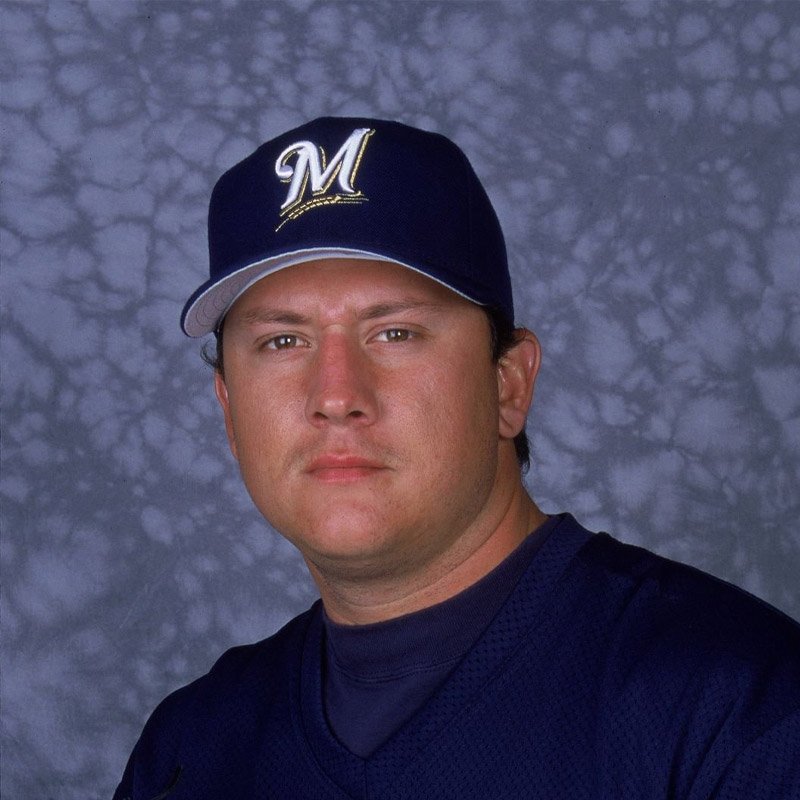 John Thomas “Rocky” Coppinger was born in El Paso, Texas in 1974. He was a three-sport star at Coronado High School in El Paso. Coppinger was selected in the 19th round of the 1993 MLB Amateur Draft by the Baltimore Orioles but didn’t sign, instead electing to attend Hill Junior College near Dallas. After a spectacular year at Hill, Coppinger signed with the Orioles in May 1994. Coppinger made his big-league debut in 1996 after two solid seasons in the minors, and made 22 starts, winning 10 games and finishing fourth in the AL ROY voting. The big (6-foot-5, 245-pound) righty lost two-plus seasons to injuries and only appeared in 22 games for Baltimore and as a result, was traded to the Brewers in July 1999. Coppinger made 29 relief appearances for the Brewers over the last two months of the season. His bad luck continued as he missed all of the 2000 season when he underwent Tommy John surgery on his right elbow. Coppinger tried to make a comeback in 2001 and pitched well at two stops in the minors (1.97 ERA, 1.082 WHIP) across 31 games. He did not have as much luck in the last six weeks of the season in Milwaukee, amassing a FIP of 6.71 and WHIP of 1.721. Milwaukee released Coppinger after the season. The Oakland Athletics signed him in 2002 and released him mid-season. Coppinger became an assistant to the general manager for the El Paso Diablos in the independent Central League in 2005 and even pitched in one game.
 -
Louis Keith Collier was born in Chicago, Illinois in 1973. After high school, he was drafted in the 56th round of the 1991 MLB Amateur Draft by the Houston Astros. He declined to sign, instead attending Kishwaukee College (Malta, Illinois), from where he was drafted in the 1992 draft by the Pittsburgh Pirates in the 31st round. He moved on to Triton College (River Grove, Illinois) where he played in 1993. He then signed with the Pirates after the season. After five years in the Pirates organization, Collier got called up to Pittsburgh in 1997. The following year, Collier played in 110 games for the Bucs but hit a disappointing .247/.316/.338 and was waived, where he was picked up by the Brewers. Collier played three infield spots and all three outfield spots over the next three years for Milwaukee. In 138 games, Collier had a slash line of .252/.332/.371 across 294 ABs. He was included in a three-way trade with the New York Mets and Colorado Rockies in January 2002. Two months later, he was traded from the Mets to the Montreal Expos. Collier played in just 13 games for the Expos before being released. Over the next two seasons, Collier played in the majors for Boston and Philadelphia before traveling to play in the Korean Professional League for two years. In 2007 while playing in the Phillies organization, he announced his retirement. Collier has worked as a scout, a coach for the US National team, and has a baseball school that instructs youngsters. Collier’s 20-year-old son Cam is currently a Top 10 prospect in the Cincinnati Reds organization. View full player
-
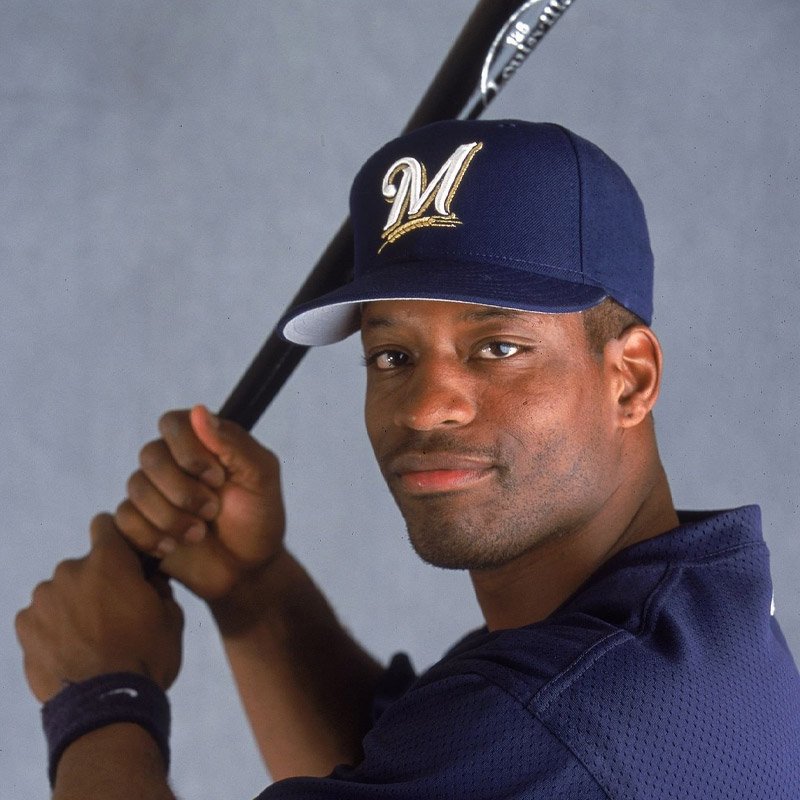 Louis Keith Collier was born in Chicago, Illinois in 1973. After high school, he was drafted in the 56th round of the 1991 MLB Amateur Draft by the Houston Astros. He declined to sign, instead attending Kishwaukee College (Malta, Illinois), from where he was drafted in the 1992 draft by the Pittsburgh Pirates in the 31st round. He moved on to Triton College (River Grove, Illinois) where he played in 1993. He then signed with the Pirates after the season. After five years in the Pirates organization, Collier got called up to Pittsburgh in 1997. The following year, Collier played in 110 games for the Bucs but hit a disappointing .247/.316/.338 and was waived, where he was picked up by the Brewers. Collier played three infield spots and all three outfield spots over the next three years for Milwaukee. In 138 games, Collier had a slash line of .252/.332/.371 across 294 ABs. He was included in a three-way trade with the New York Mets and Colorado Rockies in January 2002. Two months later, he was traded from the Mets to the Montreal Expos. Collier played in just 13 games for the Expos before being released. Over the next two seasons, Collier played in the majors for Boston and Philadelphia before traveling to play in the Korean Professional League for two years. In 2007 while playing in the Phillies organization, he announced his retirement. Collier has worked as a scout, a coach for the US National team, and has a baseball school that instructs youngsters. Collier’s 20-year-old son Cam is currently a Top 10 prospect in the Cincinnati Reds organization.
 -
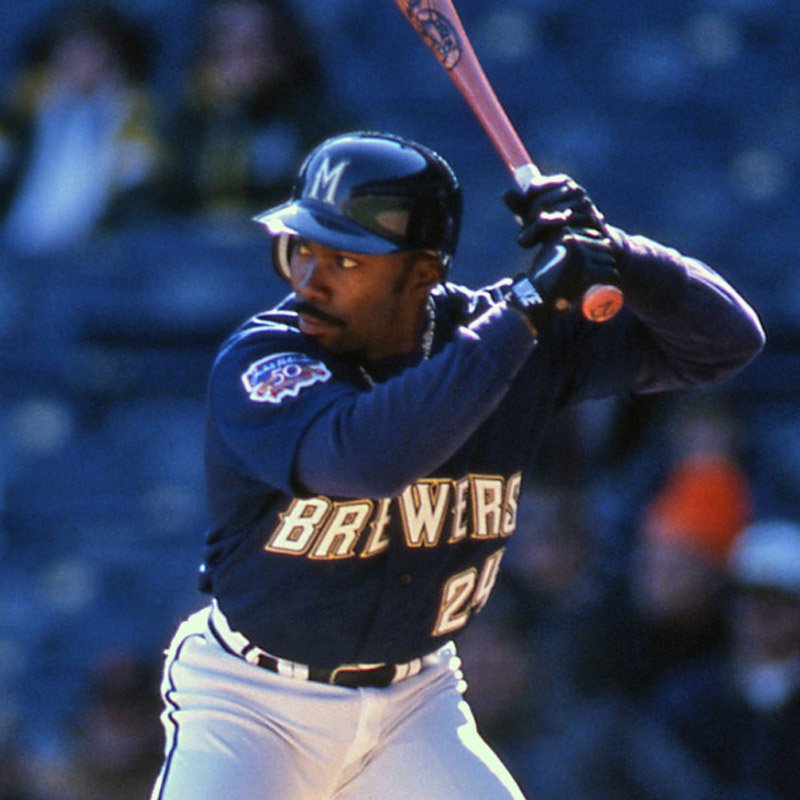 Charles Lee Glenn Carr was born in 1967 in San Bernardino, California. After graduating from Fontana High School, Carr was selected in the ninth round of the 1986 MLB Amateur Draft by the Cincinnati Reds. The Reds had little patience with Carr, releasing him after just one season. He was signed by the Seattle Mariners, and they held onto Carr for two seasons in the minors and then he was traded to the New York Mets. Carr made his major league debut in 1990, but he bounced around for the next two years between the Mets and the minors before being traded to the St. Louis Cardinals after the 1991 season. After a September call-up in 1992 with the Cardinals in which Carr stole 10 bases, the Florida Marlins selected him in the 1992 expansion draft. The switch-hitting speedster led the NL with 58 steals in 1993 and finished fourth in the NL ROY balloting. He stole 57 bases over the next two years and was traded to the Brewers after the 1995 season. Carr got off to a good start in 1996, but his season ended after two months due to a major knee injury. He came back in 1997 but got off to a terrible start (6-for-46) and after popping up on a 2-0 pitch he had been instructed to take, he reportedly told manager Phil Garner, “Chuckie hacks on 2-0.” He was released after refusing an assignment to the minors. He finished up the season with Houston and was granted his free agency after the season. He never played in the bigs again. After a battle with cancer, Carr died on November 12, 2022. He was 55 years old.
 -
Charles Lee Glenn Carr was born in 1967 in San Bernardino, California. After graduating from Fontana High School, Carr was selected in the ninth round of the 1986 MLB Amateur Draft by the Cincinnati Reds. The Reds had little patience with Carr, releasing him after just one season. He was signed by the Seattle Mariners, and they held onto Carr for two seasons in the minors and then he was traded to the New York Mets. Carr made his major league debut in 1990, but he bounced around for the next two years between the Mets and the minors before being traded to the St. Louis Cardinals after the 1991 season. After a September call-up in 1992 with the Cardinals in which Carr stole 10 bases, the Florida Marlins selected him in the 1992 expansion draft. The switch-hitting speedster led the NL with 58 steals in 1993 and finished fourth in the NL ROY balloting. He stole 57 bases over the next two years and was traded to the Brewers after the 1995 season. Carr got off to a good start in 1996, but his season ended after two months due to a major knee injury. He came back in 1997 but got off to a terrible start (6-for-46) and after popping up on a 2-0 pitch he had been instructed to take, he reportedly told manager Phil Garner, “Chuckie hacks on 2-0.” He was released after refusing an assignment to the minors. He finished up the season with Houston and was granted his free agency after the season. He never played in the bigs again. After a battle with cancer, Carr died on November 12, 2022. He was 55 years old. View full player
-
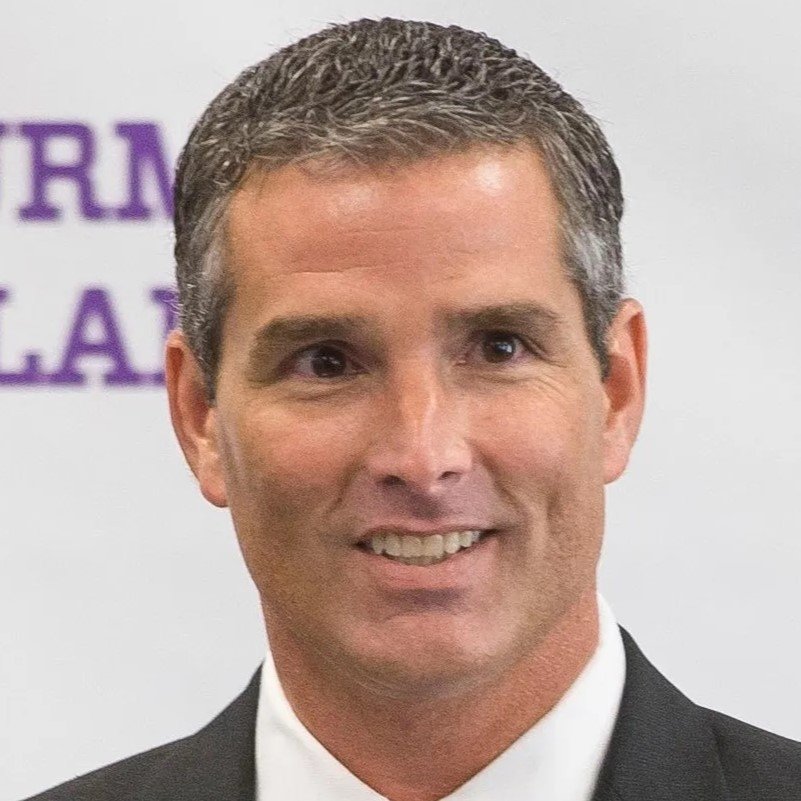 Michael Joseph Buddie was born in 1970 in Berea, Ohio. He was drafted by the New York Yankees in the fourth round of the 1992 MLB Amateur Draft. During his first five seasons in the minors, Buddie won 43 games as a starter. He was converted to a reliever in 1997 and finally made his big-league debut in 1998 with New York. Buddie pitched parts of two seasons with the Yankees and was released in June 2000. He was signed as a free agent by the Brewers. The right-hander pitched in five games with Milwaukee in 2000. He began the 2001 season with Triple-A Indianapolis before getting called up to the big club in June. Other than missing three weeks with a sprained left ankle, Buddie finished the season in Milwaukee, appearing in 31 games, while saving two of them. Buddie began the 2002 season with the Brewers but after struggling in 25 relief appearances (4.85 FIP, 1.689 WHIP, and two blown saves), he was DFA’d in early June. The Montreal Expos signed him two weeks later and after a half-season at Triple-A Ottawa, he was released. The Brewers re-signed Buddie in early 2003 and after another season at Indy, he was released again. He retired after the season. Although he had a modest five-year big-league career, appearing in 87 games with five wins and two saves, Buddie went on to have an exemplary post-playing career. He spent nearly a decade in various positions within the Wake Forest athletic department. In 2015, he was named the athletic director at Furman University. After four successful years at Furman, he was named the athletic director for the United States Military Academy in 2019.
 -
Michael Joseph Buddie was born in 1970 in Berea, Ohio. He was drafted by the New York Yankees in the fourth round of the 1992 MLB Amateur Draft. During his first five seasons in the minors, Buddie won 43 games as a starter. He was converted to a reliever in 1997 and finally made his big-league debut in 1998 with New York. Buddie pitched parts of two seasons with the Yankees and was released in June 2000. He was signed as a free agent by the Brewers. The right-hander pitched in five games with Milwaukee in 2000. He began the 2001 season with Triple-A Indianapolis before getting called up to the big club in June. Other than missing three weeks with a sprained left ankle, Buddie finished the season in Milwaukee, appearing in 31 games, while saving two of them. Buddie began the 2002 season with the Brewers but after struggling in 25 relief appearances (4.85 FIP, 1.689 WHIP, and two blown saves), he was DFA’d in early June. The Montreal Expos signed him two weeks later and after a half-season at Triple-A Ottawa, he was released. The Brewers re-signed Buddie in early 2003 and after another season at Indy, he was released again. He retired after the season. Although he had a modest five-year big-league career, appearing in 87 games with five wins and two saves, Buddie went on to have an exemplary post-playing career. He spent nearly a decade in various positions within the Wake Forest athletic department. In 2015, he was named the athletic director at Furman University. After four successful years at Furman, he was named the athletic director for the United States Military Academy in 2019. View full player
-
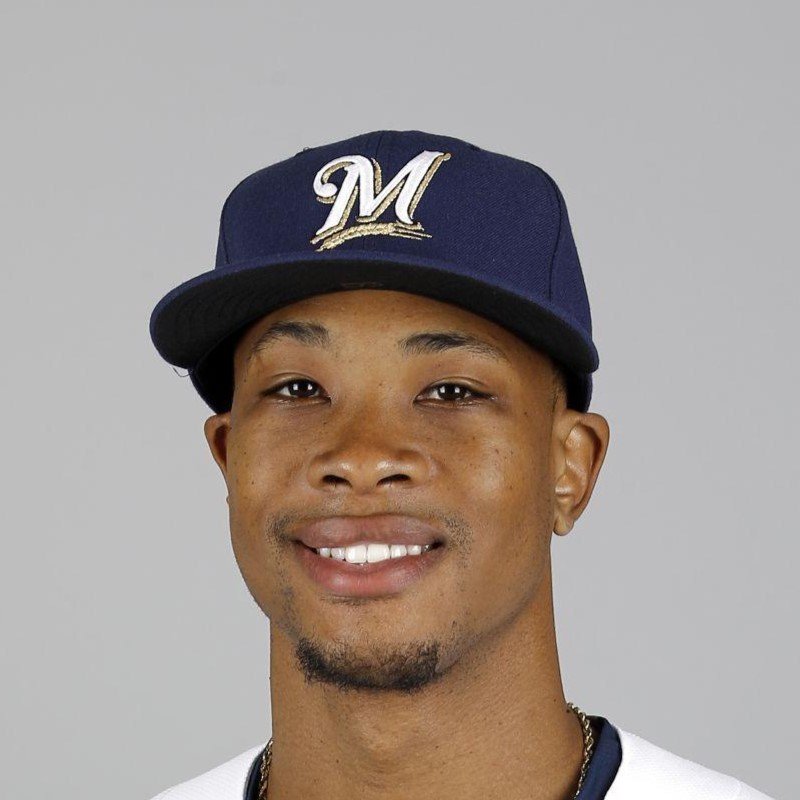 Keon Darell Broxton was born in Lakeland, Florida in 1990 and was selected out of high school in the 2008 MLB Amateur Draft by the Philadelphia Phillies in the 29th round. He decided not to sign and instead attended Santa Fe College in Gainesville, Florida, where he played in the JUCO World Series in 2009. The Arizona Diamondbacks then picked him in the third round of the 2009 MLB Draft. Broxton spent five years in the Arizona organization before getting traded to the Pittsburgh Pirates. He made his big-league debut in 2017, appearing in seven games, mostly as a pinch-runner and defensive replacement. In December, Broxton was traded to the Brewers. Showing some speed and pop, the righty hitting Broxton stole 49 bases and smacked 33 HRs across 699 ABs in three seasons at Miller Park. In January 2019, Broxton was traded to the New York Mets. Broxton played for three teams in 2019—Mets, Baltimore Orioles, and Seattle Mariners—and had a dismal slash line of .167/.242/.275 across 204 at-bats, although he did steal 10 bases. In 2021, Broxton played in the Minnesota Twins and Brewers organizations but did not play in the majors. The next two years, Broxton played in a Mexican League and an independent league. He retired after the 2023 season. Broxton played five seasons for five different teams in the big leagues and hit 39 HRs and stole 60 bases while batting .209/.297/.388 across 905 ABs.
 -
Keon Darell Broxton was born in Lakeland, Florida in 1990 and was selected out of high school in the 2008 MLB Amateur Draft by the Philadelphia Phillies in the 29th round. He decided not to sign and instead attended Santa Fe College in Gainesville, Florida, where he played in the JUCO World Series in 2009. The Arizona Diamondbacks then picked him in the third round of the 2009 MLB Draft. Broxton spent five years in the Arizona organization before getting traded to the Pittsburgh Pirates. He made his big-league debut in 2017, appearing in seven games, mostly as a pinch-runner and defensive replacement. In December, Broxton was traded to the Brewers. Showing some speed and pop, the righty hitting Broxton stole 49 bases and smacked 33 HRs across 699 ABs in three seasons at Miller Park. In January 2019, Broxton was traded to the New York Mets. Broxton played for three teams in 2019—Mets, Baltimore Orioles, and Seattle Mariners—and had a dismal slash line of .167/.242/.275 across 204 at-bats, although he did steal 10 bases. In 2021, Broxton played in the Minnesota Twins and Brewers organizations but did not play in the majors. The next two years, Broxton played in a Mexican League and an independent league. He retired after the 2023 season. Broxton played five seasons for five different teams in the big leagues and hit 39 HRs and stole 60 bases while batting .209/.297/.388 across 905 ABs. View full player
-
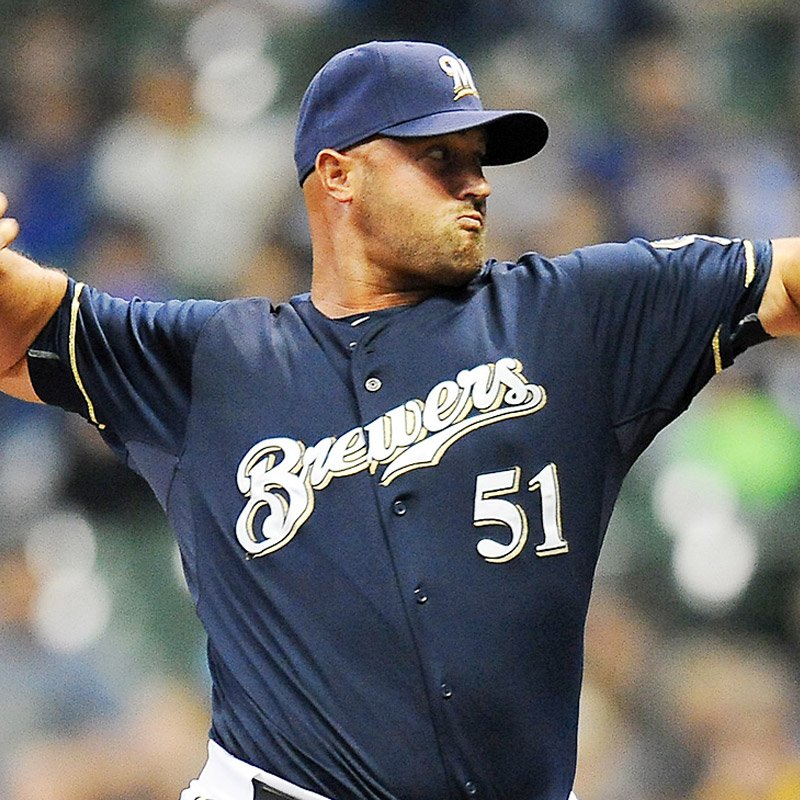 Jonathan Roy Broxton was born in Augusta, Georgia in 1984. He was selected in the second round of the 2002 MLB Amateur Draft out of Burke County High School by the Los Angeles Dodgers. Broxton made his major league debut in 2005 and was in the big leagues for good in 2006. He made the NL All-Star team in both 2009 and 2010 and his 36 saves in 2009 for the Dodgers were a career high. After seven years with the Dodgers, Broxton became a free agent after the 2011 season and signed with the Kansas City Royals. After saving 23 games in the first half of 2012 for the Royals, Broxton was traded to the Cincinnati Reds. He spent two-plus seasons with the Reds and was traded to the Brewers on the last day of August 2014. Milwaukee was tied for first place in the NL Central with St. Louis and hoped that Broxton would help bolster its bullpen. The Brewers promptly lost eight of nine games in early September and fell out of the race. Broxton spent part of 2015 with Milwaukee and was traded to the Cardinals in July 2015. Oddly enough, Broxton had no saves over 51 games with the Brewers. Broxton played for St. Louis until May 2017 when he was released. He played for five teams over his 13-year career and saved 118 games in his career. Broxton appeared in 694 games and posted a FIP of 3.15.
 -
Jonathan Roy Broxton was born in Augusta, Georgia in 1984. He was selected in the second round of the 2002 MLB Amateur Draft out of Burke County High School by the Los Angeles Dodgers. Broxton made his major league debut in 2005 and was in the big leagues for good in 2006. He made the NL All-Star team in both 2009 and 2010 and his 36 saves in 2009 for the Dodgers were a career high. After seven years with the Dodgers, Broxton became a free agent after the 2011 season and signed with the Kansas City Royals. After saving 23 games in the first half of 2012 for the Royals, Broxton was traded to the Cincinnati Reds. He spent two-plus seasons with the Reds and was traded to the Brewers on the last day of August 2014. Milwaukee was tied for first place in the NL Central with St. Louis and hoped that Broxton would help bolster its bullpen. The Brewers promptly lost eight of nine games in early September and fell out of the race. Broxton spent part of 2015 with Milwaukee and was traded to the Cardinals in July 2015. Oddly enough, Broxton had no saves over 51 games with the Brewers. Broxton played for St. Louis until May 2017 when he was released. He played for five teams over his 13-year career and saved 118 games in his career. Broxton appeared in 694 games and posted a FIP of 3.15. View full player
-
Parsons was considered. I also did a Brewer Throwback piece on him. He was pretty good that year...
- 7 replies
-
- 1
-

-
- cal eldred
- mike fiers
- (and 5 more)
-
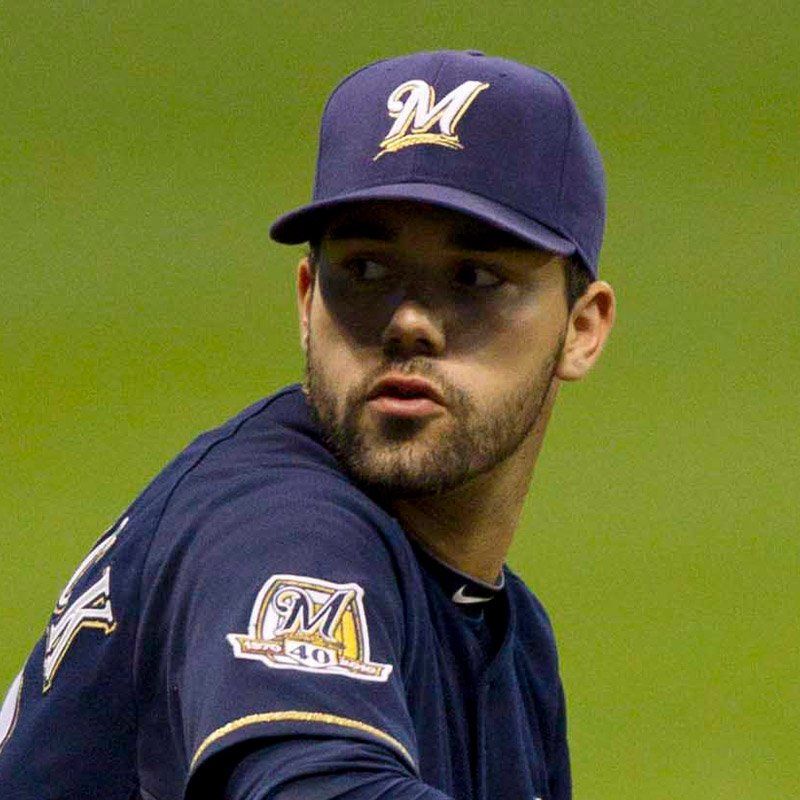 William Zachary Braddock was born in Mount Holly, New Jersey in 1987. After undergoing Tommy John surgery on his left elbow after his junior year at Gloucester Catholic High School, Braddock was tabbed by the Brewers in the 18th round of the 2005 MLB Amateur Draft. He did not sign until the summer of the following year. Braddock spent the first four years working his way up in the system before making his big-league debut on May 23, 2010. He spent the rest of the season with the Brewers, working mostly as a set-up man in the seventh or eighth innings. Braddock appeared in 46 contests and had one win in three decisions and also had 15 ‘holds,’ finishing second on the team. He held opponents to a .228 batting average, along with a 27.2% K rate and a 2.90 FIP. The following season, the southpaw was placed on the 15-day disabled list in early May with a ‘sleep disorder.’ After a few rehab appearances in the minors, Braddock returned to the Brewers in early June. However, he would only last about six weeks until he was optioned to Triple-A Nashville due to inconsistency. Braddock appeared in 25 games for Milwaukee and posted a FIP of 4.70 while losing his only decision. It was reported that he was being treated for ‘personal issues’ in the latter half of the season. In 2012, Braddock was optioned to the minors but didn’t play and was released by Milwaukee in May. Over the next three years, Braddock was signed as a free agent by Baltimore and San Diego but was released. He also attempted to play with three different teams in the independent Atlantic League but gave it up in 2015.
 -
William Zachary Braddock was born in Mount Holly, New Jersey in 1987. After undergoing Tommy John surgery on his left elbow after his junior year at Gloucester Catholic High School, Braddock was tabbed by the Brewers in the 18th round of the 2005 MLB Amateur Draft. He did not sign until the summer of the following year. Braddock spent the first four years working his way up in the system before making his big-league debut on May 23, 2010. He spent the rest of the season with the Brewers, working mostly as a set-up man in the seventh or eighth innings. Braddock appeared in 46 contests and had one win in three decisions and also had 15 ‘holds,’ finishing second on the team. He held opponents to a .228 batting average, along with a 27.2% K rate and a 2.90 FIP. The following season, the southpaw was placed on the 15-day disabled list in early May with a ‘sleep disorder.’ After a few rehab appearances in the minors, Braddock returned to the Brewers in early June. However, he would only last about six weeks until he was optioned to Triple-A Nashville due to inconsistency. Braddock appeared in 25 games for Milwaukee and posted a FIP of 4.70 while losing his only decision. It was reported that he was being treated for ‘personal issues’ in the latter half of the season. In 2012, Braddock was optioned to the minors but didn’t play and was released by Milwaukee in May. Over the next three years, Braddock was signed as a free agent by Baltimore and San Diego but was released. He also attempted to play with three different teams in the independent Atlantic League but gave it up in 2015. View full player
-
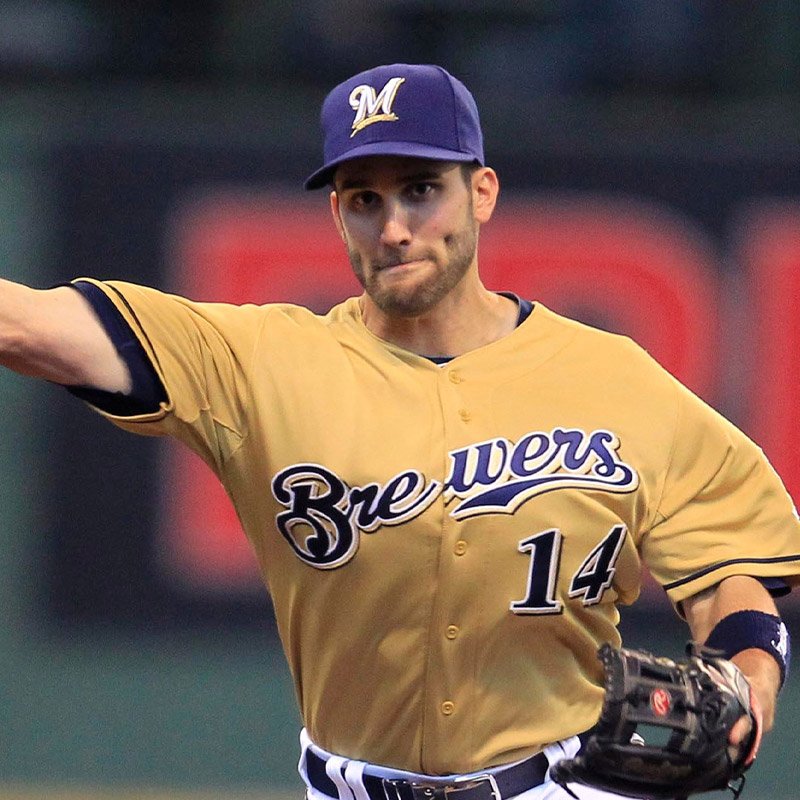 Jeffrey Thomas Bianchi (pronounced ‘be-YANK-ee’) was born just outside Lancaster, Pennsylvania in 1986 and attended Lampeter-Strasburg High School. He was drafted by the Kansas City Royals in the second round of the 2005 MLB Amateur Draft. After five solid seasons in the Royals minor league system, Bianchi underwent Tommy John surgery on his right elbow in early 2010 and missed the whole season. He played Double-A ball for the Royals in 2011 but was waived after the season. The Chicago Cubs signed him in December but waived him the following month. In January 2012, the Brewers claimed Bianchi off waivers. Bianchi started the 2012 season in the minors and was called up to Milwaukee in mid-July after hitting .325 across 326 at-bats at two stops (Nashville and Huntsville). Bianchi started off his big-league career by going 0-for-15 but then collected two hits in a late August game against the Pittsburgh Pirates. He split his time at shortstop, third base, and second base and finished the year with a batting line of .188/.230/.348 in 33 games (69 ABs). The righty swinging Bianchi played a utility role for Milwaukee in 2013 and ended the year with a slash line of .237/.272/.292 across 236 at-bats. In 2014, Bianchi played only 29 games for Milwaukee and also a couple dozen games in the minors. He went on the DL with a right elbow strain in July and missed the rest of the season. The Boston Red Sox signed Bianchi in 2015, and he played three games for Boston. Bianchi retired after the 2016 season and became a scout for the Brewers, a position he held through 2020. Jeff currently runs the Bianchi Baseball Academy in Lancaster, Pennsylvania.
 -
Jeffrey Thomas Bianchi (pronounced ‘be-YANK-ee’) was born just outside Lancaster, Pennsylvania in 1986 and attended Lampeter-Strasburg High School. He was drafted by the Kansas City Royals in the second round of the 2005 MLB Amateur Draft. After five solid seasons in the Royals minor league system, Bianchi underwent Tommy John surgery on his right elbow in early 2010 and missed the whole season. He played Double-A ball for the Royals in 2011 but was waived after the season. The Chicago Cubs signed him in December but waived him the following month. In January 2012, the Brewers claimed Bianchi off waivers. Bianchi started the 2012 season in the minors and was called up to Milwaukee in mid-July after hitting .325 across 326 at-bats at two stops (Nashville and Huntsville). Bianchi started off his big-league career by going 0-for-15 but then collected two hits in a late August game against the Pittsburgh Pirates. He split his time at shortstop, third base, and second base and finished the year with a batting line of .188/.230/.348 in 33 games (69 ABs). The righty swinging Bianchi played a utility role for Milwaukee in 2013 and ended the year with a slash line of .237/.272/.292 across 236 at-bats. In 2014, Bianchi played only 29 games for Milwaukee and also a couple dozen games in the minors. He went on the DL with a right elbow strain in July and missed the rest of the season. The Boston Red Sox signed Bianchi in 2015, and he played three games for Boston. Bianchi retired after the 2016 season and became a scout for the Brewers, a position he held through 2020. Jeff currently runs the Bianchi Baseball Academy in Lancaster, Pennsylvania. View full player
-
Please check it out!! I will be adding a player every day (hopefully more than that) and I hope that our readers will enjoy the detailed look into the Brewers player community.
- 1 reply
-
- 2
-

-
-
Matthew Lenz of our sister site, Twins Daily, recently wrote a piece featuring the top rookie pitchers for the Twins in their 63-year history. The Milwaukee Brewers have been in business since 1970. I decided to copy his idea with some slight changes. My criterion for inclusion is a little different than his. In my reality, any player who had yet to reach the MLB ‘rookie limit’ of 50 innings pitched was eligible for my ‘Best Rookie Campaign.’ So, check it out and let me know where I was right or where I veered off into the ditch. I named five starters, one spot starter/long reliever, four middle relievers, two ‘high leverage’ set-up guys, and one closer. Check it out! Ace- Cal Eldred (1992) Eldred went 11-2 in his ‘rookie’ season and finished fourth in the AL ROY voting. The big (6-foot-4, 215-pound) righty had an ERA of 1.79 and a FIP of 2.81. He had the best bWAR (4.2) and FIP among all rookie pitchers considered for this piece. Eldred held hitters to a .207 average and had a low BB% of 5.8. Three years later, Eldred underwent Tommy John surgery and would never be the same after that. In his 14-year big league career, he pitched for the White Sox and the Cardinals. #2 Starter- Mike Fiers (2012) Perhaps best known for drilling Marlins slugger Giancarlo Stanton in 2014, Fiers won only nine games in 2012 but boasted a K rate of 25.1% and BB rate of 6.7%, along with a FIP of 3.09 while notching an ERA of 3.74. His K-BB differential was a sparkling 18.4. In his 11-year major league career, he won 75 games for the Brewers, Athletics, Astros, and Tigers. #3 Starter- Freddy Peralta (2018) First, the good news. ‘Fastball Freddy’ had an excellent K rate of 29.9% and held opposing batters to a minuscule .178 batting average. He won six games in 14 starts. The bad news is that his ERA/FIP were a tad high (4.25/3.72), and he was pretty wild with a BB rate of 12.5%. It seems like he was a rookie just yesterday, but Peralta completed his seventh season in Milwaukee and is still considered a top pitcher in the big leagues. #4 Starter- Tobias Myers (2024) Signed as a free agent in the 2022 off-season, Myers was a nice find for Milwaukee, and he posted solid, if not very good, numbers in 2024. His K/BB rates were both above average at 22.3% and 6.3%. He won nine games and posted an ERA of 3.00 and FIP of 3.91. Opposing batters hit .242 off the right-hander. #5 Starter- Teddy Higuera (1985) The stocky southpaw won an impressive 15 games for Milwaukee and finished second in the AL ROY voting. He compiled a bWAR of 3.1 and allowed only a .235 batting mark against opposing batters. He didn’t strike out a lot of hitters (14.5%) but didn’t walk many either (7.2%). Higuera won 69 games in his first four years, but a back injury and rotator cuff problems ended his career in 1994. Spot Starter/Long Reliever- Yovani Gallardo (2007) ‘Yo’ put together a nice season, starting 17 games and relieving in three, which is why I put him in the SS/LR role. He won nine games and posted an ERA of 3.67 and a FIP of 3.41. Opponents batted .245 against him, and he struck out 21.7% of the hitters he faced while allowing only 7.2% walks. Gallardo won 121 games in his career for Milwaukee and four other teams. Middle Relievers- RH Pete Ladd (1983), LH Dan Plesac (1986), RH Jim Henderson (2013), LH Bryan Hudson (2024) ‘Bigfoot’ Pete Ladd saved 25 games for the Brewers in 1983, along with posted an ERA of 2.55, a FIP of 2.92, and held opponents to a meager .172 batting average. His K and BB rates were solid, 21.1% and 8.3% respectively. Plesac, better known these days as an analyst on the MLB Network, saved 14 games and posted an ERA of 2.97 in 1986. His bWAR of 3.2 was third-best on the team that year. Opposing hitters batted only .240 against him, and his K rate was 19.9% and BB rate was 7.7%. He was an All-Star the next three years and saves 86 games in that span. Henderson was a one-year wonder, saving 28 games for Milwaukee in 2013, and had only three other saves in his four-year career. He held hitters to a .200 batting average while striking out 30.4%. His K-BB rate was an impressive 20.7%. Hudson was one of the bright spots on the 2024 team. His opponent's BA was .135, his WHIP was 0.722, and his ERA was 1.73. The towering (6-foot-8) southpaw whiffed 26.8% of hitters he faced while walking 7.4%. LH High Leverage- Josh Hader (2018) Hader was used far differently in 2018, usually appearing earlier in the game than he does these days. He finished only 14 of 55 games that year but notched a dozen saves while earning All-Star status and placed seventh in the NL CY Young race. His WHIP number was 0.811, his opponent batting average was .132, and his K rate was an otherworldly 46.7%. RH High Leverage- John Axford (2010) ‘Ax’ was another power pitcher, striking out 31.9% of batters while allowing a .204 batting average against. His ERA and FIP numbers were an impressive 2.48 and 2.13, respectively. The imposing (6-foot-5, 234-pound) Axford saved 24 games in 2010 and had a league-leading 46 the following season. Closer- RH Devin Williams (2021) Williams began the ninth inning only three times in 58 games in 2021, usually pitching the seventh or eighth, setting up Josh Hader. He finished with eight wins and three saves. Williams was the NL ROY in 2020 but didn’t reach 50 innings pitched until 2021. His superior numbers in 2021 included holding opposing hitters to a .186 batting average, a K rate of 38.5%, an ERA of 2.50, and a FIP of 2.82. The downside? A BB rate of 12.4%, a number that was almost the same in the last three years. Other Pitchers Considered: Jerry Bell (1972), Bill Castro (1975), Chris Bosio (1987), Chuck Crim (1987), Darren Holmes (1991), Doug Henry (1992), Graeme Lloyd (1993), Marco Estrada (2011), Tyler Thornburg (2013), Corey Knebel (2015), Adrian Houser (2019), Elvis Peguero (2023). I’m sure other worthwhile pitchers didn’t make the cut, but this 13-man staff would win a few games. Let me know how I did in the comment section. I hope you enjoy the trip down Memory Lane as much as I did! Also, check out the recently posted Best Rookie Campaigns By Milwaukee Brewers Hitters. View full article
-
Best All-Time Rookie Campaigns By Milwaukee Brewers Pitchers
Michael Trzinski posted an article in History
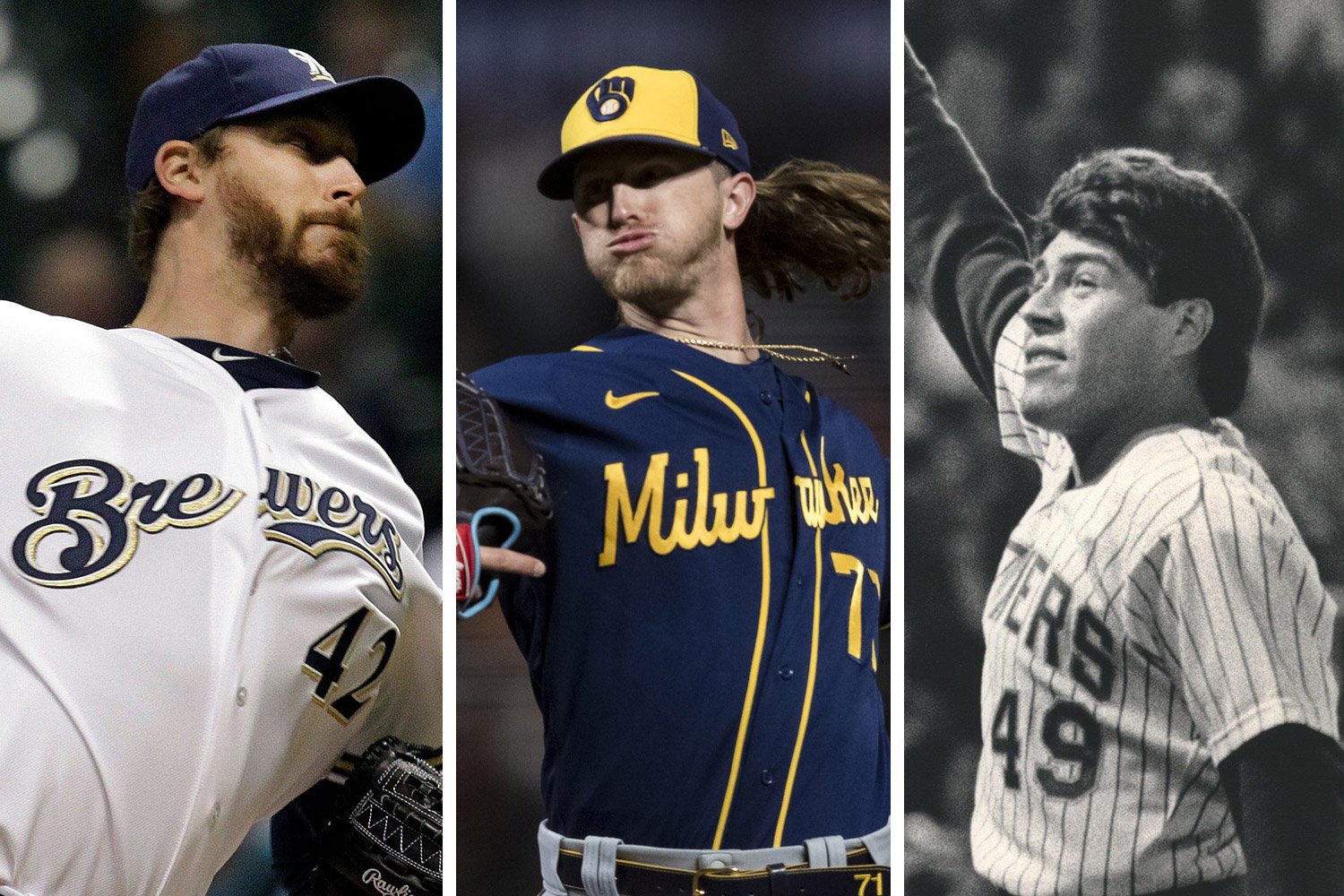 Ace- Cal Eldred (1992) Eldred went 11-2 in his ‘rookie’ season and finished fourth in the AL ROY voting. The big (6-foot-4, 215-pound) righty had an ERA of 1.79 and a FIP of 2.81. He had the best bWAR (4.2) and FIP among all rookie pitchers considered for this piece. Eldred held hitters to a .207 average and had a low BB% of 5.8. Three years later, Eldred underwent Tommy John surgery and would never be the same after that. In his 14-year big league career, he pitched for the White Sox and the Cardinals. #2 Starter- Mike Fiers (2012) Perhaps best known for drilling Marlins slugger Giancarlo Stanton in 2014, Fiers won only nine games in 2012 but boasted a K rate of 25.1% and BB rate of 6.7%, along with a FIP of 3.09 while notching an ERA of 3.74. His K-BB differential was a sparkling 18.4. In his 11-year major league career, he won 75 games for the Brewers, Athletics, Astros, and Tigers. #3 Starter- Freddy Peralta (2018) First, the good news. ‘Fastball Freddy’ had an excellent K rate of 29.9% and held opposing batters to a minuscule .178 batting average. He won six games in 14 starts. The bad news is that his ERA/FIP were a tad high (4.25/3.72), and he was pretty wild with a BB rate of 12.5%. It seems like he was a rookie just yesterday, but Peralta completed his seventh season in Milwaukee and is still considered a top pitcher in the big leagues. #4 Starter- Tobias Myers (2024) Signed as a free agent in the 2022 off-season, Myers was a nice find for Milwaukee, and he posted solid, if not very good, numbers in 2024. His K/BB rates were both above average at 22.3% and 6.3%. He won nine games and posted an ERA of 3.00 and FIP of 3.91. Opposing batters hit .242 off the right-hander. #5 Starter- Teddy Higuera (1985) The stocky southpaw won an impressive 15 games for Milwaukee and finished second in the AL ROY voting. He compiled a bWAR of 3.1 and allowed only a .235 batting mark against opposing batters. He didn’t strike out a lot of hitters (14.5%) but didn’t walk many either (7.2%). Higuera won 69 games in his first four years, but a back injury and rotator cuff problems ended his career in 1994. Spot Starter/Long Reliever- Yovani Gallardo (2007) ‘Yo’ put together a nice season, starting 17 games and relieving in three, which is why I put him in the SS/LR role. He won nine games and posted an ERA of 3.67 and a FIP of 3.41. Opponents batted .245 against him, and he struck out 21.7% of the hitters he faced while allowing only 7.2% walks. Gallardo won 121 games in his career for Milwaukee and four other teams. Middle Relievers- RH Pete Ladd (1983), LH Dan Plesac (1986), RH Jim Henderson (2013), LH Bryan Hudson (2024) ‘Bigfoot’ Pete Ladd saved 25 games for the Brewers in 1983, along with posted an ERA of 2.55, a FIP of 2.92, and held opponents to a meager .172 batting average. His K and BB rates were solid, 21.1% and 8.3% respectively. Plesac, better known these days as an analyst on the MLB Network, saved 14 games and posted an ERA of 2.97 in 1986. His bWAR of 3.2 was third-best on the team that year. Opposing hitters batted only .240 against him, and his K rate was 19.9% and BB rate was 7.7%. He was an All-Star the next three years and saves 86 games in that span. Henderson was a one-year wonder, saving 28 games for Milwaukee in 2013, and had only three other saves in his four-year career. He held hitters to a .200 batting average while striking out 30.4%. His K-BB rate was an impressive 20.7%. Hudson was one of the bright spots on the 2024 team. His opponent's BA was .135, his WHIP was 0.722, and his ERA was 1.73. The towering (6-foot-8) southpaw whiffed 26.8% of hitters he faced while walking 7.4%. LH High Leverage- Josh Hader (2018) Hader was used far differently in 2018, usually appearing earlier in the game than he does these days. He finished only 14 of 55 games that year but notched a dozen saves while earning All-Star status and placed seventh in the NL CY Young race. His WHIP number was 0.811, his opponent batting average was .132, and his K rate was an otherworldly 46.7%. RH High Leverage- John Axford (2010) ‘Ax’ was another power pitcher, striking out 31.9% of batters while allowing a .204 batting average against. His ERA and FIP numbers were an impressive 2.48 and 2.13, respectively. The imposing (6-foot-5, 234-pound) Axford saved 24 games in 2010 and had a league-leading 46 the following season. Closer- RH Devin Williams (2021) Williams began the ninth inning only three times in 58 games in 2021, usually pitching the seventh or eighth, setting up Josh Hader. He finished with eight wins and three saves. Williams was the NL ROY in 2020 but didn’t reach 50 innings pitched until 2021. His superior numbers in 2021 included holding opposing hitters to a .186 batting average, a K rate of 38.5%, an ERA of 2.50, and a FIP of 2.82. The downside? A BB rate of 12.4%, a number that was almost the same in the last three years. Other Pitchers Considered: Jerry Bell (1972), Bill Castro (1975), Chris Bosio (1987), Chuck Crim (1987), Darren Holmes (1991), Doug Henry (1992), Graeme Lloyd (1993), Marco Estrada (2011), Tyler Thornburg (2013), Corey Knebel (2015), Adrian Houser (2019), Elvis Peguero (2023). I’m sure other worthwhile pitchers didn’t make the cut, but this 13-man staff would win a few games. Let me know how I did in the comment section. I hope you enjoy the trip down Memory Lane as much as I did! Also, check out the recently posted Best Rookie Campaigns By Milwaukee Brewers Hitters.
- 7 comments
-
- 1
-
-
- cal eldred
- mike fiers
- (and 5 more)
-
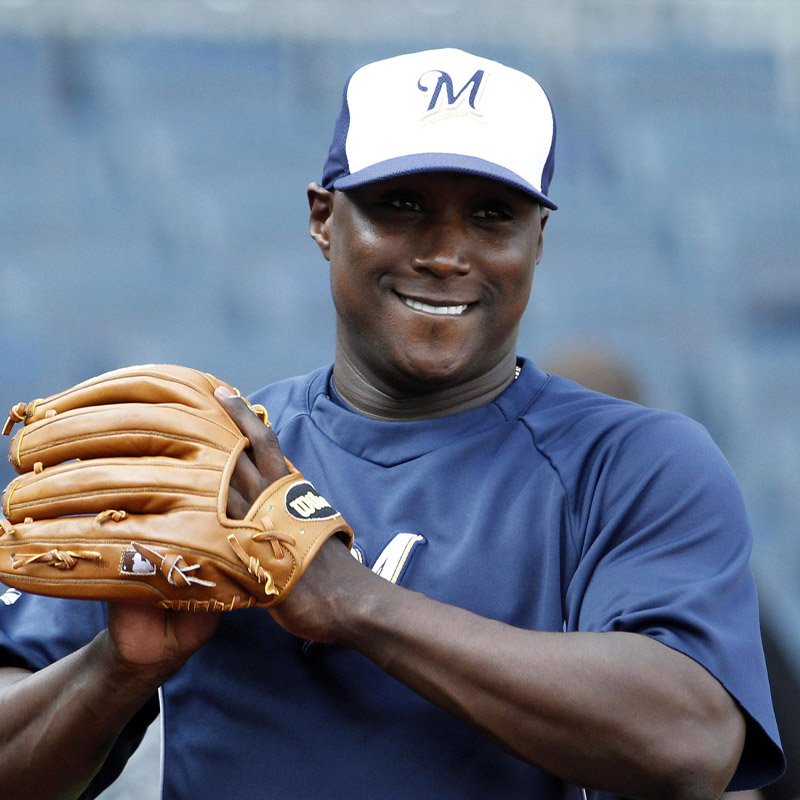 Yuniesky Betancourt Pérez was born in Santa Clara, Cuba in 1982. He spent three years in the Cuban National Series before he defected from Cuba in December 2003 and ended up in Mexico. The Seattle Mariners signed Betancourt in January 2005, and he made his major league debut six months later. Betancourt averaged 155 games played per season from 2006-08 for Seattle before he was traded to the Kansas City Royals in July 2009. He played 1 ½ seasons in Kansas City and then was traded to the Brewers after the 2010 season. The right-handed hitting shortstop slashed .252/.271/.381 across 556 at-bats for the Brew Crew, neither walking nor striking out at a high rate. His career averages were a K rate of 10.2% and a BB rate of 3.3%. On the downside, Betancourt committed 21 errors in the field, with many of his errors coming on bad throws. He was granted free agency after the season and was re-signed by the Royals. But after only 57 games in Kansas City, he was released. In early 2013, he was signed by the Philadelphia Phillies but was released during spring training. The Brewers re-signed him two days later. Betancourt signed a one-year contract with the Brewers and played in 137 games, slashing .212/.240/.355 across 391 at-bats, although he did show some power with 13 home runs. Betancourt was granted free agency on Halloween 2013. Over the next five seasons, Betancourt was quite the globetrotter, playing in Japan, Mexico, and the Caribbean Series. He repatriated to Cuba in 2019 and played in the Villa Clara Provincial League. During his MLB career, Betancourt slashed .261/.285/.388 and banged out 1,057 hits, including 80 home runs. In 2024, Betancourt was arrested with three others for defrauding Chicago-based Kemper Insurance.
 -
Yuniesky Betancourt Pérez was born in Santa Clara, Cuba in 1982. He spent three years in the Cuban National Series before he defected from Cuba in December 2003 and ended up in Mexico. The Seattle Mariners signed Betancourt in January 2005, and he made his major league debut six months later. Betancourt averaged 155 games played per season from 2006-08 for Seattle before he was traded to the Kansas City Royals in July 2009. He played 1 ½ seasons in Kansas City and then was traded to the Brewers after the 2010 season. The right-handed hitting shortstop slashed .252/.271/.381 across 556 at-bats for the Brew Crew, neither walking nor striking out at a high rate. His career averages were a K rate of 10.2% and a BB rate of 3.3%. On the downside, Betancourt committed 21 errors in the field, with many of his errors coming on bad throws. He was granted free agency after the season and was re-signed by the Royals. But after only 57 games in Kansas City, he was released. In early 2013, he was signed by the Philadelphia Phillies but was released during spring training. The Brewers re-signed him two days later. Betancourt signed a one-year contract with the Brewers and played in 137 games, slashing .212/.240/.355 across 391 at-bats, although he did show some power with 13 home runs. Betancourt was granted free agency on Halloween 2013. Over the next five seasons, Betancourt was quite the globetrotter, playing in Japan, Mexico, and the Caribbean Series. He repatriated to Cuba in 2019 and played in the Villa Clara Provincial League. During his MLB career, Betancourt slashed .261/.285/.388 and banged out 1,057 hits, including 80 home runs. In 2024, Betancourt was arrested with three others for defrauding Chicago-based Kemper Insurance. View full player

