



Michael Trzinski
-
Posts
923 -
Joined
-
Last visited
-
Days Won
1
Content Type
Profiles
Forums
Blogs
Events
News
2026 Milwaukee Brewers Top Prospects Ranking
Milwaukee Brewers Videos
2022 Milwaukee Brewers Draft Picks
Milwaukee Brewers Free Agent & Trade Rumors, Notes, & Tidbits
Guides & Resources
2023 Milwaukee Brewers Draft Picks
2024 Milwaukee Brewers Draft Picks
The Milwaukee Brewers Players Project
2025 Milwaukee Brewers Draft Pick Tracker
2026 Milwaukee Brewers Draft Tracker: Picks & Bonuses
Store
Downloads
Gallery
Everything posted by Michael Trzinski
-
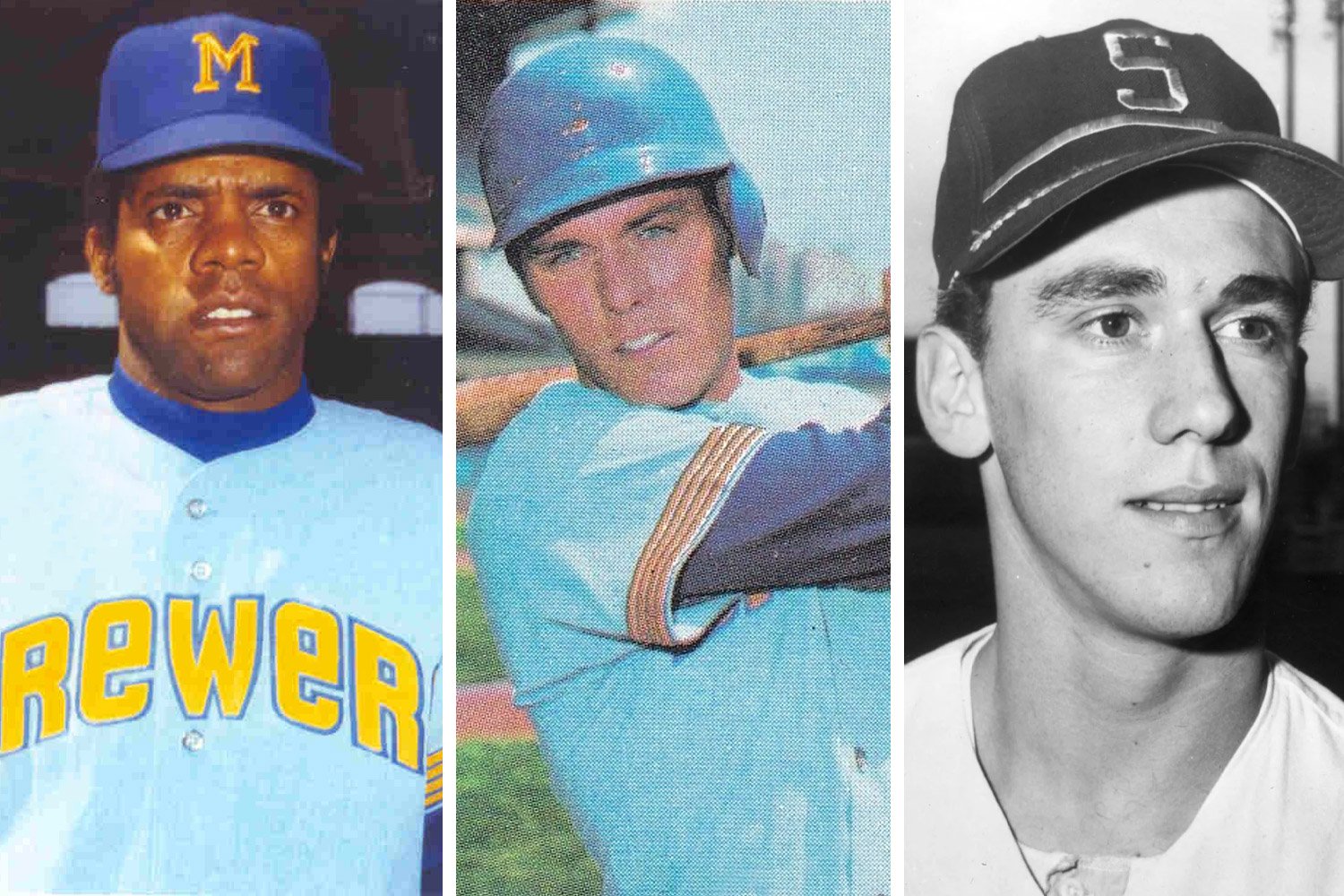 What is the Players Project? It's a community-driven, wiki-style project that focuses on Brewers players of all stripes. It's open to all Brewer Fanatic users and we've had contributions for current players, past players, and players who never even made the major leagues but played in the Brewers farm system. Create your favorite player today! Ted Savage played a major part with the 1970 Brewers. His five triples ranked second on the team, as did his 10 stolen bases. His 12 home runs and 50 RBIs ranked fourth, and his OPS+ of 144 was second behind that of Tommy Harper. Savage had a solid slash line of .279/.402/.482 across 276 at-bats. The following year, Savage struggled, going just 3-for-17 in the first month before being traded to Kansas City. Ted Kubiak played in 158 games during the 1970 season and set career highs of 136 hits, nine doubles, four home runs, 41 RBIs, and 72 walks. Kubiak played for the Brewers until late July 1971, when he was traded in a controversial swap of players to the St. Louis Cardinals involving Jose Cardenal. The Cardinal outfielder was reluctant to report to Milwaukee because he felt the ‘Cardinals got nothing in exchange for me.’ Eventually, the trade went through. Fred ‘Chicken’ Stanley played in only six games for the Brewers in 1970 after playing in 17 games in 1969 for the Seattle Pilots. Ironically, Stanley scored the only run of his Brewer career when he got knocked in from second base on a single by Ted Kubiak. Stanley would go on to play for the New York Yankees for eight years and would be a part of the 1977 and 1978 World Series teams. Milwaukee lacked a major league team for four years in the late 1960s. The early editions of the Milwaukee Brewers were not always good, but the players of the 1970 team were a part of the beginning of a team that brought baseball back to the Brew City.
 -
Major League baseball returned to Milwaukee in 1970 as the Seattle Pilots became the Milwaukee Brewers. The team had two solid players, both named Ted. Second baseman Ted Kubiak and outfielder Ted Savage were good players on the first-year team. Another player was not that good, but he would play on a pair of World Championship teams down the road. His name was Fred Stanley. What is the Players Project? It's a community-driven, wiki-style project that focuses on Brewers players of all stripes. It's open to all Brewer Fanatic users and we've had contributions for current players, past players, and players who never even made the major leagues but played in the Brewers farm system. Create your favorite player today! Ted Savage played a major part with the 1970 Brewers. His five triples ranked second on the team, as did his 10 stolen bases. His 12 home runs and 50 RBIs ranked fourth, and his OPS+ of 144 was second behind that of Tommy Harper. Savage had a solid slash line of .279/.402/.482 across 276 at-bats. The following year, Savage struggled, going just 3-for-17 in the first month before being traded to Kansas City. Ted Kubiak played in 158 games during the 1970 season and set career highs of 136 hits, nine doubles, four home runs, 41 RBIs, and 72 walks. Kubiak played for the Brewers until late July 1971, when he was traded in a controversial swap of players to the St. Louis Cardinals involving Jose Cardenal. The Cardinal outfielder was reluctant to report to Milwaukee because he felt the ‘Cardinals got nothing in exchange for me.’ Eventually, the trade went through. Fred ‘Chicken’ Stanley played in only six games for the Brewers in 1970 after playing in 17 games in 1969 for the Seattle Pilots. Ironically, Stanley scored the only run of his Brewer career when he got knocked in from second base on a single by Ted Kubiak. Stanley would go on to play for the New York Yankees for eight years and would be a part of the 1977 and 1978 World Series teams. Milwaukee lacked a major league team for four years in the late 1960s. The early editions of the Milwaukee Brewers were not always good, but the players of the 1970 team were a part of the beginning of a team that brought baseball back to the Brew City. View full article
-
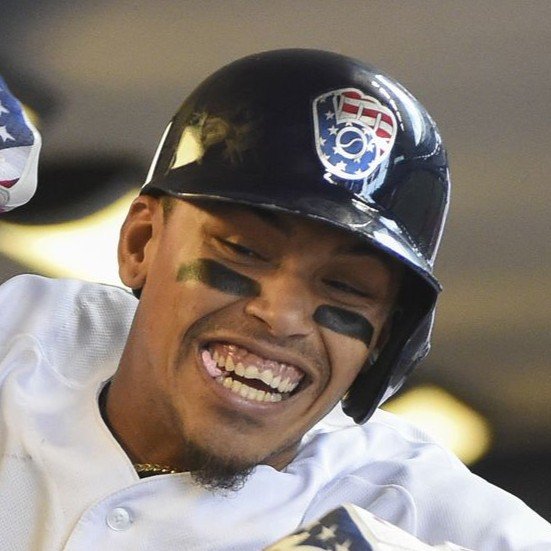 Orlando Jesus Arcia was born in Anaco, Venezuela. The shortstop signed as an international free agent with the Brewers in October 2010. After a season in the DSL in 2011, Arcia missed all of 2012 with a broken ankle that he suffered in spring training. Arcia spent four years working his way through the Brewers organization before getting called up to Milwaukee in August 2016 as management decided to move Jonathan Villar from short to third base. Arcia played 55 games and slashed .219/.273/.358 across 201 at-bats. The shortstop had a solid 2017, slashing .277/.324/.407 with 15 homers and a career-high 14 stolen bases. The following year, Arcia was batting just .197 when he was sent down to Triple-A Colorado Springs for a month and returned in late July. Over the rest of the season, Arcia hit .290 (42-for-145) to finish at .236/.268/.307 over 348 at-bats. Arcia played full seasons in 2019 and the Covid year of 2020, but hit only .232/.292/.367 over that period in 211 games. After playing just four games to begin the 2021 campaign, Arcia was traded to the Atlanta Braves. The Braves sent Arcia to Triple-A Gwinnett after acquisition and he played only 32 games for Atlanta that season. In 2022, Arcia played mostly at second base and was a part-time player. He injured his left hamstring in August and missed a month at the tail end of the season. Arcia returned to his normal shortstop position in 2023 and was named to the All-Star team for the first time, slashing .264/.321/.420 with career highs with 17 home runs and 65 RBIs. In 2024, Arcia played in 157 games, but his batting line slipped to .218/.271/.354, although he did continue his power surge with 17 homers across 551 at-bats. In six years with the Brewers, Arcia slashed .244/.293/.364 with 42 home runs and 39 steals.
 -
Orlando Jesus Arcia was born in Anaco, Venezuela. The shortstop signed as an international free agent with the Brewers in October 2010. After a season in the DSL in 2011, Arcia missed all of 2012 with a broken ankle that he suffered in spring training. Arcia spent four years working his way through the Brewers organization before getting called up to Milwaukee in August 2016 as management decided to move Jonathan Villar from short to third base. Arcia played 55 games and slashed .219/.273/.358 across 201 at-bats. The shortstop had a solid 2017, slashing .277/.324/.407 with 15 homers and a career-high 14 stolen bases. The following year, Arcia was batting just .197 when he was sent down to Triple-A Colorado Springs for a month and returned in late July. Over the rest of the season, Arcia hit .290 (42-for-145) to finish at .236/.268/.307 over 348 at-bats. Arcia played full seasons in 2019 and the Covid year of 2020, but hit only .232/.292/.367 over that period in 211 games. After playing just four games to begin the 2021 campaign, Arcia was traded to the Atlanta Braves. The Braves sent Arcia to Triple-A Gwinnett after acquisition and he played only 32 games for Atlanta that season. In 2022, Arcia played mostly at second base and was a part-time player. He injured his left hamstring in August and missed a month at the tail end of the season. Arcia returned to his normal shortstop position in 2023 and was named to the All-Star team for the first time, slashing .264/.321/.420 with career highs with 17 home runs and 65 RBIs. In 2024, Arcia played in 157 games, but his batting line slipped to .218/.271/.354, although he did continue his power surge with 17 homers across 551 at-bats. In six years with the Brewers, Arcia slashed .244/.293/.364 with 42 home runs and 39 steals. View full player
-
Frederick Blair Stanley was born in Farnhamville, Iowa. After graduating from Monte Vista High School in Spring Valley, California, he was picked in the eighth round of the 1966 MLB Amateur Draft by the Houston Astros. Stanley played almost four seasons in the Astros organization before being traded to the Seattle Pilots in September 1969. Stanley made a splash (literally) in his second game, going 3-for-3 with a double and a walk in a 1-1 tie with the California Angels on September 12. The game was rained out in the 11th inning in Seattle’s Sick’s Stadium, but all statistics counted. He finished the year with a slash line of .279/.319/.372 across 43 at-bats. The following season, the team became the Milwaukee Brewers. The infielder began the 1970 season with Triple-A Portland and was called up to Milwaukee in September. The player known as ‘Chicken’ played only six games for the Brewers. In his first game, he entered the contest as a pinch-runner for Phil Roof, who had doubled. Ted Kubiak singled to score Stanley one batter later. His stats for the year? One run scored. In 1971 and 1972, Stanley played a total of 105 games for Cleveland and San Diego. His slash line of .212/.337/270 was low, but his BB rate of 15% was impressive. Just before Thanksgiving, Stanley was traded to the New York Yankees. Stanley became a fixture as a backup in the infield for the Yankees for the next eight seasons. Filling in behind players like Gene Michael, Horace Clarke, Sandy Alomar, Jim Mason, Graig Nettles, Bucky Dent, and Willie Randolph, Stanley played in 521 games for the Yankees. He played in 17 post-season games across the 1976-1978 seasons, going 8-for-31 with four doubles and one RBI. Stanley went 3-for-4 in the opening game of the 1976 ALCS against the Kansas City Royals with a double and a run scored in the 4-1 win over the Royals. The Yankees were World Champions in 1977 and 1978. After the 1980 season, Stanley was traded to the Oakland Athletics. He played in 167 games during the 1981-1982 seasons but had a batting line of only .193/.280.239. In the 1981 post-season for the A’s, he played in five games and went 1-for-9. Stanley retired after the 1982 season and worked in the Giants organization for many years as a manager and director of player development. View full player
-
 Frederick Blair Stanley was born in Farnhamville, Iowa. After graduating from Monte Vista High School in Spring Valley, California, he was picked in the eighth round of the 1966 MLB Amateur Draft by the Houston Astros. Stanley played almost four seasons in the Astros organization before being traded to the Seattle Pilots in September 1969. Stanley made a splash (literally) in his second game, going 3-for-3 with a double and a walk in a 1-1 tie with the California Angels on September 12. The game was rained out in the 11th inning in Seattle’s Sick’s Stadium, but all statistics counted. He finished the year with a slash line of .279/.319/.372 across 43 at-bats. The following season, the team became the Milwaukee Brewers. The infielder began the 1970 season with Triple-A Portland and was called up to Milwaukee in September. The player known as ‘Chicken’ played only six games for the Brewers. In his first game, he entered the contest as a pinch-runner for Phil Roof, who had doubled. Ted Kubiak singled to score Stanley one batter later. His stats for the year? One run scored. In 1971 and 1972, Stanley played a total of 105 games for Cleveland and San Diego. His slash line of .212/.337/270 was low, but his BB rate of 15% was impressive. Just before Thanksgiving, Stanley was traded to the New York Yankees. Stanley became a fixture as a backup in the infield for the Yankees for the next eight seasons. Filling in behind players like Gene Michael, Horace Clarke, Sandy Alomar, Jim Mason, Graig Nettles, Bucky Dent, and Willie Randolph, Stanley played in 521 games for the Yankees. He played in 17 post-season games across the 1976-1978 seasons, going 8-for-31 with four doubles and one RBI. Stanley went 3-for-4 in the opening game of the 1976 ALCS against the Kansas City Royals with a double and a run scored in the 4-1 win over the Royals. The Yankees were World Champions in 1977 and 1978. After the 1980 season, Stanley was traded to the Oakland Athletics. He played in 167 games during the 1981-1982 seasons but had a batting line of only .193/.280.239. In the 1981 post-season for the A’s, he played in five games and went 1-for-9. Stanley retired after the 1982 season and worked in the Giants organization for many years as a manager and director of player development.
 -
Chase Anderson Was a Key Part of the Brewers Staff in the Mid-Teens
Michael Trzinski posted an article in History
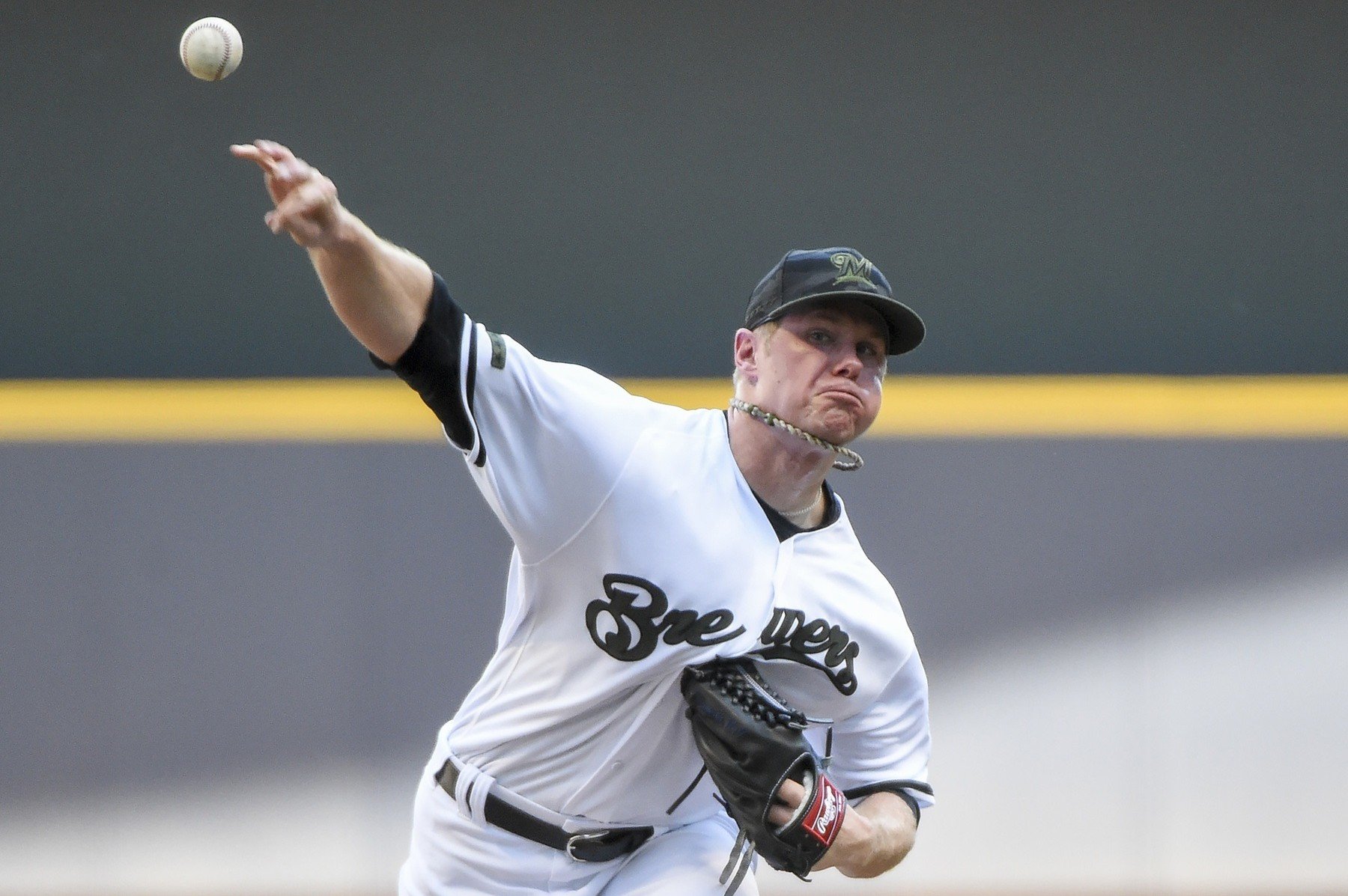 Robert Chase Anderson was born in 1987 in Wichita Falls, Texas. After graduating from Rider High School, he elected not to sign with the Minnesota Twins, who picked the right-handed pitcher in the 42nd round of the 2006 MLB Amateur Draft. After a year at North Central Texas College (Gainesville), the Twins again selected Anderson, this time in the 40th round. He again chose not to sign, playing one more year at NCTC before transferring to the University of Oklahoma. The Arizona Diamondbacks picked Anderson in the 9th round of the 2009 draft, signing him for a reported $85,000. Anderson started surprisingly low in the minors for a college pitcher. He began his professional career at Missoula (Montana) in the Rookie Pioneer League and spent five seasons in the minors before being promoted to the big leagues in 2014. After making six starts at Double-A Mobile in the Southern League, Anderson made his big-league debut on May 11, earning a win against the Chicago White Sox. He won his first five decisions before a losing skein of four games dropped his record to 5-4. He pitched well the rest of the season, ending with a record of 9-7, a FIP of 4.22, and an ERA+ of 93. He finished 10th in the NL ROY voting. Anderson had a similar season in 2015 for Arizona but was traded to the Brewers in January 2016. Although his nine wins in 2016 placed him second on the team behind Zach Davies, his 5.09 FIP and 97 ERA+ were rather pedestrian. That would change in 2017, as he won 12 games against four losses, had a 3.58 FIP, and had an ERA+ of 160. His 4.2 bWAR was the best on the team, and his 133 strikeouts were a career high. In the next two seasons for Milwaukee, he appeared in 62 games (57 starts), won a combined 17 games, and had a decent ERA+ of 105. His 5.04 FIP left something to be desired, though. Rather than exercise an option for $8.5 million after the 2019 season, the Brewers traded Anderson to the Toronto Blue Jays for power-hitting prospect Chad Spanberger. Unfortunately for the Brewers, Spanberger never made it past Triple-A, playing only four games at that level before retiring. Anderson posted the worst numbers of his career in the Covid year of 2020, with an ERA+ of 61 and FIP of 6.16. Granted his free agency after the season, Anderson signed with the Philadelphia Phillies for the 2021 season, had similar numbers to the previous year, and was released in late August. Over the next year, Anderson bounced from organization to organization, playing in the minors for the Rangers, Tigers, and Rays before signing with the Cincinnati Reds for the final month of the 2022 campaign. He mostly struggled in nine appearances (seven starts) with a FIP of 5.07 and an ERA+ of 69. In 2023, the Reds re-signed Anderson, and after pitching five games at Triple-A Louisville, he was purchased by the Tampa Bay Rays. Anderson pitched decently in two appearances over a seven-day span (five innings, two hits, one walk, two strikeouts, and a save) but was waived by the Rays. The Colorado Rockies picked up Anderson in mid-May and gave him 17 starts, in which he pitched to a FIP of 5.89 and ERA+ of 86. After the season, he was granted free agency and scooped up by the Pittsburgh Pirates, who signed him to a minor league deal. Anderson pitched well in the spring for the Buccos (2-0 record, 2.45 ERA, 0.73 WHIP), but the pitcher opted out of his contract and signed a major league deal with the Boston Red Sox instead. Anderson started well for Boston, earning a pair of three-inning saves in his first two appearances. In early August, he was released by the Bosox and signed with the Texas Rangers, returning to his home state. He was called up to the bigs after making four starts at Triple-A Round Rock (Texas). He made two appearances in early September and got lit up, allowing nine hits, seven earned runs, and two walks in 6.1 innings. He was released a few days later. The Texan pitched well in his four years with Milwaukee, winning 38 games with an ERA+ of 112. His FIP was 4.70, while his ERA was 3.83 across 118 games, 112 of them starts. As of Christmas 2024, Anderson is a free agent, awaiting a possible deal for 2025.
 -
Chase Anderson wasn't as successful as his Texas high school contemporary Clayton Kershaw. Sure, both were named to the Texas 4A All-State First Team as seniors, but the comparison ends there. Kershaw has accumulated 212 wins through the 2024 season and has gathered some hardware as well: three Cy Young awards and one National League MVP trophy. Anderson won 59 games in his 11-year MLB career through 2024. But for a four-year period from 2016-2019, Anderson was a reliable part of the Brewers rotation, making 112 starts as a trustworthy mid-rotation member who could show up every five days and eat up innings for a team that made it to the playoffs twice during that timeframe. Image courtesy of Benny Sieu, USA Today Sports Images Robert Chase Anderson was born in 1987 in Wichita Falls, Texas. After graduating from Rider High School, he elected not to sign with the Minnesota Twins, who picked the right-handed pitcher in the 42nd round of the 2006 MLB Amateur Draft. After a year at North Central Texas College (Gainesville), the Twins again selected Anderson, this time in the 40th round. He again chose not to sign, playing one more year at NCTC before transferring to the University of Oklahoma. The Arizona Diamondbacks picked Anderson in the 9th round of the 2009 draft, signing him for a reported $85,000. Anderson started surprisingly low in the minors for a college pitcher. He began his professional career at Missoula (Montana) in the Rookie Pioneer League and spent five seasons in the minors before being promoted to the big leagues in 2014. After making six starts at Double-A Mobile in the Southern League, Anderson made his big-league debut on May 11, earning a win against the Chicago White Sox. He won his first five decisions before a losing skein of four games dropped his record to 5-4. He pitched well the rest of the season, ending with a record of 9-7, a FIP of 4.22, and an ERA+ of 93. He finished 10th in the NL ROY voting. Anderson had a similar season in 2015 for Arizona but was traded to the Brewers in January 2016. Although his nine wins in 2016 placed him second on the team behind Zach Davies, his 5.09 FIP and 97 ERA+ were rather pedestrian. That would change in 2017, as he won 12 games against four losses, had a 3.58 FIP, and had an ERA+ of 160. His 4.2 bWAR was the best on the team, and his 133 strikeouts were a career high. In the next two seasons for Milwaukee, he appeared in 62 games (57 starts), won a combined 17 games, and had a decent ERA+ of 105. His 5.04 FIP left something to be desired, though. Rather than exercise an option for $8.5 million after the 2019 season, the Brewers traded Anderson to the Toronto Blue Jays for power-hitting prospect Chad Spanberger. Unfortunately for the Brewers, Spanberger never made it past Triple-A, playing only four games at that level before retiring. Anderson posted the worst numbers of his career in the Covid year of 2020, with an ERA+ of 61 and FIP of 6.16. Granted his free agency after the season, Anderson signed with the Philadelphia Phillies for the 2021 season, had similar numbers to the previous year, and was released in late August. Over the next year, Anderson bounced from organization to organization, playing in the minors for the Rangers, Tigers, and Rays before signing with the Cincinnati Reds for the final month of the 2022 campaign. He mostly struggled in nine appearances (seven starts) with a FIP of 5.07 and an ERA+ of 69. In 2023, the Reds re-signed Anderson, and after pitching five games at Triple-A Louisville, he was purchased by the Tampa Bay Rays. Anderson pitched decently in two appearances over a seven-day span (five innings, two hits, one walk, two strikeouts, and a save) but was waived by the Rays. The Colorado Rockies picked up Anderson in mid-May and gave him 17 starts, in which he pitched to a FIP of 5.89 and ERA+ of 86. After the season, he was granted free agency and scooped up by the Pittsburgh Pirates, who signed him to a minor league deal. Anderson pitched well in the spring for the Buccos (2-0 record, 2.45 ERA, 0.73 WHIP), but the pitcher opted out of his contract and signed a major league deal with the Boston Red Sox instead. Anderson started well for Boston, earning a pair of three-inning saves in his first two appearances. In early August, he was released by the Bosox and signed with the Texas Rangers, returning to his home state. He was called up to the bigs after making four starts at Triple-A Round Rock (Texas). He made two appearances in early September and got lit up, allowing nine hits, seven earned runs, and two walks in 6.1 innings. He was released a few days later. The Texan pitched well in his four years with Milwaukee, winning 38 games with an ERA+ of 112. His FIP was 4.70, while his ERA was 3.83 across 118 games, 112 of them starts. As of Christmas 2024, Anderson is a free agent, awaiting a possible deal for 2025. View full article
-
A very fascinating look at the world of baseball transactions. As a side note, I 'own' Lucas Erceg in a computer league (Diamond Mind Baseball) and his 'card' makes him a solid set-up man for my team. Congrats to Lucas on a great, but unexpected journey to the bigs! Nice job, Jim!!
- 3 replies
-
- 1
-

-
- matt arnold
- trevor megill
- (and 5 more)
-
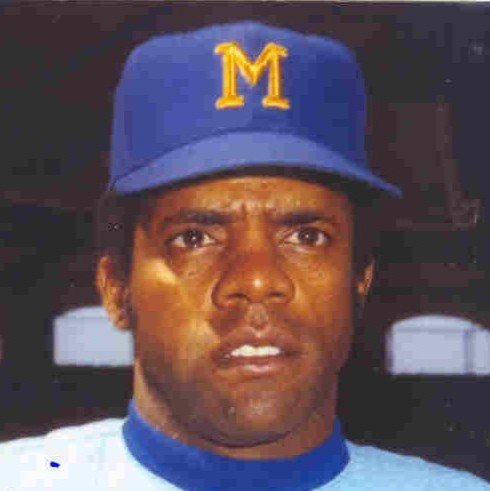 Theodore Ephisian Savage was born in Venice, Illinois just across the border from St. Louis. Savage was a three-sport star in high school and would play basketball and baseball at Lincoln University before graduating in 1958. Savage joined the US Army and would serve for three years. In 1960, he signed as an amateur free agent with the Philadelphia Phillies. Savage had a pair of great minor league seasons before getting called up to the Phillies for the 1962 campaign. Despite a solid rookie season that included a batting line of .266/.345/.373, seven home runs and 16 stolen bases across 335 at-bats, he didn’t get a single Rookie of the Year vote. And for his reward, he was traded to the Pittsburgh Pirates the week after Thanksgiving. The 1963 season was tough for the right-handed outfielder, as he missed a month with a ‘severe virus infection.’ He finished the year with a slash line of .195/.268/.322 in 85 games. After struggling with Triple-A Columbus (Ohio) in 1964, Savage was traded to the St. Louis Cardinals just before Christmas. Savage played mostly at the Triple-A level in 1965 and 1966 and was purchased by the Chicago Cubs in May 1967. He played in the Windy City for a good portion of 1967 and then was traded to the Los Angeles Dodgers in April 1968. Savage played in 61 games for LA and was traded to the Cincinnati Reds before the 1969 season. A year later, he became a Milwaukee Brewer. The 1970 season in Milwaukee was the best of Savage’s career. He set highs in triples (5), home runs (12), RBIs (50), slash line (.279/.402/.482), and OPS+ (144). After going only 3-for-17 in early 1971, Savage was traded to the Kansas City Royals. After a similar stint with the Royals, Savage was released in early 1972. Savage played two years in Mexico before retiring in 1973. After his playing career is where Savage shone. He earned a Ph.D. in Urban Studies and spent nine years as the athletic director at Harris-Stowe State University. He returned to the Cardinals organization in 1987 and spent 25 years as assistant director of community relations and minor league instruction, before moving to a director position in the Cardinals Care and community relations department. Savage passed away in January 2023.
 -
Theodore Ephisian Savage was born in Venice, Illinois just across the border from St. Louis. Savage was a three-sport star in high school and would play basketball and baseball at Lincoln University before graduating in 1958. Savage joined the US Army and would serve for three years. In 1960, he signed as an amateur free agent with the Philadelphia Phillies. Savage had a pair of great minor league seasons before getting called up to the Phillies for the 1962 campaign. Despite a solid rookie season that included a batting line of .266/.345/.373, seven home runs and 16 stolen bases across 335 at-bats, he didn’t get a single Rookie of the Year vote. And for his reward, he was traded to the Pittsburgh Pirates the week after Thanksgiving. The 1963 season was tough for the right-handed outfielder, as he missed a month with a ‘severe virus infection.’ He finished the year with a slash line of .195/.268/.322 in 85 games. After struggling with Triple-A Columbus (Ohio) in 1964, Savage was traded to the St. Louis Cardinals just before Christmas. Savage played mostly at the Triple-A level in 1965 and 1966 and was purchased by the Chicago Cubs in May 1967. He played in the Windy City for a good portion of 1967 and then was traded to the Los Angeles Dodgers in April 1968. Savage played in 61 games for LA and was traded to the Cincinnati Reds before the 1969 season. A year later, he became a Milwaukee Brewer. The 1970 season in Milwaukee was the best of Savage’s career. He set highs in triples (5), home runs (12), RBIs (50), slash line (.279/.402/.482), and OPS+ (144). After going only 3-for-17 in early 1971, Savage was traded to the Kansas City Royals. After a similar stint with the Royals, Savage was released in early 1972. Savage played two years in Mexico before retiring in 1973. After his playing career is where Savage shone. He earned a Ph.D. in Urban Studies and spent nine years as the athletic director at Harris-Stowe State University. He returned to the Cardinals organization in 1987 and spent 25 years as assistant director of community relations and minor league instruction, before moving to a director position in the Cardinals Care and community relations department. Savage passed away in January 2023. View full player
-
It seems like it was 20 years ago that J. Profar and Mike Olt were going to be All-Stars for the next 10 years on the left side of the infield in Texas. Actually, it was back in 2012. Profar is a 20 HR guy who can play a lot of positions. If he can be signed for a reasonable price, I would be all for it.
- 5 replies
-
- 1
-

-
- alex bregman
- jack flaherty
- (and 1 more)
-
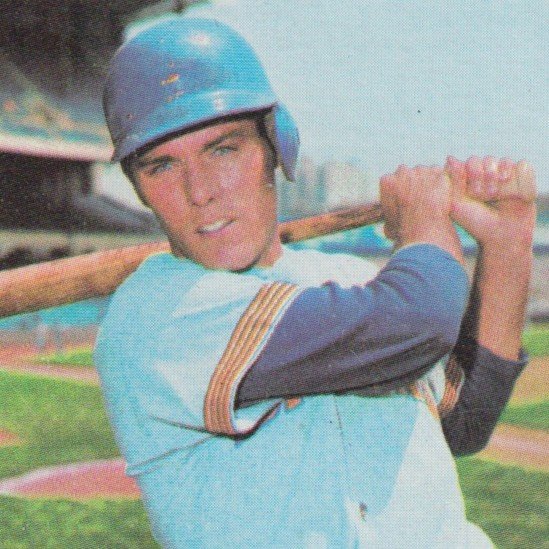 Theodore Rodger Kubiak was born in New Brunswick, New Jersey and graduated from Highland Park (NJ) High School in 1960 and signed as an amateur free agent with the Kansas City Athletics that fall. The switch-hitting shortstop reported to Class D Sarasota in the Florida State League in 1961. Kubiak moved up the minor league ladder with the A’s before making his major league debut with Kansas City in 1967. He never played in another minor league game. Kubiak played as a backup in 1967, and in 1968-1969 after the team had moved to Oakland. In his three years behind shortstop Bert Campaneris and second baseman John Donaldson, Kubiak slashed .231/.293/.288 across 527 at-bats. In December, Kubiak was traded to the Brewers. The 1970 season was Kubiak’s best campaign by far. He played in 158 games, slashed .252/.340/.313 across 540 at-bats. His nine doubles, four homers, and 41 RBIs were career highs. Per Baseball-Reference, Kubiak made $21,000 that season. Kubiak continued at second base to start the 1971 season but switched to shortstop in late June. One month later, he was traded to the St. Louis Cardinals. Kubiak was relegated to pinch-hitter and defensive replacement in September. In November Kubiak was traded to the Texas Rangers. Once again, Kubiak was traded mid-season as he was sent to Oakland in July 1972. Coming back to his original team was a good thing for Kubiak as the A’s won three straight World Series, in which Kubiak played in 1972 and 1973. Playing strictly as a defensive replacement after starter Dick Green was pinch-hit for, Kubiak batted .167 (1-for-6) over eight games. Kubiak missed out on the 1974 Fall Classic due to a calf injury. Kubiak began the 1975 season with Oakland but was traded to the San Diego Padres in mid-May. He continued as a quality backup through 1976. During spring training in 1977, the Padres cut his pay and Kubiak walked out of camp and never played again.
 -
Theodore Rodger Kubiak was born in New Brunswick, New Jersey and graduated from Highland Park (NJ) High School in 1960 and signed as an amateur free agent with the Kansas City Athletics that fall. The switch-hitting shortstop reported to Class D Sarasota in the Florida State League in 1961. Kubiak moved up the minor league ladder with the A’s before making his major league debut with Kansas City in 1967. He never played in another minor league game. Kubiak played as a backup in 1967, and in 1968-1969 after the team had moved to Oakland. In his three years behind shortstop Bert Campaneris and second baseman John Donaldson, Kubiak slashed .231/.293/.288 across 527 at-bats. In December, Kubiak was traded to the Brewers. The 1970 season was Kubiak’s best campaign by far. He played in 158 games, slashed .252/.340/.313 across 540 at-bats. His nine doubles, four homers, and 41 RBIs were career highs. Per Baseball-Reference, Kubiak made $21,000 that season. Kubiak continued at second base to start the 1971 season but switched to shortstop in late June. One month later, he was traded to the St. Louis Cardinals. Kubiak was relegated to pinch-hitter and defensive replacement in September. In November Kubiak was traded to the Texas Rangers. Once again, Kubiak was traded mid-season as he was sent to Oakland in July 1972. Coming back to his original team was a good thing for Kubiak as the A’s won three straight World Series, in which Kubiak played in 1972 and 1973. Playing strictly as a defensive replacement after starter Dick Green was pinch-hit for, Kubiak batted .167 (1-for-6) over eight games. Kubiak missed out on the 1974 Fall Classic due to a calf injury. Kubiak began the 1975 season with Oakland but was traded to the San Diego Padres in mid-May. He continued as a quality backup through 1976. During spring training in 1977, the Padres cut his pay and Kubiak walked out of camp and never played again. View full player
-
A question I have had for a long time: given the huge increase of year-round baseball playing in the youth ranks, why do the 'experts' continue to state that expansion dilutes the MLB talent pool? One would think that all the instruction and playing time would increase the skills of the available pool of talent, not decrease them.
-
Robert Chase Anderson was born in 1987 in Wichita Falls, Texas. After graduating from Rider High School, he elected not to sign with the Minnesota Twins, who picked the right-handed pitcher in the 42nd round of the 2006 MLB Amateur Draft. After a year at North Central Texas College (Gainesville) the Twins again selected Anderson, this time in the 40th round. He again chose not to sign, playing one more year at NCTC before transferring to the University of Oklahoma. The Arizona Diamondbacks picked Anderson in the 9th round of the 2009 draft, signing him for a reported $85,000. Anderson started surprisingly low in the minors for a college pitcher, beginning his pro career at Missoula (Montana) in the Rookie Pioneer League. Anderson spent five seasons in the minors before getting a promotion to the big leagues in 2014. After making six starts at Double-A Mobile in the Southern League, Anderson made his big-league debut on May 11, earning a win against the Chicago White Sox. He won his first five decisions before a losing skein of four games dropped his record to 5-4. He pitched well the rest of the season, ending with a record of 9-7, a FIP of 4.22 and an ERA+ of 93. He finished 10th in the NL ROY voting. Anderson had a similar season in 2015 for Arizona but was traded to the Brewers in January 2016. Although his nine wins in 2016 was second on the team behind Zach Davies, his 5.09 FIP and 97 ERA+ numbers were rather pedestrian. That would change in 2017 as he won 12 games against four losses, had a 3.58 FIP and an ERA+ of 160. His 4.2 bWAR was the best on the team and his 133 strikeouts were a career high. In the next two seasons for Milwaukee, he appeared in a total of 62 games (57 starts), won a combined 17 games and had a decent ERA+ of 105. His 5.04 FIP left something to be desired, though. Rather than exercise an option for $8.5 million after the 2019 season, the Brewers traded Anderson to the Toronto Blue Jays for power-hitting prospect Chad Spanberger. Unfortunately for the Brewers, Spanberger never made it past Triple-A, playing only four games at that level before retiring. Anderson posted the worst numbers of his career in the Covid year of 2020, with an ERA+ of 61 and FIP of 6.16. Granted his free agency after the season, Anderson signed with the Philadelphia Phillies for the 2021 season and had similar numbers to the previous year and was released in late August. Over the next year, Anderson bounced around from organization to organization, playing in the minors for the Rangers, Tigers, and Rays before signing with the Cincinnati Reds for the final month of the 2022 campaign. He mostly struggled in nine appearances (seven starts) with a FIP of 5.07 and an ERA+ of 69. In 2023, the Reds re-signed Anderson and after pitching five games at Triple-A Louisville, he was purchased by the Tampa Bay Rays. Anderson pitched decently in two appearances over a seven-day span (five innings, two hits, one walk, two strikeouts, and a save) but was waived by the Rays. The Colorado Rockies picked up Anderson in mid-May and gave him 17 starts, in which he pitched to a FIP of 5.89 and ERA+ of 86. He was granted free agency after the season and was scooped up by the Pittsburgh Pirates, who signed him to a minor league deal. Anderson pitched well in the spring for the Buccos (2-0 record, 2.45 ERA, 0.73 WHIP) but the pitcher opted out of his contract, instead signing a major league deal with the Boston Red Sox. Anderson started out well for Boston, earning a pair of three-inning saves in his first two appearances. In early August he was released by the Bosox and signed with the Texas Rangers, returning to his home state. After making four starts at Triple-A Round Rock (Texas), he was called up to the bigs. He made two appearances in early September and got lit up, allowing nine hits, seven earned runs, and two walks in 6.1 innings. He was released a few days later. The Texan pitched well in his four years with Milwaukee, winning 38 games with an ERA+ of 112. His FIP was 4.70 while his ERA was 3.83 across 118 games, 112 of them starts. As of Christmas 2024, Anderson is a free agent, awaiting a possible deal for 2025. View full player
-
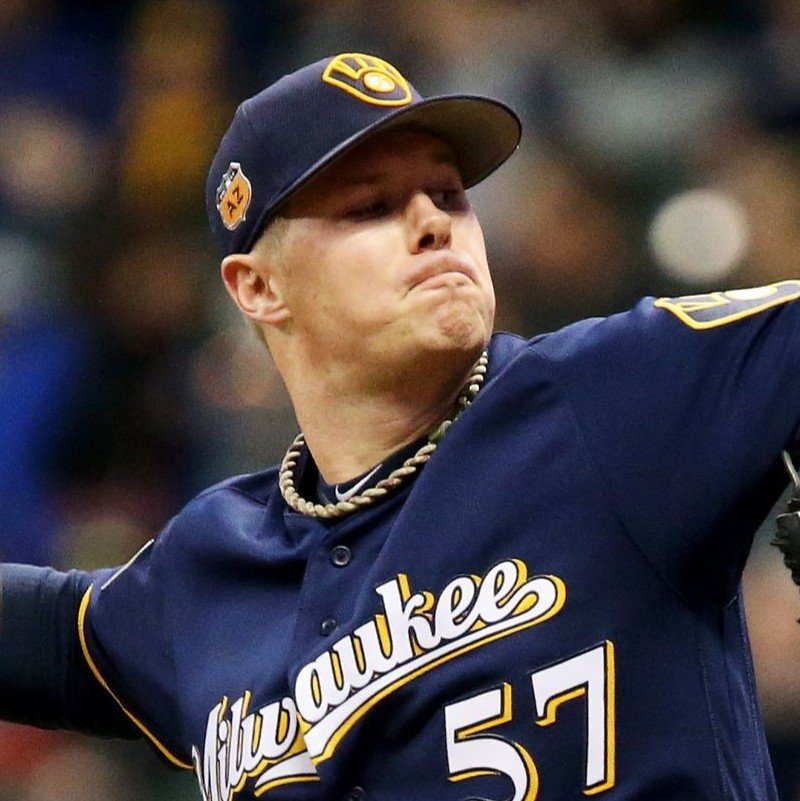 Robert Chase Anderson was born in 1987 in Wichita Falls, Texas. After graduating from Rider High School, he elected not to sign with the Minnesota Twins, who picked the right-handed pitcher in the 42nd round of the 2006 MLB Amateur Draft. After a year at North Central Texas College (Gainesville) the Twins again selected Anderson, this time in the 40th round. He again chose not to sign, playing one more year at NCTC before transferring to the University of Oklahoma. The Arizona Diamondbacks picked Anderson in the 9th round of the 2009 draft, signing him for a reported $85,000. Anderson started surprisingly low in the minors for a college pitcher, beginning his pro career at Missoula (Montana) in the Rookie Pioneer League. Anderson spent five seasons in the minors before getting a promotion to the big leagues in 2014. After making six starts at Double-A Mobile in the Southern League, Anderson made his big-league debut on May 11, earning a win against the Chicago White Sox. He won his first five decisions before a losing skein of four games dropped his record to 5-4. He pitched well the rest of the season, ending with a record of 9-7, a FIP of 4.22 and an ERA+ of 93. He finished 10th in the NL ROY voting. Anderson had a similar season in 2015 for Arizona but was traded to the Brewers in January 2016. Although his nine wins in 2016 was second on the team behind Zach Davies, his 5.09 FIP and 97 ERA+ numbers were rather pedestrian. That would change in 2017 as he won 12 games against four losses, had a 3.58 FIP and an ERA+ of 160. His 4.2 bWAR was the best on the team and his 133 strikeouts were a career high. In the next two seasons for Milwaukee, he appeared in a total of 62 games (57 starts), won a combined 17 games and had a decent ERA+ of 105. His 5.04 FIP left something to be desired, though. Rather than exercise an option for $8.5 million after the 2019 season, the Brewers traded Anderson to the Toronto Blue Jays for power-hitting prospect Chad Spanberger. Unfortunately for the Brewers, Spanberger never made it past Triple-A, playing only four games at that level before retiring. Anderson posted the worst numbers of his career in the Covid year of 2020, with an ERA+ of 61 and FIP of 6.16. Granted his free agency after the season, Anderson signed with the Philadelphia Phillies for the 2021 season and had similar numbers to the previous year and was released in late August. Over the next year, Anderson bounced around from organization to organization, playing in the minors for the Rangers, Tigers, and Rays before signing with the Cincinnati Reds for the final month of the 2022 campaign. He mostly struggled in nine appearances (seven starts) with a FIP of 5.07 and an ERA+ of 69. In 2023, the Reds re-signed Anderson and after pitching five games at Triple-A Louisville, he was purchased by the Tampa Bay Rays. Anderson pitched decently in two appearances over a seven-day span (five innings, two hits, one walk, two strikeouts, and a save) but was waived by the Rays. The Colorado Rockies picked up Anderson in mid-May and gave him 17 starts, in which he pitched to a FIP of 5.89 and ERA+ of 86. He was granted free agency after the season and was scooped up by the Pittsburgh Pirates, who signed him to a minor league deal. Anderson pitched well in the spring for the Buccos (2-0 record, 2.45 ERA, 0.73 WHIP) but the pitcher opted out of his contract, instead signing a major league deal with the Boston Red Sox. Anderson started out well for Boston, earning a pair of three-inning saves in his first two appearances. In early August he was released by the Bosox and signed with the Texas Rangers, returning to his home state. After making four starts at Triple-A Round Rock (Texas), he was called up to the bigs. He made two appearances in early September and got lit up, allowing nine hits, seven earned runs, and two walks in 6.1 innings. He was released a few days later. The Texan pitched well in his four years with Milwaukee, winning 38 games with an ERA+ of 112. His FIP was 4.70 while his ERA was 3.83 across 118 games, 112 of them starts. As of Christmas 2024, Anderson is a free agent, awaiting a possible deal for 2025.
 -
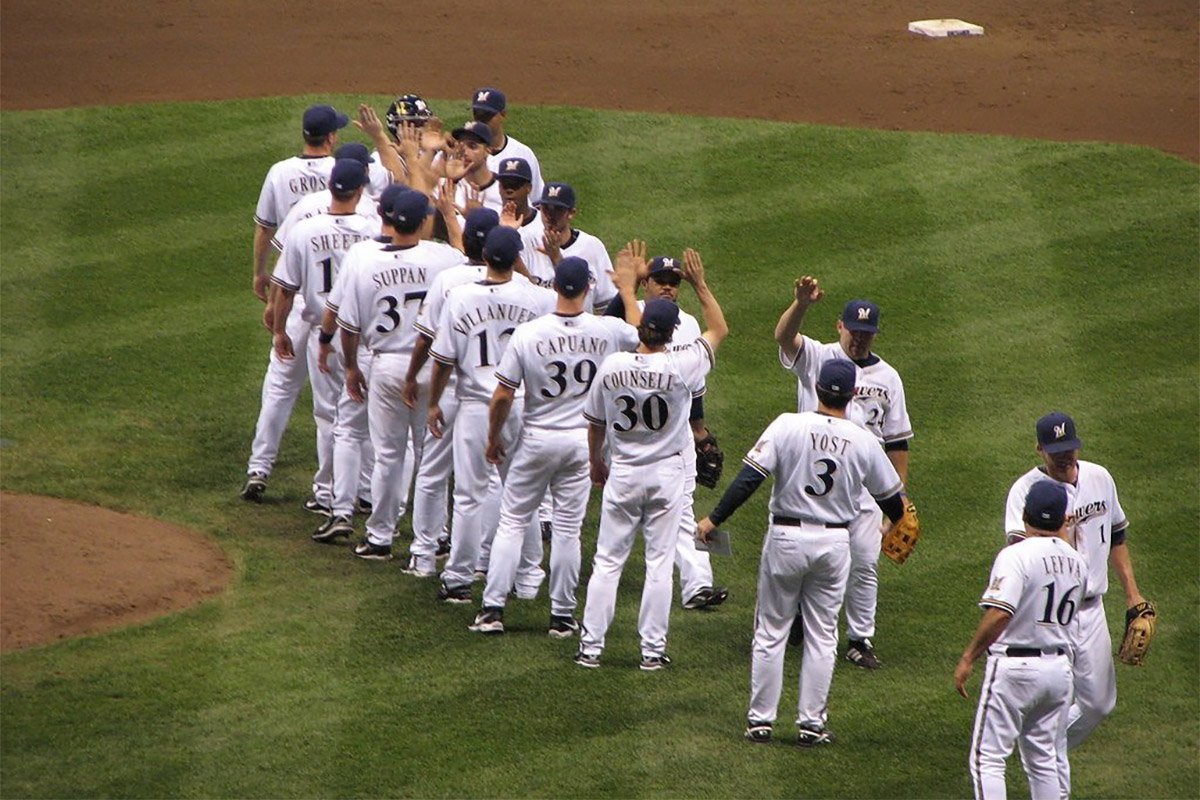 Sure, the 1992 squad closed to within two games of the Toronto Blue Jays with two games left in the regular season, but they lost twice to the Oakland Athletics to fall short. The 1982 Suds Series loss gave Milwaukee players (and their fans) a hangover that lasted until 2007. In 2006, the Brewers won their first five games and went 14-11 in April but never had another winning month, finishing with a 75-87 record, good for fourth place in the National League Central. Coming into 2007, the Brewers had a few question marks, but none bigger than finding someone to man the third base position. Corey Koskie—the regular at the hot corner in 2006—was still doubtful from the post-concussion syndrome that ended his season in July. The Brewers gave a non-roster invite to a young player from Granada Hills, California, via the University of Miami. His name was Ryan Braun, and he wore jersey number 75 in spring training. Also invited to his first camp was a young right-handed pitcher named Yovani Gallardo, who wore number 76. Both were long shots to make the big-league roster. In late March, both were reassigned to the Brewers minor league camp. The Brewers had a disappointing 13-17 record during the spring, and both Braun and Gallardo started the season at Triple-A Nashville. They wouldn’t stay there long. Milwaukee started out on fire, 3.5 games ahead of the NL Central field as the calendar turned to May. Three weeks later, with the team losing nine of 13 games and the third base platoon of Tony Graffanino and Craig Counsell batting a combined .227, the Brewers called up Braun, who had slashed .342/.418/.701 with 10 home runs across 117 at-bats in Nashville. Braun went 4-for-8 in his first two games, including a double and a home run. However, the team struggled the last week of May, losing five of seven games, but still held a 6.5-game lead over second-place Pittsburgh. Milwaukee had several players with very good numbers the first two months, including pinch-hitter/outfielder Tony Gwynn Jr. (.333), first baseman Prince Fielder (19 HR, 43 RBI), and shortstop J.J. Hardy (.304/.350/.567 with 15 home runs). Closer Francisco Cordero notched 19 saves in 19 opportunities and a minuscule ERA of 0.41 with 16 straight scoreless outings. In mid-June, starting pitcher Chris Capuano was placed on the 15-day disabled list, and Gallardo was called to replace him. In his major league debut on June 18, Gallardo allowed a first-inning run to the San Francisco Giants but pitched 6.1 innings, giving up four hits, three earned runs, and three walks while striking out four in a 5-4 victory. The Brewers won their next four games to add to their lead, going 8.5 games up over Chicago and St. Louis. But the Brewers limped into the All-Star break, losing seven of the last 10 games going into the mid-summer recess. Four players were named to the All-Star team: Fielder started at first base, while pitchers Ben Sheets and Cordero pitched an inning. Hardy got into the game late at shortstop. Milwaukee won four games in a row to start the second half but then struggled over the next two weeks, winning only five of 16 games to tie for first place with Chicago on August 2. The Crew won a pair of one-run contests against the Phillies to regain the lead but dropped nine of their next 11 to fall into the runner-up spot. The NL standings on the morning of August 22 showed the Brewers and the Cubs tied. The Brewers promptly lost five in a row to drop to third place behind the Cubs and Cardinals. A run of 6-2 moved the Brewers back into a tie with the Cubs just after Labor Day. After Sheets went down with a left hamstring strain on September 18, the Brewers season imploded as they won only five of 12 games to end the year and finished two games back of the Cubs with an 83-79 mark. Although the team had a disappointing end to a season that seemed full of promise, several individual players had great seasons. Braun won the NL Rookie of the Year award after slashing .324/.370/.624 with 34 home runs and 97 RBIs in just 451 at-bats. His defensive play wasn't as exemplary, as he committed 26 errors at third base for a .895 fielding percentage. (The following year, he was moved to the outfield.) Fielder had an OPS+ of 157, led the league with 50 home runs, and finished third in MVP balloting. Three other players hit more than 20 HRs: Hardy (26), Corey Hart (24) and Geoff Jenkins (21). The team smashed 231 home runs, besting the previous best of 216, which, of course, was tallied in the magical year of 1982. (That mark has since been bettered by the 250 hit by the club in 2019.) Journeyman Joe Dillon played errorless ball at five different positions and slashed .342/.390/.500 across 76 at-bats in a super-sub role. Rickie Weeks led the team with 25 stolen bases in just 118 games. On the mound, Cordero finished second in the NL with 44 saves, had an ERA+ of 149, and a FIP of 2.25. Sheets, Jeff Suppan, and Dave Bush won a dozen games, while Claudio Vargas picked up 11 victories. Rookie Gallardo ended with nine wins, a FIP of 3.41 and an ERA+ of 121. The 2007 campaign was a springboard for future success. The C.C. Sabathia-led Brewers reached the NLDS the following season before losing to the Philadelphia Phillies. Three years later, the Brew Crew reached Game 6 of the NLCS before losing to the Cardinals. Then came a six-year playoff drought. The Brewers have made the playoffs in six of the last seven years. However, the 2018 season ended with a disappointing Game 7 loss to the Los Angeles Dodgers in the NLCS at Miller Park. Ironically, that game ended just after 10pm on October 20, the same date as the 1982 World Series Game 7 loss. Milwaukee fans have come to expect the Brewers to advance to the playoffs, as they have been crowned NL Central champs three of the last four seasons. With gritty manager Pat Murphy, the Brewers should continue to play well and contend for the division title. Young, exciting players like Jackson Chourio and Brice Turang, as well as a half-dozen top prospects who could make it to Milwaukee anytime, make this a great day to be a Brewers fan. Like Braun and Gallardo in 2007, the new crop of Brewer stars could make this team very special.
 -
As the Milwaukee Brewers players trudged off the playing surface of Busch Stadium at 10:15pm on October 20, 1982, after a heart-breaking 6-3 loss to the St. Louis Cardinals in Game 7 of the World Series, fans probably never imagined that a Brewers team would not seriously challenge for a division title for another quarter-century. Image courtesy of Tristan Porto on Flickr Sure, the 1992 squad closed to within two games of the Toronto Blue Jays with two games left in the regular season, but they lost twice to the Oakland Athletics to fall short. The 1982 Suds Series loss gave Milwaukee players (and their fans) a hangover that lasted until 2007. In 2006, the Brewers won their first five games and went 14-11 in April but never had another winning month, finishing with a 75-87 record, good for fourth place in the National League Central. Coming into 2007, the Brewers had a few question marks, but none bigger than finding someone to man the third base position. Corey Koskie—the regular at the hot corner in 2006—was still doubtful from the post-concussion syndrome that ended his season in July. The Brewers gave a non-roster invite to a young player from Granada Hills, California, via the University of Miami. His name was Ryan Braun, and he wore jersey number 75 in spring training. Also invited to his first camp was a young right-handed pitcher named Yovani Gallardo, who wore number 76. Both were long shots to make the big-league roster. In late March, both were reassigned to the Brewers minor league camp. The Brewers had a disappointing 13-17 record during the spring, and both Braun and Gallardo started the season at Triple-A Nashville. They wouldn’t stay there long. Milwaukee started out on fire, 3.5 games ahead of the NL Central field as the calendar turned to May. Three weeks later, with the team losing nine of 13 games and the third base platoon of Tony Graffanino and Craig Counsell batting a combined .227, the Brewers called up Braun, who had slashed .342/.418/.701 with 10 home runs across 117 at-bats in Nashville. Braun went 4-for-8 in his first two games, including a double and a home run. However, the team struggled the last week of May, losing five of seven games, but still held a 6.5-game lead over second-place Pittsburgh. Milwaukee had several players with very good numbers the first two months, including pinch-hitter/outfielder Tony Gwynn Jr. (.333), first baseman Prince Fielder (19 HR, 43 RBI), and shortstop J.J. Hardy (.304/.350/.567 with 15 home runs). Closer Francisco Cordero notched 19 saves in 19 opportunities and a minuscule ERA of 0.41 with 16 straight scoreless outings. In mid-June, starting pitcher Chris Capuano was placed on the 15-day disabled list, and Gallardo was called to replace him. In his major league debut on June 18, Gallardo allowed a first-inning run to the San Francisco Giants but pitched 6.1 innings, giving up four hits, three earned runs, and three walks while striking out four in a 5-4 victory. The Brewers won their next four games to add to their lead, going 8.5 games up over Chicago and St. Louis. But the Brewers limped into the All-Star break, losing seven of the last 10 games going into the mid-summer recess. Four players were named to the All-Star team: Fielder started at first base, while pitchers Ben Sheets and Cordero pitched an inning. Hardy got into the game late at shortstop. Milwaukee won four games in a row to start the second half but then struggled over the next two weeks, winning only five of 16 games to tie for first place with Chicago on August 2. The Crew won a pair of one-run contests against the Phillies to regain the lead but dropped nine of their next 11 to fall into the runner-up spot. The NL standings on the morning of August 22 showed the Brewers and the Cubs tied. The Brewers promptly lost five in a row to drop to third place behind the Cubs and Cardinals. A run of 6-2 moved the Brewers back into a tie with the Cubs just after Labor Day. After Sheets went down with a left hamstring strain on September 18, the Brewers season imploded as they won only five of 12 games to end the year and finished two games back of the Cubs with an 83-79 mark. Although the team had a disappointing end to a season that seemed full of promise, several individual players had great seasons. Braun won the NL Rookie of the Year award after slashing .324/.370/.624 with 34 home runs and 97 RBIs in just 451 at-bats. His defensive play wasn't as exemplary, as he committed 26 errors at third base for a .895 fielding percentage. (The following year, he was moved to the outfield.) Fielder had an OPS+ of 157, led the league with 50 home runs, and finished third in MVP balloting. Three other players hit more than 20 HRs: Hardy (26), Corey Hart (24) and Geoff Jenkins (21). The team smashed 231 home runs, besting the previous best of 216, which, of course, was tallied in the magical year of 1982. (That mark has since been bettered by the 250 hit by the club in 2019.) Journeyman Joe Dillon played errorless ball at five different positions and slashed .342/.390/.500 across 76 at-bats in a super-sub role. Rickie Weeks led the team with 25 stolen bases in just 118 games. On the mound, Cordero finished second in the NL with 44 saves, had an ERA+ of 149, and a FIP of 2.25. Sheets, Jeff Suppan, and Dave Bush won a dozen games, while Claudio Vargas picked up 11 victories. Rookie Gallardo ended with nine wins, a FIP of 3.41 and an ERA+ of 121. The 2007 campaign was a springboard for future success. The C.C. Sabathia-led Brewers reached the NLDS the following season before losing to the Philadelphia Phillies. Three years later, the Brew Crew reached Game 6 of the NLCS before losing to the Cardinals. Then came a six-year playoff drought. The Brewers have made the playoffs in six of the last seven years. However, the 2018 season ended with a disappointing Game 7 loss to the Los Angeles Dodgers in the NLCS at Miller Park. Ironically, that game ended just after 10pm on October 20, the same date as the 1982 World Series Game 7 loss. Milwaukee fans have come to expect the Brewers to advance to the playoffs, as they have been crowned NL Central champs three of the last four seasons. With gritty manager Pat Murphy, the Brewers should continue to play well and contend for the division title. Young, exciting players like Jackson Chourio and Brice Turang, as well as a half-dozen top prospects who could make it to Milwaukee anytime, make this a great day to be a Brewers fan. Like Braun and Gallardo in 2007, the new crop of Brewer stars could make this team very special. View full article
-
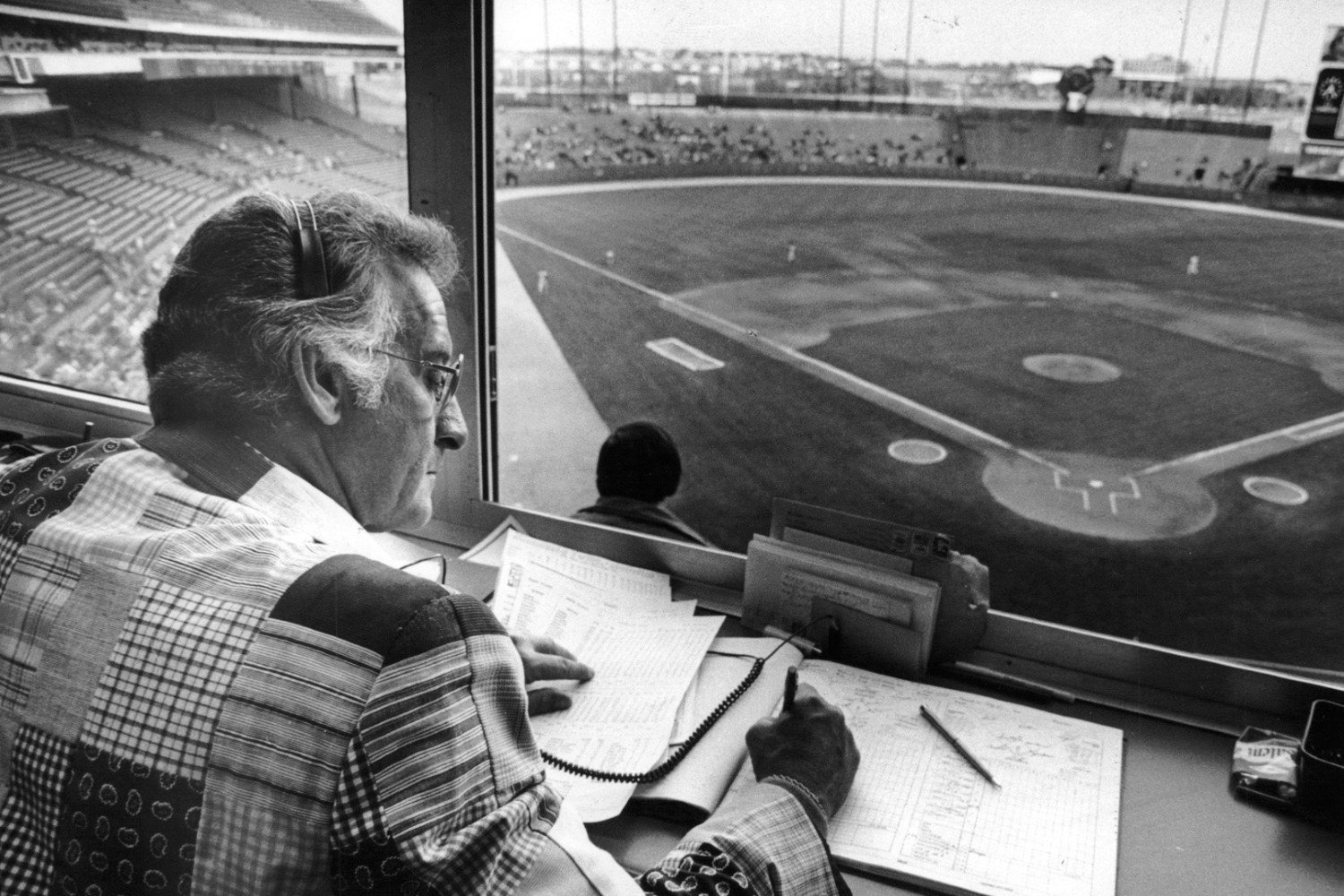 Almost immediately, the 10-year-old me became a fan. I possessed a very high-tech piece of equipment called a transistor radio. I fell asleep many late nights that summer with the radio under my pillow, turned way down low, listening to the dulcet tones of announcers Merle Harmon and Tom Collins. Although a fan, I didn’t attend my first game until 1978, after I had graduated from high school. On July 8, the New York Yankees took on the Brewers. The Brewers were trailing 5-4 in the bottom of the eighth, when Larry Hisle came to the plate against Goose Gossage. Hisle had already hit a homer off Gossage two innings prior. With two outs and Robin Yount on first in front of a crowd of 46,518, my friends and I stood in the very farthest corner of County Stadium, the uppermost deck in right field. (It was almost the exact place that Bob Uecker made famous in a Lite Beer commercial in 1984.) Hisle hammered a ball toward right field, and we could see right fielder Lou Piniella racing toward the wall. Because of where we were sitting (standing) we lost sight of both Piniella and the ball, but when County Stadium erupted into bedlam, we knew it was a home run. The Brewers ended up with a 6-4 victory. Not bad for my first game. In 1984, my first wife and I went to County Stadium on July 6 for a doubleheader with Oakland. In the first game, right fielder Davey Lopes (in what might have been foreshadowing of his disastrous Brewers managing career) caught a line drive… with his face. The ball glanced off his glove and hit Lopes on the left cheek. He missed a month with an eye injury. My wife and I had a good time at the games, even though Oakland swept the doubleheader. Eight and one-half months later, my oldest son was born. I started working at a paper mill in central Wisconsin in 1985 (five days after my son was born), and I became friends with a few co-workers who were huge baseball fans. For the next five or six years, our gang went to Opening Day every year. That was back in the days when your tickets arrived by mail, and you could always get tickets. One year, “Steve” had worked the 11-7 shift, and we picked him up at 8 AM. After his first beer in the car, he passed out. We pulled into the parking lot three hours later, and (of course) we pulled out the Weber ‘Little Smokey’ grill and the cooler of adult beverages. To stay awake, Steve volunteered to be grill master. After being harassed for his ineptitude on the grill, Steve attempted to expedite things by opening the dampers on the bottom. Unfortunately, the dampers were stuck, and when Steve pushed harder, the grill tipped over and the dozen brats and burgers that were on the grating spilled onto the oily, greasy parking lot. Peals of laughter rang out. Our gang ended up eating brats and burgers that were a bit gritty, but didn’t taste too bad otherwise. Steve’s banner day would continue inside the stadium. In the second inning, Steve was gone for a long time. The day was cold, with the temp in the upper 30s. I had to go to the bathroom, and as I opened the door I saw Steve, leaning against the wall under a heater—fast asleep. I woke him up, and we went back to our seats. Three innings later, again: no Steve. Guess where I found him? Robin Yount was chasing 3,000 hits in 1992. My second wife and I bought tickets for the September 8 game against Cleveland. ‘Rockin’ Robin’ belted hit 2,999 off Jack Armstrong in the first inning and went hitless in four more trips. The next day, Yount pounded out his 3,000th hit against the Indians’ José Mesa in a game we couldn’t attend. So close, yet so far away. Other memories… Watching Texas Rangers pitching coach Tom House and his pitchers throwing footballs around in the outfield before the game. Getting off a ‘bar bus’ and immediately going to the ‘Speed Pitch’ and without warming up, throwing 81 on my second toss. My arm was never the same after that. My friends and I had some great times at County Stadium, and I miss that baseball edifice built in the early 50s. Miller Park was great, and our group got to see the first game there in 2001 and saw George W. Bush throw out the first pitch. We also went to the Home Run Derby in 2002, prior to the infamous 7-7 All-Star Game tie. I like the new park, but in my mind, it will never compare to County Stadium.
 -
A long time ago, in a galaxy very near—before many, if not all the writers of Brewer Fanatic were even born—the Milwaukee Brewers were created from a team that had previously been the Seattle Pilots. Long story short, on Mar. 31, 1970, the financially plagued Seattle Pilots were sold to Bud Selig and the Milwaukee Brewers Baseball Club, Inc. for $10.8 million. Image courtesy of © Rick Wood/Milwaukee Journal Sentinel / USA TODAY NETWORK Almost immediately, the 10-year-old me became a fan. I possessed a very high-tech piece of equipment called a transistor radio. I fell asleep many late nights that summer with the radio under my pillow, turned way down low, listening to the dulcet tones of announcers Merle Harmon and Tom Collins. Although a fan, I didn’t attend my first game until 1978, after I had graduated from high school. On July 8, the New York Yankees took on the Brewers. The Brewers were trailing 5-4 in the bottom of the eighth, when Larry Hisle came to the plate against Goose Gossage. Hisle had already hit a homer off Gossage two innings prior. With two outs and Robin Yount on first in front of a crowd of 46,518, my friends and I stood in the very farthest corner of County Stadium, the uppermost deck in right field. (It was almost the exact place that Bob Uecker made famous in a Lite Beer commercial in 1984.) Hisle hammered a ball toward right field, and we could see right fielder Lou Piniella racing toward the wall. Because of where we were sitting (standing) we lost sight of both Piniella and the ball, but when County Stadium erupted into bedlam, we knew it was a home run. The Brewers ended up with a 6-4 victory. Not bad for my first game. In 1984, my first wife and I went to County Stadium on July 6 for a doubleheader with Oakland. In the first game, right fielder Davey Lopes (in what might have been foreshadowing of his disastrous Brewers managing career) caught a line drive… with his face. The ball glanced off his glove and hit Lopes on the left cheek. He missed a month with an eye injury. My wife and I had a good time at the games, even though Oakland swept the doubleheader. Eight and one-half months later, my oldest son was born. I started working at a paper mill in central Wisconsin in 1985 (five days after my son was born), and I became friends with a few co-workers who were huge baseball fans. For the next five or six years, our gang went to Opening Day every year. That was back in the days when your tickets arrived by mail, and you could always get tickets. One year, “Steve” had worked the 11-7 shift, and we picked him up at 8 AM. After his first beer in the car, he passed out. We pulled into the parking lot three hours later, and (of course) we pulled out the Weber ‘Little Smokey’ grill and the cooler of adult beverages. To stay awake, Steve volunteered to be grill master. After being harassed for his ineptitude on the grill, Steve attempted to expedite things by opening the dampers on the bottom. Unfortunately, the dampers were stuck, and when Steve pushed harder, the grill tipped over and the dozen brats and burgers that were on the grating spilled onto the oily, greasy parking lot. Peals of laughter rang out. Our gang ended up eating brats and burgers that were a bit gritty, but didn’t taste too bad otherwise. Steve’s banner day would continue inside the stadium. In the second inning, Steve was gone for a long time. The day was cold, with the temp in the upper 30s. I had to go to the bathroom, and as I opened the door I saw Steve, leaning against the wall under a heater—fast asleep. I woke him up, and we went back to our seats. Three innings later, again: no Steve. Guess where I found him? Robin Yount was chasing 3,000 hits in 1992. My second wife and I bought tickets for the September 8 game against Cleveland. ‘Rockin’ Robin’ belted hit 2,999 off Jack Armstrong in the first inning and went hitless in four more trips. The next day, Yount pounded out his 3,000th hit against the Indians’ José Mesa in a game we couldn’t attend. So close, yet so far away. Other memories… Watching Texas Rangers pitching coach Tom House and his pitchers throwing footballs around in the outfield before the game. Getting off a ‘bar bus’ and immediately going to the ‘Speed Pitch’ and without warming up, throwing 81 on my second toss. My arm was never the same after that. My friends and I had some great times at County Stadium, and I miss that baseball edifice built in the early 50s. Miller Park was great, and our group got to see the first game there in 2001 and saw George W. Bush throw out the first pitch. We also went to the Home Run Derby in 2002, prior to the infamous 7-7 All-Star Game tie. I like the new park, but in my mind, it will never compare to County Stadium. View full article
-
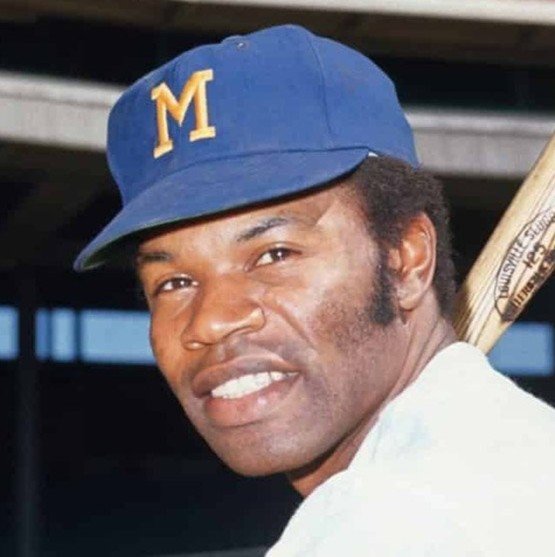 Tommy Harper bounced around a lot. During his 15-year big league career, he played first base, second base, third base, left field, center field, and right field in the major leagues. He also played for Cincinnati, Cleveland, Seattle, Boston, Oakland, California, Baltimore, and two years for the Milwaukee Brewers. Harper was born on October 14, 1940, in Oak Grove, Louisiana, but moved to California when he was four years old. He played football, basketball, track, and baseball at Alameda Encinal High and graduated in 1958. Harper starred athletically at Santa Rosa Junior College and San Francisco State before being signed by the Cincinnati Reds in May 1960. Harper played two seasons in the minors, but at the beginning of his third year in the Reds organization, he started in Cincinnati and played six games in April, going 4-for-8 in his first two games. But then he went hitless in his next 15 at-bats and was sent down to Triple-A San Diego, where he finished the season. He had a great slash line of .333/.450/.569 across 621 plate appearances and never played in the minors again. Harper played in Cincinnati for six years, slashing .255/.333/.362 and averaging 21 stolen bases per year. However, in the 1967 off-season, Harper was traded to Cleveland for three players. His 1968 season was lackluster, and he was made available in the 1968 Expansion Draft, in which the Seattle Pilots, the new American League team, selected him. In his only year for the Pilots, he didn’t hit that well, slashing .235/.349/.311, but led the major leagues with 73 steals, the highest total of thefts in the American League since Ty Cobb swiped 96 bags in 1915. On April Fool’s Day 1970, federal bankruptcy judge Sidney Volinn approved the $10.8 million sale to a Milwaukee group led by Allan H. “Bud” Selig. The Seattle Pilots became the Milwaukee Brewers. The team opened its season at Milwaukee County Stadium on April 7, hosting the California Angels. In the bottom of the first inning, Harper grounded out to third baseman Aurelio Rodriguez in the first at-bat in Brewer history in a 12-0 Milwaukee loss. The Brewers would lose their first three games before winning three in a row to even their record at three wins and three losses. Manager Dave Bristol moved Harper from the outfield to the infield before the 1970 campaign, where he played 128 games at third base, 22 games at second base, and only 13 contests in the outfield. Bristol said this of his player, “Harper will impress a lot of people with his speed and base stealing.” Bristol had been Harper’s manager in Cincinnati for two years (1966, 1967) and knew the speedster’s capabilities. After a great first half of the season, Harper received the third-most votes at second base in All-Star Game voting behind Rod Carew and Dick McAuliffe. Ironically, Carew and McAuliffe were both injured and didn’t play. American League manager Earl Weaver selected Baltimore’s Davey Johnson to start at second while picking Harper as an alternate. Wisconsin sportswriters were in an uproar because Harper batted .308, scored 56 runs, knocked in 37, had 15 home runs, and led the AL in doubles and stolen bases in early July. Johnson hit 30 points less and had about half of Harper’s production. To add insult to injury, Johnson played nearly the whole game of the 12-inning contest while Harper was inserted as a pinch-runner in the top of the fifth and was thrown out trying to steal by Johnny Bench. The National League won 5-4 on Pete Rose's infamous collision with Ray Fosse at the plate in extra innings. ‘Tailwind,’ as Harper was called, suffered a bruised left thigh in a collision at third base with Chicago’s Bill Melton in early August and stole only eight bases in the last two months to finish with 38 steals. Harper earned enough MVP votes to finish in sixth place. His season was one of the best in Brewers history. He ranked in the top five in the American League in runs scored, doubles, stolen bases, slugging percentage, and total bases. His numbers placed in the top 10 in hits, home runs, OBP, OPS, and OPS+. Harper’s 7.4 Wins Above Replacement in 1970 ranks fourth in Milwaukee Brewers history. In 1971, his final year as a Brewer, Harper split time between third base and left field, with a few games in center field. His power and speed numbers were down, as he had 25 steals and 14 homers, a decrease from 38 and 31, respectively. In October, Harper was included in a 10-player deal between Milwaukee and Boston. Harper, along with Pat Skrable, Lew Krausse, and Marty Pattin were sent to the Red Sox for Ken Brett, Billy Conigliaro, Joe Lahoud, Jim Lonborg, Don Pavletich, and George (Boomer) Scott. Harper played the next three years in Boston and led the AL with 54 steals in 1973. Over the next three years, he played for California, Oakland, and Baltimore and ended his career after the 1976 season. Harper collected 1,609 hits, 146 home runs, and 408 stolen bases during his career. His career slash line was .257/.338/.379. He is tied with Johnny Damon for 68th place in career stolen bases. Harper served as a coach for the Red Sox from 1980-1984 and again from 2000-2002. He also coached with Montreal from 1990-1999. Harper would be a leader in taking a stand against racism and discrimination with the Red Sox in 2017 and beyond. But as a player, Tommy Harper had speed and power, as witnessed by his 30-30 season in 1970. He was the Milwaukee Brewers' first All-Star and top-10 MVP finalist. Milwaukee fans of a certain age will remember him as the first Brewers superstar.
 -
Tommy Harper bounced around a lot. During his 15-year big league career, he played first base, second base, third base, left field, center field, and right field in the major leagues. He also played for Cincinnati, Cleveland, Seattle, Boston, Oakland, California, Baltimore, and two years for the Milwaukee Brewers. Harper was born on October 14, 1940, in Oak Grove, Louisiana, but moved to California when he was four years old. He played football, basketball, track, and baseball at Alameda Encinal High and graduated in 1958. Harper starred athletically at Santa Rosa Junior College and San Francisco State before being signed by the Cincinnati Reds in May 1960. Harper played two seasons in the minors, but at the beginning of his third year in the Reds organization, he started in Cincinnati and played six games in April, going 4-for-8 in his first two games. But then he went hitless in his next 15 at-bats and was sent down to Triple-A San Diego, where he finished the season. He had a great slash line of .333/.450/.569 across 621 plate appearances and never played in the minors again. Harper played in Cincinnati for six years, slashing .255/.333/.362 and averaging 21 stolen bases per year. However, in the 1967 off-season, Harper was traded to Cleveland for three players. His 1968 season was lackluster, and he was made available in the 1968 Expansion Draft, in which the Seattle Pilots, the new American League team, selected him. In his only year for the Pilots, he didn’t hit that well, slashing .235/.349/.311, but led the major leagues with 73 steals, the highest total of thefts in the American League since Ty Cobb swiped 96 bags in 1915. On April Fool’s Day 1970, federal bankruptcy judge Sidney Volinn approved the $10.8 million sale to a Milwaukee group led by Allan H. “Bud” Selig. The Seattle Pilots became the Milwaukee Brewers. The team opened its season at Milwaukee County Stadium on April 7, hosting the California Angels. In the bottom of the first inning, Harper grounded out to third baseman Aurelio Rodriguez in the first at-bat in Brewer history in a 12-0 Milwaukee loss. The Brewers would lose their first three games before winning three in a row to even their record at three wins and three losses. Manager Dave Bristol moved Harper from the outfield to the infield before the 1970 campaign, where he played 128 games at third base, 22 games at second base, and only 13 contests in the outfield. Bristol said this of his player, “Harper will impress a lot of people with his speed and base stealing.” Bristol had been Harper’s manager in Cincinnati for two years (1966, 1967) and knew the speedster’s capabilities. After a great first half of the season, Harper received the third-most votes at second base in All-Star Game voting behind Rod Carew and Dick McAuliffe. Ironically, Carew and McAuliffe were both injured and didn’t play. American League manager Earl Weaver selected Baltimore’s Davey Johnson to start at second while picking Harper as an alternate. Wisconsin sportswriters were in an uproar because Harper batted .308, scored 56 runs, knocked in 37, had 15 home runs, and led the AL in doubles and stolen bases in early July. Johnson hit 30 points less and had about half of Harper’s production. To add insult to injury, Johnson played nearly the whole game of the 12-inning contest while Harper was inserted as a pinch-runner in the top of the fifth and was thrown out trying to steal by Johnny Bench. The National League won 5-4 on Pete Rose's infamous collision with Ray Fosse at the plate in extra innings. ‘Tailwind,’ as Harper was called, suffered a bruised left thigh in a collision at third base with Chicago’s Bill Melton in early August and stole only eight bases in the last two months to finish with 38 steals. Harper earned enough MVP votes to finish in sixth place. His season was one of the best in Brewers history. He ranked in the top five in the American League in runs scored, doubles, stolen bases, slugging percentage, and total bases. His numbers placed in the top 10 in hits, home runs, OBP, OPS, and OPS+. Harper’s 7.4 Wins Above Replacement in 1970 ranks fourth in Milwaukee Brewers history. In 1971, his final year as a Brewer, Harper split time between third base and left field, with a few games in center field. His power and speed numbers were down, as he had 25 steals and 14 homers, a decrease from 38 and 31, respectively. In October, Harper was included in a 10-player deal between Milwaukee and Boston. Harper, along with Pat Skrable, Lew Krausse, and Marty Pattin were sent to the Red Sox for Ken Brett, Billy Conigliaro, Joe Lahoud, Jim Lonborg, Don Pavletich, and George (Boomer) Scott. Harper played the next three years in Boston and led the AL with 54 steals in 1973. Over the next three years, he played for California, Oakland, and Baltimore and ended his career after the 1976 season. Harper collected 1,609 hits, 146 home runs, and 408 stolen bases during his career. His career slash line was .257/.338/.379. He is tied with Johnny Damon for 68th place in career stolen bases. Harper served as a coach for the Red Sox from 1980-1984 and again from 2000-2002. He also coached with Montreal from 1990-1999. Harper would be a leader in taking a stand against racism and discrimination with the Red Sox in 2017 and beyond. But as a player, Tommy Harper had speed and power, as witnessed by his 30-30 season in 1970. He was the Milwaukee Brewers' first All-Star and top-10 MVP finalist. Milwaukee fans of a certain age will remember him as the first Brewers superstar. View full player
-
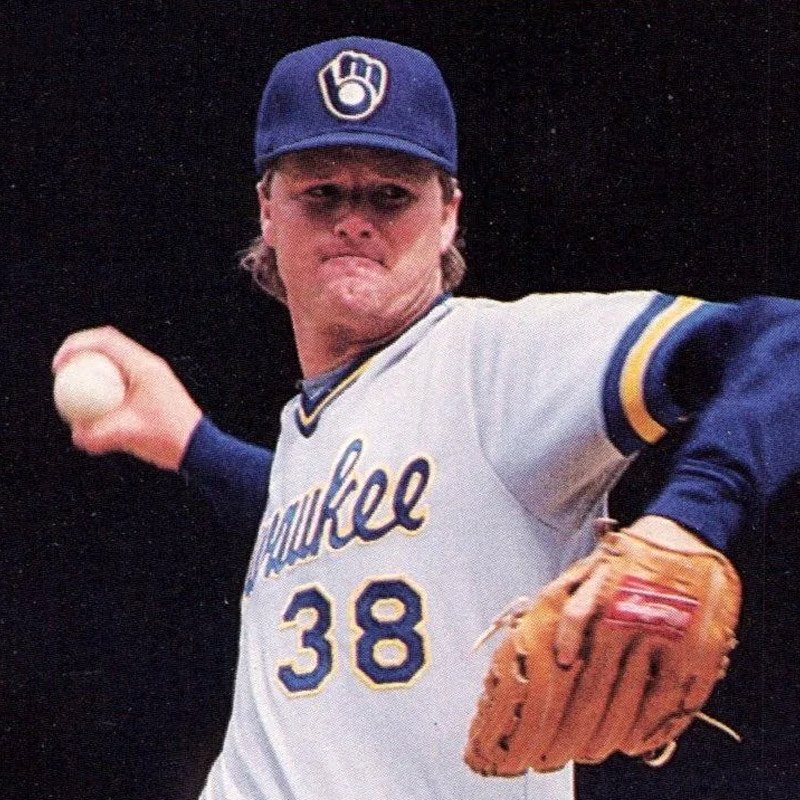 Donald Glenn August was born in 1963 in Inglewood, California. After graduating from Capistrano Valley High School, he attended Chapman University in Orange, California. August earned All-American status and played for the United States Olympic team in 1984 in Los Angeles. That year, baseball was only a ‘demonstration sport’ and no medals were awarded. The US lost to Japan in the final game and finished second. August was drafted in the first round (17th overall) by the Houston Astros in the 1984 MLB Amateur Draft. He started at Double-A Columbus (Georgia) in the Southern League and won 14 games and had an ERA of 2.96 in 27 starts. That earned him a promotion in 1985 to Triple-A Tucson in the Pacific Coast League. In mid-August, the right-hander was traded to the Brewers with Mark Knudson for Danny Darwin. August pitched at the Triple-A level for Milwaukee until June 1988 when he got called up to the big leagues. After getting a victory in his first appearance (two innings in relief against the California Angels), August went on to have one of the finest rookie seasons ever for the Brewers. He won 13 games with an ERA of 3.09 and an ERA+ of 129. He notched one shutout among his six complete games. (Just to show how the game has changed, the six CG were tied for 21st in the American League!) August finished fourth in the AL ROY voting. In 1989, August won 12 games against 12 losses and his ERA ballooned to 5.31. The following season, August was sent down at the end of April, mostly due to his 12.27 ERA, even though he had only pitched 3.2 innings. After 22 starts—and an ERA of 7.11—at Triple-A Denver, August appeared in two games in September for Milwaukee. The following season was the last big-league campaign for August. He won nine games and had a FIP of 4.74 in 23 starts (and five relief appearances). He had one complete game shutout. August was a free agent after the 1991 season and pitched in the Detroit, Cleveland, San Diego, and Pittsburgh organizations the next four years. August pitched two years in Mexico, five years in Taiwan, and one year in Italy before hanging up his spikes for good in 1999.
 -
Donald Glenn August was born in 1963 in Inglewood, California. After graduating from Capistrano Valley High School, he attended Chapman University in Orange, California. August earned All-American status and played for the United States Olympic team in 1984 in Los Angeles. That year, baseball was only a ‘demonstration sport’ and no medals were awarded. The US lost to Japan in the final game and finished second. August was drafted in the first round (17th overall) by the Houston Astros in the 1984 MLB Amateur Draft. He started at Double-A Columbus (Georgia) in the Southern League and won 14 games and had an ERA of 2.96 in 27 starts. That earned him a promotion in 1985 to Triple-A Tucson in the Pacific Coast League. In mid-August, the right-hander was traded to the Brewers with Mark Knudson for Danny Darwin. August pitched at the Triple-A level for Milwaukee until June 1988 when he got called up to the big leagues. After getting a victory in his first appearance (two innings in relief against the California Angels), August went on to have one of the finest rookie seasons ever for the Brewers. He won 13 games with an ERA of 3.09 and an ERA+ of 129. He notched one shutout among his six complete games. (Just to show how the game has changed, the six CG were tied for 21st in the American League!) August finished fourth in the AL ROY voting. In 1989, August won 12 games against 12 losses and his ERA ballooned to 5.31. The following season, August was sent down at the end of April, mostly due to his 12.27 ERA, even though he had only pitched 3.2 innings. After 22 starts—and an ERA of 7.11—at Triple-A Denver, August appeared in two games in September for Milwaukee. The following season was the last big-league campaign for August. He won nine games and had a FIP of 4.74 in 23 starts (and five relief appearances). He had one complete game shutout. August was a free agent after the 1991 season and pitched in the Detroit, Cleveland, San Diego, and Pittsburgh organizations the next four years. August pitched two years in Mexico, five years in Taiwan, and one year in Italy before hanging up his spikes for good in 1999. View full player


