



Michael Trzinski
-
Posts
923 -
Joined
-
Last visited
-
Days Won
1
Content Type
Profiles
Forums
Blogs
Events
News
2026 Milwaukee Brewers Top Prospects Ranking
Milwaukee Brewers Videos
2022 Milwaukee Brewers Draft Picks
Milwaukee Brewers Free Agent & Trade Rumors, Notes, & Tidbits
Guides & Resources
2023 Milwaukee Brewers Draft Picks
2024 Milwaukee Brewers Draft Picks
The Milwaukee Brewers Players Project
2025 Milwaukee Brewers Draft Pick Tracker
2026 Milwaukee Brewers Draft Tracker: Picks & Bonuses
Store
Downloads
Gallery
Everything posted by Michael Trzinski
-
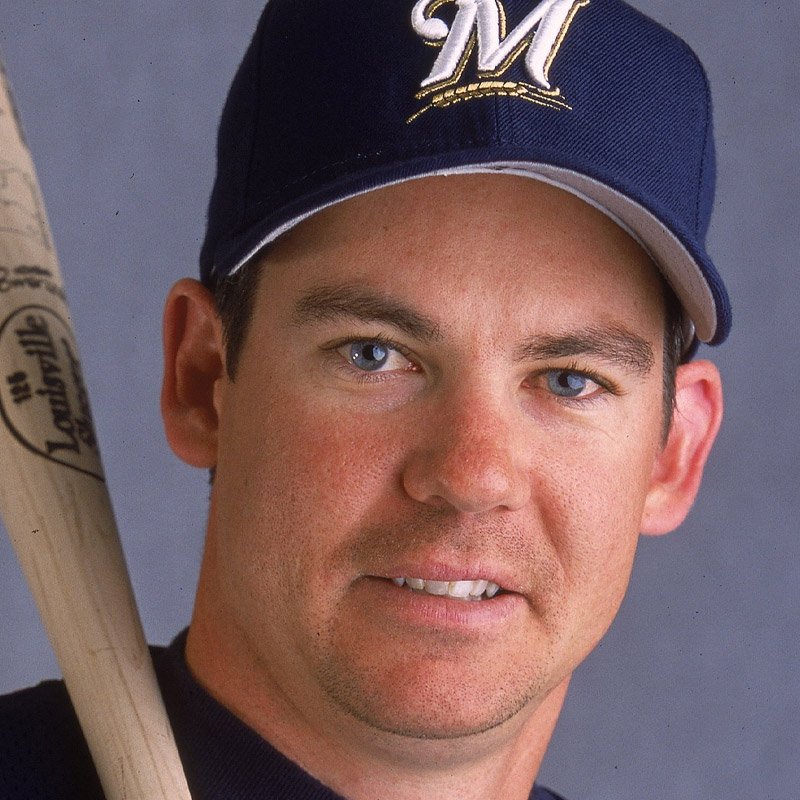 Mark David Loretta was born in 1971 in Santa Monica, California. Loretta attended Northwestern University and as a senior was named to the All-American first team at shortstop. He was drafted in the seventh round of the 1993 MLB Amateur Draft by the Brewers. Loretta had said that his goal was to make it to the majors in ‘three or four years,’ and he did just that. After batting .299 in his first three minor league seasons, he made his major league debut in September 1995 and finished the year with a slash line of .260/.327/.380 with three doubles and a homer in 50 at-bats. Initially a shortstop, Loretta would play all four infield spots during his career. In 1996, the right-swinging Loretta started the season with the Brewers but was sent down in mid-May despite hitting .357 (10-for-28) to make room for OF Chuckie Carr. Loretta was called up three weeks later and finished the year in Milwaukee, slashing .279/.339/.318 across 154 at-bats. Over the next three years, Loretta was a ‘full-time’ utility player, averaging 142 games played over that span. His three-year slash line was .297/.363/.400 with an average of 27 doubles, three triples, and five home runs per year. Loretta was batting .305 and playing solid defense at shortstop in early June 2000 when he fouled a ball off his left foot and suffered a broken bone, requiring surgery. He missed 11 weeks and finished the year with a batting mark of .281/.350/.406 across 352 at-bats with 21 doubles and seven homers. The injury bug struck once again in 2001 when Loretta suffered torn ligaments in his left thumb during spring training and missed the first six weeks of the season. He finished with another solid season with a batting line of .289/.346/.352 across 384 at-bats. His power numbers dropped with only 14 doubles and two home runs. Loretta started off slow in 2002 and had only started 16 games through June 11 while batting only .174 but then had a hot streak in his next 12 games, hitting .500 (18-for-36) with seven two-baggers to raise his average to .286. He got more starts over the next six weeks, but his average dropped to .267 on August 31, when he was traded to the Houston Astros. Some saw the trade as part of a ‘fire sale’ with then-CEO Wendy Selig-Prieb jettisoning salary during another dismal season at Miller Park. In the first four years at the new stadium, the Brewers won 68, 56, 68, and 67 games respectively. While in Houston, Loretta played in just 21 games and filed for free agency. He signed with the San Diego Padres and played there three seasons, with his first two being the best of his career. In 2003, he batted .314/.372/.441 across 589 at-bats with 13 home runs and 72 RBIs. The following season was even better, with a slash line of .335/.391/.495 with career highs in doubles (47), homers (16), OPS+ (138), and RBIs (76). He was named to the NL All-Star team for the first time and won a Silver Slugger Award. His batting average was third-best in the NL behind Barry Bonds and Todd Helton. After an injury-riddle season in 2005, he was traded to the Boston Red Sox. Loretta earned his second All-Star game nod with the Red Sox in 2006 with a slash line of .285/.345/.361 across a career-high 635 at-bats but managed only five home runs. After the season he signed with Houston as a free agent. Loretta played in 133 games with the Astros in 2007, mostly as a utility player. In 460 at-bats, he had a slash line of .287/.352/.372. The following season, Loretta saw his playing time dwindle as he appeared in only 101 games. He signed with the Los Angeles Dodgers as a free agent. At age 37, Loretta’s final season saw him slash .232/.309/.276 across 181 at-bats in 107 games. He retired after the season. Loretta’s final career numbers showed a slash line of .295/.360/.395 with 1,713 hits, including 309 doubles, 22 triples, and 67 home runs. He knocked in 629 runs and stole 47 bags. Loretta worked in the San Diego organization an s as a coach for the Chicago Cubs after retiring as a player.
 -
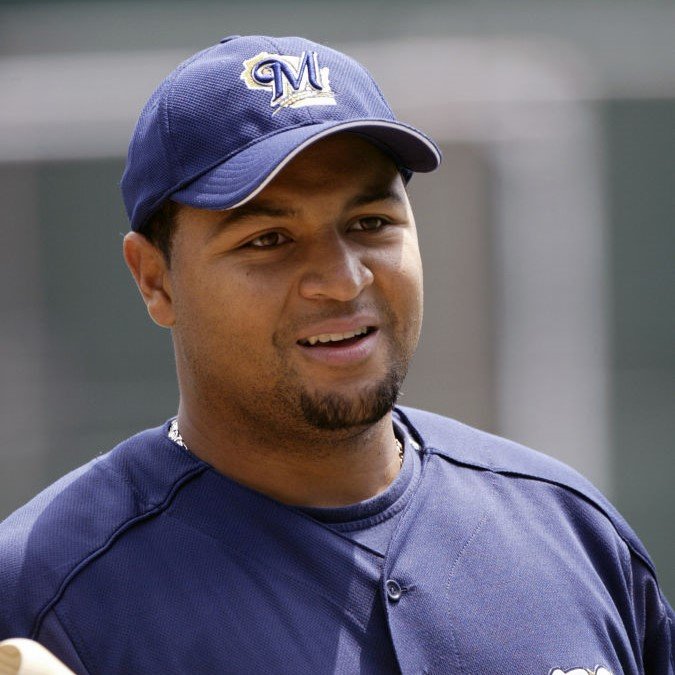 Carlos Lee Noriel was born in 1976 in Aguadulce, Panama and was scouted and signed by the Chicago White Sox in 1994. The big man known as ‘El Caballo’ started as a third baseman and essentially learned how to play outfield—his principal position in the majors—while with Chicago. Lee made his big-league debut in 1999 and would play six seasons with the Pale Hose, smashing 152 homers in that timeframe. Lee was traded after the 2004 season to the Brewers, where he played in only 264 games for Milwaukee before getting traded in mid-2006 to the Texas Rangers. The Brewers wanted to sign Lee to a long-term contract, but the parties were too far apart. While in Milwaukee, Lee batted .273/.333/.511 with 60 homers in just over 1,000 at-bats. For a man who stood 6-foot-2 and weighed 270 pounds, Lee was a good baserunner and stole 25 bases for the Brewers and 125 in his 14-year-career. He was an NL All-Star in 2005 and 2006 and won a Silver Slugger Award in 2005. Lee became a free agent after the 2006 campaign and signed a 6-year, $100 million contract with the Houston Astros. He hit 133 home runs for the Astros and was an All-Star and Silver Slugger winner in 2007. Lee was traded to the Miami Marlins in mid-2012 and finished the season with them. He was released afterwards and announced his retirement the following summer. During his career, Lee slashed .285/.339/.483 across nearly 8,000 ABs and slugged 358 home runs.
 -
Carlos Lee Noriel was born in 1976 in Aguadulce, Panama and was scouted and signed by the Chicago White Sox in 1994. The big man known as ‘El Caballo’ started as a third baseman and essentially learned how to play outfield—his principal position in the majors—while with Chicago. Lee made his big-league debut in 1999 and would play six seasons with the Pale Hose, smashing 152 homers in that timeframe. Lee was traded after the 2004 season to the Brewers, where he played in only 264 games for Milwaukee before getting traded in mid-2006 to the Texas Rangers. The Brewers wanted to sign Lee to a long-term contract, but the parties were too far apart. While in Milwaukee, Lee batted .273/.333/.511 with 60 homers in just over 1,000 at-bats. For a man who stood 6-foot-2 and weighed 270 pounds, Lee was a good baserunner and stole 25 bases for the Brewers and 125 in his 14-year-career. He was an NL All-Star in 2005 and 2006 and won a Silver Slugger Award in 2005. Lee became a free agent after the 2006 campaign and signed a 6-year, $100 million contract with the Houston Astros. He hit 133 home runs for the Astros and was an All-Star and Silver Slugger winner in 2007. Lee was traded to the Miami Marlins in mid-2012 and finished the season with them. He was released afterwards and announced his retirement the following summer. During his career, Lee slashed .285/.339/.483 across nearly 8,000 ABs and slugged 358 home runs. View full player
-
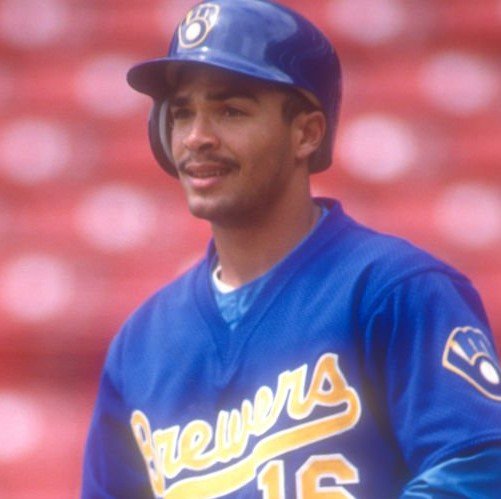 Patrick Alan Listach was born in 1967 in Natchitoches, Louisiana. Listach played junior college ball in Texas and was drafted by the Seattle Mariners in the 23rd round of the 1987 MLB Amateur Draft. He chose not to sign and instead played a year at Arizona State. After his junior year, he was picked by the Brewers in the fifth round of the 1988 draft. Listach stole 172 bases in his first four minor league seasons and that speed earned him a promotion to Milwaukee in 1992. The switch-hitting shortstop earned the AL ROY award based on his 54 steals and .290/.352/.349 slash line. His 4.5 bWAR was fourth best on the team. A strained right hamstring caused Listach to miss seven weeks in June 1993 and early July, and then he missed the last two weeks of the year with a strained left hamstring. In 1994, tendinitis in his left knee and the player strike limited him to 16 games. The 1995 season was a little better as Listach played in 101 games as a utility player while generating a weak OPS+ of 37 and only 13 stolen bases. Listach began the 1996 season at second base but moved to center field after the David Hulse experiment failed. Listach missed a couple weeks in July and then was traded in late August to the New York Yankees. Listach was returned to the Brewers when it was found he had a broken right foot. He did not play again that season. Listach signed as a free agent after the season with the Houston Astros. After batting just .182/.247/.227 through June, was given his release. After playing in the minors for the Phillies and Indians in 1998, he retired. Listach has managed and coached in the minors and has also been on the bench in the bigs for the Nationals, Cubs, and Astros.
 -
Patrick Alan Listach was born in 1967 in Natchitoches, Louisiana. Listach played junior college ball in Texas and was drafted by the Seattle Mariners in the 23rd round of the 1987 MLB Amateur Draft. He chose not to sign and instead played a year at Arizona State. After his junior year, he was picked by the Brewers in the fifth round of the 1988 draft. Listach stole 172 bases in his first four minor league seasons and that speed earned him a promotion to Milwaukee in 1992. The switch-hitting shortstop earned the AL ROY award based on his 54 steals and .290/.352/.349 slash line. His 4.5 bWAR was fourth best on the team. A strained right hamstring caused Listach to miss seven weeks in June 1993 and early July, and then he missed the last two weeks of the year with a strained left hamstring. In 1994, tendinitis in his left knee and the player strike limited him to 16 games. The 1995 season was a little better as Listach played in 101 games as a utility player while generating a weak OPS+ of 37 and only 13 stolen bases. Listach began the 1996 season at second base but moved to center field after the David Hulse experiment failed. Listach missed a couple weeks in July and then was traded in late August to the New York Yankees. Listach was returned to the Brewers when it was found he had a broken right foot. He did not play again that season. Listach signed as a free agent after the season with the Houston Astros. After batting just .182/.247/.227 through June, was given his release. After playing in the minors for the Phillies and Indians in 1998, he retired. Listach has managed and coached in the minors and has also been on the bench in the bigs for the Nationals, Cubs, and Astros. View full player
-
wallus’s 2025 Payroll Blueprint:
Michael Trzinski replied to wallus's topic in Milwaukee Brewers Talk
Prayers and best wishes for your GF :) -
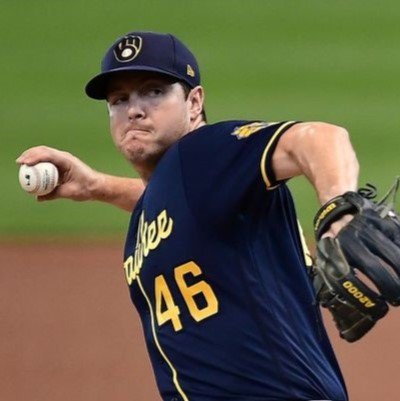 Corey Andrew Knebel was born in Denton, Texas in 1991. He graduated from Georgetown High School and then attended the University of Texas at Austin, where he was plucked in the first round (39th overall) by the Detroit Tigers in the 2013 MLB Amateur Draft. The big (6-foot-3, 225 pound) righty pitched in parts of two minor league seasons before making his big-league debut in May 2014. He appeared in eight games and had limited success before being traded to the Texas Rangers in July. Knebel pitched nine times for Triple-A Round Rock but sprained the UCL in his elbow and once again went on the trading block, this time to the Brewers in January 2015. He would have a fair amount of success over the next four years at Miller Park, leading the NL in appearances once and making the NL All-Star team in 2017. Knebel was called up from Triple-A Colorado Springs in mid-May 2015 and pitched in 48 games for Milwaukee, with an excellent K rate of 27.7% and an ERA+ of 124. Knebel began the 2016 season on the disabled list with a left oblique strain. He finished the year with 35 appearances and earned his first two big-league saves. He broke out in 2017, earning All-Star status with his 39 saves and an ERA+ of 248 and FIP of 2.53. He also struck out batters at a rate of 40.8%. The injury-prone Knebel started the 2018 season on the DL but finished strong with 16 consecutive scoreless appearances in September. In the postseason, Knebel allowed one run in 10 innings in the NLDS and NLCS. Knebel missed the 2019 season after undergoing Tommy John surgery. He pitched in 15 games in 2020 and was later traded to the Los Angeles Dodgers. Knebel pitched for the Dodgers in 2021 and the Philadelphia Phillies in 2022, saving a dozen games for the Phillies. Knebel spent the 2024 season in the minors with the White Sox and Angels but was released after the season.
 -
Corey Andrew Knebel was born in Denton, Texas in 1991. He graduated from Georgetown High School and then attended the University of Texas at Austin, where he was plucked in the first round (39th overall) by the Detroit Tigers in the 2013 MLB Amateur Draft. The big (6-foot-3, 225 pound) righty pitched in parts of two minor league seasons before making his big-league debut in May 2014. He appeared in eight games and had limited success before being traded to the Texas Rangers in July. Knebel pitched nine times for Triple-A Round Rock but sprained the UCL in his elbow and once again went on the trading block, this time to the Brewers in January 2015. He would have a fair amount of success over the next four years at Miller Park, leading the NL in appearances once and making the NL All-Star team in 2017. Knebel was called up from Triple-A Colorado Springs in mid-May 2015 and pitched in 48 games for Milwaukee, with an excellent K rate of 27.7% and an ERA+ of 124. Knebel began the 2016 season on the disabled list with a left oblique strain. He finished the year with 35 appearances and earned his first two big-league saves. He broke out in 2017, earning All-Star status with his 39 saves and an ERA+ of 248 and FIP of 2.53. He also struck out batters at a rate of 40.8%. The injury-prone Knebel started the 2018 season on the DL but finished strong with 16 consecutive scoreless appearances in September. In the postseason, Knebel allowed one run in 10 innings in the NLDS and NLCS. Knebel missed the 2019 season after undergoing Tommy John surgery. He pitched in 15 games in 2020 and was later traded to the Los Angeles Dodgers. Knebel pitched for the Dodgers in 2021 and the Philadelphia Phillies in 2022, saving a dozen games for the Phillies. Knebel spent the 2024 season in the minors with the White Sox and Angels but was released after the season. View full player
-
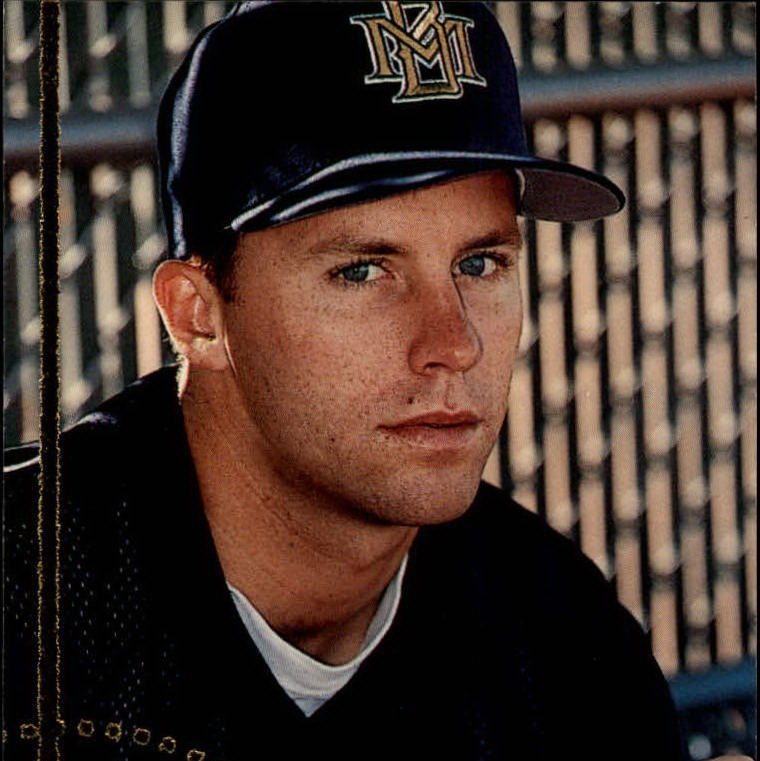 Randall Scott Karl was born in 1971 in Fontana, California. After graduating from Carlsbad High School, Karl attended the University of Hawaii and was picked by the Brewers in the sixth round of the 1992 MLB Amateur Draft after his junior season. The left-handed pitcher made his major league debut in 1995, in his fourth year of pro ball. Karl was called up in May and made six relief appearances before being inserted into the starting rotation in July. Karl won six games and had an ERA+ of 120 and a FIP of 4.48 across 124 innings. Karl was arguably no worse than a #2 starter over the next four years, starting at least 32 games and throwing a minimum of 192 innings per year. During that time frame, Karl won 44 games and compiled an ERA+ of 101 and FIP of 4.77. Although durable, he tended to give up home runs (1.1 per nine innings) and his BB rate of 7.9% and K rate of 11.9% weren’t very good. In December 1999, Karl was part of a three-team deal in which he was sent to the Colorado Rockies with 3B Jeff Cirillo. Karl struggled in the Mile High City, giving up nearly two home runs per nine innings and an ERA+ of 76 and very high FIP of 6.67. In late August, he was traded to the Anaheim Angels, but things were no better there, and Karl was released after the season. Karl was signed by the San Diego Padres after the 2000 season but was released in mid-March and was later signed by Pittsburgh, who also released the pitcher in mid-summer despite decent numbers at Triple-A. In six MLB seasons, Karl posted a record of 54-56 and an ERA+ of 100 and FIP of 4.87.
 -
Randall Scott Karl was born in 1971 in Fontana, California. After graduating from Carlsbad High School, Karl attended the University of Hawaii and was picked by the Brewers in the sixth round of the 1992 MLB Amateur Draft after his junior season. The left-handed pitcher made his major league debut in 1995, in his fourth year of pro ball. Karl was called up in May and made six relief appearances before being inserted into the starting rotation in July. Karl won six games and had an ERA+ of 120 and a FIP of 4.48 across 124 innings. Karl was arguably no worse than a #2 starter over the next four years, starting at least 32 games and throwing a minimum of 192 innings per year. During that time frame, Karl won 44 games and compiled an ERA+ of 101 and FIP of 4.77. Although durable, he tended to give up home runs (1.1 per nine innings) and his BB rate of 7.9% and K rate of 11.9% weren’t very good. In December 1999, Karl was part of a three-team deal in which he was sent to the Colorado Rockies with 3B Jeff Cirillo. Karl struggled in the Mile High City, giving up nearly two home runs per nine innings and an ERA+ of 76 and very high FIP of 6.67. In late August, he was traded to the Anaheim Angels, but things were no better there, and Karl was released after the season. Karl was signed by the San Diego Padres after the 2000 season but was released in mid-March and was later signed by Pittsburgh, who also released the pitcher in mid-summer despite decent numbers at Triple-A. In six MLB seasons, Karl posted a record of 54-56 and an ERA+ of 100 and FIP of 4.87. View full player
-
The Brewers Chopped Their Way to the Top
Michael Trzinski replied to Davy Andrews's topic in Brewer Fanatic Front Page News
From sabr.org: Union Park, Baltimore And that in no small part began with the hiring of a new head groundskeeper, Thomas Murphy. With 10 years of experience under his belt, Murphy no doubt knew what improvements were needed at Union Park. He assured Ned Hanlon he would have Union Park as “level as a billiard table” by the time the Orioles returned from spring training. Although the improvements to the field noted by the press made for good copy, Murphy’s changes to the diamond resulted in a great offensive weapon for Ned Hanlon’s brand of “inside baseball.” The advantages afforded by Murphy’s work were detailed in Peter Morris’s Level Playing Fields. The infield soil was mixed with clay and water, and when rolled became as hard as concrete. Placed in front of home plate, it led to the invention of the “Baltimore Chop.” The players would “hit down on the ball so sharply that they could make it to first base before any infielder could make a play.” -
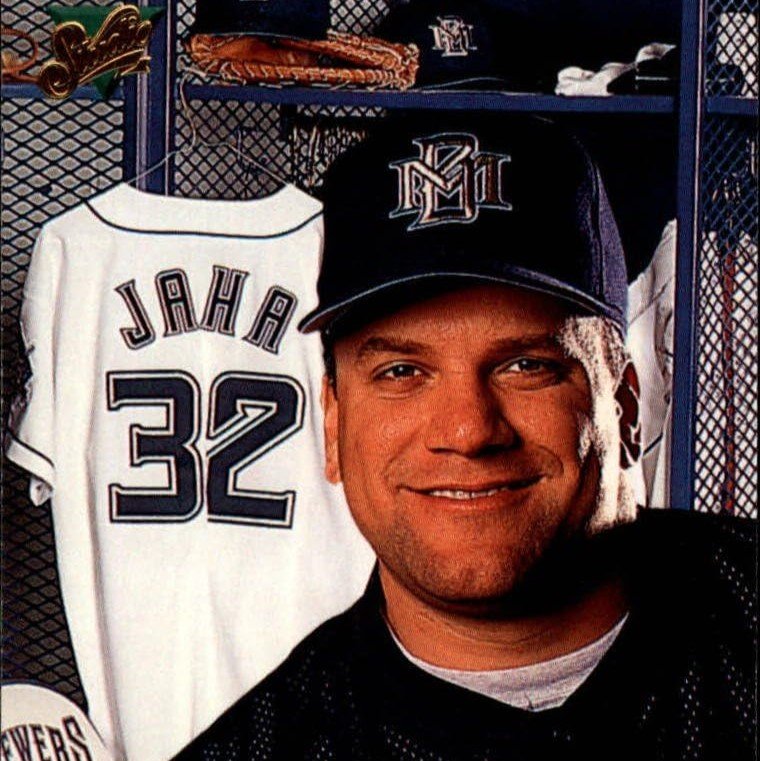 John Emil Jaha was born in 1966 in Portland, Oregon, ‘Jaws’ was drafted by the Brewers in the 14th round of the 1984 MLB Amateur Draft. After seven long years in the minors, Jaha finally made his major league debut in 1992, slashing .226/.291/.308 in 47 games. Jaha became the full-time first baseman in 1993 and fashioned a batting line of .264/.337/.416 across 515 at-bats, including 19 home runs and a career-high 13 stolen bases. A three-week demotion to the minors and a player strike limited Jaha to 84 games in 1994. In 1995, Jaha had a great season that was derailed by two stints on the disabled list. He slashed .313/.389/.579 across 316 at-bats along with 20 round-trippers. Jaha finally put it all together in 1996 when he led the Brewers with 34 HRs and 118 RBIs and had a batting line of .300/.398/.543 across 543 at-bats. Shoulder and foot injuries hijacked the next two seasons for Jaha, who played in only a combined 119 games. After the season Jaha was granted his free agency, and was scooped up by the Oakland Athletics in February 1999. So little was expected of Jaha, he was left out of the A’s media guide that spring. But he surprised them all, slamming 35 home runs and knocking in 111 across 457 ABs while slashing .276/.414/.556. He made the All-Star team for the first and only time and was also named AL Comeback Player of the Year. Jaha played in only 45 games combined the next two seasons and retired in June 2001, earning a standing ovation in the Oakland locker room.
 -
John Emil Jaha was born in 1966 in Portland, Oregon, ‘Jaws’ was drafted by the Brewers in the 14th round of the 1984 MLB Amateur Draft. After seven long years in the minors, Jaha finally made his major league debut in 1992, slashing .226/.291/.308 in 47 games. Jaha became the full-time first baseman in 1993 and fashioned a batting line of .264/.337/.416 across 515 at-bats, including 19 home runs and a career-high 13 stolen bases. A three-week demotion to the minors and a player strike limited Jaha to 84 games in 1994. In 1995, Jaha had a great season that was derailed by two stints on the disabled list. He slashed .313/.389/.579 across 316 at-bats along with 20 round-trippers. Jaha finally put it all together in 1996 when he led the Brewers with 34 HRs and 118 RBIs and had a batting line of .300/.398/.543 across 543 at-bats. Shoulder and foot injuries hijacked the next two seasons for Jaha, who played in only a combined 119 games. After the season Jaha was granted his free agency, and was scooped up by the Oakland Athletics in February 1999. So little was expected of Jaha, he was left out of the A’s media guide that spring. But he surprised them all, slamming 35 home runs and knocking in 111 across 457 ABs while slashing .276/.414/.556. He made the All-Star team for the first and only time and was also named AL Comeback Player of the Year. Jaha played in only 45 games combined the next two seasons and retired in June 2001, earning a standing ovation in the Oakland locker room. View full player
-
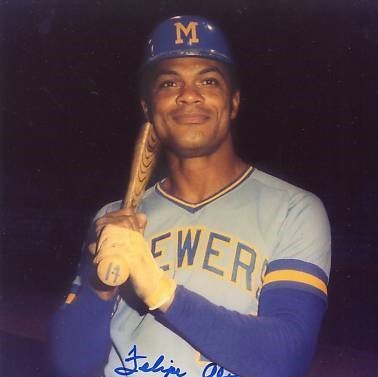 Felipe Rojas Alou was born in 1935 in Bajos de Haina, Dominican Republic. He was signed by the New York Giants in November 1955 for $200, which paid off his parents’ grocery bill. Early in the 1956 season, Alou was shifted from Lake Charles (Louisiana) to Cocoa (Florida) because the Class C Evangeline League did not want black players in their league. All Alou did was lead the Class D Florida State League in all three slash numbers, .380/.460/.582 and slammed 21 home runs. The righty hitting outfielder made his major league debut in 1958 for the Giants, who had moved to San Francisco prior to the season. By 1962, Alou was an NL All-Star and received MVP votes with his .316/.356/.513 season, along with 25 homers and 98 RBIs. After the 1963 season, Alou was traded to the Milwaukee Braves. He spent two seasons in Milwaukee and then moved with the Braves to Atlanta, where he would play through the 1969 season. Alou was traded to the Oakland Athletics prior to the 1970 season and although he had a solid season, he was traded to the New York Yankees two games into the 1971 season. He played three seasons in New York but was waived and picked up by the Montreal Expos in September 1973. Alou had a batting line of .208/.240/.292 in 19 games and was released. Alou was purchased by the Brewers after the season but only played three games for Milwaukee in April 1974 before he was given his release. His in 17-year MLB career, his batting line was .286/.328/.433 with 2,101 hits and 206 home runs. The respected Alou managed for 14 years in the majors (Montreal and San Francisco), retiring from the bench after the 2006 season.
 -
Felipe Rojas Alou was born in 1935 in Bajos de Haina, Dominican Republic. He was signed by the New York Giants in November 1955 for $200, which paid off his parents’ grocery bill. Early in the 1956 season, Alou was shifted from Lake Charles (Louisiana) to Cocoa (Florida) because the Class C Evangeline League did not want black players in their league. All Alou did was lead the Class D Florida State League in all three slash numbers, .380/.460/.582 and slammed 21 home runs. The righty hitting outfielder made his major league debut in 1958 for the Giants, who had moved to San Francisco prior to the season. By 1962, Alou was an NL All-Star and received MVP votes with his .316/.356/.513 season, along with 25 homers and 98 RBIs. After the 1963 season, Alou was traded to the Milwaukee Braves. He spent two seasons in Milwaukee and then moved with the Braves to Atlanta, where he would play through the 1969 season. Alou was traded to the Oakland Athletics prior to the 1970 season and although he had a solid season, he was traded to the New York Yankees two games into the 1971 season. He played three seasons in New York but was waived and picked up by the Montreal Expos in September 1973. Alou had a batting line of .208/.240/.292 in 19 games and was released. Alou was purchased by the Brewers after the season but only played three games for Milwaukee in April 1974 before he was given his release. His in 17-year MLB career, his batting line was .286/.328/.433 with 2,101 hits and 206 home runs. The respected Alou managed for 14 years in the majors (Montreal and San Francisco), retiring from the bench after the 2006 season. View full player
-
Wallace Larry Haney was born in 1942 in Charlottesville, Virginia and attended Orange County High School. His plan was to enroll at Virginia Tech as a quarterback but instead signed with the Baltimore Orioles in 1961 for a reported $60,000 bonus. The four-sport star (track, baseball, basketball, football) became a full-time catcher in the pros. He spent six years in the minors before making his big-league debut with Baltimore in July 1966. Haney played 116 games for Baltimore over three years before he was drafted by the Seattle Pilots in the 1968 expansion draft. After splitting time at catcher for the Pilots for two months, Haney was traded to the Oakland Athletics in June. He played 53 games for the A’s but only hit .151/.221/.267. Over the next two years he played only two games for Oakland and in mid-1972, was purchased by the San Diego Padres. Haney played at Triple-A Hawaii and never suited up for Sand Diego before he was sold back to Oakland. After a ‘lost’ season in 1973, Haney was once against purchased by Oakland, this time in spring training before the 1974 season. Although he didn’t hit that well, Haney was a key part of the A’s between 1974-76, playing 211 games while slashing .201/.241/.247. The A’s won the World Series in 1974. The Brewers purchased Haney in December 1976. The right-handed hitter split time with Charlie Moore in 1977 but only played four games during a September call-up in 1978. Haney retired from playing but served as a pitching coach, bullpen coach, and major league scout for Milwaukee until 2006. View full player
-
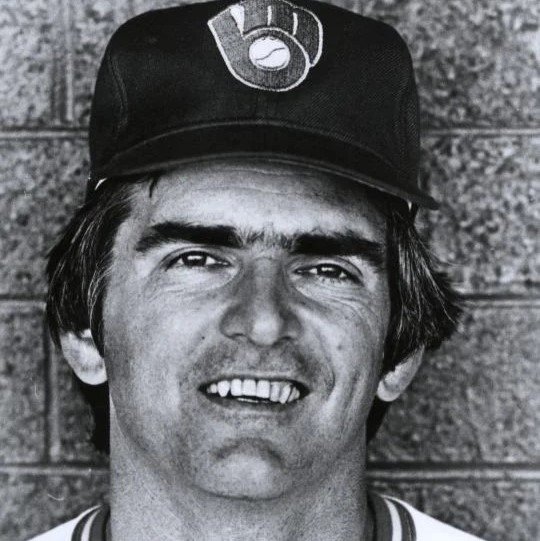 Wallace Larry Haney was born in 1942 in Charlottesville, Virginia and attended Orange County High School. His plan was to enroll at Virginia Tech as a quarterback but instead signed with the Baltimore Orioles in 1961 for a reported $60,000 bonus. The four-sport star (track, baseball, basketball, football) became a full-time catcher in the pros. He spent six years in the minors before making his big-league debut with Baltimore in July 1966. Haney played 116 games for Baltimore over three years before he was drafted by the Seattle Pilots in the 1968 expansion draft. After splitting time at catcher for the Pilots for two months, Haney was traded to the Oakland Athletics in June. He played 53 games for the A’s but only hit .151/.221/.267. Over the next two years he played only two games for Oakland and in mid-1972, was purchased by the San Diego Padres. Haney played at Triple-A Hawaii and never suited up for Sand Diego before he was sold back to Oakland. After a ‘lost’ season in 1973, Haney was once against purchased by Oakland, this time in spring training before the 1974 season. Although he didn’t hit that well, Haney was a key part of the A’s between 1974-76, playing 211 games while slashing .201/.241/.247. The A’s won the World Series in 1974. The Brewers purchased Haney in December 1976. The right-handed hitter split time with Charlie Moore in 1977 but only played four games during a September call-up in 1978. Haney retired from playing but served as a pitching coach, bullpen coach, and major league scout for Milwaukee until 2006.
 -
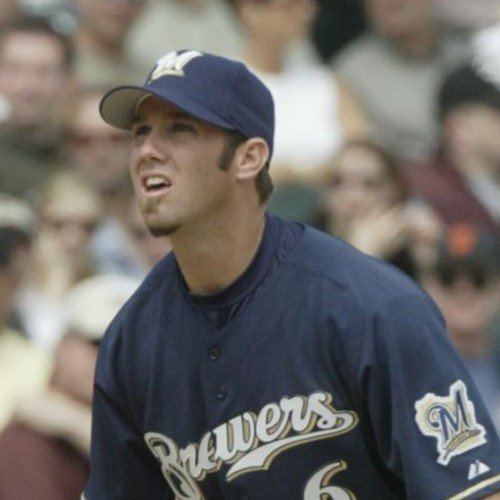 Keith Michael Ginter was born in 1976 in Norwalk, California. After high school, he attended Cypress College for two years and then transferred to Texas Tech, where he was a two-time All-American. Ginter was selected in the 10th round of the 1998 MLB Amateur Draft by the Houston Astros. The right-handed batting infielder made his major league debut in September 2000 and got his first big-league hit and home run off Jimmy Haynes of the Brewers. Over three seasons, Ginter only had 14 at-bats with Houston before being traded to the Brewers in September 2002. Ginter started 21 games at third base for the Brewers in September because Mark Loretta, the regular third sacker, went to Houston in exchange for Ginter. Ginter split time between second and third in the infield for Milwaukee the next two years, playing in 240 games for the Brewers in 2003 and 2004. Just before Christmas 2004, Ginter was traded to the Oakland Athletics. Ginter had a three-year batting line for Milwaukee of .257/.344/.448 across 261 games and 820 ABs. He also hit 34 homers and drove in 112 runs. The California native played 51 games for Oakland in 2005 but never made another major league appearance after that. He spent the next four years playing in the minors for Oakland, Cleveland, Boston, and the Chicago White Sox. In 2010, Ginter played for Orange County (California) in the independent Golden Baseball League, along with former MLB stars Byung-Hyun Kim and Mark Prior. Ginter played six years in the bigs, finishing with a slash line of .243/.329/.422 across 971 at-bats, including 38 home runs.
 -
Keith Michael Ginter was born in 1976 in Norwalk, California. After high school, he attended Cypress College for two years and then transferred to Texas Tech, where he was a two-time All-American. Ginter was selected in the 10th round of the 1998 MLB Amateur Draft by the Houston Astros. The right-handed batting infielder made his major league debut in September 2000 and got his first big-league hit and home run off Jimmy Haynes of the Brewers. Over three seasons, Ginter only had 14 at-bats with Houston before being traded to the Brewers in September 2002. Ginter started 21 games at third base for the Brewers in September because Mark Loretta, the regular third sacker, went to Houston in exchange for Ginter. Ginter split time between second and third in the infield for Milwaukee the next two years, playing in 240 games for the Brewers in 2003 and 2004. Just before Christmas 2004, Ginter was traded to the Oakland Athletics. Ginter had a three-year batting line for Milwaukee of .257/.344/.448 across 261 games and 820 ABs. He also hit 34 homers and drove in 112 runs. The California native played 51 games for Oakland in 2005 but never made another major league appearance after that. He spent the next four years playing in the minors for Oakland, Cleveland, Boston, and the Chicago White Sox. In 2010, Ginter played for Orange County (California) in the independent Golden Baseball League, along with former MLB stars Byung-Hyun Kim and Mark Prior. Ginter played six years in the bigs, finishing with a slash line of .243/.329/.422 across 971 at-bats, including 38 home runs. View full player
-
Your point is taken, but I would guess that a majority of Brewers fans loved GoGo, just as opposing fans hated him.
-
Carlos Gómez played with passion, utilizing his speed on offense and Gold Glove-caliber defense to inspire the Milwaukee Brewers and their fans at Miller Park between 2010 and 2015. 'Go-Go' was capable of slamming a three-run homer, stealing a base, or legging out a three-bagger, much to the jubilation and adoration of the fans at 1 Brewers Way. Carlos Argelis Gómez was born in 1985 in Santiago, Dominican Republic. While a student at Ana FA Jimenez School, he was scouted and signed by the New York Mets at the tender age of 16. Gómez finished school, played with two different teams in 2004 at the Rookie level, and had a combined hitting line of .281/.324/.407 across 221 at-bats. Carlos Gómez was promoted to Hagerstown (Maryland) in the Class-A South Atlantic League the following season. The speedy outfielder slashed .275/.331/.376 across 487 at-bats and pilfered a league-leading 64 bases. In 2006, Gómez moved up to Double-A Binghampton (New York) in the Eastern League, where he had a batting line of .281/.350/.423 in 430 at-bats. His eight triples were tied for fourth in the league, while his 41 steals ranked in a tie for second. Gómez and Michael Abreu were co-winners of the 2006 Sterling Award at Double-A, presented to the team MVP at each level in the Mets organization. Gómez played in the Dominican Winter League and would do so for the next six years through the 2011-12 season. Gómez started the 2007 season at Single-A Advanced Port St. Lucie (Florida) in the Florida State League but moved up quickly to Triple-A New Orleans in the Pacific Coast League. Gómez was batting .286/.363/.414 with 17 stolen bases in just 36 games when he got called up to the Mets. He made his big-league debut on May 13 against Milwaukee and didn’t disappoint, going 2-for-4 with a double, steal, and two runs scored. Gómez was hit by a pitch on July 4 and missed nine weeks with a broken hand. He came back in September and finished 2-for-17 in limited play. His season batting line read .232/.288/.304 with 12 steals in 58 games. In February 2008, he was traded with three other players to the Minnesota Twins for pitcher Johan Santana. That season, Gómez had 33 steals in 153 games for the Twins, a number that ranked seventh in the AL. He slumped in 2009, playing in 137 games but getting only 86 starts. His batting line was .229/.287/.337, with 14 steals across 315 ABs. In November, Gómez was traded to the Brewers for shortstop J.J. Hardy. Gómez was limited to 97 games in 2010, as manager Ken Macha used a three-headed center field platoon of Gómez, Jim Edmonds, and Lorenzo Cain. In 2011, Gómez again split playing time with Nyjer Morgan, aka ‘Tony Plush.’ Gómez amassed only 522 ABs and 34 stolen bases in two seasons, slashing .238/.288/.377. The lack of playing time would end, as Gómez would accumulate 1,525 ABs over the next three years and make the NL All-Star team in 2013 and 2014. He added a Gold Glove to his trophy case in 2013. In that span, he stole 111 bases and slammed 66 home runs, reaching double digits (19-24-23) in that category for the first time in his MLB career. On July 30, 2015—with the Brewers mired in fifth place in the NL Central—Gómez and pitcher Mike Fiers were involved in a blockbuster trade with Houston, who sent pitchers Josh Hader and Adrian Houser, plus outfielders Brett Phillips and Domingo Santana to Milwaukee. Gómez finished the season with a combined slash line of .255/.314/.409 with 17 stolen bases and 12 round-trippers across 435 ABs. In 2016, Gómez was traded once again, this time to the Texas Rangers. As his career wound down, Gómez played for Texas, Tampa Bay, and the Mets over the next three years. Although his last MLB game was in 2019, he didn’t officially announce his retirement until September 2021. In his 13-year career with six teams, Gómez held a slash mark of .252/.313/.411 with 268 steals and 145 home runs. Always a fan favorite at Miller Park, the fiery player known as ‘Go-Go’ never failed to entertain the audience. View full article
-
Exciting 'Go-Go' Fired Up Miller Park With His Speed and Defense
Michael Trzinski posted an article in History
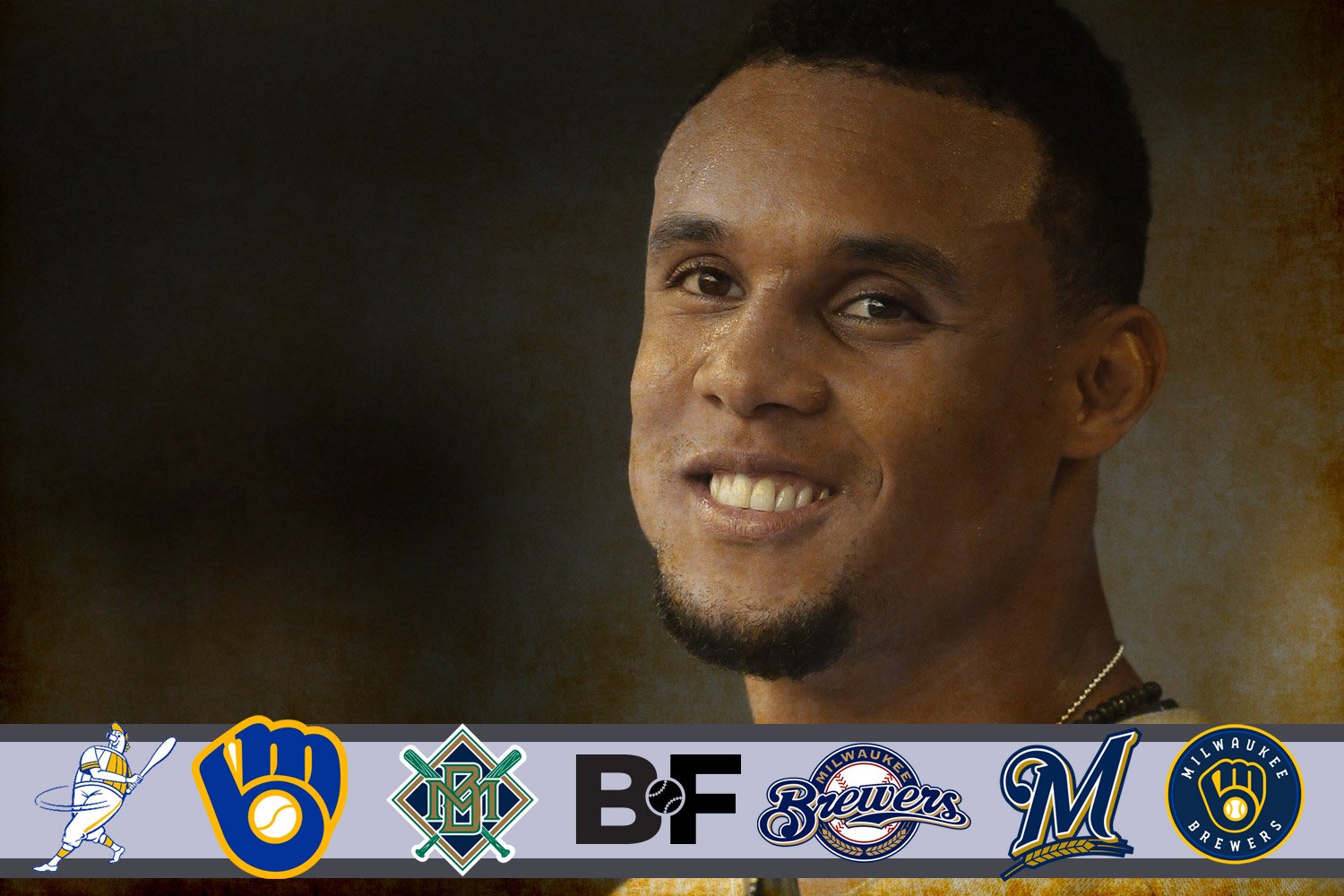 Carlos Argelis Gómez was born in 1985 in Santiago, Dominican Republic. While a student at Ana FA Jimenez School, he was scouted and signed by the New York Mets at the tender age of 16. Gómez finished school, played with two different teams in 2004 at the Rookie level, and had a combined hitting line of .281/.324/.407 across 221 at-bats. Carlos Gómez was promoted to Hagerstown (Maryland) in the Class-A South Atlantic League the following season. The speedy outfielder slashed .275/.331/.376 across 487 at-bats and pilfered a league-leading 64 bases. In 2006, Gómez moved up to Double-A Binghampton (New York) in the Eastern League, where he had a batting line of .281/.350/.423 in 430 at-bats. His eight triples were tied for fourth in the league, while his 41 steals ranked in a tie for second. Gómez and Michael Abreu were co-winners of the 2006 Sterling Award at Double-A, presented to the team MVP at each level in the Mets organization. Gómez played in the Dominican Winter League and would do so for the next six years through the 2011-12 season. Gómez started the 2007 season at Single-A Advanced Port St. Lucie (Florida) in the Florida State League but moved up quickly to Triple-A New Orleans in the Pacific Coast League. Gómez was batting .286/.363/.414 with 17 stolen bases in just 36 games when he got called up to the Mets. He made his big-league debut on May 13 against Milwaukee and didn’t disappoint, going 2-for-4 with a double, steal, and two runs scored. Gómez was hit by a pitch on July 4 and missed nine weeks with a broken hand. He came back in September and finished 2-for-17 in limited play. His season batting line read .232/.288/.304 with 12 steals in 58 games. In February 2008, he was traded with three other players to the Minnesota Twins for pitcher Johan Santana. That season, Gómez had 33 steals in 153 games for the Twins, a number that ranked seventh in the AL. He slumped in 2009, playing in 137 games but getting only 86 starts. His batting line was .229/.287/.337, with 14 steals across 315 ABs. In November, Gómez was traded to the Brewers for shortstop J.J. Hardy. Gómez was limited to 97 games in 2010, as manager Ken Macha used a three-headed center field platoon of Gómez, Jim Edmonds, and Lorenzo Cain. In 2011, Gómez again split playing time with Nyjer Morgan, aka ‘Tony Plush.’ Gómez amassed only 522 ABs and 34 stolen bases in two seasons, slashing .238/.288/.377. The lack of playing time would end, as Gómez would accumulate 1,525 ABs over the next three years and make the NL All-Star team in 2013 and 2014. He added a Gold Glove to his trophy case in 2013. In that span, he stole 111 bases and slammed 66 home runs, reaching double digits (19-24-23) in that category for the first time in his MLB career. On July 30, 2015—with the Brewers mired in fifth place in the NL Central—Gómez and pitcher Mike Fiers were involved in a blockbuster trade with Houston, who sent pitchers Josh Hader and Adrian Houser, plus outfielders Brett Phillips and Domingo Santana to Milwaukee. Gómez finished the season with a combined slash line of .255/.314/.409 with 17 stolen bases and 12 round-trippers across 435 ABs. In 2016, Gómez was traded once again, this time to the Texas Rangers. As his career wound down, Gómez played for Texas, Tampa Bay, and the Mets over the next three years. Although his last MLB game was in 2019, he didn’t officially announce his retirement until September 2021. In his 13-year career with six teams, Gómez held a slash mark of .252/.313/.411 with 268 steals and 145 home runs. Always a fan favorite at Miller Park, the fiery player known as ‘Go-Go’ never failed to entertain the audience.
 -
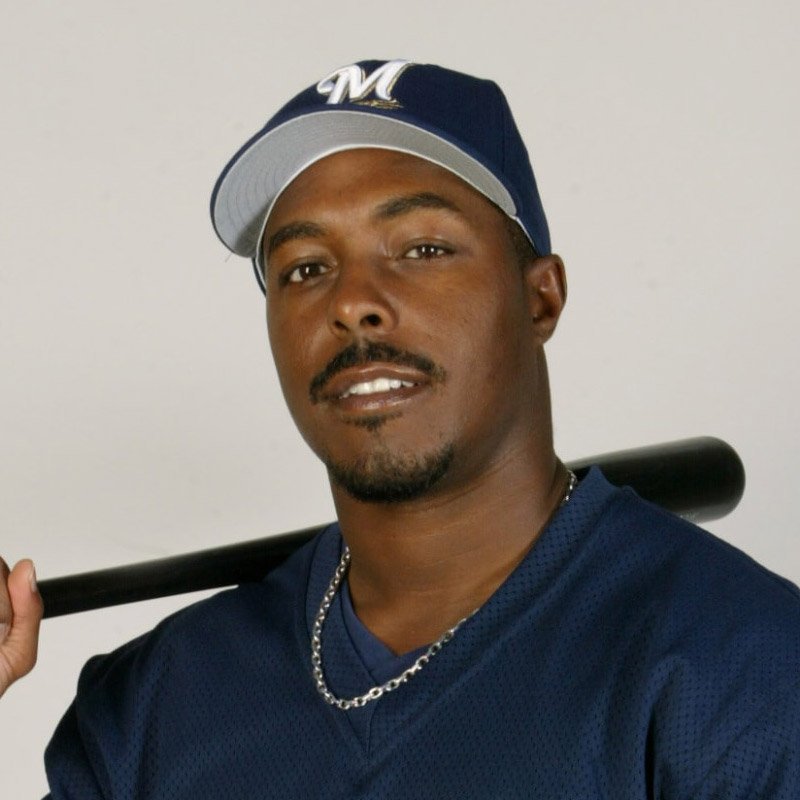 Jeffrey Bryan Hammonds was born in 1971 in Plainfield, New Jersey. He was drafted out of high school in the ninth round of the 1989 MLB Amateur Draft but did not sign. Instead, he attended Stanford University and was picked as the fourth overall selection in the first round of the 1992 draft by the Baltimore Orioles. Hammonds played in the 1992 Olympics at Barcelona, Spain. Hammonds began his pro career in 1993 and played just 56 games at two levels before getting called up to Baltimore. He was batting .323/.330/.500 in early August but was forced to the disabled list with a herniated disk in his neck. After playing four more games in September, the Orioles shut Hammonds down for the season. His finals numbers showed a slash line of .305/.312/.467 across 105 at-bats with three homers and 19 RBIs. The following season Hammonds missed six weeks because of a concussion and strained knee, and the last seven weeks of the season due to a player strike. Hammonds still got enough votes to place sixth in the AL ROY race, even though he only played in 68 games. Injuries and poor performance plagued Hammonds in 1995 and 1996, but he had a solid season in 1997 when he slashed .264/.323/.486 and hit 21 home runs and stole 15 bases in 118 games. Hammonds was traded to Cincinnati in 1998, and he would also play the 1999 season with the Reds. He was traded to Colorado and spent the 2000 season there before the Brewers signed him as a free agent after the season. Hammonds played 187 games for Milwaukee over the next three years with a slash line of .248/.321/.398. He was released by the Brewers mid-season 2003 and went on to play through the 2005 campaign with San Francisco and Washington.
 -
Jeffrey Bryan Hammonds was born in 1971 in Plainfield, New Jersey. He was drafted out of high school in the ninth round of the 1989 MLB Amateur Draft but did not sign. Instead, he attended Stanford University and was picked as the fourth overall selection in the first round of the 1992 draft by the Baltimore Orioles. Hammonds played in the 1992 Olympics at Barcelona, Spain. Hammonds began his pro career in 1993 and played just 56 games at two levels before getting called up to Baltimore. He was batting .323/.330/.500 in early August but was forced to the disabled list with a herniated disk in his neck. After playing four more games in September, the Orioles shut Hammonds down for the season. His finals numbers showed a slash line of .305/.312/.467 across 105 at-bats with three homers and 19 RBIs. The following season Hammonds missed six weeks because of a concussion and strained knee, and the last seven weeks of the season due to a player strike. Hammonds still got enough votes to place sixth in the AL ROY race, even though he only played in 68 games. Injuries and poor performance plagued Hammonds in 1995 and 1996, but he had a solid season in 1997 when he slashed .264/.323/.486 and hit 21 home runs and stole 15 bases in 118 games. Hammonds was traded to Cincinnati in 1998, and he would also play the 1999 season with the Reds. He was traded to Colorado and spent the 2000 season there before the Brewers signed him as a free agent after the season. Hammonds played 187 games for Milwaukee over the next three years with a slash line of .248/.321/.398. He was released by the Brewers mid-season 2003 and went on to play through the 2005 campaign with San Francisco and Washington. View full player
-
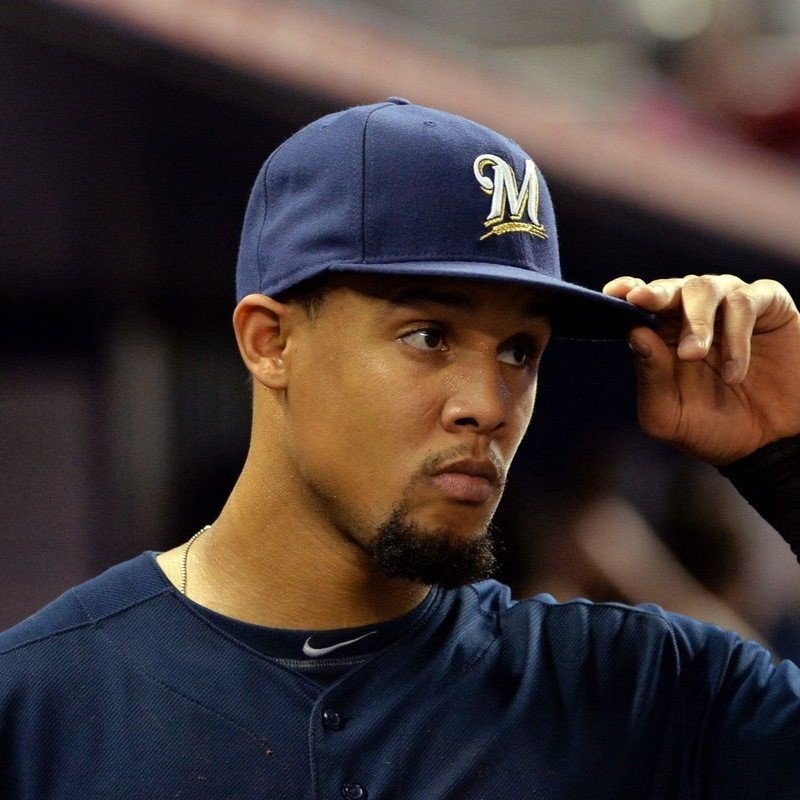 Carlos Argelis Gómez was born in 1985 in Santiago, Dominican Republic. While a student at Ana FA Jimenez School, he was scouted and signed by the New York Mets at the tender age of 16. Gómez finished school, played with two different teams in 2004 at the Rookie level, and had a combined hitting line of .281/.324/.407 across 221 ABs. Gómez was promoted to Hagerstown (Maryland) in the Class A South Atlantic League the following season. The speedy outfielder slashed .275/.331/.376 across 487 at-bats and pilfered a league-leading 64 bases. In 2006, Gómez moved up to Double-A Binghampton (New York) in the Eastern League, where he had a batting line of .281/.350/.423 in 430 at-bats. His eight triples were tied for fourth in the league, while his 41 steals ranked in a tie for second. Gómez and Michael Abreu were co-winners of the 2006 Sterling Award at Double-A, presented to the team MVP at each level in the Mets organization. Gómez played in the Dominican Winter League and would do so for the next six years through the 2011-12 season. Gómez started the 2007 season at Single-A Advanced Port St. Lucie (Florida) in the Florida State League but moved up quickly to Triple-A New Orleans in the Pacific Coast League. Gómez was batting .286/.363/.414 with 17 stolen bases in just 36 games when he got called up to the Mets. He made his big-league debut on May 13 against Milwaukee and didn’t disappoint, going 2-for-4 with a double, steal, and two runs scored. Gómez was hit by a pitch on July 4 and missed nine weeks with a broken hand. He came back in September and finished 2-for-17 in limited play. His season batting line read .232/.288/.304 with 12 steals in 58 games. In February 2008, he was traded with three other players to the Minnesota Twins for pitcher Johan Santana. That season, Gómez had 33 steals in 153 games for the Twins, a number that ranked seventh in the AL. He slumped in 2009, playing in 137 games but getting only 86 starts. His batting line was .229/.287/.337, with 14 steals across 315 ABs. In November, Gómez was traded to the Brewers for shortstop J.J. Hardy. Gómez was limited to 97 games in 2010, as manager Ken Macha used a three-headed CF platoon of Gómez, Jim Edmonds, and Lorenzo Cain. In 2011, Gómez again split playing time with Nyjer Morgan, aka ‘Tony Plush.’ In two seasons, Gómez amassed only 522 ABs and 34 stolen bases, slashing .238/.288/.377. The lack of playing time would end, as Gómez would accumulate 1,525 ABs over the next three years and make the NL All-Star team in 2013 and 2014. He added a Gold Glove to his trophy case in 2013. In that span, he stole 111 bases and slammed 66 home runs, reaching double digits (19-24-23) in that category for the first time in his MLB career. On July 30, 2015—with the Brewers mired in fifth place in the NL Central—Gómez and pitcher Mike Fiers were involved in a blockbuster trade with Houston, who sent pitchers Josh Hader and Adrian Houser, plus outfielders Brett Phillips and Domingo Santana to Milwaukee. Gómez finished the season with a combined slash line of .255/.314/.409 with 17 stolen bases and 12 round-trippers across 435 ABs. In 2016, Gómez was traded once again, this time to the Texas Rangers. As his career wound down, Gómez played for Texas, Tampa Bay, and the Mets over the next three years. Although his last MLB game was in 2019, he didn’t officially announce his retirement until September 2021. In his 13-year career with six teams, Gómez had a slash mark of .252/.313/.411 with 268 steals and 145 home runs. Always a fan favorite at Miller Park, the fiery player known as ‘Go-Go’ never failed to entertain the audience.
