



Matt Breen
-
Posts
9,112 -
Joined
-
Last visited
-
Days Won
1
Content Type
Profiles
Forums
Blogs
Events
News
2026 Milwaukee Brewers Top Prospects Ranking
Milwaukee Brewers Videos
2022 Milwaukee Brewers Draft Picks
Milwaukee Brewers Free Agent & Trade Rumors, Notes, & Tidbits
Guides & Resources
2023 Milwaukee Brewers Draft Picks
2024 Milwaukee Brewers Draft Picks
The Milwaukee Brewers Players Project
2025 Milwaukee Brewers Draft Pick Tracker
2026 Milwaukee Brewers Draft Tracker: Picks & Bonuses
Store
Downloads
Gallery
Everything posted by Matt Breen
-
Wouldn't be shocked if we made a trade. Unload salary.
-
Weird pick. On a team whose window is now, they need players who can contribute right away. Of course, perhaps the team feels none of the guys left could do so. Or they absolutely adore the guy and think he'll be a star. But in the short term, it's weird. This kid appears to be a pretty extreme developmental player. Kolek, Scheierman... a few others could have come in an had a role on this club. Oh well. It might be we have other stuff up our sleeves and this will all make sense. Still weird.
-
So question for those who know the NBA better than me - which is 95% of you. Let's say the Bucks are looking to deal Lopez. It would behoove the team to shed some salary. With that in mind, a team such as Oklahoma is looking for a big man. I've seen they might offer someone such as Isaiah Hartenstein a big deal - perhaps as much as $20-25m for 3-4 years - to lure him away from New York. The Thunder have lots of cap space available - like $40m. With that in mind, two questions: Question #1: how would Lopez fit on the Oklahoma team? Question #2: let's say Oklahoma liked Lopez - what would be a reasonable trade. This would require the Bucks shedding some salary - at least $10m - the more the better. Oklahoma has the #12 pick in the draft - if that matters. Perhaps a third team would need to be involved in any deal. Maybe get a pick and/or a player or two to better fill the needs of the team. Just wondering what people thought. Perhaps guys around they'd like to target that could help. Or draft picks. Whatever. Just trying to be creative.
-
Bucks are reportedly gauging interest in Brook Lopez. League personnel told Yahoo Sports the Bucks are open to reshaping their roster, and they are gauging the trade value for Brook Lopez . Houston , sources said, cautioned Lopez that re-signing with Milwaukee could very well lead to him eventually being traded when the Rockets pursued Lopez in free agency a year ago. https://sports.yahoo.com/with-bulls-roster-shakeup-underway-is-zach-lavine-the-next-piece-on-the-move-150136313.html
-
Yeah, it sounds like the Bucks need to shed a bit of salary. Not a ton - but some. I'm wondering if Pat C could be dealt somehow. I think we could replace him with a minimum guy. But we'd have to attach something to him to make a team want him. And that team would have to have some cap space. Not easy.
-
Draft is coming up. I don't know guys well enough to have any sort of insight as to who we are going to take - and that assumes we don't trade either pick. But guessing is fun. If any of Kel'el Ware, Carlton Carrington or Tristan da Silva drop - they Bucks will scoop them up. But none are likely to be there - but you never know. Otherwise, Tyler Kolek is a more realistic possibility. Fits a real need at point guard and is a further more along in his development as a player. But limited upside on him. If Zach Edey is there - well it all depends if the team thinks he would fit in their scheme. Can't teach 7'4". If the club can see how he fits in with this team, he could be an impact from the start. In the end, I'm betting we end up with Baylor Scheierman. Dude can shoot - that's enough for this team. He should fit into a role right from the get go. Again, just a guess. My outside the box thought is for Serbian PG Nikola Topic. He won't drop to us, so we'd have to move up somehow (I'm not sure what our #23 and #33 picks could move us up). I doubt Marjon has much value, but perhaps he could help us get there. Topic tore his ACL earlier this year - so not sure how much that will affect him.
-
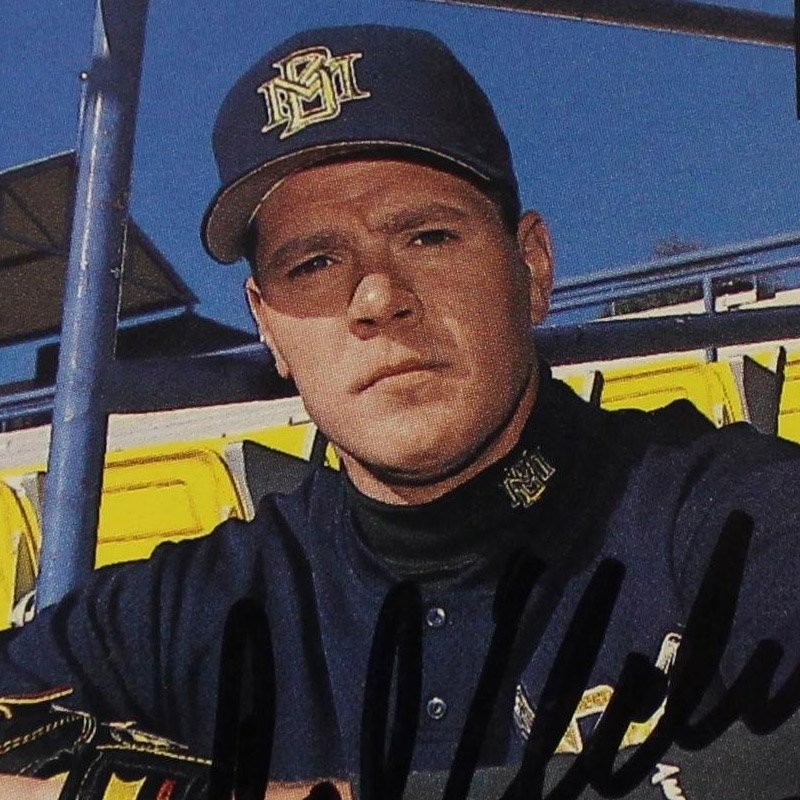 Cal John Eldred was born in Cedar Rapids, Iowa, in 1967. He attended the University of Iowa and was drafted by the Brewers in the 1st round (17th overall) in 1989. Eldred was a big right-hander with everything you'd want in a pitcher - size, athleticism, and a plus fastball and curve. As an advanced college arm, he moved quickly through the Brewer system, enjoying a cup of coffee in 1991. But it was Cal Eldred's masterful 1992 debut that Brewer fans would forever remember. Eldred began the '92 season at AAA, logging 141 innings in 19 starts before being called up to the big leagues mid-July. Over the rest of the season, he threw 100 innings, produced an ERA of 1.88, and won 11 games in 14 starts. He finished 4th in the AL Rookie of the Year voting. The team won 92 games - good, but not enough to capture the division (stupid Wild Card game - where were you when we needed you). Few pitchers have begun a career on such a high note - and certainly not one for the Brewers. Big things were expected from the young Midwesterner. With expectations high, Eldred came down to earth in his second year. He won 16 games plus led the league in innings pitched, but his ERA rose to 4.01. In 1994, his numbers continued to falter as his strikeout rates dropped and his walk rates increased. Then, in 1995, after only four starts, Eldred was placed on the Disabled List with a sore elbow. Tommy John surgery was next, and he missed the rest of the season, plus parts of the 1996 campaign. Eldred threw 202 innings in 1997, but he was not the same pitcher - as his 4.99 ERA would attest. He fought injuries and ineffectiveness for two seasons, including an ugly 7.79 ERA in 82 IP in 1999, before being dealt with Jose Valentin to the White Sox in return for Jaime Navarro and John Snyder. Eldred’s first season in Chicago wasn’t bad - until elbow problems flared up, and he was forced to shut down his season in July. But it was worse in 2001. Another elbow injury limited him to just two games. He spent the rest of 2001 and all of 2002 rehabilitating his arm, and in 2003, at the age of 35, he returned to the majors with the St. Louis Cardinals as a reliever. He pitched three more years, retiring after the 2005 season. He was 37. After retiring, Eldred moved into the broadcast booth, serving as an analyst for the Big Ten Network and the Cardinals. He also served as a Special Assistant to Cardinals General Manager John Mozeliak. In 2017, he became the pitching coach for the Kansas City Royals. He was fired from that position after the 2022 season. Two of Eldred’s sons played collegiate baseball, including C.J. Eldred - who pitched for Iowa - just like his father. Looking back, Eldred's rookie season was electric. The team was competitive, and Eldred was a large part of that, as he produced a 4.2 bWAR in only 100 innings. He was a Midwest kid with a strong work ethic - an All-Star in the making. But it was not to be as injuries ultimately undid a promising career. Many points to the hefty workload imposed upon him in 1993 as the source of Eldred's woes. He was only 25 years old, and Manager Phil Garner had him work a league-leading 258 innings (after he had thrown 241 the previous year). A sore arm and TJ surgery were almost inevitable, and the rest of his career was marred by various arm injuries. During his time in Milwaukee (parts of nine seasons), Eldred threw 1,078 innings, struck out 686 batters, won 64 games, and produced 13.1 bWAR - all of which slot him in the top 10 in club history for each of those categories.
 -
Cal John Eldred was born in Cedar Rapids, Iowa, in 1967. He attended the University of Iowa and was drafted by the Brewers in the 1st round (17th overall) in 1989. Eldred was a big right-hander with everything you'd want in a pitcher - size, athleticism, and a plus fastball and curve. As an advanced college arm, he moved quickly through the Brewer system, enjoying a cup of coffee in 1991. But it was Cal Eldred's masterful 1992 debut that Brewer fans would forever remember. Eldred began the '92 season at AAA, logging 141 innings in 19 starts before being called up to the big leagues mid-July. Over the rest of the season, he threw 100 innings, produced an ERA of 1.88, and won 11 games in 14 starts. He finished 4th in the AL Rookie of the Year voting. The team won 92 games - good, but not enough to capture the division (stupid Wild Card game - where were you when we needed you). Few pitchers have begun a career on such a high note - and certainly not one for the Brewers. Big things were expected from the young Midwesterner. With expectations high, Eldred came down to earth in his second year. He won 16 games plus led the league in innings pitched, but his ERA rose to 4.01. In 1994, his numbers continued to falter as his strikeout rates dropped and his walk rates increased. Then, in 1995, after only four starts, Eldred was placed on the Disabled List with a sore elbow. Tommy John surgery was next, and he missed the rest of the season, plus parts of the 1996 campaign. Eldred threw 202 innings in 1997, but he was not the same pitcher - as his 4.99 ERA would attest. He fought injuries and ineffectiveness for two seasons, including an ugly 7.79 ERA in 82 IP in 1999, before being dealt with Jose Valentin to the White Sox in return for Jaime Navarro and John Snyder. Eldred’s first season in Chicago wasn’t bad - until elbow problems flared up, and he was forced to shut down his season in July. But it was worse in 2001. Another elbow injury limited him to just two games. He spent the rest of 2001 and all of 2002 rehabilitating his arm, and in 2003, at the age of 35, he returned to the majors with the St. Louis Cardinals as a reliever. He pitched three more years, retiring after the 2005 season. He was 37. After retiring, Eldred moved into the broadcast booth, serving as an analyst for the Big Ten Network and the Cardinals. He also served as a Special Assistant to Cardinals General Manager John Mozeliak. In 2017, he became the pitching coach for the Kansas City Royals. He was fired from that position after the 2022 season. Two of Eldred’s sons played collegiate baseball, including C.J. Eldred - who pitched for Iowa - just like his father. Looking back, Eldred's rookie season was electric. The team was competitive, and Eldred was a large part of that, as he produced a 4.2 bWAR in only 100 innings. He was a Midwest kid with a strong work ethic - an All-Star in the making. But it was not to be as injuries ultimately undid a promising career. Many points to the hefty workload imposed upon him in 1993 as the source of Eldred's woes. He was only 25 years old, and Manager Phil Garner had him work a league-leading 258 innings (after he had thrown 241 the previous year). A sore arm and TJ surgery were almost inevitable, and the rest of his career was marred by various arm injuries. During his time in Milwaukee (parts of nine seasons), Eldred threw 1,078 innings, struck out 686 batters, won 64 games, and produced 13.1 bWAR - all of which slot him in the top 10 in club history for each of those categories. View full player
-
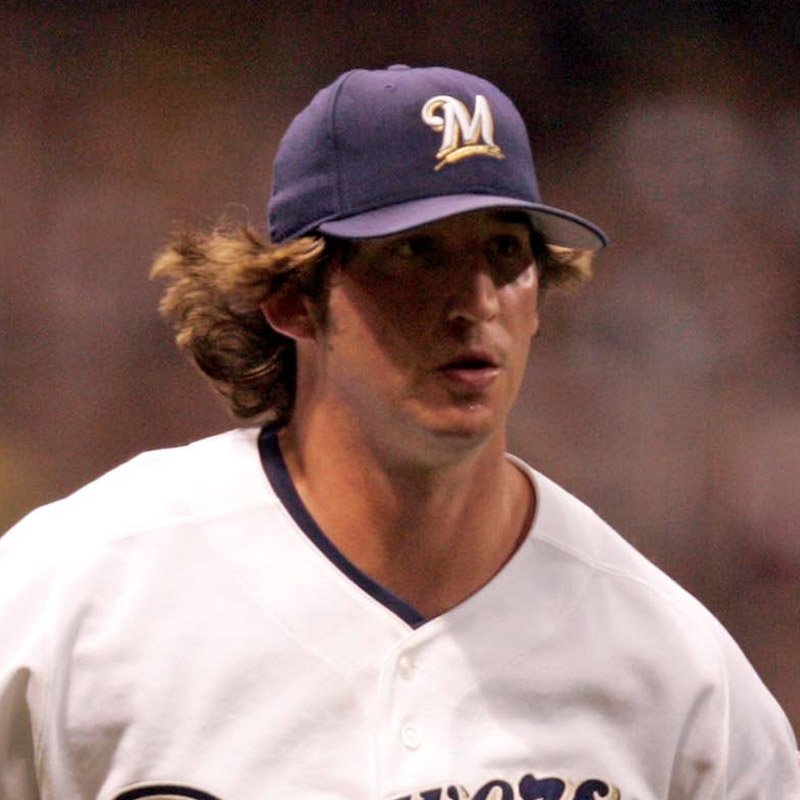 Thomas Derrick Turnbow was born in Tennessee in 1978 and was selected in the fifth round of the 1997 draft by the Philadelphia Phillies. Derrick Turnbow was developed as a starter in the minors, but in 2000 he was nabbed by the Angels in the Rule 5 draft, despite having no AA or AAA experience. The Angels moved Turnbow to the bullpen for the year - essentially stashing him on the major league roster so they wouldn't have to return him to the Phillies. He was sent back to the minors in 2001, and the shift to the bullpen was permanent. An arm injury cost Turnbow much of the next two years, and he struggled upon returning to the bullpen. He tantalized with his explosive fastball but frustrated with bouts of wildness, and after several seasons with the Angels organization, Turnbow was waived in October 2004. Milwaukee claimed the big right-hander. Turnbow surprised many by making the club in 2005, and after Mike Adams struggled in the closer role, manager Ned Yost gave the job to Turnbow. He would have a magnificent season, posting 39 saves and a 1.74 ERA. He was second in the Rolaids Relief Man of the Year Award. The Brewers rewarded Turnbow with a three-year contract worth $6.5M. The 2006 season began well enough for Turnbow as he registered eight saves in the first month. But then the old bugaboo - his control - would rear its ugly head. His play was uneven for the next couple of months, but he still managed to record 23 saves and an All-Star game nomination. But then the wheels came off - and would never be put back on. His post-All-Star numbers were an ugly 0-5 record and an ERA of 11.29 - causing him to lose the closer's job. Turnbow would rebound somewhat in 2007, managing a 4.63 ERA in 69 innings. But in 2008, things got ugly. He began the season walking 13 batters in six innings. The Brewers sent Turnbow to AAA, where things only got worse - 41 walks and ten wild pitches in 18 IP. The Brewers released him after the season. Turnbow unsuccessfully attempted comebacks in 2009 and 2010 with the Rangers and Marlins, respectively, but with no luck. After his release during 2010 spring training, he decided to call it quits. Turnbow was 32. After retiring, Turnbow stepped away from baseball, joining a financial planning firm where he now specializes in wealth management services. He lives in Seattle, Washington, with his family. Turnbow is the classic example of a pitcher with a ton of ability (98 mph fastball, outstanding for the mid-to-late-2000s) but one who struggled with control. Many attributed his brilliant 2005 season to the work Turnbow did with pitching coach Mike Maddux. Fans loved the big, shaggy-haired righty who could throw heat with the best of them, and for one season, he was as good as any relief pitcher in baseball. Unfortunately, Turnbow could not repeat his success, and he quickly faded from the baseball scene. Turnbow's 39 saves in 2005 rank 4th all-time, and his all-time save mark of 65 ranks 80th.
 -
Thomas Derrick Turnbow was born in Tennessee in 1978 and was selected in the fifth round of the 1997 draft by the Philadelphia Phillies. Derrick Turnbow was developed as a starter in the minors, but in 2000 he was nabbed by the Angels in the Rule 5 draft, despite having no AA or AAA experience. The Angels moved Turnbow to the bullpen for the year - essentially stashing him on the major league roster so they wouldn't have to return him to the Phillies. He was sent back to the minors in 2001, and the shift to the bullpen was permanent. An arm injury cost Turnbow much of the next two years, and he struggled upon returning to the bullpen. He tantalized with his explosive fastball but frustrated with bouts of wildness, and after several seasons with the Angels organization, Turnbow was waived in October 2004. Milwaukee claimed the big right-hander. Turnbow surprised many by making the club in 2005, and after Mike Adams struggled in the closer role, manager Ned Yost gave the job to Turnbow. He would have a magnificent season, posting 39 saves and a 1.74 ERA. He was second in the Rolaids Relief Man of the Year Award. The Brewers rewarded Turnbow with a three-year contract worth $6.5M. The 2006 season began well enough for Turnbow as he registered eight saves in the first month. But then the old bugaboo - his control - would rear its ugly head. His play was uneven for the next couple of months, but he still managed to record 23 saves and an All-Star game nomination. But then the wheels came off - and would never be put back on. His post-All-Star numbers were an ugly 0-5 record and an ERA of 11.29 - causing him to lose the closer's job. Turnbow would rebound somewhat in 2007, managing a 4.63 ERA in 69 innings. But in 2008, things got ugly. He began the season walking 13 batters in six innings. The Brewers sent Turnbow to AAA, where things only got worse - 41 walks and ten wild pitches in 18 IP. The Brewers released him after the season. Turnbow unsuccessfully attempted comebacks in 2009 and 2010 with the Rangers and Marlins, respectively, but with no luck. After his release during 2010 spring training, he decided to call it quits. Turnbow was 32. After retiring, Turnbow stepped away from baseball, joining a financial planning firm where he now specializes in wealth management services. He lives in Seattle, Washington, with his family. Turnbow is the classic example of a pitcher with a ton of ability (98 mph fastball, outstanding for the mid-to-late-2000s) but one who struggled with control. Many attributed his brilliant 2005 season to the work Turnbow did with pitching coach Mike Maddux. Fans loved the big, shaggy-haired righty who could throw heat with the best of them, and for one season, he was as good as any relief pitcher in baseball. Unfortunately, Turnbow could not repeat his success, and he quickly faded from the baseball scene. Turnbow's 39 saves in 2005 rank 4th all-time, and his all-time save mark of 65 ranks 80th. View full player
-
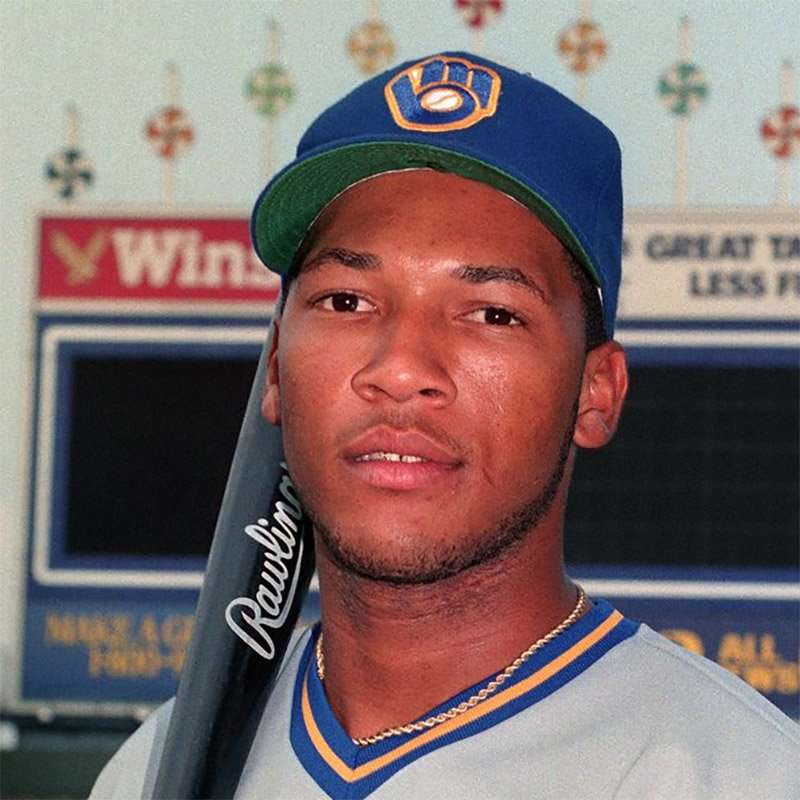 Gary Antonian Sheffield was born in Tampa Bay, Florida, in 1968. His uncle is Dwight Gooden - who was four years older. As a senior in high school, he was named the Gatorade National Player of the Year. The Brewers selected Sheffield in the 1st round of the 1986 draft - the sixth overall pick. It didn’t take long for Sheffield to become one of the top prospects in baseball. At Helena, Sheffield hit .365 and walloped 15 HR in just 57 games. He was only 17 years old. The abuse of minor league pitching continued as Sheffield showed an advanced hit tool, power, and a great eye at the plate. In 1988, at 19, Sheffield would debut in Milwaukee - playing 24 games. However, there were signs of trouble ahead for Sheffield when he was arrested in early 1987 - alongside Dwight Gooden - and charged with resisting arrest and battery of an officer. Later that year, he was arrested for a DUI. Besides a 7-game stint in the minors in 1989, Sheffield stayed in the big leagues. In his rookie campaign, Sheffield had mixed success as he battled several injuries - and a move to third base in favor of Bill Spiers. He hit only .247 in 94 games that year and said his move to third was race related. 1990 demonstrated the enormous potential that Sheffield possessed. Working with hitting coach Don Baylor, Sheffield hit .294, although his considerable power had yet to emerge. But the fans and the Brewers thought they saw a star in the making. But there were cracks in the relationship between Sheffield and the organization and the fans. His willingness to candidly discuss racial issues was not common at the time, making many fans, members of the organization, and some of his teammates uneasy. Sheffield complained about the team favoring white players and how the organization mistreated him. He was generally portrayed as a talented but disloyal and immature malcontent. Had Sheffield come into 1991 and hit well - all of these things would likely have been put aside - at least for a time. Instead, it would be a lost year. Various injuries would limit Sheffield to 50 games - and he hit a paltry .194. Fans booed Sheffield mercilessly, who later admitted he was miserable and requested a trade (something he had already done more than once). Organizations are often hesitant to trade talented players - even if they are struggling - for fear they will find themselves in a new city. But the Brewers had had enough of Sheffield. On March 26, 1992, they pulled the trigger on a trade sending the talented but troubled infielder to the San Diego Padres for pitcher Ricky Bones, SS José Valentin, and OF Matt Mieske. Much to the Brewers' chagrin, Sheffield turned into an all-star in San Diego, hitting .330 and 30 home runs and winning the NL batting title. The Brewers won 92 games that year - but missed the playoffs. Had Sheffield been in the lineup, things may have turned out differently. We don’t need to go on about Sheffield’s career, but the numbers are quite astonishing. 509 HR. Almost 2700 hits. 9 All-Star teams. More walks than strikeouts. Sheffield was not without his warts. He was never a good fielder. After leaving Milwaukee, he stayed at third base for a time before being moved to corner outfielder and finishing his career as a designated hitter. He never went back to shortstop, save for a few games here and there. He was also a baseball nomad - playing for eight teams in 22 years - often wearing out his welcome due to his quick temper, outspoken opinions, and a seemingly never-ending desire for a better contract. Sheffield’s supporters say he was simply an honest man - willing to talk about uncomfortable topics that many felt were too often swept under the rug. Sheffield also had other issues - including multiple arrests for DUI, speeding, and altercations with fans. But the issue that - to this day - looms over Sheffield is regarding performance-enhancing drugs (PEDs). Sheffield was mentioned in the Mitchell Report and implicated in the 2004 BALCO scandal concerning using PEDs. And he was named in the book Game of Shadows as having received testosterone and human growth hormone from Greg Anderson, the personal trainer he shared with Barry Bonds. Without those accusations, Sheffield may have reached the Hall of Fame. He received 40% of the vote in 2022 - but with only two more years of eligibility left in his candidacy - he’s unlikely to receive the 75% needed for induction. After baseball, Sheffield formed the Sheffield Management Group and became a sports agent. As we think about the ‘what ifs’ of baseball - it’s easy to look at 1992 and wonder if having Sheffield in the lineup would have helped the Brewers capture the NL East crown (the Brewers were four games behind Toronto). Kevin Seitzer had a solid season at 3B for the Crew that year, but it was nothing like Sheffield’s monster numbers. Yet even if Milwaukee had kept Sheffield, you have to wonder if he would have realized his full potential, especially considering the animosity between him and the organization. Even if Sheffield had stayed in Milwaukee and played well, it’s unlikely he would have lasted with the Brewers. The team went into a long string of losing seasons starting in 1993, and Sheffield would have likely been traded at some point. His bat would not have elevated the team to playoff contenders during that time, making him more alluring as a trade candidate than a long-term fixture. The only good thing would have been the team could have netted a more substantial return than what they received from San Diego. Regarding the players brought in from San Diego, the results were uninspiring. Mieske was average in many ways. Ricky Bones wavered between ‘not bad,’ ‘bad,’ and ‘really bad'. Only SS José Valentin emerged as a solid, everyday player and would later be flipped for pitcher Jaime Navarro. The Brewer career of infielder Gary Sheffield was tumultuous. He was a talented young man, but the Brewers and Milwaukee were the wrong place for him to start his career. He was immature in many ways, and in an era of staying quiet and letting your bat do the talking, Sheffield was not embraced by the blue-collar - and mostly white - Brewer fan base.
 -
Gary Antonian Sheffield was born in Tampa Bay, Florida, in 1968. His uncle is Dwight Gooden - who was four years older. As a senior in high school, he was named the Gatorade National Player of the Year. The Brewers selected Sheffield in the 1st round of the 1986 draft - the sixth overall pick. It didn’t take long for Sheffield to become one of the top prospects in baseball. At Helena, Sheffield hit .365 and walloped 15 HR in just 57 games. He was only 17 years old. The abuse of minor league pitching continued as Sheffield showed an advanced hit tool, power, and a great eye at the plate. In 1988, at 19, Sheffield would debut in Milwaukee - playing 24 games. However, there were signs of trouble ahead for Sheffield when he was arrested in early 1987 - alongside Dwight Gooden - and charged with resisting arrest and battery of an officer. Later that year, he was arrested for a DUI. Besides a 7-game stint in the minors in 1989, Sheffield stayed in the big leagues. In his rookie campaign, Sheffield had mixed success as he battled several injuries - and a move to third base in favor of Bill Spiers. He hit only .247 in 94 games that year and said his move to third was race related. 1990 demonstrated the enormous potential that Sheffield possessed. Working with hitting coach Don Baylor, Sheffield hit .294, although his considerable power had yet to emerge. But the fans and the Brewers thought they saw a star in the making. But there were cracks in the relationship between Sheffield and the organization and the fans. His willingness to candidly discuss racial issues was not common at the time, making many fans, members of the organization, and some of his teammates uneasy. Sheffield complained about the team favoring white players and how the organization mistreated him. He was generally portrayed as a talented but disloyal and immature malcontent. Had Sheffield come into 1991 and hit well - all of these things would likely have been put aside - at least for a time. Instead, it would be a lost year. Various injuries would limit Sheffield to 50 games - and he hit a paltry .194. Fans booed Sheffield mercilessly, who later admitted he was miserable and requested a trade (something he had already done more than once). Organizations are often hesitant to trade talented players - even if they are struggling - for fear they will find themselves in a new city. But the Brewers had had enough of Sheffield. On March 26, 1992, they pulled the trigger on a trade sending the talented but troubled infielder to the San Diego Padres for pitcher Ricky Bones, SS José Valentin, and OF Matt Mieske. Much to the Brewers' chagrin, Sheffield turned into an all-star in San Diego, hitting .330 and 30 home runs and winning the NL batting title. The Brewers won 92 games that year - but missed the playoffs. Had Sheffield been in the lineup, things may have turned out differently. We don’t need to go on about Sheffield’s career, but the numbers are quite astonishing. 509 HR. Almost 2700 hits. 9 All-Star teams. More walks than strikeouts. Sheffield was not without his warts. He was never a good fielder. After leaving Milwaukee, he stayed at third base for a time before being moved to corner outfielder and finishing his career as a designated hitter. He never went back to shortstop, save for a few games here and there. He was also a baseball nomad - playing for eight teams in 22 years - often wearing out his welcome due to his quick temper, outspoken opinions, and a seemingly never-ending desire for a better contract. Sheffield’s supporters say he was simply an honest man - willing to talk about uncomfortable topics that many felt were too often swept under the rug. Sheffield also had other issues - including multiple arrests for DUI, speeding, and altercations with fans. But the issue that - to this day - looms over Sheffield is regarding performance-enhancing drugs (PEDs). Sheffield was mentioned in the Mitchell Report and implicated in the 2004 BALCO scandal concerning using PEDs. And he was named in the book Game of Shadows as having received testosterone and human growth hormone from Greg Anderson, the personal trainer he shared with Barry Bonds. Without those accusations, Sheffield may have reached the Hall of Fame. He received 40% of the vote in 2022 - but with only two more years of eligibility left in his candidacy - he’s unlikely to receive the 75% needed for induction. After baseball, Sheffield formed the Sheffield Management Group and became a sports agent. As we think about the ‘what ifs’ of baseball - it’s easy to look at 1992 and wonder if having Sheffield in the lineup would have helped the Brewers capture the NL East crown (the Brewers were four games behind Toronto). Kevin Seitzer had a solid season at 3B for the Crew that year, but it was nothing like Sheffield’s monster numbers. Yet even if Milwaukee had kept Sheffield, you have to wonder if he would have realized his full potential, especially considering the animosity between him and the organization. Even if Sheffield had stayed in Milwaukee and played well, it’s unlikely he would have lasted with the Brewers. The team went into a long string of losing seasons starting in 1993, and Sheffield would have likely been traded at some point. His bat would not have elevated the team to playoff contenders during that time, making him more alluring as a trade candidate than a long-term fixture. The only good thing would have been the team could have netted a more substantial return than what they received from San Diego. Regarding the players brought in from San Diego, the results were uninspiring. Mieske was average in many ways. Ricky Bones wavered between ‘not bad,’ ‘bad,’ and ‘really bad'. Only SS José Valentin emerged as a solid, everyday player and would later be flipped for pitcher Jaime Navarro. The Brewer career of infielder Gary Sheffield was tumultuous. He was a talented young man, but the Brewers and Milwaukee were the wrong place for him to start his career. He was immature in many ways, and in an era of staying quiet and letting your bat do the talking, Sheffield was not embraced by the blue-collar - and mostly white - Brewer fan base. View full player
-
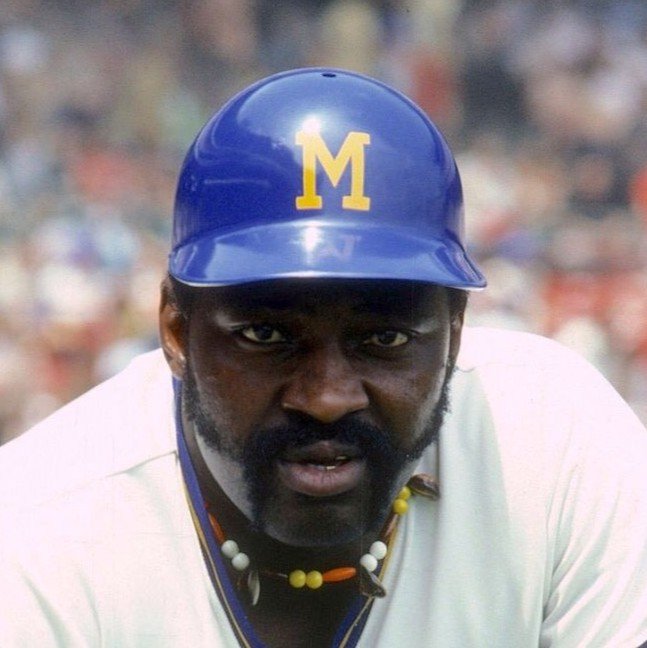 George Scott Jr. was born in Mississippi in 1944. His father died when he was only two years old, and George Jr. picked cotton to help the family at age nine. Scott excelled at athletics as a teen and signed with the Boston Red Sox out of high school in 1962. Initially, Scott worked all over the diamond but eventually settled at 3B as his primary position. Position aside, Scott quickly demonstrated the ability to hit - both for power and average. Scott reached the majors in 1966, shifting to 1B a week into the season. He made the all-star team and finished 3rd in the Rookie of the Year voting while hitting 27 HR. Scott's first stint (six years) in Boston was inconsistent. He won two Gold Gloves and hit .303 in his second season but also hit an abysmal .171 in his third year. After the 1971 season, the Red Sox decided to shake up their club, dealing Scott, Jim Lonborg, Joe Lahoud, Billy Conigliaro, Ken Brett, and Don Pavletich to the Brewers for Tommy Harper, Marty Pattin, Lew Krausse and a minor leaguer. The move was a boon for Scott. He spent the next five seasons in Milwaukee, winning a Gold Glove each year and making the all-star team in 1975 - a season where he led the majors with 36 HR and 109 RBI. During his time in Milwaukee, the big first baseman averaged 23 HR and 89 RBI a year to go with a .283 BA and a .798 OPS. With Milwaukee continuing to struggle in the standings, Scott asked to be traded after the 1976 season. The Brewers obliged, sending him back to Boston (along with Bernie Carbo) for Cecil Cooper. Scott had one more good season in 1977, slugging 33 HR. After that, he struggled through two more years, bouncing between three clubs. At age 36, he went to the Mexican League, where he played (as well as managed) for five more years. He stayed in baseball as a manager in independent and college ball, finishing up in 2002 in the Northern League. After retiring, Scott moved to Greenville, Mississippi. He died in July 2013 at the age of 69. While Scott is most associated with the Red Sox, he was a vital member of the early years of the Brewers, providing power and outstanding defense during his five years in Milwaukee. He hit 115 of his 271 HR while with the Brewers and won five of his eight Gold Gloves. For his career, he had 1,992 hits. His 22.4 bWAR ranks seventh amongst hitters in franchise history. While the trade back to Boston disappointed many, it brought back one of the franchise's best players - Cecil Cooper - a trade that helped establish Milwaukee as a powerhouse team in the late 1970s and 1980s. Scott, nicknamed 'Boomer' due to the massive home runs he hit, was an athletic man despite fighting weight problems much of his life. He was also known for his oversized personality and is often credited with popularizing the term 'taters' as another name for a home run.
 -
George Scott Jr. was born in Mississippi in 1944. His father died when he was only two years old, and George Jr. picked cotton to help the family at age nine. Scott excelled at athletics as a teen and signed with the Boston Red Sox out of high school in 1962. Initially, Scott worked all over the diamond but eventually settled at 3B as his primary position. Position aside, Scott quickly demonstrated the ability to hit - both for power and average. Scott reached the majors in 1966, shifting to 1B a week into the season. He made the all-star team and finished 3rd in the Rookie of the Year voting while hitting 27 HR. Scott's first stint (six years) in Boston was inconsistent. He won two Gold Gloves and hit .303 in his second season but also hit an abysmal .171 in his third year. After the 1971 season, the Red Sox decided to shake up their club, dealing Scott, Jim Lonborg, Joe Lahoud, Billy Conigliaro, Ken Brett, and Don Pavletich to the Brewers for Tommy Harper, Marty Pattin, Lew Krausse and a minor leaguer. The move was a boon for Scott. He spent the next five seasons in Milwaukee, winning a Gold Glove each year and making the all-star team in 1975 - a season where he led the majors with 36 HR and 109 RBI. During his time in Milwaukee, the big first baseman averaged 23 HR and 89 RBI a year to go with a .283 BA and a .798 OPS. With Milwaukee continuing to struggle in the standings, Scott asked to be traded after the 1976 season. The Brewers obliged, sending him back to Boston (along with Bernie Carbo) for Cecil Cooper. Scott had one more good season in 1977, slugging 33 HR. After that, he struggled through two more years, bouncing between three clubs. At age 36, he went to the Mexican League, where he played (as well as managed) for five more years. He stayed in baseball as a manager in independent and college ball, finishing up in 2002 in the Northern League. After retiring, Scott moved to Greenville, Mississippi. He died in July 2013 at the age of 69. While Scott is most associated with the Red Sox, he was a vital member of the early years of the Brewers, providing power and outstanding defense during his five years in Milwaukee. He hit 115 of his 271 HR while with the Brewers and won five of his eight Gold Gloves. For his career, he had 1,992 hits. His 22.4 bWAR ranks seventh amongst hitters in franchise history. While the trade back to Boston disappointed many, it brought back one of the franchise's best players - Cecil Cooper - a trade that helped establish Milwaukee as a powerhouse team in the late 1970s and 1980s. Scott, nicknamed 'Boomer' due to the massive home runs he hit, was an athletic man despite fighting weight problems much of his life. He was also known for his oversized personality and is often credited with popularizing the term 'taters' as another name for a home run. View full player
-
- 1
-

-
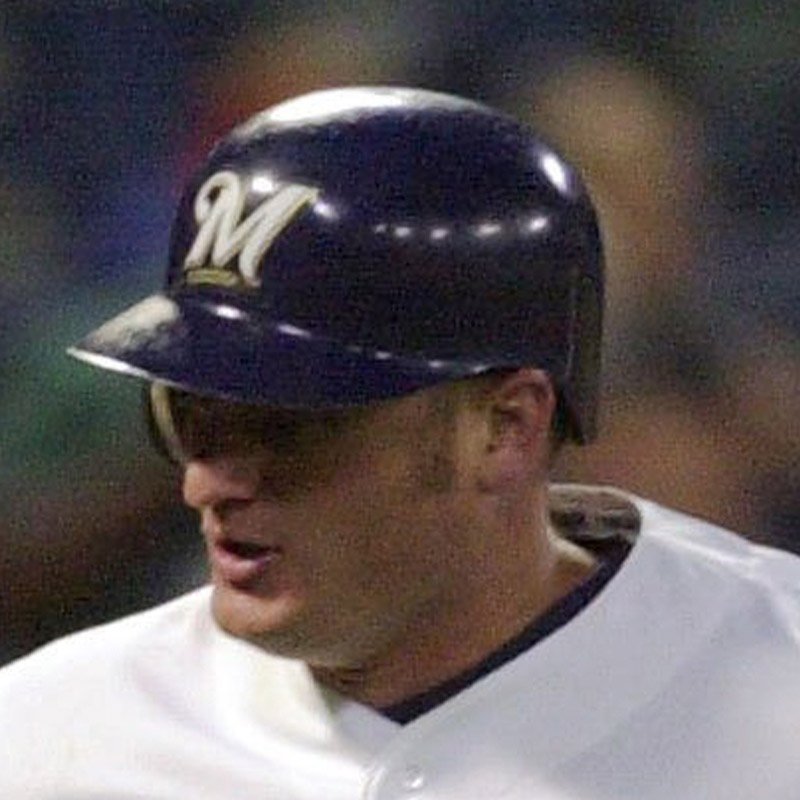 Jeromy Burnitz was born in 1969 in Westminster, California. He was a 1st round selection (17th overall) by the NY Mets in 1990 out of Oklahoma State University. He quickly displayed his calling card - power - hitting 31 HR (and drawing over 100 walks) the following season at AA. After bouncing back and forth between the minors and majors, the Mets - tired of his streaky play, plus his clashes with manager Dallas Green - dealt Burnitz to Cleveland in 1994. He spent some more time in the minors before finally staying put in the big leagues in 1996. Despite playing well for Cleveland, they dealt the then 27-year old to Milwaukee for veteran Kevin Seitzer. The trade would be a boon for Burnitz, who emerged as a legitimate slugger in 1997, crushing 27 home runs in his first full season in Milwaukee. He followed with home run totals of 38, 33, 31 and 34 - before being dealt back to the Mets after the 2001 season. (He hit 30+ HR for two more seasons - giving him an impressive run of 30+ HR for six years). The trade to New York cleared Burnitz's large salary, and brought in a young starting pitcher, Glendon Rusch (who floundered in his time in Milwaukee). While in Milwaukee, Burnitz averaged 32+ HR and 100+ RBI a season. He never had less than 70 walks, and he hit a respectable .258 - which led to a .362 OBP. His big power made him a fan favorite in Milwaukee. Sadly, the Brewers never had a winning team during Burnitz's time with the club. Jeromy bounced around the rest of his career, playing four more seasons for the Mets, Dodgers, Rockies, Cubs and Pirates. He retired after the 2006 season at age 37. All told, Burnitz hit a 315 HRs (totals made more impressive because he didn't became a regular until age 28) and had a SLG% of .481. For Milwaukee, he hit 165 HRs and had an .870 OPS during his 5+ seasons. He averaged 3.0+ bWAR a year during his Brewer tenure. Burnitz had the honor of starting the 1999 all-star - in place of an injured Tony Gwynn - the first Brewer to start an all-star game since Paul Molitor. Despite his reputation as a bit of a hot head, Burnitz was also known to be laid back and well-liked in the clubhouse. He loved to pull pranks, and Peter Abraham of the "Boston Globe" reported this: "Burnitz would have fit in with the cast of 'Jackass.' As a practical joke, he would empty out bottles of shampoo in the showers on road trips after the last game of the series and pee in them." After retiring, Burnitz settled down with his wife and three children in California. He has elected to remain out of the public eye ever since. Jeromy Burnitz will hold a special place in the hearts and minds of Brewer fans (like many other sluggers). A powerful looking man, Burnitz looked more like a linebacker than a baseball player. During the dark days of the franchise in the late 90s and early 2000s, he provided excitement and thrills when they were few and far between. He is a member of the Brewer Wall of Honor.
 -
Jeromy Burnitz was born in 1969 in Westminster, California. He was a 1st round selection (17th overall) by the NY Mets in 1990 out of Oklahoma State University. He quickly displayed his calling card - power - hitting 31 HR (and drawing over 100 walks) the following season at AA. After bouncing back and forth between the minors and majors, the Mets - tired of his streaky play, plus his clashes with manager Dallas Green - dealt Burnitz to Cleveland in 1994. He spent some more time in the minors before finally staying put in the big leagues in 1996. Despite playing well for Cleveland, they dealt the then 27-year old to Milwaukee for veteran Kevin Seitzer. The trade would be a boon for Burnitz, who emerged as a legitimate slugger in 1997, crushing 27 home runs in his first full season in Milwaukee. He followed with home run totals of 38, 33, 31 and 34 - before being dealt back to the Mets after the 2001 season. (He hit 30+ HR for two more seasons - giving him an impressive run of 30+ HR for six years). The trade to New York cleared Burnitz's large salary, and brought in a young starting pitcher, Glendon Rusch (who floundered in his time in Milwaukee). While in Milwaukee, Burnitz averaged 32+ HR and 100+ RBI a season. He never had less than 70 walks, and he hit a respectable .258 - which led to a .362 OBP. His big power made him a fan favorite in Milwaukee. Sadly, the Brewers never had a winning team during Burnitz's time with the club. Jeromy bounced around the rest of his career, playing four more seasons for the Mets, Dodgers, Rockies, Cubs and Pirates. He retired after the 2006 season at age 37. All told, Burnitz hit a 315 HRs (totals made more impressive because he didn't became a regular until age 28) and had a SLG% of .481. For Milwaukee, he hit 165 HRs and had an .870 OPS during his 5+ seasons. He averaged 3.0+ bWAR a year during his Brewer tenure. Burnitz had the honor of starting the 1999 all-star - in place of an injured Tony Gwynn - the first Brewer to start an all-star game since Paul Molitor. Despite his reputation as a bit of a hot head, Burnitz was also known to be laid back and well-liked in the clubhouse. He loved to pull pranks, and Peter Abraham of the "Boston Globe" reported this: "Burnitz would have fit in with the cast of 'Jackass.' As a practical joke, he would empty out bottles of shampoo in the showers on road trips after the last game of the series and pee in them." After retiring, Burnitz settled down with his wife and three children in California. He has elected to remain out of the public eye ever since. Jeromy Burnitz will hold a special place in the hearts and minds of Brewer fans (like many other sluggers). A powerful looking man, Burnitz looked more like a linebacker than a baseball player. During the dark days of the franchise in the late 90s and early 2000s, he provided excitement and thrills when they were few and far between. He is a member of the Brewer Wall of Honor. View full player
-
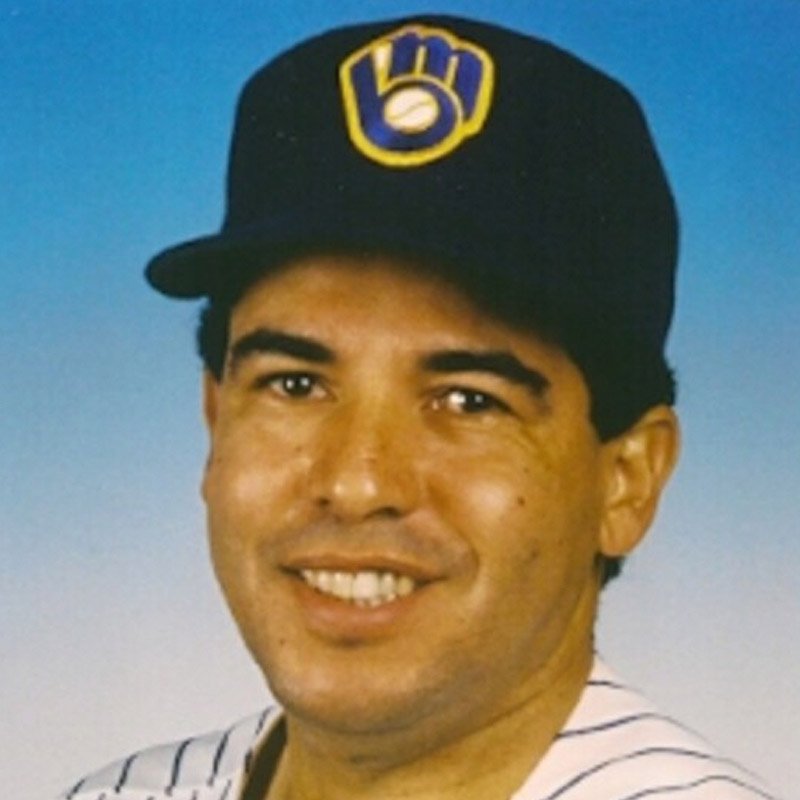 William Radhames Castro Checo, born in 1952 in the Dominican Republic, was signed by the Brewers in as an amateur free agent in 1970. Castro was immediately moved into the bullpen, reaching the big leagues in 1974. Working almost exclusively out of the pen, Castro spent more than six years in Milwaukee, appearing in 253 games. Castro left Milwaukee after the 1980 season as a free agent, spending one year with the Yankees and two with the Royals, before retiring after the 1983 season. During his time in Milwaukee, he was an effective reliever. His best run came from 1978-80, when he produced ERAs of 1.81, 2.03 and 2.77, respectively. Not a strikeout pitcher, Castro succeeded by limiting home runs and walks. In addition to appearing in 253 games, Castro saved 44 games, and posted a 3.56 ERA. After retiring, Castro worked as a scout and minor league coach for the Brewers from 1985 through 1991, before becoming Milwaukee's bullpen coach in 1992. He served in that capacity until 2008, when he was promoted to pitching coach. The Brewers fired him in August 2009, but he returned to the organization in 2010 and 2011 as their Latin American pitching advisor. In 2012, Castro served as the Baltimore bullpen coach, and then as their pitching coach in 2013, before retiring from baseball. Bill Castro is a great example of an organizational role player providing solid, but unspectacular, results from the bullpen for seven seasons. He didn't do anything exceptionally well, but the team was able to count on him for solid production during his tenure.
 -
William Radhames Castro Checo, born in 1952 in the Dominican Republic, was signed by the Brewers in as an amateur free agent in 1970. Castro was immediately moved into the bullpen, reaching the big leagues in 1974. Working almost exclusively out of the pen, Castro spent more than six years in Milwaukee, appearing in 253 games. Castro left Milwaukee after the 1980 season as a free agent, spending one year with the Yankees and two with the Royals, before retiring after the 1983 season. During his time in Milwaukee, he was an effective reliever. His best run came from 1978-80, when he produced ERAs of 1.81, 2.03 and 2.77, respectively. Not a strikeout pitcher, Castro succeeded by limiting home runs and walks. In addition to appearing in 253 games, Castro saved 44 games, and posted a 3.56 ERA. After retiring, Castro worked as a scout and minor league coach for the Brewers from 1985 through 1991, before becoming Milwaukee's bullpen coach in 1992. He served in that capacity until 2008, when he was promoted to pitching coach. The Brewers fired him in August 2009, but he returned to the organization in 2010 and 2011 as their Latin American pitching advisor. In 2012, Castro served as the Baltimore bullpen coach, and then as their pitching coach in 2013, before retiring from baseball. Bill Castro is a great example of an organizational role player providing solid, but unspectacular, results from the bullpen for seven seasons. He didn't do anything exceptionally well, but the team was able to count on him for solid production during his tenure. View full player
-
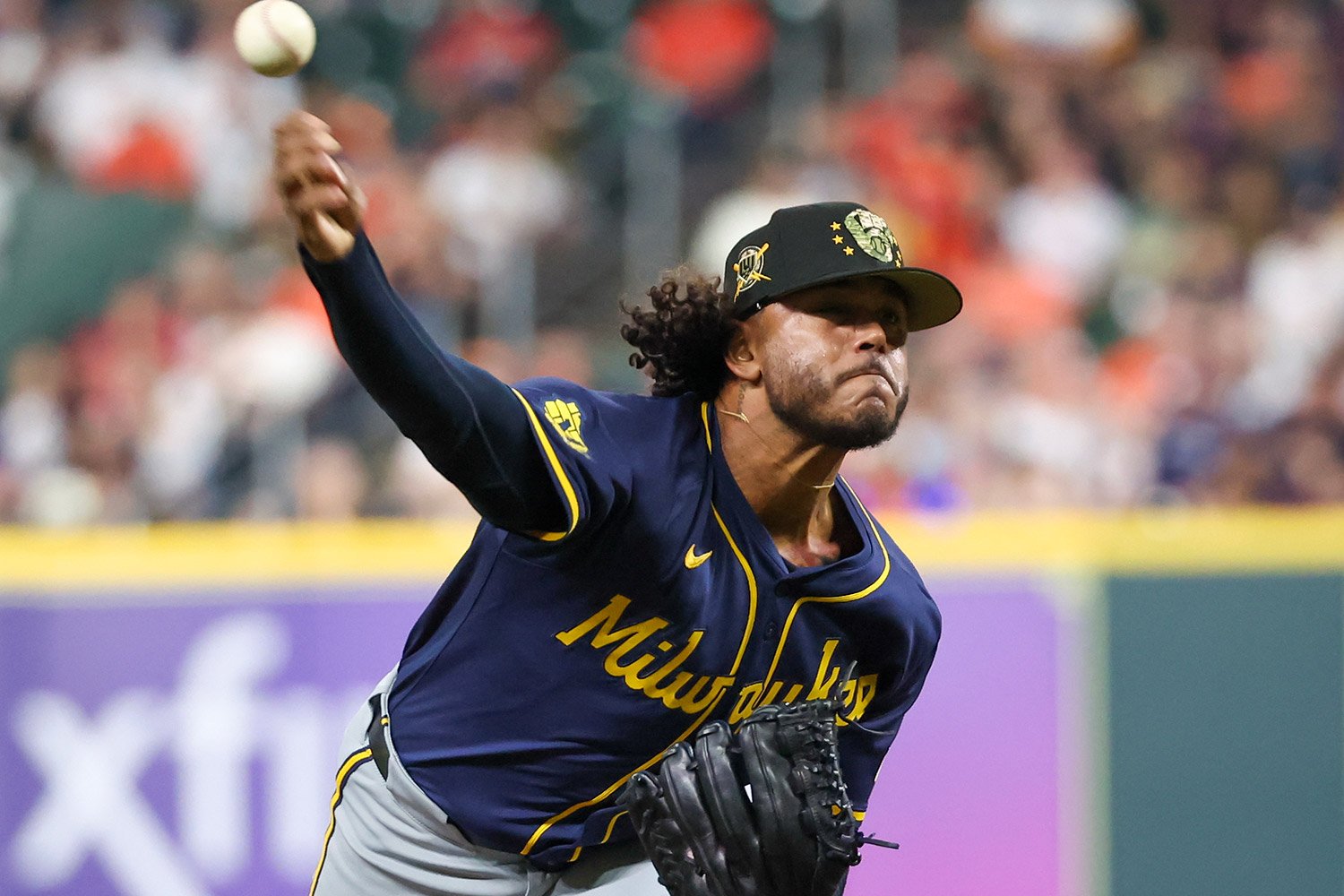 In February 2020, the Brewers signed 23-year-old pitcher Freddy Peralta to a five-year contract worth $15.5 million and two additional option years that could bring the total to $30 million. At the time, Peralta had two years of service and demonstrated some tantalizing, if inconsistent, skills. Some wondered if he was best used as a reliever. Since then, Peralta has emerged as a steady starting pitcher for the Brewers, and the team’s de facto ace with the trading of Corbin Burnes and injury to Brandon Woodruff. Peralta missed nearly half of the 2022 season but has demonstrated electrifying stuff and quality numbers and even made an All-Star appearance in 2021. Is Peralta an ace pitcher? No. Is he a good one? Yes. When he is on, he can dominate. Unfortunately, he walks too many batters and doesn’t go deep in games. No matter what, on a team going through many injuries, he is critical to the club's success. But what does the future hold? The Crew has options on Peralta for 2025 and 2026 at $8 million annually - sure to be picked up, barring injury or some other catastrophic event. I don’t think there is any question that Peralta has outplayed his contract. The question now is, do the Brewers strike early and extend Peralta - and, in the process, kick him some more money? Now, we have to be clear: the Brewers don’t have to do this. I’ve seen some concerns that Peralta might not age well due to his smaller stature; he’s six foot tall and weighs 200 pounds. And Peralta has had some injuries so there is definite risk involved. That aside, Peralta just turned 28 earlier this month, and his contract runs through his age 30 season. If the club could tack on 2-3 more years of control is it worth the gamble? Let’s keep in mind that if Peralta hits free agency in two years, he’ll probably be worth something in the range of $20 million annually based upon deals struck by Marcus Stroman and Eduardo Rodriguez. But we probably need to add a little more due to the inflation of salaries. So, what would an extension look like if the Brewers made such an offer? Here’s the idea: Offer Peralta a two-year extension with an option for a third year. The two extra years are worth $15 million each, with a $10 million signing bonus. The option year is worth $20 million with a $4 million buyout. That’s a minimum value of $44 million. As for the signing bonus, the Brewers could pay $5 million in 2025 and 2026, respectively. This boosts Peralta’s salary to $13 million for 2025-2026 and $15 million for 2027-28. The incentive for Milwaukee is to keep Freddy on the roster for four more years at a reasonable rate. For Peralta, it offers an insurance policy in case he is injured - ensuring him $60 million over the next four years versus the $16 million he has coming to him over the next two years (assuming Milwaukee picks up those options). The extension may not be a 4-5 year deal worth $20 million per year, similar to what he might receive as a free agent. But it is $44 million extra. That’s nothing to sneeze at. And let’s not forget that any free agent bonanza requires Peralta to keep performing at a high level over the next two and a half years. There’s a risk that doesn’t happen. Of course, all this depends on both parties. The Brewers may know things about Freddy that make them hesitant to extend him beyond his current contract. And Peralta may be hell-bent on getting a big payoff after the 2026 season. He might just laugh at such a proposal. On the other hand, he might be happy to get the money in the bank and not have to stress about his future for a few years. For the Brewers, locking up Freddy for the next 4-5 years would bring some stability at a position that has been in a constant state of flux of late - and will be for the next few years.
 -
 Nothing is forcing the Brewers to consider extending Freddy Peralta, and maybe that's why they should do it. Image courtesy of © Thomas Shea-USA TODAY Sports In February 2020, the Brewers signed 23-year-old pitcher Freddy Peralta to a five-year contract worth $15.5 million and two additional option years that could bring the total to $30 million. At the time, Peralta had two years of service and demonstrated some tantalizing, if inconsistent, skills. Some wondered if he was best used as a reliever. Since then, Peralta has emerged as a steady starting pitcher for the Brewers, and the team’s de facto ace with the trading of Corbin Burnes and injury to Brandon Woodruff. Peralta missed nearly half of the 2022 season but has demonstrated electrifying stuff and quality numbers and even made an All-Star appearance in 2021. Is Peralta an ace pitcher? No. Is he a good one? Yes. When he is on, he can dominate. Unfortunately, he walks too many batters and doesn’t go deep in games. No matter what, on a team going through many injuries, he is critical to the club's success. But what does the future hold? The Crew has options on Peralta for 2025 and 2026 at $8 million annually - sure to be picked up, barring injury or some other catastrophic event. I don’t think there is any question that Peralta has outplayed his contract. The question now is, do the Brewers strike early and extend Peralta - and, in the process, kick him some more money? Now, we have to be clear: the Brewers don’t have to do this. I’ve seen some concerns that Peralta might not age well due to his smaller stature; he’s six foot tall and weighs 200 pounds. And Peralta has had some injuries so there is definite risk involved. That aside, Peralta just turned 28 earlier this month, and his contract runs through his age 30 season. If the club could tack on 2-3 more years of control is it worth the gamble? Let’s keep in mind that if Peralta hits free agency in two years, he’ll probably be worth something in the range of $20 million annually based upon deals struck by Marcus Stroman and Eduardo Rodriguez. But we probably need to add a little more due to the inflation of salaries. So, what would an extension look like if the Brewers made such an offer? Here’s the idea: Offer Peralta a two-year extension with an option for a third year. The two extra years are worth $15 million each, with a $10 million signing bonus. The option year is worth $20 million with a $4 million buyout. That’s a minimum value of $44 million. As for the signing bonus, the Brewers could pay $5 million in 2025 and 2026, respectively. This boosts Peralta’s salary to $13 million for 2025-2026 and $15 million for 2027-28. The incentive for Milwaukee is to keep Freddy on the roster for four more years at a reasonable rate. For Peralta, it offers an insurance policy in case he is injured - ensuring him $60 million over the next four years versus the $16 million he has coming to him over the next two years (assuming Milwaukee picks up those options). The extension may not be a 4-5 year deal worth $20 million per year, similar to what he might receive as a free agent. But it is $44 million extra. That’s nothing to sneeze at. And let’s not forget that any free agent bonanza requires Peralta to keep performing at a high level over the next two and a half years. There’s a risk that doesn’t happen. Of course, all this depends on both parties. The Brewers may know things about Freddy that make them hesitant to extend him beyond his current contract. And Peralta may be hell-bent on getting a big payoff after the 2026 season. He might just laugh at such a proposal. On the other hand, he might be happy to get the money in the bank and not have to stress about his future for a few years. For the Brewers, locking up Freddy for the next 4-5 years would bring some stability at a position that has been in a constant state of flux of late - and will be for the next few years. View full article
 -
Gasser Dealing With Left Elbow Issue
Matt Breen replied to wiguy94's topic in Milwaukee Brewers Talk
Sucks. Just would be nice to get Junis back. Even Ross - who I think is thoroughly mediocre. -
I want to note that Chourio took some time to adjust to advanced pitching at Biloxi last year. He was hitting something like .250 or so in the first half of 2023, then things clicked and he mashed the rest of the season. He's effectively skipping AAA, and while he has not been great, he's shown lots of potential. Without knowing specifics of what he has struggled with and so forth, I'd be more inclined to just let him learn the ropes now in anticipation of him rounding into form as the year progresses. Maybe that's dumb - but he's a guy with a ton of talent, so let him learn with the best and challenge him. I'm willing to live with some subpar play for a while. At least, that's my theory.
-
Nice. Thank you.
-
White Sox (Nastrini) vs Brewers (Peralta): 6/2/24, 1:10pm
Matt Breen replied to treego14's topic in Archived Game Threads
Nice. We need to win these sorts of games. Too often in the past it seems like we'd play down to the level of our competition. Nice weekend series. -
White Sox (Nastrini) vs Brewers (Peralta): 6/2/24, 1:10pm
Matt Breen replied to treego14's topic in Archived Game Threads
nice!
