


Matthew Trueblood
-
Posts
1,922 -
Joined
-
Last visited
-
Days Won
10
Content Type
Profiles
Forums
Blogs
Events
News
2026 Milwaukee Brewers Top Prospects Ranking
Milwaukee Brewers Videos
2022 Milwaukee Brewers Draft Picks
Milwaukee Brewers Free Agent & Trade Rumors, Notes, & Tidbits
Guides & Resources
2023 Milwaukee Brewers Draft Picks
2024 Milwaukee Brewers Draft Picks
The Milwaukee Brewers Players Project
2025 Milwaukee Brewers Draft Pick Tracker
2026 Milwaukee Brewers Draft Tracker: Picks & Bonuses
Store
Downloads
Gallery
Everything posted by Matthew Trueblood
-
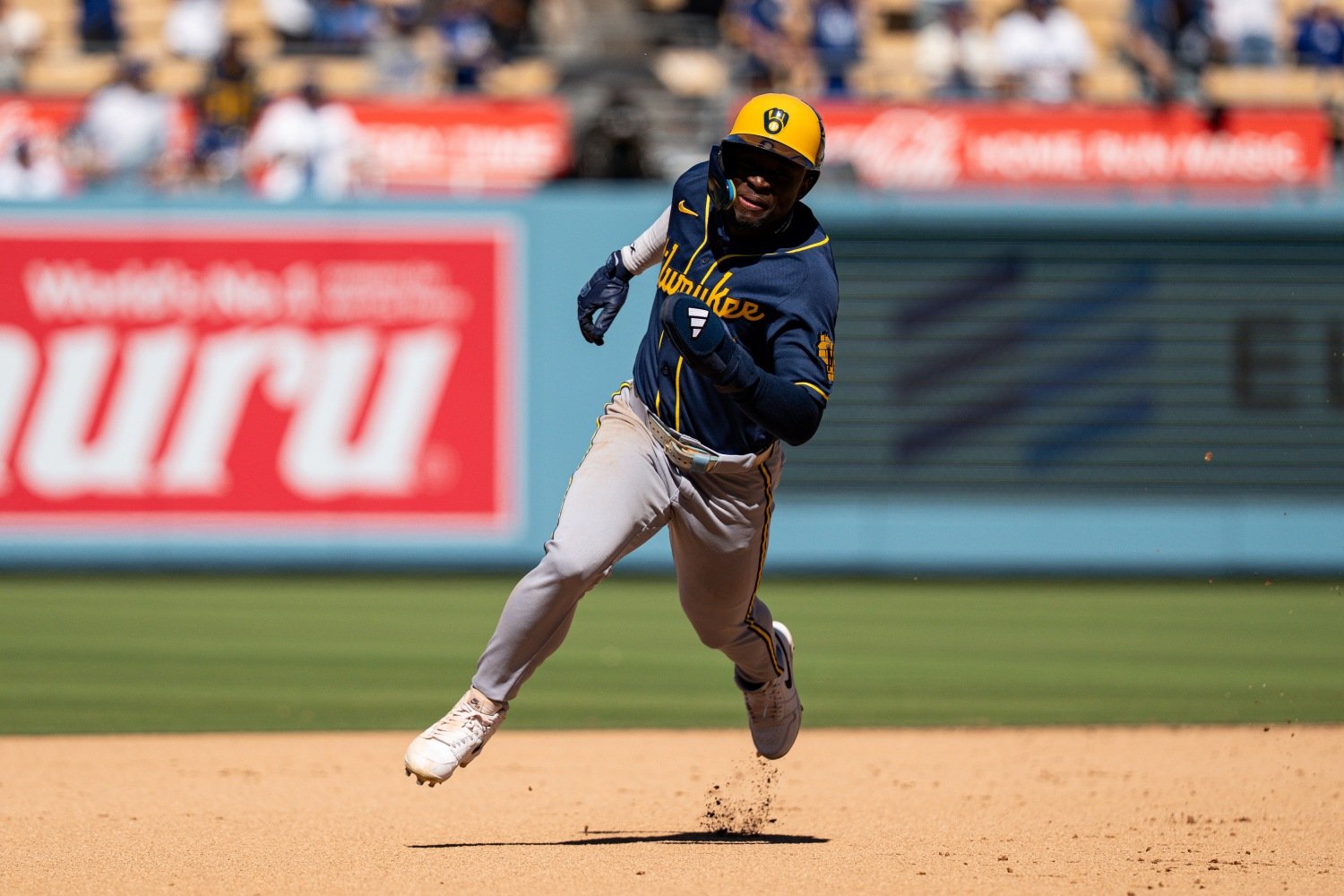 Earlier this season, I wrote about the way Cooper Pratt emerged from his shell after a few weeks in the major leagues. When he first got the call to the bigs, he maintained a very deep contact point and a patient approach. He didn't cut loose with his 'A' swing very often. He was there to provide steady defense at an important position and to be a low-ceiling, high-floor eighth or ninth batter on most days. Once he got to about 80 plate appearances, though, the Brewers allowed him to get more aggressive. This is a pattern you can watch unfold multiple times, as you sift through the slew of young players the team has promoted over the last few years. Joey Ortiz, Brice Turang, and Sal Frelick all went through similar apprenticeships, even after reaching the majors. Jackson Chourio's was a more chaotic first month or two, given that he was a 20-year-old rookie and one of the highest-ceiling prospects in team history, but the same essential principles applied. The Brewers believe a hitter needs time to learn how they'll be pitched in the majors, and what getting hits against that pitching requires. They want them to learn the situational aspects of hitting in that crucible, and to prioritize seeing the ball well and making good swing decisions. Once those hurdles are cleared, the team gives the player the green light to be their more assertive self. That process is still playing out with Luis Lara, even though he's come to bat 98 times since being recalled early last month. Lara is young, and he's small, and his calling card is defense, but that's not why the team has yet to take the training wheels off him. It's simpler than that. Lara is a switch-hitter, which means he's only come up 77 times as a lefty and 21 times as a righty. He's still earlier in that transitional phase than his raw numbers imply. Recently, that's put the player and the team in a tough spot. Frelick has been on the injured list. Christian Yelich is active, but he's clearly in decline. Turang has sputtered a bit and battled nagging injuries, and Pratt, Ortiz and David Hamilton have all been in and out of the lineup with injuries of varying severities. That's created a vacuum where the club's elite offensive production used to be. It would be great if Lara could step forward and fill a portion of it. As far as the Brewers are concerned, though, it's not worth asking their young outfielder to change what he's been doing since coming up. He's not yet having tremendous success, but his approach to date—that deep contact point, very little chase, very little swing-and-miss—fits the roadmap to success. One of the luxuries of being in control of your division, as the Brewers always seem to be, is the ability to keep telling a player like Lara to do what they've been doing—to stay dedicated to development. More than most good teams, the Brewers are willing to give up a run or a win now and then for the promise of a five-fold return on the investment two years later. Lara is in that place right now. That decision is made even easier right now, though, by the fact that Lara has two swings to maintain and two approaches to learn. With a cushion in the NL Central and the best record in the National League, the Crew have been able to eschew the potential to turn the youngster into a more dynamic (but more erratic) offensive presence. They're not ready, yet, to have him start attacking the ball more aggressively or changing what he's looking for. They want him to be the best version of himself next year and in 2028, and that means asking him not to risk too much in pursuit of being the best version of himself in 2026. Before the year is out, that will change. Lara will tap into a little more power and start contributing more to the lineup down the stretch. For now, though, despite the injuries and struggles afflicting the team, Milwaukee is still counseling their rookie to stay within himself and learn the ropes. They've earned the option to do so. Even if he never does fully click this season, they'll be ok—and they'll be better off next season, too, as they pursue what could be a fifth straight division crown.
 -
The Brewers Like Dustin May's Cutter a Lot, and With Good Reason
Matthew Trueblood posted an article in Brewers
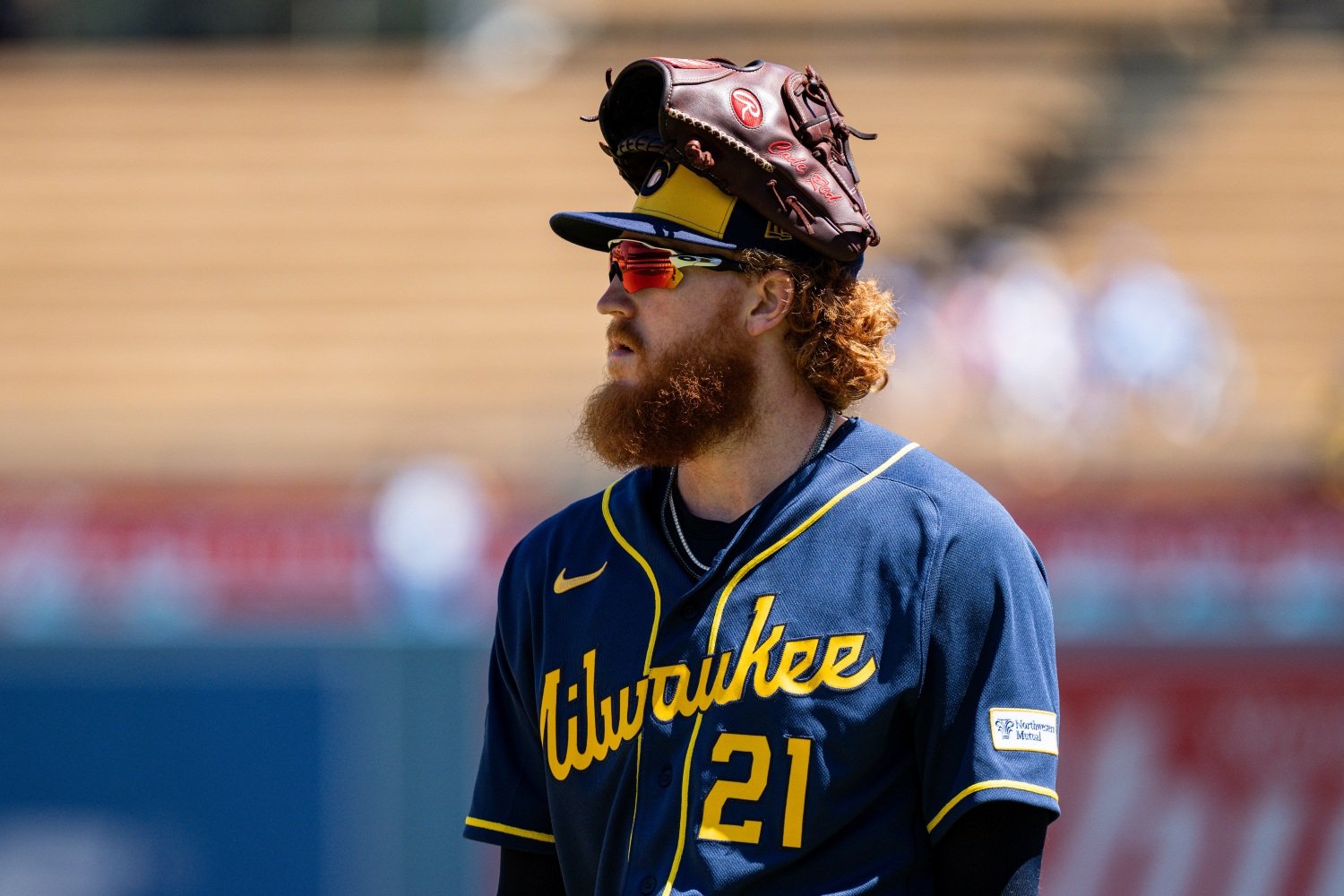 It's only been two starts, but the early returns suggest that the Brewers have a specific plan for Dustin May: throw your cutter more. No, more. No, even more than that. May, whom the team acquired just hours before the trade deadline on August 3, has allowed just 12 baserunners and three runs in 13 innings over his first two appearances for Milwaukee. The Crew prized him for the depth of his arsenal and his feel for moving the ball in all four directions, but while his best pitch (according to Baseball Prospectus's StuffPro) is his sweeper, it's the cutter the team has ratcheted up his usage of so far. As I often say, every pitcher is really two different creatures: one against same-handed batters and one against opposite-handed ones. For different reasons, the Brewers and May have elected to have him throw more cutters regardless of which type of batter he's facing, and the results speak for themselves. Let's drill down on their reasons for each change of gameplan. Against righties, May's exceptionally heavy sinker runs the show. During his stint with the Cardinals, however, he used that pitch to set up high four-seamers and sweepers that would run the opposite of the direction of his sinker. Since joining Milwaukee, the sinker has set the stage for the cutter, instead. It's a pitch May can keep on the plate and in the zone better, but as long as he executes each offering, the resulting contact is bound to be weak and harmless. Against lefties, the cutter was more prominent even while May pitched for St. Louis. His four-seamer and the cutter pair well to those batters. Since coming to Milwaukee, though, he's switched the roles of the two pitches. He's using the cutter as the primary offering, and then the four-seamer as the change of eye level. The Brewers do this more than almost any other team in the league: letting one of the more horizontal fastball shapes force hitters into a visual box, then throwing the four-seamer off that to make it harder to catch up to. The secret to both changes, though, is that May's cutter makes a better anchor pitch than most pitchers' do. Because of his size and extension, his relatively vanilla raw arm angle is more deceptive than the data initially suggests. That also changes what a hitter sees and expects out of his hand. According to Prospectus, batters are only likely to accurately identify the cutter 52.6% of the time. Meanwhile, the pitch his four-seamer and changeup are most frequently mistaken for is the cutter. May's ability to move the ball east and west, achieve depth on the breaking ball and find more carry on the four-seamer than most similar pitchers makes him an extremely high-upside addition to the starting rotation. His cutter is so firm (and his command of it to the glove-side edge of the plate is so good) that it sits neatly in the default position, allowing him to force both lefties and righties to cover a big strike zone and a wide variety of speeds and shapes by working off the cutter. Again, it's only been two starts. The matchups in his next two might dictate that May and whichever catcher is paired with him operate differently. So far, though, the returns on the Brewers' change to his pitch mix have been excellent. The team who most loves to attack with fastballs has a new hurler who thrives with three different flavors of fastball. It's a match made in heaven.
 -
Image courtesy of Jon Endow-Imagn Images It's only been two starts, but the early returns suggest that the Brewers have a specific plan for Dustin May: throw your cutter more. No, more. No, even more than that. May, whom the team acquired just hours before the trade deadline on August 3, has allowed just 12 baserunners and three runs in 13 innings over his first two appearances for Milwaukee. The Crew prized him for the depth of his arsenal and his feel for moving the ball in all four directions, but while his best pitch (according to Baseball Prospectus's StuffPro) is his sweeper, it's the cutter the team has ratcheted up his usage of so far. As I often say, every pitcher is really two different creatures: one against same-handed batters and one against opposite-handed ones. For different reasons, the Brewers and May have elected to have him throw more cutters regardless of which type of batter he's facing, and the results speak for themselves. Let's drill down on their reasons for each change of gameplan. Against righties, May's exceptionally heavy sinker runs the show. During his stint with the Cardinals, however, he used that pitch to set up high four-seamers and sweepers that would run the opposite of the direction of his sinker. Since joining Milwaukee, the sinker has set the stage for the cutter, instead. It's a pitch May can keep on the plate and in the zone better, but as long as he executes each offering, the resulting contact is bound to be weak and harmless. Against lefties, the cutter was more prominent even while May pitched for St. Louis. His four-seamer and the cutter pair well to those batters. Since coming to Milwaukee, though, he's switched the roles of the two pitches. He's using the cutter as the primary offering, and then the four-seamer as the change of eye level. The Brewers do this more than almost any other team in the league: letting one of the more horizontal fastball shapes force hitters into a visual box, then throwing the four-seamer off that to make it harder to catch up to. The secret to both changes, though, is that May's cutter makes a better anchor pitch than most pitchers' do. Because of his size and extension, his relatively vanilla raw arm angle is more deceptive than the data initially suggests. That also changes what a hitter sees and expects out of his hand. According to Prospectus, batters are only likely to accurately identify the cutter 52.6% of the time. Meanwhile, the pitch his four-seamer and changeup are most frequently mistaken for is the cutter. May's ability to move the ball east and west, achieve depth on the breaking ball and find more carry on the four-seamer than most similar pitchers makes him an extremely high-upside addition to the starting rotation. His cutter is so firm (and his command of it to the glove-side edge of the plate is so good) that it sits neatly in the default position, allowing him to force both lefties and righties to cover a big strike zone and a wide variety of speeds and shapes by working off the cutter. Again, it's only been two starts. The matchups in his next two might dictate that May and whichever catcher is paired with him operate differently. So far, though, the returns on the Brewers' change to his pitch mix have been excellent. The team who most loves to attack with fastballs has a new hurler who thrives with three different flavors of fastball. It's a match made in heaven. View full article
-
Could Brewers Issue Jake Bauers a Qualifying Offer This Fall?
Matthew Trueblood posted an article in Brewers
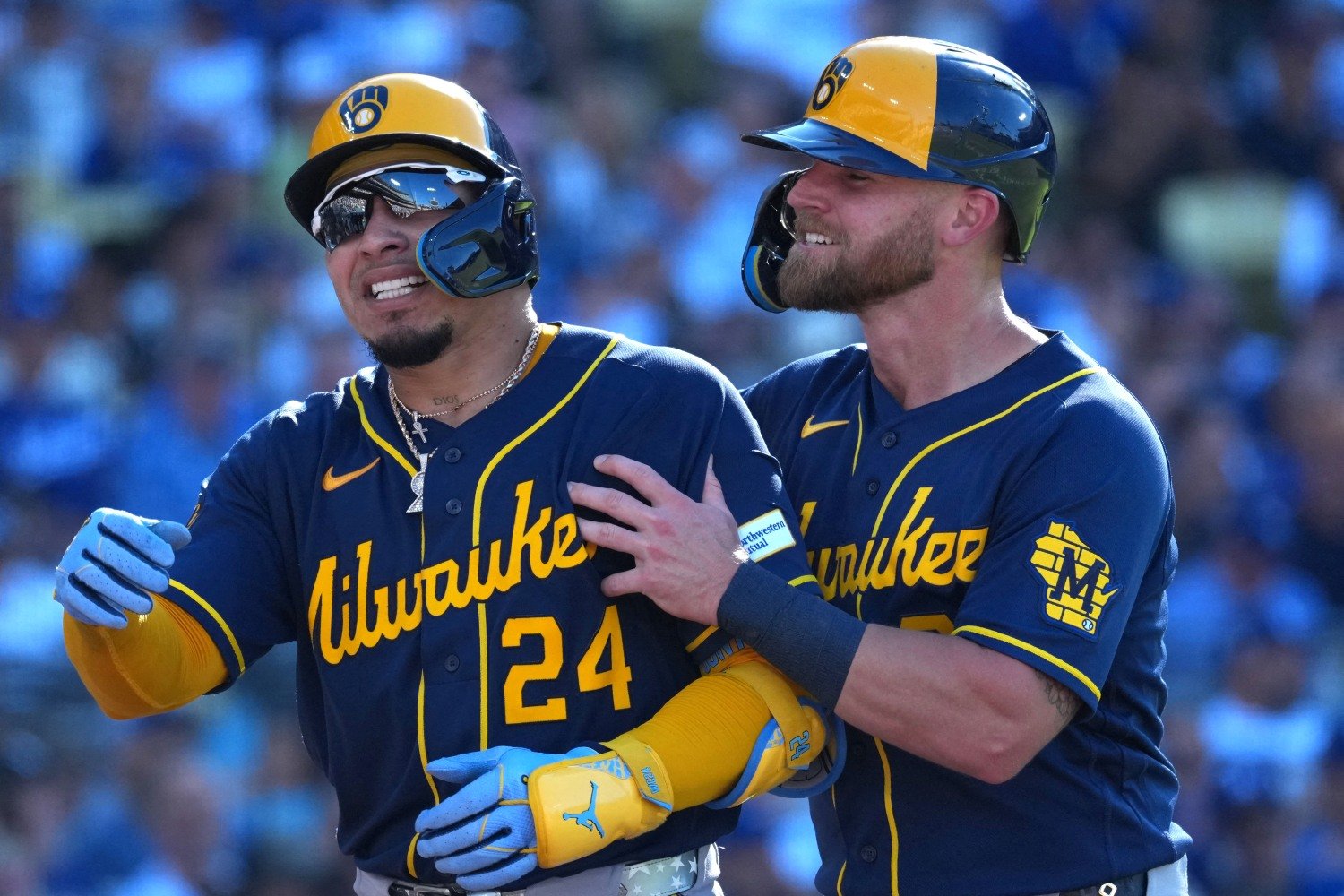 The Dodgers sent the best left-handed starting pitcher in baseball to the mound Sunday. For most of his career, Jake Bauers could plan on being on the bench on days like that. Instead, he was not only in the lineup, but on base all day, notching four hits in a convincing Brewers win. By the end of the contest, he was batting .275/.384/.500 for the season. He's already come to bat 448 times, hit 21 homers and drawn 65 walks, which are all career-highs. At age 30, he's hurtling toward a significant free-agent payday, just two years after being a castoff who had to limp back to the Brewers on a minor-league deal. Because Bauers has never been an in-demand free agent before, though, the Brewers will have one more chance to realize some value even when his contract expires at the end of this year's World Series. He's eligible to receive a qualifying offer, which is likely to be worth around $23 million for 2027. If the Brewers issue one (and if Bauers declines it), they could receive a significant draft pick as compensation when he signs elsewhere. It's rare that the Brewers elect to extend a qualifying offer to a departing free agent. Historically, they only do so with premium players whom they would earnestly love to keep, albeit only on terms the player is likely to exceed by shopping their services to the highest bidder. They issued QOs to Willy Adames after the 2024 campaign and to Brandon Woodruff last fall. Whenever there's a real question of whether to do so, though, they default to not doing it, because their budget makes a player earning that much a bit of a burden. For anyone other than a beloved cornerstone, it's hard to justify giving out over $20 million a year when the whole team will make less than $150 million. Bauers, then, will be an interesting test case. His production this season is as good or better than that of Pete Alonso last year, before he signed a lucrative five-year deal with the Orioles this winter—though Alonso didn't have the QO attached to him then, after having circled back to the Mets on a short-term deal with opt-outs included in the 2024-25 offseason when he did have that encumbrance. It's also better than that of Nick Castellanos, who signed a five-year deal with the Phillies after declining the Reds' QO in late 2021. Bauers is a better athlete than either Castellanos or Alonso, and isn't significantly older than they were when hitting free agency in those years. However, he doesn't have the same lengthy track record that both Alonso and Castellanos boasted at those times. From the player's perspective, this is a first (and likely only) chance to cash in at a high salary on a multi-year deal. Even if they produce the way Bauers has this year, few first basemen garner big offers or long-term commitments as they head toward their mid-30s. If the Brewers did extend Bauers a QO, he would face a dilemma. Taking the deal would probably mean eschewing a larger one. The Brewers, however, face their own dilemma. As much as they might trust and like Bauers, and as valuable as he has been this season, he'd have to be similarly brilliant next year to be worth $23 million in the context of their payroll. Should they gamble on either getting that great a return or having him turn down the offer, or should they simply wish him well and wave goodbye after the World Series? The big, lurking variable in that problem might be Andrew Vaughn—but not in the way you'd expect. Although his season has been rendered strange and frustrating by the broken hamate bone he suffered on Opening Day and Bauers usurping him in his absence, Vaughn is playing superbly again this year. He looks like a solid option at first base for 2027, should Bauers leave, and the Brewers do have one more year of club control over him. However, Vaughn is also making $7.65 million already this year, and despite the missed time, he figures to get near $10 million via arbitration if the team doesn't first trade or non-tender him in the second half of November. In Vaughn and Bauers, Milwaukee has two players who profile as great first basemen for 2027. Either would be an expensive solution, though, and keeping both probably isn't an option. That, oddly, frees the team up in its decision-making, because Bauers will hit free agency just after the World Series and they'll have to decide about the QO within days. Bauers himself will then have to decide whether to accept the offer over the ensuring fortnight, and all of that has to happen before the decision point comes on Vaughn's arbitration eligibility. The Brewers can (and should, barring some development between now and then that alters the state of play) extend a QO to Bauers, and then wait to see whether he accepts it or not. If he does, they can save whatever money they need to save by trading or non-tendering Vaughn. If he rejects the offer, they'll be in position to gain a draft pick when he signs elsewhere, and they can simply keep Vaughn. This fall will bring one last wave of value rippling out for the team, from the great achievements that were their trade for Vaughn and their work to help Bauers blossom this way. They just need the courage to extend the offer to Bauers, in order to redeem that final voucher.
 -
Image courtesy of Kirby Lee-Imagn Images The Dodgers sent the best left-handed starting pitcher in baseball to the mound Sunday. For most of his career, Jake Bauers could plan on being on the bench on days like that. Instead, he was not only in the lineup, but on base all day, notching four hits in a convincing Brewers win. By the end of the contest, he was batting .275/.384/.500 for the season. He's already come to bat 448 times, hit 21 homers and drawn 65 walks, which are all career-highs. At age 30, he's hurtling toward a significant free-agent payday, just two years after being a castoff who had to limp back to the Brewers on a minor-league deal. Because Bauers has never been an in-demand free agent before, though, the Brewers will have one more chance to realize some value even when his contract expires at the end of this year's World Series. He's eligible to receive a qualifying offer, which is likely to be worth around $23 million for 2027. If the Brewers issue one (and if Bauers declines it), they could receive a significant draft pick as compensation when he signs elsewhere. It's rare that the Brewers elect to extend a qualifying offer to a departing free agent. Historically, they only do so with premium players whom they would earnestly love to keep, albeit only on terms the player is likely to exceed by shopping their services to the highest bidder. They issued QOs to Willy Adames after the 2024 campaign and to Brandon Woodruff last fall. Whenever there's a real question of whether to do so, though, they default to not doing it, because their budget makes a player earning that much a bit of a burden. For anyone other than a beloved cornerstone, it's hard to justify giving out over $20 million a year when the whole team will make less than $150 million. Bauers, then, will be an interesting test case. His production this season is as good or better than that of Pete Alonso last year, before he signed a lucrative five-year deal with the Orioles this winter—though Alonso didn't have the QO attached to him then, after having circled back to the Mets on a short-term deal with opt-outs included in the 2024-25 offseason when he did have that encumbrance. It's also better than that of Nick Castellanos, who signed a five-year deal with the Phillies after declining the Reds' QO in late 2021. Bauers is a better athlete than either Castellanos or Alonso, and isn't significantly older than they were when hitting free agency in those years. However, he doesn't have the same lengthy track record that both Alonso and Castellanos boasted at those times. From the player's perspective, this is a first (and likely only) chance to cash in at a high salary on a multi-year deal. Even if they produce the way Bauers has this year, few first basemen garner big offers or long-term commitments as they head toward their mid-30s. If the Brewers did extend Bauers a QO, he would face a dilemma. Taking the deal would probably mean eschewing a larger one. The Brewers, however, face their own dilemma. As much as they might trust and like Bauers, and as valuable as he has been this season, he'd have to be similarly brilliant next year to be worth $23 million in the context of their payroll. Should they gamble on either getting that great a return or having him turn down the offer, or should they simply wish him well and wave goodbye after the World Series? The big, lurking variable in that problem might be Andrew Vaughn—but not in the way you'd expect. Although his season has been rendered strange and frustrating by the broken hamate bone he suffered on Opening Day and Bauers usurping him in his absence, Vaughn is playing superbly again this year. He looks like a solid option at first base for 2027, should Bauers leave, and the Brewers do have one more year of club control over him. However, Vaughn is also making $7.65 million already this year, and despite the missed time, he figures to get near $10 million via arbitration if the team doesn't first trade or non-tender him in the second half of November. In Vaughn and Bauers, Milwaukee has two players who profile as great first basemen for 2027. Either would be an expensive solution, though, and keeping both probably isn't an option. That, oddly, frees the team up in its decision-making, because Bauers will hit free agency just after the World Series and they'll have to decide about the QO within days. Bauers himself will then have to decide whether to accept the offer over the ensuring fortnight, and all of that has to happen before the decision point comes on Vaughn's arbitration eligibility. The Brewers can (and should, barring some development between now and then that alters the state of play) extend a QO to Bauers, and then wait to see whether he accepts it or not. If he does, they can save whatever money they need to save by trading or non-tendering Vaughn. If he rejects the offer, they'll be in position to gain a draft pick when he signs elsewhere, and they can simply keep Vaughn. This fall will bring one last wave of value rippling out for the team, from the great achievements that were their trade for Vaughn and their work to help Bauers blossom this way. They just need the courage to extend the offer to Bauers, in order to redeem that final voucher. View full article
-
Image courtesy of Jayne Kamin-Oncea-Imagn Images Where did that damn magic go? The Brewers—these Pat Murphy Brewers, who are some extension of the Craig Counsell version that emerged almost a decade ago but are a different thing, too; who are transcending what that team was and maybe what baseball teams themselves are—are supposed to have a durable magic that makes them unique. They hit with runners in scoring position. They string together gritty at-bats and line drives and bloopers. They drive you insane as they drive you, slowly, into the dirt. They beat you with timely hitting that no other team can produce as consistently. But suddenly, they couldn't produce it, either. The sweep in San Diego laid that bare. The Crew had 28 at-bats with runners in scoring position over three games, and collected just three hits. That's not even the half of it, though. It's been weeks of this: living life as a normal team. It sucks. It's hard. And it's been eroding their cushion in the NL Central. This team that has frequently felt like an exception to baseball's rigid rules of regression and sequencing and old-fashioned luck has been mortal, lately. Too many damn fastballs. It's the perpetual lament of Jack Stern and the bane of so many Brewers' fans existence. This team throws too many damn fastballs. They do it for good reasons. They're not bucking the prevailing trends of an ever-smarter league out of unbridled hubris. Still, it's a strategy that comes with costs, and sometimes, those costs are maddening. Sometimes, those costs feel avoidable and massive and far greater than the benefits. In the bottom of the sixth inning Thursday night, Antonio Senzatela and William Contreras decided to throw too many damn fastballs. Senzatela's cutter is about 5 MPH slower than his true heaters, a sinker and a four-seamer, and it works a bit like a slider. Throwing his cutter to Max Muncy wasn't such a terrible idea. But Contreras felt the pull back to the fastballs he loves to call, and he obeyed that pull too readily. When the cutter didn't go quite where Senzatela wanted it to, he tried to help his pitcher power his way out of trouble. A sixth straight hard pitch was plenty for Muncy. He got on time and launched a scoreboard-flipping three-run home run. It was too many damn fastballs, is all. A bad loss—a very, very bad loss. Another one. That's what this game was sure to be. After three losses in San Diego, this was going to be a fourth in a row. This team has kept winning, even while rendered mortal by their sudden lack of runners-in-scoring-position magic and even while throwing too many damn fastballs, but now, they're not winning. And those pesky Cubs won't stop coming. They lost Thursday in Washington, but they've been winning too much lately; they're closing the gap. This wouldn't just be any other bad loss. It would be one more lost opportunity for a much-needed turnaround win. Contreras was right back in the center of the frame. He's looking like the goat, even on a team that hasn't lost anything important and doesn't have to cast blame anywhere at the moment. The Dodgers' first run scored when Contreras tried to sweep a tag down on an incoming runner faster than the play required, and left the ball behind. Their other three scored when he wouldn't stop calling fastballs. And when he came up to lead off the ninth inning against Edwin Díaz, he did everything wrong. Of the three competitive pitches Díaz threw him, he swung at the one outside the zone and stared at the two that caught it. One up, one down. And then: magic. It all came rushing back, and, funny thing: it happened because Díaz threw too many damn fastballs. First, Joey Ortiz got one on the inner third and hit a line-drive single. It was just a spark, but you can't have fires without those. Next came David Hamilton, whom Díaz had right where he wanted him after he got a swing on a slider slicing in toward Hamilton's legs to get ahead 1-2. He tried another slider, but it was a bit less tempting, and Hamilton laid off. On the ensuing 2-2 offering, he went back to the fastball, and made another mistake. Another line drive; another single. A bit of real heat, now. Jackson Chourio has begun to show that locked-in understanding of the strike zone that was missing before. If he can hold onto that skill, he's headed for superstardom, after all. He didn't come up with a game-breaking long hit against Díaz, but he put together a great, gritty at-bat. Poor Díaz. He made mistakes to Ortiz and to Hamilton, but you're supposed to be able to get away with those against those guys. He executed superbly against Contreras, and other than missing the outside edge with a fastball on the fourth pitch, he executed everything against Chourio. Still, reaching out to protect the plate with two strikes, Chourio flipped a bloop single into right field, spoiling an out pitch of a slider. This is how the Brewers drive you crazy. Suddenly, the Brewers just needed one more hit to tie to the game. They just needed one more player to take a perfectly good pitch and ruin it. Garrett Mitchell did just that. Díaz hit the inside edge with a first-pitch fastball, but Mitchell knew that that would beget a biting slider headed down and in off the same plane on the next pitch. He got it, and he hit another line drive. Simple, but magical. It was time to get greedy. How back was the magic? Could the Crew actually take the lead? Dave Roberts tried to stop the bleeding by going to Alex Vesia and putting Jake Bauers in a left-on-left matchup. Maybe if Vesia had stuck to his own fastball, that would have worked. Unfortunately for the Dodgers, after getting ahead with two fastballs up and away, he got worried that Bauers would adjust and cover that pitch. He tried to get him out with a slider down. In fairness to Vesia, Bauers didn't hit a line drive. He didn't even dunk a blooper into the outfield. He hit the ball pretty much straight into the ground, but lo, it snuck through. Magic, made of line drives and bloopers. A few too many fastballs, but from the opponents this time. And after Trevor Megill slammed the door shut, Thursday night turned out to be a good win—a very, very good win. Another one. Every time you think what has made the Brewers unique is starting to falter, they flip the switch back on. Every time you think they might let up too much and get caught by the onrushing Cubs, they snatch an unexpected victory away in their last at-bat. Their resiliency might be their real magic, and unlike sequencing or batted-ball luck, it might be something they can sustain for a few more years. View full article
-
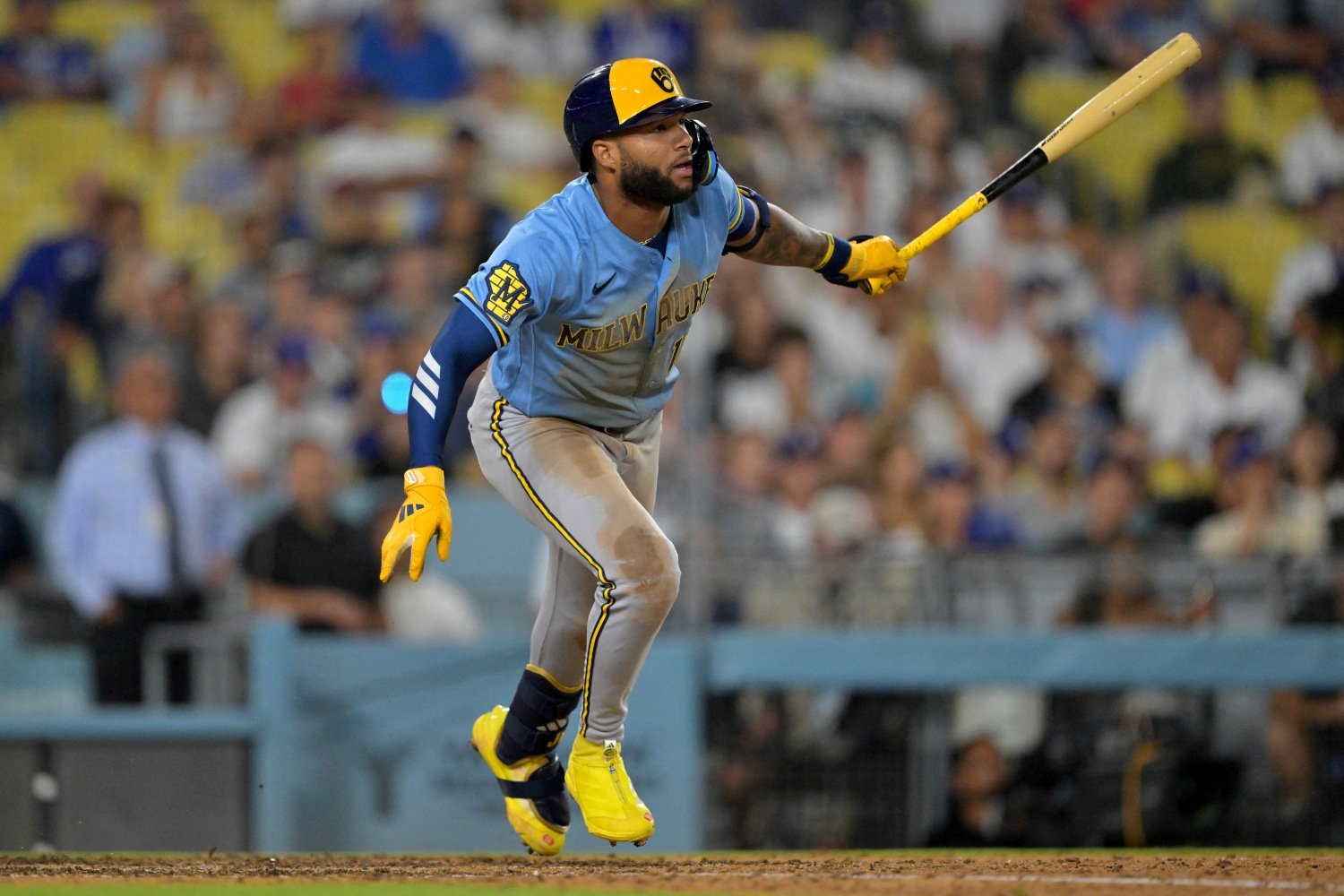 Where did that damn magic go? The Brewers—these Pat Murphy Brewers, who are some extension of the Craig Counsell version that emerged almost a decade ago but are a different thing, too; who are transcending what that team was and maybe what baseball teams themselves are—are supposed to have a durable magic that makes them unique. They hit with runners in scoring position. They string together gritty at-bats and line drives and bloopers. They drive you insane as they drive you, slowly, into the dirt. They beat you with timely hitting that no other team can produce as consistently. But suddenly, they couldn't produce it, either. The sweep in San Diego laid that bare. The Crew had 28 at-bats with runners in scoring position over three games, and collected just three hits. That's not even the half of it, though. It's been weeks of this: living life as a normal team. It sucks. It's hard. And it's been eroding their cushion in the NL Central. This team that has frequently felt like an exception to baseball's rigid rules of regression and sequencing and old-fashioned luck has been mortal, lately. Too many damn fastballs. It's the perpetual lament of Jack Stern and the bane of so many Brewers' fans existence. This team throws too many damn fastballs. They do it for good reasons. They're not bucking the prevailing trends of an ever-smarter league out of unbridled hubris. Still, it's a strategy that comes with costs, and sometimes, those costs are maddening. Sometimes, those costs feel avoidable and massive and far greater than the benefits. In the bottom of the sixth inning Thursday night, Antonio Senzatela and William Contreras decided to throw too many damn fastballs. Senzatela's cutter is about 5 MPH slower than his true heaters, a sinker and a four-seamer, and it works a bit like a slider. Throwing his cutter to Max Muncy wasn't such a terrible idea. But Contreras felt the pull back to the fastballs he loves to call, and he obeyed that pull too readily. When the cutter didn't go quite where Senzatela wanted it to, he tried to help his pitcher power his way out of trouble. A sixth straight hard pitch was plenty for Muncy. He got on time and launched a scoreboard-flipping three-run home run. It was too many damn fastballs, is all. A bad loss—a very, very bad loss. Another one. That's what this game was sure to be. After three losses in San Diego, this was going to be a fourth in a row. This team has kept winning, even while rendered mortal by their sudden lack of runners-in-scoring-position magic and even while throwing too many damn fastballs, but now, they're not winning. And those pesky Cubs won't stop coming. They lost Thursday in Washington, but they've been winning too much lately; they're closing the gap. This wouldn't just be any other bad loss. It would be one more lost opportunity for a much-needed turnaround win. Contreras was right back in the center of the frame. He's looking like the goat, even on a team that hasn't lost anything important and doesn't have to cast blame anywhere at the moment. The Dodgers' first run scored when Contreras tried to sweep a tag down on an incoming runner faster than the play required, and left the ball behind. Their other three scored when he wouldn't stop calling fastballs. And when he came up to lead off the ninth inning against Edwin Díaz, he did everything wrong. Of the three competitive pitches Díaz threw him, he swung at the one outside the zone and stared at the two that caught it. One up, one down. And then: magic. It all came rushing back, and, funny thing: it happened because Díaz threw too many damn fastballs. First, Joey Ortiz got one on the inner third and hit a line-drive single. It was just a spark, but you can't have fires without those. Next came David Hamilton, whom Díaz had right where he wanted him after he got a swing on a slider slicing in toward Hamilton's legs to get ahead 1-2. He tried another slider, but it was a bit less tempting, and Hamilton laid off. On the ensuing 2-2 offering, he went back to the fastball, and made another mistake. Another line drive; another single. A bit of real heat, now. Jackson Chourio has begun to show that locked-in understanding of the strike zone that was missing before. If he can hold onto that skill, he's headed for superstardom, after all. He didn't come up with a game-breaking long hit against Díaz, but he put together a great, gritty at-bat. Poor Díaz. He made mistakes to Ortiz and to Hamilton, but you're supposed to be able to get away with those against those guys. He executed superbly against Contreras, and other than missing the outside edge with a fastball on the fourth pitch, he executed everything against Chourio. Still, reaching out to protect the plate with two strikes, Chourio flipped a bloop single into right field, spoiling an out pitch of a slider. This is how the Brewers drive you crazy. Suddenly, the Brewers just needed one more hit to tie to the game. They just needed one more player to take a perfectly good pitch and ruin it. Garrett Mitchell did just that. Díaz hit the inside edge with a first-pitch fastball, but Mitchell knew that that would beget a biting slider headed down and in off the same plane on the next pitch. He got it, and he hit another line drive. Simple, but magical. It was time to get greedy. How back was the magic? Could the Crew actually take the lead? Dave Roberts tried to stop the bleeding by going to Alex Vesia and putting Jake Bauers in a left-on-left matchup. Maybe if Vesia had stuck to his own fastball, that would have worked. Unfortunately for the Dodgers, after getting ahead with two fastballs up and away, he got worried that Bauers would adjust and cover that pitch. He tried to get him out with a slider down. In fairness to Vesia, Bauers didn't hit a line drive. He didn't even dunk a blooper into the outfield. He hit the ball pretty much straight into the ground, but lo, it snuck through. Magic, made of line drives and bloopers. A few too many fastballs, but from the opponents this time. And after Trevor Megill slammed the door shut, Thursday night turned out to be a good win—a very, very good win. Another one. Every time you think what has made the Brewers unique is starting to falter, they flip the switch back on. Every time you think they might let up too much and get caught by the onrushing Cubs, they snatch an unexpected victory away in their last at-bat. Their resiliency might be their real magic, and unlike sequencing or batted-ball luck, it might be something they can sustain for a few more years.
- 2 comments
-
- 2
-

-

-
- jackson chourio
- william contreras
- (and 5 more)
-
Brewers Acquire Right-Handed Reliever Antonio Senzatela from Rockies
Matthew Trueblood posted an article in Brewers
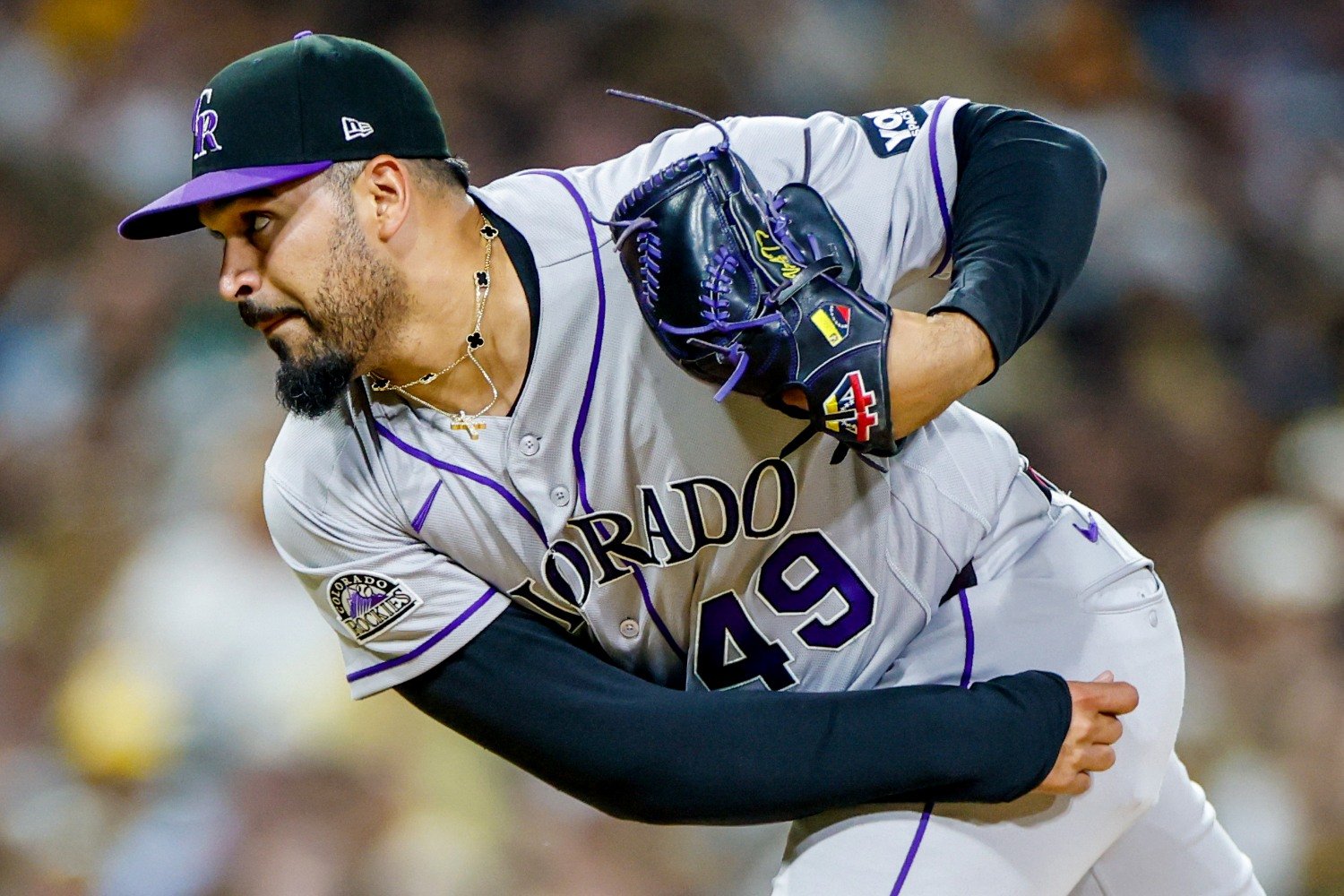 Acquiring talented reliever Nick Mears from the Rockies two years ago didn't pan out exactly as the Brewers hoped. Undeterred, however, they're back in business with the new Rockies front office. They're set to acquire right-handed reliever Antonio Senzatela, according to Ken Rosenthal of The Athletic. Senzatela, 31, is in the final guaranteed season of an extension he signed with the Rockies years ago, when he was a starting pitcher and looked like the co-anchor of the team's young rotation. After injuries and the ravages of pitching at elevation took a long and heavy toll, however, he moved to the bullpen this season. That's been an extremely successful transition. Working in multi-inning relief, Senzatela has missed bats at an acceptable (though below-average) rate for the first time in his career, and continues to fill up the zone. A power cutter has turned him into an effective hurler in short bursts; he's running a 3.61 ERA. Owed $12 million this year (and thus, just under $4 million for what's left of it), Senzatela also has a $14-million club option in his deal for 2027. If this acquisition pans out as hoped, the Brewers will have the chance to bring him back next season—albeit at a very high price for a pitcher of his caliber. In all likelihood, this is a rental, but he gives the team an extra dose of bullpen depth and the ability to get more than three outs at a time when the situation demands it. In exchange for the veteran righty, Milwaukee is sending two low-level prospects to Colorado. The price tag here is much lower than with the package deal for Dustin May and JoJo Romero earlier today.
 -
Image courtesy of David Frerker-Imagn Images Acquiring talented reliever Nick Mears from the Rockies two years ago didn't pan out exactly as the Brewers hoped. Undeterred, however, they're back in business with the new Rockies front office. They're set to acquire right-handed reliever Antonio Senzatela, according to Ken Rosenthal of The Athletic. Senzatela, 31, is in the final guaranteed season of an extension he signed with the Rockies years ago, when he was a starting pitcher and looked like the co-anchor of the team's young rotation. After injuries and the ravages of pitching at elevation took a long and heavy toll, however, he moved to the bullpen this season. That's been an extremely successful transition. Working in multi-inning relief, Senzatela has missed bats at an acceptable (though below-average) rate for the first time in his career, and continues to fill up the zone. A power cutter has turned him into an effective hurler in short bursts; he's running a 3.61 ERA. Owed $12 million this year (and thus, just under $4 million for what's left of it), Senzatela also has a $14-million club option in his deal for 2027. If this acquisition pans out as hoped, the Brewers will have the chance to bring him back next season—albeit at a very high price for a pitcher of his caliber. In all likelihood, this is a rental, but he gives the team an extra dose of bullpen depth and the ability to get more than three outs at a time when the situation demands it. In exchange for the veteran righty, Milwaukee is sending two low-level prospects to Colorado. The price tag here is much lower than with the package deal for Dustin May and JoJo Romero earlier today. View full article
-
....... why did you do any of that? And CRUCIALLY, why did you tell us?
-
I receive that well, indeed! Yeah, you can't get much for them, but some lower-wattage version of the Yoho-Naylor deal is possible. Refresh those roster spots, add someone you might actually trust to contribute in October.
- 6 replies
-
- 1
-
-
- 2026 trade deadline
- trevor rogers
- (and 5 more)
-
What and Whom Brewers Will Target on MLB Trade Deadline Day
Matthew Trueblood posted an article in Brewers
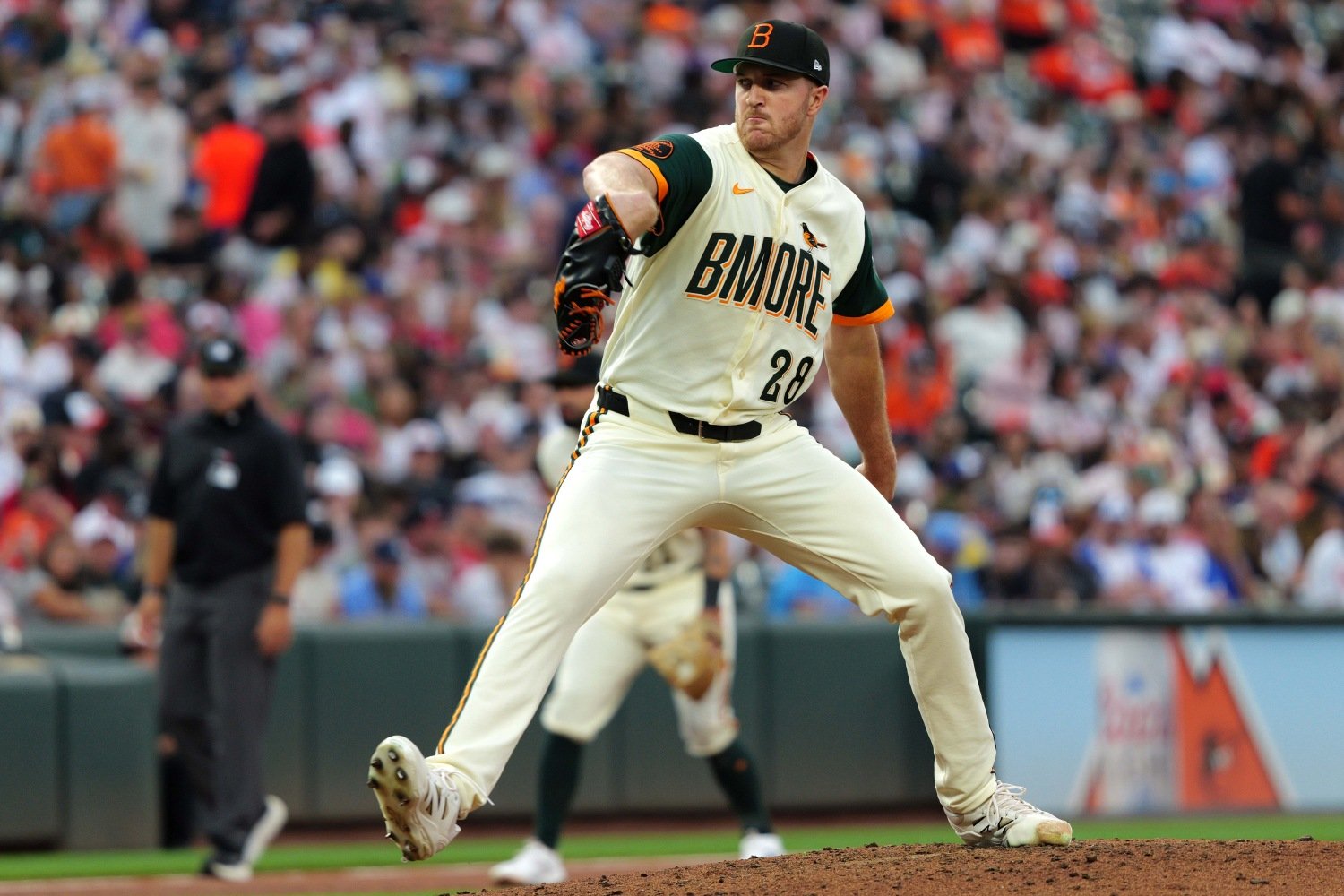 The Brewers don't generally fish where the boats and the birds cluster. They prefer to find the quiet spot no one knows about and haul in a fish that thought itself safe via removal from the hubbub. This year, they made a minor exception by wading into the river at its busiest juncture, discussing mega-ace Tarik Skubal with the Tigers—but they found those waters too deep and retreated to safe ground. Now, with just hours before the MLB trade deadline at 5 PM CT, they're back to trawling their practically private waters. Milwaukee never seriously pursued Freddy Peralta, a club source said. The organization respects and admires Peralta but worried that resetting him after a counterproductive stint in Queens would prove too difficult to get right on the fly, even (or perhaps especially) because of their familiarity with him. Nor were they players for Kevin Gausman, whom the Cubs acquired Sunday night. In terms of budget, team control and profile, the fit wasn't right. The team still has lots of lines in the water, though. They're engaged with teams about some players who have flown under the radar this week, and on at least one hurler whose name has garnered headlines and gossip aplenty. Here's a rundown of a few names they've explored. Trevor Rogers Milwaukee would prefer to add a starter with long-term team control, and we'll talk about a couple of pitchers who fit that criterion shortly. One rental arm who does have their attention is Rogers. His season-level numbers hide significant upside. Last year, Rogers posted a sub-2.00 ERA in half a season of work. This year, after a rocky start related to an illness that sidelined him for about three weeks and left him weak afterward, he's been similarly dominant, with a 2.21 ERA over his last 10 starts. Rogers's stuff profile and delivery suit Milwaukee's predilections, too. Arguably, he's the best rental starter left on the market, and the Brewers have interest. Tyler Phillips At first blush, one might wonder why Phillips would even be available. He's a late bloomer, pitching just his second full season in the majors at age 28. Until late May, he held on with the Marlins as a reliever; he's made just a dozen starts since they moved him to the rotation. They should probably retain him and try to complete his impressive emergence as a useful starter. Phillips is out of options, though, and Miami is willing to talk about him, a source said. That's all the opening the Brewers need, because Phillips checks a lot of boxes for them. He throws from a low slot and shows feel for moving the ball in both directions. He gets great extension toward the plate and throws 96 miles per hour. If the Marlins' price tag on him fairly reflects the fact that his four years of remaining team control will be mitigated a bit by his roster status and profile, he could be a perfect target for the Crew. Ryan Feltner Evaluating pitchers who spend half their time pitching at Coors Field is always challenging; the Brewers like to take advantage of that uncertainty when they can. Two years ago, they swooped in and scooped up Nick Mears in a deal with Colorado. The Rockies' front office has gotten smarter since then, but they're also more realistic about their prospects and the need to look toward the future than they used to be. That could be building the perfect storm for Milwaukee to acquire a starter with two more years of team control, who has flashed frontline upside when he's been healthy over the last few years. Already 29 and with just two more years of team control, Feltner doesn't feel like a high-ceiling target. His stuff rates poorly on models that struggle to account for the effects of working at elevation; there are also things the Brewers would truly want to tweak. But Feltner has one more year of optionability (usable either this season or next), and there are enough markers to tantalize the Brewers, a source familiar with the team's thinking said. Caleb Ferguson Now, let's talk about a couple of left-handed relievers in whom the team has shown interest. Ferguson is the simple kind of target. He's on a one-year, $4.5-million deal with the Reds, so he'd strictly be a rental. He has a three-fastball mix and a fairly forgettable curveball. He gets ground balls and does a lot of things (spotting his sinker to the glove side against fellow lefties; using his fastball variants to induce weak contact) the Brewers like. He'd be a low-friction addition to take some pressure off of Aaron Ashby and the rest of the left-handed relief options down the stretch. Daniel Lynch IV This acquisition wouldn't be quite as simple as Ferguson could be. Lynch is still under team control for two more seasons after 2026, and he has one option year remaining, giving the Royals some flexibility. He does several things the Brewers like with his fastballs, though, and shows good feel for his breaking balls, even though he's constrained by a bias toward pronation and doesn't achieve much sweep or depth on those offerings. His sinker and changeup get grounders, and he shows a converted starter's command and control. Milwaukee is ready to get hurt again, if they must, after dealing for fellow Royals lefty Ángel Zerpa over the winter and watching him go down with a torn UCL. Lynch is a fit for them in both the short and the medium term. Luke Weaver The five names above all represent some level of potential creativity on the Brewers' part. Weaver is the straightforward alternative to all of that. He's under contract for 2027 and will be expensive, both financially and in terms of prospect capital. However, he's regarded as one of the three best relievers likely to move at this deadline, and he suits the Brewers better than either of the other two. The team has discussed Weaver with the Mets, a source briefed on the talks said. They could land him with the idea of mixing him in with Trevor Megill and Abner Uribe this fall, then move one of the three (Megill being the most likely) this winter in a trade to recapture almost all the value they surrender this summer. In the meantime, they'd once again have a bullpen that would be the envy of the National League playoff bracket. Obviously, this is not an exhaustive list of pitchers the Brewers are pursuing. They still have a lot of options, and they're exploring them aggressively. Keep these six names in mind, though, and understand that each represents a tier or a flavor of addition that the team is interested in—even if they ultimately secure a different specific player. One way or another, they should make a significant move on Monday. These are each candidates to be that move.
- 6 comments
-
- 2
-
-
- 2026 trade deadline
- trevor rogers
- (and 5 more)
-
Image courtesy of Mitch Stringer-Imagn Images The Brewers don't generally fish where the boats and the birds cluster. They prefer to find the quiet spot no one knows about and haul in a fish that thought itself safe via removal from the hubbub. This year, they made a minor exception by wading into the river at its busiest juncture, discussing mega-ace Tarik Skubal with the Tigers—but they found those waters too deep and retreated to safe ground. Now, with just hours before the MLB trade deadline at 5 PM CT, they're back to trawling their practically private waters. Milwaukee never seriously pursued Freddy Peralta, a club source said. The organization respects and admires Peralta but worried that resetting him after a counterproductive stint in Queens would prove too difficult to get right on the fly, even (or perhaps especially) because of their familiarity with him. Nor were they players for Kevin Gausman, whom the Cubs acquired Sunday night. In terms of budget, team control and profile, the fit wasn't right. The team still has lots of lines in the water, though. They're engaged with teams about some players who have flown under the radar this week, and on at least one hurler whose name has garnered headlines and gossip aplenty. Here's a rundown of a few names they've explored. Trevor Rogers Milwaukee would prefer to add a starter with long-term team control, and we'll talk about a couple of pitchers who fit that criterion shortly. One rental arm who does have their attention is Rogers. His season-level numbers hide significant upside. Last year, Rogers posted a sub-2.00 ERA in half a season of work. This year, after a rocky start related to an illness that sidelined him for about three weeks and left him weak afterward, he's been similarly dominant, with a 2.21 ERA over his last 10 starts. Rogers's stuff profile and delivery suit Milwaukee's predilections, too. Arguably, he's the best rental starter left on the market, and the Brewers have interest. Tyler Phillips At first blush, one might wonder why Phillips would even be available. He's a late bloomer, pitching just his second full season in the majors at age 28. Until late May, he held on with the Marlins as a reliever; he's made just a dozen starts since they moved him to the rotation. They should probably retain him and try to complete his impressive emergence as a useful starter. Phillips is out of options, though, and Miami is willing to talk about him, a source said. That's all the opening the Brewers need, because Phillips checks a lot of boxes for them. He throws from a low slot and shows feel for moving the ball in both directions. He gets great extension toward the plate and throws 96 miles per hour. If the Marlins' price tag on him fairly reflects the fact that his four years of remaining team control will be mitigated a bit by his roster status and profile, he could be a perfect target for the Crew. Ryan Feltner Evaluating pitchers who spend half their time pitching at Coors Field is always challenging; the Brewers like to take advantage of that uncertainty when they can. Two years ago, they swooped in and scooped up Nick Mears in a deal with Colorado. The Rockies' front office has gotten smarter since then, but they're also more realistic about their prospects and the need to look toward the future than they used to be. That could be building the perfect storm for Milwaukee to acquire a starter with two more years of team control, who has flashed frontline upside when he's been healthy over the last few years. Already 29 and with just two more years of team control, Feltner doesn't feel like a high-ceiling target. His stuff rates poorly on models that struggle to account for the effects of working at elevation; there are also things the Brewers would truly want to tweak. But Feltner has one more year of optionability (usable either this season or next), and there are enough markers to tantalize the Brewers, a source familiar with the team's thinking said. Caleb Ferguson Now, let's talk about a couple of left-handed relievers in whom the team has shown interest. Ferguson is the simple kind of target. He's on a one-year, $4.5-million deal with the Reds, so he'd strictly be a rental. He has a three-fastball mix and a fairly forgettable curveball. He gets ground balls and does a lot of things (spotting his sinker to the glove side against fellow lefties; using his fastball variants to induce weak contact) the Brewers like. He'd be a low-friction addition to take some pressure off of Aaron Ashby and the rest of the left-handed relief options down the stretch. Daniel Lynch IV This acquisition wouldn't be quite as simple as Ferguson could be. Lynch is still under team control for two more seasons after 2026, and he has one option year remaining, giving the Royals some flexibility. He does several things the Brewers like with his fastballs, though, and shows good feel for his breaking balls, even though he's constrained by a bias toward pronation and doesn't achieve much sweep or depth on those offerings. His sinker and changeup get grounders, and he shows a converted starter's command and control. Milwaukee is ready to get hurt again, if they must, after dealing for fellow Royals lefty Ángel Zerpa over the winter and watching him go down with a torn UCL. Lynch is a fit for them in both the short and the medium term. Luke Weaver The five names above all represent some level of potential creativity on the Brewers' part. Weaver is the straightforward alternative to all of that. He's under contract for 2027 and will be expensive, both financially and in terms of prospect capital. However, he's regarded as one of the three best relievers likely to move at this deadline, and he suits the Brewers better than either of the other two. The team has discussed Weaver with the Mets, a source briefed on the talks said. They could land him with the idea of mixing him in with Trevor Megill and Abner Uribe this fall, then move one of the three (Megill being the most likely) this winter in a trade to recapture almost all the value they surrender this summer. In the meantime, they'd once again have a bullpen that would be the envy of the National League playoff bracket. Obviously, this is not an exhaustive list of pitchers the Brewers are pursuing. They still have a lot of options, and they're exploring them aggressively. Keep these six names in mind, though, and understand that each represents a tier or a flavor of addition that the team is interested in—even if they ultimately secure a different specific player. One way or another, they should make a significant move on Monday. These are each candidates to be that move. View full article
- 6 replies
-
- 1
-
-
- 2026 trade deadline
- trevor rogers
- (and 5 more)
-
We don't have to do hypothetical spitballing here, man. I am telling you what the Tigers *actually asked the Brewers for*. You don't like the price! Neither did the Brewers! That's why Skubal's a Dodger! This happens every time there's a big trade; the temptation is to insist on a certain parallel-making and on an objective reality that anchors that exercise. That doesn't exist. These players aren't available on a transparent market to be exchanged for currency with an agreed-upon worth; that's free agency. In trades, how each team evaluates each player under consideration is really all that matters. The Tigers were never going to take anything remotely akin to Payne (or Adamczewski) plus Crow and Knoth or Renz. I'm sorry, folks. That wasn't an option.
- 56 replies
-
- 9
-
-
- 2026 trade deadline
- tarik skubal
- (and 5 more)
-
Nahh. Hope might or might not really pan out, but the industry (and certainly the Tigers) considers him a legit high-end prospect. He's two tiers above Adamczewski; Detroit would not have accepted Adamczewski as the centerpiece of a deal. That's not a guarantee that Adamczewski won't be better than Hope; I think you and I can both imagine that outcome. But the market was never going to and does not value Adamczewski as highly as Hope, or even especially close. Just file this away, because in a few years, if Adamczewski pans out because of how good the Brewers' hitting dev is and Hope wobbles, you'll be extra pleased that they didn't make this move. FWIW, from what I heard, Tigers wanted to start with Peña and get either Henderson or two other arms instead, including Tyson Hardin. I would not have made that deal, if I were Matt Arnold.
- 56 replies
-
- 5
-
-
- 2026 trade deadline
- tarik skubal
- (and 5 more)
-
How Brewers Can Respond After Dodgers Trade for Tarik Skubal
Matthew Trueblood posted an article in Brewers
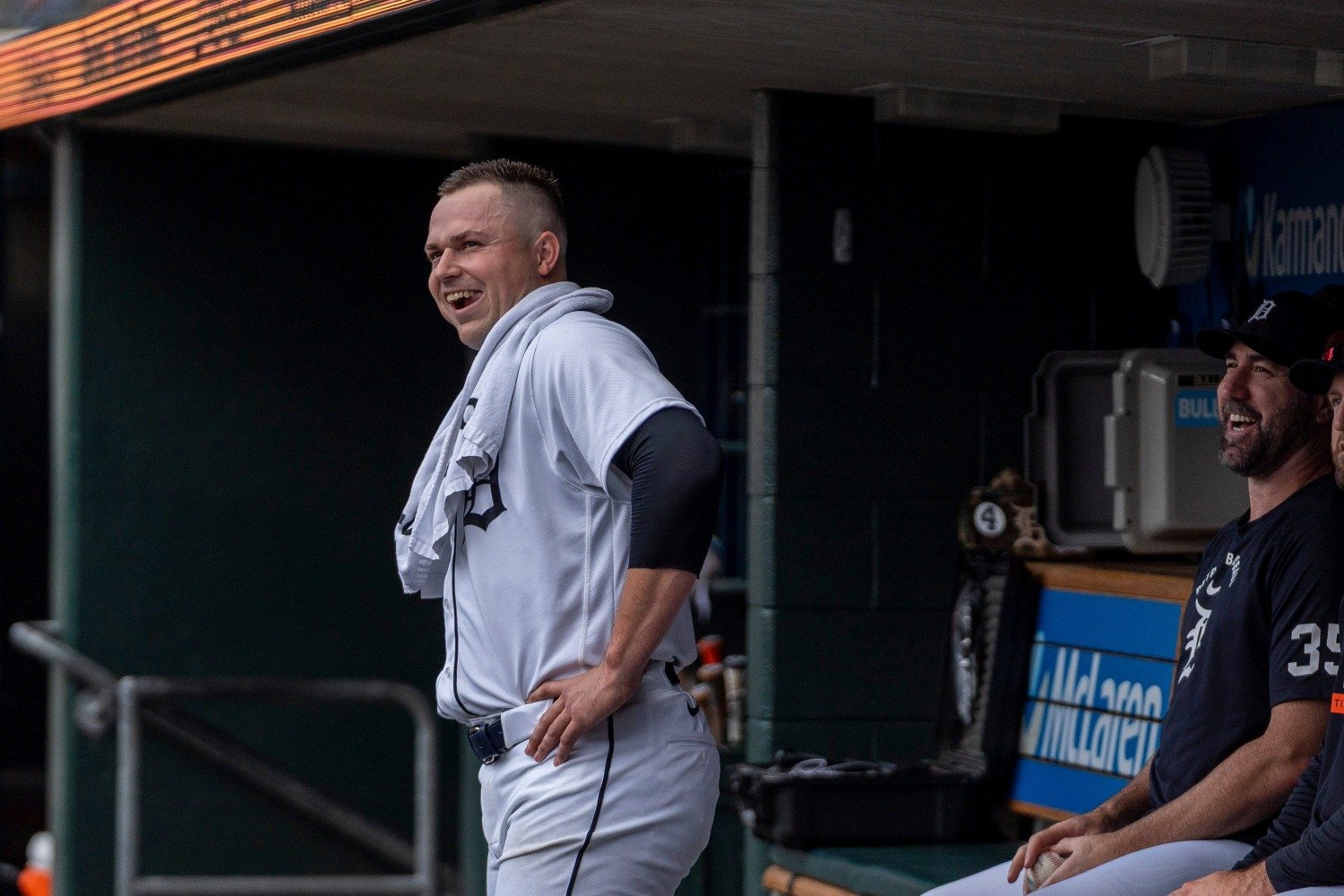 Beating the Dodgers isn't necessarily the Brewers' job. It's taken for granted, in many circles, that the Brewers will eventually have to go through Los Angeles in October to reach the World Series for the first time since 1982, but in reality, someone else will get a crack at that team first. For fans, players and the front office, it would be unhealthy, unproductive and inefficient to spend time obsessing over the Dodgers. The Brewers have their own work to do, and it shouldn't be a response to the Dodgers'. That's much easier to say than it is to live out, though, on the morning after Tarik Skubal landed with the sport's most successful dynasty since the turn of the 21st century. President of baseball operations Andrew Friedman pushed his chips to the center of the table to haul in Skubal from the forgettable Tigers, as he attempts to secure Los Angeles's third straight World Series title. The Brewers had been in on Skubal, a source familiar with the discussions said, but they always knew the Dodgers were the favorites. As such, Brewers president of baseball ops Matt Arnold has been planning his pivot for some time. Though he's an impending free agent, Skubal was priced like a controllable one; that's one reason why the Brewers were never likely to land him. The package the Tigers received in exchange for Skubal is far richer than what any other pitcher headed for the market this fall will command, so the Brewers could choose to focus on one of those hurlers to keep acquisition costs down. They've talked to the Tigers about Casey Mize, the former No. 1 overall pick and another impending free agent, though the fit between what Mize does and what the Brewers like is imperfect. Arnold and Cardinals president of baseball operations Chaim Bloom have known each other for 20 years, which provides the kind of foundation required to pull off intradivisional trades in July. St. Louis is likely to deal Dustin May, and the Brewers have checked in there, too. May suits the Crew's pitching predilections neatly, too: good velocity, good extension, three fastballs, and so on. Milwaukee has also talked to the Giants about both Tyler Mahle and Robbie Ray. Of the two, Ray comes with the higher price tag, but is also pitching better this season. The Brewers have talked internally about starters they could acquire to work in the back half of the rotation down the stretch, before moving to the bullpen in October. Ray would be a good candidate for that, and has done a version of it before. The final dual option for Milwaukee on the rental starter front could be the Mets, who have both Freddy Peralta and Clay Holmes on the market. Holmes is still rehabbing from a broken leg, but his profile is extremely similar to that of Quinn Priester. Needless to say, the Brewers are intrigued by that. A reunion with Peralta would be a joyous occasion for the team, but it might also be fraught; there's worry within the organization about the emotional toll it might take on all parties if Peralta's rough season continues after a would-be triumphant return. As always, though, the team remains open-minded and interested in making bigger moves, if the right opportunity is there. Milwaukee has talked to the Rockies about starter Ryan Feltner, who has two more years of team control after 2026 and is having a strong season. Feltner, 29, has an extremely strange arsenal, with relative cut on his four-seam fastball and his changeup and an erratic but dastardly sinker-slider combination. He won't be cheap, but Feltner is one medium-term acquisition who could be a level-booster for the Milwaukee rotation. Beyond those names, what Arnold might come up with is anyone's guess. The Brewers have not been frontrunners for Reid Detmers of the Angels, but José Soriano is "up their alley" and the team has checked in with interim Angels GM John Mozeliak about a number of players, a source said. Adding a starter remains an important box on the to-do checklist, but the team is also focused on deepending their stable to high-leverage relievers. That could lead them back to the Mets and Luke Weaver; it could also mean pursuing Orioles righty Tyler Wells. Skubal was never in the cards for Milwaukee. It was a nice idea, given their competitive position and how great he is, but the value Detroit demanded in return—and eventually got, from a team closer to the end of its championship window than the Brewers are—was more than he would have been worth to the Crew. Arnold has less than 36 hours to respond, but he's not in a direct arms race with Friedman. He just needs to help a great team get to October with its legs underneath it.
- 56 comments
-
- 3
-
-
- 2026 trade deadline
- tarik skubal
- (and 5 more)
-
Image courtesy of USA TODAY Network via Reuters Connect Beating the Dodgers isn't necessarily the Brewers' job. It's taken for granted, in many circles, that the Brewers will eventually have to go through Los Angeles in October to reach the World Series for the first time since 1982, but in reality, someone else will get a crack at that team first. For fans, players and the front office, it would be unhealthy, unproductive and inefficient to spend time obsessing over the Dodgers. The Brewers have their own work to do, and it shouldn't be a response to the Dodgers'. That's much easier to say than it is to live out, though, on the morning after Tarik Skubal landed with the sport's most successful dynasty since the turn of the 21st century. President of baseball operations Andrew Friedman pushed his chips to the center of the table to haul in Skubal from the forgettable Tigers, as he attempts to secure Los Angeles's third straight World Series title. The Brewers had been in on Skubal, a source familiar with the discussions said, but they always knew the Dodgers were the favorites. As such, Brewers president of baseball ops Matt Arnold has been planning his pivot for some time. Though he's an impending free agent, Skubal was priced like a controllable one; that's one reason why the Brewers were never likely to land him. The package the Tigers received in exchange for Skubal is far richer than what any other pitcher headed for the market this fall will command, so the Brewers could choose to focus on one of those hurlers to keep acquisition costs down. They've talked to the Tigers about Casey Mize, the former No. 1 overall pick and another impending free agent, though the fit between what Mize does and what the Brewers like is imperfect. Arnold and Cardinals president of baseball operations Chaim Bloom have known each other for 20 years, which provides the kind of foundation required to pull off intradivisional trades in July. St. Louis is likely to deal Dustin May, and the Brewers have checked in there, too. May suits the Crew's pitching predilections neatly, too: good velocity, good extension, three fastballs, and so on. Milwaukee has also talked to the Giants about both Tyler Mahle and Robbie Ray. Of the two, Ray comes with the higher price tag, but is also pitching better this season. The Brewers have talked internally about starters they could acquire to work in the back half of the rotation down the stretch, before moving to the bullpen in October. Ray would be a good candidate for that, and has done a version of it before. The final dual option for Milwaukee on the rental starter front could be the Mets, who have both Freddy Peralta and Clay Holmes on the market. Holmes is still rehabbing from a broken leg, but his profile is extremely similar to that of Quinn Priester. Needless to say, the Brewers are intrigued by that. A reunion with Peralta would be a joyous occasion for the team, but it might also be fraught; there's worry within the organization about the emotional toll it might take on all parties if Peralta's rough season continues after a would-be triumphant return. As always, though, the team remains open-minded and interested in making bigger moves, if the right opportunity is there. Milwaukee has talked to the Rockies about starter Ryan Feltner, who has two more years of team control after 2026 and is having a strong season. Feltner, 29, has an extremely strange arsenal, with relative cut on his four-seam fastball and his changeup and an erratic but dastardly sinker-slider combination. He won't be cheap, but Feltner is one medium-term acquisition who could be a level-booster for the Milwaukee rotation. Beyond those names, what Arnold might come up with is anyone's guess. The Brewers have not been frontrunners for Reid Detmers of the Angels, but José Soriano is "up their alley" and the team has checked in with interim Angels GM John Mozeliak about a number of players, a source said. Adding a starter remains an important box on the to-do checklist, but the team is also focused on deepending their stable to high-leverage relievers. That could lead them back to the Mets and Luke Weaver; it could also mean pursuing Orioles righty Tyler Wells. Skubal was never in the cards for Milwaukee. It was a nice idea, given their competitive position and how great he is, but the value Detroit demanded in return—and eventually got, from a team closer to the end of its championship window than the Brewers are—was more than he would have been worth to the Crew. Arnold has less than 36 hours to respond, but he's not in a direct arms race with Friedman. He just needs to help a great team get to October with its legs underneath it. View full article
-
Image courtesy of David Richard-Imagn Images Always operating on multiple levels, the Milwaukee Brewers made their first major trade of the season Saturday morning—but the focus of it appears to be 2027 and beyond, rather than 2026. Milwaukee is sending Craig Yoho and Blake Perkins to the Cleveland Guardians in a deal that nets them catcher Bo Naylor, according to Jon Heyman of the New York Post and Robert Murray of FanSided. Guardians beat reporter Zack Meisel adds the final piece to the puzzle, noting that the Brewers will also get Codi Heuer in the deal. It amounts, then, to a swap of relievers who were not working in high leverage and of position players who had lost prominence in their respective organizations. Let's start by running through what the Brewers are getting. Naylor ranked 49th on our list of the top trade candidates for the deadline period, over at DiamondCentric: That capsule says everything about why the Brewers took interest. Everyone understands Naylor, the younger brother of Seattle first baseman Josh Naylor, to have upside left, but his bat has gone to pieces. The Crew will take over the reclamation project and try to get him back in touch with his talent. If they succeed, he could step in as their new primary backstop next spring, should they trade William Contreras this winter. If they fail, he's still a cromulent backup option, and a much cheaper one than (say) Gary Sánchez. Much work lies ahead, though. Heuer, 30, has changed hands more times than Pat Venditte on a long subway ride. He's a low-slot righty with a four-seamer that sits around 95 MPH, a slider that pairs well with it, and a changeup to keep lefties from sitting on the other two offerings. His elite release extension surely made him attractive to the Brewers, who love that trait. He's strictly a middle reliever, but they might well trust him more than Craig Yoho—if only because they trust Yoho so little. Naylor could have four more years of team control left, depending on whether and when the Brewers call him up this season. Heuer has just one, after this year. In acquiring these two fringe pieces for Yoho (still six years of control left) and Perkins (three more, if offered arbitration each time, which is unlikely), they don't gain or lose much projected team control. Rather, this move secures some value for Yoho, whom the organization has been down on for several months, and gets Perkins out of the way in an outfield logjam that needed to be addressed. The main benefit of the deal will come if they can turn Naylor back into the better version of himself. In the meantime, though, Heuer profiles as a still-optionable (for the moment) arm who can pick up innings at the bottom of the bullpen ladder and be swapped out when needed, while still offering upside as Chris Hook and Jim Henderson get to work with him. It's a move about resolving roster clutter and providing needed changes of scenery, and it's a move about the medium-term future. If it affects the 2026 Brewers' pursuit of a World Series title at all, though, it should be in the positive direction, which surely made the front office comfortable enough to pull the trigger. View full article
-
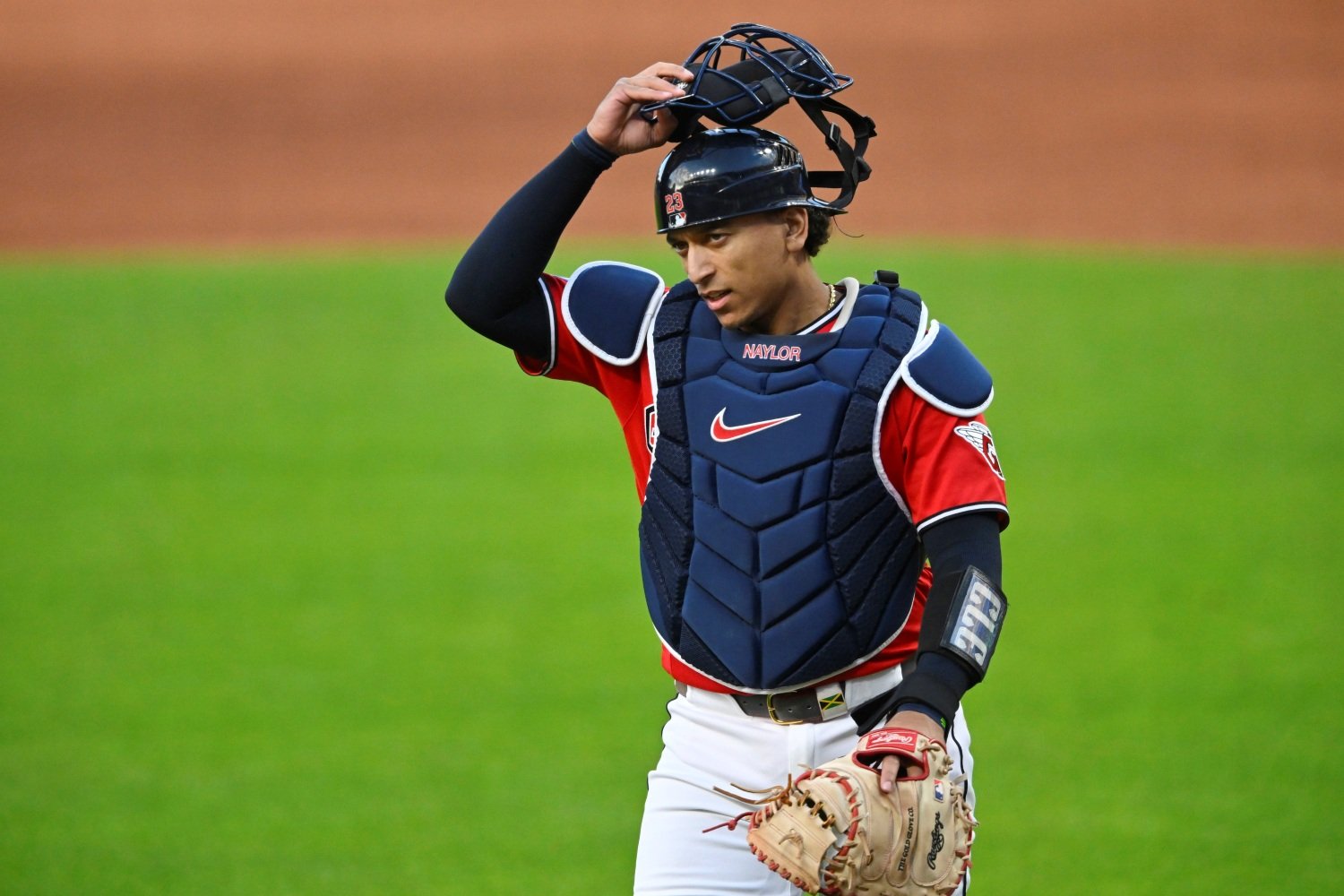 Always operating on multiple levels, the Milwaukee Brewers made their first major trade of the season Saturday morning—but the focus of it appears to be 2027 and beyond, rather than 2026. Milwaukee is sending Craig Yoho and Blake Perkins to the Cleveland Guardians in a deal that nets them catcher Bo Naylor, according to Jon Heyman of the New York Post and Robert Murray of FanSided. Guardians beat reporter Zack Meisel adds the final piece to the puzzle, noting that the Brewers will also get Codi Heuer in the deal. It amounts, then, to a swap of relievers who were not working in high leverage and of position players who had lost prominence in their respective organizations. Let's start by running through what the Brewers are getting. Naylor ranked 49th on our list of the top trade candidates for the deadline period, over at DiamondCentric: That capsule says everything about why the Brewers took interest. Everyone understands Naylor, the younger brother of Seattle first baseman Josh Naylor, to have upside left, but his bat has gone to pieces. The Crew will take over the reclamation project and try to get him back in touch with his talent. If they succeed, he could step in as their new primary backstop next spring, should they trade William Contreras this winter. If they fail, he's still a cromulent backup option, and a much cheaper one than (say) Gary Sánchez. Much work lies ahead, though. Heuer, 30, has changed hands more times than Pat Venditte on a long subway ride. He's a low-slot righty with a four-seamer that sits around 95 MPH, a slider that pairs well with it, and a changeup to keep lefties from sitting on the other two offerings. His elite release extension surely made him attractive to the Brewers, who love that trait. He's strictly a middle reliever, but they might well trust him more than Craig Yoho—if only because they trust Yoho so little. Naylor could have four more years of team control left, depending on whether and when the Brewers call him up this season. Heuer has just one, after this year. In acquiring these two fringe pieces for Yoho (still six years of control left) and Perkins (three more, if offered arbitration each time, which is unlikely), they don't gain or lose much projected team control. Rather, this move secures some value for Yoho, whom the organization has been down on for several months, and gets Perkins out of the way in an outfield logjam that needed to be addressed. The main benefit of the deal will come if they can turn Naylor back into the better version of himself. In the meantime, though, Heuer profiles as a still-optionable (for the moment) arm who can pick up innings at the bottom of the bullpen ladder and be swapped out when needed, while still offering upside as Chris Hook and Jim Henderson get to work with him. It's a move about resolving roster clutter and providing needed changes of scenery, and it's a move about the medium-term future. If it affects the 2026 Brewers' pursuit of a World Series title at all, though, it should be in the positive direction, which surely made the front office comfortable enough to pull the trigger.
- 18 comments
-
- 1
-
-
- bo naylor
- craig yoho
- (and 3 more)
-
Sources: Brewers "In On" Royals Starters Seth Lugo, Michael Wacha
Matthew Trueblood posted an article in Brewers
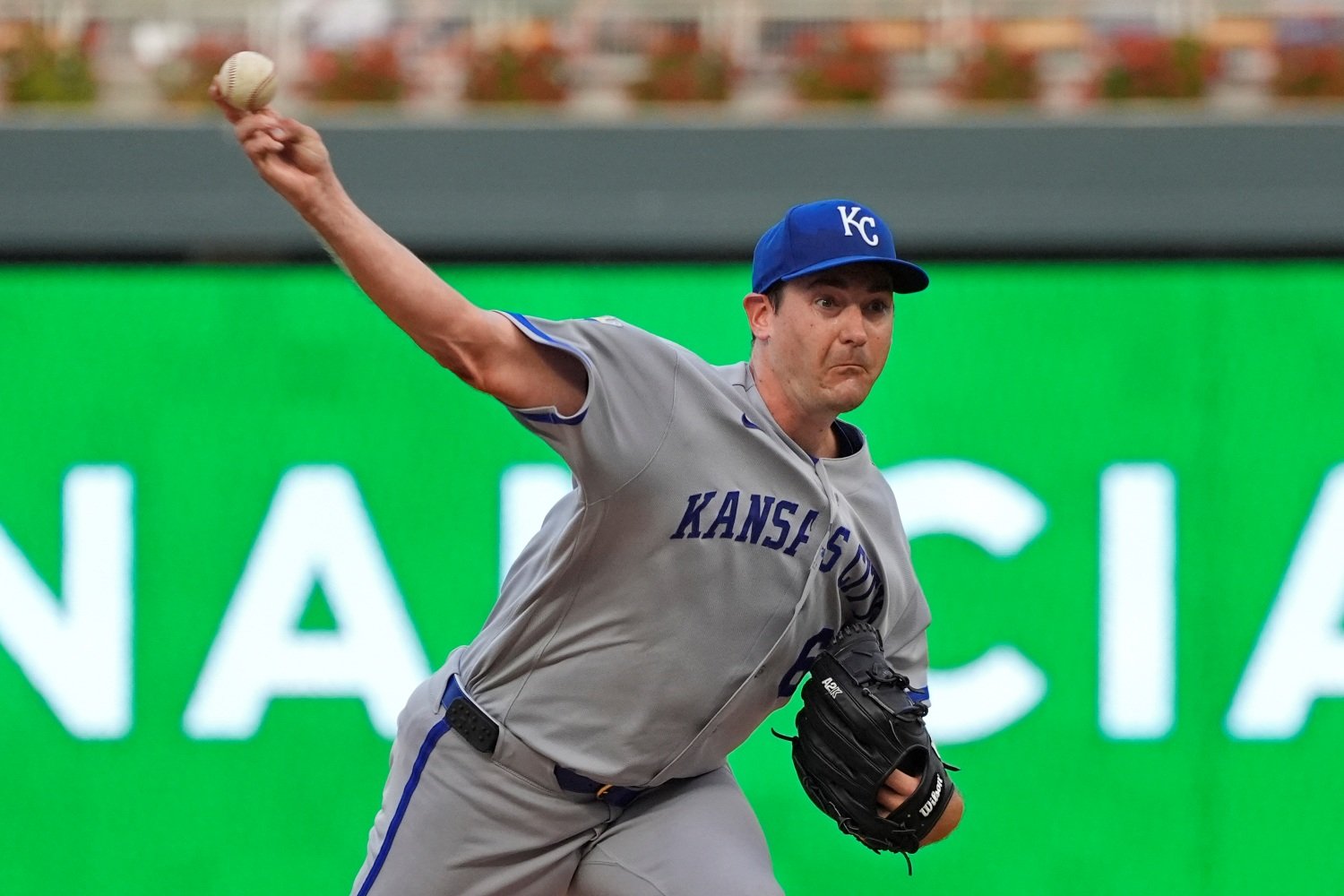 Not satisfied to shop for pure rental arms, the Brewers are in touch with the Royals about two veteran starters under contract for 2027, according to a source briefed on recent discussions between the two teams. Milwaukee scouted Seth Lugo's start at Target Field this week and are also interested in fellow righty Michael Wacha. Lugo, 36, is owed about $7 million for the balance of 2026 and another $21.5 million in 2027. There's a team option in the deal that would pay him $17 million in 2028, and which comes with a $3-million buyout. Lugo is 4-6 with a 4.22 ERA in 22 starts, and is pitching better than that of late. Over his last three outings, he's allowed just five earned runs in 19 innings. He doesn't miss bats the way he did even a year or two ago, muting the value of his exceptionally deep arsenal, but his durability and capacity to work deep into games is regarded as a huge potential boost for a Brewers staff in need of an innings sponge. Somewhat more tantalizing and fresh off a trip to the All-Star Game, Wacha is 35 years old, but has a prettier 3.60 ERA in his 21 starts. He's owed $6 million for the rest of this year and $14 million (with a chance to make another $4 million via incentives) in 2027, and his deal comes with a more affordable 2028 option. He, too, is running a below-average strikeout rate, but he's been consistently able to mute hard contact while filling up the strike zone throughout his career. These deals reflect a couple of interlinked and important realities, league sources say. One is that the Tigers' asking price on Tarik Skubal remains "unrealistic," according to one source, making it unlikely that Milwaukee will pony up for the top rental arm on the market. Another is that, with the trade deadline coming so deep in this season and the Brewers' place atop the NL Central seemingly safe, the team is reluctant to pay the trade prices even on lower-tier rentals. They would rather do so for a pitcher who can continue to ease their management of pitchers' workloads in 2027 (or beyond), and while their budget is not unlimited even for partial-season additions, they're prepared to absorb some salary obligations in order to pay lower prospect costs for the upgrades they feel they need. It's been a slightly wrong-footed fortnight for the NL Central leaders, but they still have a strong position in the playoff jostling, and there might not be a better all-around team in the league even as they're currently constructed. Teams with top-tier chips to move will try to extract Milwaukee's highest-value prospects, but the team believes they can make important improvements without setting themselves back in the future that way. The Royals' veterans offer one path to that destination; the team still has four days to explore others.
- 15 comments
-
- 2
-
-
- 2026 trade deadline
- seth lugo
- (and 1 more)
-
Image courtesy of Bruce Kluckhohn-Imagn Images Not satisfied to shop for pure rental arms, the Brewers are in touch with the Royals about two veteran starters under contract for 2027, according to a source briefed on recent discussions between the two teams. Milwaukee scouted Seth Lugo's start at Target Field this week and are also interested in fellow righty Michael Wacha. Lugo, 36, is owed about $7 million for the balance of 2026 and another $21.5 million in 2027. There's a team option in the deal that would pay him $17 million in 2028, and which comes with a $3-million buyout. Lugo is 4-6 with a 4.22 ERA in 22 starts, and is pitching better than that of late. Over his last three outings, he's allowed just five earned runs in 19 innings. He doesn't miss bats the way he did even a year or two ago, muting the value of his exceptionally deep arsenal, but his durability and capacity to work deep into games is regarded as a huge potential boost for a Brewers staff in need of an innings sponge. Somewhat more tantalizing and fresh off a trip to the All-Star Game, Wacha is 35 years old, but has a prettier 3.60 ERA in his 21 starts. He's owed $6 million for the rest of this year and $14 million (with a chance to make another $4 million via incentives) in 2027, and his deal comes with a more affordable 2028 option. He, too, is running a below-average strikeout rate, but he's been consistently able to mute hard contact while filling up the strike zone throughout his career. These deals reflect a couple of interlinked and important realities, league sources say. One is that the Tigers' asking price on Tarik Skubal remains "unrealistic," according to one source, making it unlikely that Milwaukee will pony up for the top rental arm on the market. Another is that, with the trade deadline coming so deep in this season and the Brewers' place atop the NL Central seemingly safe, the team is reluctant to pay the trade prices even on lower-tier rentals. They would rather do so for a pitcher who can continue to ease their management of pitchers' workloads in 2027 (or beyond), and while their budget is not unlimited even for partial-season additions, they're prepared to absorb some salary obligations in order to pay lower prospect costs for the upgrades they feel they need. It's been a slightly wrong-footed fortnight for the NL Central leaders, but they still have a strong position in the playoff jostling, and there might not be a better all-around team in the league even as they're currently constructed. Teams with top-tier chips to move will try to extract Milwaukee's highest-value prospects, but the team believes they can make important improvements without setting themselves back in the future that way. The Royals' veterans offer one path to that destination; the team still has four days to explore others. View full article
-
Image courtesy of John Hefti-Imagn Images Just as a team will sometimes rest their starting catcher on the day before an off day, the Brewers chose an opportune moment to push back Shane Drohan in the team's starting rotation. Drohan will get two extra days between outings this way, after Milwaukee called up Thomas Pannone to make a spot start Wednesday. The team will have an off day in Los Angeles Thursday before starting a weekend series with the Angels in Anaheim on Friday, and the bump gives Drohan and all of the team's other starters some breathing room. This is the massaging of workloads they've talked about all year. This is the luxury afforded to a team on pace for 100 wins and an easy division title, even after an ugly loss Wednesday. However, that loss did end up exposing some real cracks in the team's foundation for success. Pannone was serviceable, but Pat Murphy treated the outing more like the first phase of a bullpen game than like a true spot start, pulling the peripatetic lefty after just 56 pitches and three innings of three-run ball. At Triple-A Nashville, Pannone had made eight straight appearances with at least 80 pitches thrown and had gotten at least 16 outs in the last four. He was working on seven days' rest. Though the game might have gotten away from Milwaukee in the middle innings if Pannone had been left in a while, that option was available. Murphy, with his steadfast belief in trying to win every game, eschewed it. That meant calling upon Chad Patrick to pitch the fourth and fifth, and to start the sixth. He survived the first two of those frames without allowing a run, and the Brewers chipped away at the Giants' lead in the meantime. When the bottom of the sixth began, it was 3-2 in favor of the home side. Patrick, however, wasn't fooling San Francisco at all. The Giants only swung at 18 of his 47 pitches, and didn't whiff even once in those 18 tries. Patrick has been working through mechanical issues lately, and he's not the same weapon the team often enjoyed when he was assigned to the bullpen late last year. In the sixth, he ran out of ways to gut it out, and left without getting an out. Trying to throw a hat on a firehose, Murphy turned to Aaron Ashby, Somewhat like Patrick, Ashby is showing signs of wearing and buckling under heavy use recently, and Wednesday became the latest and most glaring example. Ashby faced six batters, threw 24 pitches, recorded one out, and left the game in the care of Bryse Wilson—a sure sign that the horses were out of the barn. Uncharacteristically sloppy defense behind them hurt the Brewers hurlers, but the day was a reminder that the team has real needs to address before Monday's trade deadline, even if they're less urgent than those of some of their rivals. Another starting pitcher would be a huge addition; it would obviate things like Wednesday's Pannone start. The team doesn't want to overexpose its young and inexperienced arms, but to shield them from overuse, they need to have good alternatives to whom to turn. The game also underscored the need for at least one reliever, to bolster a bullpen with similar problems to the starting staff's: a lot of guys nearing workload thresholds beyond which they're likely to become less effective. It's easy to forget, because the team never plays quite as deep into October as fans would like, but the Brewers have extra taxes to pay the pitching gods because of the extra innings they must throw each fall. Their season goes anywhere from one to three weeks past the end of the regular campaign, which means a few extra miles on the odometer of any pitcher whom they keep around for multiple seasons and a few fewer days to rest before spring training rolls back around. Ashby and Patrick are in that situation; so are Abner Uribe and Jacob Misiorowski. Turnover is needed; so is reinforcement. The Brewers entered spring training with so much pitching depth it felt almost redundant, but they need to make multiple additions over the next four days to ensure that they won't peter out in the NLCS again this time. Ashby and Patrick can still be superb pitchers in the roles Murphy has carved out for them, but they need a bit of a break, just as Drohan and the other starters on the staff do. Unless and until more talent pours through the door, it's harder to find those breaks for the team's vital relievers. View full article
-
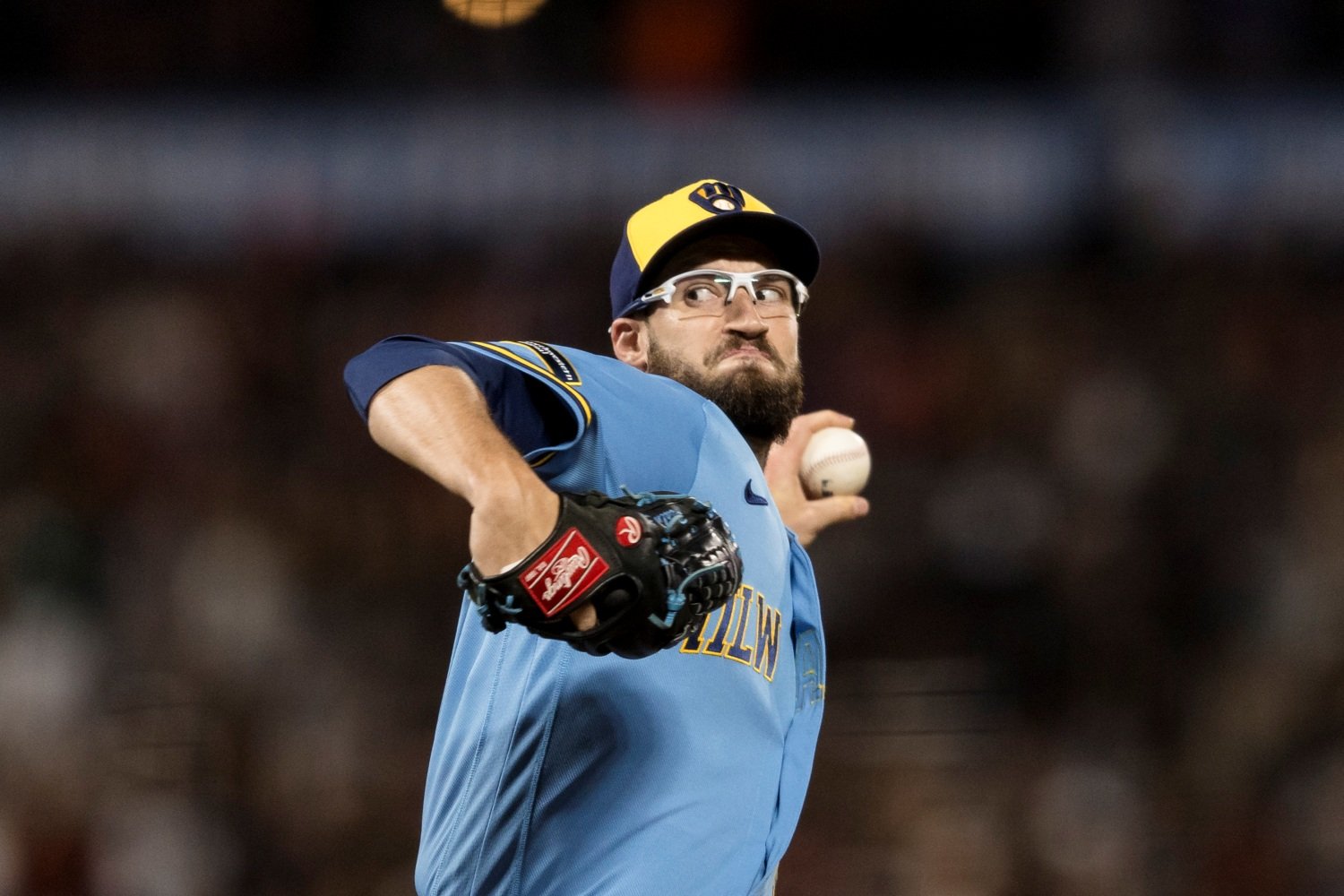 Just as a team will sometimes rest their starting catcher on the day before an off day, the Brewers chose an opportune moment to push back Shane Drohan in the team's starting rotation. Drohan will get two extra days between outings this way, after Milwaukee called up Thomas Pannone to make a spot start Wednesday. The team will have an off day in Los Angeles Thursday before starting a weekend series with the Angels in Anaheim on Friday, and the bump gives Drohan and all of the team's other starters some breathing room. This is the massaging of workloads they've talked about all year. This is the luxury afforded to a team on pace for 100 wins and an easy division title, even after an ugly loss Wednesday. However, that loss did end up exposing some real cracks in the team's foundation for success. Pannone was serviceable, but Pat Murphy treated the outing more like the first phase of a bullpen game than like a true spot start, pulling the peripatetic lefty after just 56 pitches and three innings of three-run ball. At Triple-A Nashville, Pannone had made eight straight appearances with at least 80 pitches thrown and had gotten at least 16 outs in the last four. He was working on seven days' rest. Though the game might have gotten away from Milwaukee in the middle innings if Pannone had been left in a while, that option was available. Murphy, with his steadfast belief in trying to win every game, eschewed it. That meant calling upon Chad Patrick to pitch the fourth and fifth, and to start the sixth. He survived the first two of those frames without allowing a run, and the Brewers chipped away at the Giants' lead in the meantime. When the bottom of the sixth began, it was 3-2 in favor of the home side. Patrick, however, wasn't fooling San Francisco at all. The Giants only swung at 18 of his 47 pitches, and didn't whiff even once in those 18 tries. Patrick has been working through mechanical issues lately, and he's not the same weapon the team often enjoyed when he was assigned to the bullpen late last year. In the sixth, he ran out of ways to gut it out, and left without getting an out. Trying to throw a hat on a firehose, Murphy turned to Aaron Ashby, Somewhat like Patrick, Ashby is showing signs of wearing and buckling under heavy use recently, and Wednesday became the latest and most glaring example. Ashby faced six batters, threw 24 pitches, recorded one out, and left the game in the care of Bryse Wilson—a sure sign that the horses were out of the barn. Uncharacteristically sloppy defense behind them hurt the Brewers hurlers, but the day was a reminder that the team has real needs to address before Monday's trade deadline, even if they're less urgent than those of some of their rivals. Another starting pitcher would be a huge addition; it would obviate things like Wednesday's Pannone start. The team doesn't want to overexpose its young and inexperienced arms, but to shield them from overuse, they need to have good alternatives to whom to turn. The game also underscored the need for at least one reliever, to bolster a bullpen with similar problems to the starting staff's: a lot of guys nearing workload thresholds beyond which they're likely to become less effective. It's easy to forget, because the team never plays quite as deep into October as fans would like, but the Brewers have extra taxes to pay the pitching gods because of the extra innings they must throw each fall. Their season goes anywhere from one to three weeks past the end of the regular campaign, which means a few extra miles on the odometer of any pitcher whom they keep around for multiple seasons and a few fewer days to rest before spring training rolls back around. Ashby and Patrick are in that situation; so are Abner Uribe and Jacob Misiorowski. Turnover is needed; so is reinforcement. The Brewers entered spring training with so much pitching depth it felt almost redundant, but they need to make multiple additions over the next four days to ensure that they won't peter out in the NLCS again this time. Ashby and Patrick can still be superb pitchers in the roles Murphy has carved out for them, but they need a bit of a break, just as Drohan and the other starters on the staff do. Unless and until more talent pours through the door, it's harder to find those breaks for the team's vital relievers.
- 11 comments
-
- 1
-
-
- 2026 trade deadline
- shane drohan
- (and 1 more)
-
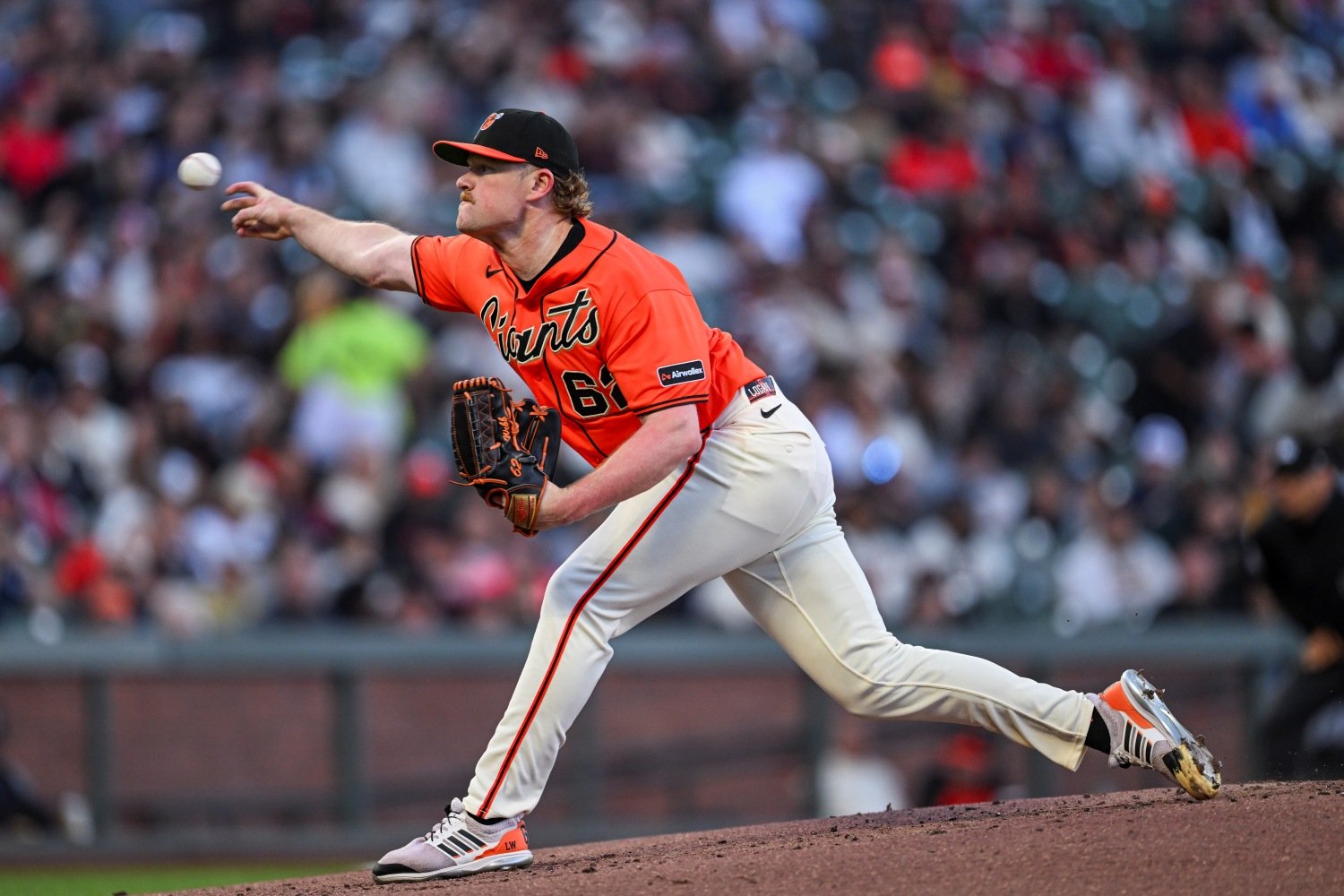 It's easy to identify the superstar most likely to be traded before the MLB trade deadline next Monday. It's two-time defending AL Cy Young Award winner Tarik Skubal, of the flailing Tigers. Skubal isn't a great fit for the Milwaukee Brewers, though. He's still due more than $10 million for the balance of this season, and this November, he becomes eligible for free agency. If he's traded, the acquiring team won't even be able to extend him a qualifying offer and collect draft-pick compensation when he heads for the open market. That's not a very Brewers-y target, especially since the Tigers are likely to demand high-level prospects in exchange for the short-term rental of their mega-ace. The odds of the Crew giving up the massive haul the Padres will want for Mason Miller aren't much higher. Pairing Jacob Misiorowski and Miller on the same staff sounds like a dream, and Miller is under team control beyond this season, but his gaudy stats and saves totals will make him expensive. It's also risky to give up multiple young players to land a hurler with so much obvious injury risk attached to them—and not the kind of 'risky' that fits the decision-making framework of a team like Milwaukee. Nationals infielder CJ Abrams is having a career year, hurtling toward what could be 40 home runs and 30 steals at age 25. He's under team control for two more seasons, too. So what's the catch? Well, just that, actually. Abrams is a poor defender, unsuited to shortstop for a team as defense-minded as the Brewers, and his best alternative position would be second, where the team already has a down-ballot MVP candidate in Brice Turang. Under no pressure to move Abrams, the Nationals will hold onto him unless they get multiple top prospects; the Brewers are unlikely to pony up that way for a player who doesn't fit their roster well. Who, then, is the best player the Brewers might actually be willing and able to acquire in the next six days? Most teams are constrained by either their ability to spend or the depth of their farm system. There's certainly some limit on what Mark Attanasio will approve, financially, but the Brewers have some flexibility there. More importantly (since prospects are currency in July), they have the best farm system in baseball, and a young enough big-league roster to trade from that depth fearlessly if they get the right chance. There might be players who are functionally unavailable right now, except to the Brewers. Here are a few of them. James Wood This is the dream scenario, though it also seems to demand a bit of temerity from Matt Arnold that seemed to belong more to his former boss, David Stearns. Wood, 23, still has a whopping four years of team control left after 2026, and the Nationals seem to be ahead of schedule in their rebuild. They absolutely won't trade Wood, whom they acquired as the co-headliner of the Juan Soto deal in 2021 (alongside Abrams)—unless they get an even richer package for him than for Soto. That would mean Jesus Made and more. This deal would be akin to the Brewers trading for Christian Yelich in January 2018. It would be a major shakeup, and it would be risky, even with Cooper Pratt in place as a shortstop who can make losing Made hurt a bit less. It would also add a .272/.398/.556 hitter to their lineup. It might just make them favorites to win the World Series. Logan Webb The big concerns about a rotation spearheaded by Jacob Misiorowski and Kyle Harrison aren't about performance; they're about availability. With Logan Webb, availability is never in doubt. He's topped 200 innings in each of the last three seasons, a virtual miracle in the modern game. He's smack in the middle of a five-year, $90-million deal that looks very team-friendly, and even as they ponder a major roster overhaul, the Giants have said he's not available. Again, though, the Brewers have the farm system to make a player like Webb available, given the Giants' circumstances and Milwaukee's organizational depth. Again, add Webb to the rotation, and you're instant favorites for the pennant. Like Wood, he would be a boost not only immediately, but into the future. Hunter Goodman A recent report in The Athletic indicated that reservations about Goodman's defense have dinged his trade value enough to make a deal unlikely. That should only be music to the Brewers' ears. With one of the league's best catching instruction infrastructures, they would have a chance to mend the biggest weakness in a profile that has already netted Goodman two 30-homer seasons and two All-Star appearances. His huge raw power would augment the lineup for the rest of this season, and the team could then consider trading William Contreras this winter without feeling as uneasy about turning things over to one of their top catching prospects. Goodman is under team control through 2029. Gunnar Henderson In all likelihood, Arnold will blanch at the asking prices if he even checks in on Wood, Webb or Goodman. A slightly better plan might be to buy low on a player with superstar upside, experiencing a brutal season. Gunnar Henderson is only batting .221/.292/.401 this season, and although he's only 25 years old, he'll be a free agent in the fall of 2028. However, not for nothing was he a member of Team USA at the World Baseball Classic. He's demonstrated a virtually MVP-level ceiling as a two-way contributor at shortstop, and if coming to Milwaukee meant moving to third base, he'd be great there, defensively. 'Buying low,' here, would still mean giving up a lot; the Brewers would have to believe they can rapidly cure what has ailed him at the plate all year. It's an intriguing potential gambit, though. The Guys You Still Can't Get It's worth mentioning the names of two other players on a cellar-dwelling team, who make at least some sense as trade candidates. Unfortunately, because that team is the Cincinnati Reds, a trade to Milwaukee is still almost unimaginable—and the Brewers might be as scared to deal Made or other top prospects to Cincinnati as the Reds would be to send stars to their regional hegemon. Elly De La Cruz is piecing together outright superstardom, one thing at a time. This year, he's walking more than ever and lifting the ball a bit more consistently. Formerly hapless from the right side, he's become a truer switch-hitter and has hammered lefty pitchers. His defense has gotten more consistent. He still has three more years of team control left. The Reds would surely prefer to extend him, but it's clear that he's already pricing himself out of town. There's almost no chance he's dealt this week, though, and surely, the Reds will refuse outright to ship him anywhere else in their division. It's a slightly different story where Hunter Greene is concerned, but the ending is the same. The Reds have control of him through 2029, too, but it's expensive control: they signed him to a nine-figure deal in 2023. He missed almost the whole first half with arm trouble, and his numbers look shaky since his return. The stuff is still overpowering, though, so while they might be open to dealing Greene—they've moved on to Chase Burns as their de facto ace, signing him to a deal not unlike Greene's—the Reds will retain him if they don't get a huge haul. Neither the Brewers nor the Reds will want to heap their plates with the risks associated with swapping a bunch of young Milwaukee talent under cost and club control for Greene. A relatively straightforward deadline is the smart bet. The Brewers don't have big needs, or big motivation to deplete their elite depth. They do have an unusual opportunity, though. There are a handful of guys throughout the league whom they can acquire, whereas virtually no one else can. That has to stay in the back of the mind, for Arnold and for Brewers fans, over the next six days.
- 11 comments
-
- 2
-
-
- 2026 trade deadline
- james wood
- (and 8 more)

